
Cabbage and Onion Boil Recipe: Southern Style
Some recipes solve the “what am I even cooking today?” problem without making you feel like you just signed up for a full-time job.
This cabbage and onion boil is one of those meals that feels low effort but tastes like you actually tried.
It’s hearty, salty, buttery, and ridiculously comforting in a way that makes you wonder why cabbage doesn’t get more respect. And yes, it’s Southern-style, which basically means we’re not being shy with seasoning.
Ingredients
Method
- Melt butter in a large pot over medium heat. Add sliced onions and cook for 4 to 5 minutes until softened.
- Add garlic and cook for about 30 seconds until fragrant.
- Pour in chicken broth and stir to combine.
- Add Cajun seasoning, smoked paprika, black pepper, salt, red pepper flakes, bay leaves, and hot sauce if using. Bring to a simmer.
- Add potatoes and corn if using. Simmer for 10 to 12 minutes until slightly tender.
- Add sliced sausage and cook for 5 minutes to release flavor into the broth.
- Gently place cabbage wedges into the pot. Cover and simmer for 12 to 15 minutes until tender but still holding shape.
- Remove from heat and stir in apple cider vinegar.
- Taste and adjust seasoning if needed.
- Serve hot with broth spooned over the top.
What Makes This Recipe Shine
This recipe works because it’s simple food done the right way, and that’s kind of the whole Southern cooking vibe.
You’re not trying to impress anyone with fancy plating or complicated techniques, but the flavors still hit hard.
Cabbage gets tender and slightly sweet, onions melt into the broth, and everything soaks up the seasoning like it was born for it.
The biggest reason it shines is the balance. Cabbage can taste boring if you treat it like a diet vegetable, but when you boil it with onion, garlic, butter, and the right spices, it turns into something completely different.
It becomes soft without turning to mush, flavorful without tasting heavy, and it holds onto the broth like it’s guarding it.
I also love how forgiving this recipe is. If you’re the type of person who doesn’t measure everything perfectly, congratulations, this recipe is basically your best friend.
You can adjust the salt, spice, and meat options without ruining the whole thing, and it still tastes like a warm bowl of comfort.
Another reason this one wins is that it’s cheap. Like, “I can feed myself for a couple days without crying at the grocery receipt” cheap. Cabbage and onions are usually affordable everywhere, and you can add sausage or smoked meat depending on your budget and mood.
And honestly, the smell alone is worth it. When the onions and seasonings start simmering, your kitchen smells like you know what you’re doing. It’s the kind of aroma that makes people walk in and ask, “Okay… what’s cooking?” even if they weren’t hungry five minutes ago.
Ingredients You’ll Need
- 1 large head of green cabbage (cut into wedges, keep the core so it holds together)
- 2 large yellow onions (sliced thick, not paper-thin)
- 4 tablespoons butter (real butter, not margarine)
- 6 cups chicken broth (or water with bouillon if that’s what you’ve got)
- 4 cloves garlic (minced or smashed)
- 1 tablespoon Cajun seasoning (adjust based on heat tolerance)
- 1 teaspoon smoked paprika (adds that “Southern” depth)
- 1 teaspoon black pepper (fresh ground if possible)
- 1 teaspoon salt (start light, broth and sausage add salt later)
- 1 teaspoon red pepper flakes (optional, but highly recommended)
- 2 bay leaves (small ingredient, big impact)
- 1 tablespoon apple cider vinegar (wakes everything up)
- 1 pound smoked sausage (sliced into thick rounds)
- 4–6 small red potatoes (optional, but they make it more filling)
- 2 ears corn (optional, cut into chunks)
- 1 tablespoon hot sauce (optional, but Southern people will judge you if you skip it)
Step-by-Step Instructions
Step 1: Prep Everything First
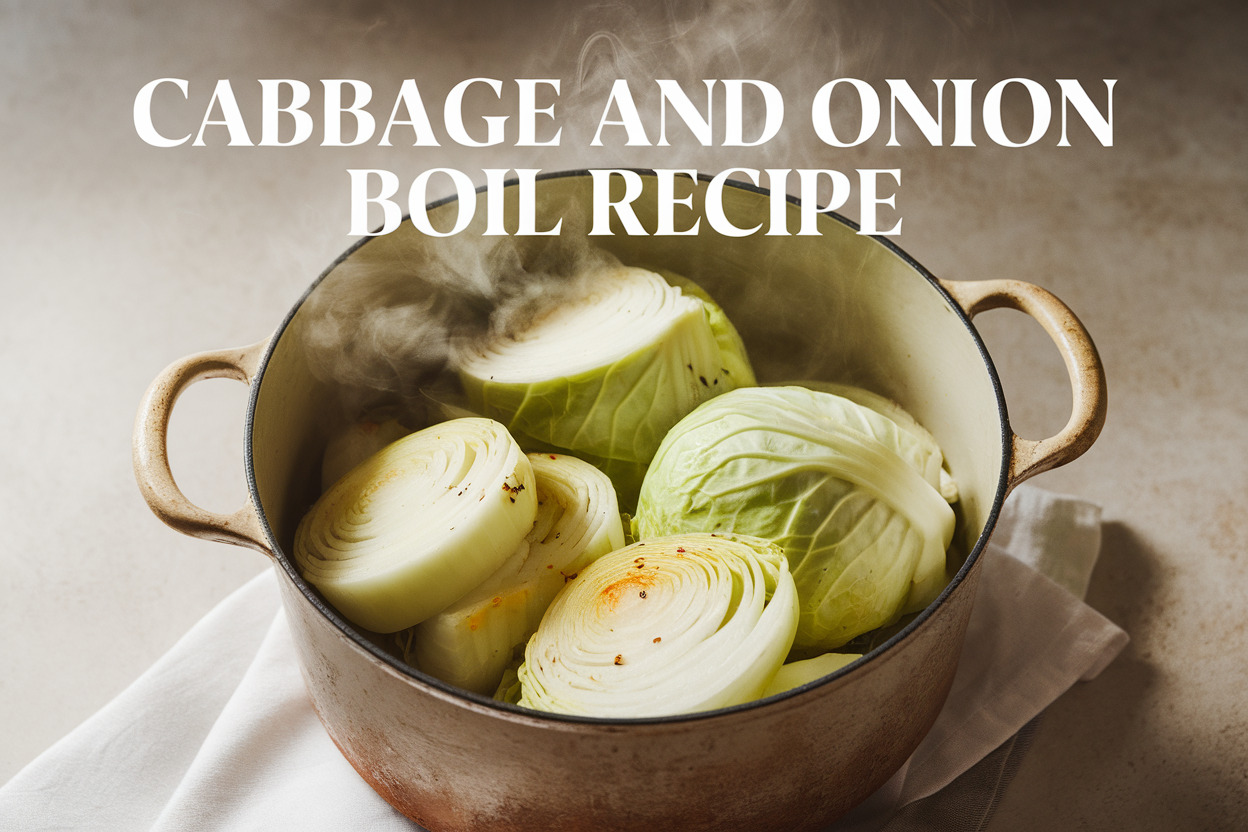
Start by cutting your cabbage into wedges, and don’t cut out the core completely. That core is basically the cabbage’s glue, and without it, the wedges fall apart and turn into floating cabbage confetti.
Slice your onions thick so they don’t disappear into nothing. Thin onions are fine for salads, but here you want them soft and sweet, not melted into the broth like they never existed.
If you’re using potatoes and corn, prep those now too. The potatoes should be small enough to cook through without turning into mashed potato soup, so halve them if they’re on the bigger side.
Step 2: Build the Flavor Base
Grab a big pot, like the biggest one you own, and toss in the butter. Melt it over medium heat and add the onions right away so they start soaking up that butter like they were made for it.
Let the onions cook for about 4–5 minutes, stirring occasionally. You’re not trying to caramelize them fully, but you do want them softened and slightly golden.
Add the garlic next and cook it for about 30 seconds. Don’t walk away, because garlic goes from “perfect” to “burnt and bitter” in the blink of an eye.
Step 3: Add the Broth and Seasonings
Pour in your chicken broth and scrape the bottom of the pot with a spoon. That little layer of buttery onion goodness stuck to the bottom is flavor, and you want it in your broth, not glued to your pot.
Now add Cajun seasoning, smoked paprika, black pepper, salt, red pepper flakes, bay leaves, and hot sauce if you’re using it. Stir it well and let it come to a simmer.
This is the moment where the pot starts smelling like a Southern kitchen. It’s not subtle, and it shouldn’t be.
Step 4: Cook the Potatoes and Corn (If Using)
If you’re adding potatoes and corn, throw them in first. They take longer than cabbage, and if you toss everything in at once, the cabbage will overcook while the potatoes stay stubbornly firm.
Let them simmer for about 10–12 minutes. You want the potatoes to start softening but not fully cooked yet.
Taste the broth at this stage. It should taste slightly stronger than you want the final dish, because the cabbage will soak up seasoning and mellow things out.
Step 5: Add the Smoked Sausage
Add the sliced smoked sausage and stir it in. Let it simmer for about 5 minutes so the sausage starts releasing its smoky flavor into the broth.
This step matters more than people think. Sausage flavor isn’t just in the meat, it’s in the fat and seasoning that leaks into the liquid, and that’s what makes the whole pot taste richer.
If you use a spicy sausage, you can reduce the red pepper flakes later. If you use mild sausage, don’t be afraid to bring the heat yourself.
Step 6: Add the Cabbage Carefully
Now place the cabbage wedges into the pot gently. Try to tuck them in so they sit in the broth, but don’t panic if the pot looks too full at first.
Cabbage shrinks a lot once it starts cooking. It’ll look like you made a huge mistake for the first few minutes, but it settles down quickly.
Cover the pot and let it simmer for about 12–15 minutes. Check occasionally and spoon broth over the top if the cabbage isn’t fully submerged.
Step 7: Finish With Vinegar and Butter
Once the cabbage is tender but still holding its shape, turn off the heat. Add the apple cider vinegar and give the pot a gentle stir.
That vinegar doesn’t make it taste sour, it just brightens everything up. It’s like the difference between “good” and “wow, what is in this?”
If you want extra richness, add another tablespoon of butter at the end. I’m not saying you need it, but I’m also not saying you shouldn’t.
Step 8: Serve It Like You Mean It
Scoop out cabbage wedges, potatoes, corn, onions, and sausage into bowls. Ladle broth over the top because that broth is basically liquid gold at this point.
If you like extra spice, hit it with a little more hot sauce. If you like extra comfort, serve it with cornbread or a thick slice of buttered bread.
And yes, it tastes even better the next day, which is honestly one of the best parts.
Common Mistakes to Avoid
One of the biggest mistakes is cutting the cabbage too small. People get nervous and chop it like they’re making coleslaw, then wonder why it turns into mushy cabbage soup. You want wedges, not shreds, because cabbage needs structure to survive boiling.
Another common issue is under-seasoning the broth at the start. Cabbage soaks up flavor like a sponge, and if your broth tastes bland before the cabbage goes in, the final dish will taste like warm water with vegetables. Taste as you go and don’t be afraid of bold seasoning.
Overcooking is also a classic mistake. Cabbage goes from “tender and buttery” to “sad and limp” pretty fast, and once it’s overcooked, there’s no fixing it. Keep an eye on it and pull it off the heat when it still holds its shape.
People also mess up by throwing everything in at once. Potatoes and corn take longer than cabbage, and sausage needs time to flavor the broth properly. If you cook everything together from the start, you’ll end up with soft cabbage and undercooked potatoes, which is just annoying.
Another mistake is using the wrong sausage. If you use a bland sausage with no smoke or spice, the whole dish loses its Southern soul. Smoked sausage, andouille, or kielbasa works best because it brings that deep flavor that cabbage needs.
And finally, skipping the vinegar at the end is a missed opportunity. It doesn’t sound important, but it makes the flavors pop instead of tasting flat. It’s one of those “trust me on this” ingredients.
Alternatives & Substitutions
If you don’t have chicken broth, water works fine, but you need to boost flavor with bouillon cubes or chicken base. Plain water alone won’t cut it unless you’re okay with the pot tasting like it’s missing something. I’ve tried it both ways, and broth is definitely the better move.
For the sausage, you can swap smoked sausage with andouille if you want more heat. Kielbasa works great too, and it’s usually easy to find, even in smaller grocery stores. If you want to make it extra Southern, smoked ham hocks or smoked turkey necks give it that slow-cooked flavor that feels like grandma’s cooking.
If you’re trying to keep it lighter, you can skip sausage completely and just use more seasoning and butter. It’ll still taste good, but it won’t have that smoky depth unless you add smoked paprika and maybe a little liquid smoke. Liquid smoke is powerful though, so don’t go crazy unless you want your kitchen smelling like a barbecue pit.
You can also throw in carrots if you want a touch of sweetness. Carrots soften beautifully in this broth and make the whole pot taste richer without adding anything heavy. Celery works too, but it’s more of a background flavor, so don’t expect it to steal the show.
For spice, Cajun seasoning is the easiest option, but you can make your own mix if you’re picky. A blend of paprika, garlic powder, onion powder, cayenne, oregano, thyme, salt, and pepper gets you close. I personally like store-bought Cajun seasoning because it saves time, and I’m not trying to prove anything.
If you want a more seafood-boil style version, toss in shrimp during the last 3–4 minutes of cooking. Shrimp cooks fast, and it turns this into something that feels way more special. Just don’t cook shrimp too long or it turns rubbery, and nobody wants that.
FAQ
Can I make cabbage and onion boil without sausage?
Yes, and it still tastes good if you season it properly. You’ll want to increase smoked paprika and maybe add a little extra butter so the broth doesn’t feel thin. If you can, add a smoked ingredient like smoked turkey or even a small amount of bacon.
How do I know when the cabbage is done?
The cabbage should be tender when you poke it with a fork, but it shouldn’t fall apart. If the leaves start slipping off and turning floppy, you’ve gone too far. I usually aim for “soft but still holding together” because it keeps the dish satisfying.
Can I use purple cabbage instead of green cabbage?
You can, but it changes the whole vibe. Purple cabbage has a slightly different flavor and it can tint the broth a weird purplish color, which might not look appetizing. Green cabbage is the classic choice for a reason.
What’s the best pot size for this recipe?
Go bigger than you think you need. Cabbage takes up a lot of space before it cooks down, and you don’t want broth boiling over while you’re trying to fit wedges into the pot. A large stockpot is the safest option.
Can I make this in a slow cooker?
Yes, but the texture will be softer. Add potatoes and sausage first, then add cabbage during the last 1–2 hours so it doesn’t turn to mush. Slow cookers don’t give you the same control, but the flavor still comes out great.
How long does cabbage boil last in the fridge?
It stays good for about 3–4 days in an airtight container. The flavor actually gets better the next day because everything has more time to blend together. Just reheat it gently so the cabbage doesn’t fall apart.
Can I freeze cabbage and onion boil?
You technically can, but cabbage gets softer after freezing and reheating. If you don’t mind the texture being a little more tender, it’s fine. I personally prefer it fresh or refrigerated, because the cabbage holds up better.
Final Thoughts
This cabbage and onion boil is one of those recipes that feels almost too easy for how good it tastes. It’s cozy, flavorful, and surprisingly filling without being heavy or complicated.
Once you make it a couple times, you’ll start adjusting it like it’s your own family recipe, and that’s honestly the fun part. Keep it simple, season it boldly, and don’t overcook the cabbage, and you’ll end up with a pot that tastes like pure Southern comfort.