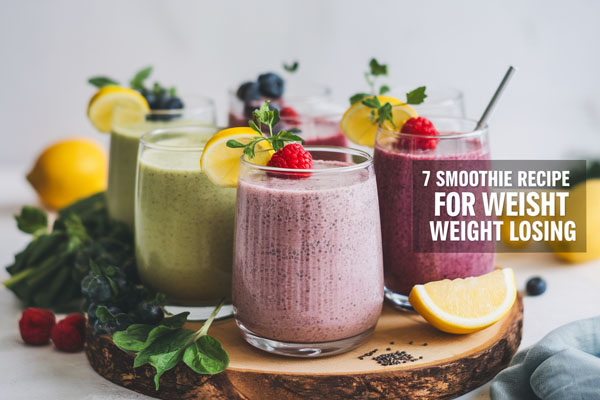
Creamy Coconut Milk Smoothie Recipe at Home
A good coconut milk smoothie should taste rich and creamy without turning into a heavy, weird milkshake situation.
That balance is what most homemade smoothies miss, and honestly, it’s why so many people give up and go back to overpriced smoothie shops.
This version nails that thick, smooth texture while still tasting clean and refreshing. It’s fast, flexible, and works even if you’re not the type of person who measures ingredients perfectly.
What Makes This Recipe Shine
The biggest reason this smoothie works is because coconut milk brings natural richness without needing yogurt, ice cream, or a bunch of extra nonsense.
It gives you that creamy texture instantly, which means you don’t have to rely on frozen bananas alone to do all the heavy lifting.
I also love how coconut milk has this slightly sweet, tropical flavor that feels like it belongs in a smoothie. Some “healthy smoothies” taste like blended grass and regret, but coconut milk makes everything taste more dessert-like without actually being a sugar bomb.
Another reason this recipe shines is how forgiving it is. You can use fresh fruit, frozen fruit, or even that bag of freezer fruit you bought three months ago and forgot about. Coconut milk covers a lot of sins, which makes it perfect for busy mornings or lazy afternoons.
Texture-wise, this smoothie hits that sweet spot between thick and drinkable. It’s not watery, but it also doesn’t force you to chew it like oatmeal. I’ve made versions that were too thick before, and trust me, nobody wants to fight their smoothie with a spoon unless it’s basically ice cream.
It’s also a great smoothie for people who want dairy-free options that don’t taste “alternative.” Almond milk smoothies can be nice, but they sometimes taste thin. Coconut milk doesn’t play that game, and it gives you a more satisfying result.
And if we’re being real, this smoothie just feels like a treat. It’s the kind of thing you can sip and think, okay yeah, I’m doing something good for myself today, without feeling like you’re stuck in a boring health routine.
Ingredients You’ll Need
- 1 cup coconut milk (from a carton or can) (carton is lighter, canned is richer and thicker)
- 1 frozen banana (this is the secret to thickness without needing a mountain of ice)
- 1 cup frozen mango chunks (or pineapple if you want a sharper tropical taste)
- 1 tablespoon honey or maple syrup (optional, but helpful if your fruit isn’t sweet)
- 1 teaspoon vanilla extract (makes the flavor feel smoother and more “dessert-like”)
- 1 tablespoon chia seeds (optional, but great for extra fiber and thickness)
- 1/2 cup ice (only if needed, depending on how frozen your fruit is)
- Pinch of salt (sounds odd, but it boosts sweetness and balances flavor)
Step-by-Step Instructions
1. Choose Your Coconut Milk Style
Start by deciding whether you want a lighter smoothie or a richer one. If you use carton coconut milk, the smoothie stays refreshing and easy to drink, almost like a tropical juice smoothie.
If you use canned coconut milk, you’ll get a thicker and creamier result with a stronger coconut flavor. I personally lean toward canned coconut milk when I want that “smoothie shop” vibe, but carton coconut milk works better when I want something I can drink quickly without feeling stuffed.
Pour 1 cup into your blender and make sure it’s well mixed. Canned coconut milk separates, so give it a shake or stir first unless you enjoy random chunks of coconut cream floating around.
2. Add the Banana for Creaminess
Drop in your frozen banana next. This ingredient does most of the work when it comes to texture, and it’s why your smoothie won’t taste thin.
The banana also naturally sweetens everything, which means you won’t need as much honey or syrup later. If your banana is super ripe before freezing, the smoothie will taste noticeably better, so don’t waste the pale green ones here.
If your banana is stuck in a frozen clump, let it sit for a minute or two. Your blender will thank you, and you won’t get that horrible grinding noise that sounds like it’s about to explode.
3. Add Frozen Mango for the Tropical Flavor
Next, toss in your frozen mango chunks. Mango gives the smoothie a smooth sweetness and keeps it from tasting flat, which is something coconut milk smoothies can struggle with if you don’t add the right fruit.
Mango also blends beautifully compared to some fruits that leave weird bits behind. If you want a slightly brighter, tangier smoothie, pineapple works great too, but mango gives the creamiest overall flavor.
At this point, you should already see the smoothie coming together as a proper thick blend instead of a watery drink. This is the stage where it starts looking like something you’d pay $9 for at a smoothie bar.
If your mango is not sweet, don’t worry about it yet. You can adjust sweetness later after blending once.
4. Add Flavor Boosters (Vanilla, Sweetener, Salt)
Add the vanilla extract, and don’t skip it unless you absolutely have to. Vanilla makes the smoothie taste more rounded, like it has depth, instead of just tasting like fruit and coconut.
Now add honey or maple syrup if you want extra sweetness. I usually taste my fruit first mentally, because frozen mango can be hit or miss depending on the brand, and some batches taste like sweet heaven while others taste like frozen disappointment.
Add a tiny pinch of salt, and yes, it matters. Salt doesn’t make the smoothie salty, it just makes everything taste brighter and more balanced.
If you’re adding chia seeds, toss them in now. They thicken the smoothie slightly and give it more staying power, which is nice if you want this smoothie to actually hold you over.
5. Blend Until Smooth and Creamy
Blend everything on high for about 30 to 45 seconds. If your blender struggles, stop and scrape the sides, then blend again.
You want the smoothie to look silky, not chunky. Coconut milk smoothies should feel luxurious, and chunks ruin that whole experience fast.
If the smoothie is too thick, add a splash more coconut milk and blend again. If it’s too thin, add a few more frozen mango chunks or a little extra banana and blend again.
This is where you get to customize the texture exactly how you like it. I like mine thick enough that it pours slowly, but still drinkable without needing a spoon.
6. Taste and Adjust Like a Normal Person
Before you pour it into a glass, taste it. This step is what separates a great smoothie from an “it’s fine, I guess” smoothie.
If it needs sweetness, add a little honey. If it tastes too rich, squeeze in a tiny bit of lemon juice or add a few pineapple chunks to brighten it up.
If the coconut flavor feels too strong, add a bit more fruit or even a splash of water. Coconut milk can be intense, and sometimes it needs a little balancing.
Blend again for 10 seconds after any adjustments. Once it tastes right, pour it into a glass immediately because smoothies don’t get better as they sit.
Common Mistakes to Avoid
One of the most common mistakes is using too much coconut milk and not enough frozen fruit. That’s how you end up with a thin smoothie that tastes like coconut water with sadness mixed in.
You want coconut milk to support the fruit, not drown it. Stick to about 1 cup of liquid for 1 to 2 cups of frozen fruit, and you’ll get a much better texture.
Another mistake is using canned coconut milk without mixing it first. Canned coconut milk separates, so if you scoop straight from the top, you might accidentally add mostly coconut cream, which makes the smoothie super heavy.
Now, if you want a thick smoothie bowl style drink, that’s fine. But if you want a normal smoothie you can sip, you need the coconut milk to be evenly blended before you pour it into the blender.
People also mess up by adding too much ice. Ice seems harmless, but it waters down flavor fast and can make your smoothie taste bland.
Frozen fruit already chills and thickens your smoothie, so ice should be optional. I only use ice if my fruit isn’t frozen enough or if I want the smoothie extra cold.
Another classic mistake is skipping salt. I know it sounds strange, but smoothies without salt often taste like something is missing.
Salt makes sweetness pop and gives the smoothie a fuller taste. It’s the same reason a tiny pinch of salt makes cookies taste better, and smoothies aren’t magically exempt from that rule.
Finally, don’t underestimate how much blending matters. If you blend too little, your smoothie ends up gritty and uneven, especially with chia seeds.
A smoothie should feel smooth and consistent from the first sip to the last. If it feels rough or chunky, blend longer and stop rushing the process.
Alternatives & Substitutions
If you don’t have mango, pineapple is the easiest swap. Pineapple gives a brighter, tangier smoothie that tastes more like a tropical drink, and it pairs insanely well with coconut milk.
Strawberries also work if you want a coconut-berry vibe, but the flavor feels less tropical and more like a dessert smoothie. Personally, I love coconut and strawberry together, but it changes the mood completely.
If banana isn’t your thing, you can replace it with frozen avocado. It sounds weird, but avocado makes smoothies thick and creamy without adding sweetness.
The smoothie will taste less fruity and more neutral, so you’ll probably want to add honey or dates if you go this route. It’s a great option if you want a smoothie that feels more filling.
For extra protein, you can add a scoop of vanilla protein powder. Coconut milk smoothies handle protein powder well, especially vanilla flavors, because the coconut taste masks that chalky protein vibe.
Just keep an eye on thickness because protein powder can make the smoothie heavier. You may need a splash of extra coconut milk to loosen it.
If you want it more refreshing and less rich, try using coconut water instead of coconut milk. You’ll lose the creamy texture, but the flavor becomes lighter and more hydrating.
I like coconut water smoothies in hot weather, but for everyday smoothies, coconut milk just feels more satisfying. Coconut water smoothies also work better if you’re adding greens like spinach.
If you want a sweeter smoothie without honey, throw in 1 or 2 soft Medjool dates. Dates blend well and give a caramel-like sweetness that works beautifully with coconut milk.
I will say though, dates can overpower the fruit flavor if you use too many. Start with one and taste before adding another.
For a fun variation, add a spoonful of peanut butter or almond butter. Coconut and nut butter sounds like it wouldn’t work, but it actually tastes amazing and makes the smoothie feel like a full meal.
It turns the smoothie into a richer, almost milkshake-style drink, so it’s not something I’d drink every day. But when you want something comforting, it’s a solid move.
FAQ
Can I use canned coconut milk for this smoothie?
Yes, and it’ll make the smoothie way creamier. Canned coconut milk has more fat, so the texture turns thick and rich almost instantly.
Just mix the can well first, because it separates into cream and liquid. If you skip that step, your smoothie might come out weirdly heavy or inconsistent.
Is this coconut milk smoothie healthy?
It can be, depending on what you add. Coconut milk has healthy fats, and the fruit gives you fiber and natural sweetness, which is already a good start.
The only thing that can turn it into a sugar bomb is going overboard with honey or sweetened coconut milk. If you keep it simple, it’s a solid healthy smoothie.
Can I make this smoothie without banana?
Absolutely, but you’ll need another ingredient for creaminess. Frozen mango helps, but banana gives the smoothest texture.
If you don’t want banana, frozen avocado works great, or you can add a few tablespoons of coconut yogurt. The flavor changes slightly, but it still tastes good.
How do I make it thicker like a smoothie bowl?
Use canned coconut milk, reduce the liquid slightly, and add extra frozen fruit. You can also add chia seeds and let the smoothie sit for a couple minutes so they thicken it naturally.
Another easy trick is to add a handful of frozen cauliflower. It sounds strange, but it thickens without changing the flavor much.
Can I store this smoothie in the fridge?
You can, but it won’t taste as good. The smoothie will separate, and the texture won’t stay as creamy.
If you really need to store it, keep it in a sealed jar and shake it hard before drinking. Still, fresh is always better with smoothies.
What fruits taste best with coconut milk?
Mango and pineapple are the top-tier choices, no question. They match coconut’s tropical flavor and blend smoothly without tasting sharp or weird.
Strawberries, peaches, and blueberries also work, but they give the smoothie a different vibe. Mango-coconut will always taste like the “main character” combo.
Can I add coffee to a coconut milk smoothie?
Yes, and it’s surprisingly good. Coconut and coffee together create this creamy, slightly sweet flavor that feels like a fancy iced latte.
Use chilled brewed coffee or a shot of espresso, and balance it with banana or dates. If you add hot coffee, it’ll melt your frozen fruit and mess up the texture.
Final Thoughts
This creamy coconut milk smoothie is one of those recipes that feels almost too easy for how good it tastes. It’s rich, thick, and naturally sweet without needing a long ingredient list or fancy tricks.
Once you make it a couple times, you’ll start adjusting it without even thinking. And honestly, that’s when smoothies become fun instead of feeling like another chore on the “healthy lifestyle” checklist.