Fluffy Cottage Cheese Scrambled Eggs Recipe
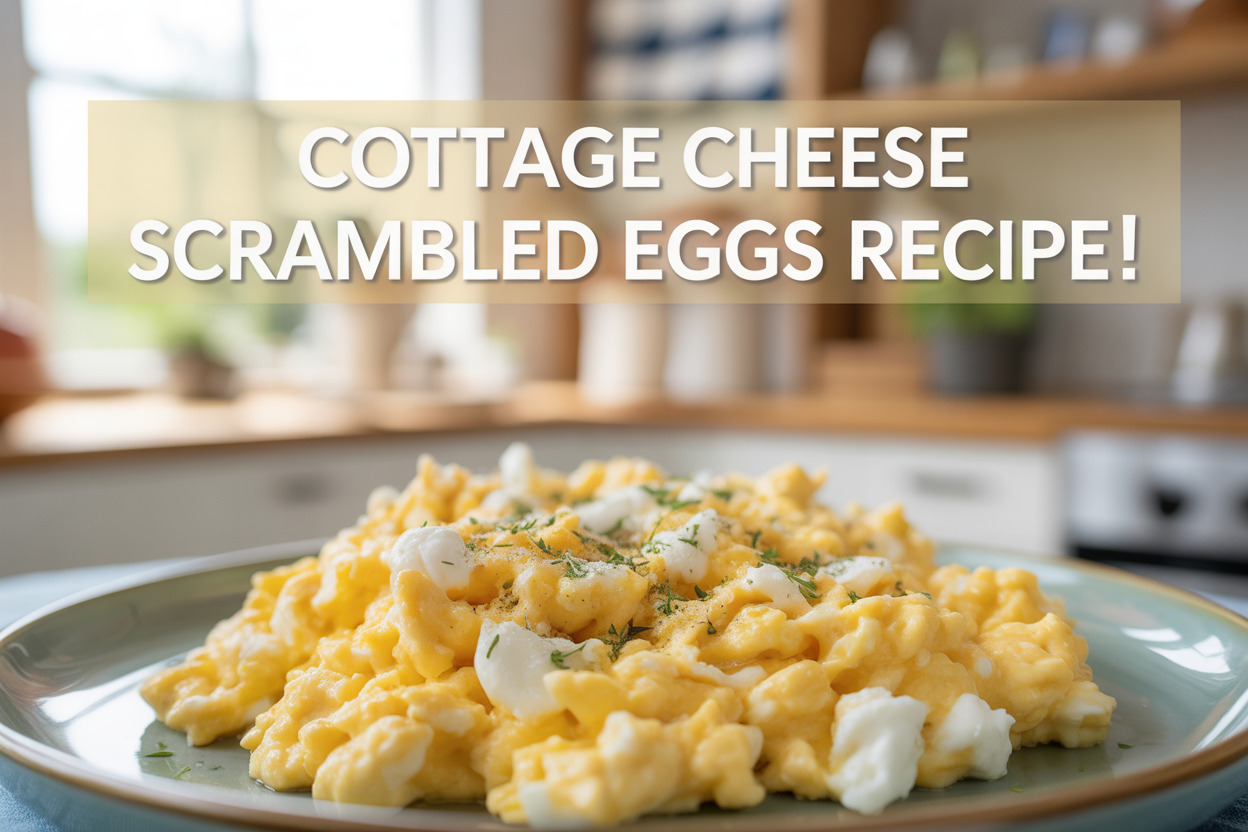
Protein-packed breakfasts usually taste either dry or overly complicated, but this one fixes both problems in a single pan.
Fluffy eggs don’t require fancy techniques, just the right ingredient added at the right time. Cottage cheese turns regular scrambled eggs into something softer, richer, and honestly more satisfying.
This recipe keeps things simple and practical without sacrificing flavor. It works for busy mornings, lazy weekends, or even a quick dinner when you’re not in the mood to cook something elaborate.
Ingredients
Method
- Crack eggs into a bowl, add a pinch of salt, and whisk until fully combined and slightly frothy.
- Gently stir in cottage cheese, leaving small curds visible.
- Heat a nonstick skillet over low to medium-low heat and melt butter.
- Pour egg mixture into the pan and let sit for about 20 seconds.
- Gently push eggs from edges toward the center using a spatula.
- Continue cooking slowly, stirring occasionally, until soft curds form.
- Remove from heat while eggs are still slightly glossy.
- Season with black pepper and add optional herbs or spices before serving.
What Makes This Recipe Shine
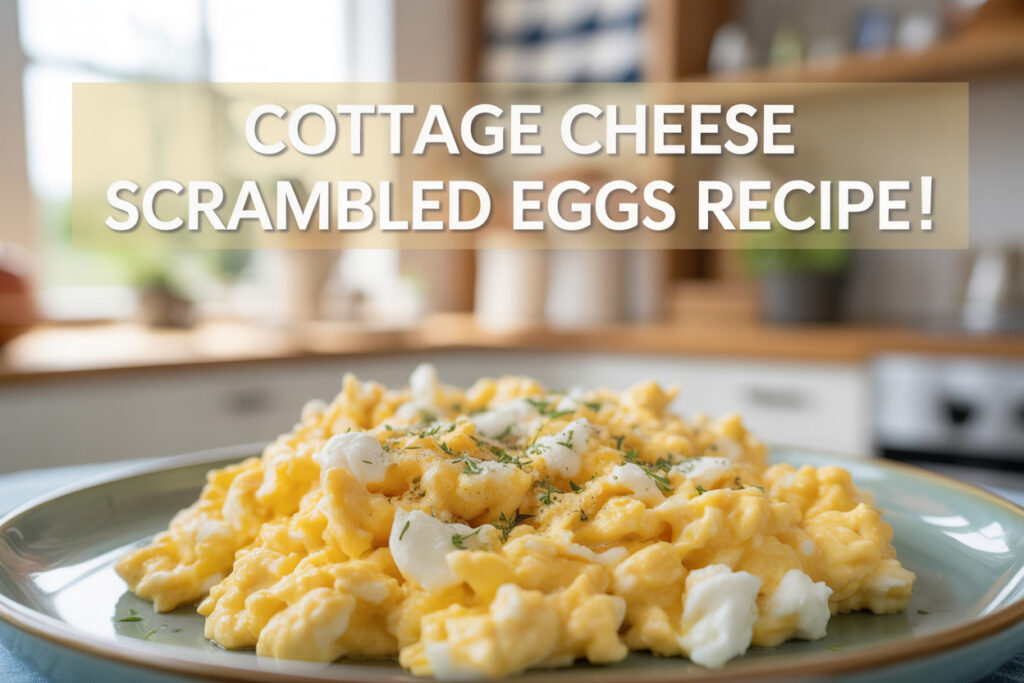
Most scrambled eggs fail because people cook them too hot and too fast, then wonder why they taste rubbery. Cottage cheese changes the texture completely by adding moisture and protein without making the eggs watery. It melts into the curds and creates this soft, creamy finish that feels almost indulgent but still light.
I used to think fluffy eggs meant adding milk or cream, but cottage cheese does a much better job. It gives body and richness without flattening the flavor. Instead of tasting diluted, the eggs taste fuller and more savory.
Another thing I love is how forgiving this recipe is. Even if you slightly overcook them, the cottage cheese helps prevent that dry, crumbly texture that nobody enjoys. It acts like a safety net for people who tend to multitask while cooking, which, let’s be honest, happens all the time.
And the protein boost is real. If you’re trying to stay full longer or avoid random snack attacks two hours later, this combo works surprisingly well.
Ingredients You’ll Need
- 4 large eggs
- ½ cup full-fat cottage cheese (small curd works best for smoother texture)
- 1 tablespoon butter (unsalted preferred)
- Salt, to taste
- Freshly ground black pepper, to taste
- Optional: chopped chives, parsley, or green onions
- Optional: pinch of garlic powder or smoked paprika
Use full-fat cottage cheese if possible because it melts more smoothly and tastes richer. Low-fat works in a pinch, but it won’t be quite as creamy.
Step-by-Step Instructions
Step 1: Whisk the Eggs Properly
- Crack the eggs into a bowl and add a small pinch of salt.
- Whisk vigorously for about 20–30 seconds until the yolks and whites fully combine and look slightly frothy.
Whisking well matters more than people realize. It incorporates air, which helps the eggs puff slightly as they cook.
Step 2: Fold in the Cottage Cheese
- Gently stir in the cottage cheese without overmixing.
- Leave small curds visible because they will melt into the eggs while cooking.
You don’t need to blend it smooth unless you want a completely uniform texture. I personally like a bit of visible curd because it creates pockets of creaminess.
Step 3: Control the Heat
- Place a nonstick skillet over low to medium-low heat.
- Add the butter and let it melt slowly without browning.
High heat ruins scrambled eggs faster than anything. Keep the temperature moderate and patient.
Step 4: Cook Slowly and Stir Gently
- Pour the egg mixture into the pan.
- Let it sit for about 20 seconds, then use a spatula to gently push the eggs from the edges toward the center.
- Continue folding and stirring slowly as soft curds begin to form.
The key here is movement without aggression. Don’t scramble frantically like you’re trying to win a speed contest.
Step 5: Remove at the Right Time
- Take the pan off the heat while the eggs still look slightly glossy.
- Let residual heat finish the cooking process.
- Add black pepper and optional herbs right before serving.
If you wait until they look fully set in the pan, they’ll end up overcooked on the plate. Slight softness equals perfect texture.
Common Mistakes to Avoid
The biggest mistake is cooking the eggs over high heat because it feels faster. That high temperature squeezes out moisture and turns them firm and dry before you even notice. Low and steady always wins here.
Another issue is over-stirring. Constant rapid stirring breaks the curds into tiny bits and makes the texture grainy instead of fluffy.
Some people add too much cottage cheese thinking more equals creamier. It actually makes the eggs heavy and slightly wet if you overdo it.
Skipping salt until the very end can also dull the flavor. A small amount mixed into the eggs before cooking helps season them evenly.
Alternatives & Substitutions
If you prefer a smoother texture, blend the cottage cheese before adding it to the eggs. That trick works great if you’re serving someone who claims they “don’t like cottage cheese” but won’t even notice it once it’s blended.
You can swap butter for olive oil, though butter gives better flavor in my opinion. Olive oil makes it slightly lighter but less rich.
For extra flavor, add shredded cheddar, feta, or even a little grated Parmesan. Just don’t overload the pan with too many add-ins or the eggs lose their soft texture.
If dairy isn’t your thing, you can experiment with dairy-free cottage-style alternatives, though the texture will change. I’ve tried it once, and it works, but it doesn’t quite reach the same creamy level.
FAQ
Can I make these scrambled eggs ahead of time?
Scrambled eggs taste best fresh because they continue to firm up as they sit. You can store leftovers in the fridge for up to two days, but reheat gently on low heat to avoid drying them out.
Does cottage cheese make the eggs taste cheesy?
It adds mild creaminess rather than strong cheese flavor. The eggs still taste like eggs, just richer and softer.
Can I use egg whites only?
Yes, but the texture will be slightly less rich. If you go with egg whites, consider adding a bit more cottage cheese for balance.
What type of cottage cheese works best?
Small curd, full-fat cottage cheese melts best and blends smoothly. Large curd works too, but the texture will be chunkier.
How do I keep scrambled eggs soft?
Keep the heat low, stir gently, and remove them from the pan while slightly underdone. Residual heat finishes cooking without drying them out.
Can I add vegetables?
Absolutely. Sauté vegetables like spinach, mushrooms, or bell peppers first, then fold in the egg mixture so you don’t introduce excess moisture.
Final Thoughts
Simple recipes often outperform complicated ones when technique is right. Cottage cheese scrambled eggs prove that you don’t need heavy cream or fancy tricks to get a soft, fluffy texture.
Once you make them this way, regular scrambled eggs might feel a little boring. Keep the heat low, trust the process, and enjoy a breakfast that actually keeps you full without weighing you down.