10 Budget-Friendly Large Pantry Ideas That Actually Save Shelf Space
A big pantry sounds like a dream until you realize it's just a big mess waiting to happen. Without a plan, those spacious shelves turn into a black hole for half-used bags and mismatched containers. The good news?
You don't need a designer budget to fix it. These 10 clever ideas focus on real-world solutions that save shelf space without costing a fortune.
Each tip is practical, easy to implement, and designed to make your pantry work harder for you. Let's dive into smart storage that actually delivers.
1. Use Clear Bins for Loose Items
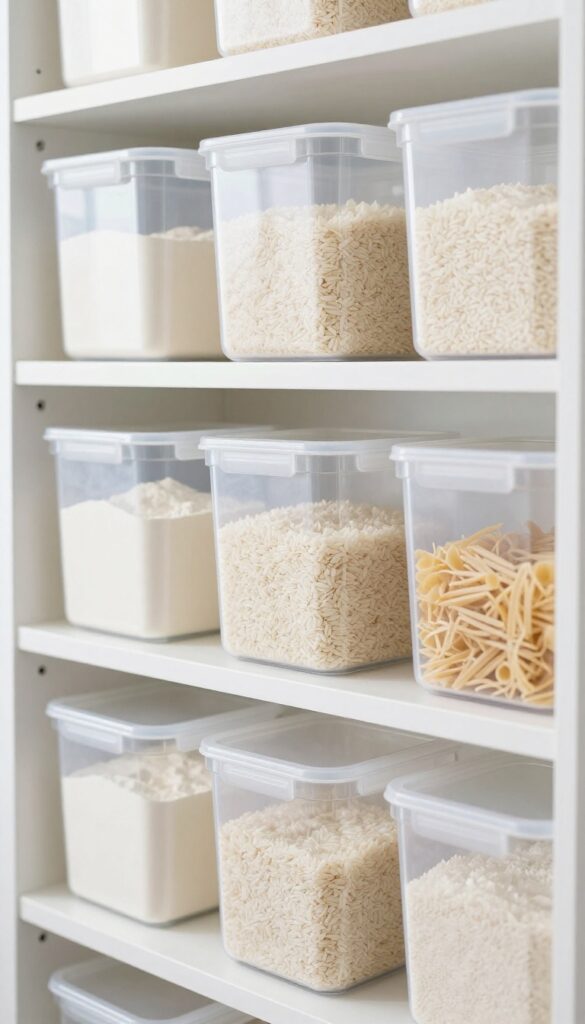
Those half-empty bags of rice, pasta, and flour are shelf-space bullies. They topple over, spill, and make it impossible to see what you actually have. Clear, stackable bins solve this by giving every dry good a tidy home.
The see-through walls let you spot exactly what you need at a glance, and the stackable design means you can use vertical space that usually goes to waste. Plus, they keep everything fresh and spill-free, so your shelves stay clean and organized.
Why It Works
- Clear bins turn a jumbled pantry into a streamlined system. Because you can see the contents instantly, you avoid buying duplicates and wasting food. The stackable nature doubles your shelf space, and the airtight lids keep pantry pests out and food crisp longer.
- It’s a low-cost, high-impact swap that makes your pantry feel like a mini market aisle.
Best For
This idea is ideal for anyone who buys in bulk or has a deep pantry where things get lost. It’s also perfect for families with kids who need to grab snacks quickly without making a mess. If you’re on a budget, clear bins are one of the cheapest upgrades you can make—dollar stores and big-box retailers carry them for just a few dollars each.
Styling Tip
Stick to one bin shape and size for a uniform look—rectangle bins fit shelves better than round ones. Label each bin with a chalkboard sticker or a simple white label for extra clarity. To keep the aesthetic clean, choose bins with smooth, transparent plastic rather than textured ones, and group similar items together (all baking supplies on one shelf, all snacks on another).
2. Install Tension Rods for Vertical Storage
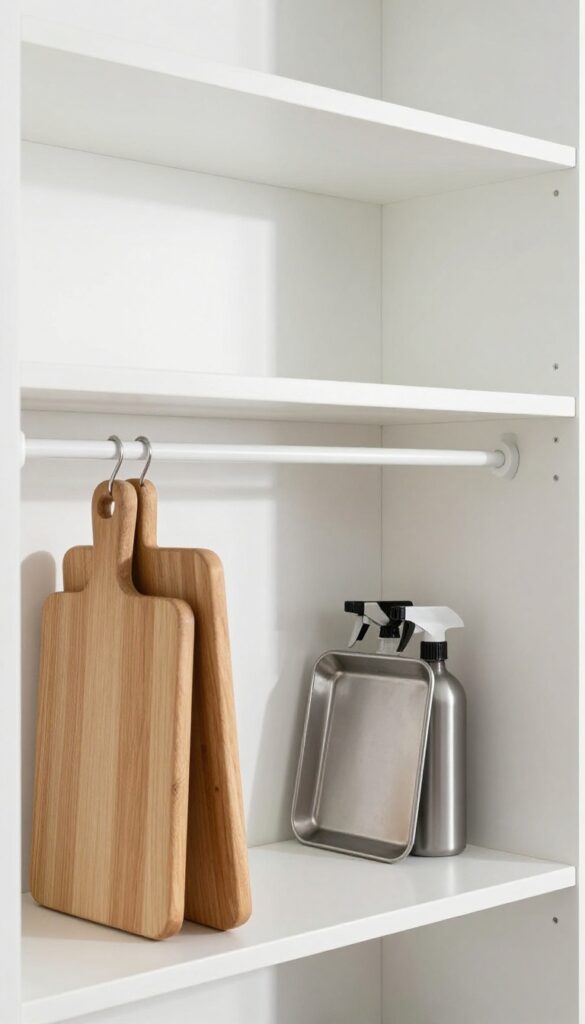
That narrow gap between shelves often goes to waste, but a simple tension rod changes everything. By adding one or two vertically between shelves, you create instant dividers for cutting boards, baking sheets, and even spray bottles. It's a five-minute upgrade that costs under $10 and instantly doubles your usable space.
Why It Works
Tension rods are adjustable and require no tools or drilling, so you can reposition them as needed. They keep flat items upright and organized, preventing the dreaded leaning tower of pans. The vertical separation also makes it easier to grab what you need without shuffling everything around.
Best For
This trick is perfect for deep or tall pantry shelves where large, flat items tend to get buried. It also works wonders for storing spray bottles upright, keeping them from tipping over and leaking. If you have a narrow space between shelves, a tension rod is your best friend.
Styling Tip
Choose white or chrome tension rods to blend in with standard shelving. For a cohesive look, group similar items like all wooden cutting boards or matching baking sheets on one rod. You can also use a shorter rod horizontally to hold lightweight items like rolls of parchment paper or foil.
3. Repurpose Magazine Holders for Snacks
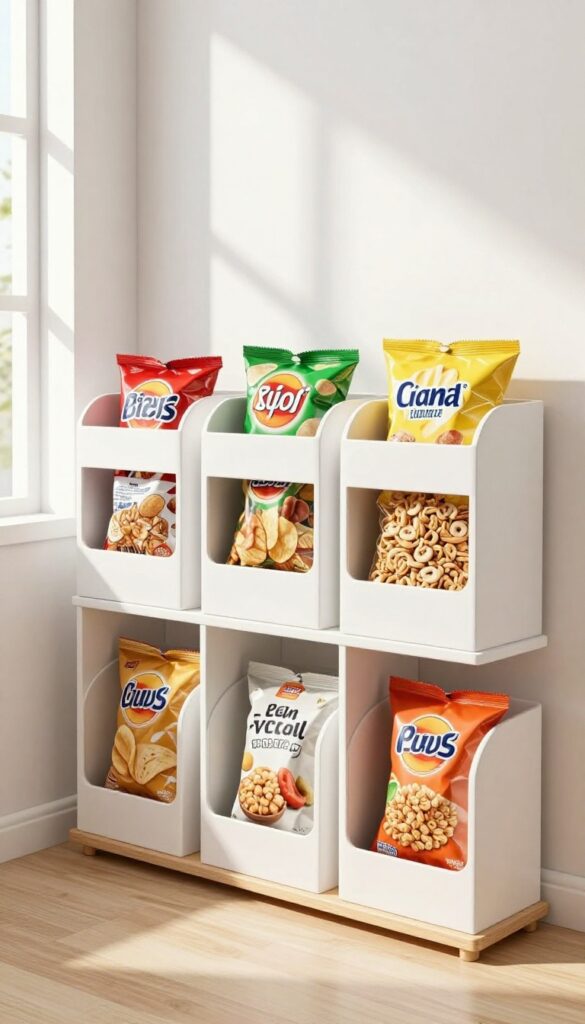
Snack bags are the ultimate shelf-space villains. They flop over, slide around, and hide behind taller items, turning your pantry into a crumpled mess. Magazine holders—the same ones you might use for bills or catalogs—are a genius, low-cost fix.
Slide a few onto a shelf and suddenly your chip bags, granola pouches, and foil-wrapped treats stand at attention like little soldiers. It’s a clean, organized look that costs next to nothing and makes grabbing a snack feel effortless.
Why It Works
- Magazine holders create vertical boundaries that keep floppy packaging upright and visible. Instead of stacking bags on top of each other (which leads to forgotten items and crushed chips), each holder acts like a mini cubby. You can see every option at a glance, and you never have to dig through a pile to find what you want.
- The open front makes grabbing and restocking a breeze.
Best For
This trick is perfect for narrow shelves where standard bins don’t fit, or for deep shelves where small bags tend to get lost. It’s also great for renters who want an organizer that doesn’t require drilling or permanent fixtures. Use it for snacks, yes, but also for tea packets, instant oatmeal envelopes, or even foil wraps and parchment paper rolls.
Styling Tip
Stick to one color or material for a cohesive look—black wire holders feel industrial, while white cardboard or woven seagrass ones blend into a boho pantry. If your holders are plain, add a small label on the spine (like “Chips” or “Granola”) for extra polish. Group three or four together on a shelf for a neat, boutique-like display.
4. Add a Second Shelf with Wire Shelving
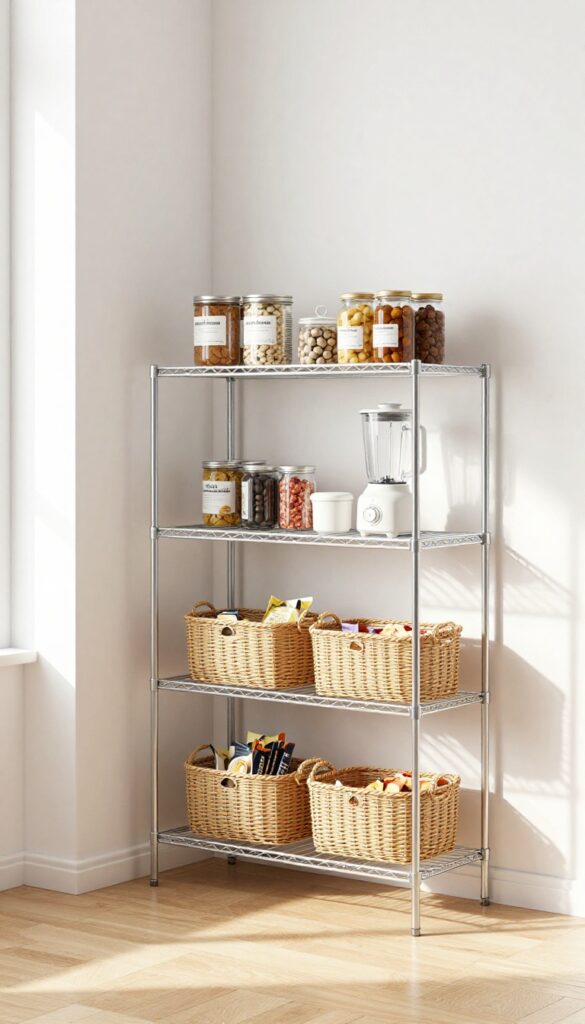
Pantry shelves often waste vertical space because they're too far apart. A standalone wire shelf unit slides right in and instantly doubles your storage without any tools or permanent changes. The open metal design keeps everything visible and air circulates freely, so canned goods stay neat and dry.
Why It Works
Wire shelving is budget-friendly and adjustable. You can choose a unit that fits your exact pantry width, and the open grid prevents small items from getting lost. It's an instant space-maker for cans, jars, and even small appliances like a blender or toaster.
Best For
Renters or anyone who wants a quick, no-commitment upgrade. Great for narrow pantries where you need to stack items without blocking access to the back. Also ideal for organizing overflow from bulk buys or holiday baking supplies.
Styling Tip
Stick to one or two shelf heights to keep the look uniform. Use matching baskets or bins on the lower shelf for snacks and packets, and leave the upper shelf for taller jars and cans. A small tension rod underneath can hold spray bottles or dish towels.
5. Use Adhesive Hooks for Mugs and Utensils
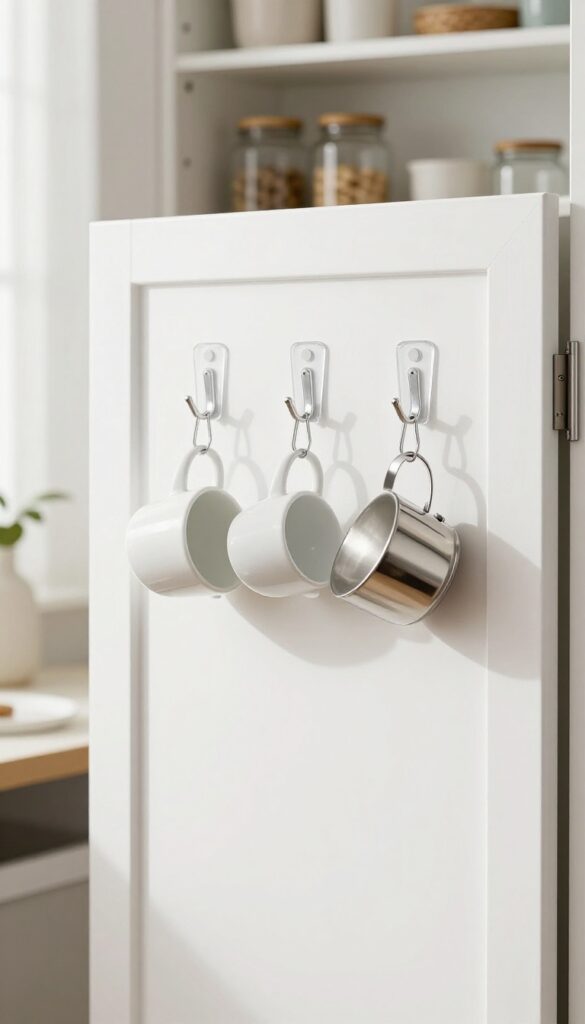
Pantry doors are prime real estate that often goes ignored. Sticking a few adhesive hooks on the inside surface instantly creates a handy spot for mugs, measuring cups, or small utensils. It's a five-minute upgrade that makes your morning coffee routine a little smoother and frees up shelf space for actual food.
Why It Works
Adhesive hooks are incredibly easy to install—no drilling, no tools. They turn a flat, unused surface into vertical storage, which is exactly what cramped pantries need. By hanging items you reach for daily, you also cut down on rummaging through cabinets.
Best For
This trick works wonders in small pantries or apartment kitchens where every inch counts. It's especially useful for coffee stations or baking zones, keeping mugs, scoops, and measuring spoons within arm's reach without cluttering shelves.
Styling Tip
Stick with clear or white hooks to keep the look clean and minimal. For a cohesive feel, hang matching mugs or utensils in a neat row. If your pantry door is visible from the kitchen, consider using hooks in a brushed nickel or matte black finish to tie into your hardware.
6. Stack Cans with DIY Risers
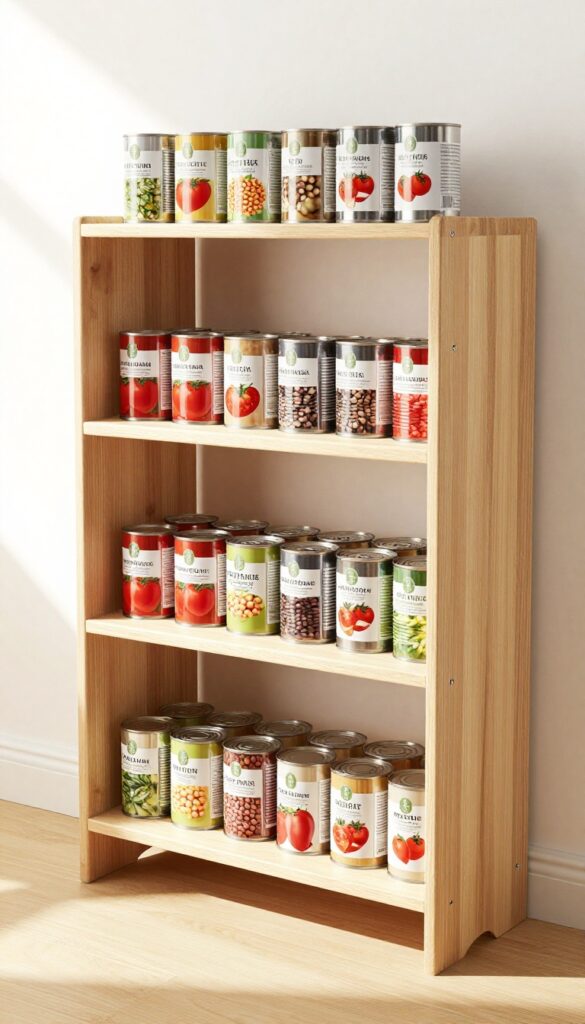
Cans are the ultimate pantry space hogs. They roll, they hide, and they create a frustrating game of shelf Tetris every time you need a single can of diced tomatoes. A simple DIY solution changes that entirely.
By building tiered risers from cardboard or wood, you turn a flat shelf into a mini stadium where every can is visible and reachable. The best part? This project costs pennies and takes under an hour.
Why It Works
- Tiered risers eliminate the need to dig through stacks of cans. Each can sits at a slight angle, so you can see every label at a glance. This prevents buying duplicates and makes grabbing ingredients feel effortless.
- It also maximizes vertical space without requiring deep shelves.
Best For
This idea is perfect for deep pantry shelves where cans tend to get lost in the back. It also works well in cabinets under the counter or in a small apartment pantry where every inch counts.
Styling Tip
For a clean look, use wooden risers painted the same color as your shelves or left natural for a warm touch. If you prefer a no-cost option, cut sturdy cardboard into strips and fold them into a zigzag shape. Group similar cans together—tomatoes on one tier, beans on another—to keep the pantry visually organized.
7. Hang a Shoe Organizer for Small Items
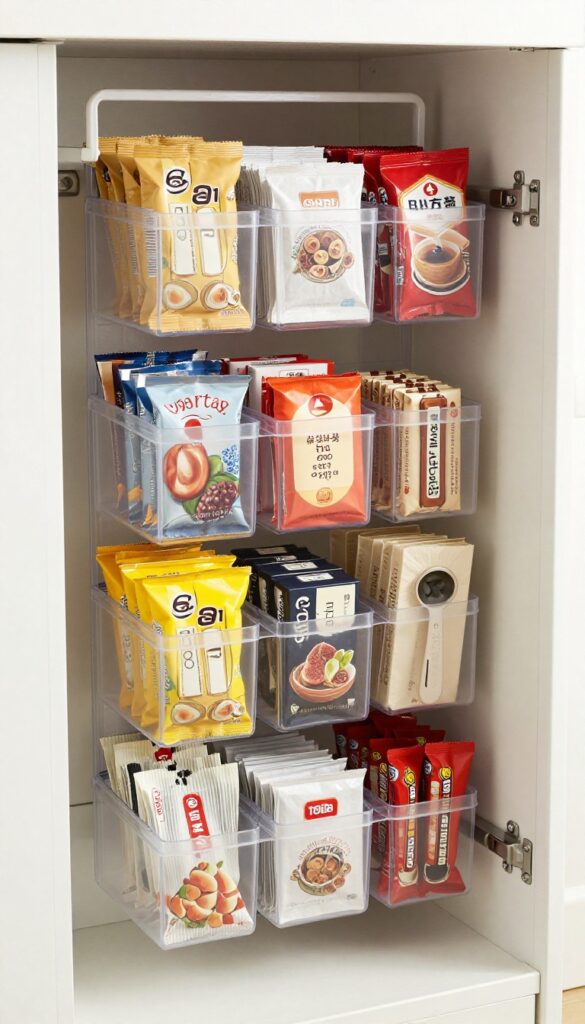
That over-the-door shoe organizer you’ve been ignoring in the closet? It might be the smartest pantry upgrade you haven’t tried yet. Clear plastic pockets let you see every single item at a glance, so you can grab a spice packet or snack bar without rummaging.
It’s a budget-friendly way to reclaim shelf space for bigger goods while keeping tiny essentials neatly corralled.
Why It Works
Shoe organizers turn wasted vertical door space into instant storage. The clear pockets make small items visible and accessible, so nothing gets lost in the back of a shelf. Plus, they cost under $15 and install without tools.
Best For
This works especially well for narrow pantry doors or renters who can’t drill into walls. It’s perfect for spice packets, sauce pouches, energy bars, tea bags, or even small kitchen tools like measuring spoons.
Styling Tip
Choose a clear organizer with reinforced pockets to prevent sagging. Group similar items together—snack bars in one column, spice packets in another—and use small binder clips to seal open pouches upright.
8. Use Baskets for Bulk Items
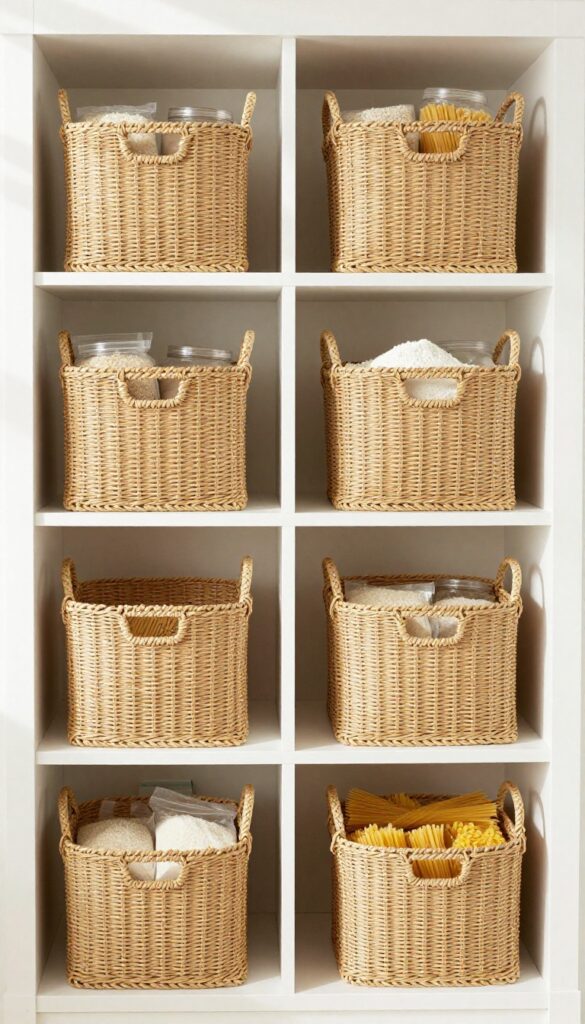
Bulk bags of rice, flour, or pasta can be a real eyesore—and they never seem to stack well. Tucking them into sturdy woven baskets instantly tidies up the look while keeping everything accessible. The baskets contain any stray dust or crumbs, and because they're rectangular, they stack neatly on shelves without wasting an inch of vertical space.
It's a simple swap that makes your pantry feel more curated and less like a storage closet.
Why It Works
Baskets corral loose bags that would otherwise slump and spill, turning chaotic piles into tidy blocks. You can pull out an entire basket to grab what you need, then slide it back in seconds. Plus, the natural texture adds warmth and visual interest to an otherwise utilitarian space.
Best For
This idea shines in deep or tall pantries where bags tend to get lost in the back. It's also perfect for families who buy in bulk and need quick access to staple ingredients without rummaging through a jumble of plastic.
Styling Tip
Stick to one basket material—like seagrass or woven rattan—for a cohesive look. Choose rectangular baskets with handles for easy pulling, and label each one with a chalk tag or simple linen label so everyone knows what's inside.
9. Label Everything with Chalkboard Stickers
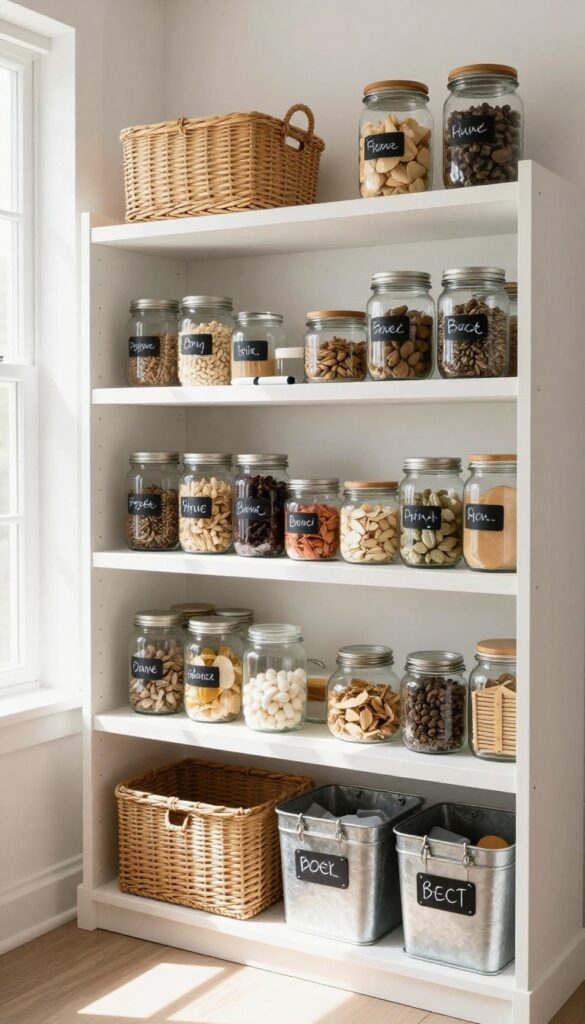
Imagine opening your pantry and instantly spotting the bin of pasta, the jar of oats, and the basket of snacks—no squinting or guessing required. That’s the magic of chalkboard labels. These affordable little stickers stick to glass, plastic, metal, or wood, and you can write on them with chalk or a chalk marker.
When you swap out the contents, just wipe clean and rewrite. It’s a simple system that keeps your pantry organized without costing much or looking cluttered.
Why It Works
Labels eliminate the “where did I put that?” moment, especially when you’re using clear or opaque containers. Chalkboard stickers are reusable, so you can change labels as your pantry evolves. They also create a uniform look that makes shelves feel intentional and calm, even when they’re packed full.
Best For
This idea shines in pantries with a mix of bulk bins, repurposed jars, and baskets. It’s also great for families where multiple people need to find and return items quickly—kids can read the labels and help put groceries away.
Styling Tip
Stick the labels on the front of bins and jars at eye level for easy reading. Use a white chalk marker for a crisp, modern look, or traditional chalk for a softer, rustic vibe. Keep a small piece of chalk or a marker on a magnet or in a tiny cup nearby so you can update labels on the fly.
10. Install a Pegboard for Flexible Storage
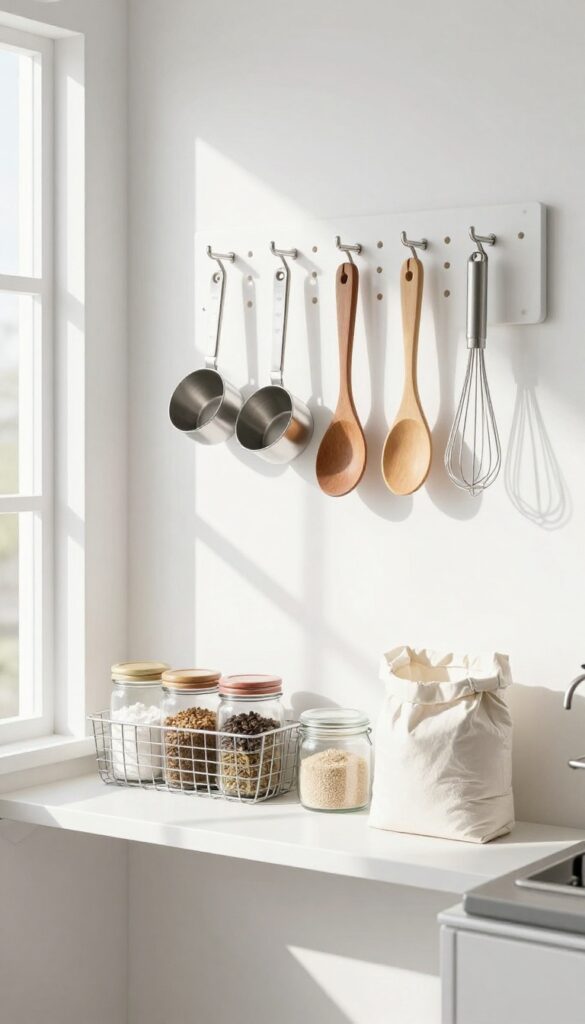
A pegboard brings workshop charm into your pantry while solving the problem of awkwardly shaped items. Instead of stacking bulky pots or small gadgets on shelves, you hang them on hooks that can be rearranged in seconds. The result is a wall that works as hard as your shelves, with everything visible and within reach.
It’s a budget-friendly upgrade that feels custom without the custom price tag.
Why It Works
Pegboards use vertical wall space that often goes empty, turning it into prime real estate for hanging items. Hooks, baskets, and shelves attach easily, so you can store anything from measuring cups to spice jars. This keeps countertops and shelves clear for larger staples like bags of flour or boxes of pasta.
Best For
This idea shines in small or narrow pantries where every inch counts. It’s also great for renters because pegboards are easy to install and remove without damaging walls. If you have a collection of oddly shaped tools or cookware, a pegboard keeps them organized and off your shelves.
Styling Tip
Paint the pegboard the same color as your pantry walls for a seamless look, or choose a contrasting shade like matte black for a bold statement. Use a mix of hooks, small shelves, and wire baskets to create visual variety. Keep frequently used items at eye level and store seasonal gear higher up.
FAQ
How can I organize a large pantry on a tight budget?
Focus on repurposing items you already own, like using shoeboxes or magazine holders. Add tension rods and adhesive hooks for cheap vertical storage. Clear bins from dollar stores also work wonders.
What are the best containers for pantry storage?
Clear, airtight containers are ideal because they keep food fresh and let you see contents. Look for stackable shapes to maximize shelf space. Budget-friendly options include glass jars from thrift stores or plastic bins from discount retailers.
How do I prevent pantry items from getting lost in the back?
Use tiered risers or lazy Susans to bring items forward. Group similar items together and label shelves so everything has a designated spot. Rotate stock by placing newer items behind older ones.
Can I add extra shelving without drilling?
Yes, use tension rod shelves or over-the-door racks that require no drilling. Adhesive hooks and magnetic strips also work for lightweight items. For heavier loads, consider freestanding wire shelving units.
How do I keep my pantry organized long-term?
Adopt a 'one in, one out' rule to prevent clutter. Regularly declutter expired items and wipe down shelves. Maintain a labeling system so everyone knows where things go.
Small weekly resets help sustain order.
Conclusion
A well-organized pantry doesn't require a big budget or a professional organizer. With a few clever tweaks and some everyday items, you can transform your space into a functional, clutter-free zone. Start with one or two ideas that resonate with your current setup, and build from there.
The key is to keep it simple, practical, and tailored to how you actually use your pantry. Small changes add up to real shelf space savings.