Chewy Sourdough Discard Bagels Recipe
Most homemade bagels fail for one simple reason: they don’t have enough chew. They come out looking like bagels, but the bite feels more like soft bread wearing a bagel costume.
This chewy sourdough discard bagels recipe fixes that problem without turning your kitchen into a full-on bakery science lab. It’s practical, reliable, and honestly kind of addictive once you get the hang of it.
If you’ve got sourdough discard sitting in the fridge, this is one of the best ways to use it up without making yet another pancake situation.
What Makes This Recipe Shine
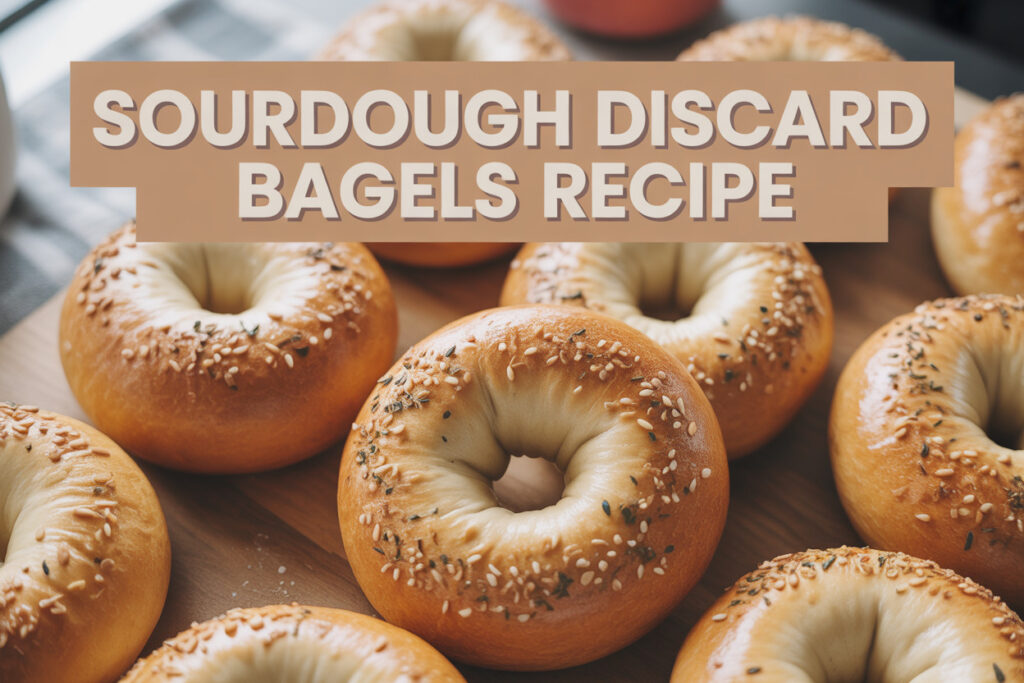
The biggest win here is texture, because these bagels actually pull back when you bite them, the way a real bagel should. They’re dense in a good way, not heavy or dry, and they hold toppings like they were made for it.
Sourdough discard adds a subtle tang that makes everything taste deeper, even if you don’t ferment the dough overnight. It’s not an overpowering sour flavor, just enough to make the bagels taste “real” instead of store-brand plain.
I also love how forgiving this recipe is once you understand the dough feel. Bagel dough is supposed to be stiff, and once you stop panicking about that, everything gets easier.
Another reason this recipe shines is the boiling step, which sounds annoying until you realize it’s the secret sauce. Boiling sets the crust early, so you get that shiny outside and chewy interior instead of fluffy bread circles.
This is also a recipe that makes you feel like you know what you’re doing in the kitchen. Bagels have that “wow you made those?” effect, even though the process is pretty straightforward once you do it once.
And let’s be honest, making bagels at home is cheaper than buying fancy ones every week. Plus, you control the toppings, which is basically the best part of bagels anyway.
Ingredients You’ll Need
- Sourdough discard (unfed starter) (room temp works best, but cold is fine)
- Warm water (not hot, just comfortably warm)
- Active dry yeast (helps guarantee a good rise)
- Honey or sugar (feeds the yeast and adds subtle flavor)
- Bread flour (this matters for chew, don’t swap it lightly)
- Salt (makes the bagels taste like bagels, not plain dough)
- Olive oil (optional, but adds a softer bite without ruining chew)
For boiling:
- Water
- Honey or brown sugar (for color and that classic bagel crust)
Optional toppings:
- Everything bagel seasoning
- Sesame seeds
- Poppy seeds
- Coarse salt
- Cinnamon sugar
- Shredded cheese
Step-by-Step Instructions
Step 1: Wake Up the Yeast
Pour the warm water into a large mixing bowl and stir in the honey (or sugar). Sprinkle the yeast over the top and let it sit for about 5–10 minutes until it looks foamy.
If it doesn’t foam, your yeast might be dead, and sadly, no amount of positive thinking will fix that. Toss it and start again before wasting your flour.
Step 2: Mix the Dough
Add the sourdough discard into the yeast mixture and stir until it looks blended. Drop in the salt and start mixing in the bread flour gradually.
Once the dough starts pulling away from the bowl, you’ll notice it’s stiff and slightly rough. That’s exactly what you want, so don’t try to “soften” it like pizza dough.
Step 3: Knead Until It’s Strong
Turn the dough onto a clean counter and knead for about 8–10 minutes. You want it smooth, tight, and slightly springy, like it’s resisting you a bit.
If it feels sticky, sprinkle a little more bread flour, but don’t go crazy. Bagel dough should be firm, not dry and crumbly.
Step 4: Let It Rise
Place the dough into a lightly greased bowl and cover it. Let it rise for about 60–90 minutes until it’s puffy and roughly doubled.
If your kitchen is cool, expect it to take longer, and that’s normal. Dough doesn’t care about your schedule, unfortunately.
Step 5: Shape the Bagels
Punch down the dough and divide it into 8 equal pieces for medium bagels. Roll each piece into a tight ball, then poke a hole in the center with your finger.
Stretch the hole wider than you think you need, because it shrinks back during rising and baking. I usually aim for about a 2-inch hole, otherwise you end up with bagel rolls.
Step 6: Second Rise (Quick But Important)
Place the shaped bagels on a parchment-lined baking sheet. Cover them lightly and let them rest for 20–30 minutes.
This step makes them puff slightly so they don’t come out dense like hockey pucks. You want chewy bagels, not bagels that could break a window.
Step 7: Boil for That Classic Chew
Bring a large pot of water to a boil and add a spoonful of honey or brown sugar. Drop the bagels in gently, two or three at a time, depending on pot size.
Boil for 30–45 seconds per side, flipping once. The longer you boil, the chewier and thicker the crust gets, so don’t overdo it unless you love a serious crust.
Step 8: Add Toppings While They’re Wet
Remove each bagel with a slotted spoon and place it back on the baking sheet. While the surface is still wet, sprinkle on your toppings.
This is when everything bagel seasoning really sticks like a dream. If you wait too long, the toppings slide off later and you’ll be annoyed for no reason.
Step 9: Bake Until Deep Golden
Bake at 425°F (218°C) for about 20–25 minutes. They should turn golden brown with a slightly shiny crust.
Let them cool for at least 15 minutes before slicing, even though it’s tempting to attack one immediately. Fresh bagels need a little time to set inside, or the texture can turn gummy.
Common Mistakes to Avoid
One of the biggest mistakes is using all-purpose flour and expecting the same chew. It can work in a pinch, but bread flour gives the bagels the strength they need to feel like real bagels.
If you only have all-purpose, your bagels will still taste good, but the texture will lean more soft and bready. Not terrible, just not the full bagel experience.
Another common mistake is making the dough too wet because it feels “wrong” at first. Bagel dough is supposed to be stiff, and that tight dough is what gives you that signature dense chew.
People also forget that the hole shrinks, and they shape cute little rings that look perfect. Then they bake them and end up with bagels that barely have a hole at all.
Overproofing is another sneaky one, especially if you let them rise too long after shaping. If the bagels get too puffy before boiling, they can collapse or wrinkle when they hit the water.
Boiling too long can also mess things up, even though boiling is the magic step. If you boil them for minutes instead of seconds, you’ll get a thick crust that turns tough instead of pleasantly chewy.
And finally, slicing too early ruins the texture, even if it smells like heaven. Let them cool a bit, because steam trapped inside will make the crumb sticky if you cut too soon.
Alternatives & Substitutions
If you want a stronger sourdough flavor, you can skip the yeast and let the dough ferment longer, but that becomes a different type of recipe. I like using yeast here because it gives predictable results and still uses up discard.
For a deeper flavor, you can also let the dough rise in the fridge overnight. That slow fermentation adds complexity and makes the bagels taste more bakery-style without extra effort.
If you don’t have honey, sugar works fine in both the dough and the boiling water. Honey just gives a slightly nicer crust color and a mild sweetness that feels more traditional.
You can swap the bread flour for high-protein flour if you have it. That gives an even chewier bite, which is great if you like that “New York bagel” firmness.
For a softer bagel, you can add a tablespoon of olive oil or a small splash of milk. It won’t ruin the chew, but it does make the crumb slightly more tender.
Topping-wise, you can go classic with sesame or everything seasoning, but cinnamon sugar is seriously underrated. I’ve made cinnamon bagels with sourdough discard before, and they disappear fast.
If you want whole wheat bagels, swap up to one-third of the flour for whole wheat flour. More than that can make them dense and dry unless you adjust hydration, and nobody wants a bagel that feels like cardboard.
FAQ
Can I make these bagels without yeast?
Yes, but you’ll need a longer fermentation time and a more active starter. This recipe uses discard, so yeast helps guarantee a good rise without waiting forever.
If you want yeast-free, you’re basically making true sourdough bagels, and that’s a whole different timeline. Still doable, just slower.
Why do I have to boil bagels before baking?
Boiling sets the outside of the dough quickly, which creates that shiny crust and chewy bite. If you skip boiling, you’ll get round bread rolls pretending to be bagels.
The boiling step also helps the bagels hold their shape in the oven. It’s annoying, but it’s non-negotiable if you want real bagel texture.
How long should I boil bagels for the best chew?
I like 30–45 seconds per side. That gives a chewy crust without making them tough.
If you boil them longer than a minute per side, the crust gets thicker and can turn kind of hard. Some people love that, but I prefer the balanced chew.
Why are my bagels flat after boiling?
This usually happens when the dough overproofs before boiling. The bagels puff too much, then collapse when they hit the water.
It can also happen if your dough is too wet and doesn’t have enough strength. Bagel dough should feel tight and sturdy, not soft and floppy.
Can I freeze sourdough discard bagels?
Absolutely, and they freeze really well. Slice them first, then freeze in a bag or airtight container so you can toast them straight from frozen.
Homemade bagels don’t stay fresh forever on the counter, so freezing is honestly the smart move. Future-you will be grateful.
How do I store homemade bagels so they stay chewy?
Keep them in a sealed bag or airtight container at room temperature for about 2 days. If you refrigerate them, they dry out faster, which is annoying but true.
If you need longer storage, freeze them instead. A quick toast brings them right back to life.
Can I use sourdough discard straight from the fridge?
Yes, cold discard works fine. It might slow down the rise slightly, but the yeast will still do its job.
If you want smoother mixing, let the discard sit out for 15–20 minutes first. It blends easier and makes the dough feel more consistent.
Ingredients
Method
- In a bowl, mix warm water and honey, then sprinkle yeast on top. Let sit for 5 to 10 minutes until foamy.
- Add sourdough discard and mix until combined.
- Add bread flour and salt, mixing until a stiff dough forms.
- Knead dough for 8 to 10 minutes until smooth and elastic.
- Place dough in a lightly oiled bowl, cover, and let rise for 60 to 90 minutes until doubled.
- Punch down dough and divide into 8 pieces. Shape into balls, then poke a hole in the center and stretch into bagel shapes.
- Let shaped bagels rest for 20 to 30 minutes.
- Preheat oven to 425°F (220°C).
- Bring a pot of water to a boil and add honey or brown sugar. Boil bagels for 30 to 45 seconds per side.
- Remove and place on a baking sheet. Add toppings while still wet.
- Bake for 20 to 25 minutes until golden brown.
- Cool for at least 15 minutes before slicing and serving.
FINAL THOUGHTS
These chewy sourdough discard bagels are one of those recipes that makes you feel like you just leveled up in the kitchen. They’re sturdy, flavorful, and actually have that real bagel bite instead of the fluffy bread texture most homemade versions end up with.
Once you make them once, you’ll start looking at your sourdough discard like it’s bagel potential instead of fridge clutter. And honestly, having homemade bagels on hand feels like a small flex that’s totally worth it.