
Sourdough Discard Blueberry Muffins Recipe
Most blueberry muffins taste great for exactly one hour, then turn into dry little disappointment cakes.
These sourdough discard blueberry muffins fix that problem because the discard adds moisture, tenderness, and just enough flavor to make them taste like they came from a real bakery.
They’re the kind of muffin you can eat warm, cold, or straight from the container the next day and still feel like you made a smart life choice.
And yes, they’re also a perfect excuse to stop wasting sourdough discard.

Ingredients
Method
- Preheat oven to 425°F (220°C) and line or grease a muffin tin.
- In a bowl, whisk together flour, baking powder, baking soda, salt, and optional lemon zest.
- In another bowl, mix sourdough discard, eggs, milk, melted butter, vanilla, granulated sugar, and brown sugar until combined.
- Pour wet ingredients into dry ingredients and stir gently until just combined.
- Fold in blueberries carefully without overmixing.
- Fill muffin cups about 3/4 full and sprinkle with coarse sugar if desired.
- Bake at 425°F (220°C) for 5 minutes, then reduce heat to 350°F (175°C) and bake for another 14 to 17 minutes.
- Remove from oven and let cool in the pan for 5 minutes, then transfer to a wire rack.
- Serve warm or at room temperature.
What Makes This Recipe Shine

The biggest reason these muffins work is the texture. Sourdough discard adds softness and a slightly chewy tenderness that regular muffins often miss, especially once they cool down. Instead of that crumbly “falls apart in your hand” vibe, these stay moist and fluffy in a way that feels intentional.
Flavor-wise, the discard gives a subtle tang that balances the sweetness of the blueberries. It doesn’t make the muffins taste sour, but it does make them taste more “grown-up,” like something you’d actually pay for at a café. Blueberries plus that gentle sourdough edge is honestly a combo that deserves more attention.
Another thing I love is how forgiving this recipe is. You can use discard straight from the fridge, you can use fresh or frozen berries, and you don’t need any fancy techniques. The batter doesn’t act like it’s fragile or temperamental, which is exactly what you want when you’re baking muffins, not auditioning for a pastry competition.
These muffins also have that perfect dome-top look if you bake them the right way. That bakery-style rise makes them feel extra satisfying, even if you’re eating one in sweatpants while pretending you’ll only have “just one.” Muffins are liars like that.
And let’s be real, sourdough discard recipes are basically the best excuse to bake more often. Discard piles up fast, and tossing it always feels wrong, like throwing away potential happiness. Turning it into blueberry muffins is one of the better uses of your time and your carbs.
Ingredients You’ll Need
- Sourdough discard (unfed, straight from the fridge is fine)
- All-purpose flour (spooned and leveled, not packed)
- Baking powder (for lift and fluffiness)
- Baking soda (helps balance the acidity in the discard)
- Salt (don’t skip it, it keeps the flavor from tasting flat)
- Granulated sugar (classic muffin sweetness)
- Brown sugar (adds moisture and a deeper flavor)
- Eggs (room temp if possible, but don’t stress)
- Milk (whole milk works best, but any milk is fine)
- Melted butter (gives richness and better texture than oil)
- Vanilla extract (makes them taste bakery-style)
- Blueberries (fresh or frozen, both work great)
- Optional: lemon zest (not required, but it makes the blueberries pop)
- Optional: coarse sugar for topping (for that crunchy muffin top)


Step-by-Step Instructions
1. Preheat the Oven and Prep the Pan
Set your oven to 425°F (220°C) and let it fully preheat. That high starting temperature is one of the easiest tricks for getting those tall, bakery-style muffin tops. Don’t skip it unless you enjoy flat muffins that look like sad cupcakes.
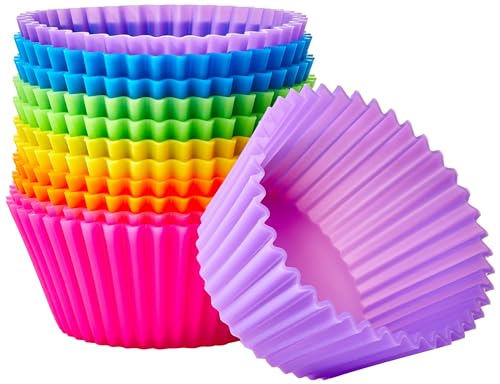
Line a muffin tin with paper liners or lightly grease it. If you grease the tin directly, the edges get slightly crispier, which I personally love. Paper liners look nicer, though, so it depends on your muffin mood.

2. Mix the Dry Ingredients First
In a large bowl, whisk together the flour, baking powder, baking soda, and salt. Whisking matters because it spreads the leavening evenly, and you don’t want one muffin rising like a champ while another sits there like a brick. A quick 20-second whisk saves you from muffin drama.
If you want to add lemon zest, toss it into the dry ingredients now. This keeps it from clumping and helps the citrus flavor distribute evenly. It’s a small move, but it makes the muffins taste brighter.


3. Combine the Wet Ingredients Separately
In another bowl, whisk together the sourdough discard, eggs, milk, melted butter, vanilla, granulated sugar, and brown sugar. The mixture will look a little thick and slightly sticky, which is exactly what you want. Sourdough discard isn’t a smooth liquid, so don’t expect it to behave like milk.
Make sure your melted butter isn’t scorching hot, because you don’t want scrambled egg batter. Warm is fine, hot is not. If you melted it in the microwave, give it a minute before mixing.


4. Bring the Batter Together Without Overmixing
Pour the wet mixture into the dry mixture and stir gently with a spatula or wooden spoon. Mix just until you don’t see dry flour streaks anymore. The batter should look thick, slightly lumpy, and not overly smooth.
Overmixing is how muffins turn tough and chewy in a bad way. You’re making muffins, not bread, so don’t treat the batter like it needs a workout. Once everything looks combined, stop stirring even if it feels too soon.
5. Fold in the Blueberries Carefully
Add the blueberries and fold them in gently. If you’re using frozen blueberries, don’t thaw them first. Thawed berries leak too much juice and turn your batter into a purple mess.
A light fold is enough, and you don’t need to chase perfection. The goal is to spread them around without smashing them. A few streaks of berry juice are fine, but you don’t want the whole bowl looking like blueberry soup.
6. Fill the Muffin Cups Like You Mean It
Spoon the batter into your muffin cups, filling each one about ¾ full. If you want big muffin tops, you can even go a little higher. Muffins are one of the rare baked goods where being generous actually pays off.
Sprinkle coarse sugar over the tops if you want that crunchy bakery finish. This is optional, but it’s a game-changer if you like texture. It also makes them look like you bought them, which is always a nice bonus.
7. Bake Hot First, Then Lower the Temperature
Bake the muffins at 425°F (220°C) for 5 minutes. This quick blast of heat helps them rise fast and creates that dome shape. You’re basically forcing the muffins to puff up before they have time to spread out.
Without opening the oven, reduce the temperature to 350°F (175°C) and bake for another 14–17 minutes. The muffins are done when the tops look golden and a toothpick comes out mostly clean, with maybe a few moist crumbs.
8. Cool Them Properly (Even If You Want One Immediately)
Let the muffins cool in the pan for about 5 minutes, then move them to a wire rack. Cooling them in the pan too long can trap steam and make the bottoms soggy. Nobody wants a muffin with a wet underside.
After about 10 minutes, they’re warm enough to eat without burning your mouth. If you eat one immediately anyway, I won’t judge, because I do the same thing almost every time.
Common Mistakes to Avoid
One of the biggest mistakes is overmixing the batter. Muffin batter should look slightly messy and lumpy before baking, and that’s a good thing. If you stir until it’s perfectly smooth, you’ll end up with dense muffins that feel more like bread rolls.
Another common issue is using too many blueberries. It sounds ridiculous because more blueberries feels like the obvious upgrade, but too many makes the muffins heavy and wet. The batter can’t support them, and you’ll end up with muffins that collapse or bake unevenly.
People also mess up the oven temperature trick. That initial high heat is what gives you the tall muffin tops, so if you start at 350°F the whole time, your muffins will still taste fine, but they’ll look a little sad. And if you forget to lower the heat, you’ll get muffins with burnt tops and undercooked centers, which is honestly just rude.
Using sourdough discard that’s extremely old can also throw off the flavor. Discard that’s been sitting in the fridge for weeks can taste sharper and more acidic, and that tang will come through. It won’t ruin the muffins, but it might make them taste more sour than you expected.
The last big mistake is baking them too long because you want the toothpick perfectly clean. Muffins keep cooking slightly after you pull them out, so waiting for a totally dry toothpick can lead to dryness. A few moist crumbs are your friend here, not your enemy.
Alternatives & Substitutions
If you want to make these muffins slightly healthier, you can swap half the flour for whole wheat flour. I’ve done it, and it gives the muffins a slightly nuttier taste that actually works well with blueberries. Just don’t go full whole wheat unless you like muffins that feel a little too serious.
You can also use oil instead of butter if that’s what you have. The muffins will still be moist, but butter gives a richer flavor that feels more bakery-like. If I’m being honest, butter wins every time unless I’m in a hurry.
For the sugar, you can reduce it slightly if you prefer less sweetness. I wouldn’t cut too much though, because blueberries can be unpredictable. Some are sweet and juicy, others taste like they were grown purely for decoration.
If you don’t have milk, you can use buttermilk, almond milk, oat milk, or even plain yogurt thinned with a little water. I’ve used oat milk and it works great, especially if you want a softer crumb. Buttermilk adds extra tang, which can be amazing if you love that sourdough vibe.
You can also switch blueberries for raspberries, chopped strawberries, or even chocolate chips. Blueberry is the classic, but sourdough discard muffins with chocolate chips are dangerously good. If you do chocolate chips, I’d skip the lemon zest and maybe add a pinch of cinnamon instead.
FAQ
Can I use sourdough starter instead of discard?
Yes, you can, but the muffins will taste slightly different. Active starter adds more lift and a lighter texture, while discard adds that mellow tang and moisture. If your starter is bubbly and active, the muffins might rise a bit more and taste slightly less rich.
Do these muffins taste sour?
Not really, unless your discard is extremely old. You’ll notice a mild tang in the background, but it’s more of a flavor boost than an actual sour taste. Think “bakery depth,” not sour candy.
Can I make these muffins the night before?
Absolutely, and they hold up surprisingly well. The sourdough discard keeps them moist longer than regular muffins, so they don’t dry out overnight. Store them in an airtight container, and they’ll still taste great the next day.
Can I freeze sourdough discard blueberry muffins?
Yes, and they freeze beautifully. Let them cool completely, then wrap them individually or store them in a freezer bag. When you want one, microwave it for 20–30 seconds or let it thaw at room temperature.
What’s the best way to stop blueberries from sinking?
Toss the blueberries in a little flour before folding them into the batter. It’s a small trick, but it helps suspend them better. Also, thick batter naturally holds berries in place, so don’t overthin the batter with extra milk.
Can I make these muffins jumbo-sized?
You can, and jumbo muffins feel like a personal victory. Use a jumbo muffin pan and increase the baking time by around 8–12 minutes, depending on your oven. Keep the same temperature method, starting hot then lowering it, because jumbo muffins need that strong rise too.
Why did my muffins turn out dense?
Most of the time, it’s from overmixing or old baking powder. Muffins need a gentle mix, and your leavening has to be fresh enough to actually work. Also, if your discard is extremely thick, it can weigh down the batter, so adding a splash more milk can help.
Final Thoughts
These sourdough discard blueberry muffins are one of those recipes that makes sourdough baking feel practical instead of high-maintenance.
They’re soft, flavorful, and actually stay good for more than a few hours, which is honestly rare in the muffin world.
If you’ve been staring at a jar of discard wondering what to do with it, this is the answer.
Bake a batch, freeze a few, and suddenly you’ve got a snack that feels homemade but doesn’t demand your whole day.