9 Small-Space Play Kitchen Organization Ideas for Tidy Toy Storage
Play kitchens are wonderful for sparking creativity, but they often come with a mountain of tiny accessories that can take over your living space. If you're working with a small home or apartment, keeping everything organized without sacrificing style can feel like a challenge.
The good news is that with a few smart strategies, you can maintain a tidy play area that still looks like part of your decor.
These nine ideas focus on maximizing every inch while keeping the space inviting and functional for both kids and parents.
1. Use Clear Canisters for Food Toys
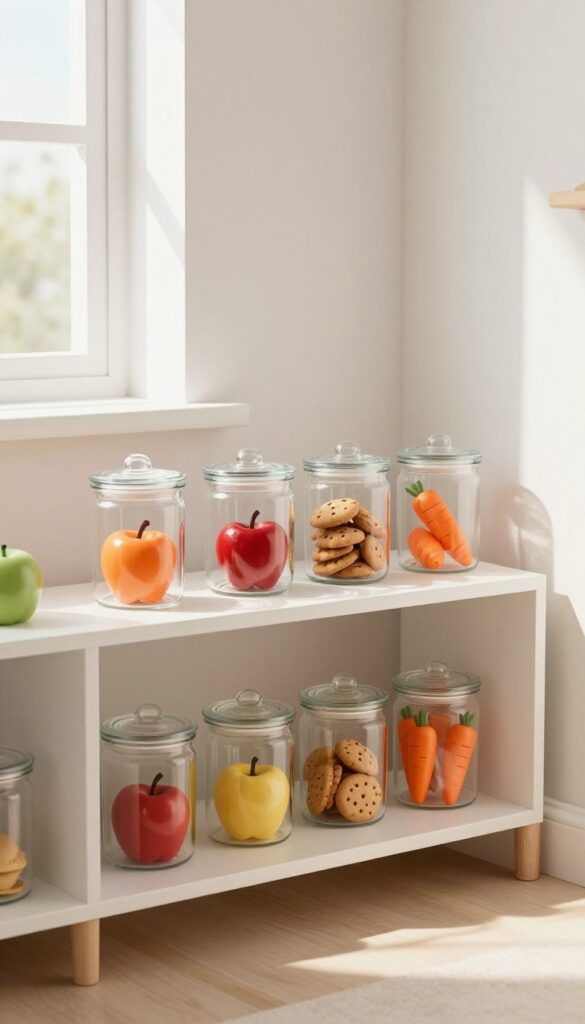
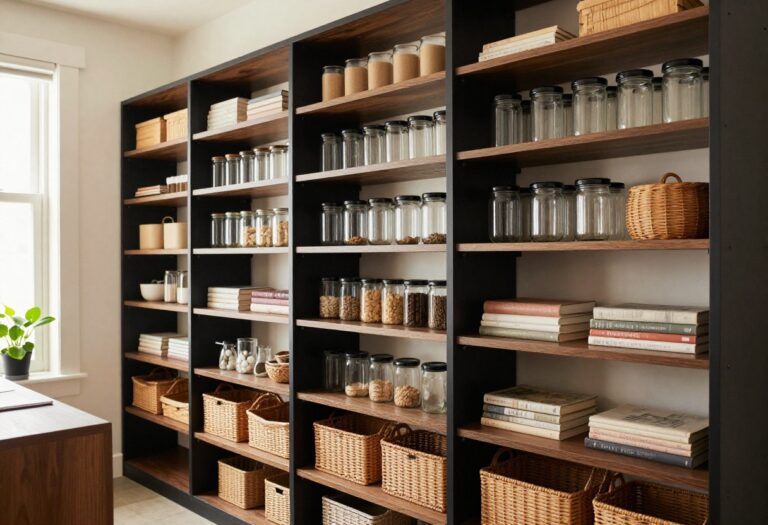
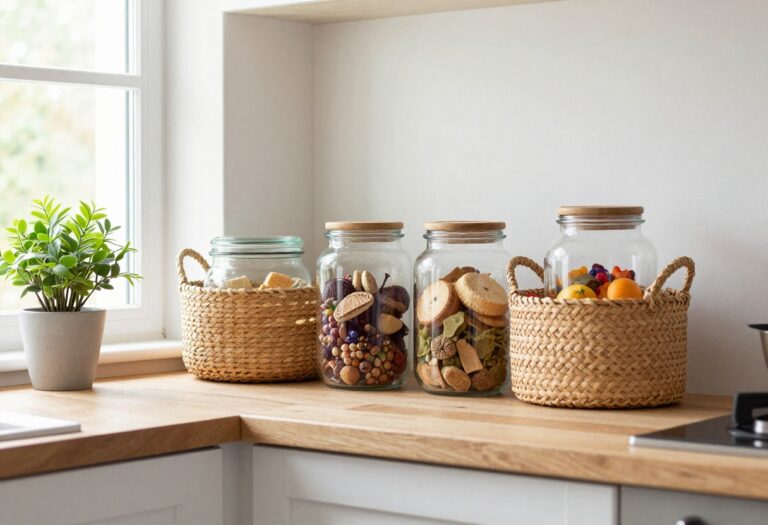
Open shelving in a play kitchen area can quickly turn into a jumble of plastic food. Clear glass or acrylic canisters solve that by giving every little apple, cookie, and carrot a visible home. The see-through containers make cleanup a breeze—kids can spot where each piece goes without dumping everything out.
Plus, the uniform shapes and lids create a tidy, almost decorative look that blends into your small space without screaming “toy storage.”
Why It Works
Clear canisters keep play food sorted by category, so kids learn to put things back in the right spot. The visual clarity reduces clutter and makes the shelves feel intentional rather than chaotic. In a small room, this trick keeps the play zone functional without adding visual noise.
Best For
Tight play kitchens where open shelving is the only storage option. Also great for families who want to teach organizing habits early—kids can easily see and reach their toys without help.
Styling Tip
Choose canisters with airtight lids to keep dust off the food toys. Mix in a few small baskets for odd-shaped items like pizza slices or corn on the cob. Place the canisters on a low shelf so little hands can grab them independently.
2. Hang a Pegboard for Pots and Pans
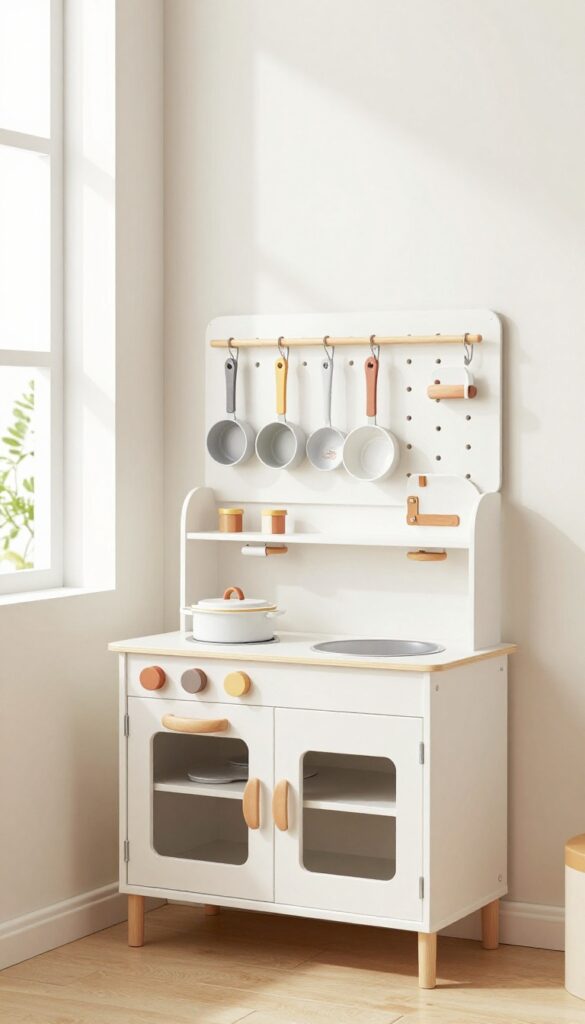
Wall space above or beside the play kitchen often goes unused, but a small pegboard changes that in the best way. It turns cookware into a playful wall display while keeping everything within easy reach. A pegboard with hooks lets you hang pots, pans, and utensils so they’re out of the way but still part of the fun.
Choose a color that blends with your room—white keeps it airy, while a soft pastel adds a pop of personality without overwhelming the space.
Why It Works
Pegboards make use of vertical real estate, which is a game-changer in small play areas. Hanging items clears counter space for pretend cooking and keeps toys organized. The visual display also adds a charming, realistic kitchen vibe that kids love.
Best For
This idea shines in tight corners or narrow walls where a shelf would feel bulky. It’s perfect for play kitchens that sit against a wall with a few inches of clearance on the side.
Styling Tip
Paint the pegboard the same color as the wall to make it recede, or go with a contrasting hue like mint green or soft yellow for a playful accent. Stick to lightweight items to keep the board secure.
3. Add a Slim Rolling Cart for Extra Storage
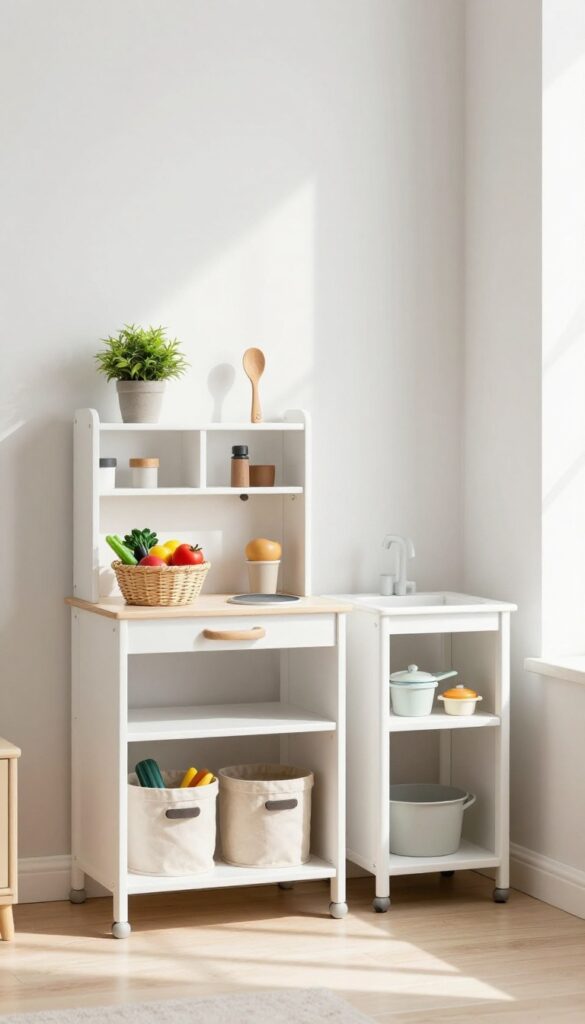
That awkward gap beside the play kitchen or between the kitchen island and the wall? It’s perfect for a narrow rolling cart. Think of it as a mobile pantry for your child’s play food and dishes.
A slim cart adds storage without eating up floor space, and the wheels let you roll it wherever it’s needed—out of the way for cleaning or right next to the action during playtime. The best part: it looks intentional and stylish, not like an afterthought.
Why It Works
A slim rolling cart fills narrow gaps that would otherwise go unused. It provides accessible, visible storage for play food, utensils, and baskets, keeping the play kitchen clutter-free. The wheels make it easy to move for floor cleaning or to reposition the cart as your child’s play area evolves.
Best For
Tight spaces like galley kitchens, small play corners, or any room where floor space is at a premium. It’s also great for families who want a flexible storage solution that can double as a serving cart for pretend tea parties or a mobile snack station.
Styling Tip
Choose a cart in a neutral tone like white, bamboo, or black to blend with your decor. Add small woven baskets or fabric bins on each shelf to corral different items—one for fruits and veggies, another for pots and pans. A tiny plant or a wooden spoon holder on top adds a cozy, lived-in feel.
4. Use a Tiered Spice Rack for Small Items
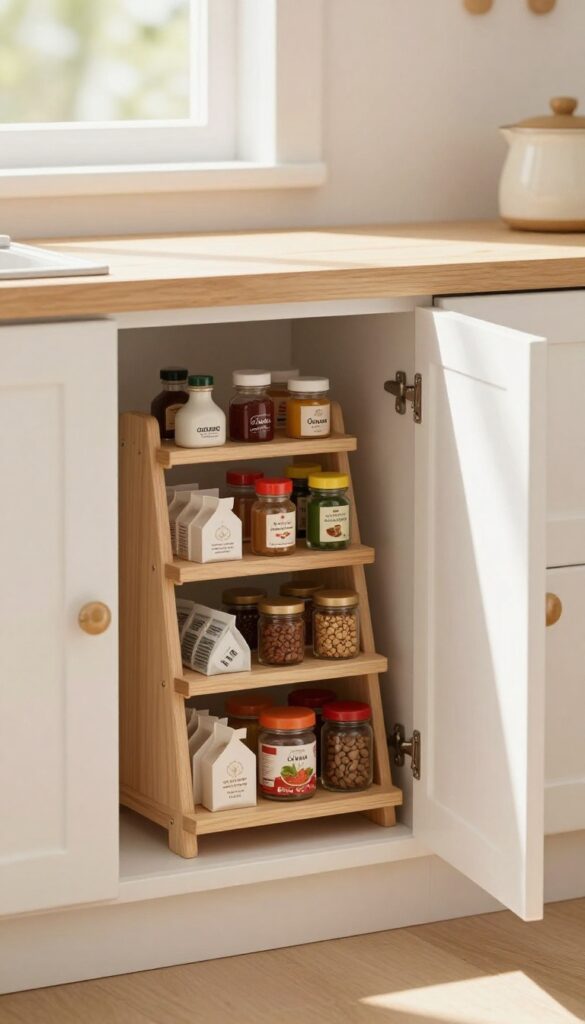
That jumble of play condiments, tea bags, and tiny spice jars can make even the neatest play kitchen look messy. A tiered spice rack tucked inside a cabinet or perched on a shelf brings instant order without taking up much space. The stepped design lets little hands see and grab exactly what they want, turning chaos into a tidy display that feels almost like a mini market.
Why It Works
Tiered spice racks maximize vertical space inside a cabinet or on a shelf, making every small item visible at a glance. No more digging through a bin or knocking over stacks—each little jar or packet has its own spot. This simple system keeps the play kitchen organized and makes cleanup a breeze for both kids and parents.
Best For
This idea is perfect for play kitchens with limited cabinet or shelf space, especially in small apartments or tight corners. It works wonders for organizing tiny accessories like play condiments, tea bags, spice jars, or even small utensils. If your child loves pretend cooking with lots of little pieces, this rack will keep everything sorted.
Styling Tip
Choose a wooden or bamboo spice rack to add warmth and a natural feel that blends with most play kitchens. Place it on an open shelf near the play stove so kids can easily reach ingredients while cooking. For a cohesive look, group similar items together—like all red condiment bottles on one tier and spice jars on another.
5. Install a Tension Rod for Hanging Dish Towels
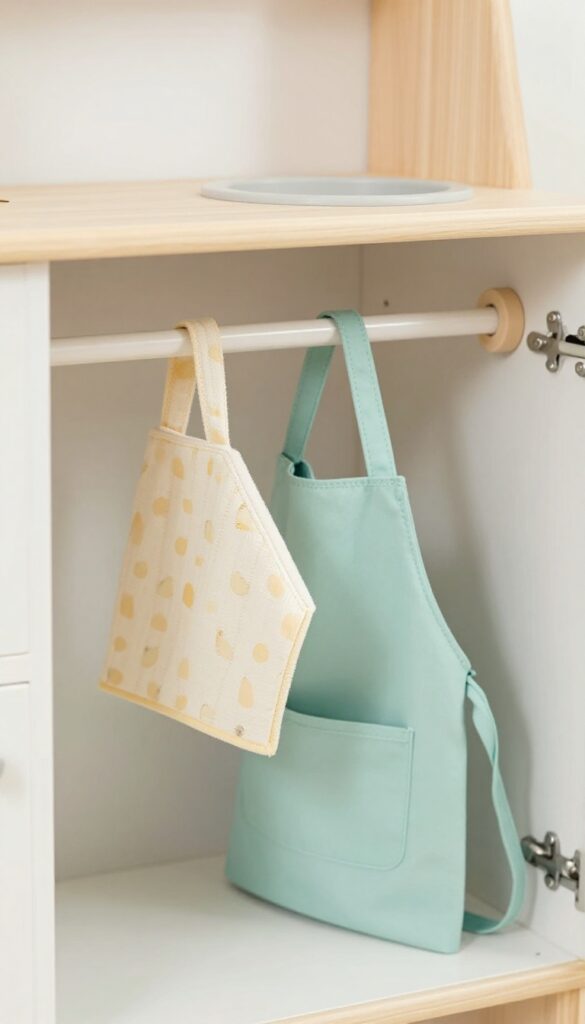
A tension rod is one of those tiny upgrades that makes you wonder why you didn't think of it sooner. Inside a play kitchen cabinet or along the side of the unit, it creates instant hanging space for mini dish towels, aprons, or even a small mesh bag full of lightweight toys. The best part?
It uses vertical space that usually goes completely ignored, and it adds a charming, realistic touch that your little one will love.
Why It Works
Tension rods require zero drilling or permanent hardware, so they're perfect for renters or anyone who likes to rearrange. They make use of awkward gaps or empty cabinet interiors, turning dead space into functional storage. Plus, hanging items dry faster and stay visible, so kids can grab what they need without digging through a bin.
Best For
This idea works great in small play kitchens where counter space is limited. It's also ideal for families who want to keep dish towels and aprons separate from food toys to avoid mixing textures or causing messes. If your child loves to mimic real kitchen tasks, this makes the play setup feel more authentic.
Styling Tip
Choose a tension rod with a brushed nickel or matte black finish to match the play kitchen's hardware. Hang a set of mini dish towels in a solid color like white or pale gray for a clean look, or go with a subtle stripe for a bit of pattern. Keep the rod low enough that your child can reach the towels easily, but high enough that they don't drag on the floor.
6. Use a Cutlery Tray for Utensils
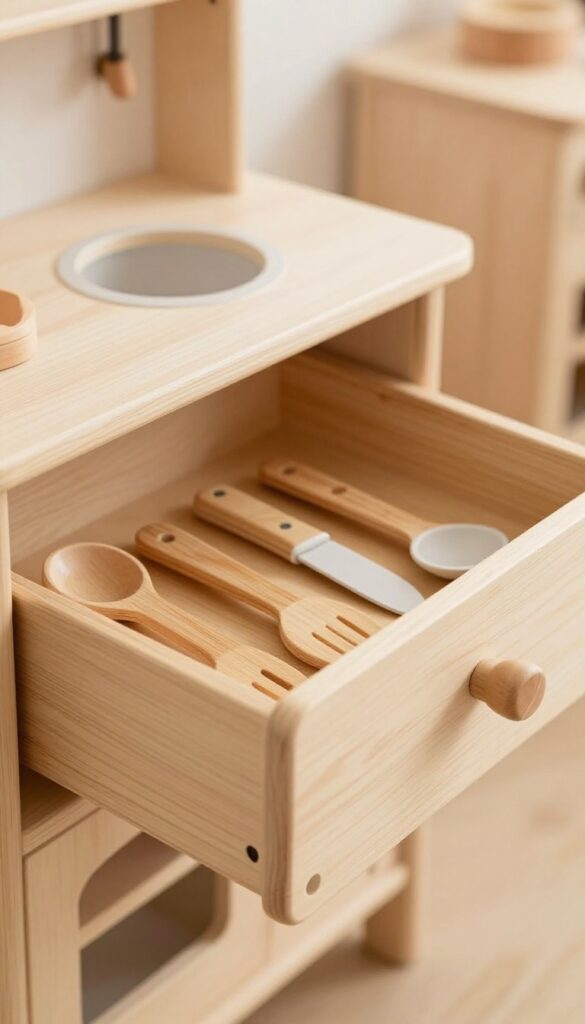
A plastic or bamboo cutlery tray isn't just for real silverware—it's a perfect fit for a play kitchen, too. Drop it into a drawer or onto a shelf inside the kitchen, and suddenly all those tiny spatulas, measuring spoons, and pretend knives have a designated spot. No more digging through a tangled mess to find the little whisk.
The tray keeps everything separated and easy to grab, which means less frustration for little chefs and a tidier play space for you.
Why It Works
Cutlery trays are designed with compartments that naturally corral small items. By repurposing one for the play kitchen, you create instant organization without buying a specialty product. The dividers prevent utensils from sliding together, so each piece stays in its own slot—easy to see and easy to put away.
Best For
This idea works best for play kitchens with a drawer or a deep shelf where the tray can sit flat. It's especially handy if your child has a growing collection of play food tools, since the compartments can adapt to different sizes over time.
Styling Tip
Choose a bamboo tray for a warm, natural look that blends with most kitchen styles, or go with a clear plastic one to keep the visual clutter low. If the tray sits on an open shelf, add a small woven basket next to it for bulkier items like play pots to keep the whole area cohesive.
7. Add a Small Basket for Bulkier Items
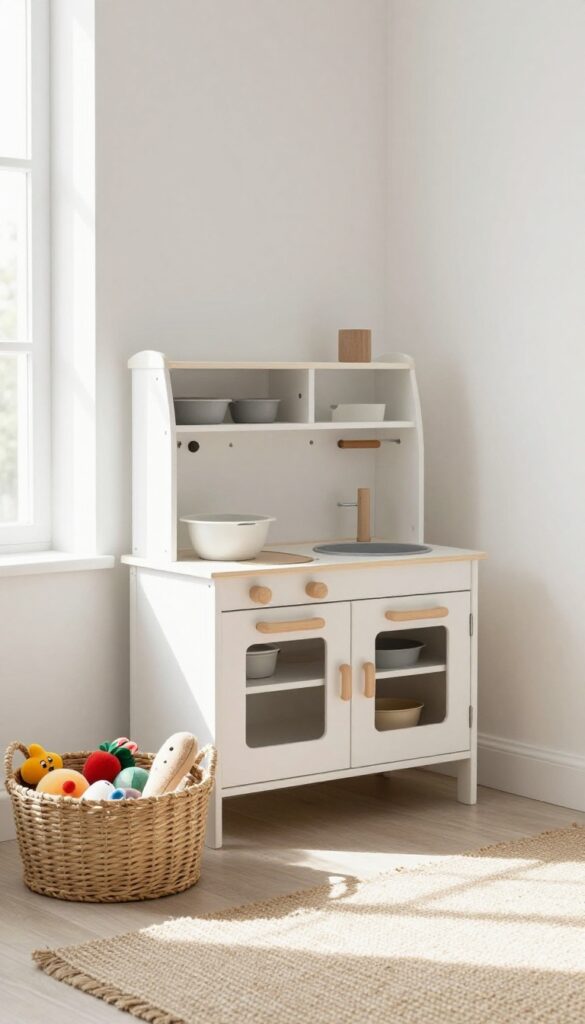
Not everything in a play kitchen is tiny. Those chunky mixing bowls, oversized play pots, and stuffed food items need a home too. A woven or fabric basket sitting right on the floor next to the play kitchen catches all the bulky stuff without taking up precious counter or shelf space.
It becomes the go-to drop zone when playtime winds down, making cleanup feel almost automatic.
Why It Works
A basket provides a catch-all solution for items that don't fit neatly on shelves or inside the play kitchen itself. By keeping it on the floor, you're using vertical space that would otherwise be empty, and the basket itself adds texture and warmth to the room. It also teaches kids a simple organizational habit: big things go in the basket.
Best For
This idea works well in small play areas where every inch counts. It's especially useful if your child has a mix of play food, pots, and larger accessories that tend to get scattered. The basket can also double as a toy bin for other playroom items when the kitchen isn't in use.
Styling Tip
- Choose a basket with a natural material like seagrass, rattan, or cotton rope to add warmth. If your play kitchen is white or neutral, a darker basket creates nice contrast. For a cohesive look, pick a basket that echoes other textures in the room—like a woven laundry hamper or a jute rug.
- Keep the basket low and wide so little hands can easily toss items in.
8. Use Adhesive Hooks for Cups and Mugs
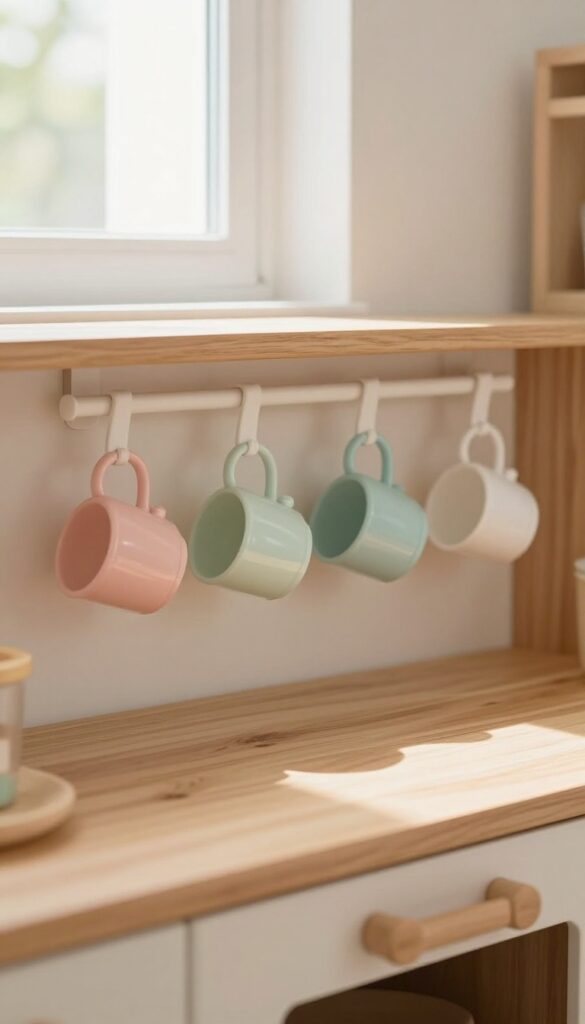
Sticky hooks are the unsung heroes of small-space living. Stick a few under a cabinet or on the side of the play kitchen, and suddenly those tiny cups and mugs have a home that’s off the counter and easy for little hands to grab. It’s a quick, no-drill fix that works in rentals or temporary spaces—and it looks surprisingly tidy.
Why It Works
Adhesive hooks create vertical storage without taking up any counter or shelf space. They keep cups visible and accessible, so kids can help themselves and put things back. Plus, they’re removable, so you can rearrange or take them down without damage.
Best For
This is perfect for small play kitchens where counter space is tight. It’s also great for apartments or rented homes where you can’t drill holes. If your child loves pretend tea parties or café play, this setup makes cleanup a breeze.
Styling Tip
Choose hooks in a neutral color like white or clear to keep the look clean. Space them evenly for a grid effect, or cluster a few together for a playful vibe. Pair with matching cups or a mix of pastel mugs for extra charm.
9. Create a Label System for Toy Storage
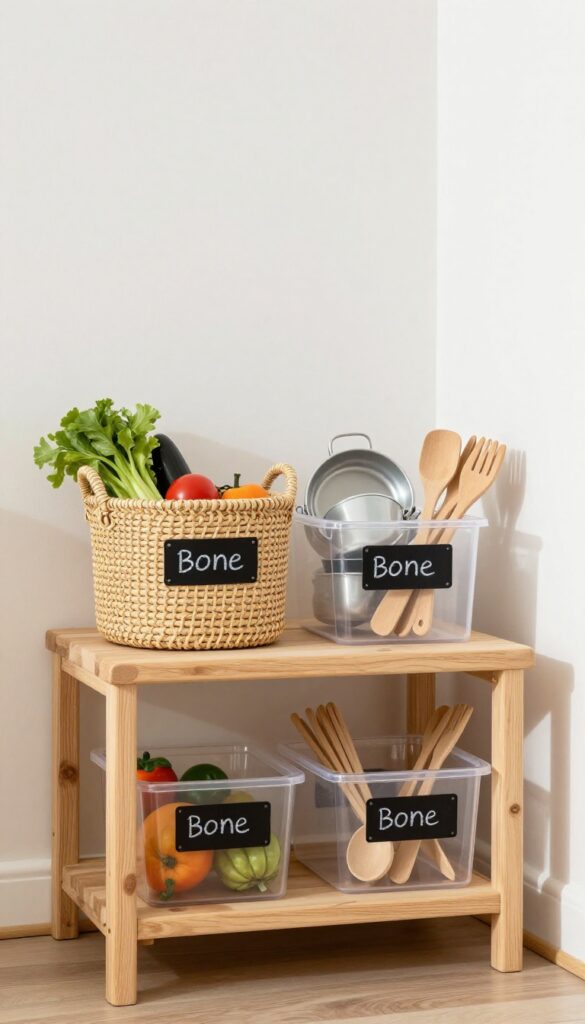
Labels might sound simple, but they’re the secret to keeping a play kitchen organized without constant adult intervention. A clear label on each bin or shelf tells little ones exactly where the play food goes and where the pots and pans belong. It turns cleanup into a matching game, and that means fewer toys end up in the wrong spot.
Plus, labels bring a tidy, intentional look to the whole setup—even when the bins are plastic and the shelves are basic.
Why It Works
- Labels remove the guesswork from cleanup. When every item has a designated home, kids can put things away independently, which saves you from repeating instructions. The visual cues also make it easy for siblings or babysitters to help maintain order.
- Over time, the habit sticks, and the play area stays neater with less effort.
Best For
This system works great for small play kitchens where every inch counts. If you’re short on shelf space or have multiple kids using the same toys, labels prevent clutter from spilling into other areas. It’s also perfect for families who want to teach organization early without adding extra furniture.
Styling Tip
- Stick with a consistent label style for a polished look. Chalkboard stickers on woven baskets give a cozy, café vibe, while white printed labels on clear bins feel modern and clean. Keep the font simple and the placement uniform—all at the same height on each container.
- If you want extra charm, use a label maker or hand-letter with a metallic pen.
FAQ
How do I organize a play kitchen in a small apartment?
Focus on vertical storage with pegboards, tension rods, and wall-mounted hooks. Use slim rolling carts and clear canisters to maximize every inch without taking up floor space. Keep only the most-used items out and rotate toys to prevent clutter.
What are the best storage containers for play food?
Clear glass or acrylic canisters work well because they let kids see the contents. For smaller items, use tiered spice racks or small bins. Avoid deep bins that make it hard to find things—opt for shallow, open containers.
How can I make a play kitchen look stylish in my living room?
Choose storage solutions that match your decor, like woven baskets, neutral-colored bins, or wooden trays. Use cohesive colors and avoid plastic clutter. A pegboard painted to match your wall can blend in while keeping toys organized.
How do I keep my child from dumping everything out?
Use labeled bins and baskets to create a clear home for each item. Teach your child to take out one type of toy at a time and put it back before getting another. Consistent routines and visual cues help reinforce the habit.
What should I do with play kitchen accessories I don't use often?
Store less-used items in a closet or under the bed in a labeled bin. Rotate them with the current toys every few weeks to keep the play kitchen feeling fresh without overcrowding the space.
Conclusion
Organizing a play kitchen in a small space doesn't have to be a struggle. With a mix of clever storage hacks and decor-friendly solutions, you can keep the toys tidy while maintaining a stylish home. The key is to use vertical space, clear containers, and consistent labeling to make cleanup easy for everyone.
Remember, the goal is a functional play area that sparks joy without causing stress. Start with one or two ideas that fit your space best, and build from there.