10 Blocksburg Kitchen Ideas for Simple Cozy Game Builds
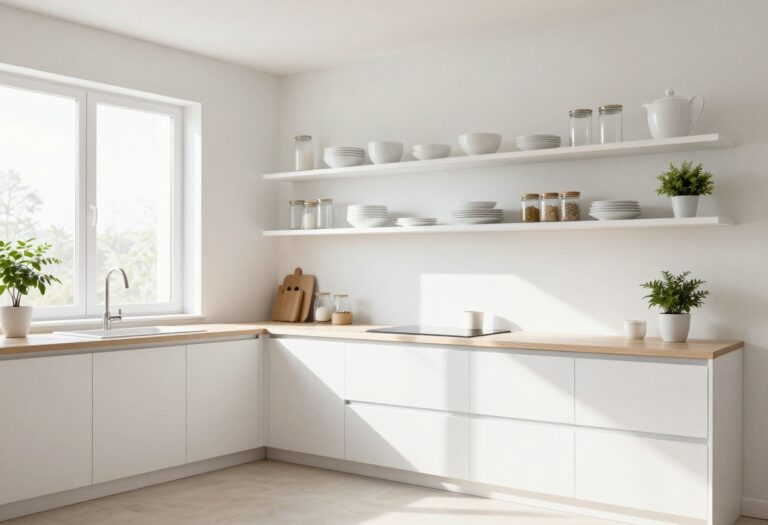
Building a kitchen in Blocksburg doesn't have to be complicated. With a few smart choices, you can create a space that feels both modern and welcoming. Whether you're starting from scratch or giving your current kitchen a refresh, these ideas focus on clean lines and cozy vibes.
Think light woods, soft neutrals, and open layouts that make cooking feel effortless. The goal is to keep things simple without sacrificing style. Each idea here is designed to be easy to build and easy to love.
Ready to transform your Blocksburg kitchen? Let's walk through ten ideas that balance modern design with that warm, lived-in feel. No clutter, no fuss—just a kitchen that works for you.
1. Open Shelving with Warm Wood Tones
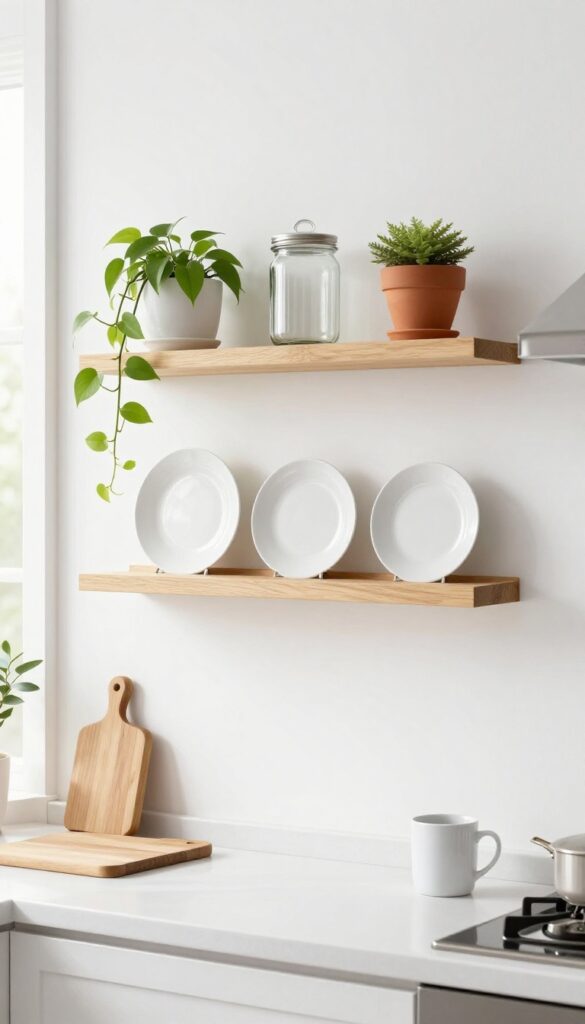
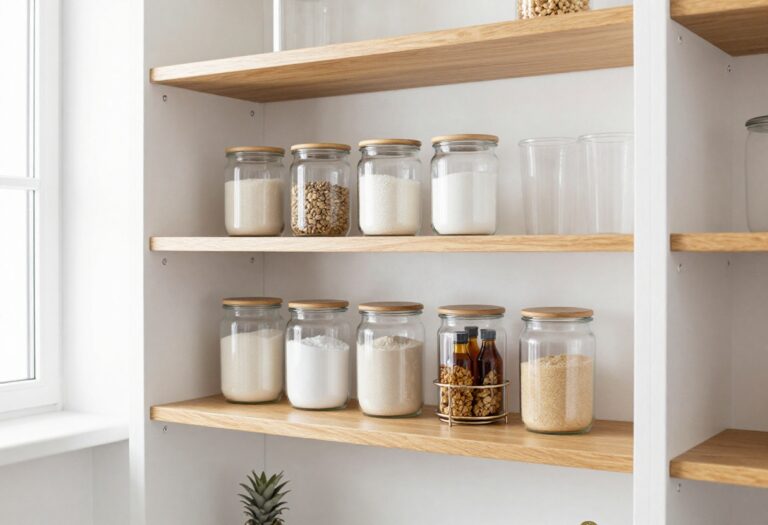
Say goodbye to heavy upper cabinets and hello to floating shelves in light oak or birch. This swap instantly opens up your kitchen, making it feel more spacious and inviting. The warm wood tones add a natural, cozy element that balances the clean lines of modern design.
Open shelving is a go-to for achieving that airy, relaxed kitchen vibe. By displaying only a few carefully chosen items—like ceramic plates, glass jars, and a small plant—you keep the space from feeling cluttered. The warmth of the wood tones brings in a touch of nature, softening the overall look.
It's a simple change that makes a big impact, especially in smaller kitchens where every inch counts.
Best Materials
- Stick with light oak or birch for that warm, Scandinavian feel. These woods have a natural grain that adds texture without overwhelming the space. Avoid dark or red-toned woods, which can make the kitchen feel heavier.
- For a budget-friendly option, consider pine with a light stain.
Shelf Styling Tip
- Less is more. Group items in odd numbers—three plates, two jars, one plant. Vary the heights and shapes for visual interest.
- Keep everyday dishes on lower shelves and decorative pieces up top. A small trailing plant, like pothos, adds a soft, organic touch.
Small-space Fix
- If your kitchen is tight, floating shelves are a lifesaver. They free up visual space where cabinets would feel bulky. Install them at different heights to create a custom look.
- Use brackets that match your hardware for a cohesive finish.
2. A Simple Island with Seating
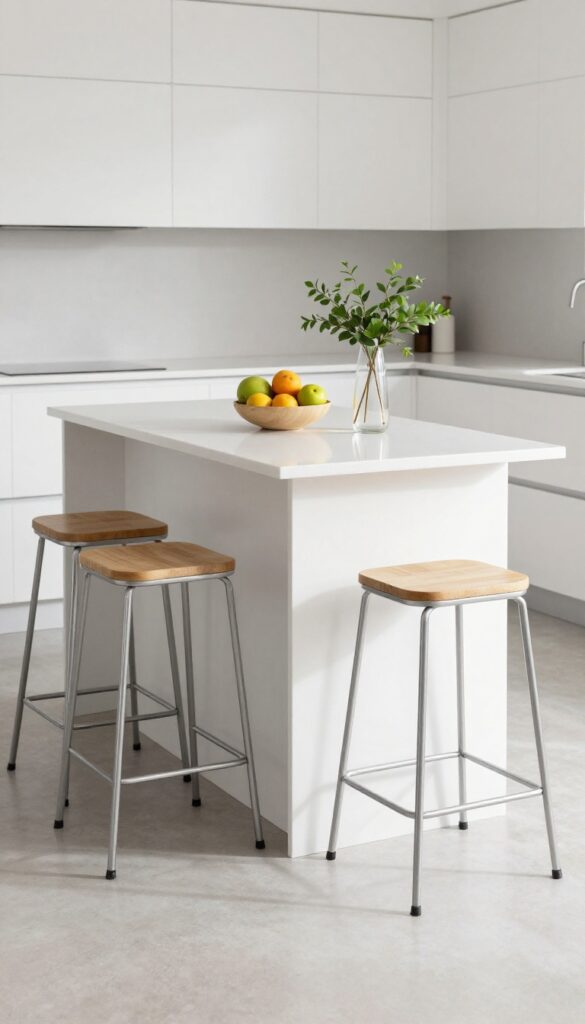
An island can feel like a luxury in a kitchen, but it doesn't have to be massive or expensive. A slim island with seating is one of those ideas that instantly makes a kitchen feel more functional and inviting. It gives you a spot to chop veggies, enjoy a quick breakfast, or just set down groceries without cluttering the counters.
The trick is keeping the design clean and neutral so it blends in rather than taking over the room.
A slim island with a white quartz countertop and two bar stools adds function without overwhelming the space. Use it for prep, quick meals, or extra storage underneath. Stick to a neutral palette for a clean look that feels modern and calm.
Best Materials
White quartz is a practical choice for the countertop because it's durable, easy to clean, and reflects light to keep the kitchen bright. For the base, consider a light wood or a soft gray painted finish to keep the look airy. Avoid dark or heavy materials that could make the island feel bulky.
Layout Tip
Keep the island narrow—around 24 to 30 inches wide—so it doesn't block traffic flow. Leave at least 36 inches of clearance on all sides for comfortable movement. Position the seating on one side only, facing the main work area, so the island still feels open and connected to the rest of the kitchen.
Finishing Touch
Add two simple bar stools with slim metal frames or light wood seats. Avoid oversized or heavily upholstered stools that could make the island feel cramped. A small bowl of fruit or a single vase with greenery on the counter adds a natural, lived-in touch without clutter.
3. Soft Gray Cabinets with Brass Hardware
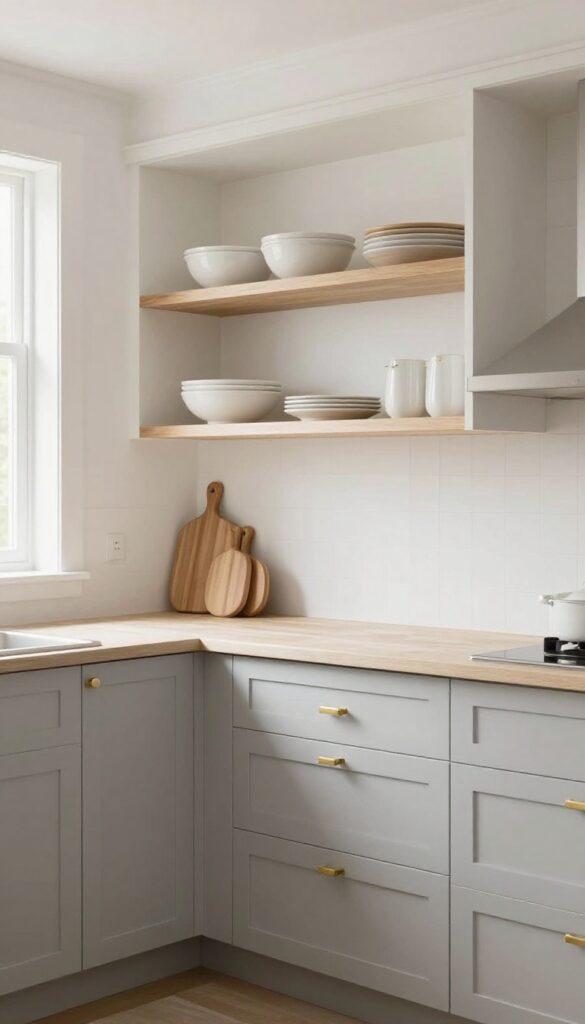
Gray cabinets have been trending for a while, but the trick is choosing the right shade and pairing it with hardware that adds warmth. A soft, warm gray on the lowers keeps the kitchen grounded without feeling heavy, while matte brass pulls bring in just enough shine. Leaving the uppers white or swapping them for open shelving keeps the space airy and prevents the gray from taking over.
The result is a kitchen that feels polished but still relaxed—perfect for cozy, modern builds.
This combination works especially well in Blocksburg kitchens where you want a clean look without sacrificing personality. The soft gray reads almost like a neutral, so it won't clash with other colors you might add later. Brass hardware adds a subtle vintage touch that keeps the space from feeling too cold or sterile.
It's an easy way to elevate standard cabinets without a full renovation.
Best Colors And Finishes
- Stick with warm grays that have a hint of beige or green undertone—think greige or sage-tinged gray. Cool grays can feel too stark, especially in a small kitchen. For the brass, matte or brushed finishes work best; high-polish brass can look a bit flashy for a cozy build.
- If you want to save money, consider spray-painting standard pulls with a matte brass spray paint designed for metal.
Cabinet Styling Tip
To keep the look balanced, limit the gray to lower cabinets only. Upper cabinets in white or a light cream help reflect light and make the ceiling feel higher. If you're using open shelving above, style them with a mix of white dishes, wood cutting boards, and a few brass or copper accessories to tie the hardware in visually.
Budget-Friendly Swap
- If replacing all cabinet fronts isn't an option, try painting just the base cabinets yourself. Use a high-quality cabinet paint in a soft gray and swap out the hardware for brass pulls. Even a small change like this can transform the whole kitchen.
- For the uppers, simply remove doors and paint the interior a light color for an instant open-shelf look.
4. Subway Tile Backsplash in a Herringbone Pattern
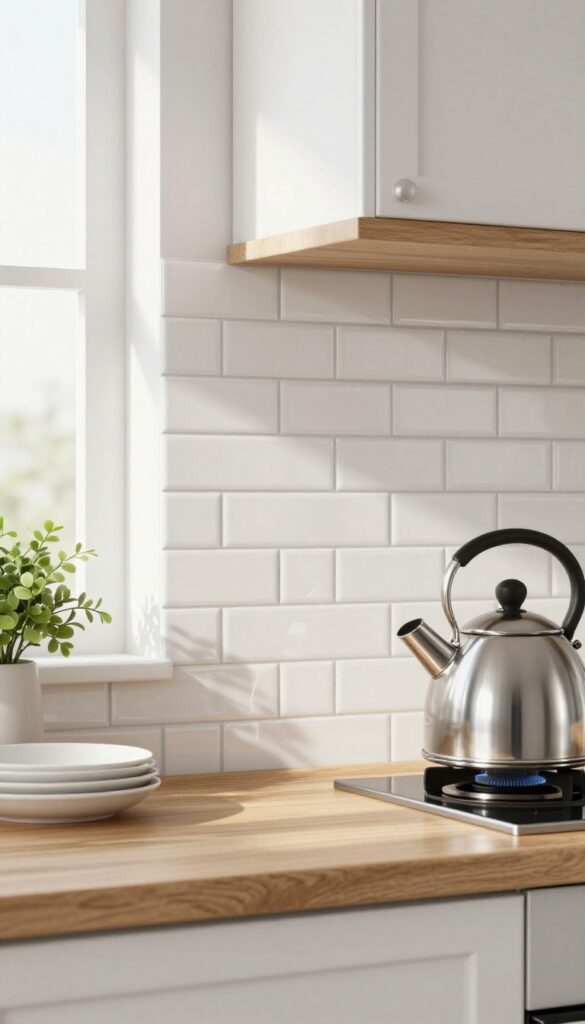
White subway tile is a kitchen staple for good reason—it’s clean, bright, and timeless. But laying it in a herringbone pattern behind the stove gives that classic material a fresh, textured twist. The V-shaped arrangement catches the light differently than a straight stack or running bond, making the backsplash feel more like a feature wall than just a practical surface.
It’s a small change that adds visual interest without cluttering the space, perfect for a modern kitchen that still feels warm and inviting.
For a modern kitchen that leans cozy rather than cold, a herringbone subway tile backsplash hits the sweet spot. The pattern introduces movement and depth, drawing the eye without overwhelming the room. White tiles keep things airy, while light gray grout adds a subtle definition that prevents the pattern from feeling too busy.
This backsplash works especially well behind the stove, where it becomes a natural focal point. Pair it with simple white or light wood cabinets and open shelving to let the tile shine. The herringbone layout also makes the kitchen feel slightly more custom and intentional, without requiring a full renovation or a huge budget.
Best Materials
- Stick with classic ceramic or porcelain subway tiles for durability and easy cleaning. Glossy finishes reflect light and make the space feel larger, while matte options offer a softer, more understated look. For a slight upgrade, consider handmade zellige tiles—their irregular surface adds even more texture and character, though they require a bit more maintenance.
- Whichever you choose, make sure the tiles are uniform in size to keep the herringbone pattern crisp.
Layout Tip
- Herringbone works best on a wall that’s at least 24 inches wide so the pattern has room to read. Behind a standard 30-inch range, it creates a beautiful framed effect. Start the pattern from the center of the stove and work outward to keep the V symmetrical.
- If your backsplash extends to the ceiling, consider stopping the herringbone at the bottom of the upper cabinets or at a height of 18 inches above the counter for a balanced look.
Finishing Touch
- Grout color matters more than you think. Light gray grout (think warm silver or greige) complements white tile without creating harsh contrast. Avoid pure white grout—it tends to show dirt and can make the pattern look washed out.
- For a more modern edge, try a medium gray grout that echoes other metal finishes in the kitchen, like stainless steel appliances or brushed nickel hardware.
5. A Compact Coffee Station
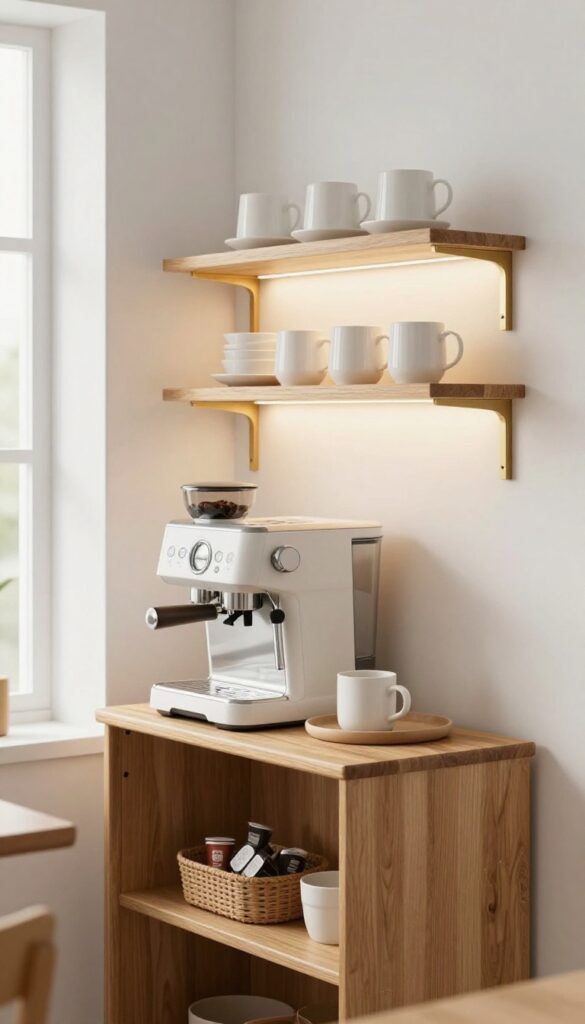
Carving out a dedicated coffee corner doesn't require a huge kitchen or a major renovation. Even a narrow slice of counter space can become the most intentional spot in the room when you treat it like a mini destination. The trick is to keep it streamlined—think clean lines, a warm light overhead, and everything you need within arm's reach.
A compact coffee station works best in an unused corner or along a short stretch of wall that might otherwise feel awkward. Start with a small counter or a slim console table, then add a shelf above for mugs and a drawer or basket below for pods, beans, or filters. The goal is to make your morning ritual feel effortless without cluttering the rest of the kitchen.
A warm pendant light above the station not only helps you see what you're doing but also signals that this corner has a purpose. Keep the palette simple—white, wood, and a touch of black or brass—so the station blends in while still feeling special.
Best Materials
- Stick with materials that feel clean and durable. A butcher-block or quartz countertop adds warmth without fuss. Open shelving in light wood or matte black keeps the look airy.
- For the drawer or basket, natural woven textures or sleek metal bins work well. Avoid anything too ornate—the beauty here is in the restraint.
Layout Tip
- If your counter space is tight, consider a wall-mounted fold-down shelf. It gives you a dedicated coffee surface that disappears when not in use. Or use a slim rolling cart that can tuck beside the fridge.
- The key is to keep the footprint minimal so the station feels intentional, not cramped.
Finishing Touch
- Add a small tray to corral your coffee essentials—machine, canister, and a favorite mug. A tiny plant or a salt lamp adds life without clutter. And that pendant light?
- Choose one with a warm bulb and a simple shade, like opal glass or brushed brass, to make the corner glow.
6. Marble-Inspired Countertops with a Waterfall Edge
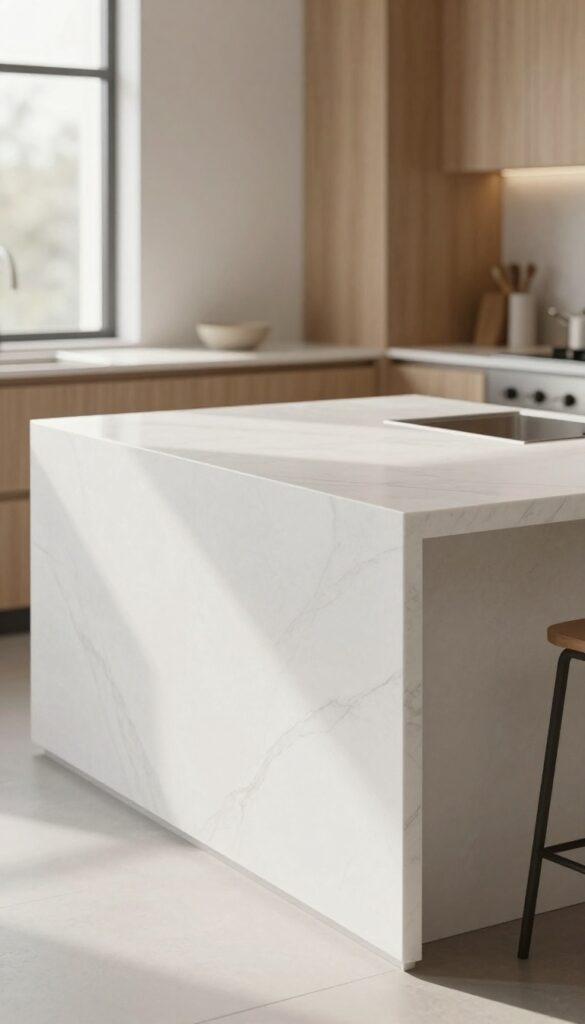
When you want that high-end kitchen look without the high-maintenance upkeep, marble-inspired quartz countertops are the way to go. They give you the elegant veining and soft, creamy background of real marble, but they're way more durable and stain-resistant. Pairing them with a waterfall edge on the island takes the whole design up a notch, creating a seamless, sculptural feel that's both modern and inviting.
Marble-look quartz with subtle veining is a smart choice for a kitchen that needs to look polished but still function for daily life. The waterfall edge—where the countertop material continues down the sides of the island—adds a continuous flow that makes the island feel like a single, intentional piece of furniture. It's a detail that catches the eye without screaming for attention, and it works beautifully in both open-concept layouts and smaller kitchens where you want every surface to earn its keep.
Plus, quartz is non-porous, so spills wipe right up, and you don't have to worry about etching or staining like you would with real marble.
Best Colors And Veining
Stick with whites, creams, or soft grays for the base color, and choose veining that's subtle rather than dramatic. Think fine, feathery lines in a slightly darker tone—like warm gray or soft taupe—that add depth without overpowering the space. A honed finish (matte) can help the surface feel more natural and less glossy, which fits perfectly with a relaxed, modern vibe.
Material And Maintenance
- Quartz is the hero here because it's engineered to be tough. It resists scratches, stains, and heat better than natural stone, so you can set down a hot pan or spill red wine without panicking. For the waterfall edge, make sure the fabricator miter-folds the corners for a clean, continuous look.
- Seams are minimal, and the surface stays smooth to the touch.
Styling The Island
- Keep the island top relatively clear to show off that waterfall edge. Add a couple of minimalist bar stools with slim metal legs so they don't block the view of the stone cascading down. A small ceramic vase with fresh greenery or a stack of cookbooks on the counter adds warmth without clutter.
- Under-island lighting, like slim LED strips, can highlight the waterfall effect in the evening.
7. Hidden Pantry with Sliding Barn Doors
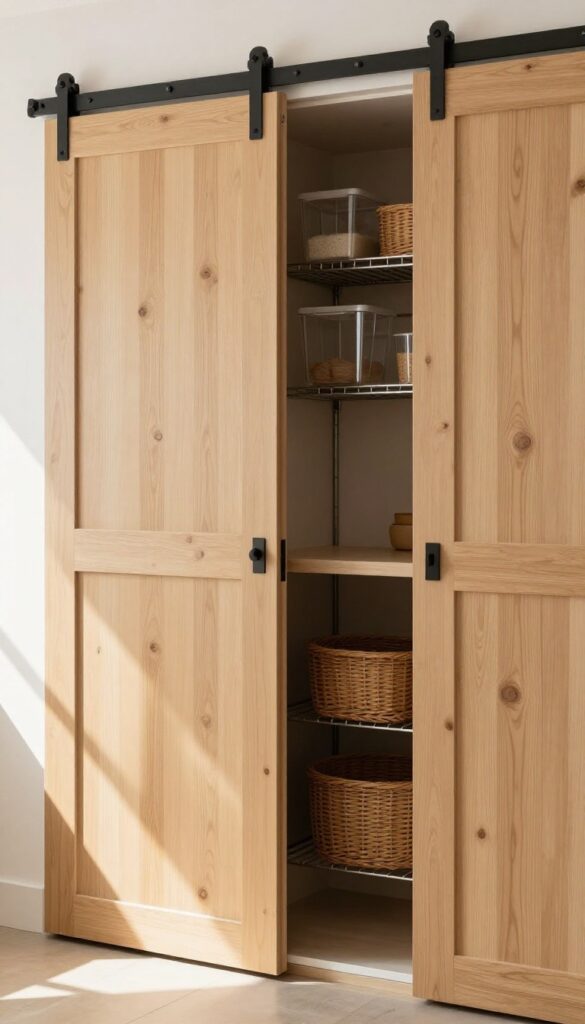
A hidden pantry is like a secret weapon for kitchen clutter. By tucking a narrow storage space behind a sliding barn door, you keep all the dry goods, snacks, and small appliances out of sight while still having them within arm's reach. The light wood finish on the door adds warmth without weighing down the modern, clean look of your kitchen.
This idea works especially well in kitchens where wall space is limited or you want to maintain a streamlined appearance. The sliding barn door becomes a design feature itself, offering texture and movement. Inside, the pantry stays organized with simple wire shelving and baskets, making it easy to grab what you need and keep everything tidy.
Best Materials
- For the barn door, choose a light wood like pine or birch with a clear seal or a whitewash finish. This keeps the look airy and matches the modern, clean angle. Avoid dark or heavily grained woods that might feel too rustic.
- The sliding hardware should be matte black or brushed nickel for a subtle contrast.
Layout Tip
A depth of about 18 to 24 inches is ideal for a pantry—enough to hold shelves and baskets without protruding too far into the kitchen. Place it near the main prep area or along a wall that's not used for cabinets. If you have a narrow gap between cabinets and a wall, that's a perfect spot.
Storage Tip
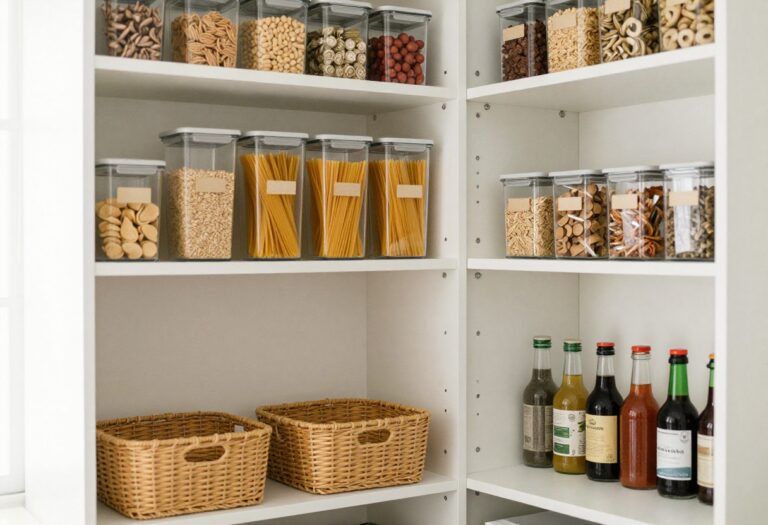
- Use wire shelving to keep things visible and airy. Group similar items in clear bins or woven baskets—baskets for produce, bins for snacks, and canisters for baking supplies. Label everything so it stays organized.
- Add hooks on the inside of the door for aprons or reusable bags.
8. Under-Cabinet Lighting for a Soft Glow
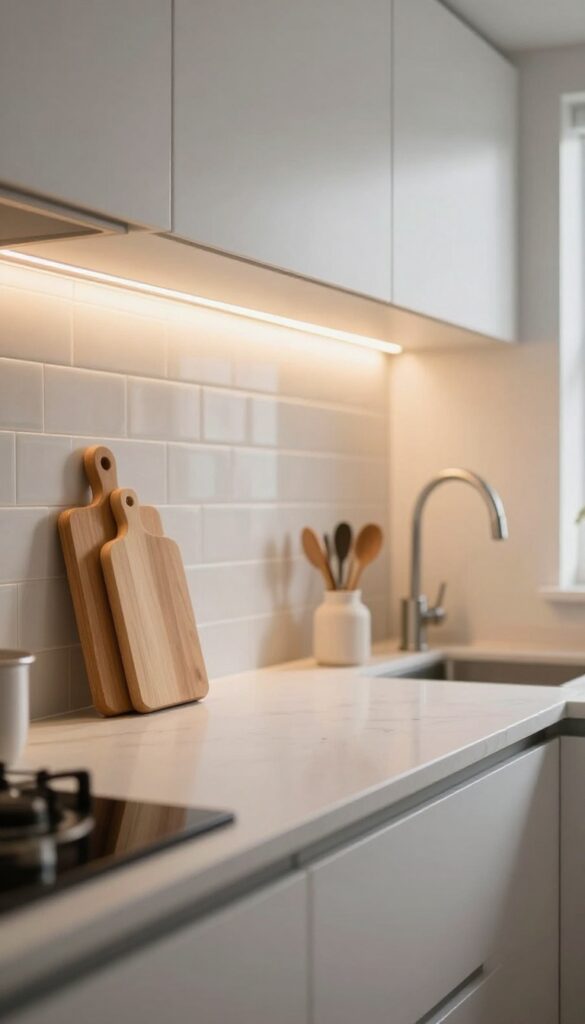
Kitchen lighting often gets reduced to one overhead fixture, but that single source can leave countertops shadowed and the room feeling flat. Warm LED strip lights tucked under upper cabinets change everything. They cast a gentle glow across your workspace, making prep and cooking easier while adding a layer of cozy ambiance that overhead lights just can't match.
The best part? Installation is surprisingly simple, and the effect instantly makes your kitchen feel more polished and inviting.
Under-cabinet lighting is one of those upgrades that feels luxurious but costs less than you'd think. It softens harsh shadows, highlights your backsplash, and makes the whole kitchen feel warmer in the evening. For a modern and clean look, choose a dimmable LED strip with a color temperature around 2700K to 3000K—that warm white tone keeps things cozy without feeling yellow.
Hardwired options offer the cleanest look, but plug-in strips work well too, especially if you hide the cord behind the cabinet face frame or run it through a small channel. Position the strip toward the front of the cabinet bottom so the light hits the countertop evenly, not the wall. And if you're renting or just want a no-commitment solution, battery-operated puck lights are a quick alternative—just stick them on and enjoy the glow.
Best Placement
Mount the strip about an inch from the front edge of the upper cabinet so the light lands on the counter rather than the backsplash. This prevents glare and gives you the most functional illumination for chopping, reading recipes, or just admiring your dishware.
Dimmer Controls
A dimmer switch is worth the small extra effort. It lets you dial the brightness up for tasks and down for a soft night-light effect. Some smart strips even work with voice assistants, so you can adjust the mood without leaving your seat.
Color Temperature Tip
Stick with warm white (2700K–3000K) to keep the kitchen feeling inviting. Cooler temperatures (4000K+) can look clinical and harsh, especially in a cozy build. If you want flexibility, choose a tunable white strip that lets you switch between warm and cool tones.
9. A Butcher Block Accent Wall
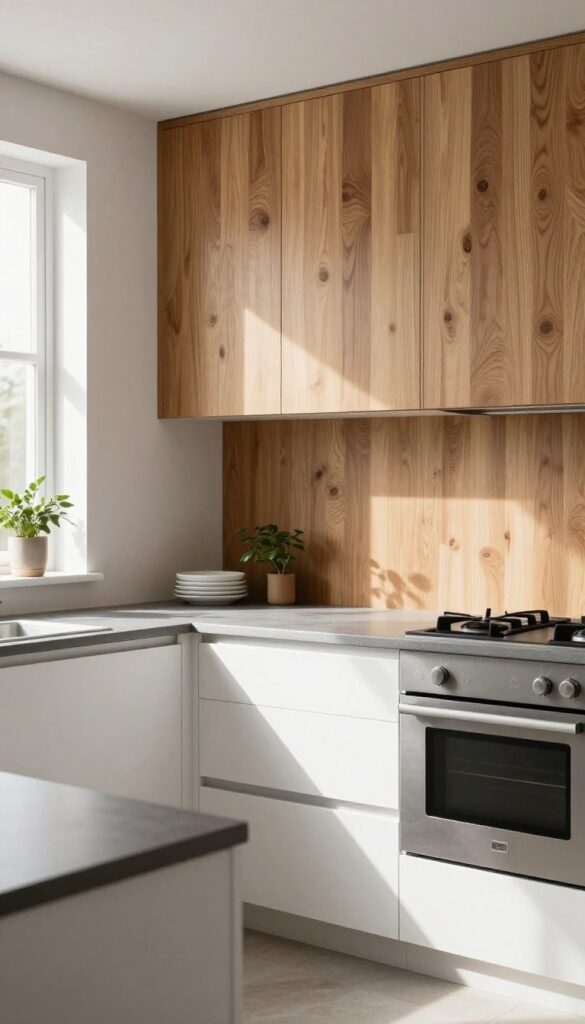
Warmth and texture can be hard to come by in a modern kitchen, especially when you're working with sleek cabinets and cool tones. That's where a butcher block accent wall comes in. Covering one wall—or even just the back of an island—with butcher block panels instantly adds a natural focal point that feels grounded and inviting.
It's a simple swap that brings in wood grain without overwhelming the space.
Think of it as a way to introduce organic texture without committing to full wood countertops or floors. The key is choosing the right wood tone and sealing it well so it holds up against kitchen moisture and splashes. This idea works especially well in galley kitchens or open layouts where one wall can anchor the room.
Pair it with open shelving or a few plants to complete the look.
Best Wood Tones
- Stick with warm medium tones like oak or walnut for a cozy feel that contrasts nicely with white or light gray cabinets. If your kitchen leans darker, a lighter birch or maple can brighten things up. Avoid overly red or orange stains—they can feel dated.
- A matte finish keeps it modern.
Placement Ideas
The wall behind the stove or sink makes a natural focal point, but you can also panel the back of a kitchen island or a narrow wall at the end of a counter. In a small kitchen, a single accent wall prevents the space from feeling closed in while still adding character.
Sealing And Maintenance
Since this is a kitchen, you'll want a food-safe sealer like mineral oil or a water-based polyurethane. Reapply every few months near the stove or sink. A quick wipe with a damp cloth is all it needs day to day—no harsh cleaners required.
10. Minimalist Window Treatment with Roman Shades
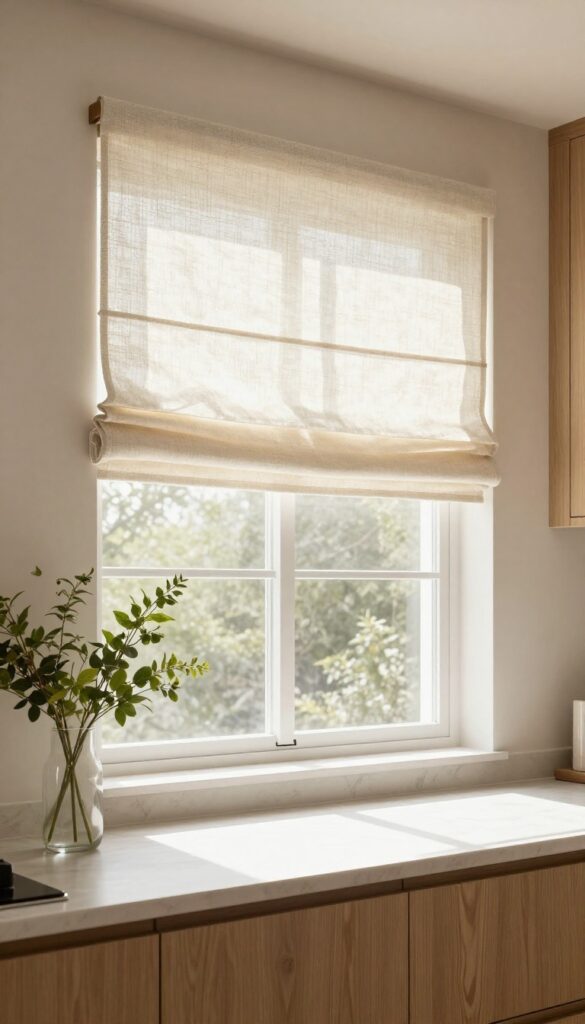
Windows can make or break a room's vibe, and roman shades are the unsung heroes of clean, cozy design. They bring softness without the fussy layers of curtains, and they let you control light with a simple tug. In a Blocksburg kitchen, where simplicity rules, a linen-like roman shade in cream or beige adds warmth without clutter.
Pair it with a slim rod in matte black or brushed nickel, and you've got a look that feels polished but not overdone.
Roman shades are a smart choice for kitchens because they sit flat against the window when raised, keeping sightlines clear and counters uncluttered. The fabric's natural texture—think linen or a linen blend—adds subtle visual interest without competing with other elements. For a cohesive look, choose a shade that's a shade or two darker than your wall color, so it grounds the space.
The best part? They're easy to install yourself, and you can find ready-made options at most home stores.
Best Fabric Choices
- Stick with natural-looking fabrics like linen, cotton, or a linen-cotton blend. Avoid shiny or stiff materials—they'll feel too formal. A soft cream, warm beige, or light stone color works best for that airy, modern feel.
- If you want a hint of pattern, go for a subtle stripe or a faint geometric weave, but keep it tonal.
Installation Tips
Mount the rod just above the window frame to make the ceiling feel higher. Inside-mount shades look sleek and built-in, but outside-mounts can make a small window appear larger. Use a simple curtain rod with finials that match your cabinet hardware for a coordinated finish.
Light Control & Privacy
Roman shades offer flexibility: lower them fully for privacy, or raise them to let in maximum light. For kitchens, a light-filtering fabric is ideal—it softens sunlight without making the room feel dark. If you need blackout for a kitchen that doubles as a dining area, choose a lined shade.
FAQ
What is the best color scheme for a modern Blocksburg kitchen?
Stick with a neutral base like white, soft gray, and warm wood tones. Add subtle contrast with black or brass accents for a clean, modern feel.
How can I make a small Blocksburg kitchen feel bigger?
Use open shelving instead of upper cabinets, choose light colors, and maximize natural light. A slim island with seating can also add function without crowding.
What flooring works best in a Blocksburg kitchen?
Light wood-look tile or luxury vinyl plank in a warm oak tone is durable and ties in with the cozy modern aesthetic. Avoid dark floors that can make the space feel smaller.
Can I mix metals in a Blocksburg kitchen?
Yes, but keep it intentional. Pair brushed brass hardware with a stainless steel sink or matte black fixtures. Limit to two metals to maintain a cohesive look.
How do I add personality without clutter?
Use a few carefully chosen decor pieces like a ceramic vase, a wooden cutting board, or a small plant. Stick to a consistent color palette and rotate items seasonally.
Conclusion
These ten ideas prove that a modern, clean kitchen in Blocksburg doesn't have to feel cold or sterile. By mixing warm materials with simple layouts, you can create a space that's both stylish and inviting. Pick a few ideas that resonate with your style and start building.
Remember, the best kitchens are the ones that feel good to spend time in. Keep it simple, keep it cozy, and let your personal touches shine through. Happy building!