13 Kitchen Alcove Ideas That Use Recessed Wall Space
Kitchens often come with those little recessed areas that feel more like an afterthought than a design feature. Maybe yours is a shallow nook near the window or a deeper alcove beside the pantry.
Instead of letting it collect dust or random clutter, you can turn it into one of the most charming spots in your home. These built-in indentations are actually a gift—they give you a chance to add character without sacrificing floor space.
Whether you need extra storage, a place to sit, or just a pretty vignette, an alcove can become a hardworking part of your kitchen. Let's walk through 13 ideas that make the most of that recessed wall space.
1. Cozy Breakfast Nook with Built-In Banquette
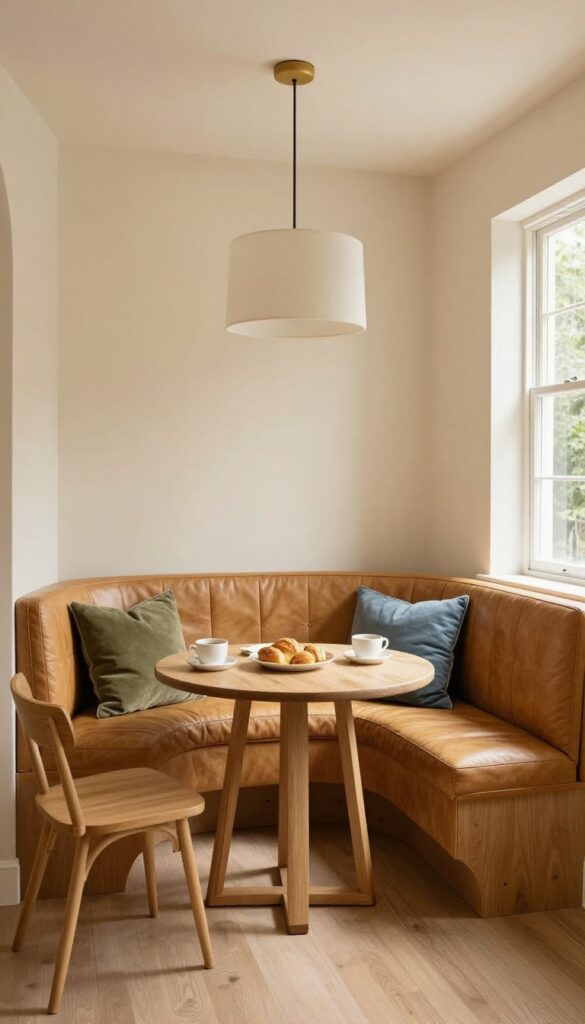
That deep alcove in your kitchen might be begging to become a little breakfast nook. Instead of leaving it as awkward dead space, a custom-built banquette and a small table turn it into one of the coziest spots in the house. It’s the kind of place where morning coffee lingers and casual meals feel special, all without taking up an inch of your main floor plan.
A deeper alcove—think at least 36 inches deep—is perfect for a built-in bench that hugs the walls. Pair it with a round or square table that tucks right up to the bench, and add a couple of chairs on the opposite side. Cushions in a durable, washable fabric (like performance linen or cotton canvas) make it comfortable, while a mix of throw pillows adds softness and personality.
Overhead, a single pendant light or a small drum shade defines the zone and gives it that intentional, designed feel. This setup works especially well in galley kitchens or L-shaped layouts where an unused corner can become a daily destination.
Best Colors
Stick with warm, inviting tones that feel lived-in. Soft cream, warm beige, or pale terracotta on the walls keep the nook airy. For the banquette upholstery, consider a muted olive green, dusty blue, or a warm camel leather—they add richness without overwhelming the space.
Layout Tip
- Measure carefully before building. The bench should be about 18 inches deep and 18 inches high (standard chair height) so it’s comfortable for sitting. Leave at least 12 inches between the table edge and the bench for easy legroom.
- A round table often fits better in tight alcoves because it eliminates sharp corners.
Lighting Tip
A pendant light hung 30 to 36 inches above the table surface creates a cozy glow and visually anchors the nook. Choose a fixture with a warm shade—like woven rattan, linen, or a matte brass dome—to keep the mood soft and inviting.
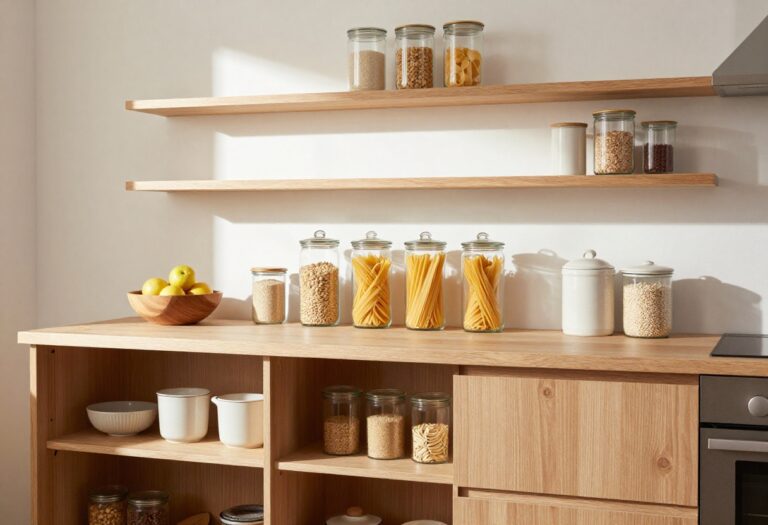
2. Open Shelving for Everyday Dishware
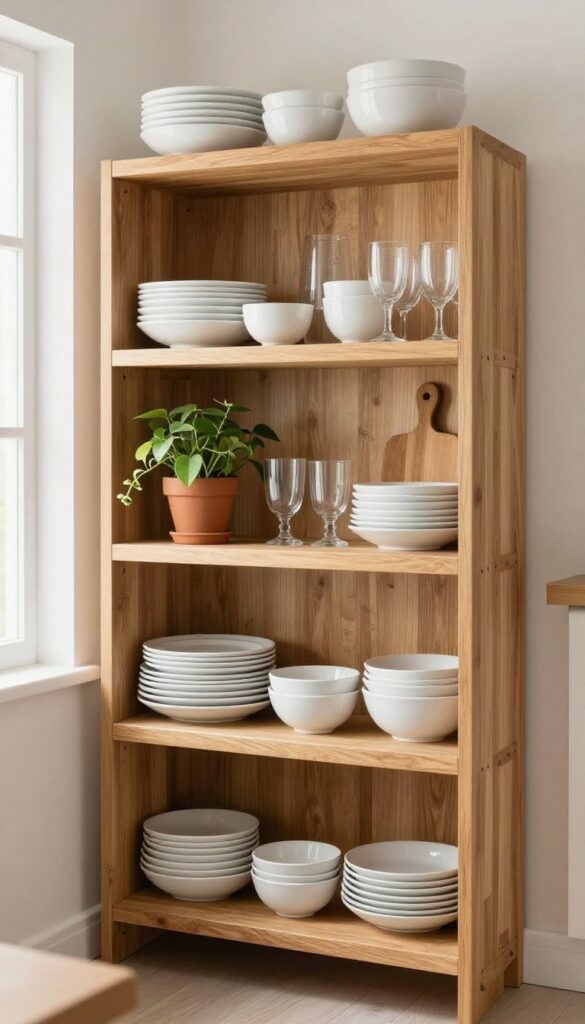
Turning a kitchen alcove into open shelving is one of those ideas that looks great and actually makes life easier. Instead of digging through cabinets to find a coffee mug, you can grab one right from the wall. The trick is to keep it from looking like a cluttered mess.
By sticking to everyday dishware and adding a few personal touches, you get a display that feels warm and lived-in, not staged.
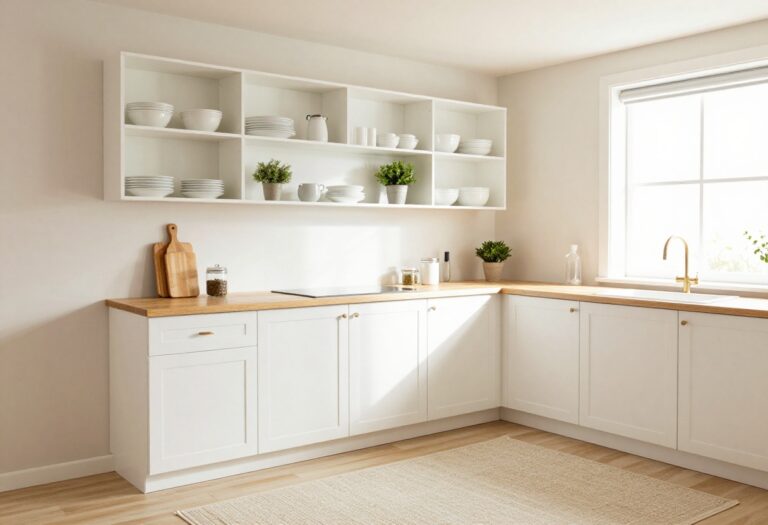
Open shelving in an alcove turns an awkward recess into a functional feature. The key is to keep it practical—store plates, bowls, and glassware you actually use. Mix in a small plant or a ceramic piece to soften the look.
This setup works especially well near the stove or prep area, where you need quick access to daily items. Keep the shelves sturdy and the arrangement balanced: heavier items on lower shelves, lighter pieces up top.
Shelf Styling Tip
Group similar items together, like all white plates on one shelf and glassware on another. Leave a little breathing room between stacks so it doesn't feel jammed. Add a small trailing plant or a wooden cutting board leaned against the back wall for texture and warmth.
Best Materials
- Go with solid wood shelves in a natural finish or painted to match your trim. They hold up well and add warmth. For a more modern look, try black metal brackets with thick pine planks.
- Avoid glass shelves here—they show every fingerprint and can look too delicate.
Finishing Touch
Install under-shelf lighting to highlight your dishware and make the alcove feel deeper. A simple LED strip or puck lights work wonders. It turns a practical shelf into a cozy, inviting display, especially in the evening.
3. Mini Coffee or Tea Station
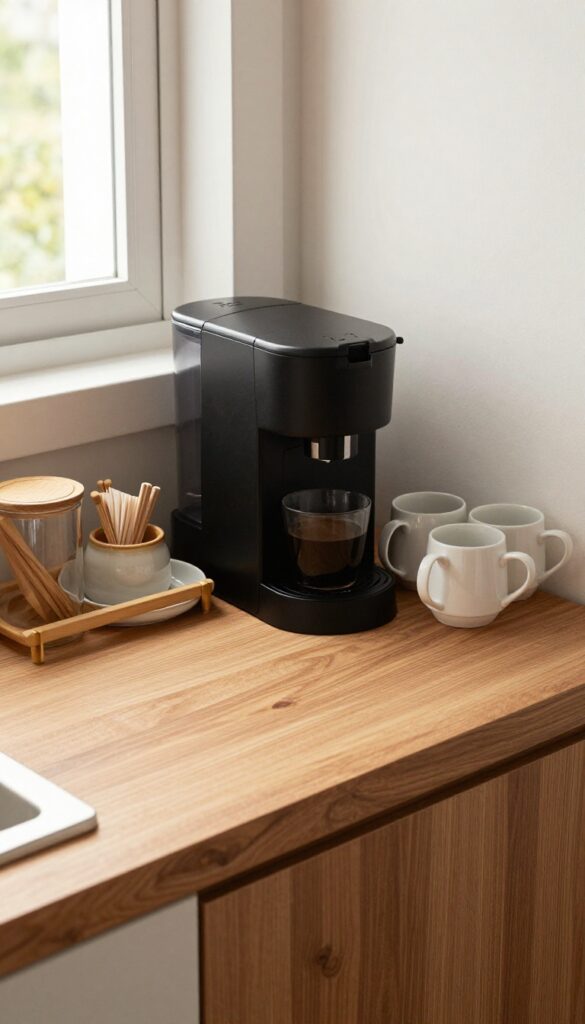
That awkward little alcove beside the fridge or under a sloped ceiling? It’s begging to become your morning happy place. A mini coffee or tea station turns a few square feet into a ritual spot where you can brew, stir, and sip without cluttering the main counter.
The key is keeping it compact but cozy—think warm wood tones, a small machine, and mugs hanging within easy reach. It feels like a little café nook tucked into your kitchen, and it makes even a rushed weekday feel a bit more intentional.
Start with a slim countertop—butcher block or a painted shelf works great—that fits the alcove’s depth. Place a single-serve coffee maker or a kettle on one side, leaving room for a tray with your go-to supplies: sugar, tea bags, stir sticks. Install a simple wooden rail or a row of hooks underneath the upper cabinet (or on the wall) to hang your favorite mugs.
A small ceramic jar or a glass canister keeps stir sticks and spoons tidy. Finish with a low-profile tray to corral the little things—it keeps the station looking clean even when you’re in a hurry. The whole setup should feel like a dedicated moment, not an afterthought.
Best Colors & Materials
- Stick with warm, natural tones to keep the alcove feeling inviting. A butcher-block countertop or a warm wood shelf pairs beautifully with white or cream ceramic mugs. If your kitchen has brown cabinets, let the coffee station echo those earthy hues—maybe a matte black or copper kettle for contrast.
- Avoid cold stainless steel or stark white if the rest of your kitchen leans warm; instead, go for brass or bronze accents on hooks and the tray. The goal is a cozy, collected look that blends with the kitchen’s existing palette.
Layout & Storage Tip
- Think vertical: use the wall space above the counter for hooks or a small shelf to hold mugs and a few jars. Keep the countertop itself clutter-free by storing extra pods, tea bags, or stir sticks in a single drawer or a small basket tucked on a lower shelf. If the alcove is tight, choose a slim coffee maker that doesn’t stick out too far.
- A narrow rolling cart or a tiered shelf can also work if you need more storage for cups and supplies.
Cozy Finishing Touch
- Add a small framed print or a little plant on the counter—something that makes you smile when you grab your morning coffee. A warm-toned pendant light or a small plug-in sconce above the station creates a soft glow and separates the nook from the rest of the kitchen. Even a tiny vase with a single dried branch or a sprig of eucalyptus adds life.
- These little details make the station feel like a purposeful spot, not just a utility corner.
4. Window Seat with Storage Below
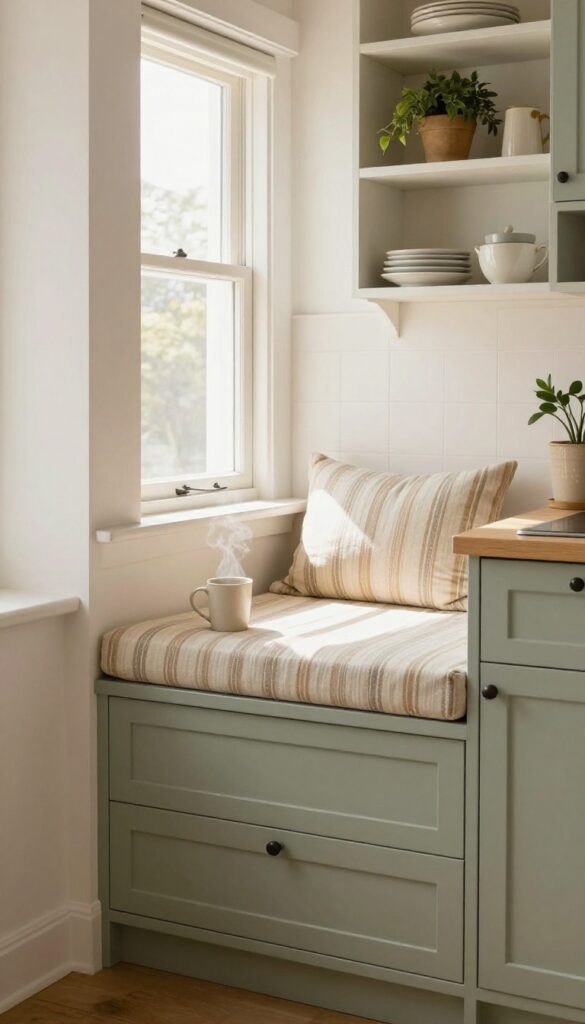
There’s something about a window seat that instantly makes a kitchen feel more inviting. If your alcove happens to have a window, you’ve got the perfect setup for a cozy little nook. By adding a built-in bench with drawers or cabinets underneath, you turn an awkward recess into a spot that’s both charming and incredibly practical.
It becomes the kind of place where you can sip your morning coffee, watch the rain, or just take a breather while dinner simmers.
A window seat in the kitchen does double duty: it adds a warm, lived-in feel while tucking away all those odds and ends that tend to clutter countertops. The storage below can hold extra linens, small appliances you don’t use daily, or even kids’ art supplies. To keep the look relaxed and inviting, go with a cushioned seat in a soft, washable fabric—maybe a subtle stripe or a warm neutral.
The key is making it feel like a natural part of the kitchen, not an afterthought.
Best Materials
- For a kitchen window seat, durability matters. Choose a solid wood or plywood base that can handle daily use. Paint it in a color that complements your cabinets—soft white, pale gray, or even a muted sage green work beautifully.
- For the cushion, opt for a performance fabric that resists stains and wipes clean easily. A 2- to 3-inch foam pad wrapped in a removable cover makes maintenance a breeze.
Storage Tip
Maximize every inch by using deep drawers for larger items like mixing bowls or small appliances. If the seat is long, divide the space into a mix of drawers and cabinets—drawers for easy access to everyday items, and cabinets for bulkier things like a slow cooker or extra bakeware. Add pull-out bins or baskets inside the cabinets to keep smaller items organized.
Cozy Detail
Make the seat extra inviting with a few plush throw pillows in complementary textures—think linen, velvet, or a chunky knit. A small side table or a floating shelf nearby gives you a spot to set down your mug or a book. If the window gets good light, add a trailing plant on the sill for a touch of green that softens the whole look.
5. Built-In Wine Rack and Glass Storage
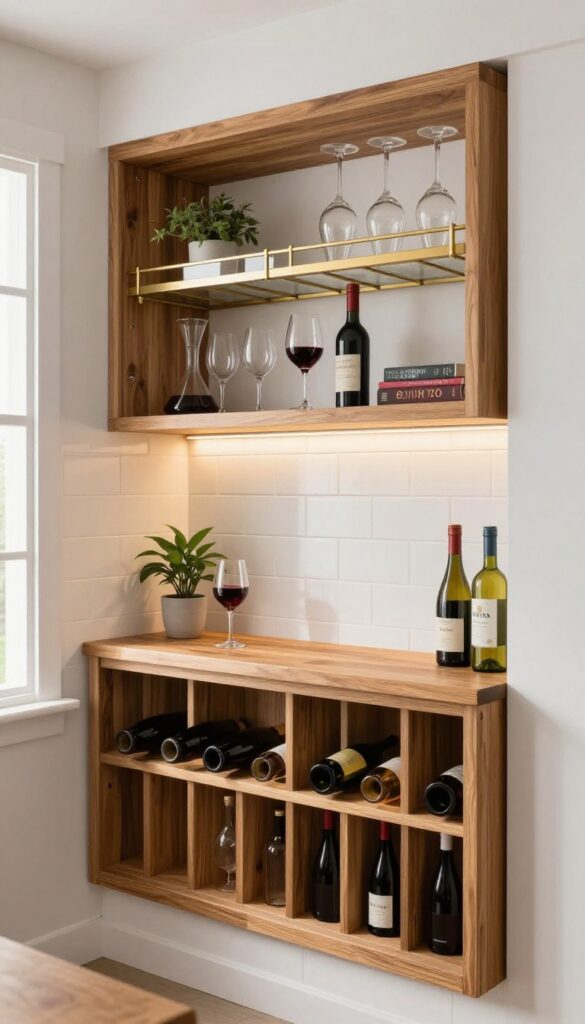
If you're lucky enough to have a recess in your kitchen, turning it into a built-in wine station feels both luxurious and totally practical. Picture a cozy little nook where you can store bottles, hang stemware, and even have a small surface for pouring a glass while you cook. It instantly adds a warm, lived-in feel—like the kind of corner you'd find in a European farmhouse kitchen.
This idea works especially well in a kitchen alcove that's not quite deep enough for cabinets but too awkward to leave empty. By combining horizontal bottle storage with vertical glass racks, you make use of every inch without it feeling cluttered. A small countertop—maybe just 12 to 16 inches deep—gives you a spot to set down a glass or a decanter.
The overall effect is inviting and intentional, like the space was always meant for this.
Best Materials
Go with warm wood tones like oak or walnut for the wine rack to keep the look cozy. Pair it with brushed brass or matte black glass holders for a subtle contrast. If your kitchen leans modern, you can use black metal grid racks instead—they're sleek but still feel approachable.
Layout Tip
Install the wine rack on the lower half of the alcove and the glass storage above. This keeps heavy bottles easy to reach and stems safely out of the way. If the alcove is tall, add a narrow shelf in between for a few cocktail books or a small plant.
Lighting Tip
Tuck a small LED strip under the shelf or glass rack to softly illuminate the bottles. Warm white light (2700K) makes the wine labels glow and gives the whole nook a cozy, bar-like ambiance. Avoid cool or blue tones—they'll kill the relaxed mood.
6. Display Niche for Cookbooks and Art
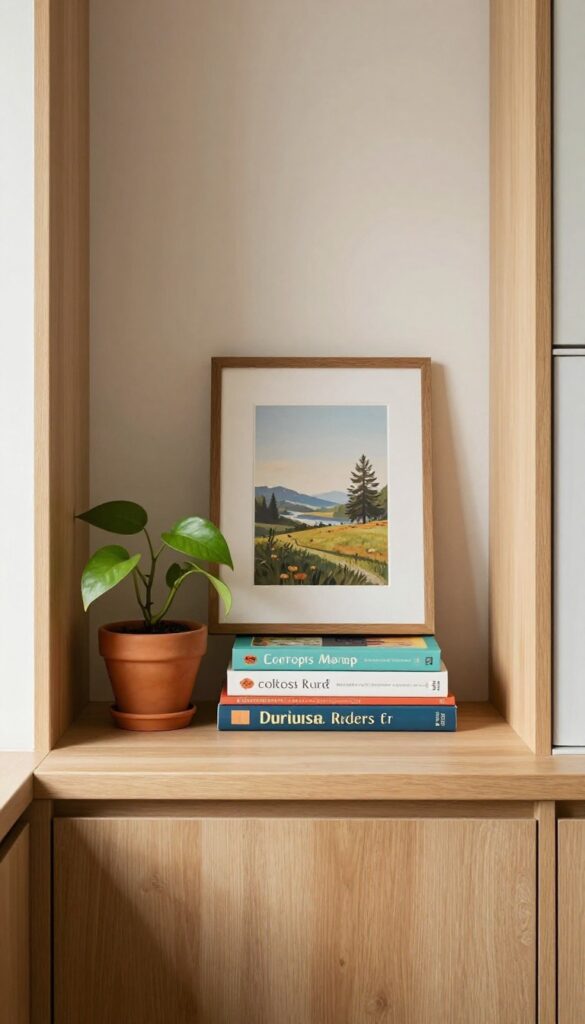
A shallow alcove in the kitchen often feels like wasted space, but it can become a cozy little vignette that adds personality to the room. By stacking a few cookbooks horizontally and leaning a piece of art against the back, you create a mini library that feels curated and lived-in. This setup works especially well in a narrow niche near the dining area or breakfast nook, where it can double as a conversation starter.
To pull off this look, start with a small stack of cookbooks—choose ones with colorful spines or interesting covers to add visual interest. Place them off-center to leave room for a framed print or a small canvas leaning against the wall. Add a low-maintenance plant like a pothos or a snake plant in a ceramic pot for a touch of green, or tuck in a ceramic vase with dried eucalyptus.
The key is to keep it simple and avoid overcrowding, so the niche feels intentional rather than cluttered.
Best Colors And Materials
- Stick with a neutral palette for the books and art to keep the look cohesive—think warm whites, soft grays, or earthy tones. A wooden frame or a canvas with a simple landscape works well. For the plant pot, choose a matte ceramic in a muted color like terracotta or sage green to complement the books.
- If your alcove has a dark back wall, consider painting it a lighter shade to make the display pop.
Layout And Styling Tip
- Stack two or three books horizontally, then prop a piece of art slightly behind them at an angle. The art should be about the same height as the stack or a bit taller. Place a small plant or vase in front of the books to add depth.
- Avoid symmetrical arrangements—an asymmetrical layout feels more relaxed and natural, which fits the lived-in vibe.
Finishing Touch
Add a small LED puck light or a battery-operated picture light above the niche to highlight the display. Warm light makes the cookbooks and art feel cozy, especially in the evening. If the alcove is shallow, skip the light and let natural light from a nearby window do the work.
7. Pull-Out Pantry for Dry Goods
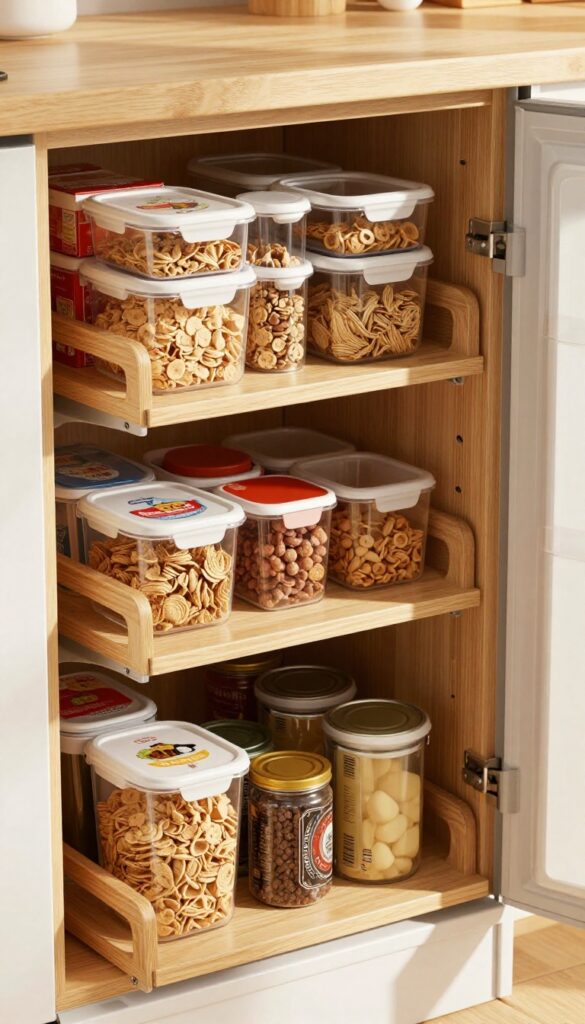
That deep, awkward alcove next to the fridge? It’s prime real estate for a pull-out pantry. Instead of losing cans and boxes in a dark corner, you can slide everything out with a gentle tug.
It’s one of those upgrades that makes you wonder why you didn’t do it sooner.
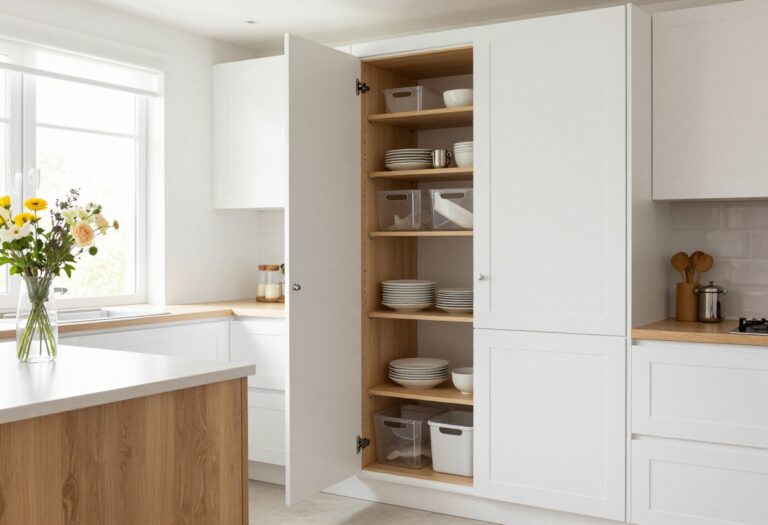
Install pull-out shelves or baskets in a deep alcove to store canned goods, spices, and snacks. Use clear containers to keep everything visible and organized. The best part?
You can customize the depth and height to fit your exact stash, from tall cereal boxes to tiny spice jars. It turns a forgotten nook into the most functional spot in your kitchen.
Best Materials
Go with sturdy wire baskets for heavy cans — they allow air to circulate and keep dust from settling. For a warmer look, use wooden pull-out shelves with a natural or whitewashed finish. If you’re on a budget, basic chrome slide-out shelves work great and look clean.
Layout Tip
Measure your alcove’s depth and width carefully before buying hardware. Standard pull-out systems need about 2 inches of clearance on each side. If the alcove is extra deep, consider a two-tier system so nothing gets lost in the back.
Finishing Touch
Line the shelves with a grippy drawer liner to keep cans from rolling. Then group similar items in clear bins: baking supplies in one, snacks in another. Add a small battery-powered puck light at the top if the alcove is dim — it makes a huge difference.
8. Hanging Pot Rack with Herb Garden
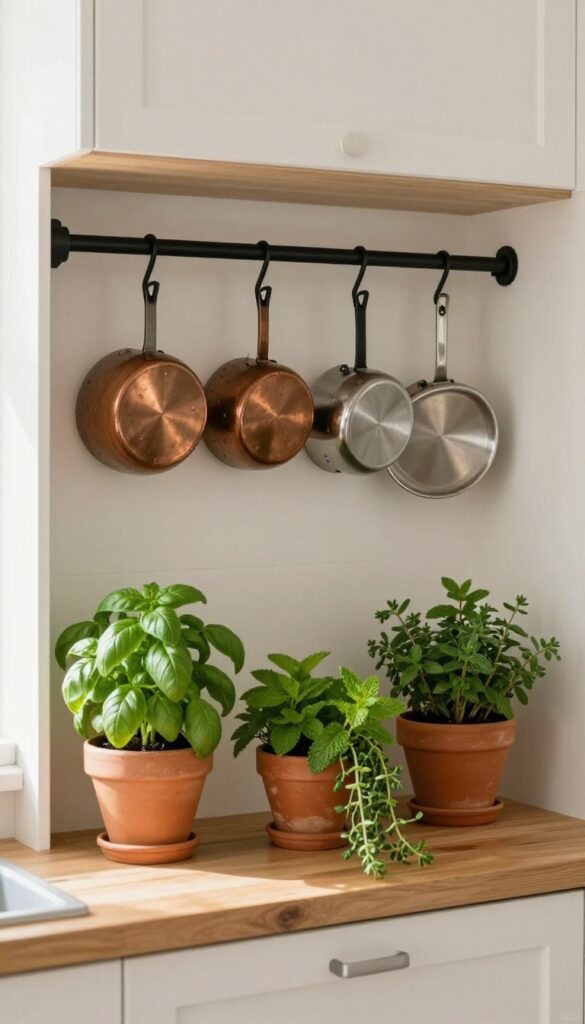
There's something about a kitchen alcove that just begs to be turned into a functional feature. Instead of letting that recessed spot collect dust or random clutter, why not turn it into a hardworking cooking station? A hanging pot rack paired with a little herb garden is one of those ideas that feels both practical and charming—like something you'd see in a cozy farmhouse kitchen, but it works just as well in a modern apartment.
It keeps your most-used pots within arm's reach, frees up cabinet space, and adds a living, breathing element to the room.
Mount a sturdy rod across the alcove to hang pots and pans, then place a small shelf below for potted herbs. It keeps cookware accessible and adds a fresh, green touch.
Best Materials
Go for a metal rod that matches your existing hardware—black iron for a rustic look, brushed brass for warmth, or stainless steel for a clean modern vibe. The shelf can be a simple wooden plank or a slim metal rack. For the herbs, choose small terracotta pots or ceramic planters in earthy tones to keep the feel grounded.
Layout Tip
Hang the rod high enough so that even your largest pot clears the counter below. Place the shelf about 12 to 18 inches beneath the rod—enough space to reach the herbs without banging your head. Arrange the pots by size, with the heaviest ones at the ends for balance.
Plant Styling Tip
Pick herbs that thrive in indirect light if your alcove isn't directly under a window—basil, mint, chives, and parsley are all forgiving. Mix in a trailing plant like creeping thyme to soften the edges. Water them over the sink to avoid drips on the floor.
9. Pet Feeding Station with Built-In Bowls
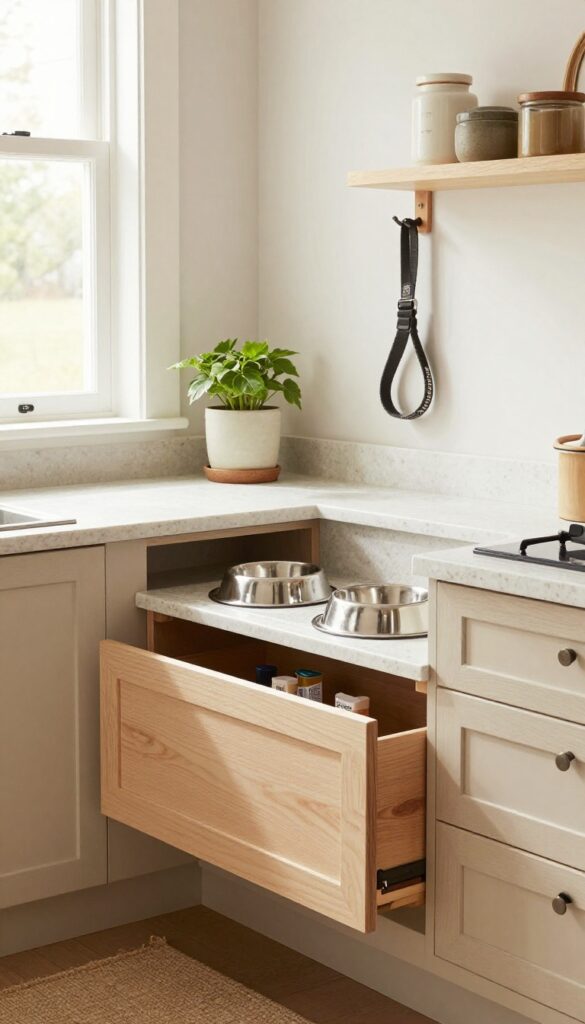
If you have a furry family member, a kitchen alcove can become their dedicated dining spot. By raising the bowls off the floor, you create a more comfortable eating height for your pet and make cleanup easier for yourself. This idea turns a small recess into a functional, tidy station that blends seamlessly into your kitchen.
Design a low alcove with raised bowls and a drawer for pet supplies. Add a mat underneath and a small hook for leashes to keep the area neat. The built-in look feels intentional and polished, while the drawer hides treats, food scoops, and waste bags.
Choose materials that coordinate with your cabinetry for a cohesive finish.
Best Materials
- Use the same countertop material as your main kitchen for a seamless look. Quartz or granite is easy to clean and durable. For the bowl area, consider a stainless steel or ceramic insert that's removable for washing.
- The drawer can be plywood with a soft-close mechanism to prevent slamming.
Layout Tip
Position the bowls at a height that matches your pet's chest level—usually 6 to 12 inches off the ground for medium to large dogs. Leave at least 18 inches of width for two bowls side by side. If space is tight, stack the bowls vertically or use a single elevated dish.
Finishing Touch
Add a small hook inside the alcove to hang leashes or a towel. Place a washable mat under the bowls to catch spills and crumbs. A small plant or decorative jar on the counter above can soften the utilitarian feel and tie the station into the rest of the kitchen.
10. Floating Desk for Meal Planning
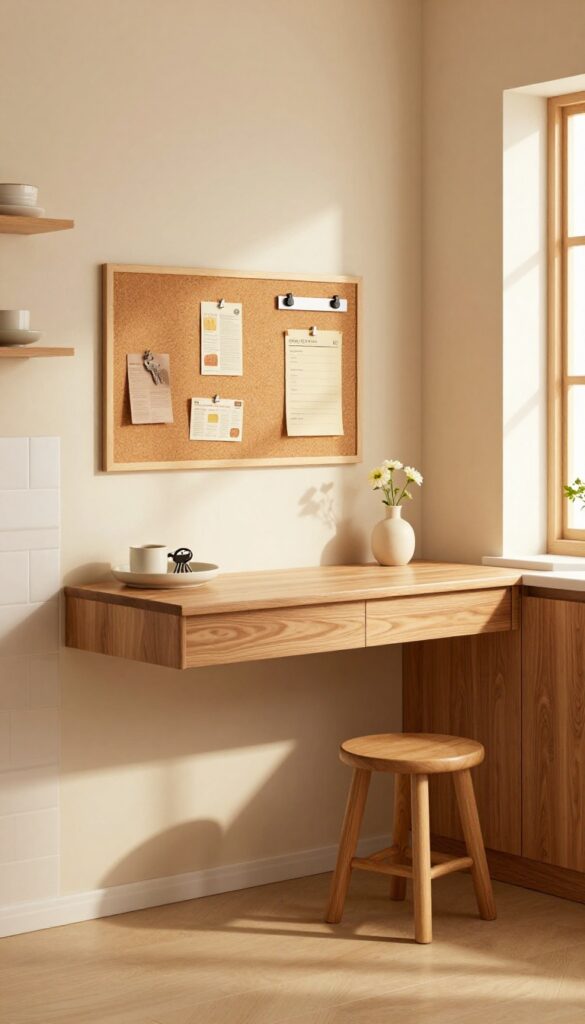
A kitchen alcove is the perfect spot to carve out a tiny workspace without sacrificing floor space. By installing a slim floating desk, you create a dedicated area for meal planning, paying bills, or scrolling through recipes while dinner simmers. Tuck a stool underneath when it's not in use, and the whole setup disappears visually.
It's the kind of practical, space-saving idea that makes a kitchen feel more functional without losing its cozy, lived-in charm.
A floating desk turns an awkward recess into one of the most useful spots in your kitchen. The key is keeping it shallow—around 12 to 16 inches deep—so it doesn't jut out into the room. Pair it with a backless stool or a simple wooden counter stool that slides completely underneath.
Above the desk, mount a corkboard or a magnetic strip to keep recipes, grocery lists, and takeout menus within easy reach. This corner becomes a command center that feels intentional, not cluttered.
Best Materials
- Go for a warm wood like oak or walnut to match the relaxed, lived-in vibe. A butcher-block top adds texture and warmth, while a matte white or soft gray painted finish keeps things light. If your alcove backs up to a wall with tile, consider a solid wood shelf with visible grain for contrast.
- Avoid glossy finishes—they show fingerprints and feel too formal for a cozy kitchen.
Styling Tip
- Keep the desktop mostly clear so it stays functional. Add a small ceramic dish for keys or a tiny vase with a single stem for personality. Use a woven basket on the floor next to the desk for cookbooks or a spare throw.
- The goal is a spot that feels useful but not busy—a place you actually want to sit down and plan your week.
Layout Fix
- If the alcove is deeper than a standard desk, install the floating shelf at a height that leaves room for a stool and your legs. Measure your stool height first—usually 24 to 26 inches works for a standard 28- to 30-inch desk surface. Leave at least 10 inches of knee clearance.
- For a tighter space, use a wall-mounted fold-down desk that flips up when not needed.
11. Appliance Garage for Small Gadgets
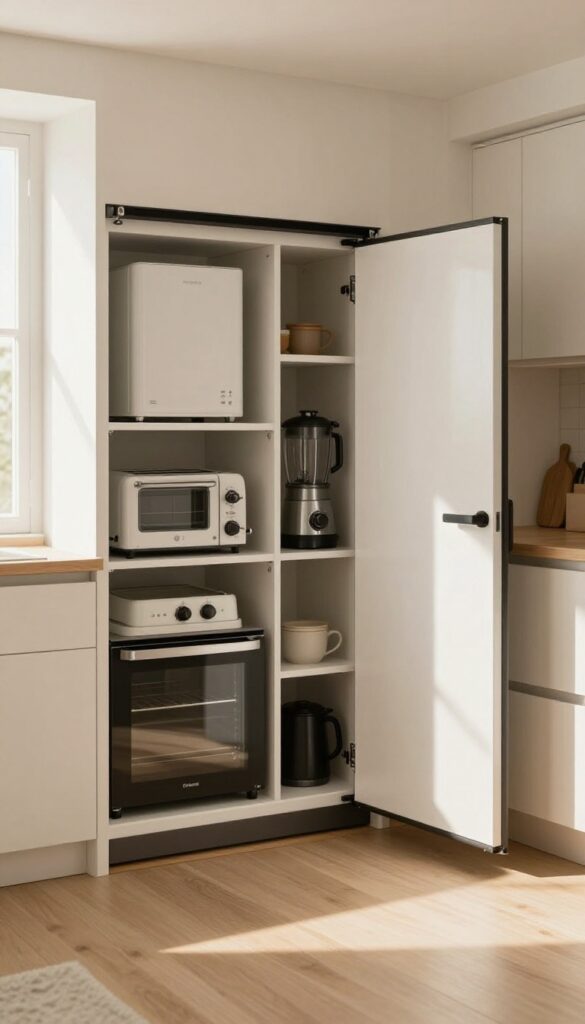
That awkward recess in your kitchen wall can become the perfect hideaway for your countertop appliances. Instead of letting toasters, blenders, and coffee makers clutter your counters, turn the alcove into a dedicated appliance garage. A roll-top door or a simple curtain keeps everything tucked away but still accessible—plugged in and ready to go.
It’s one of those ideas that makes your kitchen look instantly cleaner without sacrificing convenience.
An appliance garage is a smart way to reclaim counter space and reduce visual clutter. By fitting your alcove with a roll-top door, tambour door, or even a tension rod with a fabric curtain, you can hide small gadgets while keeping them within easy reach. This works especially well in a kitchen where counter space is tight, because you can store frequently used items like the toaster, blender, or stand mixer right where you need them.
Plus, you can customize the look to match your style—choose a door that blends with your cabinets or go for a contrasting color to make it a feature.
Best Materials For The Door
For a seamless look, match the door material to your existing cabinets—wood, laminate, or even a metal roll-top for an industrial vibe. If you prefer a softer feel, a curtain in a linen or cotton fabric adds warmth and is easy to swap out. For a budget-friendly option, a simple roller shade cut to size works perfectly.
Layout Tip: Keep It Functional
- Measure your alcove carefully before buying any door system. Allow enough depth for your largest appliance and leave a few inches of clearance for ventilation. Install an electrical outlet inside the alcove so you can keep everything plugged in.
- If you store multiple gadgets, consider a pull-out shelf or a lazy Susan to make items in the back easy to reach.
Styling The Inside
- Even though the door will be closed most of the time, keep the inside tidy. Use small trays or bins to corral cords and accessories. A pop of color on the back wall—like a peel-and-stick tile or a coat of paint—adds a surprise element when you open the door.
- It’s a small detail that makes the space feel intentional.
12. Mudroom-Style Drop Zone
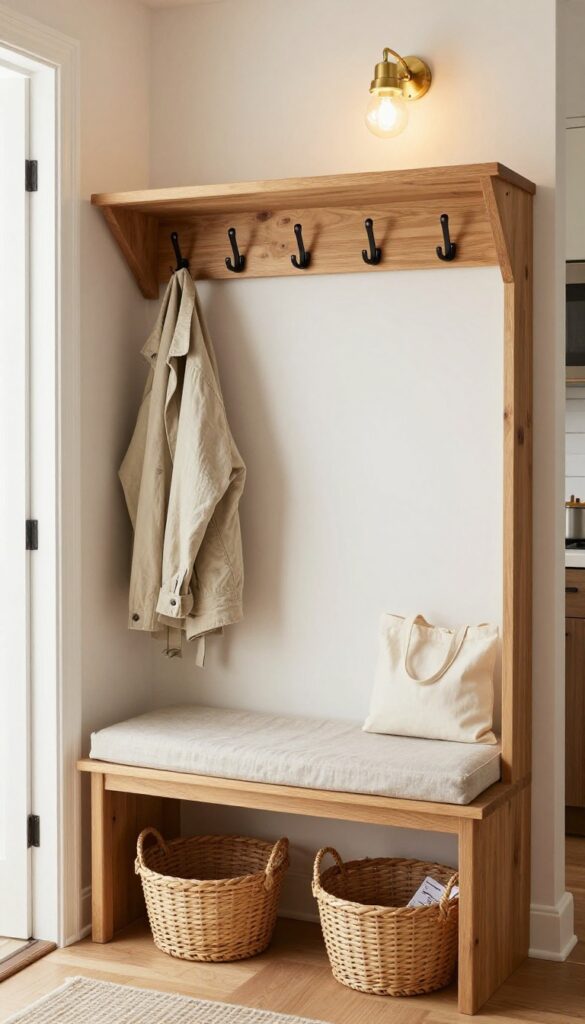
That awkward alcove near the back door? It's begging to become a mudroom-style drop zone. Instead of letting coats pile up on chairs or bags land on the counter, this setup gives everything a designated spot.
It keeps the kitchen-adjacent clutter contained and adds a warm, lived-in feel that makes the space more inviting.
Turn that recessed wall into a functional entry point with hooks, a bench, and a small shelf. It's perfect for tossing keys, hanging a jacket, or kicking off shoes before stepping into the kitchen. The result is a cozy, organized nook that feels like a natural extension of your home's flow.
Best Materials
Stick with natural wood tones for the bench and shelf to keep things warm and approachable. A simple wooden bench with a cushion in a durable fabric (like canvas or linen) adds comfort without fuss. Black or brass hooks contrast nicely and hold up to daily use.
Layout Tip
If the alcove is narrow, mount hooks at varying heights so adults and kids can both reach. Place the bench low enough to tuck under the shelf, and keep the shelf shallow so it doesn't crowd the space. A small basket on the floor catches mail or mittens.
Finishing Touch
Add a small lamp or a battery-operated sconce above the shelf for a soft glow. It makes the drop zone feel intentional and welcoming, especially when you come home in the evening. A woven basket for scarves or gloves completes the cozy, lived-in look.
13. Floating Shelves with Curated Decor
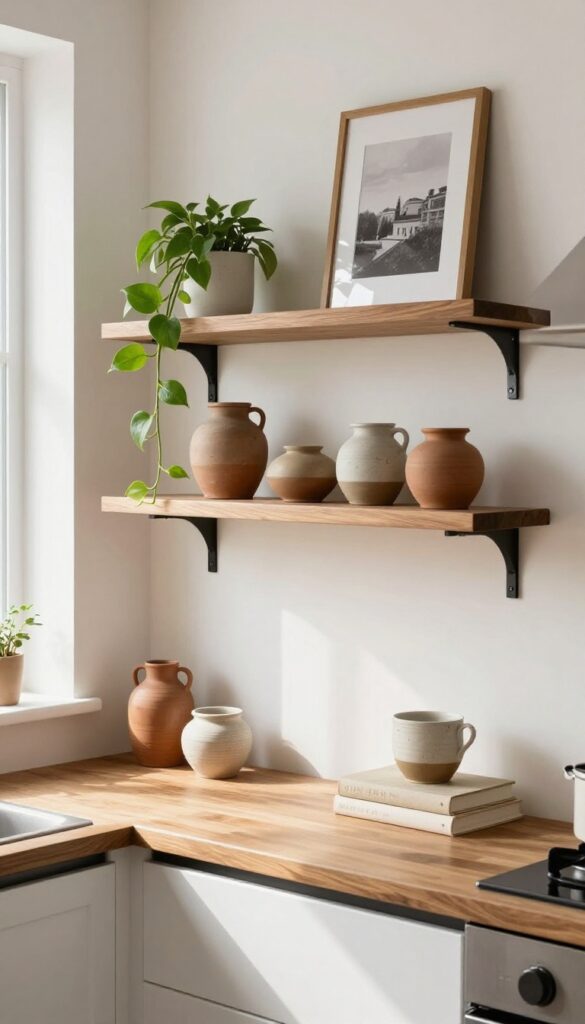
Not every kitchen alcove needs to be packed with storage. Sometimes the best way to use that recessed wall space is to turn it into a little gallery moment. Floating shelves let you show off a few favorite pieces without cluttering the counter, and they keep the area feeling open and intentional.
The key is restraint—pick a small collection of items that feel personal but still fit the kitchen's overall vibe.
For a purely decorative approach, install a couple of floating shelves and style them with a mix of ceramics, a small trailing plant, and a framed photo or two. Keep the color palette warm and cohesive—think creamy whites, earthy terracottas, and soft greens. This setup works especially well in an alcove near the dining area or beside a window, where the natural light can highlight the textures.
Don't overcrowd the shelves; leave some breathing room so each piece stands out.
Best Colors And Materials
Stick with warm neutrals and natural materials to keep the look grounded. Wood shelves in a walnut or oak finish add warmth, while ceramic vases and linen-toned pottery reinforce the cozy, lived-in feel. If your kitchen has cool tones, go for white or light gray shelves and add a few brass or copper accents for contrast.
Shelf Styling Tip
- Vary the heights and shapes of your objects. Stack a couple of small books under a vase, lean a framed print against the wall, and let a trailing pothos or ivy cascade over the edge. This creates visual rhythm without looking messy.
- Keep the arrangement asymmetrical for a more relaxed, collected-over-time look.
Finishing Touch
Add a small, warm-glow LED strip under the bottom shelf to softly illuminate your display. It makes the alcove feel like a built-in feature and adds a cozy layer of light in the evening. Just make sure the strip is hidden from view for a clean finish.
FAQ
How deep should a kitchen alcove be to use these ideas?
Most alcoves work with depths from 12 to 24 inches. Shallow spaces (under 12 inches) are great for shelves or art, while deeper ones can fit seating or pull-out storage.
Can I add lighting to a kitchen alcove?
Absolutely. Under-shelf LED strips, small pendant lights, or even a plug-in sconce can make the alcove feel intentional and bright. Just make sure wiring is safe and up to code.
What if my alcove has an odd shape or slanted walls?
Custom shelving or built-ins are your best bet. You can also use modular furniture that fits the space, or simply style it with a single large piece like a cabinet or a bench.
How do I keep an open-shelf alcove from looking cluttered?
Stick to a limited color palette and group items by type. Use baskets or bins for small items, and leave some empty space between objects for visual breathing room.
Is it expensive to turn an alcove into a breakfast nook?
Not necessarily. A simple bench with cushions and a small table can be done on a budget. If you want built-in seating, costs go up, but you can also use freestanding furniture.
Conclusion
Kitchen alcoves don't have to be awkward dead zones. With a little creativity, they can become some of the most functional and inviting spots in your home—whether you need extra storage, a cozy seat, or a place to display your favorite things.
Pick the idea that fits your space and lifestyle best, and remember that even small changes can make a big difference. A well-used alcove adds personality and practicality, making your kitchen feel more complete and lived-in.