13 Functional Small Bathroom Stand-Up Shower Ideas
Small bathrooms often feel like a puzzle, especially when you're trying to fit in a shower without cramping the room. But a stand-up shower can actually be the smartest solution, freeing up floor space and making the room feel larger.
The trick is choosing the right design that works with your layout, not against it. You don't need a massive renovation to make a big impact.
Simple tweaks like swapping a bulky tub for a sleek shower or adding a glass panel instead of a curtain can transform the space. These ideas focus on practicality, so you get a shower that's easy to use and maintain.
1. Corner Shower Units
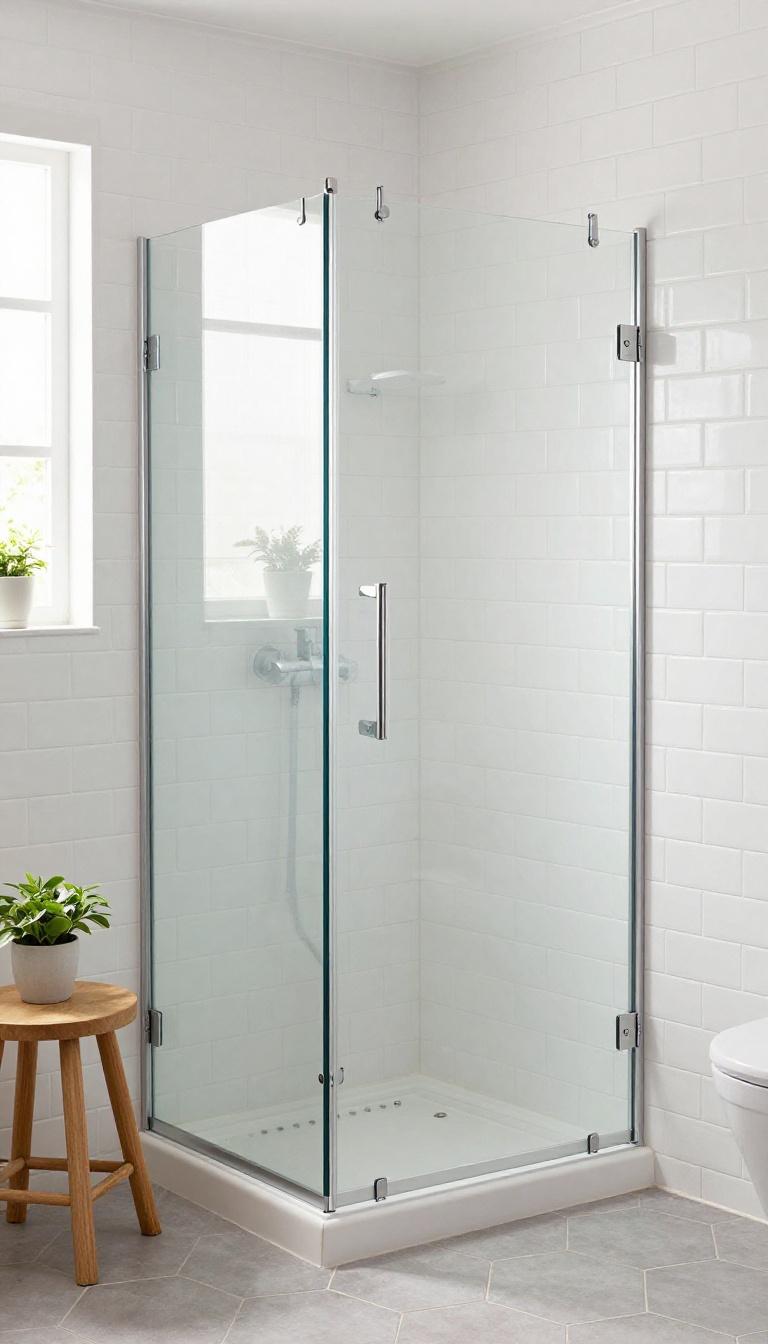
Corners often go unused in small bathrooms, but they're actually prime real estate for a shower. A corner unit tucks neatly into that awkward space, freeing up the rest of the floor for a vanity or toilet. Whether you choose a prefabricated model or a custom tiled design, this layout is a classic space-saver.
Corner showers come in two main styles: neo-angle and quadrant. Neo-angle units have a squared-off front with angled glass panels, while quadrant models feature a curved door that takes up even less visual space. Both fit into corners without wasting precious inches, and they work well in bathrooms as small as 5 feet by 7 feet.
Pick The Right Size
Measure your corner carefully before buying. A 36-inch by 36-inch unit is the minimum for comfortable showering, but if you have a bit more room, a 42-inch or 48-inch model feels more spacious. Check the diagonal depth too—you want enough space to move without bumping elbows.
Glass Or Curtain?
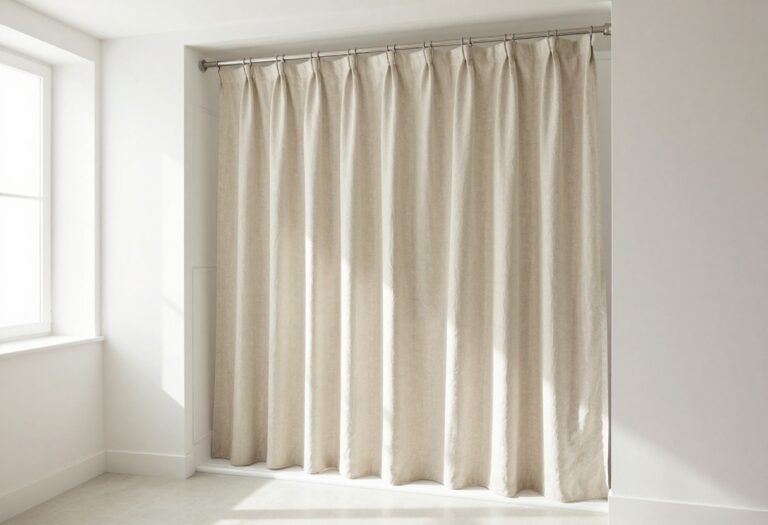
Glass doors make the bathroom feel more open and let in light, but they need regular cleaning to avoid water spots. A curved shower rod with a fabric curtain is cheaper and easier to swap out, plus it adds a soft touch. If you're after a sleek look, go with clear glass; for more privacy, choose frosted glass.
Tiled Vs. Prefab
A prefabricated corner shower is quick to install and budget-friendly, with seamless pans that resist leaks. A custom tiled corner shower, on the other hand, lets you match your bathroom's style exactly, and you can add built-in niches for shampoo bottles. Tiled showers cost more and take longer, but they can boost your home's value.
2. Glass Enclosures for an Open Feel
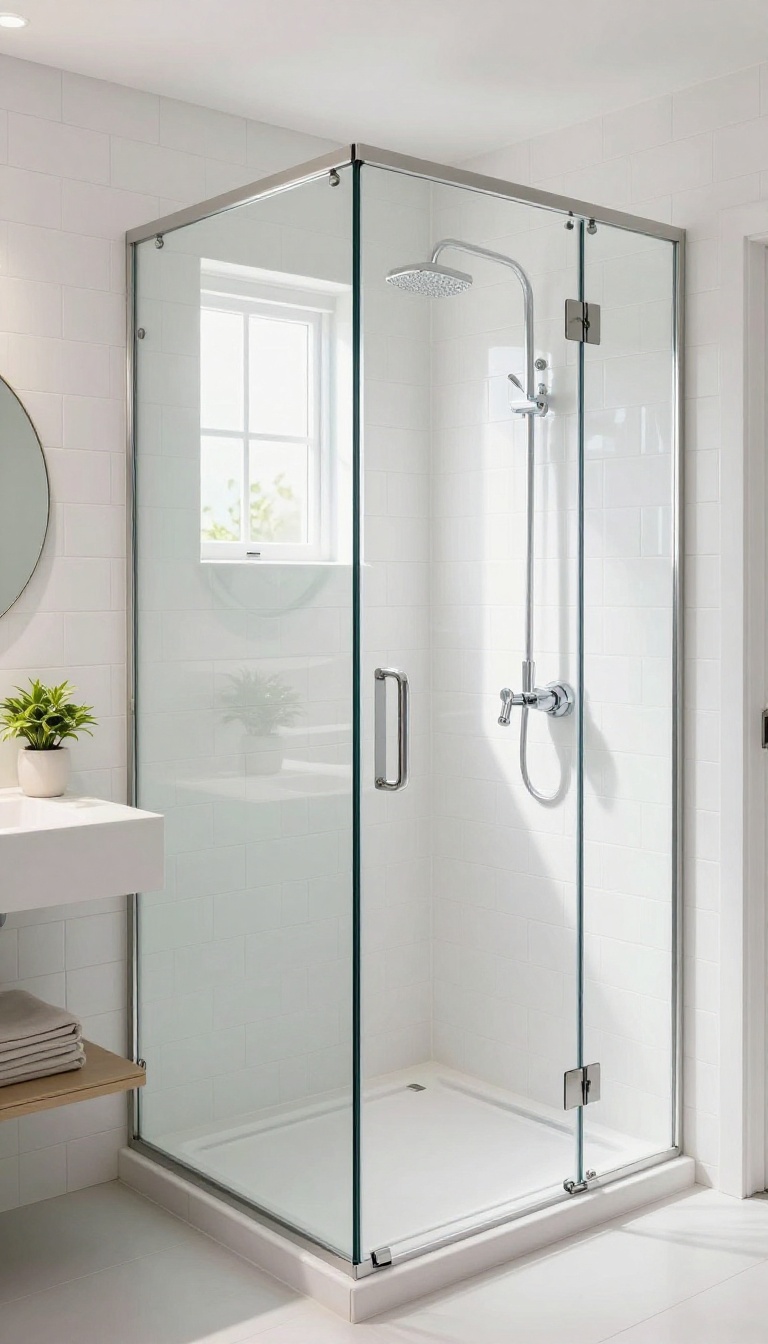
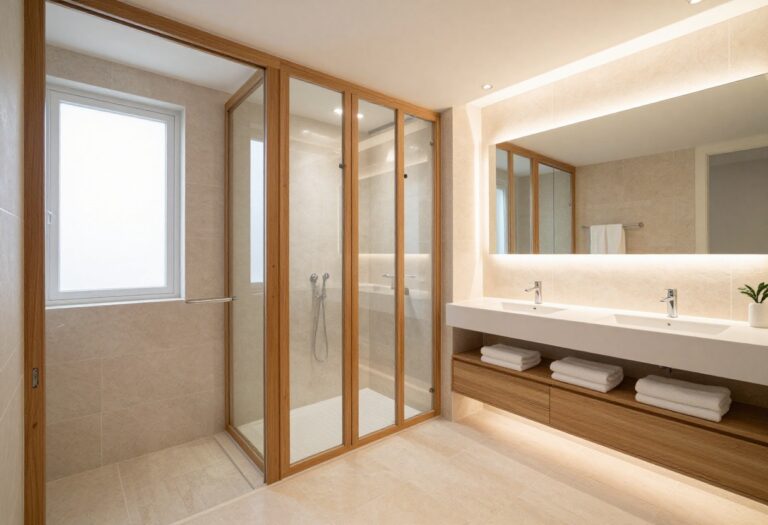
A glass enclosure can completely change how a small bathroom feels. Unlike bulky curtains or opaque doors, glass lets your eye travel across the entire room, making the space appear larger and more open. It also allows natural light to bounce around, brightening even the darkest corners.
When you swap a shower curtain or a solid door for clear glass, you instantly remove a visual barrier. The shower area becomes part of the room rather than a separate, closed-off box. This simple change can make a tiny bathroom feel twice as big, especially if you have a window or good overhead lighting.
Frameless Panels For A Seamless Look
Frameless glass panels are the go-to choice for a clean, modern aesthetic. Without metal frames, the glass looks like a simple sheet of water, blending into the bathroom. This style works best with a walk-in shower layout, where one fixed panel keeps water in while leaving the rest of the space open and airy.
Glass Doors With Minimal Hardware
If you prefer a door for extra water protection, choose a glass door with slim hinges and a minimal handle. Pivot doors or sliding barn-style glass doors save space because they don't swing into the room. The less hardware you see, the more open the bathroom feels.
Letting Light Flow Through
Glass enclosures are perfect for bathrooms with limited natural light. Instead of blocking light with a curtain, glass allows sunlight to travel across the room. If privacy is a concern, you can opt for frosted or textured glass that still lets light through while obscuring the view.
3. Walk-In Showers with a Linear Drain
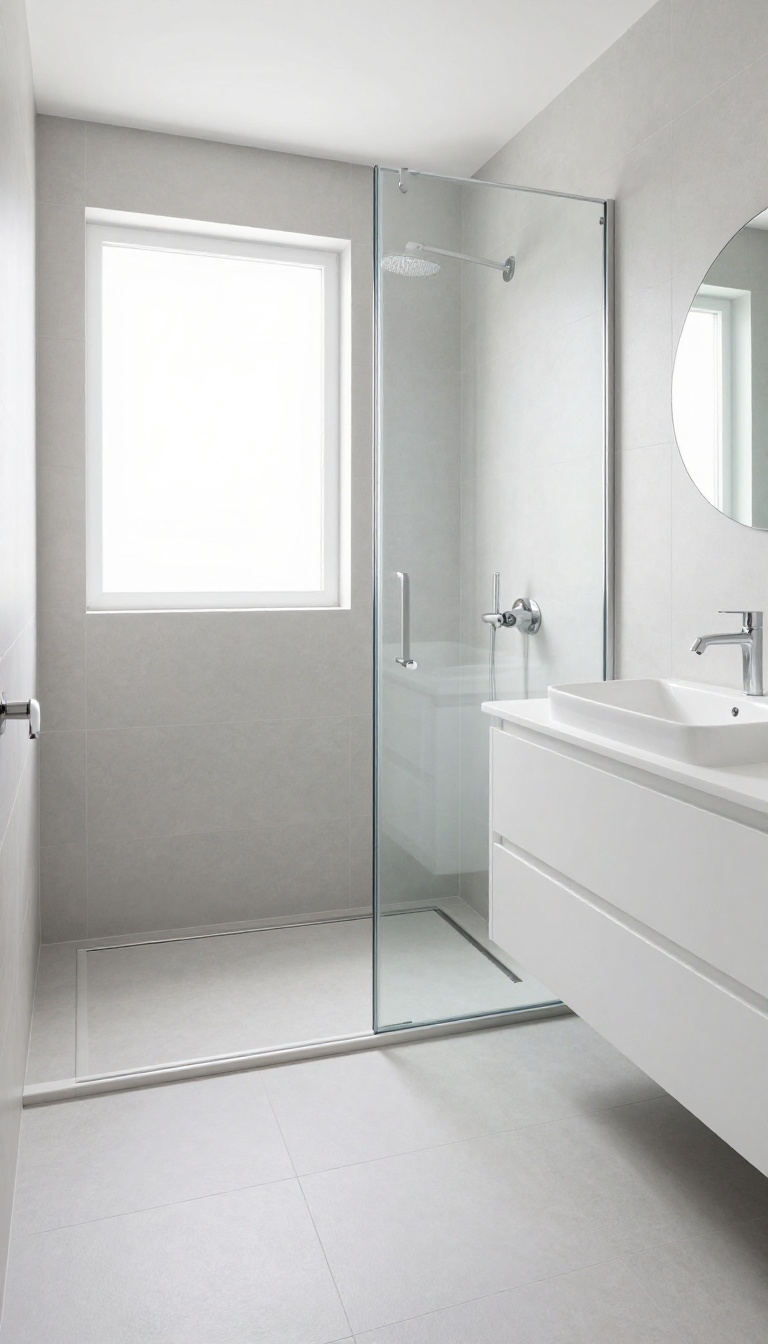
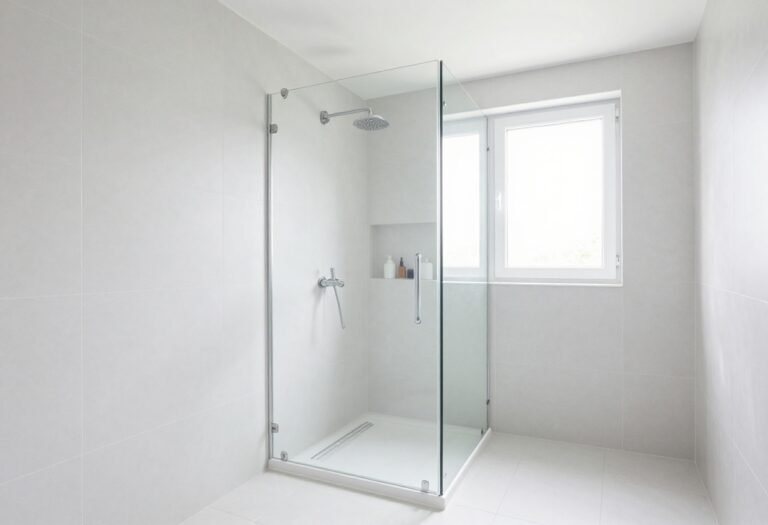
A curbless walk-in shower with a linear drain is a game-changer for small bathrooms. By removing the step-over barrier, you create a seamless flow from the rest of the floor, which visually expands the space. It also makes the shower more accessible, whether you're planning for aging in place or just want a cleaner, more open look.
This design works especially well in tight layouts because the linear drain can be placed at the edge or center, allowing the floor to slope gently without a traditional drain in the middle. You can tile the entire floor with the same material, making the bathroom feel like one continuous surface. Plus, the lack of a curb means no tripping hazard and easier cleaning—just sweep or mop right into the drain.
Why A Linear Drain Works
A linear drain is a long, narrow trough that collects water along a single line. This allows the shower floor to be completely flat, with a subtle slope toward the drain. Unlike a standard center drain, a linear drain can be placed against a wall or at the entrance, giving you more flexibility in tile layout and making the shower feel less boxed in.
Tiling Tricks To Expand The Space
To maximize the sense of openness, use the same large-format tiles on both the bathroom floor and the shower area. This continuous visual line tricks the eye into seeing a bigger space. You can also run the tile diagonally or in a brick pattern to add interest without breaking up the flow.
Avoid small mosaic tiles that create visual clutter.
Glass Panels Instead Of Curtains
Pair your walk-in shower with a frameless glass panel or a fixed glass partition. This keeps the water in while maintaining an unobstructed view of the entire bathroom. Skip the shower curtain—it cuts the room in half and makes it feel smaller.
A simple glass screen also lets natural light travel, brightening the whole area.
4. Sliding Barn Door Shower Screens
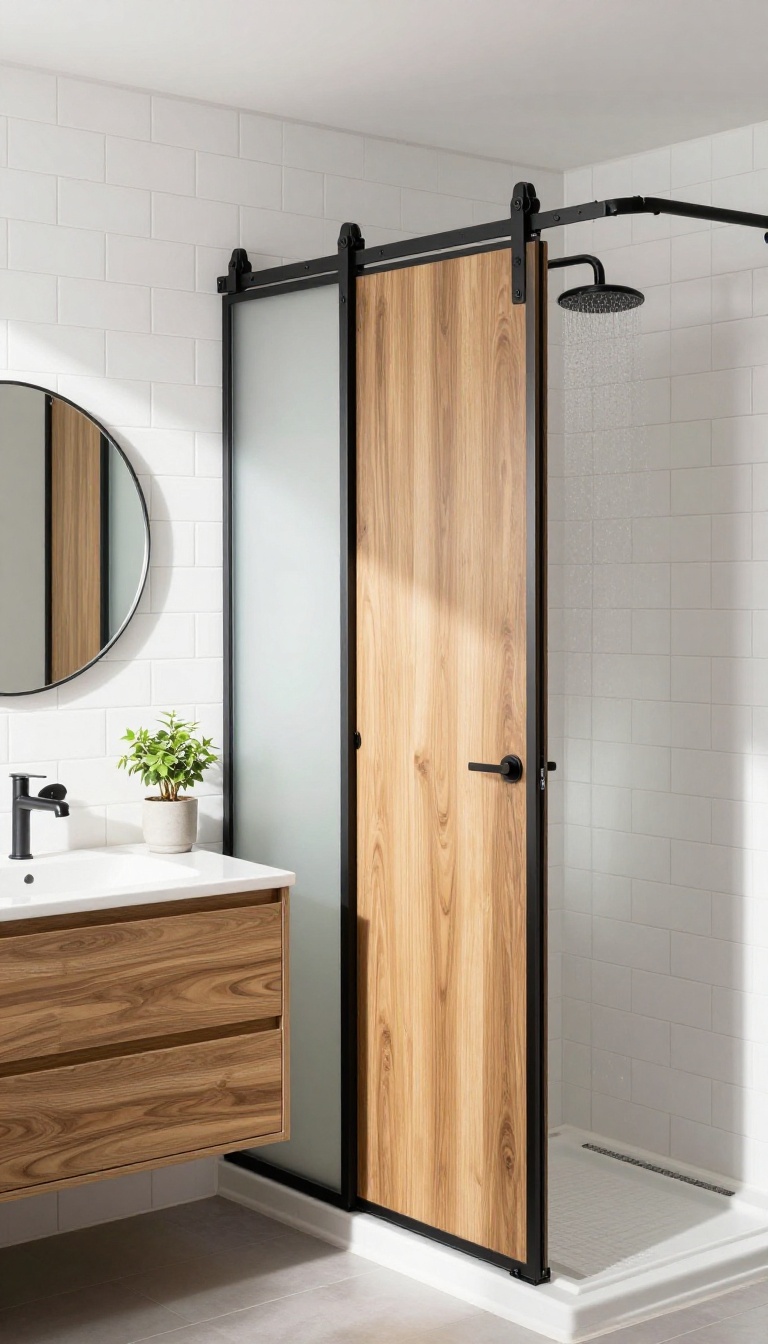
Hinged shower doors can eat up precious floor space when they swing open, which is the last thing you need in a compact bathroom. A sliding barn door shower screen solves that by gliding along a track, so nothing protrudes into the room. Plus, the rustic or industrial look adds character without sacrificing function.
Barn door shower screens are a clever space-saving alternative to traditional hinged doors. They slide horizontally, keeping the area around the shower clear and making the bathroom feel more open. The hardware and door style can be customized to match your decor, whether you prefer a warm wood finish or a sleek matte black metal frame.
Why Barn Doors Work In Tight Spaces
The main advantage is obvious: no swing radius needed. You can place the shower right next to a toilet or vanity without worrying about the door hitting anything. The sliding motion is smooth and quiet, and you can even use a partial glass panel to let in light while maintaining privacy.
Material And Style Options
You have plenty of choices. For a rustic vibe, go with a solid wood door in a natural finish. For an industrial look, opt for a metal-framed door with frosted glass.
If you want to keep things light and airy, a clear glass barn door with minimal hardware works well. Just ensure the materials are water-resistant and easy to clean.
Installation Tips And Considerations
The track needs to be mounted securely to the wall above the shower opening. Measure carefully to ensure the door overlaps the opening by a few inches on each side to prevent water splashing out. Use a bottom guide to keep the door stable, and consider a slight slope on the shower floor to direct water to the drain.
Professional installation is recommended if you're not handy with tools.
5. Niche Shelving for Storage
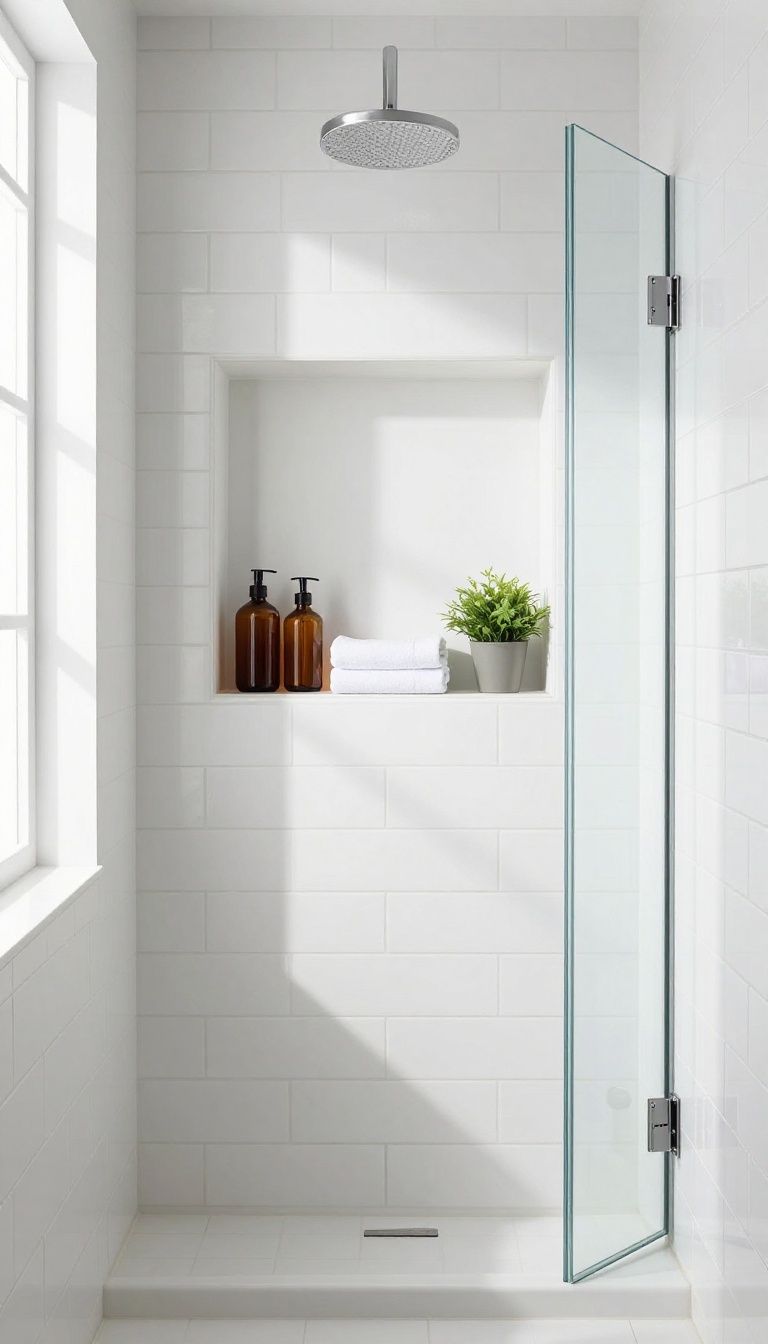
When your bathroom is short on square footage, every inch counts. That's why built-in niches in the shower wall are such a win. They carve out storage space for shampoo, soap, and razors without stealing any floor area or making the shower feel cramped.
Plus, niches keep everything within arm's reach, so you don't have to juggle bottles or risk dropping them. And since they're recessed, they don't stick out and catch your elbows. It's a simple, clean solution that adds function without visual clutter.
Adding a niche or two to your stand-up shower is one of the smartest storage moves you can make. Not only do they look sleek and integrated, but they also eliminate the need for bulky corner caddies or hanging organizers that can make a small space feel messy. Here's how to make the most of them.
Where To Place Niches
Think about where you naturally reach for things. A niche near the showerhead is perfect for shampoo and conditioner, while a lower one by the bench or floor works well for soap and loofahs. If you have a wall that's not used, that's prime real estate.
Just avoid placing them directly in the water stream, as that can cause soap buildup and make cleaning harder.
Sizing And Shape
A standard niche is about 12 inches square, but you can customize it to fit your bottles. Deeper niches (around 4 to 6 inches) hold larger containers, while shallower ones work for smaller items. You can even add a shelf divider to create two levels, doubling your storage without taking up extra wall space.
Just make sure the niche is properly waterproofed and sloped slightly outward so water doesn't pool.
Tile And Finishing Options
The beauty of a niche is that it can blend in or stand out. Matching the tile inside to the rest of the shower creates a seamless look, while a contrasting tile or a different pattern adds a design focal point. You can also use a solid surface or metal insert for a modern, easy-to-clean finish.
Whatever you choose, ensure the edges are finished neatly to prevent water damage.
6. Rainfall Showerheads with Handheld Combo
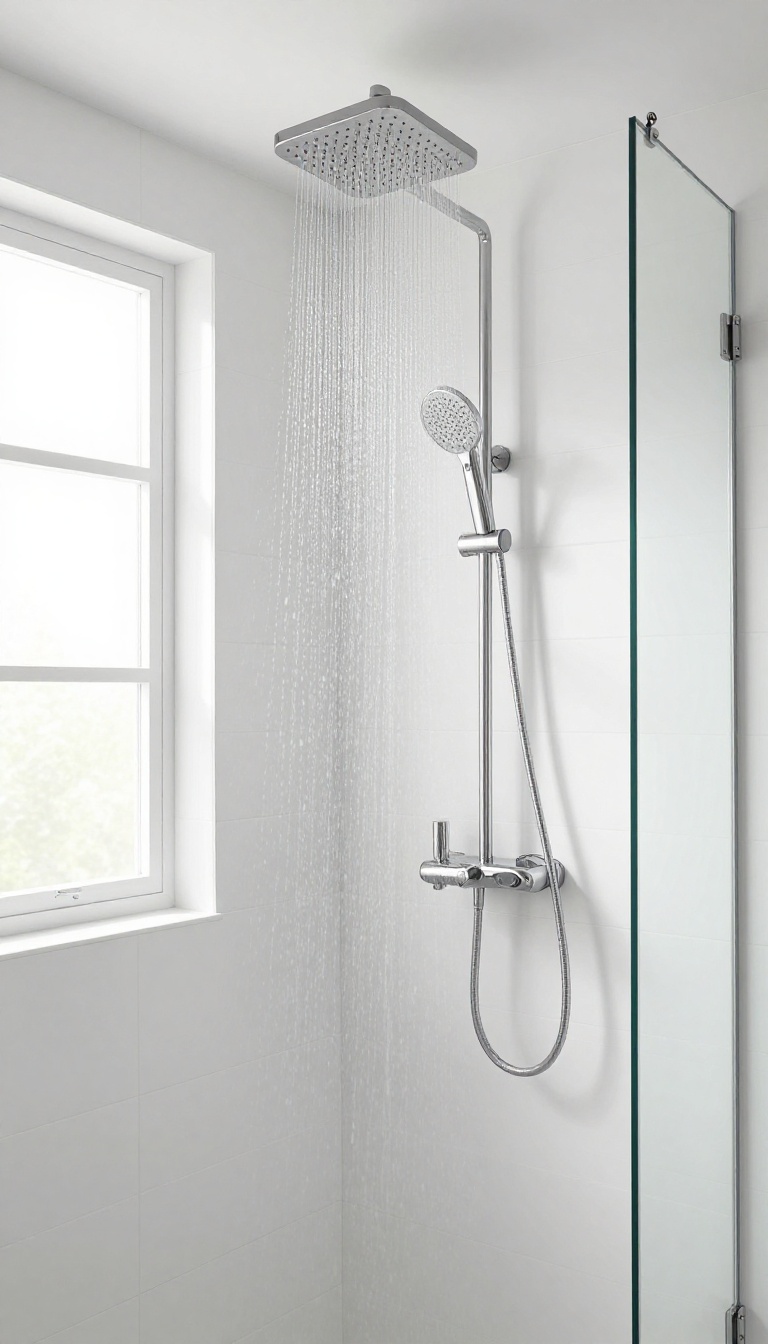
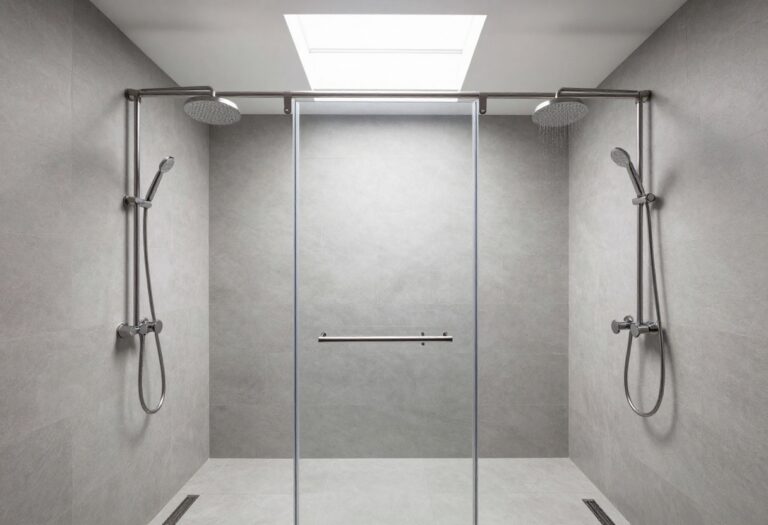
A rainfall showerhead instantly makes a small bathroom feel more luxurious, and pairing it with a handheld sprayer adds a layer of practicality that's hard to beat. The overhead cascade creates a spa-like sensation, while the handheld gives you control for rinsing hard-to-reach spots or cleaning the shower walls. It's a simple upgrade that doesn't require extra space, making it perfect for compact stand-up showers.
Why This Combo Works In Small Spaces
In a cramped shower, every fixture needs to earn its place. A rainfall head mounted overhead keeps the walls clear, making the space feel more open. The handheld, usually mounted on a slide bar, tucks neatly out of the way when not in use.
This duo offers the best of both worlds without adding bulk.
Choosing The Right Rainfall Head Size
For a small shower, a rainfall head between 8 and 10 inches in diameter is ideal. Anything larger can overwhelm the space and create excessive spray that bounces off the walls. Look for a model with a swivel joint so you can angle the water slightly if needed.
Also, consider the water pressure—rainfall heads work best with a pressure of at least 2. 5 GPM, so check your home's flow rate.
Mounting Options And Placement Tips
Mount the rainfall head directly above where you'll stand, typically centered in the shower. If your ceiling is low, a wall-mounted rainfall head with an extended arm can still give that overhead effect. For the handheld, install a slide bar on the opposite wall so it's within easy reach but doesn't clutter the main shower area.
Make sure the diverter valve is easy to operate, so switching between the two is seamless.
Maintenance And Water Savings
Rainfall heads can collect mineral deposits over time, so look for one with rubber nozzles that are easy to wipe clean. The handheld is great for rinsing soap off walls and floors, reducing the need for a separate cleaning sprayer. Using the handheld for quick rinses can also save water compared to running the full rainfall head every time.
7. Half-Wall Shower Partitions
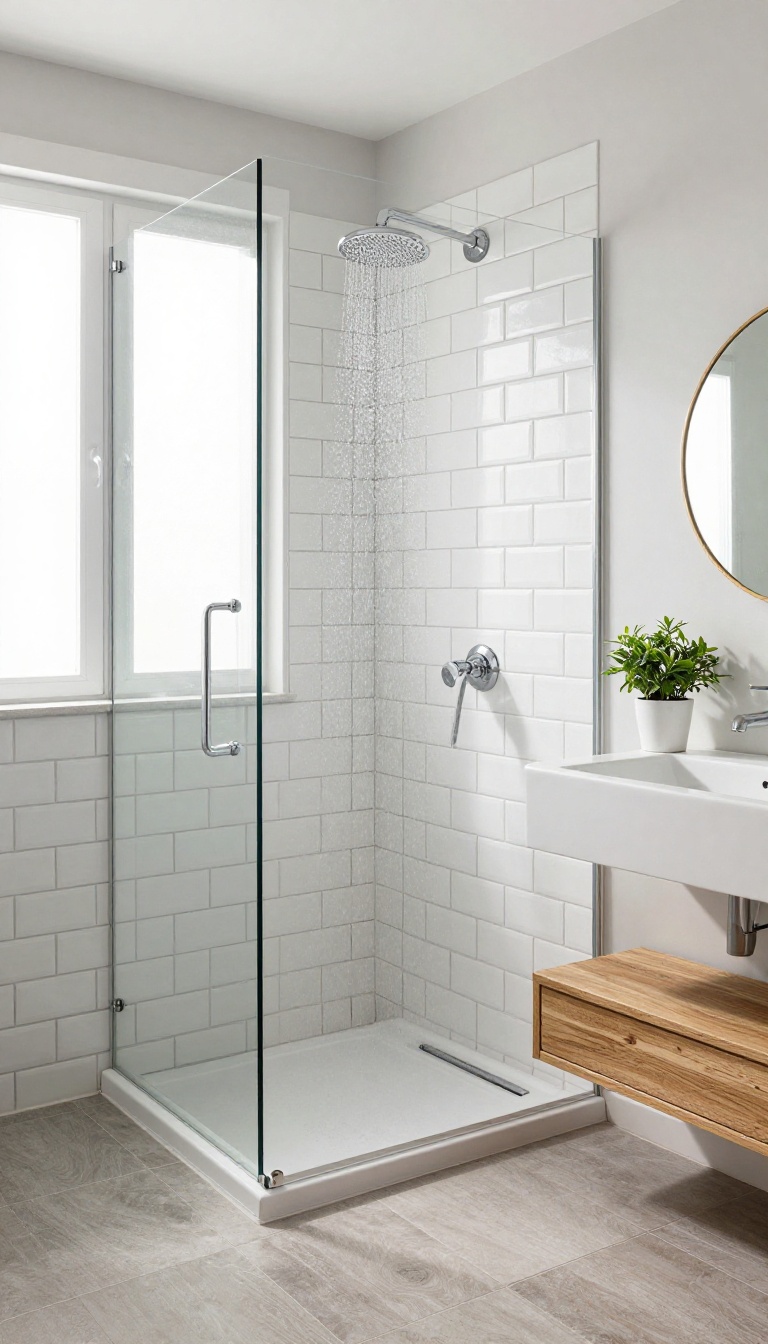
A half-wall shower partition is a clever way to carve out a shower zone without boxing yourself in. Instead of a full enclosure, you get a solid wall that blocks water and defines the space, while the top stays open to keep the room feeling light and spacious. This design works especially well in small bathrooms where a glass door might feel too heavy or a curtain too flimsy.
It gives you the privacy and function you need, but with a more open, airy vibe that makes the whole room feel bigger.
Half-wall partitions are a practical and stylish choice for small bathrooms. They offer a clear separation between the shower and the rest of the room, but they don't block sightlines or natural light. That openness helps the bathroom feel larger and more welcoming, even when you're tight on space.
You can build the wall from tile, stone, or even waterproof panels, and it can be as tall or as short as you like. Many people opt for a height around 4 to 5 feet, which gives good splash protection without making the space feel closed off. You can also pair it with a glass panel on top for extra coverage if you need it, but that's optional.
The key is to plan the placement carefully so the half-wall does its job without interfering with the flow of the room. It should be positioned to keep water inside the shower area, but also allow easy entry and exit. With the right design, a half-wall can be the perfect balance of function and openness.
Why A Half-wall Works In A Small Bathroom
A half-wall is a great space-saver because it doesn't require a swinging door or a full enclosure. It takes up less visual and physical space, which helps the bathroom feel less cramped. Plus, the open top lets light travel freely, making the room feel brighter and more inviting.
It also gives you a bit of privacy while still keeping the shower connected to the rest of the room. That's a nice middle ground between a completely open shower and a closed-off one.
Material And Design Options
You can build a half-wall with a variety of materials, depending on your style and budget. Tile is a popular choice because it's waterproof and easy to clean. You can also use stone, brick, or even a sleek acrylic panel for a more modern look.
If you want to add storage, you can build small niches into the wall for shampoo and soap. That way, you're not just dividing the space—you're making it more functional.
Installation Tips And Considerations
When installing a half-wall, make sure it's properly waterproofed, especially if it's near the shower floor. Use a waterproof membrane behind the tile or panels to prevent moisture damage. Also, think about the height.
A wall that's too short might not contain water, while one that's too tall could make the space feel closed in. A good rule of thumb is to keep it around 4 to 5 feet tall, but you can adjust based on your needs and ceiling height.
8. Curved Shower Rods
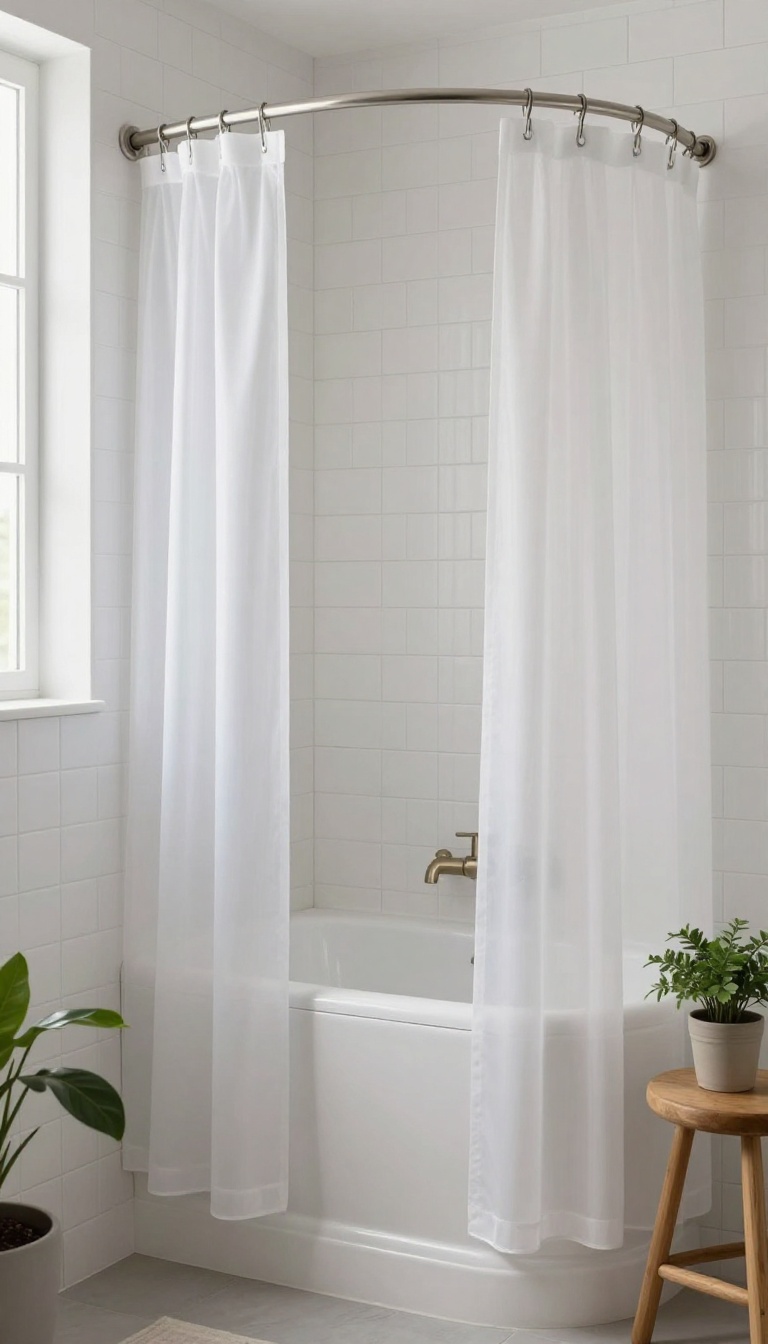
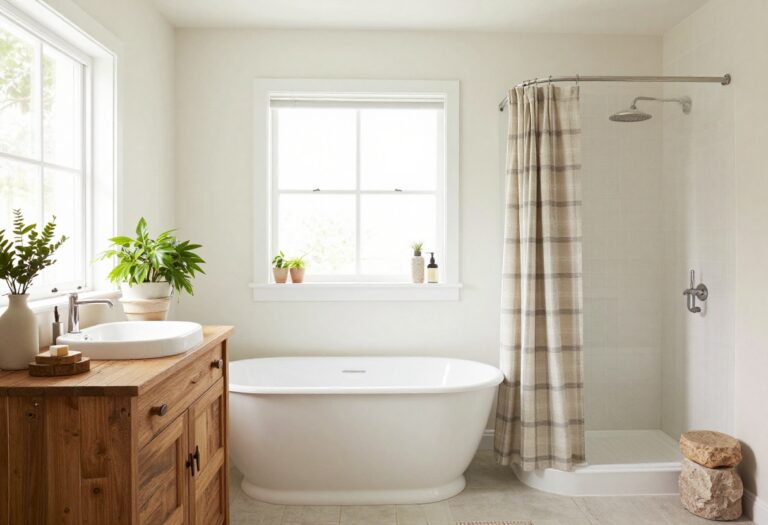
A curved shower rod is one of those small upgrades that makes a noticeable difference right away. By bowing outward, it adds precious inches of elbow room, so you don't feel like you're showering in a phone booth. It's a simple swap that works with your existing tub or shower base, making it a budget-friendly way to open up the space.
Curved shower rods are designed to give you more room where it counts—at the top, where the curtain hangs. Instead of a straight rod that sits directly above the tub's edge, a curved rod arcs outward, creating extra space for your shoulders and arms. This can make a standard 60-inch tub feel significantly more spacious, and it's an easy DIY project that doesn't require any plumbing or tiling.
How Much Space Do You Actually Gain?
Most curved rods add between 6 and 10 inches of extra space at the center. That might not sound like a lot, but when you're washing your hair or shaving your legs, those extra inches make a big difference. The key is to position the rod so the curve is at the center of the shower, where you need the most room.
Choosing The Right Curved Rod
Look for a rod that's sturdy enough to hold a heavy shower curtain without bowing. Stainless steel or aluminum are good choices, and make sure the mounting hardware is solid. You can find curved rods in various finishes, from chrome to brushed nickel, to match your bathroom fixtures.
Some models are adjustable, so they'll fit a range of tub widths.
Installation Tips
Installing a curved rod is a straightforward DIY job. You'll need to mount it at the same height as your old rod, but be sure to check that the curve doesn't interfere with any shelves or towel bars. Use a level to ensure it's straight, and don't forget to measure the distance from the wall to the rod's center to make sure it clears the tub's edge.
9. Mosaic Tile Accents
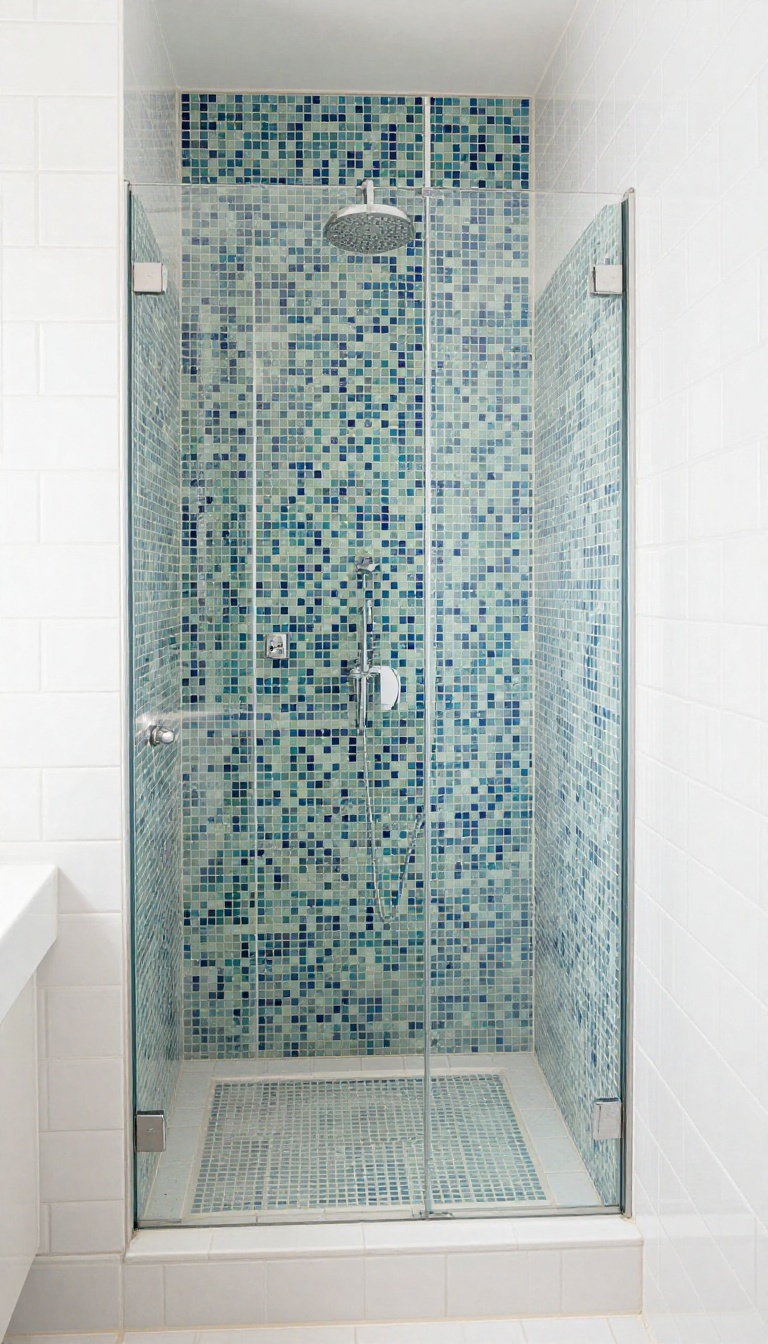
Mosaic tiles are a fantastic way to inject personality into a compact shower without overwhelming the space. Their small size allows them to fit into tight corners and curves that larger tiles can't handle, making them perfect for stand-up showers. Plus, they offer a subtle grip underfoot, which is a bonus in a wet environment.
Using mosaic tiles strategically can turn a plain shower into a focal point. Instead of covering every surface, focus on one area—like the floor or a single accent wall—to keep the design from feeling busy. The variety of colors, patterns, and materials available means you can match any style, from classic to contemporary.
Why Mosaic Works In Small Showers
Mosaic tiles are naturally slip-resistant because of their many grout lines, which provide traction. They also conform to curved surfaces, making them ideal for shower floors with a linear drain or a built-in bench. The visual texture they add can make a small space feel more dynamic without making it feel cramped.
Where To Place Them
The shower floor is a top choice—it adds grip and can be a subtle design element. An accent wall behind the showerhead or a niche can draw the eye and create depth. You can also use a mosaic strip at waist height to break up large areas of plain tile, adding interest without overwhelming the space.
Choosing The Right Material
Porcelain and ceramic mosaics are durable and easy to clean, making them a practical choice. Glass mosaics reflect light and can make the shower feel brighter, but they can be slippery when wet, so they're better for walls than floors. Natural stone like pebble tiles adds a spa-like feel but needs regular sealing to prevent water damage.
10. Foldable Shower Seats
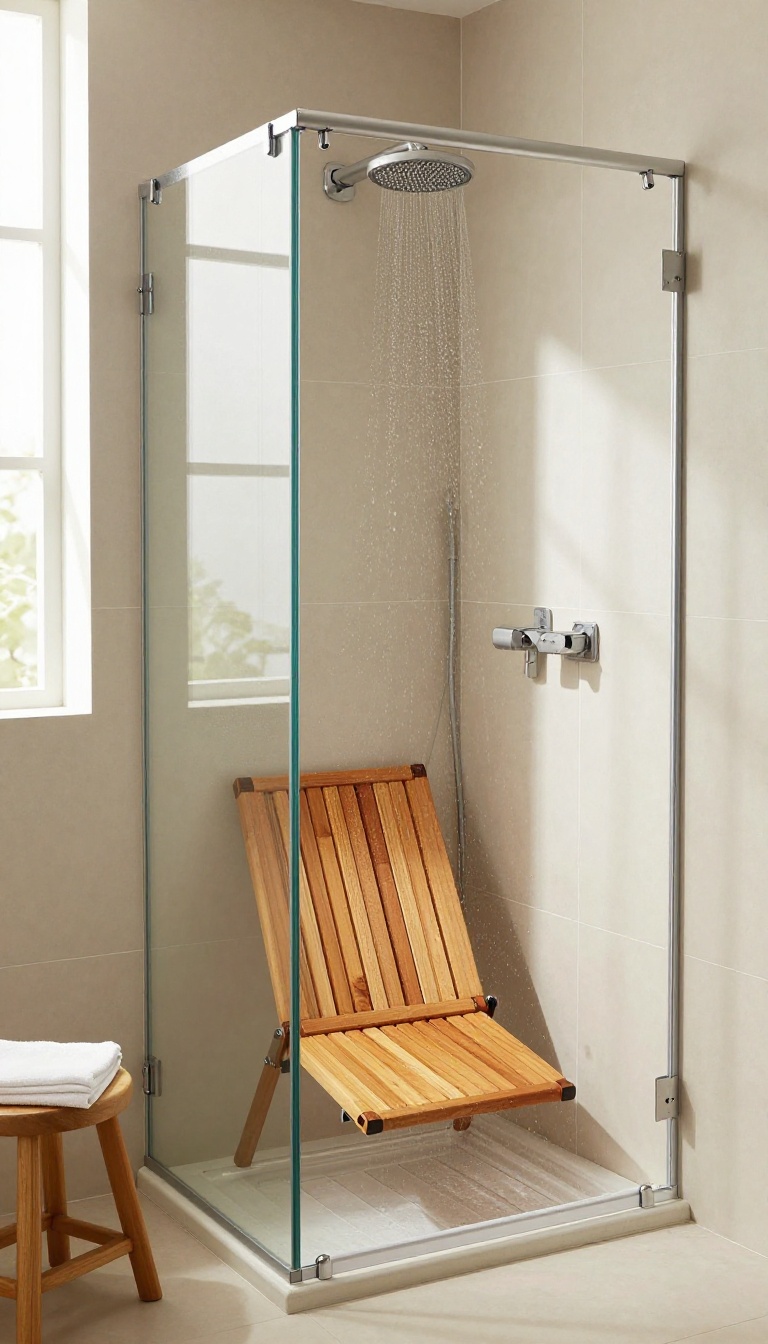
Sometimes you just need a place to sit while you shower—maybe for shaving your legs, washing your feet, or simply catching your breath. But in a small bathroom, a permanent bench can eat up precious space and get in the way. That's where a foldable shower seat comes in.
It gives you the convenience of a seat when you need it, then tucks neatly against the wall when you don't.
A foldable shower seat is a smart addition to any compact stand-up shower. It's mounted to the wall and swings down when you want to sit, then folds up flat to stay out of the way. This makes it perfect for small spaces where every inch counts.
You can find them in teak, plastic, or even metal with a waterproof finish, so they hold up well in a wet environment. Plus, they're easy to install—most models come with the necessary hardware and can be mounted in under an hour.
Why Choose A Foldable Seat?
The main advantage is space savings. Unlike a fixed bench, a foldable seat doesn't permanently occupy floor area. When it's folded up, you have full access to the shower floor, making it easier to clean and move around.
It's also great for shared bathrooms where one person might want to sit while another prefers to stand. And if you ever need extra support or just a spot to rest a foot while shaving, it's right there when you need it.
Material And Maintenance Tips
Teak is a popular choice because it's naturally water-resistant and looks warm and spa-like. But it does require occasional oiling to keep its color and prevent drying. Plastic seats are virtually maintenance-free and come in a variety of colors, but they might not look as premium.
If you go with metal, make sure it's coated to resist rust. Whichever you pick, give it a quick rinse after each use and wipe it down occasionally to prevent soap scum buildup.
Installation And Safety Considerations
Proper installation is key. You'll need to mount the seat into wall studs or use heavy-duty anchors to ensure it can support weight safely. If you're not comfortable with DIY, hire a professional to avoid accidents.
Also, consider the seat's weight capacity—most are rated for 250 to 400 pounds, so check the specs. And always fold the seat up when not in use to keep the shower feeling open and prevent any trip hazards.
11. Recessed Lighting and Skylights
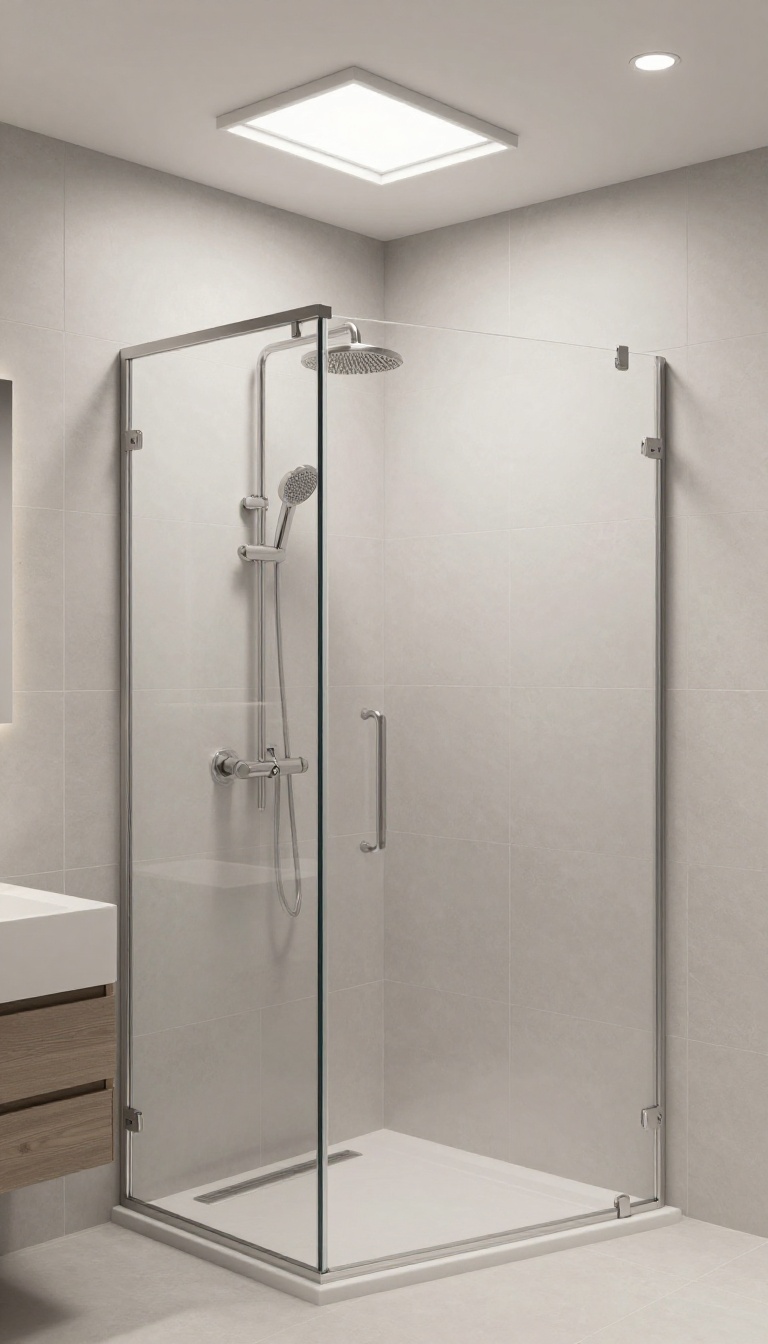
Lighting can make or break a small bathroom, and the shower area is often the darkest spot. Recessed lighting or a skylight can brighten the space without taking up any floor or wall room. It's a simple upgrade that adds both function and a calming atmosphere.
Recessed lights sit flush with the ceiling, so they don't intrude on the shower's footprint. A skylight, if your roof allows it, brings in natural light that makes the shower feel open and airy. Both options work well in compact spaces because they don't require extra clearance or bulky fixtures.
Pick The Right Placement
For recessed lights, aim for a spot above the showerhead or slightly off-center to avoid glare on wet surfaces. If you're adding multiple lights, space them evenly to prevent shadows. For skylights, a tubular model (like a sun tunnel) is a great fit for small bathrooms because it's compact and easy to install between rafters.
Choose The Right Bulbs
LED bulbs are a no-brainer for recessed lighting—they're energy-efficient and last for years. Go with a warm white (2700K–3000K) for a relaxing vibe, or a cool white (4000K) if you prefer a brighter, more invigorating feel. Make sure the fixtures are rated for damp or wet locations, especially if they're directly above the shower.
Maximize Natural Light
If you're leaning toward a skylight, position it to capture the most daylight throughout the day. A south-facing skylight gives steady light, while east or west-facing ones offer softer morning or afternoon glow. Pair it with a light-colored shower wall or a glass door to bounce the light around the room.
12. Compact Shower Caddies and Organizers
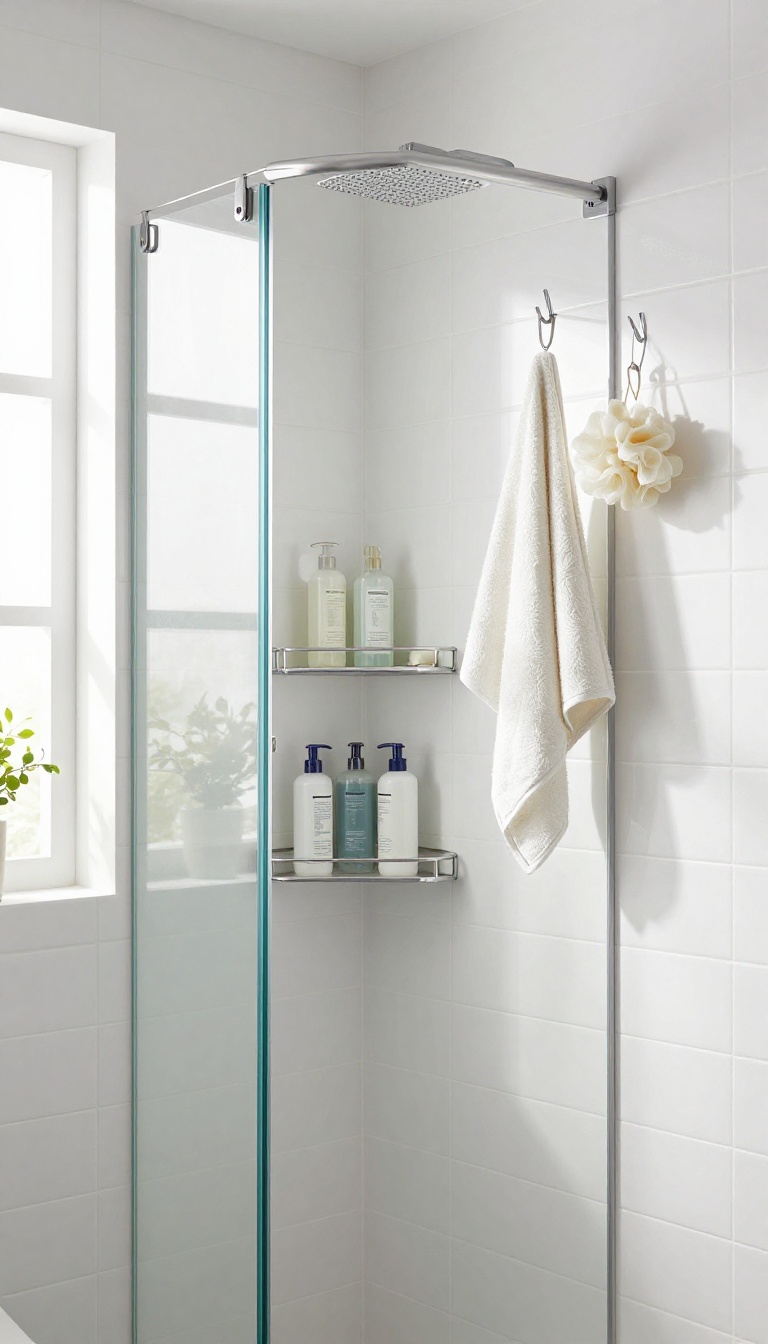
Keeping your shower essentials within reach is a game-changer in a small stand-up shower. Without proper storage, bottles and soaps can clutter the floor or ledge, making the space feel even tighter. The right organizers can solve this without taking up valuable room.
In a compact shower, every inch counts. Instead of letting shampoo bottles pile up in a corner, use vertical storage to keep things tidy and accessible. Corner caddies, over-the-door hooks, and tension rod organizers are all great options that don't require drilling or permanent installation.
They help you maximize space while keeping your shower routine smooth and frustration-free.
Corner Caddies: Maximize Dead Space
Corners often go unused in a shower, but they're perfect for a caddy. A corner caddy fits snugly into the angle, holding bottles and soap without sticking out into the walking area. Look for rust-resistant materials like stainless steel or coated aluminum.
Install it at a height that's easy to reach, and you'll have your essentials right where you need them.
Over-the-door Hooks: Extra Hanging Storage
If your shower has a glass door or a curtain rod, over-the-door hooks can be a lifesaver. They hang over the top edge of the door or rod, providing hooks for loofahs, washcloths, or even a hanging organizer with pockets. This keeps items off the floor and lets them air dry quickly, which is also more hygienic.
Tension Rod Organizers: No-drill Solutions
Tension rods are versatile and don't require any permanent changes. You can place one vertically between the shower floor and ceiling to create a hanging rack, or horizontally to hold baskets or shower caddies. This is perfect for renters or anyone who wants a temporary setup.
Just make sure the rod is sturdy enough to hold your items.
13. Bold Tile Patterns and Colors
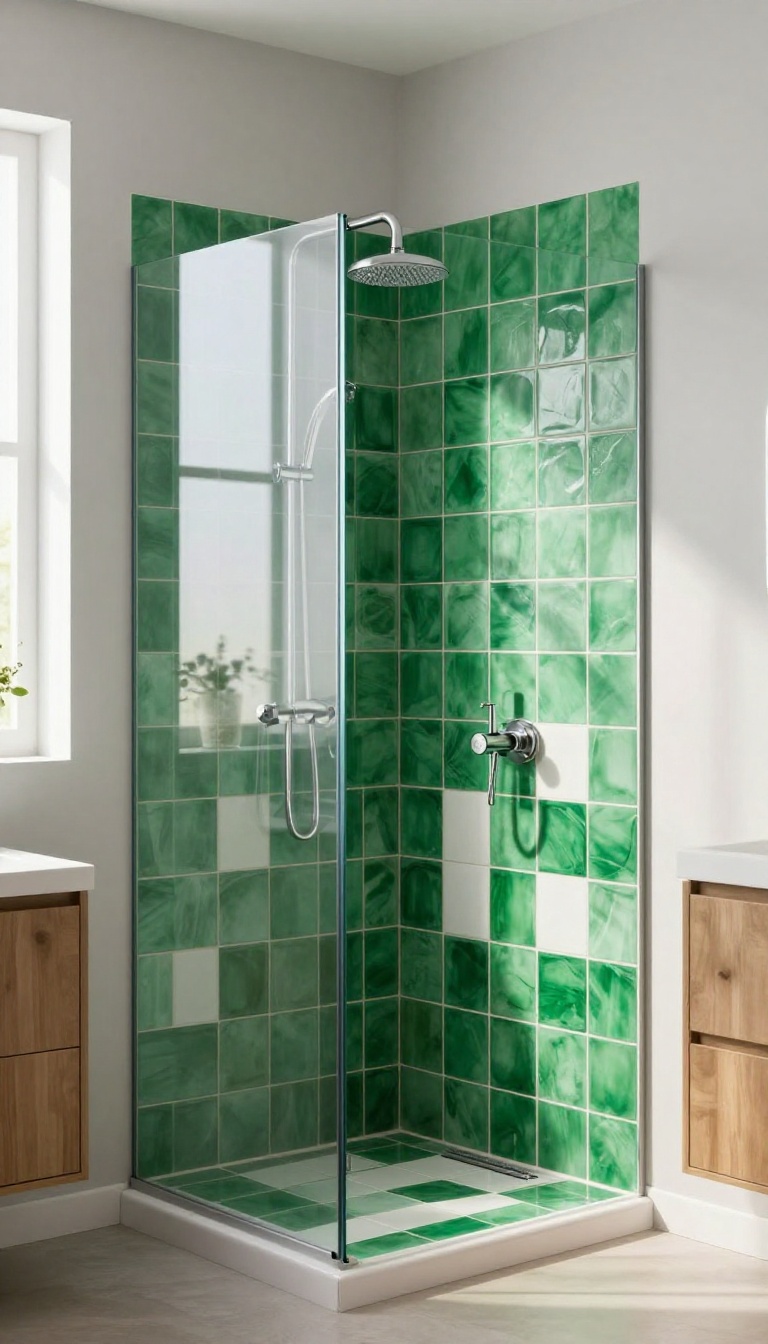
When space is tight, you need a design that grabs attention for the right reasons. Bold tile patterns and vibrant colors can turn a small stand-up shower into the room's standout feature, drawing the eye away from its compact footprint. It's a simple way to add personality without sacrificing function.
Why Bold Works In Small Spaces
A small shower is like a canvas—every inch is visible, so you can make a big impact with less material. Bold patterns or saturated colors create a focal point that makes the space feel intentional and stylish, rather than just small. Plus, the enclosed nature of a shower means you can experiment with daring choices without overwhelming the rest of the bathroom.
Pattern Ideas That Pop
Consider geometric tiles in contrasting colors for a modern look, or classic black-and-white penny tiles for a retro vibe. Large-format tiles with a bold marble or terrazzo pattern can also make a statement. If you're feeling adventurous, try a vertical stripe pattern to visually elongate the walls.
Color Choices That Energize
Deep blues, emerald greens, or even a sunny yellow can bring energy to your morning routine. For a more dramatic feel, go with matte black or charcoal tiles. If you prefer a softer approach, use a bold color on one accent wall and keep the rest neutral to balance the look.
Practical Tips For Installation
When using bold tiles, ensure the grout color complements the design—contrasting grout can highlight the pattern, while matching grout creates a seamless look. If you're on a budget, use bold tiles on the shower floor or as a niche feature, and pair with plain tiles on the main walls. Always hire a professional for complex patterns to ensure a flawless finish.
FAQ
What is the best shower type for a small bathroom?
Corner showers and walk-in showers with glass enclosures are great options because they maximize space and create an open feel.
Do I need a shower curtain or door for a small stand-up shower?
A glass door or panel is often better than a curtain because it opens up the space and reduces visual clutter.
What are some space-saving shower storage ideas?
Built-in niches, corner caddies, and over-the-door hooks are excellent for keeping toiletries organized without taking up floor space.
Can I install a stand-up shower in a small bathroom without a bathtub?
Yes, removing a bathtub to install a stand-up shower is a common way to free up space and make the bathroom more functional.
Conclusion
A small bathroom doesn't have to feel cramped or boring. With the right stand-up shower design, you can make the most of every inch while adding style and comfort. From corner units to glass enclosures, these ideas offer practical solutions that fit your space and budget.
Remember to prioritize functionality and choose features that suit your daily routine. Whether you're renovating or just looking for a quick update, these ideas can help you create a shower that's both beautiful and efficient. Start planning your transformation today!