13 Rustic Shower Curtain Ideas for a Timeless, Livable Space
A bathroom often feels like the last place to get a style upgrade, but a simple swap can change the entire mood. Rustic shower curtains bring warmth and character without demanding a full renovation.
They soften the hard surfaces of tile and porcelain, making the space feel lived-in and inviting. Whether you're drawn to natural textures, vintage charm, or cozy cabin vibes, there's a rustic option that fits your taste.
The key is choosing materials and details that feel authentic, not forced. Below are 13 ideas that balance practicality with timeless appeal, so you can refresh your bathroom with confidence.
1. Burlap and Lace: A Soft Rustic Combo
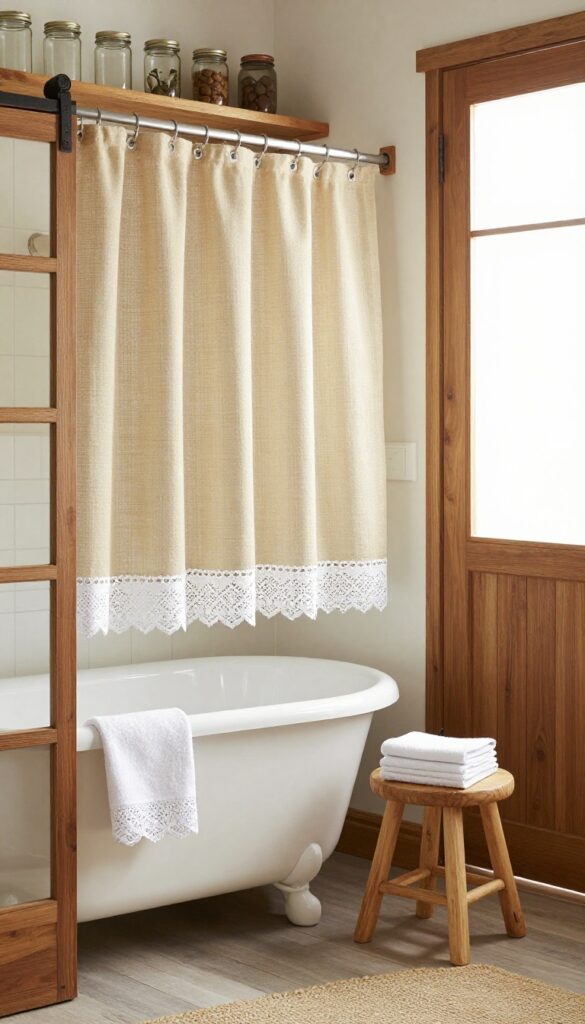
Pairing the rough, earthy texture of burlap with the delicate elegance of lace creates a curtain that feels both grounded and graceful. This combination brings a soft, feminine touch to a rustic bathroom without losing the natural, organic vibe. The contrast between the two materials adds visual interest and a handcrafted charm that mass-produced curtains just can't match.
To pull off this look, start with a burlap curtain as your base. Burlap's neutral tan color and loose weave instantly evoke farmhouse or cabin aesthetics. Then, add lace trim along the bottom edge or as vertical panels.
You can sew the lace on yourself for a custom touch, or buy a pre-made curtain that already combines the two. The key is to balance the textures: too much burlap feels rough, while too much lace can look frilly. Aim for a 70/30 ratio, with burlap dominating and lace as the accent.
Choosing The Right Burlap
Not all burlap is created equal. For a shower curtain, you want a medium-weight burlap that's not too stiff or scratchy. Look for a blend that includes cotton or linen for a softer feel.
Natural burlap has a distinct smell, so air it out before hanging. You can also find pre-washed burlap that's more pliable and less prone to shedding.
Lace Placement Ideas
The lace placement can change the whole look. A simple lace trim along the bottom hem adds a subtle, romantic detail. For a bolder statement, create vertical lace panels that run from top to bottom, letting the burlap show through the gaps.
You could also add a lace ruffle at the top for a vintage touch. Just make sure the lace is water-resistant or treated to withstand humidity.
Care And Maintenance
Burlap can be delicate, so hand washing or using a gentle cycle with cold water is best. Avoid harsh detergents and bleach. Hang it to dry to prevent shrinking.
If the burlap wrinkles, a quick iron on low heat with a cloth barrier will smooth it out. The lace may need a little extra care, so check the care label before washing.
2. Neutral Earth Tones for a Calming Base
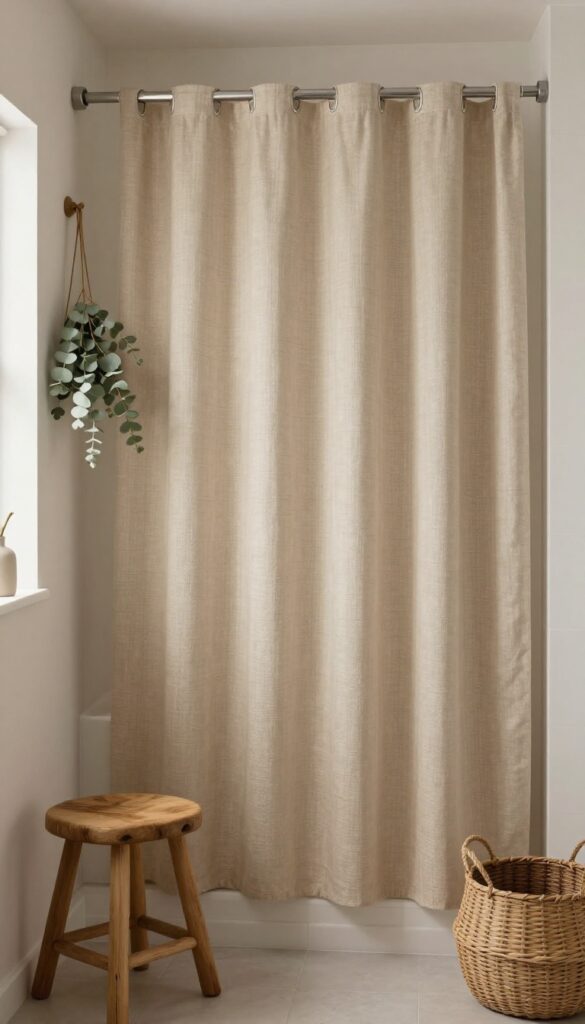
Warm beige, taupe, and soft brown shower curtains do more than just cover the tub—they set a serene foundation for the whole room. These hues echo the natural world, which instantly makes a space feel grounded and peaceful. They also play nicely with wood, stone, and greenery, so you can build a cohesive rustic look without much effort.
Choosing the right neutral is about more than picking a color you like. It's about creating a backdrop that lets other elements shine. A sandy beige curtain can warm up cool gray tiles, while a rich taupe adds depth without darkening the room.
Soft browns bring a touch of earthiness that pairs beautifully with woven baskets and wooden shelves. The goal is to pick a shade that feels natural and inviting, not flat or boring.
Matching Textures
Pair your neutral curtain with textured accessories like a chunky cotton rug or a wooden stool. The contrast between smooth fabric and rough-hewn wood adds visual interest. You can also hang a few eucalyptus stems from a hook—their muted green complements the earthy tones perfectly.
Layering With Linens
If you want a more layered look, consider a two-tone curtain or one with a subtle stripe. Alternatively, use a neutral liner behind a sheer outer curtain for a soft, diffused effect. This approach adds depth while keeping the palette calm and cohesive.
Lighting Matters
The way light hits your curtain changes its appearance. In a dim bathroom, a lighter beige will brighten the space, while a darker brown can make it feel cozy. Test a fabric swatch in your bathroom at different times of day to see how it shifts.
You might be surprised how much a little natural light can warm up a taupe.
3. Wooden Bead Accents for a Natural Touch
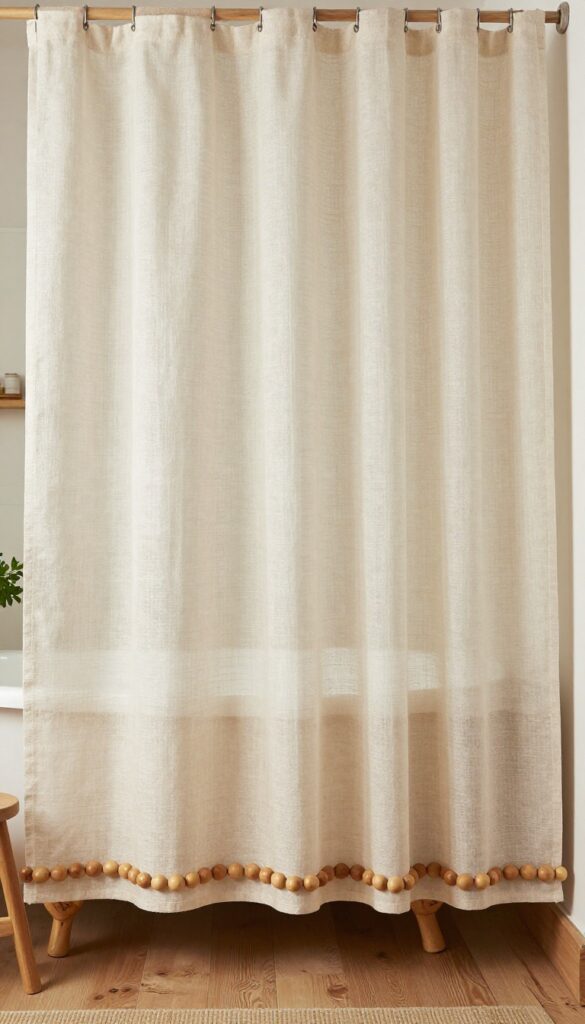
Wooden beads might seem like a small detail, but they can completely shift the feel of a shower curtain. Stringing them along the bottom edge or using them as tiebacks adds a tactile, earthy element that plain fabric can't match. It's a simple way to bring a bit of the outdoors in, even in a room full of tile and porcelain.
Wooden beads work because they introduce a natural material that contrasts nicely with the smooth surfaces of a bathroom. They catch the light, add a subtle rattle when the curtain moves, and give your eye something interesting to land on. Plus, they're easy to find at craft stores or online, and you can attach them with a simple needle and thread or even fabric glue.
How To Add Them
You can sew wooden beads onto the hem of a plain linen or cotton curtain for a boho touch. Another option is to thread beads onto a decorative cord and use it as a tieback, letting the beads rest against the curtain when it's open. If you're not handy, look for curtains that already come with bead trim—many rustic-style options have this built in.
Where To Place Them
The bottom hem is the most common spot, as it adds weight and helps the curtain hang straight. But you can also add a few beads along the top edge for a subtle accent. For a more playful look, create a pattern with beads of different sizes or colors, like alternating dark and light wood tones.
Pairing With Other Rustic Elements
Wooden beads pair beautifully with natural fabrics like burlap, linen, or cotton. They also complement other rustic touches such as a wooden shower bench, a teak bath mat, or a simple bamboo shelf. Keep the rest of the bathroom neutral so the beads stand out without feeling busy.
4. Plaid Patterns for a Cozy Cabin Feel
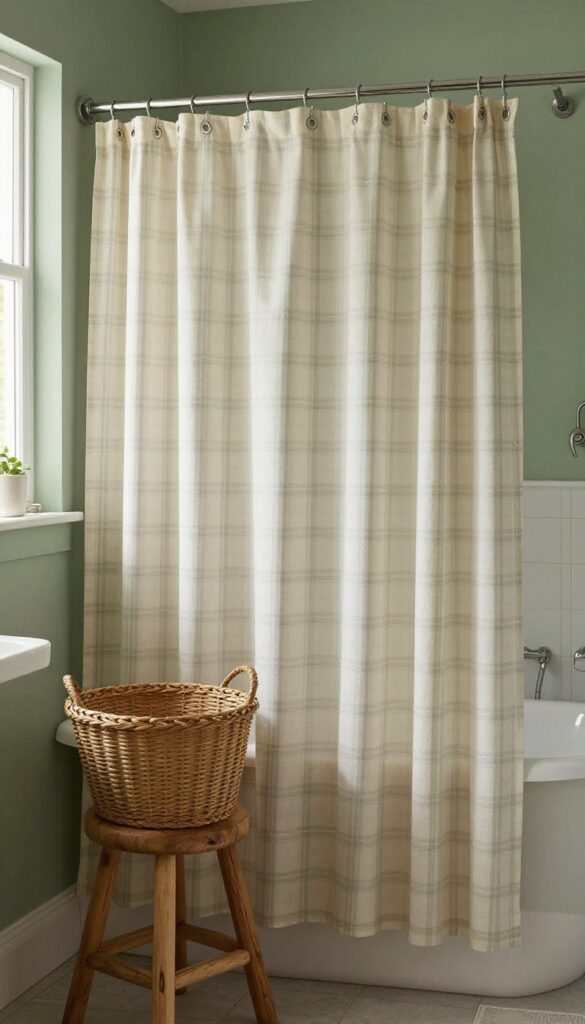
Plaid and buffalo check patterns have a way of making any room feel like a mountain retreat. The bold, intersecting lines bring a sense of warmth and nostalgia that’s hard to beat. In a bathroom, they add a touch of rugged charm without going over the top.
Choosing the right colors is key to keeping it rustic rather than loud. Muted reds, greens, or blues work best—they feel grounded and natural. These shades blend easily with wood tones and neutral fixtures, creating a space that feels both inviting and timeless.
Plaid patterns are a classic choice for rustic interiors, and they translate beautifully to shower curtains. The key is to select a palette that feels earthy and subdued, avoiding overly bright or neon variations. A deep forest green or a dusty brick red can instantly evoke a cabin in the woods.
Pairing these with natural materials like wood or stone in the bathroom enhances the overall effect. When styling a plaid curtain, consider the rest of the room. Simple white or cream tiles let the pattern shine, while adding a wooden stool or a woven basket reinforces the cabin vibe.
The curtain itself becomes the focal point, so keep other accessories minimal. This approach ensures the space feels cohesive and intentional, not busy or chaotic. Plaid also works well with other rustic elements like mason jar holders, antler hooks, or a reclaimed wood mirror.
The pattern ties these pieces together, creating a unified look that’s both cozy and polished. Whether you go for a full plaid curtain or one with a plaid border, the effect is welcoming and warm.
Choosing The Right Colors
Stick to muted, earthy tones like brick red, forest green, or navy blue. These colors feel natural and blend well with wood and stone. Avoid bright or neon versions, as they can make the space feel cheap or overly playful.
A good rule is to pick a shade you’d see in a flannel shirt—it should look like it belongs in the outdoors.
Pairing With Bathroom Elements
Let the plaid curtain be the star. Use neutral tiles and simple fixtures to keep the focus on the pattern. Add natural touches like a wooden bath mat, a woven basket, or a stone soap dispenser.
These items complement the rustic feel without competing with the curtain. If you have a window, consider a matching plaid valance to tie the look together.
Mixing Plaid With Other Patterns
Plaid can work with other patterns if you’re careful. Pair it with stripes or solids in the same color family to maintain cohesion. For example, a plaid curtain with a striped towel or a solid-colored bath rug looks intentional.
Avoid mixing too many large-scale patterns, as that can make the space feel cluttered. Keep the overall palette consistent for a balanced, harmonious look.
5. Linen Curtains for Effortless Elegance
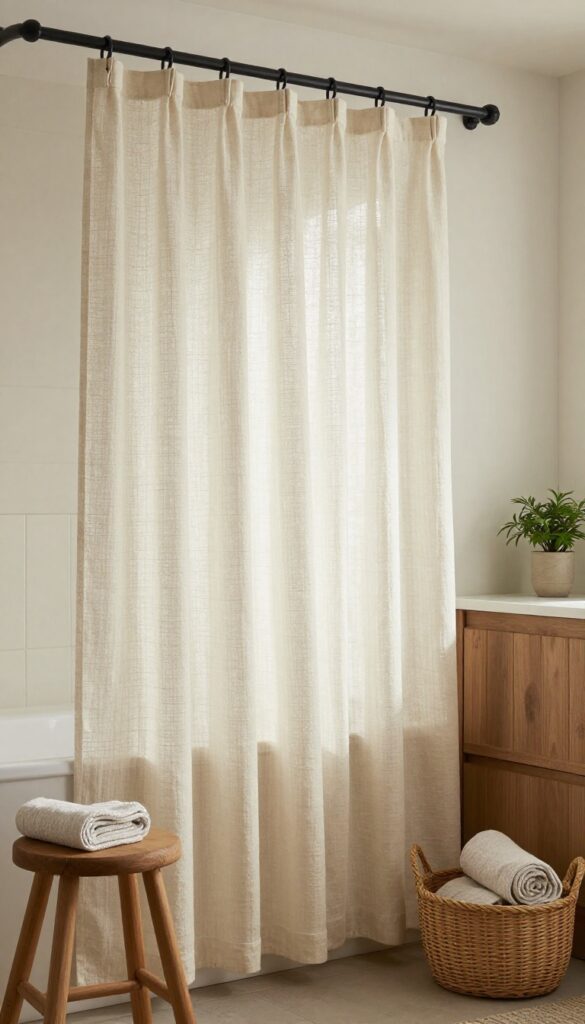
Linen brings a quiet sophistication that few fabrics can match. Its natural slubs and relaxed drape create a look that feels both refined and lived-in, as if the curtain has been there for years. The fabric breathes easily, making it a smart pick for humid bathrooms where other materials might feel heavy or clingy.
Linen shower curtains are a favorite for good reason. They age gracefully, softening with every wash while developing a gentle patina that adds character. The natural fibers resist moisture well, and they dry quickly, which helps prevent mildew.
Plus, linen works with a wide range of rustic styles—from farmhouse to coastal—so you can easily tie the whole room together.
Why Linen Works In A Bathroom
Bathrooms are tough on textiles, but linen holds up surprisingly well. Its breathable weave allows air to circulate, reducing the chance of mold and mildew. Linen also absorbs moisture without feeling damp, and it dries faster than cotton.
Over time, the fabric becomes softer and more supple, so your curtain only gets better with age.
Styling Linen With Rustic Accents
Linen pairs beautifully with natural elements like wood, stone, and rattan. Try combining a neutral linen curtain with wooden hooks and a matte black rod for a grounded look. Add a woven basket for toiletries and a small plant on the counter to complete the rustic vibe.
The key is to let the linen be the star—keep other patterns minimal.
Caring For Your Linen Curtain
Caring for linen is simpler than you might think. Machine wash on a gentle cycle with cold water and mild detergent, then hang to dry. Avoid the dryer to prevent excessive wrinkling, though a light tumble on low can help soften it.
Iron while slightly damp if you prefer a crisper look, but many people love the natural wrinkles that come with linen.
6. Hand-Painted or Printed Nature Scenes
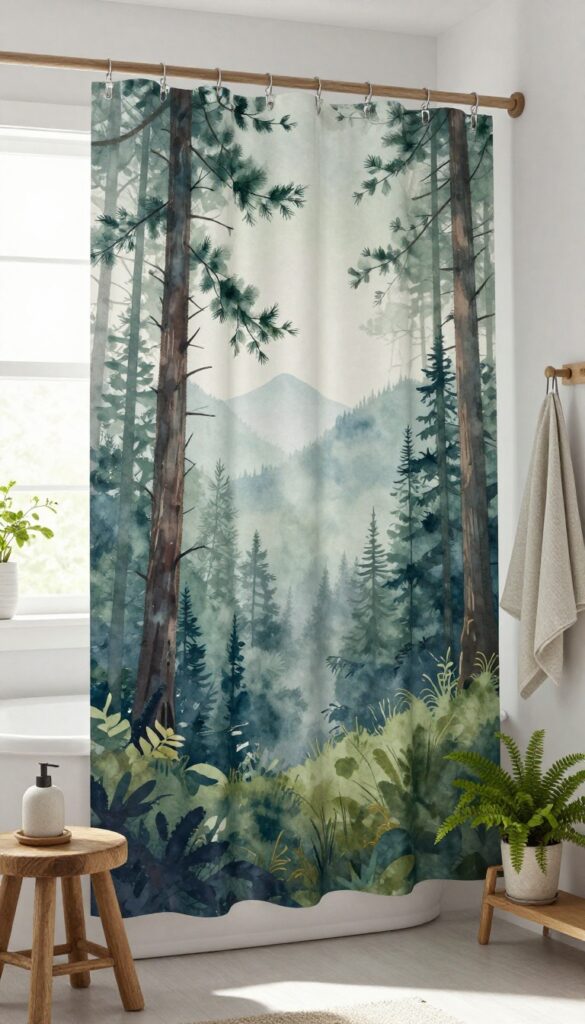
A shower curtain can be more than just a functional barrier—it can be a window to the outdoors. Hand-painted or printed nature scenes bring a sense of calm and connection to nature, even in a small bathroom. Opt for watercolor styles that feel soft and artistic, blending seamlessly with rustic decor.
Nature-inspired curtains are a wonderful way to add visual interest without overwhelming the space. They work particularly well in bathrooms that already feature natural elements like wood, stone, or plants. The key is to choose a design that feels subtle and organic, not too literal or busy.
Choosing The Right Scene
When selecting a nature scene, think about the mood you want to create. A misty forest or mountain silhouette evokes tranquility, while a botanical print with ferns or wildflowers adds a fresh, airy feel. Watercolor styles are especially forgiving—they blend colors softly and don't demand perfect realism, which fits the rustic aesthetic beautifully.
Pairing With Bathroom Elements
To let the curtain shine, keep other bathroom elements simple. Pair it with neutral towels, a wooden stool, or a simple ceramic soap dispenser. If you have a window in the bathroom, position the curtain so it complements the natural light, making the scene feel like an extension of the outdoors.
Caring For Your Curtain
Printed curtains are easy to maintain, but always check the care label. Most can be machine washed on a gentle cycle and hung to dry. To prevent fading, avoid direct sunlight when possible.
With proper care, your nature scene will stay vibrant for years.
7. Rope and Twine Details for a Nautical Twist
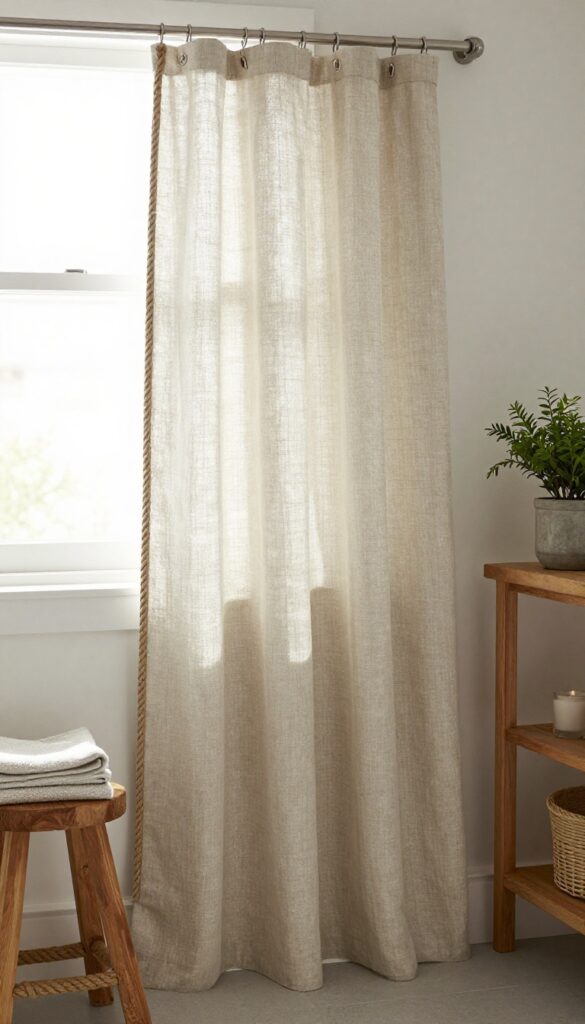
If your rustic style leans toward the coast, rope and twine accents bring that relaxed, seaside charm right into the bathroom. These details work beautifully on shower curtains, whether you add them as tiebacks, trim, or even as part of the curtain's design. It's a simple way to infuse a nautical vibe without going overboard.
Rope and twine details are perfect for anyone who loves the ocean or simply wants a touch of coastal warmth. They pair well with neutral colors, natural wood, and even softer textures like linen or cotton. The key is to use them sparingly so they enhance the rustic feel rather than overwhelm it.
Rope Tiebacks That Make A Statement
Swap out standard fabric tiebacks for thick, natural rope. You can knot them loosely around the curtain and let the ends hang, or secure them with a small metal hook for a polished look. This small change instantly adds texture and a laid-back, coastal feel.
Twine Trim For Subtle Detail
If a full rope feels too heavy, consider adding twine trim along the bottom or sides of the curtain. You can sew it on yourself or find curtains with built-in twine accents. It's a subtle nod to nautical style that works well in both beach houses and mountain cabins.
Diy Rope Handles Or Loops
Another idea is to attach small rope loops to the top of the curtain, just below the grommets. These loops can serve as decorative handles or extra tieback points. It's a fun DIY project that adds a unique, handmade touch to your bathroom.
8. Distressed or Washed Fabrics for Vintage Charm
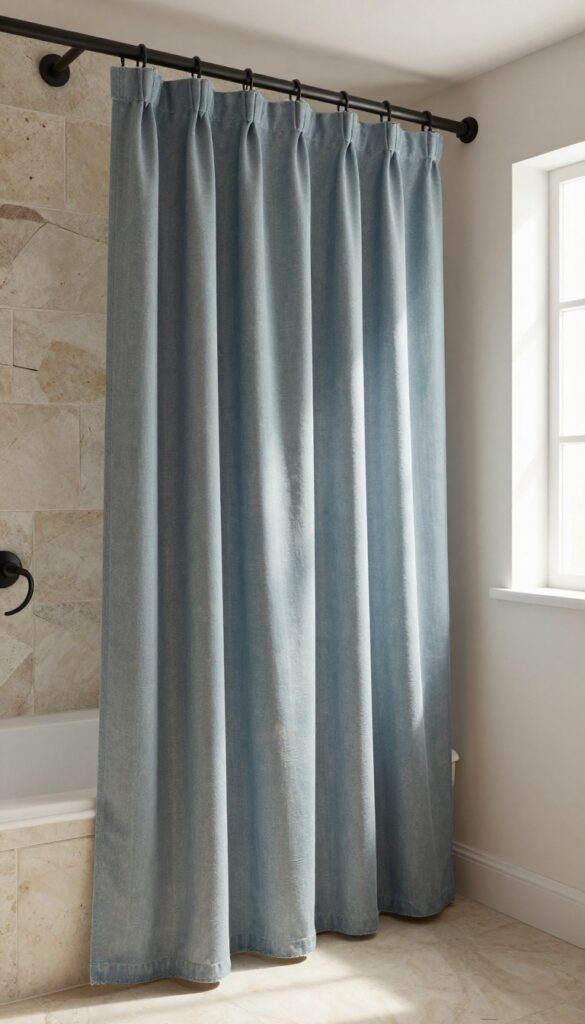
There's a certain magic in fabrics that look like they've been around for decades. A distressed or washed shower curtain brings that same sense of history into your bathroom, making it feel collected and personal rather than brand new. It's an easy way to add depth and character without trying too hard.
Distressed fabrics come in many forms—from faded denim to soft, worn cotton. The key is finding a piece that looks naturally aged, not artificially damaged. Look for curtains with subtle fraying, gentle color variations, or a washed-out patina that feels inviting.
These curtains pair beautifully with other rustic elements like wood accents, stone tiles, or matte black fixtures. They also soften the overall look of the bathroom, making it feel more approachable and lived-in. Plus, they're forgiving when it comes to water spots and daily wear.
Why Washed Fabrics Work
Washed fabrics have a relaxed, broken-in feel that instantly warms up a space. The gentle fading and soft texture make the bathroom feel more like a cozy retreat than a sterile room. They also hide minor stains and wrinkles better than crisp, new materials.
Choosing The Right Material
Cotton and linen are top choices for that vintage look. They absorb water well and get softer with each wash. Denim and canvas add a heavier, more rugged feel.
Stay away from shiny synthetics, as they don't age as gracefully and can look cheap.
Styling Around The Faded Look
Pair a distressed curtain with natural textures like wood, rattan, or stone. Keep other elements simple so the curtain remains the focal point. Add a few vintage-inspired accessories, like an old-fashioned soap dispenser or a rustic wooden stool, to complete the scene.
9. Mason Jar or Farmhouse Motifs
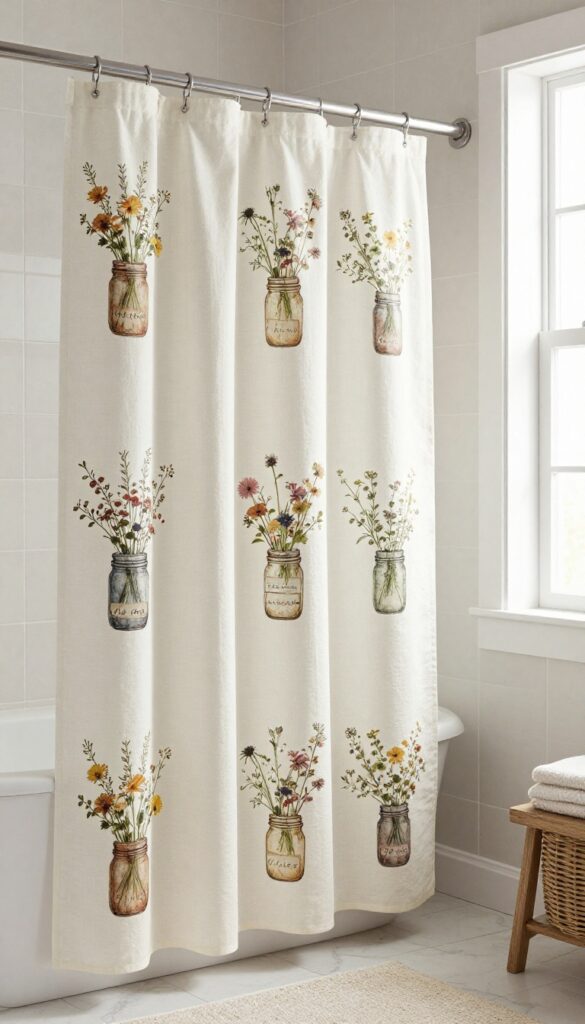
Farmhouse motifs bring a sense of nostalgia that's hard to beat. Mason jars, wildflowers, and simple signs painted on fabric can turn a plain bathroom into a cozy country retreat. These designs feel cheerful and welcoming, like a Sunday afternoon on a porch.
They're also versatile enough to pair with neutral tiles or wood accents without clashing.
When you pick a curtain with mason jar or farmhouse motifs, you're adding a story to the room. The imagery often evokes homemade preserves, fresh-cut flowers, and slow mornings. It's a style that feels personal and lived-in, not staged.
These curtains work especially well in bathrooms with natural materials like wood, stone, or galvanized metal. They can also soften the look of modern fixtures, making the space feel warmer and more approachable.
Pairing With Wall Colors
Mason jar patterns pop against soft whites, warm grays, or pale blues. If you want the motif to stand out, choose a curtain with a darker background, like deep navy or charcoal. For a softer look, go with a light background and subtle colors in the print.
Balancing Busy Patterns
These curtains often have detailed prints, so keep the rest of the bathroom simple. Solid towels, a plain bath mat, and minimal accessories help the curtain be the focal point. If you love the farmhouse vibe, add a few real mason jars as soap dispensers or toothbrush holders to tie it together.
Choosing The Right Material
Cotton or cotton blends work best for farmhouse motifs because they hold colors well and wash easily. Look for a fabric with a matte finish and a bit of texture, like a canvas or twill weave. This adds to the rustic feel and avoids the shiny look of polyester.
10. Woven or Macramé Textures
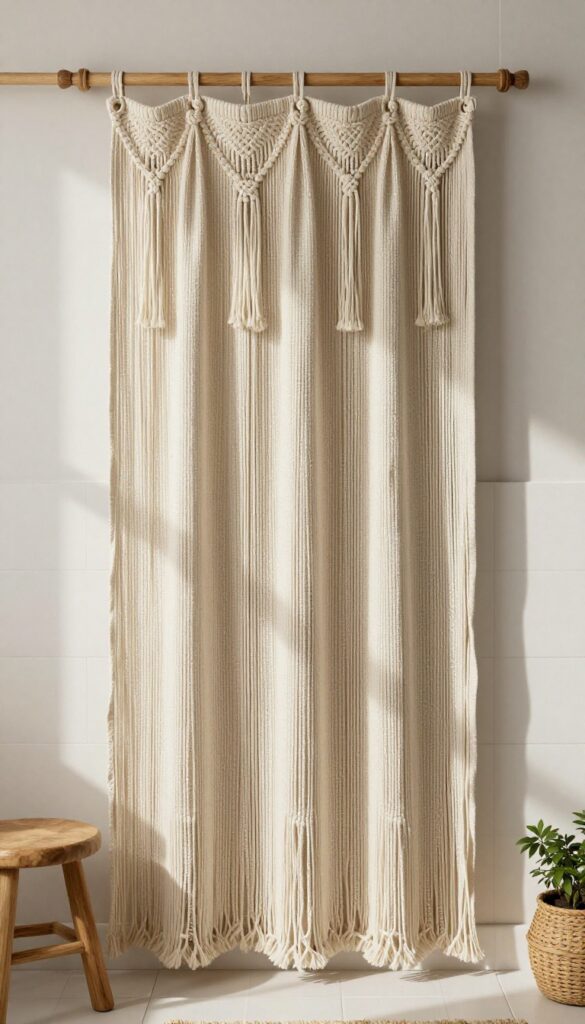
Macramé and woven shower curtains bring a handmade charm that instantly warms up a bathroom. The intricate knots and natural fibers add depth and a tactile quality that flat, printed curtains just can't match. These textures fit perfectly with rustic decor, blending boho and cabin aesthetics.
They also catch the light in interesting ways, creating subtle shadows and movement that make the space feel more alive.
A woven or macramé curtain gives your bathroom a unique, artisanal feel. The texture alone can become the focal point of the room, especially when paired with simple, neutral tiles. Plus, the open weave of many macramé designs allows some light to filter through, keeping the space airy while still providing privacy.
When choosing a macramé or woven curtain, think about the material. Cotton and jute are common choices, each with its own vibe. Cotton is softer and easier to clean, while jute adds a rougher, more natural texture.
Both bring that rustic, handmade look you're after. Maintenance is a consideration too. Macramé curtains can collect dust and moisture, so regular washing or shaking out is a good idea.
Look for options that are machine washable or easy to spot-clean to keep them looking fresh.
Choosing The Right Material
Cotton macramé is the most popular choice because it's soft, durable, and easy to care for. It also takes dye well, so you can find it in a range of earthy tones. Jute and sisal offer a more rustic, textured look but can be rougher and more prone to moisture damage.
If you want the texture without the upkeep, consider a cotton blend that mimics the woven look.
Styling Around The Texture
Let the curtain be the star. Pair it with simple, matte black or bronze hardware to keep the focus on the weave. Neutral bathroom accessories, like wooden soap dishes or a stone vase, will complement the natural vibe.
Avoid busy patterns on the walls or floor, as they can clash with the curtain's intricate design.
Care And Maintenance Tips
Most macramé curtains can be machine washed on a gentle cycle with cold water, then hung to dry. To prevent mildew, make sure the curtain is fully dry before folding or storing. For jute or sisal, spot clean only and keep them away from constant moisture.
A quick shake outside every few weeks helps remove dust and keeps the fibers looking fresh.
11. Dark, Moody Tones for a Dramatic Rustic Look
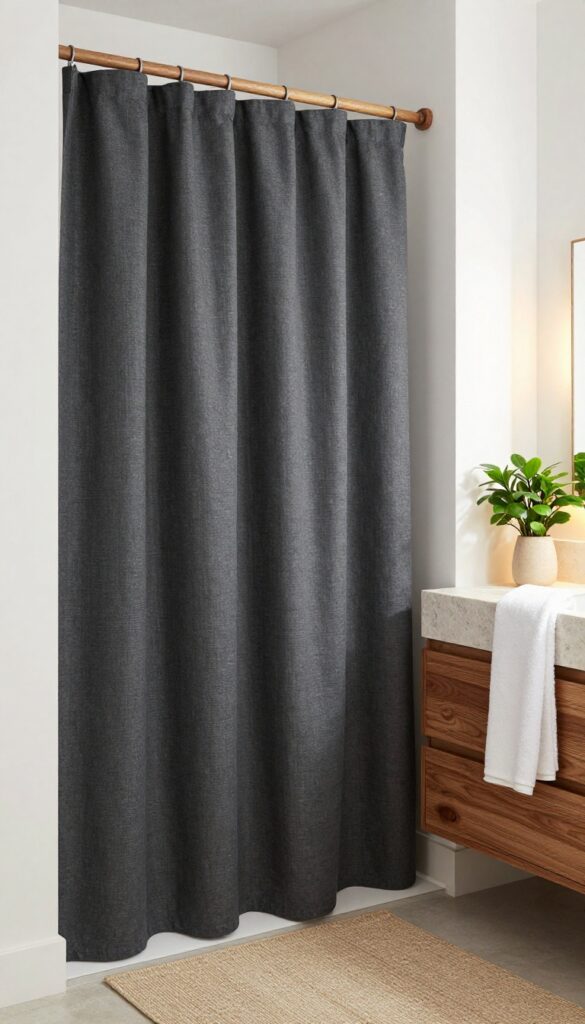
Rustic doesn't have to mean light and airy. Deep charcoal, forest green, or navy can bring a dramatic, cozy feel that still fits the rustic aesthetic. These darker shades add depth and sophistication, making your bathroom feel like a retreat.
When you think rustic, you might picture whites, creams, and natural wood tones. But dark colors have their own rustic charm. They ground the space and create a sense of intimacy.
A dark shower curtain can make a bathroom feel like a cabin hideaway, especially when paired with warm wood accents and soft lighting.
Pairing With Natural Textures
Dark colors pair beautifully with natural materials. Think wood, stone, and linen. A charcoal curtain with a wooden rod and a stone countertop creates a cohesive, earthy look.
Add a few green plants to bring life to the darker palette.
Choosing The Right Fabric
For dark tones, fabric choice matters. Heavy cotton or linen drapes beautifully and adds to the moody feel. Avoid shiny synthetic materials, which can look cheap.
Instead, opt for matte finishes that absorb light and enhance the rustic vibe.
Balancing The Darkness
To keep the space from feeling too dark, balance with lighter elements. Use a light-colored bath mat, white towels, or a bright mirror. This creates contrast and keeps the room from feeling like a cave.
A well-placed window or a warm lamp can also soften the effect.
12. Reversible Curtains for Versatility
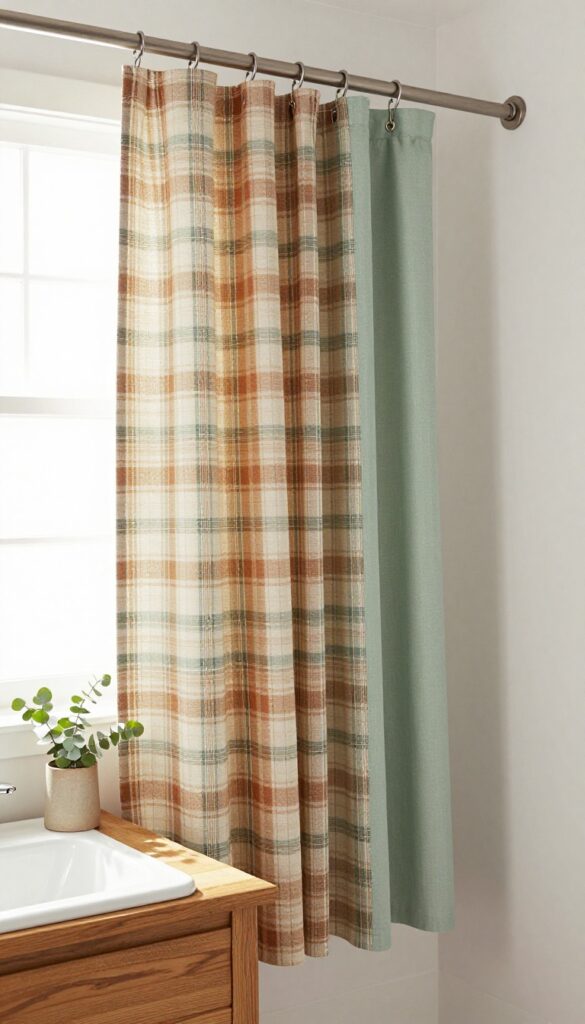
Sometimes you want a change without the commitment. Reversible shower curtains solve that by offering two distinct looks in one piece. Flip them over and the whole bathroom mood shifts, from warm and earthy to light and airy, in seconds.
A reversible curtain is a smart pick for anyone who likes to refresh their space often. Instead of storing a second curtain, you simply rotate the one you have. This is especially handy for seasonal updates, like bringing in darker, cozier tones for winter and switching to lighter, breezier patterns for summer.
Why Choose Reversible?
The main draw is the flexibility. You get two designs for the price of one, which is great for budget-minded decorators. It also saves storage space, since you don't need to keep a spare curtain on hand.
Plus, it's a simple way to extend the life of your curtain, as you can alternate sides to reduce wear.
Pattern Pairings That Work
Look for curtains that pair complementary rustic patterns. A plaid on one side and a solid neutral on the other is a classic combo. Or try a burlap texture on one side and a subtle stripe on the other.
The key is to ensure both sides share a similar color palette, so the switch feels intentional, not jarring.
Seasonal Styling Tips
Use the reversible feature to your advantage. In the fall and winter, hang the side with deeper tones like rust, forest green, or navy. When spring arrives, flip to the lighter side with cream, sage, or soft blue.
This small change can make the bathroom feel fresh without any extra effort.
13. DIY Stamped or Stenciled Designs
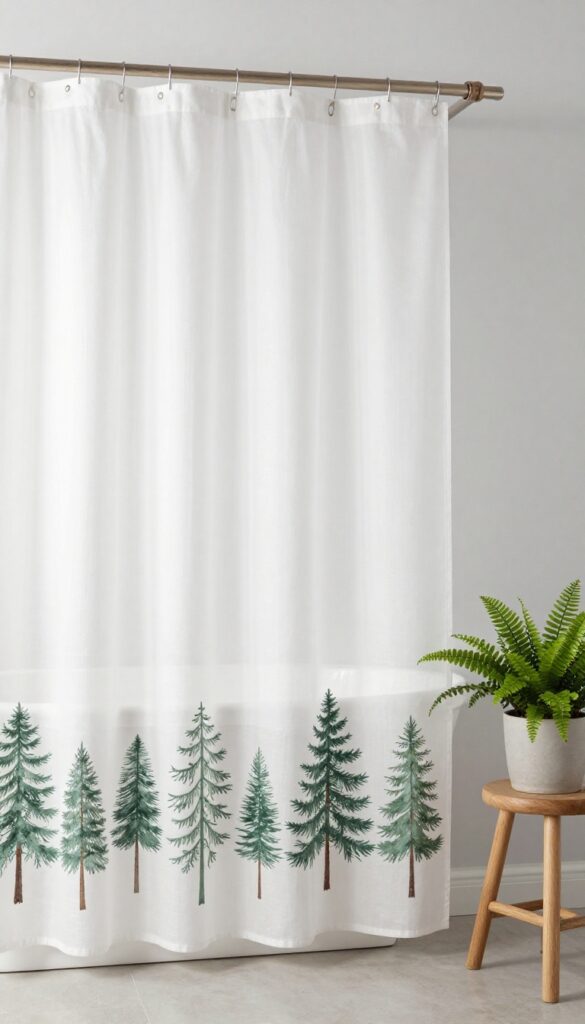
If you can't find the exact rustic pattern you're dreaming of, why not make it yourself? Stamping or stenciling a plain fabric shower curtain lets you create a one-of-a-kind piece that perfectly matches your bathroom's vibe. It's easier than you think, and the result feels personal and handmade—exactly what rustic style is all about.
A DIY stamped or stenciled curtain gives you total control over the design, color, and placement. You can go subtle with a small motif in the corner or make a bold statement with a full repeating pattern. The process is forgiving, so even if you're not a crafty person, you can still pull it off with a little patience.
Plus, you'll have the satisfaction of knowing your curtain is truly unique.
Pick The Right Fabric And Paint
Start with a plain cotton or linen curtain—natural fibers absorb paint better and give a softer, more rustic look. Use fabric paint or a fabric medium mixed with acrylic paint, and test on a scrap piece first to ensure the color and consistency are right. A slightly damp sponge or brush can help blend edges for a worn, aged effect.
Choose A Motif That Fits The Rustic Theme
Think about what says 'rustic' to you: pine trees, ferns, wildflowers, geometric patterns like diamonds or chevrons, or even a simple monogram. Stamps can be bought or carved from potatoes or erasers for a truly custom touch. Stencils are great for repeating patterns and come in all sorts of designs.
Keep the scale in mind—large motifs work well on a big curtain, while smaller ones feel more delicate.
Practice And Plan Your Layout
Lay the curtain flat on a protected surface. Use a ruler or measuring tape to mark where you want the design, and do a few practice stamps on paper or scrap fabric. If you're stenciling, secure it with painter's tape to avoid slipping.
Work in sections, letting the paint dry before moving on. Don't worry about perfection—slight imperfections add to the handcrafted charm.
Set The Paint And Care For Your Curtain
Once the paint is completely dry, heat-set it with an iron (follow the paint instructions) to make it washable. Then, hang your curtain and enjoy. To keep it looking good, wash it on a gentle cycle with cold water and hang to dry.
Avoid harsh detergents that could fade the paint over time.
FAQ
What material is best for a rustic shower curtain?
Linen and cotton are excellent choices for a rustic look because they have a natural texture and breathability. Burlap is also an option, but it can be rough and may require a liner.
How do I keep a rustic shower curtain clean?
Most fabric curtains can be machine washed on a gentle cycle with cold water. Hang to dry to prevent shrinkage. For burlap or delicate materials, spot clean or hand wash.
Can I use a rustic shower curtain with a standard shower?
Absolutely. Rustic curtains come in standard sizes (72×72 inches) and fit most shower/tub combos. Just ensure you have a liner to keep water from leaking.
What colors work best for a rustic bathroom?
Earthy tones like beige, brown, olive green, and warm grays work well. These colors complement natural wood and stone, creating a cohesive rustic feel.
Do I need a shower liner with a rustic curtain?
Yes, it's recommended. A liner protects the curtain from water damage and mildew, especially if you choose a natural fabric like linen or cotton.
Conclusion
Rustic shower curtains are more than just a functional piece—they're a way to infuse your bathroom with warmth and personality. By choosing natural materials, earthy tones, and thoughtful details, you can create a space that feels both timeless and inviting.
Whether you prefer a subtle nod to nature or a full farmhouse aesthetic, there's a rustic curtain idea here for you. Start with one that speaks to you, and enjoy the transformation.