11 Savvy Pebble Floor Shower Ideas for a Warm, Inviting Look
Stepping onto a cold, slippery shower floor is never a pleasant way to start the day. Pebble flooring solves that by offering natural texture that feels great underfoot and provides traction where you need it most. The best part?
It doesn't have to look like a generic spa clone. With the right pebble size, color, and layout, you can craft a shower that feels warm, personal, and surprisingly stylish.
From dramatic dark tones to subtle blends, these eleven ideas focus on practical choices that elevate both comfort and visual appeal. Let’s find the perfect pebble look for your space.
1. River Rock Blend for a Natural Spa Vibe
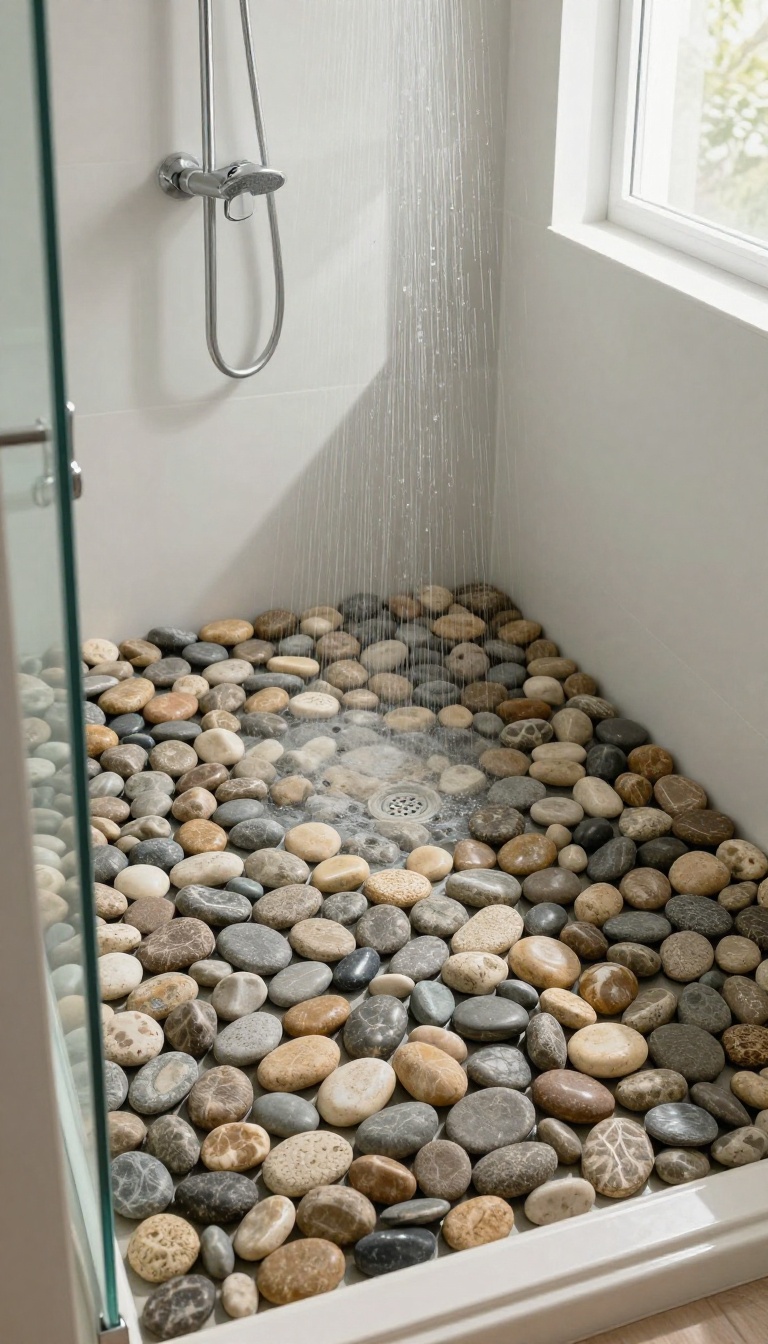
Mixing different sizes and shades of river rocks mimics a streambed, bringing a slice of nature into your bathroom. The organic, uneven surface not only looks stunning but also gives your feet a gentle massage with every step. It’s an easy way to turn an everyday shower into a mini retreat.
A river rock blend is all about variety. Instead of uniform pebbles, you combine larger stones with smaller ones, and mix colors like gray, tan, and brown. This creates depth and visual interest, making the floor feel alive and textured.
The varied heights also stimulate pressure points, which can be surprisingly relaxing after a long day.
Choosing The Right Stones
Look for naturally rounded river rocks in a mix of sizes, from about 1 to 3 inches across. Avoid sharp or flat stones, as they can be uncomfortable. A blend of warm earth tones—like beige, slate, and charcoal—works well in most bathrooms.
You can also add a few contrasting pebbles for extra character.
Installation Tips
For a smooth, durable finish, have a professional set the stones in a thick layer of thinset mortar, then fill the gaps with grout. Make sure the surface is sloped toward the drain to prevent water pooling. Sealing the pebbles annually will keep them looking fresh and protect against stains.
Maintenance And Care
River rock floors are surprisingly easy to clean. A daily rinse with a squeegee or a quick mop with mild soap is all you need. Avoid harsh chemical cleaners that can dull the stones.
Over time, the grout may need re-sealing, but the natural look ages beautifully.
2. Large Flat Pebbles for a Sleek, Modern Feel
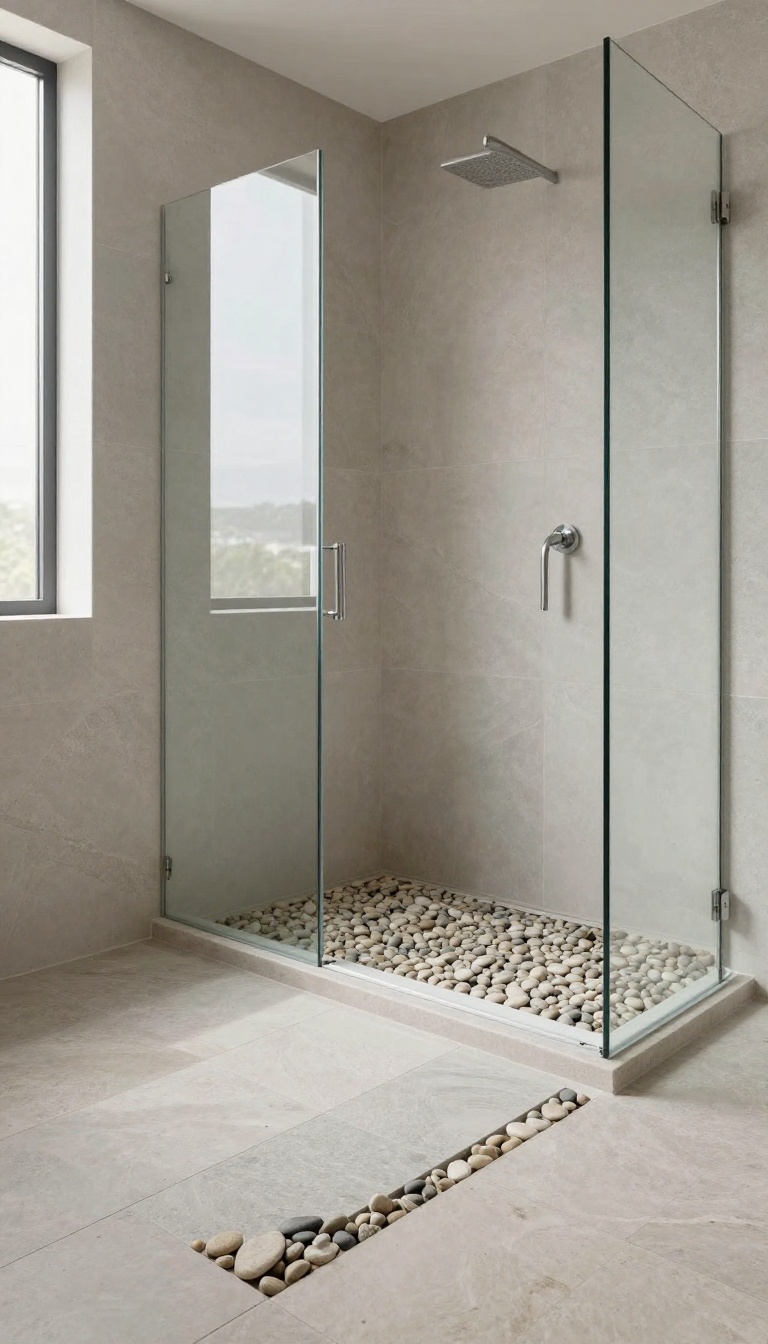
If small, bumpy stones feel a bit too rustic for your taste, oversized flat pebbles offer a refined alternative. Their smooth, broad surfaces create a more uniform look that still delivers the organic texture you want. This style pairs beautifully with clean lines, glass enclosures, and linear drains, making it a top pick for contemporary bathrooms.
Large flat pebbles bring a sense of calm and order to a shower floor. Because they’re bigger and flatter, they sit closer together, reducing the number of crevices where grime can hide. That means less scrubbing and a surface that feels smoother underfoot while still providing enough grip to prevent slips.
The result is a floor that looks polished and feels comfortable, even during long showers. These pebbles work especially well in minimalist spaces. Their subtle, natural tones—think soft grays, warm beiges, and muted browns—blend seamlessly with neutral palettes.
You can also find them in darker shades like charcoal or slate for a bolder, more dramatic statement. Whatever color you choose, the large flat format keeps the overall aesthetic sleek and uncluttered.
Why Large Flat Pebbles Work So Well
The key advantage of large flat pebbles is their balance of form and function. They offer the tactile, spa-like feel of natural stone without the unevenness that can make small pebbles uncomfortable. The flatter profile also makes cleaning easier—there are fewer deep gaps for soap scum and hair to get stuck in.
Plus, the larger surface area means each pebble has more visual impact, allowing the natural veining and color variations to shine.
Design Tips For A Cohesive Look
To get the most out of large flat pebbles, pair them with simple, modern fixtures. A frameless glass shower door keeps the focus on the floor, while a linear drain complements the clean lines of the pebbles. Choose grout that closely matches the pebble color to create a seamless, almost monolithic surface.
If you want a bit of contrast, go with a slightly darker grout to define each stone without making the floor look busy.
Installation And Maintenance Considerations
Installing large flat pebbles requires a bit more care than standard tiles. The stones need to be set evenly to avoid any rocking or unevenness underfoot. It’s best to hire a professional who has experience with pebble flooring.
Once installed, maintenance is straightforward: regular sweeping and occasional mopping with a mild cleaner will keep the floor looking fresh. Sealing the pebbles every year or two helps protect them from stains and moisture.
3. Dark Charcoal Pebbles for Dramatic Contrast
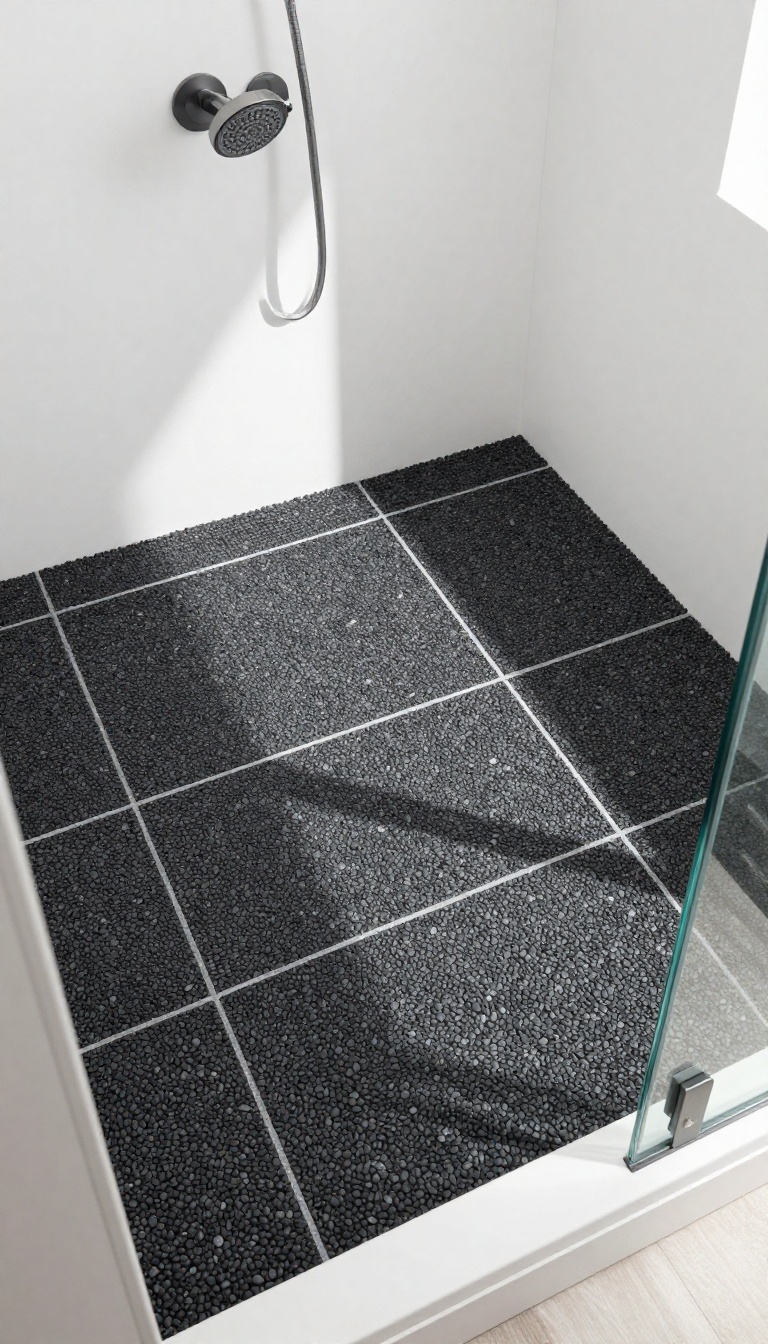
Dark pebbles bring a bold, grounded energy to a shower that lighter stones simply can't match. The deep charcoal tone adds instant depth and makes the space feel more intimate and cozy. Plus, they're surprisingly practical—dark surfaces hide soap scum and hard water stains far better than their pale counterparts.
Pairing dark pebbles with white or light gray grout creates a striking geometric pattern that draws the eye. The contrast makes each stone pop, giving the floor a rich, textured look. If you're worried about the space feeling too dark, balance it with bright white walls and plenty of natural or layered lighting.
Why Dark Works
Dark charcoal pebbles absorb light instead of reflecting it, which visually grounds the shower. This makes the room feel anchored and warm, especially in bathrooms with cool-toned tiles or fixtures. The dark hue also creates a natural focal point, so the floor becomes a design statement rather than just a functional surface.
Grout Choices That Matter
The grout color can completely change the vibe. White or light gray grout gives a crisp, modern contrast that highlights each pebble's shape. For a more seamless, monochromatic look, go with a dark grout that blends into the stones.
Just keep in mind that lighter grout will need a bit more scrubbing to stay bright.
Pairing With Walls And Fixtures
Dark pebbles pair beautifully with light, airy walls—think soft white, pale beige, or light gray. This keeps the shower from feeling like a cave. For fixtures, brushed nickel or matte black both work well; matte black adds to the moody vibe, while nickel offers a subtle contrast that doesn't compete with the floor.
4. Warm Beige Pebbles for a Sun-Kissed Look
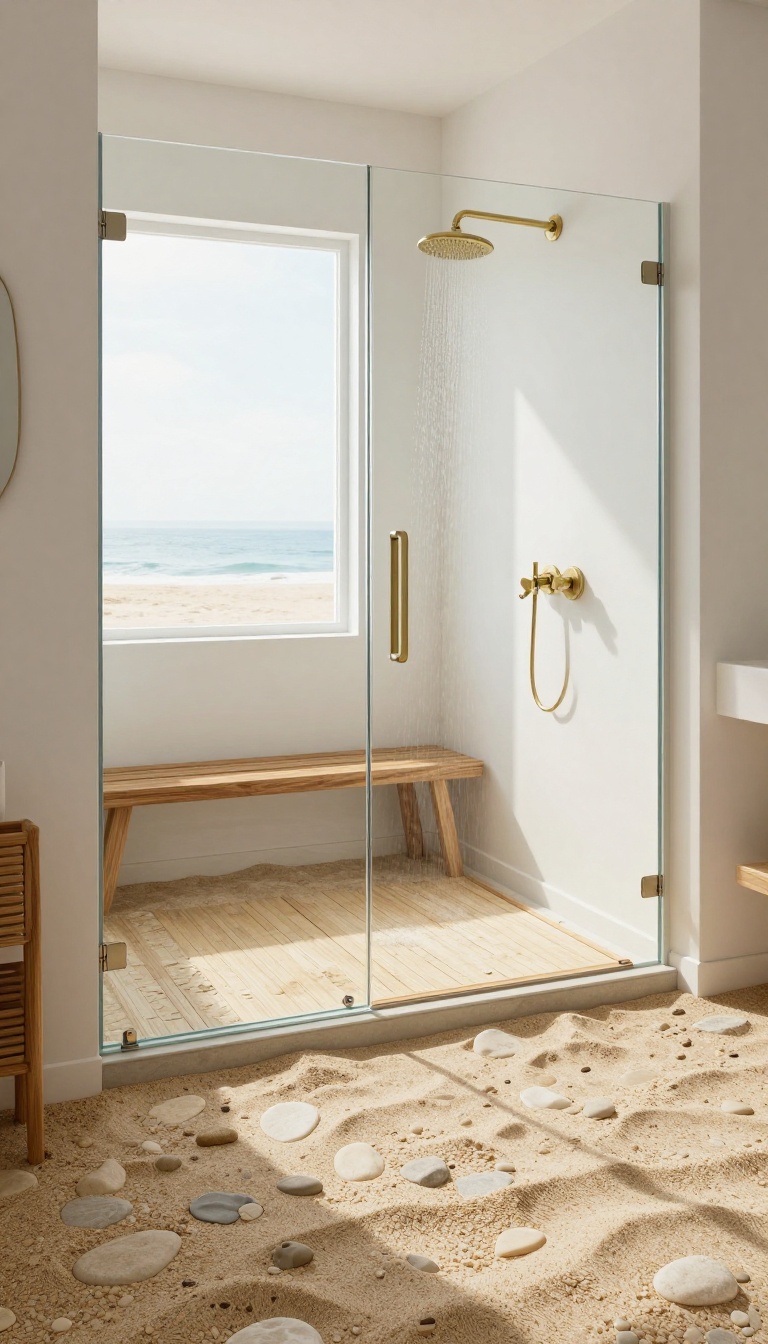
If your bathroom leans cool with gray tiles or bright white walls, beige and tan pebbles can instantly warm things up. These earthy tones mimic sun-bleached sand and pair beautifully with natural wood and brass fixtures. The result is a shower that feels like a cozy beach retreat, even on the dreariest days.
Beige pebbles bring a soft, inviting warmth that cool-toned stones just can't match. They work especially well in bathrooms with lots of natural light, but they also shine under warm LED bulbs. The key is to choose pebbles with varied shades of tan, cream, and light brown to create depth without looking busy.
Pairing With Wood And Brass
Wooden accents, like a teak bench or bamboo mat, complement the warm tones of beige pebbles perfectly. Brass or gold fixtures add a touch of elegance and catch the light, making the space feel more luxurious. Together, these materials create a natural, sun-kissed palette that feels both grounded and refined.
Choosing The Right Grout
Grout color can make or break the look. For beige pebbles, opt for a warm sand or light tan grout to keep the seamless, natural appearance. Avoid stark white grout, which can make the pebbles look gray and washed out.
A slightly darker grout can also help define the pebbles and add texture.
Maintenance And Durability
Beige pebbles are typically made from natural stone like river rock or travertine, which are durable and slip-resistant. Sealing them annually will protect against stains and moisture. Cleaning is straightforward—just use a mild, pH-neutral cleaner to keep the stones looking fresh without dulling their natural sheen.
5. Mixed Pebble and Slate Tiles for Visual Interest
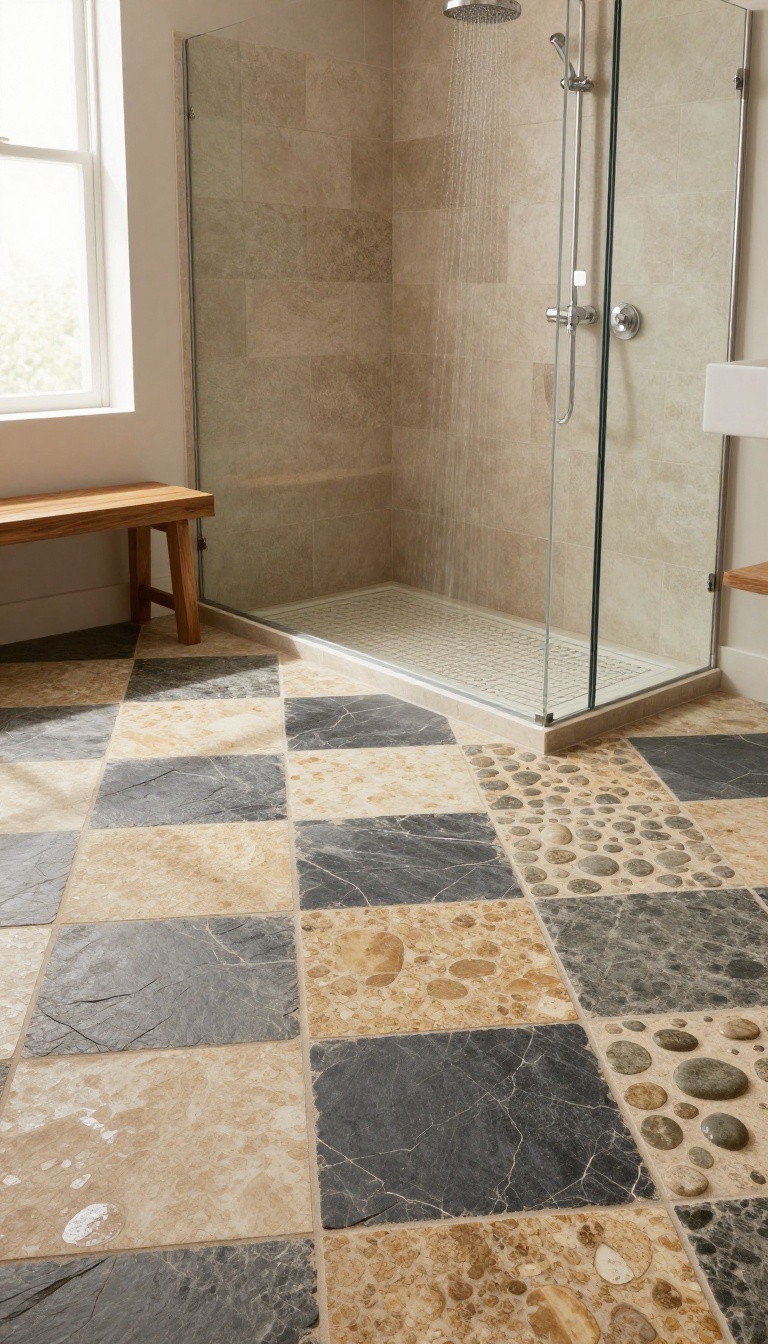
Combining pebble sheets with larger slate tiles is a clever way to add depth and a custom look to your shower. The contrast between the smooth, rounded stones and the flat, angular slate creates a dynamic visual that feels intentional and high-end. This approach also lets you play with patterns or borders, giving you more design flexibility than a full pebble floor.
This mix works especially well in larger showers where you can create distinct zones. For example, use pebble sheets in the main shower area and slate tiles in a corner bench or niche. Or, lay slate tiles in a grid and fill the spaces between with pebble strips for a mosaic effect.
The key is to balance the two textures so one doesn't overwhelm the other.
Why Mixing Textures Works
Texture is what makes a shower floor interesting, and mixing pebbles with slate adds a tactile variety that feels luxurious underfoot. The pebbles provide gentle massage and slip resistance, while the slate offers a smooth, cool surface that’s easy to clean. Together, they create a balanced sensory experience that’s both practical and visually appealing.
Pattern Ideas To Try
You can go with a simple checkerboard of slate squares and pebble squares, or create a border of pebbles around a slate center. Another idea is to run a pebble strip down the middle of the shower, with slate on either side, to visually widen the space. If you're feeling bold, try a diagonal slate layout with pebble inserts for a modern twist.
Choosing The Right Slate
Slate comes in a range of colors, from deep charcoal to warm gray and even green or purple tones. Pick a shade that complements your pebble color—darker slate with light pebbles creates strong contrast, while similar tones blend more subtly. Also, consider the slate finish: honed slate is smoother and less slippery, while natural cleft offers more grip but can be rougher underfoot.
6. Pebble Floor with Glass Wall Accents
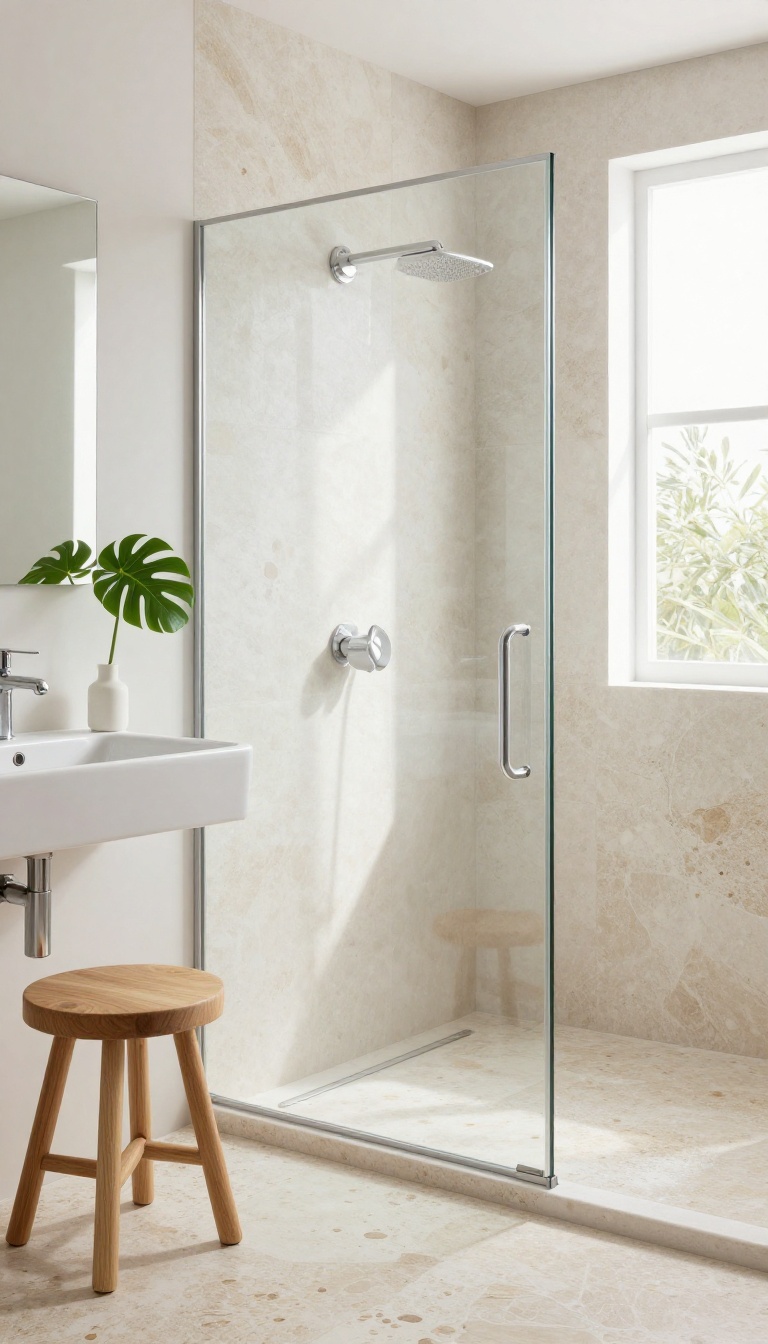
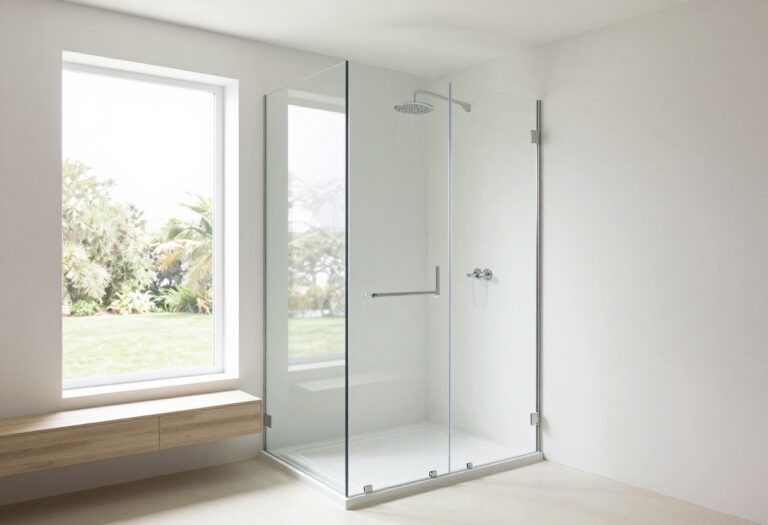
If you love the open feel of a walk-in shower but worry about water splashing everywhere, a glass partition is the perfect middle ground. Pair that with a pebble floor, and you get a space that feels both airy and grounded. The glass lets natural light travel through, bouncing off the smooth stones and making the whole shower area appear larger than it really is.
It’s a simple trick that adds a sense of calm and openness without sacrificing practicality.
The combination of pebbles and glass works because it contrasts texture with transparency. The rough, organic stones soften the clean lines of the glass, creating a balanced, inviting look. Plus, the glass keeps the shower feeling open and connected to the rest of the bathroom, while the pebble floor adds a tactile, spa-like sensation underfoot.
Whether you choose a full glass door or a half-wall, this setup brightens the space and makes morning showers feel a little more luxurious.
Let The Light Flow
A clear glass partition does more than just separate wet and dry areas—it lets light move freely. If your bathroom has a window or good overhead lighting, the glass will carry that brightness directly onto the pebble floor. The stones reflect some of that light, adding subtle sparkle and warmth.
This makes even a compact shower feel more spacious and welcoming, especially in the morning.
Pick The Right Pebble Tone
With glass accents, the pebble color becomes even more important. Lighter pebbles like beige, cream, or soft gray keep the space feeling airy and bright. Darker stones, like slate or charcoal, create a striking contrast against the glass and can make the shower feel more grounded and dramatic.
Think about the overall mood you want—light for calm and openness, dark for a cozier, more intimate vibe.
Keep Maintenance Simple
Glass walls and pebble floors are both easy to care for if you set them up right. Use a squeegee on the glass after showers to prevent water spots, and choose pebbles that are sealed to resist soap scum and mold. A quick rinse and occasional scrub with a soft brush will keep the stones looking fresh.
The glass also makes cleaning the floor easier because you can see exactly where you need to focus.
7. Pebble Shower Floor with Wood-Look Tiles
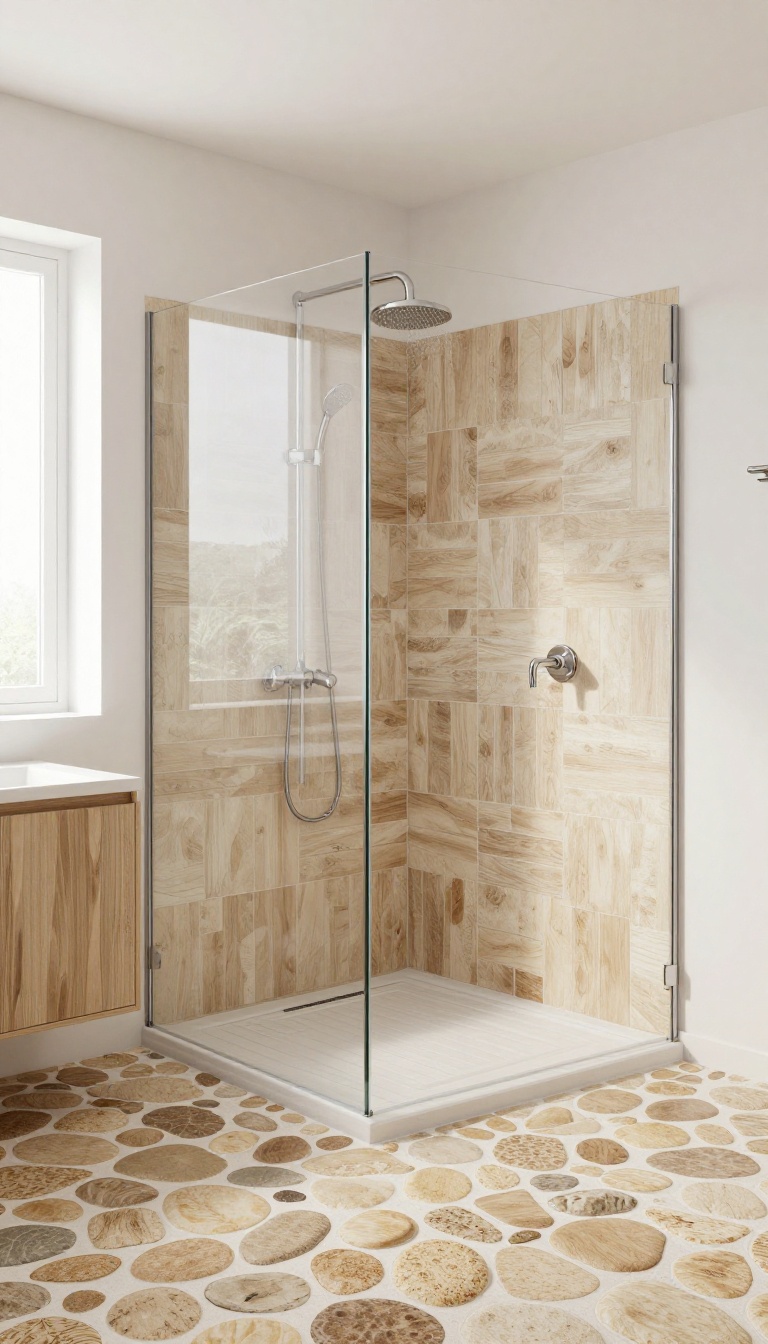
Pairing pebble flooring with wood-look porcelain tiles on the walls is a match made in rustic heaven. The wood grain adds warmth and texture, while the pebbles keep the floor safe and comfortable. Together, they create a cabin-like retreat that feels both grounded and inviting.
Wood-look tiles give you the aesthetic of natural wood without the maintenance headaches. They're waterproof, durable, and come in a variety of shades from light oak to rich walnut. When combined with pebbles, the contrast between the smooth wood grain and the bumpy stones adds visual interest and a tactile experience that's hard to beat.
Choosing The Right Wood Tone
The wood tone you pick sets the whole mood. Lighter woods like ash or birch make the shower feel airy and open, perfect for smaller bathrooms. Darker woods like hickory or teak add a cozy, intimate vibe that works well in larger spaces.
Consider the natural light in your bathroom and how the wood color will interact with the pebbles.
Pebble Color And Size Matters
For a seamless look, choose pebbles that echo the wood's undertones. Warm wood tones pair beautifully with beige or tan pebbles, while cooler grays work with ash or driftwood. The size of the pebbles also matters—larger, flatter pebbles feel more modern, while smaller ones give a more traditional, textured feel.
Keep the pebble color consistent to avoid a busy look.
Installation Tips For A Flawless Finish
When installing, make sure the pebble sheets are laid evenly and the grout lines are clean. Use a grout that complements both the wood and pebbles—a neutral gray or warm beige works well. Seal the grout to prevent staining and make cleaning easier.
Also, consider adding a bench or corner shelf in the same wood-look tile to tie the design together.
8. Pebble Floor with a Curbless Entry
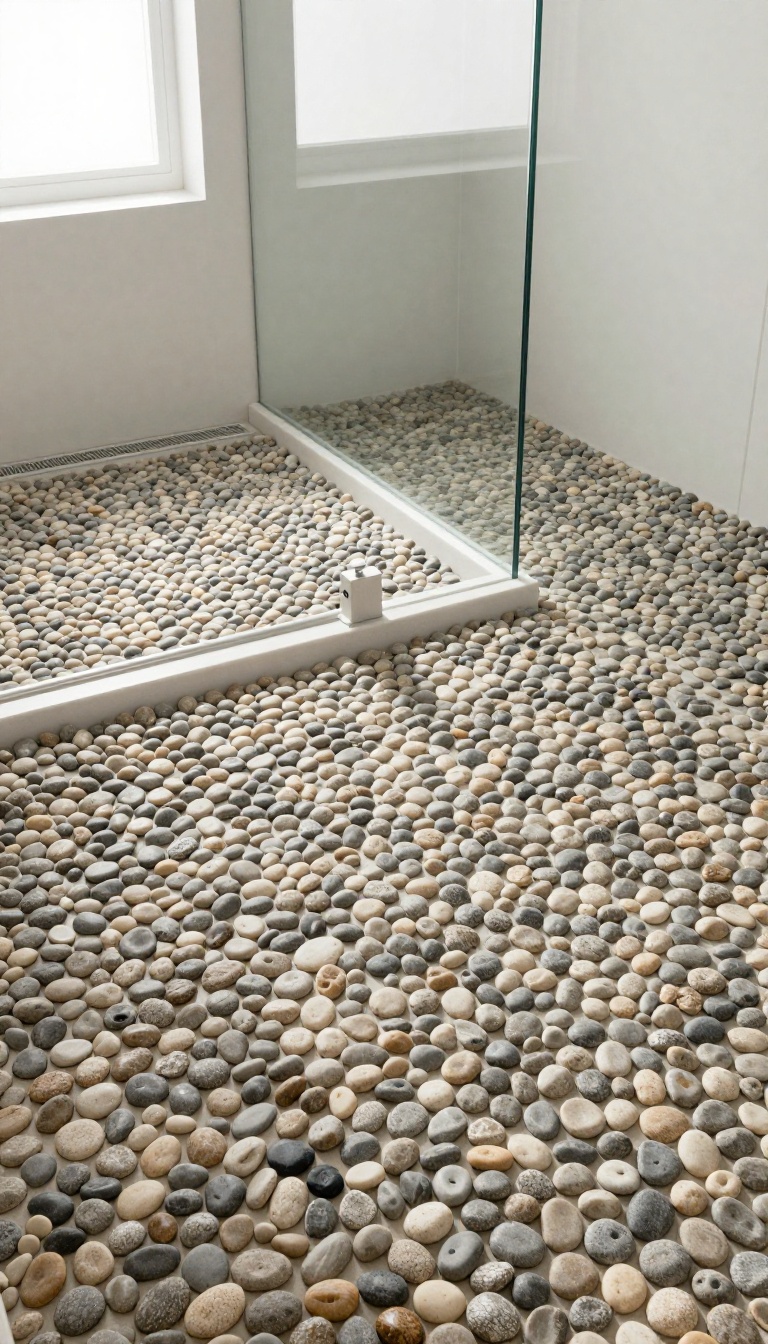
Eliminating the curb between your shower and bathroom floor is a game-changer for both style and accessibility. When you pair that seamless entry with pebble flooring, you get a continuous surface that feels natural and open. The visual flow makes the bathroom appear larger, and the texture of the pebbles adds a subtle organic touch that ties the whole space together.
A curbless shower with pebble flooring creates a seamless transition from the bathroom floor. It's not only accessible but also gives a modern, open feel that's easy to clean. The lack of a barrier means water needs to be directed properly with a linear drain, but the payoff is a sleek, barrier-free design that's perfect for aging in place or just for a more spacious look.
Why Go Curbless?
Curbless showers are a smart choice for anyone who wants to avoid tripping hazards or make the bathroom wheelchair-friendly. But even if accessibility isn't a concern, removing the curb simplifies the visual lines and makes the room feel more expansive. The continuous floor from vanity to shower creates a clean, uncluttered aesthetic that's hard to beat.
Drainage And Slope Considerations
Without a curb, you need a perfectly sloped floor to keep water from spreading into the rest of the bathroom. A linear drain along the back wall or at the shower entrance works best, allowing the pebble floor to slope gently toward it. This setup not only handles water efficiently but also lets you use larger pebble sheets without worrying about water pooling.
Choosing The Right Pebbles
For a curbless design, opt for pebbles that are relatively flat and smooth to avoid any unevenness underfoot. River stones in earthy tones blend well with most bathroom styles, while darker pebbles can hide soap scum and add a touch of drama. If you want a more uniform look, choose pebble tiles with consistent sizing and spacing.
9. Pebble Floor with a Linear Drain
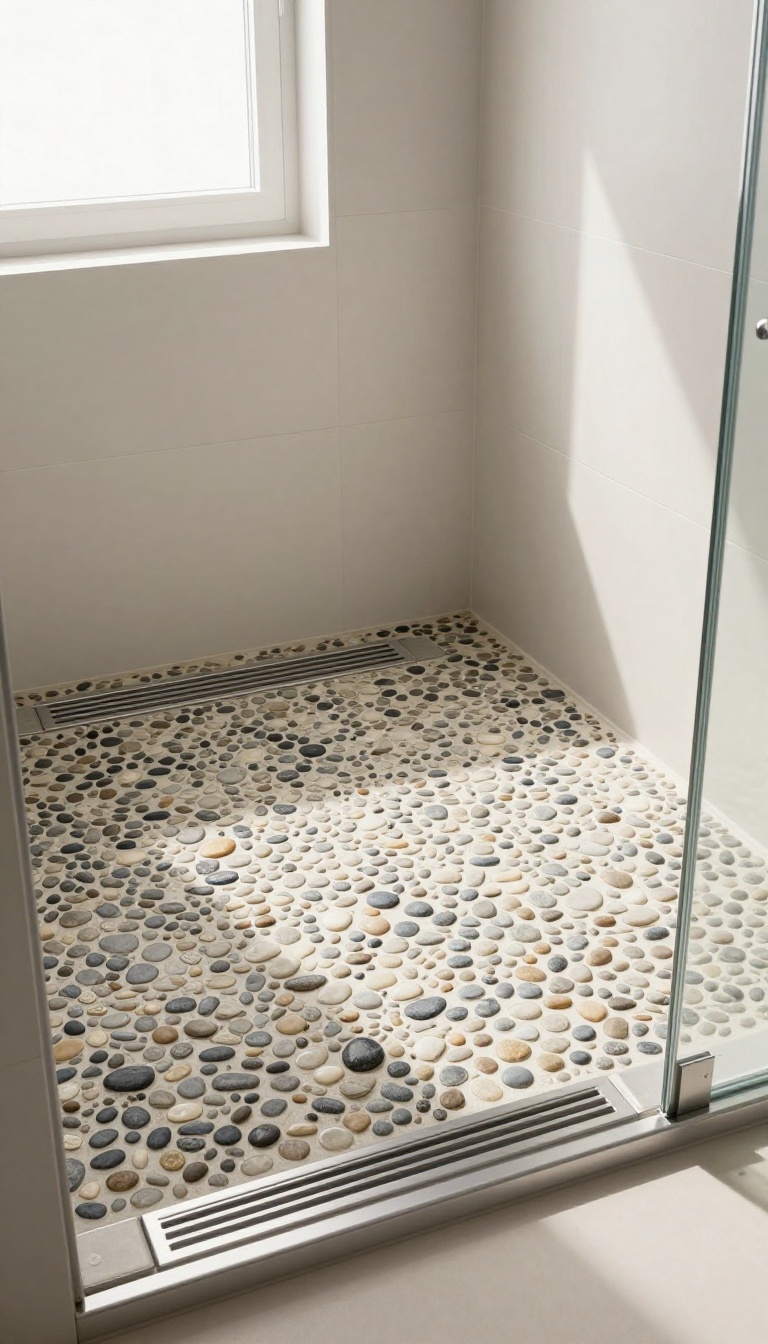
A linear drain is a smart upgrade if you're tired of the traditional center drain that interrupts the pebble pattern. It lets you lay the pebbles in a smooth, continuous sheet without the usual square or round grate breaking up the visual flow. Plus, the long, narrow channel is easier to keep clean and prevents water from pooling around your feet.
The beauty of a linear drain is that it can be placed along one edge of the shower, letting the pebble floor slope gently toward it. This means you can enjoy an uninterrupted pebble surface that feels more like a natural stream bed than a typical tile floor. It's a practical choice that also looks modern and sleek.
Why It Works
Standard drains often force you to cut pebble sheets into awkward shapes, which can break the pattern and leave rough edges. A linear drain runs along one side, so you can lay full sheets of pebbles and trim them cleanly at the edge. The result is a smoother, more polished look that's also easier to clean—no small grout lines to scrub.
Installation Tips
When installing a linear drain, make sure the shower floor slopes slightly toward it—about 1/4 inch per foot is standard. The drain itself should sit flush with the pebble surface to avoid any trip hazard. It's also a good idea to choose a drain with a removable grate for easy cleaning, since pebbles can sometimes trap hair and soap scum.
Design Variations
You can place the linear drain at the entrance of the shower, along the back wall, or even in the center for a more dramatic look. If you're feeling bold, a contrasting metal grate—like brushed nickel or matte black—can add a subtle accent against the natural pebbles. For a seamless appearance, pick a grate that matches your shower fixtures.
10. Pebble Floor with Accent Stripes
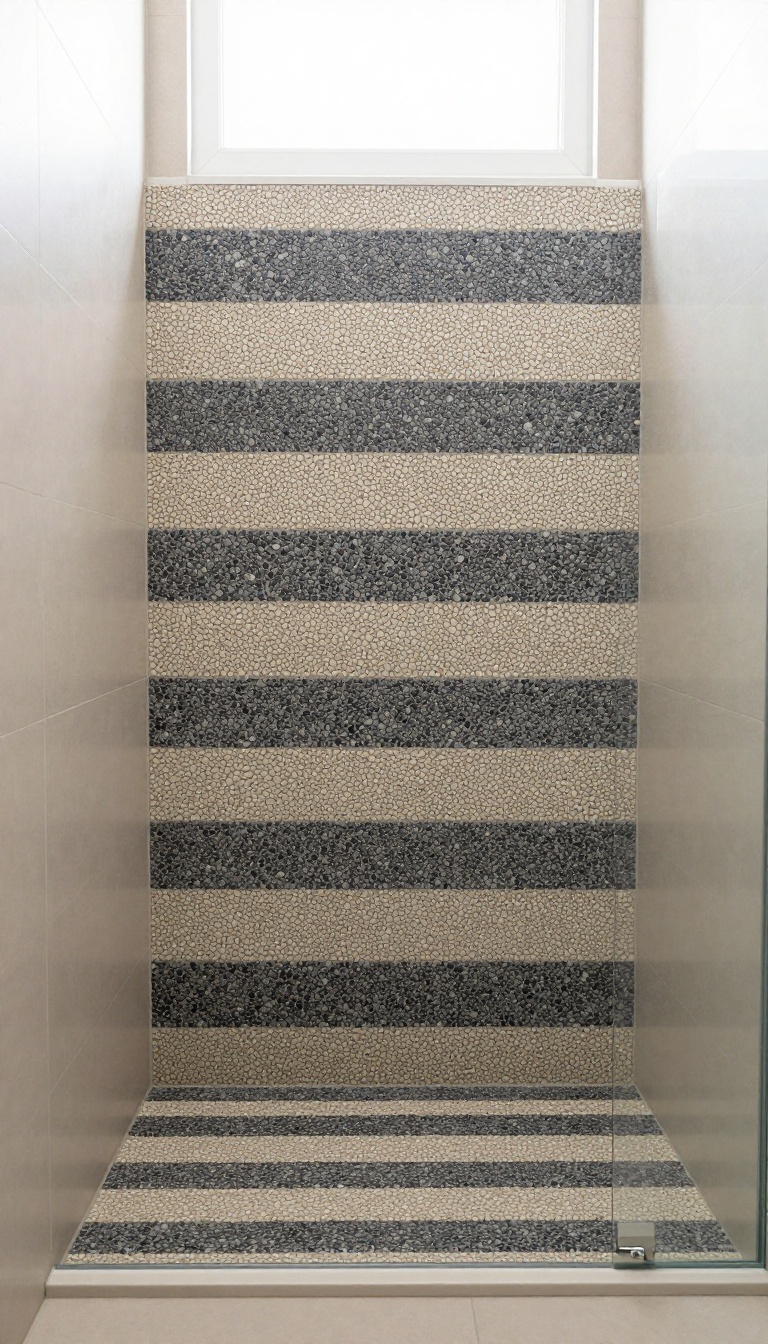
Stripes aren't just for towels or wall tiles—they can give your shower floor a playful, custom edge. By alternating pebble colors or sizes in a deliberate pattern, you can turn a simple floor into a striking focal point. It’s a subtle way to add personality without making the space feel busy or overwhelming.
Creating accent stripes with pebbles is easier than it sounds, especially if you use mesh-backed sheets. You can mix two contrasting pebble colors, like charcoal and cream, or vary the size of the pebbles for a more textured effect. The key is to plan the layout before installation so the stripes run consistently across the floor, whether you want them horizontal, vertical, or diagonal.
This design works beautifully in both modern and rustic bathrooms, and it pairs well with neutral wall tiles to let the floor shine.
Choosing Your Stripe Pattern
Decide on the width and direction of your stripes. Wide stripes (about 12–18 inches) create a bold, relaxed feel, while narrow stripes (4–6 inches) add a more intricate, detailed look. Horizontal stripes can make a small shower feel wider, while vertical stripes add height.
For a truly custom touch, consider a herringbone or chevron pattern using pebble sheets—just be prepared for a bit more cutting and fitting.
Color And Size Combinations
Stick to two main tones to keep the design cohesive. Classic combos like black and white, beige and brown, or gray and blue work well. You can also mix pebble sizes—large river stones with smaller pebbles—to add texture contrast.
If you prefer a more subtle look, choose pebbles in the same color family but different shades, like light and dark gray, for a gentle tonal variation.
Installation Tips For A Clean Finish
Work with mesh-backed pebble sheets to make the process manageable. Lay out the sheets in the pattern before applying adhesive to ensure the stripes align perfectly. Use a wet saw to cut sheets at the edges, and keep the grout lines consistent.
After installation, seal the grout to protect against moisture and stains. If you're not confident in your DIY skills, hiring a professional tile installer is a smart investment for a flawless result.
11. Pebble Floor with Heated Surface
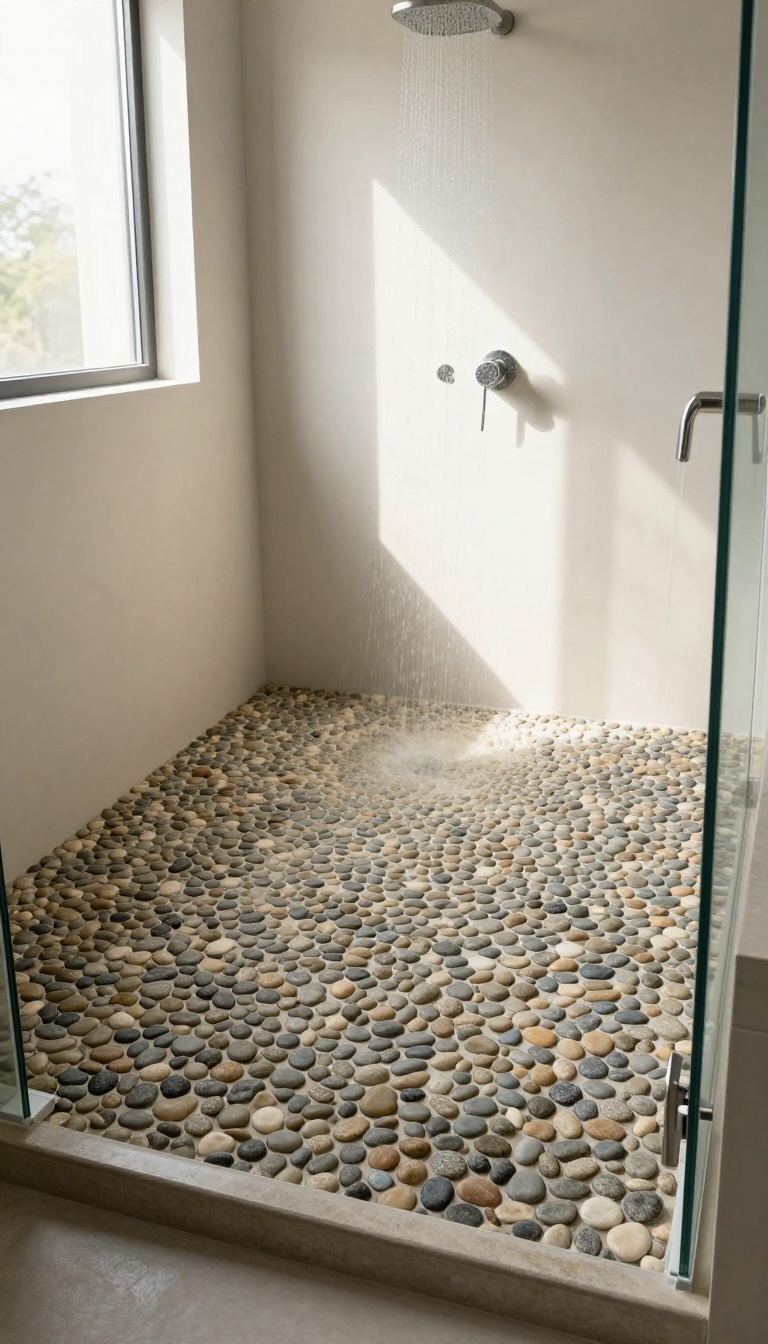
Imagine stepping out of bed onto a warm, gentle surface that cradles your feet—that’s what a heated pebble floor can do for your shower. Radiant heating beneath the pebbles isn’t just a luxury; it’s a practical upgrade that turns your daily rinse into a comforting ritual. The pebbles naturally hold and radiate heat, so the warmth lingers even after you turn off the water.
Installing radiant heat under pebble tiles is simpler than you might think, and the payoff is huge. The key is to work with a professional who can lay the heating mats or cables evenly, then set the pebbles in a thin layer of thinset that transfers heat efficiently. You’ll also want a programmable thermostat to pre-warm the floor before you step in—no more chilly surprises on winter mornings.
The result is a floor that feels like sun-warmed stones at the beach, but in the comfort of your own bathroom.
Why Pebbles And Heat Work So Well Together
Pebbles are natural heat conductors, meaning they absorb warmth quickly and release it slowly. This creates a steady, even temperature across the floor, unlike tile or stone that can feel cold in spots. The rounded shapes also increase the surface area in contact with your feet, so the warmth is more noticeable.
Plus, the gentle texture stimulates circulation, making the experience even more invigorating.
Installation Tips For Best Results
Start with a solid, level substrate, then lay the heating cables or mats according to the manufacturer’s instructions. Use a thin-set mortar that’s compatible with radiant heat, and press the pebbles firmly to ensure good thermal contact. Leave a small gap between pebbles for grout, which also helps conduct heat.
Finally, let the floor cure fully before turning on the heat—this prevents cracking and ensures the system lasts.
Choosing The Right Pebbles And Controls
Opt for river pebbles with a flat side for easier installation and a more comfortable feel. Lighter colors reflect light and make the space feel larger, while darker shades add drama and hide soap scum. Pair your system with a smart thermostat that you can control from your phone, so the floor is warm exactly when you need it.
Some systems even have motion sensors to heat the floor only when someone is present, saving energy.
FAQ
Are pebble shower floors hard to clean?
They can be a bit more challenging than smooth tiles because of the grout lines and uneven surfaces. But with a squeegee and a mild cleaner, you can keep them looking great. Sealing the grout helps too.
Do pebble floors feel uncomfortable underfoot?
It depends on the size and shape of the pebbles. Smaller, rounded pebbles are generally comfortable, while larger or flatter ones can be more soothing. Many people find the texture actually feels like a foot massage.
Can I install pebble tiles myself?
Yes, if you have basic tiling skills. Pebble tiles come in mesh-backed sheets, making them easier to handle. Just ensure you use a good thinset and grout, and take your time to keep the surface even.
What type of grout is best for pebble floors?
Use a sanded grout that matches your pebbles or a contrasting color. Epoxy grout is also a great option because it's stain-resistant and doesn't need sealing, but it's harder to work with.
Will pebble floors make my shower look smaller?
Not necessarily. Lighter-colored pebbles can make the space feel larger, while darker ones add depth. The texture can also draw the eye, so it's all about how you pair them with the rest of the design.
Conclusion
Pebble floors bring texture and warmth that tile just can’t match, and they’re easier to live with than you might think. Start with one idea that fits your shower’s layout and your daily routine—whether that’s a full pebble base or a small accent strip.
Small, thoughtful choices like these can make your bathroom feel more grounded and inviting without a full remodel. Take your time picking the right stone and finish, and you’ll have a shower that’s both practical and a pleasure to step into every day.