10 Smart Glass Door Shower Ideas with Stylish, Usable Appeal
Stepping into a dated shower with a flimsy curtain or a grimy track can instantly dull your morning. Swapping it for a sleek glass door does more than modernize the space—it changes how the whole room feels.
Light bounces around, surfaces appear larger, and cleaning becomes noticeably simpler. But not all glass doors are created equal.
The right choice depends on your layout, your habits, and the look you want to wake up to. Here are ten smart glass door shower ideas that bring both style and everyday usability to your bathroom.
1. Frameless Glass for a Seamless, Open Look
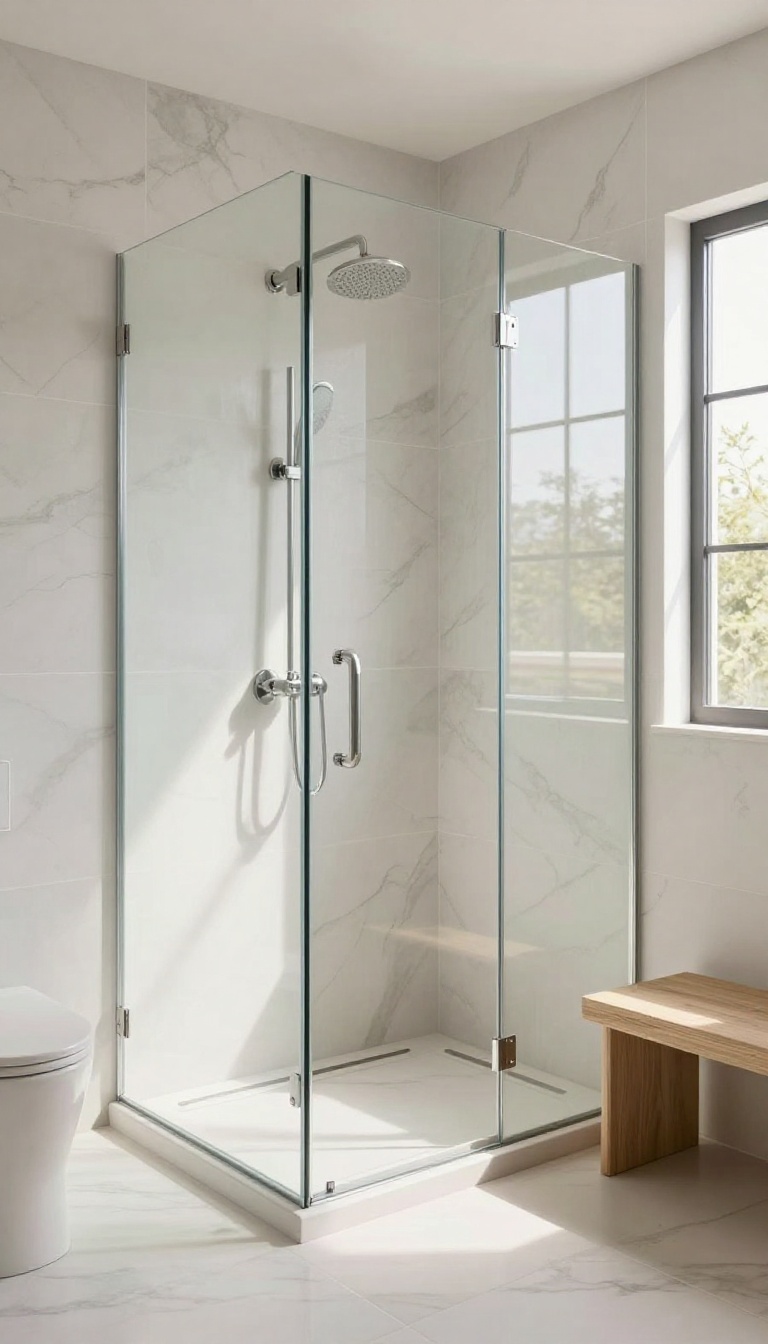
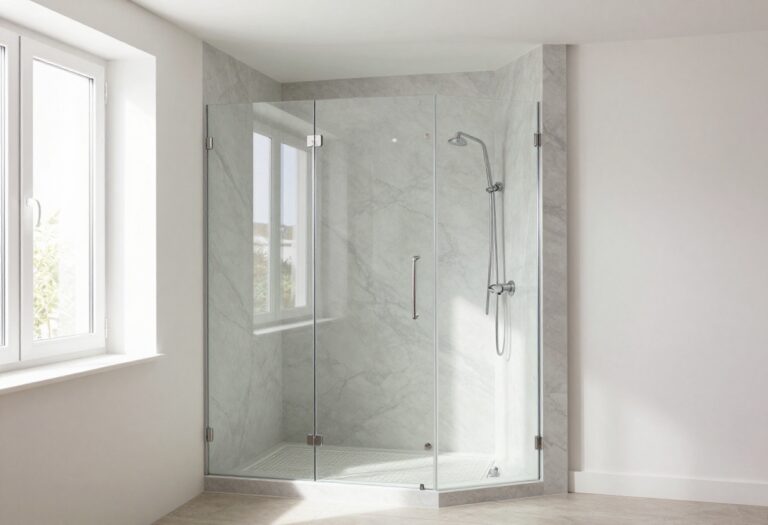
When you want your bathroom to feel airy and uncluttered, frameless glass doors are the way to go. They skip the bulky metal frames, using thick tempered glass and discreet hardware instead. This design creates a nearly invisible barrier that opens up the space and lets your tile work take center stage.
Frameless doors are a favorite for modern bathrooms because they make even compact spaces feel larger. Without visual interruptions, light travels freely, and the eye can follow the full line of the shower from floor to ceiling. Plus, they're easier to keep clean—no channels or tracks where soap scum and grime like to hide.
Why Frameless Works So Well
The key is the thick glass—usually 3/8 or 1/2 inch—which provides stability without needing a frame. Hinges and clamps are mounted directly to the glass, giving a sleek, minimal look. This style suits bathrooms with standout tiles or natural stone because nothing distracts from the materials.
Installation And Maintenance Tips
Frameless doors require precise measurements and professional installation to ensure a watertight seal. Once in place, they're low-maintenance. A daily squeegee and an occasional vinegar rinse keep the glass spotless.
Avoid abrasive cleaners that can scratch the surface.
Best Layouts For Frameless Doors
They're perfect for walk-in showers, corner entries, or neo-angle designs. If you have a curbless shower, frameless glass enhances that seamless transition from bathroom floor to shower floor. For smaller bathrooms, a single frameless panel that swings open saves space compared to a framed sliding door.
2. Sliding Barn-Style Glass Doors for Rustic Charm
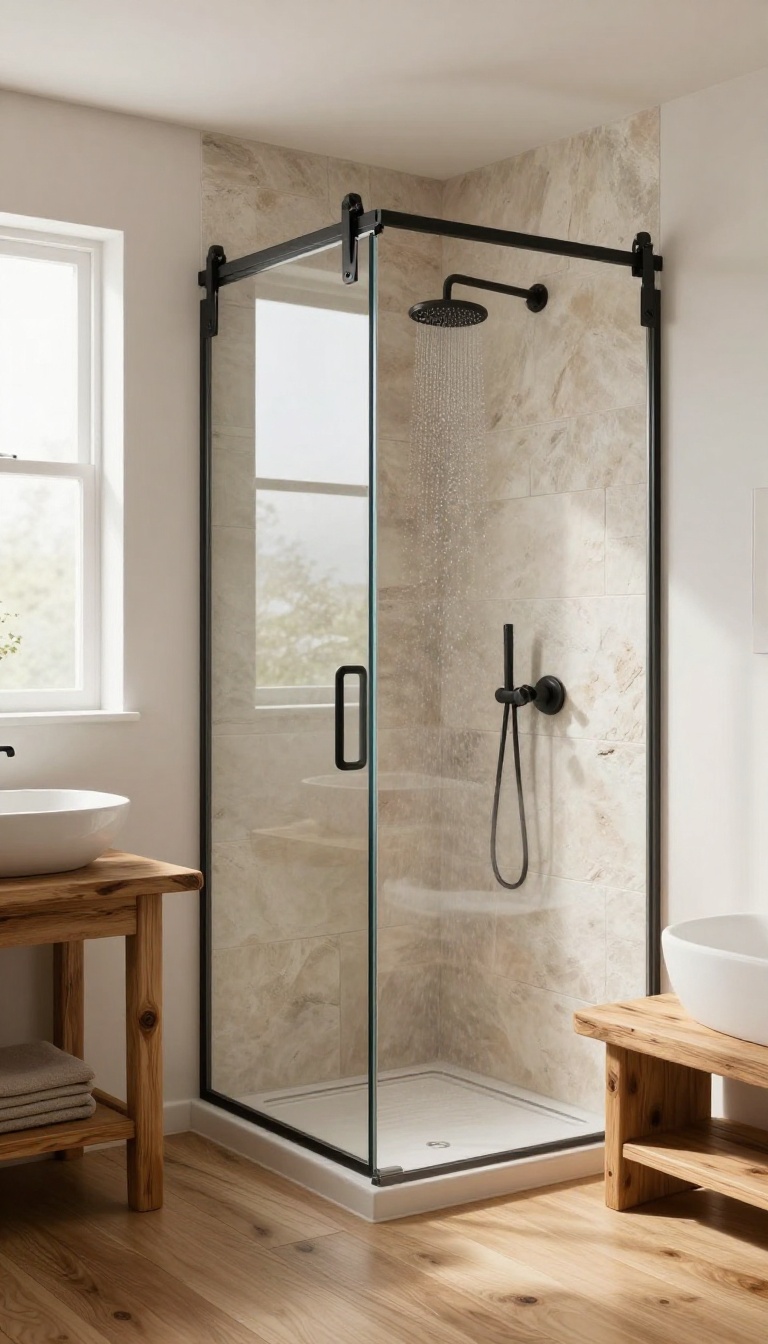
Barn doors aren't just for bedrooms and living rooms anymore. When you pair that rustic hardware with clear glass, you get a shower door that feels both grounded and open. The sliding action also saves precious floor space, making it a smart pick for compact bathrooms where a swinging door would get in the way.
Sliding barn-style glass doors bring a unique blend of farmhouse warmth and modern transparency. The track and rollers add an industrial accent, while the glass keeps the room feeling light and expansive. This combination works beautifully in rustic, farmhouse, or eclectic bathrooms, and it’s surprisingly practical for tight layouts.
Why Barn-style Sliding Doors Work In Bathrooms
A traditional hinged shower door needs clearance to swing open, which can be a problem in narrow bathrooms. A sliding barn door glides along a wall-mounted track, so you don’t lose any usable floor space. Plus, the glass panel lets natural light flow through, making the bathroom feel larger than it is.
Choosing The Right Glass And Hardware
For a rustic look, pair clear or lightly frosted glass with matte black or oil-rubbed bronze hardware. If privacy is a concern, go with textured or rain glass. The track should be sturdy and corrosion-resistant—stainless steel or aluminum with a protective finish works best.
Make sure the rollers are smooth and quiet to keep the door easy to operate.
Installation And Space Considerations
Measure your shower opening carefully to ensure the door overlaps properly and keeps water inside. The wall above the opening must be strong enough to support the track and glass panel. If you’re handy, this can be a DIY project, but professional installation is recommended for a perfect fit and to avoid leaks.
3. Textured Glass for Privacy Without Sacrificing Light
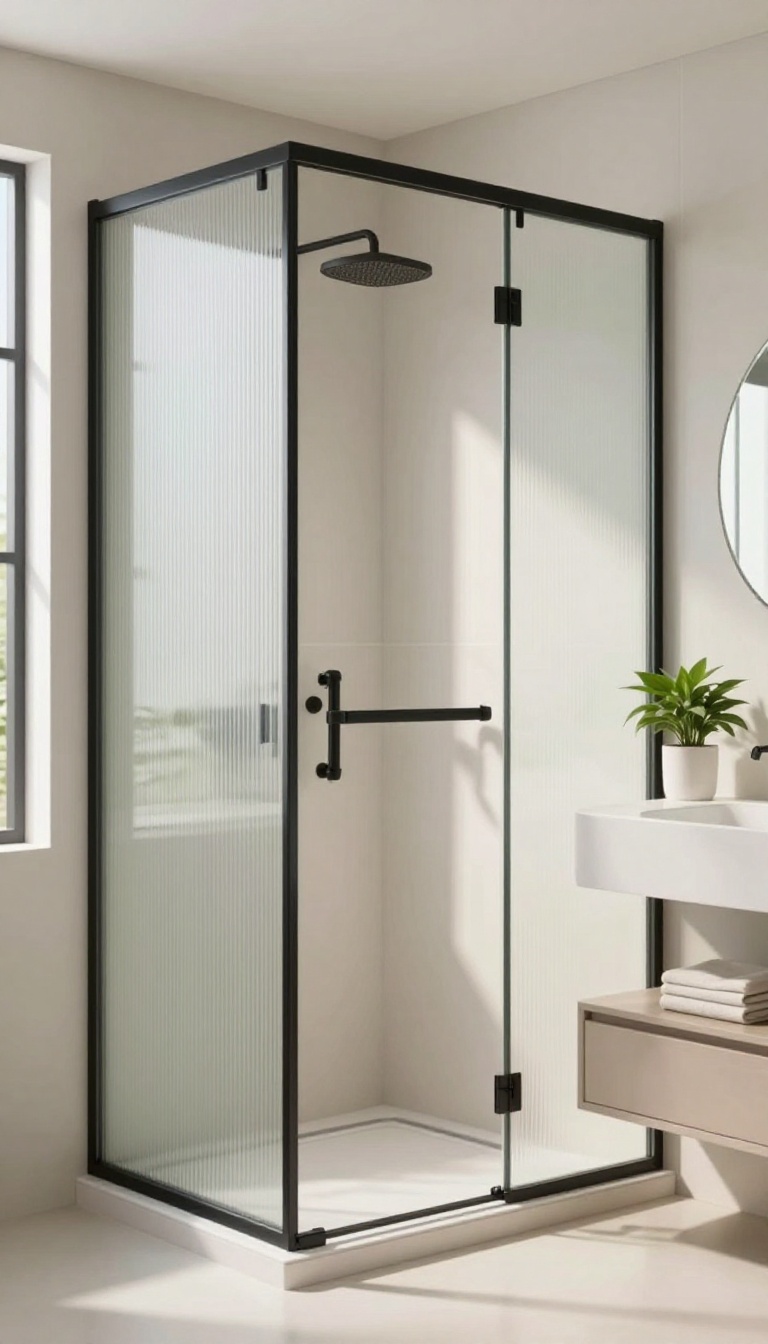
Not every bathroom benefits from full transparency. If your shower sits in a shared space or opens directly to the bedroom, clear glass might feel a little too exposed. Textured glass solves that by blurring the view while still letting daylight pour through.
It’s a practical way to keep the room bright and open without turning your morning rinse into a public performance.
Textured glass comes in several patterns, each with its own personality. Frosted glass offers a classic, soft diffusion, while rain glass adds vertical lines that mimic water droplets. Fluted glass, with its subtle ridges, brings a touch of modern elegance.
These textures obscure movement and details, so you get privacy without the heaviness of a curtain or the visual bulk of a frosted film on clear glass.
Which Texture Fits Your Bathroom?
Think about the overall vibe you’re going for. Frosted glass is the safest bet for a clean, minimalist look. Rain glass works well in coastal or spa-inspired bathrooms, adding a subtle organic feel.
Fluted glass feels more architectural and pairs nicely with matte black fixtures or brushed gold accents. Consider the scale of your bathroom—busy patterns can overwhelm a small space, so simpler textures often work better there.
Maintenance And Durability
Textured glass hides water spots and fingerprints better than clear glass, which is a win for busy households. However, the grooves and ridges can trap soap scum if you don’t wipe them down regularly. A daily squeegee and a weekly mild cleaner will keep the texture looking crisp.
Choose tempered glass for safety—it’s stronger and shatters into small, less dangerous pieces if broken.
Pairing With Your Shower Door Style
Textured glass works with both framed and frameless doors. Frameless designs let the texture shine without visual interruption, while a slim metal frame can add contrast and definition. For a seamless look, match the frame finish to your other bathroom hardware.
If you have a niche or bench inside the shower, consider using clear glass on that section to maintain an open feel, reserving texture for the main door panel.
4. Black-Framed Glass for Bold Contrast
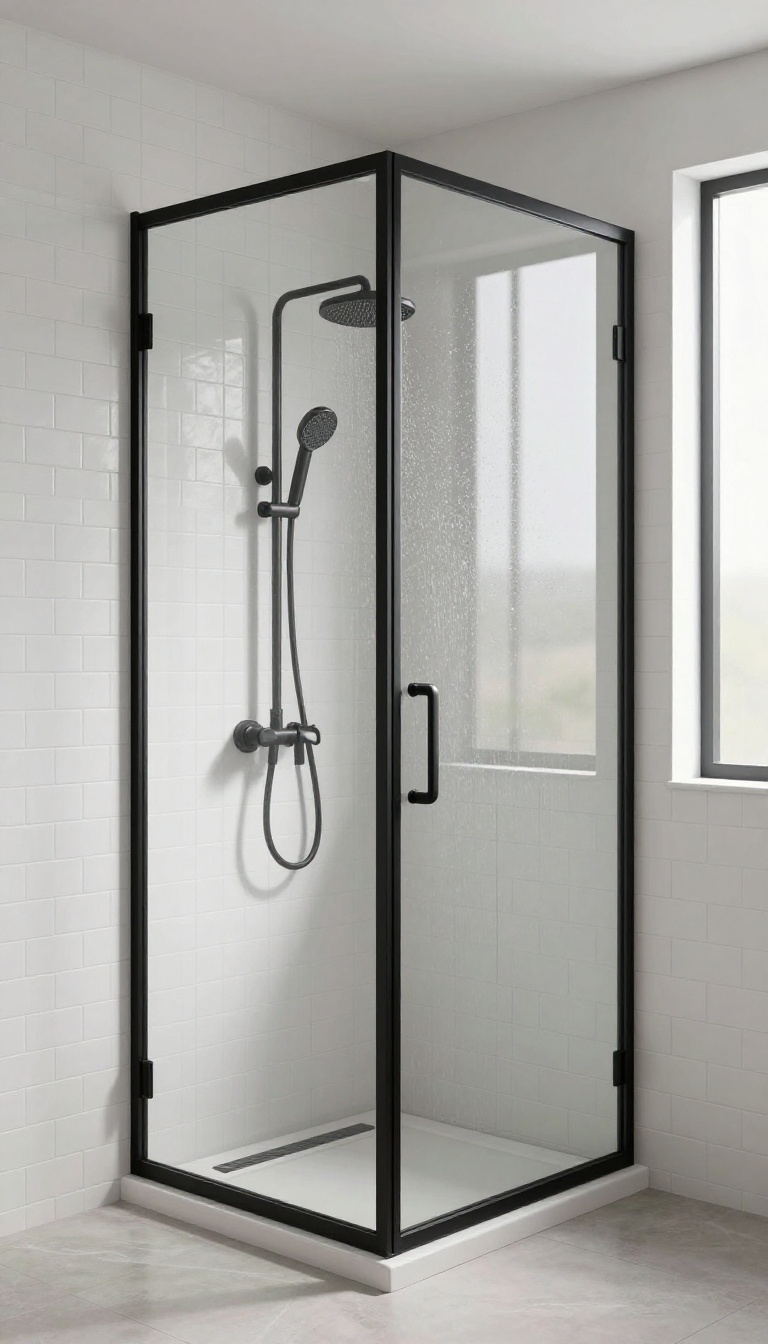
If you want to make a statement without shouting, black-framed glass doors deliver a crisp, graphic look that instantly upgrades the bathroom. The dark outline draws the eye and gives the shower a defined, architectural presence, especially against light tiles or white subway tile. It's a style that feels both current and timeless, and it pairs effortlessly with matte black fixtures for a cohesive, designer-led finish.
The black frame acts like a bold pen stroke around your shower, creating a clean, intentional focal point. Unlike frameless glass, which can feel almost invisible, a black frame adds structure and depth, making the shower area feel like a deliberate design feature. It also hides hardware and edges better, so it's a practical choice if you want a polished look without the maintenance of ultra-minimalist glass.
Why It Works With Neutral Tiles
Black frames shine brightest when paired with white, cream, or soft gray tiles. The contrast makes the shower pop without overwhelming the space. For a softer touch, use large-format light tiles and let the black frame provide the contrast.
If you're feeling braver, a black frame against a deep green or navy tile can look dramatic and moody, but the classic white-and-black combo remains a safe, elegant bet.
Matching Fixtures For A Cohesive Look
To tie the whole bathroom together, match your shower frame to your faucets, showerhead, and even towel bars. Matte black fixtures are a popular choice because they resist fingerprints and look modern. If you already have chrome or brushed nickel, consider a black frame with those finishes—it can still work, but the look is less unified.
For a truly pulled-together design, keep all the metal finishes in the same family.
Practical Perks Beyond Looks
Black-framed doors aren't just about style. The frame adds structural rigidity, so the glass can be slightly thinner without feeling flimsy, which can save on cost. The frame also covers the edges of the glass, reducing the chance of chips and making installation more forgiving.
Cleaning is straightforward—just wipe down the glass and the frame with a microfiber cloth. Avoid abrasive cleaners that could scratch the finish.
5. Corner Entry Glass Doors for Compact Spaces
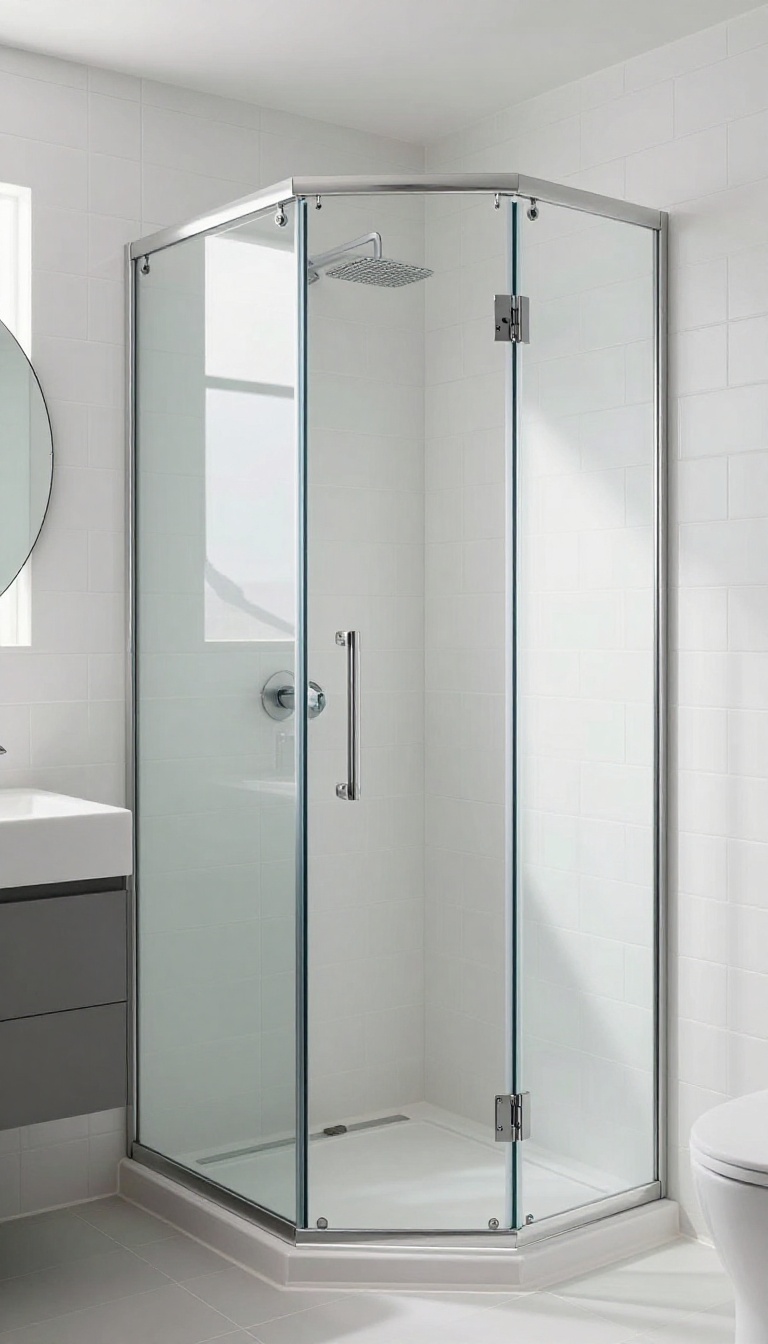
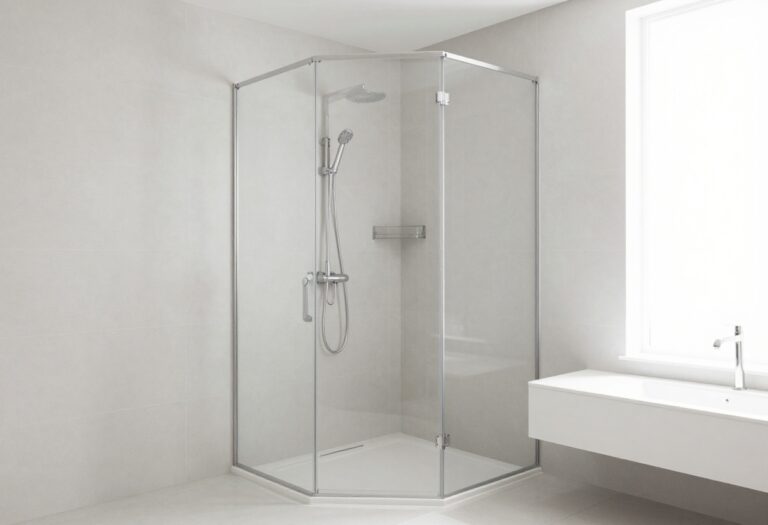
Tight bathrooms often force awkward door swings that eat into precious floor space. A corner entry design solves that by tucking the door into the corner, where it can open outward without blocking the room. These doors—like neo-angle or quadrant styles—fit neatly into a 90-degree corner, giving you a wider opening than a standard square enclosure.
When you're working with a small bathroom, every inch counts. A corner entry glass door turns an unused corner into a functional shower zone while keeping the rest of the room open and walkable. The angled front panel and two fixed sides create a compact footprint that feels surprisingly roomy inside.
Why Corner Entry Works For Small Bathrooms
The main advantage is the door swing. Instead of a hinged door that arcs into the room, a corner entry door pivots from the corner, so it doesn't block the toilet or vanity when opened. This makes it easier to step in and out, especially if you have limited mobility or just hate squeezing past a door.
Choosing Between Neo-angle And Quadrant Styles
Neo-angle doors feature three panels with a angled front, while quadrant doors have a curved front that slides along a track. Neo-angle gives you a more traditional look and a wider entry, while quadrant saves even more space with its curved profile. Both work well in corners, but your choice depends on whether you prefer a swinging door or a sliding one.
Glass Options That Keep The Space Feeling Open
Clear glass is the obvious pick for making a small bathroom feel larger, but you can also choose frosted or textured glass for extra privacy without losing light. If you want to soften the look, consider a light frame finish like brushed nickel or chrome—they blend into the corner instead of standing out.
6. Glass Panels with a Bench for Built-In Comfort
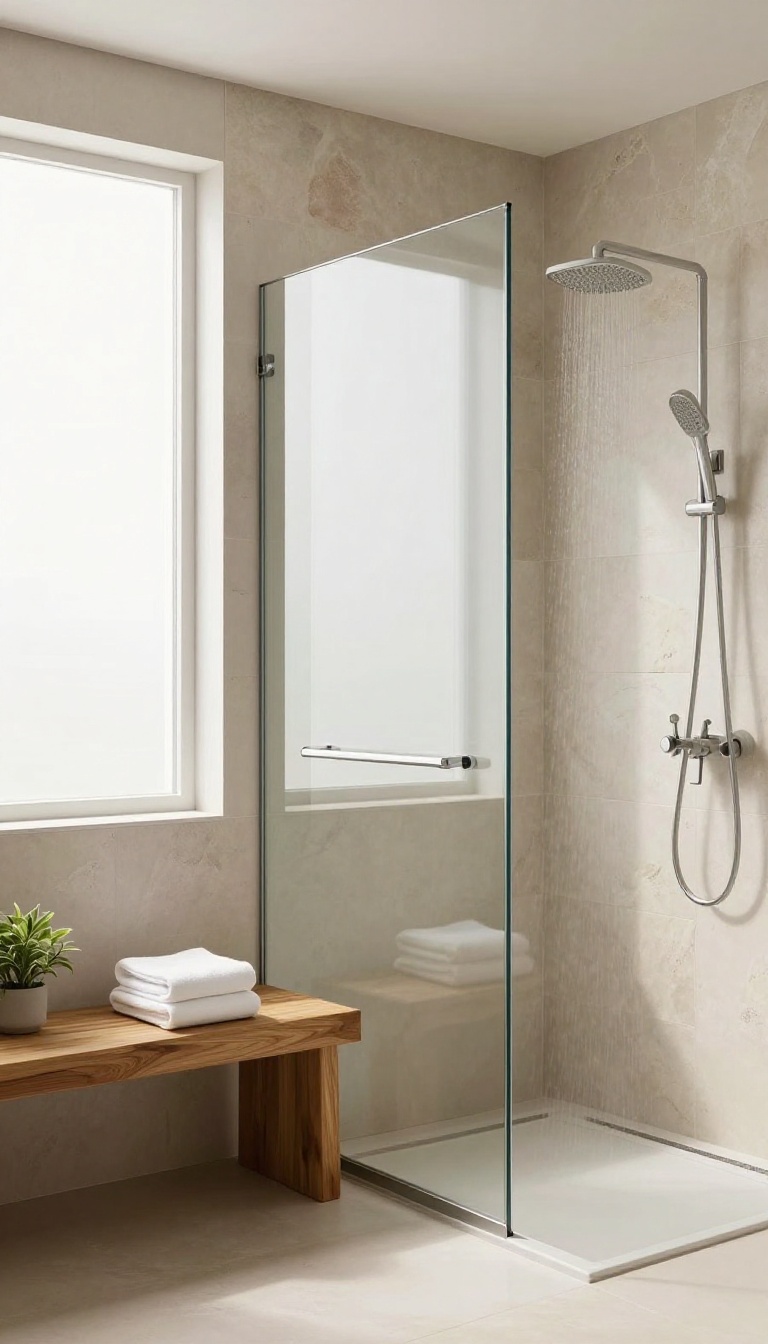
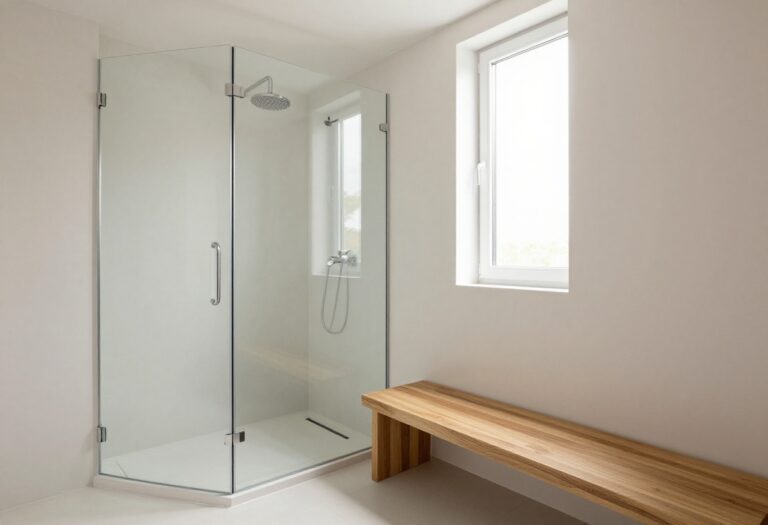
A built-in bench or ledge transforms a simple glass panel into a practical spot for sitting or setting down your shower essentials. It’s a subtle upgrade that adds a spa-like touch without taking up extra space. Whether you’re shaving your legs or just enjoying a moment of calm, this feature makes your daily routine feel more considered.
Pairing a fixed glass panel with a bench or ledge is a smart way to add comfort and function to your shower. The bench provides a stable seat, which is especially helpful for those who need to sit while showering or want a safe place to rest a foot for tasks like shaving. It also gives you a handy surface for toiletries, keeping them off the floor and within easy reach.
The glass panel keeps the space open and bright, while the bench adds a grounded, practical element that feels both luxurious and down-to-earth.
Choose The Right Bench Material
Teak wood is a classic choice—it resists moisture, feels warm underfoot, and adds a natural touch. Stone or marble benches bring a sleek, modern look but can feel cold and slippery when wet. For a low-maintenance option, consider a solid-surface material like quartz, which is durable and easy to clean.
Whatever you pick, make sure it’s properly sealed and has good drainage to avoid water pooling.
Positioning For Maximum Usability
Place the bench opposite the showerhead so it stays relatively dry and is easy to reach. If you plan to sit, leave enough legroom—about 18 to 24 inches from the bench to the opposite wall. For a ledge, position it near the controls or at a comfortable height for resting toiletries.
Think about how you move in the shower and place the bench where it won’t obstruct your routine.
Integrating The Bench With Glass Panels
A fixed glass panel can be installed with a low-profile bracket that attaches to the bench, creating a seamless look. Alternatively, you can have a custom glass panel that sits on top of the bench, with a small gap for water runoff. Work with a professional to ensure proper waterproofing and that the glass is securely anchored.
This integration keeps the design clean and avoids bulky frames.
Safety And Maintenance Considerations
Choose a bench with a slightly textured surface or add a non-slip mat to prevent falls. Rounded corners are safer than sharp edges, especially in a wet area. Regularly clean the bench and the glass to prevent soap scum and mildew buildup.
For teak, oil it occasionally to maintain its color and water resistance. With proper care, your bench will stay beautiful and functional for years.
7. Low-Iron Glass for True Clarity
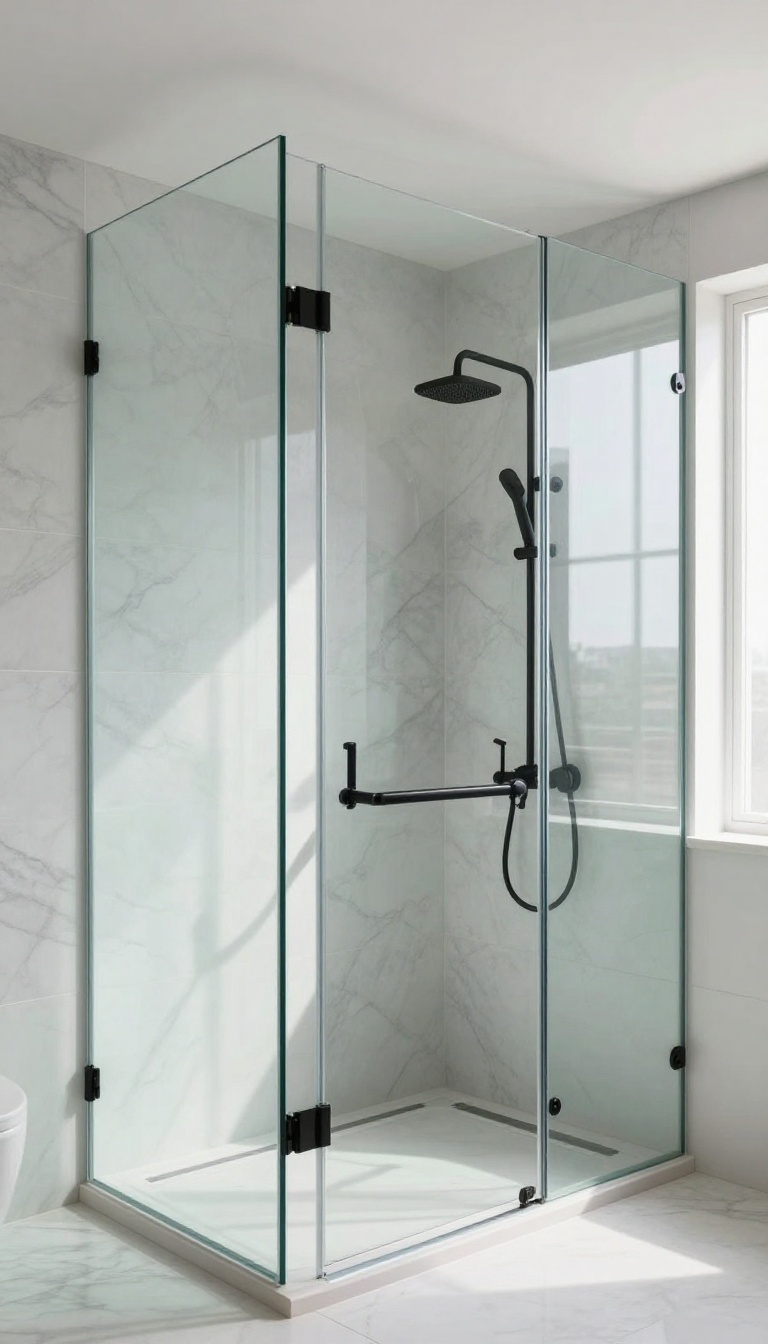
Ever noticed a faint green or blue cast in standard shower glass? That's the iron content in the glass, and it can subtly distort the colors of your beautiful tile and fixtures. Low-iron glass eliminates that tint, offering ultra-clear transparency that makes your shower look crisp, clean, and high-end.
It's a simple upgrade that transforms the entire feel of the space, making it appear more open and letting the design details shine.
Switching to low-iron glass is one of those details you don't notice until you see it side by side with regular glass—then you can't unsee it. The clarity is remarkable, and it's especially worth it if you've invested in premium tile or fixtures. Here's how to make the most of this upgrade in your shower.
Why Standard Glass Looks Green
Standard glass contains iron oxide, which gives it that greenish tint, particularly noticeable on the edges and in thicker panels. Low-iron glass reduces this impurity, allowing over 90% of light to pass through compared to about 85% for standard glass. The result is true-to-color reflection and a brighter feel, even in smaller bathrooms.
Pairing With Tile And Fixtures
The ultra-clear view means every detail counts. White subway tile looks whiter, marble veining appears more pronounced, and colorful mosaics pop. For a seamless look, choose low-iron glass with minimal framing or even a frameless design.
It also works beautifully with brushed nickel or matte black fixtures, letting their finishes stand out without any color distortion.
Cleaning And Maintenance Perks
Low-iron glass is just as easy to clean as standard glass, but the lack of tint means water spots and soap scum are more visible. A daily squeegee or a water-repellent coating can keep it looking pristine. Since it's clearer, you'll notice buildup sooner and can address it quickly, keeping your shower sparkling and inviting.
8. Pivot Doors That Swing Both Ways
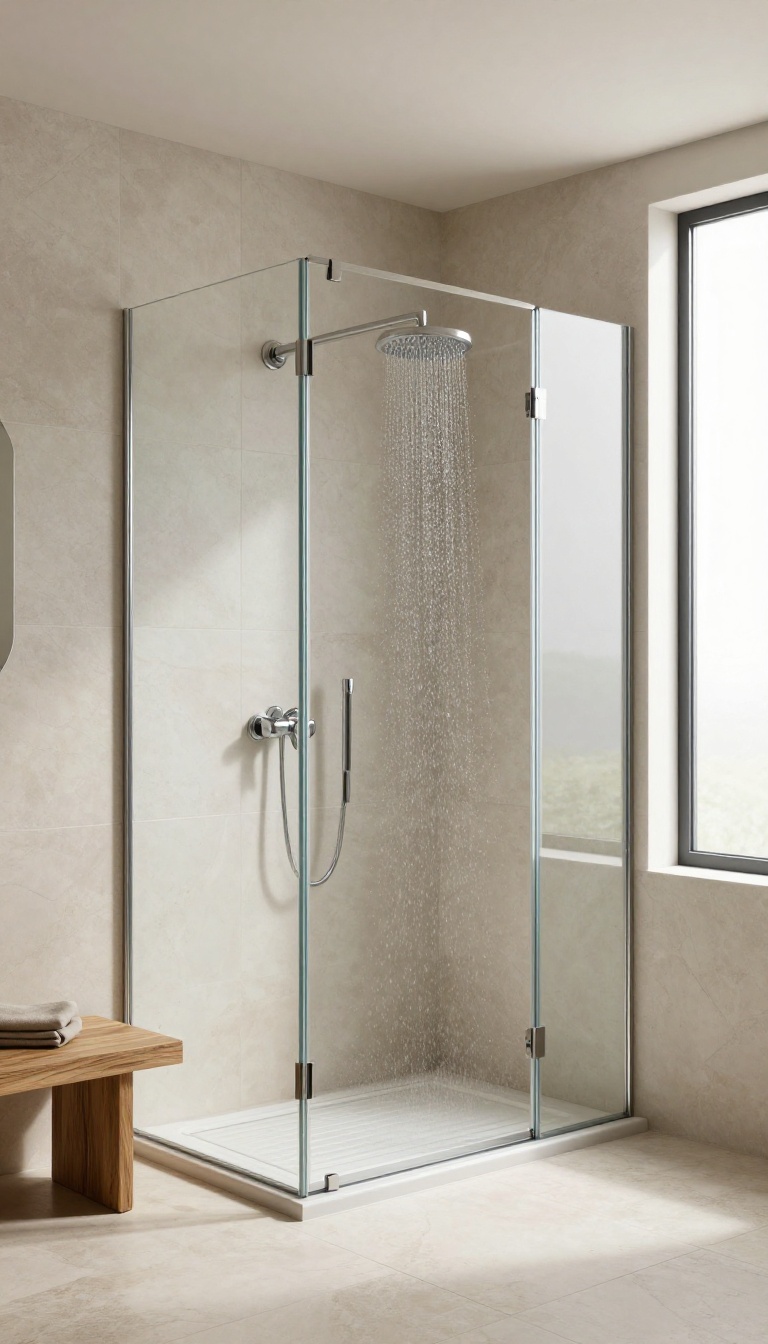
Standard hinged doors always swing one way, which can feel limiting in a spacious shower. Pivot doors flip that convention by rotating on a central axis, opening both inward and outward. This gives you the flexibility to step in or out without fighting the door's direction, and it makes cleaning the glass and the shower floor a breeze.
Pivot doors are a smart upgrade for larger showers or walk-in layouts where a fixed hinge would restrict movement. Because they don't rely on a side jamb for support, they can be made with wider glass panels, creating a more open and seamless look. The hardware is minimal—usually a top and bottom pivot point—so the door appears to float, adding a touch of modern elegance.
Why Choose A Pivot Door?
The main advantage is the dual swing. You can push the door in when you want to enter and pull it out when you need more room to dry off or clean. This also means you can position the door to direct water back into the shower, reducing puddles on the bathroom floor.
For households with kids or pets, the easy swing is a practical bonus.
Installation And Space Requirements
Pivot doors need enough clearance to swing fully in both directions. They work best in showers that are at least 36 inches wide and have some open floor space outside the entry. The pivot hardware is mounted at the top and bottom of the glass, so the door must be precisely aligned during installation.
Hiring a professional is recommended to ensure smooth operation and a watertight seal.
Styling And Glass Options
To keep the airy feel, choose clear or lightly frosted glass with a minimal frame. You can also opt for a matte black or brushed nickel pivot mechanism to add a subtle contrast. For a truly seamless look, consider a frameless design with 3/8-inch or 1/2-inch tempered glass.
Add a sleek handle on the inside and a towel bar on the outside for convenience.
9. Glass with Horizontal Bars for an Industrial Vibe
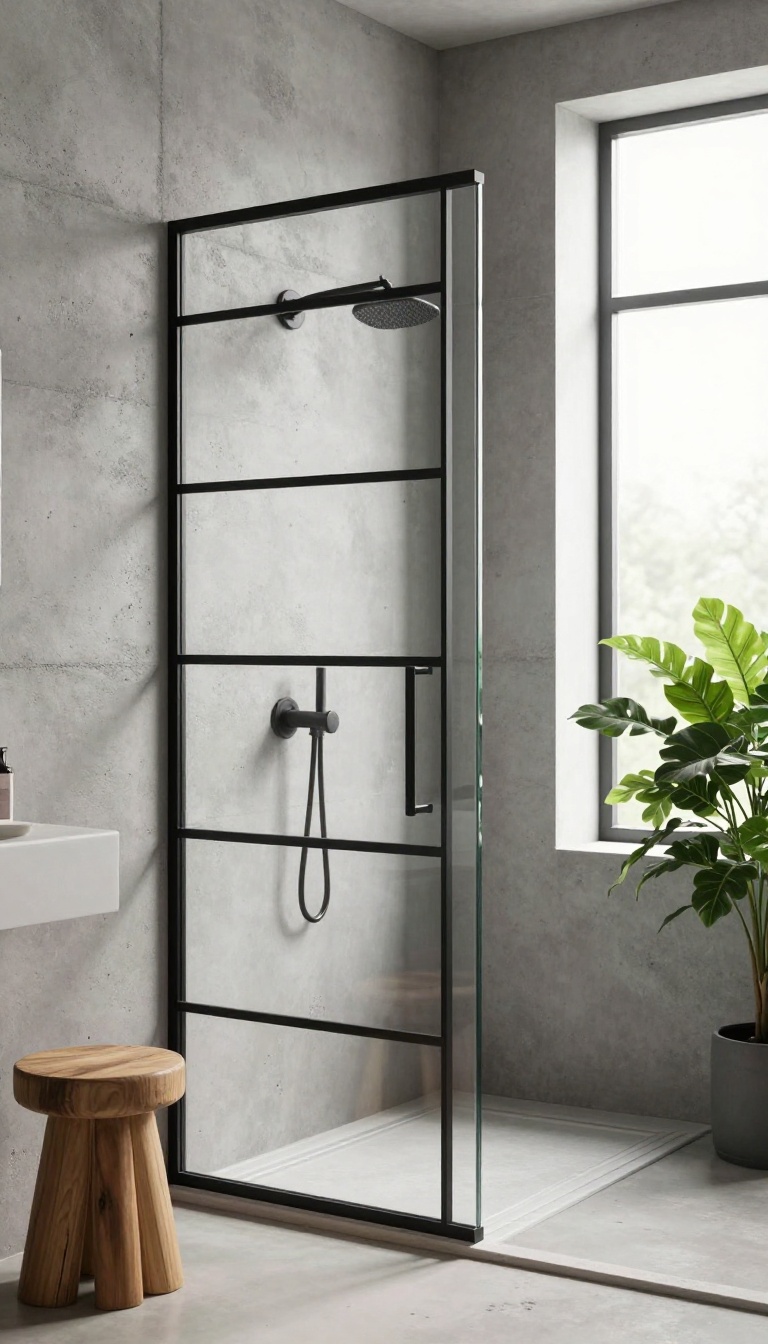
If your bathroom leans toward raw finishes, exposed pipes, or concrete textures, a glass door with horizontal metal bars can feel right at home. This design borrows from warehouse aesthetics, adding a sturdy, functional element that breaks up the glass without blocking light. The bars serve a dual purpose: they give you a natural grip point and create a visual rhythm that feels intentional and modern.
The bars are typically made from stainless steel or black powder-coated aluminum, offering durability and a matte or brushed finish that resists fingerprints. They can be installed on the exterior or interior of the glass, depending on your preference and how much texture you want to see. Because the bars are horizontal, they also make the door easier to push or pull, especially when your hands are wet or soapy.
Choosing The Right Bar Material
Stainless steel is the most common choice because it handles humidity well and won't rust. Brushed nickel or oil-rubbed bronze can add warmth if you want a softer contrast. Black powder-coated bars are popular for a bolder, more graphic look.
Whatever you pick, make sure the finish matches your other fixtures, like your showerhead or faucet, to keep the space cohesive.
Placement And Spacing Tips
For a balanced look, space the bars evenly across the glass. Two or three bars usually work best, depending on the height of your door. Place the lowest bar at about waist height so it's easy to grab, and the top bar near shoulder level for a natural reach.
Avoid putting them too close together, which can make the door feel busy and harder to clean.
Pairing With Industrial Materials
This style shines when paired with concrete floors, brick walls, or matte black fixtures. A rainfall showerhead and a simple teak bench can complete the loft-like feel. If you're not ready for full industrial, you can mix it with warm wood accents or a single plant to soften the look.
The key is to let the bars stand out without overwhelming the space.
10. Heated Glass to Prevent Fog and Drips
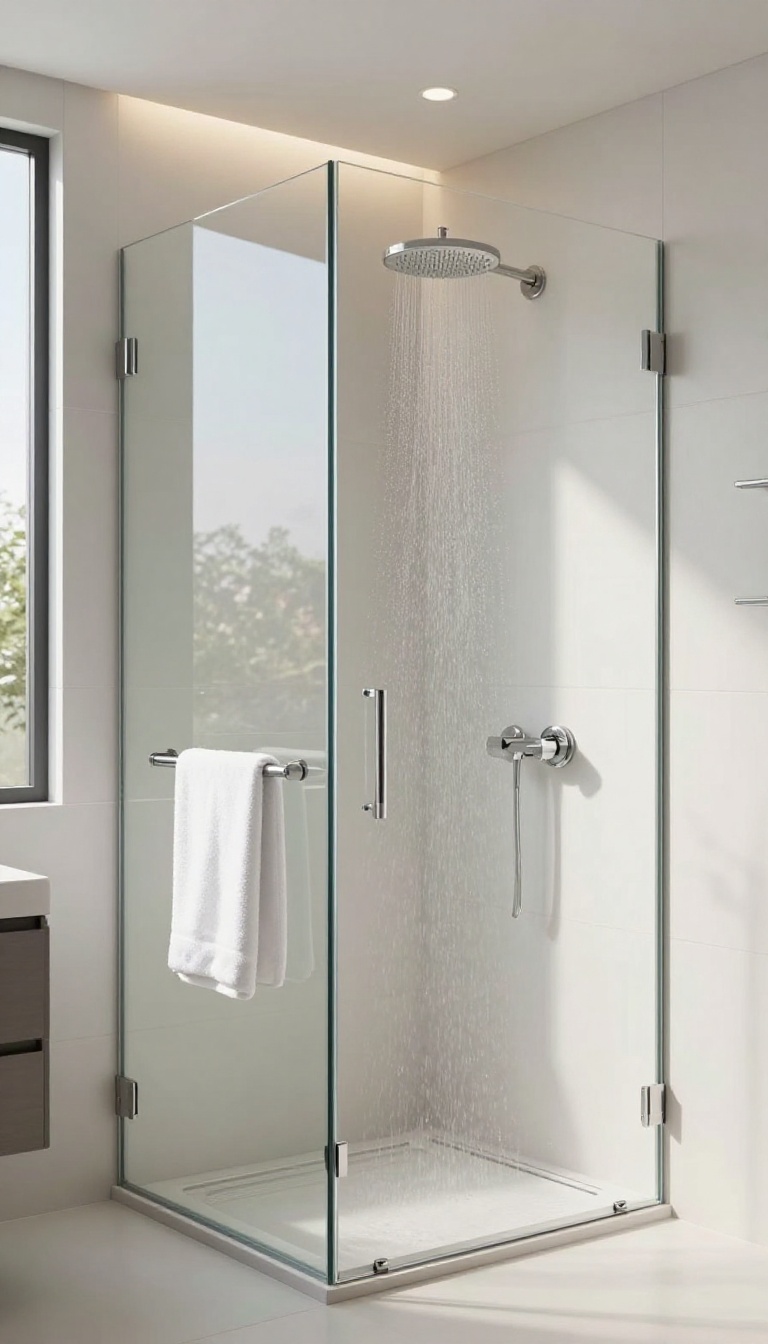
There’s nothing worse than stepping out of a warm shower to a fogged-up glass door that hides the entire bathroom. You wipe it, but minutes later it’s cloudy again. Heated glass solves this by keeping the surface warm enough to stop condensation from forming in the first place.
A thin conductive coating on the glass works like a gentle heater, raising the surface temperature just above the dew point. No fog, no drips, no streaks. It’s a small upgrade that feels luxurious every single day.
Heated shower glass isn’t just about convenience—it also helps maintain a cleaner bathroom. Because moisture doesn’t cling to the glass, soap scum and hard water stains have a harder time building up. You’ll spend less time scrubbing and more time enjoying your shower.
The technology is subtle: a barely visible film or embedded wires warm the glass evenly. Many systems come with a timer or thermostat, so you can set it to warm up before your shower and shut off automatically afterward. It’s an energy-efficient way to add comfort without running up your bill.
If you’re renovating, this is one of those features you might not think about until after the glass is installed. But once you experience a fog-free mirror and a clear view, you’ll wonder how you ever lived without it.
How Heated Glass Works
Heated glass uses a transparent conductive coating, often tin oxide or similar, that generates heat when electricity passes through it. The glass is tempered and laminated with the coating inside, so it’s safe and durable. You control the temperature with a wall switch or remote, and some models integrate with smart home systems.
Installation And Cost Considerations
Retrofitting an existing shower door is possible but usually requires replacing the glass panel. New installations are simpler. Prices vary based on size and features, but expect to pay a premium over standard glass.
However, the long-term savings in cleaning products and reduced wear on the door can offset the initial cost.
Energy Efficiency And Safety
Modern heated glass systems are designed to be energy-efficient, using low wattage and often operating only when needed. They’re also safe—the glass stays warm to the touch, not hot, and the electrical components are fully insulated. Always have a licensed electrician handle the wiring to ensure compliance with local codes.
FAQ
What is the best glass thickness for a shower door?
Most shower doors use 3/8-inch or 1/2-inch tempered glass. Thicker glass (1/2 inch) feels more substantial and is often used for frameless doors, but it requires stronger hinges. For most homes, 3/8-inch is sufficient and more budget-friendly.
How do I keep glass shower doors clean and free of water spots?
Use a squeegee after every shower to remove water. For deeper cleaning, a mixture of white vinegar and water works well. You can also apply a protective coating that repels water and soap scum.
Can I install a glass shower door myself?
While DIY installation is possible, it's risky because glass is heavy and fragile. Incorrect installation can lead to leaks or even shattering. Hiring a professional ensures proper measurements, leveling, and safety.
What is the difference between framed and frameless shower doors?
Framed doors have a metal frame around the glass, which adds stability and is often less expensive. Frameless doors use thicker glass and minimal hardware, offering a sleek, modern look but at a higher cost.
Are glass shower doors safe?
Yes, shower doors are made of tempered glass, which is much stronger than regular glass. If it breaks, it shatters into small, blunt pieces rather than sharp shards, reducing the risk of injury.
Conclusion
Choosing the right glass door shower idea can transform your bathroom from purely functional to a space you genuinely enjoy. Whether you prioritize openness, privacy, or a bold design statement, there's a glass solution that fits your needs and style.
Take time to consider your space, your habits, and your aesthetic preferences. A well-chosen glass door not only enhances your daily routine but also adds long-term value to your home.