15 Savvy Tall Shower Curtain Ideas with Details Worth Saving
Standard shower curtains often leave a gap at the top or bottom, making a bathroom feel unfinished and letting chilly drafts in. Tall shower curtains, typically 72 inches or longer, solve that problem by reaching closer to the ceiling and the tub edge.
They also draw the eye upward, making a small bathroom appear larger and more polished. Whether you're dealing with a high ceiling, a clawfoot tub, or just want a more custom look, these 15 ideas offer practical fixes and design inspiration.
From ready-made options to simple DIY tweaks, there's a solution here for every bathroom and budget.
1. Measure Twice, Buy Once: Getting the Right Length
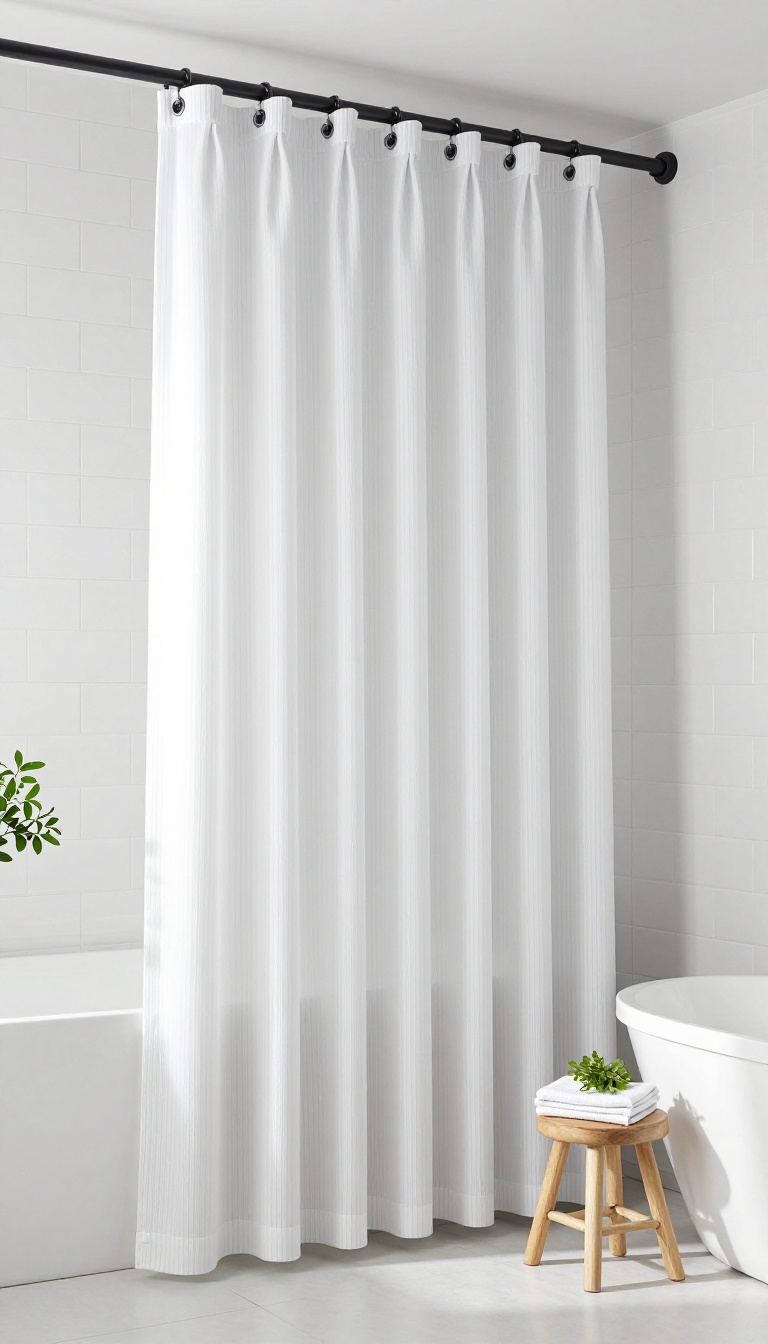
Before you shop, grab a tape measure and decide exactly where your curtain should end. Standard rods sit at 72 inches, but if you want that tall, dramatic look, install the rod higher—even near the ceiling—and order a custom length. This simple change instantly makes the room feel grander and eliminates that awkward gap.
Getting the length right is the foundation of any tall shower curtain project. It's not just about buying a longer curtain; it's about planning where the rod goes and how the curtain will hang. Here's how to measure like a pro and avoid costly mistakes.
Measure From The Rod To The Floor
Start by deciding the rod height. For a standard tub, a rod at 75 to 80 inches works well. For a floor-length look, measure from the rod to the floor and subtract about half an inch to keep the curtain from dragging.
If you have a curved rod, measure from the highest point to the floor.
Consider The Curtain's Hem And Header
Remember that the curtain's total length includes the header (the part above the grommets or hooks) and the hem. If you want the curtain to just touch the floor, account for these. A curtain that's 84 inches long will hang a bit shorter once you add hooks, so factor that in.
Don't Forget The Liner
If you're using a liner, it should be slightly shorter than the decorative curtain to avoid peeking out. Measure both together to ensure a clean look. For a tall curtain, you might need a custom liner or a longer standard one.
2. Use a Longer Shower Curtain Liner for Full Coverage
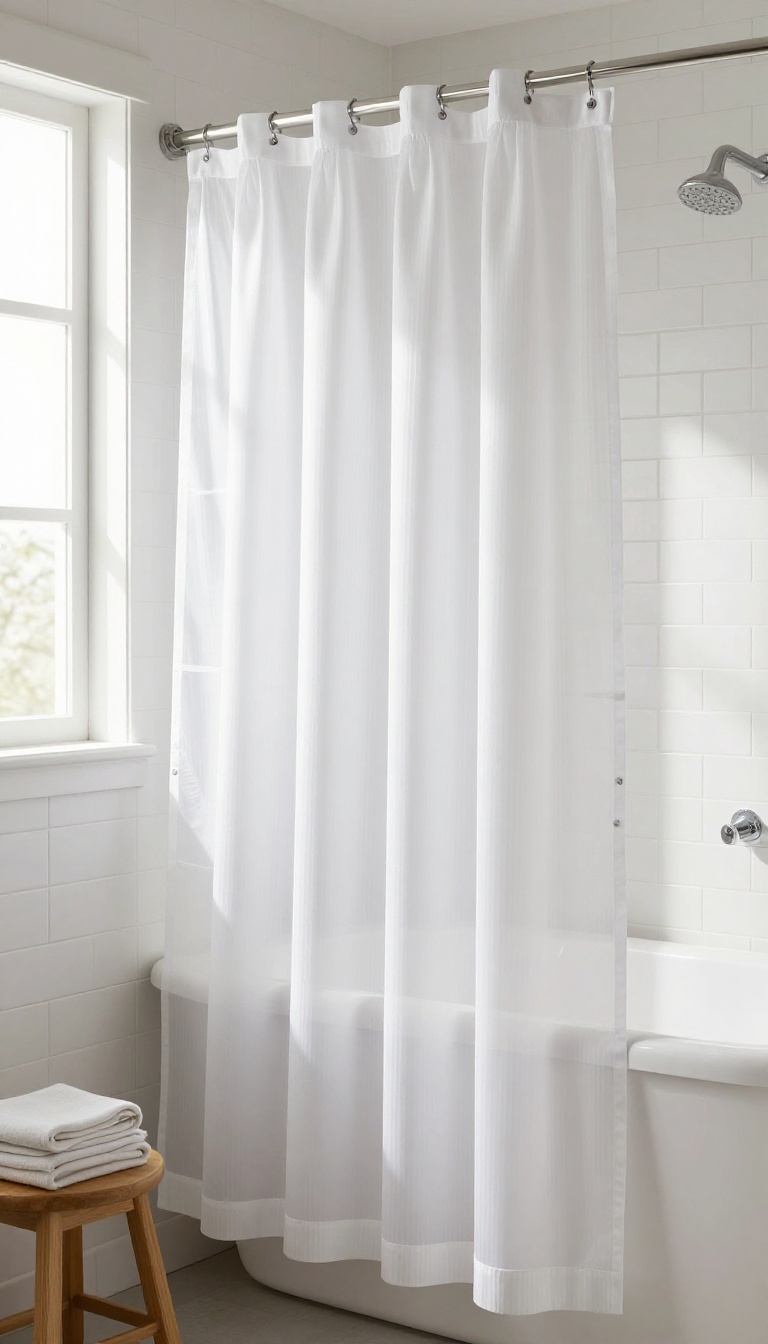
A tall decorative curtain is only half the battle. If your liner stops short, water will still find its way onto the floor, and that defeats the purpose. Pair your statement curtain with a liner that matches its length—72 inches or more—to keep every drop where it belongs.
It's a simple swap that makes a big difference in both function and peace of mind.
When you upgrade to a tall shower curtain, don't forget the liner. Standard liners are usually 70 or 72 inches, but if your curtain is 84 inches, you'll need a liner that goes all the way down. Otherwise, you'll have a gap at the bottom where water can escape.
Look for liners specifically labeled as extra-long or tall, and check the length before you buy.
Measure Your Space First
Before you shop, grab a tape measure and decide exactly where your curtain should end. Ideally, the liner should reach just below the tub edge or into the shower pan. For a freestanding tub, you might want it to skim the floor.
Knowing the exact drop length will help you pick the right liner without guesswork.
Look For Weighted Magnets
A longer liner is more prone to billowing and sticking to your legs. That's where weighted magnets come in handy. These little weights at the bottom corners hold the liner against the tub or floor, keeping it in place even with a fan running or water pressure pushing against it.
It's a small feature that adds a lot of convenience.
Material Matters
Not all liners are created equal. PEVA and polyester are common choices—PEVA is lightweight and affordable, while polyester feels more durable and dries faster. If you want a liner that resists mold and mildew, look for one with a built-in antimicrobial treatment.
Just remember, a liner that's too heavy might sag, so balance weight with length.
3. DIY a Tall Curtain by Adding a Contrasting Hem
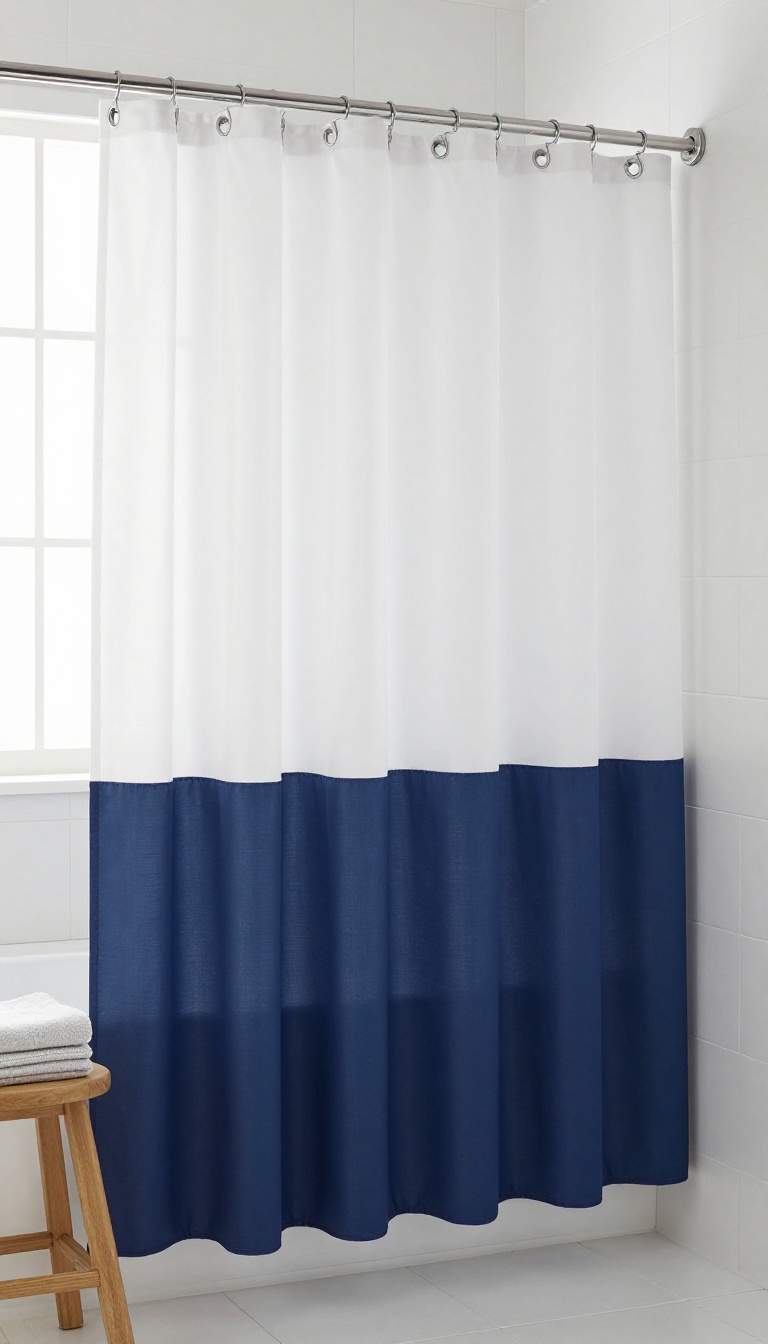
Sometimes the perfect tall curtain is just a standard one with a little extra fabric at the bottom. If you're handy with a needle or a roll of hem tape, this DIY is both budget-friendly and stylish. You get the length you need and a custom look that matches your bathroom perfectly.
This trick works best with a plain or subtly patterned curtain. You'll add a contrasting fabric panel at the bottom, which not only extends the length but also creates a designer two-tone effect. It's a clever way to use leftover fabric or to tie in an accent color from your tiles or towels.
How To Choose The Right Fabric
Pick a fabric that complements your curtain and bathroom. Cotton or linen blends are easy to sew and durable. If you're using iron-on hem tape, choose a lightweight fabric that won't pull the curtain down.
Hold the fabric against your curtain in natural light to see how the colors work together.
Step-by-step: Sewing Or Ironing The Panel
Measure the extra length you need, then cut your fabric accordingly, adding a seam allowance. For sewing, fold the top edge of the fabric under, pin it to the bottom of the curtain, and stitch a straight seam. For a no-sew option, use iron-on hem tape: place the tape between the curtain and fabric, press with a warm iron, and let it cool.
Make sure the seam is straight and the fabric hangs evenly.
Finishing Touches For A Polished Look
After attaching the panel, press the seam flat and trim any loose threads. If you want a more finished edge, add a simple hem at the bottom of the new panel. You can also add decorative trim or piping along the seam for extra flair.
Hang the curtain and check that it falls just above the tub edge or floor, depending on your preference.
4. Install a Curved Shower Rod to Maximize Space
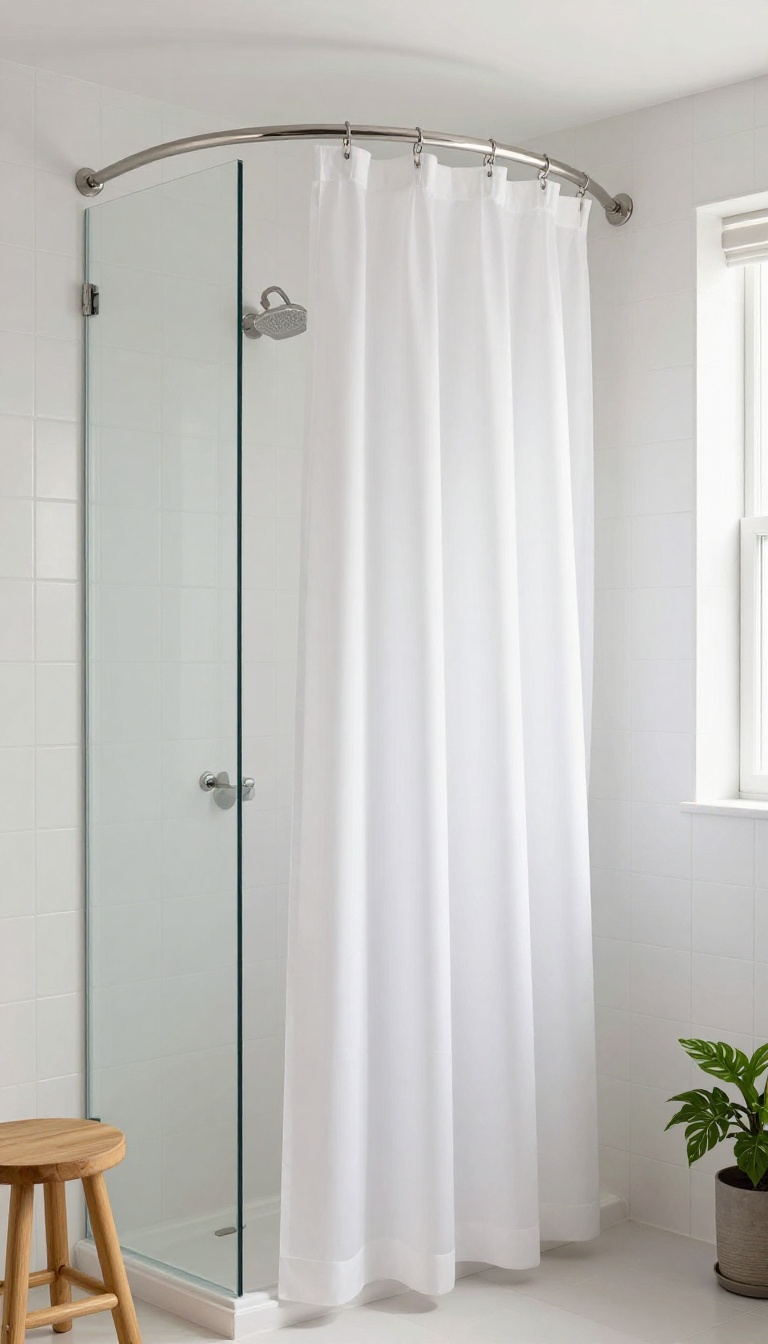
A curved rod is one of those small upgrades that changes the whole feel of a shower. It bows outward, giving your elbows and shoulders more room, and it keeps the tall curtain from clinging to you when water pressure picks up. That extra space makes the shower feel larger, and it pairs perfectly with a tall curtain that would otherwise hang straight down and feel cramped.
Curved rods are easy to install and come in a range of finishes, from brushed nickel to matte black, so you can match your bathroom hardware without much effort. The key is to pick one that extends at least 12 inches from the wall at the center of the bow. That depth gives you real room to move, not just a slight bend.
You'll also want to make sure the rod is sturdy enough to hold a heavy tall curtain and liner—look for a tension mount with a strong spring or a permanent mount that screws into the wall for extra stability.
Why A Curved Rod Works Best With Tall Curtains
Tall curtains already add height and elegance, but they can feel confining if they hang too close to you. A curved rod pushes the fabric outward, so you get the best of both: a dramatic, floor-to-ceiling look and a shower that doesn't feel like a tight tube. The bow also helps water stay inside the tub, since the curtain naturally slopes away from the opening.
If you have a standard 72-inch curtain, the curve gives you a few extra inches of shoulder room, which makes a big difference in a small bathroom.
Choosing The Right Curved Rod For Your Setup
Measure your shower width before you buy. Curved rods come in different lengths, and you want one that fits snugly without gaps at the ends. For a standard tub, a 56- to 60-inch rod usually works, but check your actual opening.
If you have a corner shower or a unique layout, look for a custom or adjustable curved rod that can bend to match. Also, think about the finish—chrome and stainless steel are classic, but oil-rubbed bronze or gold can add a warm touch that complements a tall curtain's fabric.
Installation Tips For A Secure Fit
Tension rods are the easiest route—no drilling needed—but they can slip if the curtain is heavy. For a tall curtain, a permanent mount is safer. Mark your drill spots at the same height on both sides, use a level to keep the rod straight, and anchor the screws into studs if possible.
If you're renting, a tension rod with a rubber grip is a good compromise, just check it monthly to make sure it hasn't shifted. Once installed, slide on your tall curtain and liner, and you'll notice the difference immediately.
5. Opt for a Ceiling-Mounted Track for a Sleek Look
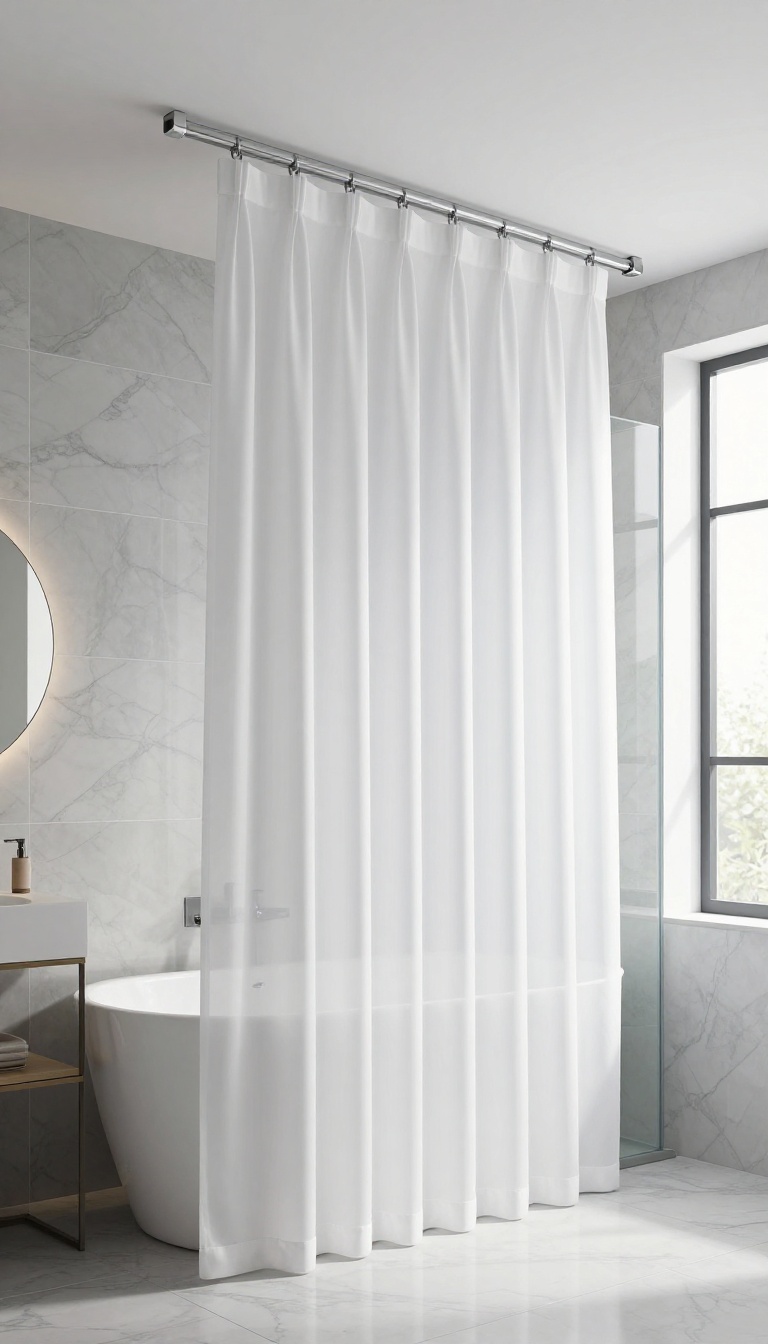
Ceiling-mounted tracks are a game-changer for anyone who wants that seamless, spa-like shower experience. Instead of a traditional rod that sits a few inches above the tub, a track runs along the ceiling, letting the curtain hang floor-to-ceiling. This setup hides all the hardware and creates a clean, continuous line that makes the whole bathroom feel more intentional and polished.
It's especially great for bathrooms with high ceilings or for creating a wet-room style, where the shower area is open and luxurious. The track also allows for smooth, effortless gliding, so you can open and close the curtain without any snags. If you're ready to ditch the standard rod, this is the way to go.
A ceiling-mounted track is more than just a curtain rod—it's a design statement. By mounting the track directly to the ceiling, you eliminate the visual clutter of brackets and rods, letting the curtain become the star. The floor-to-ceiling length not only looks elegant but also prevents water from splashing out, making it a practical choice for open showers or bathtubs that aren't flush against a wall.
This approach works beautifully in modern and minimalist bathrooms, where clean lines and uncluttered spaces are key. It also gives you the freedom to use lighter, sheer fabrics that wouldn't work with a standard rod, since the track supports the weight evenly. Whether you're renovating or just updating, a ceiling track can transform the feel of your bathroom without a major remodel.
Why Choose A Ceiling Track?
The main draw of a ceiling track is the uninterrupted vertical line it creates. With no rod to break the visual flow, the eye travels all the way up, making the ceiling feel higher and the room more spacious. It also eliminates the gap at the top where drafts and light often sneak in, so you get better privacy and temperature control.
Plus, ceiling tracks are incredibly versatile. They can be curved to fit around a corner or a freestanding tub, and they come in a variety of finishes—from sleek aluminum to warm brass—so you can match your bathroom's aesthetic. And because the track is mounted to the ceiling, you don't have to worry about finding wall studs or dealing with uneven walls.
Installation Tips And Considerations
Installing a ceiling track is a straightforward DIY project, but there are a few things to keep in mind. First, make sure your ceiling is sturdy enough to support the track and curtain. Use a stud finder to locate ceiling joists, and if you can't find them, use toggle bolts that can hold the weight in drywall.
Measure the length of your shower area and add a few inches on each side to allow the curtain to overlap the walls and prevent water from escaping. You'll also need to decide on the curtain height—floor-to-ceiling is the goal, so measure from the ceiling to the floor or tub rim, and add a little extra for a slight puddle or a clean break. Finally, choose a track with smooth-gliding rollers and a sturdy curtain with reinforced grommets or a rod pocket to ensure it hangs evenly.
Styling Your Ceiling-mounted Curtain
Once your track is up, the fun part is styling the curtain. Because the curtain is longer, you can play with fabric weights and textures. Sheer linen or cotton curtains create a light, airy feel, while heavier fabrics like velvet or polyester blends add drama and insulation.
You can also layer curtains—a sheer for privacy and a heavier one for when you want to block out light or add warmth. Use curtain rings with clips for an easy, elegant drape, or go with a rod pocket for a more tailored look. And don't forget the bottom: a slight puddle (where the curtain kisses the floor) looks luxurious, but if you prefer a cleaner look, hem it to just above the floor.
Either way, the ceiling track makes it look intentional and high-end.
6. Choose a Fabric That Drapes Well
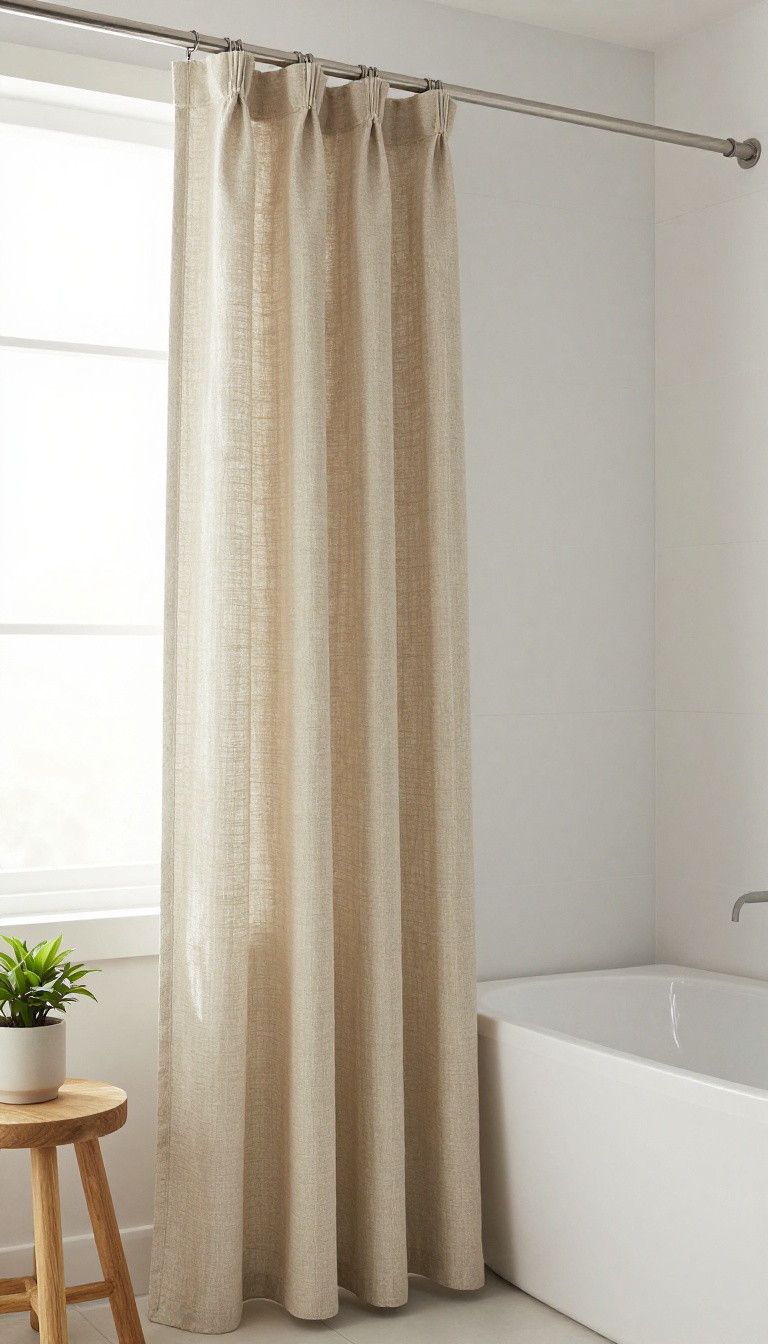
The fabric you pick can make or break the look of a tall shower curtain. A flimsy material might save a few bucks, but it will cling, wrinkle, and show every water spot. On the other hand, a heavier fabric drapes nicely and gives your bathroom that polished, custom feel.
When shopping for a tall shower curtain, pay attention to the weight and weave. Linen and cotton blends are popular because they hang beautifully and get softer with each wash. They also hide mineral deposits better than shiny synthetics, so you won't be scrubbing as often.
Why Heavier Fabrics Win
Heavyweight materials like linen or thick cotton don't billow inward when the water's running, and they don't cling to your legs every time you move. That extra weight also keeps the curtain from drifting toward the tub, which means fewer drafts and less mess on the floor.
Texture Adds Depth
A subtle weave or a slight slub in the fabric can add visual interest without overwhelming the room. Think of a waffle weave or a brushed twill—they catch the light differently and make the curtain look more expensive. Plus, textured fabrics tend to hide water spots better than smooth, shiny ones.
Look For A Water-repellent Finish
Many high-quality shower curtains come with a water-repellent coating that makes cleaning a breeze. Water beads up and rolls off instead of soaking in, so you won't have to deal with mildew or soap scum as often. Just check the care label—some finishes need a gentle wash to stay effective.
7. Add a Decorative Valance to Bridge the Gap
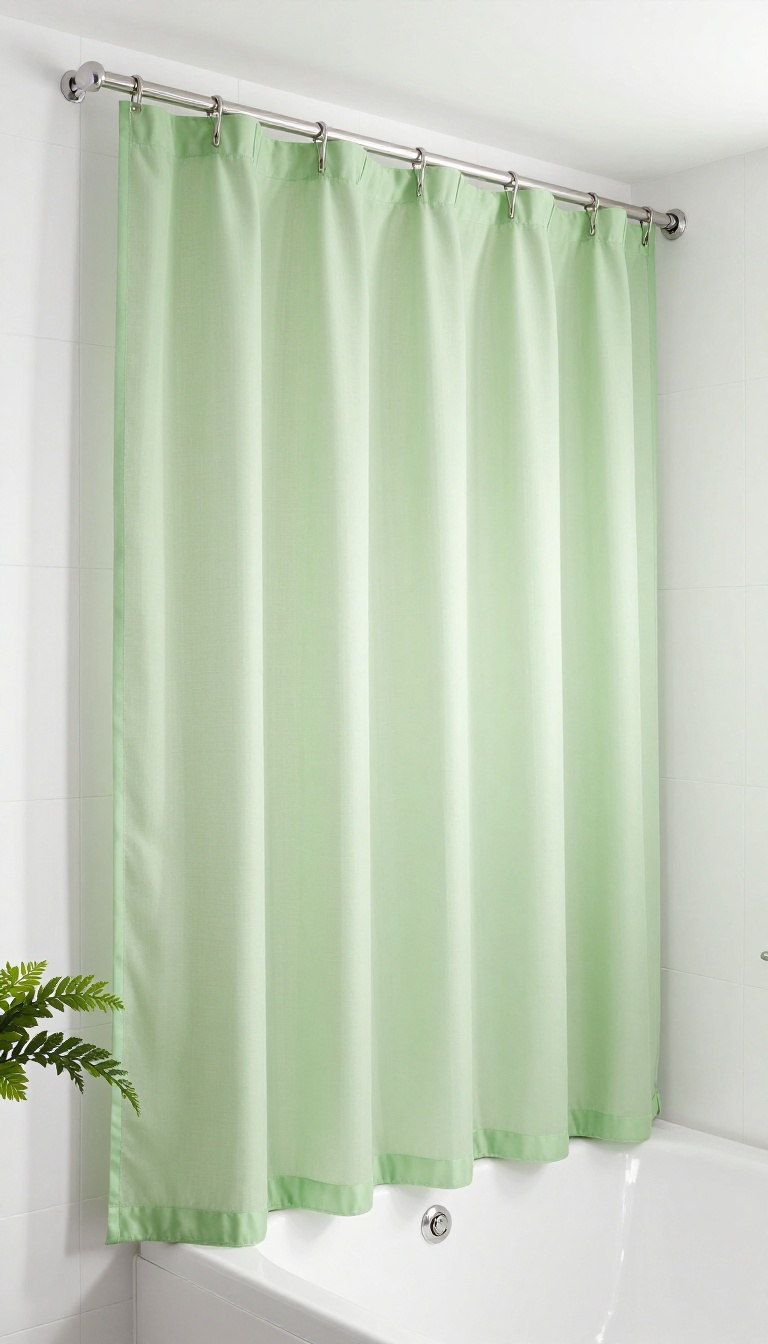
Even with a tall curtain, you might still see a sliver of wall or an exposed rod at the top. A valance—a short fabric panel that hangs from the rod—can cover that gap and add a finished, layered look. It’s a simple fix that instantly makes your shower area feel more custom and polished.
Valances aren’t just for windows. In the bathroom, they serve a clever purpose: hiding the hardware and any awkward space between the top of your curtain and the ceiling. They also give you a chance to introduce a second color or pattern without overwhelming the room.
Whether you choose a matching fabric for a seamless look or a contrasting one for a pop of interest, a valance is an easy upgrade that takes minutes to install.
Choose The Right Valance Style
Valances come in several styles, so pick one that complements your bathroom’s vibe. A tailored, box-pleat valance looks crisp and classic, while a swag valance adds a soft, romantic touch. For a modern farmhouse feel, go with a simple rod-pocket valance in a linen or cotton blend.
If you’re handy with a sewing machine, you can even make your own from a coordinating fabric—just measure the width of your shower area and add a few inches for seam allowance.
Installation Tips For A Seamless Look
To keep things easy, use a double shower rod—one for the main curtain and one for the valance. If you have a single rod, you can hang the valance on clip rings above the curtain rings. Make sure the valance hangs straight and doesn’t interfere with the curtain’s movement.
For a more permanent solution, mount a small curtain rod just above the shower rod and hang the valance there. This gives you more flexibility with lengths and styles.
Mix And Match Fabrics For Visual Interest
Don’t be afraid to play with textures and patterns. A solid white valance over a patterned tall curtain keeps things calm, while a bold geometric valance can add energy to a neutral bathroom. If you’re using a waterproof liner behind your main curtain, the valance is purely decorative, so you can choose any fabric you love.
Just make sure it’s machine-washable and dries quickly to avoid mildew.
8. Use Grommet or Tab-Top Curtains for Easy Glide
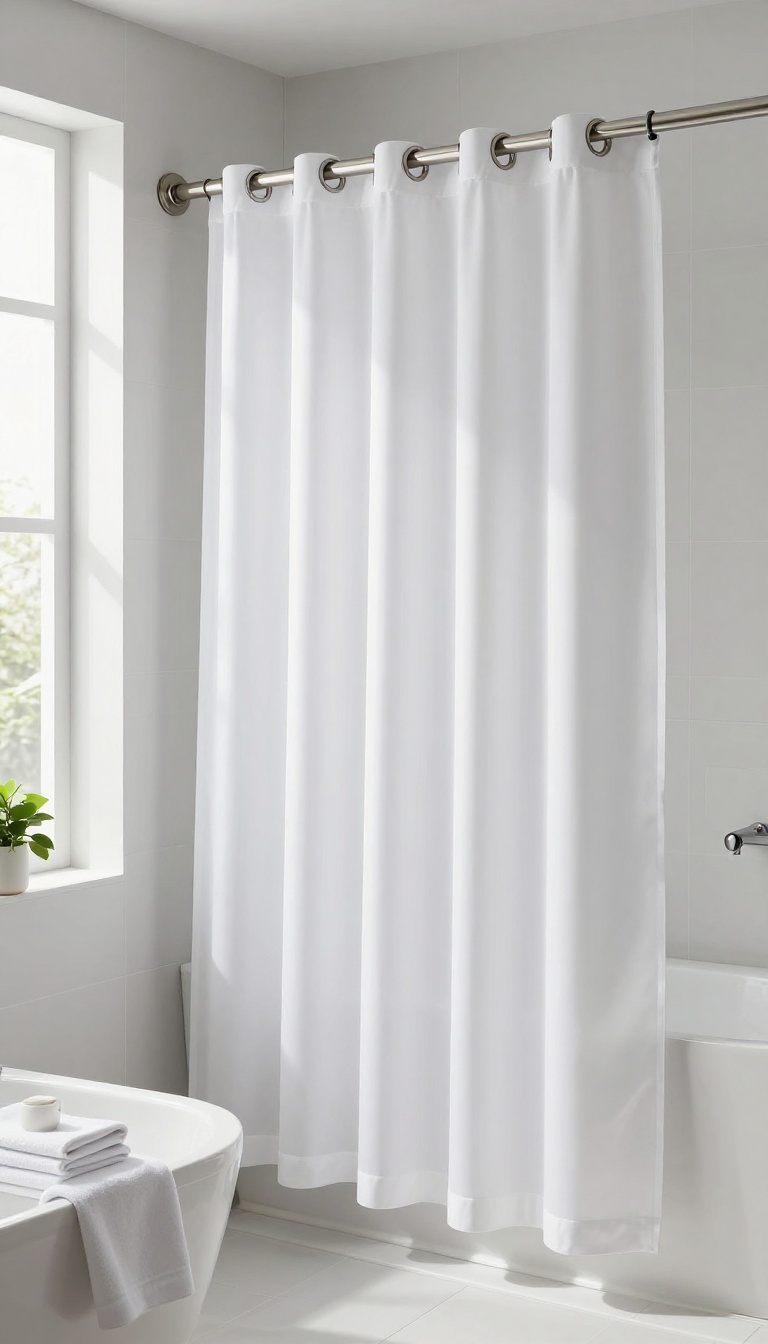
Tall curtains can feel heavy and stubborn, especially when you're wrestling them open and closed every day. Grommet or tab-top styles solve that by letting the fabric glide along the rod with minimal friction. They also hang straighter and give your bathroom a clean, modern edge that rod-pocket curtains often miss.
Grommet curtains have metal rings built into the top, so they slide directly on the rod without extra hooks. Tab-top curtains use fabric loops that are quieter and softer, but they can catch on some rods. Both options reduce drag, which matters more when you're dealing with extra length and weight.
Plus, they're easier to install—just thread the rod through and you're done.
Why They Work Better For Tall Sizes
Longer curtains mean more fabric, which adds weight and can make a rod-pocket style bunch up or stick. Grommets and tabs distribute that weight evenly, so the curtain moves smoothly even when it's 84 or 96 inches long. They also keep the top edge straight and level, avoiding the sagging or wavy look that happens with traditional headers.
Choosing The Right Ring Size And Rod
Check the grommet diameter before you buy—standard rods are about 1 inch, but some decorative rods are thicker. If the rings are too small, the curtain won't slide. For tab-tops, make sure the loops are wide enough to move freely.
A metal or coated rod with a smooth finish helps both styles glide better than a rough wooden one.
Styling Tips For A Polished Look
Grommet curtains have a contemporary feel, so pair them with sleek fixtures and minimal accessories. Tab-tops lean a bit more casual, which works well in farmhouse or coastal bathrooms. Choose a rod with finials that match your hardware, and keep the curtain slightly wider than the window or tub to avoid gaps.
9. Try a Two-Tone Curtain for a Custom Feel
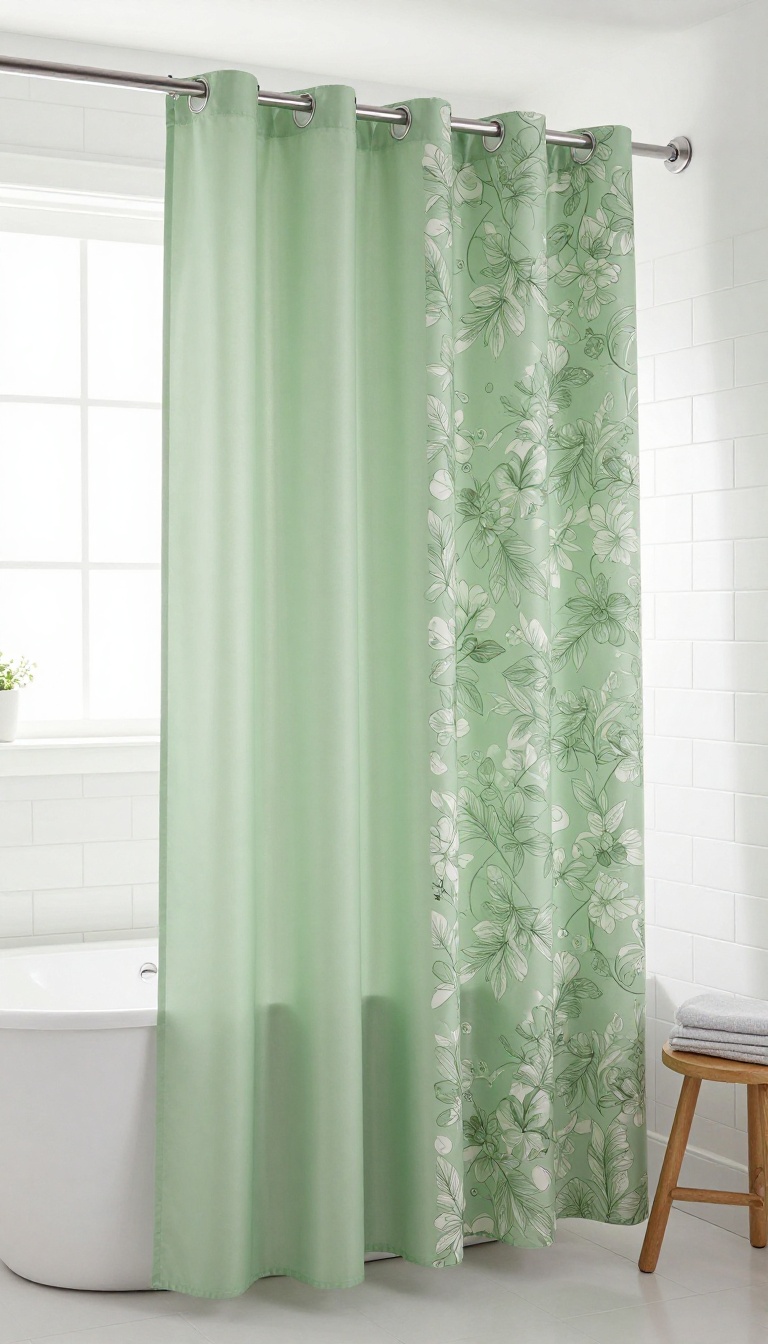
Sometimes the perfect tall shower curtain doesn't exist on the shelf. Maybe you want a specific color combo or a pattern that's just not made in longer lengths. A two-tone curtain solves that by letting you mix and match two fabrics into one custom look.
It's simpler than it sounds. You can sew two panels together or use clip rings to hang them side by side on the same rod. Either way, you get a curtain that looks intentional and expensive, without the custom price tag.
The trick is choosing fabrics that complement each other. You want one solid and one patterned, or two solids in contrasting shades. Keep the colors in the same family for a cohesive feel, or go bold with a high-contrast pairing if your bathroom can handle it.
Before you start, measure your shower opening to know exactly how much fabric you need. Most standard curtain panels are 72 inches long, but you can find extra-long panels or buy fabric by the yard and hem it yourself. If sewing isn't your thing, clip rings are a no-sew alternative that also lets you swap panels whenever you want a refresh.
Pick Panels That Work Together
Choose a solid that matches the dominant color in your patterned panel. For example, a white solid with a navy geometric pattern looks crisp and classic. Or pair a soft sage solid with a floral pattern that includes sage in its background.
The goal is a balanced look, not a clash.
Sew Or Clip: Two Easy Ways To Combine
If you can sew, stitch the two panels together along the top edge, then add grommets or a rod pocket. If you prefer no-sew, simply use clip rings to attach both panels to the rod. Clip rings are adjustable and make it easy to change the ratio of solid to pattern later.
Make It Look Seamless
To avoid a visible seam, align the panels so the pattern starts at the same height. If you're using clip rings, arrange the clips so the panels hang evenly. A liner behind the curtain helps hide any gaps and keeps the two-tone look clean from the outside.
10. Hang the Rod Higher Than the Window
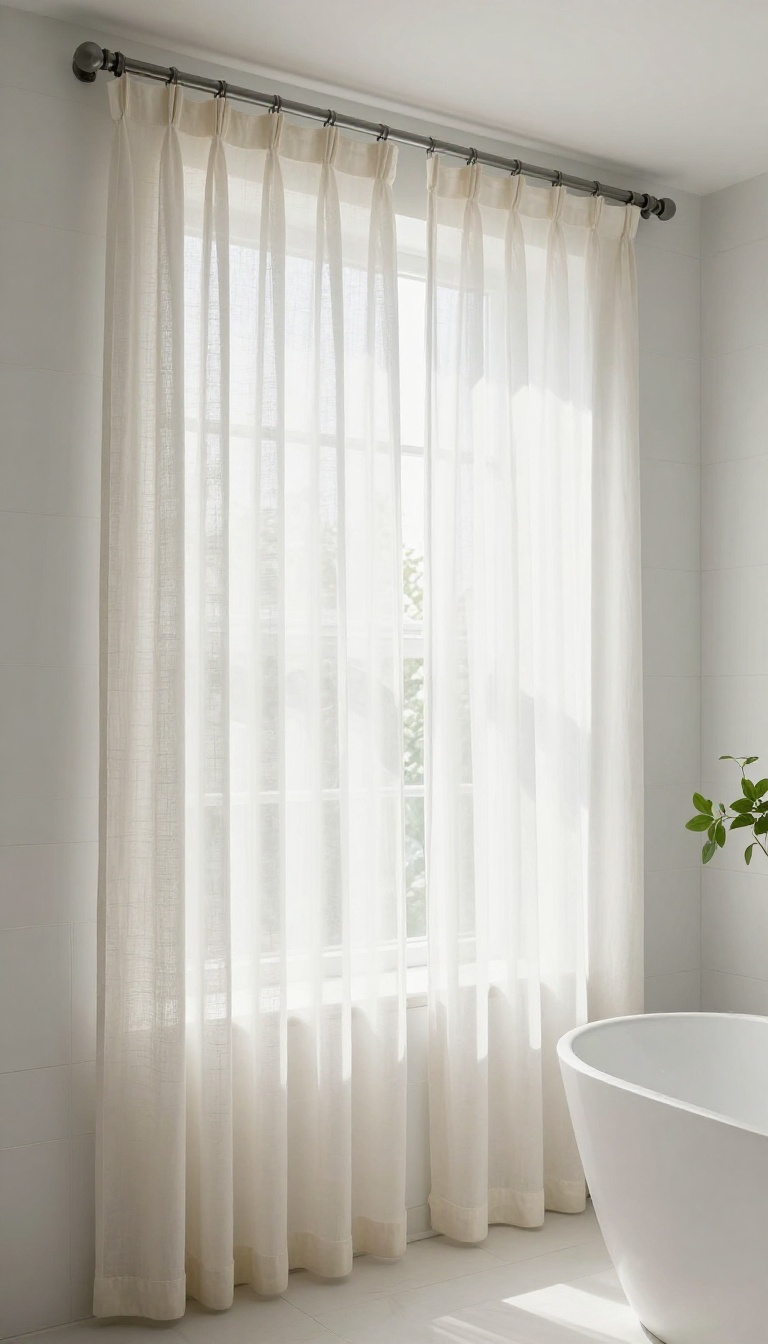
A window above the shower can be a blessing for natural light, but it can also make your curtain setup feel awkward. Instead of mounting the rod right at the window frame, raise it closer to the ceiling. This simple tweak makes the window look taller and more intentional, while still letting you control privacy and light.
When you hang the rod higher, you create a continuous visual line that draws the eye upward. The curtain will cover the window when closed, but you can choose a fabric that filters light beautifully. This approach works especially well in bathrooms with high ceilings or where the window is positioned unusually high.
Why Height Matters
Mounting the rod just below the ceiling adds a few extra inches of curtain length, which makes the window feel taller and the whole room more spacious. It also eliminates that awkward gap between the top of the curtain and the window frame, giving a cleaner, more custom look.
Fabric Choices For Light And Privacy
For the top portion, go with a sheer or light-filtering fabric like linen or a semi-sheer polyester blend. This lets natural light pour in while still providing privacy. You can also use a two-tier system: a solid bottom for privacy and a sheer top for brightness.
Installation Tips
Make sure your rod is securely anchored into studs or use heavy-duty anchors if you're drilling into tile. Measure the distance from the rod to the floor to ensure your curtain reaches the tub or floor without dragging. If you're using a tension rod, this trick works best with a fixed rod for stability.
11. Use Clip Rings to Convert a Standard Curtain
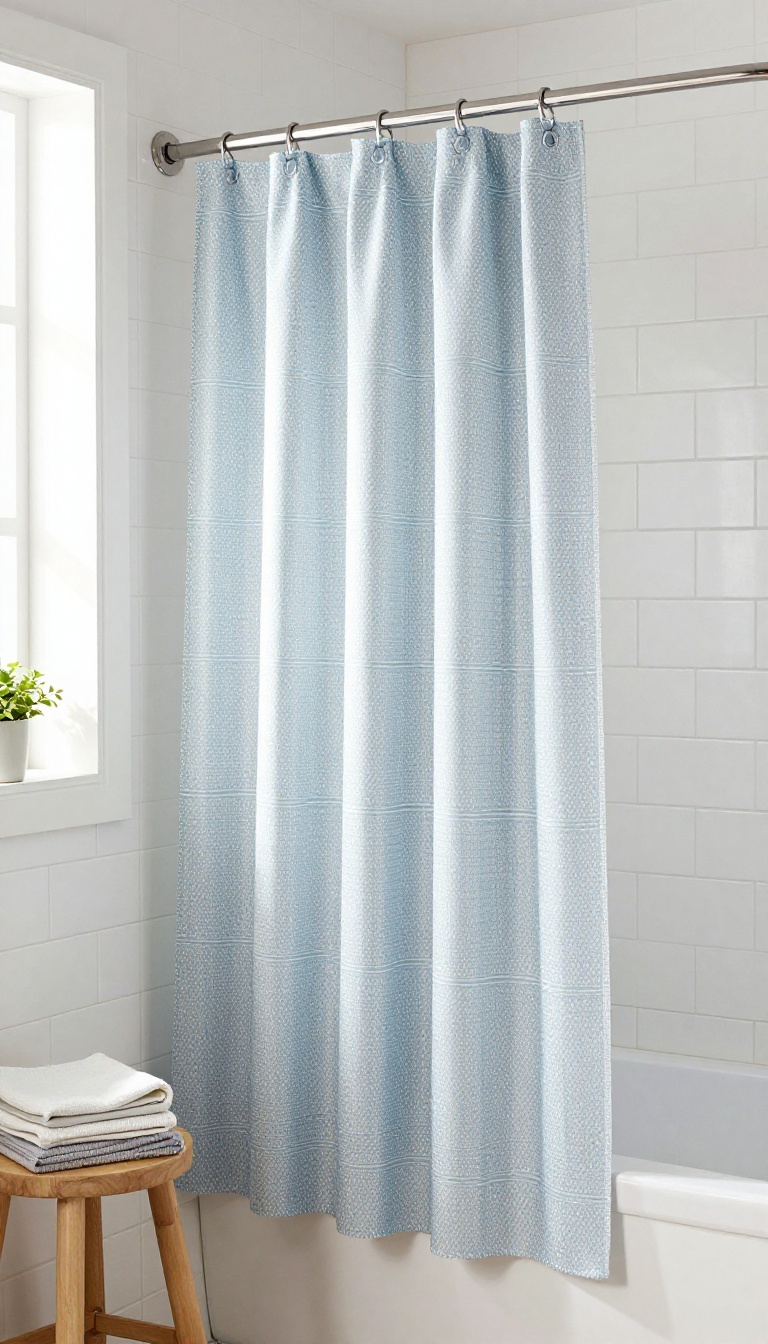
What if you already love a standard shower curtain but need it taller? Instead of hunting for a specialty length, grab a pack of clip rings and a little patience. This trick lets you keep the fabric you adore while adding the height your bathroom needs.
Clip rings attach directly to the fabric, so you can position them lower than the top edge. That means you can hang a 72-inch curtain on a rod set at 84 inches, and the bottom will still reach the tub. The key is to clip evenly across the top to avoid sagging or uneven draping.
Why This Works
Most standard curtains have a reinforced header that's meant for rod pockets or grommets. Clip rings bypass that entirely, giving you freedom to choose where the curtain hangs. This is especially handy if you have a patterned curtain you don't want to alter permanently.
Getting The Length Right
Measure from the rod to the floor or tub rim, then subtract the desired drop. Clip the rings at that point, making sure they're spaced evenly. Test the curtain before committing—slide it along the rod to check that it moves smoothly and doesn't bunch.
Styling Tips
This trick works best with solid colors or busy patterns that hide the clips. For a more polished look, use decorative clip rings that match your bathroom hardware. You can also layer a sheer liner behind it for extra privacy and fullness.
12. Consider a Water-Repellent Fabric for Durability
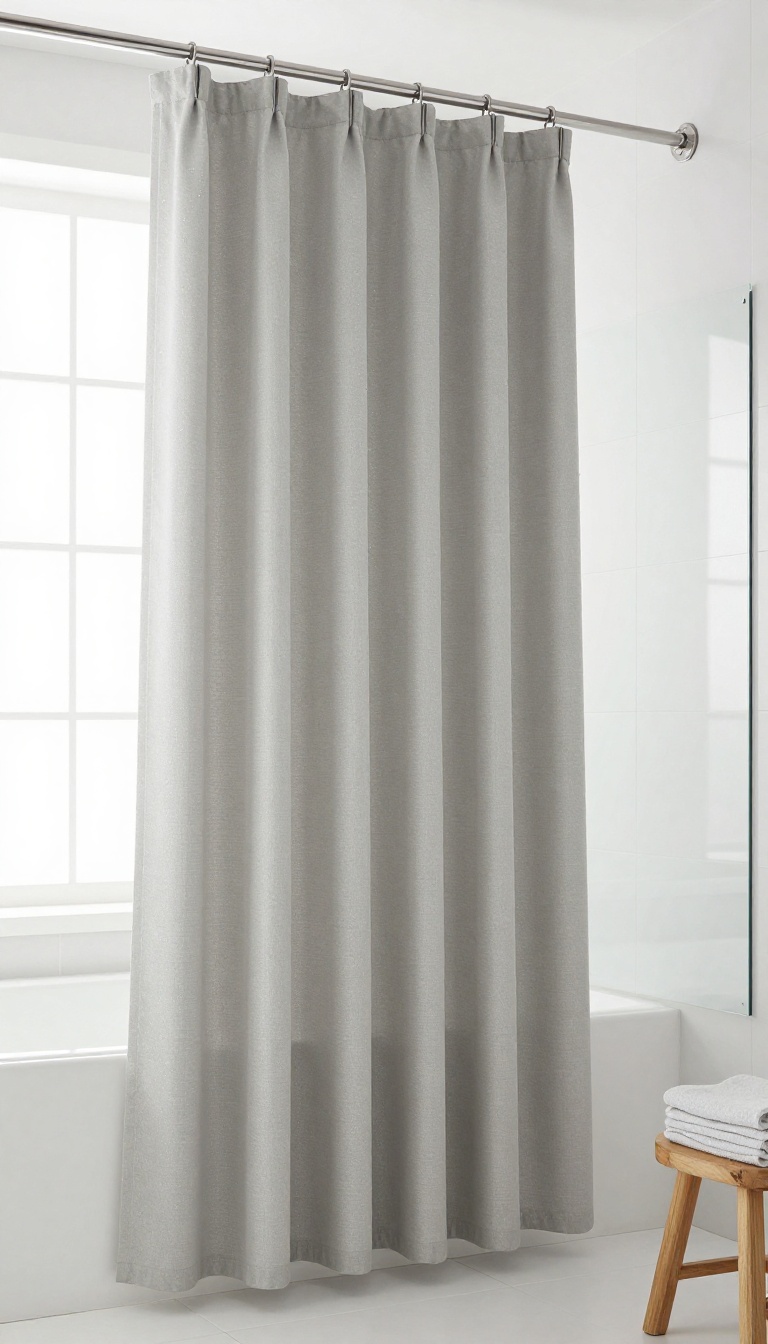
Tall curtains are more likely to drag on the floor or get wet, so choosing a fabric with a water-repellent coating is a smart move. This prevents mold and mildew and makes cleaning easier. Look for materials like polyester with a waterproof backing or treated cotton.
When you invest in a tall shower curtain, you want it to last. Water-repellent fabrics are designed to resist moisture, so they don't soak up water and become heavy or musty. They also dry faster, which helps keep your bathroom fresh.
Why Water-repellent Matters
Regular cotton or linen curtains can absorb water, especially when they're long enough to touch the tub or floor. Over time, that moisture can lead to mold, mildew, and discoloration. A water-repellent finish creates a barrier that causes water to bead up and roll off, protecting the fabric and your bathroom.
Best Fabrics To Look For
Polyester is a popular choice because it's naturally water-resistant and easy to clean. Look for curtains with a waterproof backing, often made of PEVA or vinyl, which adds an extra layer of protection. Treated cotton is another option—it's been coated with a water-repellent finish, so you get the look of natural fabric with added durability.
Cleaning And Maintenance Tips
Even with a water-repellent curtain, regular cleaning is still important. Most polyester curtains can be machine washed on a gentle cycle with mild detergent. Avoid using bleach or fabric softeners, as they can break down the water-repellent coating.
For spot cleaning, just wipe with a damp cloth and mild soap.
13. Add a Tension Rod Inside the Tub for Extra Support
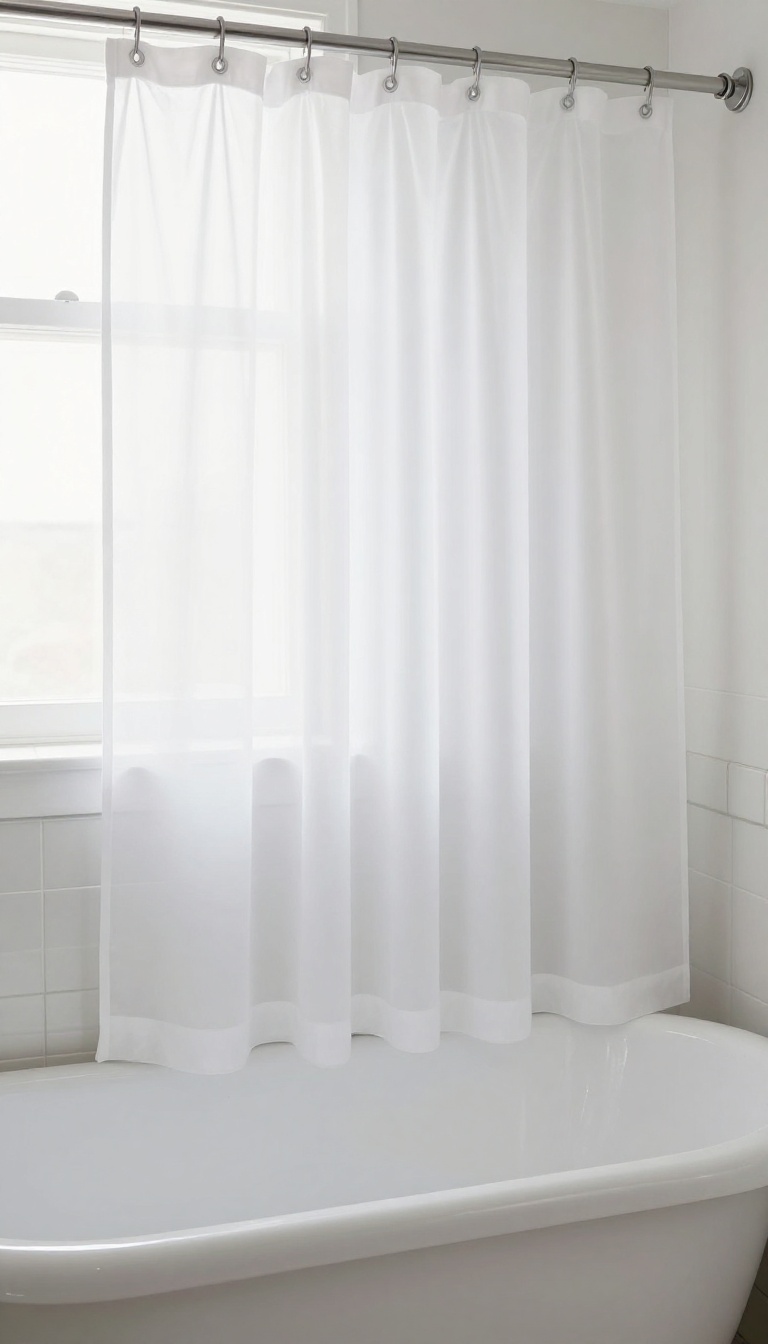
Long curtains can sometimes feel like they have a mind of their own, flapping inward when the water's on or drifting away from the tub edge. A simple tension rod placed inside the tub can anchor the bottom of the curtain, keeping it in place and stopping water from sneaking out. It's a low-cost fix that works wonders, especially for clawfoot tubs or showers without doors.
This trick is a game-changer for anyone dealing with a curtain that billows or leaves a gap. By securing the bottom, you get a tighter seal and a cleaner look. Plus, it's easy to install and remove, so you can adjust it as needed.
Why It Works So Well
The tension rod presses the curtain against the tub wall, creating a barrier that water can't easily pass. This is especially helpful for curved tubs or uneven edges where magnets or weights might not do the job. It also keeps the curtain from blowing inward when the shower is on, so you're not constantly fighting with it.
How To Set It Up
Pick a tension rod that fits snugly inside your tub, then position it about halfway up the curtain's length. Make sure it's tight enough to stay put but not so tight that it damages the tub. You can also use a rod with rubber ends for extra grip.
Once it's in place, slide the curtain over it and adjust as needed.
When To Use This Trick
This works best for clawfoot tubs, shower/tub combos without doors, or any setup where the curtain tends to drift. It's also great for windy bathrooms or if you have kids who like to pull the curtain. Just remember to remove the rod when you're not using the shower to keep the tub clean and avoid tripping hazards.
14. Use a Double Rod for a Layered Look
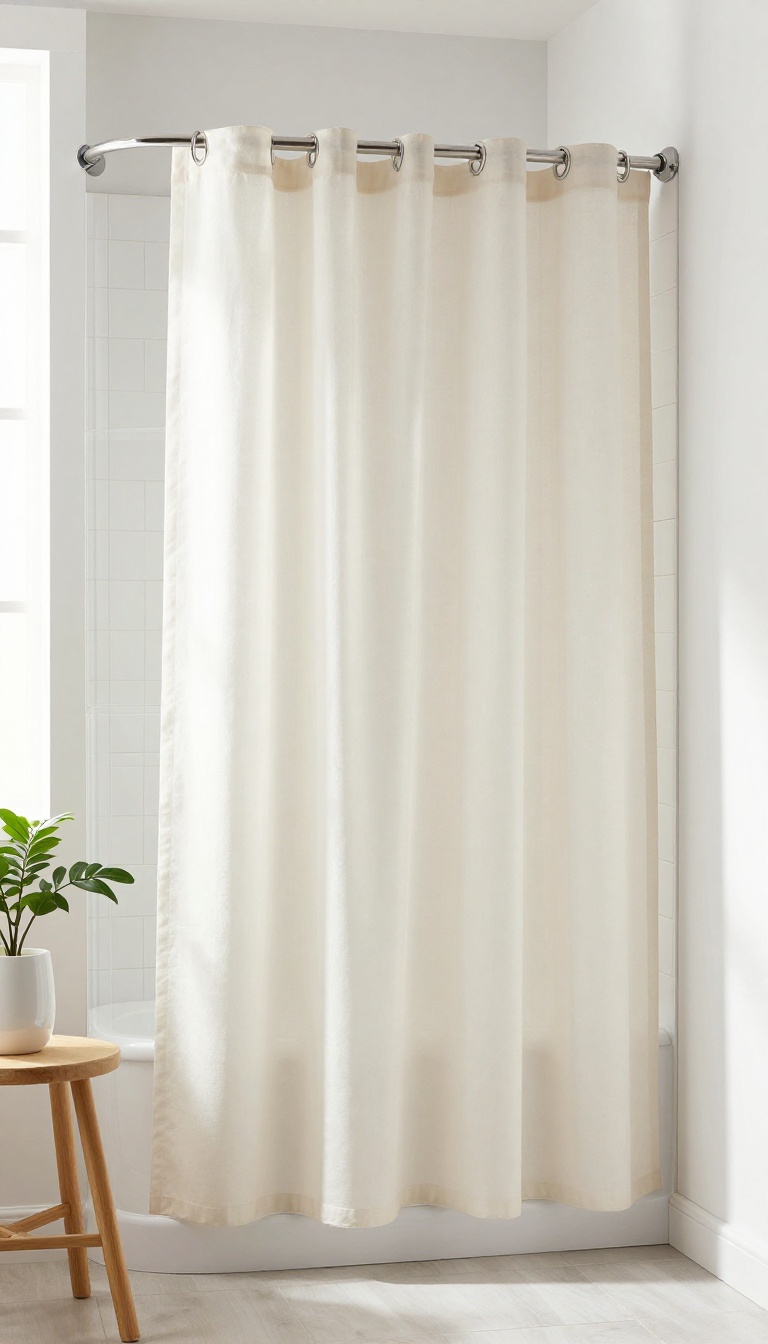
A double rod is a simple upgrade that changes how you think about tall shower curtains. Instead of choosing between a liner and a decorative curtain, you can have both working together. This setup gives you more flexibility with lengths and styles, and it's surprisingly easy to install.
The key is to hang a clear or white liner on the inner rod and your favorite tall curtain on the outer rod. But you can also flip it—use a tall liner for full coverage and a shorter decorative curtain that ends above the tub for a breezier feel. The double rod also makes seasonal swaps effortless: just change the outer curtain without touching the liner.
Why Double Rods Work For Tall Spaces
Tall shower curtains often need a liner that's equally long to prevent water from sneaking out. A double rod lets you pick a liner that's a few inches longer than the decorative curtain, so it tucks safely inside the tub. Meanwhile, the outer curtain can be slightly shorter to show off a beautiful tile or wainscoting detail.
This layered approach also adds depth and makes the shower feel more custom.
How To Choose Rods And Curtains
Look for a double rod that extends to at least 72 inches—some go up to 84 or 96 inches for taller ceilings. You'll need two sets of rings, one for each rod. For the inner liner, pick a mold-resistant fabric like PEVA or polyester.
For the outer curtain, choose a fabric that matches your bathroom's vibe, whether it's cotton, linen, or a quick-dry synthetic. Just make sure the outer curtain is at least 72 inches long to avoid that awkward gap.
Swapping Curtains For The Seasons
The beauty of a double rod is how easy it is to update the look. In summer, hang a light, airy curtain in a bright pattern. When winter rolls around, switch to a heavier, darker fabric for a cozy feel.
Because the liner stays put, the swap takes under five minutes. You can even keep two or three outer curtains on hand and rotate them based on your mood or the holiday season.
15. Don't Forget the Bottom: Add a Weighted Hem
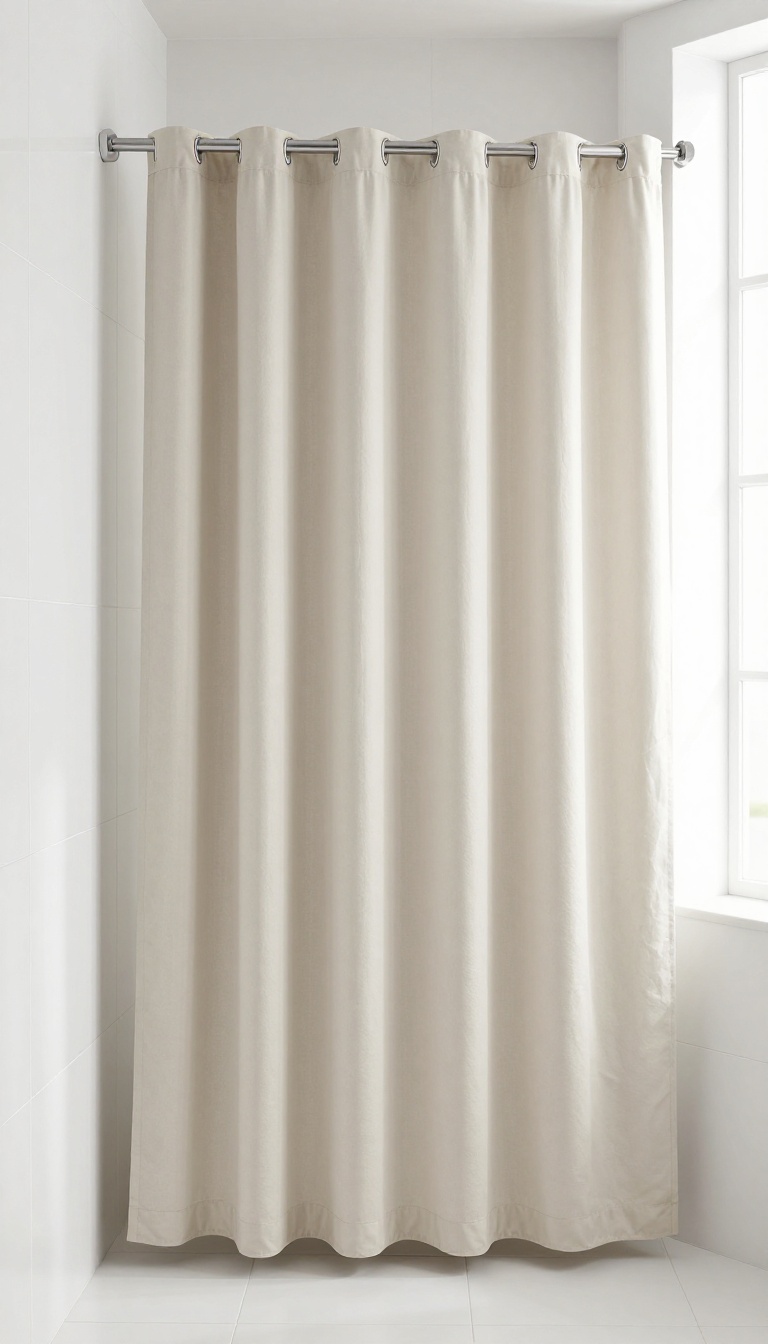
You've got the perfect tall curtain, but it billows in the breeze or clings to your legs when you're trying to rinse off. That's where a simple weighted hem comes in. It's a small detail that makes a big difference in how your curtain hangs and behaves.
Adding weights to the bottom of your tall shower curtain keeps it from floating up when the water is on, which means less water on the floor and more privacy. It also prevents the curtain from sticking to you when you're moving around, which can be a real nuisance. This is especially helpful if you have a fabric curtain that tends to be light and airy.
Why Weighted Hems Matter
A weighted hem keeps the curtain in place, so it doesn't drift inward when you're showering. This reduces the chance of water leaking out and keeps the curtain looking neat. It also helps the curtain hang straight, avoiding that messy, ruffled look at the bottom.
Diy Weighting Options
You can easily add weights to an existing curtain. Sew small fabric pouches filled with fishing weights or washers into the hem, or use adhesive weights designed for curtains. Another option is to use curtain clips with built-in weights.
Just make sure they're rust-resistant and won't damage your curtain.
Built-in Solutions
Some tall shower curtains come with built-in magnets or weights sewn into the hem. These are convenient and often look cleaner than DIY options. If you're buying new, look for curtains that mention 'weighted' or 'magnetic' in the description.
They're especially useful for curved rods or if you have a drafty bathroom.
FAQ
What is the standard length for a tall shower curtain?
Standard shower curtains are 72 inches long, but tall versions typically range from 78 to 96 inches. Measure from your rod to the desired endpoint to find the right length.
Can I make a regular shower curtain taller?
Yes, you can extend a regular curtain by adding a fabric panel at the bottom, using clip rings to hang it lower, or installing a valance above it. These DIY methods are cost-effective and customizable.
What type of fabric is best for a tall shower curtain?
Heavyweight fabrics like cotton, linen, or polyester blends with a water-repellent finish are ideal. They drape well, resist moisture, and are easy to clean.
How do I prevent a tall shower curtain from blowing inward?
Use a curved rod, add a weighted hem, or install a tension rod inside the tub to hold the bottom in place. These solutions keep the curtain from billowing and reduce water spillage.
Are tall shower curtains more expensive?
Not necessarily. While some custom options cost more, you can find affordable tall curtains at many retailers. DIY methods, like extending a standard curtain, are budget-friendly alternatives.
Conclusion
Tall shower curtains are a simple swap that solves the age-old problem of water sneaking out and leaving your floor wet. The ideas above show you don't need a full remodel to get that polished, open feel—just the right fabric, rod height, and a few clever accessories. Start with one or two changes that fit your bathroom's vibe.
You'll be surprised how much bigger and more put-together the space feels. Pick your favorite, measure twice, and enjoy a shower that finally works as good as it looks.