9 Apartment Fridge Ideas for Small Kitchen Storage
You open your apartment fridge and see a jumble of condiment bottles, leftover containers, and half-empty produce bags. That chaos isn't just annoying—it wastes food and time. With a few clever tweaks, you can double your fridge's efficiency without buying a bigger unit.
These nine ideas target real small-fridge problems, from awkward door shelves to deep corners that swallow jars. Each tip is designed for renters and small kitchens, so no drilling or permanent changes required.
Ready to make every inch of your fridge work harder? Let's get organized.
1. Use Clear Bins to Group Similar Items
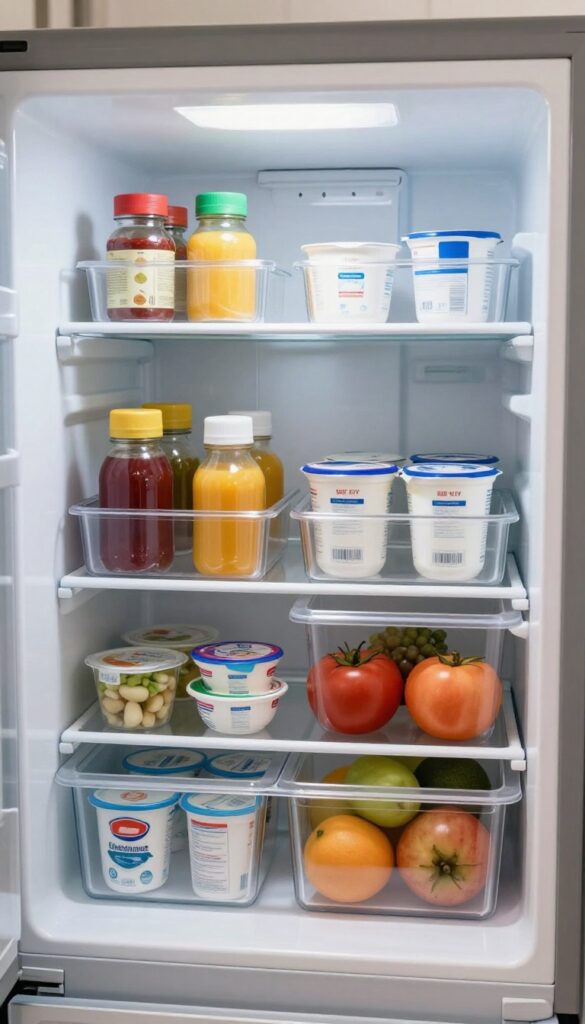
Grouping your fridge items by category sounds basic, but clear bins take it to another level. They create designated zones for condiments, dairy, or produce, so you always know where to grab what. Plus, they prevent small bottles and loose items from rolling to the back and getting lost until they're past their prime.
Clear bins make everything visible at a glance, reducing the time you spend hunting for that jar of pickles. They also make cleaning easier—just pull out a bin and wipe the shelf. For small fridges, choose bins that fit your shelf depth and stack well.
Look for ones with handles or cutouts for easy grabbing.
Choose The Right Size
Measure your fridge shelves before buying bins. Narrow, deep bins work well for condiment bottles, while wider, shallow bins are great for yogurt cups and cheese packs. Avoid bins that are too tall—they'll block the shelf above and waste vertical space.
Label For Speed
Add simple labels to the front of each bin: "Dairy, " "Condiments, " "Produce. " This helps everyone in the household put things back in the right spot. Use a label maker or just a piece of masking tape and a marker—easy to change when you reorganize.
Stack When Possible
If your fridge has adjustable shelves, create a two-tier bin system. Use a shallow bin on top of a deeper one for items like snack packs or small jars. Just make sure the lower bin is sturdy enough to support the weight.
2. Install a Magnetic Spice Rack on the Side
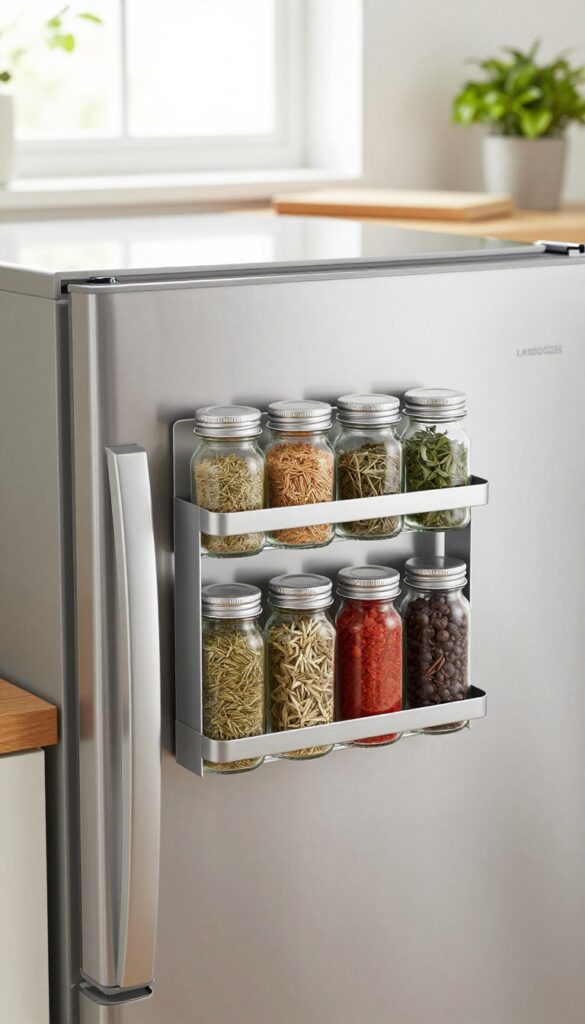
The side of your fridge is prime real estate that often goes unused. A magnetic spice rack turns that blank metal surface into a handy storage zone for your most-used spices. No drilling, no sticky residue—just a strong magnet holding everything in place.
This trick works best on the side that faces your main prep area, so you can grab cumin or oregano without opening the fridge door. Look for racks with individual jars or one long strip that holds multiple tins. The key is to keep it to spices you reach for daily—don't try to store your entire collection here.
Choose The Right Magnet Strength
Not all magnetic racks are created equal. Cheap ones may slide down when loaded with heavy jars. Look for neodymium magnets or heavy-duty strips rated for at least 5 pounds.
Test the rack with a few empty jars before committing.
Keep It Accessible But Out Of The Way
Mount the rack high enough that it doesn't bump into your counter or stove, but low enough that you can easily reach the jars. A good rule is to place it so the bottom of the rack is about 6 inches above the countertop.
Use Clear, Uniform Jars
Mismatched spice jars look messy and make it hard to find what you need. Transfer your spices to matching small glass jars with magnetic lids or standard tins that stick well. Label the tops so you can see them from above.
3. Add a Lazy Susan for Condiments
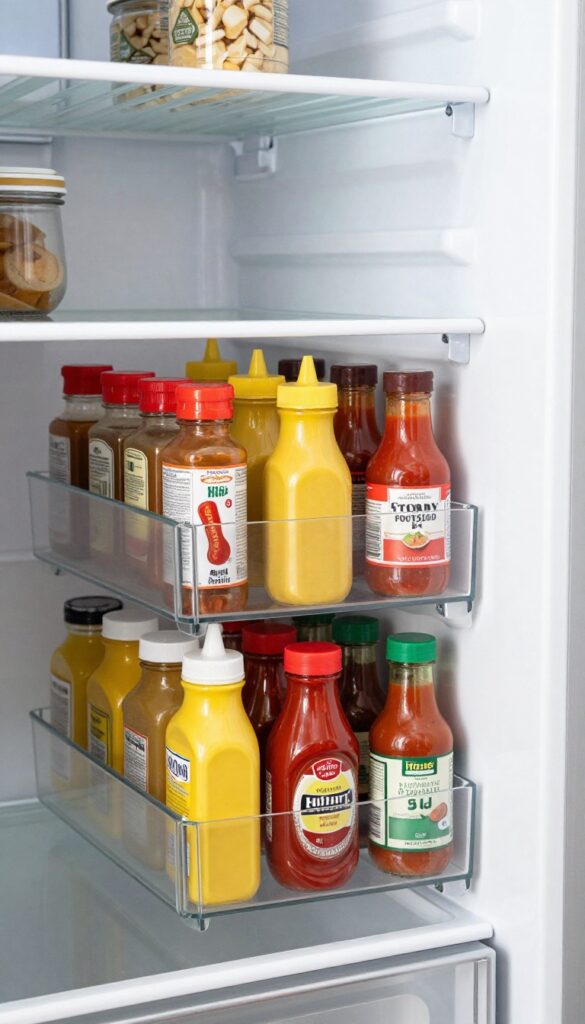
Condiment bottles are the worst offenders when it comes to fridge chaos. They roll around, hide behind each other, and take forever to find. A lazy Susan—a simple rotating tray—turns that mess into an organized, spin-and-grab system.
It works on any shelf or in the door, and it's one of the cheapest fixes you'll find.
Pick The Right Size
Measure your shelf or door bin before buying. A 10- or 12-inch turntable fits most standard fridge shelves. For door storage, go smaller—around 8 inches—so it doesn't block items above or below.
Avoid oversized trays that bump into other shelves when they spin.
Group By Use
Keep everyday condiments like ketchup, mustard, and hot sauce on one lazy Susan. Reserve a second one for dressings and marinades. This way you spin once for what you need without moving bottles around.
Label the trays if you share the fridge with a roommate.
Double Up For The Door
Many apartment fridges have deep door bins that swallow small jars. Place a small lazy Susan in the door's condiment compartment. It stops bottles from sliding to the back and lets you see every option at a glance.
Just make sure the tray fits the bin's width and depth.
4. Use Stackable Can Dispensers
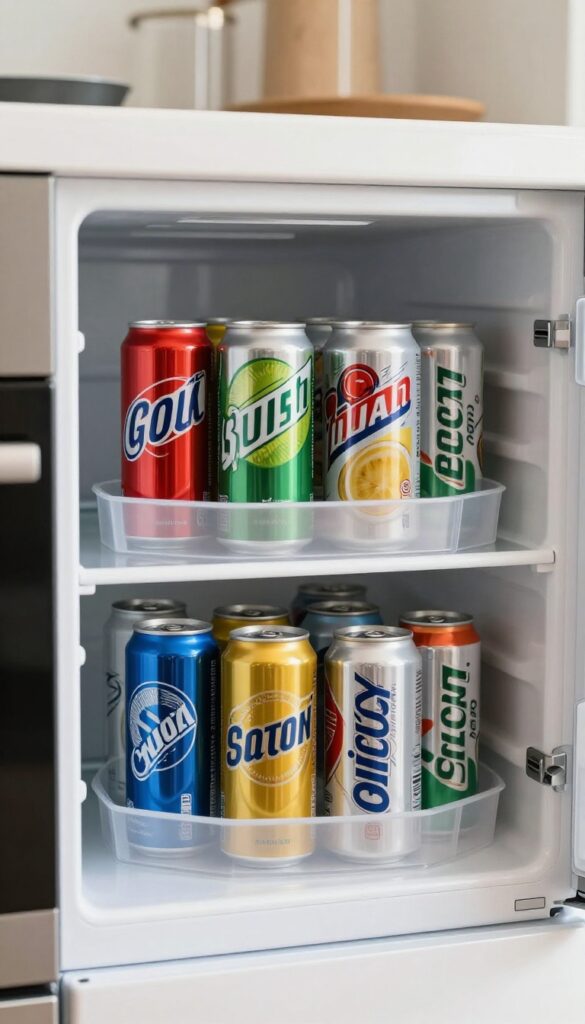
Cans are some of the most space-inefficient items in a fridge. They roll around, take up more room than they should, and it's always a gamble trying to grab one from the back without knocking over the whole row. Stackable can dispensers solve this by letting you store cans vertically, so you can fit twice as many in the same footprint.
They gravity-feed each can to the front, making it easy to grab one without disturbing the rest.
These organizers are a game-changer for small fridges. They come in different sizes to fit standard soda, beer, or even taller cans like sparkling water. You can stack them two or three high, depending on your shelf height, and they keep cans neatly aligned.
No more digging through a pile of loose cans or dealing with that one rogue can that always rolls to the back. Plus, the front-loading design means you always grab the coldest one first.
Maximize Vertical Space
Most fridges have unused vertical space above a row of cans. Stackable dispensers let you use that gap by stacking multiple units. For example, a standard shelf can hold two dispensers stacked, doubling your can capacity.
Just make sure the total height fits under the shelf above.
Easy To Restock And Rotate
Restocking is simple: just load new cans from the top, and they slide down to the front. This naturally rotates your stock, so older cans get used first. No more finding expired cans buried in the back.
It also keeps the shelf tidy and prevents cans from getting lost.
Works For More Than Just Cans
While designed for cans, these dispensers can also hold small jars, yogurt cups, or even spice tins. If you have a narrow shelf, you can use a single dispenser to organize small items that would otherwise clutter the space. Just check the dimensions to ensure a good fit.
5. Hang a Door Organizer for Snacks
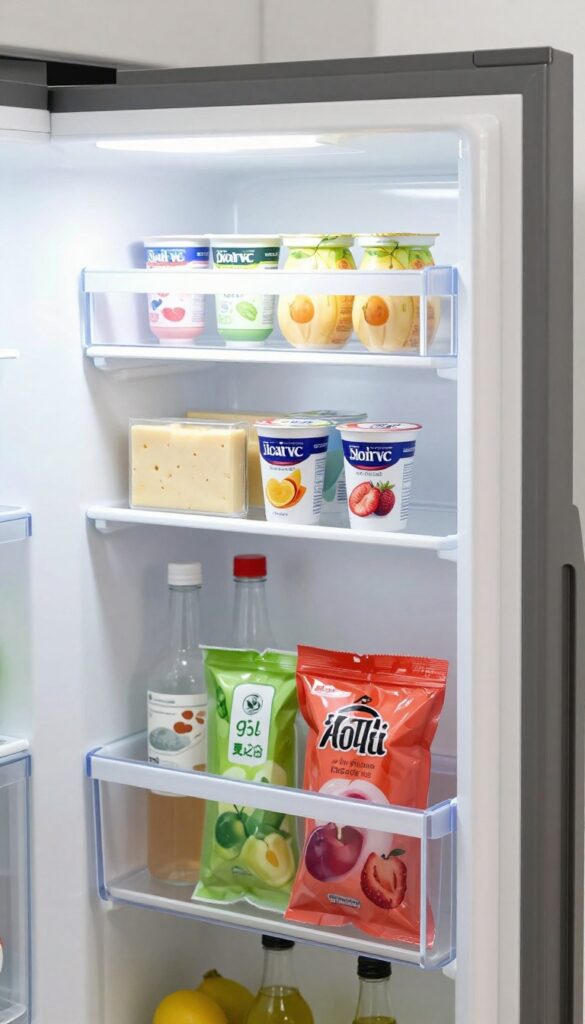
The inside of your fridge door is often wasted space. An over-the-door organizer with clear pockets turns that dead zone into a grab-and-go snack station. It keeps yogurt tubes, cheese sticks, and small packets visible and accessible, so you don't have to dig through shelves.
This simple hack works best for households with kids or anyone who reaches for quick snacks throughout the day. The organizer hangs over a standard fridge shelf, using vertical space that normally holds just a few bottles. Choose one with adjustable pockets to fit different snack sizes.
Pick The Right Organizer
Look for a sturdy plastic or mesh organizer with pockets deep enough to hold individual snacks without falling out. Avoid fabric ones that can get damp and moldy. Measure your fridge shelf height first—some organizers are too tall for compact fridges.
Organize By Snack Type
Use the top pockets for lightweight items like string cheese or fruit pouches. Reserve bottom pockets for heavier snacks like yogurt tubes or pudding cups. This keeps weight balanced and prevents the organizer from sagging.
Keep It Clean
Wipe down the organizer weekly to remove crumbs and spills. Since it's removable, you can take it out and wash it with warm soapy water. Let it dry completely before reinstalling to avoid mildew.
6. Store Herbs in a Cup of Water
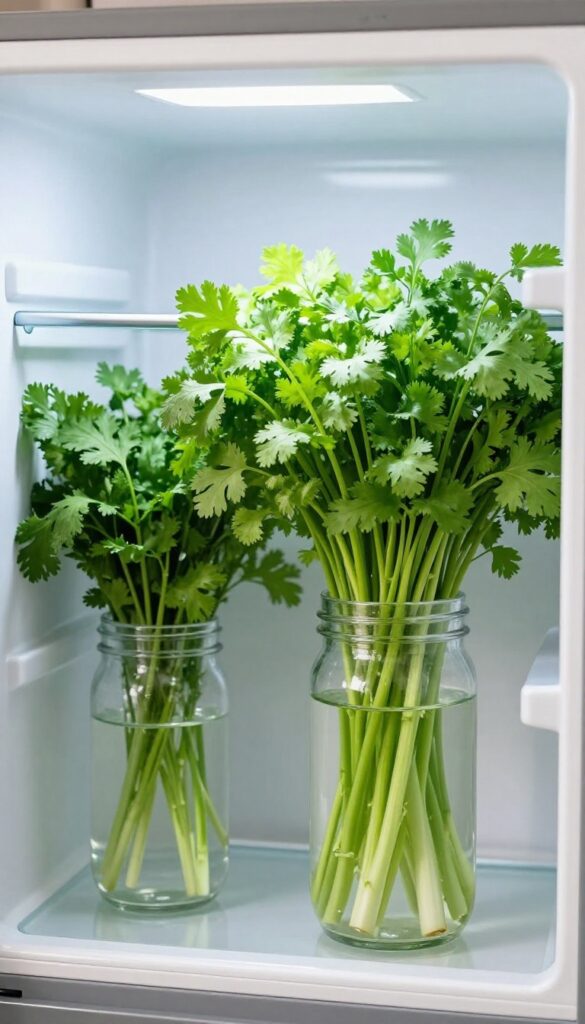
Fresh herbs are one of those things that seem to go bad overnight. You buy a bunch of cilantro for a recipe, use a few sprigs, and the rest turns into a sad, slimy mess in the crisper drawer. But there's a simple trick that keeps them lively for over a week: treat them like cut flowers.
Instead of tossing herb bunches into the crisper, snip the ends and place them in a small cup or jar with about an inch of water. Set that on a shelf—ideally one that's easy to see when you open the door. This method works beautifully for parsley, cilantro, mint, basil, and even delicate dill.
The water keeps the stems hydrated, and the open air prevents the moisture buildup that causes rot in closed drawers. Plus, having herbs in plain sight means you're more likely to actually use them before they wilt. Change the water every couple of days, and trim the stems if they start looking brown.
For basil, keep it at room temperature if your fridge tends to be very cold, but for most others, the fridge shelf is perfect.
Which Herbs Work Best
Hardy herbs like rosemary, thyme, and sage do fine in the fridge with this method, but they're also happy just wrapped in a damp paper towel. The real stars are tender herbs: cilantro, parsley, mint, and basil. Basil is a bit finicky—it prefers cooler temps but not freezing, so place it on a door shelf rather than the back.
Dill and chives also respond well to the water cup technique.
Choosing The Right Container
Short, wide-mouth jars or small drinking glasses work best because they provide stability and make it easy to change water. Avoid tall, narrow vases that tip over easily. Mason jars, repurposed salsa jars, or even a sturdy shot glass can do the job.
If you're worried about spills, set the cup inside a small dish or on a shelf liner.
Where To Place Them
The ideal spot is a middle shelf near the front, where you'll see the herbs every time you open the fridge. Avoid the back wall where temps can drop too low. If your fridge has a dedicated deli drawer, that's also a good option—just leave the lid slightly ajar or remove it entirely.
The goal is airflow and visibility.
7. Use Egg Holders in the Door
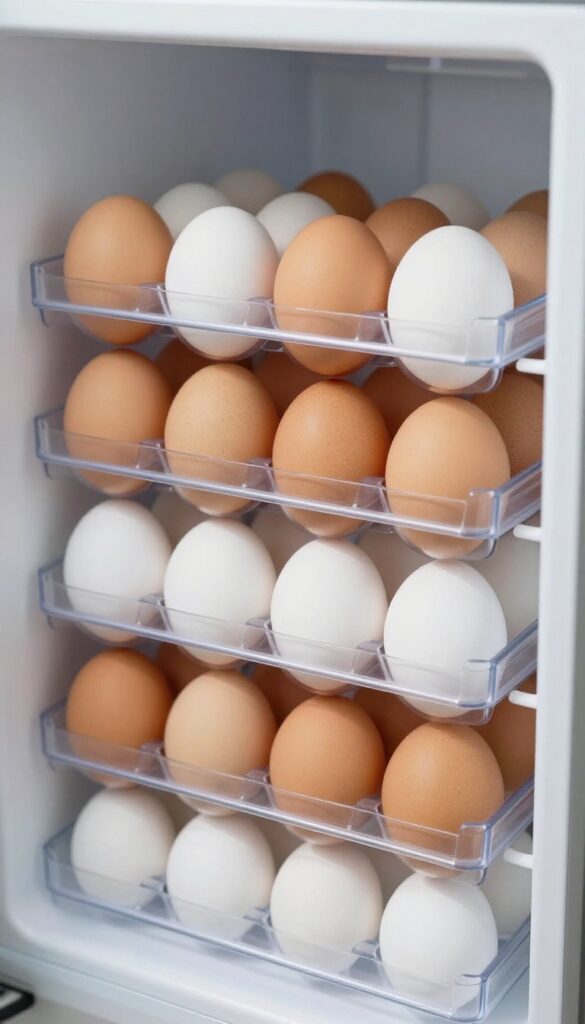
Egg cartons take up a surprising amount of shelf space, and they're easy to knock over when you're grabbing other items. Door-mounted egg holders solve both problems at once. They keep eggs secure, visible, and completely out of the way of your main shelves.
Why The Door Works Best
The fridge door is the warmest part of the fridge, which is actually perfect for eggs—they don't need to be as cold as dairy or meat. Most door bins are deep enough to hold a standard egg holder, and the vertical storage means you can see exactly how many eggs you have left at a glance.
Types Of Egg Holders To Consider
You have a few options: stackable plastic trays that fit in the door bin, silicone holders that grip each egg individually, or over-the-door racks that hang from the shelf above. Stackable trays are the most space-efficient, while silicone holders are great if your door bins are oddly shaped.
Installation Tips For Renters
Most egg holders are designed to sit inside existing door bins, so no adhesive or drilling is needed. If you go with an over-the-door style, make sure it hooks securely over the shelf lip without blocking the door from closing. Test with the door fully open and closed before loading it up.
8. Label Shelves for Leftovers
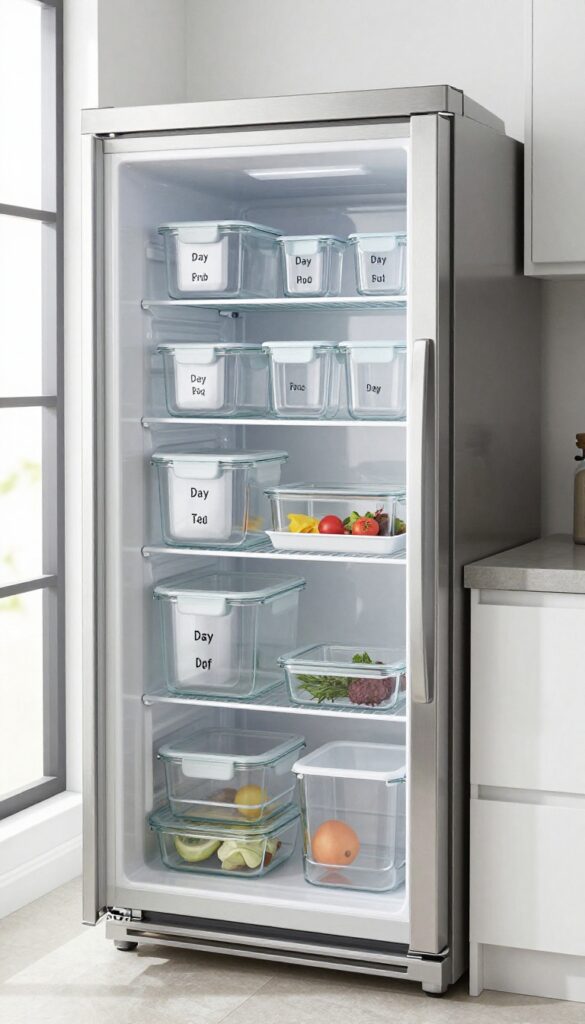
Leftovers often get pushed to the back and forgotten until they turn science experiments. Giving them a designated shelf with a clear label makes them impossible to ignore. This simple habit cuts down on food waste and saves you from buying duplicates of things you already have.
Pick one shelf—preferably at eye level—and claim it as your leftover zone. Use a dry-erase marker to write the date or day of the week directly on the glass shelf. When you add a new container, wipe the old date and update it.
This creates a visual cue that says "eat me first. " Pair the label with a small bin or tray to keep containers from sliding around. If you share the fridge, add initials or a simple code so everyone knows what’s up for grabs.
Choose The Right Shelf
The middle shelf is prime real estate because it’s at eye level. If your fridge has a deli drawer, that works too—just make sure it’s easy to open. Avoid the very bottom or door shelves, where temperature fluctuates and containers get hidden.
Labeling Materials That Work
Dry-erase markers write smoothly on glass and wipe off with a damp cloth. For plastic shelves, use a small dry-erase board or reusable sticker label. Avoid permanent markers—they’ll leave ghost stains.
Make It A Weekly Habit
Set a reminder to clear the leftover shelf every Sunday. Toss anything older than five days, and wipe the shelf clean. Then relabel it for the new week.
This keeps the system fresh and prevents buildup.
9. Add a Fridge Shelf Extender
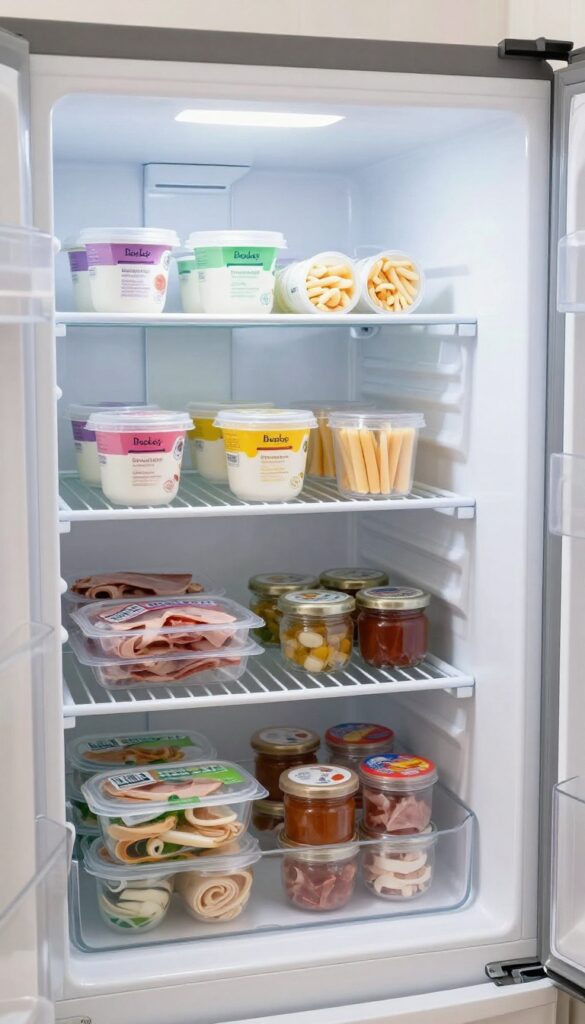
A shelf extender is one of the simplest upgrades you can make. It clips onto an existing shelf and creates an extra tier, doubling your usable surface area. This is perfect for stacking small containers, deli meat packs, or yogurt cups that would otherwise get lost in the back.
Shelf extenders are inexpensive and easy to install. They come in wire or plastic designs that fit most standard fridge shelves. You can use them to create a dedicated spot for frequently used items like cheese sticks, sauce packets, or small jars.
This keeps them visible and accessible, reducing the chance of forgotten leftovers.
Maximize Vertical Space
A shelf extender turns wasted vertical space into storage. Instead of piling items on top of each other, you get two organized layers. This is especially useful for narrow shelves where you can only fit one row of items.
Keep Small Items Visible
Small containers and packets often slide to the back and get forgotten. With a shelf extender, you can keep them at eye level. You'll always see what you have, which cuts down on food waste.
Easy To Clean And Adjust
Most shelf extenders are removable and dishwasher safe. You can reposition them as your fridge contents change. They don't require any tools or permanent modifications, making them ideal for renters.
FAQ
How do I organize a small apartment fridge?
Use clear bins, lazy Susans, and stackable organizers to maximize vertical space. Group similar items and label shelves to maintain order.
What is the best way to store condiments in a small fridge?
Use a lazy Susan in the door or on a shelf. This allows you to spin and find bottles quickly without moving everything.
Can I put a magnetic rack on the side of my fridge?
Yes, as long as the side is metal. Magnetic racks are great for spices or small tools, but avoid overloading to prevent scratching.
How do I prevent food from getting lost in the back of the fridge?
Use clear bins and rotate items regularly. Place newer items behind older ones so you use up what's already there.
Are fridge shelf extenders safe?
Yes, most are designed to hold lightweight containers. Ensure they are stable and don't block airflow to the back of the fridge.
Conclusion
A small fridge doesn't have to mean constant frustration. Pick one or two ideas that solve your biggest headache—like a lazy Susan for condiments or stackable bins for leftovers—and give them a try.
Small changes make a real difference in how you use your space. Before long, you'll stop playing fridge Tetris and start actually enjoying your organized kitchen.