20 Couch Cleaning Hacks for Spills and Everyday Grime
Your couch sees it all—spilled coffee, greasy fingerprints, pet accidents, and the mysterious crumbs from last night's snack. Instead of panicking or calling a pricey professional, you can tackle most messes with items already in your kitchen or laundry room.
These 20 couch cleaning hacks target everything from fresh spills to stubborn set-in stains, using simple techniques that actually work.
Each method is tailored to a specific problem, so you can stop scrubbing aimlessly and start seeing real results.
1. Blot, Don’t Rub – The Golden Rule of Spill Removal
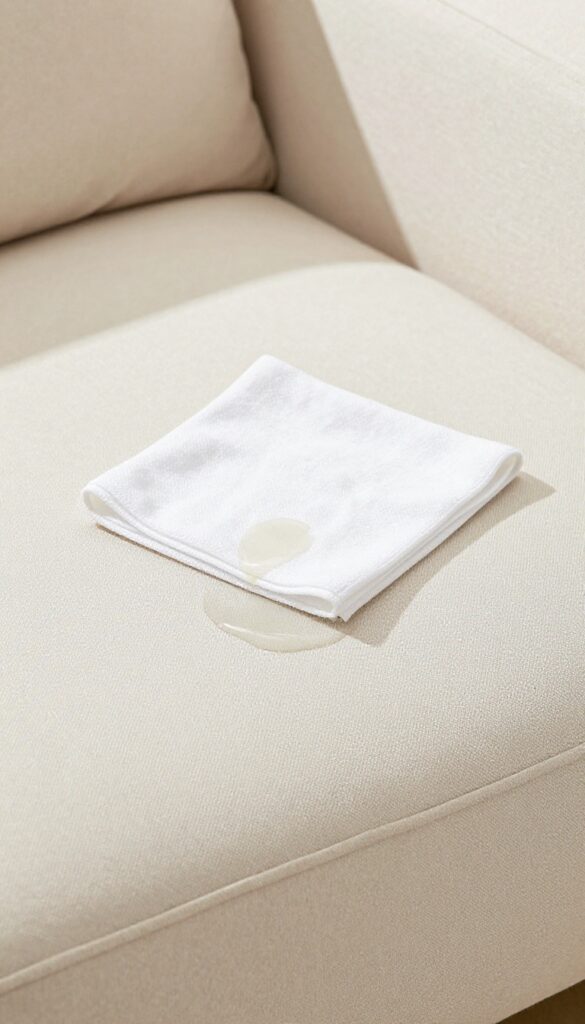
When a spill happens, your first instinct might be to grab a cloth and scrub. But that’s exactly what drives the stain deeper into the fabric. The key is to blot, not rub.
Blotting lifts the liquid out without forcing it into the cushion fibers. It’s the single most important rule for keeping your couch looking clean.
Why Rubbing Backfires
Rubbing spreads the spill and grinds it into the fabric. The friction breaks down fibers and makes the stain larger. Instead, use a clean, white cloth or paper towel.
Press down gently to absorb the liquid, working from the outer edge of the spill toward the center. This prevents the stain from spreading.
The Right Tools For Blotting
Always use a white cloth to avoid transferring dye onto your couch. Microfiber cloths work great because they’re absorbent and gentle. If you’re using paper towels, choose a thick, strong brand that won’t fall apart.
For large spills, layer several towels and apply light pressure.
When To Stop Blotting
Keep blotting until the cloth comes away nearly dry. If the stain remains, it’s time to move on to a cleaning solution. But never skip this step—blotting removes the bulk of the liquid, making the next cleaning step far more effective.
Patience here saves you from a bigger headache later.
2. Club Soda for Fresh Spills – Bubbles Lift Stains Naturally
Club soda isn't just for mixing drinks—it's a surprisingly effective stain fighter for your couch. The carbonation helps lift fresh spills from fabric fibers without the need for harsh chemicals. Keep a bottle handy in your pantry for quick spot treatment.
When a spill happens, grab a clean white cloth and a bottle of club soda. Pour a small amount directly onto the stain—enough to cover it but not soak the cushion. Let it fizz for about 10 seconds, then blot gently with the cloth.
Repeat until the stain lifts. Finish by dabbing with a dry towel to remove excess moisture.
Why Club Soda Works
The bubbles in club soda are carbon dioxide, which helps dislodge dirt and liquid from fabric fibers. The mild carbonic acid also breaks down some stains without damaging the upholstery. Unlike tap water, club soda leaves no mineral residue behind.
Best Spills For Club Soda
This hack works wonders on fresh spills like red wine, coffee, juice, and soda. It's also great for removing salt stains from winter boots if you accidentally sit on the couch with wet shoes. Avoid using it on grease or oil-based stains, as those need a different approach.
Blotting Technique Matters
Always blot—never rub. Rubbing pushes the stain deeper into the fibers and can damage the fabric. Use a light dabbing motion, rotating to a clean area of the cloth as you go.
If the stain is large, work from the edges toward the center to prevent spreading.
3. Dish Soap + Warm Water – The All-Purpose Stain Fighter
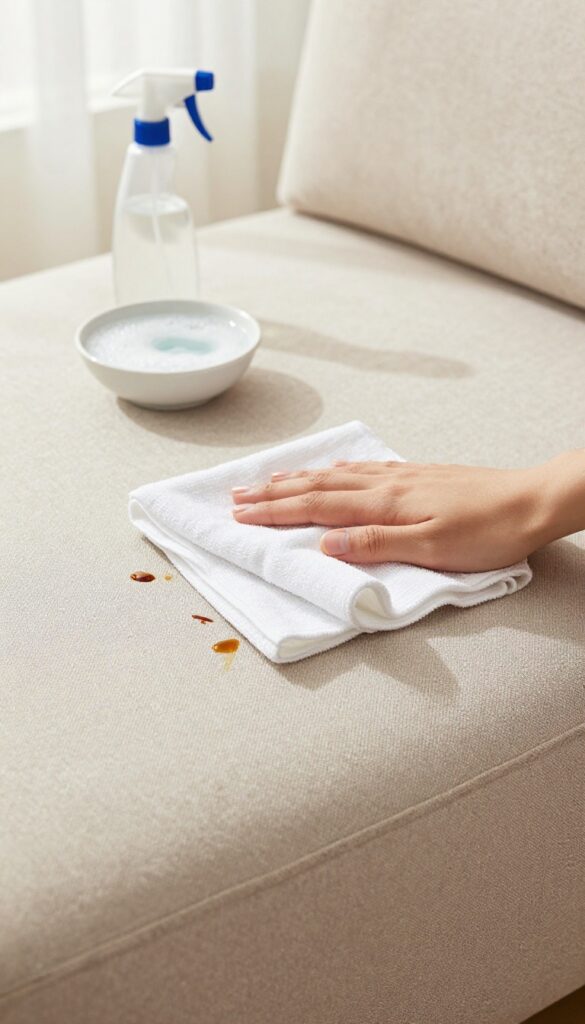
Sometimes the simplest solutions are the most effective. A few drops of mild dish soap mixed with warm water can tackle a surprising range of couch stains—from coffee spills to greasy food marks. This gentle yet powerful combo breaks down oils and lifts dirt without damaging most upholstery fabrics.
Keep a small spray bottle of this mixture handy for quick cleanups.
Why Dish Soap Works So Well
Dish soap is designed to cut through grease and food residue, making it ideal for couch stains caused by cooking oils, butter, or salad dressings. Its mild surfactants lift particles from fabric fibers without being harsh. Unlike harsh chemical cleaners, dish soap is safe for most upholstery and won't fade colors when used correctly.
How To Mix And Apply
Fill a bowl with one cup of warm water and add just a few drops of mild dish soap—avoid using too much, or you'll end up with excess suds. Stir gently to combine. Dip a clean white cloth into the solution, wring it out so it's damp not wet, and blot the stain starting from the outer edge moving inward.
Never scrub, as that can push the stain deeper. Continue blotting with a fresh area of the cloth until the stain lifts.
Rinsing And Drying
After treating the stain, it's important to remove any soap residue, which can attract dirt over time. Dampen a second cloth with plain water and blot the area to rinse. Then use a dry towel to absorb as much moisture as possible.
Let the cushion air dry completely before sitting on it. For faster drying, point a fan at the spot.
4. White Vinegar Solution for Set-In Stains
Some stains just won't budge no matter how much you scrub. That's where white vinegar comes in. This pantry staple cuts through grease, breaks down residue, and neutralizes odors without harsh chemicals.
For set-in stains, mix equal parts white vinegar and water in a spray bottle. Spray the stained area until damp, let it sit for five minutes, then blot with a clean cloth. The vinegar works to loosen the stain while the water dilutes it.
Repeat if needed, then let the spot air dry. The vinegar smell fades quickly, leaving your couch fresh.
Why Vinegar Works
White vinegar is acidic, which helps dissolve alkaline stains like coffee, wine, and pet urine. It also cuts through greasy grime and kills bacteria, making it a multi-purpose cleaner. Unlike bleach, it won't discolor most fabrics.
How To Apply Without Over-wetting
Over-wetting can lead to mold or cushion damage. Use a spray bottle to lightly mist the stain—don't soak it. Blot with a microfiber cloth, pressing firmly to absorb the liquid.
Work from the edges inward to prevent spreading.
When To Avoid Vinegar
Avoid vinegar on natural stone or silk upholstery, as the acid can etch or discolor. Always test on a hidden spot first. If the fabric is labeled water-sensitive, consider a dry cleaning method instead.
5. Baking Soda Paste for Grease and Oil Marks
Grease and oil stains are some of the trickiest to remove from upholstery. They tend to spread if you rub them, and most cleaners just push the oil deeper into the fabric. Baking soda offers a gentle but powerful solution that lifts oil without damaging the fibers.
Mix baking soda with a little water to form a thick paste—think peanut butter consistency. Spread it generously over the greasy spot and let it sit for at least 30 minutes, or overnight for stubborn marks. As the paste dries, it pulls the oil out of the fabric.
Once fully dry, simply vacuum up the residue. The stain should be noticeably lighter or completely gone. For extra tough spots, repeat the process or add a few drops of dish soap to the paste.
Why Baking Soda Works So Well
Baking soda is a natural absorbent. Its fine particles act like tiny sponges, drawing oil and grease to the surface. Unlike harsh chemical cleaners, it won't strip color or weaken fabric fibers.
It's also non-toxic, making it safe for homes with kids and pets.
Step-by-step Application
Start by blotting any excess oil with a paper towel—don't rub. Mix 3 parts baking soda to 1 part water to create a paste. Apply it in a thick layer over the stain, covering it completely.
Let it dry fully (this can take a few hours). Vacuum off the dried paste using a brush attachment. Check the spot; if any grease remains, repeat the process.
When To Add Dish Soap
For set-in or heavy grease stains, add a drop of liquid dish soap to the paste. Dish soap is designed to break down grease, giving the baking soda an extra boost. Just be sure to use a mild, dye-free soap to avoid leaving a new stain.
Test on a hidden area first to ensure the fabric doesn't react.
6. Rubbing Alcohol for Ink and Marker Stains
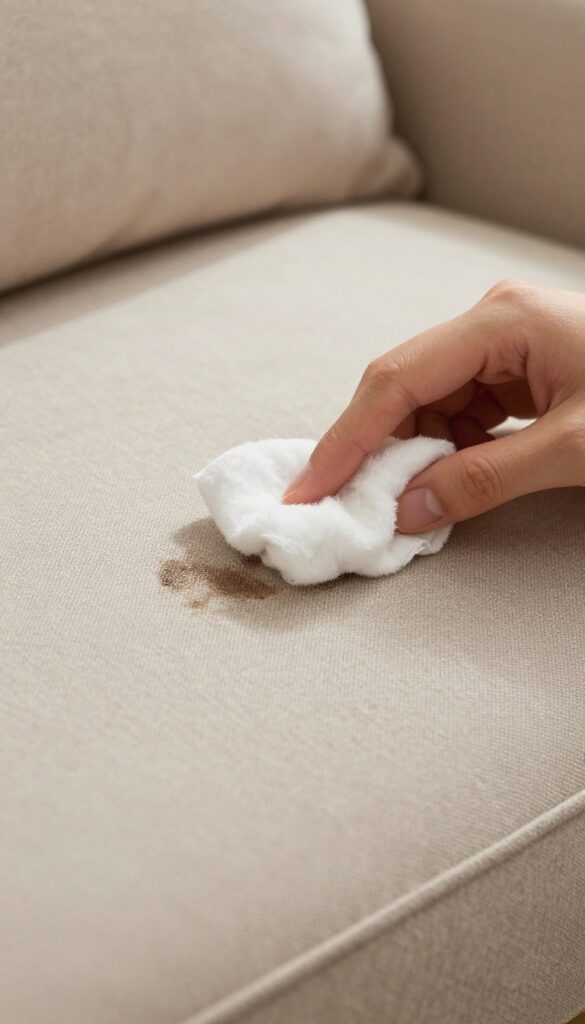
Ink and marker stains on your couch can feel like a disaster, especially if a pen explodes or a child gets creative. But don't worry—rubbing alcohol is your secret weapon. It breaks down the ink's pigments without damaging most upholstery fabrics, making removal surprisingly simple.
Dab rubbing alcohol on a cotton ball and gently press on the ink stain. Blot with a clean cloth. Repeat until the ink transfers away.
Why Rubbing Alcohol Works
Rubbing alcohol is a solvent that dissolves the dyes and polymers in ink, lifting them from the fabric fibers. It evaporates quickly, so it won't soak deep into the cushion, reducing the risk of spreading the stain.
Step-by-step Removal
First, test the alcohol on a hidden spot to check for colorfastness. Then, place a clean cloth under the stain if possible. Dab the alcohol onto the stain with a cotton ball, starting from the edges and working inward.
Blot with a dry cloth to transfer the ink. Repeat until no more ink comes off.
Tackling Dried Or Set-in Stains
For older stains, let the alcohol sit for a minute to soften the ink before blotting. You can also use a soft-bristled brush to gently agitate the area. For stubborn marks, repeat the process several times, allowing the fabric to dry between attempts.
7. Hydrogen Peroxide for Organic Stains (Blood, Vomit, Urine)
Organic stains like blood, vomit, or urine can be some of the toughest to remove from upholstery. They're protein-based, which means they set quickly and can leave behind odors if not treated properly. Hydrogen peroxide offers a simple, effective solution that breaks down these stains without harsh chemicals.
Hydrogen peroxide works by releasing oxygen bubbles that lift organic matter from fabric fibers. It's especially effective on fresh stains, but can also help with dried ones when applied correctly. Always use 3% hydrogen peroxide (the standard drugstore concentration) and test on a hidden area first, as it can lighten some fabrics.
For delicate materials like silk or wool, consider diluting with water or skipping this method altogether.
How To Apply Hydrogen Peroxide
Start by blotting up as much of the stain as possible with a clean cloth. Pour a small amount of 3% hydrogen peroxide directly onto the stain—enough to saturate it but not soak through to the cushion foam. Let it bubble for 5 to 10 minutes.
You'll see the stain begin to lift as the peroxide reacts. Blot the area with a dry cloth to absorb the liquid and stain residue. Repeat if necessary, then let the spot air dry completely.
Testing First Is Crucial
Hydrogen peroxide is a mild bleach, so it can lighten or discolor certain fabrics, especially dark or brightly colored upholstery. Before using it on a visible area, dab a small amount on an inconspicuous spot—like under a cushion or on the back of the couch. Wait 10 minutes and check for any color change or damage.
If the fabric looks fine, you're good to go. If not, try a different method like enzyme cleaners or club soda.
Dealing With Dried Or Set-in Stains
For older stains, you might need to let the hydrogen peroxide sit a bit longer—up to 15 minutes—and gently agitate the area with a soft brush or your fingers to help lift the stain. You can also mix hydrogen peroxide with a drop of dish soap for extra cleaning power. After treatment, blot well and allow to dry.
If the stain persists, repeat the process or consider using an enzyme-based cleaner designed for organic stains.
8. Enzyme Cleaner for Pet Accidents
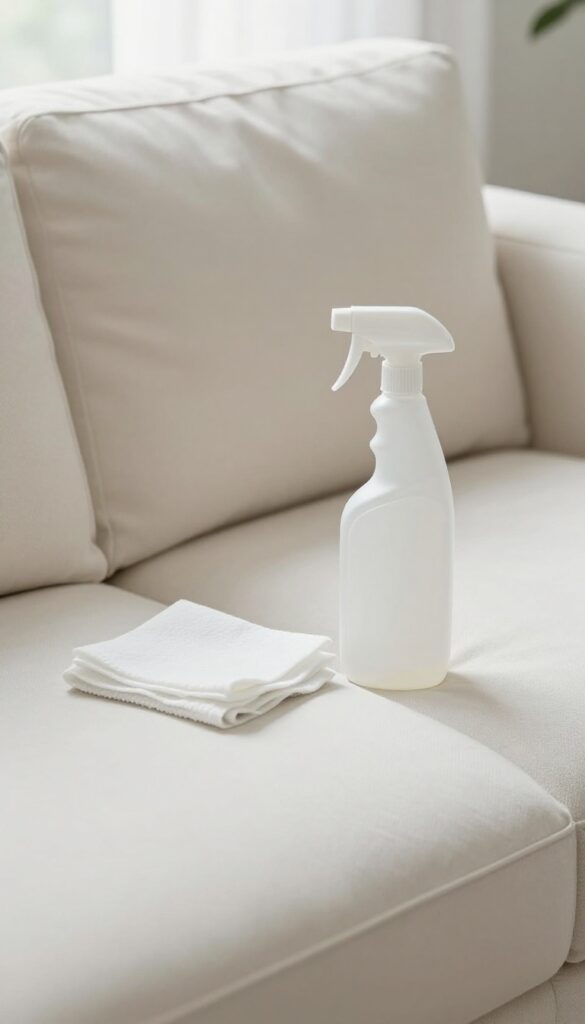
Pet accidents happen, and when they do, regular cleaners often fail to remove the odor completely. That's because urine and vomit contain proteins that standard soaps can't break down. Enzyme cleaners are specially formulated to digest these proteins, eliminating the smell at its source rather than just covering it up.
Why Enzymes Work Better
Enzyme cleaners contain beneficial bacteria that produce enzymes to break down organic matter. As the enzymes digest the proteins, they turn them into harmless byproducts that can be easily wiped away. This process continues as long as the cleaner is wet, so it's important to keep the area moist for the recommended time.
How To Apply Enzyme Cleaner
First, blot up as much of the accident as possible with paper towels. Then spray the enzyme cleaner generously onto the stain, making sure to saturate the area. Let it sit for the time specified on the label—usually 10 to 15 minutes.
After that, blot the area dry with a clean cloth. Avoid scrubbing, which can push the stain deeper into the fibers.
Tips For Stubborn Odors
For old or set-in stains, you may need to repeat the process a few times. After the first application, let the area dry completely, then check for any remaining smell. If needed, apply the cleaner again and let it sit longer.
Also, consider using a black light to find hidden spots that may still be causing odor.
9. Steam Cleaning with a Garment Steamer
Your couch collects dust, allergens, and odors over time, even if it looks clean. A handheld garment steamer can refresh the fabric and kill dust mites without harsh chemicals. It's a gentle, effective way to deep clean between professional treatments.
Why Steam Works
Steam penetrates fabric fibers, loosening dirt and killing dust mites and bacteria. The heat also helps lift set-in odors. It's especially good for synthetic blends and cotton upholstery.
How To Steam Safely
Fill your steamer with distilled water to avoid mineral deposits. Hold the steamer head a few inches from the fabric and move it slowly in overlapping passes. Don't saturate the cushion—steam until damp, not wet.
Let the couch dry completely before sitting on it.
Best Fabrics For Steaming
Steam works well on polyester, microfiber, cotton, and linen blends. Avoid steaming delicate fabrics like silk, velvet, or untreated leather. Always test on an inconspicuous area first.
10. Vacuuming with an Upholstery Attachment – Weekly Maintenance
Most people think vacuuming is just for floors, but your couch collects just as much debris. Dust, crumbs, pet hair, and even dead skin cells settle into the fabric every day. A quick weekly vacuum with the right attachment keeps your sofa looking fresh and prevents grime from building up over time.
Why The Upholstery Tool Matters
The upholstery attachment is designed to be gentle on fabric while still lifting debris. Unlike the standard floor head, it won't snag threads or push dirt deeper into the fibers. Use it with a soft brush attachment for delicate materials like velvet or microfiber.
Don't Forget The Crevices
Crumbs and dust love to hide in the seams and corners of your couch. Use the crevice tool to get into tight spaces along the armrests, between cushions, and around the base. This is where most of the hidden grime accumulates.
Under The Cushions
Remove all cushions and vacuum underneath them. This area collects everything from loose change to pet hair and can become a breeding ground for dust mites if ignored. Do this every week to keep allergens low and your couch smelling clean.
11. Lint Roller for Quick Pet Hair Pickup
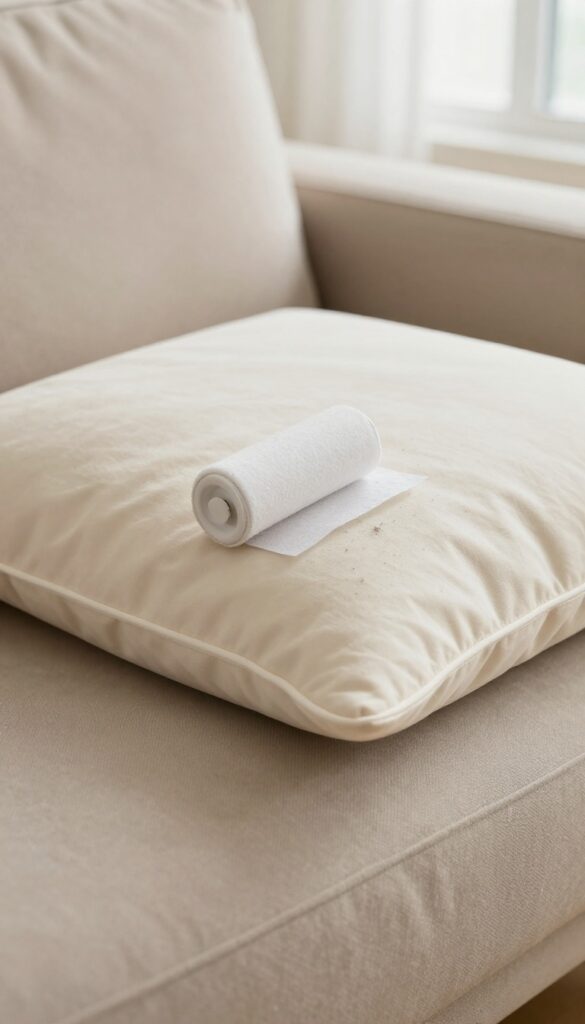
Pet hair on the couch is a constant battle, but you don't always need to haul out the vacuum. A simple lint roller can be your best friend for a fast touch-up between deep cleans. It grabs hair, dust, and crumbs from cushions and arms in seconds, leaving your couch looking fresh with minimal effort.
Keep a lint roller in your couch-side basket or end table drawer for quick access. When you see a patch of fur or a dust bunny, just roll it over the area. The adhesive sheets pick up even the finest hairs that vacuums sometimes miss.
For extra stubborn hair, use a few passes in different directions. Replace the sheet when it loses stickiness. This hack is especially handy before guests arrive or when you want a quick refresh without noise or setup.
Best Lint Rollers For Upholstery
Not all lint rollers are created equal. For couch use, choose one with a wide roller (at least 4 inches) to cover more surface area quickly. Look for extra-sticky sheets designed for pet hair—they last longer and grab more.
Some brands offer reusable lint rollers that you rinse clean, but disposable ones are more convenient for a quick swipe.
When To Use A Lint Roller Vs. Vacuum
A lint roller is ideal for small, visible patches of hair or dust between vacuuming. It's also great for delicate fabrics where a vacuum brush might snag. But for a thorough clean, especially if your pet sheds heavily, stick with a vacuum that has an upholstery attachment.
Use the roller daily for touch-ups and vacuum weekly for deeper cleaning.
Lint Roller Alternatives For Pet Hair
If you run out of lint roller refills, a damp rubber glove or a squeegee works surprisingly well. Just rub your gloved hand over the fabric in one direction to gather hair into clumps. A stiff-bristled brush also lifts hair from woven fabrics.
But for convenience, nothing beats a lint roller's portability and ease.
12. Dryer Sheets to Reduce Static and Freshen Fabric
Static cling on your couch isn't just annoying—it attracts dust and pet hair, making your upholstery look dirty faster. A simple dryer sheet can fix that in seconds. Plus, it leaves behind a light, fresh scent without any harsh chemicals.
This trick works best on fabric sofas and is a great quick refresh between deep cleans.
How It Works
Dryer sheets contain antistatic agents that neutralize electric charges on fabric. When you rub one over your couch, it reduces static cling so dust, hair, and lint won't stick as easily. The sheet also deposits a thin layer of fragrance, leaving your couch smelling laundry-fresh.
Best Fabrics To Use It On
This hack works well on cotton, polyester blends, microfiber, and most synthetic upholstery. Avoid using dryer sheets on delicate fabrics like silk, velvet, or leather, as the chemicals may leave a residue or cause discoloration. Always test on an inconspicuous spot first.
Step-by-step Quick Fix
Grab a used or new dryer sheet. Rub it gently over the entire surface of the couch, focusing on areas that attract static, like the back and seat cushions. For extra freshness, you can tuck a sheet under the cushions or behind the backrest.
Replace it every few days to maintain the effect.
13. Fabric Softener + Water Spray for Wrinkle Release
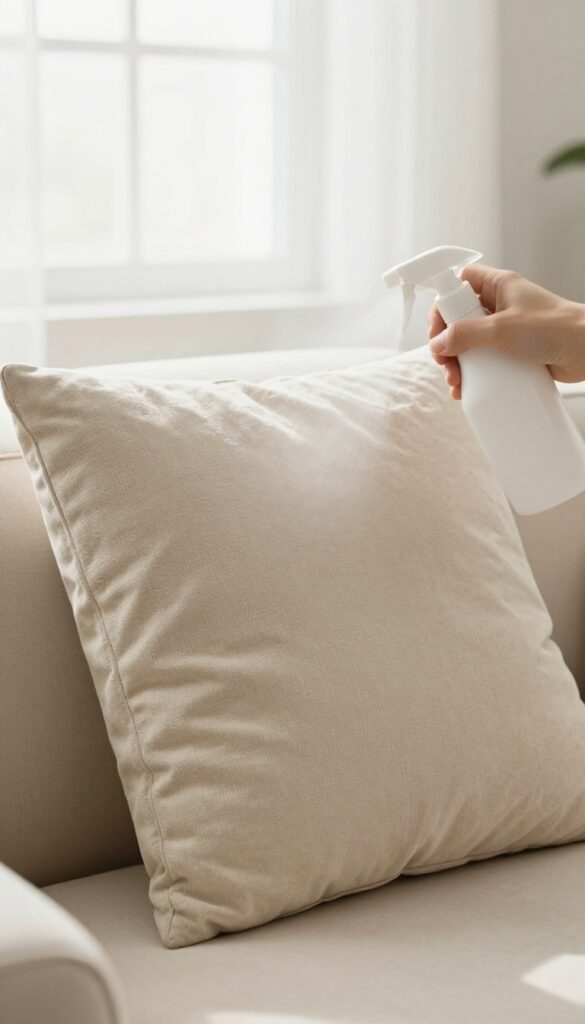
Wrinkles on couch cushions can make even a clean sofa look messy. But you don't need a steamer or iron to smooth things out. A simple mix of fabric softener and water works like a charm.
Mix one tablespoon of fabric softener with water in a spray bottle. Lightly mist the wrinkled areas until damp but not soaked. Gently smooth the fabric with your hand, and watch the fibers relax.
The softener reduces static and helps the material settle flat. Let it air dry, and your cushions will look fresh again.
Why This Works
Fabric softener contains surfactants that coat fibers, reducing friction and allowing them to slide back into place. The water adds moisture, which helps the fibers relax without heat. It's a gentle method safe for most upholstery.
Best Fabrics To Use It On
This hack works best on cotton, linen, polyester blends, and microfiber. Avoid using it on delicate fabrics like silk or velvet, as the softener may leave residue or cause discoloration. Always test on a hidden spot first.
Pro Tips For Best Results
Don't oversaturate—a light mist is enough. For stubborn wrinkles, gently stretch the fabric while smoothing. If you see white residue, you used too much softener; dilute more next time.
Fluff cushions after drying for extra crispness.
14. Cornstarch for Greasy Headrests and Armrests
Body oils from your hair, neck, and hands gradually build up on the spots you touch most. That greasy sheen on headrests and armrests doesn't need harsh chemicals—cornstarch works like a dry shampoo for your couch.
Sprinkle a generous layer of cornstarch over the oily areas and let it sit for 15 minutes. The powder absorbs the grease without wetting the fabric. Then simply vacuum it up with the upholstery attachment.
Repeat if the spot still feels slick.
Why Cornstarch Works
Cornstarch is a fine, absorbent powder that pulls oil out of fabric fibers without pushing it deeper. Unlike liquid cleaners, it won't leave water rings or damage delicate upholstery. It's safe for most fabrics—just test on a hidden area first.
Best Fabrics For This Hack
This method shines on microfiber, cotton, and polyester blends. Avoid using cornstarch on velvet or suede, where the powder can get trapped in the nap. For those materials, a gentle vacuum with a soft brush attachment is safer.
Pro Tip For Stubborn Spots
If the grease has been sitting for a while, let the cornstarch sit for up to 30 minutes. You can also gently rub it into the fabric with your fingers before waiting. After vacuuming, a quick once-over with a dry cloth buffs away any residue.
15. Shaving Cream for Upholstery Stains (Surprisingly Effective)
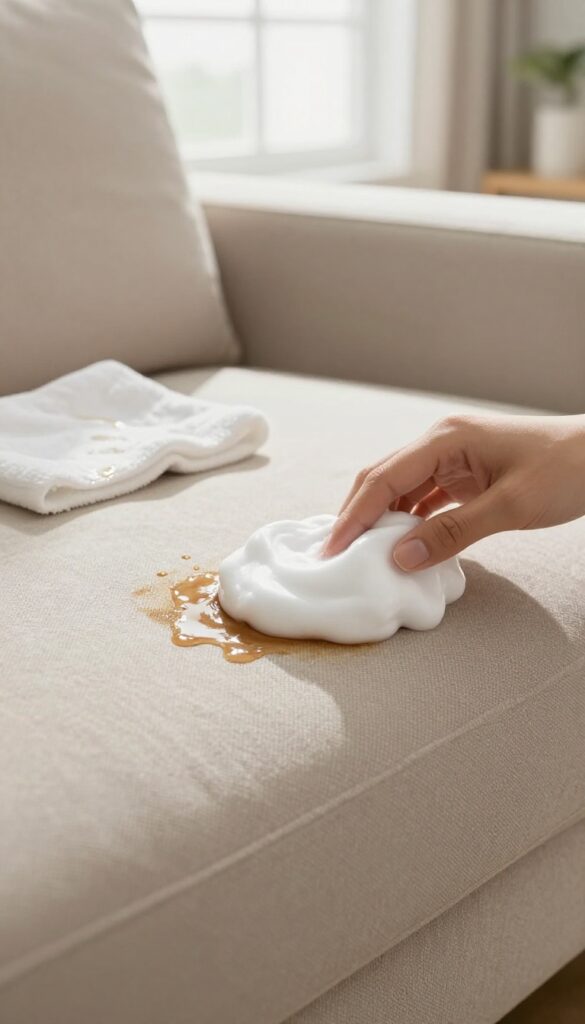
Shaving cream isn't just for your morning routine—it's a surprisingly effective stain remover for fabric sofas. The foam lifts dirt and grease without soaking the cushion, making it perfect for mixed-fiber upholstery. Best of all, you probably already have a can in your bathroom.
To use shaving cream on upholstery stains, start by blotting any excess liquid or debris from the stain. Apply a small amount of plain white shaving cream (not gel) directly onto the stain. Gently rub the foam into the fabric using a damp, clean cloth, working from the outside of the stain inward to avoid spreading.
Let it sit for 5–10 minutes, then wipe away the foam with a fresh damp cloth. Repeat if necessary, then blot dry with a towel. This method works wonders on stains from coffee, wine, ink, and even grass.
Why Shaving Cream Works
Shaving cream contains surfactants that break down oils and lift dirt from fabric fibers. Its foamy texture allows it to penetrate stains without soaking the cushion padding, reducing the risk of mold or mildew. Unlike harsh chemical cleaners, shaving cream is gentle on most upholstery fabrics.
Best Stains To Try It On
This hack is especially effective on fresh organic stains like coffee, tea, wine, and fruit juice. It also handles greasy marks from food or body oils. For set-in stains, let the foam sit a bit longer and gently scrub with a soft-bristled brush before wiping.
Fabric Compatibility Tips
Always test shaving cream on an inconspicuous area first, especially on delicate fabrics like silk or velvet. It works best on cotton, polyester blends, and microfiber. Avoid using on untreated leather or suede.
If the fabric is labeled water-only or dry-clean only, skip this method.
16. Ice Cube Trick for Dents from Heavy Furniture
Heavy furniture can leave stubborn dents in your couch cushions that ruin the smooth look of your sofa. Before you assume the foam is permanently damaged, try this simple trick using ice cubes. It's a low-effort fix that uses moisture to help the cushion fibers bounce back.
Place an ice cube directly on the dented area and let it melt slowly. As the ice melts, the water seeps into the foam, causing the fibers to swell and plump up. Once the ice has fully melted, blot any excess water with a clean towel, then use your fingers to gently fluff the area.
Allow the cushion to air dry completely before putting any weight on it. This method works best on foam cushions and can revive even deep dents with minimal effort.
Why Ice Works On Foam Cushions
Foam cushions are made of polyurethane, a material that compresses under pressure but can regain shape when exposed to moisture. The ice cube provides a slow, controlled release of water that hydrates the foam fibers, helping them expand back to their original form. It's a gentle approach that avoids the risk of over-wetting or damaging the fabric.
Step-by-step: How To Do It Right
Start by placing one or two ice cubes directly in the dent. Let them melt naturally—don't press or rub. After about 30 minutes, check if the dent has lifted.
If not, add another cube. Once the dent is gone, blot up any standing water with a dry cloth. Use your fingers to fluff the cushion fibers gently, then let it air dry completely before sitting on it.
When To Skip This Trick
Avoid using ice on cushions with sensitive fabrics like velvet or silk, as water can leave watermarks or damage the texture. Also, skip this method if your cushion has a zipper and the foam is removable—you can simply rotate or replace the foam instead. For non-removable foam, the ice cube trick is a safe and effective option.
17. Sunlight for Natural Stain Bleaching and Odor Removal
Before you reach for harsh chemicals, consider the power of sunlight. UV rays are nature's bleach and deodorizer, and they work wonders on couch cushions. On a sunny day, move your cushions or even the entire sofa outside for a few hours—just check the weather first.
Direct sunlight helps fade stubborn stains like coffee, juice, or pet accidents. It also kills bacteria and mold spores that cause musty smells. This method is especially effective for light-colored fabrics, but be cautious with dark upholstery as prolonged exposure may cause fading.
Always test a small hidden area first.
How Long To Leave Cushions In The Sun
Aim for 2–4 hours of direct sunlight. Rotate the cushions halfway through to ensure even exposure. If you can't move the whole couch, just take the cushions outside.
For fixed cushions, open curtains wide and let the sun stream in.
Best Fabrics For Sun Bleaching
Cotton, linen, and polyester blends respond well to sunlight. Avoid using this method on silk, wool, or delicate synthetics. For microfiber, test a small spot first—it can handle sun but may fade over time.
Combining Sunlight With Other Treatments
For extra stain-fighting power, spray the stain with a mixture of equal parts white vinegar and water before placing in the sun. The vinegar helps lift the stain while UV rays finish the job. Just be sure to rinse or blot afterward to avoid a vinegar smell.
18. Slipcovers – The Ultimate Prevention Hack
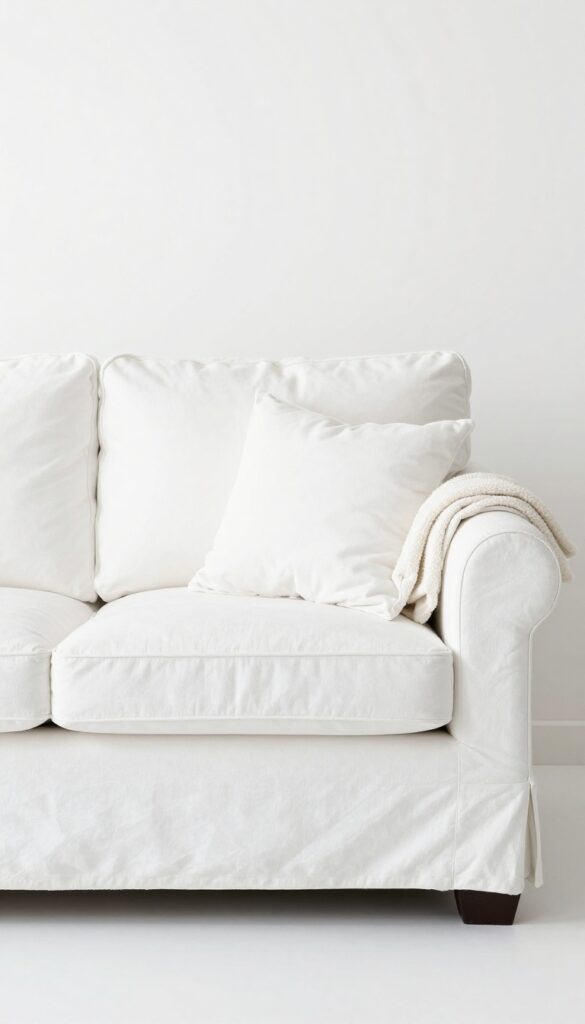
Slipcovers are the unsung heroes of couch maintenance. They act as a sacrificial layer, taking the brunt of spills, dirt, and daily wear so your actual upholstery stays pristine. Best of all, they’re completely removable and machine-washable, making cleanup as simple as tossing them in the laundry.
Invest in washable slipcovers to protect your couch from spills and wear. They’re easy to remove, machine wash, and put back on. This one purchase can save you hours of spot-cleaning and extend the life of your sofa significantly.
Choosing The Right Fabric
Look for slipcovers made from durable, pre-shrunk cotton or polyester blends. Avoid delicate fabrics like silk or linen that can’t handle frequent washing. A tight-weave material repels liquids better and holds up to repeated cycles.
Installation Tips For A Snug Fit
A loose slipcover looks sloppy and shifts around. Tuck excess fabric firmly into crevices, and use foam noodles or pool noodles along the back and seat cracks to keep everything in place. Many slipcovers come with elastic straps or ties—use them.
Washing And Drying Without Shrinkage
Always follow the care label, but a good rule is to wash in cold water on a gentle cycle and tumble dry on low. Remove the slipcover while slightly damp and put it back on the couch—it will stretch and smooth out as it dries.
19. Regular Rotation of Cushions for Even Wear
Your couch cushions take a beating every single day. The spot where you always sit starts to sag, while the corner cushion stays plump and new. Rotating and flipping your cushions every few months is one of the easiest ways to keep your sofa looking uniform and feeling comfortable for years longer than expected.
Most people forget about cushion rotation until they notice a permanent dent. By then, the foam has already lost its shape. A simple schedule—flip them over and rotate their positions every three to four months—distributes the pressure evenly.
This prevents sagging, keeps the fabric color from fading unevenly, and extends the life of your cushions without any special tools or products.
Why Rotation Matters
Cushions are filled with foam, fiber, or springs that compress over time. The seat you use most gets flattened, while the one under the throw pillow stays firm. Rotating swaps the wear patterns, so all cushions age at the same rate.
This also helps the fabric fade evenly, especially if your couch sits near a window.
How To Rotate Properly
Start by removing all cushions. Flip them over so the bottom becomes the top. Then swap their positions—move the left cushion to the right, and the right to the left.
If your cushions are reversible, you can also rotate them 180 degrees. For sofas with attached backs, focus on the seat cushions only.
Set A Reminder
It's easy to forget, so tie it to a seasonal event. Rotate cushions when you change your clocks for daylight saving time, or at the start of each new season. Mark it on your calendar or set a phone reminder.
Consistency is the key to even wear.
20. Professional Cleaning Once a Year – When DIY Isn’t Enough
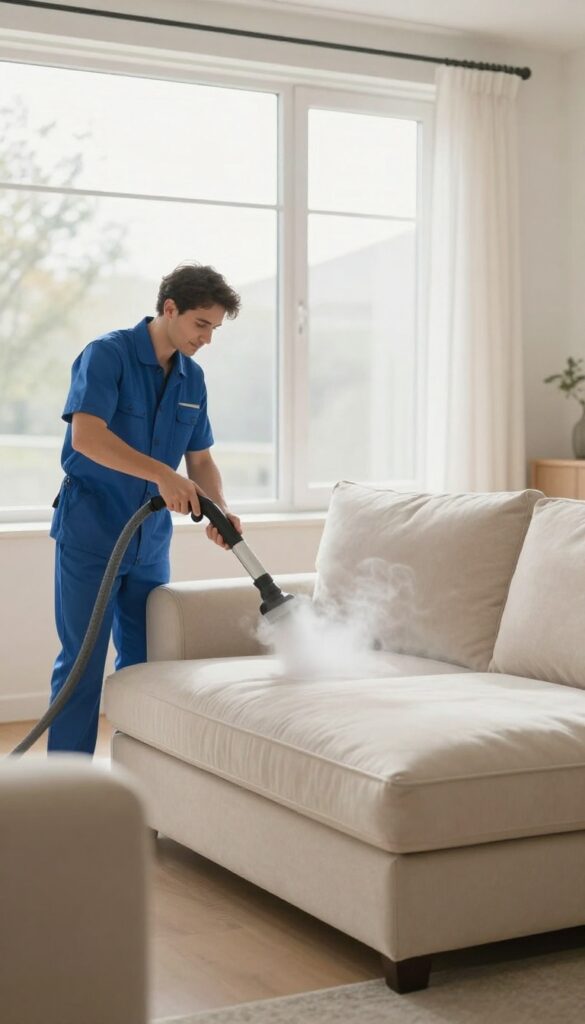
No matter how diligent you are with spot cleaning and vacuuming, some dirt settles deep into the cushion foam and fabric fibers. Over time, body oils, dust mites, and allergens accumulate beyond what household methods can remove. That’s where a professional steam cleaning once a year makes all the difference.
It’s not an admission of defeat—it’s a smart investment that keeps your couch looking and smelling fresh for years.
Annual professional cleaning targets the grime that builds up below the surface. Hot water extraction (steam cleaning) uses high-pressure water and a cleaning solution to flush out embedded dirt, then extracts everything with a powerful vacuum. This process removes allergens, kills dust mites, and lifts stains that have set in over time.
Many services also offer fabric protection treatments that repel future spills. The cost is usually between $100 and $300 depending on couch size and location—far less than replacing a stained, worn-out sofa. Schedule it for a dry, warm day so the couch can fully air out before you use it again.
What Professional Cleaning Actually Does
Steam cleaning doesn’t just wet the surface—it forces hot water and detergent deep into the cushion foam and fabric backing. The suction then pulls out the dirty water along with dissolved oils, bacteria, and fine particles. This is something a handheld upholstery cleaner can’t replicate because consumer machines lack the heat and suction power.
The result is a deeper clean that also deodorizes without leaving a chemical residue.
How Often Should You Go Pro?
For most households, once a year is plenty. But if you have pets, kids, or allergies, consider twice a year—once in spring to clear winter buildup and once in fall before holiday entertaining. High-traffic areas like the seat cushions may need more frequent attention, but a full professional cleaning can refresh the entire couch evenly.
Prepping For The Appointment
Remove all cushions, pillows, and throw blankets. Vacuum the couch thoroughly to pick up loose dirt and pet hair. Point out any stubborn stains to the technician so they can pretreat them.
Clear a path for the equipment and make sure the couch can dry completely afterward—usually 6 to 12 hours. Open windows or run a fan to speed drying and prevent mildew.
FAQ
Can I use bleach on my couch to remove stains?
Bleach is too harsh for most upholstery fabrics and can cause discoloration or damage. Stick to mild cleaners like dish soap, vinegar, or hydrogen peroxide, and always test on a hidden area first.
How often should I clean my couch?
Vacuum weekly and spot-clean spills immediately. Deep clean every 3-6 months with a steam cleaner or upholstery shampoo. For high-traffic sofas, consider professional cleaning once a year.
What’s the best way to remove pet hair from a couch?
Use a lint roller, rubber glove (dampened), or a vacuum with an upholstery attachment. For stubborn hair, try a squeegee or a pet hair removal brush.
How do I get a red wine stain out of my couch?
Blot the spill immediately, then pour club soda or white wine on it to dilute. Blot again, then apply a mixture of dish soap and hydrogen peroxide. Rinse and blot dry.
Is it safe to use a steam cleaner on all couch fabrics?
Not all fabrics are steam-safe. Check the manufacturer’s label. Steam is generally safe for cotton, linen, and synthetic blends, but avoid it on silk, velvet, or delicate fabrics.
Conclusion
You don't need a professional cleaner to keep your couch looking its best. These 20 hacks rely on common household items and a little elbow grease. Start with the most noticeable stains and work your way through the list.
Your sofa will feel fresher, smell better, and hold up longer against daily wear. Pick one or two tricks to try this weekend—you'll see real results without the hassle.