15 Carpet Cleaning Solution Ideas for Tough Stains
That stubborn red wine stain on your beige carpet feels like a disaster, but you don't need to panic. Most tough stains—from grease to pet urine—can be tackled with ingredients already in your pantry.
These 15 carpet cleaning solutions target specific problems, so you can stop scrubbing blindly and start seeing real results.
Whether it's a fresh spill or an old set-in mark, there's a method here that actually works without harsh chemicals.
1. White Vinegar and Water for General Stains
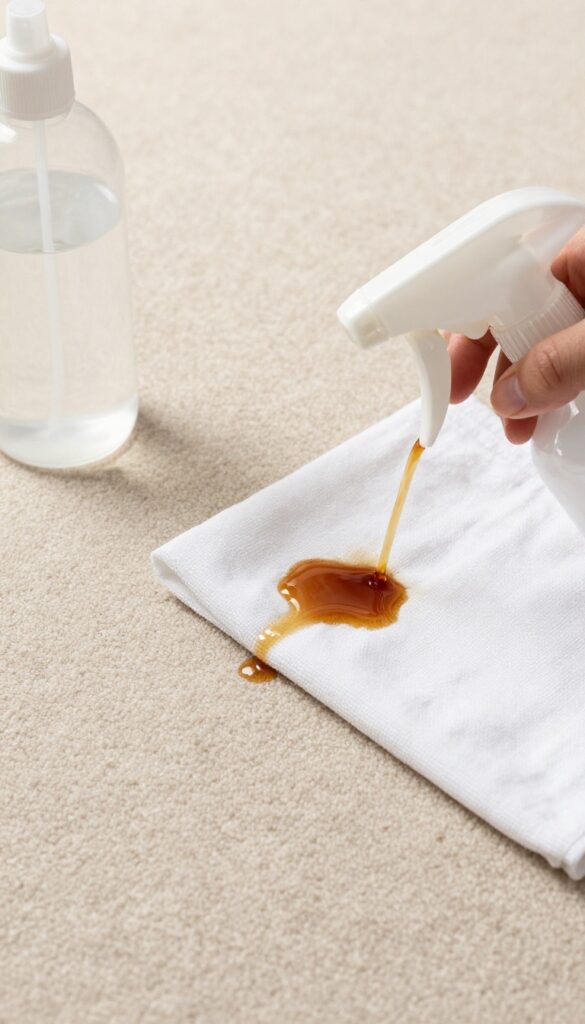
White vinegar is a powerhouse when it comes to breaking down all sorts of everyday stains. It’s acidic enough to lift coffee, juice, and even some wine spills without damaging your carpet fibers. Best of all, it’s cheap and probably already in your kitchen cabinet.
Mix equal parts white vinegar and water in a spray bottle. Spray the stain generously, let it sit for a few minutes, then blot with a clean cloth. Repeat until the stain lifts.
For older stains, let the solution sit for up to 15 minutes before blotting. Avoid scrubbing, which can push the stain deeper. Rinse with a little water and blot dry.
Why Vinegar Works So Well
Vinegar is a mild acid that neutralizes alkaline stains like coffee and juice. It also cuts through grease and deodorizes, making it a versatile first-line treatment. Plus, it’s safe for most carpet types, including synthetic fibers.
Best Stains For This Method
This solution is perfect for fresh spills of coffee, tea, fruit juice, soda, and light wine. It also works on mud and some food stains. For tougher stains like red wine or grease, you might need a stronger approach, but vinegar is a great starting point.
Tips For Best Results
Always test on an inconspicuous area first. Use a white cloth to blot so you can see if color transfers. Don’t oversaturate the carpet—damp is enough.
After cleaning, place a dry towel over the area and weigh it down to absorb remaining moisture.
2. Baking Soda Paste for Grease and Oil
Grease and oil stains from cooking spills or lotions can be tricky because they repel water. Baking soda is your go-to for these because it's a natural absorbent that lifts the oil right out of the carpet fibers. The key is letting it sit long enough to do its job.
Mix baking soda with a little water to form a thick paste. Spread it over the grease stain and let it sit for 15 minutes. Once dry, vacuum up the residue.
For stubborn spots, repeat the process or let the paste sit longer. This method works best on fresh stains but can also help with older ones if you gently scrape off excess grease first.
Why Baking Soda Works
Baking soda is alkaline and has a granular structure that attracts and absorbs oils. It doesn't just sit on top—it pulls the grease from deep within the carpet fibers. Plus, it's gentle enough for all carpet types.
Tips For Best Results
Always blot up as much grease as possible before applying the paste. Use a butter knife or spoon to lift off solid grease. Let the paste dry completely—rushing it reduces effectiveness.
After vacuuming, check the spot; if a shadow remains, repeat.
When To Avoid This Method
Don't use baking soda paste on silk or wool carpets without testing first, as the alkaline nature can affect delicate fibers. Also, avoid it on water-sensitive stains like ink or food coloring, as it may set them further.
3. Dish Soap and Hydrogen Peroxide for Red Wine
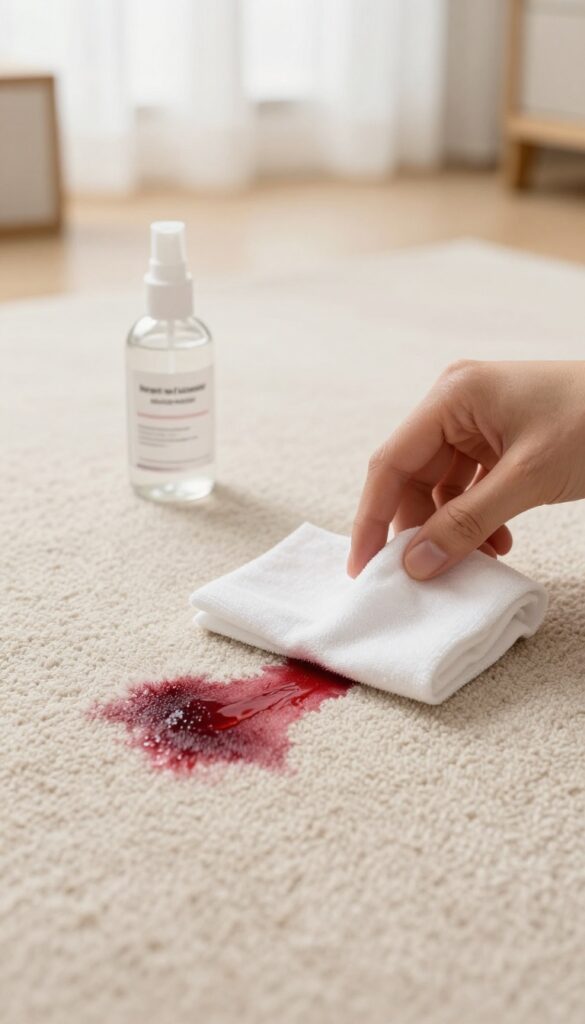
Red wine on carpet is a classic panic moment, but this simple duo works like magic. The hydrogen peroxide oxidizes the wine pigments while the dish soap lifts the stain from the fibers. It's gentle enough for most carpets but tough on the darkest spills.
Why This Combo Works
Hydrogen peroxide breaks down the anthocyanins that give red wine its color, turning them colorless. Dish soap acts as a surfactant, helping the peroxide penetrate deep into the carpet fibers and suspending the stain particles so they can be blotted away.
Step-by-step Application
Mix 2 tablespoons of 3% hydrogen peroxide with 1 tablespoon of clear dish soap. Test on an inconspicuous spot first. Apply the solution directly to the stain, letting it bubble for 5-10 minutes.
Blot with a clean white cloth—don't rub—until the stain lifts. Rinse with cold water and blot dry.
Safety And Precautions
Always test on a hidden area because hydrogen peroxide can bleach some carpets. Avoid using on wool or silk rugs. For older stains, you may need to repeat the process.
Keep pets and kids away until the carpet is fully dry.
4. Club Soda for Fresh Spills
Club soda isn't just for mixing drinks—it's a surprisingly effective carpet cleaner, especially for fresh spills. The carbonation in club soda helps lift stains from carpet fibers without the need for harsh chemicals. It works best on water-soluble stains like wine, coffee, juice, or soda, and it's gentle enough for most carpet types.
When a spill happens, time is your enemy. Grab a bottle of club soda and pour it directly onto the stain, making sure to saturate the area. Let it fizz for a few seconds—that's the carbonation doing its job, loosening the stain from the fibers.
Then, blot with a clean, dry cloth, working from the outside in to prevent spreading. Repeat the process until the stain is gone. Avoid rubbing, as that can push the stain deeper into the carpet.
Why Club Soda Works
The magic is in the bubbles. Club soda contains carbonic acid, which creates a fizzy reaction that helps break down and lift stains from carpet fibers. Unlike plain water, the carbonation helps separate the stain particles from the fabric, making them easier to blot away.
Plus, it's non-toxic and safe for pets and kids.
Best Stains For Club Soda
Club soda is most effective on fresh, water-based spills. Think red wine, coffee, tea, fruit juice, soda, and even mud. It's less effective on oil-based stains like grease or butter, so save it for the wet messes.
The key is to act fast—the sooner you treat the spill, the better the results.
Step-by-step Blotting Technique
Start by pouring club soda directly on the stain until it's fully saturated. Let it sit for 30 seconds to a minute. Then, place a clean white cloth or paper towel over the area and press down firmly to absorb the liquid.
Lift the cloth—you should see the stain transferring. Repeat with fresh cloths until no more color comes up. Finish by blotting with a dry cloth to remove excess moisture.
5. Salt for Red Wine and Berry Stains
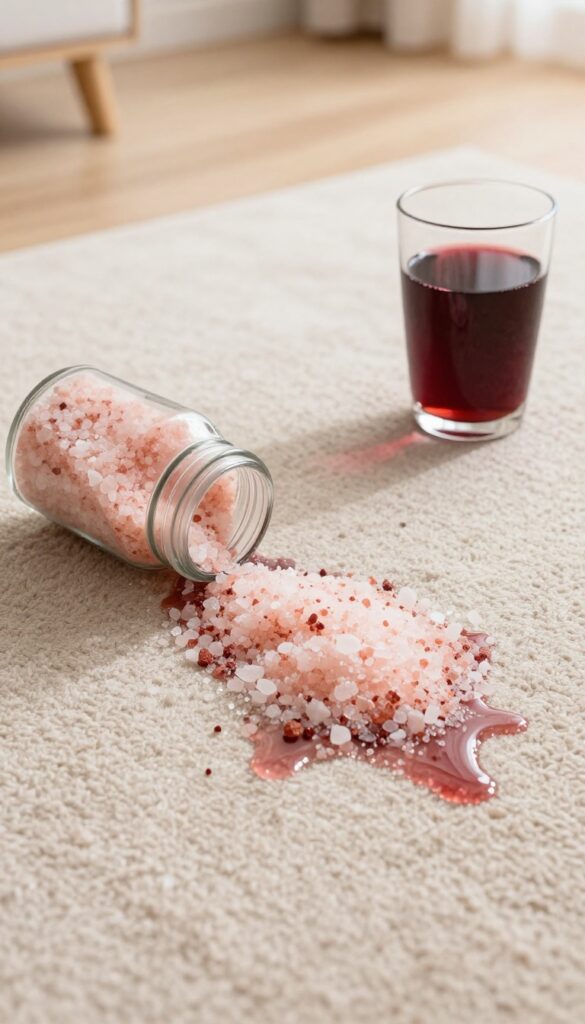
Salt is one of those pantry staples that pulls double duty in carpet cleaning. It's especially effective on fresh red wine and berry stains because it absorbs the liquid before it sets. The key is to act fast and use enough salt to soak up the spill completely.
When a red wine or berry stain happens, grab the salt shaker. Pour a generous layer directly onto the stain, making sure it's completely covered. Let the salt sit for about 10 minutes—it will start to absorb the liquid and turn pink or red.
Then vacuum up the salt. If any stain remains, follow up with a vinegar solution (1 part white vinegar to 2 parts water) dabbed on the spot. Blot with a clean cloth until the stain lifts.
This method works best on fresh stains, so don't wait.
Why Salt Works So Well
Salt is a natural desiccant—it pulls moisture out of fabrics and into its crystals. For liquid stains like wine or berry juice, this absorption prevents the pigment from bonding with carpet fibers. The coarser the salt, the better the absorption, so table salt or kosher salt both work fine.
Step-by-step: Fresh Red Wine Spill
Blot the excess wine with a paper towel first to remove as much liquid as possible. Pour a thick layer of salt over the stain, covering it completely. Wait 10 minutes.
Vacuum the salt. If a faint mark remains, mix 1 tablespoon of white vinegar with 2 tablespoons of water and dab it onto the spot. Blot with a dry cloth until the stain disappears.
What About Old Or Dried Stains?
Salt alone won't work on set-in stains because the liquid has already dried. For older stains, try a paste of salt and white vinegar. Apply the paste to the stain, let it sit for 15 minutes, then scrub gently with a soft brush and blot.
Rinse with water and blot dry.
6. Cornstarch for Greasy Food Spills
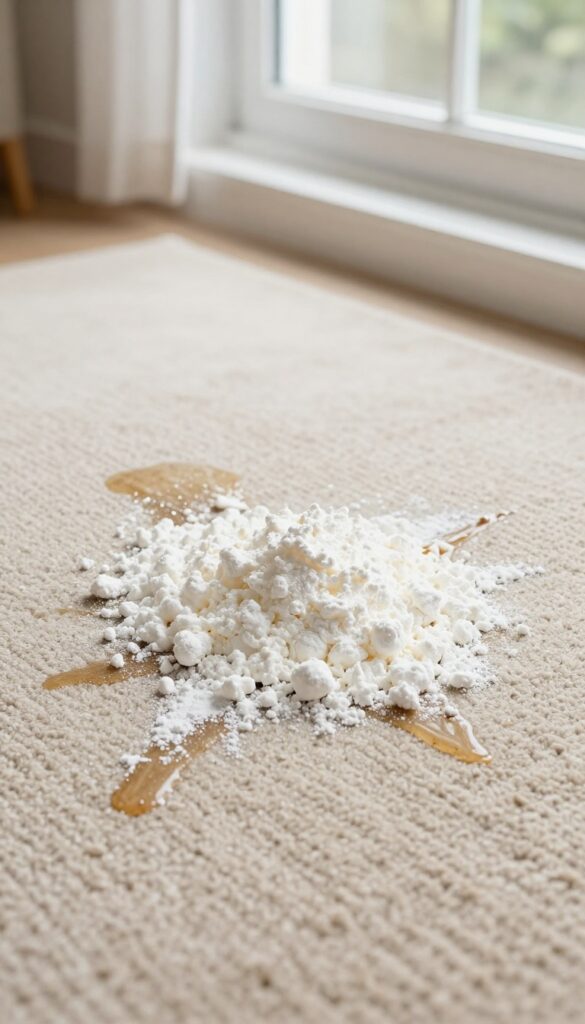
Grease from pizza, cooking oil, or butter can leave dark, stubborn marks on carpet. Water-based cleaners often make it worse by spreading the oil deeper into the fibers. Cornstarch offers a simple, dry solution that lifts the grease without pushing it in.
Sprinkle a generous layer of cornstarch directly over the grease stain. Let it sit for 30 minutes to absorb the oil. Vacuum up the powder, and repeat if any residue remains.
For older stains, gently work the cornstarch into the fibers with a soft brush before letting it sit.
Why Cornstarch Works
Cornstarch is a fine, absorbent powder that soaks up liquid grease like a sponge. Unlike water, it doesn't activate the oil, so the stain doesn't spread. It's also gentle on carpet fibers and safe for all carpet types.
Best For Fresh Spills
This method works best on fresh grease spills before they set. As soon as you notice the spill, blot excess oil with a paper towel, then apply cornstarch. For set-in stains, combine cornstarch with a bit of dish soap and water to create a paste.
Pro Tips For Stubborn Stains
If the stain persists after vacuuming, mix cornstarch with a few drops of dish soap to form a paste. Apply it to the stain, let it dry completely, then vacuum. This combo tackles both grease and any embedded dirt.
7. Ammonia and Water for Heavy Traffic Dirt
High-traffic areas like hallways and living rooms accumulate a layer of ground-in dirt that regular vacuuming can't remove. Over time, this dulls the carpet fibers and creates dingy paths. Ammonia cuts through that grime without the need for harsh scrubbing.
Mix 1 tablespoon of clear ammonia with 1 cup of warm water. Dip a clean cloth into the solution, blot the dirty area, then scrub gently with a soft brush. Blot again with a dry cloth to lift the dirt.
Work in a well-ventilated room—the smell is strong but fades quickly.
Why It Works
Ammonia is a mild alkali that breaks down fatty acids and oils in dirt, making it easy to lift from carpet fibers. It's especially effective on synthetic carpets like nylon and polyester.
Safety First
Never mix ammonia with bleach—this creates toxic chloramine gas. Always test on a hidden carpet area first. Keep windows open or use a fan to circulate air while you work.
Best For
This solution is ideal for beige, tan, or light gray carpets where traffic patterns show. It's also great for removing residue from previous cleaning products that attract dirt.
8. Rubbing Alcohol for Ink and Marker
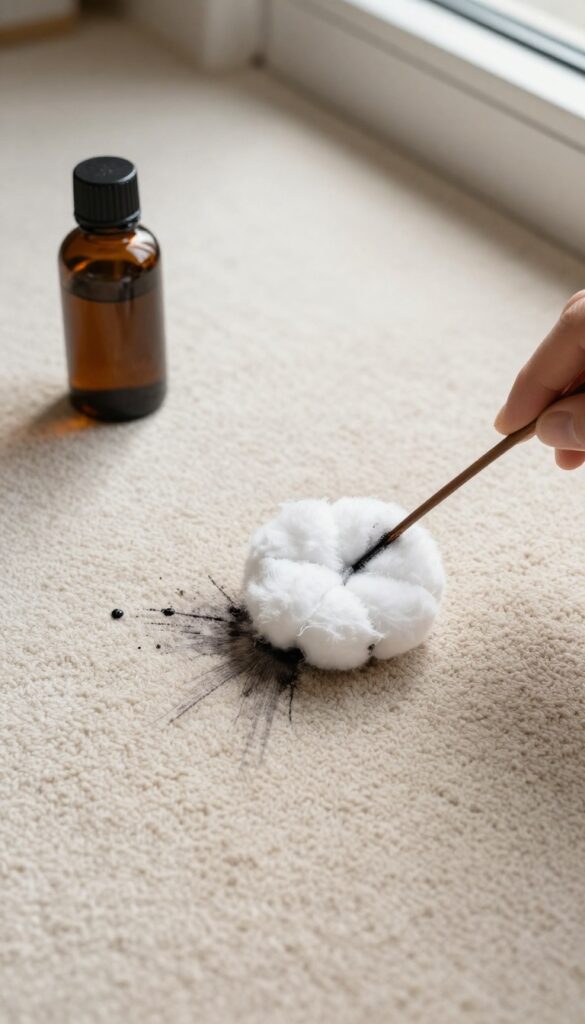
Ink and marker stains can seem permanent, especially when they soak into carpet fibers. But rubbing alcohol is a solvent that breaks down the pigments in most inks, making them easy to lift out. This method works on ballpoint pen, felt-tip marker, and even some permanent markers—just check a hidden spot first to make sure the alcohol won't affect your carpet's color.
Start by blotting the stain with a dry paper towel to remove any excess ink. Then dampen a cotton ball with rubbing alcohol—don't soak it, just make it moist. Gently blot the stain, working from the outer edge toward the center to prevent spreading.
You'll see the ink transfer to the cotton ball. Switch to a fresh cotton ball as soon as the first one gets dirty. Keep blotting until no more ink comes up.
Finally, blot the area with a damp cloth to remove any alcohol residue, then let it air dry.
Why Rubbing Alcohol Works
Rubbing alcohol (isopropyl alcohol) is a solvent that dissolves the dyes and pigments found in most inks. It breaks the bond between the ink and the carpet fibers, allowing the ink to be lifted away without harsh scrubbing. This is why blotting is more effective than rubbing—blotting pulls the dissolved ink out, while rubbing can push it deeper.
Tips For Stubborn Or Dried Stains
For old or dried ink stains, let the rubbing alcohol sit on the stain for a minute or two to soften it before blotting. You can also place a paper towel under the stain if the carpet is removable, to catch the ink as it's drawn out. For large marker stains, work in small sections to keep the alcohol from drying out too quickly.
9. Glycerin for Old, Set-in Stains
Old stains that have been ground into carpet fibers for weeks or months can feel impossible to remove. But glycerin, a common ingredient in skincare and soap, softens dried residues without damaging the carpet. A few drops and some patience can make that ancient spot lift right out.
Glycerin works by penetrating the stain and breaking down the hardened bond between the residue and the carpet fibers. It's especially effective on old food spills, dried mud, or mystery stains that have been trampled into the pile. The key is giving it enough time to work—rushing the process won't give you the same results.
How To Apply Glycerin
Start by blotting the stain with a dry paper towel to remove any loose debris. Then apply a few drops of glycerin directly onto the stain—just enough to cover it without saturating the carpet. Let it sit for 30 minutes.
The glycerin will slowly soften the stain, making it easier to lift.
Blotting And Rinsing
After the wait, dampen a clean cloth with warm water and blot the area firmly. You'll see the stain transfer to the cloth. Repeat with a fresh part of the cloth until no more color comes up.
Then rinse with a little water and blot dry. For extra stubborn stains, you can repeat the process.
When To Use This Method
Glycerin is best for old, set-in stains that have been there for weeks or months. It's gentle enough for most carpet types, including wool and synthetic blends. Avoid using it on delicate fibers like silk or on stains that are still wet—it works best on dried residues.
10. Enzyme Cleaner for Pet Urine
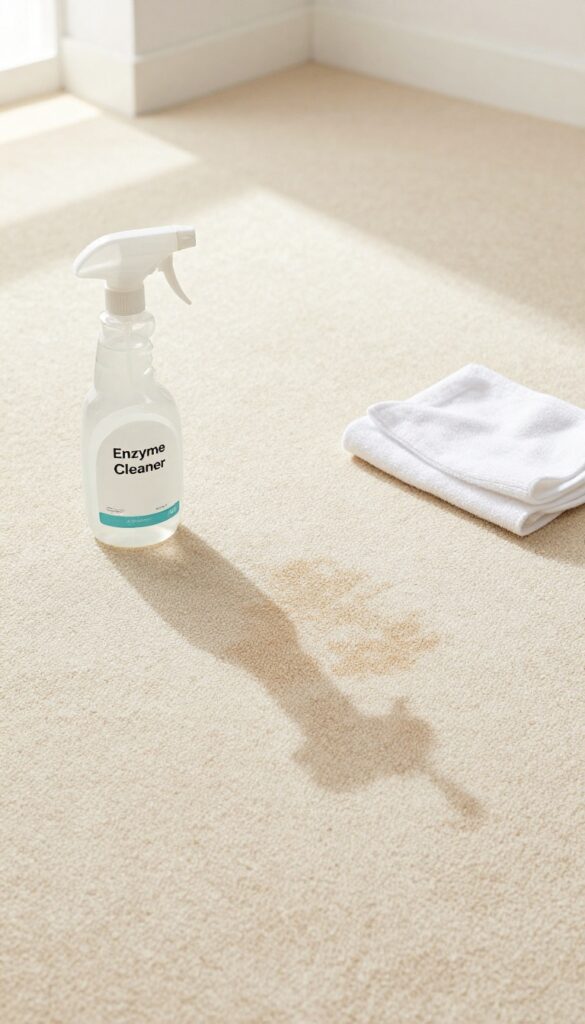
Pet urine can be one of the toughest stains to remove because it seeps deep into carpet fibers and leaves behind proteins that cause lingering odors. Standard cleaners often mask the smell temporarily, but enzyme cleaners break down those proteins at a molecular level, eliminating both stain and odor for good.
Commercial enzyme cleaners are widely available at pet stores, but you can also make an effective DIY version at home. Mix 1 part hydrogen peroxide with 2 parts water and add a single drop of dish soap. Apply the solution to the urine stain, let it sit for 10–15 minutes so the enzymes can work, then blot the area with a clean cloth.
Avoid rubbing, as that can push the stain deeper.
Why Enzymes Work So Well
Enzymes are biological catalysts that target specific compounds. In pet urine, the main culprits are urea, uric acid, and ammonia. Enzyme cleaners contain proteins that break these down into harmless substances like carbon dioxide and water.
This is why they're far more effective than regular detergents for urine stains.
How To Apply Enzyme Cleaner Correctly
For best results, blot up as much fresh urine as possible first. Then saturate the stain with the enzyme cleaner—don't skimp. Let it sit for at least 10 minutes (longer for old stains).
Blot again, but don't rinse. The enzymes need to remain on the carpet to continue breaking down residues. Repeat if necessary.
Diy Vs. Store-bought: Which Is Better?
Store-bought enzyme cleaners often contain a blend of different enzymes that tackle a wider range of stains and odors. DIY solutions work well for fresh stains but may be less effective on old, set-in urine. If you have multiple pets or recurring accidents, a commercial product might be worth the investment.
11. Borax and Vinegar for Mold and Mildew
Mold and mildew in carpet aren't just ugly—they're a health hazard. The musty smell and dark spots often mean moisture has been sitting too long. Borax, a natural mineral, kills mold spores on contact without the fumes of bleach.
This simple solution uses common household items to tackle mold at the source. Borax is alkaline, which disrupts the mold's cell structure, while vinegar's acidity breaks down the spores. Together, they create a powerful yet safe cleaning agent.
How To Mix And Apply
Combine 1 tablespoon of Borax with 1 cup of white vinegar and 2 cups of hot water in a spray bottle. Shake until the Borax dissolves. Spray the solution generously onto the moldy area, making sure it saturates the carpet fibers.
Let it sit for 10–15 minutes to penetrate deep.
Scrubbing And Blotting
Use a stiff-bristled brush or an old toothbrush to scrub the stained area gently. Work in a circular motion to lift the mold from the fibers. Then, blot the area with a clean, dry cloth to absorb the moisture and loosened spores.
Repeat until the stain fades.
Drying And Prevention
After cleaning, place a fan or dehumidifier near the carpet to speed up drying. Mold thrives in damp environments, so thorough drying is crucial. To prevent regrowth, keep the area well-ventilated and address any underlying moisture issues, like leaks or high humidity.
12. Shaving Cream for Carpet Stains (Non-Gel)
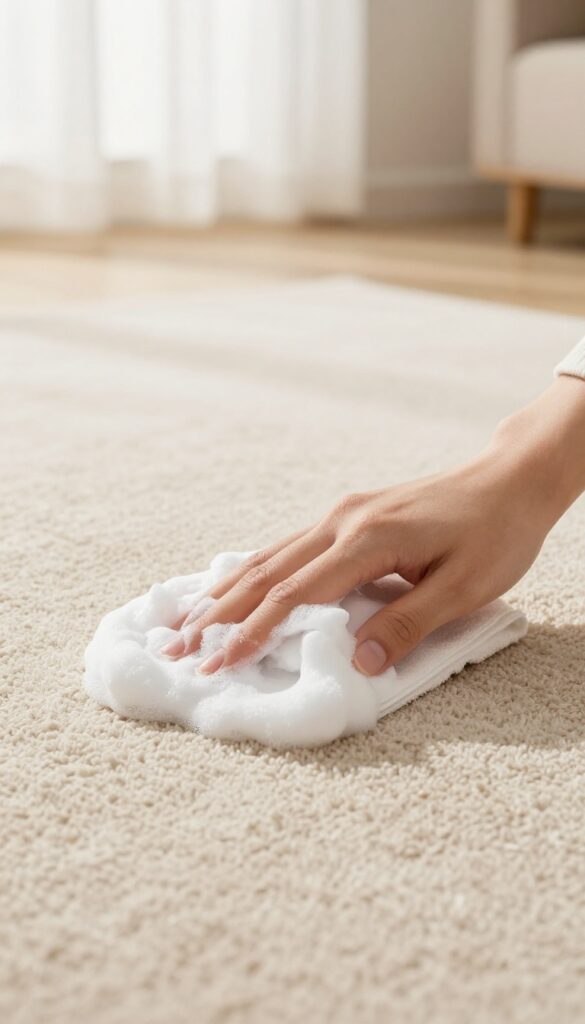
Shaving cream isn't just for your morning routine—it's a surprisingly effective carpet cleaner. The foamy texture lifts dirt and grease without soaking the fibers, making it ideal for mystery stains where you aren't sure what caused the mark. Best of all, you probably already have a can in your bathroom.
White shaving cream (the classic foam kind, not gel) works because it contains mild surfactants that break down oils and suspended soils. It's gentle enough for most synthetic carpets but tough on stains like makeup, ink, or food spills. The foam also helps prevent the stain from spreading while you work.
How To Apply
Blot up any excess liquid first. Shake the can, then spray a small dollop directly onto the stain. Let it sit for 5–10 minutes so the foam can penetrate.
Gently rub the area with a damp microfiber cloth in a circular motion—don't scrub hard, or you'll push the stain deeper. Finally, blot away the foam with a clean, dry cloth.
When To Use It
This method works best on fresh to moderately set stains. It's especially good for unknown spots because the foam is non-toxic and won't react badly with most carpet fibers. Avoid using it on wool or silk carpets, as the moisture and agitation can cause damage.
Pro Tips
Always test on a hidden area first. If the stain is old, let the foam sit for up to 15 minutes. For stubborn marks, repeat the process.
After the stain lifts, rinse the area with a little water and blot dry to remove any residue.
13. Hydrogen Peroxide and Baking Soda for Blood
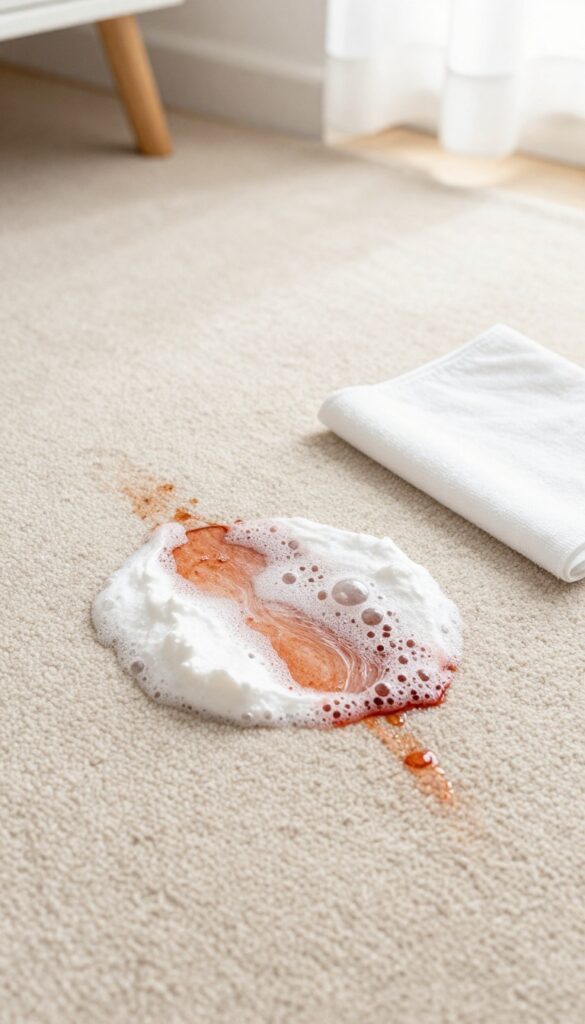
Blood stains can be tricky because heat sets the protein into the fibers, making them permanent. That's why cold water and a gentle chemical reaction work best. Hydrogen peroxide and baking soda create a fizzing action that lifts blood without damaging the carpet.
Start by blotting up as much blood as possible with a clean cloth—never rub, or you'll push it deeper. Mix a small amount of baking soda with enough hydrogen peroxide to form a thick paste. Spread it over the stain and let it sit for about 10 minutes.
The fizzing lifts the blood to the surface. Blot with a damp cloth, then repeat if needed. For old stains, let the paste sit for up to 30 minutes.
Rinse with cold water and blot dry.
Why Hydrogen Peroxide Works
Hydrogen peroxide is a mild bleach that breaks down organic compounds like blood. It's safe for most synthetic carpets but test on a hidden spot first. It also disinfects, which is a bonus for bio-stains.
Important Safety Tips
Never use hot water—it will set the stain. Avoid mixing hydrogen peroxide with ammonia or vinegar, as that creates toxic fumes. Always work in a well-ventilated area and wear gloves if you have sensitive skin.
When To Call A Pro
If the stain has been through a hot wash or is on delicate natural fibers like wool, the peroxide might damage the carpet. In that case, a professional cleaner with enzyme-based products is a safer bet.
14. Lemon Juice and Salt for Rust Stains
Rust stains on carpet often come from metal furniture, radiators, or even old water pipes. They can be especially stubborn because the iron particles bond tightly with the fibers. A simple mix of lemon juice and salt uses natural acidity and abrasion to break down rust without bleach or harsh chemicals.
Lemon juice contains citric acid, which helps dissolve rust particles, while salt acts as a gentle abrasive to lift them from the carpet fibers. Sunlight boosts the reaction, making this method surprisingly effective for fresh or light rust marks. For older stains, you may need to repeat the process.
How To Apply The Treatment
Squeeze fresh lemon juice directly onto the rust stain until the area is saturated. Sprinkle a generous layer of table salt over the juice, covering the stain completely. Let the mixture sit for about an hour—ideally in direct sunlight, which helps activate the acid.
After the time is up, blot the area with a clean white cloth or paper towel. Do not rub, as that can spread the stain. Rinse with a little water and blot dry.
When To Use This Method
This works best on light-colored synthetic carpets like nylon or polyester. Test on an inconspicuous spot first, as lemon juice can lighten some dyes. Avoid using on wool or silk carpets, since the acid may damage natural fibers.
For large or deep rust stains, consider a commercial rust remover designed for carpets.
Tips For Best Results
Use fresh lemon juice rather than bottled, which often has preservatives that reduce acidity. If the stain persists, repeat the process or let the lemon juice sit longer—up to two hours. Always blot, never scrub, to avoid fraying the carpet.
Afterward, vacuum to restore the carpet's texture.
15. Dish Soap and Warm Water for Mud
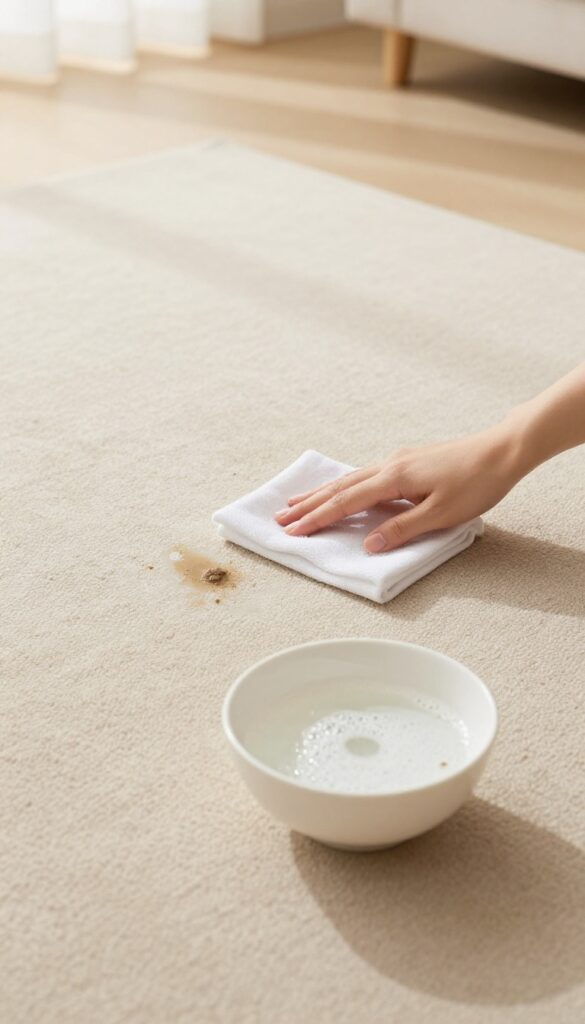
Mud might seem harmless, but once it dries and gets ground into carpet fibers, it can leave a stubborn, gritty stain. The trick is to act before it fully sets, and you don't need anything fancy—just dish soap and warm water. This gentle solution lifts dirt without damaging the carpet, making it perfect for high-traffic areas or kids' rooms.
Start by scraping off any dried mud with a dull knife or spoon. Mix a few drops of mild dish soap with warm water in a bowl. Dip a clean white cloth into the solution, wring it out so it's damp (not soaking), and blot the stain from the outside inward.
Keep blotting—don't rub, or you'll push the mud deeper. Switch to a dry section of the cloth as it picks up dirt. Repeat until the stain lifts, then rinse by blotting with a cloth dipped in plain water.
Finally, press a dry towel over the area to absorb excess moisture, then let it air dry.
Why Dish Soap Works
Dish soap is designed to break down grease and dirt, which makes it ideal for mud—a mix of soil and organic matter. It's gentle enough for most carpet fibers, including synthetic blends, and doesn't leave a sticky residue that attracts more dirt. Plus, it's safe for pets and kids.
Blotting Vs. Scrubbing
Blotting is key here. Scrubbing grinds mud particles deeper into the carpet and can fray the fibers. Always blot gently, using a light dabbing motion.
If the stain is old, let the soapy solution sit for 5 minutes before blotting to help loosen the dirt.
When To Call It Good
After rinsing, if you still see a faint mark, repeat the process. Most mud stains lift within two or three rounds. If the stain persists, it might be iron-rich clay that needs a stronger treatment, but dish soap handles typical garden mud just fine.
FAQ
Can I use bleach on carpet stains?
Bleach can damage carpet fibers and cause discoloration. It's best to avoid bleach and use gentler alternatives like vinegar or hydrogen peroxide.
How do I remove old, dried stains?
Old stains may need repeated treatments. Try a glycerin or hydrogen peroxide solution, and let it sit longer. Patience and multiple applications often work.
Are homemade carpet cleaners safe for pets?
Most homemade cleaners use non-toxic ingredients like vinegar and baking soda. However, always rinse thoroughly and keep pets away until the carpet is dry.
What's the best way to blot a stain?
Use a clean white cloth or paper towel. Blot from the outside in to prevent spreading. Press firmly, then lift—don't rub, which can push the stain deeper.
How often should I deep clean my carpets?
Deep clean carpets every 6 to 12 months, depending on traffic and pets. Spot clean stains as soon as they happen to prevent setting.
Conclusion
Next time a spill happens, you won't have to panic. Grab one of these solutions based on what you have on hand and the type of stain you're facing. Start with the gentlest option and work your way up.
Your carpets will thank you, and you'll save money on expensive cleaners. Give one or two a try this weekend and see how well they work.