15 Cleaning Mattress Tips for Odor, Dust, and Stains
Your mattress works hard every night, absorbing sweat, dead skin, and spills. Over time, it can start to smell, collect dust mites, and develop unsightly stains. But you don't need to replace it to get that fresh, clean feel back.
With a few simple techniques and common household items, you can tackle odors, dust, and stains effectively. These 15 tips will help you restore your mattress to a hygienic, comfortable state.
From quick fixes to deep cleaning methods, each tip is designed to be practical and easy to follow. Let's turn your mattress into the clean, inviting sleep surface it should be.
1. Strip and Wash All Bedding Weekly
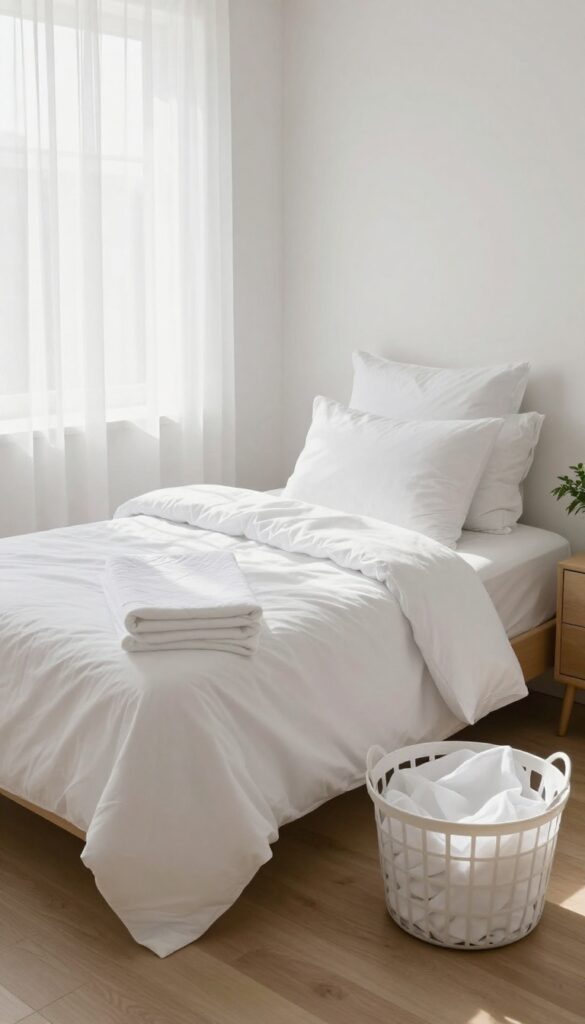
Your bedding is the first line of defense for your mattress. Sheets and pillowcases trap sweat, oils, and dust mites that can seep into the mattress over time. Washing them weekly in hot water kills dust mites and removes allergens, keeping your mattress fresher longer.
Make it a habit to strip the bed every seven days. Use hot water (at least 130°F) to effectively kill dust mites and bacteria. Add a cup of white vinegar to the rinse cycle to neutralize odors and soften fabrics naturally.
Dry on high heat for extra sanitation.
Why Hot Water Matters
Dust mites thrive in warm, humid environments but die at temperatures above 130°F. Hot water also breaks down body oils and sweat residues that attract bacteria. If your bedding is delicate, use the hottest setting recommended on the care label and add a laundry sanitizer.
Don't Forget The Mattress Protector
A waterproof, breathable mattress protector adds a barrier against spills, dust mites, and allergens. Wash it weekly along with your sheets. Look for protectors made of cotton or bamboo that are machine-washable and free of vinyl or PVC.
Pillowcases: The Overlooked Culprit
Pillowcases collect face oils, drool, and dead skin cells faster than any other bedding. Swap them twice a week if possible. Use a gentle, fragrance-free detergent to avoid skin irritation and keep your pillow fresh.
2. Vacuum Your Mattress Every Month
Think of your mattress as a giant filter that traps dust, dead skin, and allergens. Over time, all that buildup can lead to odors and attract dust mites. The simplest fix?
A monthly vacuum session. It takes just a few minutes and makes a big difference.
Why Monthly Vacuuming Matters
Even with sheets on, your mattress collects debris through pillowcases and uncovered edges. Dust mites thrive on dead skin cells, and their waste is a common allergen. Vacuuming removes their food source and keeps mite populations low.
It also lifts surface dirt that can cause yellowing over time.
The Right Technique
Strip the bed completely and use the upholstery attachment on your vacuum. Go over the entire top surface in slow, overlapping passes. Pay extra attention to seams, tufts, and crevices where dust hides.
Flip or rotate the mattress if possible, and vacuum the other side too. Don't forget the sides and edges.
Bonus: Sprinkle Baking Soda First
For an extra freshness boost, sprinkle a thin layer of baking soda over the mattress before vacuuming. Let it sit for 15-30 minutes to absorb odors. Then vacuum thoroughly.
This combo tackles both dust and smell in one go.
3. Sprinkle Baking Soda for Odor Absorption
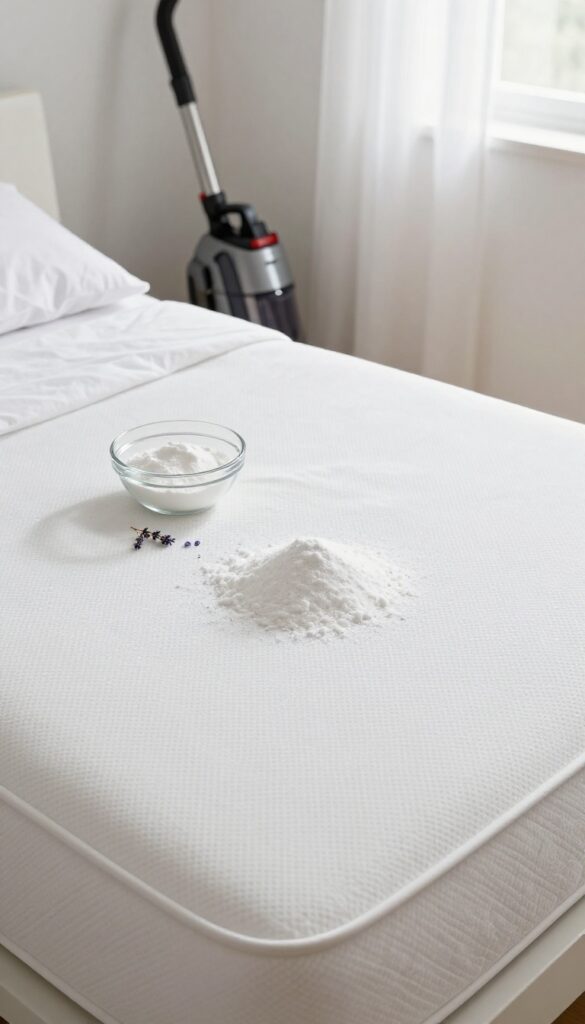
Baking soda is a powerhouse when it comes to neutralizing odors. It works by absorbing and trapping smells rather than just masking them. This simple, non-toxic method is perfect for refreshing your mattress without harsh chemicals.
To get the best results, start by stripping all bedding from the mattress. Generously sprinkle a thin, even layer of baking soda over the entire surface. For extra odor-fighting power, you can mix in a few drops of your favorite essential oil, like lavender or tea tree, before sprinkling.
Let the baking soda sit for at least several hours—overnight is ideal. This gives it plenty of time to absorb moisture and odors deep within the mattress. Finally, vacuum thoroughly using the upholstery attachment to remove every trace of powder.
Your mattress will smell fresh and clean.
Why Baking Soda Works So Well
Baking soda is a natural deodorizer because it’s alkaline. It reacts with acidic odor molecules to neutralize them. Plus, its fine powder can penetrate fabric fibers to reach trapped smells.
It’s gentle on mattress materials and safe for all sleepers, including kids and pets.
Tips For Best Results
For tough odors, let the baking soda sit for a full 24 hours. You can also target specific spots by making a paste with water and applying it to stains before the dry sprinkle. Always vacuum in multiple directions to ensure you pick up all the powder.
Repeat this process every few months to keep your mattress smelling fresh.
4. Add Essential Oils for a Fresh Scent
Essential oils aren't just for aromatherapy diffusers. They can also give your mattress a natural, long-lasting freshness while offering antimicrobial benefits. A few drops mixed with baking soda create a powerful deodorizer that smells amazing.
Why Lavender And Tea Tree Work Best
Lavender oil is known for its calming scent, which can promote better sleep. Tea tree oil has strong antimicrobial and antifungal properties, making it ideal for killing bacteria and dust mites. Both oils are gentle enough for mattress use when diluted properly.
How To Mix And Apply
In a small bowl, combine 1 cup of baking soda with 10–15 drops of your chosen essential oil. Stir well to break up clumps. Sprinkle the mixture evenly over your mattress and let it sit for at least 30 minutes, or longer for deeper odor removal.
Then vacuum thoroughly.
Safety Tips For Sensitive Sleepers
If you have allergies or sensitive skin, do a patch test on a small area first. Avoid over-saturating the mattress—too much oil can leave a residue. Also, skip citrus oils like lemon or orange, as they can cause discoloration over time.
5. Blot Fresh Stains Immediately
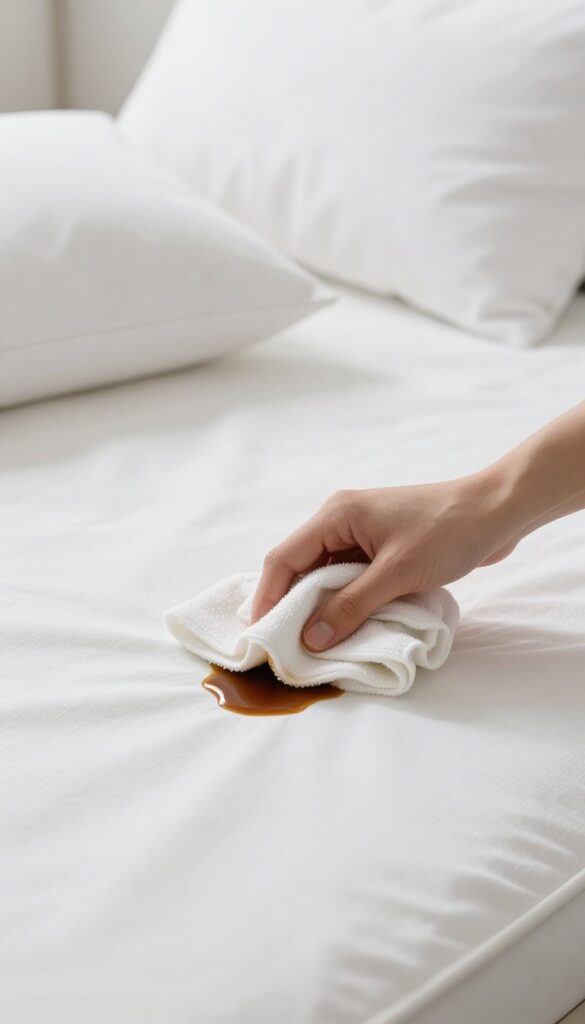
Spills happen, especially if you enjoy coffee in bed or have kids jumping around. The moment a liquid hits your mattress, your reaction matters. Quick action can mean the difference between a stain that disappears and one that becomes a permanent reminder.
When a spill occurs, grab a clean, dry cloth and blot—don't rub. Rubbing pushes the liquid deeper into the mattress fibers, making the stain harder to remove. For most fresh stains like juice, soda, or sweat, cold water works best.
Hot water can set protein-based stains like blood or milk. Continue blotting with a fresh area of the cloth until no more liquid transfers. If needed, dab a little mild detergent diluted in cold water, then blot again with a damp cloth to rinse.
Finally, press dry with a towel and let the area air out completely before making the bed.
Why Blotting Beats Rubbing
Blotting lifts the liquid away from the fabric, while rubbing grinds it into the fibers. Think of it like patting your face dry versus scrubbing it with a towel—one is gentle, the other abrasive. For mattress stains, gentle is always better.
Cold Water For Most Spills
Cold water is your go-to for everyday spills like coffee, tea, or soda. It helps lift the stain without setting it. For protein-based stains like blood or milk, cold water is essential—heat can make them bond permanently with the fabric.
When To Use A Mild Cleaner
If water alone isn't cutting it, mix a few drops of dish soap with cold water. Dip a cloth in the solution, blot the stain, then follow with a damp cloth to remove soap residue. Avoid soaking the mattress—damp is fine, wet is not.
6. Treat Urine Stains with Enzymatic Cleaner
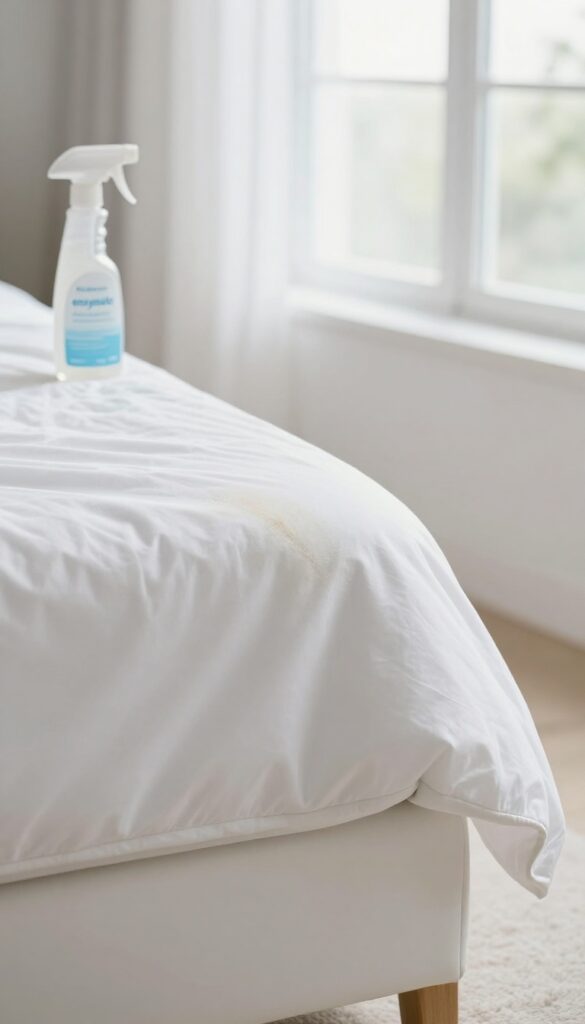
Urine stains are among the toughest to remove from a mattress. The proteins and salts in urine can set into fibers quickly, leaving behind both a visible mark and a persistent odor. Standard cleaners often just mask the smell or spread the stain around.
An enzymatic cleaner, on the other hand, breaks down the biological components at a molecular level, eliminating the problem entirely.
Enzymatic cleaners contain specific enzymes that target proteins, starches, and fats found in urine. When applied, these enzymes digest the organic matter, turning it into harmless byproducts that can be wiped away. This not only removes the stain but also neutralizes the odor at its source.
For best results, use a cleaner labeled for pet urine or biological stains, as these are formulated for the job. To use, blot up as much fresh urine as possible with a clean cloth. Apply the enzymatic cleaner generously to the stained area, following the product's instructions.
Let it sit for the recommended time—usually 10 to 15 minutes—so the enzymes can work. Then blot again with a damp cloth to remove residue. Avoid over-wetting the mattress, and allow it to air dry completely before making the bed.
Why Enzymatic Cleaners Work Best
Urine contains urea, uric acid, and other compounds that can crystallize and bond with mattress fibers. Standard cleaners often fail because they don't break these bonds. Enzymatic cleaners use protease and urease enzymes to digest these compounds, turning them into soluble, odorless substances.
This makes them far more effective than vinegar, baking soda, or hydrogen peroxide for urine stains.
Step-by-step Application
Start by blotting the stain with paper towels to remove excess moisture. Spray the enzymatic cleaner directly onto the stain, covering it completely. Let it soak for at least 10 minutes—longer for old or set-in stains.
Blot the area with a clean, damp cloth to lift the dissolved residue. Repeat if necessary, then allow the mattress to air dry completely. Avoid using heat, which can set the stain.
Drying And Final Checks
After treatment, place a dry towel over the area and press down to absorb any leftover moisture. Let the mattress air dry in a well-ventilated room; a fan can speed up the process. Once dry, check for any remaining odor or stain.
If the stain persists, repeat the process. For old stains, you may need to let the enzymatic cleaner sit for up to an hour.
7. Use Hydrogen Peroxide for Blood Stains
Blood stains on a mattress can look intimidating, but they're actually one of the easiest to remove—if you act fast and use the right product. Hydrogen peroxide is a gentle oxidizer that breaks down blood proteins without harsh scrubbing. Here's how to use it safely and effectively.
Hydrogen peroxide works by releasing oxygen bubbles that lift blood from fabric fibers. It's most effective on fresh stains, but it can also tackle dried ones with a little extra time. Always test on an inconspicuous spot first, as it may bleach some fabrics.
Blot, Don't Rub
Start by blotting the stain with a dry paper towel to absorb as much blood as possible. Rubbing pushes the blood deeper into the mattress fibers, making it harder to remove. Blot gently until no more liquid transfers.
Apply Hydrogen Peroxide
Pour a small amount of 3% hydrogen peroxide directly onto the stain. You'll see it start to fizz almost immediately. Let it sit for 5–10 minutes—the fizzing action lifts the stain.
For dried stains, you may need to reapply and let it sit longer.
Blot And Rinse
After the fizzing stops, blot the area with a clean, damp cloth. Repeat until the stain is gone. Then use a dry cloth to remove excess moisture.
Avoid soaking the mattress; dampness can lead to mold.
Dry Completely
Once the stain is removed, allow the area to air dry fully. Sprinkle baking soda over the spot to absorb any lingering moisture, then vacuum after a few hours. This prevents mildew and keeps your mattress fresh.
8. Tackle Sweat Stains with Salt and Lemon
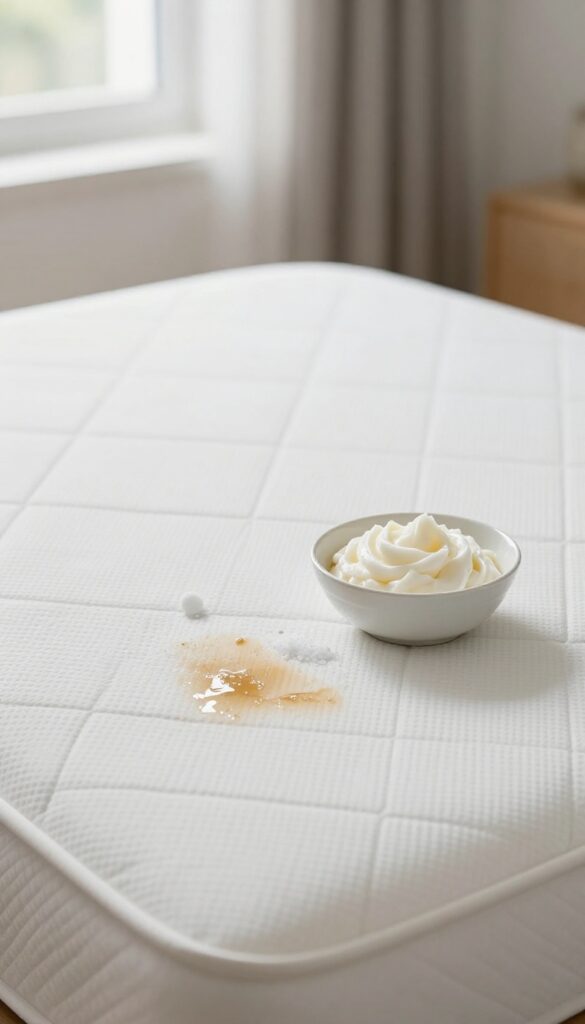
Sweat stains are a common eyesore on mattresses, especially in warmer months. They can also trap odors and attract dust mites. A simple paste of salt and lemon juice cuts through the residue naturally, leaving your mattress fresh and bright.
Why Salt And Lemon Work
Salt acts as a gentle abrasive to lift dried sweat, while lemon juice’s acidity breaks down proteins and bleaches stains naturally. Together, they create a powerful, non-toxic cleaner that’s safe for most mattress fabrics.
Step-by-step Application
Mix two tablespoons of salt with enough lemon juice to form a thick paste. Apply it directly to the sweat stain and let it sit for 30 minutes. Don’t let it dry completely—wipe away with a damp cloth, then blot dry with a towel.
Aftercare And Prevention
Once the area is dry, vacuum the spot to remove any salt residue. To prevent future stains, consider using a mattress protector. For stubborn stains, repeat the process or follow up with a hydrogen peroxide spray.
9. Steam Clean for Deep Sanitization
If you want to go beyond surface cleaning, steam is your best friend. A handheld steam cleaner uses high-temperature vapor to kill dust mites, bacteria, and mold without any harsh chemicals. It's especially effective for people with allergies or asthma, and it leaves your mattress fresh and dry when done right.
Why Steam Works So Well
Steam penetrates deep into mattress fibers, reaching areas where dust mites and bacteria hide. The high heat (over 200°F) denatures proteins and destroys microorganisms on contact. Unlike bleach or sprays, steam leaves no chemical residue, so you can sleep on a naturally sanitized surface.
How To Steam Clean Your Mattress
First, strip all bedding and vacuum the mattress to remove loose debris. Fill your handheld steamer with distilled water (to avoid mineral buildup) and let it heat up. Move the steamer slowly across the mattress in overlapping strokes, keeping the nozzle about an inch above the fabric.
Focus on stained or high-traffic areas. After steaming, let the mattress air out completely—at least 4–6 hours—before putting sheets back on.
Important Safety Tips
Never soak the mattress; steam should be applied in a light, even pass. Excess moisture can lead to mold growth inside the mattress. If your mattress has a memory foam or latex topper, check the manufacturer's instructions first—some foams can be damaged by heat.
Always test a small hidden area before full application.
10. Sun-Dry Your Mattress Outdoors
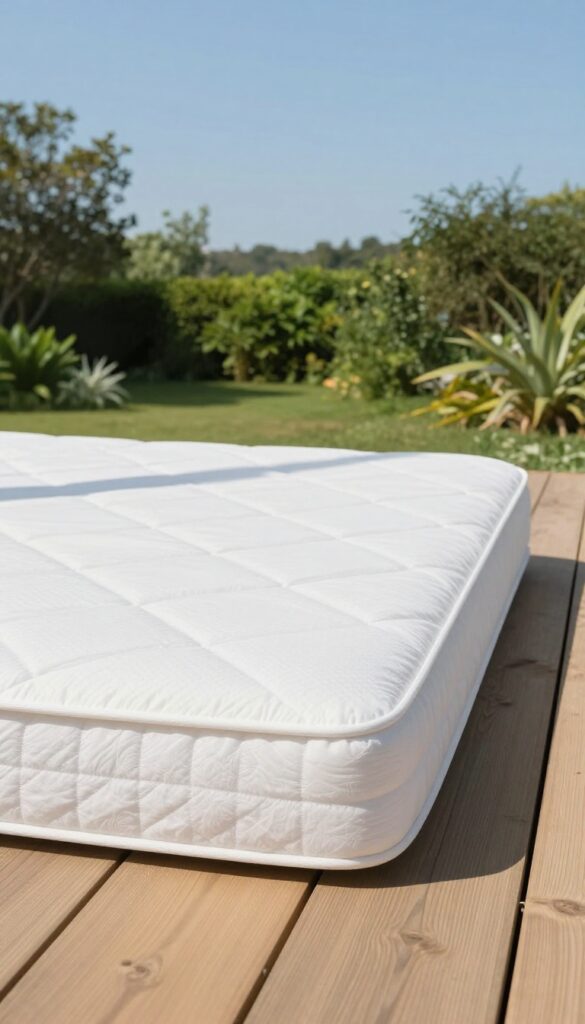
Sunlight is one of nature's best disinfectants. On a bright, dry day, moving your mattress outside for a few hours can work wonders. The UV rays naturally kill bacteria, dust mites, and other microbes while helping to evaporate trapped moisture and neutralize odors.
It's a simple, chemical-free way to refresh your mattress.
Sun-drying is especially effective after a spill or deep cleaning, when your mattress is still damp. Just make sure the weather is clear and not too humid. Place the mattress on a clean, dry surface like a patio or deck, and let it bask in direct sunlight for at least 2–3 hours.
Flip it halfway through to expose both sides. This method not only dries the mattress thoroughly but also gives it a fresh, outdoor scent.
Best Conditions For Sun-drying
Choose a day with low humidity and strong, direct sunlight. Avoid windy days that might blow dust or pollen onto the mattress. If you live in an apartment, you can still sun-dry by placing the mattress on a clean balcony or near an open window that gets direct sun.
Protect Against Dirt And Pests
Lay a clean sheet or tarp under the mattress to keep it off the ground. This prevents dirt, insects, or grass stains from transferring. You can also cover the top with a light, breathable sheet to shield it from bird droppings or debris while still letting UV rays through.
How Often To Sun-dry
Aim to sun-dry your mattress every 3 to 6 months, or more often if you live in a humid climate or have allergies. It's also a great step to take after any liquid accident or deep cleaning session. Regular sun exposure helps maintain a fresh, hygienic sleep surface.
11. Use a Mattress Protector as a Barrier
After all that effort cleaning and deodorizing your mattress, you want to keep it that way. A mattress protector is the easiest way to maintain a fresh, clean sleep surface without any extra work. Think of it as a shield that blocks spills, dust mites, and allergens before they reach your mattress.
A good mattress protector is more than just a thin sheet. It creates a physical barrier that stops liquids, dead skin cells, and dust mites from settling into the mattress. This means fewer stains, less odor buildup, and a longer lifespan for your mattress.
Plus, it's much easier to wash a protector than to deep clean a mattress.
Waterproof But Breathable
Look for a protector that is both waterproof and breathable. Waterproofing prevents spills and sweat from soaking in, while breathability allows air to circulate so you don't sleep hot. Many modern protectors use a thin polyurethane layer that blocks moisture but lets air pass through.
Easy Maintenance
Most mattress protectors can be tossed in the washing machine. Wash it every couple of months with a mild detergent and tumble dry on low heat. This simple habit keeps your mattress free from allergens and odors without any heavy lifting.
Full Coverage Vs. Fitted Style
You can choose between a fitted sheet style that covers the top and sides, or a full encasement that zips around the entire mattress. For maximum protection against dust mites and bed bugs, a full encasement is best. For everyday spill and stain protection, a fitted style works well.
12. Deodorize with Activated Charcoal
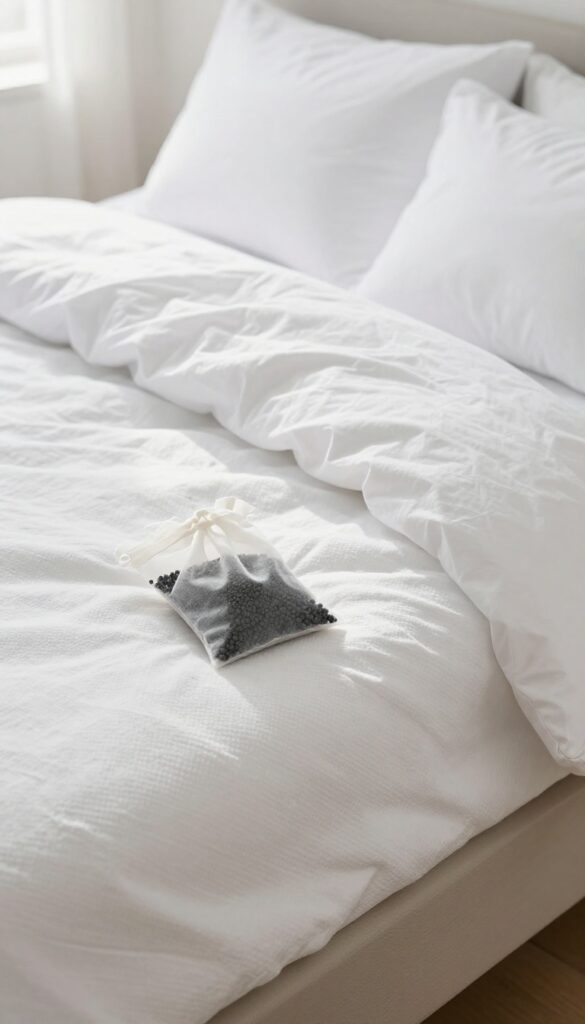
Activated charcoal isn't just for water filters or face masks—it's a powerful odor absorber that works wonders on mattresses. Unlike scented sprays that mask smells, charcoal traps and neutralizes odor molecules without adding any fragrance. It's especially effective for musty or stale smells that develop over time.
Activated charcoal bags are a set-and-forget solution for mattress odors. They work by adsorbing moisture and volatile compounds that cause smells, keeping your mattress fresher for longer. Place them in strategic spots and they'll quietly do their job for months.
Where To Place Charcoal Bags
Slide one or two bags between the mattress and box spring, or tuck them under the mattress near the head or foot. If your bed has a low profile, you can also lay them directly on the slats. The goal is to allow airflow around the bags so they can absorb as much moisture and odor as possible.
How Long Do They Last?
Most activated charcoal bags are designed to last about two years, but they need to be recharged every few months. On a sunny day, place the bags in direct sunlight for a few hours to release trapped moisture. This reactivates the charcoal and extends its life.
Diy Charcoal Sachets
If you don't want to buy pre-made bags, you can make your own. Fill small breathable pouches—like muslin bags or old socks—with activated charcoal pellets. Tie them closed and place them wherever needed.
Just be sure the charcoal is food-grade and dust-free to avoid mess.
13. Spot Clean with Mild Dish Soap
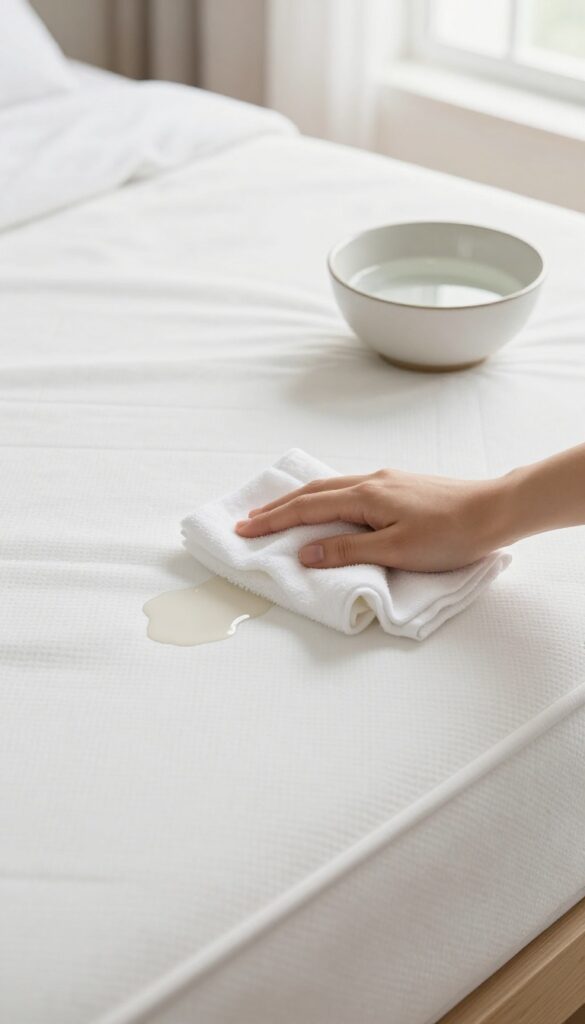
Not every stain calls for a heavy-duty cleaner. Sometimes the simplest solution—a little dish soap and water—does the job without harsh chemicals. This gentle method works well on fresh spills and light marks, and it's safe for most mattress materials.
Mix The Right Solution
Combine a few drops of mild dish soap with a cup of warm water. Avoid using too much soap, which can leave a sticky residue. Stir gently to create a light foam.
Dab, Don't Scrub
Dip a clean white cloth into the solution and wring it out until just damp. Blot the stain gently, working from the outside in to prevent spreading. Scrubbing can push the stain deeper into the mattress fibers.
Blot Away Moisture
After treating the stain, use a dry cloth to blot up as much moisture as possible. Repeat with fresh areas of the cloth until the spot is no longer transferring. Then let the mattress air dry completely before making the bed.
14. Rotate and Flip Your Mattress Regularly
Your mattress takes a beating night after night, with your body weight pressing into the same spots. Over time, this can lead to uneven wear, sagging, and a buildup of dust and odors in the compressed areas. Rotating and flipping your mattress regularly is a simple habit that helps distribute the wear evenly, prolonging its life and keeping it fresh.
Rotating your mattress means turning it 180 degrees so the head becomes the foot. Flipping means turning it over so the top side becomes the bottom. Not all mattresses are flippable—some are one-sided with a specific comfort layer—so check the manufacturer's guidelines first.
For flippable mattresses, aim to rotate and flip every 3-6 months. For one-sided mattresses, just rotate them. This practice prevents sagging and reduces the concentration of dust mites and allergens in any one area.
It also helps maintain consistent support, which can improve sleep quality. Mark your calendar or set a reminder to make it a routine.
Why Rotation Matters For Odor And Dust
When you sleep in the same position every night, your body heat and moisture concentrate in one area. That warmth and dampness create a perfect breeding ground for dust mites and bacteria, leading to musty odors. By rotating your mattress, you shift the wear and moisture distribution, giving each section a chance to dry out and recover.
This simple action can significantly reduce odor buildup and keep dust mite populations in check.
How To Rotate And Flip Without Strain
Mattresses can be heavy and awkward to move. To avoid injury, get a helper or use a mattress rotation tool. Clear the bed of all bedding, then grip the mattress handles if available.
For flipping, it's often easier to rotate first, then flip. If your mattress is particularly heavy, consider using a mattress bag or sling to slide it off the box spring. Work slowly and lift with your legs, not your back.
When To Replace Instead Of Rotate
Even with regular rotation, mattresses eventually wear out. If you notice permanent sagging, lumps, or springs poking through, it's time for a new mattress. Rotation can extend the life of your mattress by a year or two, but most mattresses last 7-10 years.
If your mattress is older than that and still causing discomfort or odor, replacement is the better option.
15. Call a Professional for Deep Cleaning
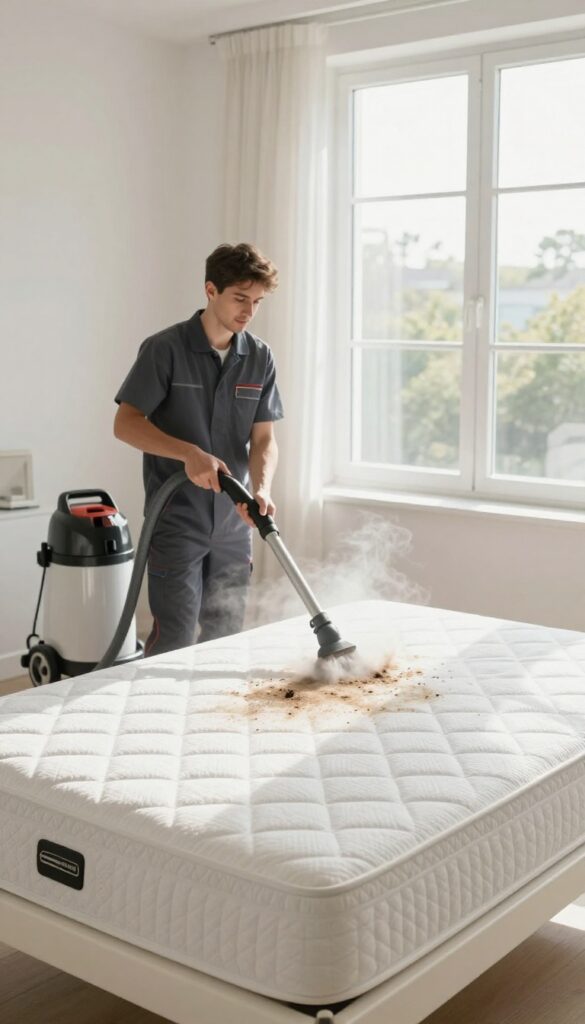
Sometimes, despite your best efforts, a mattress still holds onto stubborn stains, lingering odors, or even mold. That's when it's time to bring in the pros. Professional upholstery cleaners have industrial-grade equipment and specialized solutions that can tackle problems you can't handle at home.
While DIY methods work for routine maintenance, a professional deep clean can extend your mattress's life and improve your sleep environment. Experts use hot water extraction, steam cleaning, or dry cleaning techniques to remove deeply embedded dirt and allergens. They can also treat biological stains like urine or blood more effectively than household products.
When To Call A Professional
If you've tried multiple cleaning methods and the stain remains, or if you notice a musty smell that won't go away, it's time to call. Professionals can also detect hidden mold or mildew that might be causing health issues. Consider a deep clean every 12-18 months, or sooner if you have allergies or pets.
What To Expect During A Service
A typical professional cleaning involves vacuuming, spot treatment, and a deep extraction process. The technician may use a truck-mounted steam cleaner that heats water to high temperatures, killing dust mites and bacteria. The mattress is then dried with fans or air movers to prevent moisture buildup.
Cost And Frequency
Professional mattress cleaning usually costs between $50 and $100 per side, depending on your location and the size of the mattress. While it's an added expense, it's far cheaper than replacing the mattress. For most households, scheduling a professional clean every 1-2 years is sufficient to maintain freshness.
FAQ
How often should I clean my mattress?
Vacuum your mattress monthly and wash bedding weekly. Deep clean with baking soda or steam every 3-6 months.
Can I use bleach on mattress stains?
Avoid bleach as it can damage mattress fibers and cause discoloration. Stick to gentle cleaners like hydrogen peroxide or dish soap.
Does baking soda really remove odors?
Yes, baking soda is a natural deodorizer that absorbs odors. Let it sit for several hours for best results.
How do I get rid of dust mites in my mattress?
Vacuum regularly, wash bedding in hot water, use a mattress protector, and steam clean or sun-dry the mattress to kill dust mites.
Is it safe to use a steam cleaner on a memory foam mattress?
Check the manufacturer's instructions. Many memory foam mattresses can be spot-cleaned with steam, but avoid over-wetting to prevent damage.
Conclusion
You don't need to overhaul your entire mattress in one go. Start with the issue that bothers you most—whether it's a stubborn stain, lingering odor, or dust buildup—and try just two or three of these tips this weekend. Even small steps like vacuuming or sprinkling baking soda can make a noticeable difference in freshness and comfort.
Consistency is what counts, not perfection. Pick the strategies that fit your routine and stick with them. Your mattress will feel cleaner, sleep better, and last longer without the hassle.