10 Microwave Cleaning Hack Steps for Odor and Stains
You open the microwave to heat up leftovers, and a wave of stale popcorn or burnt sauce hits you. The interior is splattered with dried-on food that looks like a science experiment. It doesn't have to be this way.
Cleaning a microwave doesn't require harsh chemicals or endless scrubbing. With a few simple tricks using items you already have, you can tackle both odors and stains in minutes.
These 10 steps are designed to be practical, fast, and effective. No fluff, just results that will leave your microwave looking and smelling fresh.
1. Steam Clean with Vinegar and Water
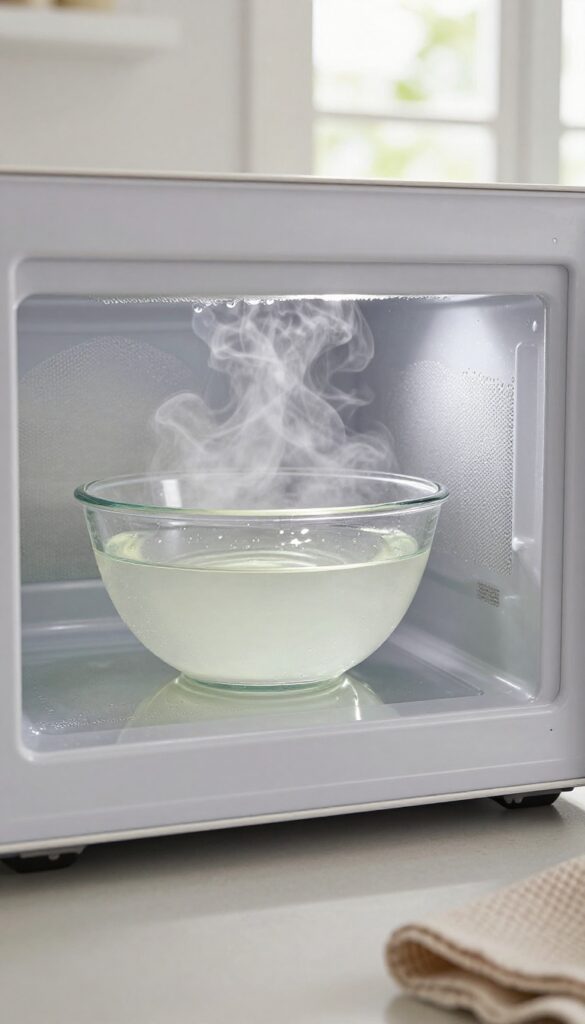
This classic trick uses steam to loosen grime and banish odors in one go. You only need two common kitchen staples: white vinegar and water. The steam does the heavy lifting, so you barely have to scrub.
How To Do It
Fill a microwave-safe bowl with equal parts water and white vinegar—about one cup each. Place the bowl in the microwave and heat on high for five minutes. The mixture will boil and create steam that condenses on the interior surfaces.
Let it sit for two more minutes after the timer goes off so the steam can continue working.
Why It Works
Vinegar is a natural acid that cuts through grease and dissolves dried-on food particles. The steam softens stubborn stains and carries the vinegar vapor into every corner, neutralizing odors from last night's fish or popcorn.
Pro Tips
Use a glass or ceramic bowl, never plastic. Add a few lemon slices or a cinnamon stick to the water-vinegar mix for a fresh scent. Be careful when removing the bowl—it will be hot.
Wipe from top to bottom with a soft cloth or sponge.
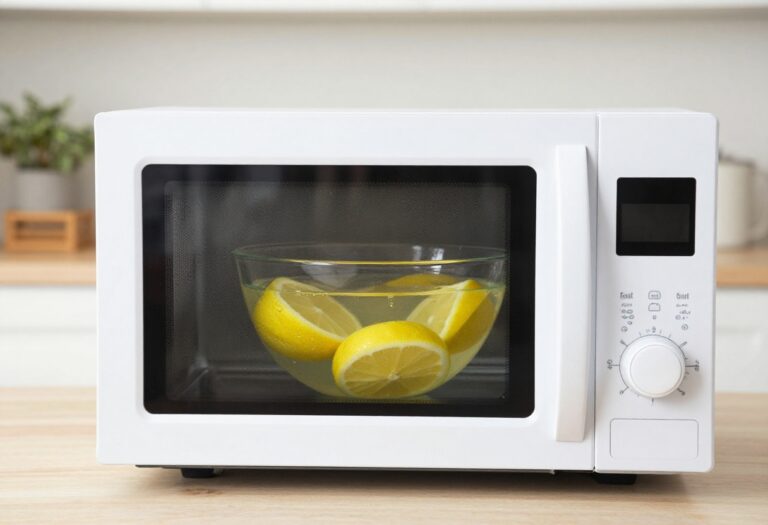
2. Lemon Freshness for Stubborn Odors
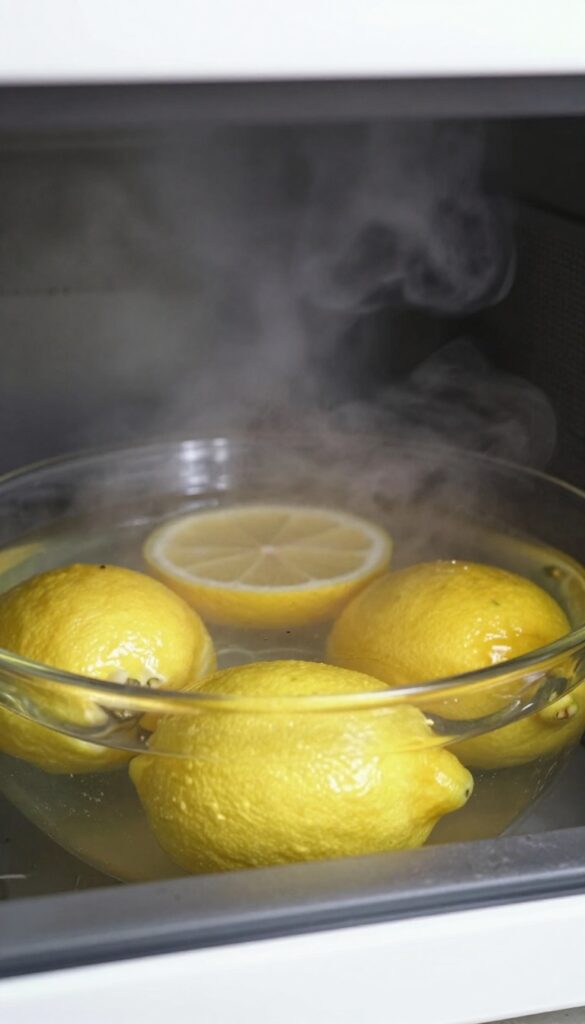
Sometimes the usual wipe-down just doesn't cut it, especially when lingering smells from fish, popcorn, or burnt sauce refuse to leave. That's where a simple lemon comes in. This citrus powerhouse does more than just smell nice—it actively breaks down odor molecules and loosens baked-on grime.
Grab a lemon, slice it in half or into thick rounds, and drop them into a microwave-safe bowl filled with about a cup of water. Microwave on high for 3 to 4 minutes, until the water is steaming and the lemon releases its oils. Let the bowl sit inside with the door closed for another 2 minutes—this lets the steam work its magic.
Then open the door, carefully remove the bowl (it's hot! ), and wipe down the interior with a soft cloth or sponge. The grime will come off easily, and your microwave will smell fresh and clean.
Why Lemon Works So Well
The citric acid in lemon juice is a natural degreaser and deodorizer. When heated, the steam carries lemon oil and acid into the air, where it neutralizes odor molecules and softens dried-on food particles. It's a chemical-free way to get a deep clean without scrubbing.
Tips For Maximum Effectiveness
For extra stubborn odors, add a tablespoon of white vinegar or a few drops of essential oil to the water. If you don't have a fresh lemon, bottled lemon juice works too—just use 2 tablespoons. Make sure the bowl is large enough to prevent water from boiling over, and never microwave an empty bowl.
What To Do After Steaming
After the steam treatment, give the interior a quick wipe. Start with the ceiling and walls, then the floor and door. For stuck-on bits, a non-abrasive sponge or a microfiber cloth works best.
Rinse the cloth and wipe again to remove any lemon residue. Dry with a clean towel to prevent water spots.
3. Baking Soda Paste for Baked-On Stains
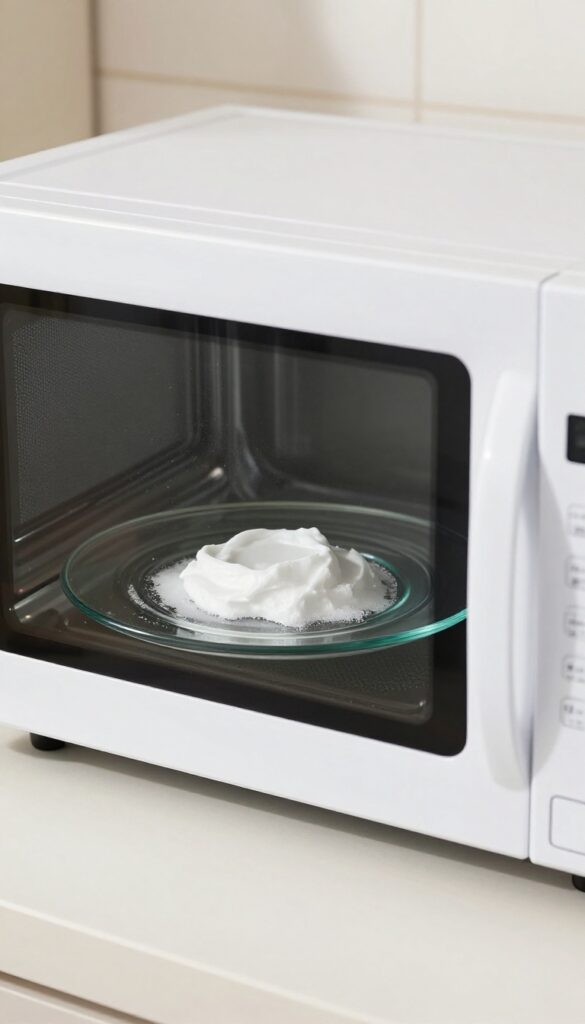
Some stains just won't budge with steam alone. Dried cheese, tomato sauce, or caramelized sugar can form a stubborn crust that laughs at a damp sponge. That's where baking soda comes in.
This gentle abrasive cuts through baked-on messes without scratching the microwave's interior.
Mix three tablespoons of baking soda with one tablespoon of water to form a thick paste. Adjust the ratio as needed—you want a spreadable consistency, not runny. Apply the paste directly to each stain using a soft cloth or your fingers (gloves optional).
Let it sit for 10 minutes to soften the gunk. Then scrub gently in circular motions. The baking soda breaks down the bond between the stain and the surface, so it lifts away easily.
Wipe off the residue with a damp cloth. For extra stubborn spots, let the paste sit longer or add a splash of white vinegar for fizzing action.
Why Baking Soda Works
Baking soda is mildly alkaline, which helps dissolve acidic food residues like tomato sauce. Its fine crystalline structure provides just enough abrasion to scrub away grime without leaving micro-scratches. Plus, it naturally absorbs odors, so you get a double benefit.
How To Apply Without A Mess
Use a silicone spatula or the back of a spoon to spread the paste precisely on stains. Avoid getting it into vents or crevices. If the paste drips, place a paper towel underneath.
After scrubbing, rinse your cloth frequently to avoid redepositing grime.
When To Use This Method
This technique is ideal for stains that remain after a steam cleaning session. It's also great for the microwave's ceiling, where splatters often bake on hardest. For light soiling, skip the paste and just use a baking soda solution (1 teaspoon per cup of water) in a spray bottle.
4. Dish Soap and Hot Water Soak
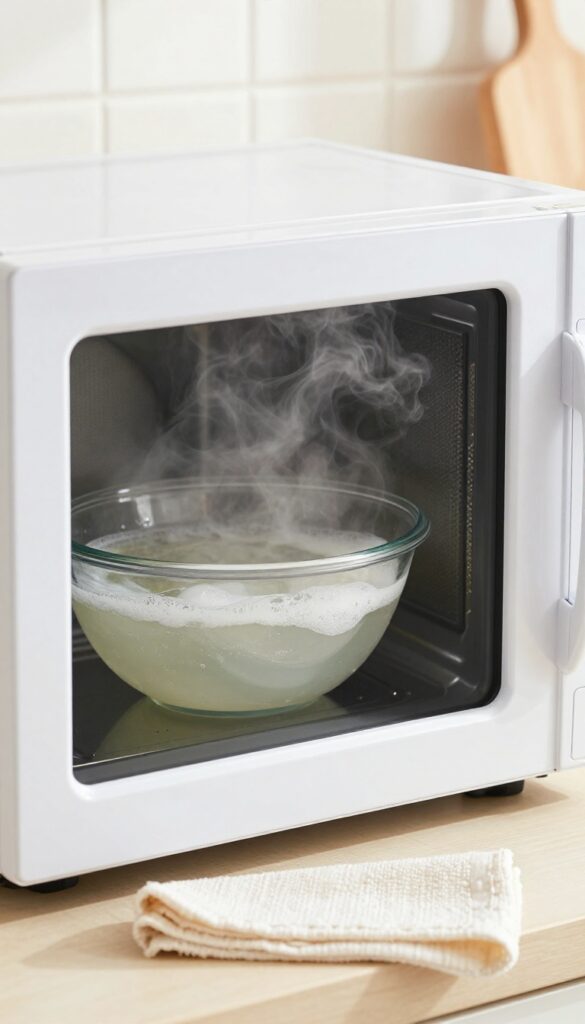
When dried-on food turns into stubborn stains, steam is your best friend. This method uses the power of heat and dish soap to soften grime without any scrubbing. It's almost like giving your microwave a spa day—minus the cucumber slices.
Fill a microwave-safe bowl with 1 cup of hot water and add a squirt of dish soap. Microwave on high for 3 minutes until the mixture boils and steams up the interior. Let it sit for 5 minutes so the steam can penetrate the mess.
Then simply wipe everything down with a soft cloth or sponge. The loosened food will come off effortlessly, and the soap helps neutralize odors.
Why This Works So Well
The steam created by the hot water loosens dried food particles, while the dish soap breaks down grease and oils. Together, they make cleaning almost effortless. Plus, the steam reaches corners and crevices you might miss with a cloth.
Pro Tips For Best Results
Use a microwave-safe bowl—glass or ceramic works best. Avoid plastic bowls that might warp. For extra odor-fighting power, add a tablespoon of lemon juice or vinegar to the water.
Don't skip the resting time; those 5 minutes are crucial for the steam to do its job.
What To Avoid
Never microwave an empty bowl—it can damage the appliance. Also, avoid using abrasive scrubbers on the interior, as they can scratch the surface. Stick to soft cloths or sponges.
5. Coffee Grounds to Absorb Odors
If your microwave smells like last week's fish dinner, coffee grounds can help. This natural odor absorber works without any heat or effort—just place a bowl inside and let time do the work. It's a passive solution that's perfect for stubborn smells that steam alone can't fix.
Coffee grounds are excellent at trapping and neutralizing odors because of their porous structure and nitrogen content. Whether you use fresh or used grounds, they'll pull in unwanted smells and leave your microwave smelling clean. The best part?
You don't have to scrub or heat anything—just set it and forget it overnight.
Fresh Vs. Used Grounds
Both work, but used grounds are a great way to recycle your morning coffee. After brewing, spread the damp grounds on a plate or bowl and let them dry slightly before placing them in the microwave. Fresh grounds are more potent, but used ones are free and still effective.
Just make sure they're not wet enough to drip or mold.
How To Set It Up
Take a small bowl or ramekin and fill it with about half a cup of coffee grounds. Place it in the center of the microwave turntable. Leave the door closed overnight, or for at least 8 hours.
The grounds will absorb odors gradually, so longer is better. In the morning, simply remove the bowl and wipe down any crumbs.
When To Replace The Grounds
Coffee grounds lose their absorbing power after a few days. For persistent odors, replace them every 2 to 3 days until the smell is gone. You can compost the used grounds afterward, making this a zero-waste solution.
If you notice the grounds start to smell like the old odor, it's time for a fresh batch.
6. Magic Eraser for Tough Marks
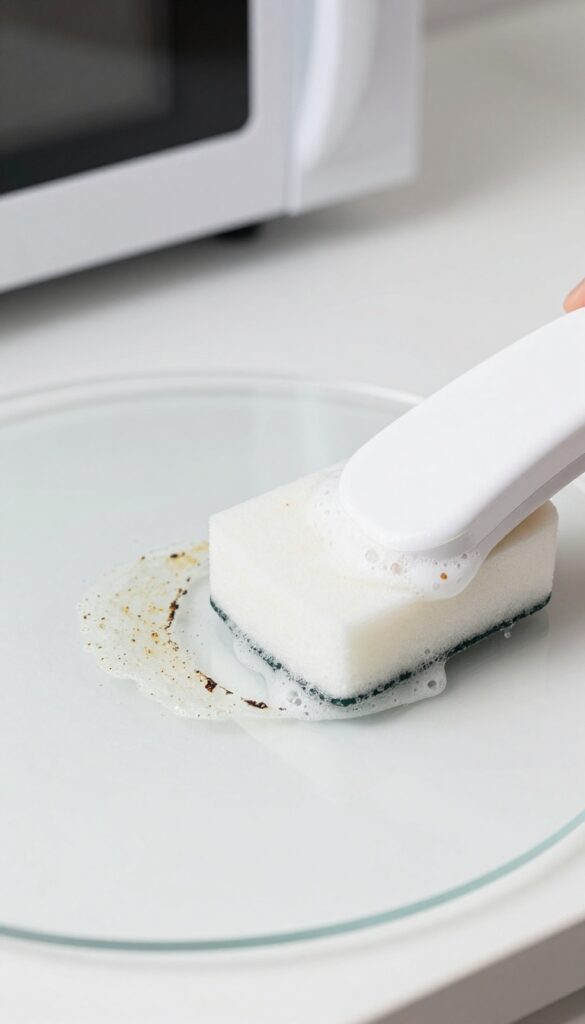
Some stains laugh at steam and vinegar. Burnt cheese, dried spaghetti sauce, or scorched sugar can turn into hard, crusty patches that refuse to wipe off. That's where a melamine foam eraser—often sold as Magic Eraser—comes to the rescue.
Melamine foam works like super-fine sandpaper, gently abrading the surface to lift stubborn stains without scratching the microwave's interior (as long as you don't scrub too hard). It's especially effective on baked-on food that has bonded with the enamel. Best of all, you don't need any extra cleaning agents—just water.
How To Use It Right
Cut a small piece of the eraser—about the size of a thumb. Dampen it with water and squeeze out the excess so it's moist but not dripping. Gently rub the stained area in small circles.
You'll see the mark lift away almost immediately. Rinse the eraser as needed to avoid spreading grime.
Where It Works Best
Target scorch marks from overheated food, crusted-on sauce splatters, and residue from melted plastic or wax. It also works well on the glass turntable if you have persistent water spots or mineral deposits. Avoid using it on textured or painted surfaces, as it can wear away the finish.
Rinse After Use
Once you've removed the stains, wipe the interior with a damp cloth to remove any eraser residue. Melamine foam can leave a fine white dust that you don't want on your next meal. A quick final wipe with a clean, wet cloth does the trick.
7. Vinegar and Baking Soda Fizz
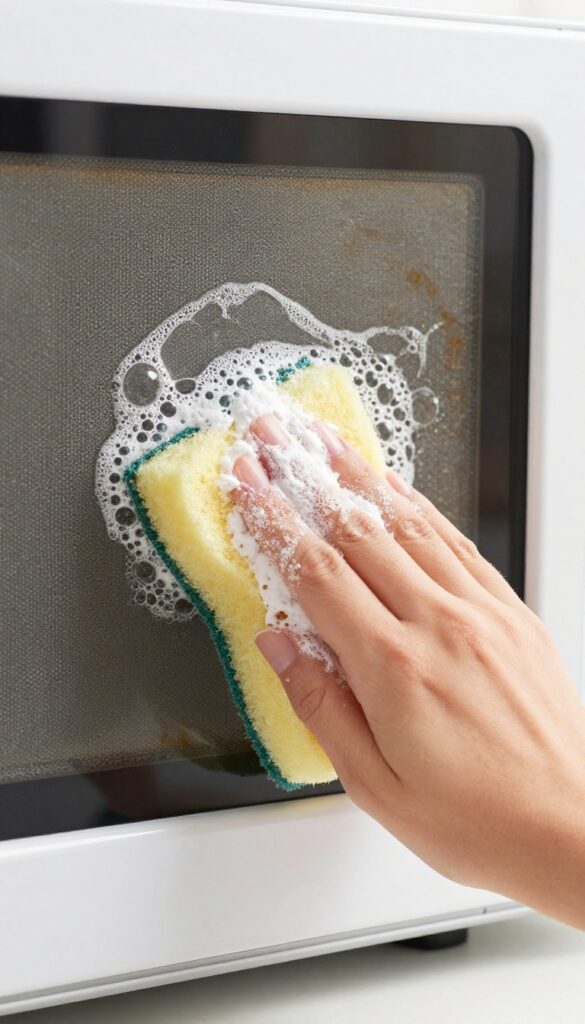
When steam alone can't cut through baked-on grime, it's time to bring out the heavy hitters. Vinegar and baking soda create a fizzy reaction that loosens stuck-on food and neutralizes odors at the same time. This dynamic duo works like a charm without any harsh chemicals.
Sprinkle baking soda on a damp sponge, add a splash of vinegar, and scrub the interior. The fizzing action lifts grime and deodorizes. Wipe clean with a damp cloth.
Why This Combo Works
Baking soda is a mild abrasive that scrubs without scratching, while vinegar cuts through grease. Their chemical reaction creates carbon dioxide bubbles that help dislodge stuck-on particles from the microwave walls and ceiling.
Step-by-step Application
Start by wetting a sponge and sprinkling a generous amount of baking soda over it. Add just a few drops of vinegar to activate the fizz. Immediately scrub the interior in circular motions, focusing on stained areas.
Let the mixture sit for a minute before wiping everything down with a clean, damp cloth.
Rinsing And Finishing
After scrubbing, use a fresh damp cloth to remove any residue. You may need to rinse the sponge and go over the surfaces again to ensure no baking soda is left behind. Dry with a soft towel to prevent water spots.
8. Citrus Peels for a Natural Boost
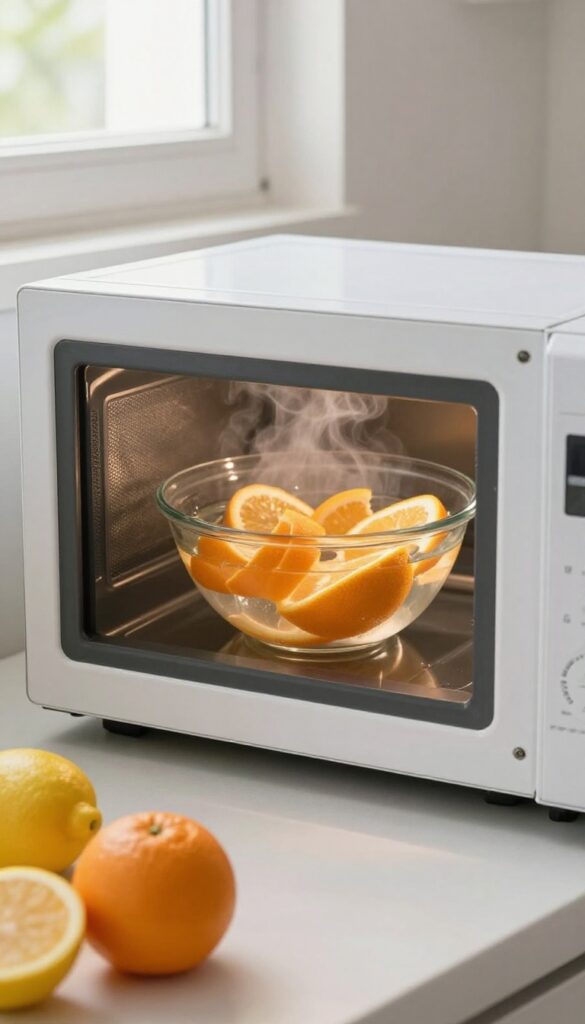
If you want to skip the vinegar smell and still get a sparkling clean microwave, citrus peels are your answer. Orange and lemon peels release natural oils that cut through grease and leave behind a fresh, zesty scent. This step is especially handy when you need a quick refresh without any artificial fragrances.
Save your orange or lemon peels in a small bowl of water. Microwave on high for 4 minutes, then let the bowl sit inside for another 2 minutes. The steam loosens grime while the citrus oils work on stubborn stains.
Wipe down the interior with a cloth—no scrubbing required. The result is a clean, fresh-smelling microwave with zero chemical residue.
Why Citrus Works So Well
Citrus peels contain d-limonene, a natural solvent that breaks down grease and food residue. When heated, the steam carries these oils into every corner of the microwave, softening dried-on messes. Plus, the scent is light and natural, so you don't have to worry about lingering odors.
How To Get The Best Results
Use fresh peels from oranges, lemons, or limes. Place them in a microwave-safe bowl with about a cup of water. Microwave for 4 minutes on high, then let it sit without opening the door for 2 to 3 minutes.
The extra time allows the steam to fully saturate the stains. After that, simply wipe everything down with a damp cloth.
A Quick Refresh Between Deep Cleans
This method is perfect for a mid-week freshen-up. If you've heated something smelly or splattery, toss in a few peels and water. A quick cycle will neutralize odors and loosen any new spots.
It's a low-effort way to keep your microwave feeling clean without a full scrub session.
9. Toothbrush for Crevices and Edges
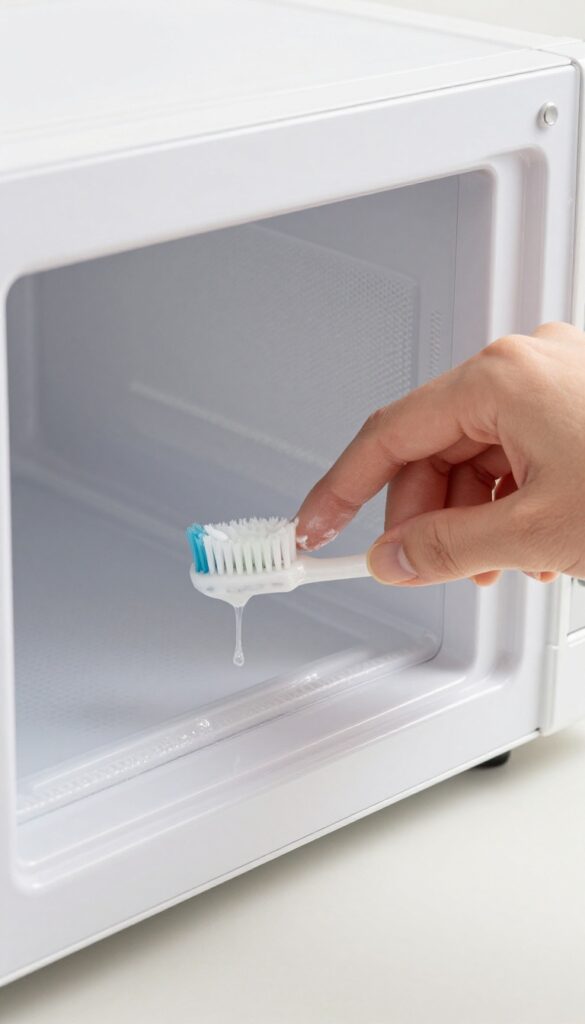
The door seal, vents, and corners of your microwave are prime real estate for trapped odors and grime. These spots are easy to ignore because they're out of sight, but they can make your microwave smell stale no matter how clean the interior looks. A simple toothbrush can reach those tight spaces and scrub away the buildup that sponges and cloths miss.
An old toothbrush is the perfect tool for targeting the narrow crevices where grime and odors hide. Dip it in white vinegar or soapy water, then scrub along the rubber door seal, the vent slots, and the corners where the walls meet the floor. Pay special attention to the door seal—it often collects splatters that turn into stubborn residue.
Rinse the toothbrush frequently and wipe away loosened grime with a damp cloth. This method is gentle enough for regular use but effective enough to tackle months of neglect.
Why The Door Seal Matters
The rubber gasket around the microwave door is a magnet for food particles and moisture. Over time, this can lead to mold growth and a musty smell. Scrubbing it with a toothbrush dipped in vinegar not only removes visible grime but also kills odor-causing bacteria.
Just be careful not to damage the seal—use gentle pressure and avoid harsh scrubbers.
Vents And Corners: The Hidden Traps
Vents and corners collect grease and food debris that can burn or rot, creating persistent odors. A toothbrush can reach into the vent slots and along the back edges where a cloth can't fit. For tough buildup, let a vinegar-soaked brush sit on the spot for a minute before scrubbing.
Finish by wiping with a damp cloth to remove any residue.
10. Baking Soda Overnight Deodorizer
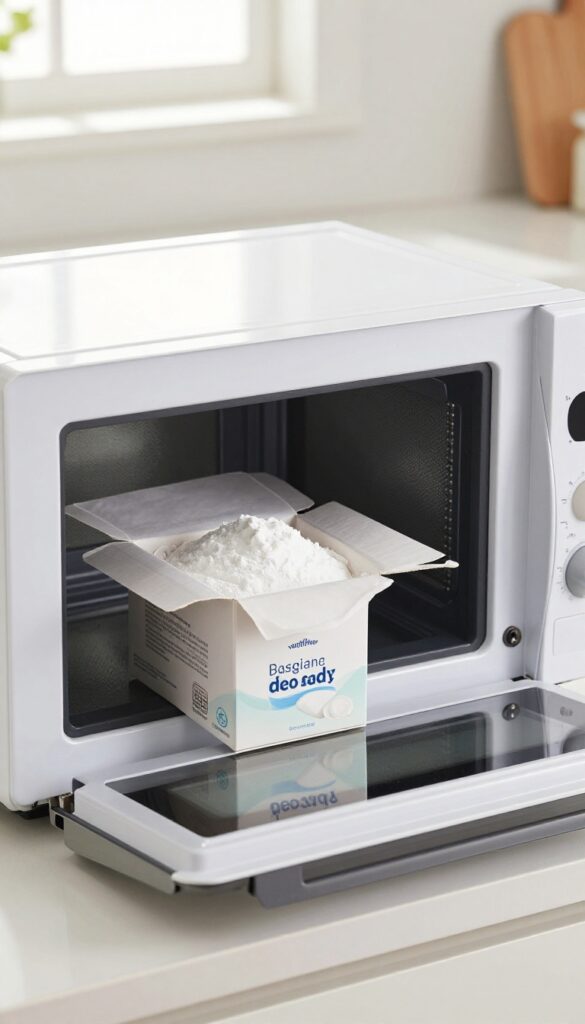
Sometimes a quick wipe isn’t enough to banish stubborn smells. If your microwave still carries traces of fish, curry, or burnt popcorn after cleaning, baking soda works as a gentle, overnight solution. It’s a passive method that requires zero scrubbing—just time.
Baking soda is a natural odor absorber. By leaving an open box inside the microwave overnight, it pulls in and neutralizes lingering smells without adding any scent of its own. This trick is especially useful after cooking pungent foods or when the microwave has been sitting unused for a while.
Just remember to remove the box before heating anything, and replace it every few months for best results.
Why It Works
Baking soda has a porous structure that traps odor molecules. When left in an enclosed space like a microwave, it continuously absorbs airborne smells. Unlike sprays that mask odors, baking soda actually removes them.
How To Do It
Take a fresh box of baking soda, open the flaps, and place it in the center of the microwave. Close the door and leave it undisturbed for at least 8 hours or overnight. In the morning, remove the box and your microwave will smell noticeably fresher.
Extra Tip
For an extra boost, sprinkle a thin layer of baking soda on a plate and microwave it on high for 30 seconds first. This activates the baking soda and helps it absorb odors more quickly. Just let it cool before leaving it inside overnight.
FAQ
Can I use bleach to clean my microwave?
It's not recommended. Bleach can damage the interior and leave harmful fumes. Stick to vinegar, baking soda, or lemon for safe and effective cleaning.
How often should I clean my microwave?
For light use, once a week is enough. If you cook frequently or have spills, clean immediately or at least every few days to prevent buildup and odors.
Why does my microwave smell even after cleaning?
Odors can linger in the vent, door seal, or turntable. Clean those areas separately with a toothbrush and vinegar. Also, check for food trapped under the glass plate.
Is it safe to microwave vinegar?
Yes, as long as you use a microwave-safe bowl and don't overheat. Vinegar steam is safe and effective for cleaning. Just avoid inhaling the fumes directly.
Can I use essential oils in the microwave?
Only if diluted in water. A few drops of lemon or tea tree oil in a bowl of water can add a pleasant scent. Never microwave pure oils as they can ignite.
Conclusion
Microwave odors and stains don't have to be a permanent problem. With these ten simple steps, you can keep your microwave fresh and clean using everyday household items like vinegar, baking soda, and lemons. A quick wipe after each use prevents buildup from returning.
Pick the methods that fit your schedule and mess level—whether it's a daily steam clean or a weekly deep scrub. Your microwave will smell fresh and look spotless with minimal effort. Try a couple of these hacks this week and see the difference for yourself.