15 Cleaning Oven Door Tips for Glass, Grease, and Spots
You open the oven door to check on dinner, but instead of a clear view, you're met with a foggy, grease-splattered mess. That once-clear glass now hides your food and makes the whole kitchen look neglected.
But here's the good news: you don't need harsh chemicals or expensive cleaners to get it back to crystal clear. With a few simple techniques and common household items, you can transform that grimy door into a sparkling showpiece.
These 15 tips cover everything from baked-on grease to water spots, so you can pick the method that works for your mess.
1. The Baking Soda Paste Power Move
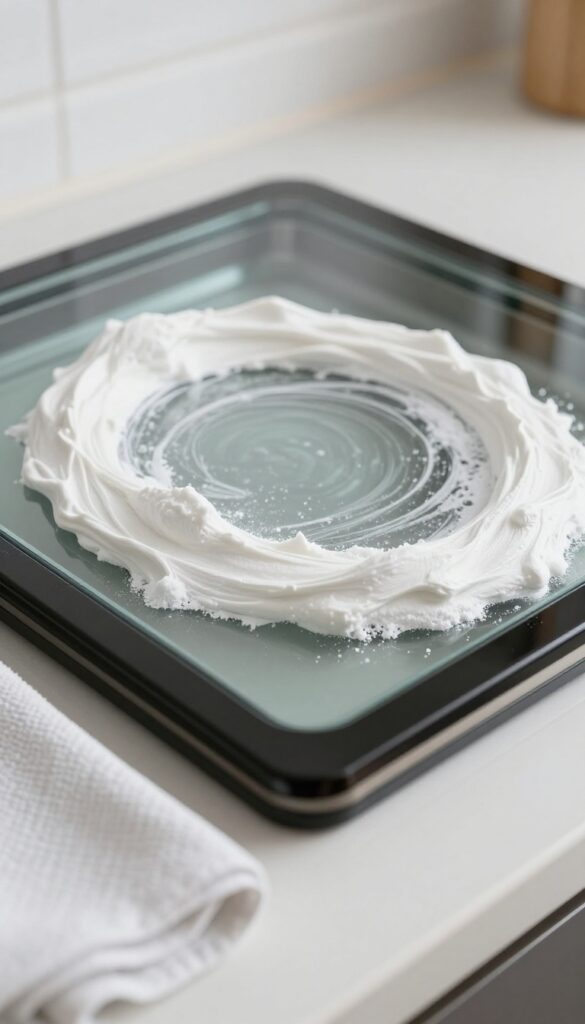
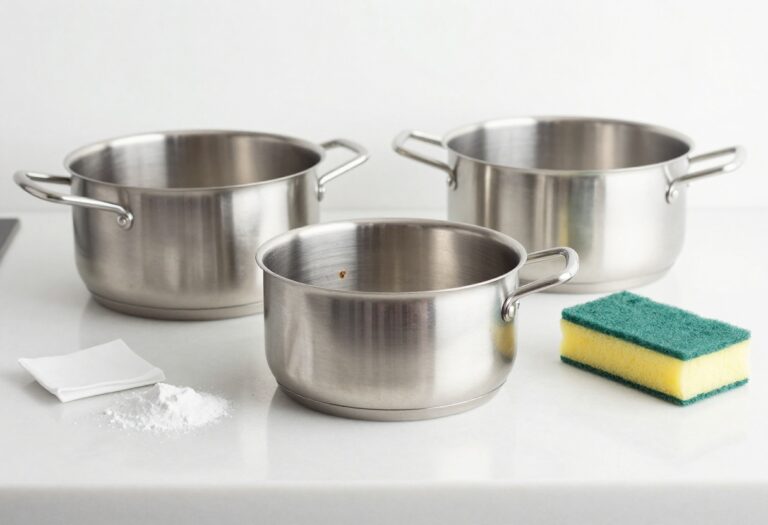
Baking soda is a gentle abrasive that cuts through grease without scratching glass. When mixed with water, it forms a paste that clings to vertical surfaces and breaks down stubborn grime. This method is safe, cheap, and works on even the dirtiest oven doors.
Start by removing loose debris with a dry cloth. Then mix about half a cup of baking soda with a few tablespoons of water until you get a spreadable paste. Apply it generously to the glass, focusing on greasy areas.
Let it sit for 15–20 minutes to loosen baked-on residue. Finally, wipe away the paste with a damp microfiber cloth, rinsing the cloth as needed. For a streak-free finish, buff the glass dry with a clean cloth.
Why Baking Soda Works
Baking soda is mildly alkaline, which helps break down acidic grease and food splatters. Its fine particles provide gentle scrubbing power without scratching the glass. Unlike harsh chemical cleaners, it's non-toxic and safe to use around food.
Getting The Paste Right
The consistency matters. If the paste is too runny, it will drip off the glass. Aim for a thick, peanut-butter-like texture.
Add water a teaspoon at a time until it holds its shape when spread. If it's too thick, it won't spread easily, so adjust as needed.
Wiping Away Without Streaks
Use a damp microfiber cloth to remove the paste. Rinse the cloth frequently in warm water to avoid smearing residue. After the paste is gone, go over the glass with a dry microfiber cloth to buff away any remaining moisture and achieve a crystal-clear finish.
2. Vinegar Spray for Grease Cutter
White vinegar is a powerhouse when it comes to cutting through light grease on oven glass. It's cheap, non-toxic, and already sitting in your pantry. This method works best for doors that aren't caked with burnt-on grime but have a hazy film or fresh splatters.
Mix equal parts white vinegar and water in a spray bottle. Shake gently to combine. Spray the solution generously onto the glass, making sure to cover all greasy areas.
Let it sit for about 5 minutes to break down the grease. Then, wipe with a clean microfiber cloth in circular motions. For stubborn spots, repeat the process or let it sit a bit longer.
Avoid using paper towels, as they can leave lint behind.
Why Vinegar Works So Well
Vinegar is acidic, which helps dissolve grease and grime without harsh scrubbing. It also cuts through soap residue and hard water spots, leaving the glass streak-free. Plus, it's safe for the environment and your lungs, unlike many commercial cleaners.
Best Practices For Streak-free Results
Use a microfiber cloth—it traps grease and doesn't shed lint. Wipe in one direction (top to bottom or side to side) to avoid smearing. If you see streaks, buff with a dry part of the cloth.
For extra shine, follow up with a glass cleaner or a vinegar-and-water rinse.
When To Skip This Method
Vinegar spray is great for light to moderate grease. If your oven door has thick, baked-on layers, you'll need something stronger, like a baking soda paste. Also, avoid vinegar on aluminum or unsealed surfaces, as it can cause damage.
3. Dish Soap and Hot Water Soak
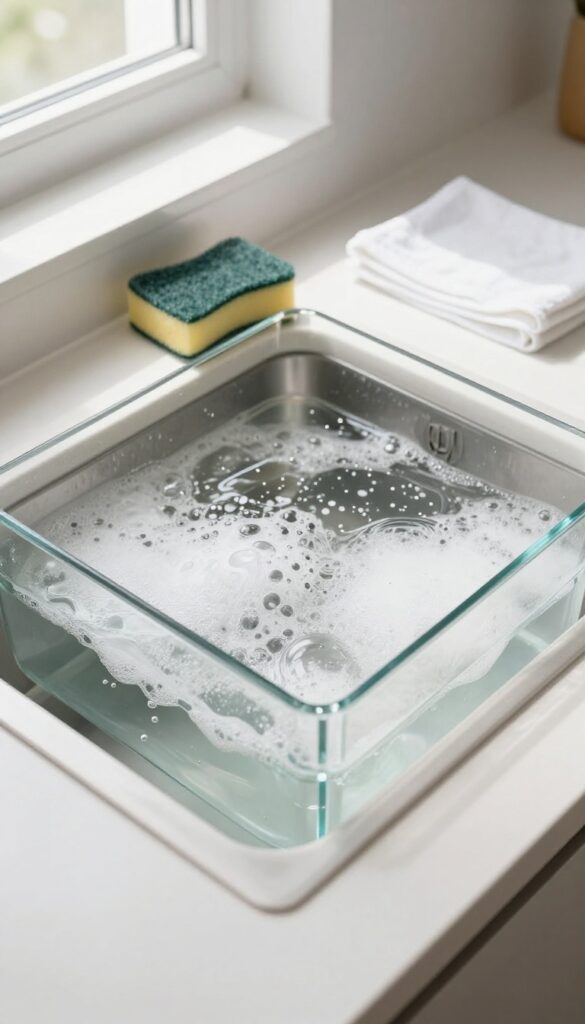
If your oven door is removable, this method is a game-changer. It takes almost no scrubbing and works wonders on stubborn grease. All you need is dish soap, hot water, and a little patience.
This technique is perfect for glass that's caked with layers of baked-on grease. The hot water loosens the grime, while the dish soap breaks down the oil. It's gentle, chemical-free, and leaves the glass streak-free.
How To Remove The Door Safely
Check your oven's manual first. Most doors have hinges that release when you lift them. Place the door flat on a towel-covered counter or table to avoid scratches.
If you're unsure, look up a quick video for your model.
Setting Up The Soak
Fill a sink or large basin with hot water and add a generous squirt of dish soap. Lay the glass flat and pour the soapy water over it until fully submerged. Let it sit for 30 minutes.
For extra tough spots, add a quarter cup of baking soda to the water.
Scrubbing And Rinsing
After soaking, use a non-abrasive sponge or soft cloth to wipe away the loosened grease. Avoid steel wool or harsh scrubbers. Rinse thoroughly with clean water and dry with a microfiber cloth to prevent water spots.
4. Lemon Juice for Stubborn Spots
When water spots or mineral deposits just won't budge, it's time to call in some citrus power. Lemons are naturally acidic, which makes them excellent at breaking down those cloudy, stubborn spots that resist milder cleaners. Plus, they leave your kitchen smelling fresh and clean.
Lemon juice works wonders on mineral deposits and hard water spots that dull your oven glass. The citric acid dissolves the buildup without scratching, and the natural oils help cut through light grease. This method is especially good for spots that appear after you've already cleaned the glass but still see residue.
Direct Rub Method
Cut a lemon in half and rub the cut side directly onto the spots. Apply a little pressure and let the juice sit for a couple of minutes. Then wipe away with a damp cloth.
For extra stubborn spots, sprinkle a pinch of salt on the lemon half before rubbing—it acts as a gentle abrasive.
Lemon Juice Spray
Squeeze the juice of one lemon into a spray bottle and add equal parts water. Shake well and spray onto the glass. Let it sit for 5 minutes, then scrub gently with a soft sponge or cloth.
Rinse with water and dry with a microfiber towel for a streak-free shine.
5. Razor Blade Scraper for Baked-On Gunk
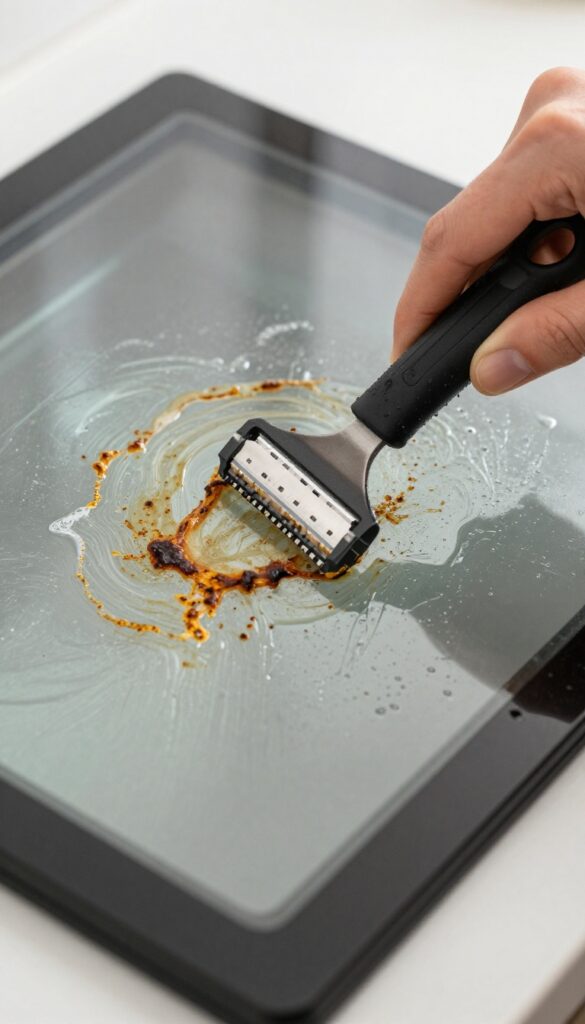
When elbow grease and cleaning sprays aren't cutting it, it's time to bring out the big guns. A razor blade scraper can be your secret weapon against stubborn, baked-on gunk that laughs at regular cleaners. The trick is using it correctly—otherwise, you risk scratching the glass.
Done right, it'll leave your oven door looking like new.
Prep The Glass
Before you start scraping, make sure the glass is wet. Spray it generously with a mixture of dish soap and water or a glass cleaner. The moisture acts as a lubricant, reducing friction and preventing scratches.
Never use a dry blade on dry glass—that's a fast track to permanent damage.
Hold The Blade At 45 Degrees
Grip the razor blade scraper firmly and hold it at a 45-degree angle to the glass. Using short, gentle strokes, push the blade forward to lift the burnt-on residue. Don't use a sawing motion; let the blade do the work.
Repeat as needed, rinsing the blade frequently to remove buildup.
Finish With A Clean Wipe
Once you've scraped off the gunk, wipe the glass with a clean, damp microfiber cloth to remove any leftover debris. Follow up with a streak-free glass cleaner for a polished finish. Your oven door will be so clear you'll forget it was ever dirty.
6. Magic Eraser for Quick Touch-Ups
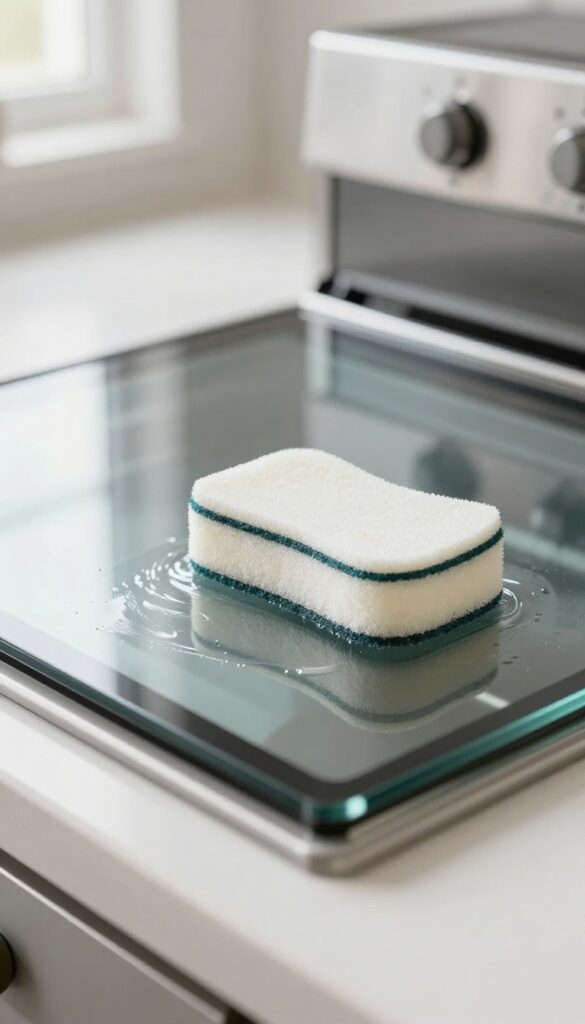
Sometimes you just need a fast fix for a few smudges or a light grease film on the glass. That's where a melamine sponge, often sold as Magic Eraser, comes in. It's a simple, no-fuss tool that polishes away grime without any extra chemicals.
Dampen the sponge until it's just moist, then gently rub the glass in circular motions. The micro-abrasive foam lifts grease and light stains almost instantly. Rinse the glass with water afterward to prevent any white residue from the sponge.
This method works best for maintenance cleaning, not for heavy baked-on buildup.
Why It Works So Well
Melamine foam acts like ultra-fine sandpaper, physically lifting dirt from the surface. It's gentle enough for glass but tough on grease. No need for sprays or pastes—just water activates the cleaning action.
When To Use It
Reach for the Magic Eraser when you have light grease splatter, fingerprints, or water spots. It's perfect for a quick clean between deep scrubs. Avoid using it on scratched or etched glass, as the abrasion could worsen damage.
Pro Tips For Best Results
Cut the sponge into smaller pieces so you don't waste it. Use a fresh dampened section for each cleaning. Rinse the glass thoroughly after use—any leftover foam particles can look like dust once dry.
7. Ammonia-Free Glass Cleaner for Streaks
Streaks on oven glass are frustrating, especially after you've spent time scrubbing. Many commercial glass cleaners contain ammonia, which can leave a residue that attracts more dust and grease. Switching to an ammonia-free formula gives you a cleaner finish without the harsh fumes.
For a streak-free shine, choose a glass cleaner labeled ammonia-free. Spray it lightly onto the cool glass surface, then wipe with a dry microfiber cloth using circular motions. Follow up with a clean, dry section of the cloth to buff away any remaining moisture.
This two-step process removes smudges and prevents new streaks from forming. Avoid using paper towels, which can leave lint behind. Microfiber is your best friend here because it traps dirt without scratching.
Why Ammonia-free Matters
Ammonia-based cleaners can react with baked-on grease, creating a cloudy film that's hard to remove. They also release strong vapors that linger in your kitchen. Ammonia-free alternatives are gentler on the glass and safer for your family, especially if you have kids or pets around.
Plus, they won't damage any protective coatings on the oven door.
The Right Technique For No Streaks
Start with a cool oven door—cleaning when it's hot can cause streaking as the liquid evaporates too quickly. Spray the cleaner directly onto the glass, not the cloth, to ensure even coverage. Use a fresh microfiber cloth for wiping, then flip to a dry side for buffing.
Work in small sections so the cleaner doesn't dry before you wipe it off.
Diy Ammonia-free Cleaner Option
If you prefer a homemade solution, mix equal parts distilled water and white vinegar in a spray bottle. Add a drop of dish soap to cut grease. Shake gently, then spray and wipe using the same microfiber technique.
This mix is ammonia-free, streak-free, and costs pennies to make. Just be sure to label the bottle clearly.
8. Cornstarch for Grease Absorption
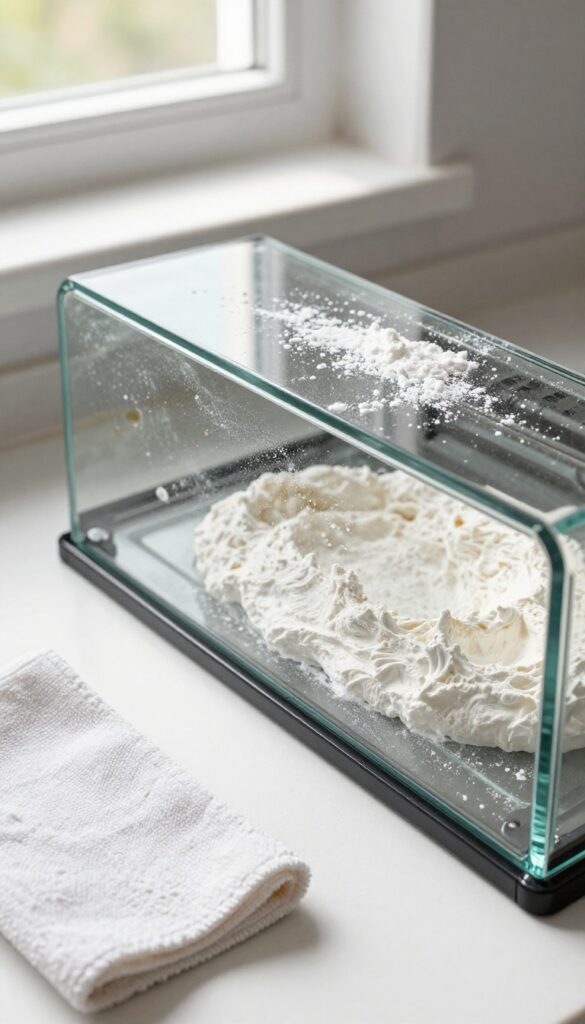
Grease on oven glass can feel impossible to remove, especially after multiple cooking sessions. Cornstarch offers a surprisingly effective way to lift that sticky layer without harsh scrubbing. It works by absorbing the oil, making it easy to wipe away before you tackle any remaining residue.
Sprinkle a generous amount of cornstarch directly onto the greasy areas of the oven door. Let it sit for about 10 minutes – you'll see it start to clump as it soaks up the grease. Then, use a damp microfiber cloth to wipe away the cornstarch, along with the absorbed oil.
For a final clean and shine, follow up with a spray of equal parts white vinegar and water, then wipe dry with a clean cloth.
Why Cornstarch Works So Well
Cornstarch is a natural absorbent, meaning it pulls grease and oil into its particles. Unlike some cleaners that just spread the grease around, cornstarch lifts it away from the surface. This makes it especially useful for stubborn, built-up grease that has been baked on over time.
Best Practices For Cornstarch Cleaning
For best results, make sure the oven door is cool before you start. Apply cornstarch generously – don't be shy, as a thin layer won't absorb as much. If the grease is very thick, you can let the cornstarch sit for up to 15 minutes.
After wiping, check the glass; if any greasy spots remain, repeat the process. Always finish with a vinegar spray to remove any cornstarch residue and leave the glass streak-free.
When To Use This Method
Cornstarch is ideal for moderate to heavy grease buildup on oven glass. It's a great pre-treatment before using a glass cleaner or vinegar solution. Avoid using it on hot surfaces or if the door has a lot of burnt-on food particles – those are better handled with a baking soda paste first.
9. Hydrogen Peroxide for Tough Stains
Some stains on oven glass just refuse to budge, no matter how much you scrub. That's when hydrogen peroxide comes to the rescue. This common household antiseptic doubles as a gentle but effective cleaner that breaks down stubborn spots without damaging the glass.
Hydrogen peroxide works by releasing oxygen bubbles that lift dirt and grime from the surface. For best results, pour a small amount directly onto the stain or mix it with baking soda to create a thick paste. Apply the paste to the glass, let it sit for about 5 minutes, and watch it bubble away the mess.
Afterward, scrub with a soft sponge and rinse thoroughly. Just avoid using this method on colored or decorative glass, as it may cause fading.
Direct Application For Spot Treatment
For isolated tough spots, soak a paper towel or cloth in hydrogen peroxide and lay it over the stain. Let it sit for 5–10 minutes, then wipe clean. This concentrated approach tackles grease and baked-on residue without spreading the mess.
Peroxide And Baking Soda Paste
Mix equal parts hydrogen peroxide and baking soda to form a spreadable paste. Apply it to the entire glass surface or just the stained areas. Let the paste bubble and sit for 5 minutes before scrubbing gently with a non-abrasive sponge.
Rinse well with water for a streak-free finish.
Safety Tips And Precautions
Always test hydrogen peroxide on a small hidden area first if your oven glass has any tint or coating. Avoid mixing with vinegar or bleach, as this can create harmful fumes. Keep the oven door open during cleaning to ensure ventilation.
10. Steam Cleaning with a Bowl of Water
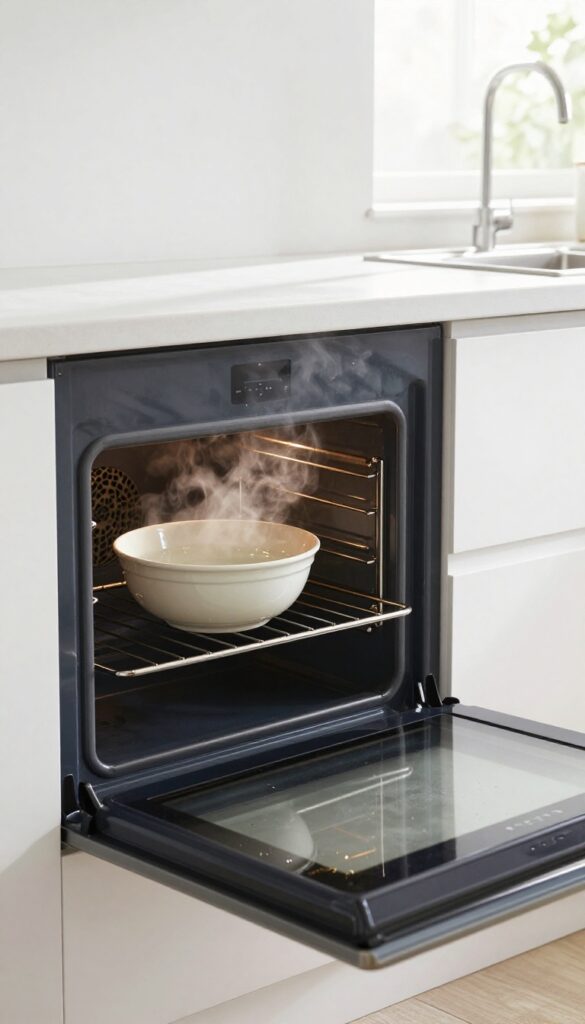
Steam is one of the easiest ways to loosen baked-on grease without scrubbing yourself into a frenzy. All you need is a heat-safe bowl of water and a few minutes of your time. This method works especially well when the grime is thick or has been sitting for a while.
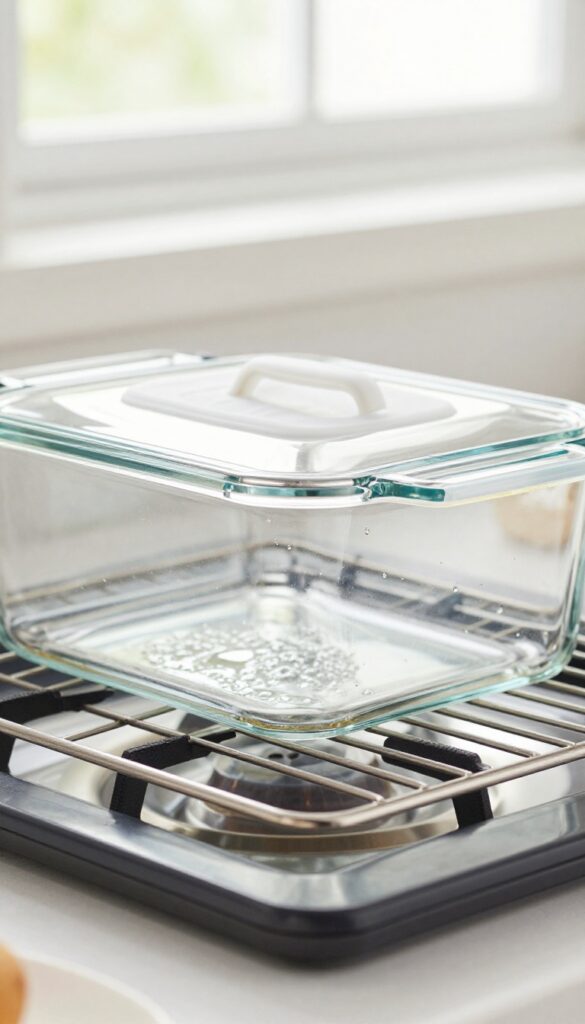
Place a heat-safe bowl filled with water on the oven rack. Set the oven to 250°F and let it run for 20 minutes. The steam will soften the grease and grime on the door.
Once the oven cools enough to touch safely, wipe the glass with a damp cloth or sponge. For stubborn spots, add a splash of vinegar to the water for extra cleaning power.
Why Steam Works So Well
Heat and moisture are a powerful combo. The steam penetrates grease layers, making them slippery and easy to wipe away. It also reaches corners and crevices that a sponge might miss.
Tips For Best Results
Use distilled water to avoid mineral deposits on the glass. Don't open the oven door during steaming—let the steam build up. After wiping, buff the glass with a dry microfiber cloth for a streak-free shine.
11. Toothbrush for Crevices and Edges
The glass might look great, but what about the edges, hinges, and rubber seals? Those tight spots are where grease and grime love to hide. A simple toothbrush can reach every nook and cranny, making sure no hidden dirt is left behind.
Make Your Own Paste
Mix baking soda with a little water or vinegar to form a thick paste. Dip the toothbrush into the paste and scrub along the edges and seals. The bristles work the paste into small gaps, loosening stubborn grime.
Focus On Hinges And Seals
Hinges and rubber seals collect grease over time. Use the toothbrush to gently scrub these areas. For rubber seals, avoid harsh chemicals that could dry them out.
A mild paste or vinegar works best.
Rinse And Wipe
After scrubbing, wipe away the residue with a damp cloth. Use a dry cloth to remove any moisture. This prevents water spots and keeps the seals in good condition.
12. Rubbing Alcohol for a Final Shine
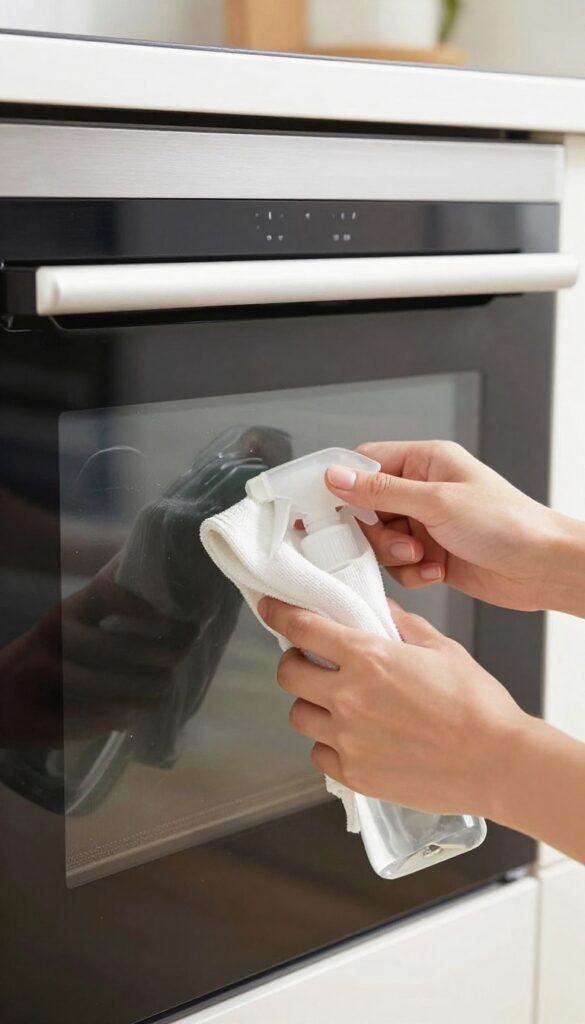
You've scrubbed, rinsed, and dried the glass, but somehow it still looks a little cloudy or streaky. That's where rubbing alcohol swoops in to save the day. This simple step gives your oven door that showroom-worthy finish without any extra elbow grease.
Rubbing alcohol is a fantastic final step because it evaporates almost instantly, leaving zero residue behind. Unlike water, which can leave mineral spots, or vinegar, which can streak if not wiped perfectly, alcohol dries clean and clear. Just a quick wipe and you're done.
Why It Works So Well
Alcohol is a solvent that cuts through any lingering grease or cleaner residue. It also has a low surface tension, so it spreads evenly and doesn't bead up. That means no patchy spots or rainbow streaks—just pure, transparent glass.
How To Apply It
Dampen a lint-free microfiber cloth with a little rubbing alcohol (70% is fine). Wipe the glass in one direction, then flip the cloth and do a second pass to catch any remaining moisture. Avoid pouring alcohol directly on the glass—it can drip into the oven's hinges or seals.
When To Skip This Step
If your oven glass has a protective coating (some newer models do), check the manual first. Alcohol can sometimes damage special coatings. When in doubt, test on a small corner first.
13. Commercial Oven Cleaner (Use with Caution)
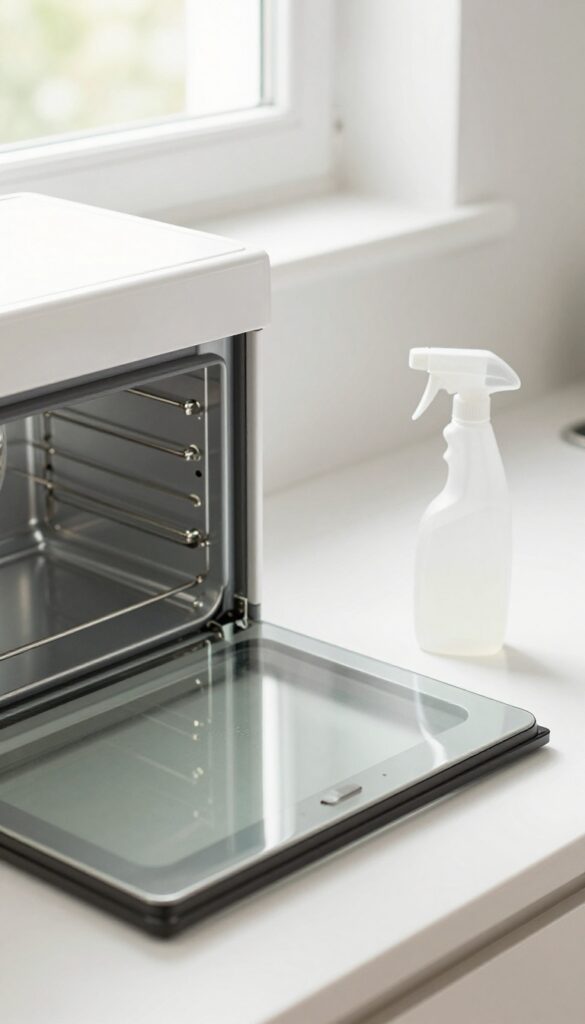
Sometimes a DIY approach just won't cut it. For that rock-hard, baked-on grease that's been accumulating for months, a commercial oven cleaner can be a lifesaver. But these products are potent, so you need to handle them with care.
A little caution goes a long way toward a sparkling clean door without any unwanted side effects.
Choose The Right Cleaner
Not all oven cleaners are created equal. Look for a spray-on formula specifically designed for glass oven doors. Avoid abrasive cleaners that can scratch the surface.
Check the label to ensure it's safe for your oven type—some are not recommended for self-cleaning ovens or certain coatings.
Safety First
Always wear rubber gloves and work in a well-ventilated area. Open a window or turn on a fan. The fumes can be strong, so it's best to keep kids and pets away.
Follow the instructions on the bottle exactly—don't leave it on longer than recommended.
Application And Rinsing
Spray the cleaner evenly on the glass, avoiding the heating elements and any openings. Let it sit for the specified time. Then, wipe off with a damp sponge or cloth.
Rinse thoroughly with water to remove all chemical residue. Any leftover cleaner can affect the taste of your food or create fumes when you next use the oven.
14. Microfiber Cloth Only for Daily Wipe
The easiest way to keep your oven door spotless is to stop messes before they set. A quick daily wipe with a dry microfiber cloth can save you from heavy scrubbing later.
Why Microfiber Works Best
Microfiber traps grease and dust particles instead of pushing them around. Unlike paper towels or cotton rags, it doesn't leave lint or streaks. The fine fibers grab onto oil molecules, lifting them off the glass without any cleaner.
How To Make It A Habit
Keep a dedicated microfiber cloth near the oven or in a kitchen drawer. After the oven cools down, give the glass a quick once-over. This takes less than 30 seconds and stops grease from baking on during the next use.
Care For Your Cloth
Wash microfiber cloths separately from linty fabrics. Use mild detergent and skip fabric softener—softener clogs the fibers and ruins their effectiveness. Air dry or tumble on low heat.
15. Prevention with a Splatter Guard
You've scrubbed, steamed, and polished your oven door until it sparkles. Now, how do you keep it that way without spending every weekend cleaning? The secret is stopping messes before they happen.
A simple splatter guard or a sheet of aluminum foil placed on the rack below your dish catches drips, splatters, and bubbling sauces before they hit the glass. It's a small step that saves you from scrubbing later.
Choose The Right Guard
You can buy a reusable splatter guard made of silicone or metal, or just use heavy-duty aluminum foil. Fold the edges up to create a shallow tray that catches any overflow. Make sure it doesn't block air circulation—leave space around the edges.
Place It Correctly
Position the guard on the rack directly under your dish, not on the oven floor. This catches drips before they hit the bottom and turn into smoke or stains. For casseroles or pies that might bubble over, this is a game-changer.
Keep It Clean
After each use, let the guard cool, then wipe it down or toss it if you used foil. A quick rinse prevents grease buildup. With a reusable guard, a run through the dishwasher keeps it ready for next time.
FAQ
Can I use Windex on my oven door?
Yes, but choose a Windex without ammonia if your oven door has a tinted coating. Ammonia can damage some glass finishes. Always test on a small area first.
How often should I clean the oven door glass?
For best results, wipe the glass after each use with a dry cloth. Do a deep clean with baking soda or vinegar every 1–2 months, depending on usage.
Is it safe to use a razor blade on oven glass?
Yes, if the glass is flat and you keep it wet. Use a new blade at a 45-degree angle and avoid pressing too hard. Do not use on textured or coated glass.
Why does my oven door glass look foggy after cleaning?
Foggy glass is often due to soap residue or hard water spots. Rinse thoroughly with vinegar water and dry with a microfiber cloth to restore clarity.
Can I clean the oven door while it's still warm?
It's safer to let the oven cool completely. Cleaning a warm door can cause the glass to crack, and cleaners may evaporate too quickly or produce fumes.
Conclusion
A sparkling oven door doesn't have to be a distant dream. With these 15 tips, you've got a full toolkit to tackle glass, grease, and spots using everyday items. Start with the gentlest method and work your way up as needed.
A quick wipe after cooking will keep that clarity lasting longer. Pick your favorite trick and give it a try this weekend—you'll be amazed at the transformation.