10 Must-See Tub Shower Tile Ideas for a Smart, Stylish Setup
The right tile can turn a basic tub shower into the standout feature of your bathroom. It’s not just about looks—durable, water-resistant materials and smart layouts make daily life easier. Whether you’re renovating or just dreaming, these ideas show how tile can elevate both style and function.
From timeless classics to bold statements, each option brings its own personality. You’ll also learn practical tricks like using large-format tiles to reduce grout lines or adding a niche for storage.
The goal is a space that feels fresh, works hard, and suits your taste. Let’s dive into ten tile ideas that deliver real impact, whether you’re after a spa-like retreat or a low-maintenance upgrade.
1. Classic Subway Tile with a Twist
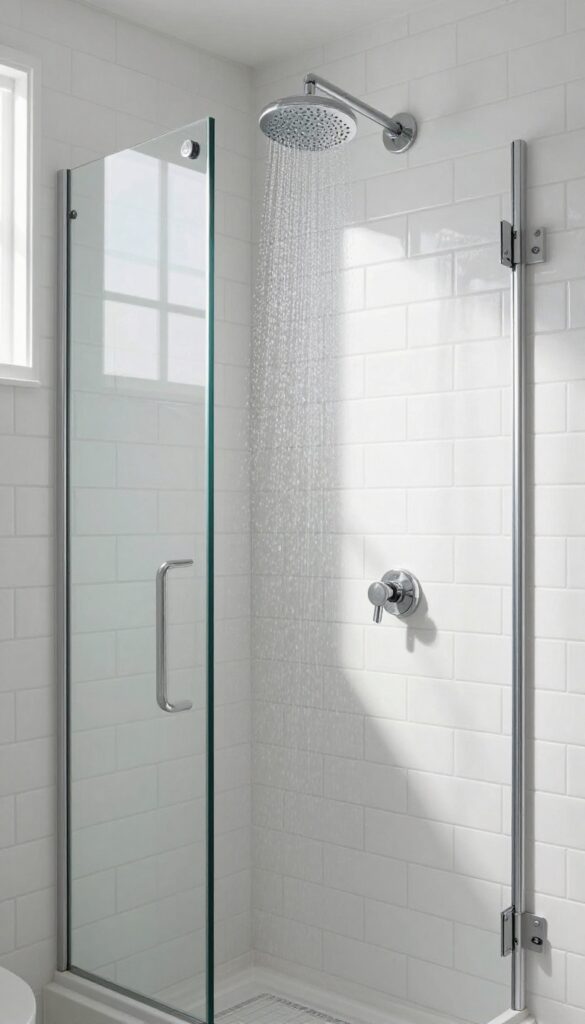
Subway tile is a timeless choice that never really goes out of style. But that doesn't mean you have to stick with the same old white rectangles in a brick pattern. By tweaking the layout or the grout, you can give this classic a fresh, modern vibe that still feels clean and bright.
The beauty of subway tile lies in its versatility. It fits almost any bathroom style, from farmhouse to modern, and it's a breeze to clean. But the real magic happens when you play with the details.
A herringbone pattern adds visual interest and a touch of elegance, while colored grout can make the tile pop or blend seamlessly with your decor. These small changes can completely transform the look of your tub shower without breaking the bank.
Herringbone Layout
Instead of the standard brick pattern, lay the subway tiles in a herringbone design. This angled arrangement creates a dynamic, eye-catching focal point that draws the eye upward, making the shower feel taller and more spacious. It's a classic pattern with a twist that works beautifully in both contemporary and traditional bathrooms.
Colored Grout
Colored grout is an easy way to add personality. A contrasting grout, like dark gray or navy, can make white subway tiles stand out and define the pattern. On the other hand, a grout that matches the tile color creates a seamless, monolithic look that's very modern.
Choose a grout that complements your bathroom's color scheme and watch the tile take on a whole new character.
Large-format Subway
If you love the subway tile look but want fewer grout lines, opt for large-format subway tiles. These longer, wider tiles create a sleeker, more streamlined appearance and are easier to keep clean. They're perfect for a minimalist aesthetic and can make a small bathroom feel more open and airy.
2. Large-Format Tiles for a Seamless Look
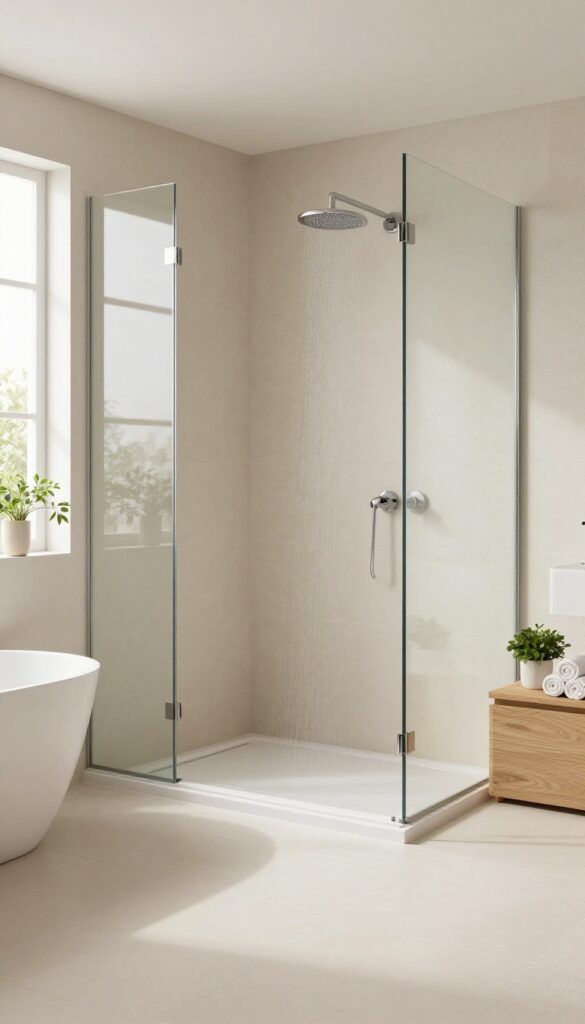
Large-format tiles are a game-changer for tub showers, offering a clean, uninterrupted surface that feels both modern and spacious. By minimizing grout lines, they cut down on scrubbing time and create a sleek, spa-like aesthetic. If you want a low-maintenance option that still looks high-end, this is worth considering.
The beauty of large-format tiles lies in their simplicity. With fewer joints, there’s less place for soap scum and mildew to hide, making cleaning a breeze. Plus, the expansive surface visually expands the space, making even a compact bathroom feel airy and open.
Choose from polished porcelain, matte ceramic, or even natural stone-look finishes to match your style.
Why Size Matters
Bigger tiles mean fewer grout lines, which not only looks cleaner but also reduces maintenance. Grout is porous and prone to staining, so less of it is a practical win. In a wet area like a tub surround, that’s a huge advantage.
Installation Tips
Large tiles require a perfectly flat surface to avoid lippage, so proper prep is key. Use a leveling system and a quality thinset to ensure everything sits flush. Hiring an experienced installer is worth it to get that seamless finish.
Style Variations
You’re not stuck with plain white. Large-format tiles come in marble-look, concrete-look, or even wood-look finishes. A soft, neutral tone can make the bathroom feel like a retreat, while a bold pattern adds a touch of drama without overwhelming the space.
3. Hexagon Tiles for a Playful Touch
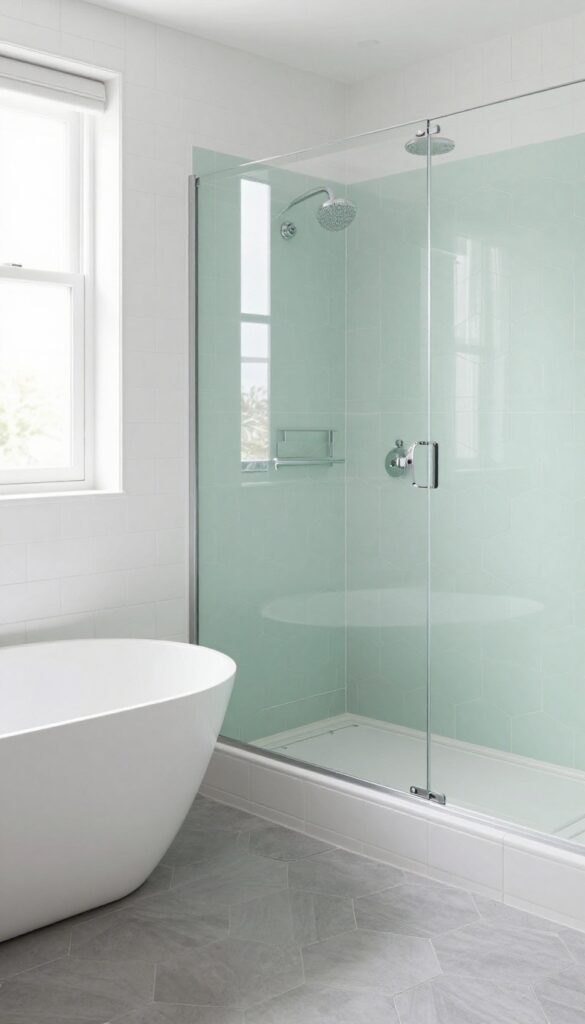
Hexagon tiles bring a fresh, geometric vibe that feels both modern and playful. They break up the monotony of straight lines without shouting for attention. Whether you use them sparingly or go all in, they add texture and depth that plain tiles just can't match.
These six-sided tiles are also incredibly versatile. You can play with scale, color, and layout to create everything from a subtle accent to a bold feature wall. Plus, they're made from durable materials that stand up to moisture and daily wear, so they're as practical as they are pretty.
Hexagon tiles are a smart pick for tub showers because they offer visual interest without overwhelming the space. The key is to balance the pattern with neutral tones and simple fixtures. Use them on the floor for a subtle foundation, or create an accent wall behind the tub to draw the eye.
Either way, they add a layer of sophistication that feels current but timeless. One of the best things about hexagon tiles is how they hide dirt and water spots. The many grout lines might seem like a downside, but they actually help with slip resistance and make small imperfections less noticeable.
With the right grout color, you can even make maintenance easier—darker grout hides stains, while lighter grout brightens the space.
Scale And Size Options
Hexagon tiles come in a range of sizes, from tiny mosaics to large statement pieces. Small hexagons create a busy, textured look that's great for floors or niche backsplashes. Large hexagons, on the other hand, give a more modern, minimal feel with fewer grout lines.
Choose based on the vibe you want—small for classic charm, large for contemporary flair.
Color And Finish Ideas
White hexagon tiles are a safe bet, but don't shy away from soft pastels or bold hues. A matte finish reduces glare and adds a cozy touch, while glossy tiles reflect light and make the space feel bigger. You can also mix and match colors to create a custom pattern that matches your bathroom's personality.
Placement Strategies
For a balanced look, use hexagon tiles on the floor and pair them with simple subway tiles on the walls. Or, create a feature wall behind the tub with hexagon tiles in a contrasting color. If you're feeling adventurous, try a vertical layout to elongate the space or a herringbone pattern for extra movement.
4. Natural Stone for a Spa-Like Vibe
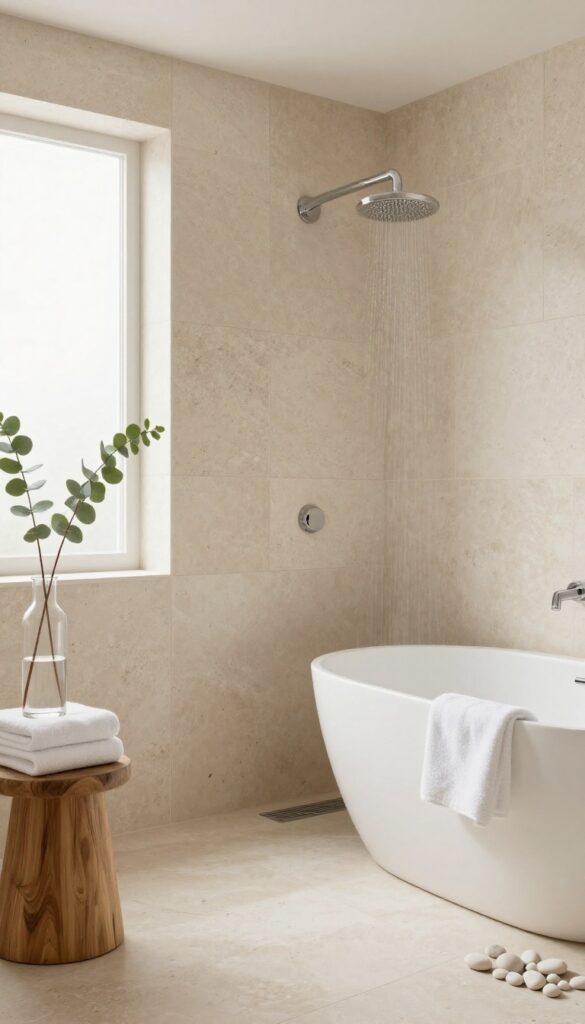
There’s a reason high-end spas lean on natural stone—it instantly adds warmth and texture that manufactured tiles can’t quite replicate. Travertine, slate, or marble bring an organic, calming feel that turns your tub shower into a mini retreat. But before you commit, know that stone needs a bit more care than ceramic or porcelain.
Natural stone is a top pick for homeowners who want a luxurious, earthy look. It’s available in a range of finishes—from honed to tumbled—so you can dial in the exact vibe. The catch?
Stone is porous, so proper sealing is non-negotiable to protect against moisture and stains. With the right prep, it’s a durable, stunning choice that ages beautifully.
Pick The Right Stone
Travertine offers a classic, warm look with subtle pits and troughs. Slate is darker and more rugged, great for a modern, rustic feel. Marble screams luxury but is softer and more prone to etching.
For a tub shower, honed or tumbled finishes are safer—they’re less slippery than polished surfaces.
Sealing And Maintenance
Seal your stone every 6–12 months with a high-quality penetrating sealer. Use pH-neutral cleaners only—acidic or abrasive products can damage the surface. Wipe down after each use to prevent soap scum and hard water spots.
It’s a bit more effort, but the payoff is a shower that looks and feels premium.
Mix With Other Materials
To balance cost and upkeep, consider using natural stone on one accent wall or the shower floor, then pair it with ceramic or porcelain elsewhere. This keeps the spa vibe without going overboard. Large-format stone slabs reduce grout lines and make cleaning easier, but they require professional installation.
5. Bold Patterned Tiles as a Focal Point
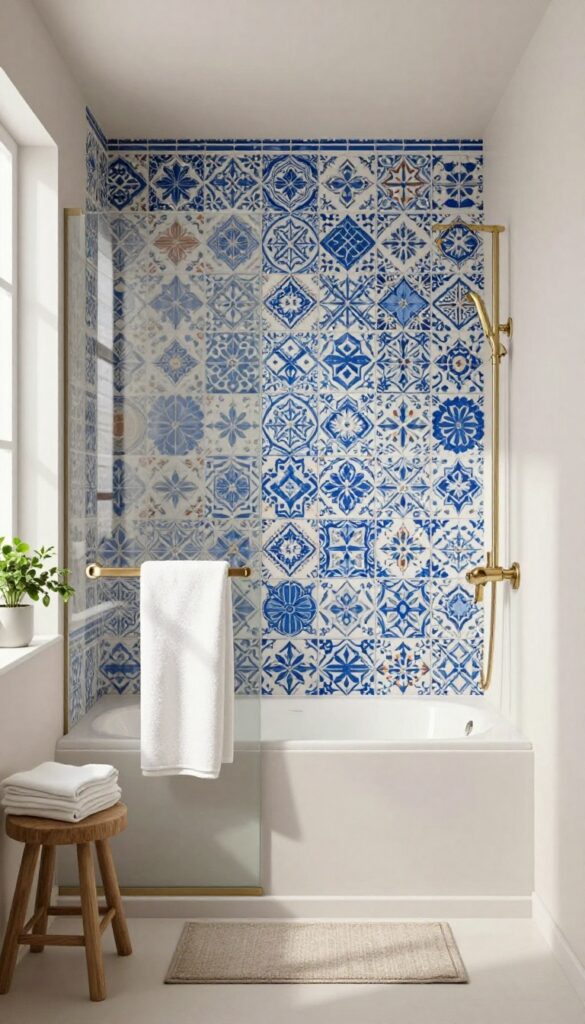
Patterned tiles are the quickest way to inject personality into a tub shower. Think encaustic cement tiles or Moroccan-inspired motifs—they bring color, geometry, and a handcrafted feel that plain tiles just can't match. The trick is using them strategically so they energize the space without turning it into a visual free-for-all.
A single accent wall behind the tub or a shower niche lined with patterned tiles can become the room's centerpiece. This approach lets you enjoy the bold look without committing to a full surround, which can feel busy and cost more. Pairing patterns with neutral, solid tiles elsewhere keeps the design balanced and easy on the eyes.
Pick A Pattern That Fits Your Style
From classic black-and-white geometrics to vibrant floral motifs, there's a pattern for every taste. If you're drawn to Mediterranean vibes, look for blue-and-white tiles with intricate details. For a more modern edge, choose large-scale abstract patterns in muted tones.
The key is to pick something you love and that complements your bathroom's existing fixtures and finishes.
Where To Use Patterned Tiles
The shower niche is a natural spot for a pattern pop—it draws the eye without overwhelming. Alternatively, tile the back wall of the tub surround, leaving the other walls solid. You can also use patterned tiles as a border or band to add interest without a full accent wall.
This works especially well in smaller bathrooms where too much pattern can feel cramped.
Balance And Color Coordination
To keep the look cohesive, pull a color from the pattern and use it in the rest of the bathroom—like in towels, a bath mat, or even the paint color. Stick to two or three main colors in the pattern to avoid a chaotic feel. If your pattern is bold, keep other elements simple and neutral so the tile remains the star.
6. Vertical Stacked Tiles to Add Height
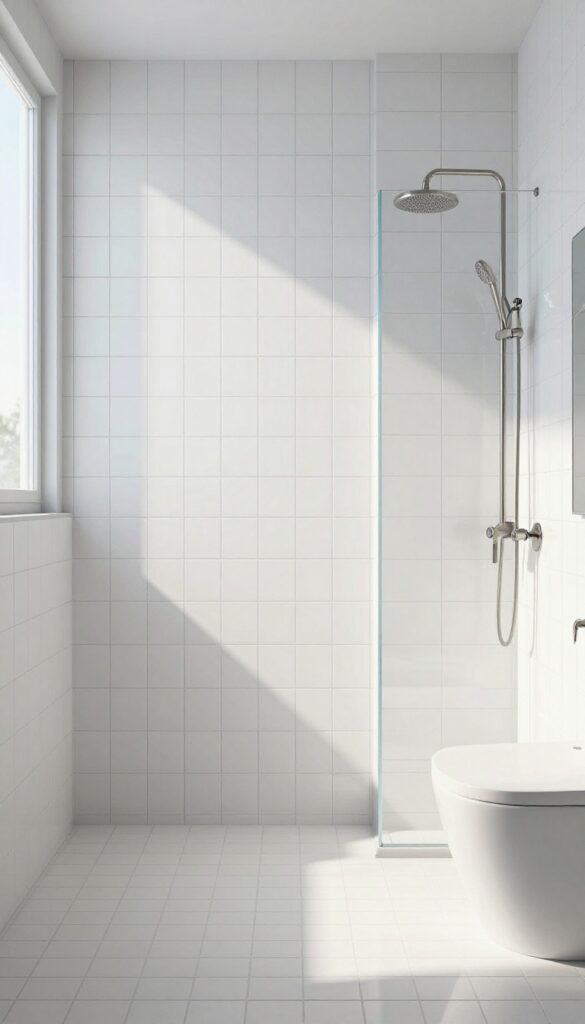
If your bathroom feels a bit cramped or the ceiling seems lower than you'd like, the way you lay your tile can make a surprising difference. Vertical stacking is a simple trick that draws the eye upward, creating the illusion of more height. It's an easy way to add a modern touch without changing the structure of your space.
Vertical stacked tiles are exactly what they sound like: rectangular tiles installed with their longer side running vertically, and aligned in straight columns rather than staggered. This creates clean, continuous lines that lead the eye from floor to ceiling. It's a subtle but powerful design choice that can make your tub shower feel taller and more open.
Why It Works
Our brains naturally follow lines, so vertical lines make a room feel taller. This is a classic interior design trick, and it works just as well in a shower as it does in a living room. The straight, uninterrupted grout lines also add a sense of order and calm, which is perfect for a bathroom.
Best Tile Choices
Subway tiles are the most popular pick for this look, but you can also use plank tiles that mimic wood or stone. The key is to choose a tile that's at least twice as long as it is wide—think 3×6, 4×12, or even larger. Glossy finishes reflect more light, which can further enhance the feeling of height.
Style Variations
You can keep it simple with a single color, or mix it up with a contrasting grout to emphasize the vertical lines. Another idea is to use vertical stacking only on one accent wall, like the one behind the tub, and keep the rest of the shower in a different pattern. This adds interest without overwhelming the space.
7. Mosaic Tiles for Texture and Detail
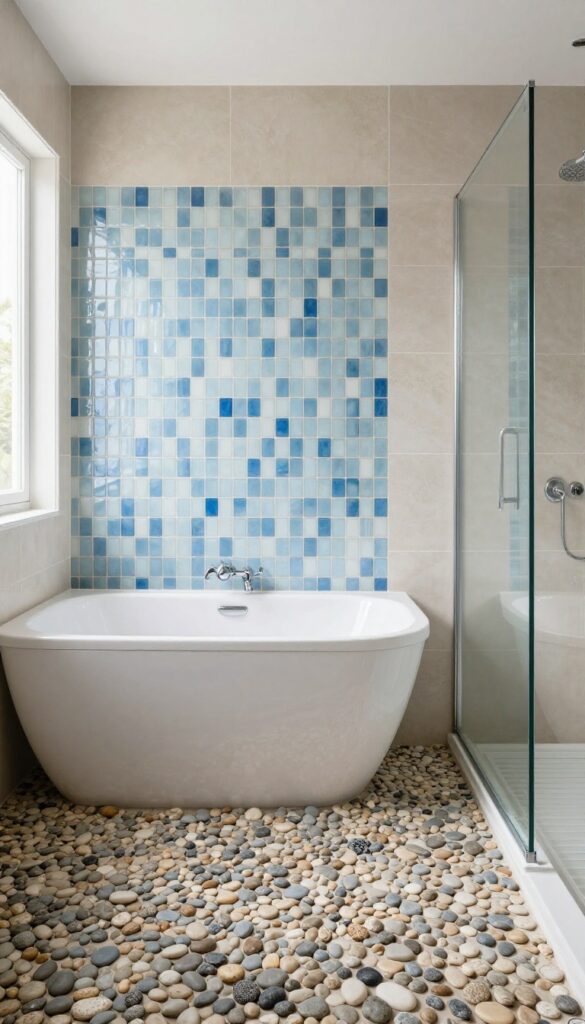
Mosaic tiles are the detail lovers’ choice. Their small size lets you pack a lot of texture and pattern into a small space, making them perfect for adding a tactile element to your tub shower. Whether you go with smooth glass or natural pebbles, these tiles bring a sensory experience that large tiles can’t match.
Mosaic tiles are incredibly versatile. They come in sheets, which makes installation easier than you might think, and they can be used on floors, walls, or as an accent strip. The key is to use them where you want a bit of grip or a pop of visual interest without overwhelming the whole space.
Pebble Tiles For A Spa-like Floor
Pebble tiles are a classic choice for shower floors. The rounded stones feel great underfoot and provide natural traction. They also add an organic, spa-like vibe that pairs well with wood-look tile or neutral walls.
Just keep in mind that the grout lines are more numerous, so you’ll want to seal them properly to avoid buildup.
Glass Mosaic Accents For A Subtle Shine
If you want a bit of sparkle without going full glam, glass mosaic tiles are the way to go. Use them as a horizontal strip behind the tub or as a vertical accent in the shower niche. The glass reflects light, making the space feel brighter and more open.
Plus, they come in a huge range of colors, so you can match any palette.
Mixing Textures For Visual Depth
Don’t be afraid to combine different mosaic materials. For example, a pebble floor with a glass tile accent wall adds contrast and depth. The key is to keep the color scheme cohesive—stick to tones that complement each other, like warm beige pebbles with amber glass.
This approach adds interest without looking busy.
8. Contrasting Grout to Make a Statement
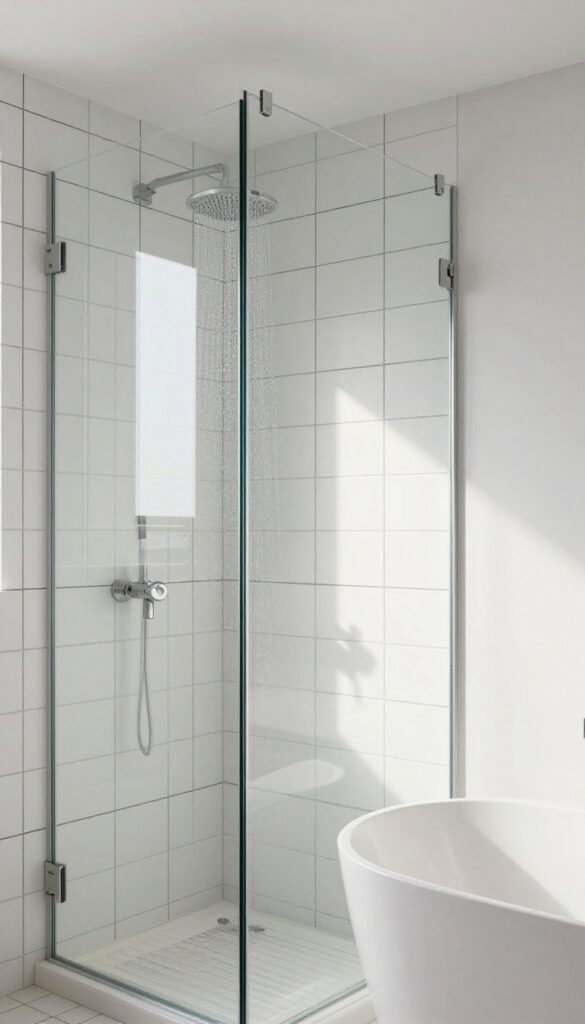
Grout often plays second fiddle to the tile itself, but it can be a surprisingly powerful design tool. By choosing a contrasting color, you can transform a simple tile layout into something with real visual punch. It’s a low-cost, high-impact trick that lets you customize the look without changing the tile.
The Power Of Contrast
When you pair light tiles with dark grout, the grid pattern becomes the star. It adds a graphic, almost architectural feel that works well with modern or industrial styles. On the flip side, white grout with dark tiles creates a crisp, clean look that feels fresh and timeless.
The key is to pick a combination that complements your overall bathroom design.
Choosing The Right Grout Color
Think about the mood you want to set. Dark grout, like charcoal or espresso, grounds the space and hides dirt better—great for busy family bathrooms. Light grout, such as bright white or warm ivory, opens up the room and makes it feel airier, but it may require more maintenance.
Test samples on your actual tile to see how the colors interact before committing.
Practical Tips For A Flawless Finish
Make sure the grout is properly sealed to resist moisture and staining, especially in a wet area like a tub shower. Use a grout float to press the grout firmly into the joints, and wipe off excess before it dries to avoid a hazy film. If you’re unsure about color matching, consult a tile professional—they can help you find the perfect contrast that lasts.
9. Penny Tiles for a Retro-Chic Vibe
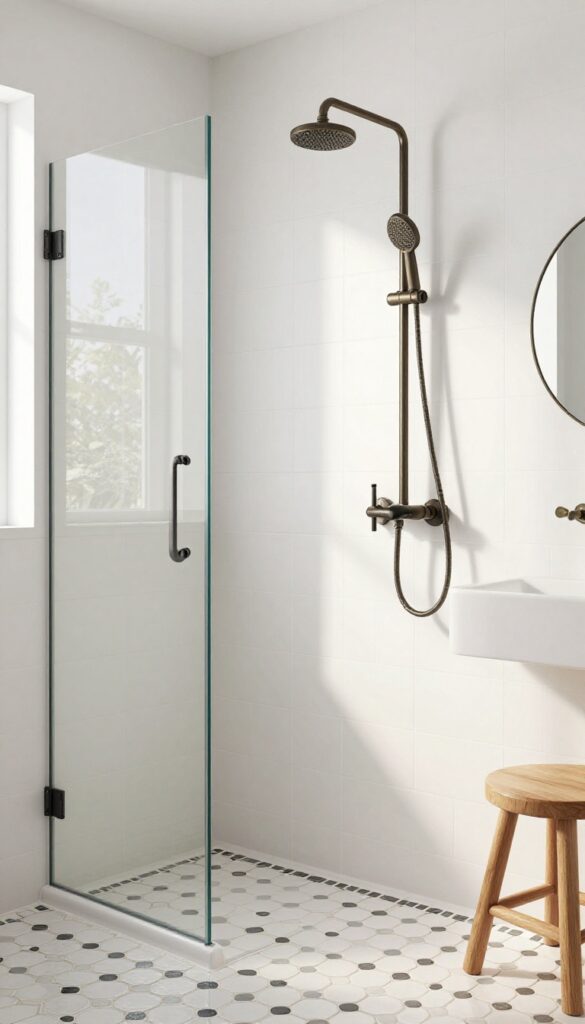
Penny tiles are having a well-deserved moment. These small, round tiles were a staple in mid-century bathrooms, and their charm hasn't faded. They add a playful texture that feels both nostalgic and fresh, making them a fun choice for a tub shower.
Penny tiles bring more than just good looks to your shower. Their small size means more grout lines, which naturally creates a slip-resistant surface—perfect for a wet floor. Plus, they come in a variety of colors and finishes, from classic white to matte black or even metallic accents, so you can easily match your bathroom's vibe.
Where To Use Them
The most popular spot is the shower floor, where the texture really shines. But don't stop there—consider a penny tile backsplash behind the tub or a full accent wall. They work beautifully as a border or niche detail, adding a subtle retro touch without overwhelming the space.
Grout Colors That Pop
Grout plays a big role in the final look. For a seamless, classic feel, choose a grout that matches the tile. If you want to emphasize the pattern, go with a contrasting grout—like dark grout with white tiles for a bold, graphic look.
Keep in mind that lighter grout shows dirt more easily, so pick a shade that balances style and maintenance.
Styling Tips
Pair penny tiles with simple fixtures and clean lines to let the texture stand out. Brass or matte black hardware adds a nice contrast. For a cohesive retro theme, add a vintage-inspired mirror or a wooden stool.
The key is to keep the rest of the bathroom minimal so the penny tiles remain the star.
10. Wood-Look Tiles for Warmth Without Worry
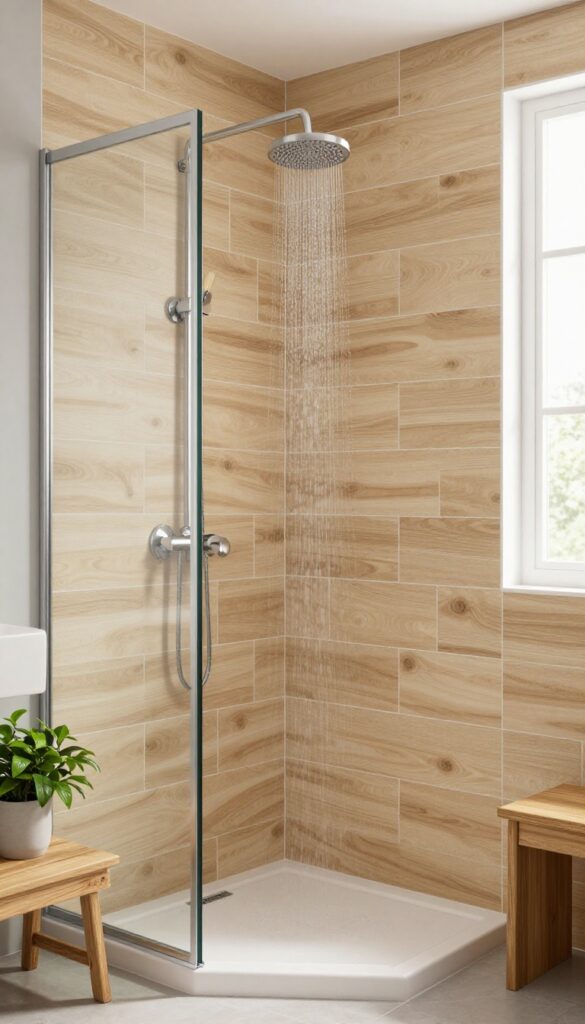
Wood brings instant warmth, but real wood in a wet area is risky. Wood-look porcelain planks give you that cozy, organic feel without the warping, swelling, or constant sealing. They're a smart swap for anyone who loves the look of hardwood but wants a bathroom that can handle real life.
These tiles mimic natural wood so convincingly that guests will do a double take. The key is choosing planks with varied grain patterns and a matte or textured finish to avoid a flat, repetitive look. You get the character of oak, walnut, or driftwood, but with the waterproof reliability of ceramic.
Why Porcelain Planks Win In Wet Areas
Porcelain is denser and less porous than ceramic, making it a top choice for showers. It resists moisture, stains, and scratches, so it stands up to daily use. Unlike real wood, there's no need to worry about water damage or mold hiding in the grain.
Just wipe it down and it looks great for years.
Picking The Right Shade And Grain
Light oak or ash planks can make a small bathroom feel bigger and brighter. Dark walnut adds drama and coziness, but it shows soap scum more easily. For a natural look, choose tiles with subtle color variation and a mix of grain patterns.
A matte finish with a slight texture also helps prevent slips.
Layout Tricks That Sell The Look
Install planks in a staggered offset pattern to mimic real hardwood floors. For a more modern twist, try a herringbone or chevron layout. Running the planks vertically on the shower wall can make the ceiling feel higher.
Pair them with white grout for a crisp contrast or a matching tone for a seamless appearance.
FAQ
What is the best tile for a tub shower combo?
Porcelain or ceramic tiles are the best choices because they’re durable, water-resistant, and easy to clean. Large-format tiles reduce grout lines, making maintenance even simpler.
How do I choose tile size for a small bathroom?
Larger tiles (12×24 inches or bigger) can make a small bathroom feel more spacious by minimizing grout lines. However, smaller tiles like mosaics are better for shower floors to improve traction.
Should I tile the entire tub surround or just the shower area?
It’s best to tile the entire tub surround, including the walls above the tub, to protect against water damage. This also creates a cohesive, polished look.
What is the most slip-resistant tile for a shower floor?
Textured tiles like pebble mosaics, penny tiles, or tiles with a matte finish offer better slip resistance. Look for a coefficient of friction (COF) of 0. 6 or higher for wet areas.
How can I make my tub shower tile look more expensive?
Use large-format tiles, add a decorative niche, or incorporate a contrasting grout color. Also, consider extending the tile to the ceiling to create a taller, more luxurious feel.
Conclusion
The right tile can turn your tub shower into the most functional and stylish part of the bathroom. Whether you lean toward bold patterns, natural stone, or budget-friendly peel-and-stick, the payoff is a space that feels intentional and easy to clean. Start with the idea that solves your biggest pain point—be it durability, maintenance, or just a tired look—and build from there.
Once the tile clicks, the rest of the room tends to follow. Pick one that fits your routine, and enjoy the upgrade every time you step in.