11 Boys Loft Bedroom Ideas for Fun Space-Saving Rooms
Turning a small, cluttered boys' room into a space that feels open and exciting doesn't require a major renovation. A loft bed can instantly free up floor space for play, study, or storage while giving the room a cool, custom look.
These 11 ideas range from simple DIY setups to clever built-ins, each designed to make the most of every square foot.
Whether your son dreams of a secret fort or needs a practical spot for homework, there's a loft bed solution here that fits both his personality and your budget.
1. Classic Loft Bed with Built-In Desk
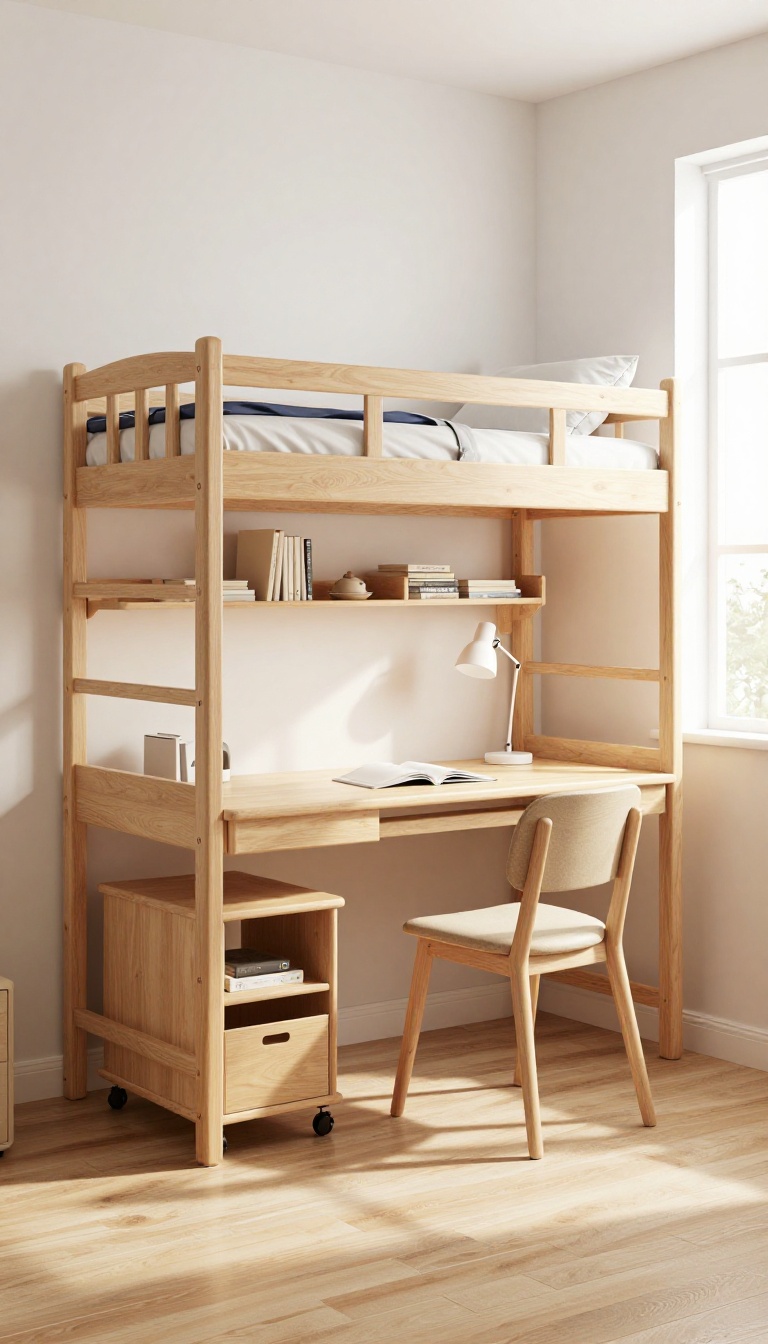
A loft bed with a built-in desk underneath is the ultimate two-for-one. It gives your son a dedicated spot to study during the day and a cozy place to sleep at night, all without eating up extra floor space. This setup works in almost any room, from a tiny corner to a long, narrow wall.
The beauty of this idea is its simplicity. You raise the bed just high enough to fit a desk below, then use the area around it for shelves, a chair, and maybe a small lamp. The result feels intentional and tidy, not cramped.
Plus, it keeps school stuff in one zone, which helps with focus and organization.
Why It Works So Well
Kids naturally separate sleep and work when they have distinct areas. A desk under the loft creates that mental switch. It also frees up the rest of the room for playing, hanging out, or storing toys.
And because the desk is tucked under the bed, it stays out of the main traffic path.
Choosing The Right Desk
You don't need a massive desk. A simple 40- to 48-inch-wide table fits most loft setups. Look for one with a shallow depth so it doesn't crowd the space.
If you want extra storage, pick a desk with drawers or add a rolling cart beside it.
Lighting And Comfort
Under-loft desks can get dark, so add a clip-on lamp or a slim LED bar. A comfortable chair with good back support matters more than style here. If the ceiling feels low, choose a bed height that gives at least 30 inches of clearance above the desk.
2. Loft Bed with Slide for Active Kids
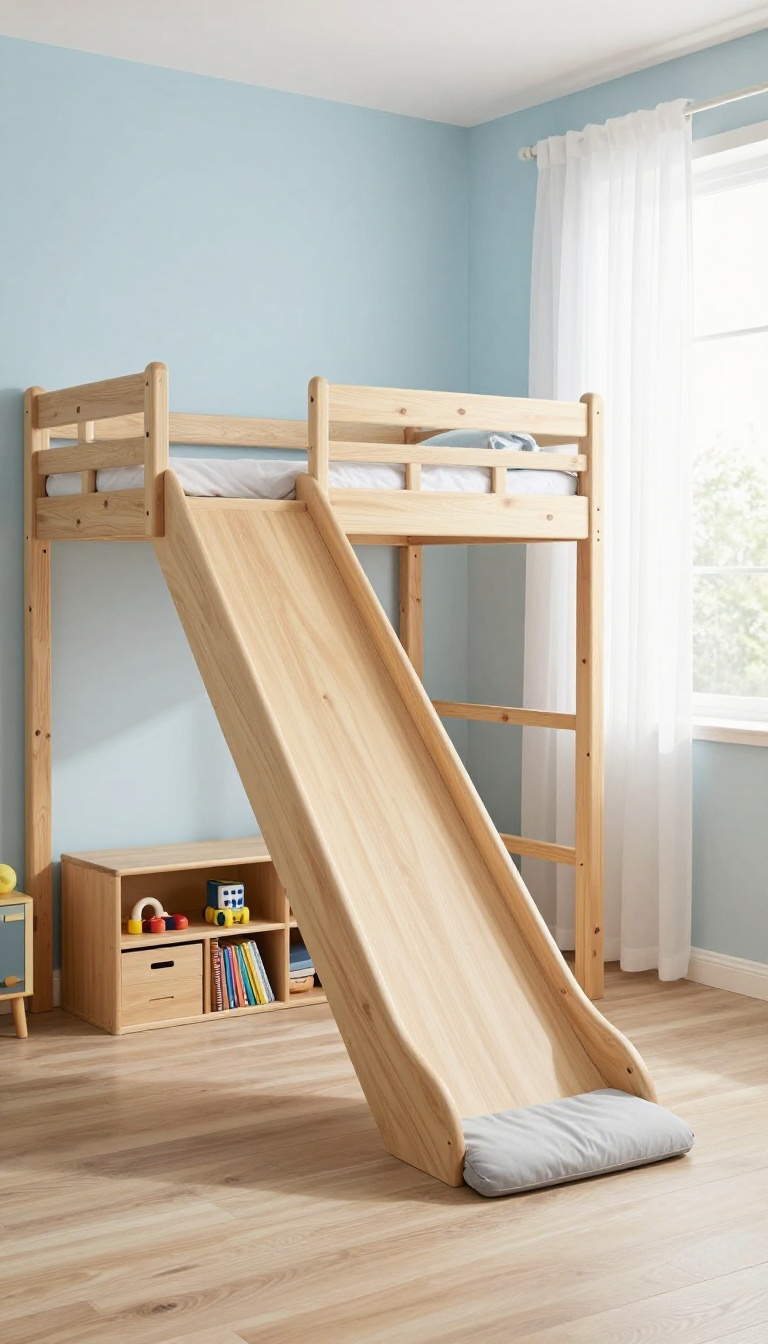
Some kids just can't sit still, and that's exactly who this setup is for. A slide attached to the side of a loft bed turns the climb up into a mini playground, so getting to bed feels like a reward instead of a chore. It works best in a room with a little open floor space near the foot or side of the bed.
The slide becomes the main event, and everything underneath stays free for toys, books, or a cozy hangout spot.
A slide changes how your son uses the whole room. Instead of a ladder he trudges up at night, he gets a quick thrill every time he heads to bed or wakes up in the morning. That bit of movement burns energy before lights out, which can actually make settling down easier.
It also gives him a reason to invite friends over, since the bed doubles as the coolest part of the room. Safety and fit matter more here than with a plain loft. You want a gentle slope, solid side rails, and a soft landing zone at the bottom.
Get those right, and the slide becomes a daily favorite rather than a novelty that wears off.
Choosing The Right Slide
Straight slides take up the least floor space and fit most rooms. Curved or spiral slides look amazing but need more clearance, so measure twice before you commit. Look for slides with raised sides and a rounded end that slows kids down before they hit the floor.
Plastic slides designed for indoor play hold up well and come in colors that match most bedroom themes.
Building A Safe Landing Zone
A padded mat or thick rug at the bottom of the slide protects knees, elbows, and floors. Keep at least three feet of clear space in front of the slide so your son has room to stand up after landing. Anchor the loft frame to the wall if the manufacturer allows it.
That keeps the whole structure steady when he's climbing, sliding, and hanging off the rails.
Making It Work In A Small Room
If space is tight, angle the slide along a wall instead of pointing it into the middle of the room. That keeps the walkway clear and stops the slide from becoming a tripping hazard at night. You can also tuck storage bins or a beanbag under the loft, right beside the slide.
The play zone and the sleep zone stay separate, which helps the room feel organized even on messy days.
3. High Loft with Cozy Reading Nook Below
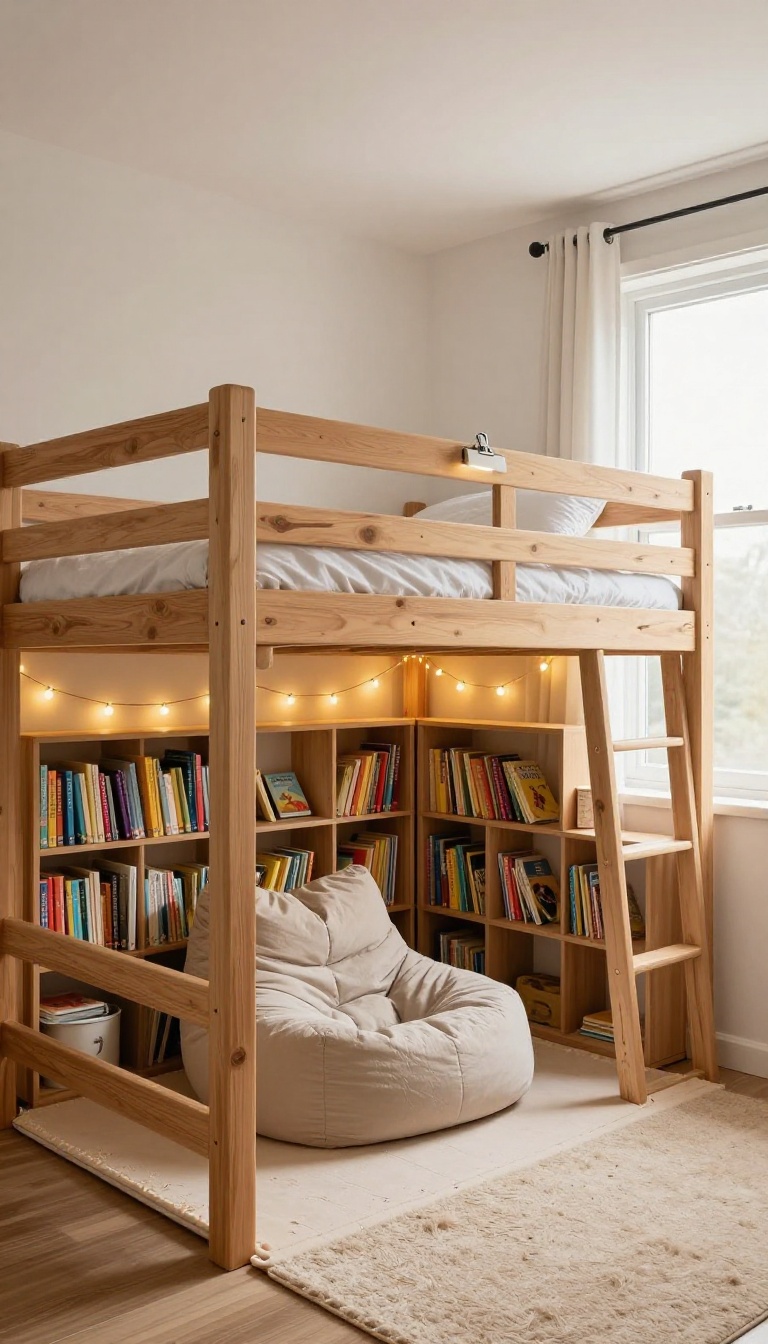
A high loft bed does more than lift a mattress off the floor. It creates a tucked-away zone underneath that feels separate from the rest of the room. Turn that leftover space into a reading nook, and suddenly your son has a quiet retreat without adding square footage.
The key is height. You need enough clearance for a beanbag or floor cushion plus a few shelves, so aim for a loft that sits at least four feet off the ground. Once you have that, the area below becomes a natural cave—dim, snug, and perfect for getting lost in a book.
Start by defining the nook with a soft rug or a foam mat. That small boundary tells the brain this spot is different from the rest of the room. Add a beanbag chair that molds to his body, or a giant floor pillow if he likes to stretch out.
Lighting matters more than you think. A clip-on reading light attached to the loft frame gives focused brightness without lighting up the whole room. String lights along the underside of the bed add a warm glow that makes the nook feel intentional.
Keep books within arm's reach. A low bookshelf or a few wall-mounted ledges let him grab a story without getting up. Rotate the selection every few weeks to keep things fresh.
Pick The Right Beanbag
Not all beanbags are equal. Look for one with shredded foam rather than polystyrene beads—it holds its shape better and won't flatten after a month. A chair with a backrest gives more support for long reading sessions.
If space is tight, a beanbag that converts to a lounger works double duty.
Layer The Lighting
Combine three light sources: a clip-on task light for reading, a small floor lamp with a warm bulb for ambiance, and optional fairy lights for fun. Put them all on a single power strip with a switch so he can turn everything on or off with one click. Avoid cool white bulbs—they kill the cozy vibe.
Add A Book Nook Shelf
A wall-mounted shelf just above the beanbag keeps books organized and visible. Use a picture ledge or a slim floating shelf. Face-out display works well for younger kids who pick books by cover.
For older boys, a deeper shelf holds a stack plus a small speaker or journal.
4. Loft Bed with Storage Stairs
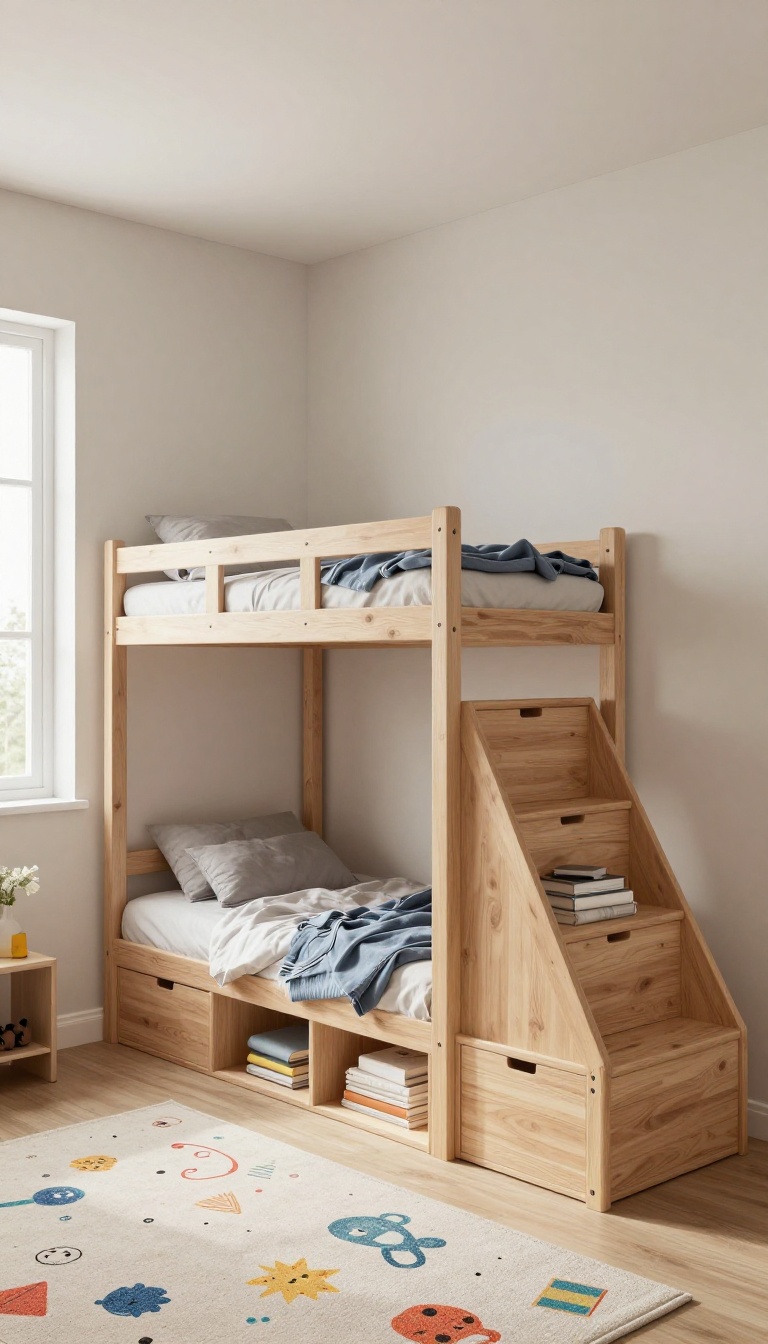
Every step up to the loft can pull its weight when you turn the staircase into storage. Instead of a simple ladder, you get a set of stairs with drawers or cubbies built right in. It’s a smart way to keep toys, clothes, and books organized without adding extra furniture to the floor.
Storage stairs solve a common loft bed problem: where to put all the stuff that usually ends up on the floor. By using the space inside each step, you create a dedicated spot for everyday items. That means less clutter and more room to play.
The best part? You can customize the storage to fit your son’s needs. Drawers work great for clothes, while open cubbies make it easy for kids to grab toys and put them back.
Either way, the stairs become a functional part of the room, not just a way to get up and down.
Drawers Vs. Cubbies: Which Works Better?
Drawers hide mess and keep things dust-free, which is perfect for clothes or bedding. Cubbies are open and accessible, so younger kids can toss in toys without a fight. If you want a mix, consider a few drawers at the bottom and cubbies up top.
Safety And Comfort On The Steps
Storage stairs are generally safer than ladders because they have a wider tread and often a handrail. Add non-slip pads or carpet strips to each step for extra grip. Make sure the stairs are securely attached to the loft bed frame.
Diy Or Custom Build?
You can buy loft beds with storage stairs, but custom builds let you match the room’s style and size. A local carpenter can create stairs that fit perfectly, or you can tackle a DIY version with pre-made drawers. Just measure twice and check weight limits.
5. Twin-over-Full Bunk with Loft Configuration
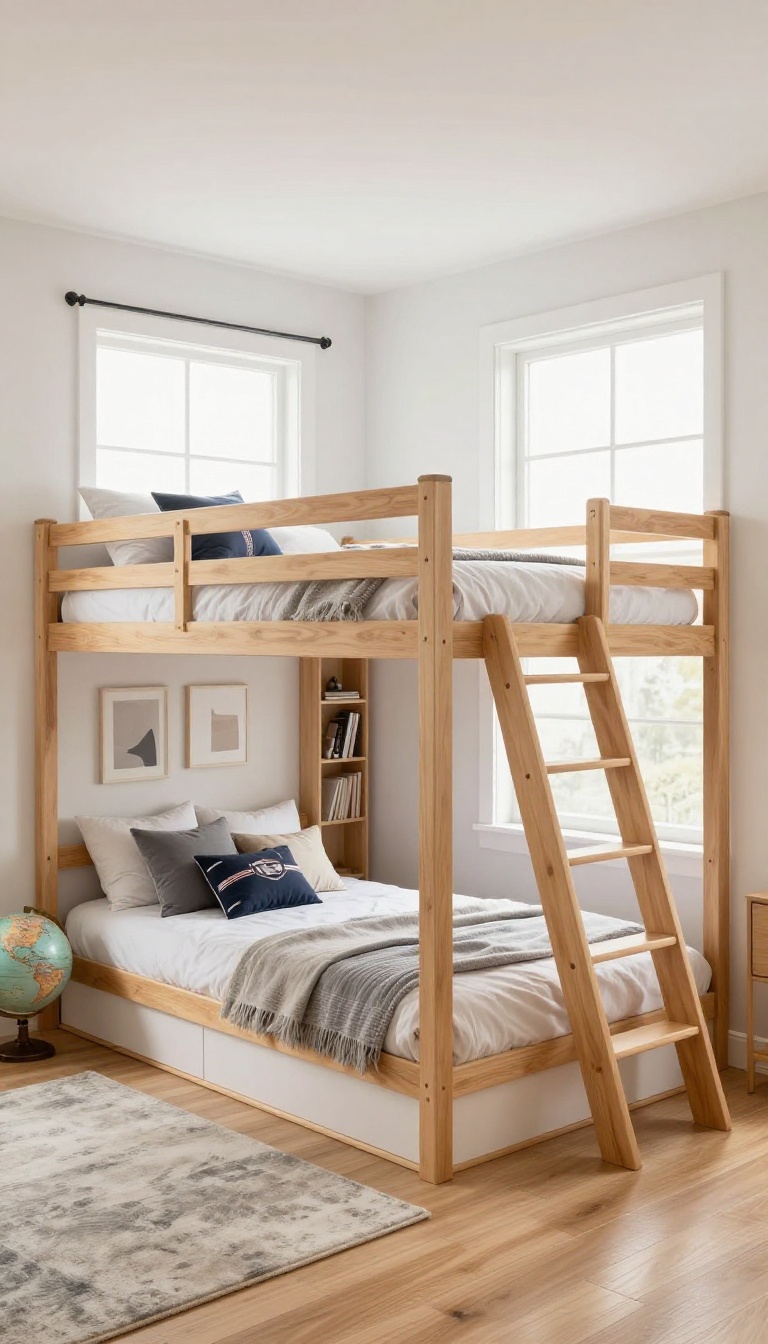
When two brothers share a room, floor space disappears fast. A twin-over-full bunk with a loft takes that challenge head-on by stacking a twin bed above a full bed, then adding a raised platform that opens up the room below. It's a smart way to sleep three without turning the floor into a mattress maze.
The full bed on the bottom gives the older or bigger kid room to stretch out, while the twin up top keeps the younger one close but not crowded. The loft section—usually a raised area above the full bed—can serve as a reading nook, a hangout spot, or extra storage. It's a flexible setup that grows with your kids and handles sleepovers like a champ.
This configuration works best in rooms with at least nine-foot ceilings, so nobody bumps their head on the loft. You'll also want to leave a clear path to the ladder and make sure the guardrails on both bunks are solid. Measure your space carefully before you buy or build.
A twin-over-full with a loft typically runs about 80 inches long and 60 inches wide, but loft extensions can add another two feet in depth. If the room is tight, look for a corner-friendly design that tucks the ladder into a nook. Safety comes first with any stacked bed.
Anchor the frame to the wall, check weight limits, and teach kids the rules: no jumping on the top bunk, no hanging off the loft rail, and no stashing stuff where it blocks the ladder. A sturdy build and a few ground rules keep this setup fun instead of risky.
Why It Works For Shared Rooms
Two kids in one room often means two beds fighting for floor space. Stacking a twin over a full solves that by using vertical room instead of horizontal. The full bed becomes a cozy spot for the older brother, while the twin up top gives the younger one a nest of his own.
The loft area adds a bonus zone that doesn't eat up any extra square footage. It can be a quiet corner for homework, a spot for a beanbag chair, or a place to stash toys and books. That means less clutter on the floor and more room to move around.
Choosing The Right Layout
You'll find two main styles: straight ladders and angled ladders. Straight ladders save space but can feel steep; angled ones are easier for younger kids but stick out farther. Pick based on your room's shape and your kids' ages.
Some models come with a built-in desk or shelving under the loft, which is great if you need a study spot. Others leave the space open for a play area. Think about how your kids will actually use the room and choose a layout that matches their daily routine.
Making It Safe And Stylish
Safety features aren't optional here. Look for full-length guardrails on the top bunk and at least one on the loft if it's used for sleeping. A sturdy ladder that attaches firmly to the frame is a must.
Style-wise, you can paint the frame a bold color or keep it neutral to match the walls. Add a few cushions and a small rug in the loft to make it inviting. A clip-on reading light and a mesh organizer for books turn that upper space into a favorite hangout.
6. Industrial Pipe Loft Bed for a Modern Vibe
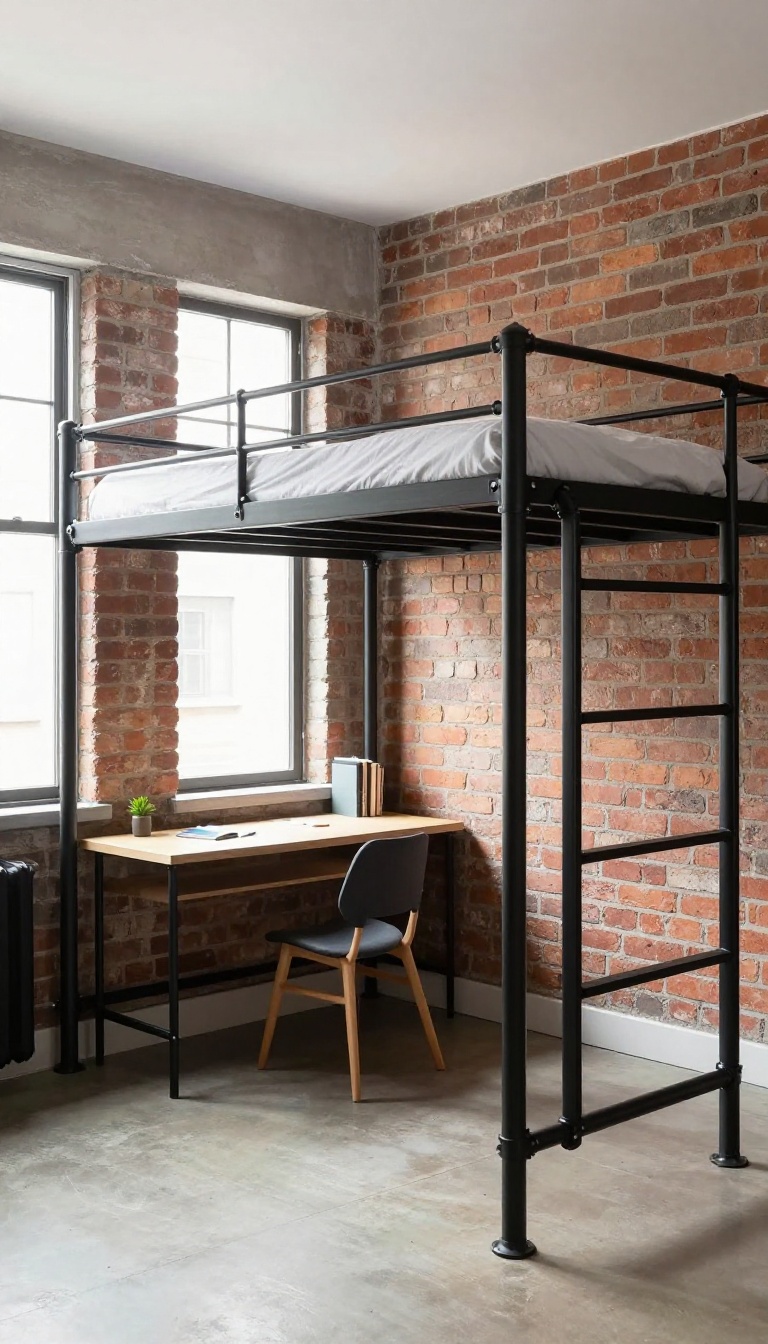
Metal pipes aren't just for plumbing—they can create a loft bed that looks like it belongs in a trendy loft apartment. This style brings an edgy, industrial feel that's both durable and surprisingly versatile. It's a great pick for boys who want a room that feels a little more grown-up and cool.
Unlike traditional wooden beds, a pipe loft bed has a raw, mechanical look that stands out. It's tough enough to handle years of use, and it can be customized with different finishes and add-ons. Plus, it frees up floor space just like any other loft design.
An industrial pipe loft bed is exactly what it sounds like: a bed frame built from metal pipes, usually black or galvanized steel. The pipes connect with fittings to form a sturdy structure that supports a mattress up top and often includes space underneath for a desk, seating, or storage. It's a favorite in modern and industrial-style rooms because it adds instant character without a lot of fuss.
One of the best things about this style is how well it ages. While cartoon-themed beds might feel babyish in a few years, a pipe loft bed has a timeless, rugged look that works for a teenager too. It's also incredibly strong—metal pipes can handle roughhousing and heavy use better than many wood frames.
You can buy a pre-made pipe bed or build your own with pipes and fittings from a hardware store. Either way, you'll end up with a unique piece that saves space and makes a statement. Just be sure to check weight limits and assembly instructions carefully if you go the DIY route.
Why It Works In A Boys' Room
Boys often want a room that feels tough and personalized, and a pipe bed delivers that vibe. It's not overly themed, so it won't clash with changing tastes. The open design also makes the room feel less cramped, which is a big win in small spaces.
Customization Options
You can paint the pipes to match your son's favorite color or leave them raw for an authentic industrial look. Add a wooden desktop underneath for homework, or hang a curtain to create a cozy hideout. The options are nearly endless, and you can tweak the setup as he grows.
Safety And Assembly Tips
Make sure the frame is securely anchored to the wall to prevent wobbling. Use sturdy fittings and check that all connections are tight. If you're not handy with tools, consider hiring a pro or buying a kit with clear instructions.
7. Loft Bed with Curtains for a Private Fort
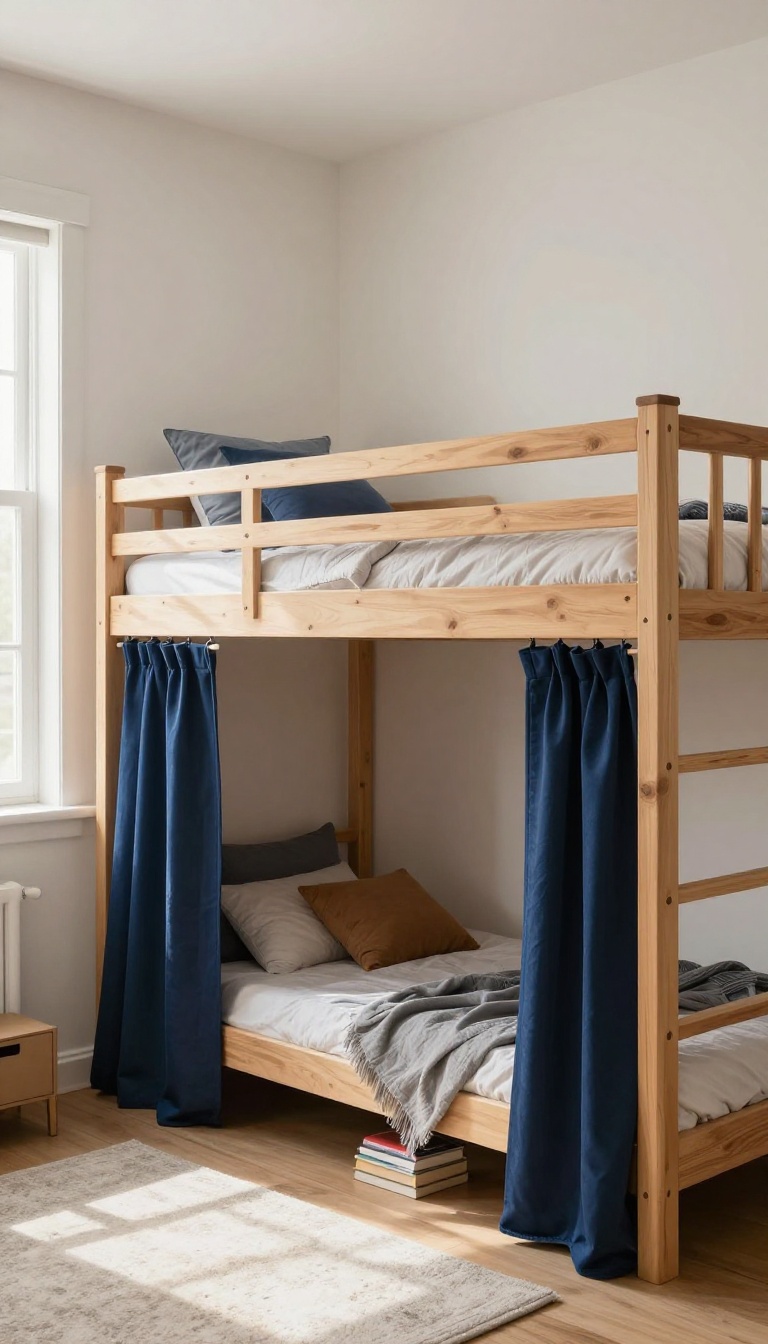
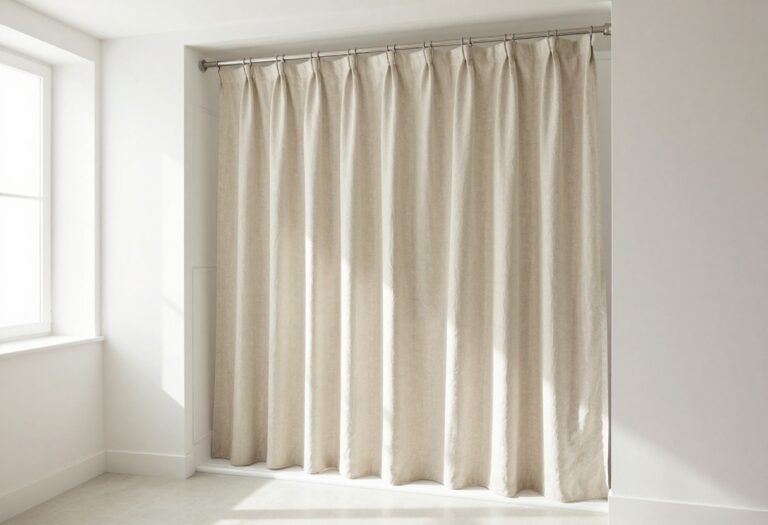
Give your son a bedroom that feels like a secret clubhouse with a loft bed wrapped in curtains. The upper bunk stays for sleeping, while the space underneath becomes a hidden fort for play, reading, or just escaping for a while. It's a simple upgrade that adds a ton of personality without eating up extra floor space.
Curtains around a loft bed do more than look cool. They create a boundary that turns an open lower level into a cozy, private nook. Your child can pull them shut and suddenly have a hideaway that's all his own.
The best part? You don't need a custom build to pull this off. A standard loft bed plus a few curtain rods and panels can get you there in an afternoon.
Choosing The Right Curtain Setup
You'll want curtains that are easy for your child to open and close on his own. Grommet-top panels slide smoothly on a rod, while tab-top or rod-pocket styles can stick. If the bed has a metal frame, use clip-on rings or adhesive hooks to avoid drilling.
For a fort vibe, go with floor-length curtains that touch the ground. They block light and make the space feel enclosed. If you'd rather keep it airy, stop them a few inches above the floor so air circulates and the area stays bright.
Picking Fabrics That Hold Up
Kids are tough on fabric, so choose something durable and washable. Canvas, cotton twill, or blackout curtains work well because they're sturdy and block out light for movie nights or naps. Avoid sheer fabrics that tear easily or show every smudge.
Color and pattern are where you can have fun. Solid navy or charcoal hides stains and looks sharp. If your son wants a bolder look, try camouflage, dinosaur prints, or glow-in-the-dark stars on a dark background.
Just make sure the fabric isn't so heavy that it's hard to push aside.
Making The Inside Feel Like A Real Hideout
Once the curtains are up, treat the lower level like a tiny room. Add a soft rug, a couple of floor cushions, and a small battery-powered lantern or clip-on light. A few command hooks can hold a flashlight, a comic book, or a small bin of toys.
If the space is tall enough, slide in a beanbag chair or a folding floor mat for lounging. Keep it simple so it doesn't feel crowded. The goal is a spot where he can hang out, not a storage unit.
Safety And Practical Tips
Make sure curtains don't block the ladder or make it hard to climb up and down. Keep them short enough on the ladder side so they don't get stepped on or tangled. If the bed has a guardrail, attach curtains below it so they don't interfere with the safety bar.
Check that the curtain rod is secure and can't be pulled down. Use wall anchors if you're mounting into drywall. Also, avoid placing a space heater or any heat source near the fabric.
A little planning keeps the fort fun and safe.
8. DIY Loft Bed from Repurposed Materials
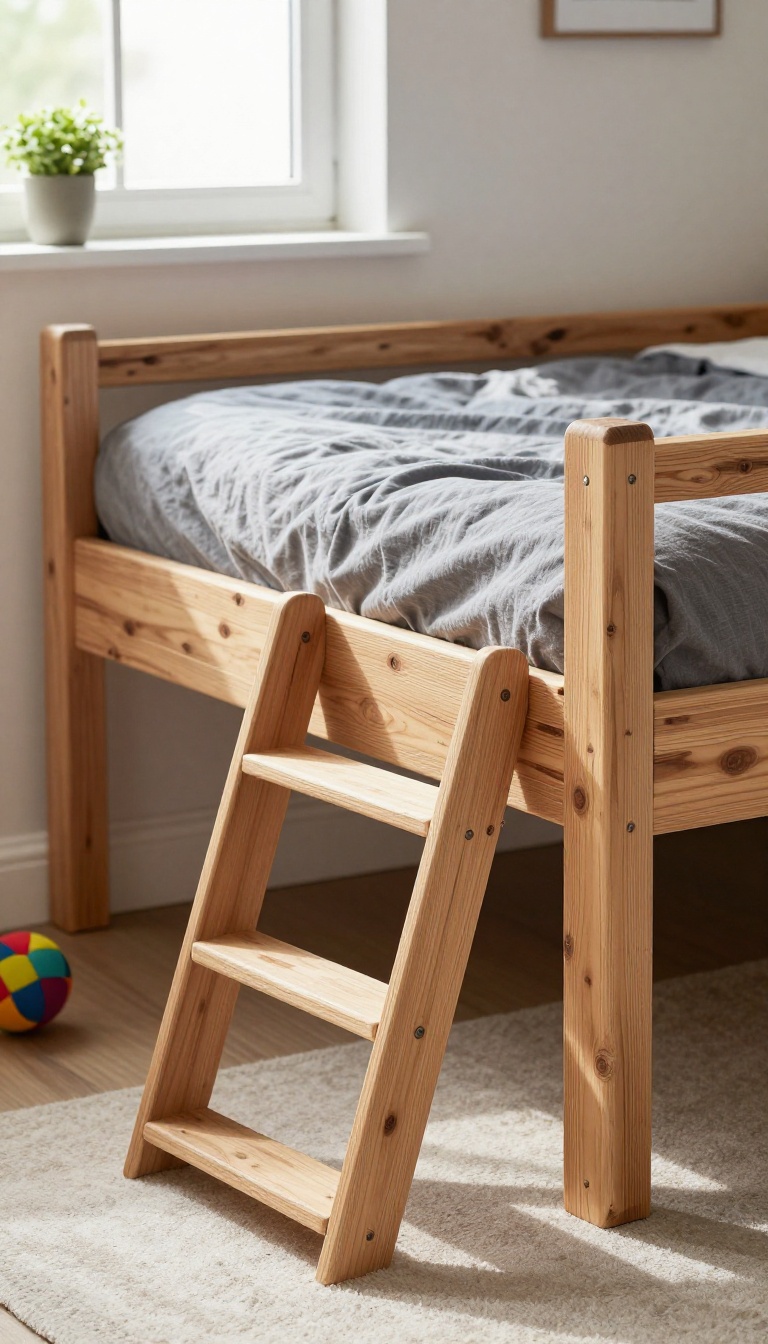
Building a loft bed from scratch might sound like a weekend project that turns into a month-long headache, but it doesn't have to be. When you use reclaimed wood or pieces of old furniture, you save money and end up with a bed that has real character. Plus, your son gets to help design something that's truly one of a kind.
The best part about going the DIY route is that you're not locked into standard sizes or big-box store designs. You can build around the exact dimensions of his room, the height he needs, and the style he likes. And because you're using materials that already exist, the cost stays low while the cool factor goes way up.
Where To Find Cheap Or Free Materials
Start with local sources like Facebook Marketplace, Craigslist, or Freecycle. People are always giving away old wooden pallets, fence panels, or broken furniture that still has good lumber. You can also check ReStore (Habitat for Humanity) or architectural salvage yards for solid wood at a fraction of retail price.
Just inspect everything for rot, pests, or splinters before you haul it home.
Simple Plans For Beginners
You don't need to be a master carpenter. A basic loft bed frame is just four legs, a platform, and a ladder. Look for free plans online that use common lumber sizes like 2x6s and 2x4s.
If you're using reclaimed wood, adjust the plan to fit the pieces you have. A circular saw, drill, and sander are really all you need.
Safety First
Repurposed wood can be strong, but it's not automatically safe. Sand down any rough spots, and check for nails or screws before cutting. Use heavy-duty bolts for the main frame, not just screws.
Add a guardrail on the loft and make sure the ladder is securely attached. If you're unsure, have someone double-check your work before your son climbs up.
Personal Touches That Make It His
This is where the fun begins. Let your son pick a paint color or stain for the wood. You can add a built-in shelf from an old drawer, or hang a curtain underneath to create a fort.
If you have an old door, turn it into a desk attached to the bed. These little details turn a DIY project into a bedroom he'll brag about.
9. Loft Bed with Integrated Toy Storage
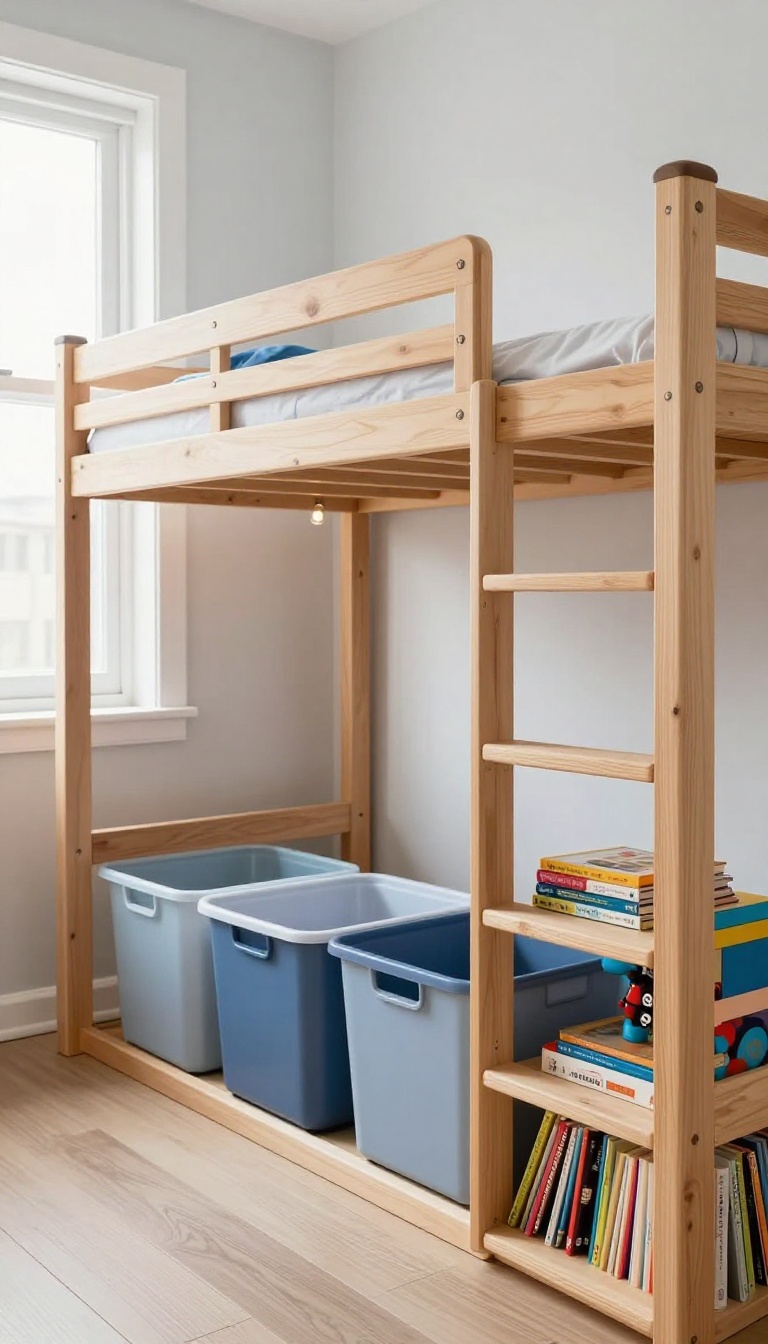
Toys have a way of taking over a room faster than you can blink. A loft bed with built-in storage flips that problem on its head by turning the frame itself into a place for everything. Instead of adding more bins and baskets around the room, you work storage right into the structure.
The goal is simple: keep the floor clear and make cleanup something your son can actually do on his own. When every toy has a home within arm's reach of the bed, tidying up stops being a battle. It also keeps the space under the loft open for play instead of buried under clutter.
Bins That Slide Right Under
The space beneath a loft bed is prime real estate for rolling bins. Choose low, wide bins on casters so they glide out easily and slide back without a fight. Label each one with a simple word or picture so your son knows exactly where cars, blocks, and action figures belong.
Clear bins work well because he can see what's inside without digging. If you want a cleaner look, go with solid bins in a color that matches the bed frame. Either way, keep the bins shallow enough that they don't turn into a bottomless pit of random stuff.
Shelves Built Into The Frame
A shelf or two attached to the loft frame puts favorite toys on display and within reach. Use the guardrail side for a narrow ledge that holds books, small figures, or a nightlight. Deeper shelves near the ladder can store board games and craft supplies.
Open shelves beat closed cabinets here because they're easier to use and they show off his stuff. Just avoid overloading them. A few well-placed shelves look intentional, while packed ones look messy and can make the whole bed feel heavy.
Hooks And Hanging Spots
Hooks are the unsung heroes of toy storage. Screw a row of them along the underside of the loft or on the side of the frame for bags, hats, and stuffed animals. A small mesh net hung from the ceiling corner can catch plush toys that would otherwise pile up on the bed.
Keep hooks at a height your son can reach without climbing. That way he can grab what he needs and hang things back up without help. It's a small change that makes a big difference in keeping the room picked up.
A Cleanup Routine That Sticks
Storage only works if it's easy to use, so build a quick routine around it. A five-minute tidy before bed gives him a clear finish line and keeps toys from spreading. Pair each bin with one type of toy so sorting stays simple.
When the system is built into the bed, cleanup becomes part of the room instead of a separate chore. He climbs up to sleep, and everything below has a place. That's the kind of setup that stays tidy longer than a pile of random baskets ever will.
10. Loft Bed with Climbing Wall
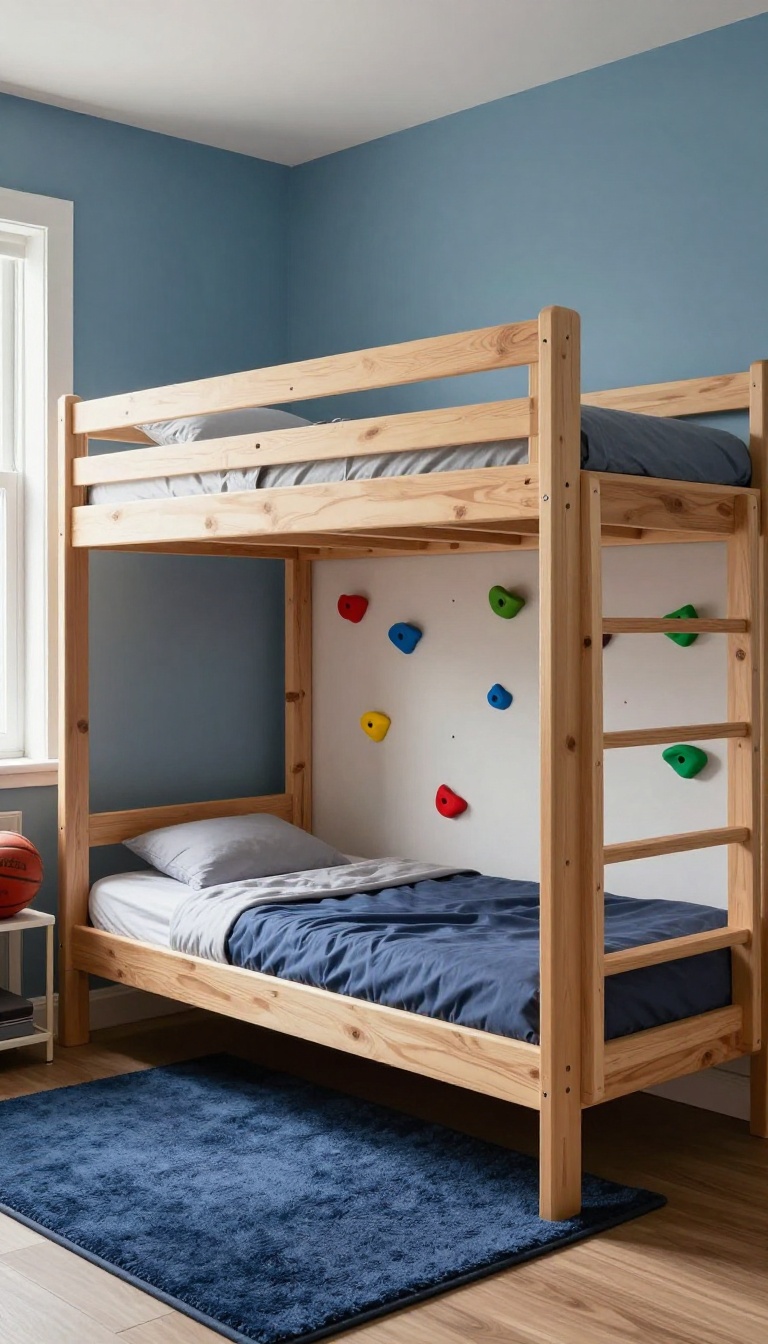
Why use a ladder when you can scale a wall? Attaching a small climbing wall to the side of a loft bed turns the trip to the top into a mini adventure. It's a playful upgrade that encourages active play and builds strength without eating up extra floor space.
A climbing wall on a loft bed is exactly what it sounds like: a panel of colorful holds mounted to the side of the frame or the wall next to it. Kids get a fun, physical challenge every time they head up to bed or hang out in their loft. And because it's vertical, it uses space that would otherwise go unused.
Choosing The Right Spot
You'll want a clear, safe landing zone beneath the wall—no sharp furniture or hard edges. If the loft is against a wall, mounting the holds directly to the wall keeps the bed frame clean. Otherwise, a sturdy plywood panel attached to the bed's side works great.
Just make sure the panel is securely fastened and can support your child's weight.
Picking Holds And Layout
Start with large, easy-to-grab holds for younger kids, then add smaller ones as they grow. Space them so there's a natural route to the top, but leave room for creativity. You can color-code the holds to make it look intentional, or mix bright colors for a fun, playful vibe.
Rubber-coated holds are gentler on hands and quieter than plain resin.
Safety First
Always install a crash mat or thick rug under the climbing area. Check the holds and bolts regularly to make sure everything is tight. Set clear rules: no climbing without an adult around, and no jumping off the wall.
If your son is young, keep the wall low or add a spotter.
11. Loft Bed with Study and Lounge Combo
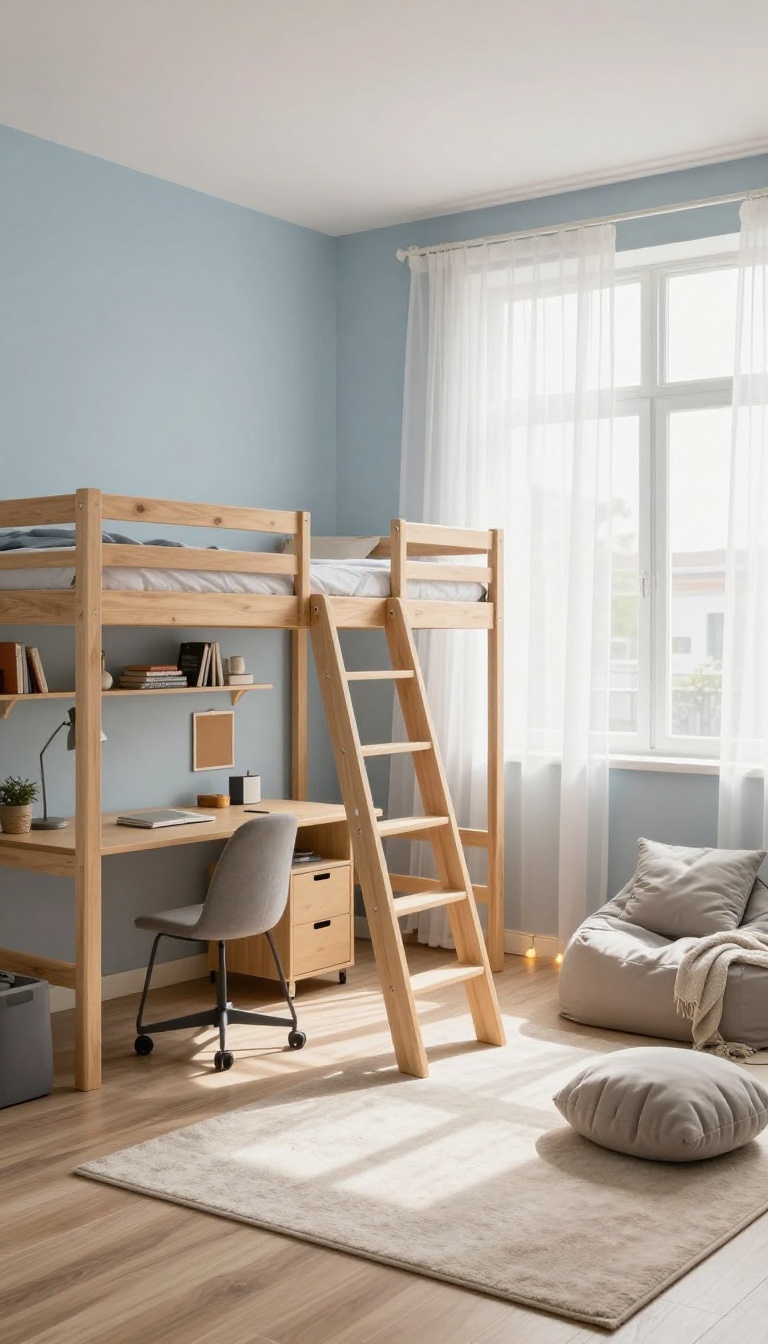
Older boys often need a room that pulls double duty—a quiet spot for homework and a comfortable place to hang out with friends. A loft bed with a study and lounge combo delivers both without eating up extra floor space. The raised bed keeps the sleeping area separate, while the lower level becomes a mini apartment for work and relaxation.
It’s a smart setup for teens who are past the fort-building stage but still want a room that feels grown-up and functional.
The key is to divide the space under the loft into two clear zones: one for focused work and one for kicking back. You don’t need a massive room to make it work—just a thoughtful layout and a few smart furniture choices. Here’s how to pull it off.
Set Up The Study Side
Place a desk directly under the loft, ideally against a wall for stability and outlet access. Choose a desk that fits the height clearance—usually around 4 to 5 feet—so your son can sit comfortably without bumping his head. Add a task lamp, a small shelf for books, and a corkboard or magnetic strip for notes.
If space allows, a rolling file cabinet or a few drawers tucked beside the desk keep supplies organized. This corner becomes a dedicated homework station that’s ready to go whenever he is.
Create A Cozy Lounge Corner
On the opposite side, carve out a chill zone with a beanbag chair, a floor cushion, or a small loveseat if the footprint permits. A rug helps define the area and adds warmth. String lights or a clip-on reading light make it inviting for reading or gaming.
If you have room, a small side table holds snacks or a tablet. This spot gives him a place to unwind without sprawling across his bed, which keeps the sleep area feeling separate and restful.
Make The Layout Work For Your Room
Before you commit, measure the height under the loft and the width of both zones. A typical twin loft leaves about 4 feet of clearance, which is enough for a desk and a low seat. If the room is narrow, consider an L-shaped desk that wraps around the corner, leaving just enough space for a beanbag.
Use vertical storage—wall shelves, hanging organizers—to keep floors clear. And don’t forget lighting: a mix of overhead and task lights lets him switch from study mode to lounge mode with a flick.
FAQ
What age is appropriate for a loft bed?
Most loft beds are recommended for children ages 6 and up, but it depends on the child's maturity and the bed's safety features. Always check the manufacturer's guidelines.
How much space do I need for a loft bed?
A standard twin loft bed requires at least a 6×8-foot area, but you can find smaller options for tight spaces. Measure your room and account for ceiling height.
Are loft beds safe for boys?
Yes, when properly installed and used. Look for beds with sturdy guardrails, a secure ladder, and a weight limit that suits your child. Regular checks for loose bolts are important.
Can I build a loft bed myself?
Absolutely, if you have basic carpentry skills. There are many DIY plans available online. Just ensure the design is stable and meets safety standards.
How do I decorate under a loft bed?
Use the space for a desk, reading nook, toy storage, or a cozy fort with curtains. Add lighting, cushions, and wall decor to make it inviting and functional.
Conclusion
A loft bed does more than save floor space. It hands a boy a hideout, a study nook, and a spot for his stuff, all stacked into one smart setup. Pick the ideas that fit his age, his room, and how he actually uses it.
Start with the bed and the ladder, since safety and daily use matter most. Then add storage, lighting, and a bit of personality as you go. Give it a week, see what works, and tweak from there.