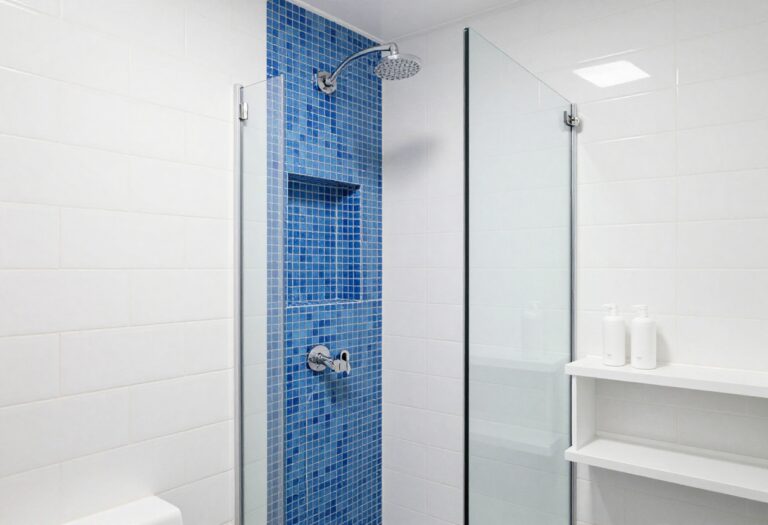
10 Modern Walk-In Shower Ideas with Neat, Functional Design
The walk-in shower has come a long way from a simple wet room. Today, it’s a chance to turn your daily rinse into a calm, organized escape.
But a modern look isn’t just about style—it’s about making the space work harder for you. These ten ideas focus on neat, functional design that keeps your bathroom feeling open and uncluttered.
Whether you’re planning a full remodel or just tweaking a few details, you’ll find practical inspiration that fits real life. Let’s walk through the options that can transform your shower from a basic necessity into a standout feature.
1. Frameless Glass Panels for an Open, Airy Feel
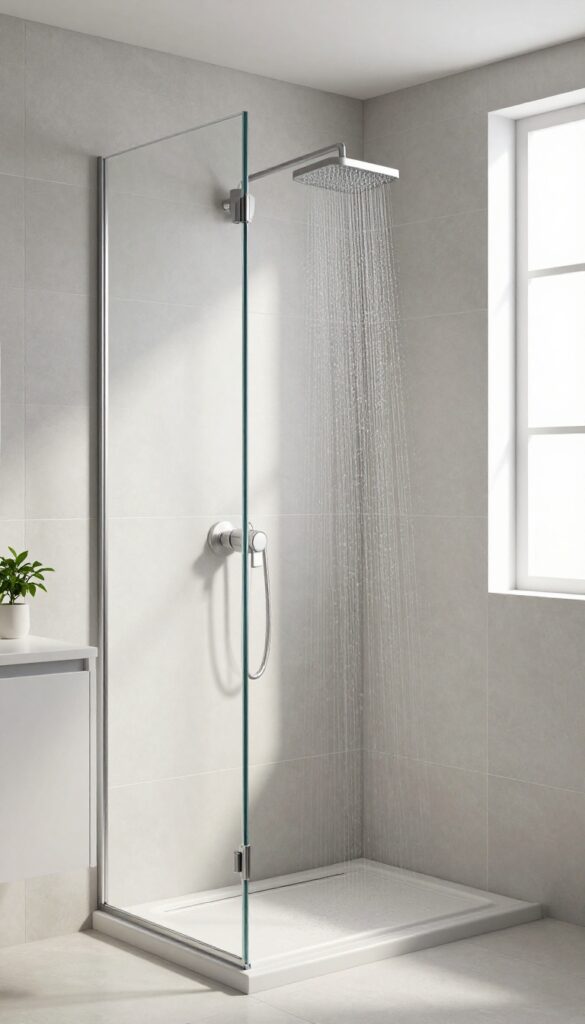
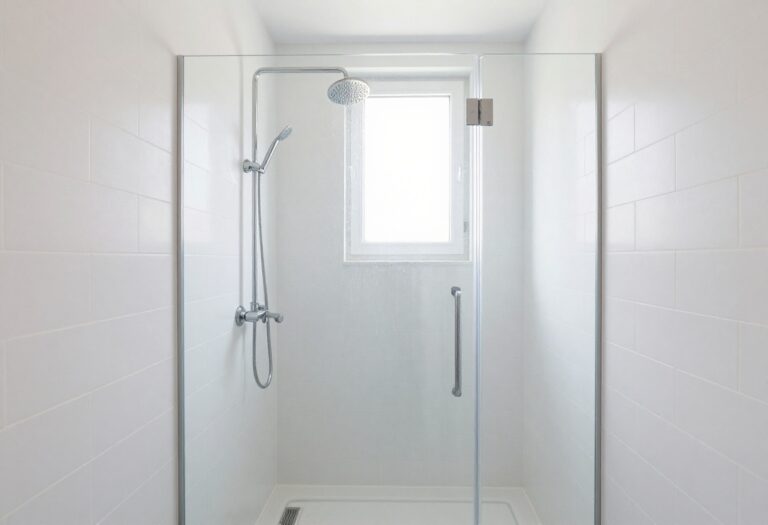
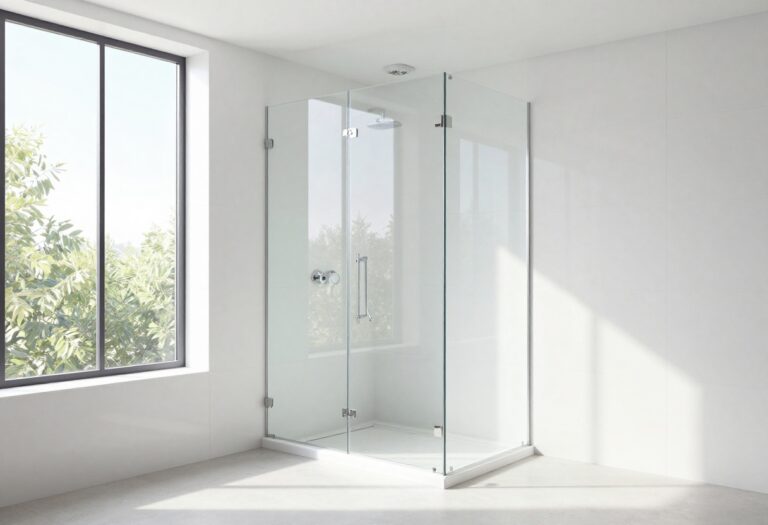
The quickest way to make a walk-in shower feel bigger is to take away the visual clutter. Frameless glass panels do exactly that by removing the thick frames and bulky tracks that often make showers feel closed in. You get a clean, uninterrupted view of your tile and fixtures, which instantly opens up the whole bathroom.
Plus, without metal edges to collect grime, cleaning becomes a breeze—just a quick wipe and you're done.
Frameless glass panels are a staple of modern bathroom design because they blend function with a minimalist aesthetic. They let natural light flow through, making even a small bathroom feel more spacious. The lack of a frame also means fewer places for soap scum and mildew to hide, so maintenance is simpler.
And because the glass is typically tempered and thicker than framed options, it feels substantial and safe, giving you peace of mind without sacrificing style.
Why Frameless Beats Framed
Framed showers often have metal tracks that collect water and grime, and the bulky look can make a space feel dated. Frameless panels, on the other hand, use minimal hardware—just a few sturdy hinges and a bottom guide. This reduces cleaning time and gives your shower a sleek, seamless appearance.
The lack of a top track also means you can have a truly open ceiling, which adds to the airy feel.
Choosing The Right Glass Thickness
For a frameless setup, glass thickness matters. Most installers recommend 3/8-inch or 1/2-inch tempered glass for safety and stability. Thicker glass feels more premium and reduces flex, but it also adds weight, so your wall and floor need to support it.
A professional can help you decide based on your shower's size and layout. Remember, the glass should be clear or lightly frosted to maintain that open look.
Installation Tips For A Flawless Finish
Proper installation is key to avoiding leaks and wobble. Make sure the glass is perfectly aligned with your tile and that the bottom channel is sealed with a high-quality silicone. Use adjustable hinges that allow for slight variations in wall squareness.
If you're not confident in DIY, hire a pro—it's worth the investment for a polished result. Also, consider a glass treatment that repels water and soap scum to keep it looking new longer.
2. Linear Drains That Keep the Floor Clean and Safe
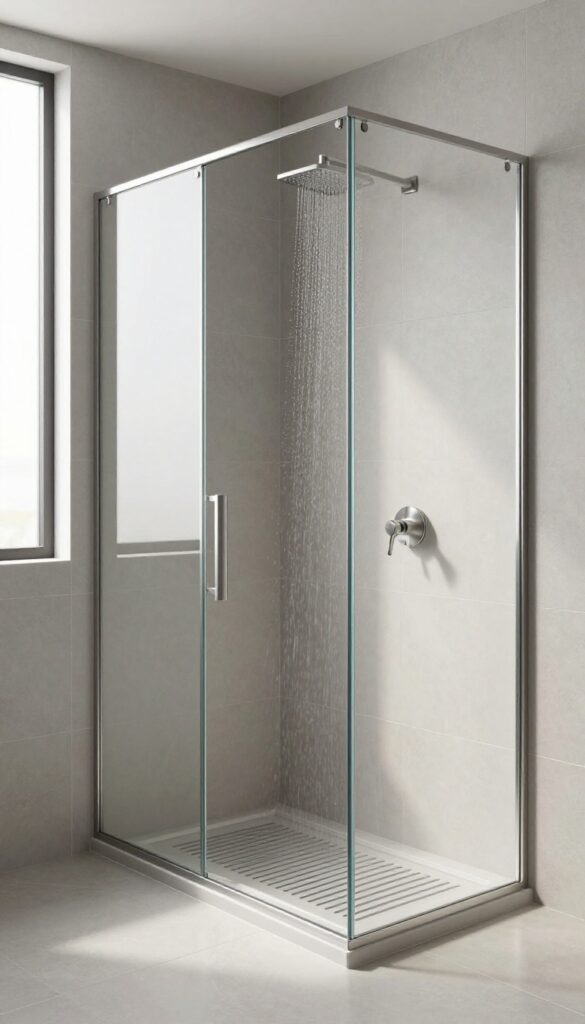
A linear drain sits flush with the floor, ditching the traditional center grate. That single change opens up a whole new level of design freedom and everyday practicality. Because the drain runs along one edge, the floor can be perfectly flat and level.
No more sloping everything toward a single point—just a clean, continuous surface that feels more like a spa than a shower.
Linear drains aren't just about looks; they solve real problems. The wide, channel-style grate catches water efficiently, and because it's flush, there's no lip to trip on. Plus, cleaning is simpler: just lift the grate and wipe out the channel, no more scrubbing around a round drain.
Why A Flat Floor Matters
A flat floor is easier to walk on, especially for kids or older adults. You don't have to worry about uneven surfaces or catching a toe. It also lets you use larger tiles or even continuous stone, which looks sleek and minimizes grout lines that can trap grime.
Placement Options For Any Layout
You can install the linear drain along the back wall, at the entrance, or even in the middle for a dramatic effect. Placing it near the showerhead keeps water from pooling underfoot, while a drain at the entrance catches water before it escapes the shower area.
Easy Cleaning And Maintenance
Most linear drains have a removable grate that pops out for quick access. The channel underneath is wide and smooth, so hair and soap scum rinse away easily. Some models even include a debris basket to catch larger particles, making upkeep a breeze.
3. Built-In Niches for Clutter-Free Storage
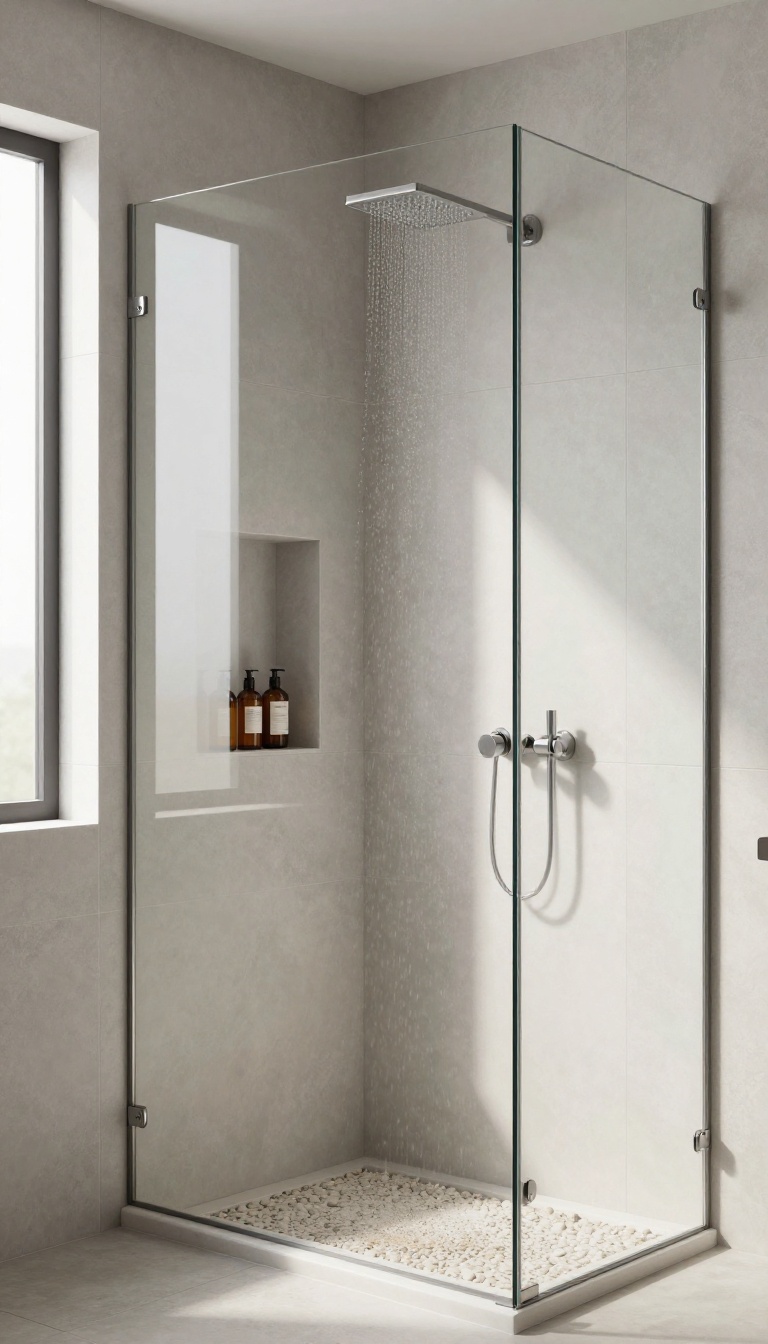
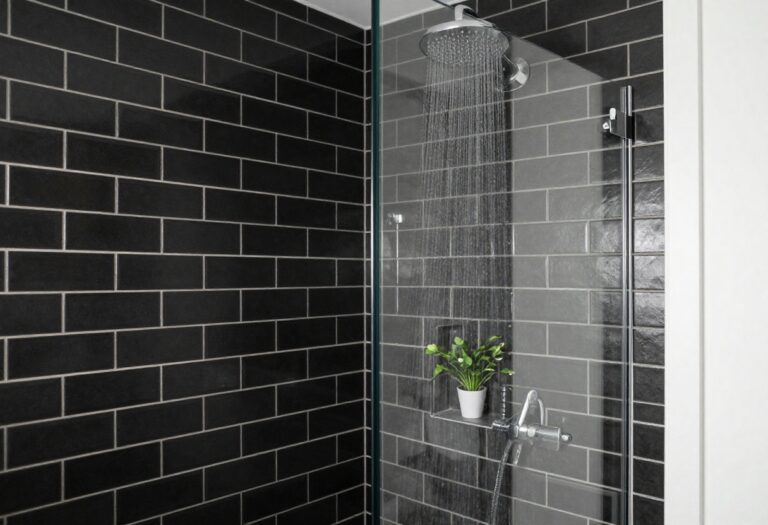
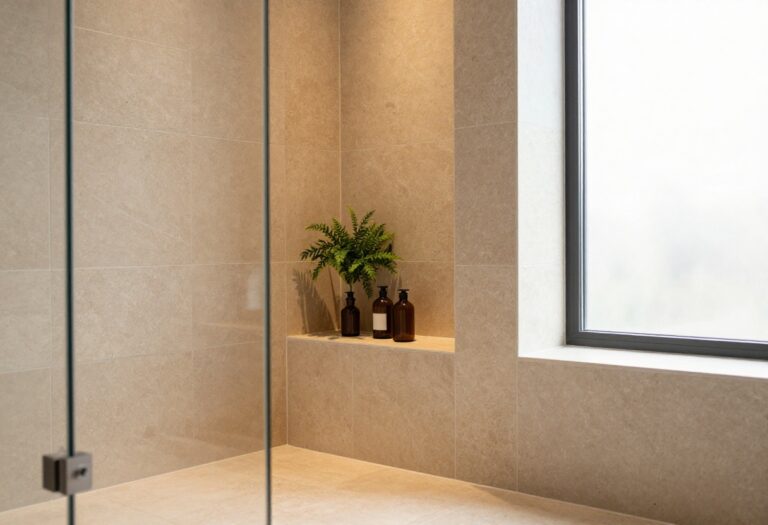
Shampoo bottles and soap bars tend to accumulate in the corner of a shower, turning a sleek space into a cluttered mess. Built-in niches solve this by giving you a designated spot for your essentials without breaking the visual flow. They’re recessed into the wall, so nothing sticks out or gets in the way.
Plus, they add a custom, high-end feel that’s surprisingly easy to achieve during a remodel.
Think of a niche as your shower’s personal shelf. It keeps everything within arm’s reach while maintaining a clean, streamlined look. Since the niche is built into the wall, you don’t have to worry about metal caddies rusting or plastic racks looking cheap.
It’s a simple upgrade that makes daily use more convenient and the shower easier to clean.
Placement And Sizing
Where you put the niche matters as much as the niche itself. The most common spot is on a side wall, near the showerhead but out of the direct spray. That keeps your products dry and prevents them from getting knocked over.
For sizing, aim for a niche that’s at least 12 inches tall and 6 inches deep—enough for standard bottles. If you have a larger family, consider a double niche or a taller one to hold multiple items.
Tiling And Finishing
The finish of your niche can make or break the look. Matching the niche tile to the surrounding wall creates a seamless, understated effect. For a bit of contrast, use a different tile or a complementary color to make the niche pop.
Just make sure the shelf has a slight downward slope so water doesn’t pool. And don’t forget to waterproof the niche properly—it’s a common spot for leaks if done wrong.
Styling And Accessories
Once your niche is in, think about how to keep it organized. Use matching pump bottles for shampoo and conditioner to create a uniform look. Add a small shelf or a few floating glass shelves inside the niche to maximize vertical space.
You can also install a small LED light strip above the niche for a subtle glow that makes it feel luxurious. Just keep it simple—too many items defeat the purpose.
4. Minimalist Shower Heads with a Spa-Like Feel
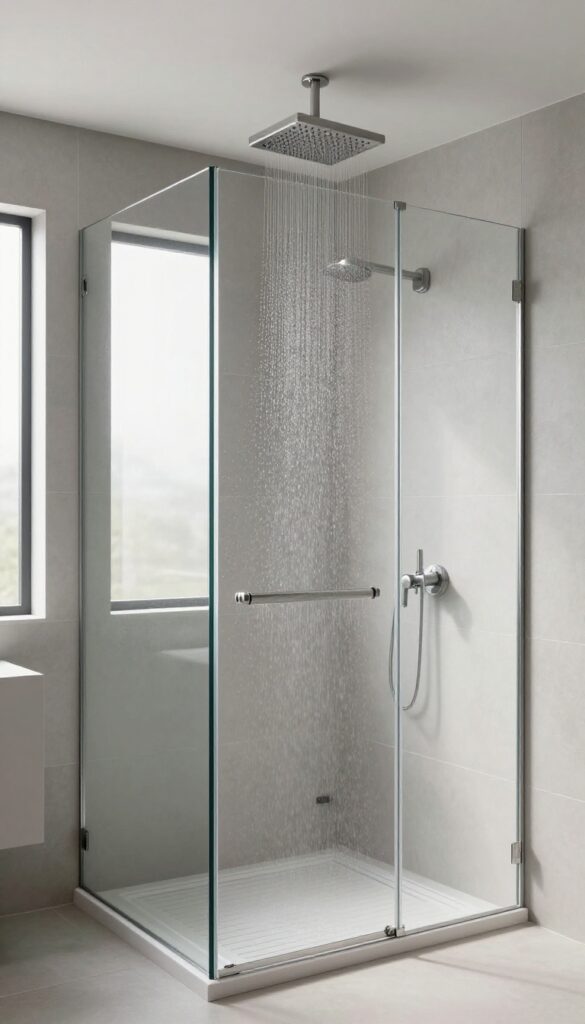
A shower head might seem like a small detail, but it sets the tone for the whole experience. Swapping a bulky fixture for a sleek, minimalist design can instantly make the space feel more refined and calming. The clean lines of a modern rain shower or a simple wall-mounted model do more than look good—they also simplify your routine.
With fewer nooks and crannies, they’re easier to wipe down and keep spotless.
Choosing the right minimalist shower head is about balancing aesthetics with everyday comfort. Look for models with a wide, flat face and a finish that matches your fixtures, like brushed nickel or matte black. A rain shower head mounted on the ceiling creates a gentle, rainfall-like flow, while a wall-mounted version with a long arm gives you flexibility and a cleaner look.
Functionality matters too. Many minimalist heads come with multiple spray settings, but you might not need them all. Stick with a simple design that offers a consistent, even spray.
Also, consider the flow rate—some high-efficiency models save water without sacrificing pressure, which is a win for both the planet and your utility bill.
Why Less Is More
A bulky shower head with lots of angles and crevices can collect grime and make the space feel busy. Minimalist designs strip away the extras, leaving a smooth surface that’s easier to clean and visually lighter. This simplicity also lets other elements in your shower, like the tile or the drain, take center stage.
Choosing The Right Finish And Size
The finish of your shower head should complement your overall bathroom palette. Brushed nickel and matte black are popular choices that hide water spots well. For size, consider the scale of your shower—a large rain head works best in a spacious walk-in, while a compact wall-mounted model suits a smaller enclosure.
Always check the arm length if you want the head positioned outside the water stream.
Installation And Maintenance Tips
Most minimalist shower heads are easy to install, but if you’re replacing a ceiling mount, you might need a professional. To keep it looking new, wipe the head after each use and soak it in vinegar monthly to prevent mineral buildup. If your water pressure is low, look for models with pressure-compensating technology to maintain a steady flow.
5. Textured Tile Flooring for Grip and Style
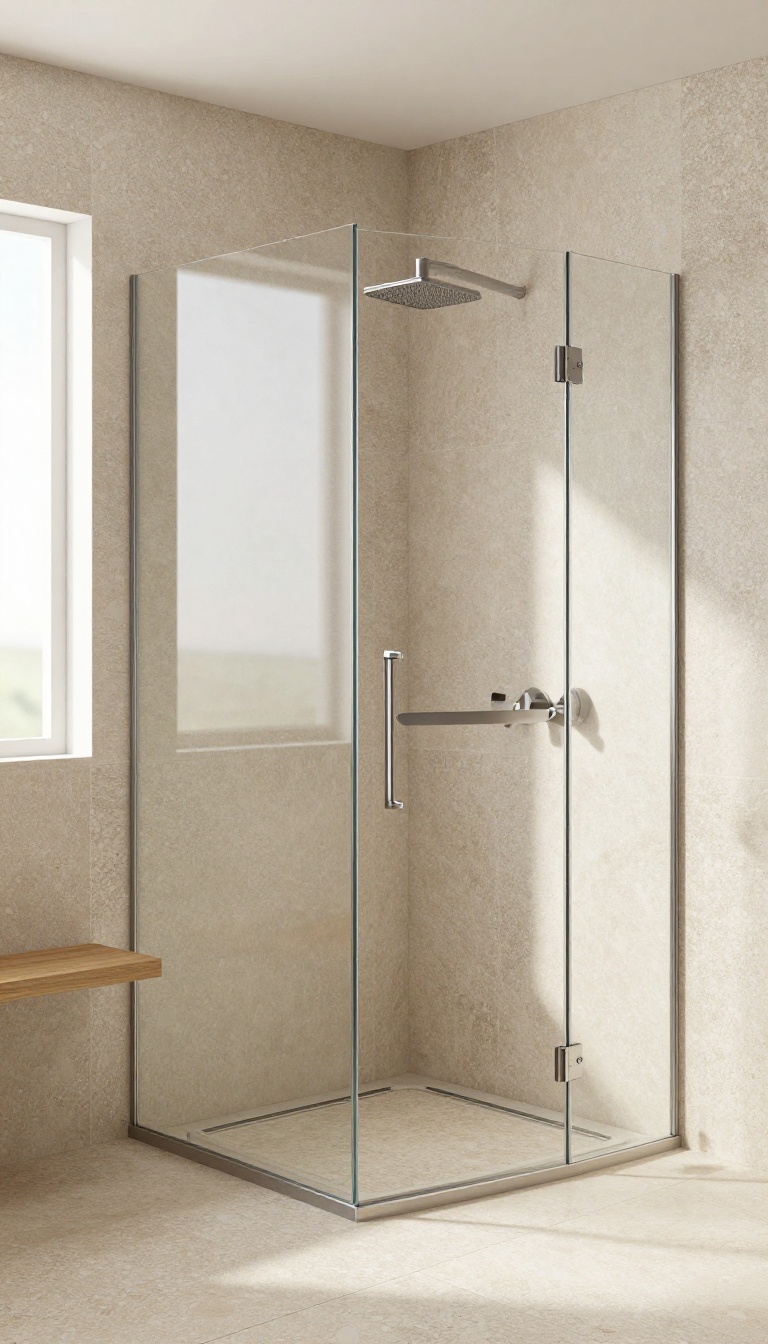
Slips in the shower are no joke, and smooth tiles can turn a relaxing rinse into a risky balancing act. Textured tile flooring solves that problem without making your bathroom look like a public pool. Today's options come in a range of styles, from subtle stone-look finishes to bold geometric patterns, so you can keep your design sharp while giving your feet something to grip.
Choosing textured tiles isn't just about safety—it's about adding another layer of character to your walk-in shower. The right texture can make the floor feel more grounded and intentional, and it pairs beautifully with sleek glass and minimal fixtures. Here's how to pick the perfect textured tile for your space.
Why Texture Matters
Smooth porcelain or ceramic tiles can get dangerously slippery when wet. Textured tiles provide traction that helps prevent falls, which is especially important for kids, older adults, or anyone with mobility concerns. Even if you're steady on your feet, that extra grip gives you confidence every time you step in.
Style Meets Safety
You don't have to choose between looking good and staying safe. Modern textured tiles come in a variety of finishes—matte, tumbled, or embossed—that mimic natural stone, wood, or concrete. You can also find geometric patterns that add visual interest without overwhelming the space.
The key is to pick a texture that works with your overall design, not against it.
Choosing The Right Tile
Look for tiles with a coefficient of friction (COF) rating of 0. 6 or higher for wet areas. Pebble tiles are a popular choice because they offer excellent grip and a spa-like feel.
Larger format textured tiles are easier to clean than small mosaics, which have more grout lines. Consider the color and pattern too—lighter shades can make the shower feel more spacious, while darker tones add drama.
Installation And Maintenance
Proper installation is crucial. Make sure the tiles are set with a slight slope toward the drain to prevent water pooling. Use a grout that resists mold and mildew.
Textured tiles may require a bit more effort to clean than smooth ones, but a stiff brush and mild cleaner will keep them looking fresh. Sealing natural stone tiles helps protect them from stains and moisture.
6. Glass Shower Screens with Smart Hinges
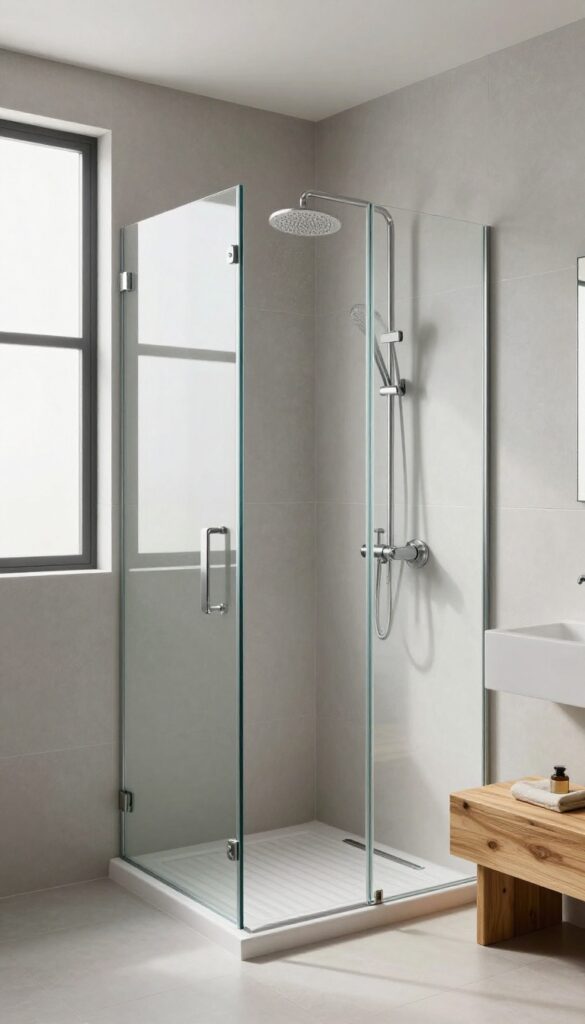
Glass screens are a staple in modern bathrooms, but the way they open can make a huge difference. Instead of a fixed panel, consider a hinged screen that swings out like a door. This simple change adds a level of flexibility that fixed panels just can't match.
Hinged glass screens are perfect for smaller bathrooms where space is at a premium. They can be pushed flat against the wall when not in use, opening up the floor area. When you need to get in, they swing open smoothly.
This design keeps the shower feeling open and airy while still containing water effectively.
Why Hinged Beats Fixed
A fixed screen can feel restrictive, especially if you need to reach in to clean or adjust something. Hinged screens give you full access to the shower space. They also make it easier to get in and out, which is great for families with kids or anyone with mobility concerns.
Choosing The Right Hinge
The hinge quality matters. Look for soft-close hinges that prevent the glass from slamming shut. Also, consider the swing direction.
You want the screen to open away from the shower head to avoid water splashing out. A 180-degree hinge lets the screen fold back against the wall, which is ideal for tight spots.
Installation And Maintenance
Installation is straightforward if you have a sturdy wall to anchor the hinge. The glass should be tempered for safety. Cleaning is easy—just wipe down the glass with a squeegee after use.
The hinge mechanism may need occasional lubrication to keep it operating smoothly.
7. Recessed Lighting for a Soft, Even Glow
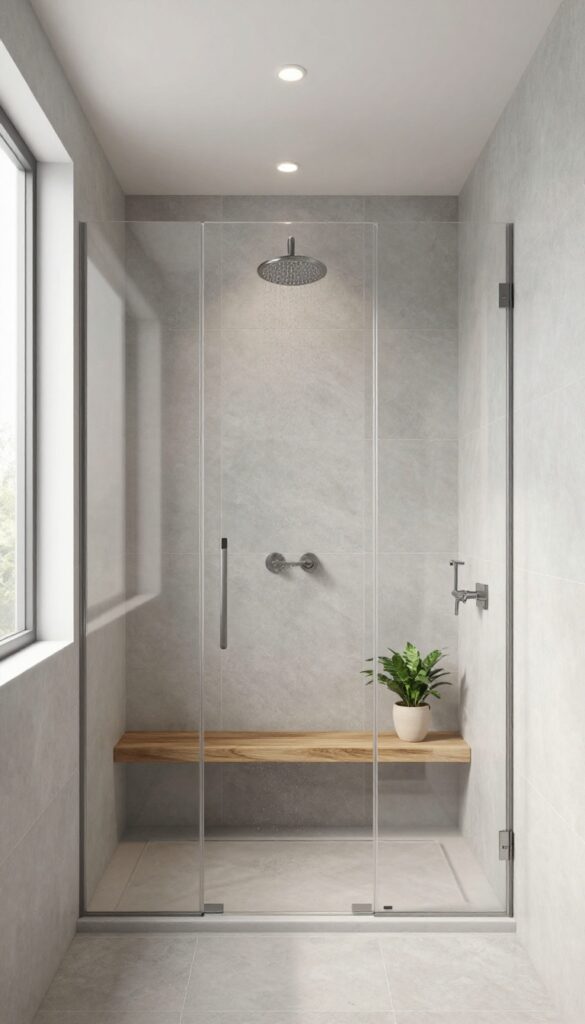
Lighting can make or break the feel of a walk-in shower. Harsh overhead fixtures cast unflattering shadows and make the space feel clinical. Recessed lighting solves this by spreading a soft, even glow that wraps the whole area in calm.
Recessed lights sit flush with the ceiling, so they don't interrupt the clean lines of a modern shower. They also let you control brightness and mood with dimmers, which is perfect for a relaxing soak or a quick morning rinse. Plus, the even light makes your tile and fixtures look their best without any dark corners.
Why Recessed Beats A Single Overhead Fixture
A single light in the middle of the ceiling creates a spotlight effect—bright in the center, dim at the edges. Recessed lights spread the illumination evenly, so every corner gets the same soft glow. This reduces shadows and makes the shower feel more open and inviting.
Placement Tips For Best Coverage
Aim for two to four recessed lights depending on the size of your shower. Place them about two feet from the walls and space them evenly across the ceiling. If you have a niche or a feature wall, angle a light toward it to highlight the texture and color.
Add A Dimmer For Flexibility
A dimmer switch gives you control over the atmosphere. Crank it up for a bright, energizing shower in the morning, or lower it for a calming, spa-like experience at night. It's a simple addition that makes a big difference in how the space feels.
8. Bench Seating for Comfort and Convenience
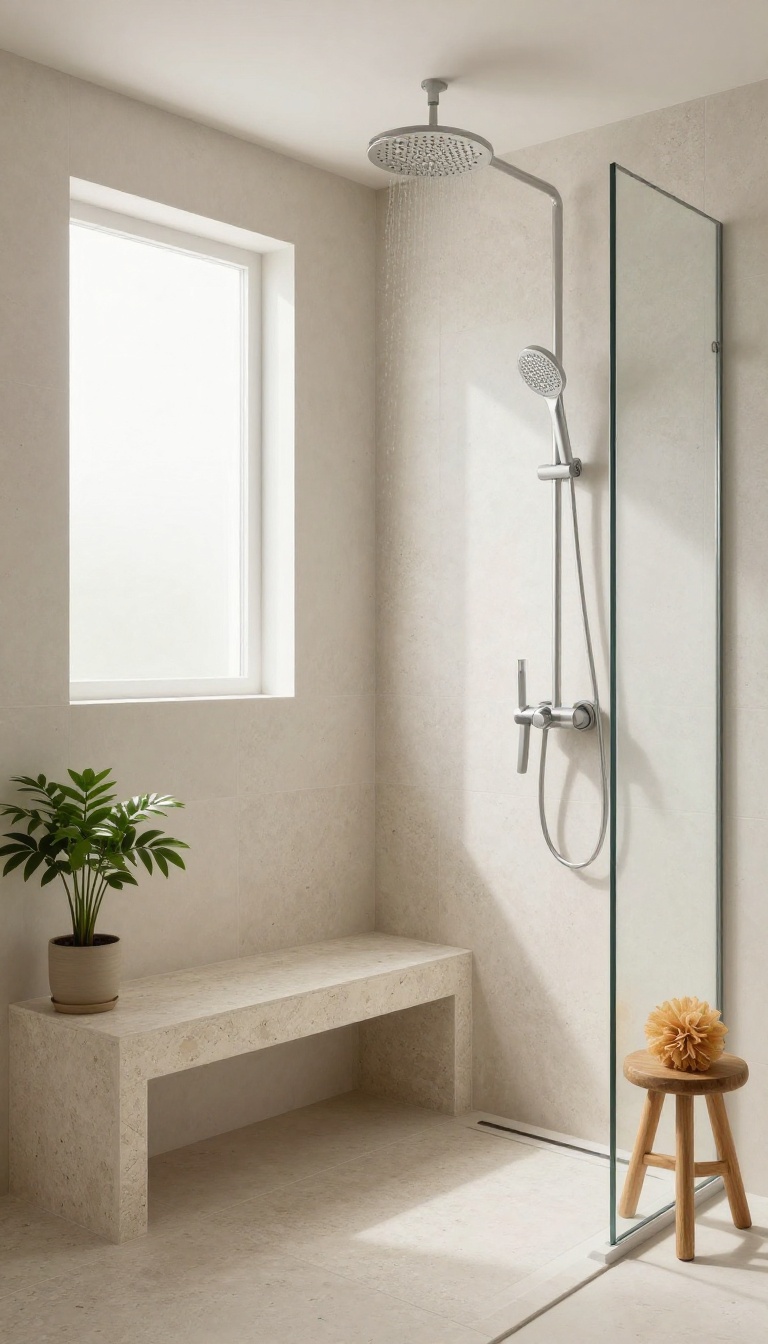
A built-in bench turns your shower into a place to sit, breathe, and take your time. It’s not just a luxury—it’s a smart addition that adds safety and usability, especially if you have mobility concerns or simply enjoy a more relaxed routine. Whether you’re shaving your legs or just letting the warm water wash over you, a bench makes the experience better.
Adding a bench is one of those upgrades that instantly makes a shower feel more spa-like. But it’s also a practical choice: it gives you a stable seat for tasks that are tricky standing up, and it’s a great spot to rest a foot while you scrub. Plus, it breaks up the visual monotony of a large shower, adding architectural interest without taking up much room.
Built-in Vs. Freestanding
A built-in bench, often made of the same tile or stone as the shower walls, looks seamless and can be customized to fit any corner. Freestanding teak or plastic benches are more flexible—you can move them around or take them out entirely if you need more space. Think about how you’ll actually use the bench: if it’s for daily seating, a built-in is sturdy and always there; if it’s occasional, a movable option might be better.
Size And Placement
The ideal bench depth is around 15 to 18 inches, and it should be placed where it won’t block the door or shower controls. A corner bench is a space-saver, while a long bench along one wall can double as a shelf for toiletries. Make sure the surface has a slight slope or texture so water doesn’t pool, and consider adding a handheld showerhead nearby for easy rinsing while seated.
Materials And Maintenance
Tile, stone, and solid-surface materials like quartz are durable and match the shower’s look. Teak is warm and water-resistant, but it needs occasional oiling. Whatever you choose, ensure it’s easy to clean—grout lines can be a hassle, so a solid surface or large-format tiles reduce upkeep.
A bench with a smooth finish and no sharp edges is also more comfortable and safer.
9. Matte Black Fixtures for a Bold, Modern Contrast
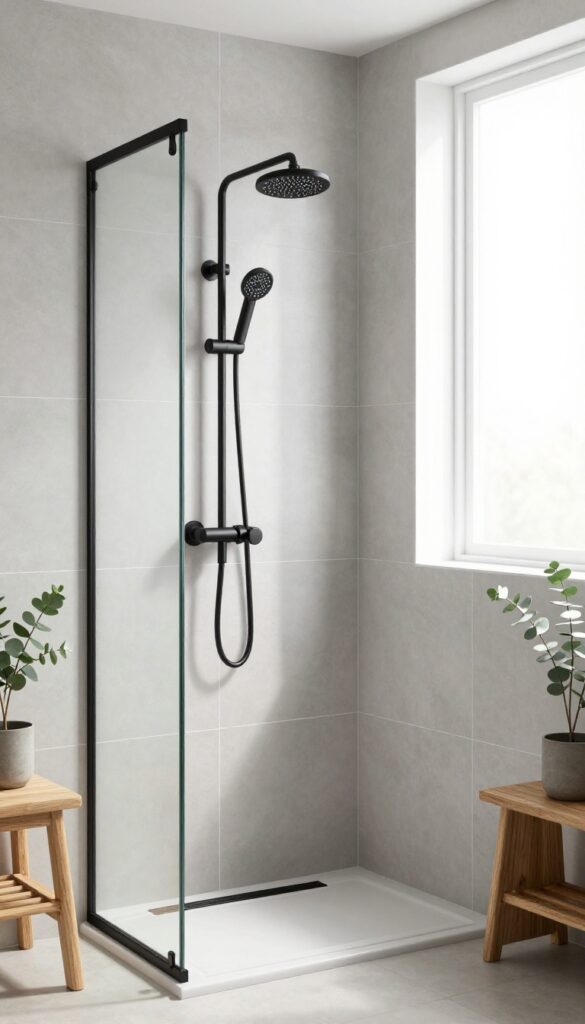
Matte black is having a major moment in bathroom design, and for good reason. It brings a grounded, contemporary feel that instantly upgrades the look of a walk-in shower. The dark finish creates a striking contrast against light tiles and white grout, making the space feel intentional and polished.
Beyond looks, matte black is a practical choice. It resists fingerprints and water spots far better than shiny chrome, so your shower stays looking clean with less effort. Plus, the durable finish holds up well in humid environments, making it a smart long-term investment.
When you choose matte black fixtures, you're not just picking a color—you're setting a mood. The dark tone adds depth and sophistication, whether your shower is minimalist, industrial, or even spa-like. It pairs beautifully with natural stone, wood-look tiles, or classic white subway tile, giving you plenty of design flexibility.
The key is to use matte black consistently. Match your shower head, handles, and frame so the look feels cohesive. You can also bring in small accents like a black soap dish or towel bar to tie the whole space together.
The result is a shower that feels custom and carefully considered.
Why Matte Black Works In A Shower
Matte black doesn't compete with your tile or other materials—it anchors them. The dark finish creates a visual anchor that draws the eye and adds contrast, making the shower feel more dynamic. It also has a soft, almost velvety texture that feels premium to the touch.
Unlike glossy chrome or brushed nickel, matte black hides water spots and soap scum much better. That means less wiping down after every use. The finish is also scratch-resistant, so it keeps its sleek look even with daily wear and tear.
Choosing The Right Fixtures
Start with the essentials: the shower head and control handles. A matte black rain shower head makes a bold statement, while a handheld option adds flexibility. For a cohesive look, pick a matching set from the same brand or collection.
Don't forget the smaller details. A matte black shower frame or glass enclosure trim can tie everything together. You can also swap in a black drain cover or shelf for an extra touch.
Just keep the style consistent so the space doesn't feel mismatched.
Pairing With Tiles And Textures
Matte black looks stunning with almost any tile, but some combinations really shine. White or light gray tiles create a crisp, high-contrast look. For a warmer vibe, pair it with beige or sand-colored tiles.
If you're feeling bold, try black fixtures against a deep green or navy tile for a moody, luxurious feel. Texture also matters. Combine matte black with natural stone, brushed concrete, or wood-look porcelain to add depth.
The contrast between the dark fixtures and textured surfaces makes the shower feel rich and inviting.
10. Smart Storage with Floating Shelves
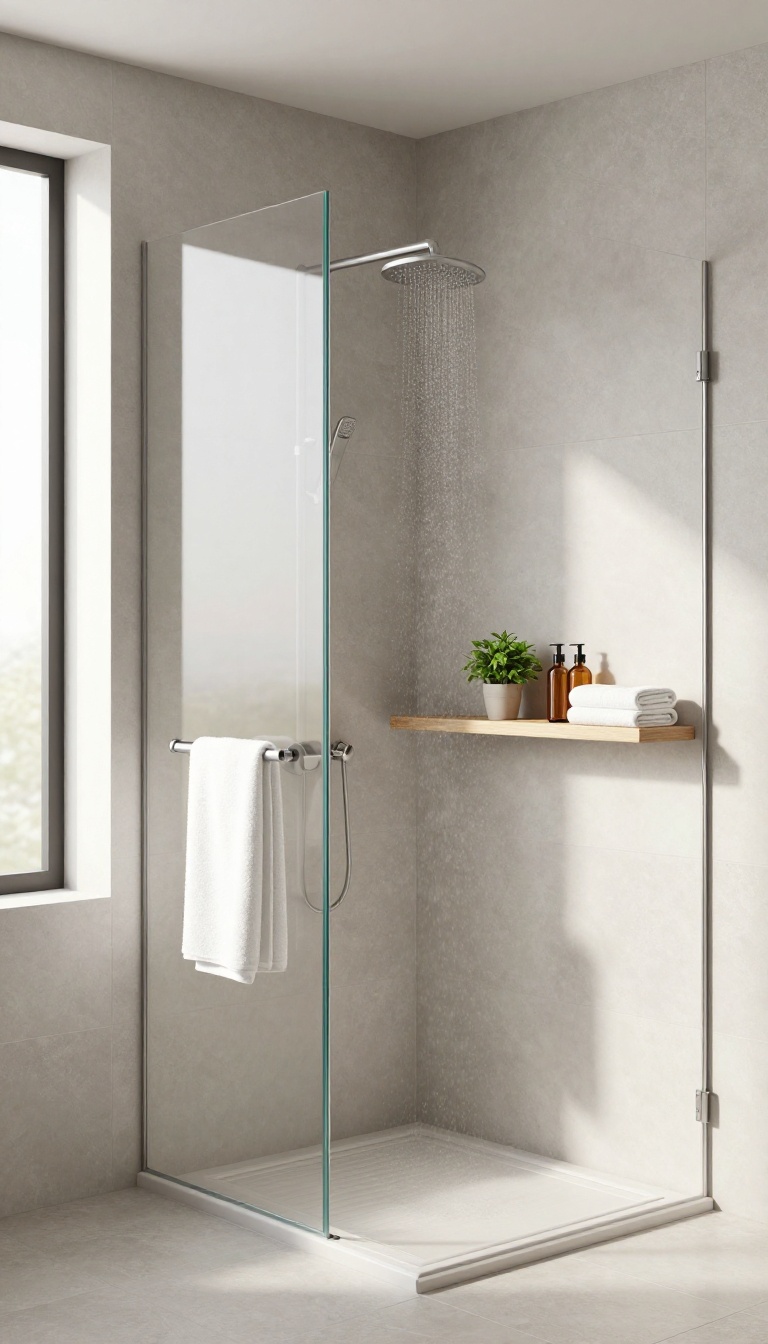
Keeping towels and toiletries within arm's reach without cluttering the shower floor is a common struggle. Floating shelves offer a sleek solution that blends storage with style. They keep the space open and airy while adding a touch of modern design.
Floating shelves are a simple yet effective way to add storage to a walk-in shower. They attach directly to the wall, so they don't take up any floor space. This makes the shower feel larger and easier to clean.
You can place them at different heights to suit your needs, from holding shampoo bottles to stacking fresh towels.
Choosing The Right Material
For wet areas, pick materials that can handle moisture. Treated wood, such as teak or cedar, is a popular choice because it resists water damage and looks warm. Glass shelves are another option—they're easy to wipe down and keep the view unobstructed.
Stone or concrete shelves add a natural, spa-like feel but may need sealing to prevent staining.
Placement And Height
Think about what you'll store on each shelf. Put everyday items like shampoo and soap at waist level for easy reach. Reserve higher shelves for items you use less often, like extra towels or decorative jars.
Lower shelves can hold bulky products or baskets. Make sure the shelves don't interfere with your movement or the shower door.
Styling And Organization
Floating shelves are also a chance to show off your style. Use matching bottles for a uniform look, or add a small plant for a touch of green. Keep things tidy by grouping similar items together.
Baskets or trays can corral smaller items and keep the shelves looking neat. Just remember to leave some breathing room so the space feels open, not crowded.
FAQ
What is the best flooring for a walk-in shower?
Textured tile or stone with a high slip resistance is best. Look for a finish that’s durable, easy to clean, and provides good traction underfoot.
How do I keep a walk-in shower from getting cold?
Use a shower screen or panel to block drafts, and consider a heated floor or a warm towel rack. Also, a good ventilation system helps control humidity.
Are walk-in showers hard to clean?
Not necessarily. With fewer corners and a linear drain, they can be easier to clean than traditional tubs. Use a squeegee after each use and clean regularly to prevent soap scum.
Do I need a door for a walk-in shower?
No, but a door or screen helps contain water and keep the bathroom warm. If you prefer an open design, ensure proper slope and drainage to avoid puddles.
What is the ideal size for a walk-in shower?
A minimum of 36 x 36 inches is comfortable, but 48 x 48 inches or larger feels more spacious. Consider your bathroom layout and personal needs.
Conclusion
A modern walk-in shower is more than just a place to get clean—it’s a daily retreat that can make your bathroom feel bigger and more organized. By focusing on clean lines, smart storage, and practical materials, you can create a space that’s both beautiful and easy to live with.
Start with one or two ideas that resonate with your style and budget. Small changes can make a big difference, and you’ll soon enjoy a shower that’s neat, functional, and truly yours.