13 Clever Shower Niche Tile Ideas for a Warm, Personal Setup
That blank recess in your shower wall is more than a shelf—it's a chance to set the whole room's mood. A well-chosen tile inside that niche can turn a practical spot into a focal point, adding warmth and personality without a full redesign.
The right material, color, or pattern makes the space feel intentional, not accidental. From bold contrasts to seamless blends, these 13 ideas show how small tile choices create a big visual payoff.
Whether you're remodeling or just refreshing, there's a look here that fits your style and budget.
1. Go Bold with a Contrasting Accent Tile
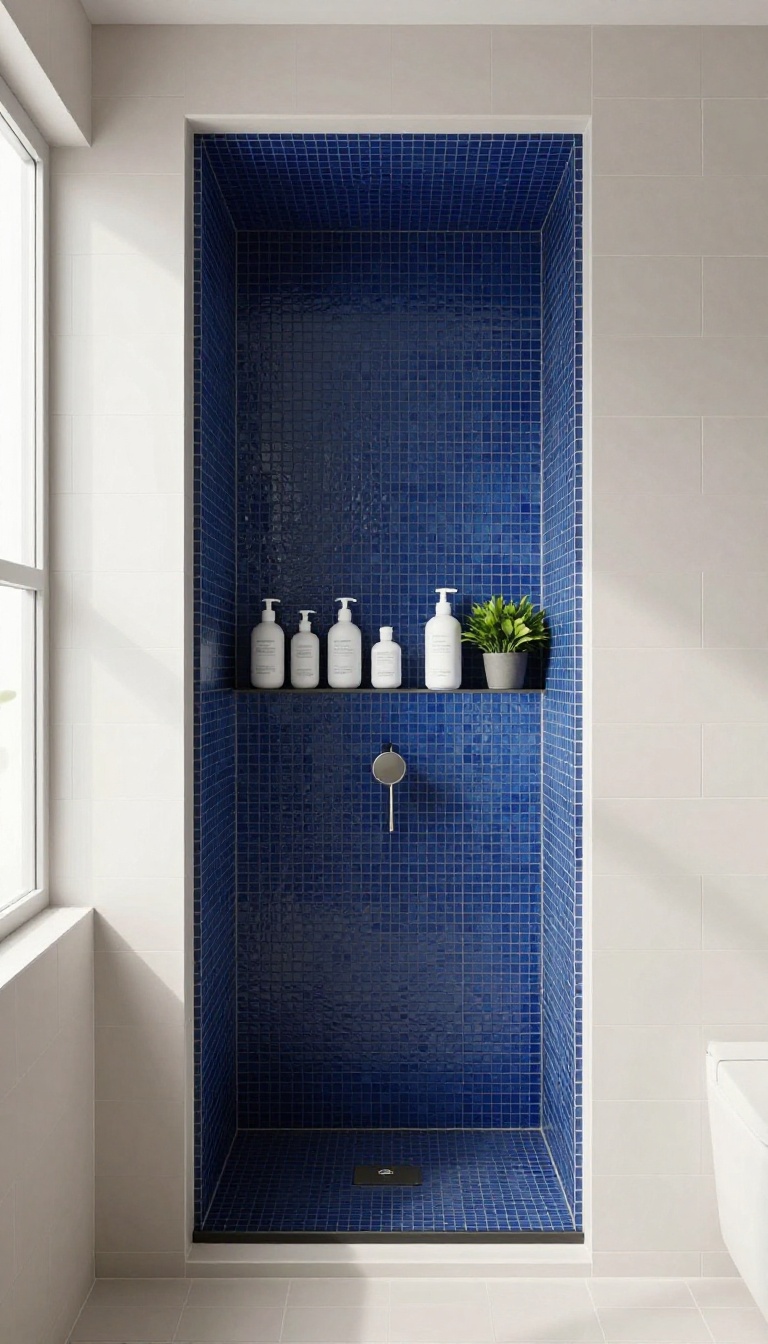
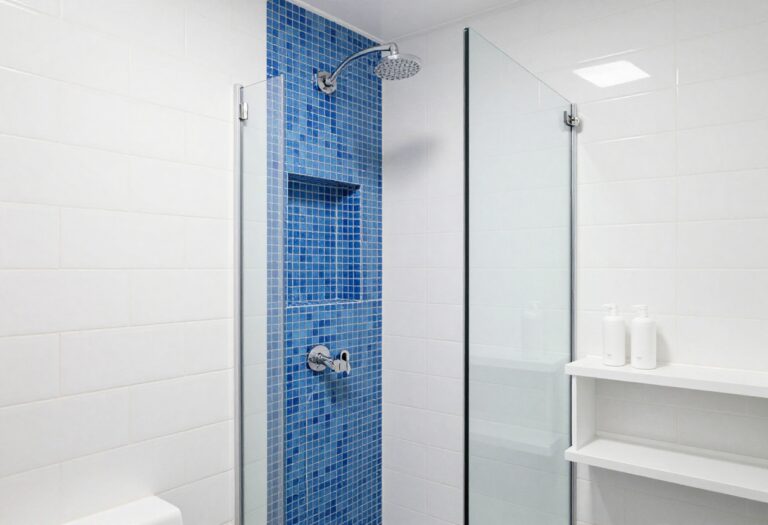
A shower niche doesn't have to blend in. By choosing a tile that stands out from the surrounding wall, you instantly create a focal point that adds depth and character. This approach works especially well when the rest of the shower is neutral or monochrome.
The key is contrast. A dark mosaic against light subway tile creates a striking visual pop, while a vibrant pattern can bring energy to an otherwise calm space. This idea is perfect for those who want to add personality without a full remodel.
Why Contrast Works
Contrast draws the eye naturally. When the niche tile is different from the wall, it becomes a deliberate design element rather than an afterthought. It also adds a sense of depth, making the niche appear larger and more intentional.
Choosing The Right Tile
Think about the mood you want to create. Dark tiles like deep blue or charcoal add drama and sophistication, while bright colors like emerald or mustard bring a playful touch. Textured tiles, such as hexagonal or penny tiles, add another layer of interest.
Mixing Patterns And Textures
Don't be afraid to mix patterns. A geometric pattern inside the niche can complement a solid wall tile, or you can use a different shape, like arabesque or fish scale, to create a unique look. Just keep the color palette cohesive to avoid visual chaos.
2. Create a Seamless Look with the Same Tile
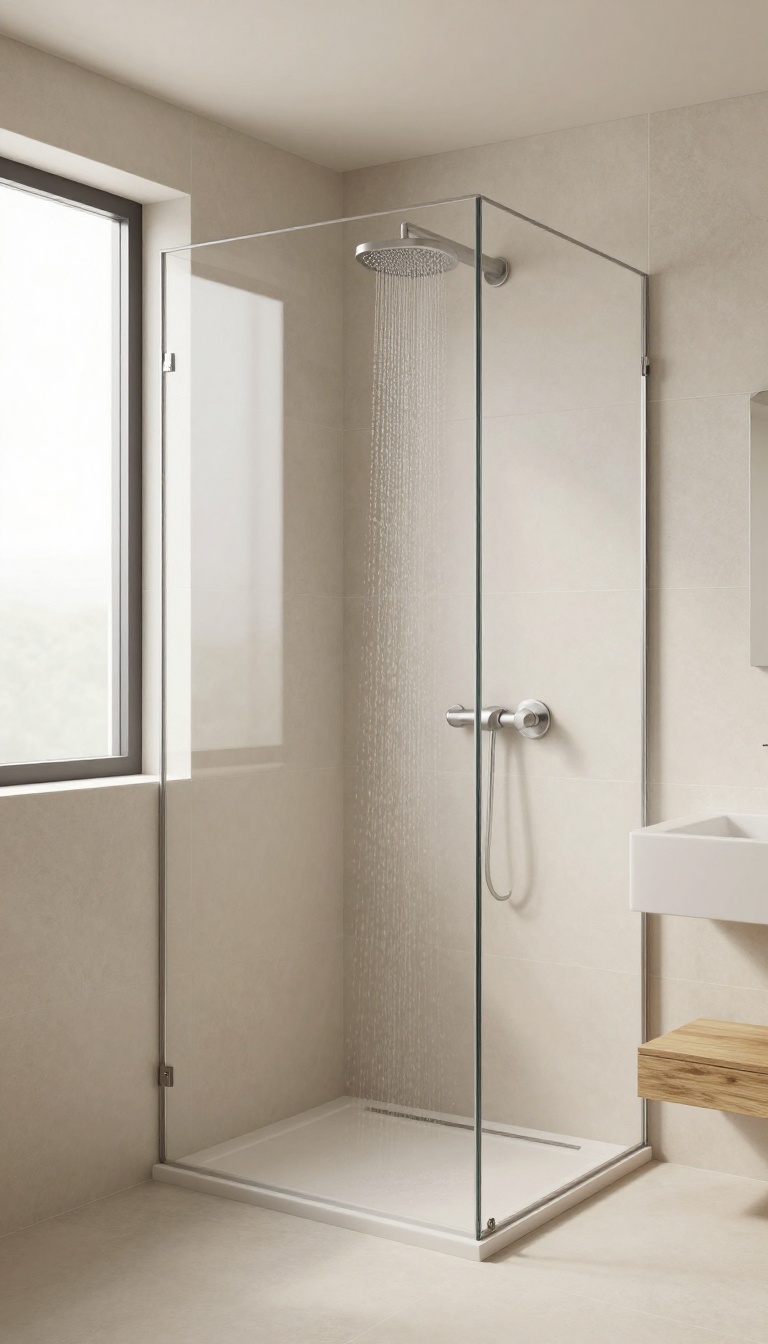
Sometimes the smartest move is to let the niche disappear into the wall. Using the same tile inside and outside the recess creates a smooth, continuous surface that feels calm and uncluttered. It’s a favorite trick for modern and minimalist bathrooms, where every visual distraction is kept to a minimum.
Matching the niche tile to the surrounding wall is all about visual flow. When the tile runs uninterrupted, the eye glides over the surface without catching on a jarring change. This makes the shower feel larger and more open, especially in compact spaces.
The niche becomes a subtle storage spot rather than a design statement, letting other elements like fixtures or a vanity take the spotlight.
Why It Works
A seamless niche reduces visual noise. It’s especially effective with large-format tiles, which have fewer grout lines and create a nearly monolithic look. The result is a clean, spa-like atmosphere that feels intentional and polished.
Plus, it’s a safe choice if you’re unsure about mixing patterns or colors.
Best Tile Types
Porcelain and ceramic tiles are top picks for this approach because they come in large sizes and consistent colors. Matte finishes hide water spots and add a soft, tactile feel. If you want a touch of luxury, consider a large-format marble-look tile that continues seamlessly into the niche.
Installation Tips
To achieve a true seamless look, align the grout lines inside the niche with those on the wall. Have your installer plan the layout so the tile wraps into the recess without awkward cuts. Also, use the same grout color throughout—any variation will break the illusion.
3. Add Warmth with Natural Stone
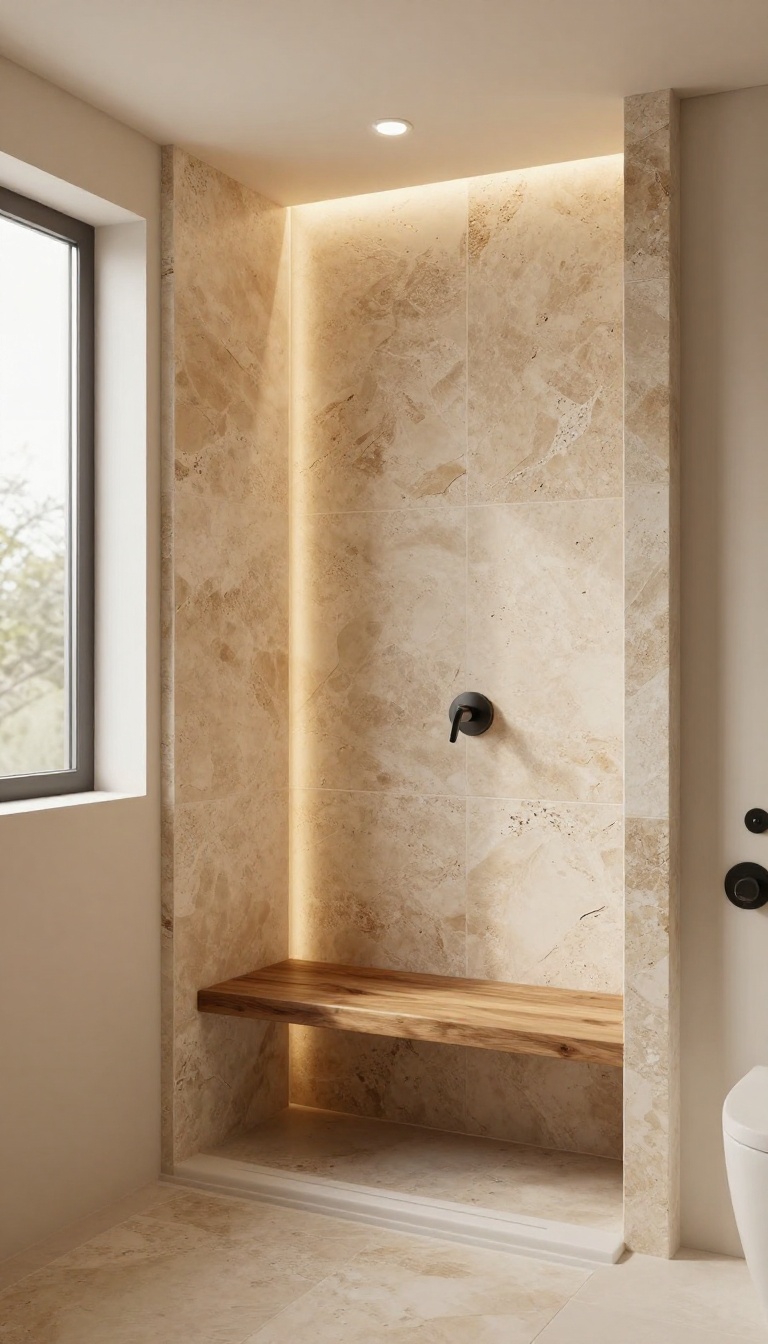
Natural stone is one of the quickest ways to make a shower niche feel grounded and inviting. The subtle variations in color and texture bring an organic, earthy quality that synthetic tiles often miss. When paired with warm lighting and wooden accents, stone creates a cozy, spa-like atmosphere right in your bathroom.
Natural stone tiles like travertine, slate, or marble bring organic texture and earthy tones to your niche. They pair beautifully with wood accents and warm lighting.
Why Stone Feels Warm
Stone has a naturally matte finish that absorbs light rather than reflecting it, which softens the overall look. Its porous surface adds depth, and the irregular patterns in each tile make the niche feel unique. This warmth is perfect for bathrooms that might otherwise feel sterile or cold.
Picking The Right Stone
Travertine offers a classic, creamy look with subtle pitting, while slate brings a darker, more dramatic feel. Marble adds elegance but requires more sealing. Choose a stone that complements your shower's existing colors and your maintenance comfort level.
Pairing With Accents
To maximize the warmth, pair stone tiles with wooden shelves or a teak bench. Warm LED strip lighting inside the niche highlights the stone's texture and creates a soft glow. Avoid cool-toned lighting, as it can wash out the earthy tones.
4. Make It Luxurious with Marble and Gold
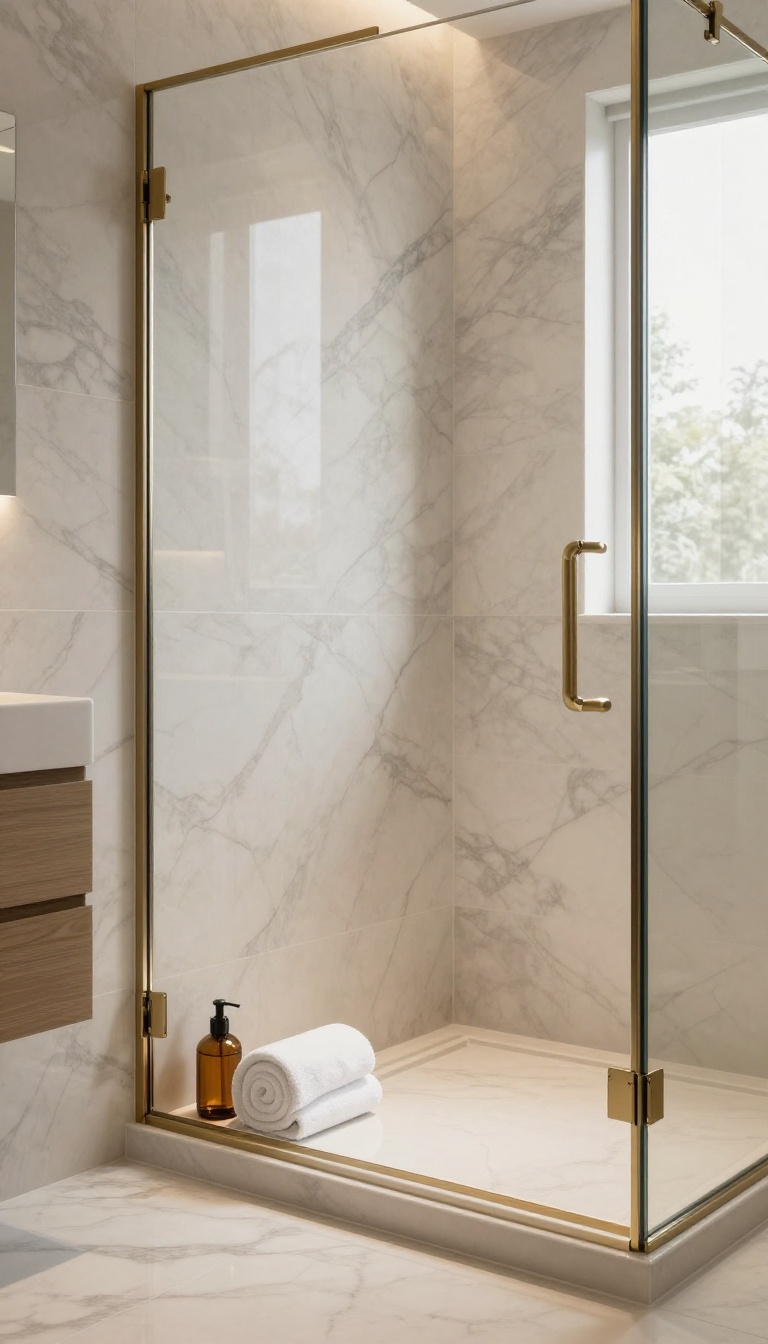
Some showers are just functional. Others feel like a private spa. If you want the latter, marble and gold are the way to go.
The cool veining of marble paired with warm metallic accents turns a simple niche into a stunning focal point.
Why Marble And Gold Work So Well Together
Marble brings a timeless, elegant texture that instantly elevates any surface. Gold or brass fixtures add warmth and a hint of glamour. Together, they create a balanced contrast—cool stone against warm metal—that catches the eye without feeling overdone.
Choosing The Right Marble Tile
You don't need to cover the whole shower in marble to get the effect. Use it just inside the niche for a pop of luxury. Carrara is classic and bright, while Calacatta offers bolder veining.
If you're on a budget, marble-look porcelain gives the same vibe for less.
Gold Accents That Make The Niche Pop
The metal details matter. A slim gold frame around the niche or gold shelves inside can make the marble stand out even more. Even small touches, like a gold soap dispenser or a gold-edged mirror, add to the jewel-box feel.
Just keep the rest of the shower hardware in the same finish to tie it all together.
5. Play with Geometric Patterns
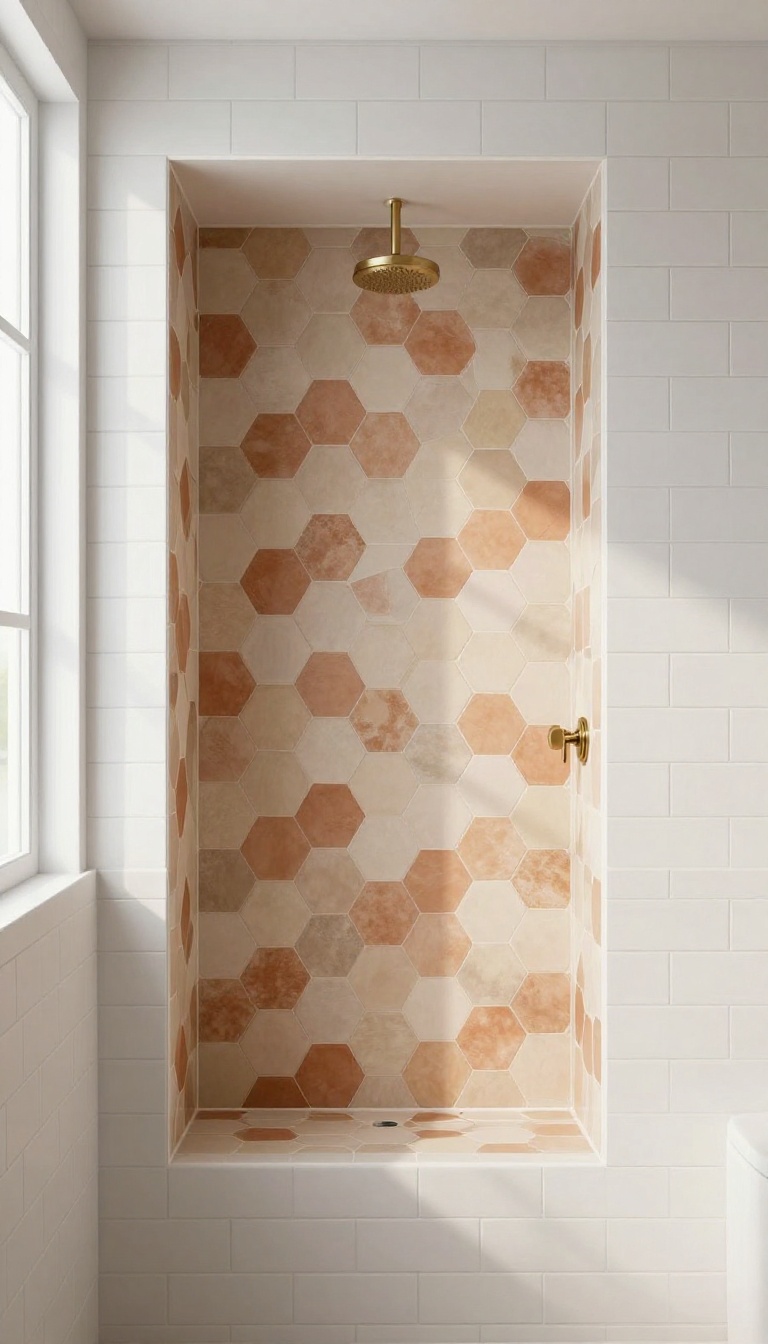
Geometric tiles are a simple way to give your shower niche a modern, eye-catching look. Instead of a plain square or rectangle, you can use hexagons, arabesques, or herringbone to create a pattern that draws the eye. The key is to use them inside the niche as a focal point, so the pattern doesn't overwhelm the rest of the shower.
Geometric tiles add texture and movement to a shower niche, making it stand out without being too busy. They work especially well when the rest of the shower uses larger, simpler tiles, because the contrast creates a clean, intentional design. You can choose a matching color palette for a subtle effect, or go bold with contrasting colors for a more dramatic look.
Pick The Right Shape
Hexagons are a popular choice because they fit together seamlessly and add a honeycomb-like texture. Arabesque tiles, with their curved, scalloped edges, bring a softer, more organic feel. Herringbone, usually done with rectangular tiles, creates a dynamic zigzag pattern that adds energy to the space.
Think about the overall style of your bathroom—hexagons feel modern, arabesques lean boho, and herringbone is classic but with a twist.
Mix And Match Colors
You don't have to stick to one color. Using two or three complementary shades within the geometric pattern can make the niche pop. For example, a herringbone pattern with white and light gray tiles adds depth without being too loud.
Or, if you want a bolder statement, choose a dark accent color like navy or charcoal to contrast with lighter walls. Just keep the rest of the shower neutral so the niche remains the star.
Scale It Right
The size of the geometric tile matters. In a small niche, large hexagons might feel cramped, while tiny mosaic tiles can get lost. A medium-sized tile, around 2 to 4 inches, often works best.
If you're using herringbone, consider the length of the tiles—shorter rectangles create a tighter pattern, while longer ones elongate the space. Test a few options to see what feels balanced.
Finish With The Details
Don't forget about the edges. A metal trim or a contrasting border can frame the geometric pattern and make it look polished. You can also use a matching grout color to blend the tiles seamlessly, or a contrasting grout to highlight the shapes.
These small details can elevate the overall look and tie the niche into the rest of your shower design.
6. Use Large-Format Tiles to Minimize Grout Lines
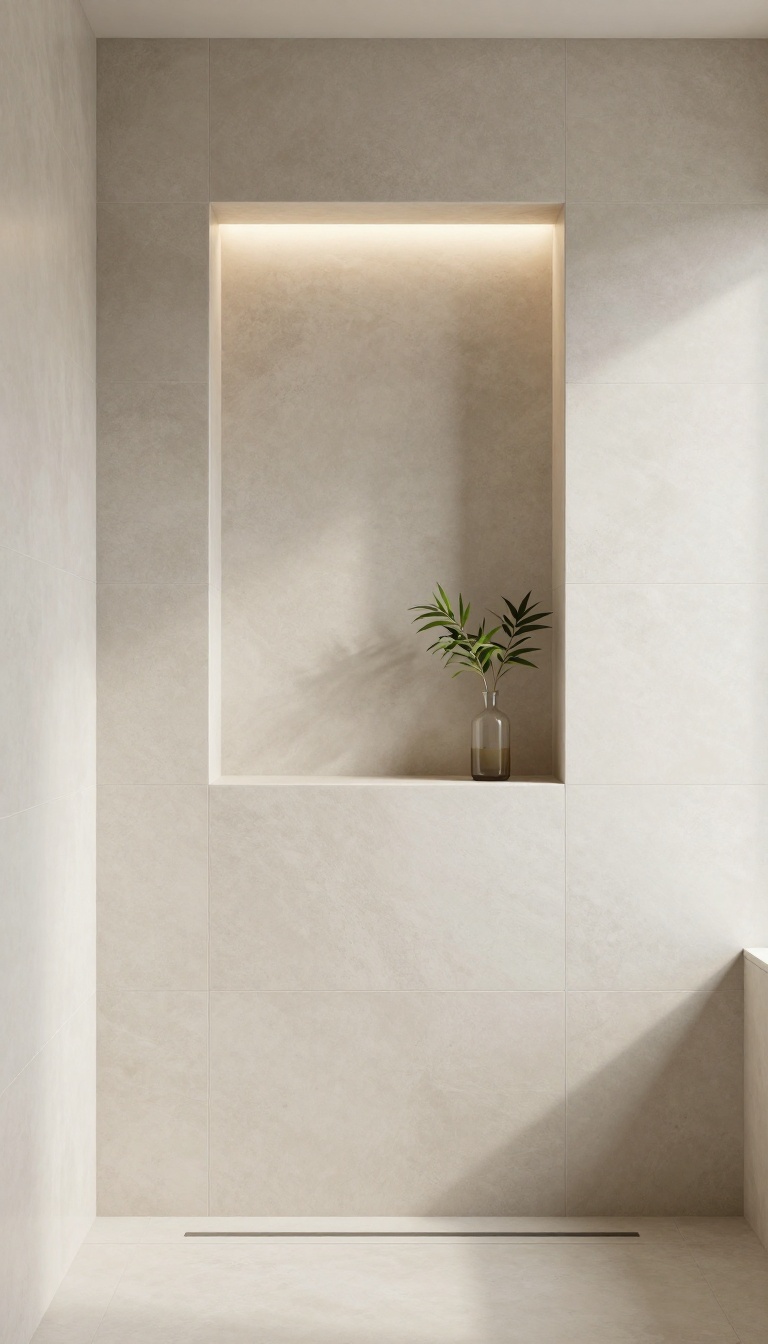
When you're dealing with a small niche, every line counts. Large-format tiles cut down on grout joints, which means fewer places for soap scum to hide and a cleaner look overall. It's a practical choice that also happens to look sleek and modern.
Large-format tiles are a smart move for shower niches because they reduce the number of grout lines, making the surface easier to wipe down and less prone to staining. The larger surface area also creates a seamless, contemporary feel that can make a small niche appear more spacious. Plus, with fewer interruptions, the tile's natural color and texture really shine through.
Why Fewer Grout Lines Matter
Grout is porous and can absorb moisture, leading to mildew and discoloration over time. In a niche, where water tends to pool, fewer grout lines mean less maintenance. Large-format tiles also make the niche look cleaner and more streamlined, which is especially important in a compact space.
Choosing The Right Size And Finish
For a standard niche, tiles that are 12×24 inches or larger work well. You might even use a single slab cut to fit the back wall for a truly seamless look. Matte or textured finishes provide better grip and hide water spots, while polished surfaces reflect light and brighten the space.
Pick a finish that matches your shower's overall vibe.
Installation Tips For A Flawless Finish
Large-format tiles require a flat, level surface to avoid lippage. Use a leveling system during installation to keep edges even. Also, consider using a matching grout color to make the lines less noticeable, or go with a contrasting grout for a subtle grid effect.
Proper waterproofing behind the tile is essential to protect the wall.
7. Incorporate a Mosaic Border or Inset
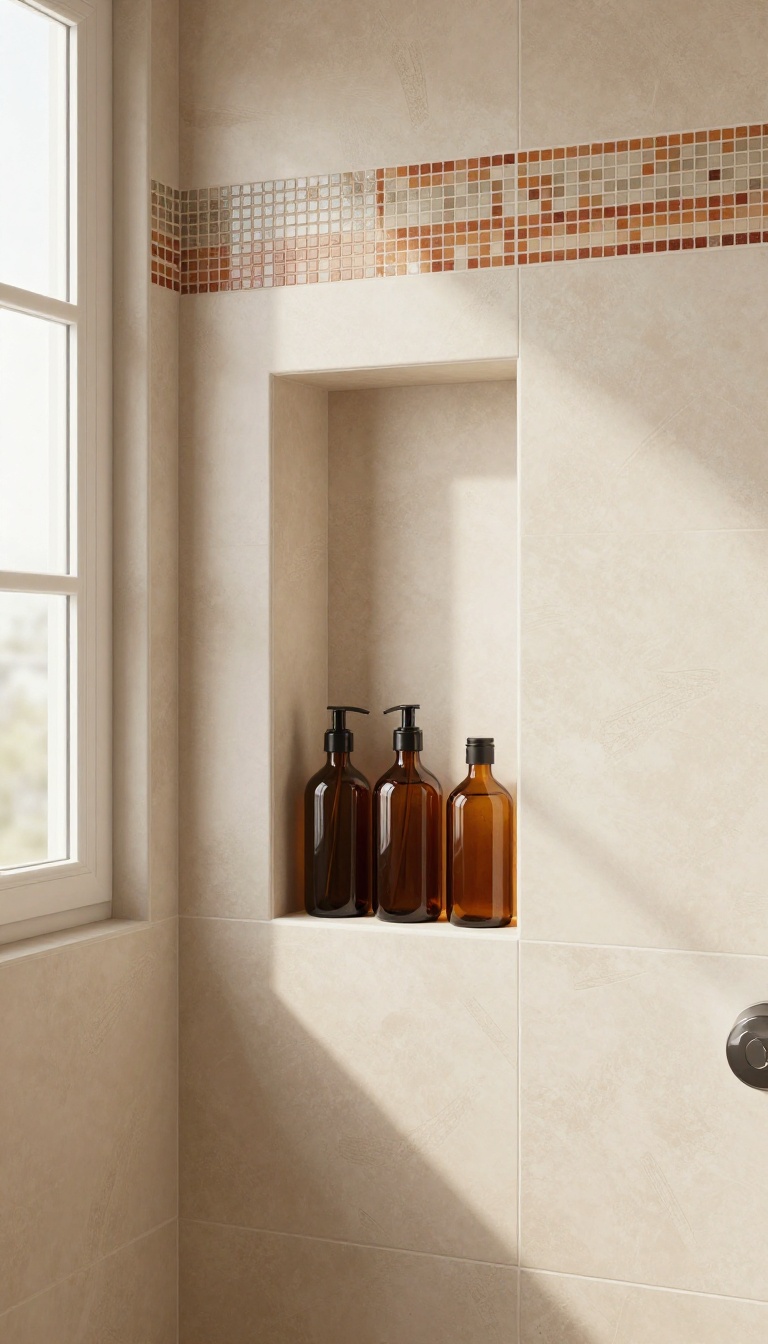
A mosaic border can turn a plain niche into a piece of art. It's a detail that catches the eye without shouting, and it adds a handcrafted feel that's hard to achieve with large-format tiles. The best part?
You can go as subtle or as bold as you like, making it a versatile choice for any bathroom style.
Adding a mosaic border or inset to your shower niche is a smart way to introduce pattern and texture without overwhelming the space. The key is to choose a mosaic that complements your main tile—whether that means matching colors for a seamless look or contrasting shades for a pop of interest. You can frame the entire niche with a strip of mosaic, or create an inset panel in the center for a more artistic touch.
This technique works especially well in niches that are deep or wide, as it helps break up the surface and adds visual depth.
Choosing The Right Mosaic Material
Mosaics come in a range of materials, from glass and ceramic to natural stone. Glass mosaics are popular because they reflect light and add a touch of shimmer, making the niche feel brighter and more open. Ceramic mosaics offer a more matte finish and are easy to clean, while natural stone mosaics bring an earthy, organic vibe.
Think about the overall feel of your bathroom—if you want a spa-like atmosphere, stone might be your best bet; if you're after a modern, glossy look, glass could be the way to go.
Placement And Proportion
Where you place the mosaic matters as much as the material. A border around the edge of the niche creates a clean, defined frame that draws the eye inward. An inset, on the other hand, can be a small square or rectangle in the center, leaving a border of your main tile around it.
This works well if you want to highlight a specific feature, like a soap dish or a decorative element. Keep proportions in mind—a thin border might get lost in a large niche, while a wide border could overwhelm a small one. A good rule of thumb is to keep the mosaic strip between 1 and 2 inches wide for borders, and about one-third the width of the niche for an inset.
Creating A Focal Point With Contrast
If you want your niche to stand out, use a mosaic that contrasts with the surrounding tile. For example, a dark mosaic border against light subway tile creates a striking, graphic look. Or, if your walls are neutral, a mosaic with a hint of color—like deep blue or emerald green—can add a surprising pop that ties the room together.
Contrast doesn't have to be stark; even a slightly different shade or a metallic accent can make the niche feel special without being loud.
8. Choose a Subway Tile with a Twist
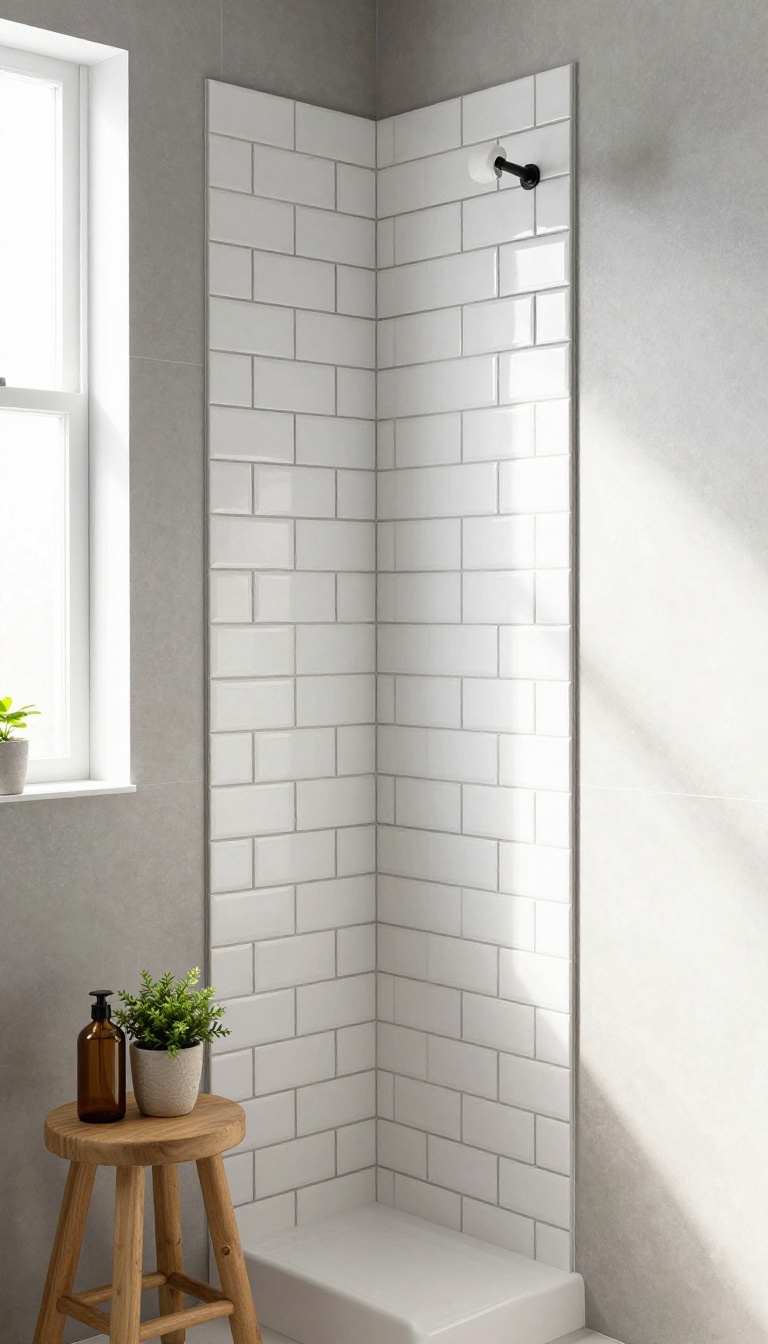
Subway tile is a timeless choice, but it doesn't have to be predictable. By playing with color, layout, or edge profile, you can give this classic a fresh personality that fits your shower niche perfectly. The trick is to keep the overall look clean while adding a subtle twist that draws the eye.
A simple change like using a vertical stack instead of the traditional horizontal offset can make the niche feel taller and more modern. Or, opt for a beveled subway tile that catches light and adds texture. Even the grout color can transform the look—dark grout with white tiles creates a crisp, graphic contrast, while a matching grout keeps things seamless.
Vertical Stack For A Modern Feel
Laying subway tiles vertically in the niche is an easy way to break away from the norm. This orientation draws the eye upward, making the shower feel more spacious. Pair it with a matte finish to keep the look understated and contemporary.
Beveled Edges For Depth
Beveled subway tiles have a slight angle on the edges that catches light and creates subtle shadows. This adds a layer of depth to the niche without overwhelming the design. Choose a glossy finish to amplify the effect, or a matte one for a softer touch.
Contrasting Grout To Make It Pop
If you want the tiles to stand out, use a grout color that contrasts with the tile. For example, white subway tiles with charcoal grout give a bold, graphic look that defines each tile. This works especially well in a niche where you want a focal point.
9. Add Depth with a Dark, Moody Tile
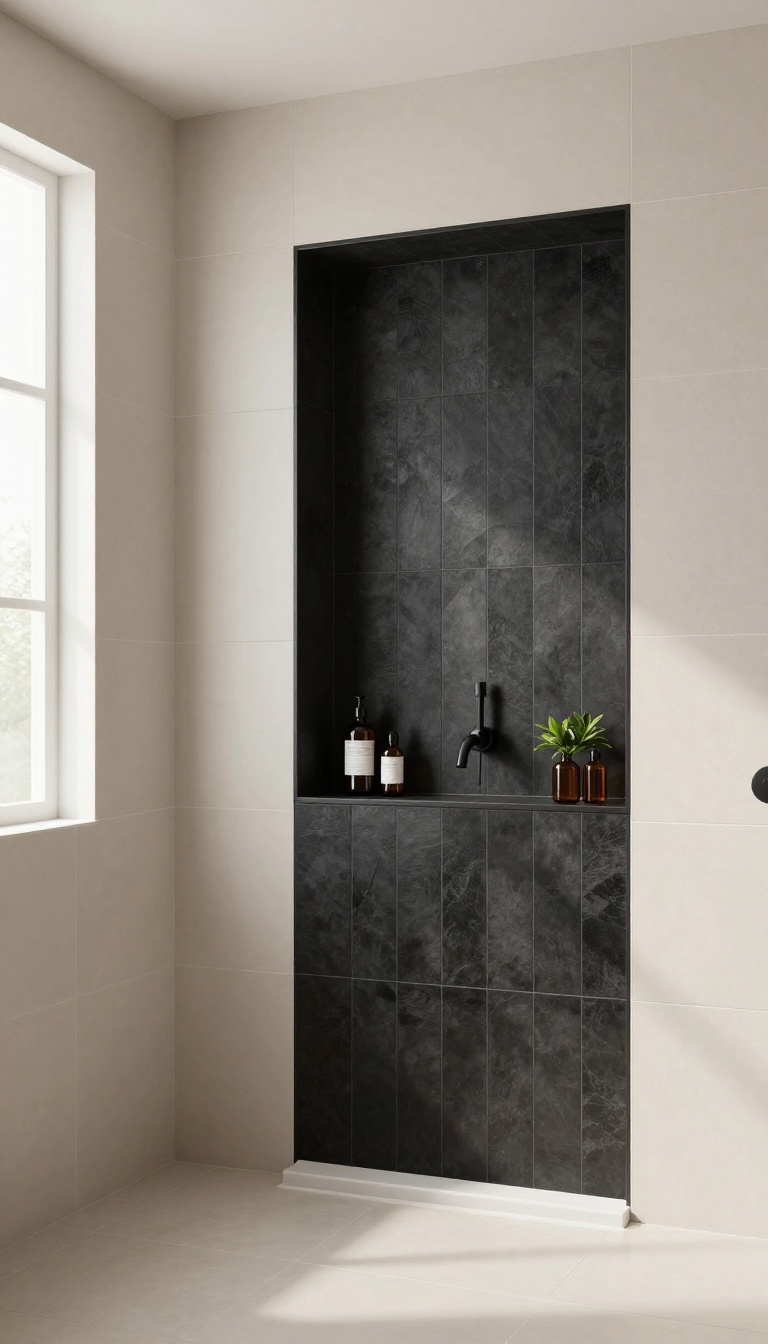
Dark tiles inside a shower niche can feel like a secret nook. They add depth and contrast, especially when the surrounding walls are light. This idea works well in bathrooms that want a touch of drama without going full dark.
Why Dark Tiles Work
Dark tiles absorb light, making the niche appear deeper than it is. This creates a subtle focal point that draws the eye. They also hide soap scum and water spots better than lighter shades, so maintenance is easier.
Best Colors And Finishes
Charcoal, deep navy, and forest green are popular choices. Matte finishes reduce glare and add a soft, velvety feel. Glossy tiles can reflect light and make the space feel larger, but they show streaks more.
Pick a finish that matches your shower's overall vibe.
Pairing With Wall Tiles
For a cohesive look, choose a dark tile that complements your wall color. If your walls are white or light gray, a charcoal niche adds contrast. For warmer tones, a deep brown or bronze can add richness.
You can also use the same tile shape but in a darker shade for a seamless transition.
Lighting Considerations
Dark tiles can make the niche feel like a cave if the lighting is poor. Add a small recessed light above or inside the niche to highlight the texture and color. If that's not possible, choose a lighter dark tone or a glossy finish to keep it from feeling too heavy.
10. Go Glossy for a Reflective, Spa-Like Vibe
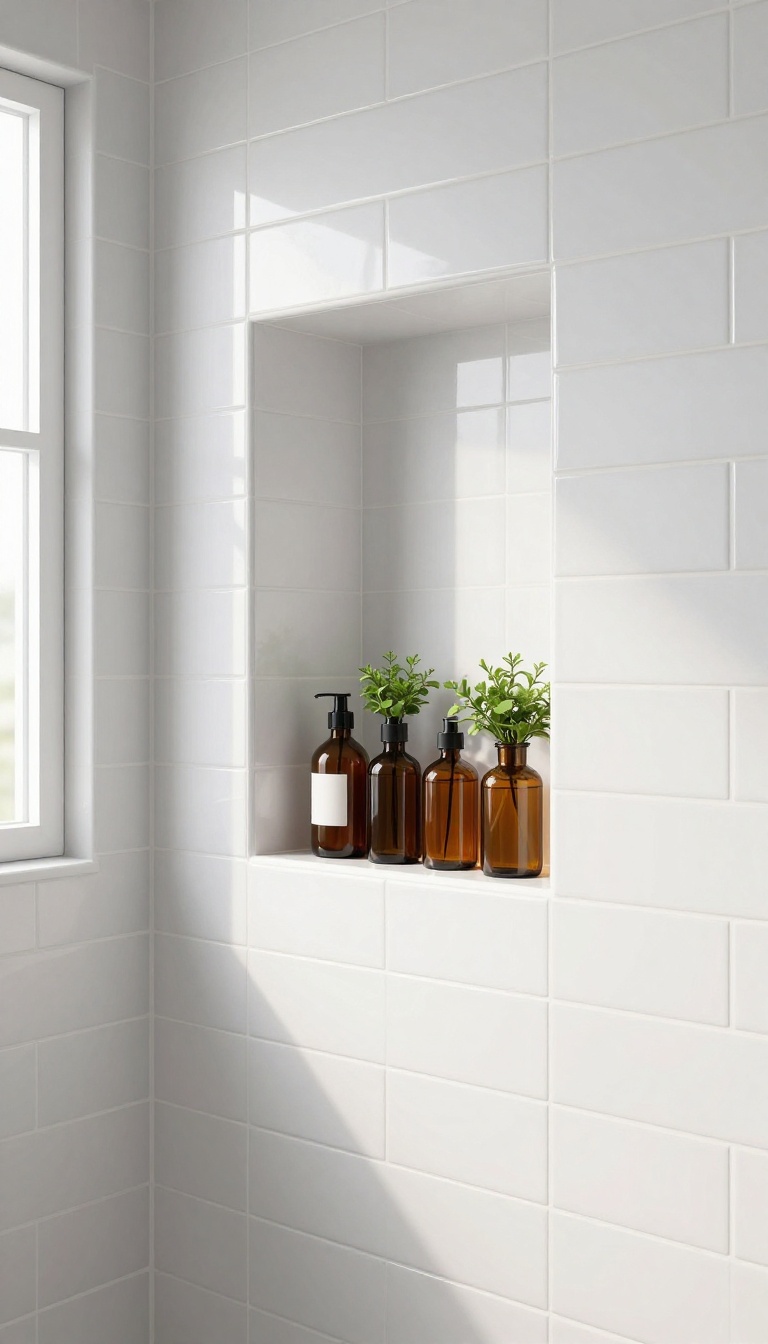
Glossy tiles bring a different kind of energy to a shower niche. Their reflective surface catches the light, making the recess feel larger and more open, even in a compact bathroom. If you want that clean, spa-like atmosphere without a total overhaul, this finish is a smart move.
The shine isn't just for looks—it also helps brighten the space. Light bounces off the tiles, reducing shadows and making the niche appear deeper and more inviting. This is especially helpful in showers with limited natural light or darker wall colors.
Why Glossy Works In Small Bathrooms
In a tight bathroom, every bit of light matters. Glossy tiles reflect both overhead fixtures and any natural light, creating a brighter, airier feel. They also make the niche stand out subtly without overwhelming the design, which is ideal for minimal or modern aesthetics.
Pairing Glossy With Matte Surroundings
For a balanced look, combine glossy niche tiles with matte wall tiles. The contrast adds depth and makes the niche pop, while the matte finish keeps the overall shower from feeling too shiny. This mix works well with neutral palettes like white, beige, or soft gray.
Choosing The Right Glossy Tile
Glossy ceramic or porcelain tiles are easy to clean and resist moisture, making them practical for shower walls. Large-format tiles minimize grout lines, while smaller mosaics add texture. Pick a color that complements your shower's existing palette—white or soft blue evoke a clean, spa-like calm.
11. Mix and Match Textures
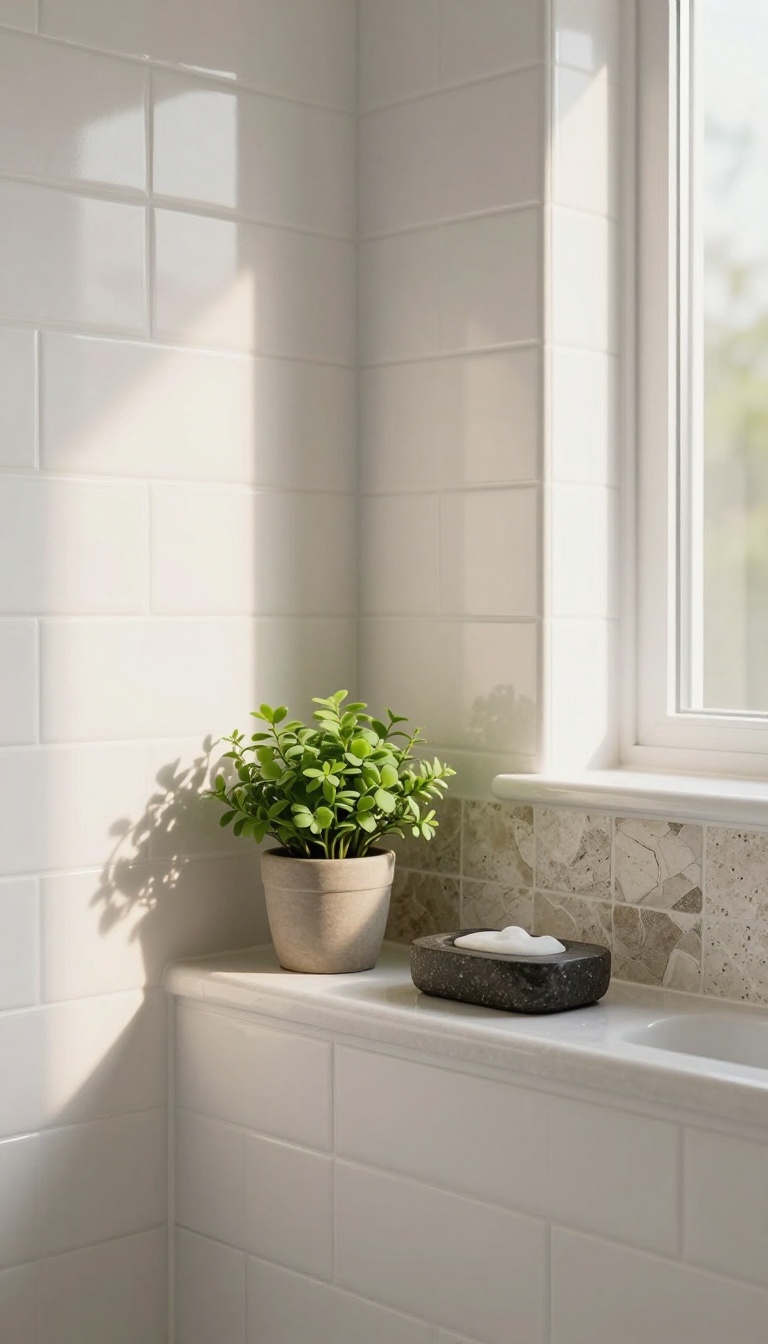
Texture is a quiet game-changer in a shower niche. When you pair smooth glass with rough stone or mix matte and glossy finishes, you create a surface that begs to be touched. It’s a simple trick that adds depth and a cozy, personal feel without adding clutter.
Combining textures in a shower niche does more than look good—it makes the space feel layered and inviting. The contrast between smooth and rough, or shiny and matte, catches light in different ways and adds a subtle visual rhythm. It’s a flexible approach that works with almost any tile style, from modern to rustic.
Why Texture Matters
Texture adds a sensory layer to your shower that color alone can’t achieve. It breaks up the monotony of a single surface and makes the niche feel like a deliberate design choice. Plus, it’s a practical way to add grip and interest without overwhelming the space.
Pairing Smooth And Rough
A classic combo is glossy subway tile on the niche walls with a rough, tumbled stone accent strip at the back. The smooth surface reflects light and keeps the niche bright, while the rough texture adds an earthy, organic touch. This pairing works especially well in natural or spa-like bathrooms.
Matte And Glossy Combos
If you prefer a more uniform look, mix matte and glossy versions of the same color. For example, use matte tiles on the sides and a glossy mosaic on the back. The subtle sheen difference creates depth without being flashy.
It’s a sleek, modern option that still feels warm.
Balancing The Blend
When mixing textures, keep the overall palette cohesive. Stick to two or three textures at most, and choose colors that complement each other. Too many different textures can make the niche feel busy, so pick a dominant texture and use the other as an accent.
12. Use a Hand-Painted or Artisan Tile
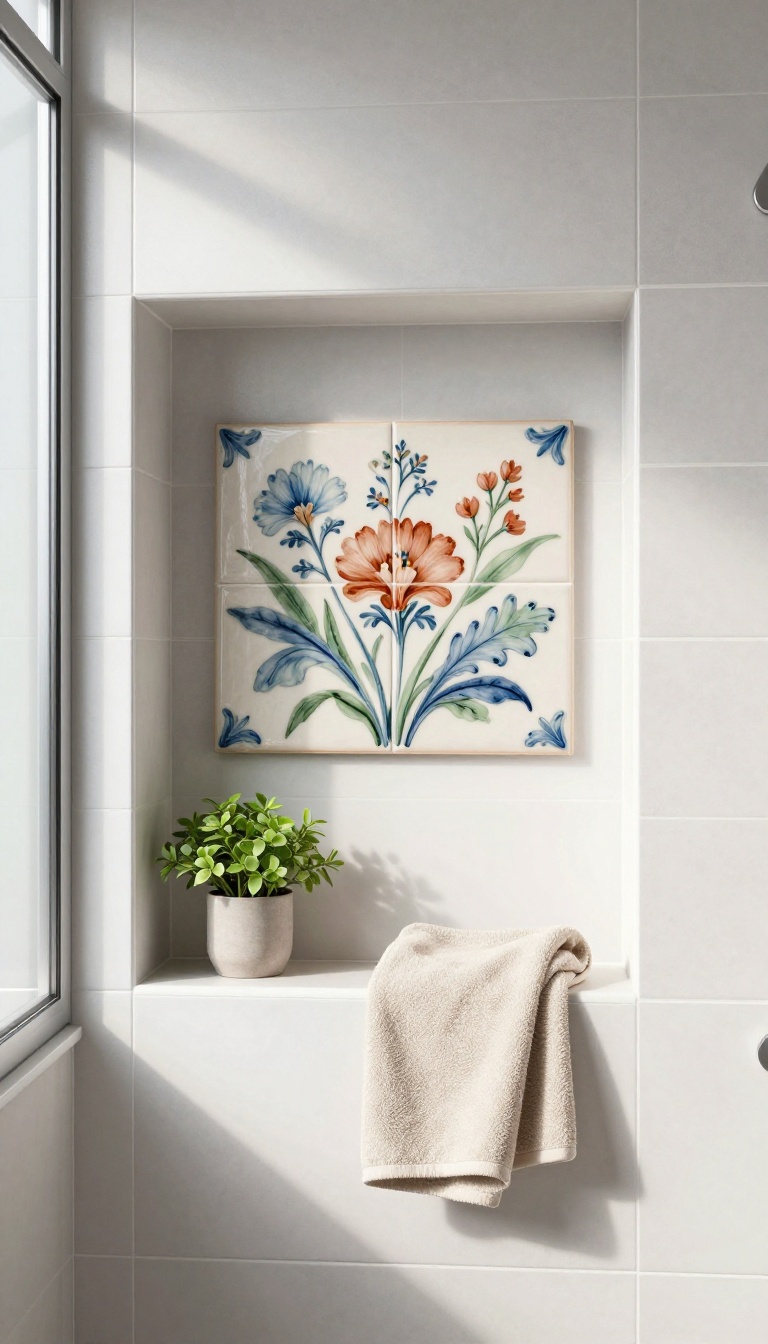
Hand-painted tiles are like little pieces of art that happen to live in your shower. They bring a one-of-a-kind charm that factory-made tiles just can't match. Whether you commission a custom piece or pick up a set from a local artist, these tiles turn your niche into a personal gallery.
When you choose hand-painted tiles, you're not just picking a surface—you're adding a story. The imperfections and brushstrokes make each tile unique, adding warmth and character to your shower. Plus, you can tailor the design to your exact taste, from delicate florals to bold geometric patterns, ensuring your niche feels truly yours.
Commission A Custom Piece
If you want something truly special, work with a local ceramic artist to create a tile that fits your niche perfectly. You can choose the colors, pattern, and even the glaze to match your bathroom's palette. The result is a functional art piece that no one else will have.
Mix And Match For An Eclectic Look
Don't be afraid to combine hand-painted tiles with plain ones. Use a single artisan tile as a focal point and surround it with complementary solid tiles. This keeps costs down while still giving your niche a unique, curated feel.
Seal And Protect Your Investment
Hand-painted tiles are durable, but they need proper sealing to withstand moisture and cleaning products. Ask your tile supplier for a suitable sealant and reapply it as recommended. This ensures your artwork stays vibrant for years.
13. Add a Pop of Color with Bright Accents
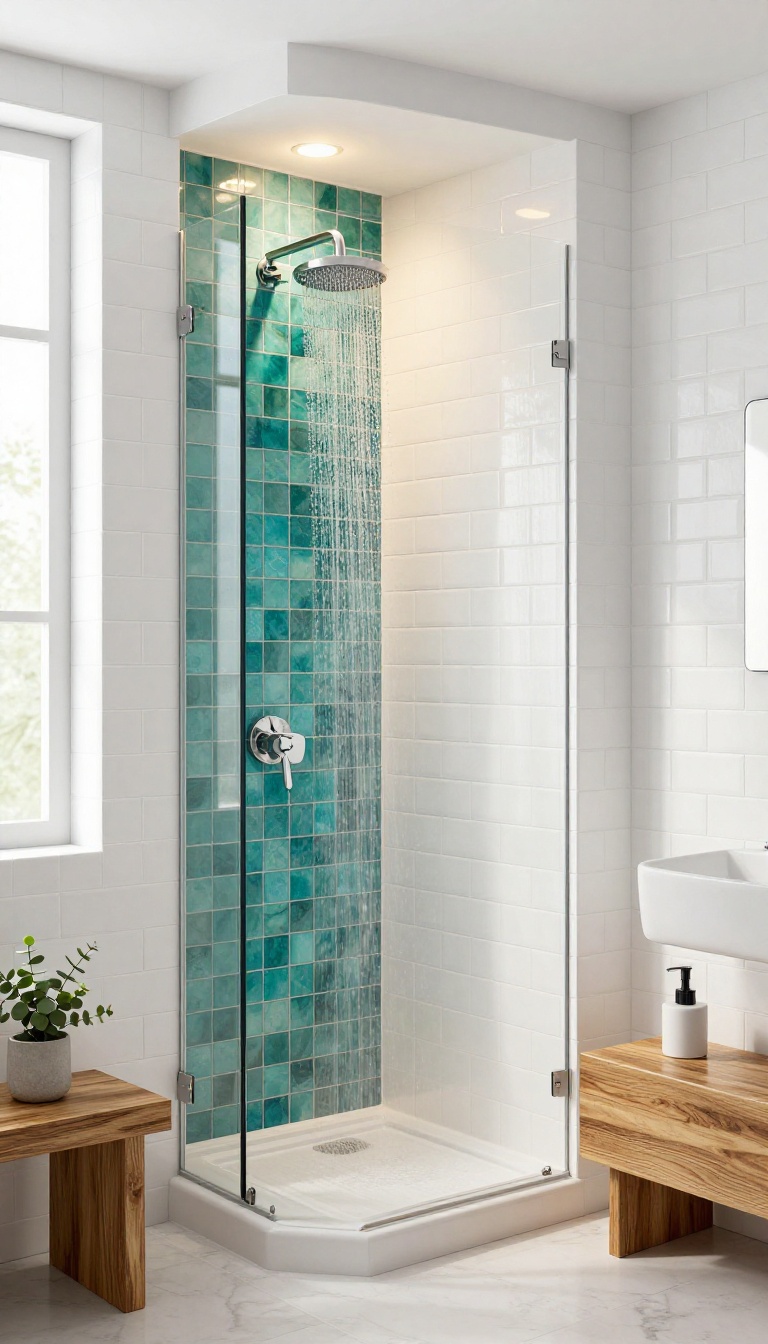
A mostly neutral bathroom feels calm, but sometimes you want a little jolt of energy. That’s where a bright tile inside the niche comes in. It’s like a small piece of art that wakes up the whole shower without shouting over everything else.
Pick a color that feels happy to you—coral, mustard, teal—and let the niche carry it.
The trick is to choose a hue that already lives somewhere in your bathroom, even if it’s just a hint. That way, the pop of color feels intentional, not random. You can go bold with a full niche in a vivid shade, or keep it subtle with a colorful border or a few accent tiles mixed into a neutral field.
Either way, the niche becomes the spot where your personality shows up.
Pick A Color That Complements, Not Clashes
Look around your bathroom and find the undertones. If your tiles are warm beige, a terracotta or burnt orange will feel grounded. For cool gray or white, a sapphire blue or emerald green adds a crisp contrast.
Avoid picking a color that fights with your floor or vanity—it should feel like it belongs, even if it’s bold.
Use It As A Focal Point
The niche is already a natural focal point because it’s set into the wall. Make it work for you. A bright mosaic or a single row of colorful pencil tiles draws the eye and gives the shower a sense of depth.
You don’t need to cover the whole niche—sometimes a thin band of color is enough to make the space feel alive.
Balance The Rest Of The Shower
If you go bright inside the niche, keep the surrounding tiles simple. A white subway or large-format neutral tile lets the color stand out without visual chaos. You can also echo the accent color in a shower mat, towel, or even a shampoo bottle to tie the whole look together.
That small repetition makes the design feel cohesive.
FAQ
What is the best tile size for a shower niche?
The best tile size depends on the size of your niche. For small niches, mosaic or small-format tiles (2×2 or 4×4 inches) work well because they can conform to the shape and reduce cutting. For larger niches, you can use bigger tiles like 12×24 inches to minimize grout lines and create a seamless look.
Should the shower niche tile match the wall tile?
Not necessarily. Matching the wall tile creates a seamless, minimalist look, while contrasting tiles can make the niche a focal point. It's a matter of personal preference and the overall design style you want to achieve.
How can I make my shower niche look more luxurious?
To make your shower niche look luxurious, consider using natural stone like marble or travertine, adding a mosaic accent, or incorporating metallic details like gold or brass. Also, proper lighting, such as a small recessed light or a waterproof LED strip, can enhance the niche's appearance.
What are the best materials for shower niche tiles?
Porcelain and ceramic tiles are popular for shower niches because they are durable, water-resistant, and easy to clean. Natural stone like marble and slate also work well but require sealing. Glass tiles are another option, but they can be more slippery and may need extra care.
How do I prevent mold and mildew in a shower niche?
To prevent mold and mildew, ensure the niche is properly waterproofed during installation, use a sloped shelf to allow water to drain, and choose tiles with a low water absorption rate. Also, clean the niche regularly and keep it dry by using a squeegee or towel after showers.
Conclusion
Your shower niche is a small detail that can have a big impact on the overall look and feel of your bathroom. By choosing the right tile, you can add warmth, personality, and style to your daily routine.
Whether you prefer a bold statement or a subtle blend, these ideas offer plenty of inspiration to create a shower that feels uniquely yours. So go ahead, pick a favorite, and start planning your niche transformation.