11 Fresh Subway Tile Shower Ideas with Crisp, Custom Details
Subway tile is a classic choice, but it can feel predictable if you stick to the same white, horizontal layout. The real magic happens when you play with scale, color, and placement to create a shower that feels custom and intentional.
From bold grout to dramatic herringbone, these 11 ideas show how small tweaks can completely transform the look and feel of your space.
Each one tackles a common design challenge, so you can find a solution that fits your style and your shower's practical needs.
1. Bold Grout for a Graphic Look
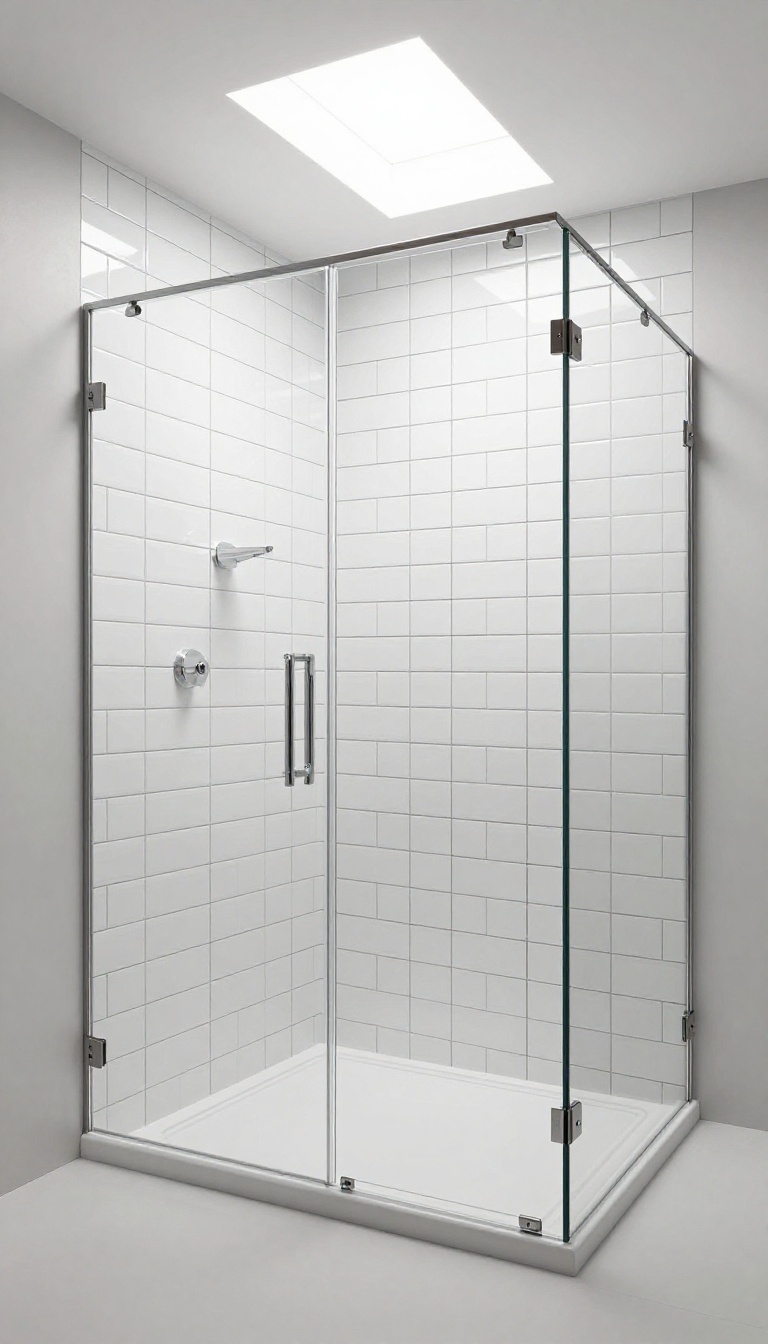
Swapping white grout for a dark charcoal or navy instantly changes the personality of subway tile. The contrast makes each tile stand out, creating a crisp, grid-like pattern that feels modern and intentional. It's a simple switch that adds depth without changing the tile itself.
When you choose a grout color that contrasts with the tile, you're essentially drawing attention to the pattern. Dark grout lines against white tile create a strong geometric look, while a softer gray can add subtle definition. This trick works especially well in showers where you want to add visual interest without overwhelming the space.
To get the most out of bold grout, keep the tile layout simple. A classic running bond or straight stack will let the grout shine. If you're feeling adventurous, try a vertical stack for an even more dramatic effect.
Just be sure to seal your grout properly to keep it looking sharp.
Choosing The Right Grout Color
Charcoal and navy are popular choices, but don't be afraid to experiment with other deep tones like forest green or black. The key is to pick a color that complements your fixtures and overall bathroom palette. If you're unsure, test a few samples on a spare tile to see how they look in your lighting.
Maintenance And Sealing
Dark grout can show soap scum and hard water stains more easily than light grout, so sealing is a must. Use a high-quality grout sealer and reapply it every year or as recommended. A little extra care will keep your shower looking fresh and prevent discoloration.
2. Vertical Stack for a Modern Twist
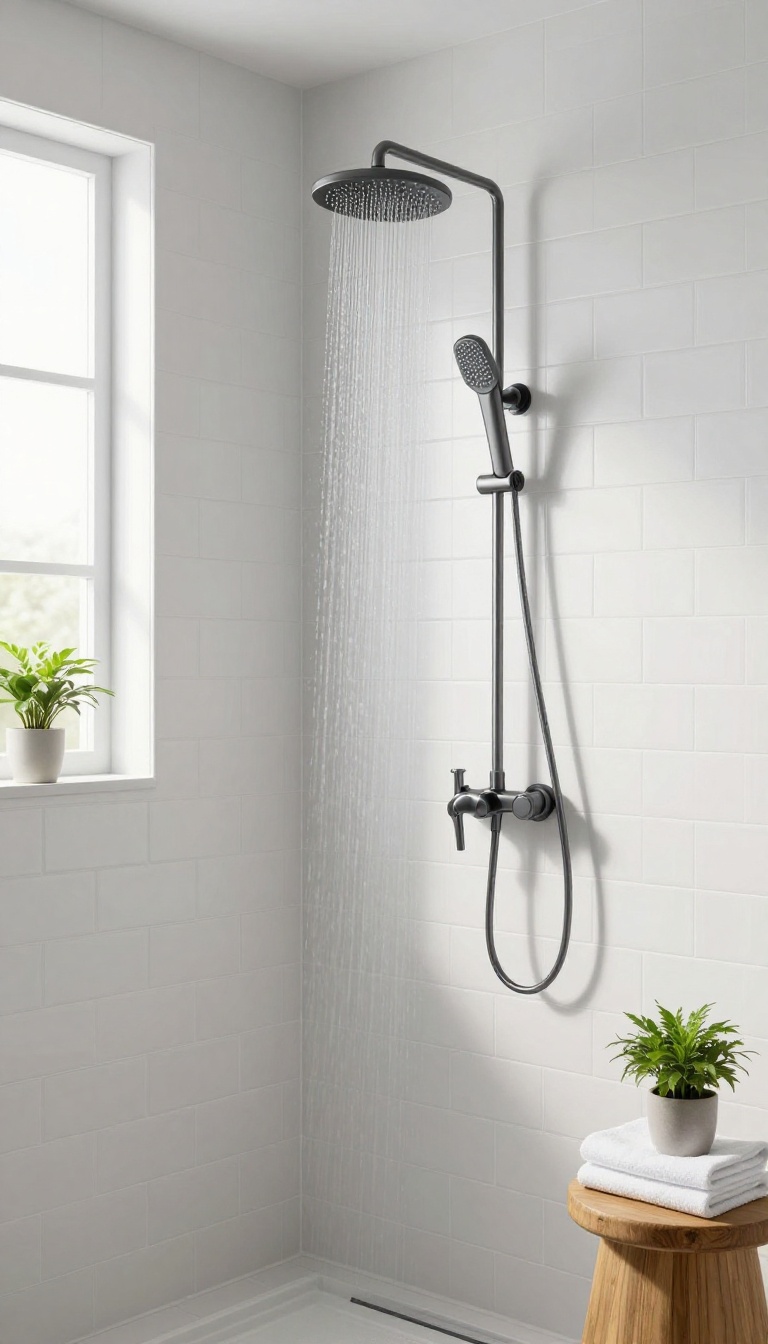
If the classic horizontal offset feels a little too familiar, flipping the tile vertically in a straight stack is a quick way to modernize the look. The vertical lines draw the eye upward, making the shower feel taller and more open. It's a simple change that has a big impact on the overall vibe.
The vertical stack pattern is exactly what it sounds like: subway tiles are installed with their long edges vertical, aligned in neat columns. This creates clean, uninterrupted lines that add a sense of height and sophistication. It's a favorite in contemporary bathrooms because it feels fresh and less traditional than the usual brick layout.
Plus, the straight stack works beautifully with both glossy and matte finishes, so you can tailor it to your preferred aesthetic.
Why It Works
Vertical stacking emphasizes the length of the tile, which naturally guides the eye upward. This makes ceilings appear higher and the shower feel more spacious. The straight lines also add a crisp, orderly look that pairs well with minimalist fixtures and frameless glass enclosures.
Best Tile Sizes
While standard 3×6 tiles work fine, larger formats like 4×12 or even 3×12 can make the vertical lines even more pronounced. Bigger tiles also mean fewer grout lines, which simplifies cleaning and gives a more seamless appearance. For a bolder statement, consider extra-long tiles that span most of the shower height.
Grout Color Choices
Grout color plays a big role in this pattern. A contrasting grout, like dark gray or black, will highlight the vertical lines and add a graphic, modern feel. If you prefer a softer, more monolithic look, choose a grout that closely matches the tile color to let the texture take center stage.
Pairing With Fixtures
Vertical stack tile pairs beautifully with sleek, modern fixtures. Think matte black or brushed nickel shower heads and minimalistic faucets. To keep the focus on the tile, opt for simple, unobtrusive shelving and hardware.
A linear drain can also complement the clean lines of the vertical pattern.
3. Herringbone Accent Wall
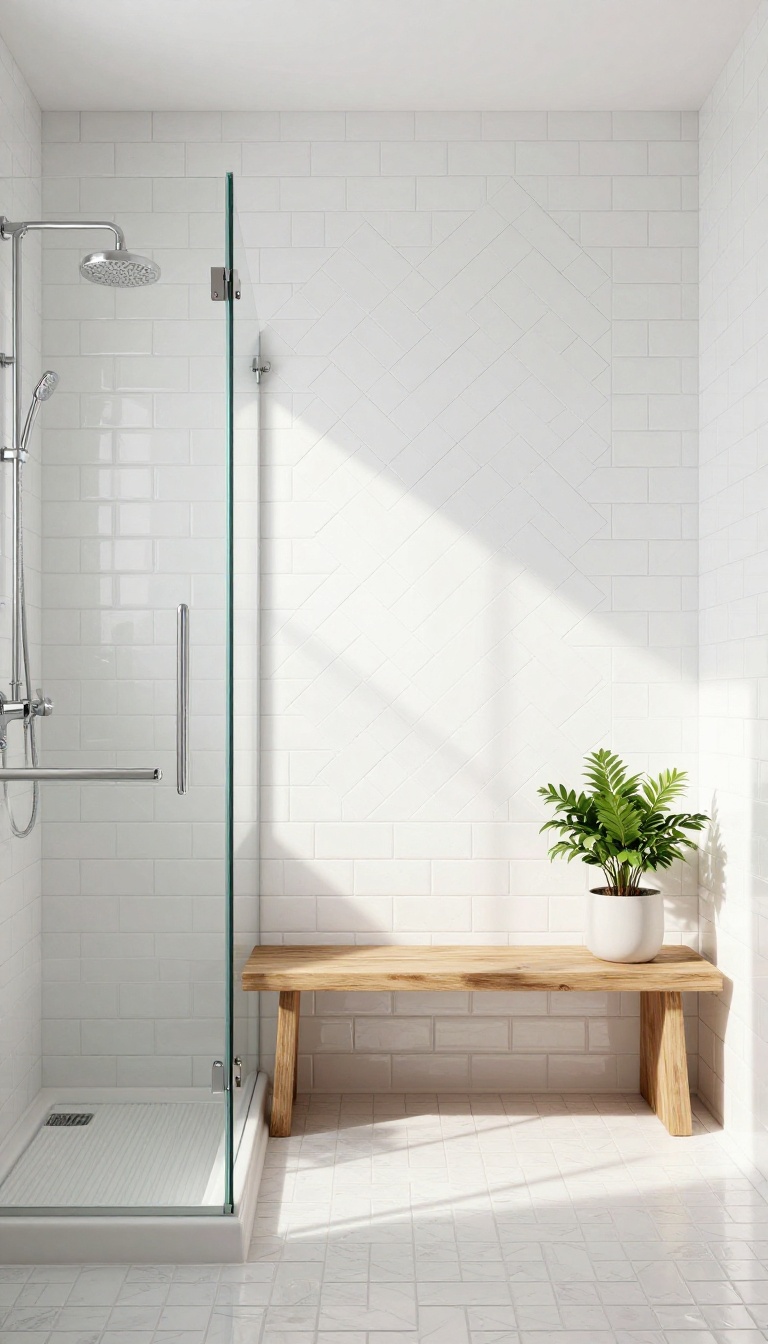
A herringbone accent wall is one of those design moves that instantly adds depth and visual interest. Instead of covering every surface in the same pattern, you reserve the herringbone for a single focal area—like the wall behind your bench or the niche. The result feels custom and deliberate, without making the whole shower feel busy or overwhelming.
Plus, the zigzag lines catch the light in a way that flat subway tile just can't match.
The beauty of a herringbone accent wall is its versatility. You can keep the rest of the shower in a simple horizontal stack, and let the accent do the talking. Or, if you're feeling bolder, pair it with a contrasting grout color to make the pattern pop even more.
The key is to pick the right wall—usually the one you see first when you step in, or the one behind the bench if you have one. That way, the pattern becomes the natural focal point of the room.
Where To Place The Accent
The most common spot is the wall behind the bench or the main shower wall opposite the entry. You want it to be visible but not overwhelming. If your shower has a niche, tiling just the back of the niche in herringbone is a subtle way to add interest without committing to a full wall.
Another option is the ceiling—yes, really—herringbone on the ceiling adds an unexpected twist that feels modern and fresh.
Scale And Proportion
Subway tile comes in different sizes, and the size you choose affects the herringbone pattern. Larger tiles, like 3×12, create a bold, chunky herringbone that feels more graphic. Smaller tiles, like 2×4, give a finer, more intricate look.
If your shower is small, stick with smaller tiles so the pattern doesn't feel overpowering. For larger showers, you can go bigger and make a real statement.
Grout Color Matters
Grout can make or break a herringbone accent. A contrasting grout—like dark gray or black with white tile—highlights the zigzag pattern and gives it a crisp, defined look. If you prefer a more seamless, modern feel, choose a grout that matches the tile color.
That softens the pattern and lets the texture speak for itself. Either way, make sure the grout is sealed properly to resist moisture and staining.
4. Mixed Materials with Natural Stone
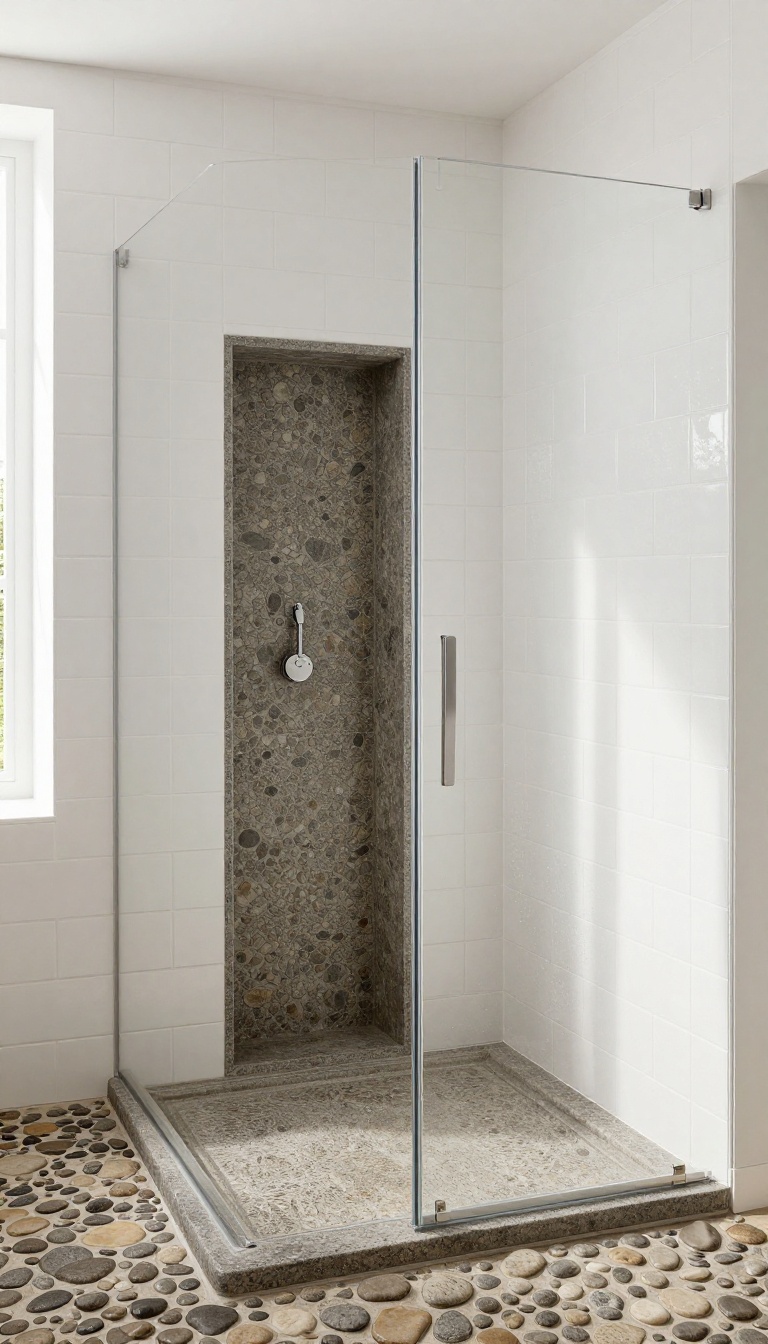
Subway tile brings a crisp, clean foundation, but pairing it with natural stone adds a layer of organic texture that makes the shower feel grounded and spa-like. The contrast between the smooth, glossy tile and the rough, matte surface of stone creates visual interest without overwhelming the space. Whether you choose a pebble floor or a slate niche, this mix softens the clinical edge of bathroom tile and introduces a touch of the outdoors.
The key to making mixed materials work is balance. You don't want the stone to compete with the tile; instead, let it act as a supporting player that adds warmth and depth. A pebble floor is a popular choice because it feels amazing underfoot and provides natural drainage.
A stone niche, on the other hand, creates a focal point that breaks up the monotony of a full subway tile wall. Both options work well with a neutral color palette, letting the textures do the talking.
Pebble Floor For A Spa Feel
A pebble floor is a classic pairing with subway tile. The smooth, rounded stones feel great on your feet and add a subtle, earthy texture that contrasts with the clean lines of the tile. Choose pebbles in warm gray, beige, or even a mix of river stones to complement your tile color.
For a cohesive look, match the grout color to the pebbles or use a contrasting shade to make the stones pop. This combination works especially well in a walk-in shower, where the floor becomes a sensory experience.
Slate Niche For A Bold Accent
Instead of a standard tiled niche, line the inside of your shower niche with natural slate. The dark, rough-hewn texture creates a striking contrast against the bright, glossy subway tile. Slate comes in shades of gray, green, and even purple, so you can pick a tone that adds a subtle hint of color without going overboard.
The niche becomes a natural spot to display shampoo bottles or a small plant, and the stone adds a rugged, organic touch that feels intentional and custom.
Stone Accent Wall Behind The Bench
If you have a built-in bench or a corner seat, consider covering the wall behind it with natural stone. This creates a cozy, cave-like nook that invites you to sit and relax. Use stacked stone panels or irregular flagstone for a more dramatic look.
The subway tile on the other walls keeps the overall design clean, while the stone adds a rustic, textural focal point. This approach works well in larger showers where you want to define a specific area.
5. Built-In Niche with Contrasting Tile
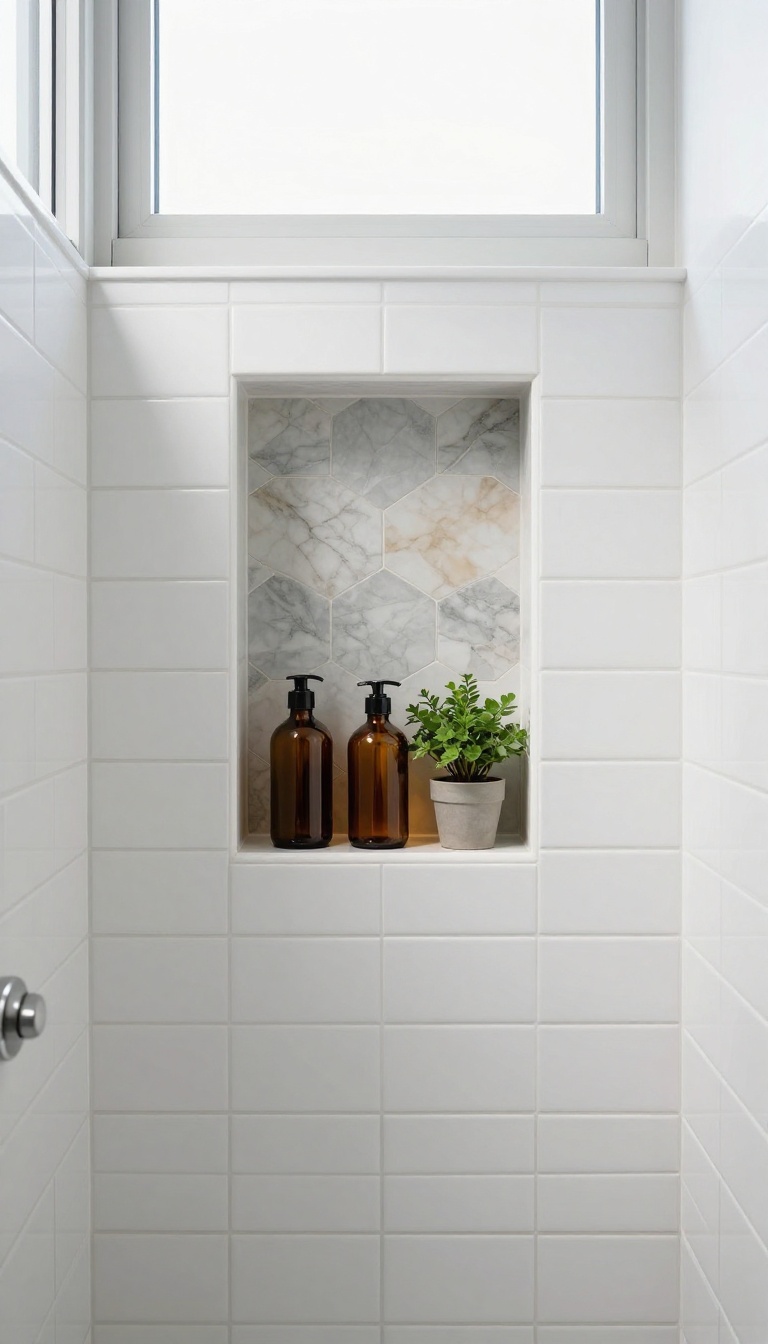
A recessed niche is one of the most practical additions to any shower, but it doesn't have to blend in. Lining it with a different tile—think hexagon, marble, or even a bold color—turns a functional spot into a focal point. The contrast adds depth and gives the shower a bespoke feel without a major renovation.
When you choose a contrasting tile for your niche, you're essentially creating a mini feature wall inside your shower. It breaks up the monotony of the subway tile and gives the eye a place to rest. Plus, it's a chance to experiment with a material or pattern you love but might not want to commit to on a full wall.
Picking The Right Contrast
The key is to pick a tile that complements the subway tile without clashing. If your subway tile is classic white, a marble hexagon in soft gray or beige adds elegance. For a more modern look, try a dark charcoal or navy tile.
Consider the grout color too—matching it to the niche tile can make the contrast pop even more.
Placement And Size
Think about where you'll use the niche most. A common spot is on the back wall of the shower, at chest height, but you can also place it on a side wall near the showerhead. Make sure it's large enough to hold your bottles, but not so big that it overwhelms the space.
A typical niche is about 12 inches wide and 24 inches tall, but adjust based on your needs.
Styling Your Niche
Once the niche is tiled, think about what you'll put in it. Matching soap and shampoo bottles in neutral tones keep the look clean. Add a small plant or a decorative bar of soap for a spa-like vibe.
The contrast tile will make even simple items look intentional.
6. Thin Grout Lines for a Seamless Look
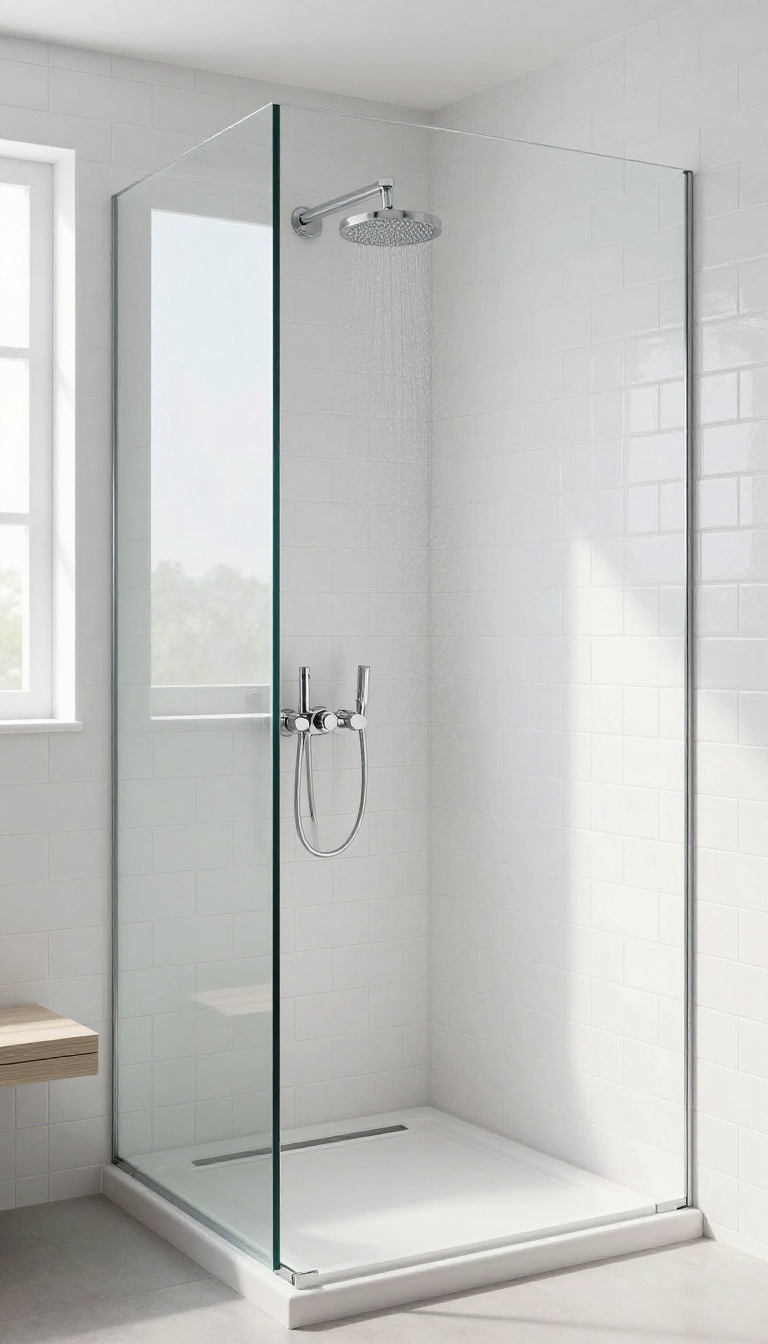
Grout lines often get overlooked, but they play a huge role in how your tile reads. Standard 1/8-inch or 1/4-inch lines can make subway tile feel busy, especially when the grout color contrasts with the tile. If you want a more seamless, modern surface, shrinking those lines to 1/16-inch and matching the grout to the tile color makes a big difference.
Thin grout lines create a smooth, almost monolithic surface that feels contemporary and clean. The eye glides over the tile without interruption, making the shower feel larger and more cohesive. This approach works especially well with large-format subway tile, but it also looks sharp with classic 3×6 inch pieces.
The key is precision: thin lines leave less room for error, so you'll want a skilled installer who can keep everything perfectly level.
Why Thin Grout Lines Work
When grout lines are thin and match the tile, the focus shifts to the tile's texture and sheen rather than the grid pattern. This creates a more refined, expensive look. It also simplifies cleaning, because there's less grout surface to collect soap scum and mildew.
If you're aiming for a minimalist or spa-like vibe, this is a simple way to get there.
Choosing The Right Grout
For 1/16-inch lines, unsanded grout is your best bet. Sanded grout can be too gritty and won't pack into such tight joints properly. When picking a color, bring a sample of your tile to the store and compare grout swatches in natural light.
You want a match that's close but not necessarily perfect—sometimes a slightly lighter or darker tone adds subtle depth without breaking the seamless effect.
Installation Tips
Make sure your tile is flat and consistent in size, because any variation becomes more noticeable with thin lines. Use spacers designed for 1/16-inch joints, and check alignment frequently. Also, consider using a grout additive to improve flexibility and reduce cracking.
And don't skip sealing—even though thin lines mean less grout, it still needs protection from moisture.
7. Colored Subway Tile for a Pop
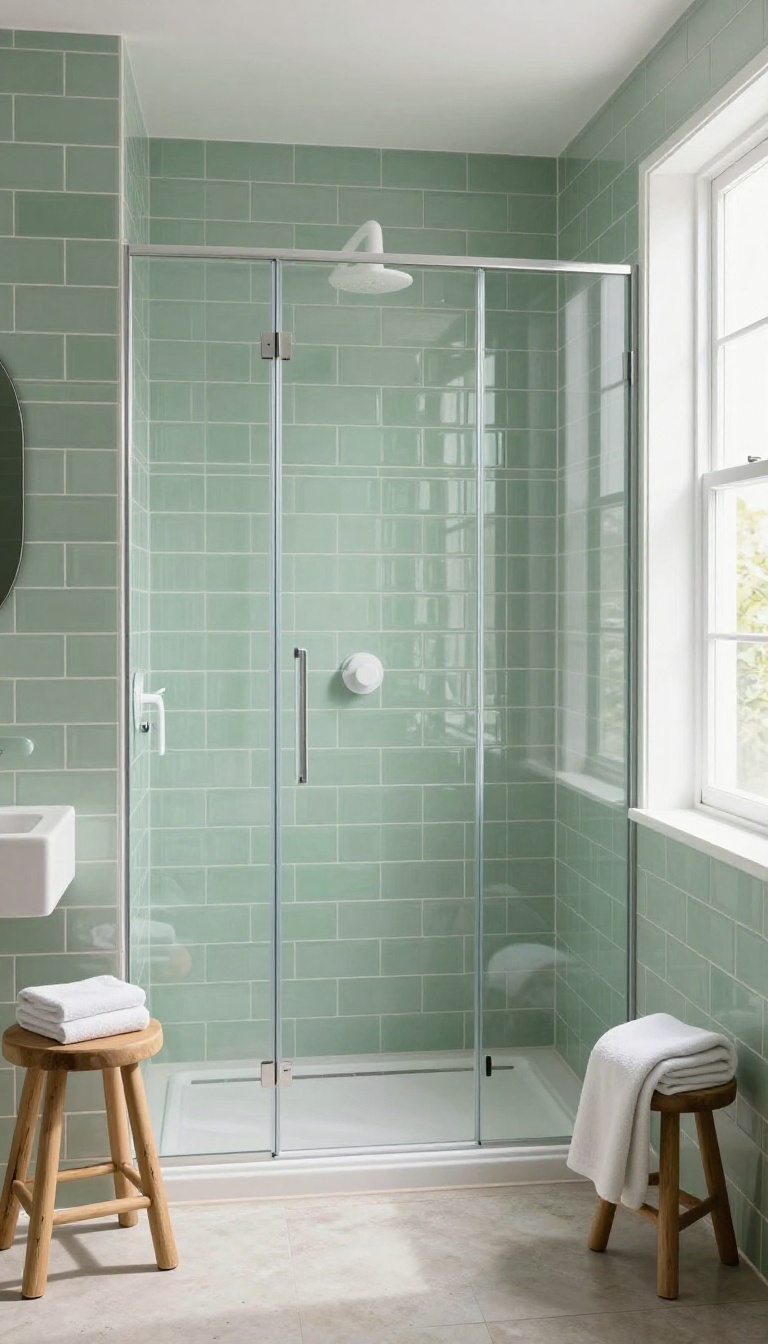
White subway tile is timeless, but it's not the only way to go. Adding a splash of color can completely change the energy of your shower. Whether you want a calming retreat or a bold statement, colored subway tile offers endless possibilities.
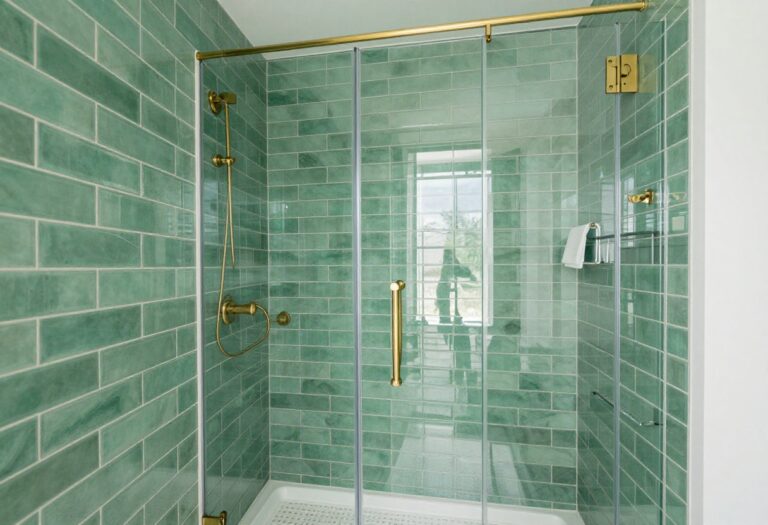
Choosing a colored subway tile is a simple swap that makes a big impact. Soft sage green brings a spa-like calm, pale blue adds a crisp coastal feel, and matte black delivers dramatic contrast. The key is to pick a shade that complements your fixtures and overall bathroom palette.
Pick A Shade That Sets The Mood
Color has a huge influence on how a space feels. Soft, muted tones like sage or dusty blue create a relaxing atmosphere, perfect for a master bath. For a more energetic vibe, consider a vibrant teal or mustard.
Darker hues like charcoal or navy add depth and a touch of luxury.
Pair With The Right Grout
Grout color matters even more when your tile isn't white. A contrasting grout, like white with blue tile, makes the tile pop and highlights the pattern. For a seamless look, choose a grout that matches the tile color closely.
This works especially well with darker tiles to create a sleek, modern finish.
Mix And Match With White
If you're not ready to commit to an all-color shower, use colored tile on one accent wall or in the niche. This breaks up the white and adds visual interest without overwhelming the space. It's a great way to experiment with color while keeping the overall look classic.
8. Half-Wall Tile with Paint Above
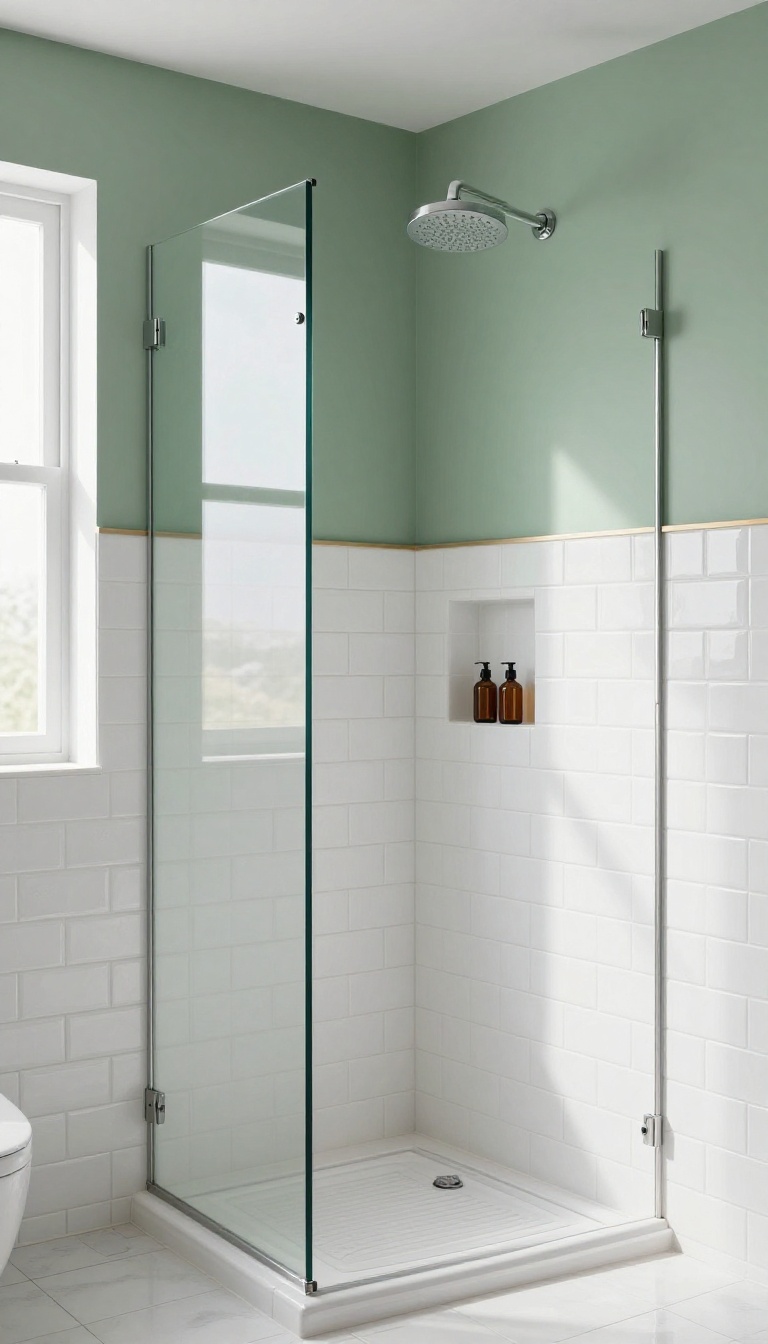
Breaking the tile line midway up the wall is an easy way to cut costs and add a punch of color. The lower half takes the brunt of splashes and soap scum, while the upper half gets a fresh coat of paint that can be changed whenever you feel like a new look. It's a classic trick from old bathrooms that still feels fresh today.
This approach works especially well in smaller showers where full-height tile can feel heavy or expensive. By keeping tile to the lower half, you free up budget for nicer tile or a custom niche. The painted upper half also makes the ceiling feel higher, especially if you use a light, airy color.
Picking The Right Paint
Not all paint is up to the job in a damp shower. Look for a satin or semi-gloss finish labeled 'bathroom' or 'mold-resistant. ' You'll also want to apply a good primer first, and let the paint cure for at least a week before regular use. If you're unsure, ask at your local paint store—they'll point you to the right product.
Where To End The Tile
The tile line usually lands around 48 inches from the floor, but you can adjust it to match your showerhead height or the proportions of your space. A neat pencil tile or a slim metal trim strip at the transition gives it a deliberate, finished edge. You can also run the tile up to a niche or a window sill for a more integrated look.
Color Combos That Work
Classic white subway tile with a soft sage green or pale blue above feels vintage and calming. For a modern farmhouse vibe, try a warm white tile with a charcoal or black upper wall. If you're bold, go with a deep navy or forest green above the tile—it adds drama without making the room feel dark.
9. Diagonal Layout for Movement
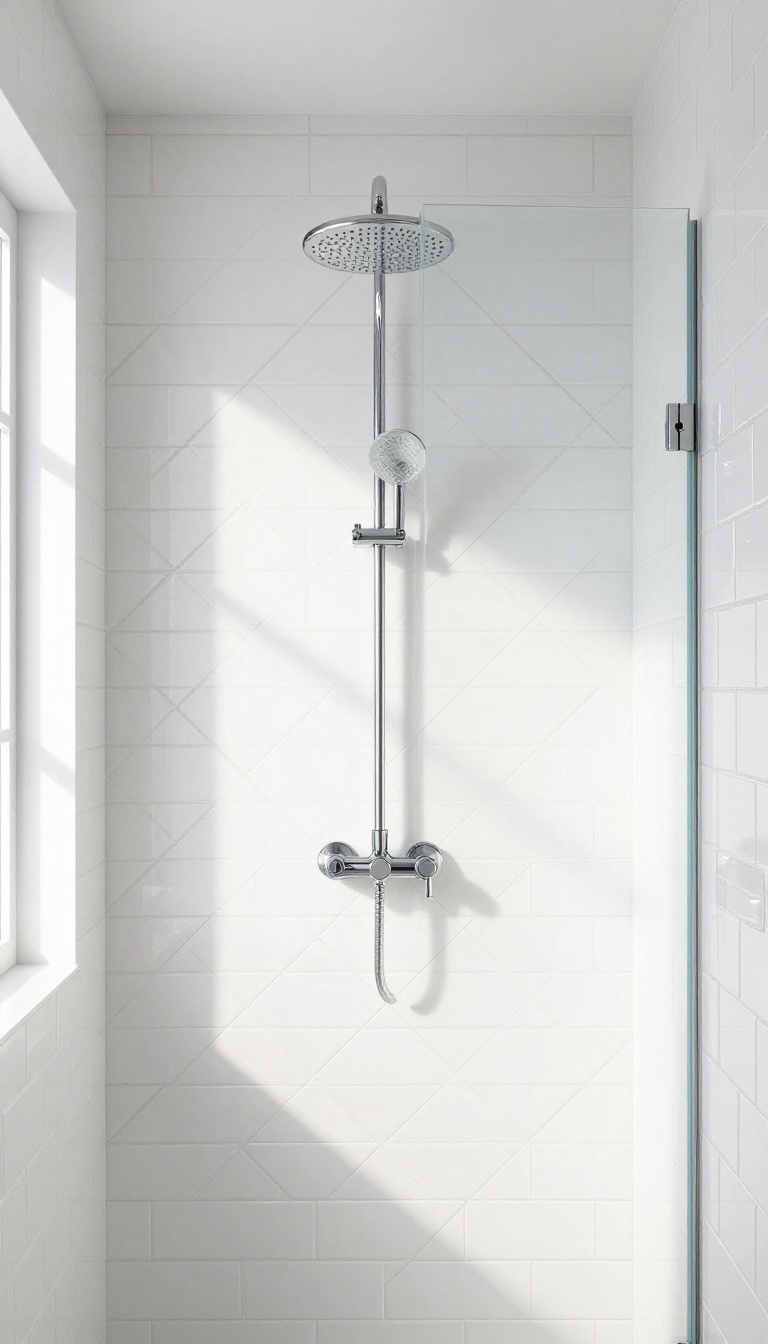
Rotating your subway tile 45 degrees turns a straightforward grid into a diamond pattern that instantly energizes the space. The angled lines catch the light differently and draw the eye upward, making the shower feel taller and more open. It’s a simple change that adds a lot of personality without overwhelming the design.
A diagonal layout is a smart choice if you want to break away from the standard horizontal or vertical stacks. The skewed lines create a sense of motion that makes the shower feel dynamic, even in a small bathroom. Plus, the pattern naturally hides minor imperfections in wall straightness, which is a practical bonus during installation.
Why It Works
The diamond orientation adds visual complexity without introducing a second tile color or shape. It also tricks the eye into perceiving more width and height, which is ideal for compact showers. The pattern works especially well with large-format subway tiles, as fewer grout lines keep the look from feeling busy.
Pairing With Grout
Choose a grout color that complements the tile rather than matching it exactly. A soft gray or warm beige lets the diagonal lines shine without being too stark. If you want extra contrast, a darker grout emphasizes the diamond shapes and gives the wall a graphic, modern edge.
Installation Tips
Diagonal layouts require more cuts and careful planning, so hiring an experienced tile setter is worth the investment. Start from a center point and work outward to keep the pattern symmetrical. Also, consider using a leveling system to ensure the tile stays flat and the diagonal lines remain crisp.
10. Framed Accent Strip with Metal Trim
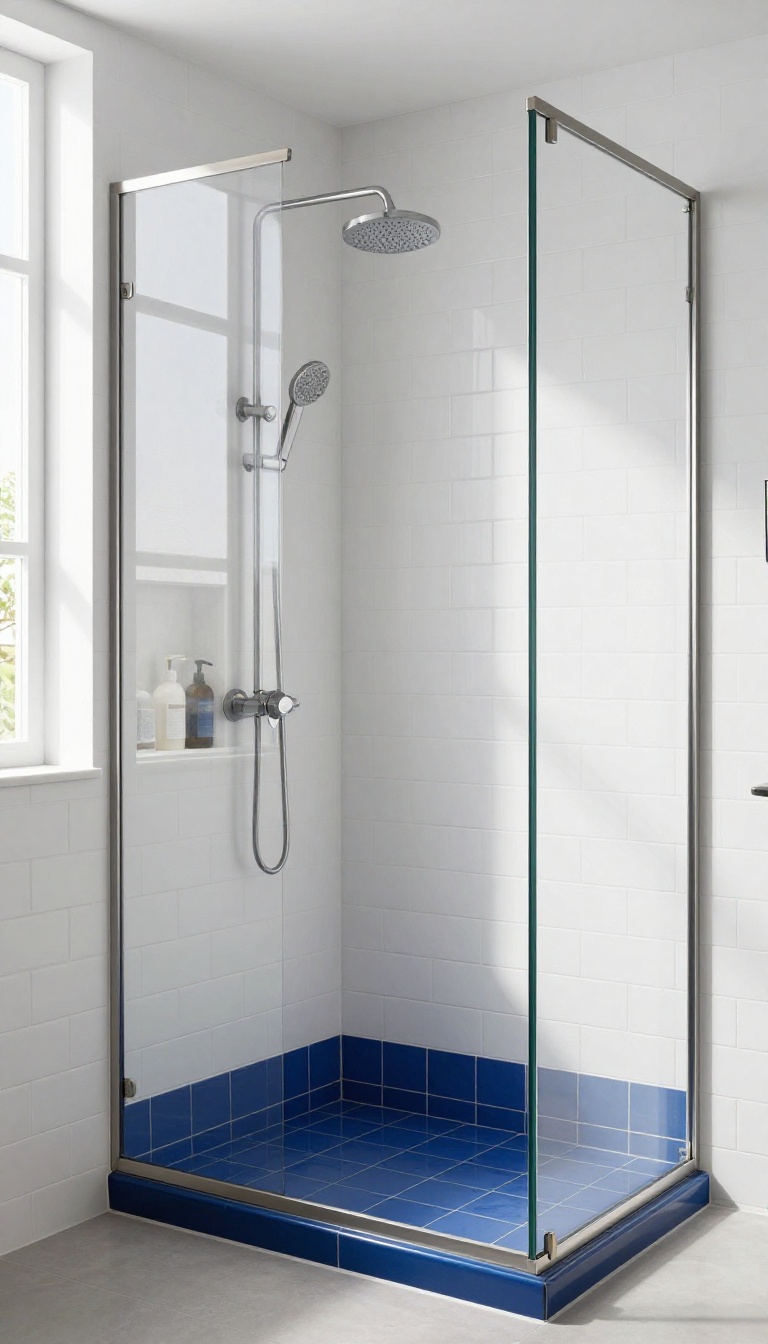
A thin metal strip running horizontally across your subway tile instantly adds a crisp, custom edge. It’s a subtle detail that catches the light and breaks up the monotony of a full wall of tile. Pair it with a contrasting tile row, and you get a designer look without a full renovation.
Adding a metal trim accent strip is a smart way to introduce a modern, tailored feel to your shower. The metal acts like a piece of jewelry for your tile, creating a clean line that draws the eye. You can choose a finish that matches your fixtures—brushed nickel, matte black, or polished chrome—to tie the whole space together.
For the accent strip itself, you have a few options. You can use a row of contrasting subway tile in a different color or material, like a deep blue or a textured zellige. Or, you can let the metal trim be the star by placing it between two sections of the same tile.
Both approaches add depth and interest without overwhelming the design. The key is to keep the strip proportional to your wall. A single row works well in most showers, but if you have a tall wall, you might add two strips—one at eye level and another higher up.
Just make sure the placement feels intentional and aligns with other elements like the showerhead or niche.
Choosing The Right Metal Finish
Your metal trim should complement the other hardware in your bathroom. If your faucet and showerhead are brushed nickel, go with a brushed nickel trim. For a more industrial look, matte black adds a bold contrast against white tile.
Polished chrome gives a classic, reflective shine that works well in traditional spaces. Don't be afraid to mix metals slightly, but keep it cohesive—stick to one dominant finish for the trim.
Placement And Proportions
The most common spot for an accent strip is at the midpoint of the wall, usually around 54 to 60 inches from the floor. This creates a natural focal point without cutting the wall in a jarring way. If you have a bench or niche, align the strip with those features for a seamless look.
For a more dramatic effect, place the strip higher, near the top of the shower, to draw the eye upward and make the ceiling feel taller.
Pairing With Contrasting Tile
A metal strip works beautifully when paired with a row of contrasting tile. Choose a tile that shares the same thickness as your subway tile so the surface stays flush. Popular choices include a darker shade of the same tile, a hexagonal mosaic, or a slim pencil tile.
Keep the accent row to one or two rows to maintain a clean, minimal aesthetic.
11. Floor-to-Ceiling with a Shower Bench
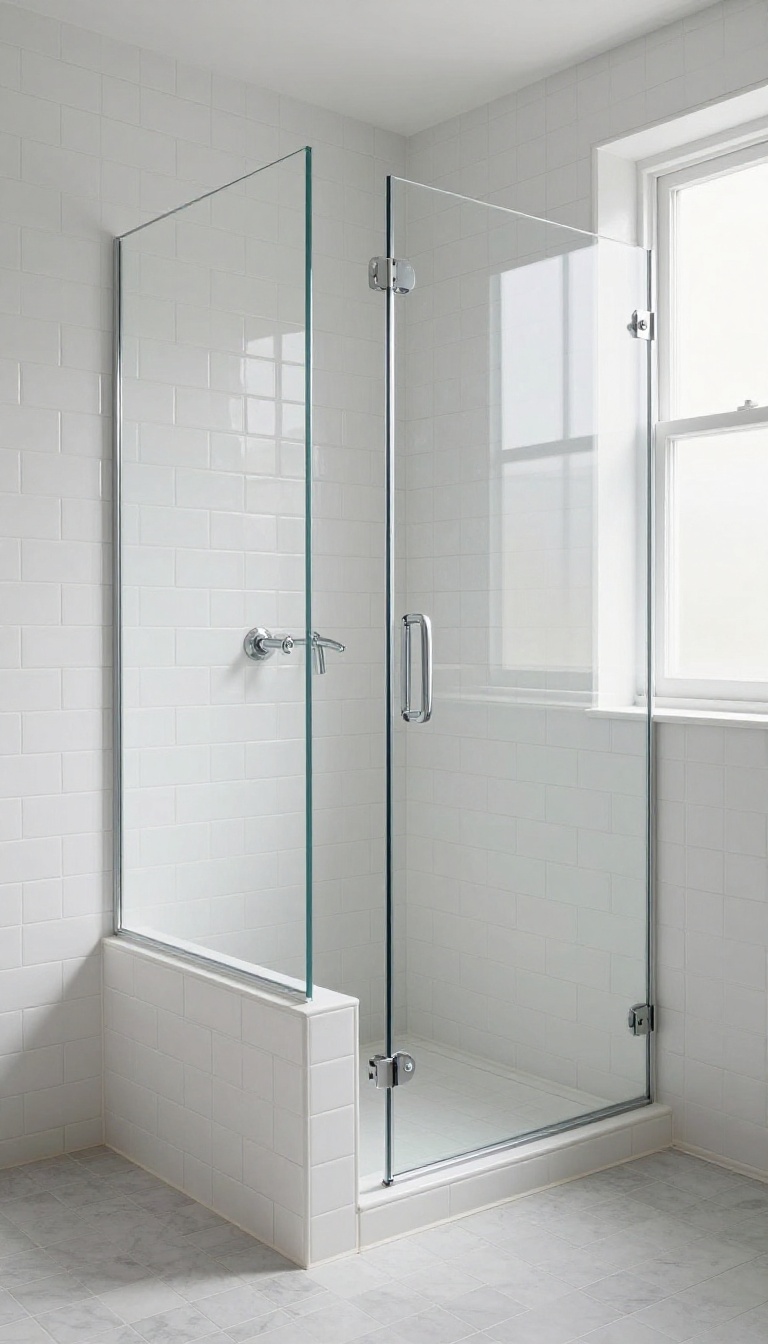
When you carry the subway tile all the way up, the shower feels taller and more polished. Adding a built-in bench makes it practical too, giving you a spot to sit or set down your shampoo. It's a simple upgrade that turns an everyday shower into a mini retreat.
This idea is all about creating a seamless, spa-like look. By tiling from floor to ceiling, you eliminate the visual break that happens when tile stops partway up the wall. The continuous surface draws the eye upward, making the space feel more open and airy.
A built-in bench adds function without interrupting that clean line, especially if you wrap it in the same tile.
Why Go Floor-to-ceiling?
Floor-to-ceiling tile is a smart choice for a few reasons. It protects the walls from moisture, which is a big deal in a shower. Plus, it gives you a seamless backdrop that makes the whole room look more intentional.
You can skip the usual half-tile-and-paint look and go for something that feels more finished.
Adding A Built-in Bench
A built-in bench is a practical addition that also boosts the design. You can have it framed and tiled to match the walls, so it blends right in. Place it on one side or at the back, depending on your layout.
It's great for sitting while shaving your legs or just for holding your loofah and body wash within easy reach.
Material And Grout Choices
To keep the spa vibe going, pick a large-format subway tile or a classic 3×6 in a soft white or warm gray. Use a grout that's close to the tile color for a seamless look, or go slightly darker for subtle definition. If you want a bit of contrast, a charcoal grout can add a crisp, modern edge without overwhelming the space.
Lighting And Finishing Touches
Good lighting makes a big difference in a floor-to-ceiling shower. Add a recessed light or a small waterproof fixture to highlight the tile's texture. Finish with a sleek showerhead and a glass door instead of a curtain to keep the view open.
A niche for shampoo bottles is another handy touch that keeps everything tidy.
FAQ
What is the best grout color for subway tile showers?
It depends on the look you want. White or matching grout creates a seamless, clean look, while dark grout adds contrast and makes the tile pattern stand out. For a modern feel, try charcoal or navy.
Can you use subway tile in a walk-in shower?
Absolutely. Subway tile is versatile and works well in walk-in showers. Use a larger format tile or a vertical stack to minimize grout lines and make cleaning easier.
How do you clean subway tile in a shower?
Regularly wipe down with a squeegee after use to prevent soap scum. For deeper cleaning, use a mild, non-abrasive cleaner and a soft brush. Sealing the grout can also help.
What size subway tile is best for showers?
Standard 3×6 inches is classic, but larger formats like 4×12 or 6×12 can make the shower feel more modern and reduce grout lines. Choose based on your shower size and style.
Should I use matte or glossy subway tile in the shower?
Both work, but matte finishes hide water spots and soap scum better, while glossy tiles reflect light and make the space feel brighter. Consider your maintenance preference.
Conclusion
Subway tile has a way of feeling both timeless and fresh, especially when you add those crisp custom touches. Whether you lean into a bold grout color, a playful layout, or a built-in niche, the details are what make the space feel yours. Start with one idea that solves a real problem in your shower—like easier cleaning or more visual interest—and build from there.
With a little planning, you can create a look that feels polished and personal without overcomplicating the process. Trust your instincts, keep the maintenance realistic, and enjoy the transformation.