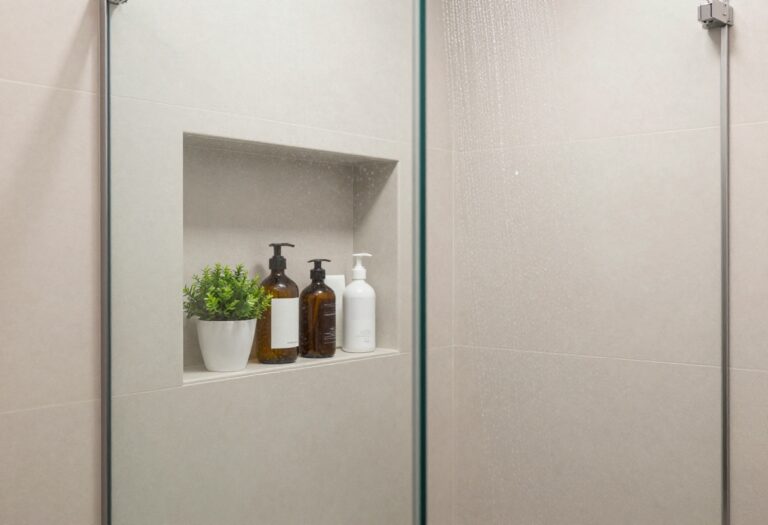
11 Updated Shower Curb Tile Ideas with Fresh, Refined Appeal
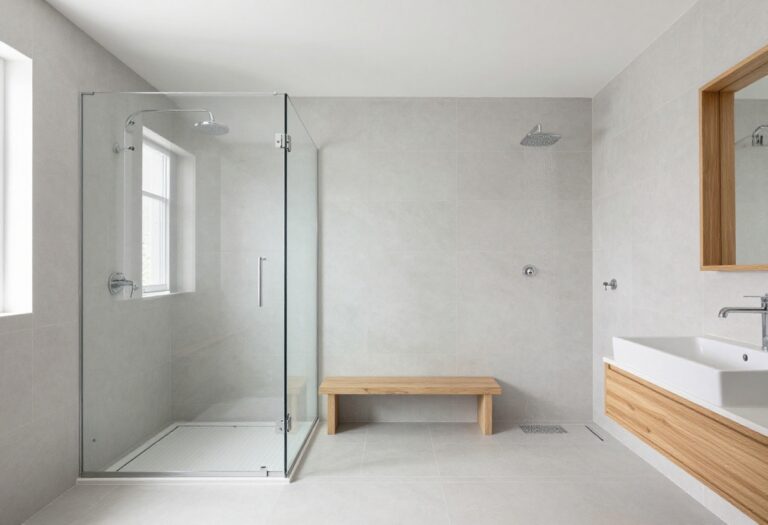
Shower curbs often get overlooked, but they're the perfect spot to add a touch of personality without breaking the bank. Whether you're refreshing a rental or doing a full remodel, the right tile can tie the whole space together. These 11 updated ideas range from classic to bold, so you can find a look that fits your style and your maintenance tolerance.
Think about how much wear and tear your curb sees—it's a high-traffic zone that needs to handle water and foot traffic. That's why we've focused on durable materials that still look sharp.
You'll also get practical tips on grout, sizing, and placement to make the job easier. Ready to give your shower curb a fresh, refined look?
1. Classic White Subway Tile with a Twist
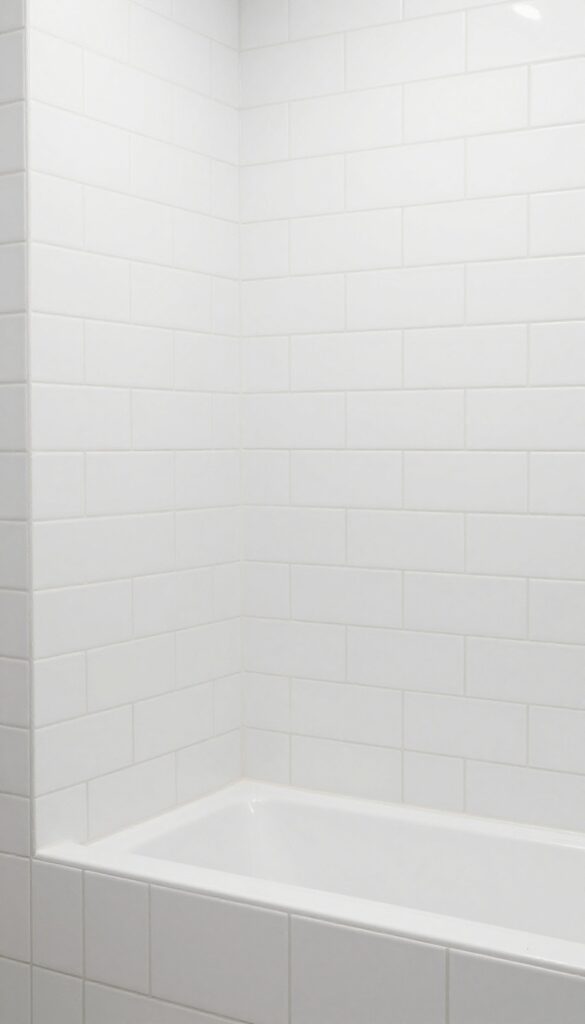
Subway tile has been a bathroom staple for over a century, and for good reason—it's clean, bright, and versatile. But if you're worried it might look too predictable, there are simple ways to give it a fresh spin. By playing with layout and grout color, you can keep that timeless charm while adding a bit of personality that fits your space.
The key to updating subway tile is to change the details, not the tile itself. A herringbone pattern instantly adds movement and visual interest, making your curb feel like a custom feature. Alternatively, a contrasting grout—think dark gray or navy against white tile—can define the pattern and give it a more modern, graphic look.
Both options are budget-friendly and easy to achieve, even for a DIYer.
Herringbone Layout
Instead of the standard brick pattern, lay your subway tiles in a herringbone arrangement. This creates a dynamic V-shape that draws the eye and adds texture. It works especially well on a curb because the angled lines make the space feel larger.
You'll need to plan your cuts carefully, but the result is well worth the extra effort.
Contrasting Grout
If you prefer a simpler layout, let the grout do the talking. Pair bright white subway tile with a charcoal or deep blue grout to create a crisp, grid-like effect. This approach is perfect for those who want a bold look without changing the tile itself.
Just make sure to use a grout that's rated for wet areas to prevent staining or mold.
Mixed Finishes
Another twist is to mix glossy and matte subway tiles on the same curb. Alternate them randomly or in a pattern to create a subtle, tactile contrast that catches the light differently. This adds depth without being too flashy, and it's a great way to incorporate a bit of texture while keeping the overall look cohesive.
2. Large-Format Porcelain Slabs
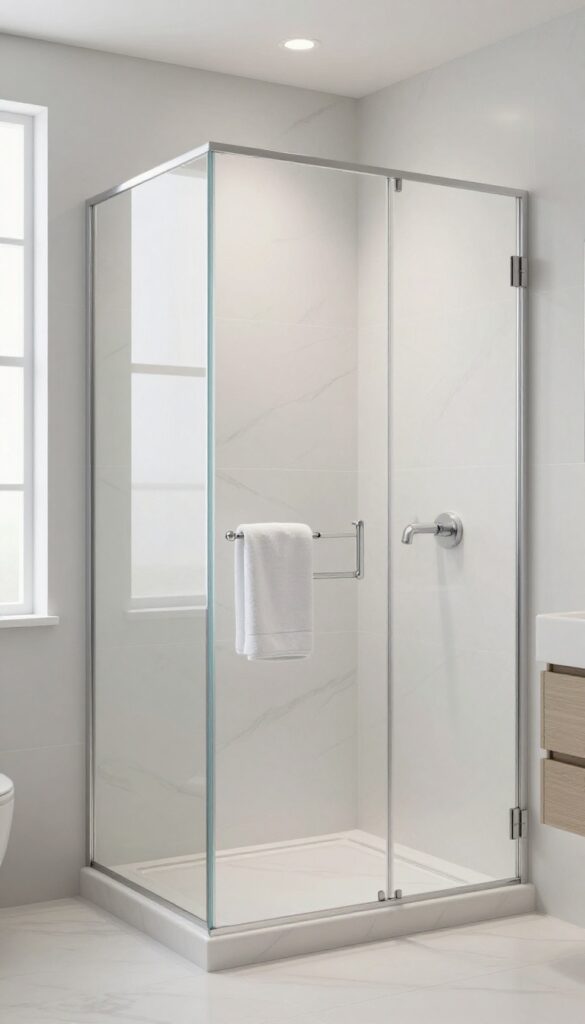
If you're after a curb that feels more like a continuous stone step than a tiled edge, large-format porcelain slabs are a game changer. These big pieces—often 24×48 inches or larger—cut down on grout lines dramatically, which means less scrubbing and a cleaner, more modern look. The minimal seams also make the curb appear almost monolithic, adding a quiet luxury that pairs well with both contemporary and traditional bathrooms.
The main appeal of large-format slabs is their seamless appearance. With fewer grout lines, water has fewer places to sneak through, and you won't be constantly fighting soap scum in the joints. Plus, the larger surface area shows off the tile's natural veining or subtle texture, making the curb feel like a deliberate design feature rather than an afterthought.
One thing to keep in mind is that large tiles require a perfectly level substrate. Any dip or bump will be more noticeable, so prep work is key. You'll also want a tile saw with a large enough bed to handle the size, and it's smart to have a helper on hand—these slabs are heavy and awkward to maneuver solo.
Why Fewer Grout Lines Matter
Every grout line is a potential spot for mold, mildew, and staining. Large-format slabs minimize those trouble zones, making your curb easier to keep clean and more hygienic. Plus, the smooth surface feels nice underfoot and gives the shower a more cohesive, spa-like vibe.
Best Finishes For A Curb
For a curb, you want a finish that's slip-resistant but still easy to wipe down. A matte or satin finish is a smart choice—it offers better traction than high-gloss and hides water spots better. Textured porcelain, like wood-look or stone-look slabs, can add grip without sacrificing style.
Cutting And Handling Tips
Because these tiles are large, cutting them accurately is crucial. Use a wet saw with a continuous-rim diamond blade for clean edges. Measure twice and cut once, and always wear safety gear.
When installing, back-butter each slab to ensure full adhesion and avoid hollow spots that could crack later.
3. Bold Patterned Cement Tiles
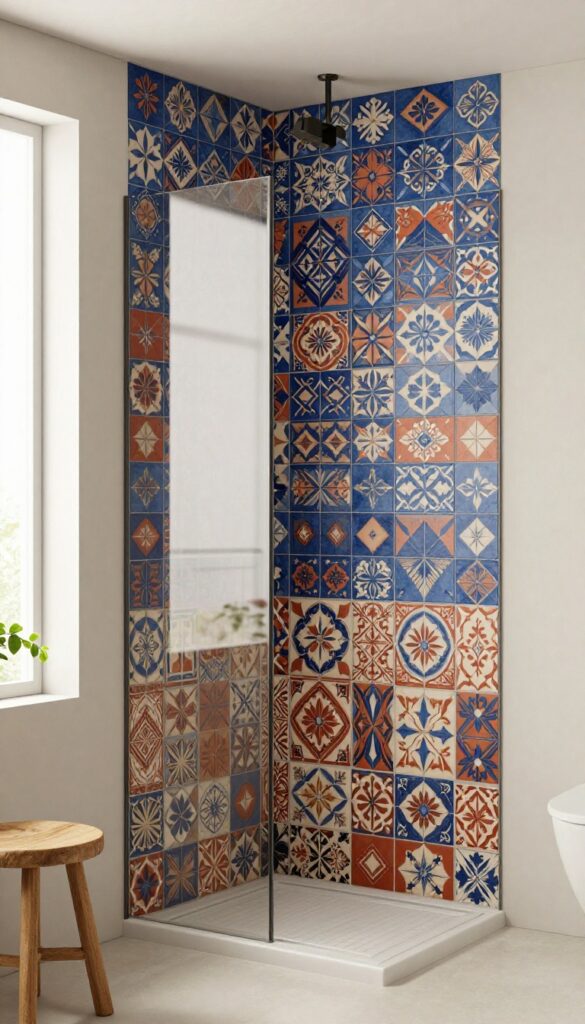
Cement tiles are having a serious moment, and for good reason. They bring a handcrafted, artisanal feel that’s hard to replicate with standard ceramic or porcelain. On a shower curb, they act like a mini statement piece—small but mighty.
Because the curb is a narrow strip, you can go bolder than you might on the floor or walls. A vibrant pattern adds personality without overwhelming the space. Just remember to seal them properly, since cement is porous and needs protection against moisture.
Why Cement Tiles Work On A Curb
Cement tiles are durable and can handle foot traffic, but they need a little extra care in wet areas. The key is sealing them well—both before and after installation—to prevent water absorption and staining. Use a penetrating sealer and reapply it periodically to keep them looking fresh.
Their thickness (usually around 5/8 inch) means you might need to adjust your curb height or transition pieces. But the payoff is a unique, custom look that stands out.
Choosing A Pattern That Fits Your Bathroom
When picking a pattern, think about your bathroom’s overall vibe. If your space is neutral, a vivid geometric or floral design can be the focal point. If you already have a lot going on, a subtle two-tone pattern might be better.
Consider the scale—large patterns can get lost on a narrow curb, so smaller, intricate designs often work best. Also, think about color harmony. Pull a hue from your existing tiles or accessories to tie everything together.
Installation And Grout Tips
Cement tiles are heavier than standard tiles, so make sure your curb can support the weight. Use a flexible thin-set mortar and a notched trowel to get good adhesion. For grout, choose a sanded grout in a color that complements the pattern—white or light gray keeps things airy, while darker grout hides dirt better.
Take your time with alignment, especially if your pattern has directional elements. A slight misalignment can be noticeable, so use spacers and check frequently.
4. Natural Stone Pebble Mosaic
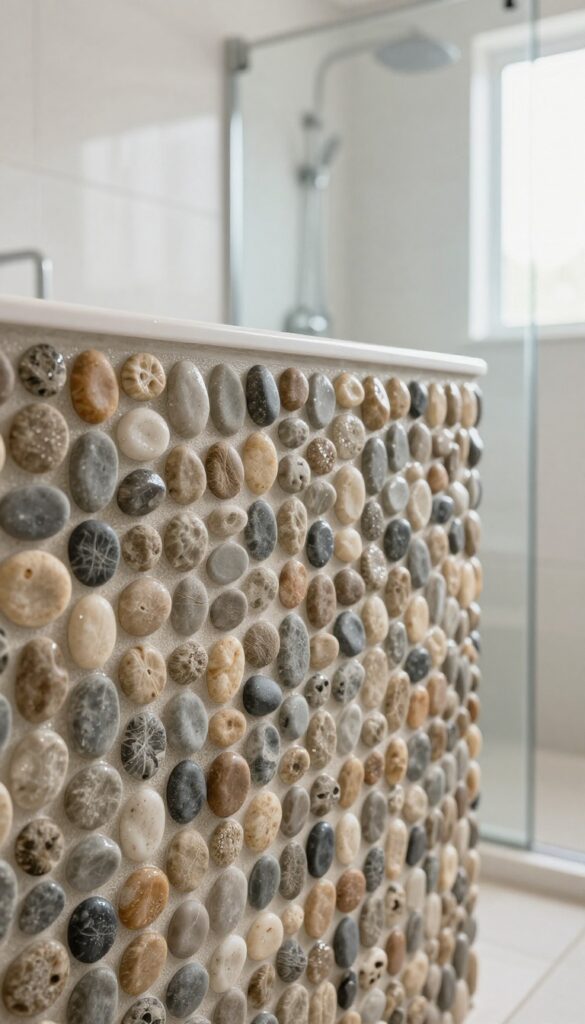
If you want your shower curb to feel like a smooth riverbed underfoot, natural stone pebble mosaics deliver that organic, earthy vibe without trying too hard. These little rounded stones come in mesh-backed sheets, so installation is faster than you'd think, and the texture adds grip where you need it most. The result is a curb that looks like it's been part of the landscape for centuries, not just a weekend renovation.
Pebble mosaics are a practical pick for a curb that gets wet often. The natural gaps between stones let water drain quickly, and the uneven surface provides excellent slip resistance—especially important if you have kids or older adults in the house. Plus, the organic look softens the hard lines of a shower, making the whole space feel more like a spa retreat.
When choosing pebbles, you've got options: river stones are smooth and polished, while beach pebbles are a bit more textured. Both come in shades of gray, tan, and even mixed tones, so you can match your existing tile or go for a subtle contrast. The mesh backing keeps the pattern consistent, but you can cut it easily to fit around corners and edges.
One thing to keep in mind is grout. Because the stones are round, the grout lines are wider and deeper, so you'll need to use a sanded grout that can fill those gaps without cracking. Epoxy grout is even better—it's stain-resistant and won't discolor over time, which is a win for a high-moisture area.
A little extra care during installation pays off with a curb that looks great for years.
Why Pebbles Work On A Curb
The curb is a transition zone between the shower floor and the bathroom floor, so it needs to handle water, soap, and constant foot traffic. Pebble mosaics are naturally slip-resistant because of their uneven surface, and they allow water to pass through quickly, reducing puddles. They're also durable—natural stone won't fade or peel like some man-made tiles, and the mesh backing helps them stay put even with regular use.
Choosing The Right Pebble Type
Not all pebbles are created equal. River stones are smooth and rounded, giving a polished, spa-like feel. Beach pebbles are a bit more irregular and textured, which adds extra grip.
For a cohesive look, pick pebbles in shades that complement your shower tile—warm tans and grays work well with most palettes. You can also find mixed pebble sheets that blend several colors for a more natural, organic appearance.
Grout And Sealing Tips
Since pebbles are round, grout lines are thicker and deeper than with flat tiles. Use a sanded grout to fill these gaps, or go with epoxy grout for superior stain and moisture resistance. After grouting, apply a penetrating sealer specifically designed for natural stone.
This protects the pebbles from water absorption and keeps them looking fresh. Reapply the sealer every year or two, depending on how much use the curb gets.
5. Glossy Hexagon Tiles
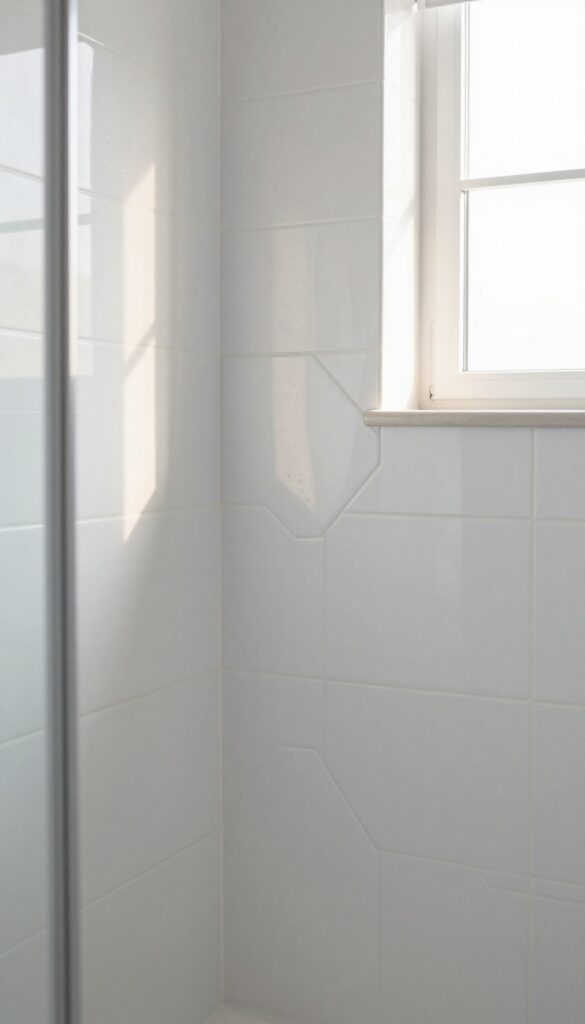
Hexagon tiles are a classic shape that feels fresh when you give them a glossy finish. The shine catches the light and adds a subtle shimmer to your shower curb, making the space feel brighter and more polished. They work beautifully in both modern and traditional bathrooms, and you can play with scale to create a look that's uniquely yours.
Glossy hexagon tiles bring a playful geometry to your shower curb while keeping things elegant. The reflective surface adds depth and dimension, making even a small curb feel more substantial. Plus, the shape's versatility means you can go with a uniform pattern or mix it up for extra visual interest.
Why Glossy Hexagons Work
The glossy finish bounces light around the bathroom, which is especially nice in smaller spaces or curb areas that don't get much natural light. Hexagons also have a honeycomb look that feels modern but not overly trendy, so it's a safe bet if you want something that'll stay stylish for years. The shape's multiple sides create a subtle mosaic effect that adds texture without being busy.
Playing With Scale
You can choose from small mosaic hexagons for a detailed, intricate look or go with larger hexagons for a bolder statement. Smaller tiles are great for adding grip and visual texture, while larger ones make the curb feel more seamless and contemporary. Mixing sizes can also create a custom pattern that draws the eye.
Grout And Color Choices
The grout color makes a big difference with hexagon tiles. White or light gray grout keeps the look airy and clean, while darker grout adds contrast and helps hide dirt. If you're feeling adventurous, try a grout color that matches one of the tile's tones for a cohesive, refined finish.
Just remember to use a high-quality, water-resistant grout to keep maintenance low.
6. Matte Black or Charcoal Tiles
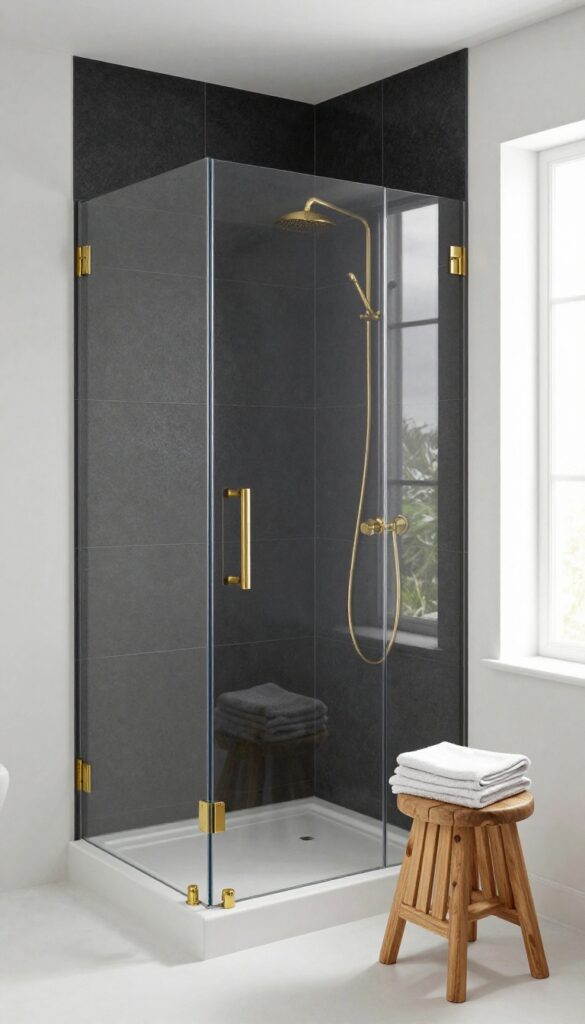
Dark tiles bring a bold, grounded energy to a shower curb, making it feel like a deliberate design choice rather than an afterthought. They also do a sneaky good job of hiding soap scum and water spots, so you won't be scrubbing as often. A matte finish keeps things sophisticated and non-slippery, which is exactly what you want underfoot.
When you go dark, you're not just picking a color—you're setting a mood. Charcoal and matte black tiles work especially well in bathrooms with white or light gray walls, creating a crisp contrast that feels modern and clean. They also pair nicely with brass or gold fixtures, giving the space a touch of warmth without going overboard.
One thing to keep in mind: dark tiles can show dust and footprints more easily than medium tones, but they're still a solid choice for a curb because they don't highlight soap film the way white tiles do. Just pick a textured or matte finish to keep things safe and low-maintenance.
Why Matte Beats Glossy
Glossy dark tiles might look sleek in the showroom, but they can get slippery when wet and show every water droplet. A matte finish gives you better traction and a more understated, refined look. It also hides minor imperfections in the tile surface, so you won't stress about tiny chips or scratches.
Pairing With Grout Colors
Grout can make or break the dark tile look. For a seamless, modern vibe, choose a grout that matches the tile—like charcoal grout with charcoal tiles. If you want a bit of contrast, a light gray grout can create a subtle grid pattern that adds depth without being too busy.
Avoid white grout unless you're prepared for constant cleaning.
Best Tile Shapes For Dark Curb
Dark tiles look great in almost any shape, but some stand out more than others. Large-format rectangles give a clean, minimal feel, while small hexagons add texture and visual interest. If you're feeling adventurous, a herringbone pattern in matte black can turn your curb into a real focal point.
7. Terrazzo Tiles for a Speckled Look
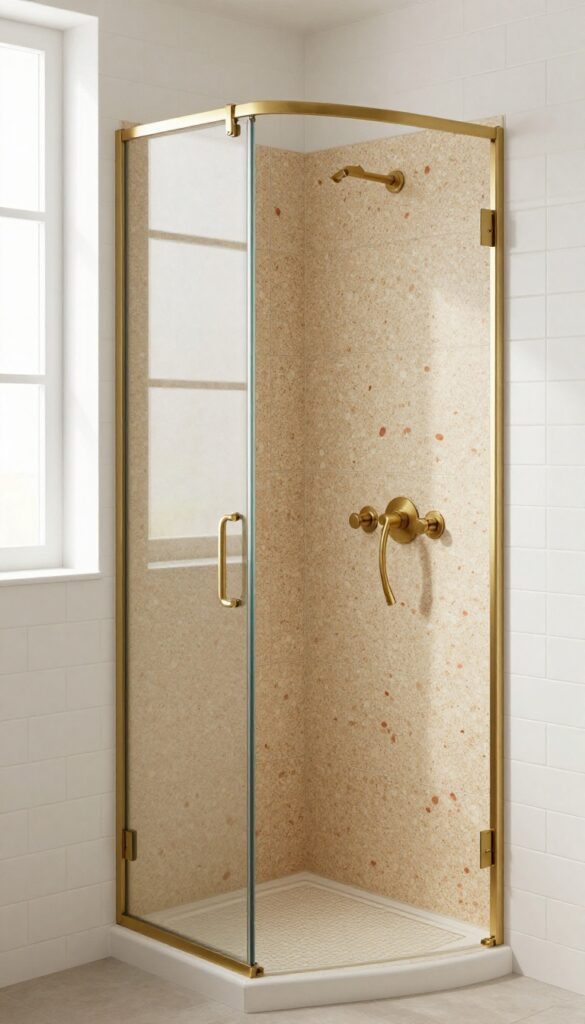
Terrazzo is having a major comeback, and it’s easy to see why. Those little flecks of marble, quartz, and glass create a playful texture that hides dirt and water spots like a champ. On a shower curb, it adds a retro-modern vibe that feels both nostalgic and fresh.
The best part? Terrazzo tiles are tough. They handle moisture and foot traffic without flinching, and they’re a breeze to wipe down.
With so many color combos, you can go subtle or make a statement.
Terrazzo tiles are made from chips of stone or glass set in a cement or resin base. They’re naturally durable and water-resistant, making them a smart pick for a shower curb. The speckled pattern does double duty: it looks stylish and camouflages everyday grime.
Whether you choose a classic gray with dark flecks or a warm beige with terracotta chips, you’ll get a surface that feels custom and polished.
Why Terrazzo Works For A Curb
Shower curbs take a lot of abuse—water splashes, soap scum, and constant foot traffic. Terrazzo’s non-porous surface resists staining and is simple to clean with mild soap and water. The embedded chips also add a bit of texture, giving you better traction when stepping out of the shower.
It’s a functional choice that doesn’t sacrifice style.
Color Combinations To Try
Terrazzo comes in endless color mixes. For a calm, spa-like feel, go with white or light gray base and subtle gray or blue chips. If you want something bolder, try a black base with white and gold flecks for a dramatic, upscale look.
Warm terracotta and cream chips on a beige base bring a cozy, Mediterranean touch. Pick a palette that complements your bathroom’s existing tones.
Grout And Maintenance Tips
Use a grout color that blends with your terrazzo base to keep the speckled pattern seamless. Epoxy grout is a great option because it resists moisture and stains better than traditional cement grout. Sealing the tile annually will keep it looking fresh and prevent any dulling.
Regular wiping with a soft cloth or squeegee after showers will keep your curb in top shape.
8. Wood-Look Porcelain Tiles
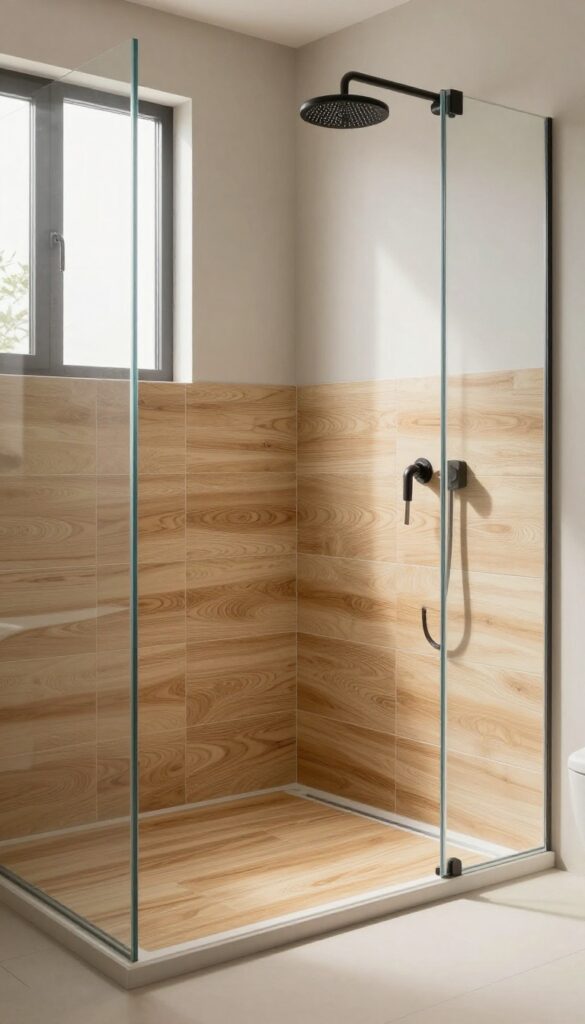
Who says you can't have wood in a wet area? Wood-look porcelain tiles bring that cozy, natural vibe to your shower curb without the warping or rotting you'd get with real wood. They're a clever way to warm up an otherwise cold, hard surface, and they hold up beautifully against daily splashes.
These tiles are designed to mimic the grain and texture of real wood, but they're made from porcelain, so they're waterproof, scratch-resistant, and easy to clean. You get the best of both worlds: the aesthetic appeal of timber and the practicality of ceramic. Plus, they come in a range of shades, from light oak to deep walnut, so you can match your curb to your overall bathroom theme.
Why Porcelain Wins Over Real Wood
Real wood might look stunning, but it's a high-maintenance choice for a shower curb. It can absorb moisture, swell, and eventually rot. Porcelain, on the other hand, is virtually impervious to water.
It won't fade, stain, or harbor mold. You can even install it over a heated floor system if you want to step onto a warm curb every morning.
Choosing The Right Plank Size And Layout
For a shower curb, you'll want planks that are long and narrow, like 6×24 inches or 4×12 inches. This keeps the curb looking sleek and avoids too many grout lines. A straight or staggered layout works best, depending on the look you're after.
If you're feeling adventurous, try a herringbone pattern for a touch of sophistication.
Pairing With Grout And Accents
Grout color matters more than you think. A contrasting grout, like a light gray or white, can highlight the wood grain, while a matching grout creates a seamless, continuous look. You can also pair wood-look tiles with natural stone or matte black fixtures to enhance the organic feel.
9. Mosaic Glass Tiles
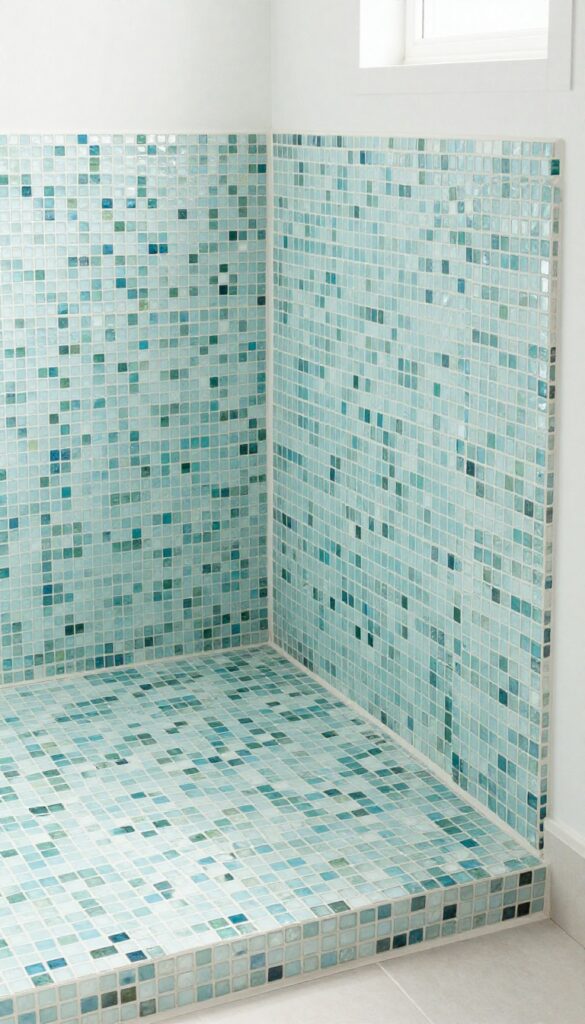
Glass mosaic tiles bring a luminous quality to a shower curb, catching the light and making the space feel larger and more polished. They come in a wide range of colors and patterns, so you can go subtle or make a statement. The tiny tiles also provide excellent slip resistance underfoot, which is a practical bonus in a wet area.
When you choose glass mosaic tiles for your shower curb, you’re not just picking a surface—you’re adding a reflective element that brightens the whole bathroom. The key is to select a tile with a matte or textured finish to avoid a slippery surface. Also, consider the grout color carefully; a contrasting grout can enhance the mosaic pattern, while a matching grout creates a seamless look.
Why Glass Mosaics Work On A Curb
Glass tiles are naturally water-resistant and non-porous, so they won’t absorb moisture or harbor mold. They’re also easy to wipe clean with a squeegee or mild cleaner. The small size of mosaic pieces means they conform well to the curves and edges of a curb, giving you a smooth, finished appearance.
Installation Tips To Prevent Damage
Proper installation is crucial because glass can crack or chip if not handled correctly. Use a white thin-set mortar to avoid dark shadows showing through. Apply the tiles with even pressure and let them set fully before grouting.
Choose a flexible grout to accommodate slight movements, and seal the grout to keep it looking fresh.
Style Ideas For Glass Mosaic Curb Tiles
For a serene spa feel, go with soft blues and greens in a random blend. If you prefer a more modern look, try a geometric pattern in neutral tones. You can also mix glass with natural stone for a textured contrast.
The reflective quality of glass makes even simple patterns look dynamic.
10. Stacked Stone Veneer
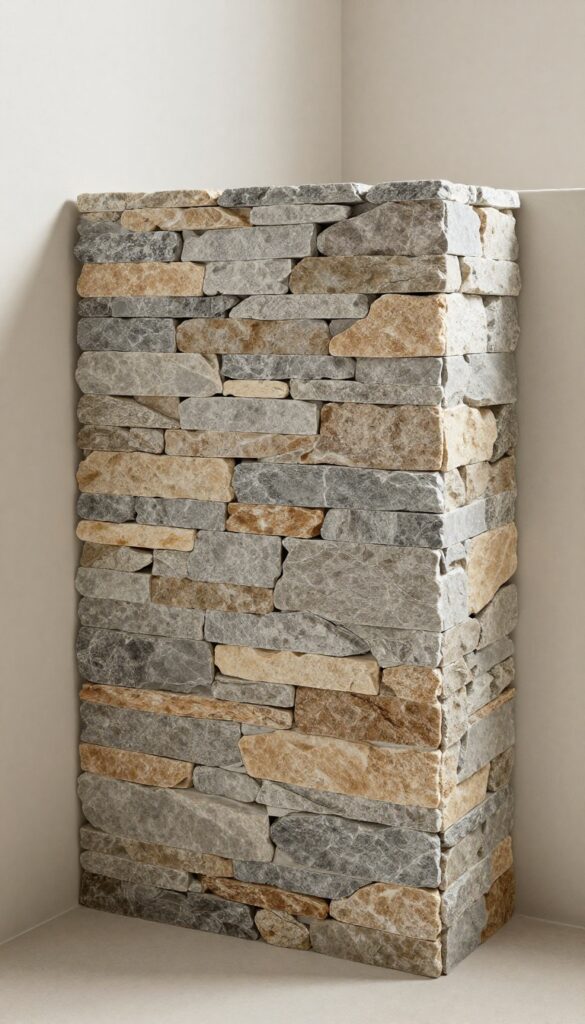
Stacked stone veneer brings a rugged, organic texture to your shower curb that instantly makes it a focal point. The thin, irregular slices of natural stone create a three-dimensional surface that catches light and adds depth. It’s a bold choice, but one that feels grounded and timeless, especially when paired with simple fixtures and neutral walls.
The beauty of stacked stone is how it turns a functional threshold into a design statement. Each piece varies in size and color, so no two curbs look exactly alike. That natural variation hides water spots and soap scum surprisingly well, which is a bonus in a busy bathroom.
Because the stone is porous, sealing is non-negotiable. A high-quality penetrating sealer will keep moisture out and make cleaning easier. You’ll also want to use a grout that matches the stone tones so the joints disappear, letting the texture take center stage.
Installation can be a bit fiddly since the pieces are irregular, but the payoff is a one-of-a-kind look. If you’re handy with a trowel, it’s a manageable weekend project. Otherwise, hiring a pro ensures the edges are clean and the surface is level.
Why It Works On A Curb
A shower curb takes a lot of abuse—water, foot traffic, and cleaning products. Stacked stone is tough and won’t chip or scratch easily. Its uneven surface also provides a subtle grip underfoot, which is a safety plus.
Plus, the natural palette of grays, tans, and browns pairs well with almost any bathroom color scheme.
Sealing And Maintenance
Sealing is the most important step. Apply a breathable sealer before grouting and again after installation. Reapply every year or two, depending on how much use the shower gets.
For daily cleaning, a mild soap and water solution is all you need—avoid harsh chemicals that can strip the sealer. With proper care, stacked stone stays beautiful for decades.
Design Pairing Tips
Stacked stone shines when it’s the star. Keep the rest of the bathroom simple—think flat-panel cabinets, a frameless glass shower door, and matte black or brushed nickel fixtures. For a cohesive look, echo the stone’s earthy tones in your bath mat or towels.
If you want a touch of contrast, add a warm wood stool or a green plant nearby.
11. Contrasting Bullnose Trim
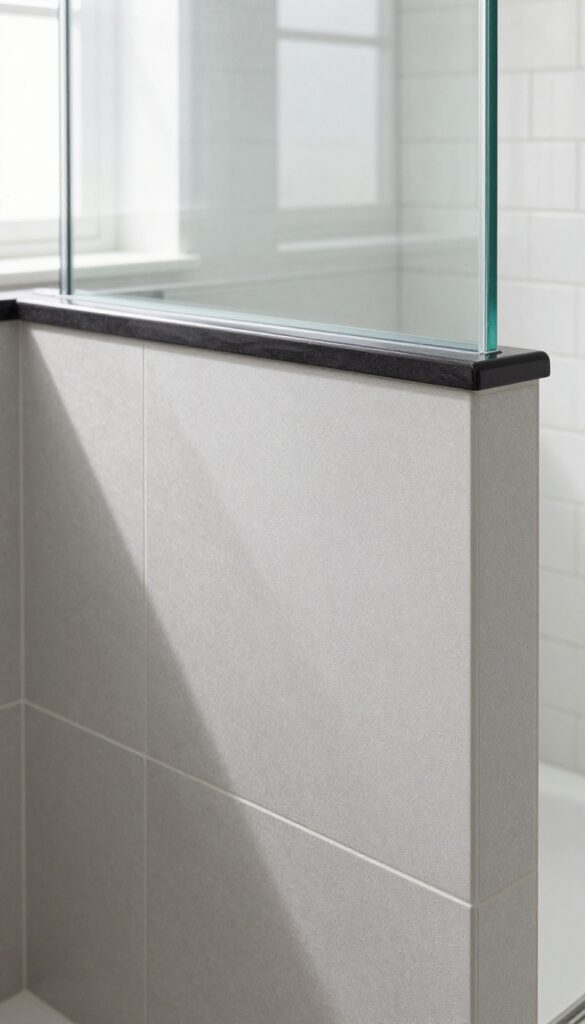
A simple swap of the curb's edge trim can completely change how your shower reads. Bullnose tiles are rounded on one edge, giving a smooth, finished look that's both practical and pretty. If your current curb is plain or outdated, adding a contrasting bullnose trim is a low-effort upgrade with a high-end payoff.
The idea is straightforward: keep your existing field tile on the curb and add a contrasting bullnose trim along the top edge or front face. This creates a crisp, defined line that adds depth and visual interest. It's a clever way to refresh a tired shower without tearing everything out—just a focused update that makes a big difference.
Why Contrast Works
Contrast draws the eye and adds a layer of sophistication. A dark bullnose against light tile, or a glossy trim next to matte field tile, gives the curb a custom, intentional feel. It also helps define the edge, making the shower look more polished and well-thought-out.
Choosing The Right Bullnose
Look for bullnose pieces that match your field tile in thickness and material—ceramic, porcelain, or natural stone. You can go with a matching color for a subtle finish or a contrasting shade for a bolder statement. Make sure the bullnose has a rounded edge that feels comfortable underfoot and is slip-resistant.
Installation Tips
Measure the curb length and order enough bullnose pieces to cover it, plus a few extra for cuts. Use a quality thin-set mortar and spacers to keep the joints even. For a seamless look, align the bullnose with the top of the curb and use a grout color that complements both tiles.
If you're not confident, a pro can do this quickly.
FAQ
What is the best tile material for a shower curb?
Porcelain and ceramic are top choices because they’re durable, water-resistant, and low-maintenance. Natural stone like granite or slate also works but requires sealing.
How do I choose the right tile size for my shower curb?
Consider the curb’s dimensions. Larger tiles reduce grout lines and simplify cleaning, while smaller tiles like mosaics can conform to curves and add texture.
Can I use the same tile on the curb as the shower walls?
Yes, using the same tile creates a seamless look. Alternatively, you can choose a complementary tile to make the curb a subtle accent.
How do I maintain and clean shower curb tile?
Regularly wipe down the curb after use to prevent soap scum and hard water stains. Use a mild cleaner and a soft brush for grout lines. Seal natural stone periodically.
Is it necessary to waterproof the shower curb?
Absolutely. Proper waterproofing is essential to prevent moisture damage. Ensure the curb is properly sealed and flashed during installation.
Conclusion
Your shower curb is a small surface with big design potential. Whether you prefer the clean lines of large-format slabs or the playful texture of pebbles, there’s an idea here to match your taste and budget.
Take your time, weigh the maintenance, and choose a tile that makes you smile every time you step into the shower. With the right choice, your curb can be both a practical and beautiful part of your bathroom.