How to Clean Stainless Steel Fridge in 15 Easy Ways
A stainless steel fridge looks sleek when it's clean, but smudges and streaks can make it look dull fast. You don't need fancy products to restore its shine—these 15 methods use everyday items like vinegar, olive oil, and even toothpaste.
Each technique targets a specific issue, from fingerprints to grease to minor scratches.
Pick the one that matches your fridge's current state and get it gleaming without the fuss.
1. Microfiber Cloth and Warm Water
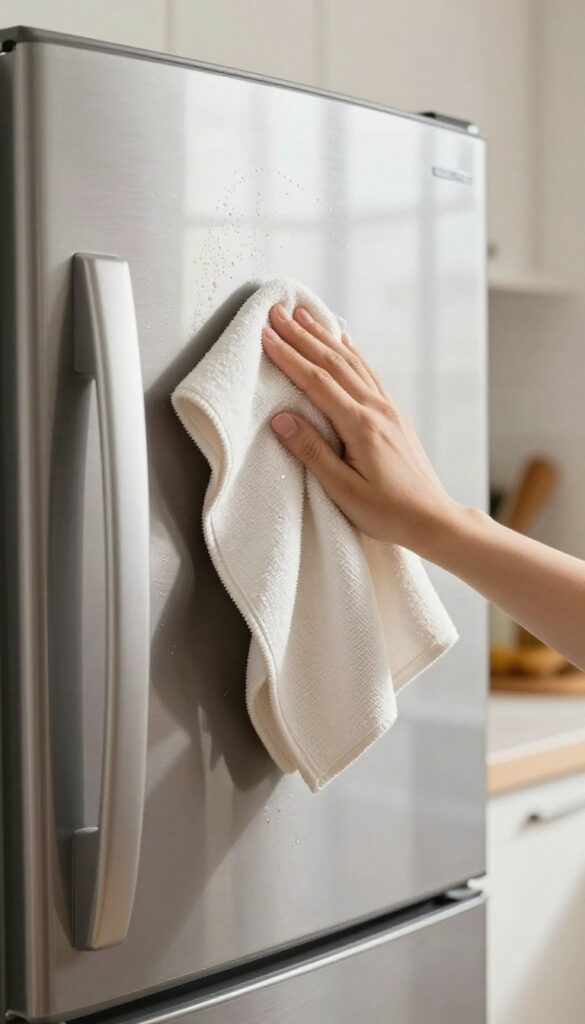
Sometimes the best solution is the simplest one. Warm water and a microfiber cloth can handle daily dust, light smudges, and fingerprints without any chemicals. It's gentle, cheap, and works wonders when done right.
Why Microfiber Works Best
Microfiber traps dirt and grease instead of pushing it around. Unlike paper towels or sponges, it won't leave lint or scratches. A damp cloth lifts grime, while a dry one buffs away any water spots.
The Right Wiping Technique
Always wipe in the direction of the grain – those subtle vertical lines on the steel. Going against them creates tiny scratches that catch light and look like streaks. Use long, straight strokes from top to bottom.
When To Use This Method
This is your go-to for everyday cleaning. If the fridge only has light dust or a few fingerprints, skip the sprays. Just dampen a microfiber cloth with warm water, wring it well, and wipe.
Follow with a dry cloth for a streak-free shine.
2. Dish Soap and Water Solution
Sometimes the simplest cleaning method is the most effective. A few drops of mild dish soap mixed with warm water can cut through grease and grime without damaging the stainless steel finish. It's gentle enough for regular use and doesn't leave behind harsh chemical residues.
To use this method, fill a spray bottle or a bowl with warm water and add a few drops of mild dish soap. Swirl to mix without creating too many suds. Dip a soft microfiber cloth into the solution, wring it out well so it's damp but not dripping, and wipe the fridge surface following the grain of the steel.
Rinse the cloth with clean water, wipe again to remove any soap residue, and immediately dry with a separate clean cloth to prevent water spots. This method works best for everyday cleaning and light smudges.
Why Dish Soap Works
Dish soap is designed to break down oils and grease, making it perfect for stainless steel that often collects fingerprints and cooking splatters. It's also non-abrasive, so it won't scratch the surface when used with a soft cloth.
Step-by-step Cleaning
Mix a few drops of mild dish soap with warm water. Dip a microfiber cloth, wring it well, and wipe the fridge in the direction of the grain. Rinse the cloth with clean water and wipe again to remove soap.
Dry immediately with a separate cloth to avoid streaks.
Common Mistakes To Avoid
Using too much soap can leave a sticky residue that attracts more dirt. Always wring the cloth thoroughly and rinse well. Also, never use abrasive sponges or scrubbers, as they can scratch the stainless steel finish.
3. White Vinegar and Water Spray
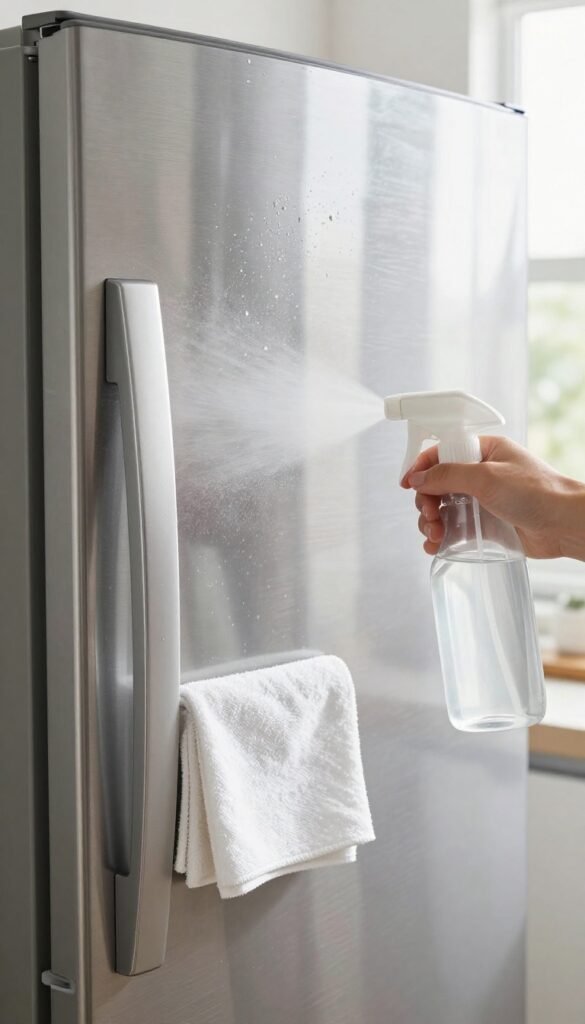
If you want a streak-free shine without harsh chemicals, white vinegar is your best friend. It cuts through grease and grime naturally, leaving your fridge looking spotless. Plus, it's cheap and you probably already have it in your pantry.
Why Vinegar Works So Well
White vinegar is acidic, which helps break down grease and dissolve mineral deposits. It also evaporates quickly, so you don't end up with annoying streaks. Unlike some commercial cleaners, it leaves no sticky residue behind.
How To Mix And Apply
Fill a spray bottle with equal parts white vinegar and water. Shake gently to combine. Lightly mist the surface of your fridge—don't soak it.
Then wipe with a clean, dry microfiber cloth in the direction of the grain. For tough spots, let the solution sit for a minute before wiping.
Tips For Best Results
Always use a microfiber cloth to avoid lint and scratches. If the smell of vinegar bothers you, add a few drops of lemon essential oil to the mix—it boosts cleaning power and leaves a fresh scent. Avoid using vinegar on fingerprint-resistant coatings; check your fridge's manual first.
4. Olive Oil for Shine
You've scrubbed and polished, but that fridge still looks a bit lackluster. A tiny amount of olive oil can be the secret weapon for a mirror-like finish. It fills in microscopic scratches and leaves behind a protective layer that repels fingerprints and dust.
Olive oil isn't just for cooking—it's a surprisingly effective polish for stainless steel. The oil's fatty acids bond with the metal's surface, smoothing out tiny imperfections and creating a uniform, glossy sheen. Plus, it's completely natural and safe around food.
How To Apply It Right
Start with a clean, dry fridge. Put just a few drops of olive oil on a soft, lint-free cloth—microfiber works great. Rub it onto the surface in the direction of the grain, using light pressure.
Then buff with a clean part of the cloth until the oil is evenly spread and the shine appears.
Why It Works So Well
Stainless steel naturally has a thin oxide layer that can get disturbed by cleaning. The olive oil fills in those micro-abrasions and creates a hydrophobic barrier. This means water spots and fingerprints are less likely to stick, keeping your fridge looking cleaner for longer.
A Few Tips To Keep In Mind
Use extra virgin olive oil for best results—it's purer and less likely to leave residue. A little goes a long way; too much can feel greasy. And always test on a small hidden area first, especially if your fridge has a special coating.
This method works best on bare stainless steel.
5. Baby Oil for Fingerprints
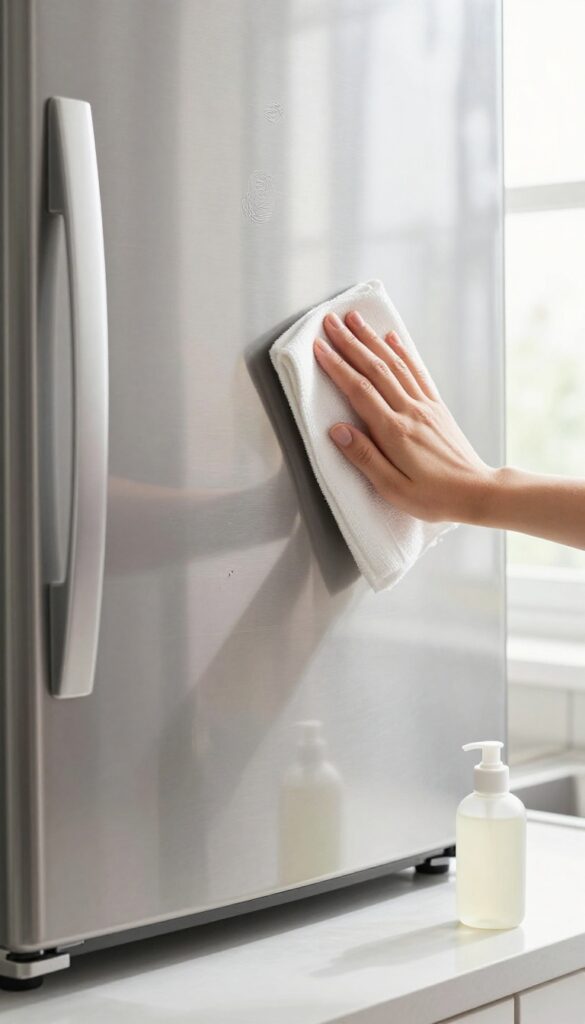
Fingerprints on a stainless steel fridge can be stubborn, especially if they've been there a while. Baby oil breaks down the oils from your skin, making those smudges wipe away effortlessly. It also leaves behind a light protective layer that helps repel future prints.
Baby oil is a gentle yet effective cleaner that works wonders on stainless steel. The mineral oil in baby oil dissolves fingerprint oils without damaging the finish. Plus, it adds a subtle shine that makes your fridge look brand new.
This method is especially handy for households with kids or anyone who frequently opens the fridge.
How To Apply Baby Oil
Apply a few drops of baby oil to a soft, lint-free cloth. Microfiber works best. Gently wipe the smudged area in the direction of the grain.
The oil will lift the fingerprints and leave a thin, even coating. Avoid soaking the cloth—too much oil can leave a greasy residue.
Buffing For Streak-free Shine
After applying the oil, grab a dry microfiber cloth and buff the area. Use light pressure and circular motions first, then finish with straight strokes along the grain. This step removes any excess oil and prevents streaks.
The result is a clean, glossy surface that resists new smudges.
When To Use This Method
Baby oil is perfect for light to moderate fingerprint buildup. It's not ideal for heavy grease or stuck-on food residue—those need a degreaser first. Use baby oil as a finishing touch after a deeper clean to restore shine and add a protective barrier.
6. Baking Soda Paste for Stains
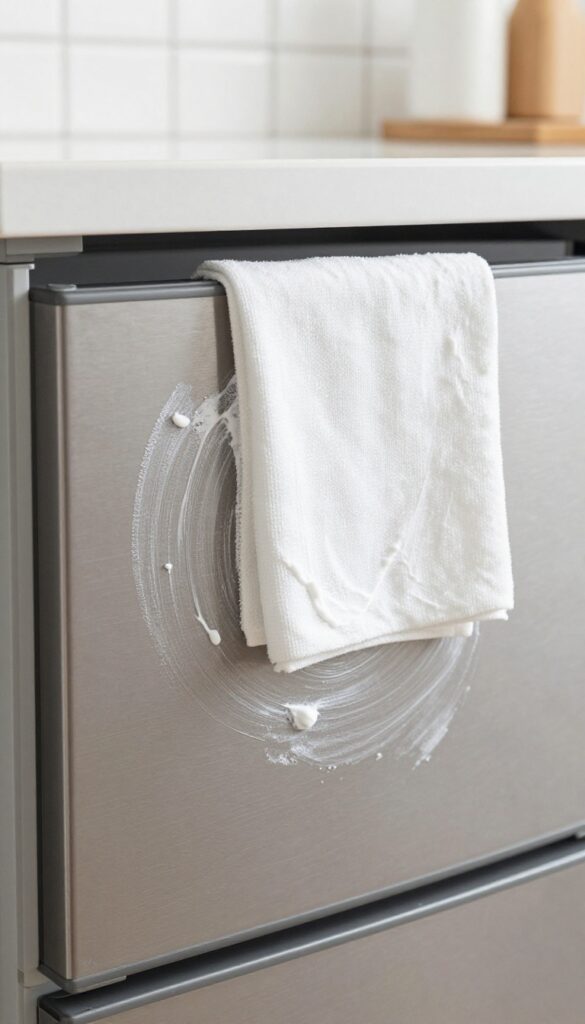
Dried-on food and sticky spots can be stubborn on stainless steel. You might be tempted to scrub hard, but that can damage the finish. A simple paste of baking soda and water lifts grime without scratching.
Mix a few tablespoons of baking soda with just enough water to form a thick paste. Apply it to the stained area with a soft cloth or sponge. Gently rub in the direction of the grain, then wipe away with a damp cloth.
Rinse thoroughly and dry with a microfiber towel. This method works wonders on greasy splatters and dried sauces.
Why It Works
Baking soda is mildly abrasive, which means it can scrub away tough stains without scratching stainless steel. Its alkaline nature helps break down acidic food residues and grease. Plus, it's non-toxic and safe for kitchens.
How To Apply
Start with a small amount of paste and test on an inconspicuous spot. Use a soft cloth or sponge, never steel wool or abrasive pads. Rub gently in the direction of the grain—against it can cause micro-scratches.
Rinse well to avoid residue.
When To Use This Method
Best for dried-on food, sticky syrup, or greasy fingerprints that won't come off with a simple wipe. Avoid using on newer fingerprint-resistant finishes unless recommended by the manufacturer. For light smudges, stick to a damp cloth.
7. Glass Cleaner for Quick Touch-Ups
When you're short on time and need a fast fix for smudges, reach for glass cleaner. It's designed to evaporate quickly and leave a streak-free finish, which is exactly what stainless steel needs. Just grab a microfiber cloth and you'll be done in seconds.
Glass cleaner is a fantastic shortcut for daily maintenance. It cuts through light fingerprints and water spots without leaving residue. The key is to spray the cloth, not the fridge, to avoid drips that can streak.
Stick with ammonia-free formulas to protect the appliance's coating.
Why Glass Cleaner Works
Glass cleaner contains alcohols and surfactants that dissolve oils and evaporate fast, preventing streaks. Stainless steel has a grain that can trap residue, but the quick-drying nature of glass cleaner minimizes that risk. It's a low-effort option for a high-shine result.
How To Apply It Right
Spray a small amount onto a clean microfiber cloth—never directly onto the fridge. Wipe in the direction of the grain (usually vertical) to avoid swirl marks. Buff lightly with a dry section of the cloth for extra shine.
Avoid paper towels, which can leave lint.
What To Avoid
Stay away from glass cleaners with ammonia, bleach, or harsh abrasives. Ammonia can damage the protective coating over time, leading to discoloration. Also avoid cleaners with added dyes or fragrances that might leave a film.
Stick to simple, clear formulas.
8. Rubbing Alcohol for Grease
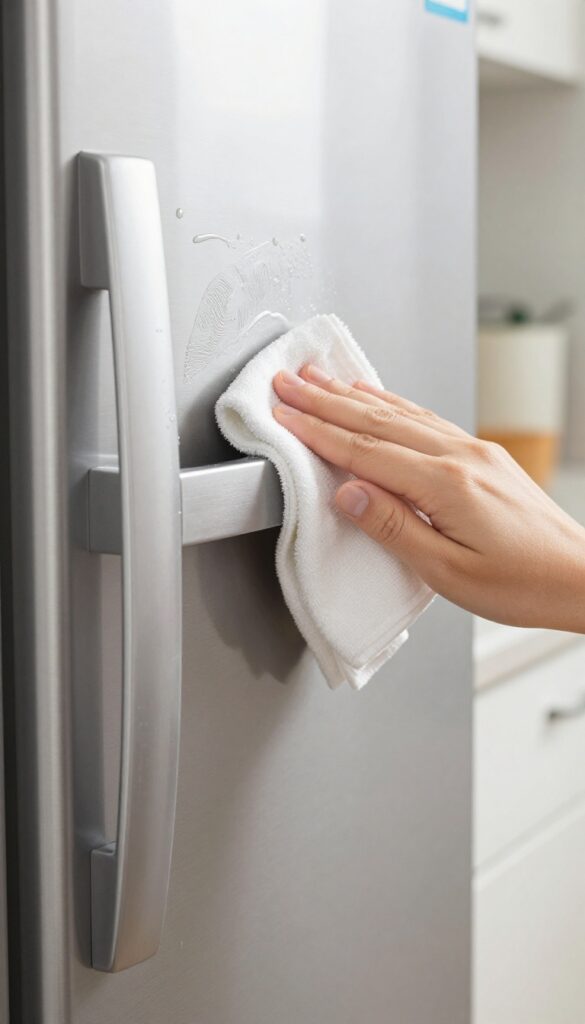
Greasy fingerprints and smudges on handles and doors are a constant battle. Rubbing alcohol cuts through that oily film fast. It evaporates almost instantly, so there's no streaky residue left behind.
This makes it a go-to for high-touch areas that need frequent cleaning.
Rubbing alcohol is a simple, effective degreaser that won't damage your fridge's finish. Just dampen a soft cloth with a small amount and wipe down greasy spots. The alcohol breaks down oils and dries quickly, leaving a clean, streak-free surface.
It's especially handy for handles, buttons, and areas near the ice dispenser where hands touch often.
Why It Works So Well
Alcohol is a solvent that dissolves grease on contact. Unlike water-based cleaners, it doesn't leave behind moisture that can cause streaks or water spots. The fast evaporation means you can wipe and walk away without buffing.
Best Places To Use It
Focus on handles, the dispenser area, and any spot that gets touched frequently. Avoid using it on painted or coated surfaces, but it's perfectly safe for standard stainless steel. A quick weekly wipe keeps those high-traffic zones looking clean.
A Few Tips For Best Results
Use a microfiber cloth to avoid lint. Don't soak the cloth – just dampen it lightly. Work in small sections and follow the grain of the steel for a consistent finish.
If the alcohol seems too strong, dilute it with a little water, but full strength works best on heavy grease.
9. Stainless Steel Cleaner (Store-Bought)
Sometimes you just want a product that's designed for the job—no guesswork, no mixing, no wondering if it'll work. Store-bought stainless steel cleaners are formulated to cut through grease, remove fingerprints, and leave a protective layer that resists future smudges. They're the easiest route to a like-new finish, especially if your fridge sees heavy use.
Choosing The Right Cleaner
Not all stainless steel cleaners are the same. Some are sprays, others are wipes or foams. Look for one that specifically says "cleans and polishes" or "leaves a protective coating.
" Avoid anything with harsh abrasives or bleach, which can damage the surface. Brands like Weiman, Magic Stainless Steel, and Therapy are popular for a reason—they work without streaking.
How To Apply For Best Results
Always spray the cleaner onto a soft microfiber cloth, not directly onto the fridge. This prevents drips and overspray. Wipe in the direction of the grain—the subtle lines in the metal.
Going against the grain can create visible swirl marks. Use even pressure and a fresh section of cloth as needed. For tough spots, let the cleaner sit for a few seconds before wiping.
Polishing And Protecting
Most store-bought cleaners double as polishes. After cleaning, buff the surface gently with a dry part of the cloth to bring out the shine. The protective film left behind repels fingerprints and dust, so your fridge stays clean longer.
Reapply every couple of weeks or whenever smudges start to show.
10. Lemon Juice for Natural Freshness
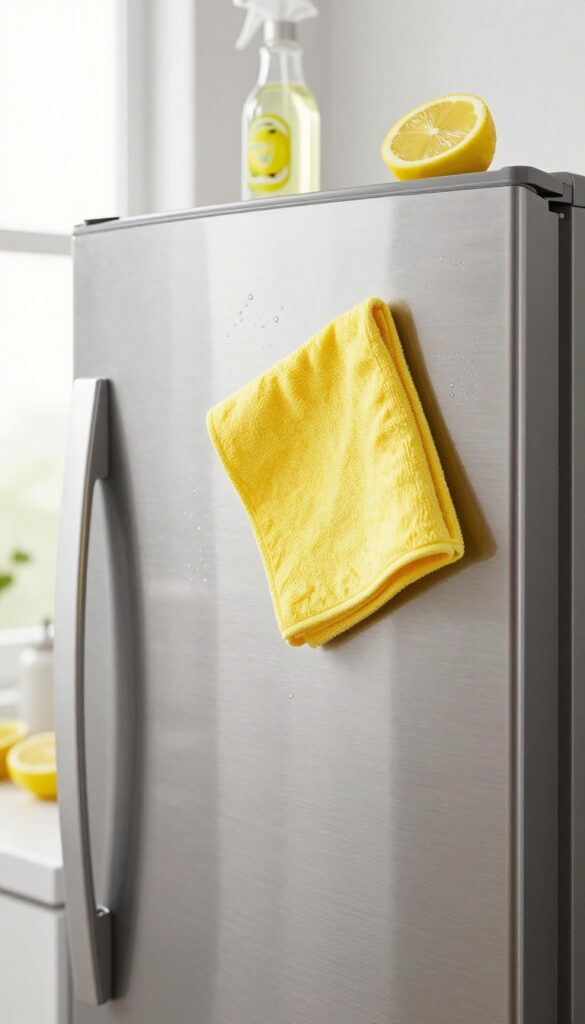
Lemon juice isn't just for cooking—it's a natural cleaner that cuts through grime and leaves your fridge smelling amazing. The acidity breaks down grease and residue without harsh chemicals, making it a safe choice for food surfaces. Plus, the fresh citrus scent is a bonus.
Mix lemon juice with water in a 1: 2 ratio (one part lemon juice to two parts water). Dip a soft cloth into the solution and wipe the fridge exterior, focusing on smudged areas. The acid lifts fingerprints and sticky spots.
For tough spots, let the solution sit for a minute before wiping. Rinse with a damp cloth afterward to prevent stickiness from the sugar in the juice. Dry with a microfiber towel for a streak-free shine.
Why Lemon Juice Works
Lemon juice contains citric acid, which breaks down grease and mineral deposits. It's mild enough for stainless steel but effective against everyday grime. Unlike commercial cleaners, it leaves no toxic residue, making it safe around food.
How To Apply It Right
Always dilute lemon juice with water to avoid etching the metal. Use a spray bottle for even coverage, or dip a cloth directly. Wipe in the direction of the grain to prevent streaks.
Rinse thoroughly—leftover sugar can attract dust and feel sticky.
When To Skip This Method
Avoid lemon juice on brushed or matte finishes, as the acid may dull the surface. Test on a hidden area first. If your fridge has a protective coating, stick to milder cleaners like dish soap.
11. Club Soda for Sparkle
Club soda isn't just for mixing drinks—it's a surprisingly effective cleaner for stainless steel. The carbonation helps lift dirt and grime, while the minerals add a streak-free shine. Best of all, it leaves no sticky residue, so your fridge looks clean without any extra rinsing.
Pour a bit of club soda onto a soft microfiber cloth—don't soak it, just dampen it. Wipe the stainless steel surface following the grain, which is usually vertical or horizontal depending on your fridge model. The bubbles work to loosen fingerprints and light grease, making them easy to wipe away.
Once you've covered the area, grab a dry cloth and buff gently. You'll notice a bright, even shine without streaks or haze. This method is perfect for a quick touch-up between deeper cleans.
Why Club Soda Works
The carbonation in club soda creates tiny bubbles that help lift dirt from the surface without harsh scrubbing. The mild acidity and mineral content also help break down grease and prevent water spots, leaving a clean finish.
How To Apply It Right
Always use a soft, lint-free cloth to avoid scratching. Spray or pour a small amount onto the cloth, not directly on the fridge. Wipe in the direction of the grain, then immediately buff dry with a second cloth for maximum shine.
When To Use This Method
Club soda is ideal for light cleaning—daily smudges, dust, or light fingerprints. For heavy grease or stuck-on food, use a degreaser first, then finish with club soda for a streak-free polish.
12. Toothpaste for Scratches
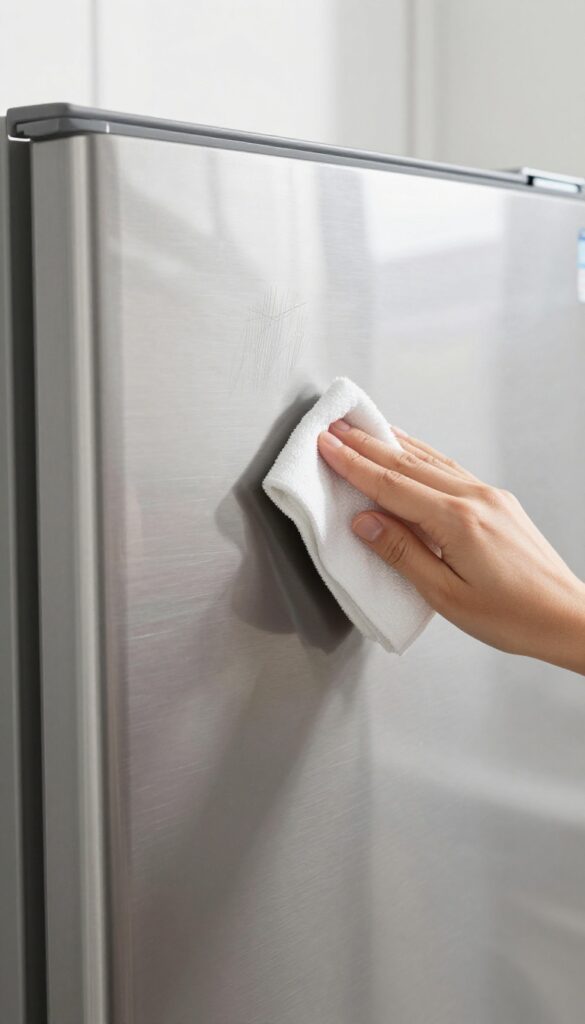
Light scratches on your stainless steel fridge can be annoying, especially when they catch the light. Before you resign yourself to a dull surface, try a simple trick from your bathroom cabinet. White, non-gel toothpaste works as a mild abrasive that can buff out shallow scratches and restore a smooth finish.
Toothpaste is a gentle polish that's perfect for minor surface scratches. It's cheap, non-toxic, and already in your home. Just make sure you use plain white paste—no gels, whitening agents, or sparkles.
The fine abrasives in the paste wear down the raised edges of the scratch, blending it into the surrounding metal.
How To Apply
Squeeze a pea-sized amount of toothpaste onto a soft, lint-free cloth. Microfiber works best. Rub the toothpaste into the scratch using small, circular motions with light to medium pressure.
Keep at it for about 30 seconds to a minute. You should see the scratch start to fade as the toothpaste works its magic.
Wipe And Inspect
After buffing, wipe away the toothpaste residue with a damp cloth. Dry the area with a clean towel. Check the scratch in good lighting.
If it's still visible, repeat the process once more. For deeper scratches, you may need a specialized stainless steel polish, but toothpaste handles light scuffs beautifully.
Avoid These Mistakes
Never use gel toothpaste or whitening formulas—they contain chemicals that can stain or damage the finish. Also, skip toothpaste with microbeads or crystals, as they can create new scratches. Always test on an inconspicuous spot first, just to be safe.
13. Dryer Sheets for Static Dust
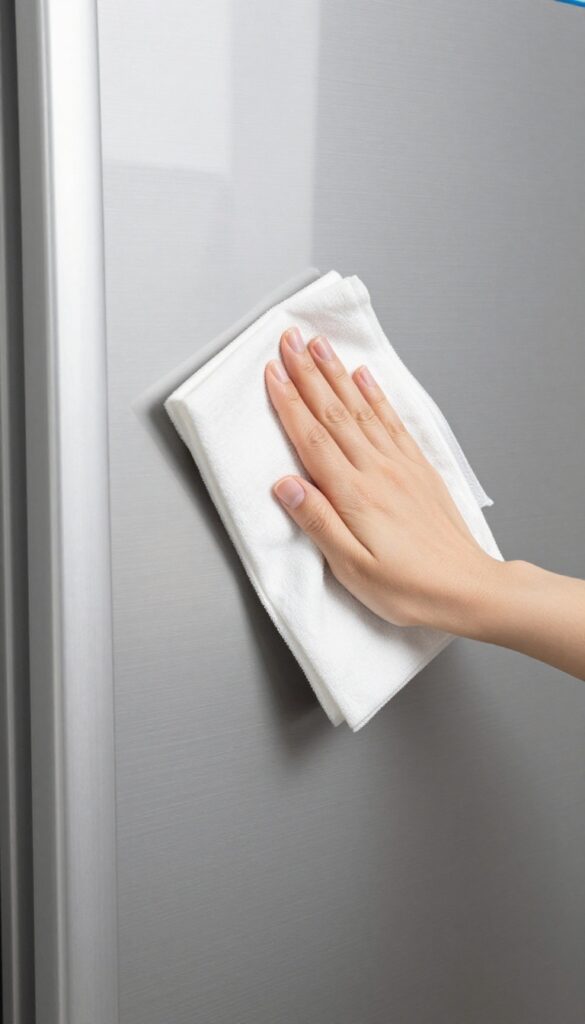
Used dryer sheets aren't just for the laundry room—they're surprisingly handy for cleaning stainless steel. The anti-static properties help lift dust and reduce future buildup, while the fabric softener residue adds a subtle shine. It's a quick, low-effort trick that leaves your fridge looking cleaner and staying dust-free longer.
Why It Works
Dryer sheets contain positively charged ingredients that neutralize static electricity on the fridge surface. This makes dust particles less likely to cling, so you don't have to dust as often. The mild abrasives in the sheet also help buff away light smudges without scratching the steel.
How To Do It
Grab a used dryer sheet (new ones work too, but used are less wasteful and still effective). Gently wipe the entire fridge surface, following the grain of the steel. No need to rinse—the thin film left behind helps repel dust and adds a faint, fresh scent.
Best Uses And Tips
This method is ideal for quick touch-ups between deeper cleans. It works best on light dust and fingerprints, not heavy grease or dried-on spills. For best results, pair it with a microfiber cloth for stubborn spots, then finish with the dryer sheet for that anti-static boost.
14. Wax or Car Polish for Protection
After all that cleaning effort, you want the shine to last. A thin layer of car wax or stainless steel polish does exactly that. It creates a microscopic barrier that repels fingerprints, water spots, and dust.
Plus, it gives your fridge a deep, glossy finish that looks like new.
Think of wax as a shield for your stainless steel. It fills in tiny pores in the metal surface, making it harder for oils and moisture to stick. This means fewer smudges and less frequent cleaning.
The application is quick and the results last for weeks.
Choosing The Right Wax
You don't need a specialty product—a simple carnauba car wax works great. Avoid abrasive polishes or ones with harsh chemicals. Look for a paste or spray labeled as safe for clear coats.
Stainless steel polish designed for appliances is also a good option. Just check the label to ensure it's non-abrasive.
How To Apply
Start with a clean, dry fridge surface. Apply a dime-size amount of wax to a soft microfiber cloth. Rub it onto the steel in small circular motions, working one section at a time.
Let it haze for a minute or two, then buff with a clean cloth until shiny. Use light pressure to avoid streaks.
Maintenance Tips
Reapply wax every few months or whenever you notice fingerprints returning. In humid climates, you might need to wax more often. Avoid waxing near handles or edges where residue can build up.
A quick wipe with a damp cloth between waxings keeps the barrier intact.
15. Regular Maintenance Routine
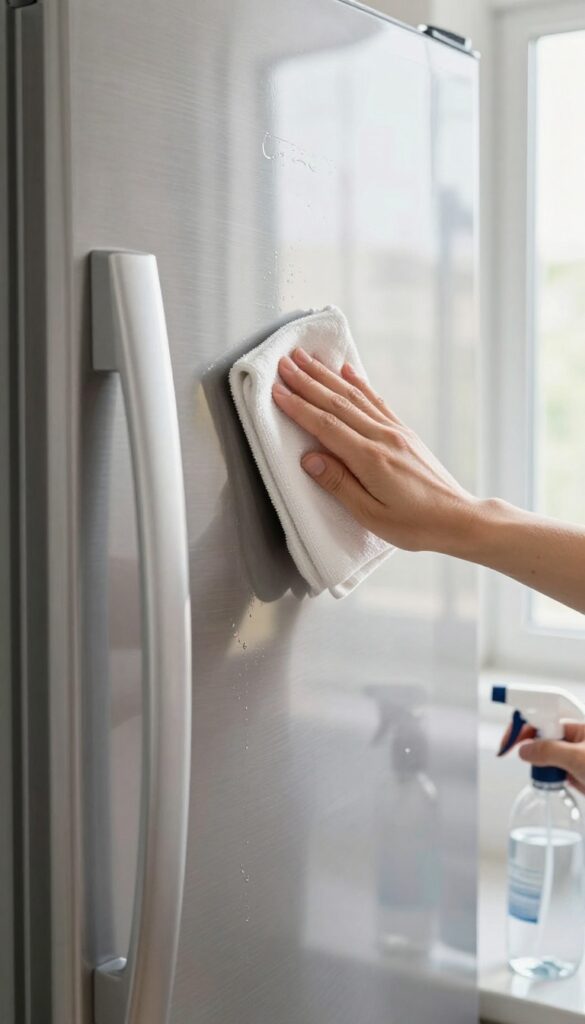
Consistency is the secret to a spotless stainless steel fridge. Instead of tackling heavy grime once a month, a quick weekly routine prevents buildup and keeps the finish looking new. This approach saves time and effort in the long run.
The Weekly Wipe-down
Set aside five minutes each week to wipe down the front of your fridge. Use a damp microfiber cloth with plain water—no soap needed. Microfiber traps dust and oil without scratching the surface.
Dry immediately with a second microfiber cloth to prevent water spots.
Spill Response Protocol
Accidents happen, but quick action stops stains from setting. Keep a microfiber cloth handy in the kitchen. When you see a drip or splatter, wipe it right away.
Even a sticky spill from juice or sauce comes off easily if you catch it fresh.
Monthly Deep Wipe
Once a month, do a more thorough clean. Mix a few drops of dish soap with warm water, wipe the entire surface, then rinse with a damp cloth and dry. This removes any greasy film that weekly water wipes might miss.
FAQ
Can I use bleach on stainless steel fridge?
No, bleach can damage the protective layer and cause discoloration. Stick to mild cleaners like dish soap, vinegar, or dedicated stainless steel products.
How do I remove scratches from stainless steel?
Light scratches can be buffed with a non-gel white toothpaste or a specialized stainless steel scratch remover. Always rub along the grain.
What is the best cloth to use on stainless steel?
Microfiber cloths are best because they are soft, lint-free, and effective at trapping dirt. Avoid abrasive sponges or paper towels that can scratch.
Why does my stainless steel fridge look streaky after cleaning?
Streaks often come from using too much cleaner or not drying properly. Use a damp cloth, then buff with a dry microfiber cloth in the direction of the grain.
How often should I clean my stainless steel fridge?
For daily maintenance, a quick wipe with a damp cloth is enough. Deep clean with a dedicated cleaner once a week or as needed when fingerprints build up.
Conclusion
Keeping your stainless steel fridge clean doesn't have to be a chore. With these 15 methods, you can choose what works best for your schedule and supplies. A little regular attention goes a long way in maintaining that sleek, professional look.
Try a few of these tips and see which ones become your go-to. Your fridge will thank you with a lasting shine that makes your whole kitchen feel cleaner.