How to Clean Gas Stove Grates With 13 Easy Tricks
Gas stove grates take the brunt of every spill and splatter. Over time, grease and burnt-on food build up, making your cooktop look neglected. The good news?
You don't need expensive cleaners or hours of scrubbing to get them spotless. Most of these tricks use ingredients you already have in your pantry. A little baking soda, some vinegar, or even a dishwasher tablet can work wonders.
The key is matching the method to how dirty your grates are. Pick the trick that fits your situation, and you'll have your grates looking like new in no time. No harsh fumes, no complicated steps, just real results.
1. Baking Soda Paste for Stubborn Grease
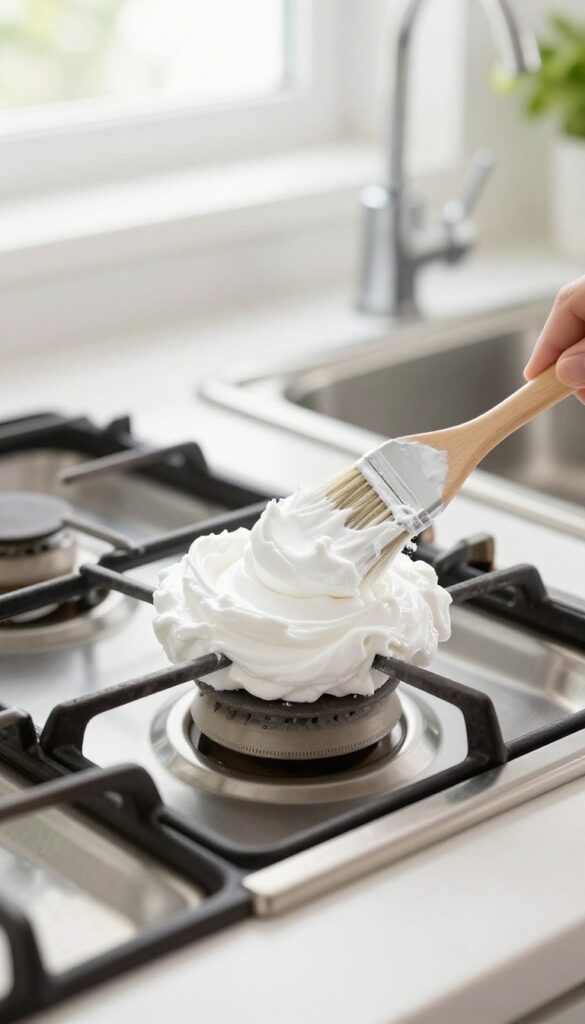
Baking soda is a gentle abrasive that cuts through grease without scratching metal. Mixed with water, it forms a paste that clings to grates and breaks down baked-on grime. This method is ideal for moderate buildup and works on both enamel and cast-iron grates.
Start by removing the grates from the stove and placing them on a flat surface. Mix ½ cup of baking soda with 2–3 tablespoons of water until you get a spreadable paste. Apply the paste generously over the greasy areas, then let it sit for 15–20 minutes.
The baking soda will start lifting the grease. After the wait, scrub with a non-abrasive sponge or an old toothbrush, focusing on crevices. Rinse with warm water and dry thoroughly before putting them back.
For extra-stubborn spots, add a few drops of dish soap to the paste.
Why It Works
Baking soda is alkaline, which helps neutralize acidic grease residues. Its fine particles provide gentle friction that lifts grime without scratching. The paste consistency keeps it in place, allowing the reaction time to work.
Tips For Best Results
Use warm water to mix the paste—it dissolves better. If the paste dries out during sitting, spritz with a little water. For heavy buildup, let it sit up to 30 minutes.
Always rinse thoroughly to avoid a white residue.
What To Avoid
Don't use steel wool or harsh scrubbers on enamel grates—they can chip the coating. Avoid leaving the paste on for too long (over an hour) as it may dry and become hard to remove.
2. Vinegar Soak for Burnt-On Food
When food has baked onto your grates so hard that scrubbing feels pointless, vinegar is your best friend. The acid in white vinegar breaks down stubborn carbon deposits without any harsh chemicals. All you need is a large container, some hot water, and a little patience.
How To Set Up The Soak
Find a container big enough to fully submerge your grates—a plastic tub, a deep baking dish, or even your kitchen sink works. Mix equal parts white vinegar and hot tap water. Place the grates in the solution, making sure they're completely covered.
Let them soak for at least 30 minutes. For extra-stubborn buildup, leave them for an hour or even overnight.
Scrubbing After The Soak
After soaking, the burnt-on food should be soft and easy to remove. Use a non-abrasive scrub brush or an old toothbrush to gently scrub away the loosened debris. For tight crevices, a nylon scrub pad works well.
Rinse thoroughly with warm water and dry completely before putting them back on the stove.
When To Avoid This Method
Vinegar is safe for most metal grates, but avoid using it on cast iron unless you plan to re-season them afterward. The acid can strip the seasoning. Also, if your grates are enamel-coated, check the manufacturer's instructions first—prolonged soaking in acid might damage the finish.
3. Dishwasher Tablets for Heavy-Duty Cleaning
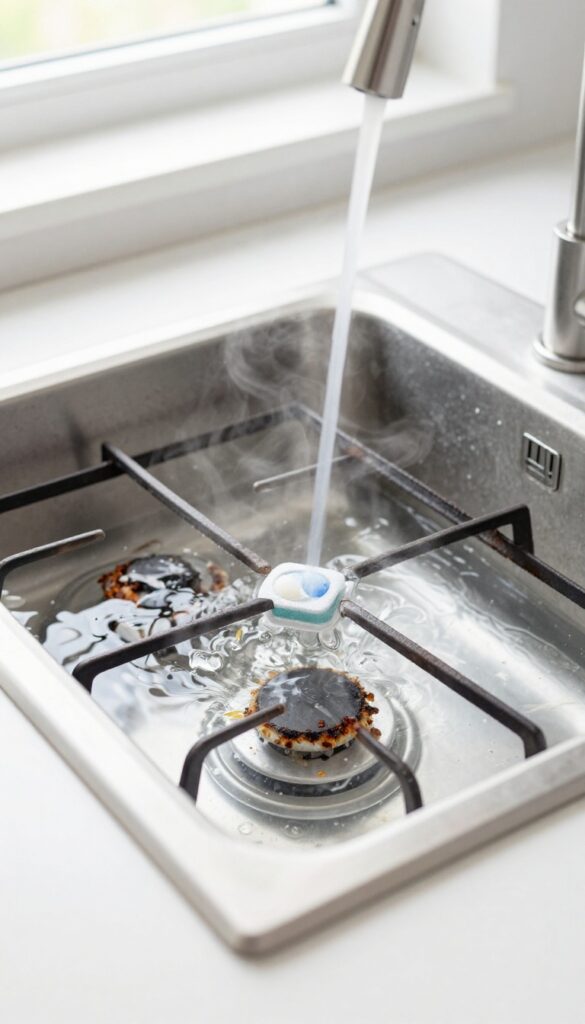
For those times when your grates look like they've been through a grease war, dishwasher tablets are a secret weapon. They're packed with enzymes and detergents designed to break down baked-on food, and they work just as well on stove grates as they do on dishes. This method is almost effortless—just drop, soak, and rinse.
Drop a dishwasher tablet into a sink or large basin filled with hot water. Place your grates in the water, making sure they're fully submerged. Let them soak for at least an hour—longer if the grates are extremely dirty.
The enzymes in the tablet will loosen the grease and burnt-on food, so when you pull the grates out, most of the grime rinses right off. For stubborn spots, a quick scrub with a soft brush or sponge is all you need. Rinse thoroughly and dry completely before putting them back on the stove.
Why Dishwasher Tablets Work So Well
Dishwasher tablets contain powerful surfactants and enzymes that target protein-based stains and grease. The hot water activates these ingredients, creating a cleaning solution that penetrates and dissolves tough residue. Unlike abrasive cleaners, they won't scratch the metal or porcelain finish of your grates.
Best Practices For Soaking
Use the hottest water you can safely handle—boiling water is fine if your sink or basin can take it. Make sure the tablet is fully dissolved before adding the grates. For extra-heavy buildup, use two tablets or let the grates soak overnight.
Check the water temperature periodically; if it cools down too much, the enzymes become less effective.
What To Avoid
Don't use this method on cast iron grates unless they are enamel-coated—the prolonged moisture can cause rust. Also, avoid using dishwasher tablets on aluminum grates, as the chemicals may cause discoloration. Always check your stove's manual for material-specific care instructions.
4. Ammonia Fume Trick for Baked-On Grime
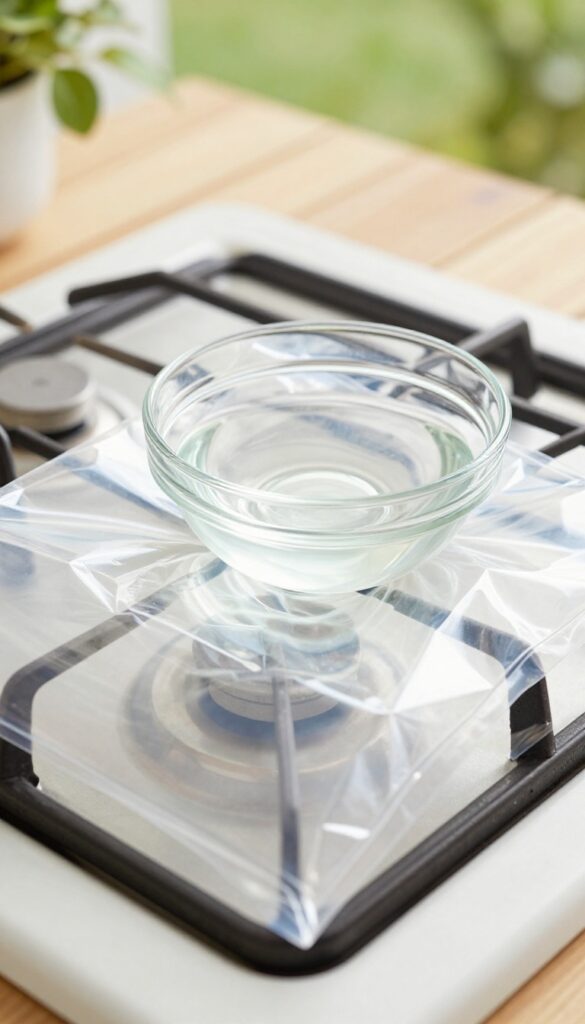
When scrubbing just won't cut it and your grates have layers of burnt-on crud, ammonia fumes can do the heavy lifting for you. This method uses the power of ammonia vapor to soften even the toughest grime without any elbow grease. It's a set-it-and-forget-it approach that works like magic, but you need to handle the ammonia with care.
How It Works
Ammonia gives off strong fumes that react with grease and baked-on food, breaking them down into a loose, soapy residue. By sealing the grates in a bag with a small dish of ammonia, the fumes concentrate and work overnight. The next morning, most of the grime rinses right off with water.
Safety First
Always do this outdoors or in a very well-ventilated area. Wear gloves and avoid inhaling the fumes. Use a sturdy plastic bag that won't leak, and place it somewhere out of reach of kids and pets.
Never mix ammonia with bleach or other cleaners.
Step-by-step Instructions
Place your gas stove grates inside a large, sealable plastic bag. Set a small bowl or cup with about 1/4 cup of clear ammonia in the bag, being careful not to spill. Seal the bag tightly and leave it outside overnight.
The next day, open the bag away from your face, remove the grates, and rinse them thoroughly with water. Scrub any remaining residue with a sponge, then dry completely.
5. Lemon and Salt Scrub for Light Cleaning
If your grates just have a thin layer of grease or some light discoloration, skip the heavy chemicals. A lemon and salt scrub is gentle enough for everyday grime but still tough on stuck-on bits. Plus, it leaves your kitchen smelling fresh instead of like a cleaning aisle.
This method is best for grates that aren't caked with burnt-on food. The lemon's citric acid breaks down grease, while the salt acts as a mild abrasive that won't scratch the metal. It's quick, cheap, and uses ingredients you probably already have.
How To Do It
Cut a lemon in half and sprinkle the cut side generously with coarse salt. Scrub the grate directly, applying a bit of pressure on any greasy spots. The salt will dissolve slightly as you work, creating a gentle paste.
Rinse the grate thoroughly with warm water and dry it immediately to prevent rust.
When To Use This Method
This scrub works best for routine maintenance or light cleaning between deeper soaks. If your grates have heavy carbon buildup or burnt-on residue, you'll need a stronger method first. But for weekly touch-ups, it's hard to beat.
Pro Tip
Use a lemon that's room temperature or slightly warm – it releases more juice and cuts grease more effectively. If your grates are porcelain-coated, test on a small area first to make sure the salt isn't too abrasive.
6. Boiling Water Method for Quick Clean
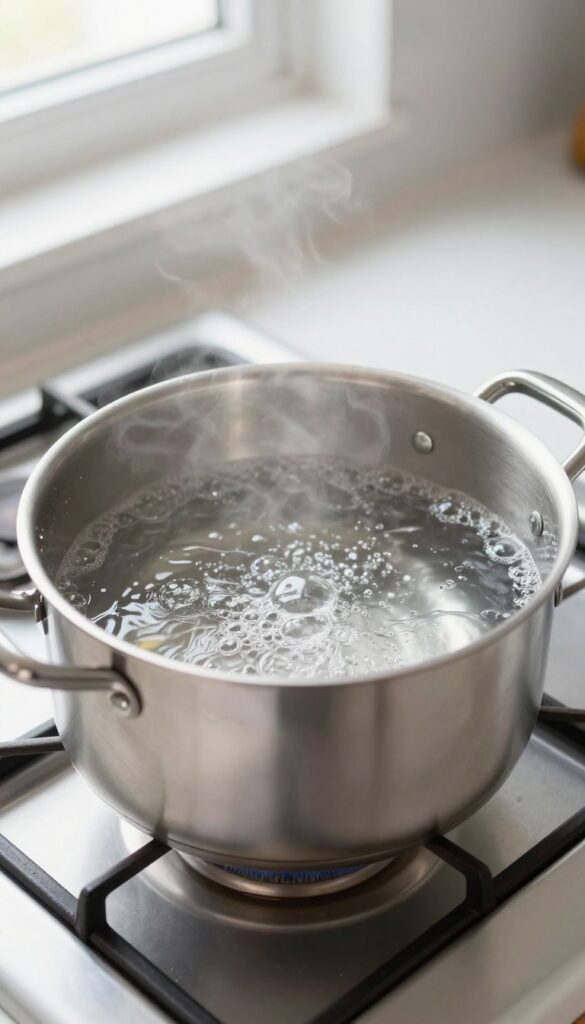
Sometimes the simplest method works best. If your grates are greasy but not caked with burnt-on food, boiling water can loosen the mess without any scrubbing. All you need is a large pot, water, and about 15 minutes.
This trick is perfect for a midweek refresh when you don't want to deal with chemicals or elbow grease.
Boiling water melts grease and makes it float to the surface. After cooling, a light wipe removes most residue. It's gentle on the grates and requires minimal effort.
What You'll Need
Grab your largest pot or stockpot—big enough to submerge the grates completely. Fill it with water and bring it to a rolling boil. You can add a squirt of dish soap for extra grease-cutting power, but it's optional.
Step-by-step Process
Carefully place the grates into the boiling water. Let them boil for 10 minutes. You'll see grease and grime rise to the surface.
Turn off the heat and let the water cool completely before handling. Once cool, remove the grates and scrub gently with a soft sponge or brush. Rinse with clean water and dry thoroughly.
When To Use This Method
This works best for grates with moderate grease buildup, not heavy charred residue. Avoid this method if your grates have plastic handles or parts that could melt. It's also a great first step before using other cleaning methods—boiling loosens the grime so subsequent steps are easier.
7. Cream of Tartar Paste for Stubborn Stains
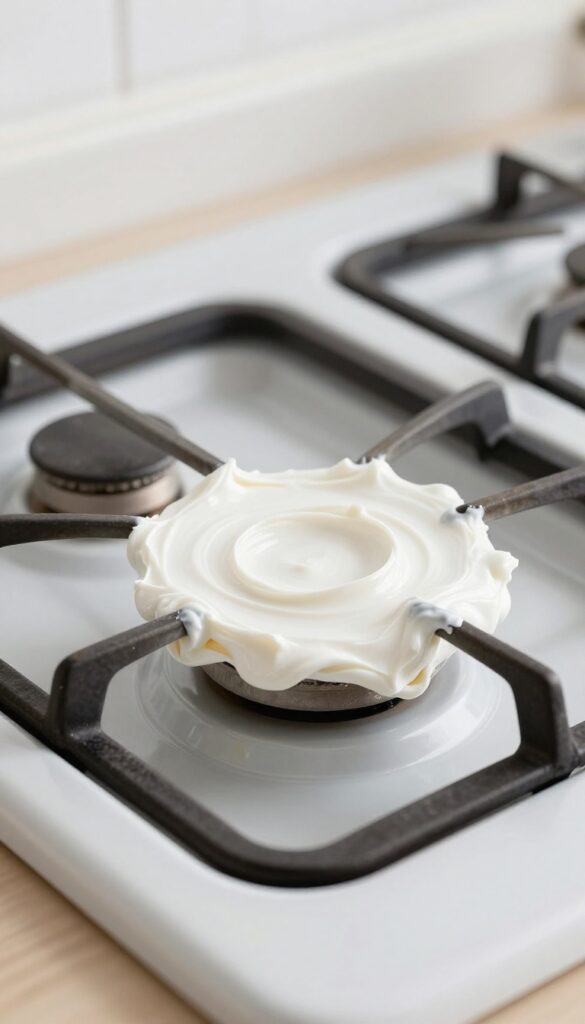
Cream of tartar is a pantry staple that often gets overlooked for cleaning. But when mixed with water, it forms a gentle abrasive paste that tackles discoloration and stubborn spots without scratching. This method is especially useful for porcelain or enamel-coated grates where you want to avoid harsh chemicals.
Cream of tartar is a mild acid that helps break down mineral deposits and baked-on stains. It's safe on most surfaces and leaves a clean, bright finish. For best results, use it on grates that are already free of heavy grease—it's a finishing touch rather than a deep cleaner.
Making The Paste
Combine two tablespoons of cream of tartar with just enough water to form a thick, spreadable paste. You want it to stick to the grate, not drip off. A small bowl and a spoon work fine.
Application And Wait Time
Apply the paste directly to stained areas using a soft cloth or your fingers. Let it sit for about 10 minutes. The cream of tartar needs time to react with the stains, so don't rush this step.
Wiping Clean
After 10 minutes, wipe the paste off with a damp cloth. For stubborn spots, gently scrub with a soft brush. Rinse the grate with water and dry it thoroughly.
You'll see a noticeable improvement in color and shine.
8. Hydrogen Peroxide and Baking Soda Combo
When stubborn, burnt-on spots refuse to budge, hydrogen peroxide and baking soda make a powerful pair. The peroxide activates the baking soda, creating a fizzy reaction that lifts grime without harsh scrubbing. It's especially effective on grates with baked-on residue from high-heat cooking.
This method is perfect for grates that have tough, crusty spots but aren't covered in heavy grease. The fizzing action helps break down the bond between the burnt food and the metal, so you don't have to scrub as hard. Plus, both ingredients are gentle enough for regular use without damaging the finish.
How To Apply The Combo
Start by removing the grates and placing them on a flat surface. Sprinkle a generous layer of baking soda over the entire surface, focusing on the dirtiest areas. Then, fill a spray bottle with hydrogen peroxide and spritz it directly onto the baking soda until it's damp but not soaking.
You should see it start to fizz immediately.
Let It Work And Scrub
Let the mixture sit for about 15 minutes. The fizzing will gradually subside as it works through the grime. After that, use a non-abrasive scrub brush or sponge to gently scrub the grates.
The loosened debris should come off easily. Rinse thoroughly with warm water and dry completely before putting them back on the stove.
When To Use This Trick
This combo is ideal for grates with moderate to heavy burnt-on food, especially if you've tried other methods without success. It's also a good choice if you prefer using non-toxic cleaners. Just avoid it on grates with a colored enamel finish, as the peroxide might cause fading over time.
9. Ketchup Trick for Rust Spots
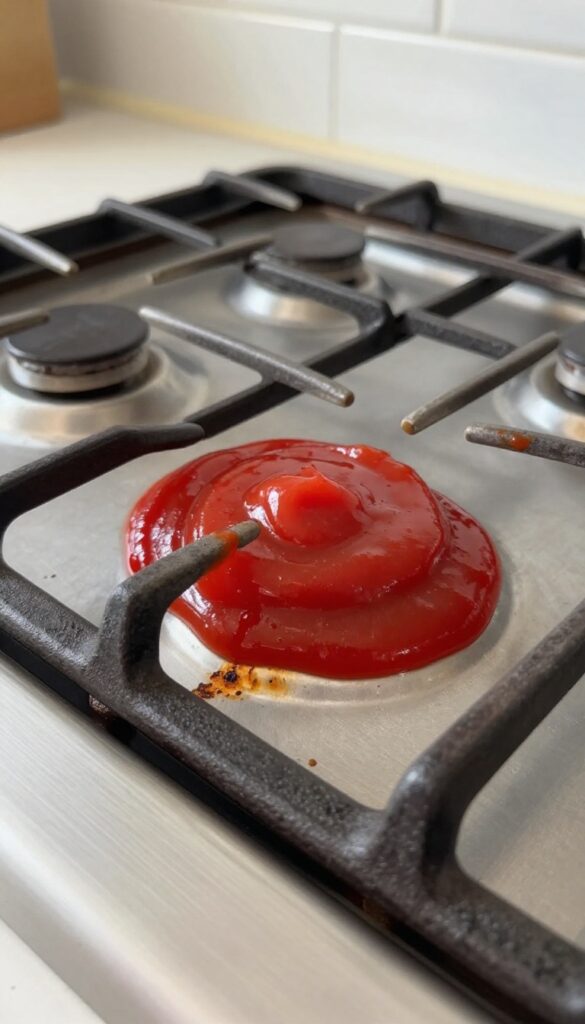
Rust on cast-iron or steel grates can make them look older than they are. Before you reach for harsh chemicals, grab that bottle of ketchup from your fridge. The acidity in ketchup works surprisingly well at dissolving light rust, and it's gentle enough not to damage the metal underneath.
Why Ketchup Works
Ketchup contains vinegar and tomato acids that react with iron oxide (rust) to break it down. This mild chemical reaction loosens the rust so you can wipe it away without scrubbing hard. It's most effective on surface rust, not deep pitting.
How To Apply It
Squeeze a generous layer of ketchup directly onto the rusty spots. Spread it around with a brush or your finger so it covers the area completely. Let it sit for 20 minutes—don't let it dry out.
If your kitchen is warm, check after 15 minutes.
Wiping And Finishing
After the wait, wipe off the ketchup with a damp cloth or sponge. Most of the rust should come off with it. For stubborn spots, scrub gently with a non-abrasive pad.
Rinse the grate thoroughly with water to remove any sticky residue, then dry it completely with a towel to prevent new rust.
10. Dryer Sheet Soak for Easy Wipe
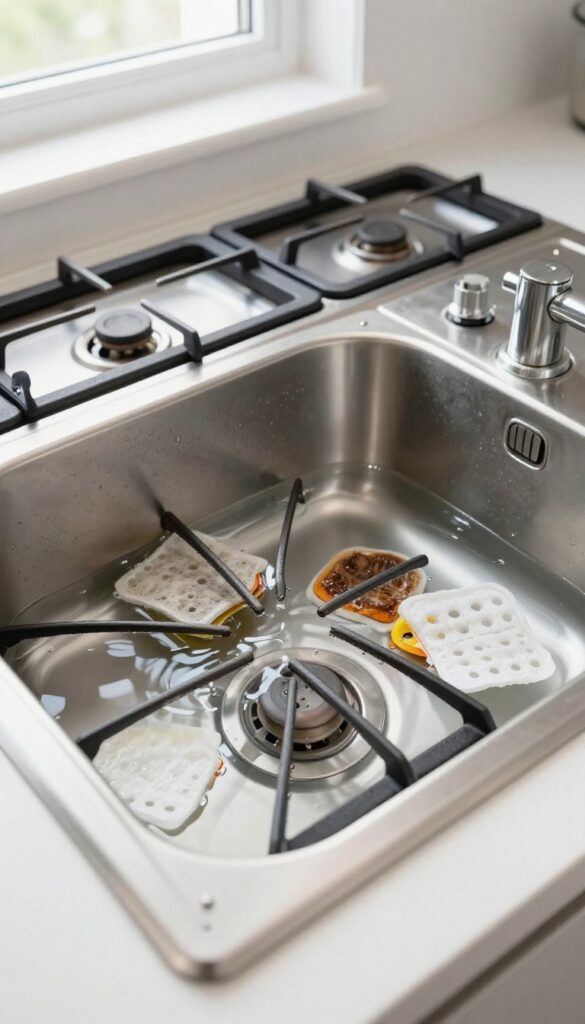
Used dryer sheets are great for more than just softening laundry. The fabric softener residue helps break down grease, making this soak a surprisingly effective method. It's perfect for grates with moderate buildup that aren't caked with burnt-on food.
How It Works
Fill your sink or a large basin with hot water. Add a few used dryer sheets—the more, the better. Submerge the grates completely and let them soak for at least an hour.
The hot water loosens grease, while the fabric softener helps lift it away from the metal.
Wipe Down
After soaking, remove the grates and wipe them with a sponge or cloth. Most of the grime should come off easily. For stubborn spots, use a dryer sheet as a scrubber—it's gentle enough not to scratch.
Rinse thoroughly with clean water and dry completely.
Best For
This trick works well on porcelain-coated or stainless steel grates. Avoid using it on cast iron unless the grates are enameled, as the moisture can promote rust. If your grates are heavily soiled, give them a longer soak or repeat the process.
11. Oven Cleaner Spray for Extreme Cases
When your grates are caked with layers of baked-on grease that nothing else seems to touch, it's time to bring out the heavy artillery. Oven cleaner is designed to dissolve the toughest grime, and it works just as well on gas stove grates. This method is fast and effective, but it does require some caution.
Use it only when gentler methods have failed, and always follow the safety instructions on the can.
Oven cleaner spray is a powerful degreaser that can cut through months of buildup in minutes. It's best reserved for grates that are heavily soiled or have never been deep-cleaned. The key is to let the chemicals do the work so you don't have to scrub.
How To Apply Oven Cleaner Safely
Start by removing the grates and taking them outside or to a well-ventilated area. Place them on a layer of newspaper or an old towel. Shake the oven cleaner can well, then spray an even coat over the entire surface of each grate.
Make sure to get into the crevices and corners. Let the cleaner sit for the time recommended on the label—usually around 15 minutes. Do not leave it longer than instructed, as it can damage the finish.
Rinsing And Final Cleanup
After the dwell time, rinse the grates thoroughly with hot water. Use a hose or a strong stream from your sink sprayer. You may need to scrub lightly with a soft brush to remove any remaining residue, but most of the grime should wash away.
Dry the grates completely with a clean cloth or let them air dry before putting them back on the stove.
Important Safety Precautions
Always wear rubber gloves to protect your skin from the harsh chemicals. Work in a well-ventilated area or outdoors to avoid inhaling fumes. Keep children and pets away during the process.
Never mix oven cleaner with other cleaning products, especially ammonia or bleach, as this can create toxic gases. If you have sensitive skin or respiratory issues, consider wearing a mask and long sleeves.
12. Steam Cleaning with a Kettle
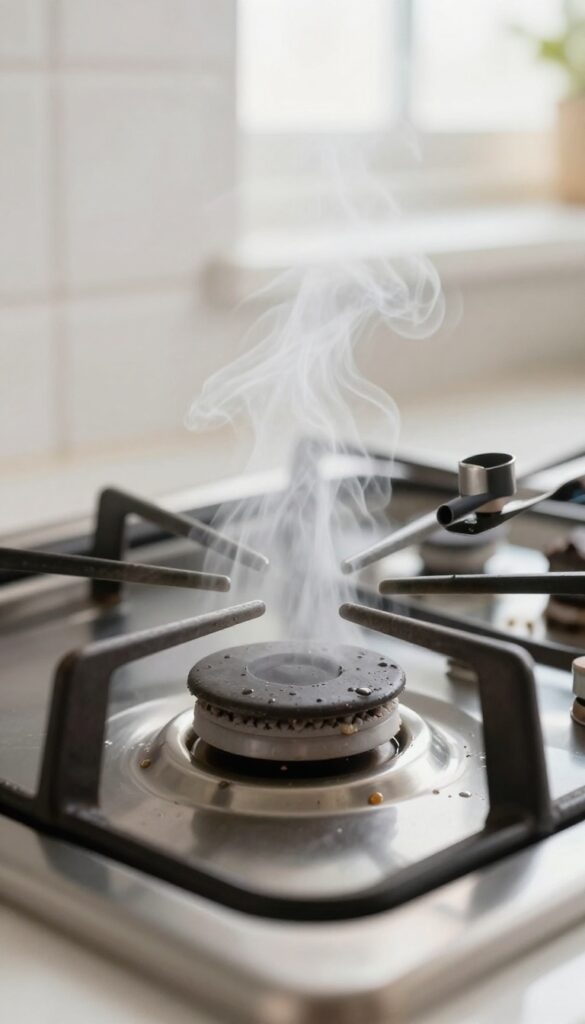
If you need a quick touch-up between deep cleans, steam cleaning with a kettle is surprisingly effective. The concentrated steam softens grease and stuck-on bits in seconds, making them easy to wipe away. It's a low-effort method that works best for moderately dirty grates.
Boil water in a kettle until steam pours steadily from the spout. Using tongs or an oven mitt, hold one grate at a time over the steam, angling it so the steam hits the greasy areas. Move the grate around to cover all sides.
After about 30 seconds, the grease will loosen. Wipe with a damp cloth or sponge. Repeat if needed.
Be careful not to burn yourself, and let the grate cool before handling further.
Why Steam Works
Steam penetrates grease and food residue without harsh chemicals. The heat softens the bonds between grime and metal, so wiping takes minimal effort. It's also safe for all grate materials, including cast iron and enamel.
Best Practices
Use a kettle with a narrow spout to concentrate the steam. Hold the grate at a slight angle so steam doesn't escape. For extra stubborn spots, let the steam hit the same area for a few extra seconds.
Always protect your hands with a thick mitt or tongs.
13. Regular Maintenance with a Degreaser
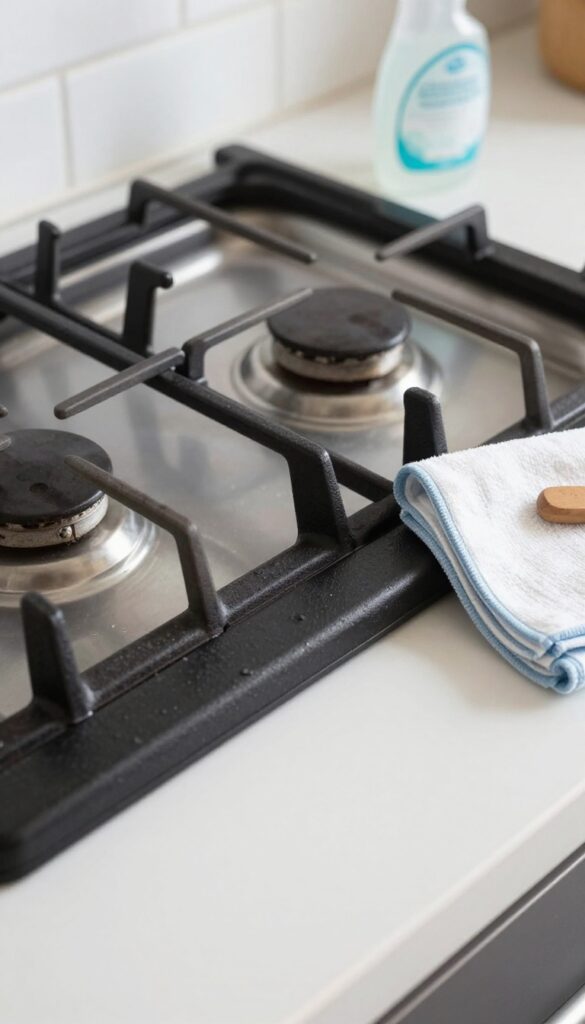
A little prevention goes a long way. Instead of waiting for grime to harden, a quick weekly wipe with a degreaser keeps your grates looking fresh with minimal effort. This simple habit saves you from heavy-duty scrubbing later.
Consistent maintenance is the easiest trick in the book. By incorporating a degreaser into your routine, you break down grease before it bakes on. This method works best for light to moderate use and helps maintain that just-cleaned look.
Choose The Right Degreaser
You don't need a commercial product. A mix of dish soap and warm water works well for daily upkeep. For tougher residue, a spray of white vinegar or a dedicated kitchen degreaser cuts through grease without harsh scrubbing.
Quick Wipe After Cooking
The best time to clean is right after you finish cooking. Let the grates cool slightly, then spray with degreaser and wipe with a soft cloth. This removes fresh spills instantly and prevents buildup.
Weekly Deep Wipe
Once a week, remove the grates and give them a thorough wipe with degreaser. Let the solution sit for a few minutes to loosen any stubborn spots. Rinse with water and dry completely to avoid water spots or rust.
FAQ
Can I put gas stove grates in the dishwasher?
It depends on the material. Porcelain-coated grates may chip, while cast iron can rust. Check the manufacturer's instructions.
Most experts recommend hand washing.
How often should I clean my gas stove grates?
For best results, give them a quick wipe after each use and a deep clean every 2–4 weeks, depending on how often you cook.
Will vinegar damage my stove grates?
White vinegar is safe for most metal grates, but avoid prolonged soaking on cast iron as it can remove seasoning. Rinse thoroughly afterward.
What's the best method for heavily burnt grates?
The ammonia fume trick or a dishwasher tablet soak works best for heavy buildup. For extreme cases, try oven cleaner spray with proper ventilation.
Can I use steel wool on my grates?
Steel wool can scratch porcelain or enamel finishes. Use a non-abrasive scrubber or nylon brush to avoid damage.
Conclusion
Cleaning gas stove grates doesn't have to be a dreaded chore. With these 13 tricks, you can choose the method that fits your schedule and the level of grime. Most use items you already have, so you can start right away.
Pick one trick and give it a try. Your stove will look better, and your kitchen will feel cleaner. Regular maintenance makes future cleanings even easier, so find a routine that works for you.