13 Oven Cleaning With Dishwasher Pods Tips for Grease
Your oven looks like a grease bomb went off inside, and the thought of scrubbing it for hours makes you want to close the door and walk away. But what if you could cut through that baked-on grime with something you already have in your laundry room?
Dishwasher pods aren't just for dishes—they're surprisingly effective at dissolving stubborn grease in the oven.
These 13 tips show you how to use them to tackle everything from the door glass to the oven racks, with minimal effort and maximum results.
1. Make a Paste for Stubborn Spots
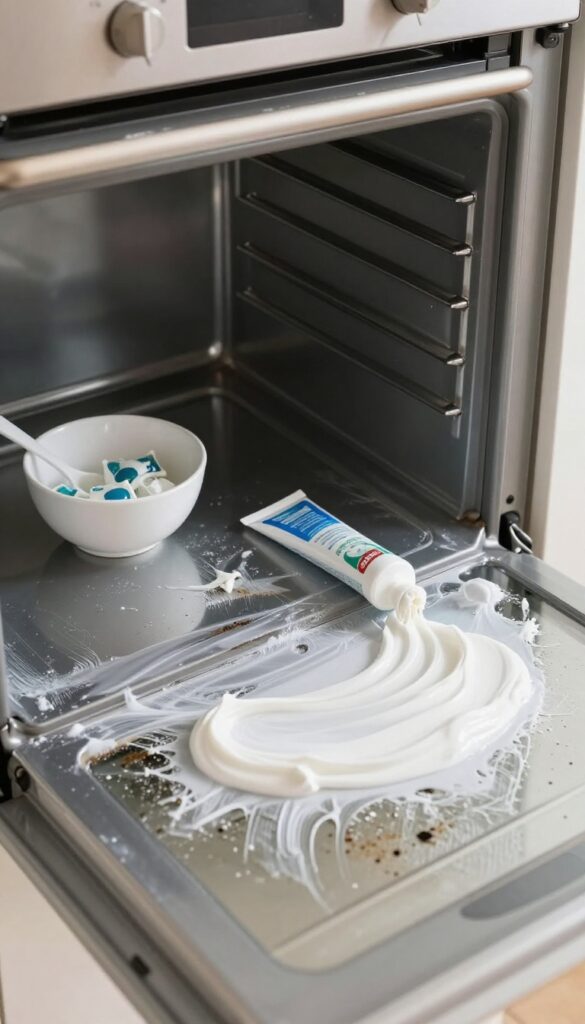
Some grease spots just won't budge no matter how hard you scrub. That's where a simple paste made from a dishwasher pod comes in. It's thicker than a spray, so it clings to vertical surfaces and really digs into baked-on grime.
Crush one dishwasher pod and mix with a little hot water to form a paste. Apply to greasy spots, let sit for 15 minutes, then wipe clean.
How To Make The Paste
Grab a single dishwasher pod—any brand works. Crush it up in a small bowl using the back of a spoon. Add just enough hot water to turn the powder into a thick, spreadable paste.
You want it about the consistency of toothpaste.
Where To Apply It
Focus on the worst offenders: the oven floor, the back wall, and around the heating element. Use a spatula or an old brush to smear the paste onto the grease. Don't worry if it drips a little—just wipe up any excess.
Let It Sit And Wipe
Give the paste 15 minutes to break down the grease. You'll see it start to dissolve and turn brown. Then take a damp sponge or cloth and wipe it all away.
For really tough spots, a gentle scrub with a non-abrasive pad helps.
2. Soak Oven Racks in a Tub
Oven racks are often the greasiest part of the oven. Scouring them by hand is tedious and rarely gets into all the nooks. A long soak in hot water with dishwasher pods does the heavy lifting for you, loosening years of baked-on grease overnight.
Fill a bathtub or large plastic bin with the hottest water from your tap. Drop in two dishwasher pods and stir until they dissolve. Submerge the oven racks completely, making sure no part is sticking out.
Let them soak overnight—or at least 8 hours. In the morning, the grease will have softened or floated off. Rinse the racks with clean water and wipe them dry.
For stubborn spots, a quick scrub with a soft brush will finish the job.
Why Dishwasher Pods Work On Grease
Dishwasher pods contain powerful surfactants and enzymes designed to break down food grease and starches. These same ingredients attack the carbonized grease on oven racks. The hot water activates the cleaning agents, while the long soak gives them time to penetrate and dissolve the grime.
Best Setup For A Deep Soak
Use a container large enough to hold the racks flat. A bathtub works well, but a heavy-duty plastic storage bin is easier to move and clean afterward. Make sure the water is as hot as possible—near boiling if your tap allows.
Two pods are usually enough for a standard set of racks, but add a third if the water cools quickly or the racks are extremely dirty.
After The Soak: Rinse And Shine
Once the soak is done, lift the racks out and rinse them thoroughly with a garden hose or in the shower. Use a nylon scrub brush on any remaining residue. Dry the racks with a clean towel to prevent water spots.
They'll look nearly new and be ready to slide back into the oven.
3. Use a Pod to Clean the Oven Door Glass
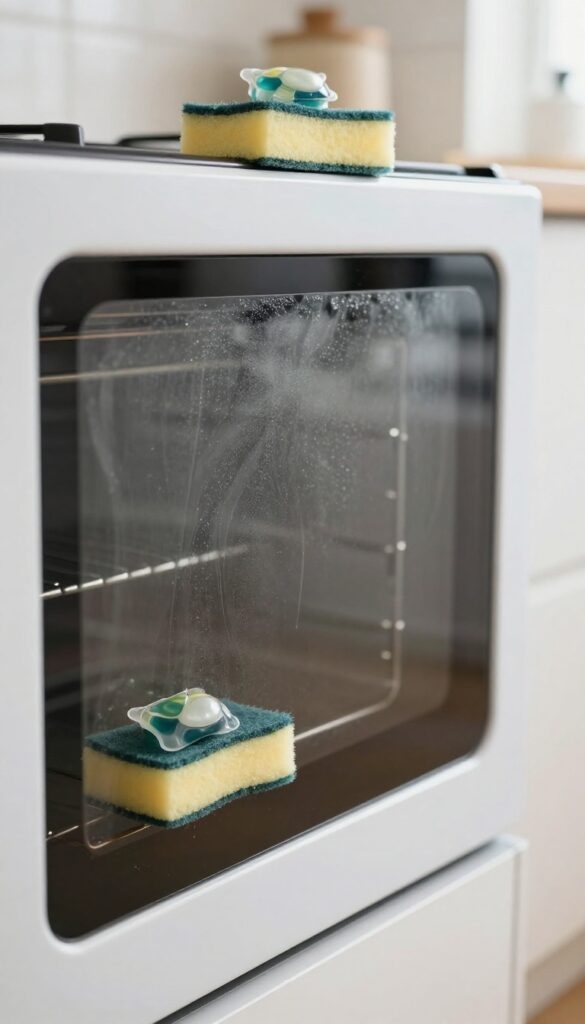
Oven door glass gets coated with a greasy film that makes it hard to check on your food without opening the door. Dishwasher pods can cut through that grime and leave the glass sparkling clean with almost no effort. You don't need any special glass cleaner—just one pod and a damp sponge are enough to get the job done.
Rub a damp sponge over a dishwasher pod to create suds, then scrub the glass. Let sit for 10 minutes, then wipe with a clean cloth for a streak-free shine.
Why It Works So Well
Dishwasher pods contain surfactants and enzymes that break down grease and baked-on food residue. When you rub the pod on a damp sponge, it releases a concentrated cleaning solution that clings to the glass and dissolves the greasy film.
Step-by-step Instructions
First, make sure the oven is cool and the glass is dry. Dampen a soft sponge, then rub the flat side of a dishwasher pod over it until you see suds. Scrub the glass in a circular motion, covering all the greasy areas.
Let the suds sit for 10 minutes so they can work on the grime. Then, wipe the glass clean with a damp microfiber cloth or paper towel. For a streak-free finish, buff the glass with a dry cloth.
Tips For Best Results
Avoid using abrasive scrubbers that could scratch the glass. If the grease is very thick, you may need to repeat the process. Work in a well-ventilated area, and rinse the sponge thoroughly after use to avoid residue.
4. Create a Spray Solution for Daily Maintenance
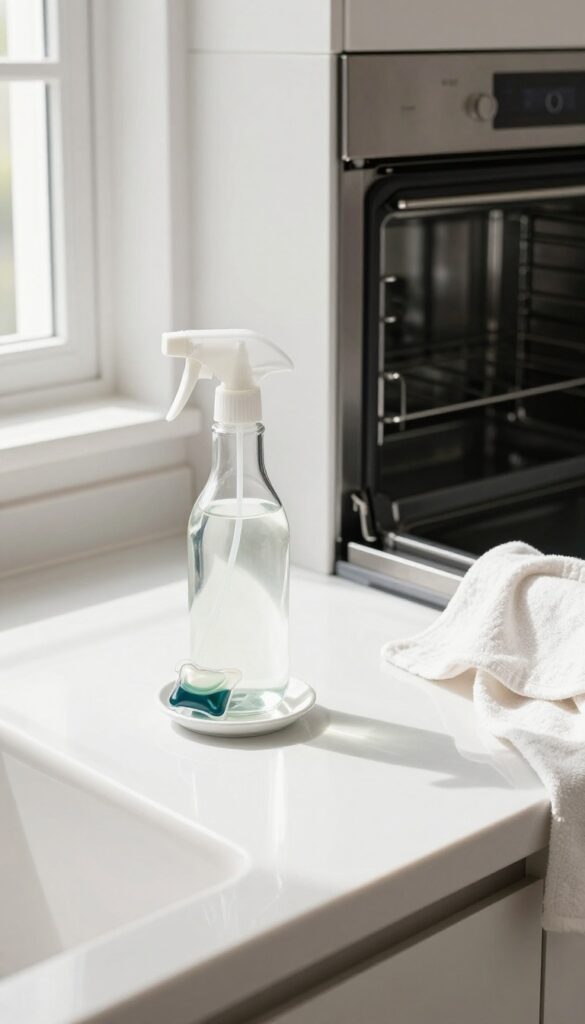
Not every grease situation requires a full oven scrub. Sometimes you just need a quick wipe-down after a messy roast or a splattered casserole. That's where a dishwasher pod spray solution comes in handy.
It's a simple way to keep grease from building up into a tough, baked-on layer.
This method turns a single dishwasher pod into an all-purpose degreaser spray. It's perfect for those in-between cleanings when you want to freshen up the oven without a big production. The enzymes and surfactants in the pod break down fresh grease quickly, so you can wipe it away with minimal effort.
How To Make The Spray
Drop one dishwasher pod into a clean 16-ounce spray bottle. Fill the bottle with warm water—hot water helps the pod dissolve faster. Screw on the nozzle and shake gently until the pod is fully dissolved.
The solution should look slightly cloudy but not chunky. Use it within a week for best results.
Best Uses For Quick Touch-ups
Spray the solution onto greasy spots on the oven walls, door, or stovetop. Let it sit for about five minutes so the enzymes can work. Then wipe with a damp cloth or sponge.
This works especially well on fresh splatters and light grease films. For heavy buildup, you'll still want a deeper clean.
Safety And Surface Tips
Always test the spray on a small hidden area first, especially if your oven has a special coating. Avoid spraying directly on heating elements or electrical parts. Rinse surfaces with a clean damp cloth after wiping to remove any residue.
This keeps your oven safe and streak-free.
5. Target the Oven Floor with a Pod Soak
The oven floor takes the brunt of spills and grease drips, often baking into a stubborn crust that resists regular cleaners. But a dishwasher pod can turn that crust into a soft, wipeable mess with hardly any elbow grease. This trick works best on fresh or moderate buildup—if your floor has layers of carbonized gunk, you might need multiple treatments.
Still, it's a fast, low-effort way to tackle one of the oven's toughest areas.
How The Pod Soak Works
Dishwasher pods contain powerful surfactants and enzymes designed to break down grease and food residue. When you place a pod directly on a greasy spot and add a few drops of water, it creates a concentrated cleaning paste that clings to the surface. The enzymes go to work loosening the baked-on grime, so you can wipe it away without heavy scrubbing.
Step-by-step: Applying The Pod
First, make sure the oven is cool and the floor is dry. Take one dishwasher pod and place it directly on the greasiest spot. Add 3–5 drops of water on top of the pod—just enough to moisten it without making it runny.
Let it sit for 20 minutes. You'll see the pod start to dissolve and the grease soften. After the wait, use a damp sponge or cloth to scrub the area gently, then wipe clean with a wet cloth.
Tips For Stubborn Spots
If a single soak doesn't remove all the buildup, repeat the process or let the pod sit longer—up to 30 minutes. For large greasy areas, you can crush the pod into a paste with a few drops of water and spread it with a spatula. Avoid using metal scrubbers, as they can scratch the oven floor.
A non-abrasive pad works best.
Safety And Cleanup
After scrubbing, wipe the floor thoroughly with a damp cloth to remove any pod residue. Run the oven on a low heat (200°F) for 10 minutes to dry any remaining moisture. Never use this method on a self-cleaning oven's high-heat cycle, as the pod chemicals could cause fumes.
Also, keep pets and kids away while the pod is sitting.
6. Clean the Oven Vent with a Pod Foam
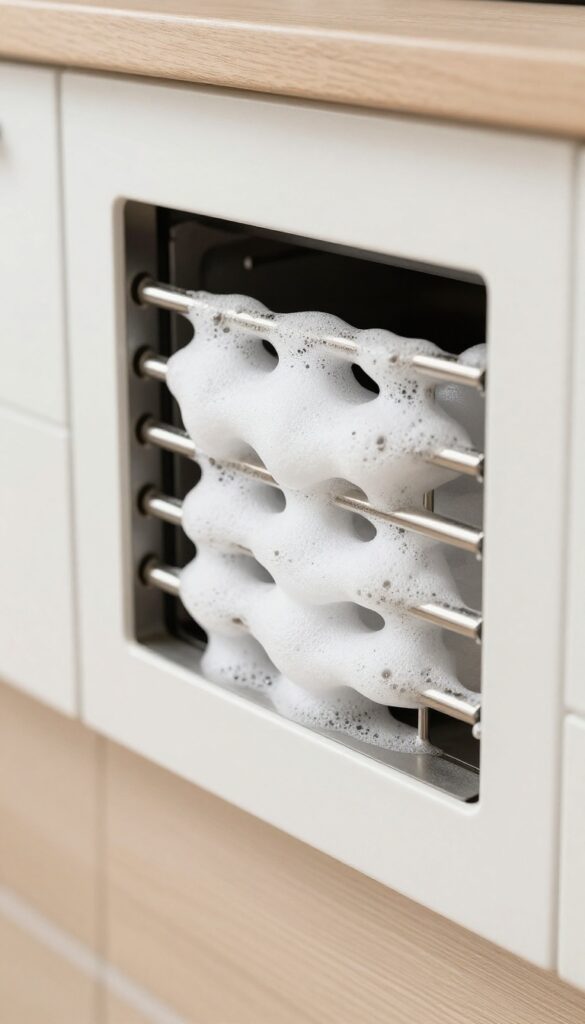
The oven vent is easy to overlook, but it collects grease and dust that can affect airflow and even cause odors. A quick foam treatment with a dishwasher pod can clear it out without disassembly. This method is gentle enough for the vent's delicate fins yet strong enough to dissolve built-up grime.
Crush one dishwasher pod into a small bowl and add a tablespoon of warm water to create a thick foam. Dip a soft brush (like a toothbrush or pastry brush) into the foam and apply it directly onto the vent slots and surrounding area. Let the foam sit for 10 minutes to break down the grease.
Then, wipe away the residue with a damp microfiber cloth. For stubborn spots, use the brush again before wiping. Avoid soaking the vent—just enough foam to coat the surface.
Finally, run the oven on a low heat for 5 minutes to dry any remaining moisture.
Why The Vent Gets So Greasy
Every time you roast or broil, grease particles travel with hot air and settle on the vent's metal fins. Over time, this layer hardens and traps dust, making the vent less efficient. Regular cleaning prevents that sticky buildup and keeps your oven smelling fresh.
The Foam Method Step By Step
Start by turning off the oven and letting it cool completely. Mix one crushed dishwasher pod with just enough warm water to form a thick foam—about a tablespoon. Use a small brush to apply the foam directly onto the vent slots, working it into the crevices.
Let it sit for 10 minutes. Then, wipe with a damp cloth, using the brush again on stubborn spots. Finish by wiping with a clean, dry cloth.
What To Avoid
Never spray or pour liquid directly into the vent—it can damage internal components. Stick to foam applied with a brush. Also, avoid abrasive scrubbers that could scratch the vent surface.
If the vent is removable, check your oven manual before taking it off; some are easy to pop out, others are fixed.
7. Remove Baked-On Grease from Oven Walls
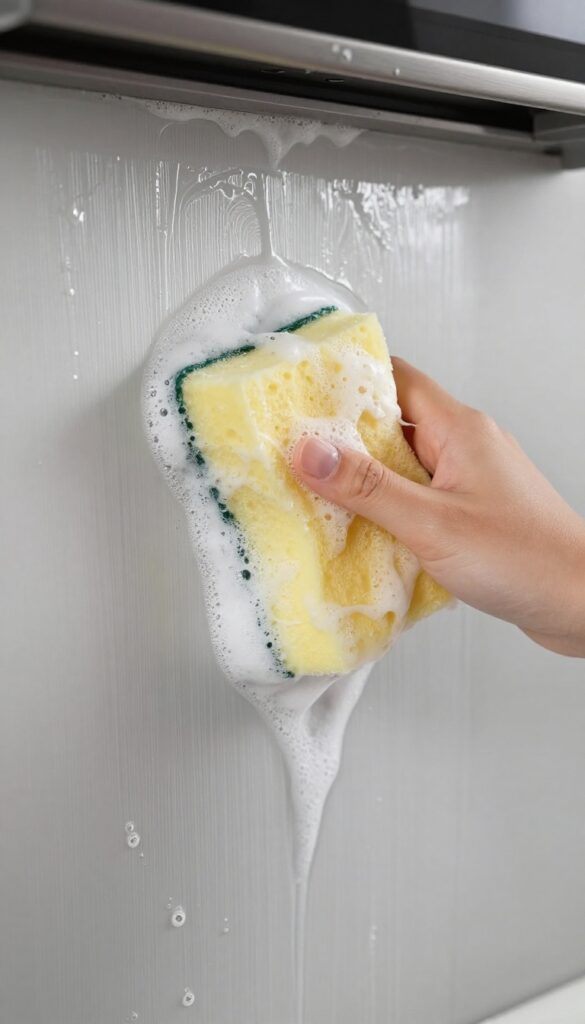
The sides of your oven often get overlooked, but they collect a stubborn layer of baked-on grease that can smoke and smell every time you cook. Dishwasher pods make quick work of this grime without requiring you to scrub until your arms ache. Here's how to use them to get those walls sparkling clean with minimal effort.
Why Dishwasher Pods Work On Oven Walls
Dishwasher pods contain enzymes and surfactants designed to break down tough, dried-on food. When you wet a sponge and rub it on the pod, you create a concentrated paste that clings to vertical surfaces. The enzymes go to work on the grease, loosening it so you can wipe it away without heavy scrubbing.
Step-by-step: Cleaning Oven Walls With A Pod
First, make sure the oven is cool. Wet a non-scratch sponge and rub it firmly on a dishwasher pod until you get a thick, soapy lather. Apply the lather directly to the greasy oven walls, spreading it evenly.
Let it sit for 10–15 minutes—the enzymes need time to break down the grease. Then, wipe the walls with a damp cloth, rinsing the sponge as needed. For tough spots, repeat the process.
Tips For Best Results On Vertical Surfaces
To prevent the paste from dripping, squeeze out excess water from the sponge before applying. Work in small sections so the solution doesn't dry out. If the grease is extra thick, use a soft-bristled brush to gently work the paste into the grime.
Always rinse thoroughly to avoid any residue that could smoke during future use.
8. Freshen Up the Oven Interior with a Pod Steam
Sometimes the oven just needs a quick refresh, not a full deep clean. A steam treatment with a dishwasher pod is a gentle way to loosen light grease and food residue without harsh scrubbing. The steam softens grime so you can wipe it away easily, making this method perfect for maintenance cleaning between heavy-duty sessions.
To start, fill an oven-safe bowl with about 2 cups of water and drop in one dishwasher pod. Place the bowl on the oven rack, close the door, and set the oven to 200°F (about 93°C). Let it run for 20 minutes—the steam will circulate and soften any grease or stuck-on bits.
After the time is up, turn off the oven and let it cool slightly. Then, simply wipe down the interior with a damp cloth or sponge. The grease should come off with minimal effort.
This method works best for light to moderate buildup. For heavy grease, you may need to repeat or follow up with a targeted scrub.
Why Steam Works So Well
Heat and moisture are a powerful combination for breaking down grease. The steam penetrates baked-on residue, making it swell and loosen from the oven walls. This reduces the need for abrasive scrubbing that can damage the enamel surface.
It’s also a safer alternative to harsh chemical sprays that release fumes.
Best Practices For The Steam Method
Use a sturdy ceramic or metal bowl—glass can crack under high heat. Make sure the pod is fully dissolved before placing the bowl in the oven; you can stir it in warm water first. Keep the oven door closed during the cycle to trap the steam.
After wiping, leave the door open for a few minutes to air out any moisture.
When To Use This Technique
This is ideal for routine maintenance after cooking greasy meals, or when you notice a faint burnt smell. It’s also a great first step before tackling stubborn spots—steam softens them, making later scrubbing much easier. Avoid using this method if your oven has a self-cleaning cycle feature that you plan to run soon, as the moisture could interfere.
9. Clean Oven Knobs and Handles
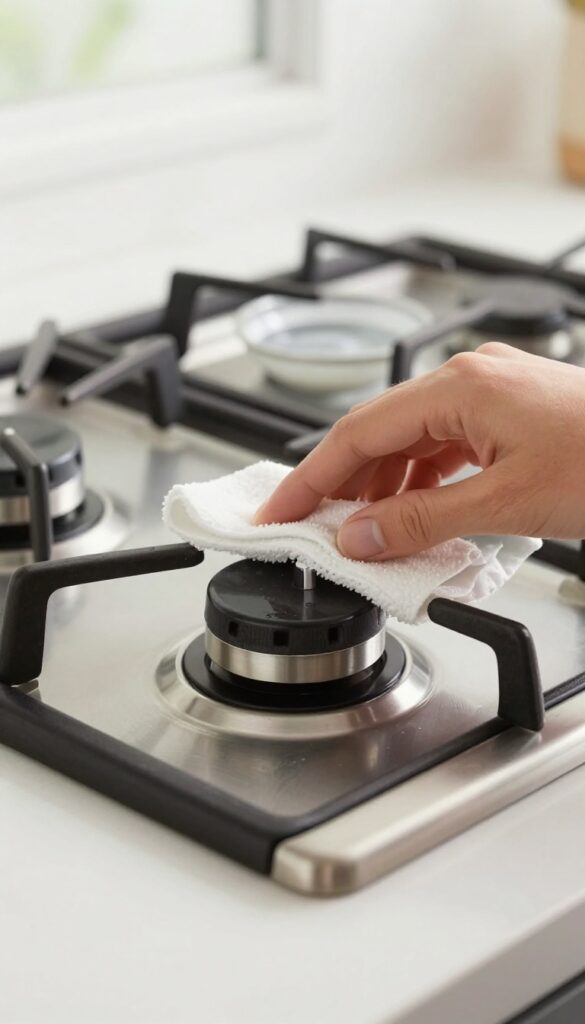
Knobs and handles are some of the most touched parts of your oven, but they also collect grease and grime from your hands. Dishwasher pods can cut through that buildup without damaging the finish. Just be careful not to soak any electrical components.
A simple solution of one dishwasher pod dissolved in warm water creates a powerful degreaser that's safe for most oven surfaces. Dip a soft cloth into the solution, wring it out so it's damp but not dripping, and wipe down each knob and handle. For stubborn spots, let the solution sit for a minute before wiping.
Then go over everything with a clean damp cloth to remove any soapy residue. Dry with a soft towel to prevent water spots.
What You'll Need
You only need a few things: one dishwasher pod, a bowl of warm water, a soft cloth, and a dry towel. That's it. No special cleaners or tools required.
Step-by-step Instructions
Fill a bowl with warm water and drop in one dishwasher pod. Let it dissolve completely, which takes about a minute. Dip a soft cloth into the solution and wring it out well.
Wipe each knob and handle, paying attention to crevices where grease hides. Rinse the cloth with clean water, wring it out, and wipe away any soap residue. Dry everything with a clean towel.
Tips For Best Results
Avoid using too much liquid, especially near electrical parts. If your knobs are removable, take them off and soak them in the solution for a few minutes before wiping. Always rinse thoroughly to prevent any film from forming.
Test on a small hidden area first if you're unsure about the finish.
10. Tackle Grease on the Oven Top
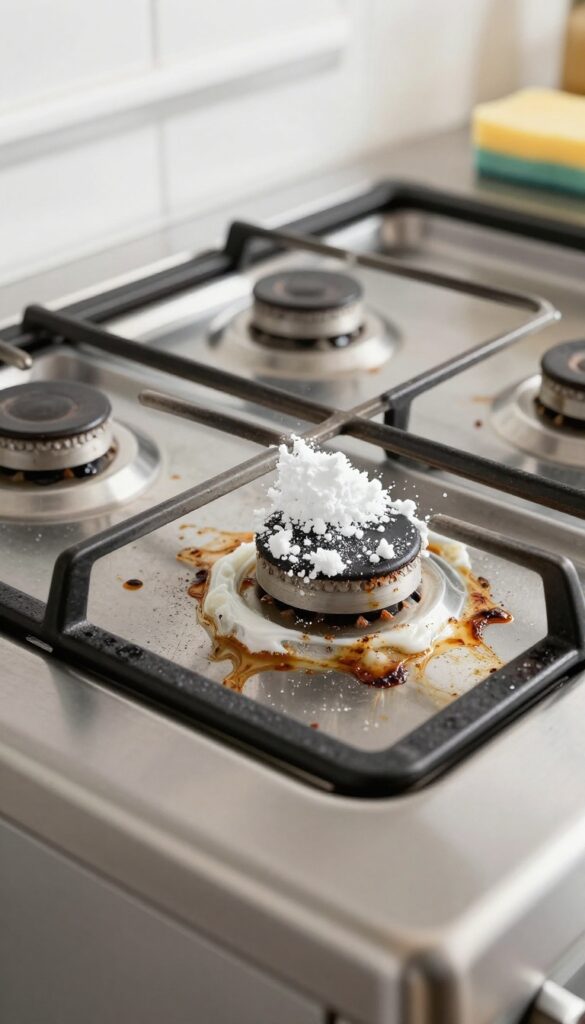
The stovetop collects splatters and spills from every meal, leaving behind a sticky layer of grease that can be tough to shift. Instead of reaching for harsh chemicals, try using crushed dishwasher pod powder to break down the grime. It's a simple trick that works surprisingly well on baked-on messes.
Make A Powerful Paste
Crush one dishwasher pod into a fine powder using a mortar and pestle or the back of a spoon. Sprinkle the powder directly onto the greasy areas of your stovetop. Add just enough water to form a thick paste, then spread it evenly over the stains.
Let It Work Its Magic
Allow the paste to sit for 15 minutes. The enzymes and surfactants in the pod will start breaking down the grease, loosening even stubborn burnt-on spots. You'll notice the paste turning slightly darker as it lifts the grime.
Scrub And Rinse Away
After the wait, use a non-abrasive sponge or soft scrub brush to work the paste into the surface. Rinse thoroughly with a damp cloth, then dry with a clean towel. Your stovetop should look noticeably cleaner with minimal elbow grease.
11. Use a Pod to Clean the Oven Light Cover
That little glass cover over your oven light might not seem like a big deal, but it can get coated with a hazy layer of grease that dims the light and looks grimy. Cleaning it is easy with a dishwasher pod, and it takes just a few minutes.
Remove the light cover by twisting or unclipping it (check your manual if it's stuck). Fill a small bowl with warm water and drop in half a dishwasher pod. Let the cover soak for about 10–15 minutes to loosen the grease.
After soaking, scrub gently with a soft sponge or cloth—avoid anything abrasive that could scratch the glass. Rinse thoroughly with clean water and dry with a lint-free towel before reattaching. Your oven will feel brighter and look cleaner with almost no effort.
Why The Light Cover Gets So Greasy
Every time you open the oven door, hot air and grease vapor rise and condense on the cooler surfaces, including the light cover. Over time, this creates a stubborn film that dims the light and looks unattractive. Since the cover is small and removable, it's a perfect candidate for a quick pod soak.
Step-by-step Soaking Method
First, make sure the oven is off and cool. Remove the light cover carefully—some twist off, others have a clip. Fill a bowl with warm water (not boiling) and add half a dishwasher pod.
Submerge the cover completely and let it sit for 10–15 minutes. The pod's enzymes will break down the grease without harsh scrubbing.
Rinsing And Drying Tips
After soaking, use a soft sponge or cloth to wipe away any remaining residue. Rinse the cover under cool running water to remove all soap. Dry it thoroughly with a microfiber cloth to prevent water spots.
Reattach it once it's completely dry to avoid moisture getting into the light socket.
12. Deep Clean the Oven Gasket
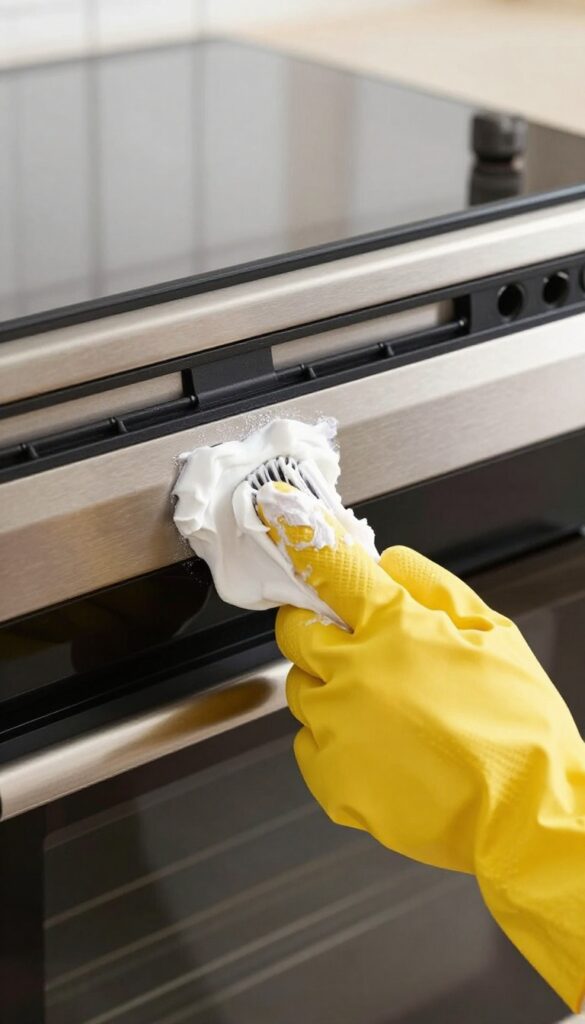
The oven gasket—that rubbery seal around the door—traps grease and food particles over time. A dirty gasket can compromise the seal, making your oven less efficient. Dishwasher pods offer a gentle but effective way to clean it without damaging the material.
Crush one dishwasher pod into a fine powder and mix with a tablespoon of water to form a thick paste. Apply the paste directly onto the gasket using an old toothbrush or your fingers, focusing on greasy spots. Let it sit for 10 minutes to break down the grime.
Then, wipe the gasket thoroughly with a damp microfiber cloth. Avoid soaking the gasket—excess moisture can seep into the seal and cause damage. For stubborn residue, gently scrub with the toothbrush before wiping.
Finally, dry the gasket with a clean cloth to prevent mold or mildew.
Why The Gasket Gets So Grimy
Every time you open the oven door, steam and grease particles escape and settle on the gasket. Over time, this creates a sticky, dark buildup that can even start to smell. Because the gasket is flexible and sensitive, harsh chemical cleaners can cause it to crack or lose its seal.
Dishwasher pods are mild enough to use but strong enough to cut through the grease.
Step-by-step: Paste Application
Start by crushing one pod into a bowl and adding just enough water to form a spreadable paste. Use a disposable glove or a brush to apply it evenly along the entire gasket. Pay extra attention to the bottom edge where grease tends to pool.
Let the paste work for exactly 10 minutes—any longer and the paste may dry out, making it harder to remove.
Wiping And Drying Tips
After the paste has sat, dampen a microfiber cloth with warm water and wipe the gasket in a single direction to avoid pushing grease back into the seal. If you see residue, repeat the wipe with a fresh section of cloth. Once clean, use a dry cloth to absorb any remaining moisture.
Leave the oven door open for 15 minutes to air-dry completely before closing.
13. Maintain a Grease-Free Oven with Regular Pod Wipes
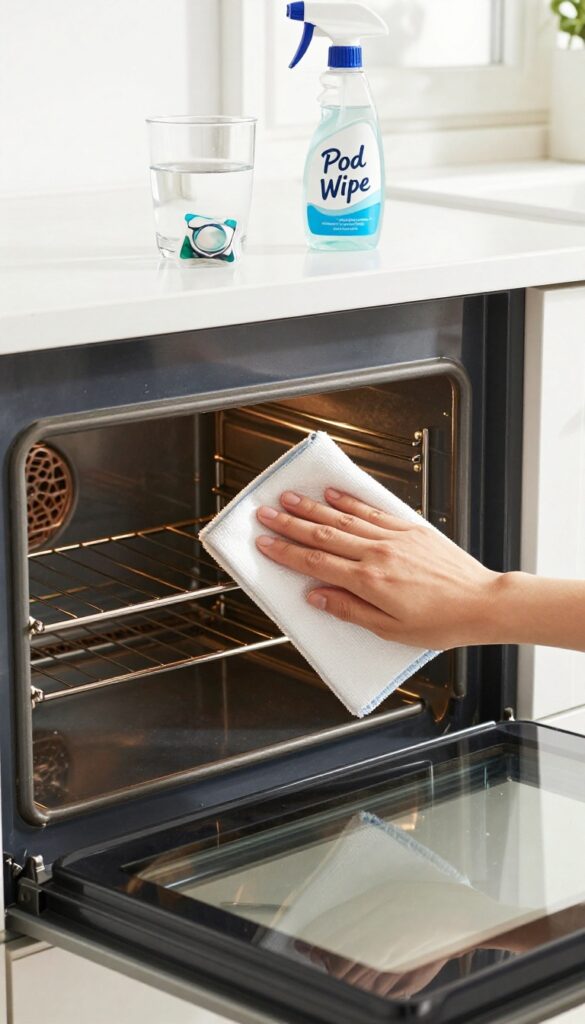
You don't have to wait until grease is caked on to bring out the heavy artillery. A quick wipe after each use with a dishwasher pod solution stops grime from building up in the first place. This habit turns a dreaded chore into a 30-second task that keeps your oven looking great.
Make Your Own Pod Wipe Solution
Drop one dishwasher pod into a spray bottle filled with warm water. Let it dissolve completely, then shake gently. This creates a ready-to-use degreaser that's gentle enough for daily use but tough on fresh splatters.
Label the bottle so you don't mistake it for something else.
The Right Way To Wipe
Wait until the oven is cool enough to touch. Dip a soft microfiber cloth into the solution, wring it out so it's damp—not dripping—and wipe down the interior walls, floor, and door. Avoid soaking the heating elements.
For stubborn spots, let the cloth sit on the area for a minute before wiping.
Keep A Routine Going
Make this wipe part of your post-cooking cleanup, just like washing pots and pans. After roasting or baking, once the oven cools, give it a quick once-over. You'll notice less smoke and fewer smells during future cooking sessions.
Plus, you'll save yourself from ever needing a deep scrub again.
FAQ
Are dishwasher pods safe for self-cleaning ovens?
Yes, but avoid using them during the self-cleaning cycle. Use them only for manual cleaning on cool surfaces.
Can I use any brand of dishwasher pod?
Most brands work, but gel or liquid pods are easier to dissolve. Avoid tablets that don't break down well.
Will dishwasher pods damage oven surfaces?
They are generally safe for enamel and glass. Test on a small area first, and avoid prolonged contact with aluminum.
How often should I clean my oven with pods?
For light use, once a month is enough. For heavy grease, every two weeks or as needed.
Do I need to rinse after using dishwasher pods?
Yes, always rinse with a damp cloth to remove any residue, then dry thoroughly.
Conclusion
Dishwasher pods aren't just for dishes—they're a surprisingly effective weapon against baked-on oven grease. Start with the method that matches your oven's grime level, whether it's a quick wipe or a full overnight soak. A little experimentation will show you which approach works best for your situation.
Once you find your go-to technique, cleaning becomes almost effortless. You'll save money on specialty cleaners and get a sparkling oven without harsh fumes. Give one of these tips a try this weekend—your future self will thank you when you see that gleaming interior.