13 Cleaning a Dishwasher Steps for Odor and Buildup
Your dishwasher works hard, but over time, trapped food particles, grease, and hard water minerals create funky odors and visible buildup. That stale smell every time you open the door? It's a sign your machine needs a deep clean—not just a rinse cycle.
These 13 steps tackle every nook and cranny, from the filter to the spray arms, using simple household supplies. You'll banish smells, improve performance, and extend your dishwasher's life without calling a repair pro.
Ready to make that machine smell fresh again? Let's get started.
1. Empty and Inspect the Dishwasher
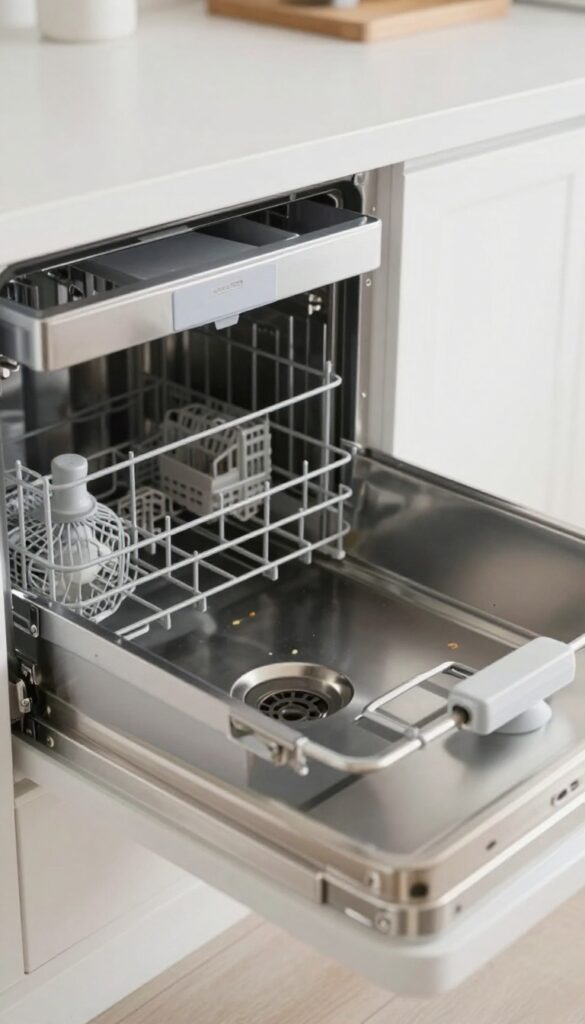
Before you start scrubbing, take everything out. That means dishes, silverware, racks, and utensil baskets. A clean slate lets you see what you're dealing with and prevents any stray bits from getting in the way of your deep clean.
Check The Bottom For Debris
Once the dishwasher is empty, pull out the bottom rack and look at the sump area—the basin at the bottom. You'll often find food scraps, broken glass, or small items like bottle caps. Use a damp paper towel or a gloved hand to remove anything loose.
This simple step stops clogs and ensures your cleaning solution reaches every corner.
Inspect The Drain And Filter
Most dishwashers have a removable filter or a mesh screen near the drain. Take it out and rinse it under hot water. If it's greasy or caked with debris, use a soft brush and mild soap.
A clean filter prevents odors and helps your machine drain properly.
Look At The Spray Arms
Spin the spray arms to make sure they move freely. Check the holes for any blockages—stuck food or mineral deposits can reduce water pressure. If you see buildup, you'll address it later in the cleaning process.
For now, just note any problem areas.
2. Scrub the Door Gasket
That rubber seal around your dishwasher door does more than keep water inside. It's a prime spot for mold, mildew, and grime because moisture and food bits get trapped in its folds. Over time, this leads to that musty smell every time you open the door.
Cleaning it regularly keeps odors away and prevents the gasket from degrading.
What You'll Need
Grab a soft cloth or sponge, mild dish soap, warm water, and an old toothbrush for getting into crevices. Avoid harsh chemicals or abrasive scrubbers that could damage the rubber.
Step-by-step Cleaning
Dip the cloth in soapy water and wipe the entire gasket, pulling it gently to expose the folds. Use the toothbrush to scrub along the inner lip where gunk hides. Rinse with a damp cloth to remove soap residue.
How Often To Do This
Aim to clean the gasket once a month. If you notice visible mold or a persistent smell, do it more frequently. Keeping it dry between cycles also helps—leave the door slightly ajar after running a load.
3. Clean the Dishwasher Filter
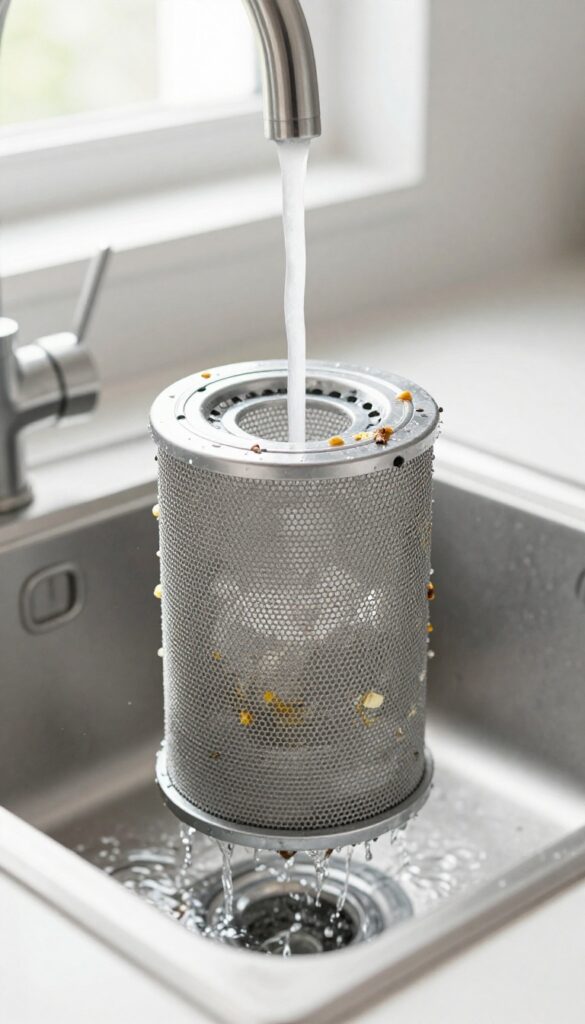
Most people forget the dishwasher even has a filter. But that little mesh cylinder or flat screen at the bottom of the tub catches everything—scraps of food, broken glass, even stray toothpicks. When it gets clogged, water can't drain properly, and trapped debris starts to rot.
That's a direct ticket to sour smells and cloudy dishes.
Where To Find It
Open the bottom rack and look in the back corner or around the spray arm base. Many filters twist out counterclockwise or lift straight up. Some models have a coarse outer screen and a fine inner mesh—both need cleaning.
How To Clean It
Rinse the filter under hot running water to wash away loose gunk. Use a soft brush (an old toothbrush works great) to gently scrub the mesh. Avoid hard scrubbing that could tear the screen.
For stubborn grease, soak the filter in hot, soapy water for 10 minutes before rinsing.
How Often To Do This
Check the filter once a month. If you run the dishwasher daily or pre-rinse dishes lightly, you might need to clean it every two weeks. A clean filter means better drainage, less odor, and cleaner dishes.
4. Remove and Soak the Spray Arms
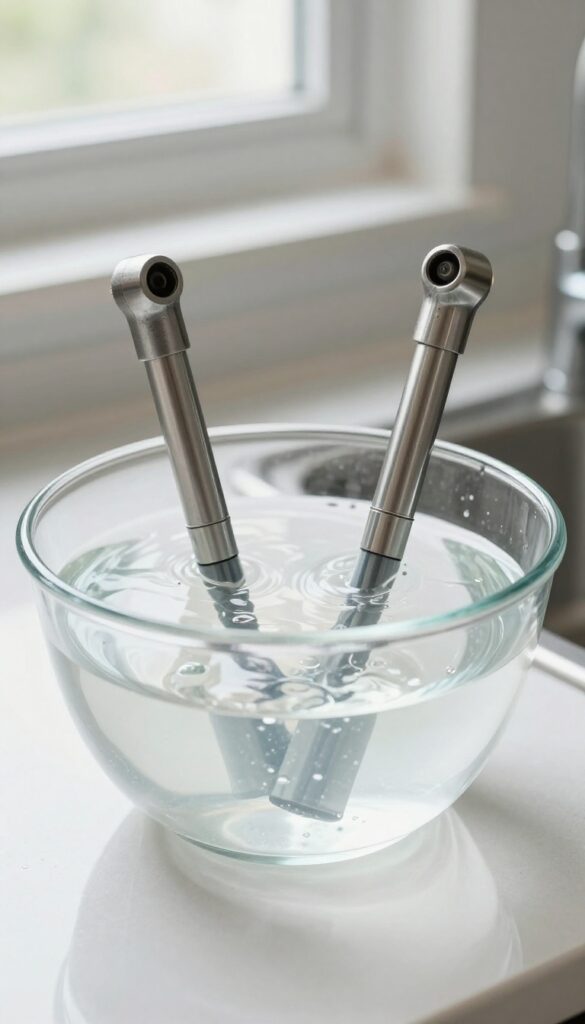
Spray arms are the workhorses of your dishwasher, but they can get clogged with mineral deposits and debris over time. When the nozzles are blocked, water can't reach every dish, leaving you with spots and residue. Giving them a good soak clears out the gunk and restores full spray power.
Start by locating the spray arms—usually one at the bottom and one in the middle or top. Most are held in place by a nut or clip; unscrew or unclip them carefully. If they're stuck, check your manual for removal instructions.
Once removed, fill a bowl or sink with equal parts white vinegar and warm water, then submerge the arms for about 30 minutes. The vinegar dissolves hard water scale and loosens debris. After soaking, use a toothpick or a thin wire to poke through each nozzle, dislodging any stubborn bits.
Rinse the arms under running water and reattach them securely. You'll notice a big difference in water pressure and cleanliness.
Check For Blockages
Before soaking, inspect the spray arm nozzles under bright light. Look for white crust (mineral deposits) or dark specks (food debris). A toothpick is perfect for clearing each hole—just be gentle to avoid widening the openings.
Soak Time Matters
Thirty minutes in a vinegar solution is usually enough, but if your water is very hard, let them soak for an hour. For extra stubborn buildup, heat the vinegar slightly (not boiling) to boost its cleaning power.
Reinstall Correctly
When putting the spray arms back, make sure they spin freely. A jammed arm won't distribute water properly. Give them a gentle spin by hand after reattaching to confirm they move without resistance.
5. Wipe Down the Interior Walls
You've tackled the filter and spray arms, but don't stop there. The interior walls, door, and sides of your dishwasher collect grime, grease, and soap scum over time. A quick wipe-down removes residue that can trap odors and affect cleaning performance.
Grab a sponge or soft cloth and warm, soapy water. Avoid abrasive scrubbers that could scratch the stainless steel or plastic surfaces. Work from top to bottom, paying extra attention to corners and crevices where gunk hides.
For stubborn spots, a paste of baking soda and water works wonders. Rinse the sponge frequently and do a final wipe with clean water to remove any soap residue. This step not only freshens the interior but also helps prevent future buildup.
Focus On The Door And Edges
The inside of the door often gets overlooked. Food particles and soap scum collect along the bottom edge and around the detergent dispenser. Use an old toothbrush to scrub the dispenser recess and the door gasket area (but be gentle on the rubber).
Wipe the door panel thoroughly, including the top edge where steam can leave mineral deposits.
Don't Forget The Ceiling And Corners
Grease and condensation can leave a film on the top interior surface. Use a step stool if needed to reach the ceiling of the dishwasher. Also, clean the corners where the walls meet the bottom—these pockets trap debris and moisture, leading to mold and mildew.
6. Run a Vinegar Cycle
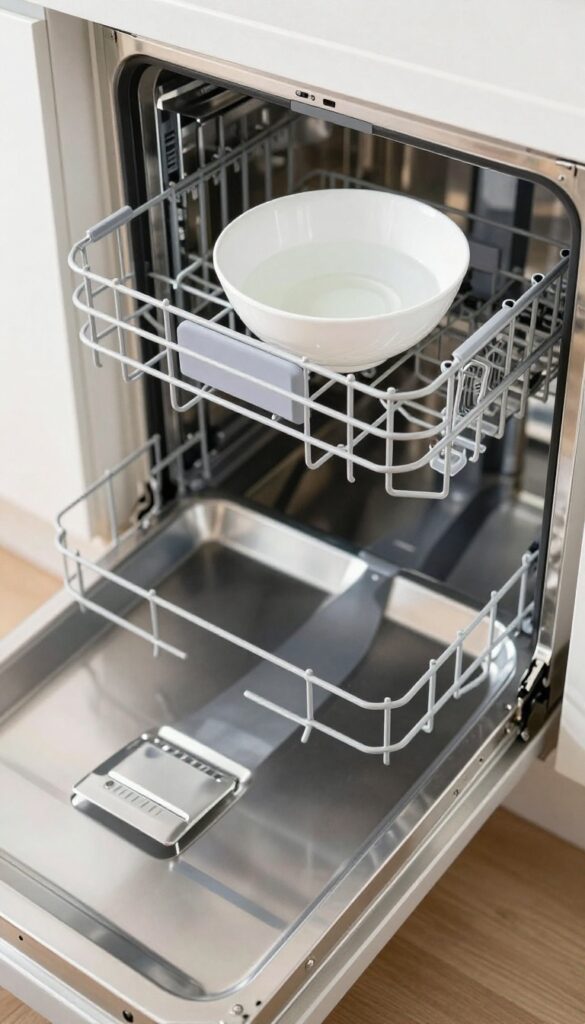
White vinegar is a powerhouse for cutting through grease, dissolving mineral deposits, and neutralizing odors. It's cheap, natural, and surprisingly effective at giving your dishwasher a deep clean without harsh chemicals. Here's how to use it properly.
A vinegar cycle is simple but works best when done right. Start by placing a dishwasher-safe bowl or cup filled with one cup of white vinegar on the top rack. Don't just pour vinegar into the bottom—it can damage rubber seals if it pools there.
Then run a hot water cycle (usually the pots and pans or heavy-duty setting) without any dishes inside. The vinegar will circulate, breaking down grime and leaving your machine fresh. For stubborn buildup, let the cycle run for about 5 minutes, then pause it for 15 minutes to let the vinegar soak before resuming.
Do this monthly to keep odors at bay.
Why Vinegar Works
Vinegar is acidic enough to dissolve hard water scale and soap scum, but gentle on dishwasher components. It also kills some bacteria and mold spores that cause smells. Unlike bleach, it won't damage stainless steel interiors or leave harsh fumes.
When Not To Use Vinegar
Avoid vinegar if you have a newer dishwasher with rubber seals that might degrade over time (check the manual). Also, skip it if you've just used bleach—mixing the two creates toxic chlorine gas. Stick to vinegar-only cycles, and never combine with other cleaners.
Pro Tip: Boost The Clean
For extra dirty machines, sprinkle a tablespoon of baking soda on the bottom of the dishwasher before starting the vinegar cycle. The fizzing action helps loosen stuck-on grime. Just don't mix them in the same cup—add them separately.
7. Sprinkle Baking Soda for a Second Cycle
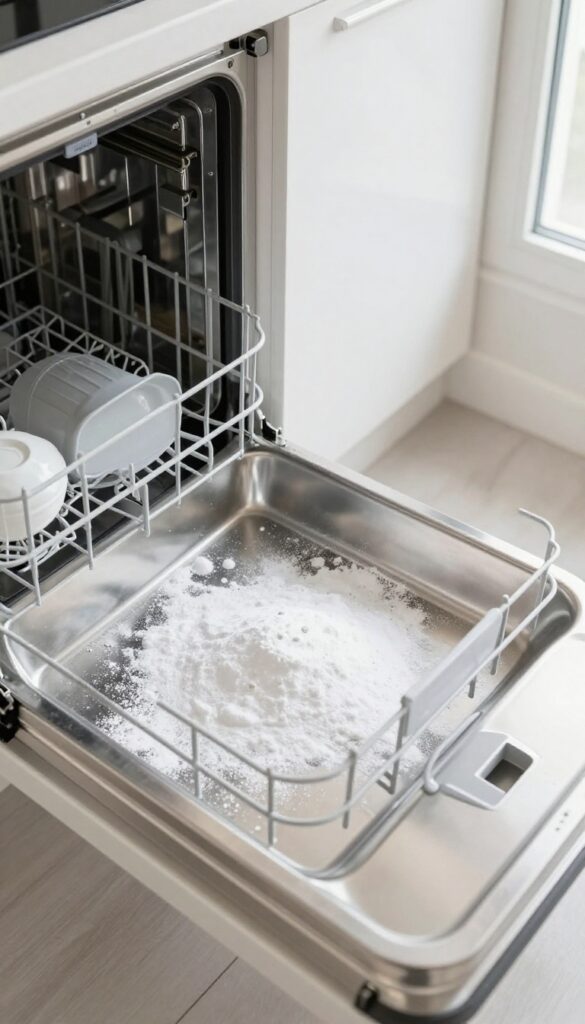
The vinegar cycle did a great job cutting through grease and dissolving mineral deposits, but it can leave behind a faint sour smell. Baking soda is the perfect follow-up—it's a natural deodorizer that neutralizes odors without harsh chemicals. This second cycle polishes the interior and leaves your dishwasher smelling fresh, not like a salad dressing.
After the hot vinegar cycle finishes, don't open the door right away. Let the machine cool for a few minutes, then sprinkle one cup of baking soda evenly across the bottom of the dishwasher. Choose a short, hot cycle—like the rinse or quick wash setting—and let it run.
The baking soda will dissolve and work its way through the interior, absorbing lingering smells and giving the surfaces a gentle polish. When the cycle ends, open the door and let it air out for a few minutes. You'll notice a clean, neutral scent, and the interior will look brighter.
For extra freshness, you can wipe down the door edges and gasket with a damp cloth afterward.
Why Baking Soda Works So Well
Baking soda is mildly alkaline, which helps neutralize acidic odors left behind by vinegar and food residue. It's also a gentle abrasive, so it can help lift light stains and film from the dishwasher walls without scratching. Unlike commercial deodorizers, it leaves no artificial fragrance—just a clean, fresh smell.
When To Use This Step
This baking soda cycle is best done immediately after the vinegar cycle, but you can also use it on its own for a quick refresh between deep cleans. If your dishwasher gets heavy use, aim to do this step once a month. For lighter use, every two to three months is enough to keep odors at bay.
Pro Tips For Best Results
Make sure the dishwasher is empty before starting—no dishes, no racks full of utensils. Use plain baking soda, not baking powder or a scented version. If you have hard water, you can add a tablespoon of citric acid powder along with the baking soda for extra descaling power, but that's optional.
8. Clean the Silverware Basket and Utensil Holders
The silverware basket is a magnet for trapped food bits and grime. Over time, these leftovers break down and contribute to that musty smell. Giving it a proper scrub is a quick win for fresher dishes.
Remove And Soak
Pull out the silverware basket and any removable utensil holders. Fill your sink with warm water and a few drops of dish soap. Submerge the basket and let it soak for 15–20 minutes to loosen stuck-on debris.
Scrub Every Slot
Use a soft brush or an old toothbrush to scrub each compartment, paying attention to corners and slots where food loves to hide. Rinse thoroughly under running water to remove all soap and loosened gunk.
Dry And Replace
Shake off excess water and let the basket air-dry completely on a dish towel. Once dry, pop it back into the dishwasher. This prevents moisture from breeding bacteria and odors.
9. Check and Clean the Drain Hose
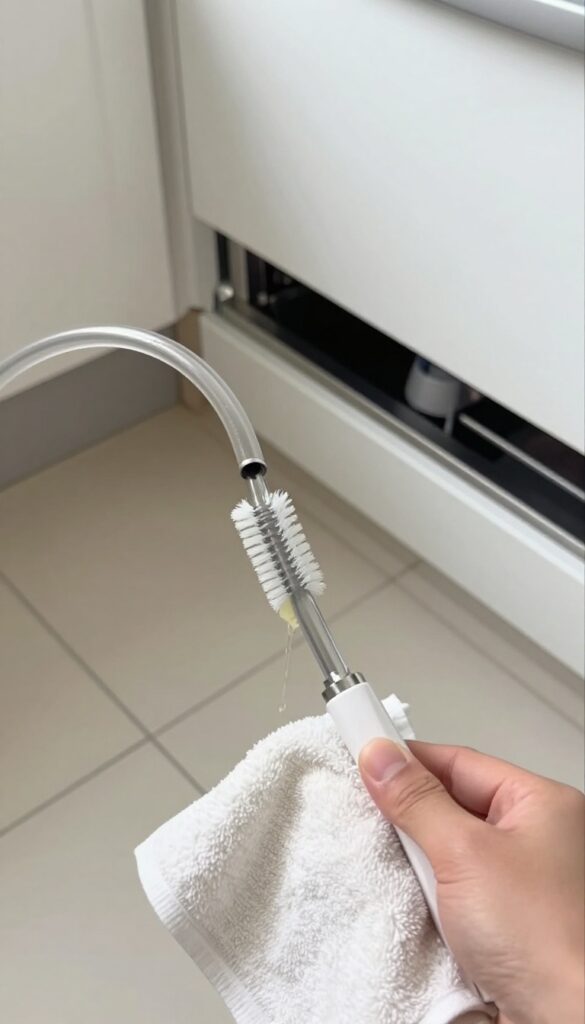
If you've cleaned the filter and spray arms but the stink won't go away, the drain hose might be the culprit. A clogged hose traps food debris and stagnant water, creating a breeding ground for odor-causing bacteria. It's a behind-the-scenes issue that's easy to overlook, but fixing it can make a huge difference.
The drain hose carries used water out of your dishwasher. Over time, grease, food particles, and mineral deposits can build up inside, restricting flow and causing water to pool at the bottom. That standing water is what produces that sour, musty smell.
Checking and clearing the hose is a straightforward DIY task that can restore freshness.
How To Access The Drain Hose
First, unplug the dishwasher or turn off the circuit breaker for safety. Remove the lower access panel at the front (usually held by screws). You'll see the drain hose connected to the drain pump or the disposal.
Place a towel underneath to catch any drips.
Flushing Out The Gunk
Disconnect the hose from the pump or disposal (use pliers if needed). Run hot water from your sink through the hose into a bucket or directly into the drain. If the water doesn't flow freely, use a long brush or a plumber's snake to dislodge the clog.
Reattach everything securely.
When To Call A Pro
If the hose is kinked, cracked, or you can't clear the blockage, it's time to replace it. Also, if you're not comfortable disconnecting the hose, a plumber can do it quickly. A new hose is cheap and easy to install, and it'll prevent future odor problems.
10. Descale with a Commercial Cleaner (Optional)
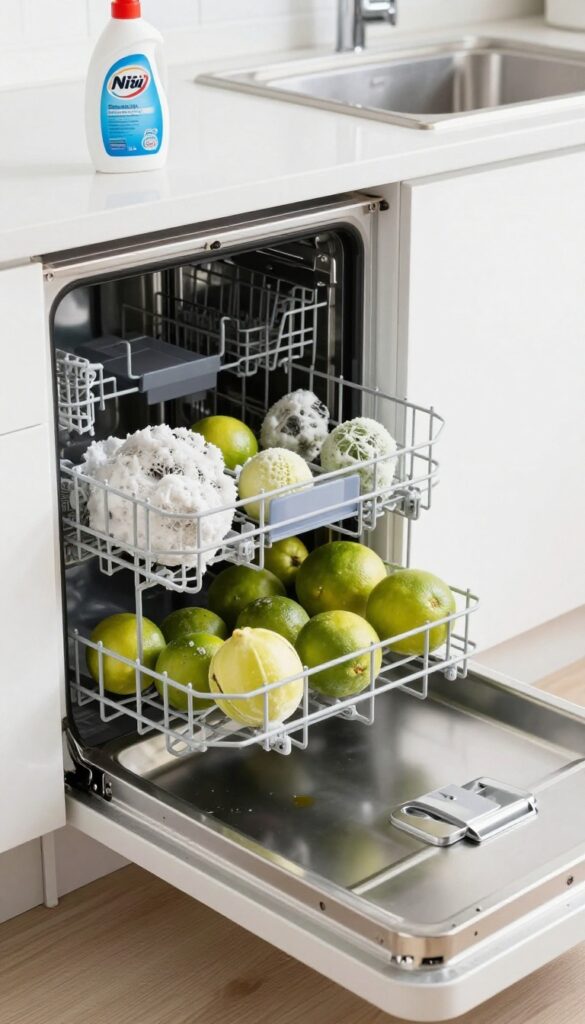
If you live in an area with hard water, you've probably noticed white, chalky residue on your glasses and dishes. That's limescale, and it can also build up inside your dishwasher, clogging spray arms and reducing efficiency. While vinegar works for light buildup, a commercial descaler or citric acid-based cleaner is stronger and more targeted.
Descaling isn't something you need to do every month—maybe every three to six months, depending on your water hardness. But when you do it, follow the product instructions exactly. Most descalers are poured into the detergent cup or the bottom of the machine, then run on a hot cycle.
The result is a dishwasher that runs smoother and leaves dishes spotless.
When To Use A Descaler
If you see white residue on your dishes or glassware, or if your dishwasher seems to be taking longer to clean, it's time to descale. Also, if you've tried vinegar and the buildup persists, a commercial descaler is the next step.
How To Apply It
Empty your dishwasher completely. Remove the bottom rack to access the drain area. Pour the descaler into the detergent dispenser or as directed on the bottle.
Run a full hot cycle. After it finishes, wipe down the interior with a damp cloth to remove any loosened deposits.
Why It's Worth It
Descaling removes mineral deposits that can corrode internal parts over time. It also improves water flow, so your dishwasher uses less energy and cleans better. A quick descale every few months can add years to your machine's life.
11. Sanitize with Bleach (If Safe for Your Model)
Sometimes a deep clean calls for the big guns. If your dishwasher still smells musty after scrubbing the filter and running a vinegar cycle, a bleach treatment can wipe out the bacteria and mold causing the odor. But bleach is strong stuff, so you need to check your manual first—some manufacturers warn against it because it can damage rubber seals or stainless steel interiors.
Sanitizing with bleach is a powerful step, but it’s not for every dishwasher. Always confirm your model allows bleach use. If it does, pour 1/2 cup of bleach into the detergent cup (not directly on dishes) and run a full hot-water cycle with an empty machine.
The bleach will kill lingering germs and leave the interior smelling fresh. Never mix bleach with vinegar or baking soda—that creates toxic fumes. Also, ventilate your kitchen by opening a window or running the exhaust fan during and after the cycle.
Check Your Manual First
Before you reach for the bleach, flip open your dishwasher’s manual or search online for your model number. Some brands, especially those with stainless steel tubs or certain rubber gaskets, explicitly say no bleach. Using it anyway could void your warranty or cause damage.
If bleach is a no-go, skip to the next step.
How To Run A Bleach Cycle
Start with an empty dishwasher—no dishes, no silverware. Pour 1/2 cup of regular household bleach into the detergent dispenser and close it. Select the hottest cycle with an extra rinse if available.
Run the full cycle. The bleach will sanitize the interior, kill mold spores, and remove stubborn odors. After the cycle finishes, open the door and let it air out for a few minutes.
Safety Precautions
Bleach fumes are strong, so ventilate your kitchen well. Open a window or turn on the range hood. Never combine bleach with any other cleaning product, especially vinegar or ammonia—that creates dangerous chlorine gas.
Also, avoid using bleach if you have a septic system, as it can kill beneficial bacteria. If you’re sensitive to fumes, wear gloves and a mask.
12. Clean the Exterior and Control Panel
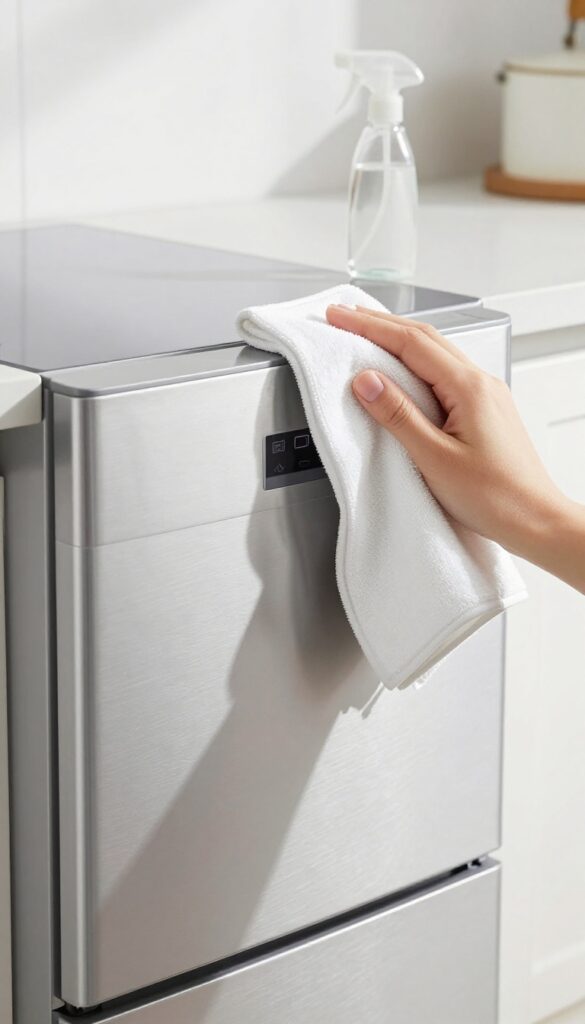
After tackling the inside of your dishwasher, don't forget the outside. The front panel, handles, and control buttons collect fingerprints, food splatters, and grime over time. A quick wipe-down not only makes your dishwasher look new but also prevents buildup from transferring back onto clean dishes.
The exterior of your dishwasher sees daily contact—hands opening the door, splashes from the sink, and dust settling on the surface. Over time, these can lead to sticky buttons, discolored panels, and even odors if food residue dries on handles. Cleaning the outside is the final step to a truly fresh machine.
Choose The Right Cleaner
Stick to a mild dish soap and water solution or a gentle all-purpose cleaner. Avoid abrasive scrubbers, bleach, or harsh chemicals that can scratch stainless steel or damage the control panel. For stainless steel, use a dedicated cleaner or a microfiber cloth with a bit of vinegar to restore shine without streaks.
Wipe Down All Surfaces
Start with the top edge and front panel, then move to the handle and buttons. Pay extra attention to crevices where grime hides. Use a damp (not wet) cloth to avoid moisture seeping into electronic controls.
Dry with a separate cloth to prevent water spots.
Don't Forget The Sides And Bottom
The sides of the dishwasher and the kickplate at the bottom often get ignored. Wipe them down too, especially if you've noticed dust bunnies or sticky spills. This also helps prevent mold growth in hidden areas.
13. Run a Maintenance Cycle Monthly
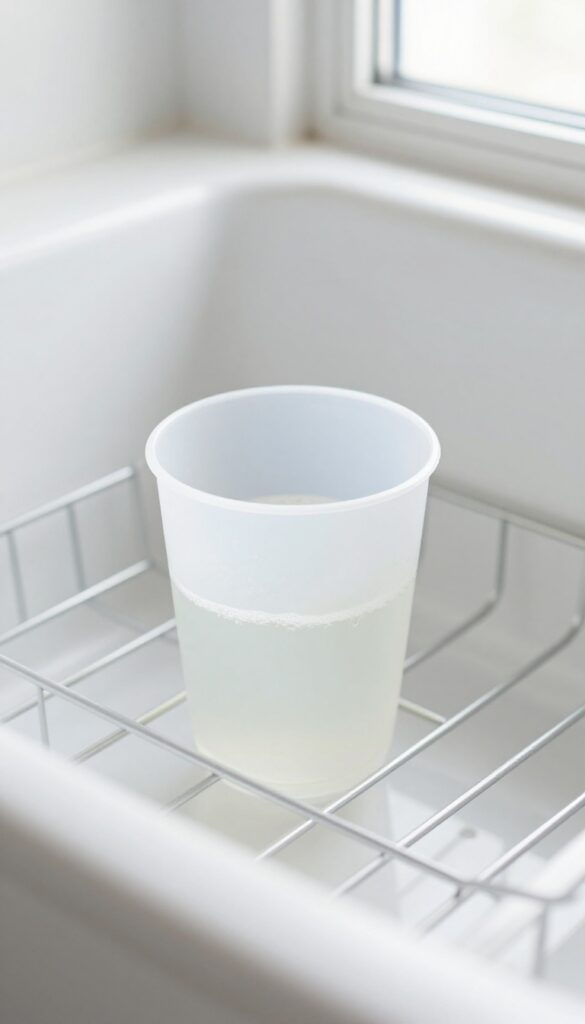
Once you've deep cleaned your dishwasher, the best way to keep it fresh is to stay ahead of the grime. A monthly maintenance cycle is like a tune-up—it prevents odors and buildup before they start. You don't need fancy products; everyday items like vinegar and baking soda work wonders.
This simple habit keeps your machine running efficiently and smelling clean between deep cleans.
Running a maintenance cycle once a month is the easiest way to prevent future buildup and odors. It's a quick, low-effort task that pays off in the long run by keeping your dishwasher fresh and extending its lifespan.
Why Monthly Maintenance Matters
Even after a thorough cleaning, residue from food, grease, and hard water minerals slowly accumulates. A monthly cycle flushes out these deposits before they harden or start to smell. It also keeps the internal components—like seals and hoses—in good condition, reducing the risk of clogs or leaks.
Vinegar Cycle For Grease And Odors
Place a dishwasher-safe cup filled with white vinegar on the top rack and run a hot water cycle. The vinegar breaks down grease, dissolves mineral deposits, and neutralizes odors. Avoid using vinegar if your dishwasher has a stainless steel interior, as it can dull the finish over time.
In that case, opt for a commercial cleaner.
Baking Soda Boost For Extra Freshness
After the vinegar cycle, sprinkle a cup of baking soda across the bottom of the dishwasher and run a short hot cycle. Baking soda absorbs lingering smells and leaves the interior fresh. This two-step method—vinegar then baking soda—is a proven combination for a sparkling clean machine.
Commercial Cleaners: A Convenient Alternative
If you prefer a no-fuss option, use a dishwasher cleaning tablet or pod. These products are designed to target limescale, grease, and odors in one cycle. Follow the instructions on the package—usually just place the tablet in the detergent compartment and run a hot cycle.
They're especially effective for hard water areas.
FAQ
How often should I clean my dishwasher?
Aim for a deep clean every 1-3 months, depending on usage. Monthly maintenance cycles with vinegar or baking soda help prevent odors and buildup.
Can I use bleach in my dishwasher?
Only if your manufacturer allows it. Check the manual first. Never mix bleach with other cleaners like vinegar or baking soda, as it can produce toxic fumes.
Why does my dishwasher smell like rotten eggs?
That smell often comes from food debris trapped in the filter, drain, or gasket. Clean these areas thoroughly. A vinegar cycle can also help neutralize the odor.
What causes white residue on dishes after washing?
White residue is usually hard water mineral deposits. Use a rinse aid, clean the spray arms, and run a descaling cycle with vinegar or a commercial descaler.
Is it safe to run the dishwasher empty for cleaning?
Yes, running an empty cycle with a cleaning agent like vinegar or a dishwasher cleaner is safe and effective. Just make sure no dishes are inside.
Conclusion
Keeping your dishwasher fresh isn't complicated once you know what to target. A quick vinegar rinse or a baking soda scrub every few weeks stops odors before they start.
Pick one or two steps from this list that fit your schedule, and stick with them. Your dishwasher will run better, smell clean, and last longer without expensive repairs.