13 Cleaning an Oven Hacks for Sticky Grease Fast
You open the oven door and a wave of burnt grease smell hits you. The glass is foggy, the racks are sticky, and the bottom looks like a science experiment gone wrong. It's a mess nobody wants to deal with.
But scrubbing for hours with harsh chemicals isn't the only option. A few clever tricks can cut through that baked-on grime faster than you'd expect.
These 13 hacks use stuff you probably already have in your pantry. They're simple, fast, and designed to get your oven sparkling without the backbreaking work.
1. Baking Soda Paste – The Heavy Lifter
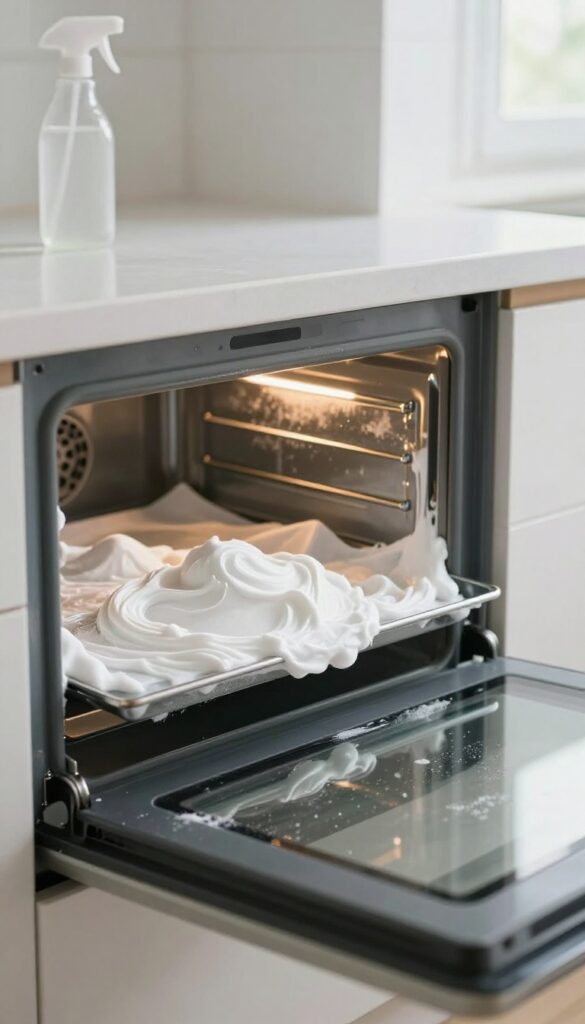
Baking soda is the unsung hero of natural cleaning. When mixed with a little water, it turns into a paste that clings to vertical surfaces and eats through layers of baked-on grease. Unlike commercial sprays, it won't fill your kitchen with fumes.
Let it sit overnight, and you'll be amazed at how easily the grime wipes away.
This method is perfect for the oven door, walls, and even the ceiling. It's safe to use around food and won't damage the enamel. The key is giving it enough time to work—overnight is best, but a few hours still helps.
How To Make The Paste
Mix 1/2 cup of baking soda with 2-3 tablespoons of water. Stir until it forms a thick, spreadable paste. Add a little more water if it's too dry, or more baking soda if it's runny.
You want it to stay put on vertical surfaces.
Application Tips
Use a sponge or your hands (with gloves) to apply the paste generously over the greasy areas. Focus on the glass door and the sides. Avoid the heating elements.
Let it sit for at least 12 hours.
Wiping It Clean
After the paste has dried, spray it with white vinegar. It will fizz and loosen the grime. Wipe with a damp cloth, rinsing frequently.
Repeat stubborn spots. The result is a shiny, grease-free surface.
2. Vinegar Spray – The Degreaser Booster
Baking soda does a lot of the heavy lifting, but it needs a partner to really shine. White vinegar is that sidekick. When you spray it over the baking soda paste, the fizzy reaction helps loosen the most stubborn, baked-on grease.
It's like a mini science experiment that leaves your oven much cleaner.
Once you've let the baking soda paste sit and done its thing, grab a spray bottle filled with undiluted white vinegar. Mist the vinegar generously over the baking soda residue. You'll see it start to bubble and fizz immediately.
Let that reaction work for a minute or two, then wipe everything down with a damp cloth. The grease will come off much easier, and you won't need to scrub as hard.
Why The Fizz Matters
The fizzing isn't just for show. It's a chemical reaction between the alkaline baking soda and the acidic vinegar. This reaction helps break down the bonds in the grease, making it easier to lift away.
It also helps dislodge any dried-on food particles that are stuck to the oven surfaces.
How To Apply It Right
Don't soak the oven. A light, even mist is all you need. Focus on areas where the baking soda paste is thickest or where you saw the most grease.
After spraying, let it sit for a couple of minutes, then wipe with a damp microfiber cloth. Rinse the cloth often to avoid spreading the residue around.
A Note On Smell
Vinegar has a strong smell, but it fades quickly as it dries. To cut the odor, you can add a few drops of lemon essential oil to the vinegar spray. The lemon also adds a bit of extra degreasing power and leaves a fresh scent behind.
3. Lemon Steam – The Natural Deodorizer
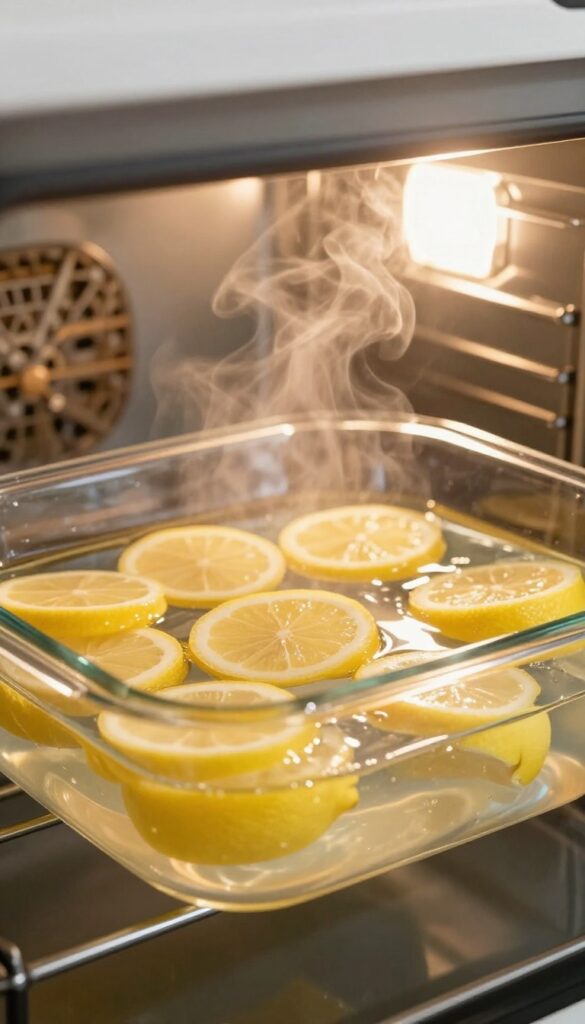
If your oven smells as bad as it looks, lemon steam is the fix you need. It uses simple steam power to loosen grease while leaving behind a fresh, clean scent. No more holding your breath every time you open the door.
This hack is almost too easy. Slice a lemon, place it in an oven-safe dish filled with water, and heat at 250°F for 30 minutes. The steam softens baked-on grime, making it easy to wipe away with a cloth.
Plus, the natural citrus oils neutralize odors instead of masking them with artificial fragrances.
Why Lemon Works So Well
Lemon's acidity cuts through grease, while the steam helps lift stubborn residue. The heat releases citrus oils that deodorize and leave a pleasant scent. It's a chemical-free way to freshen up your oven without any harsh fumes.
How To Get The Best Results
Use a whole lemon, sliced into rounds, for maximum surface area. Add about an inch of water to your dish. After steaming, let the oven cool slightly, then wipe down with a damp cloth.
For extra tough spots, dip your cloth in the lemon water.
When To Use This Hack
Lemon steam is perfect for light to moderate grease buildup and odor removal. It's a great maintenance step between deep cleans. If your oven is heavily soiled, combine this with a baking soda paste for deeper cleaning.
4. Dish Soap and Hot Water – The Soak Method
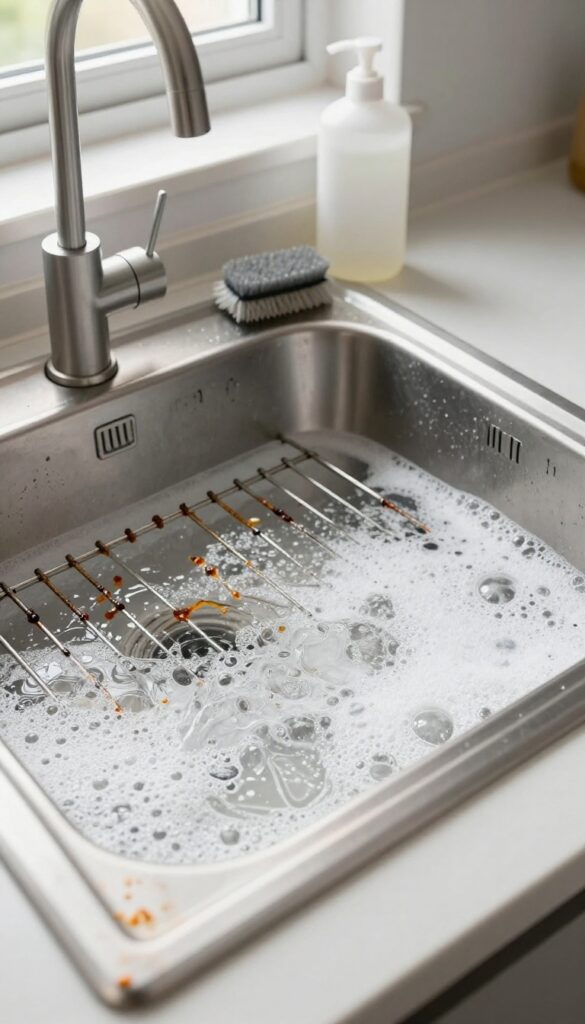
Oven racks are often the greasiest part of the whole oven. They collect layers of baked-on oil and food residue that make them sticky and unpleasant to touch. Scrubbing them in place is nearly impossible, but there's a much easier way.
The soak method is simple: remove the racks and submerge them in a sink full of hot water and a generous squirt of dish soap. Let them sit for at least an hour—overnight if they're really bad. The hot water loosens the grease, and the dish soap breaks it down.
After soaking, a quick scrub with a stiff brush or a scrub sponge will send the grime sliding right off. Rinse thoroughly and dry before putting them back. This method saves your arms and your sanity.
Why This Works So Well
Heat and detergent are a powerful combo. Hot water softens the hardened grease, while dish soap's surfactants lift it away from the metal. The long soak gives them time to penetrate every nook and cranny, so you don't have to scrub hard.
Pro Tips For Best Results
Use the hottest water your tap can produce—boiling water from a kettle works even better. Add a cup of white vinegar to the soak for extra degreasing power. If your sink isn't big enough, use a large plastic tub or even your bathtub.
Just make sure it's clean first.
5. Cream of Tartar – The Stain Eraser
Cream of tartar isn't just for stabilizing egg whites or making snickerdoodles. This fine white powder is a mild acid that breaks down stubborn grease and baked-on stains without scratching. When mixed with water, it forms a paste that targets those dark spots on oven doors and walls that regular cleaners miss.
It's gentle enough for glass but tough on grime.
Why It Works
Cream of tartar is acidic (it's potassium bitartrate), which helps dissolve alkaline grease and burnt food residues. Unlike abrasive powders, it won't scratch glass or enamel. The paste sticks to vertical surfaces, so it stays where you put it and works slowly as it dries.
How To Make The Paste
Mix about 2 tablespoons of cream of tartar with just enough water to form a thick, spreadable paste. You want it similar to toothpaste consistency. Apply it directly to greasy spots or cloudy areas on the oven door.
Let it sit for 15–20 minutes until it dries completely.
Scrubbing And Rinsing
Once dry, use a damp sponge or soft cloth to gently scrub the area in circles. The dried paste lifts the grease as you wipe. Rinse with clean water and dry with a microfiber cloth.
For extra stubborn stains, let the paste sit longer or apply a second coat.
Best Uses
This hack shines on oven glass doors, but it also works on ceramic cooktops, stainless steel surfaces, and even porcelain sinks. Avoid using it on aluminum or unsealed stone. It's a great non-toxic alternative for households with kids or pets.
6. Ammonia Fumes – The No-Scrub Trick
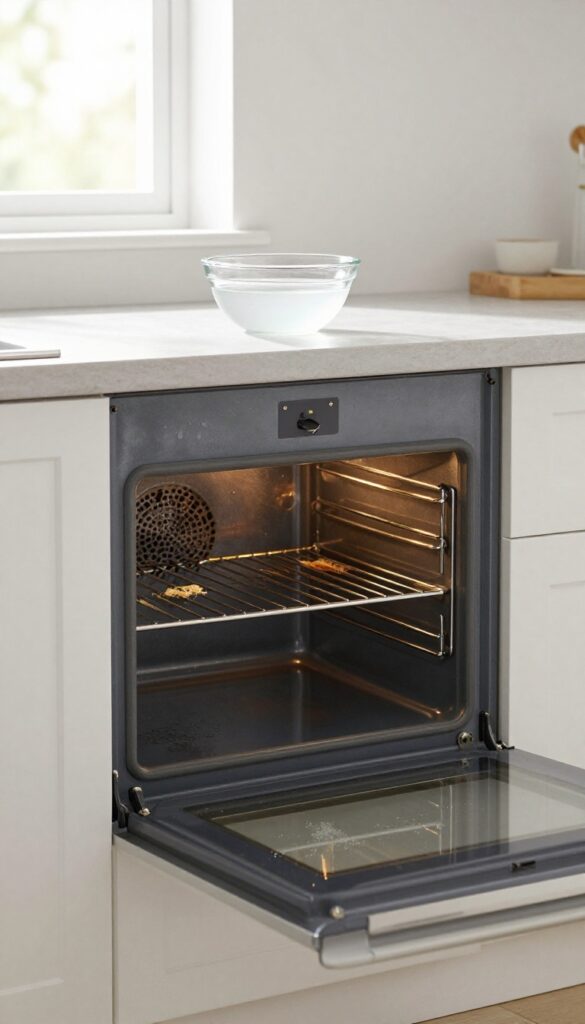
This one feels almost like cheating. You don't scrub, you don't spray, you don't even touch the grease. You just let ammonia fumes do the heavy lifting while you sleep.
It's weirdly effective and surprisingly simple.
How It Works
Ammonia is a powerful degreaser. When left in a closed oven overnight, the fumes react with baked-on grease, breaking it down into a soft, wipe-able residue. No elbow grease required.
Step-by-step Setup
Remove racks and any loose debris. Place a small glass bowl with about 1/2 cup of clear ammonia on the top shelf. Close the oven door and leave it overnight (at least 8 hours).
Keep the kitchen well-ventilated—open a window if possible.
Next Morning Cleanup
Carefully remove the bowl (don't spill! ). The grease should now be soft and loose. Wipe down all surfaces with a damp cloth or sponge.
For stubborn spots, a quick spray of vinegar helps neutralize any lingering ammonia smell.
Safety First
Never mix ammonia with bleach or other cleaners. Wear gloves and avoid inhaling fumes directly. Keep pets and kids out of the kitchen while the ammonia is working.
7. Salt and Baking Soda Scrub – The Abrasive Combo
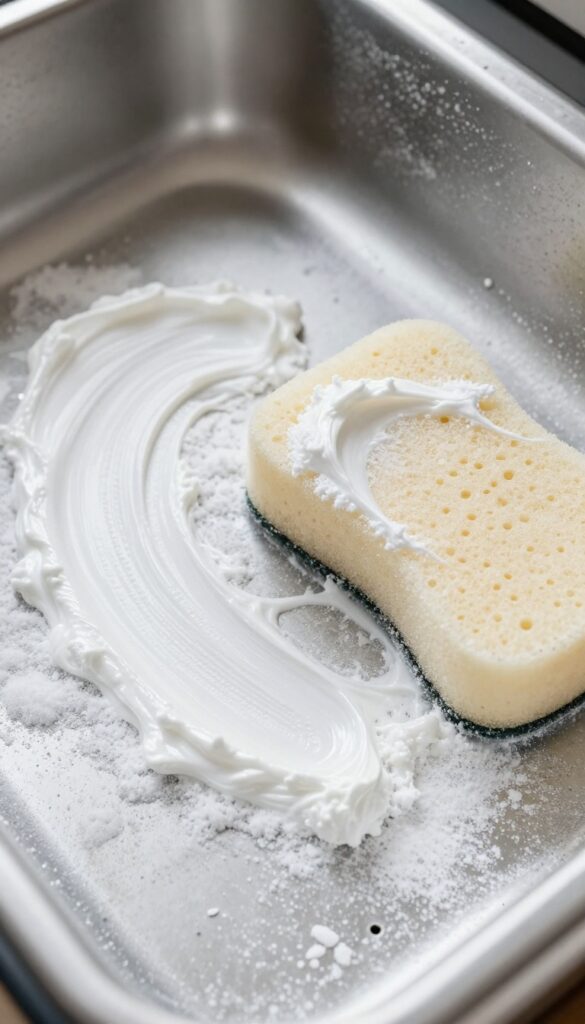
Sometimes you need a little grit to get the job done. That's where salt and baking soda come in. Together, they create a gentle abrasive scrub that tackles stubborn, baked-on grease without scratching your oven's interior.
This scrub is perfect for those crusty spots that won't budge with just baking soda and vinegar. Salt adds a coarse texture that helps physically lift the grime, while baking soda works its magic as a mild alkali. It's a simple, non-toxic solution that's safe for enamel and glass surfaces.
How To Make The Paste
Mix equal parts salt and baking soda in a small bowl. Add just enough water to form a thick paste—think toothpaste consistency. You want it spreadable but not runny.
For extra cleaning power, use white vinegar instead of water.
Where To Apply It
Focus on the worst areas: the oven floor, the back wall, and around the door seal. Spread the paste generously over the greasy spots. Let it sit for 15–20 minutes to soften the grime.
Then scrub gently with a damp sponge or a soft-bristled brush.
Rinsing And Finishing
Wipe away the paste with a clean, damp cloth. You may need to rinse and repeat for heavily soiled areas. The salt dissolves, so there's no residue.
Your oven will look noticeably cleaner with minimal effort.
8. Dryer Sheet – The Surprising Softener
A dryer sheet does more than just soften laundry. The anti-static agents in these sheets are surprisingly good at loosening baked-on grease. All you need is water and a few minutes of patience.
Wet a dryer sheet and lay it flat on the greasy spots inside your oven. Let it sit for about 15 minutes. The fabric softener compounds break down the grease, making it easy to wipe away.
Afterward, just rinse the area with a damp cloth. No harsh scrubbing needed.
Why It Works
Dryer sheets contain surfactants and anti-static agents that weaken the bond between grease and the oven surface. The moisture helps activate these chemicals, so the grime lifts off without elbow grease.
Where to Use It
This hack works best on the oven door glass and the interior walls. Avoid using it on heating elements or the fan. For tough spots, let the sheet sit a bit longer or use two sheets stacked.
Rinse Well
After wiping, go over the area with a clean, damp cloth to remove any residue. You don't want leftover chemicals to burn off next time you preheat. A final wipe with vinegar water ensures a streak-free finish.
9. Hydrogen Peroxide and Baking Soda – The Fizzing Cleaner
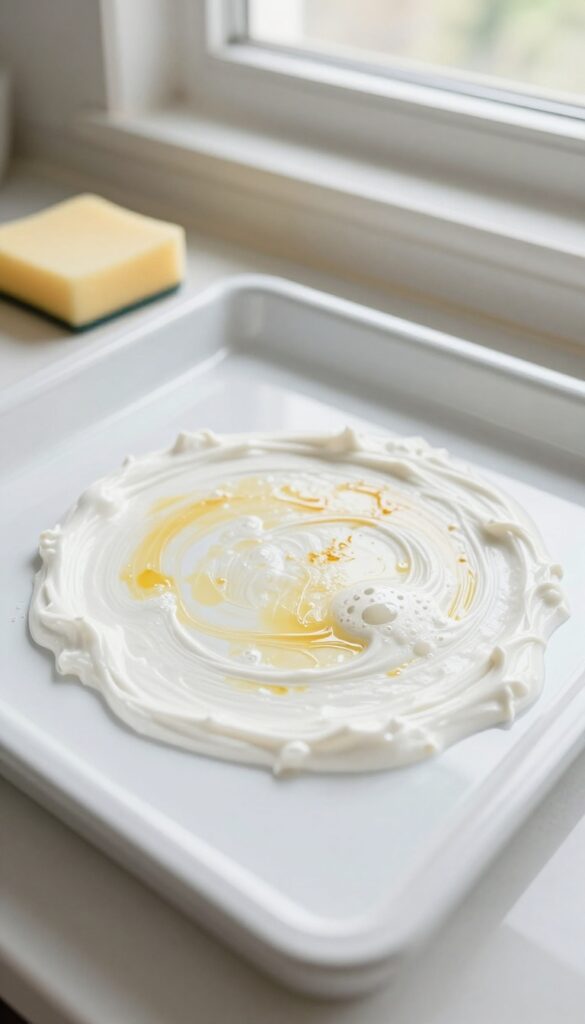
If you've got yellowed stains or stubborn grease that won't budge, this fizzing duo might be your new best friend. Hydrogen peroxide and baking soda react together to create a bubbly paste that lifts grime right off. It's gentle enough for enamel but tough on baked-on messes.
Mix baking soda with enough hydrogen peroxide to form a thick paste. Spread it over greasy areas and let it sit for 10 minutes. The fizzing action helps loosen the gunk.
Then scrub with a non-abrasive sponge and wipe clean. For extra stubborn spots, let it sit longer or add a little more peroxide.
Why This Combo Works So Well
Baking soda is a mild abrasive that scrubs without scratching. Hydrogen peroxide is a natural bleach and disinfectant. When combined, the chemical reaction produces oxygen bubbles that help lift grease and stains from the surface.
It's especially effective on yellowed discoloration caused by heat and oil.
How To Apply It Step By Step
Start with a clean, cool oven. Sprinkle baking soda over the greasy areas, then spray or drizzle hydrogen peroxide until it forms a paste. Let it fizz for 10 minutes.
Use a damp sponge or soft brush to scrub in circular motions. Wipe away residue with a wet cloth. Repeat if needed.
Where To Use It (and Where Not To)
This paste is safe for oven walls, doors, and glass. Avoid using it on aluminum or unfinished cast iron, as hydrogen peroxide can cause discoloration. Also keep it away from heating elements and electrical parts.
Rinse thoroughly to prevent any residue from burning during next use.
10. Steam Clean with Water Only – The Quick Refresh
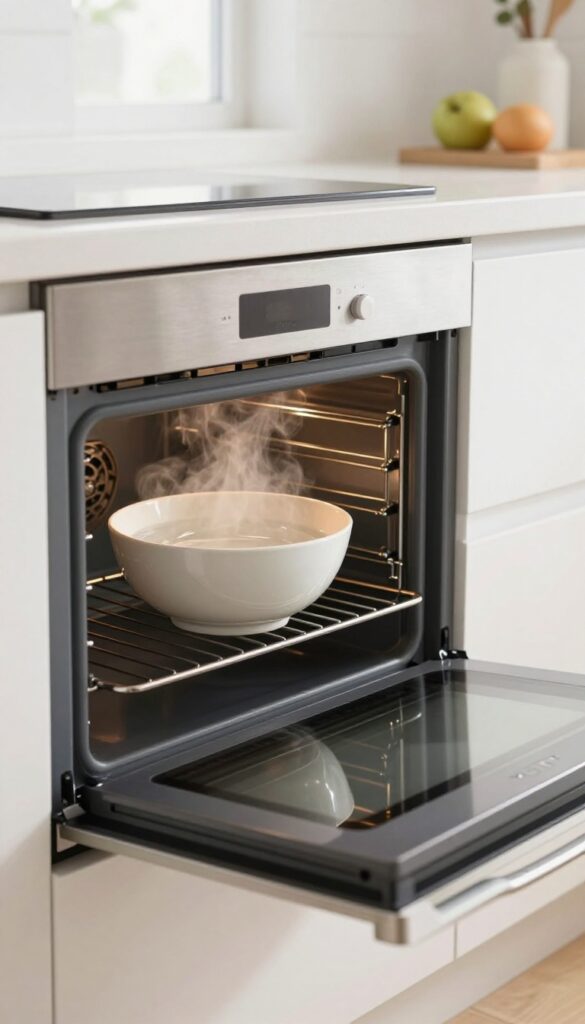
When grease is fresh or only mildly caked on, you don't need heavy scrubbing or chemical sprays. A simple steam treatment with just water can loosen grime fast. This method works especially well for light messes and routine maintenance between deep cleans.
Place a heatproof bowl or oven-safe pan filled with water on the bottom rack. Heat the oven to 450°F and let the water steam for 20 minutes. The steam softens baked-on grease and food residue, making it easy to wipe away with a sponge or cloth.
Let the oven cool slightly before wiping to avoid burns. For extra stubborn spots, add a splash of white vinegar to the water – the acidity helps break down grease even more. This hack is perfect for a quick refresh when you don't have time for a full scrub.
Why Steam Works
Steam penetrates grease layers and rehydrates dried-on residue, loosening its grip on oven surfaces. The heat also helps melt fats, making them easier to absorb into a sponge. Unlike chemical cleaners, steam is non-toxic and leaves no fumes.
Best Practices For Best Results
Use distilled water to avoid mineral deposits. Place the bowl on the lowest rack to maximize steam circulation. After steaming, wipe from top to bottom so grease drips don't re-soil clean areas.
For tough spots, let the steam sit an extra 10 minutes.
When To Use This Hack
Ideal for light to moderate grease buildup after roasting or baking. Use it every few weeks to prevent heavy accumulation. Not recommended for burnt-on spills that have carbonized – those need a stronger method.
11. Ketchup – The Acidic Remedy
Ketchup isn't just for fries. Its combination of vinegar and tomato acid makes it a surprisingly effective grease cutter. This hack works best on small, stubborn spots that won't budge with regular cleaners.
Spread a generous layer of ketchup over the greasy areas inside your oven. Let it sit for 20 minutes so the acids can break down the baked-on grime. Then simply wipe it off with a damp cloth.
For extra tough spots, use a soft sponge to gently scrub. The result is a clean, shiny surface without harsh fumes.
How It Works
The acetic acid in vinegar and the citric acid in tomatoes work together to dissolve grease. Ketchup also has a thick consistency that clings to vertical surfaces, giving it time to penetrate the grime.
Best Uses
This method is ideal for glass doors, small greasy patches, and areas around the heating elements. Avoid using on self-cleaning oven liners or very large surfaces where it might dry out.
Pro Tips
For stubborn spots, let the ketchup sit longer—up to 30 minutes. Wipe with a microfiber cloth to avoid streaks. Rinse with a damp cloth afterward to remove any sticky residue.
12. Bar Keepers Friend – The Heavy-Duty Powder
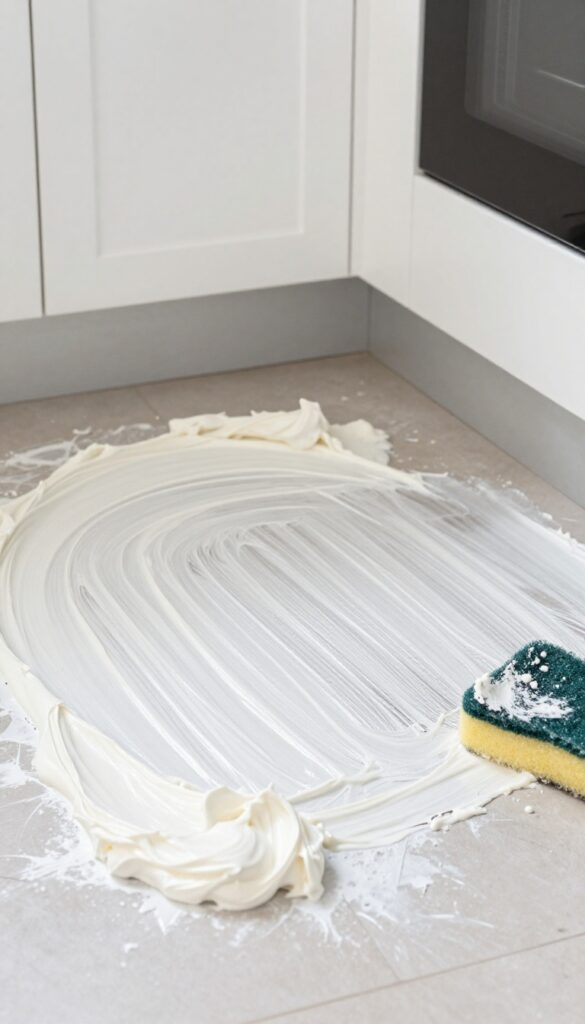
Sometimes you need a product that means business. Bar Keepers Friend is a classic powder cleaner that handles baked-on grease like nothing else. It's a powerhouse for tough, crusty messes that other cleaners can't touch.
Bar Keepers Friend contains oxalic acid, which cuts through grease and grime without harsh fumes. It's safe on most oven surfaces, but always test a small spot first. The powder is gentle enough for regular use but tough on stuck-on food.
Make A Thick Paste
Mix a few tablespoons of Bar Keepers Friend with just enough water to form a paste. You want it spreadable but not runny. Apply it directly to the greasy spots, focusing on the worst areas.
Let It Sit For 5 Minutes
Don't scrub right away. Let the paste sit for about 5 minutes so the oxalic acid can break down the grease. For extra stubborn spots, leave it on for up to 10 minutes.
Scrub And Rinse Well
Use a damp sponge or non-abrasive scrub pad to work the paste into the grime. You'll see the grease lift off. Rinse thoroughly with water and wipe dry.
Repeat if needed.
13. Self-Cleaning Cycle – The Last Resort
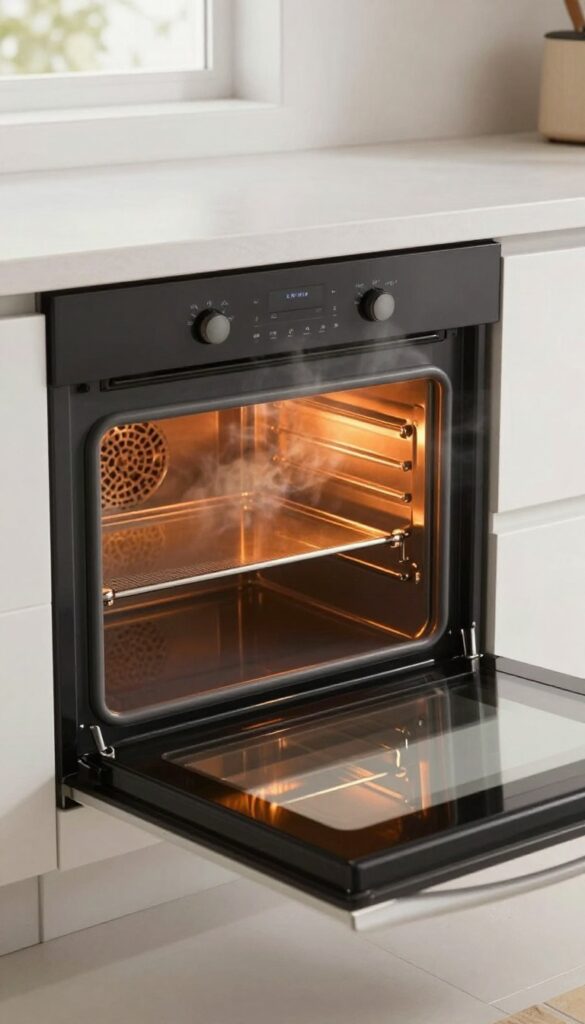
Your oven's self-cleaning feature is like a nuclear option. It works by heating the oven to extreme temperatures—usually around 900°F—to burn off grease and food residue into ash. But it comes with trade-offs: intense heat, strong odors, and potential strain on your appliance.
Use it sparingly and only when other methods fail.
When To Use It
Reserve the self-cleaning cycle for heavily soiled ovens with layers of baked-on grease that won't budge with scrubbing or natural cleaners. If your oven has a lot of burnt-on spills, this cycle can save you hours of elbow grease. But avoid using it for light messes or routine maintenance—it's overkill and can shorten your oven's lifespan.
Prep Work Matters
Remove all oven racks before starting the cycle. The high heat can damage their finish and make them hard to slide. Also, wipe away any loose debris or large food chunks to reduce smoke.
Make sure the kitchen is well-ventilated—open windows and turn on the exhaust fan, because the cycle will produce smoke and a burnt smell.
After The Cycle
Once the cycle finishes and the oven cools down, you'll see a layer of white or gray ash inside. Simply wipe it away with a damp cloth. Avoid using harsh cleaners or abrasive scrubbers, as the oven's interior is now clean and sensitive.
If any stubborn spots remain, a gentle wipe with a vinegar-water solution should do the trick.
FAQ
How often should I clean my oven to prevent grease buildup?
Wipe up spills immediately after the oven cools. For deep cleaning, aim for every 3-6 months depending on use. Regular maintenance prevents stubborn grease.
Can I use these hacks on a self-cleaning oven?
Yes, but avoid harsh abrasives on the interior coating. Stick to baking soda and vinegar for manual cleaning. Always check your oven's manual first.
Is it safe to mix baking soda and vinegar in the oven?
Yes, the reaction is safe and non-toxic. It creates carbon dioxide bubbles that help lift grease. Just rinse thoroughly afterward.
What should I do if the grease smell lingers after cleaning?
Place a bowl of white vinegar or lemon slices in the oven and heat at 250°F for 20 minutes. The steam neutralizes odors.
Can I clean the oven glass with these methods?
Absolutely. Baking soda paste works well on glass. For tough stains, use a razor blade scraper at a 45-degree angle, but be careful not to scratch.
Conclusion
You don't need harsh chemicals to cut through stubborn oven grease—just a few smart hacks and a little patience. Start with the method that matches your grime level and supplies on hand, whether it's a baking soda paste or a steam clean.
A quick wipe after each use will keep buildup from coming back. Try one of these tricks this weekend, and you'll see how fast a greasy oven can look like new.