23 Cleaning Couch Fabric Tips for Spills, Stains, and Odor
That coffee spill on your couch doesn't have to be permanent. With the right technique, you can lift stains, erase odors, and keep your upholstery looking fresh without expensive professional cleaning.
Most solutions use everyday household items like baking soda, club soda, or rubbing alcohol. These 23 tips cover everything from quick blotting to deep steam cleaning, so you can tackle any mess with confidence.
Whether it's a fresh spill or a set-in stain, there's a method here that works. Let's get your sofa back to its best.
1. Blot, Don't Rub – The Golden Rule of Spill Management
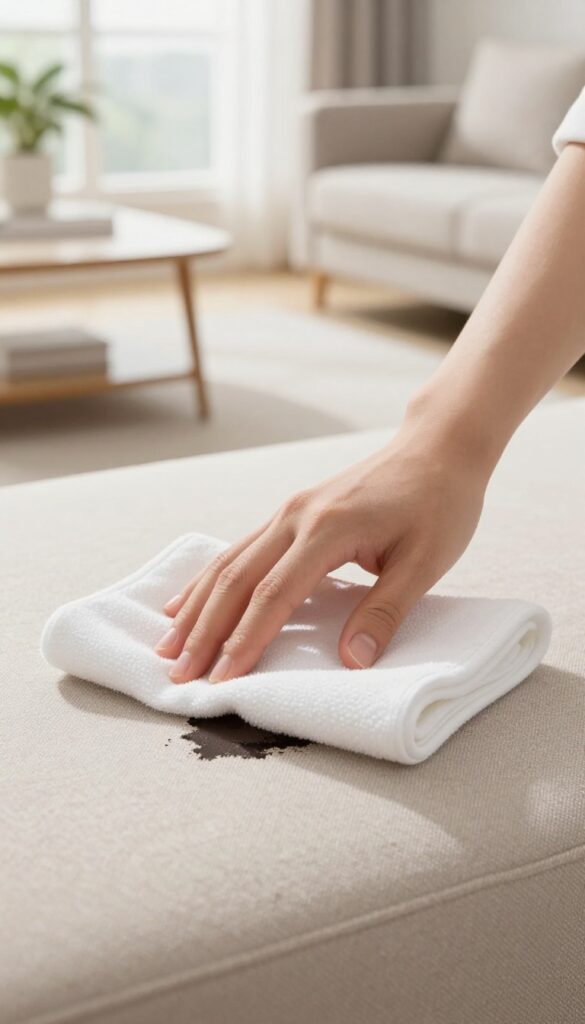
When something spills on your couch, your first instinct might be to scrub it away. But that's exactly the wrong move. Rubbing pushes the liquid deeper into the fibers and can spread the stain, making it much harder to remove later.
The key is to blot—gently press a clean, absorbent cloth onto the spill to lift it from the surface without forcing it in.
Blotting is the foundation of effective spill management. It prevents the liquid from saturating the cushion padding and keeps the stain from setting. Always use a white cloth or paper towel to avoid color transfer, and work from the outside of the spill inward to contain it.
Repeat with fresh sections of the cloth until no more liquid transfers.
Why Rubbing Makes Things Worse
Rubbing grinds the stain into the fabric, especially on textured or looped upholstery. It can also damage the fibers, leaving a fuzzy or worn spot. For delicate materials like linen or velvet, rubbing can cause permanent distortion.
Blotting, on the other hand, is gentle and effective.
The Right Way To Blot
Start by placing a clean cloth over the spill and pressing down firmly. Let the cloth absorb for a few seconds, then lift it straight up. Don't lift and press repeatedly in the same spot—move to a dry area of the cloth.
For larger spills, use a stack of paper towels and apply light pressure with your palm.
When To Use A Blotting Solution
For sticky or colored spills, plain water may not be enough. Mix a few drops of mild dish soap with water, dip a cloth in the solution, and blot the stain. Then blot again with a dry cloth to remove excess moisture.
Always test on a hidden area first to check for colorfastness.
2. Act Fast – The First 60 Seconds Matter Most
The moment a spill happens, a timer starts. The longer that liquid sits, the deeper it penetrates the fabric fibers, making removal exponentially harder. That's why the first minute is critical.
Having a dedicated cleaning kit within arm's reach of your couch can be the difference between a quick blot and a permanent stain.
Speed is your best ally against couch stains. When a spill occurs, resist the urge to rub. Instead, grab a clean, white cloth or paper towel and blot firmly.
Blotting lifts the liquid out, while rubbing pushes it deeper into the padding. If you don't have a kit ready, a simple mix of dish soap and water can work wonders, but only if you act fast.
Assemble A Spill Kit
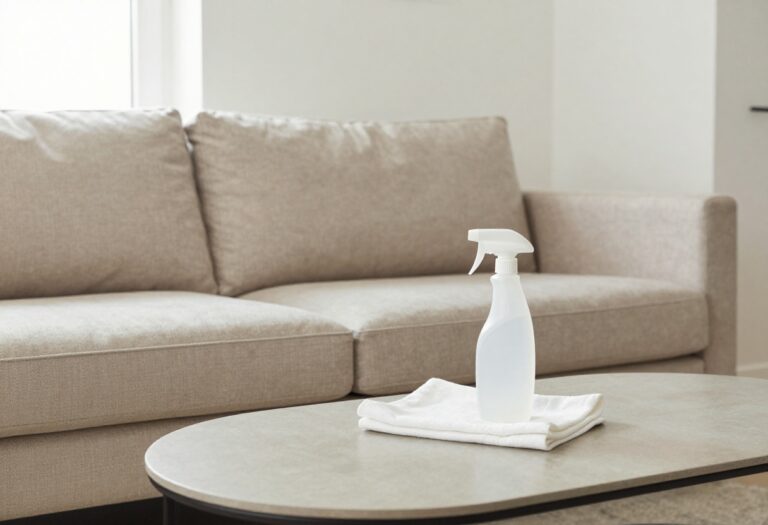
Keep a small basket or caddy near your couch with essentials: white microfiber cloths (colored ones can bleed), a spray bottle filled with distilled water, a mild dish soap, and a small bottle of rubbing alcohol. Also include a spoon for scraping solids and a small vacuum attachment for powder treatments. This way, you're never scrambling when an accident happens.
The Blotting Technique
Place a clean cloth over the spill and press down firmly. Don't scrub – that spreads the stain. Use a fresh area of the cloth each time you blot.
For liquid spills, continue until the cloth comes away barely damp. For thicker spills like ice cream or sauce, scrape off any solids with the spoon first, then blot. If the stain remains, move on to a targeted cleaner.
When To Use Club Soda
Club soda is a go-to for fresh spills because its carbonation helps lift stains from fabric. Pour a small amount directly on the spot, then blot immediately. The bubbles help release the stain from fibers.
It works best on water-based spills like coffee, tea, or juice. For oily spills, skip the soda and use dish soap instead.
3. Know Your Fabric Code – W, S, WS, or X
Before you reach for any cleaning solution, flip your cushion and check the tag. That little code tells you exactly what your couch can handle. Ignoring it could turn a small spill into a permanent stain or even damage the fabric.
Most upholstery has a tag with a code: W means water-based cleaners are safe, S means you need solvent-based products, WS allows both, and X means vacuum only—no liquids at all. Knowing this simple code prevents costly mistakes and ensures your cleaning method works with the fabric, not against it.
W – Water-based Cleaners Only
If you see a W, you're in luck. Water-based solutions like mild dish soap, club soda, or a vinegar-water mix are safe. Test any cleaner on a hidden spot first, then blot stains gently.
Avoid soaking the fabric; dampen a cloth and work from the edges inward.
S – Solvent-based Cleaners Only
An S code means water will ruin the fabric. Use only dry-cleaning solvents or rubbing alcohol. Apply a small amount to a white cloth and blot the stain.
Never use water-based products on S fabrics—they can cause shrinking, fading, or water rings.
Ws – Both Are Safe
WS gives you flexibility. You can use either water-based or solvent-based cleaners. Start with the gentlest option (water-based) and only move to solvents if needed.
Always blot, don't scrub, to avoid damaging the fibers.
X – Vacuum Only
An X code means no liquids of any kind. Stick to vacuuming with a brush attachment to remove dust and debris. For stains, call a professional upholstery cleaner.
Attempting to clean X fabrics yourself can cause irreversible damage.
4. DIY All-Purpose Cleaner for Most Stains
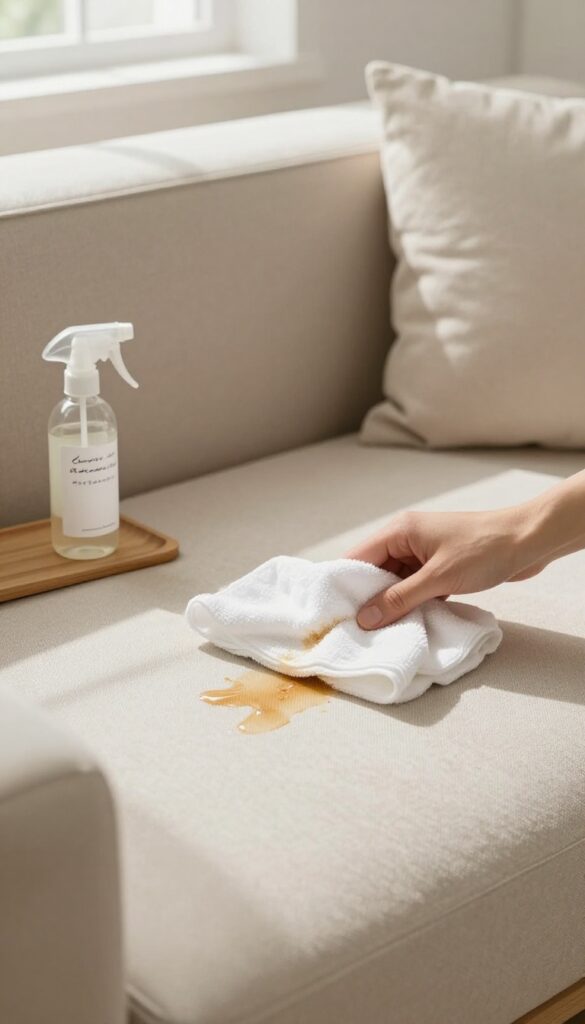
You don't need a cabinet full of specialty products to handle everyday couch stains. A simple homemade cleaner works on everything from juice spills to muddy paw prints. The ingredients are probably already in your kitchen, and it costs pennies per batch.
Mix 2 cups warm water, 1 tablespoon dish soap, and 1 tablespoon white vinegar in a spray bottle. Shake gently to combine. Before using, test the solution on a hidden area of your couch—like the back or under a cushion—to make sure it doesn't discolor the fabric.
If it passes the test, spray the stain lightly, then blot with a clean cloth. Never soak the fabric, as excess moisture can lead to mold or mildew. Repeat until the stain lifts, then let the area air dry completely.
Why This Combo Works
Dish soap breaks down grease and food-based stains, while white vinegar cuts through dirt and neutralizes odors. Warm water helps the mixture penetrate fabric fibers without being too harsh. Together, they create a gentle but effective cleaner safe for most upholstery.
When To Skip This Mix
Avoid using vinegar on natural stone or waxed surfaces nearby, and don't use it on silk or wool upholstery unless the manufacturer says it's okay. For delicate fabrics, stick to plain club soda or a dedicated cleaner. Also, never mix vinegar with bleach or hydrogen peroxide—it creates toxic fumes.
Storage And Shelf Life
This cleaner is best used fresh, but you can store it in a sealed spray bottle for up to a week. Shake before each use, as the soap can settle. Label the bottle clearly and keep it out of reach of kids and pets.
5. Club Soda for Fresh Spills – The Bubbles Lift the Stain
Club soda is a surprisingly effective tool for fresh spills. The carbonation helps lift the stain from the fabric fibers, making it easier to blot away. This method works best on water-based spills like coffee, tea, juice, or soda.
When a spill happens, grab a bottle of club soda and pour it directly onto the stain. Let it fizz for about 10 seconds—the bubbles will work to release the stain. Then, blot with a clean cloth, pressing firmly to absorb the liquid.
Repeat if needed. Avoid rubbing, which can push the stain deeper.
Why Club Soda Works
Club soda contains carbonic acid, which creates bubbles that help break the bond between the stain and the fabric. The salt in club soda also helps lift the stain. This makes it a gentle but effective cleaner for many common spills.
How To Blot Correctly
Use a white cloth or paper towel to avoid transferring dye. Blot from the outside of the stain inward to prevent spreading. Press down firmly, then lift—don't rub.
Continue until the cloth comes away clean.
When To Use This Method
This works best on fresh spills, ideally within a few minutes. For dried stains, club soda may not be as effective. Combine with a mild detergent for tougher stains.
Always test on a hidden area first to check for colorfastness.
6. Baking Soda Paste for Grease and Oil Stains
Grease and oil stains are stubborn because they cling to fabric fibers. Water alone won't cut through them, but baking soda's absorbent power can pull the oil right out. This simple paste method works on everything from cooking splatters to hand lotion marks.
Baking soda is a gentle abrasive that absorbs grease without harsh chemicals. When mixed into a paste, it clings to the stain and draws out oil as it dries. This method is safe for most fabrics and avoids the risk of spreading the stain further.
Making The Paste
Mix three parts baking soda with one part water in a small bowl. Stir until it forms a thick, spreadable paste. Add more baking soda if it's too runny, or a few extra drops of water if it's too dry.
Applying To The Stain
Use a spoon or your finger to spread the paste over the grease stain in a thick layer. Cover the entire spot plus a little extra around the edges. Let it sit for at least 15 minutes or until fully dry.
The paste will turn crusty as it absorbs the oil.
Vacuuming It Up
Once the paste is completely dry, use a vacuum with a brush attachment to gently lift it off. All the trapped grease and oil should come up with the powder. If any residue remains, repeat the process.
7. Rubbing Alcohol for Ink and Marker Stains
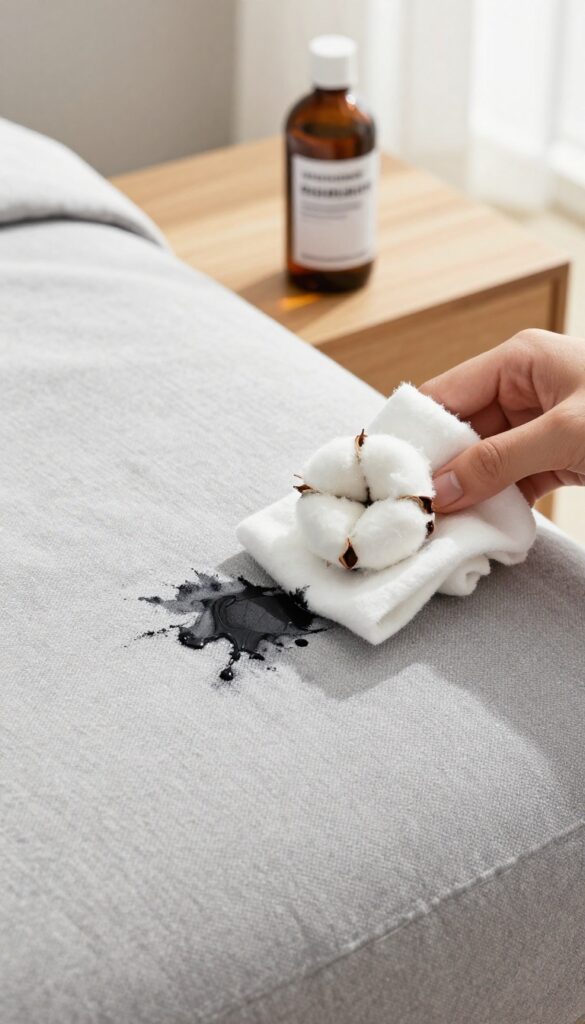
Ink and marker stains on your couch can feel like a permanent disaster, but rubbing alcohol is surprisingly effective at breaking them down. This common household item works especially well on synthetic fabrics like polyester and microfiber, where it dissolves the ink without spreading it further. The key is to act quickly and blot gently to avoid pushing the stain deeper into the fibers.
Rubbing alcohol (isopropyl alcohol) is a solvent that breaks down the dyes and pigments in ink and markers. When applied carefully, it lifts the stain without damaging most synthetic upholstery. Always test on a hidden area first, as some delicate fabrics may react.
For best results, use 70% or higher concentration alcohol and work from the outside of the stain inward.
How To Apply Rubbing Alcohol
Start by blotting the stain with a dry cloth to remove any excess ink. Then dampen a clean cotton ball or soft cloth with rubbing alcohol—don't soak it. Gently blot the stain, pressing lightly so the alcohol penetrates the fibers.
Let it sit for a minute, then blot again with a dry cloth. Repeat until the stain lifts. Avoid rubbing, which can spread the ink.
When To Use This Method
This technique is ideal for fresh ink stains from pens, markers, or even stamp pads. It works best on synthetic fabrics like polyester, nylon, and microfiber. On natural fibers like cotton or linen, it can still work but may require more care.
Avoid using on silk or wool, as alcohol can damage these delicate materials.
Aftercare And Final Steps
Once the stain is gone, dab the area with a damp cloth to remove any alcohol residue. Let the fabric air dry completely. If a faint mark remains, repeat the process.
For stubborn stains, you can try a mixture of rubbing alcohol and a drop of dish soap, but test first. Always finish by vacuuming the area to restore the fabric's texture.
8. Hydrogen Peroxide for Organic Stains (Blood, Wine, Coffee)
Organic stains like blood, red wine, and coffee are some of the toughest to remove from couch fabric. Hydrogen peroxide offers a simple, effective solution that breaks down these stains at a molecular level.
Hydrogen peroxide works by oxidizing the organic compounds in stains, causing them to lift away from the fibers. It's especially effective on fresh stains, but can also tackle set-in spots with a bit of patience.
Why Hydrogen Peroxide Works
The fizzing action you see when applying hydrogen peroxide is oxygen bubbles actively breaking down stain molecules. This makes it ideal for protein-based stains like blood or tannin-based stains like coffee and wine.
How To Apply Safely
Always test on a hidden area first, as hydrogen peroxide can lighten some fabrics. Apply a small amount of 3% hydrogen peroxide directly to the stain, let it bubble for a few minutes, then blot with a clean cloth. Repeat if necessary.
When To Avoid This Method
Avoid using hydrogen peroxide on delicate fabrics like silk or wool, as it can cause damage. Also, skip it if your couch has a "W" cleaning code (water-based cleaners only) without testing first.
9. Steam Clean for Deep-Set Stains and Odors
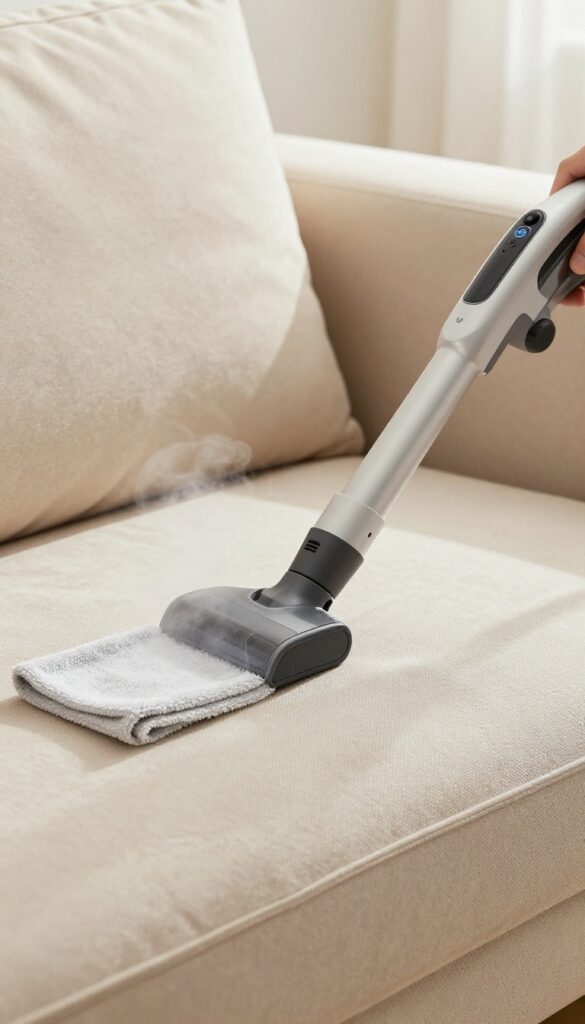
Sometimes blotting and sprays just aren't enough. When stains have settled deep into the fabric or odors linger despite your best efforts, steam cleaning is the heavy lifter you need. Heat penetrates fibers, loosens grime, and kills the bacteria behind musty smells.
You don't need a professional machine—handheld steamers or rental units work great for a fraction of the cost.
Why Steam Works So Well
Steam heat softens dried stains, making them easier to lift with a cloth. The high temperature also neutralizes odor-causing bacteria and dust mites, leaving your couch fresher. Unlike harsh chemicals, steam is safe for most fabrics and leaves no residue.
How To Steam Clean Your Couch
First, vacuum the couch to remove loose dirt. Fill your steamer with water and let it heat up. Hold the steamer head a few inches from the fabric and move it slowly across the stained area.
After steaming, blot the moisture with a clean microfiber cloth. Repeat if needed, then let the couch dry completely.
When To Avoid Steam
Not all fabrics handle steam well. Check the care tag—if it says 'no steam' or 'dry clean only, ' skip this method. Delicate fabrics like silk or velvet can be damaged by heat and moisture.
For those, stick to dry cleaning or spot treatments.
10. Vacuum Weekly to Prevent Ground-In Dirt
Dirt and dust are sneaky. They settle into your couch fibers slowly, and before you know it, the fabric looks dull and feels gritty. The easiest way to avoid that is a simple weekly vacuum session.
You don't need a fancy machine—just an upholstery attachment and a few minutes. This routine keeps debris from grinding into the fabric, which makes future stain removal much easier.
Why Vacuuming Matters
Every time someone sits on the couch, they push dirt deeper into the fibers. Over time, that abrasive grit wears down the fabric and creates a grayish film. Vacuuming lifts those particles before they become embedded, preserving both the look and the life of your upholstery.
The Right Technique
Use the soft brush attachment to avoid damaging the fabric. Start at the top of the couch and work your way down, overlapping each pass. Pay extra attention to crevices and seams where crumbs and dust collect.
For removable cushions, vacuum both sides and the area underneath.
How Often Is Enough?
Once a week is ideal for most households. If you have pets or kids, consider twice a week—especially on high-traffic spots. A quick vacuum after a spill or muddy shoes can also stop dirt from becoming a permanent problem.
11. Use a Lint Roller for Pet Hair and Loose Debris
Pet hair, crumbs, and dust can make your couch look messy even when it's not stained. A lint roller is a quick fix that works between vacuum sessions. It's especially handy for picking up fur from fabric before it embeds deeper.
A lint roller is a simple tool that uses adhesive sheets to lift debris from fabric. It's ideal for quick touch-ups on cushions, armrests, and backrests. Keep one in your living room for easy access.
Best Fabrics For Lint Rolling
Lint rollers work best on smooth fabrics like microfiber, cotton, and polyester blends. Avoid using them on delicate or loosely woven materials like velvet or linen, as the adhesive can pull fibers. Test on an inconspicuous area first.
How To Use A Lint Roller Effectively
Roll in one direction to avoid pushing debris deeper. Use overlapping passes to cover the entire area. For stubborn pet hair, try a fabric brush or rubber glove first, then finish with the lint roller.
Replace the adhesive sheet when it loses stickiness.
When To Vacuum Instead
For heavy debris or deep-set dirt, vacuuming is more effective. Use an upholstery attachment with a brush to loosen particles. A lint roller is best for quick maintenance between deep cleans.
12. Enzyme Cleaner for Pet Urine and Vomit
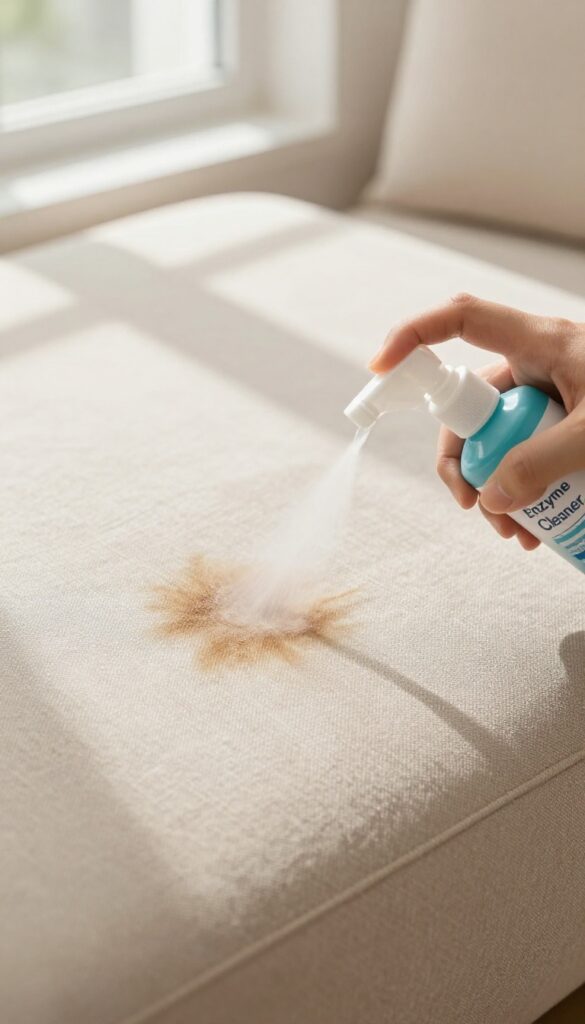
Pet accidents happen, and when they do, regular cleaners often just mask the smell. Enzymatic cleaners work differently—they actually break down the proteins in urine and vomit, eliminating stains and odors at the source. This makes them a must-have for any pet owner.
Enzyme cleaners contain beneficial bacteria that produce enzymes to digest organic matter. When you apply them to a fresh or dried stain, they target the proteins, breaking them into smaller molecules that can be easily wiped away. This process also neutralizes the odor-causing compounds, so your couch smells fresh, not like a cover-up.
How Enzymes Work On Fabric
Enzymes are like tiny scissors that cut apart stain molecules. For pet urine, which contains urea and uric acid, enzymes break these down into ammonia and carbon dioxide—harmless gases that evaporate. This is why enzyme cleaners are so effective on organic stains, even after they've set.
Choosing The Right Enzyme Cleaner
Not all enzyme cleaners are equal. Look for one specifically formulated for pet stains and odors. Check the label for active ingredients like protease, lipase, or amylase.
Avoid products with harsh chemicals that can damage fabric or kill the beneficial bacteria.
Application Tips For Best Results
Blot up as much of the mess as possible first. Then saturate the stain with the enzyme cleaner—don't just spray a little. Let it sit for 10–15 minutes (or as directed) to give the enzymes time to work.
Blot again, then allow to air dry. For old stains, you may need to repeat the process.
13. White Vinegar Solution for General Odors
White vinegar is a powerhouse when it comes to neutralizing odors without harsh chemicals. It works by balancing pH levels and breaking down odor-causing compounds, leaving your couch smelling fresh. The best part?
The vinegar scent vanishes completely once dry, so you won't be left with a salad-like aroma.
Mix equal parts white vinegar and water in a spray bottle. Lightly mist the fabric—don't soak it—and let it air dry in a well-ventilated area. For stronger odors, you can add a few drops of essential oil like lavender or lemon to the mixture.
Test on an inconspicuous spot first to ensure colorfastness.
When To Use This Method
This solution is perfect for general mustiness, smoke smells, or lingering food odors. It's gentle enough for most fabrics, including cotton, polyester, and microfiber, but avoid using it on silk or delicate materials.
Application Tips For Best Results
Spray from about 6 inches away to create an even mist. For deeper penetration, lightly brush the fabric with a soft-bristled brush after spraying. Allow the couch to dry completely—open windows or use a fan to speed up the process.
Safety And Precautions
Always do a patch test in a hidden area. Avoid over-wetting, as excess moisture can lead to mold or mildew. If the vinegar smell lingers after drying, it means the fabric is still damp—give it more time to air out.
14. Baking Soda Overnight Deodorizer
Sometimes blotting and sprays just aren't enough. When odors have had time to settle into the fabric, you need something that works deep down without soaking the cushion. Baking soda is a natural deodorizer that pulls smells right out of the fibers.
Sprinkle baking soda liberally over the couch, let it sit for 8 hours or overnight, then vacuum thoroughly. This simple method works wonders for musty smells, pet odors, and smoke. For best results, use a fine-mesh strainer to distribute the powder evenly and avoid clumps.
Why Overnight Works Best
The longer baking soda sits, the more time it has to absorb odors. Eight hours gives it enough contact to neutralize even stubborn smells. If you can leave it for a full 24 hours, even better.
Boost The Power With Essential Oils
Add 10-15 drops of lavender or lemon essential oil to a cup of baking soda before sprinkling. Mix well to avoid oily spots. This leaves a light, fresh scent behind after vacuuming.
Vacuum Thoroughly After
Use a brush attachment to lift all the powder. Don't skip this step—leftover baking soda can feel gritty and attract dirt. Go over the couch twice to make sure it's completely clean.
15. Cornstarch for Greasy Stains – Absorb First, Clean Later
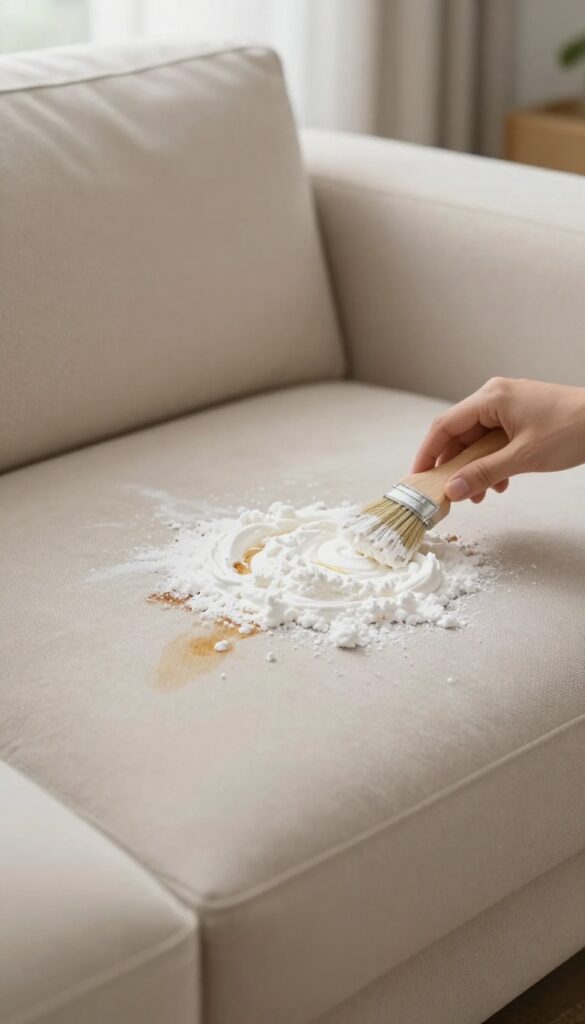
Grease stains from pizza, butter, or cooking oil can ruin your couch fabric fast. The trick is to act before the oil sets in. Cornstarch works like a magnet, pulling grease out of fibers so you can wipe it away without rubbing the stain deeper.
Sprinkle a generous layer of cornstarch over the fresh grease stain. Let it sit for at least 15 minutes – longer for heavier stains. The powder will absorb the oil, turning into a paste.
Gently brush off the dried cornstarch with a soft brush or vacuum it up. If a shadow remains, treat with a small amount of dish soap mixed with water, blotting until clean. Avoid scrubbing, which can push grease deeper into the fabric.
This method works best on natural fibers like cotton or linen, but test on an inconspicuous area first.
Why Cornstarch Works So Well
Cornstarch is a fine, absorbent powder that soaks up liquid grease without spreading it. Unlike paper towels that can smear oil, cornstarch sits on top and pulls the stain upward. It's also gentle on fabric, so no risk of damaging fibers.
Step-by-step: How To Use Cornstarch
First, blot any excess grease with a paper towel. Then cover the stain with a thick layer of cornstarch. Let it sit for 15 minutes (or up to an hour for stubborn stains).
Brush off the powder with a soft brush or vacuum using an upholstery attachment. If needed, finish with a mild detergent solution and blot dry.
When To Skip This Method
Cornstarch is not ideal for water-based stains like juice or coffee – those need a different approach. Also avoid using it on velvet or suede, as the powder can get trapped in the nap. For delicate fabrics, always spot test first.
16. Dish Soap and Warm Water for Everyday Spills
Not every spill calls for a specialty cleaner. For most water-based messes like coffee, tea, juice, or soda, a simple solution of mild dish soap and warm water works wonders. It's gentle enough for most fabrics but tough on fresh stains, and you probably already have the ingredients in your kitchen.
Dish soap cuts through grease and lifts dirt without bleaching or damaging upholstery. Mix just a few drops with warm water—avoid hot water as it can set some stains. Blot, don't rub, using a clean microfiber cloth.
Rubbing pushes the stain deeper into the fibers. Work from the outside of the spill inward to prevent spreading. Repeat until the stain lifts, then blot with a dry cloth to remove excess moisture.
Choosing The Right Soap
Stick with mild, clear dish soaps. Avoid anything with bleach, antibacterial additives, or strong dyes. These can discolor fabric or leave residue that attracts dirt.
A simple formula like original Dawn or a generic clear soap works best.
Blotting Technique
Always blot gently with a white or light-colored microfiber cloth to avoid color transfer. Press down to absorb the liquid, then lift. Don't scrub.
Change to a clean section of the cloth as it picks up the stain. Repeat until no more stain transfers.
Drying And Final Touch
After cleaning, use a dry cloth to blot away as much moisture as possible. Then let the area air dry completely. If the fabric is safe for it, you can speed up drying with a fan or hairdryer on a cool setting.
Avoid sitting on the damp spot until it's fully dry to prevent new stains or mildew.
17. Avoid Over-Wetting – Prevent Mold and Mildew
It's easy to think more water means a deeper clean, but with couch fabric, the opposite is true. Over-wetting can soak into the cushion foam and padding, creating a perfect breeding ground for mold and mildew. Once that musty smell sets in, it's tough to remove.
The key is to use just enough moisture to lift the stain and then blot thoroughly.
When cleaning a spill or stain, always start with the least amount of water possible. Apply your cleaning solution sparingly—a spray bottle helps control the amount. After scrubbing gently, blot immediately with a clean, dry cloth to absorb excess moisture.
Repeat blotting with fresh cloths until the fabric feels just slightly damp. Then speed up drying by opening windows, turning on a fan, or using a hairdryer on a cool setting held a few inches away. For deeper cleans, consider using a steam cleaner with a built-in extractor that removes water as it goes.
The Right Amount Of Moisture
A good rule of thumb is to dampen the fabric, not soak it. If you press your cloth against the couch and water seeps out, you've used too much. Instead, mist the area lightly and work in small sections.
For spot cleaning, dip your cloth in solution and wring it out until it's barely damp before touching the fabric.
Why Over-wetting Leads To Mold
Couch cushions often have foam or fiberfill that holds moisture for a long time. If the inner padding gets wet and doesn't dry within 24 hours, mold spores can start to grow. This not only causes odors but can also trigger allergies and damage the fabric.
Always check the care tag—some fabrics like velvet or rayon are especially vulnerable to water damage.
Quick Drying Techniques
After cleaning, place dry towels over the damp area and press firmly to absorb moisture. Replace towels and repeat until they come away nearly dry. Then elevate cushions if possible to allow air circulation underneath.
A dehumidifier in the room can also speed up drying and prevent mustiness.
18. Use a Soft Brush to Restore Fabric Texture After Cleaning
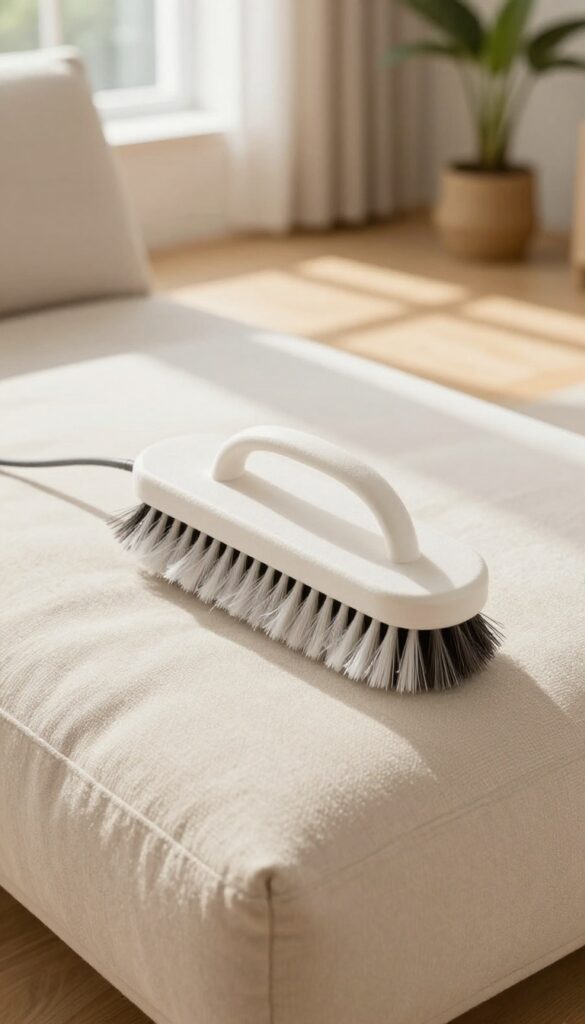
Once you've tackled a stain or done a deep clean, your couch fabric might look a bit flat or matted. That's normal — moisture and scrubbing can press down the fibers. A soft brush is all you need to bring back that plush, inviting texture.
After any wet cleaning method, let the fabric dry completely before brushing. Then take a soft upholstery brush — or even a clean, dry toothbrush — and gently work the fibers in circular motions. This lifts and separates them, restoring the original nap and softness.
For velvet or microfiber, brush in one direction to avoid unevenness. Regular brushing between cleanings also keeps dust and crumbs from settling deep into the weave.
Why Brushing Matters
Cleaning solutions and water can temporarily flatten fibers, making your couch look worn even if it's spotless. Brushing fluffs them back up, reviving the fabric's appearance and feel. It also prevents dirt from grinding into the fibers over time.
Choosing The Right Brush
Look for a brush with soft, natural bristles — like horsehair — or a microfiber cleaning brush. Avoid stiff bristles that can snag or scratch delicate fabrics. A soft toothbrush works well for small areas or textured upholstery.
Brushing Technique Tips
Always brush in the direction of the fabric's natural grain. For pile fabrics like velvet, brush with the nap (one direction) to maintain a uniform sheen. For flat weaves, use gentle circular motions.
Test on an inconspicuous spot first to ensure no damage.
19. Spot Clean with a Magic Eraser for Tough Marks
Some stains just won't budge with regular cleaners. Scuff marks from shoes, ink smudges, or mysterious dark streaks can make your couch look worn out. A melamine sponge, commonly known as a magic eraser, can be a game-changer for these stubborn spots.
Dampen a melamine sponge and gently rub scuff marks or stubborn spots. Works best on smooth fabrics. Avoid heavy pressure to prevent damaging the fabric fibers.
How It Works
Melamine foam acts like ultra-fine sandpaper, gently abrading the stain without harsh chemicals. When dampened, it lifts dirt from smooth fabric surfaces like microfiber or tightly woven polyester.
Best Fabrics To Use It On
This method shines on smooth, non-textured fabrics. Avoid using it on delicate materials like velvet, linen, or suede, as it can cause pilling or damage. Always test on a hidden area first.
Step-by-step Application
- Dampen the magic eraser with water (don't soak it). 2.
Gently rub the mark in a circular motion. 3. Blot with a dry cloth to remove excess moisture.
- Let the area air dry completely. Repeat if needed.
20. Professional Cleaning Once a Year for Longevity
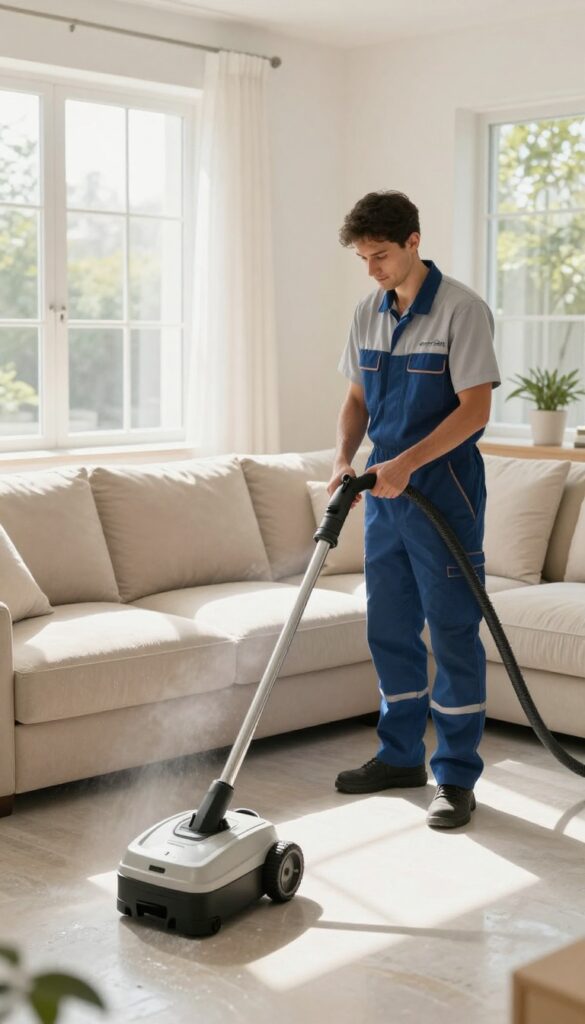
Even with regular care, your couch accumulates dust, allergens, and grime deep within the fabric. A yearly professional deep clean removes what household methods miss and extends your sofa's life significantly. Think of it as a reset button for your upholstery.
Professional cleaners use hot water extraction or steam cleaning to flush out embedded dirt without damaging fibers. They also have commercial-grade stain removers and deodorizers that tackle stubborn odors. The cost is reasonable compared to replacing a couch every few years.
Schedule it in spring or fall when you can leave windows open for drying.
What Professional Cleaning Does
Hot water extraction forces cleaning solution deep into the fabric, then vacuums it out along with dirt. This method is safe for most fabrics and leaves no residue. Steam cleaning uses high-temperature vapor to kill bacteria and dust mites, ideal for allergy sufferers.
How Often To Schedule
Once a year is sufficient for most households. If you have kids, pets, or heavy use, consider every six months. Mark your calendar so you don't forget—regular professional care keeps warranties valid and fabric looking new.
Choosing A Reliable Service
Look for certified technicians who specialize in upholstery. Ask about their cleaning method and check reviews. A good pro will do a spot test first and explain the drying time.
Avoid companies that use harsh chemicals or claim to clean everything the same way.
21. Protect with Fabric Guard Spray After Cleaning
You've just put in the work to remove that stubborn stain or freshen up your couch. Now, make that effort last longer by adding a protective layer. Fabric guard sprays, like Scotchgard, create an invisible barrier that helps liquids bead up instead of soaking in, giving you more time to blot before a stain sets.
Applying a fabric protector is a simple step that pays off every time someone spills a drink or a pet jumps up with muddy paws. The key is to apply it after cleaning, when the fabric is fully dry and free of residues. Most sprays are easy to use: just shake the can, hold it about six inches from the fabric, and apply an even coat.
Let it dry completely—usually a few hours—before using the couch. Reapply every six months or after deep cleaning to maintain protection.
Choosing The Right Spray
Not all fabric protectors are the same. Look for one labeled safe for upholstery and compatible with your couch's fabric type. Scotchgard is a popular choice, but there are also eco-friendly options if you prefer a greener product.
Always test on a hidden area first to make sure it doesn't darken or stiffen the fabric.
Application Tips For Best Results
Work in a well-ventilated area and cover any nearby surfaces you don't want overspray on. Apply in a sweeping motion, keeping the nozzle moving to avoid soaking any one spot. Two thin coats are better than one heavy coat—let the first dry for about 30 minutes before adding a second.
Avoid sitting on the couch until it's completely dry, which can take up to four hours.
22. Remove Cushion Covers and Wash Separately (If Removable)
If your couch cushions have removable covers, you've got a major advantage. Many covers can be tossed in the washing machine for a deep clean that's far more thorough than spot treating. Just check the care label first to avoid ruining them.
Check The Care Label
Before you unzip anything, look for the tag. Most covers are machine washable on a gentle cycle with cold water. If it says dry clean only, stick to that or spot clean instead.
Wash On Gentle Cycle
Use a mild detergent and skip the fabric softener. A gentle cycle prevents excessive wear. Wash similar colors together to avoid dye transfer.
Air Dry To Avoid Shrinkage
Heat is the enemy of cushion covers. Lay them flat or hang them to air dry. If you must use a dryer, choose the lowest heat setting and check frequently.
Reassemble While Slightly Damp
Put the covers back on the cushions when they're still a bit damp. This helps them stretch and fit snugly as they finish drying, preventing wrinkles.
23. Sunlight for Natural Stain Fading and Odor Removal
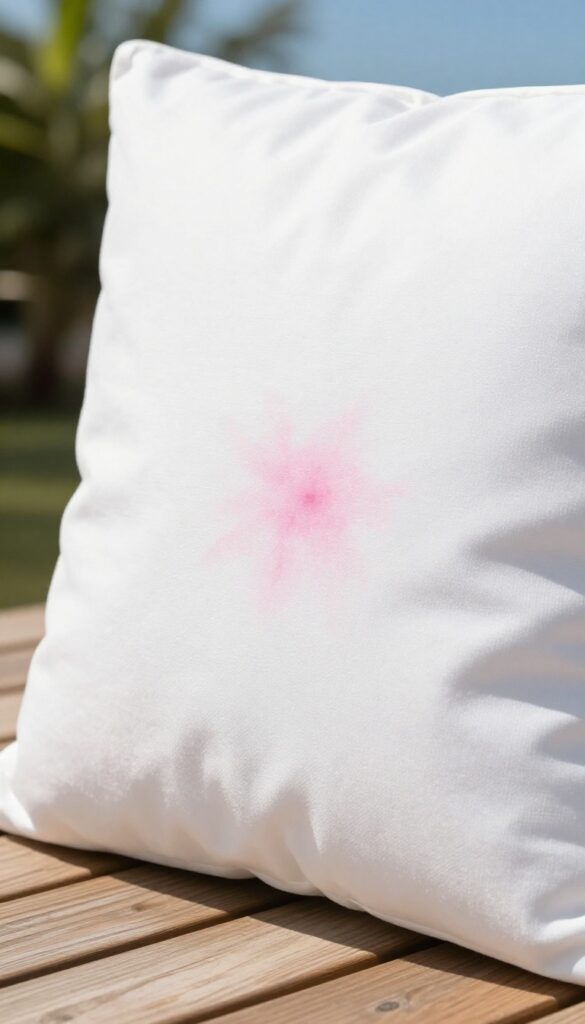
When the weather cooperates, take advantage of one of the oldest stain-fighting tools around: the sun. Ultraviolet rays are surprisingly effective at breaking down certain organic stains and killing the bacteria that cause musty odors. This method works best on removable cushion covers or small fabric sections you can easily move outdoors.
Direct sunlight acts like a gentle, natural bleach. It helps fade discoloration from fruit juice, wine, coffee, and even some ink stains. The UV light also dries out moisture trapped deep in the fibers, which is often the source of lingering smells.
For best results, place cushions or covers in a spot that gets full sun for several hours. Flip them halfway through to expose both sides evenly. Just be aware that prolonged exposure can fade the fabric itself, so limit treatment to a few hours at a time, especially on darker or brightly colored upholstery.
When Sunlight Works Best
Sunlight is most effective on fresh, water-based stains that haven't been heat-set. It's also great for refreshing cushions that smell a bit stale after a deep clean. Don't expect it to remove heavy grease or oil stains—those need a different approach.
For best results, pretreat the stain with a mild solution of dish soap and water, blot it dry, then place the cushion in the sun.
How Long To Leave Cushions Out
A few hours of direct sunlight is usually enough to make a noticeable difference. If the stain is stubborn, you can leave them out for a full day, but check periodically to avoid overexposure. For synthetic fabrics like polyester or microfiber, limit sun time to prevent fading.
Natural fibers like cotton or linen can handle longer sessions.
What About Odors?
Sunlight is a natural deodorizer. The UV rays kill mold spores and bacteria that cause musty smells, especially in cushions that have been damp or stored in humid conditions. After a few hours in the sun, your couch will smell fresher without any chemical sprays.
Just bring the cushions in before evening dew settles, or you'll undo the drying effect.
FAQ
Can I use bleach on my couch fabric?
No, bleach is too harsh for most upholstery fabrics and can cause discoloration or damage. Stick to mild cleaners like dish soap or vinegar solutions.
How often should I clean my couch?
Vacuum weekly and spot clean as needed. A deep clean every 6 to 12 months is recommended, depending on usage and pets.
What if my couch tag says 'X' – vacuum only?
For X fabrics, only vacuum or lightly brush. Do not use any liquid or solvent cleaners, as they can ruin the fabric.
How do I remove old, set-in stains?
Try a paste of baking soda and water, let it dry, then vacuum. For stubborn stains, use a steam cleaner or consult a professional.
Is it safe to use vinegar on all couch fabrics?
Vinegar is safe for most water-safe (W) fabrics, but always test on a hidden area first. Avoid vinegar on silk or delicate fabrics.
Conclusion
Tackling couch stains and odors doesn't have to be a hassle. Start with the simplest fix for your biggest problem—like club soda for fresh spills or baking soda for smells—then build from there. A little regular care keeps your fabric looking great and lasting longer.
Pick two or three tips that match your couch's current needs and make them part of your routine. Your living room will feel fresher in no time.