13 Tile Shower Ideas with a Seat for a Crisp, Cohesive Look
A shower seat isn't just a practical addition—it's a design opportunity. When paired with the right tile, it can turn an everyday shower into a personal sanctuary. The key is to choose a tile scheme that flows seamlessly around the seat, making it feel like an intentional part of the design.
Whether you're planning a full remodel or just refreshing your bathroom, these 13 ideas will help you create a shower that's both functional and beautiful. Each concept focuses on how tile and seating can work together to achieve a crisp, cohesive look.
From natural stone to bold patterns, there's a style here for every taste. Let's dive in and find the perfect combination for your space.
1. Classic Subway Tile with a Teak Seat
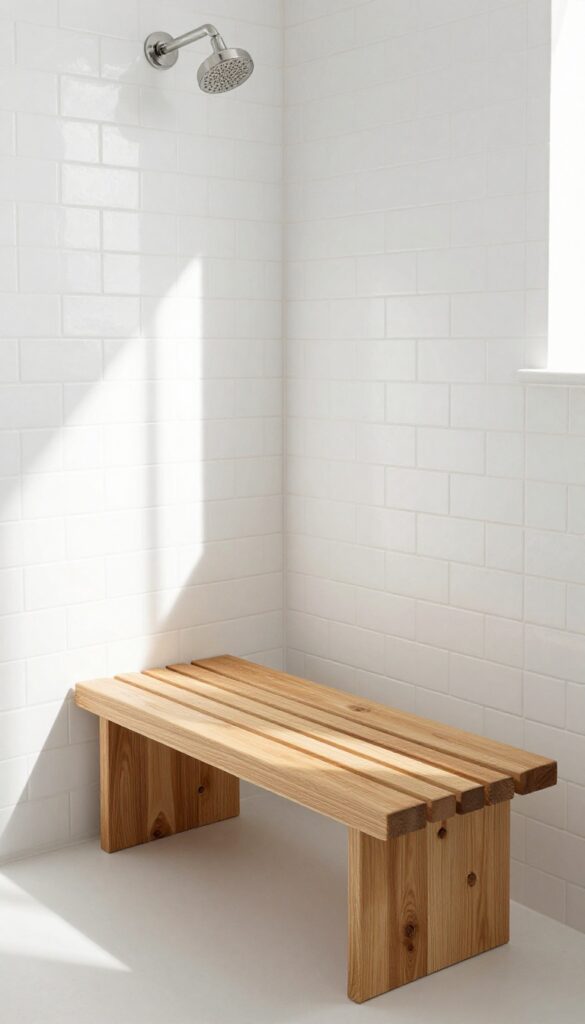
Few combinations feel as effortlessly put-together as classic white subway tile and a warm teak seat. The tile keeps things bright and clean, while the wood adds a natural, spa-like contrast that instantly warms up the space. It's a pairing that works in almost any bathroom, from modern farmhouse to coastal-inspired retreats.
The beauty of this idea is in its simplicity. Subway tile is a timeless choice that never feels dated, and it provides a crisp, neutral backdrop that lets the teak seat become the focal point. The wood's rich honey tones bring a sense of calm and organic texture, making the shower feel more like a boutique hotel than a standard bathroom.
Plus, teak is naturally water-resistant, so it's a practical choice that will hold up beautifully over time.
Why Subway Tile Works So Well
Subway tile's clean, rectangular lines create a sense of order and uniformity, which is perfect for a crisp, cohesive look. It reflects light well, making the shower feel more spacious and airy. And because it's so versatile, you can play with grout color—white for a seamless look, or a soft gray to add subtle definition.
Choosing The Right Teak Seat
When picking a teak seat, consider the size and shape that best fits your shower layout. A corner seat is a great space-saver, while a longer bench offers more room for relaxation. Look for a seat with a slatted top to allow water to drain through, and make sure it's made from high-quality, sustainably sourced teak for durability.
Finishing Touches
To complete the look, add brushed nickel or matte black fixtures that complement the warmth of the teak. A handheld showerhead is a nice touch for rinsing off after a soak on the seat. You can also add a small teak shelf or caddy for shampoo and soap, tying the whole design together.
2. Large-Format Porcelain for a Seamless Look
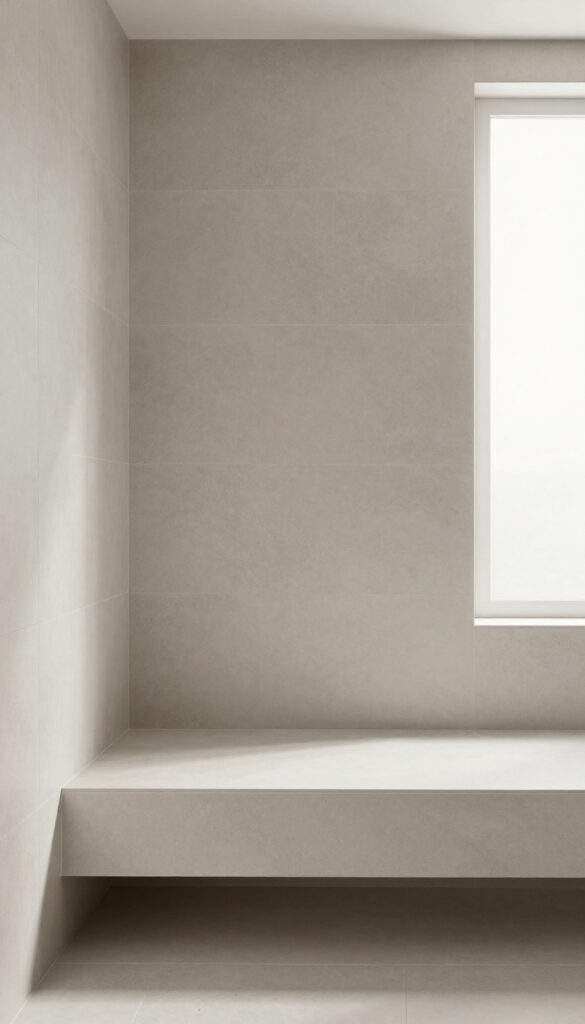
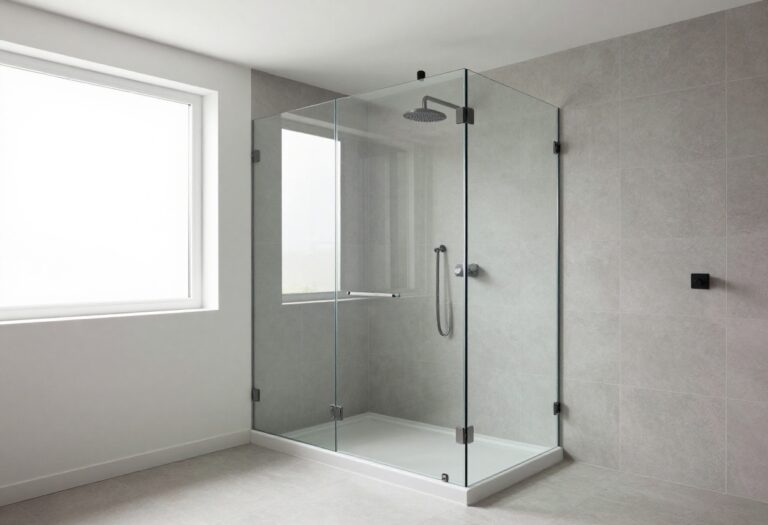
If you want a shower that feels open and airy, large-format porcelain tiles are a smart choice. They cut down on grout lines, which means fewer visual interruptions and a cleaner, more modern backdrop. Pair them with a floating seat made from the same tile, and the whole space looks like it was carved from a single block.
Large-format tiles, typically 12×24 inches or bigger, have become a favorite in contemporary bathrooms. Their size alone reduces the number of grout joints, giving walls a smooth, uninterrupted surface. This simplicity works especially well in compact showers, where too many lines can make the space feel busy.
When you add a seat that matches the tile exactly, the seat doesn't stand out as an afterthought—it blends in, making the shower feel larger and more cohesive.
Why Large-format Tiles Work
Fewer grout lines mean less maintenance and a sleeker look. Large tiles also reflect light more evenly, which brightens the shower. Plus, they're easier to clean because there are fewer crevices for soap scum to hide.
Choosing The Right Seat Style
A floating seat, anchored to the wall without visible supports, keeps the visual line clean. If you prefer a bench, make sure it's the same thickness and color as the tile so it feels like part of the wall. A corner seat can also work, but a full-width bench often looks more intentional.
Installation Tips
To get that seamless look, use a tile that's rated for floors and walls, and ask your installer to match the grout color to the tile. For the seat, consider using a solid surface material like quartz or a large-format tile slab that can be cut to size. This avoids small pieces that break the visual flow.
3. Hexagon Tile with a Contrasting Seat
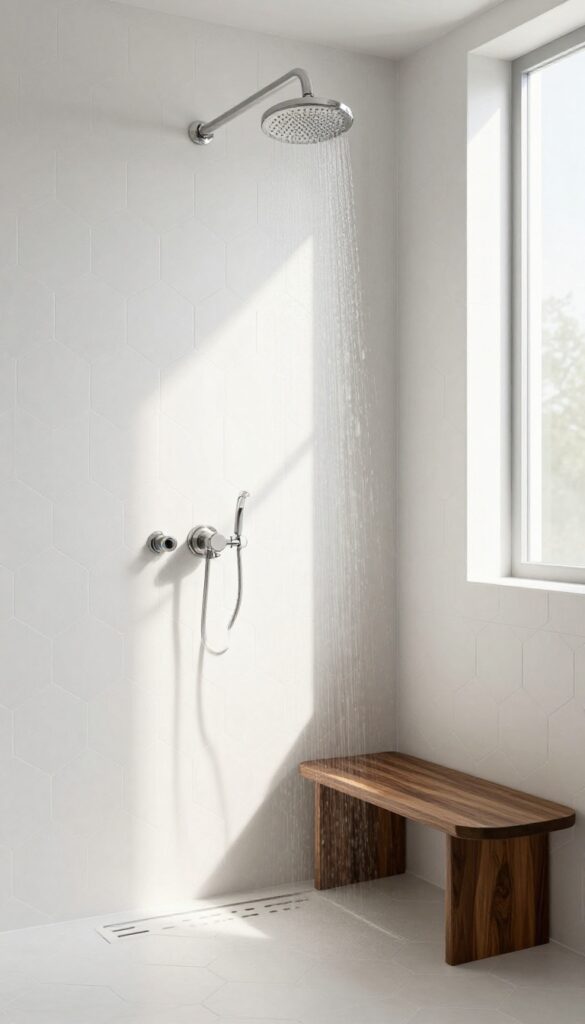
Hexagon tiles bring a playful, honeycomb-like texture that softens the hard lines of a shower. They're a favorite for adding visual interest without overwhelming the space. Pair them with a darker, contrasting seat, and you create a natural focal point that anchors the design.
The beauty of hexagon tile lies in its versatility. Whether you choose a soft gray or crisp white, the geometric shape adds subtle movement that feels both modern and timeless. The key is to let the tile be the star while the seat provides a grounding contrast.
A dark wood or charcoal-toned seat against light hexagons creates a striking balance that draws the eye and adds depth.
Choosing The Right Hexagon Tile
Not all hexagon tiles are created equal. For a crisp, cohesive look, consider matte finishes in soft gray or warm white. Glossy tiles can feel slippery underfoot, so opt for a textured or matte surface for the shower floor.
If you're feeling bold, try a hexagon tile with subtle veining or a handmade look for added character.
Selecting A Contrasting Seat
The seat is your chance to introduce contrast. A dark teak or walnut seat adds warmth and natural texture, while a charcoal or black stone seat offers a more dramatic, modern edge. For a truly cohesive feel, match the seat material to other accents in your bathroom, like a vanity or shelving.
Layout And Grout Considerations
How you lay the hexagon tile matters. A uniform grid creates a clean, orderly pattern, while a brick-lay or random offset adds a more organic, dynamic feel. Grout color plays a big role too—white grout keeps things light and airy, while a darker grout can make the hexagons pop and add definition.
4. Natural Stone Slab with a Built-In Bench
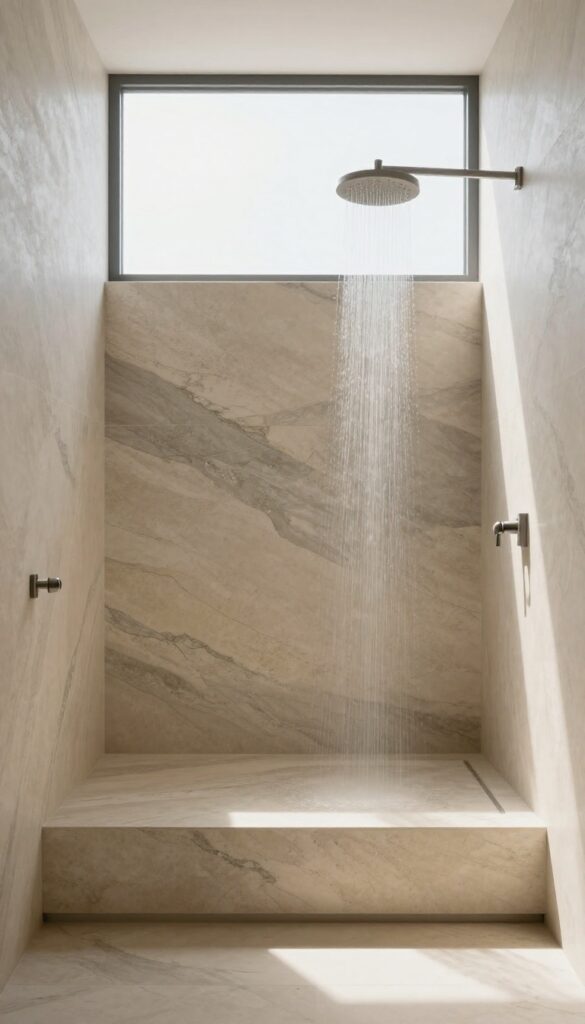
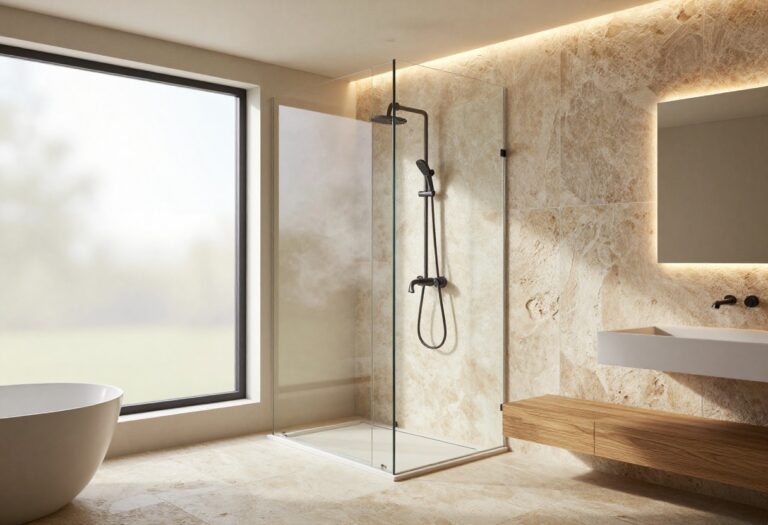
There’s a quiet drama in a single, unbroken stretch of stone that wraps from wall to bench. Large-format slabs minimize grout lines, letting the natural veining take center stage. The result feels less like tiled walls and more like a carved-out grotto—only with better plumbing.
This approach works especially well in showers with a built-in bench, because the seat becomes part of the same monolithic surface. No awkward transitions, no visible seams—just a smooth, continuous flow that reads as both modern and timeless.
When you choose natural stone slabs for your shower, you’re investing in a look that’s both durable and elegant. The built-in bench, when cut from the same slab, creates a seamless visual line that makes the space feel larger and more intentional. Plus, stone’s natural texture adds grip, so you don’t have to worry about slipping.
One thing to keep in mind: stone is porous, so sealing is non-negotiable. But with proper care, it will age beautifully, developing a patina that adds character over time.
Why Slabs Beat Tiles For A Seamless Look
Tiles have their place, but they come with grout lines that can interrupt the eye. Slabs, on the other hand, offer an uninterrupted canvas. When you carry the same slab from the wall onto the bench, the seat disappears into the design—it’s just part of the stone.
This is especially striking with dramatic veining, like marble or quartzite, where the pattern flows naturally across the entire surface.
Choosing The Right Stone
Not all stone is created equal for shower use. Marble is gorgeous but high-maintenance; quartzite is tougher and more resistant to etching. If you love the look of marble but want something more forgiving, consider a porcelain slab that mimics the veining.
Whatever you pick, make sure it’s rated for wet areas and has a slightly textured finish to prevent slips.
Installation Tips For A Flawless Finish
This is a job for a pro who knows how to handle large-format slabs. The bench should be built with a slight slope toward the drain so water doesn’t pool. Also, ask for a eased edge on the bench—it feels softer and more comfortable than a sharp 90-degree corner.
And don’t forget to seal the stone before the first use, then reseal periodically to keep it looking fresh.
5. Herringbone Pattern with a Corner Seat
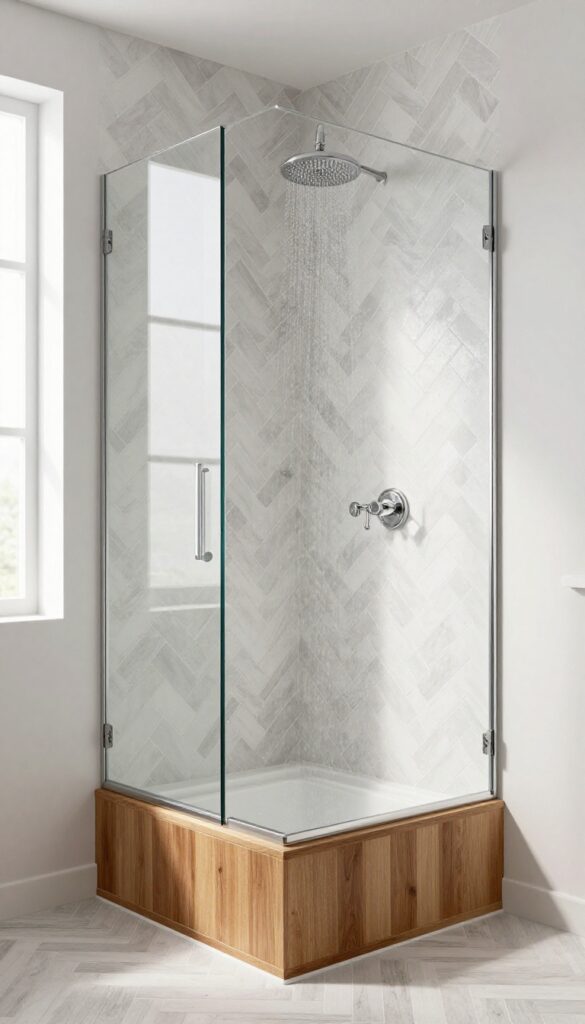
Herringbone tile is a classic way to add texture and motion to a shower wall. The zigzag pattern draws the eye upward and makes the space feel larger, especially when paired with a corner seat. Instead of breaking the flow, the seat becomes a natural resting point within the pattern, keeping the design cohesive and intentional.
A herringbone layout works beautifully with a corner seat because the diagonal lines create a sense of continuity. The seat, often tucked into the corner, doesn't interrupt the pattern—it complements it. This combination is perfect for those who want a dynamic yet harmonious shower that feels both stylish and functional.
Why Herringbone Works With A Corner Seat
The angled lines of herringbone tile naturally guide the eye around the corner, so a seat placed there doesn't feel like an afterthought. Instead, it becomes part of the visual rhythm. The pattern also adds depth, making the shower feel more spacious.
Plus, the corner placement maximizes floor space, which is a win for smaller bathrooms.
Choosing The Right Tile Size And Color
For a crisp look, opt for rectangular tiles in a classic subway shape, but laid in a herringbone pattern. White or light gray tiles keep the space bright and airy, while darker grout lines make the pattern pop. If you're feeling bolder, consider a contrasting color for the seat—like a warm wood tone—to break up the tile and add warmth.
Installation Tips For A Seamless Look
To keep the pattern flowing around the seat, plan the tile layout carefully before installation. Start the herringbone from a central point and work outward, cutting tiles to fit around the seat. Use a waterproof backer board and high-quality thinset to ensure durability.
And don't forget to seal the grout to protect against moisture.
6. Pebble Tile Floor with a Tiled Seat
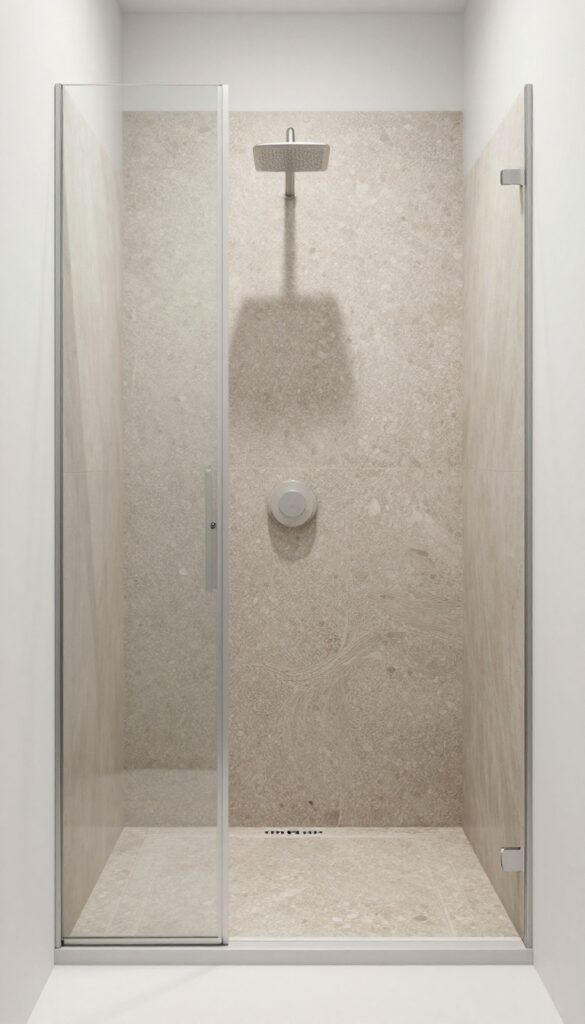
Pebble tile flooring brings a natural, spa-like feel to any shower, and when paired with a matching tiled seat, the result is both comfortable and visually interesting. The smooth, cool surface of the seat contrasts beautifully with the bumpy texture underfoot, creating a sensory experience that's both grounding and refreshing. This combination works especially well in earthy or coastal-inspired bathrooms, where organic materials take center stage.
The key to this look is balance. While the pebble floor adds texture and a gentle massage-like sensation, the seat should be smooth and easy to clean. Using the same pebble tile on the seat can be too rough and uncomfortable, so opt for a matching solid tile or a large-format porcelain that mimics the color of the pebbles.
This way, you get cohesion without sacrificing comfort.
Why Pebble Tile Works With A Seat
Pebble tiles are naturally slip-resistant, making them a safe choice for a shower floor. The irregular surface also stimulates circulation underfoot, which many people find invigorating. When you add a seat, you create a spot to sit and enjoy that sensation, whether you're shaving your legs or just taking a moment to relax.
The contrast between the rough floor and the smooth seat also adds depth to the design.
Choosing The Right Pebble Tile
Pebble tiles come in a variety of colors, from soft gray and beige to warmer tan and brown tones. Consider the overall palette of your bathroom—if you have warm wood accents, a warmer pebble tone will tie things together. For a more modern look, go with a consistent gray or black pebble.
Also, think about the size of the pebbles; smaller pebbles create a denser, more uniform texture, while larger ones feel more rustic.
Seat Material And Finish
For the seat, you have a few options. A tiled seat that matches the pebble color but uses a smooth tile is a popular choice. Alternatively, a solid surface or quartz seat can offer a seamless look and is very easy to clean.
If you prefer a natural feel, a teak or cedar seat can add warmth, but it will require more maintenance. The key is to ensure the seat is at a comfortable height and depth—typically around 18 inches high and 15-16 inches deep.
Installation Tips
When installing pebble tile, make sure the surface is properly prepared and the adhesive is applied evenly. Grout lines should be consistent to avoid a messy look. For the seat, ensure it's properly waterproofed and sloped slightly toward the drain to prevent water pooling.
If you're hiring a pro, ask for references and check their previous work with pebble tile, as it can be tricky to get right.
7. Bold Geometric Tile with a Neutral Seat
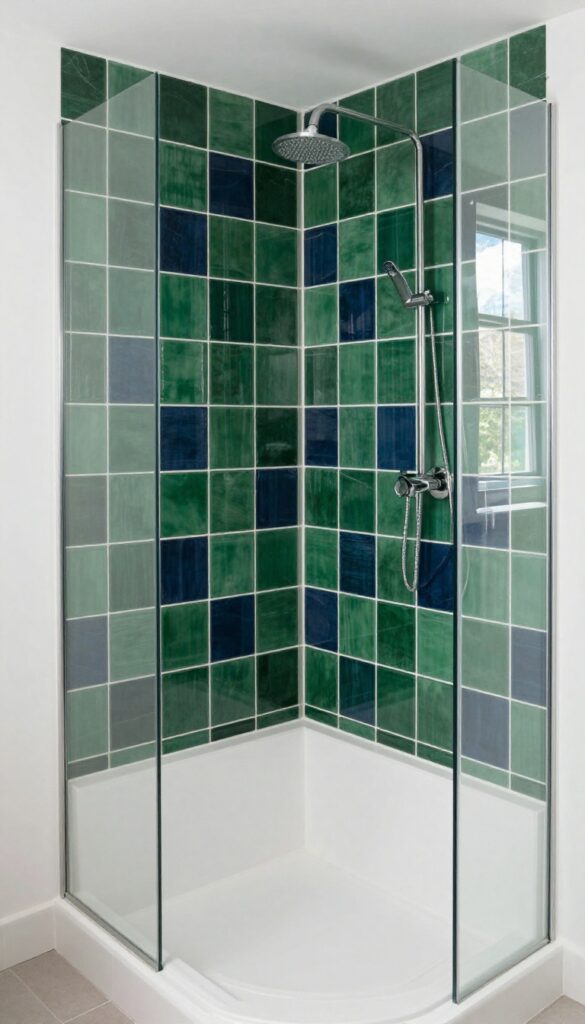
When you want your shower to feel alive and energetic, bold geometric tiles are a fantastic way to go. They bring pattern, color, and a modern edge that instantly draws the eye. But here’s the trick: to keep that boldness from overwhelming the space, a neutral, solid-colored seat acts as a visual anchor.
It gives your eyes a place to rest and keeps the overall look cohesive, not chaotic.
Geometric tiles come in a dizzying array of shapes and patterns—from hexagons and arabesques to chevrons and Moroccan-inspired layouts. The key is to pick a palette that excites you but still feels intentional. Think deep emerald greens, navy blues, or even terracotta with contrasting grout.
The seat, meanwhile, should be a calm counterpoint: think warm white, soft beige, or light gray. This way, the seat becomes a functional accent, not a competing element.
Choosing The Right Geometric Pattern
Not all geometric tiles are created equal. Large-scale patterns can make a small shower feel busy, while smaller, more intricate designs can get lost. Consider the size of your shower and how much wall space the tile will cover.
If you have a larger area, you can afford a bolder, larger pattern. For a compact shower, opt for a smaller pattern that adds texture without overwhelming. Also, think about the grout color—a contrast can make the pattern pop, while a matching grout creates a more subtle, seamless look.
Making The Seat Blend In
The seat should feel like a natural part of the design, not an afterthought. One way to achieve this is to use the same neutral tile on the seat as you use for the shower floor or other built-in elements. Another option is to choose a solid-surface material like quartz or marble in a soft, warm tone.
If you want the seat to stand out slightly, you can use a slightly different shade of the same neutral, or even a complementary texture like a matte finish. The goal is to let the geometric tile shine while the seat provides a quiet anchor.
Finishing Touches For A Polished Look
Once the tile and seat are in place, small details can elevate the design. Consider adding a niche in the same neutral material to hold your shampoo and soap—it will tie the whole look together. A slim, modern showerhead and a frameless glass door will keep the focus on the tile.
And don’t forget lighting: warm, soft lighting can make the bold colors feel inviting rather than harsh. With these touches, your shower will feel like a custom, cohesive retreat.
8. Vertical Stacked Tile for a Modern Feel
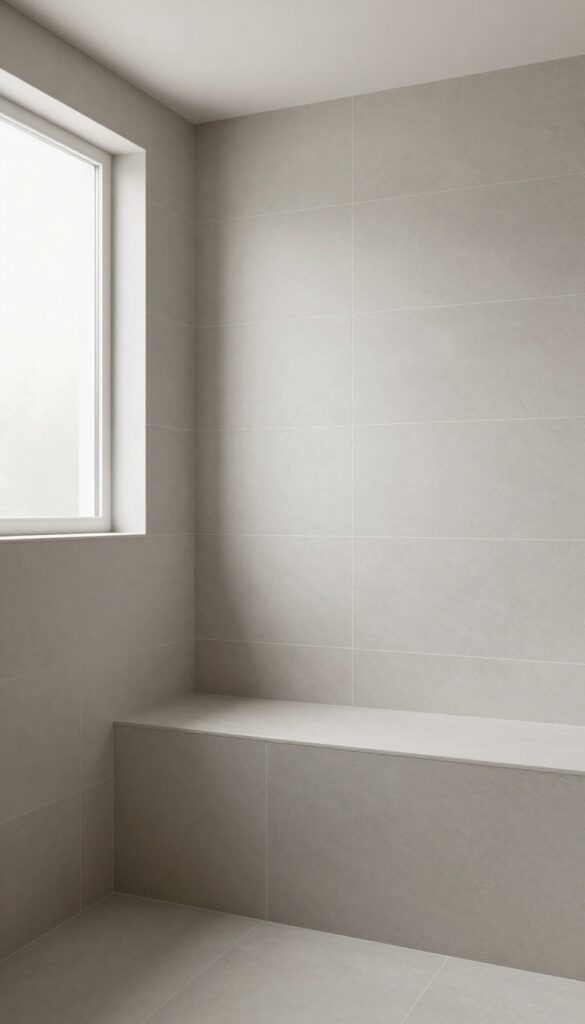
Stacking tiles vertically is a simple trick that instantly makes a shower feel taller and more open. The clean, linear lines add a modern edge without shouting for attention. Pairing this with a low-profile floating seat in the same tile keeps everything seamless and sleek.
Vertical stacked tile is all about clean, uninterrupted lines that draw the eye upward. It’s a favorite in contemporary bathrooms because it feels both minimal and intentional. The key is to use large-format tiles or long subway tiles laid in a straight stack—no offset, no pattern.
This creates a smooth, almost monolithic surface that makes the space look bigger. For the seat, a floating bench that matches the tile color is the way to go. It should look like it’s part of the wall, not an add-on.
If you choose a contrasting grout, you’ll get a subtle grid effect that adds texture without breaking the clean vibe. If you want it even more seamless, use grout that matches the tile color for a nearly invisible joint.
Why Vertical Stacking Works
Vertical lines naturally make a room feel taller, and in a shower, that’s a big win. It also gives the space a calm, orderly feel that’s perfect for a modern bathroom. Unlike horizontal layouts, vertical stacking doesn’t visually widen the space—it lifts it.
Choosing The Right Tile
Large-format tiles (like 12×24 inches) are ideal for vertical stacking because they have fewer grout lines, which keeps the look clean. Porcelain or ceramic in a matte finish works best. Glossy tiles can be slippery when wet, so opt for a textured or matte surface for safety.
Seat Design And Placement
A floating seat made of the same tile material creates a cohesive look. It should be about 18-20 inches high and 15-18 inches deep. Place it on a side wall, not opposite the showerhead, to keep it dry and functional.
If you can, have the seat built with a slight slope for water runoff.
Finishing Touches
To keep the modern feel, choose a minimal shower fixture—like a rain showerhead or a sleek handheld. Avoid bulky frames or ornate details. A glass shower door with minimal hardware lets the tile shine.
Add a niche in the same tile for storage, and you’ve got a spa-like retreat.
9. Mosaic Tile Accent with a Marble Seat
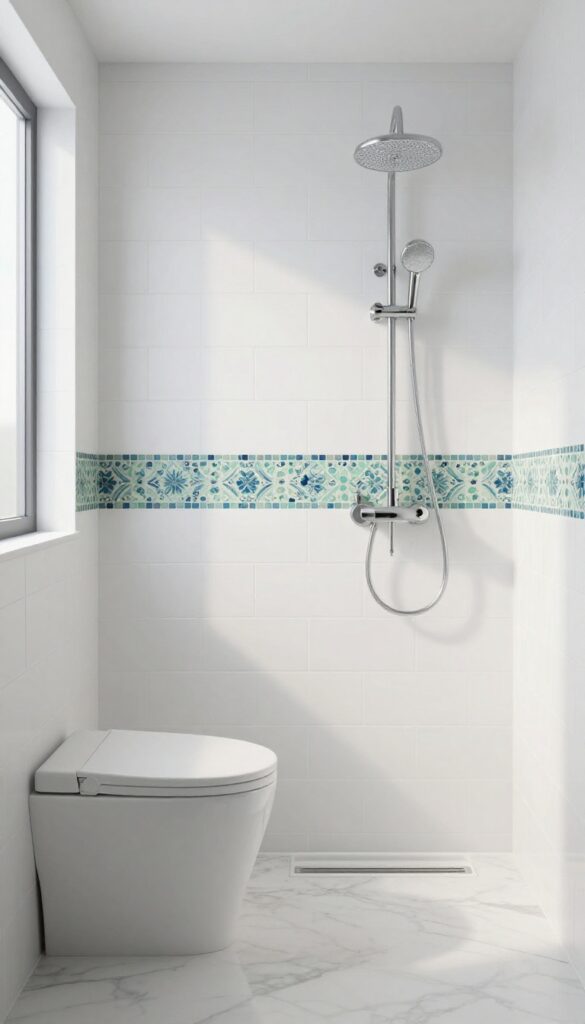
A mosaic accent strip can do wonders for a shower, especially when it's placed right behind the seat. It draws the eye to that area and gives the space a curated, artistic feel. Pair it with a marble seat, and you've got a combination that's both elegant and grounded.
The contrast between the intricate mosaic and the smooth, cool marble creates a visual balance that feels luxurious without being overdone. The marble seat acts as a neutral anchor, letting the mosaic shine without competing for attention. This setup works well in both modern and traditional bathrooms, and it's a great way to introduce a pop of color or pattern without overwhelming the space.
Choosing The Right Mosaic
Think about the overall color palette of your bathroom. If you're going for a calm, spa-like vibe, opt for mosaics in soft blues, greens, or neutral tones. For a bolder statement, choose a mosaic with metallic accents or high-contrast patterns.
The key is to pick something that complements the marble seat and the rest of the tile, not something that clashes.
Placement And Proportions
The mosaic strip should be proportional to the seat and the wall. A good rule of thumb is to make it about 6 to 12 inches wide, running horizontally behind the seat. This creates a nice focal point without making the wall feel busy.
If you have a larger shower, you could even extend the mosaic up the wall or across the ceiling for a more dramatic effect.
Marble Seat Options
Marble seats come in a variety of finishes, from polished to honed. Polished marble has a glossy, reflective surface that adds a touch of glamour, while honed marble has a matte finish that feels more understated and is less slippery when wet. Consider the maintenance too—marble is porous, so it needs to be sealed regularly to prevent staining.
If you love the look but want something more durable, you could also consider a marble-look porcelain tile.
10. Subway Tile with a Built-In Niche and Seat
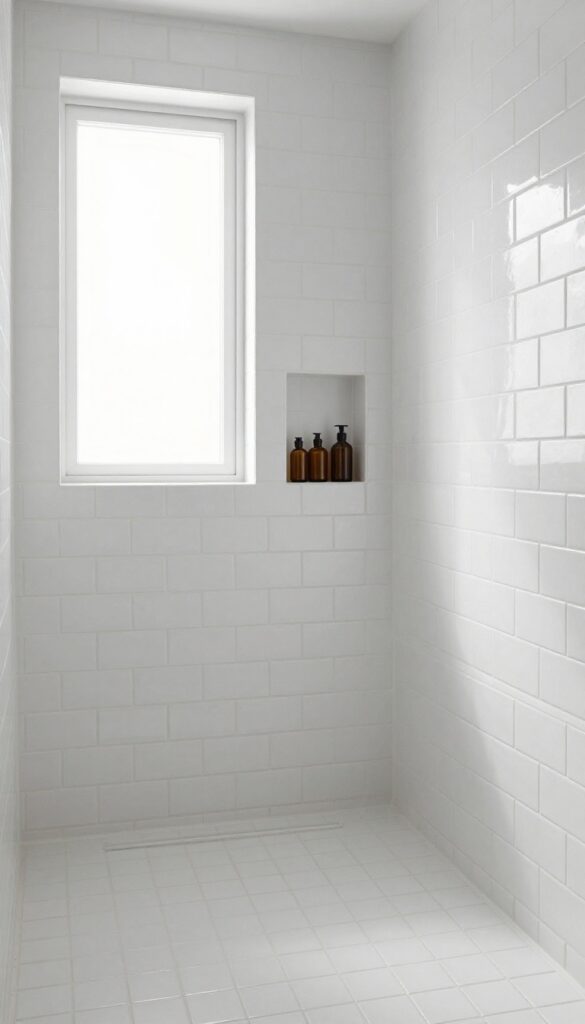
Subway tile has been a bathroom staple for over a century, and for good reason. Its clean lines and timeless appeal make it a safe bet that never looks dated. But when you pair it with a built-in niche and a matching tiled seat, you get more than just a pretty wall—you get a smart, functional setup that feels completely custom.
The beauty of this idea lies in its simplicity. The subway tile creates a uniform backdrop, while the niche and seat are integrated seamlessly, so they look like they were always meant to be there. This approach is perfect for anyone who wants a clean, cohesive look without sacrificing storage or comfort.
Plus, the niche gives you a spot for shampoos and soaps, keeping the shower floor clutter-free.
Why It Works
The key to this design is the continuous tile. By carrying the same subway tile from the walls onto the seat and inside the niche, you create a visual flow that makes the space feel larger and more put-together. The grout lines align perfectly, reinforcing the seamless look.
This is especially effective in smaller bathrooms where every inch counts.
Placement Tips
Think about where you'll actually use the seat. A corner seat is a classic choice, but a full-width bench along the back wall can be more practical if you have the space. Place the niche at a comfortable height—around chest level—so you can easily reach your products.
If possible, position the niche near the seat so everything you need is within arm's reach.
Style Variations
Subway tile doesn't have to be boring. You can play with the layout, like using a herringbone pattern on the niche's back wall or a vertical stack on the seat front. For a modern twist, choose a larger format subway tile or a matte finish.
If you want a touch of contrast, consider a different grout color or a contrasting tile for the niche's interior.
11. Textured Tile for a Spa Vibe
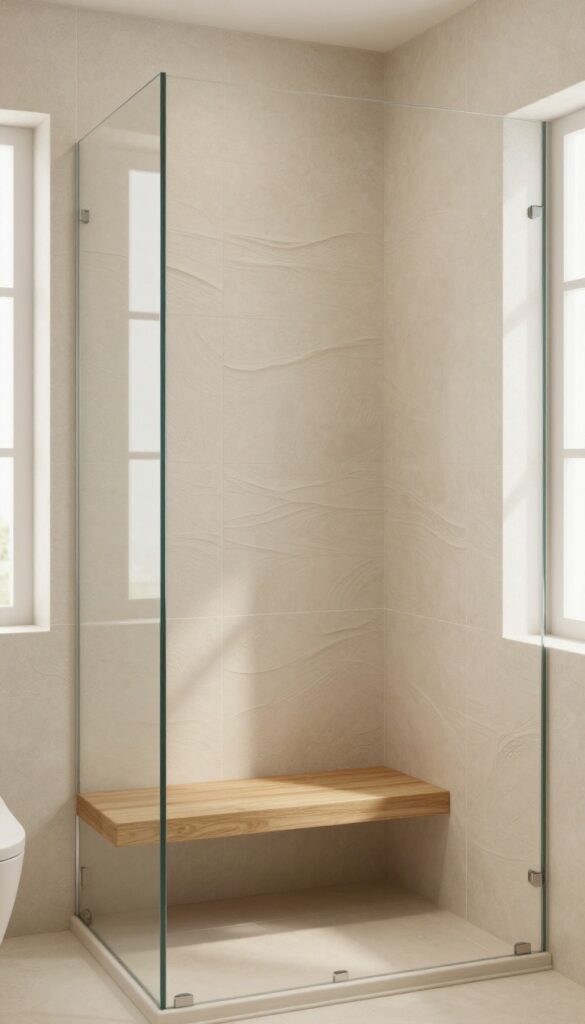
Texture does more than catch the eye—it invites you to touch. In a shower, where everything is wet and glossy, a textured tile adds a sensory layer that makes the space feel more like a retreat. Paired with a simple bench, it creates a relaxing, spa-like atmosphere without a lot of fuss.
The key is to let the tile do the talking. Choose a 3D wave or ripple pattern in a soft, neutral tone, and keep the seat clean and unadorned. The contrast between the busy wall and the plain bench gives the eye a place to rest, making the whole setup feel balanced and intentional.
Textured tile is a fantastic way to add depth and interest to a shower without relying on bold colors or patterns. The raised surfaces catch light and shadow in a way that flat tile can't, making the space feel dynamic and alive. For a spa-like vibe, stick with organic shapes and muted colors—think soft grays, warm beiges, or even a matte white.
A simple bench in a complementary tone keeps the focus on the texture. If your tile is a warm beige, go with a bench in a similar wood tone or a creamy stone. If your tile is a cool gray, a white or light concrete bench works well.
The goal is to create a cohesive look where the seat feels like it belongs, not like an afterthought.
Choosing The Right Texture
Not all textured tiles are created equal. Some have subtle ripples that feel smooth to the touch, while others have deep grooves that are more pronounced. For a shower, you want something that feels good underfoot and on the skin, but also isn't too hard to clean.
Look for tiles with a matte finish and a moderate texture—enough to add interest, but not so much that they trap soap scum. Consider the scale of the pattern as well. Large, sweeping waves can make a small shower feel more expansive, while smaller, tighter ripples add a delicate touch.
Think about how the texture will interact with your shower head and lighting. A tile that catches the light in the right way can make the whole space glow.
Pairing With A Bench
When it comes to the bench, simplicity is your friend. A floating bench or a simple corner seat in a solid color lets the textured tile shine. If you want to add a little warmth, a teak bench is a classic choice that complements natural textures beautifully.
Just make sure the bench is properly sealed and rated for wet areas. Another option is to tile the bench itself with a complementary texture, like a flat pebble or a smooth stone. This creates a subtle contrast that adds depth without competing with the main wall.
Just keep the bench in a neutral tone so the overall look stays cohesive.
Lighting And Accessories
Textured tile loves natural light, so if you have a window in your shower, make the most of it. If not, consider adding a dimmable light fixture or a waterproof LED strip to highlight the texture. The play of light and shadow will make the tile look even more dimensional.
Accessories should be minimal and functional. A simple shelf for shampoo, a small plant (if you have enough light), and maybe a natural loofah are all you need. Avoid cluttering the space with too many bottles or decorative items—the goal is to keep the focus on the texture and the calm, spa-like feeling it creates.
12. Dark and Moody Tile with a Light Seat
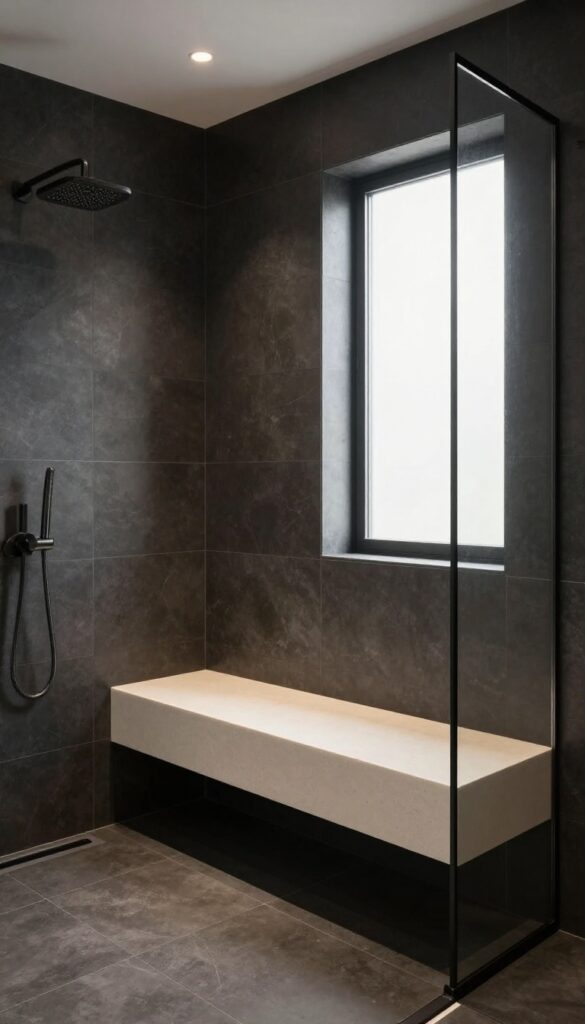
Dark tiles bring a sense of drama and depth that lighter shades just can't match. When you pair them with a light-colored seat, the contrast becomes the star of the show. The seat pops against the deep backdrop, drawing the eye and making the space feel both grounded and airy.
This combination works because the dark tile creates a cozy, enveloping atmosphere, while the light seat prevents it from feeling too heavy. It's a balance that feels intentional and refined. Whether you choose charcoal, navy, or forest green tiles, the light seat will anchor the space and provide a visual resting point.
Choosing The Right Dark Tile
Not all dark tiles are created equal. Matte finishes absorb light and add a soft, velvety texture, while glossy tiles reflect light and can make the space feel larger. Large-format tiles minimize grout lines for a seamless look, while smaller tiles like hexagons add visual interest.
Consider the overall vibe you want—matte for a modern, understated feel, glossy for a touch of glamour.
Picking The Perfect Light Seat
The seat is your chance to introduce contrast. White or cream are classic choices, but you can also go for a light wood tone or a soft gray. A floating seat in a light material can feel more open, while a bench-style seat adds a solid, grounded element.
Just make sure the material is waterproof and easy to clean, like quartz or sealed teak.
Lighting And Accents
In a dark shower, lighting becomes even more important. Recessed ceiling lights or a stylish wall sconce can highlight the texture of the tile and the crispness of the seat. Add a few warm-toned accessories, like a wooden stool or a brass shelf, to soften the mood and tie the whole look together.
13. Patterned Tile with a Wood-Look Seat
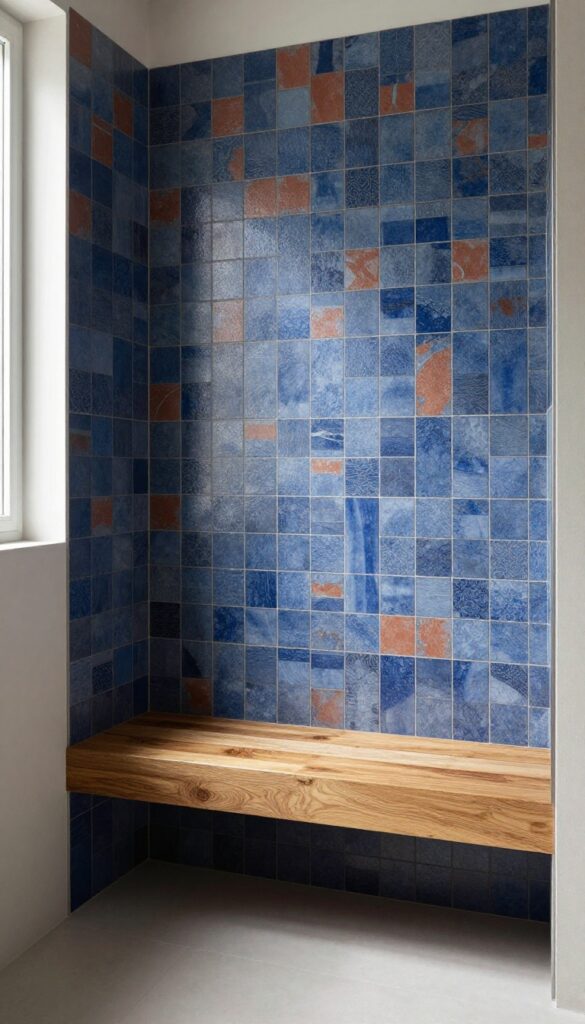
Patterned tile brings energy and personality to a shower, and when you pair it with a wood-look seat, you get a warm, grounded focal point. The contrast between the vibrant tile and the natural wood tone creates a balanced, inviting space that feels both bold and cozy. This combo works especially well in bathrooms that want a touch of character without going overboard.
Choosing patterned tile for your shower walls is a great way to make a statement. Encaustic or Moroccan-inspired designs add visual interest and a handcrafted feel. The wood-look seat, whether it's a real teak bench or a porcelain tile that mimics wood, brings warmth and an organic element that softens the pattern's intensity.
Together, they create a crisp, cohesive look that's anything but boring.
Picking The Right Pattern
When selecting patterned tile, consider the scale of the pattern relative to your shower size. Large-scale patterns can overwhelm a small space, while smaller motifs might get lost in a big shower. Also, think about the color palette—earthy tones like terracotta, navy, or sage green pair beautifully with wood.
Keep the grout color neutral to let the pattern shine.
Wood-look Seat Options
You have a few choices for a wood-look seat. A real teak or cedar bench offers natural water resistance and a classic spa vibe. Alternatively, a seat made of wood-look porcelain tile gives you the aesthetic without the maintenance.
Whichever you pick, ensure it's properly sealed or rated for wet areas to avoid warping or mold.
Placement And Balance
Position the seat where it can be a visual anchor without competing with the tile. A corner seat works well, or you can place it along a wall with a niche above. Balance the pattern by using solid-colored tiles on the floor or on adjacent walls.
This way, the patterned area remains the highlight, and the wood seat stands out as a natural complement.
FAQ
What is the best tile for a shower seat?
Porcelain or ceramic tile is a great choice for shower seats because it's durable, water-resistant, and easy to clean. Natural stone like marble or granite also works well but requires more maintenance. Ensure the tile has a slip-resistant finish if it's on the seat surface.
How big should a shower seat be?
A typical shower seat is about 15 to 18 inches deep and 18 to 20 inches high. The width can vary, but a 24-inch-wide seat is comfortable for most people. Consider your space and needs when deciding on the final dimensions.
Do I need a permit to add a shower seat?
In most areas, adding a shower seat as part of a bathroom remodel may not require a permit if it's a simple addition. However, if you're altering plumbing or electrical systems, a permit is likely needed. Always check with your local building department.
Can I install a shower seat myself?
If you have basic DIY skills and the right tools, you can install a prefabricated shower seat. However, for a custom tiled seat, it's best to hire a professional to ensure proper waterproofing and structural support.
How do I maintain a tiled shower seat?
Regularly clean the tile and grout with a mild, non-abrasive cleaner. Seal the grout annually to prevent moisture damage. Wipe down the seat after each use to keep it looking fresh and prevent soap scum buildup.
Conclusion
Adding a seat to your tile shower isn’t just about function—it’s a chance to make the whole space feel more intentional and polished. With the right tile pairing, that built-in bench becomes a natural focal point instead of an afterthought.
Pick the combination that fits your routine and style, and you’ll get a shower that’s both easier to use and easier on the eyes. Small choices here can make a big difference in how the room comes together.