10 Savvy Bathroom Shower Tile Ideas for a Crisp, Custom Look
Your shower is more than a daily necessity—it's a chance to set the tone for your entire bathroom. The right tile can turn a bland enclosure into a crisp, custom retreat that feels both fresh and personal. But with so many options out there, it's easy to get stuck in a sea of samples and swatches.
That's why we've rounded up ten savvy shower tile ideas that balance style, durability, and practicality. Whether you're planning a full renovation or a quick refresh, these ideas will help you make a confident choice.
Each one brings its own character, so you can find the perfect match for your space and taste. From timeless classics to bold statements, we've got you covered.
1. Classic Subway Tile with a Twist
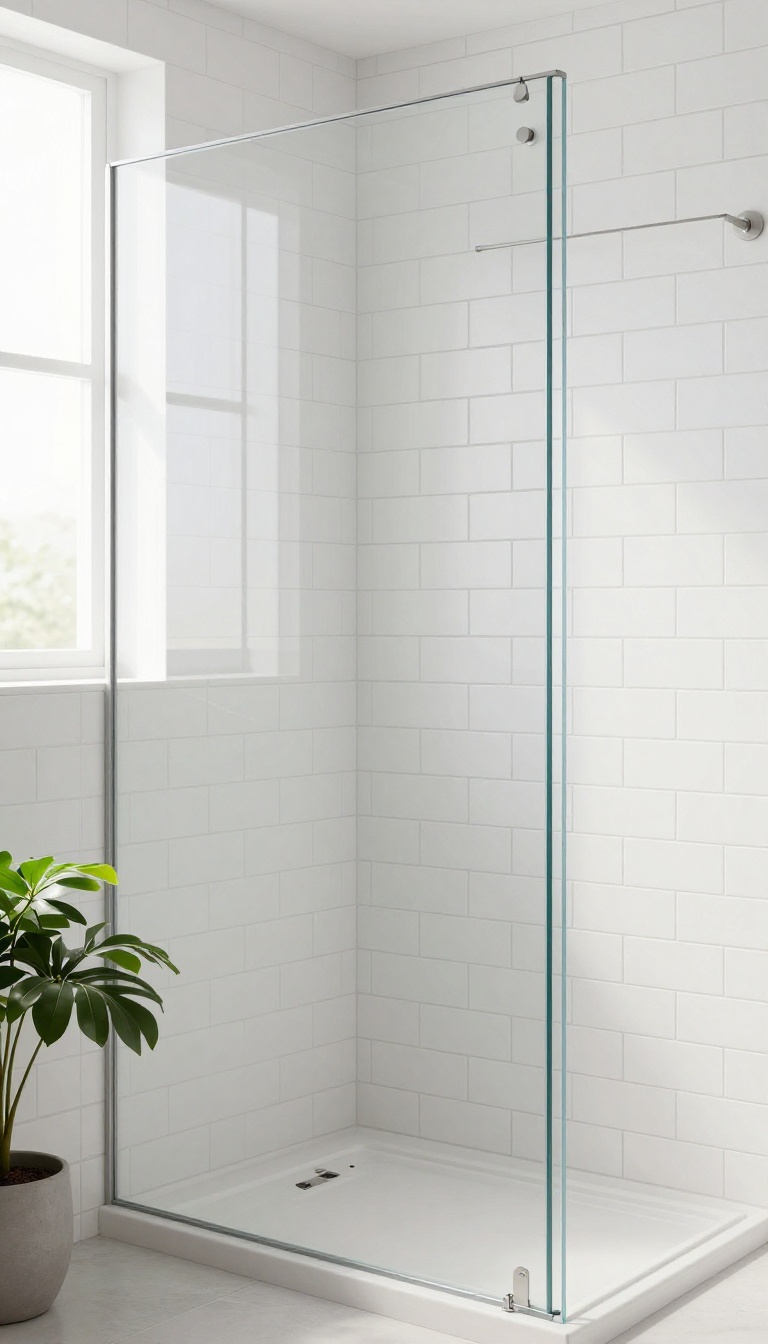
Subway tile has been a bathroom staple for decades, and for good reason—it's clean, bright, and endlessly versatile. But if you're worried it might look too predictable, there's a simple fix: change the layout. Instead of the standard brick pattern, try a herringbone or vertical stack arrangement to give the classic tile a fresh, modern vibe.
This twist on a timeless favorite lets you keep the familiar charm of subway tile while adding a layer of sophistication and visual interest. It's a subtle way to make your shower stand out without committing to a bold or trendy look that might feel dated in a few years.
Why Herringbone Works
Herringbone instantly adds texture and movement to your shower walls. The V-shaped pattern draws the eye upward, making the ceiling feel higher and the space more expansive. It's a classic pattern that feels both elegant and contemporary, and it works especially well in smaller showers where you want to create a sense of depth.
The Vertical Stack Effect
If you prefer a more minimalist look, a vertical stack—where the tiles are laid end to end in straight columns—can elongate the walls and make the shower feel taller. This layout has a clean, linear aesthetic that pairs beautifully with modern fixtures and frameless glass enclosures. It's a simple change that has a big impact.
Choosing The Right Tile
To make the pattern stand out, consider using a larger subway tile, such as 3×12 or 4×12 inches, and opt for a matte finish to reduce glare. You can also play with grout color—contrasting grout will highlight the pattern, while matching grout creates a more seamless look. Both options work well, so pick the one that fits your style.
2. Large-Format Tiles for a Seamless Look
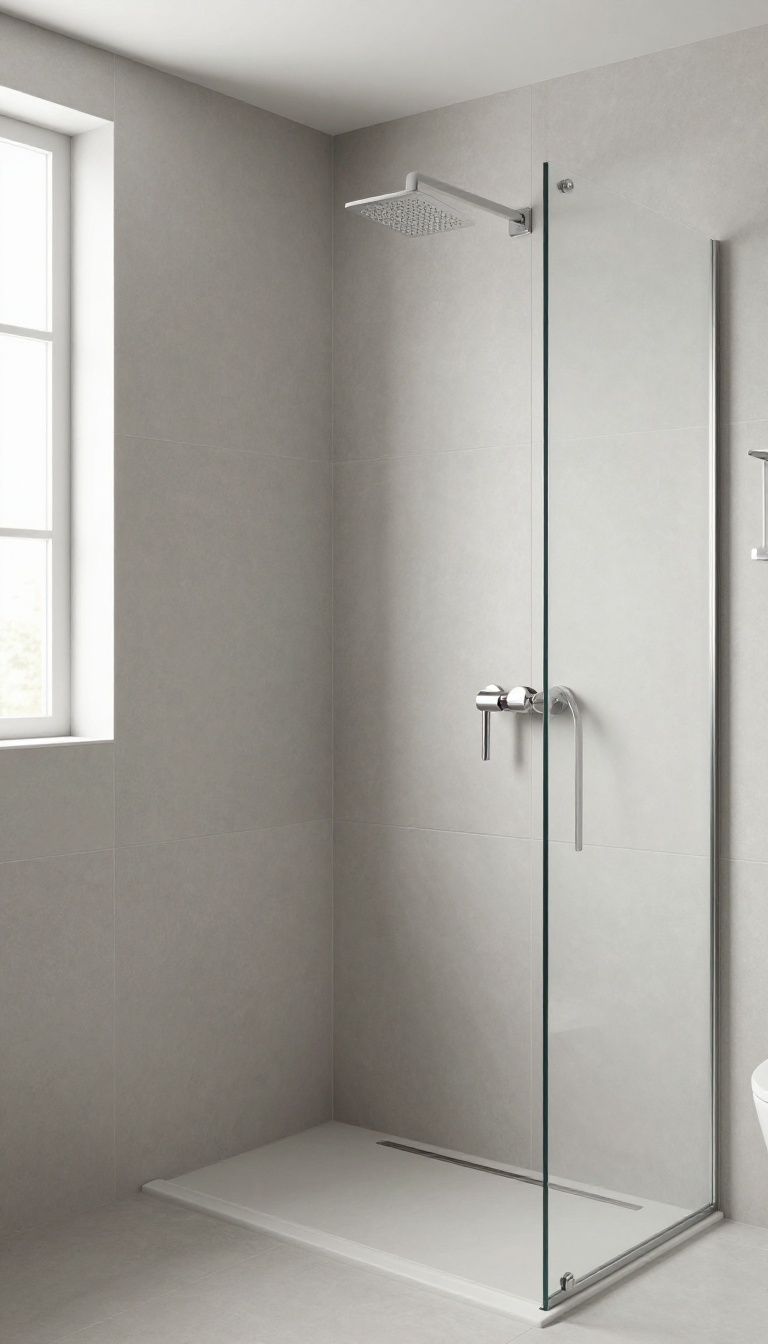
If you're tired of scrubbing grout lines, large-format tiles might be your new best friend. These big slabs—typically 12×24 inches or larger—minimize the number of joints, giving your shower a smooth, continuous surface. The result is a sleek, spa-like aesthetic that also makes a small space feel more open and airy.
Beyond the visual appeal, large tiles are a practical choice for busy households. Fewer grout lines mean less maintenance and fewer places for mold and mildew to hide. Plus, the expansive surface area lets the natural stone or porcelain pattern shine without interruption, creating a truly custom look.
Why Bigger Feels Bigger
Large-format tiles trick the eye into seeing more space. With fewer lines to break up the wall, the shower feels less cluttered and more expansive. This is especially helpful in compact bathrooms where every inch counts.
Pairing large tiles with a matching grout color enhances the seamless effect even further.
Installation Tips For A Flawless Finish
While large tiles look stunning, they require a perfectly flat substrate to avoid lippage—where one edge sticks up higher than the next. Use a leveling system during installation to keep everything flush. Also, consider hiring a pro if you're not experienced, because handling these heavy slabs can be tricky.
Choosing The Right Material
Porcelain is a top pick for large-format tiles because it's durable, water-resistant, and available in finishes that mimic natural stone or concrete. If you prefer a warmer look, large-format ceramic tiles offer similar benefits. Avoid natural stone in high-moisture areas unless it's sealed properly, as it can be more porous.
3. Hexagon Tiles for a Playful Touch
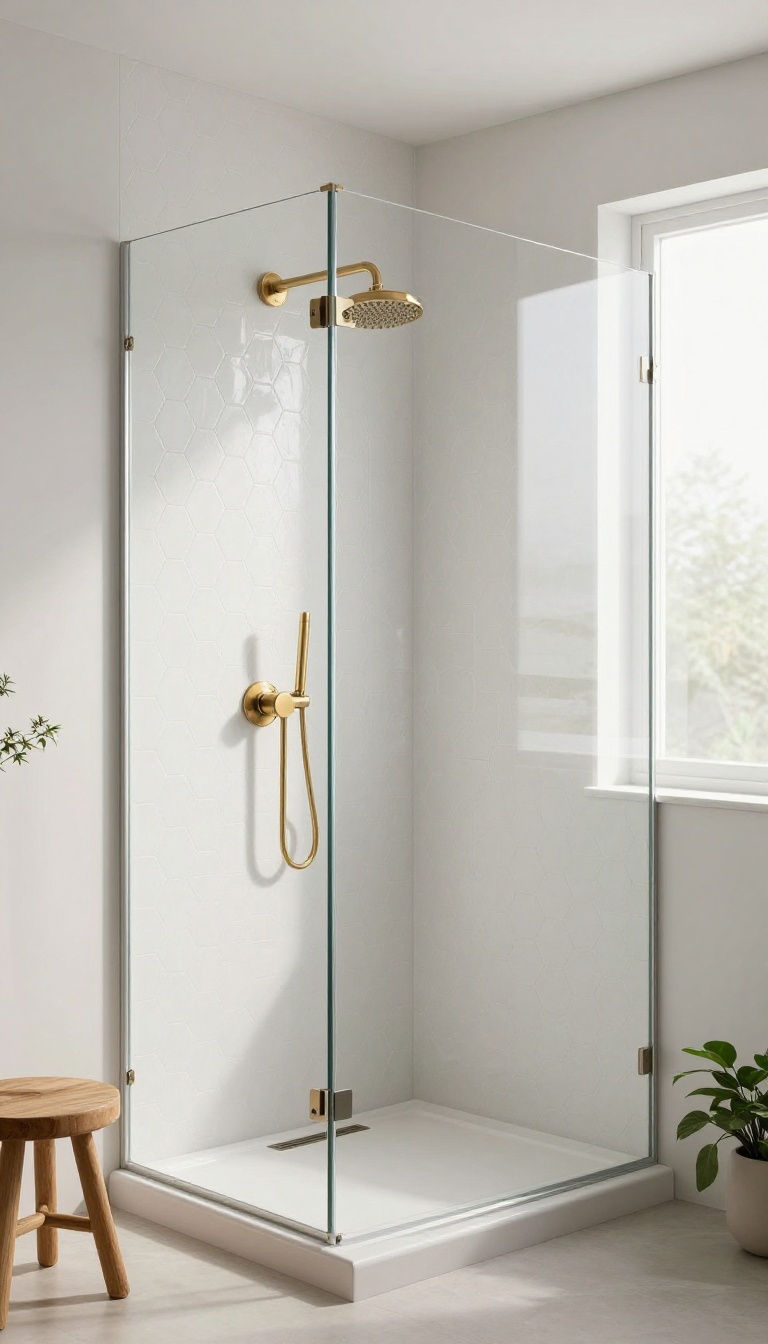
Hexagon tiles are having a serious moment, and it's easy to see why. Their six-sided shape adds a subtle geometric charm that feels fresh without being overwhelming. Whether you go classic white or a bold color, hexagons bring personality to any shower.
They work beautifully as a full wall treatment or as a striking accent. The key is to let the shape do the talking—pair them with simple fixtures and let the tile shine. If you want a look that's both playful and polished, hexagons are a fantastic choice.
Hexagon tiles offer a unique blend of retro appeal and modern versatility. They can make a small shower feel larger by drawing the eye upward, or create a dynamic focal point when used sparingly. The trick is to balance the pattern with the rest of your bathroom's design.
One of the best things about hexagons is their adaptability. They come in a range of sizes, from tiny mosaics to large-format hexagons, so you can control the visual impact. Smaller hexagons create a busy, textured look, while larger ones feel more streamlined and contemporary.
Play With Scale And Layout
Don't be afraid to mix hexagon sizes or lay them in unexpected patterns. A vertical brick layout can elongate the space, while a random offset arrangement adds a whimsical feel. You can also use hexagons to create a subtle gradient effect by blending shades from light to dark, which adds depth and interest.
Pair With Complementary Textures
Hexagons pair beautifully with other materials like natural stone, wood-look porcelain, or matte black fixtures. For a crisp, spa-like vibe, combine white hexagon tiles with light gray grout and brushed nickel hardware. If you're feeling bolder, try a deep emerald green hexagon with brass accents for a touch of luxury.
Go Bold With Color Or Pattern
While classic white hexagons are timeless, don't shy away from color. A soft blush or sky blue can add a playful pop without being overwhelming. For a truly custom look, consider patterned hexagon tiles that mix geometric shapes within each tile.
Just remember to keep the rest of the bathroom simple so the tile remains the star.
4. Pebble Tile Flooring for a Spa Vibe
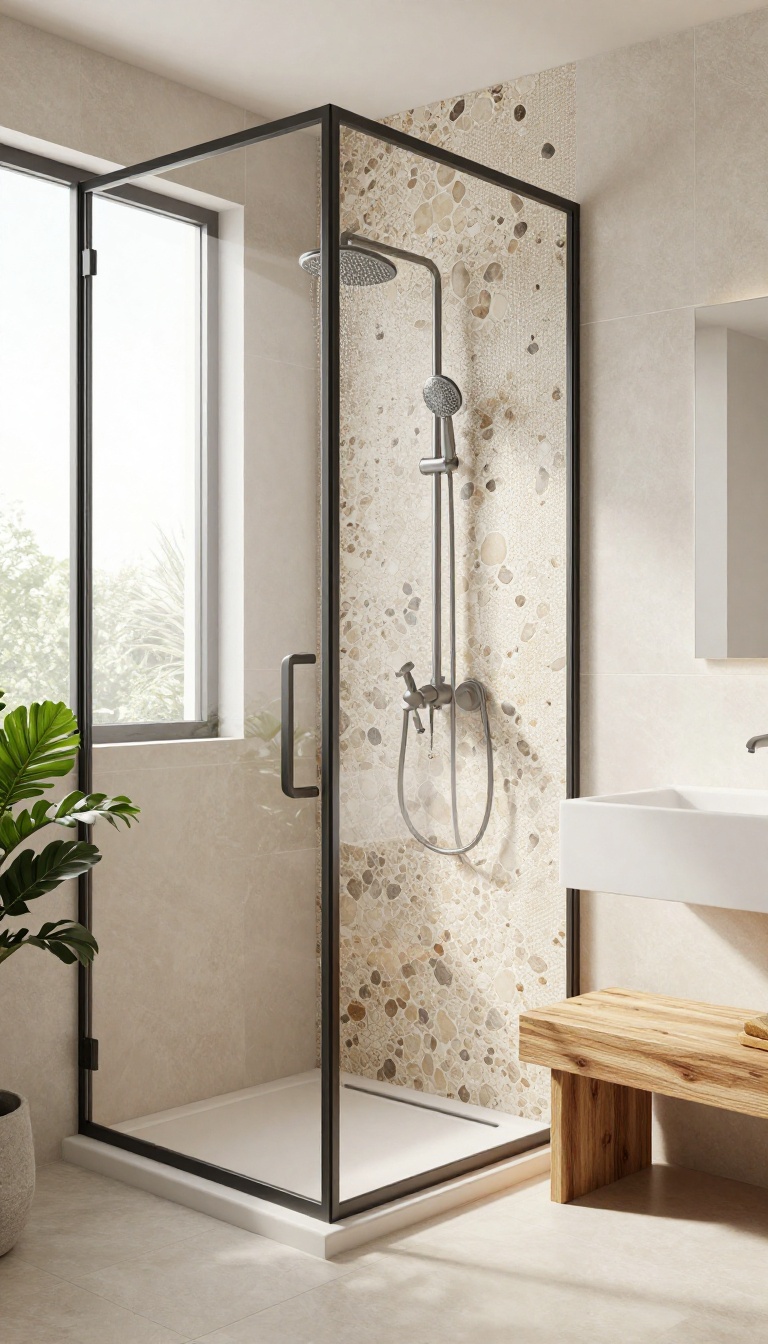
Stepping onto a bed of smooth pebbles might be the closest you'll get to a riverside retreat without leaving home. Pebble tile flooring brings that natural, organic feel into your shower, turning an everyday rinse into a mini escape. The textured surface isn't just about looks—it offers gentle traction and a massaging sensation underfoot that many people find surprisingly soothing.
Pebble tiles are made from natural stones set onto mesh backing, creating a flexible sheet that conforms to any shower floor. They come in a variety of colors, from warm beiges and grays to cool blues and greens, so you can easily match your bathroom's palette. The uneven surface provides excellent slip resistance, making it a safe choice for families or anyone who wants extra peace of mind.
Why Pebble Tiles Feel So Good
The gentle bumps and curves of pebble tiles stimulate the pressure points in your feet, which can improve circulation and reduce stress. It's like a free foot massage every time you shower. Plus, the natural texture helps you feel grounded and connected to nature, which is a big part of the spa appeal.
Choosing The Right Pebble Size And Color
Pebble tiles come in small, medium, and large sizes. Smaller pebbles create a denser, more uniform surface, while larger pebbles give a bolder, more rustic look. For a subtle, calming vibe, stick to neutral tones like beige or light gray.
If you want a pop of color, consider blue or green pebbles to mimic a riverbed or ocean floor.
Installation And Grout Tips
Installing pebble tile requires a bit more patience than standard tiles because you need to press each sheet into the thinset evenly. Use a grout float to push grout into all the gaps, then wipe off excess with a damp sponge. A penetrating sealer is a must to protect the natural stone from moisture and stains.
With proper care, your pebble floor will last for years.
5. Bold Patterned Tiles as a Statement
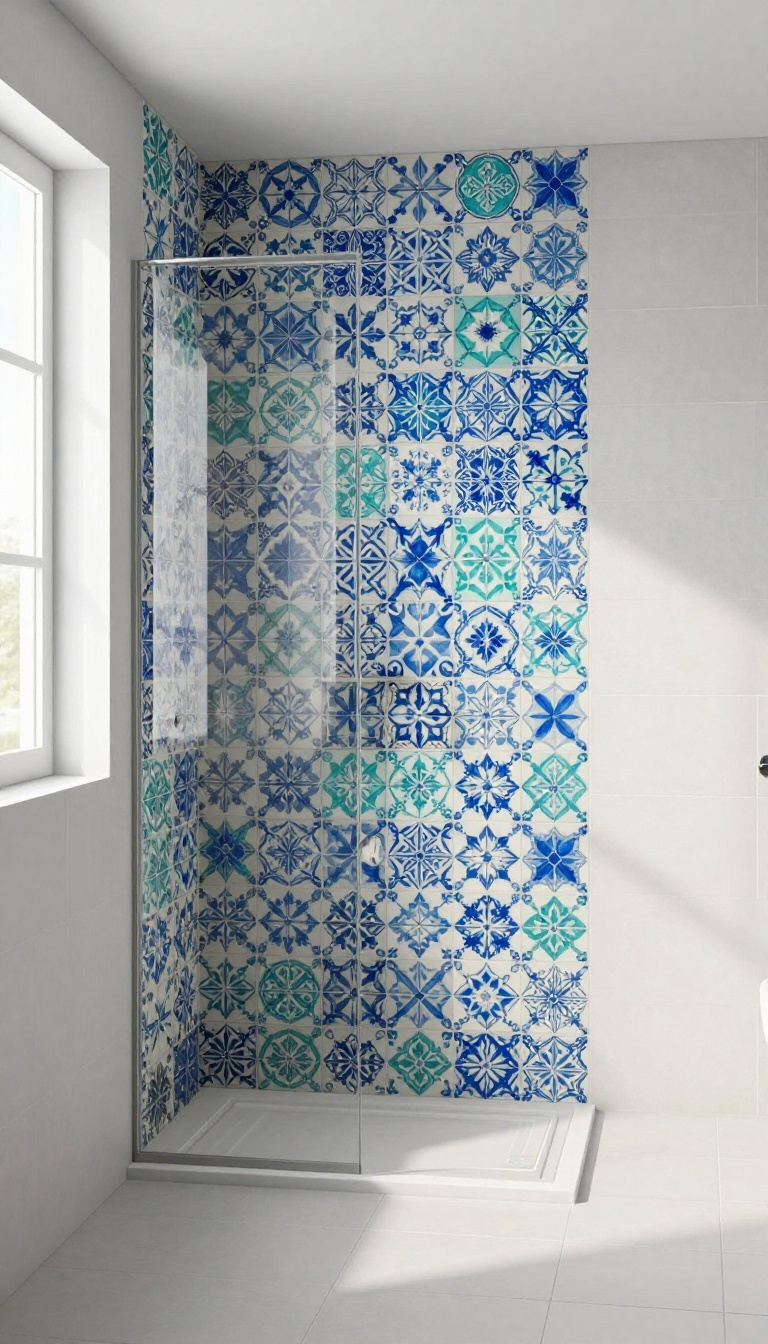
A shower doesn't have to play it safe. If you're drawn to color and pattern, bold tiles can give your space a serious personality boost. The trick is to use them strategically—on one wall or in the niche—so they feel intentional, not overwhelming.
Keep the rest of the shower neutral, and you'll get that crisp, custom look without the visual chaos.
Bold patterned tiles are a fantastic way to inject energy into your shower. They work especially well in smaller spaces, where a single accent wall can make the whole room feel more dynamic. The key is balance: let the pattern be the star, and let the surrounding tiles fade into the background.
This approach also makes the design easier to live with long-term, since the bold element is contained and can be changed more easily if your tastes evolve.
Where To Place The Pattern
The most common spot for a bold pattern is the main shower wall you see when you walk in. That could be the wall opposite the showerhead or the one behind the fixtures. Another popular option is the shower niche—a small, recessed shelf that can handle a pop of pattern without dominating the space.
If you're feeling adventurous, you could also do a patterned floor, but that might be too much for some people. Start with one area and see how it feels.
Pairing With Neutral Tiles
To keep the look crisp, pair your bold tiles with neutral tiles in white, gray, beige, or even black. Large-format tiles in a solid color create a clean backdrop that lets the pattern shine. You can also use the same neutral tile on the other walls and the floor, so the eye is drawn straight to the accent.
If you want a bit more interest, consider a subtle texture or a different size for the neutral tiles, but keep the color palette simple.
Mixing Patterns Without The Mess
If you love multiple patterns, you can mix them, but do it with care. Choose patterns that share a common color palette, and vary the scale—maybe a large floral on the main wall and a smaller geometric in the niche. Keep the rest of the shower solid to avoid a busy, cluttered feel.
Another trick is to use the same pattern in different colors or finishes, like a matte and a glossy version, to add depth without going overboard.
6. Marble-Look Tiles for Timeless Elegance
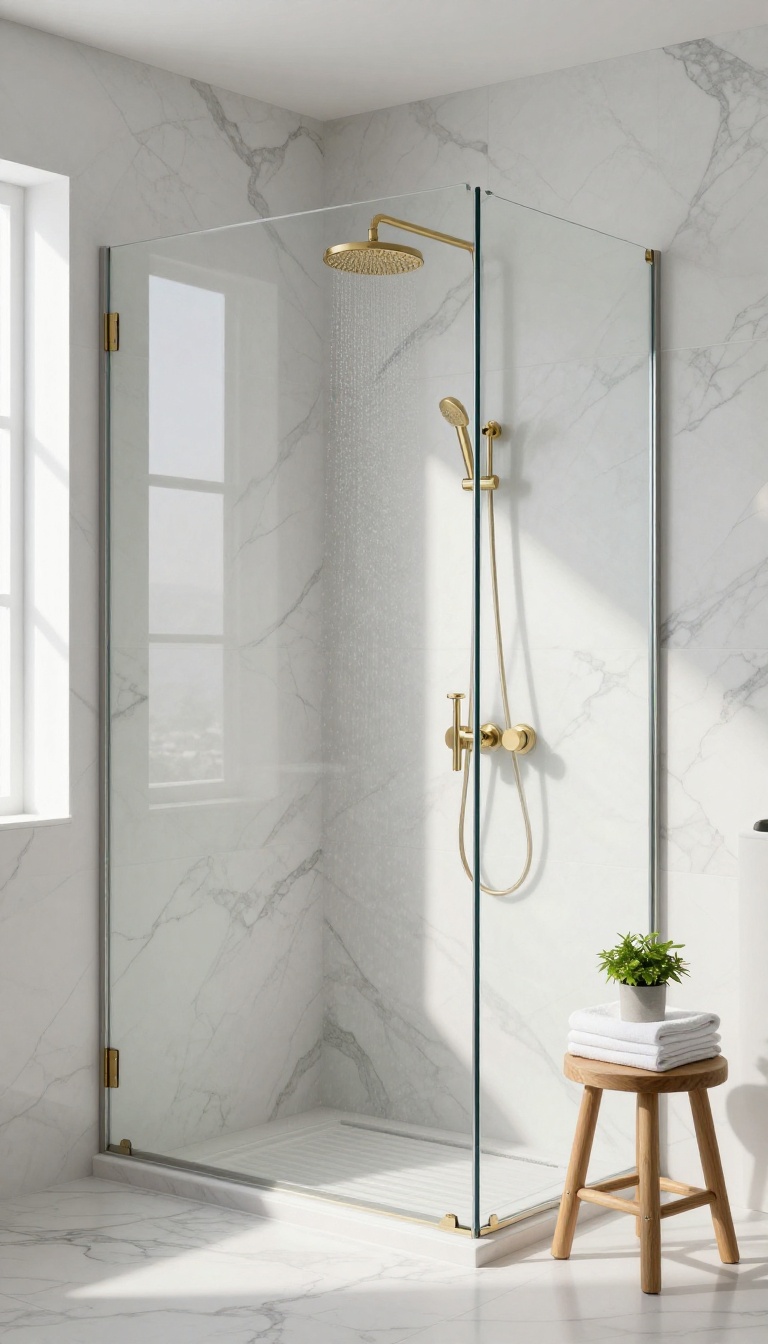
Marble has always been the gold standard for luxury bathrooms, but the real thing comes with a hefty price tag and a laundry list of maintenance demands. Marble-look porcelain or ceramic tiles give you that high-end aesthetic without the constant sealing and worrying about stains. They're tough, water-resistant, and way easier on your wallet, so you can get that crisp, classic look and actually enjoy it.
When you choose marble-look tiles, you're getting the visual richness of natural stone with the practicality of modern manufacturing. These tiles are printed with incredibly realistic veining and color variations, so they capture the elegance of Carrara, Calacatta, or Statuario marble without the upkeep. They're also more slip-resistant than polished stone, which is a big win for a shower floor.
And because they're porcelain or ceramic, they won't etch or stain from shampoo or soap scum—just a quick wipe and they're good as new. Whether you go with large slabs for a seamless look or smaller tiles for a classic grid, marble-look options bring a timeless sophistication that never goes out of style.
Why Choose Porcelain Over Real Marble?
Real marble is porous and prone to etching from acidic products, which means it needs regular sealing and careful cleaning. Porcelain and ceramic marble-look tiles, on the other hand, are non-porous and highly resistant to moisture, stains, and scratches. They also come in larger formats, which means fewer grout lines and a cleaner, more modern appearance.
Plus, you get the same elegant look at a fraction of the cost, leaving room in your budget for other upgrades.
How To Pick The Right Veining And Finish
The key to a convincing marble look is the veining pattern. For a bright, airy feel, choose tiles with subtle gray veining on a white base. If you want more drama, go for bold, dark veins on a soft cream background.
Also, consider the finish: polished tiles reflect light and make the space feel larger, while matte or honed finishes offer a more understated, contemporary vibe and better slip resistance for floors. Don't be afraid to mix large-format tiles on the walls with smaller mosaics on the floor for a cohesive yet textured look.
Design Ideas To Maximize The Effect
To make your marble-look tiles shine, pair them with simple, neutral fixtures and let the tile be the star. Use large-format tiles in a running bond or stacked pattern to create a seamless, spa-like backdrop. For a touch of luxury, add a niche with the same marble-look tile and a contrasting accent strip.
You can also extend the tile to the ceiling to make the shower feel taller and more expansive. And don't forget good lighting—warm, dimmable lights will enhance the natural tones and make the space feel inviting.
7. Vertical Stacked Tiles to Add Height
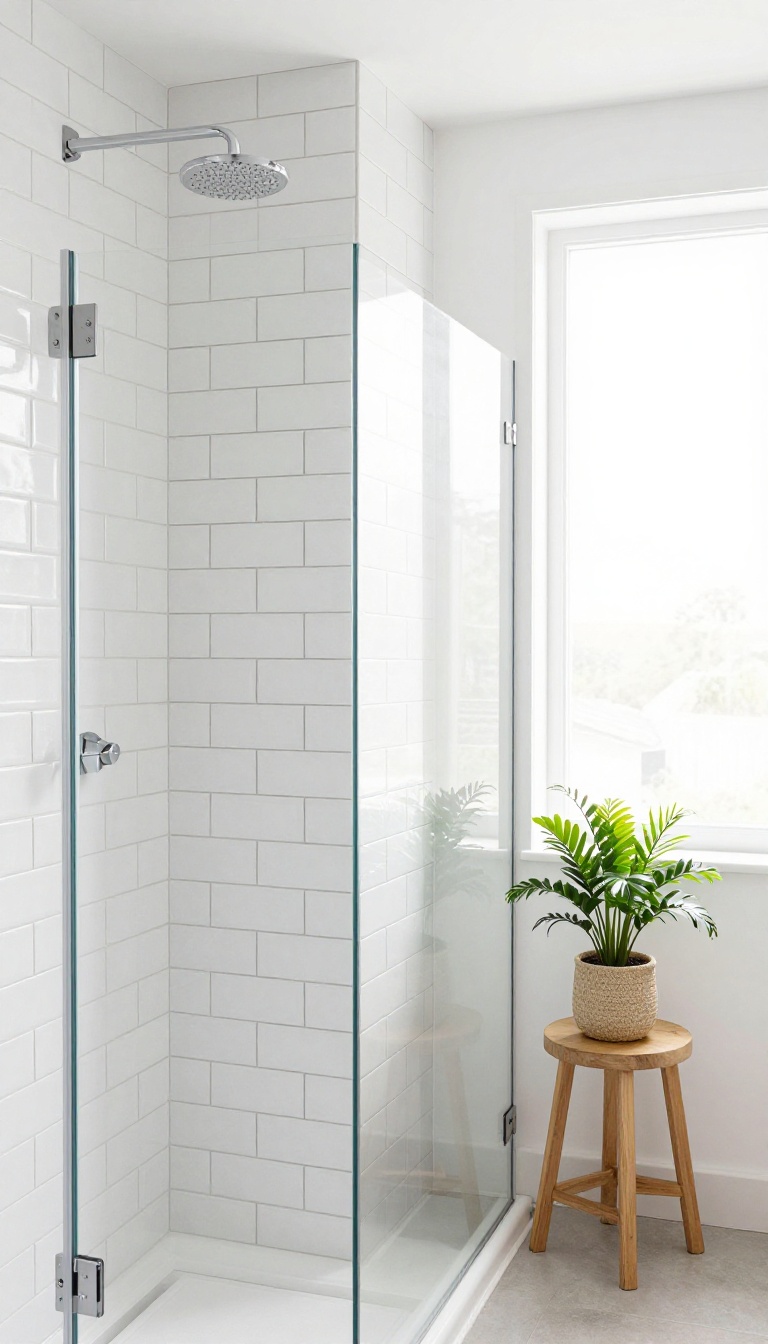
Low ceilings can make a shower feel cramped and boxy, but the right tile layout can visually stretch the space. Vertical stacking—laying rectangular tiles in a tall, column-like pattern—draws the eye upward, creating the illusion of more height. It's a simple trick with a big payoff, especially in bathrooms where every inch counts.
Vertical stacked tiles are all about orientation. Instead of the classic horizontal brick pattern, you set the tiles in a straight, upright grid. The long lines run from floor to ceiling, which naturally guides your gaze upward.
This makes the ceiling feel higher and the whole shower feel more open and airy.
Best Tile Shapes For Vertical Stacking
Rectangular tiles are the obvious choice—think subway tiles, planks, or even large-format slabs. For a subtle look, go with a 3×6 or 4×12 subway tile. For a more modern, streamlined feel, try a longer plank like 4×16 or 6×24.
The key is to keep the ratio noticeably taller than wide, so the vertical line reads clearly.
Grout Color Matters
The grout you choose can make or break the effect. To emphasize the vertical lines, pick a grout color that contrasts with the tile. Dark grout with light tiles creates strong, clean lines that really pop.
If you prefer a seamless, continuous look, match the grout to the tile color—this softens the pattern and lets the height do the talking.
Pair With Vertical Accents
To reinforce the height illusion, pair your stacked tiles with other vertical elements. Consider a tall, narrow niche, a vertical strip of contrasting tile, or even a floor-to-ceiling shower curtain. Avoid horizontal bands or wainscoting that would cut the line and break the spell.
8. Textured Tiles for Depth and Interest
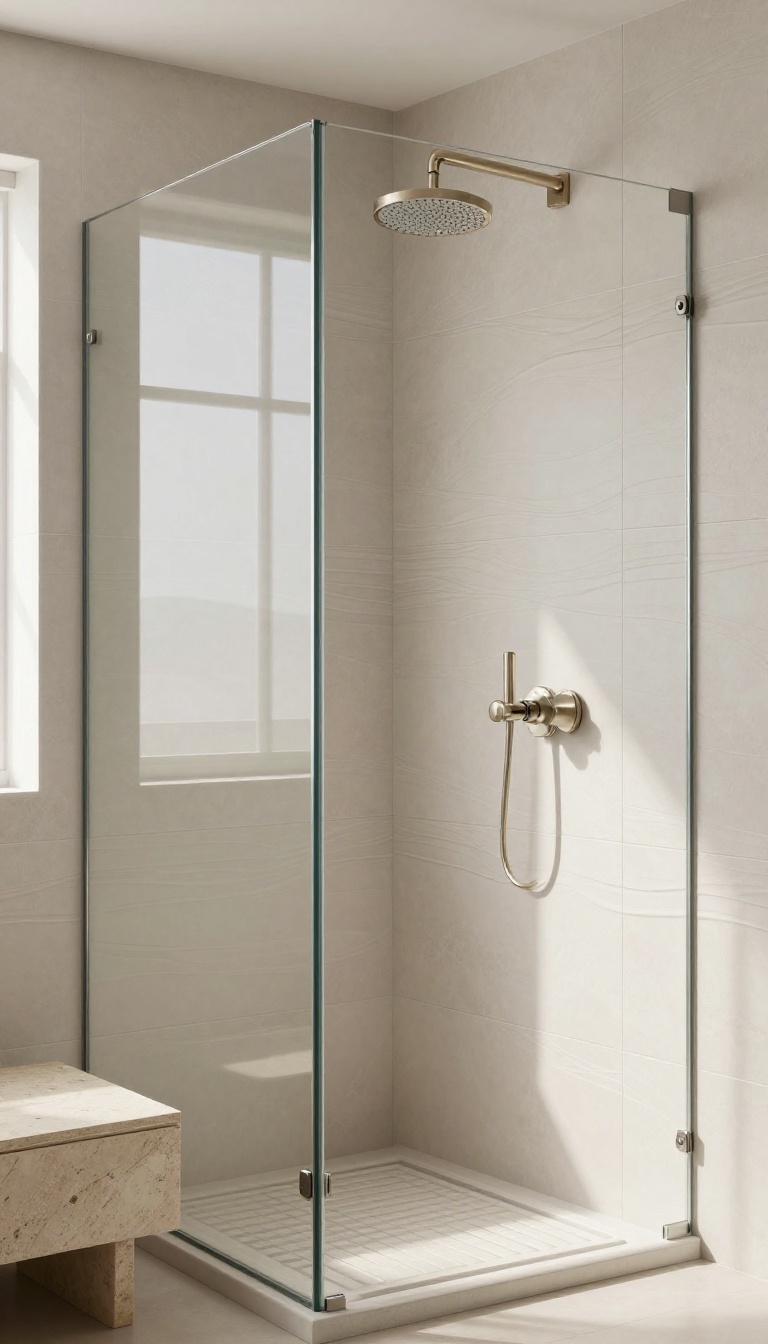
Flat tiles are classic, but they can also feel a little flat. If you want to add a tactile dimension to your shower, textured tiles are the way to go. From subtle ripples to bold 3D waves, these tiles catch light and shadow in a way that makes the walls feel alive.
Plus, they're surprisingly practical—the texture helps disguise water spots and soap scum, so your shower looks cleaner for longer.
Textured tiles come in a variety of materials, including ceramic, porcelain, and natural stone. They can be used on an accent wall or throughout the entire shower, depending on how bold you want to go. The key is to balance the texture with the rest of your bathroom's design so it doesn't overwhelm the space.
Choose The Right Texture Level
Not all textures are created equal. Some are subtle, like a matte finish with a slight bump, while others are dramatic, like deep ridges or sculpted waves. For a shower floor, you'll want something with good grip but not too rough on your feet.
For walls, you can go a bit more pronounced. Consider the overall vibe you're going for—a spa-like retreat might call for gentle ripples, while a modern, edgy look could handle a more geometric pattern.
Mix Textures With Smooth Tiles
You don't have to commit to textured tiles everywhere. A great way to use them is on one accent wall or in a niche, paired with smooth tiles elsewhere. This creates a focal point without making the space feel busy.
For example, a shower with large-format white tiles and a textured wave panel behind the bench adds just the right amount of interest.
Consider Maintenance And Grout Lines
Textured tiles can be a bit more challenging to clean, especially if the texture is deep. Choose tiles with a glaze that resists staining, and make sure the grout lines are sealed properly. Also, think about the grout color—a contrasting grout can highlight the texture, while a matching grout keeps it subtle.
With a little care, textured tiles will stay beautiful for years.
9. Mosaic Accent Strips for a Custom Detail
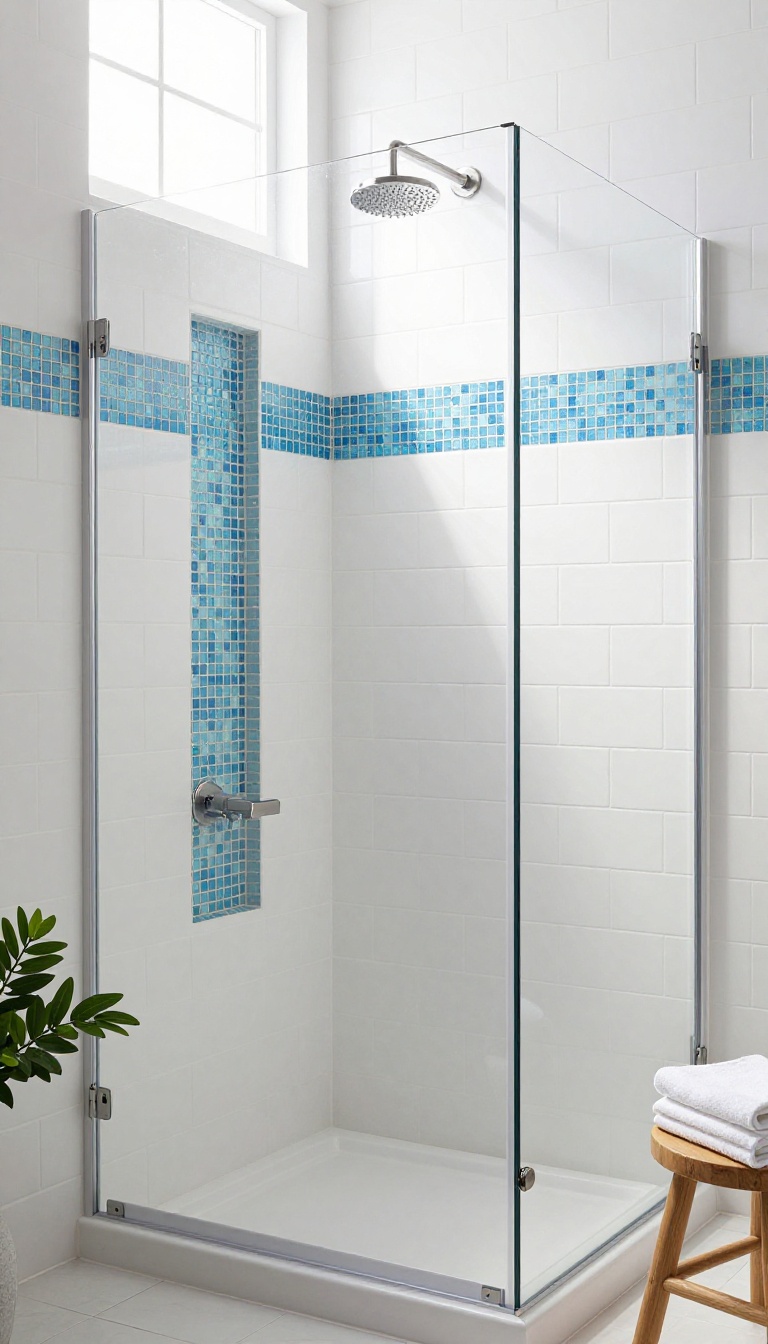
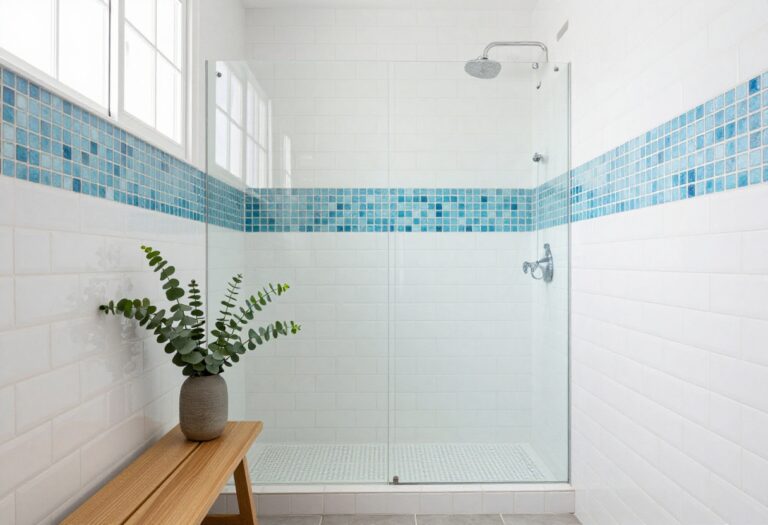
A mosaic accent strip is like the perfect piece of jewelry for your shower—small, but it pulls the whole look together. You can place it at eye level to draw attention, or wrap it around your niche to make that built-in shelf feel intentional. It's a low-commitment way to introduce a second color or material without covering your walls in something bold.
Mosaic strips come in endless styles, from glass to stone to metal, so you can match your shower's vibe exactly. They're also forgiving to install, since the mesh backing keeps everything aligned. Plus, they're a budget-friendly upgrade that doesn't require a full re-tile.
Where To Place The Strip
The classic spot is around 54 to 60 inches from the floor—right at eye level for most people. That way, the strip becomes a subtle focal point without competing with the main tile. Another popular option is to line the inside of a niche or frame the edge of your shower bench.
You can also run a vertical strip near the showerhead or along a feature wall for a more modern twist.
Choosing The Right Mosaic
Think about the finish and scale of your main tile. If you have large format tiles, a smaller mosaic strip creates a nice contrast. For smaller tiles, you might want a slightly larger mosaic or a different texture to keep it interesting.
Glass mosaics reflect light and add a spa-like shimmer, while natural stone brings an earthy, organic feel. Metallic strips are a great way to add a hint of glam without going overboard.
Installation Tips
Mosaic strips are easier to install than you might think, but a few tips help. Use a notched trowel to get even adhesive coverage, and press the mesh-backed sheets firmly into place. Make sure to keep the spacing consistent with your main tile grout lines.
If you're not confident, a pro can handle it quickly—it's a small job that makes a big impact.
10. Contrasting Grout for a Graphic Look
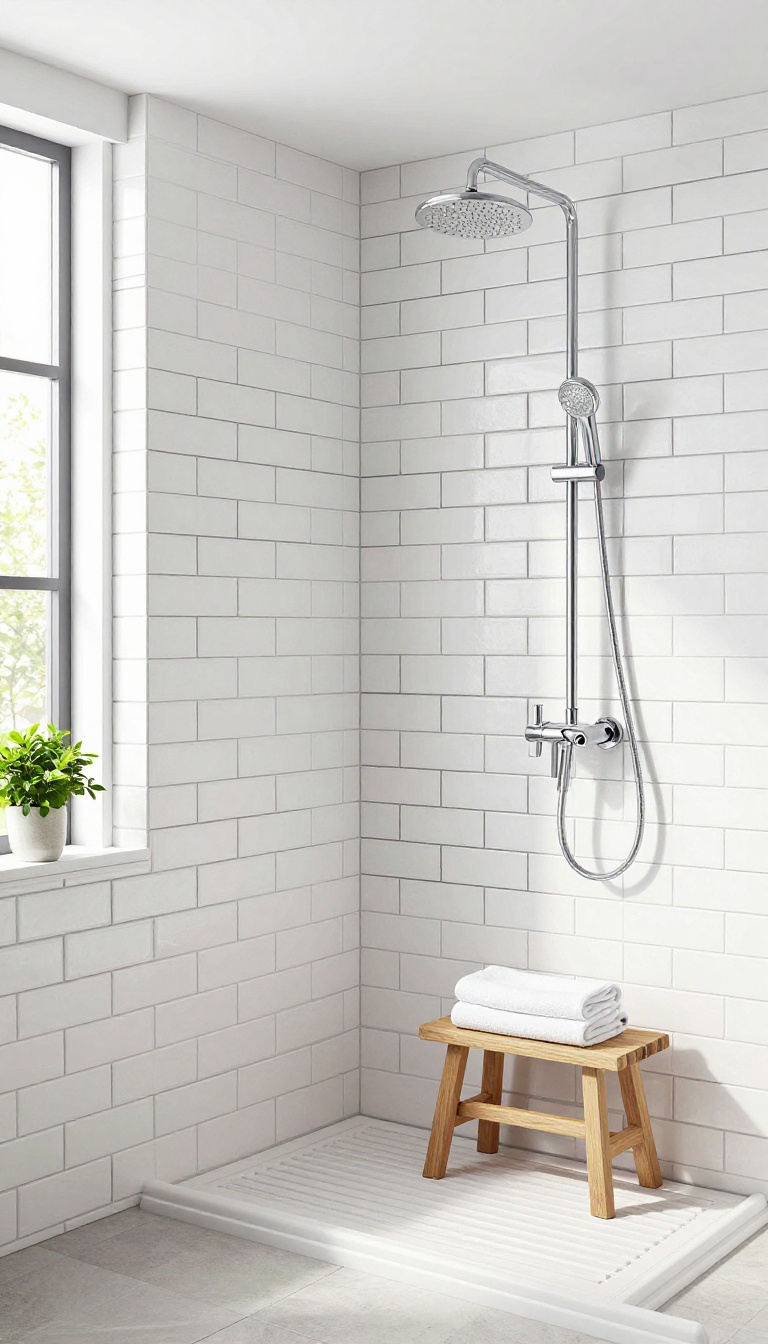
Grout often gets treated as an afterthought, but it's actually a powerful design tool. Instead of blending it into the background, you can use it to create a sharp, graphic effect that makes your tile pattern pop. The trick is to choose a grout color that contrasts with your tiles, turning the lines between them into a deliberate design feature.
This approach works with almost any tile style, from classic subway to modern hexagon. It's a low-cost way to add drama and definition without changing the tile itself. Whether you want a bold, high-contrast look or something a bit softer, the right grout color can completely transform the feel of your shower.
Dark grout with light tiles is the most popular pairing for a reason. It creates a crisp, almost architectural look that highlights the shape of each tile. The contrast draws the eye and adds depth, making even simple layouts feel intentional and custom.
For a more subtle take, try a medium-toned grout that picks up a color from the tile's veining or speckles. This adds definition without the starkness of black or charcoal. On the flip side, light grout with dark tiles can also be striking.
It creates a clean, airy feel while still making the tile pattern visible. White or off-white grout with dark blue or charcoal tiles gives a fresh, nautical vibe. If you're worried about maintenance, choose a grout color that's a few shades darker than the tile to help hide dirt and soap scum.
How To Choose The Right Contrast Level
The level of contrast you choose should match the mood you want. High contrast—like black grout with white subway tile—makes a bold, modern statement. It's great for a powder room or a shower you want to feel crisp and energized.
Medium contrast, such as gray grout with light beige tile, adds subtle definition without overwhelming the space. Low contrast, where grout closely matches the tile, creates a seamless, spa-like look that emphasizes the tile's surface rather than its lines. Consider the size of your tiles, too.
Small tiles have more grout lines, so high contrast can feel busy. Large-format tiles with fewer lines can handle a bolder grout color without becoming chaotic. If you're unsure, test a few grout colors on a sample board before committing.
Best Grout Types For Moisture-prone Areas
In a shower, grout needs to be more than just pretty—it has to resist moisture and mold. Epoxy grout is the most durable and stain-resistant option, making it ideal for high-moisture areas. It doesn't need sealing and is easy to clean, but it can be trickier to install.
Cement-based grout is more common and comes in a wider range of colors, but it requires sealing and may need more upkeep. For contrasting grout, you'll want a color that stays true over time. Epoxy grout holds color well and won't fade or yellow.
If you choose cement-based grout, look for a pre-mixed or polymer-modified formula for better color consistency. And always seal it properly to keep moisture out.
Installation Tips For A Flawless Finish
Getting a clean, crisp line with contrasting grout takes a little extra care during installation. Make sure the tile is fully set and clean before grouting—any residue can affect the grout color. Use a grout float to press the grout firmly into the joints, then wipe off excess with a damp sponge.
Work in small sections to avoid the grout drying too quickly. When using dark grout with light tiles, be extra careful to avoid smearing grout on the tile surface. Wipe frequently and rinse your sponge often.
A grout release or sealer applied to the tile before grouting can make cleanup easier. If you're not confident in your DIY skills, a professional tiler can ensure a sharp, even result.
FAQ
What is the best tile size for a small shower?
Large-format tiles are ideal for small showers because they minimize grout lines, which can make the space feel bigger and less busy. However, smaller tiles like mosaics can also work if you want more traction on the floor.
How do I choose the right grout color for my shower tile?
Consider the look you want: contrasting grout highlights the tile pattern, while matching grout creates a seamless, clean appearance. Also think about maintenance—lighter grout shows stains more easily, so use a sealant.
Are pebble tiles hard to clean?
Pebble tiles can be a bit more challenging to clean due to their textured surface, but regular brushing with a soft brush and mild cleaner works well. Sealing them helps prevent soap scum buildup.
Can I use marble-look tiles in a high-moisture area?
Yes, porcelain or ceramic marble-look tiles are perfect for showers because they're waterproof and low-maintenance. Real marble is more porous and requires sealing, so the look-alike is a practical choice.
What is the most durable tile for a shower?
Porcelain and ceramic tiles are among the most durable and water-resistant options for showers. They're also easy to clean and come in a wide range of styles, including wood-look and stone-look finishes.
Conclusion
Choosing the right shower tile can truly transform your bathroom into a crisp, custom retreat. From classic subway with a twist to bold patterned statements, there's an idea here for every style and budget. Remember to consider durability, maintenance, and the overall feel you want to achieve.
Take your time, gather samples, and visualize how each option will look in your space. With these savvy ideas, you're well on your way to a shower that's both beautiful and functional. Happy tiling!