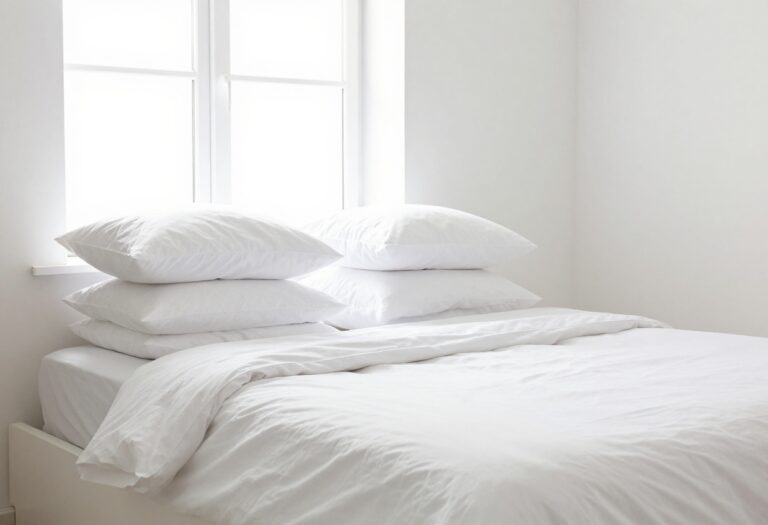
15 Spa Bedroom Ideas for a Calm Relaxing Retreat
A bedroom that feels like a spa doesn't require a renovation or a designer budget. It comes down to a handful of choices that lower the volume on everything your senses pick up, from light and color to texture and scent. Get those right and the room starts doing the work for you.
The goal is simple: a space that helps you unwind instead of reminding you of your to-do list. That means soft neutrals, warm dimmable light, natural fabrics, and surfaces that stay clear.
Small touches like a candle, a plant, or a plush rug carry more weight than you'd think. Below are 15 spa bedroom ideas you can borrow one at a time or layer together.
1. Start with a Soft, Neutral Color Palette
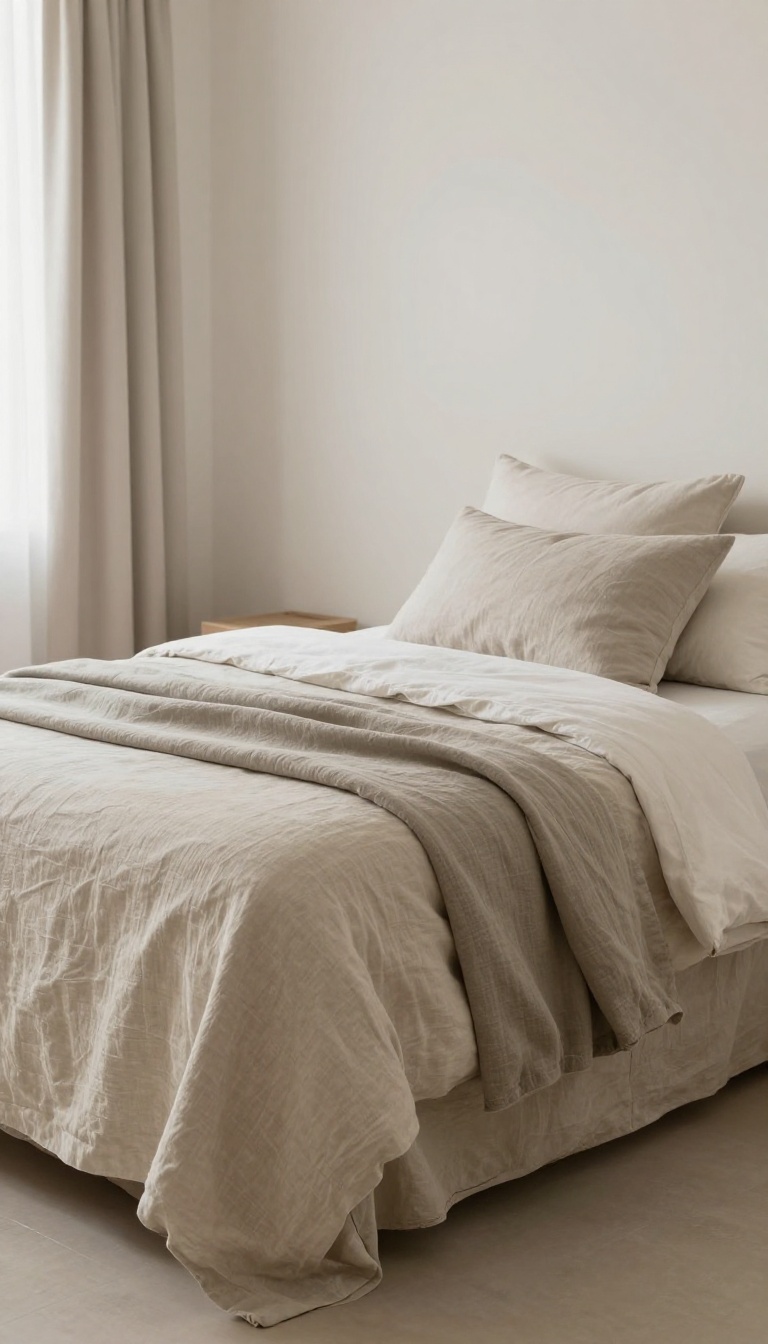
Color sets the emotional temperature of a room before you even sit down. A soft, neutral palette works like a dimmer switch for your eyes, cutting visual noise so your mind can settle. Think warm whites, gentle greys, and muted earth tones rather than bright pops or high-contrast patterns.
You don't need to paint every surface the same shade. The trick is to keep the base quiet and let texture do the talking. Walls in a warm white or oatmeal tone give you a calm backdrop, while bedding in slightly deeper neutrals adds depth without shouting.
Skip anything with busy prints or shiny finishes—they reflect light in a way that keeps your brain alert. Instead, choose matte paints and washed linens that absorb light softly. A single accent, like a clay-colored throw or a taupe lumbar pillow, is enough to keep the space from feeling flat.
The goal is a room that feels like a deep exhale, not a blank canvas waiting for decoration.
Pick A Base That Feels Like A Cloud
Warm whites and soft greys are the easiest starting points. Look for undertones of beige or cream rather than cool blue, which can feel clinical. Test a few swatches on your wall at different times of day—natural light changes everything.
Once you find the one that feels like a cozy sweater, use it on all four walls to create a seamless, cocooning effect.
Layer In Muted Earth Tones
Bring in shades like sand, mushroom, and dusty rose through bedding, curtains, and rugs. These colors add warmth without breaking the calm. A linen duvet in a soft taupe or a set of pillowcases in muted sage can tie the whole room together.
Just keep patterns minimal—think subtle stripes or a single tone-on-tone texture.
Avoid High-contrast Traps
Black-and-white schemes or bold geometric prints create visual tension, which is the opposite of spa-like. Even a dark wood nightstand can feel heavy if it's the only dark piece in the room. If you love contrast, use it sparingly—like a charcoal candle holder on a light tray—so it reads as a detail, not a demand for attention.
2. Layer in Natural Textures Like Linen and Wood
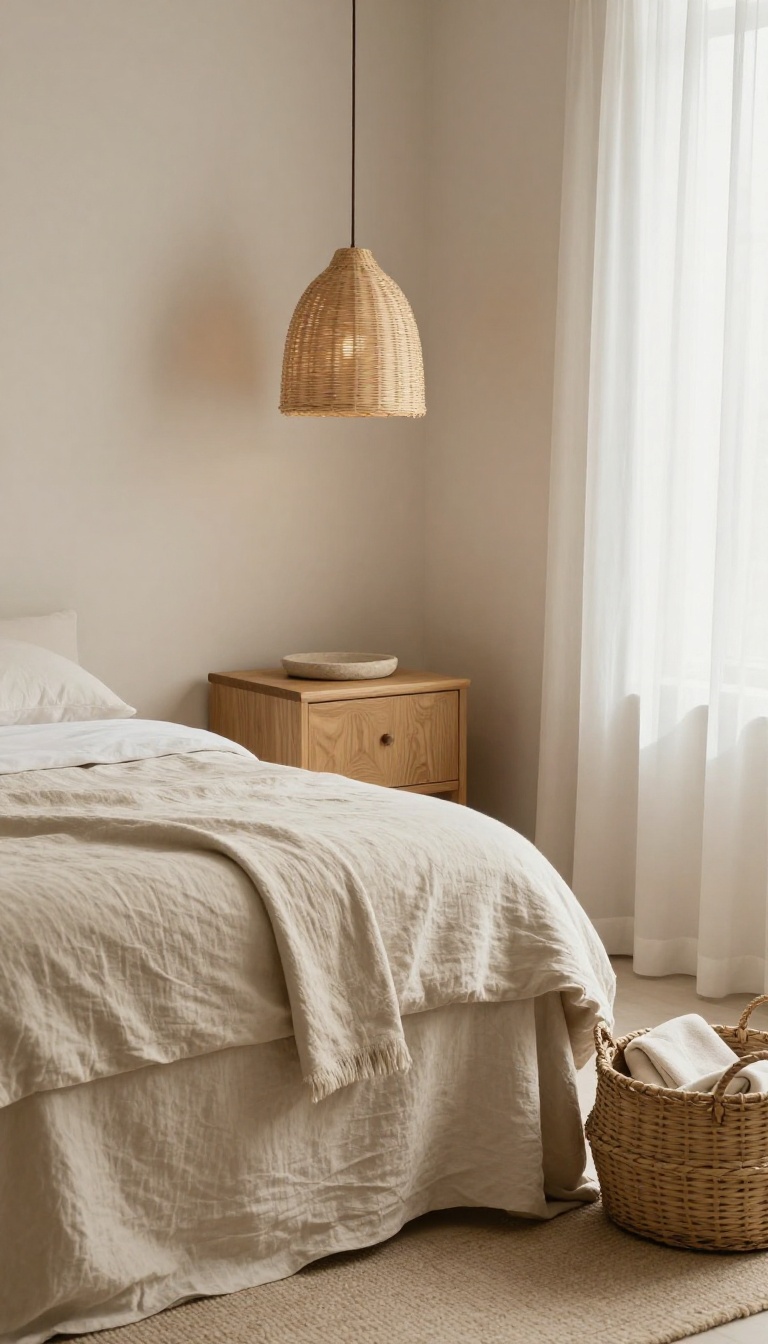
Texture is what separates a room that looks nice from one that feels good to be in. A spa bedroom leans on natural materials because they're soft, warm, and a little imperfect in the best way. Linen, wood, rattan, and stone each bring their own kind of calm.
You don't need to pile on every texture at once. The trick is mixing a few that play well together so the room feels layered, not cluttered. Start with what you touch most—bedding, floor, and the surfaces beside you—then add one or two accents.
Natural textures also age gracefully. A linen duvet gets softer with every wash, and a wood nightstand picks up character over time. That lived-in quality is exactly what makes a spa space feel welcoming instead of staged.
Start With The Bed
Swap synthetic sheets for linen or washed cotton. They breathe, drape loosely, and look relaxed even when they're a little rumpled. A linen duvet cover over a cotton blanket gives you two textures without any effort.
Bring In Warm Wood
A wood nightstand, a simple stool, or a low bench at the foot of the bed adds instant warmth. Go for light or medium tones like oak or ash so the room stays airy. Skip glossy finishes—matte or oiled wood feels more natural under your hand.
Add One Organic Accent
A rattan pendant, a woven basket for throws, or a small stone tray on the dresser ties the textures together. One or two pieces are plenty. More than that and the room starts to feel busy instead of serene.
3. Swap Harsh Overhead Lights for Warm, Dimmable Glow
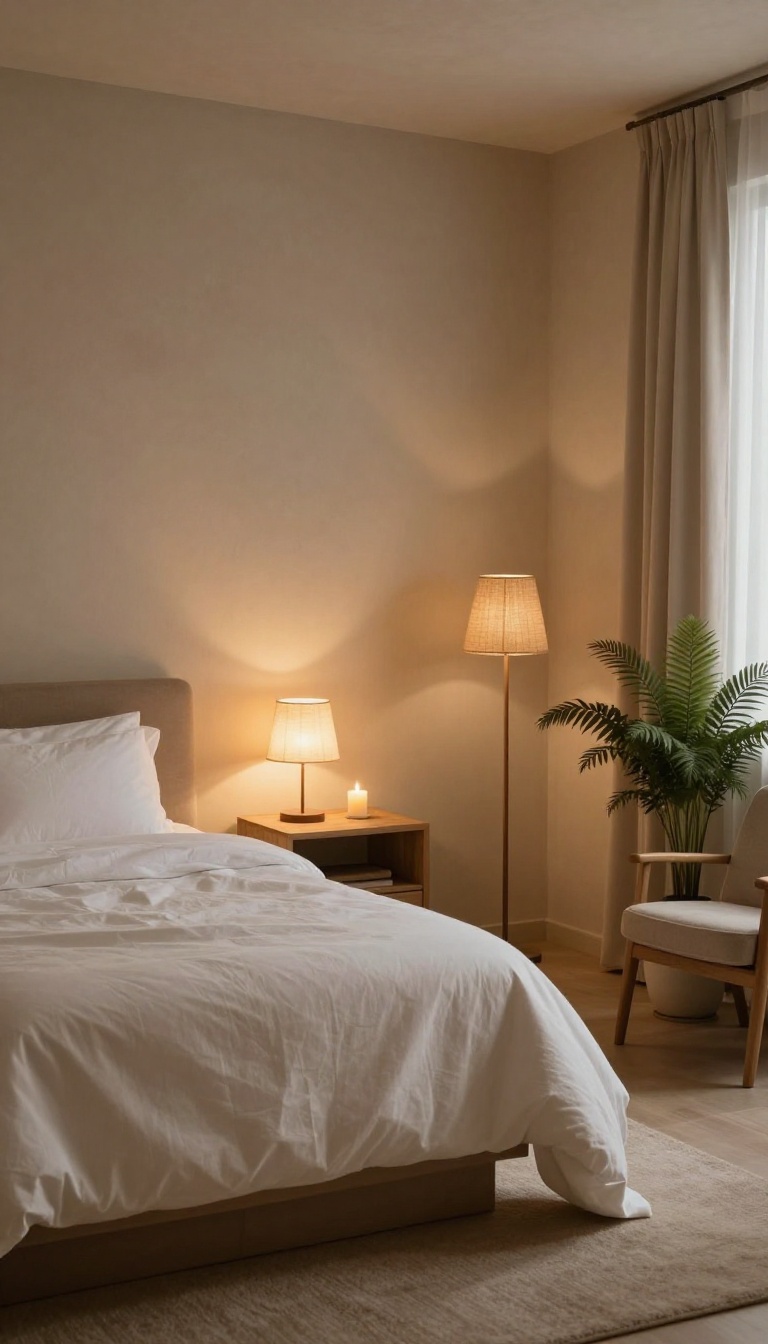
Overhead lights are the enemy of a calm bedroom. They flood the room with cold, flat brightness that wakes you up instead of winding you down. The fix is simple: ditch the harsh ceiling fixture and build your light in layers.
Spa lighting is soft, warm, and adjustable. You want to control the mood at night without getting up to flip a switch. That means swapping out bright bulbs for dimmable ones and adding a few small light sources around the room.
Start with your main ceiling light. If it takes standard bulbs, switch to warm white LEDs around 2700K and put them on a dimmer. If you can't dim the fixture, consider leaving it off after sunset and relying on lamps instead.
Bedside lamps are non-negotiable. A pair of small lamps with warm bulbs gives you reading light without blasting the whole room. Look for ones with fabric shades that soften the glow.
A floor lamp in the corner adds depth and a gentle wash of light. Place it behind a chair or near a plant to create a cozy pool of warmth. The goal is to avoid any single bright source that hits your eyes directly.
Choose The Right Bulbs
Warm white bulbs around 2700K mimic candlelight and help your body relax. Stay away from cool white or daylight bulbs, which feel more like an office. If your lamps are dimmable, use dimmable LED bulbs to avoid buzzing or flickering.
Layer Your Light Sources
Aim for at least three light sources at different heights: a bedside lamp, a floor lamp, and maybe a small accent light on a dresser. Turn on only what you need. Before bed, keep just one low lamp on to signal your brain that it's time to slow down.
Add A Dimmer Switch
If you can't change your fixtures, plug your lamps into a smart plug or a dimmer cord. That way you can lower the brightness from bed without getting up. It's a small upgrade that makes a big difference in how the room feels at night.
4. Add a Cozy Reading Nook with a Soft Chair
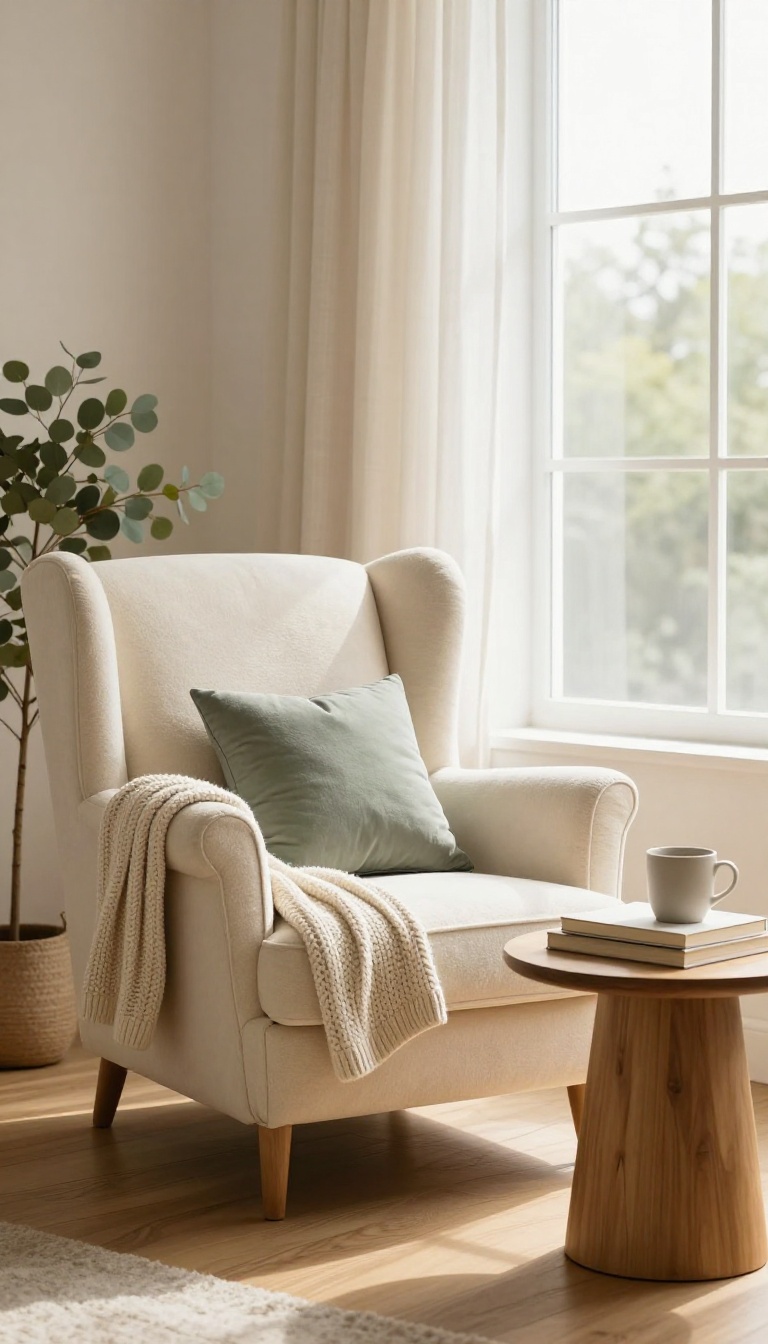
A bedroom should offer more than just a place to sleep. It should also have a spot where you can unwind with a book or simply enjoy a quiet moment. A reading nook gives you that dedicated space without taking up much room.
All you need is a comfortable chair, a soft throw, and a small side table. This simple addition can turn an unused corner into your favorite part of the day.
Think about the last time you really relaxed. Chances are, you were settled into a comfortable seat, not standing or lying down. A reading nook taps into that feeling.
It creates a mini retreat within your bedroom, a place that signals to your brain that it's time to slow down. The best part? You don't need a lot of space.
Even a small corner can work.
Pick The Right Chair
The chair is the heart of your nook. Look for something with a high back and soft cushions, like a wingback or a plush armchair. You want to be able to sink in and feel supported.
If you have the room, a chaise lounge works beautifully, but a regular armchair is just fine. Test it out before you buy, or if you're ordering online, read reviews about comfort. Material matters too.
Velvet or boucle feels luxurious, while linen or cotton keeps things light and breathable. Choose a color that blends with your spa palette, like soft gray, cream, or muted sage.
Layer In Softness
Once you have the chair, add layers of texture. A throw blanket draped over the back or arm invites you to curl up. Choose one in a chunky knit or a soft fleece for extra coziness.
A small lumbar pillow can provide extra back support and add a pop of color. If your chair sits on a hard floor, place a small rug underneath to define the space and keep your feet warm. These little touches make the nook feel intentional and inviting.
Add A Side Table And Lighting
You'll need a surface for your cup of tea, a book, or a small candle. A tiny side table or even a sturdy stack of books can do the trick. Keep it clutter-free; a single decorative object, like a small vase with a sprig of eucalyptus, is enough.
For lighting, a floor lamp with a warm bulb or a wall sconce on a dimmer creates a soft glow. Avoid harsh overhead lights. The goal is to create a pool of light that feels intimate and calming, perfect for reading or just sitting quietly.
5. Use Sheer Curtains to Filter Natural Light
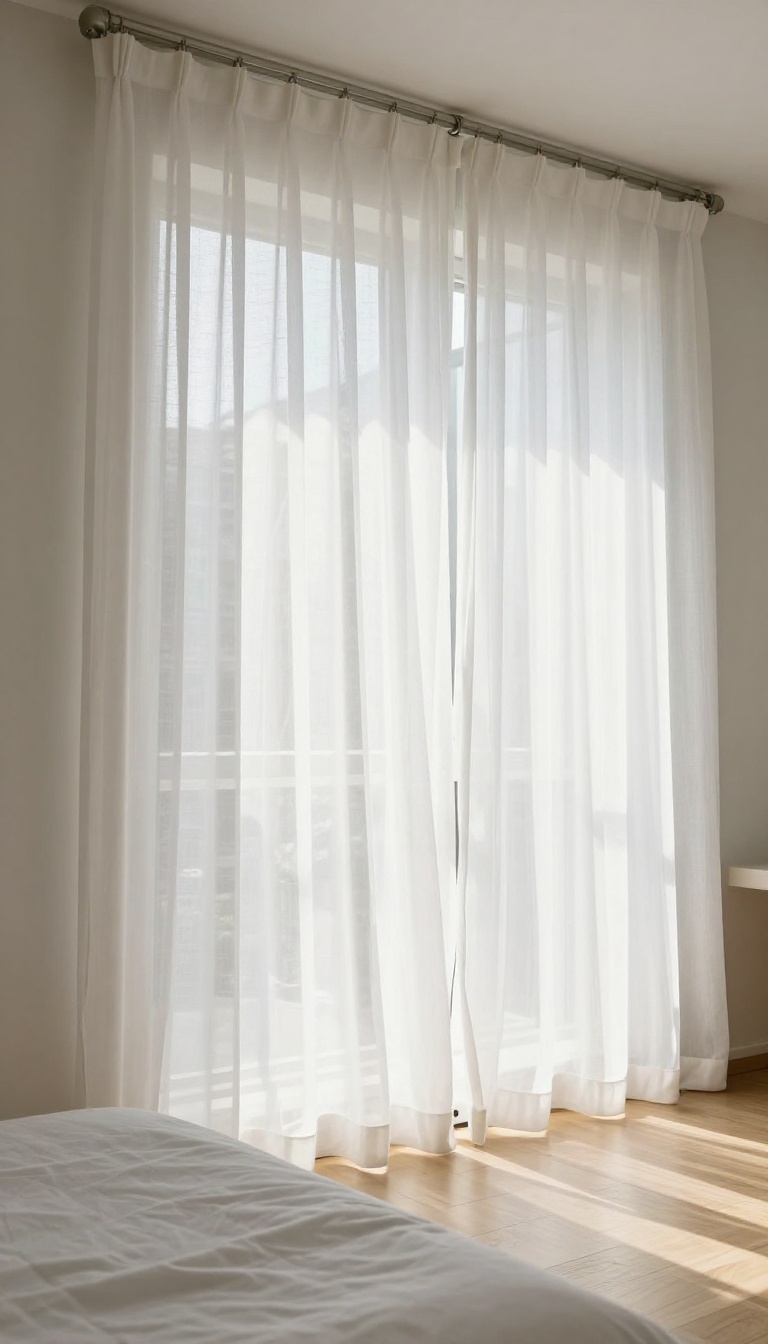
Harsh daylight can make a bedroom feel more like an office than a retreat. Sheer curtains soften that light without blocking it completely, creating a gentle glow that feels calm and airy. They also give you privacy during the day while still letting the room breathe.
Sheer curtains are one of the easiest swaps you can make for a spa-like atmosphere. They diffuse sunlight so it spreads evenly instead of hitting one spot hard. That soft light tells your brain it's time to slow down, even in the middle of the afternoon.
Pick The Right Fabric
Look for linen, voile, or cotton blends in white, cream, or soft gray. These fabrics let light through while adding a subtle texture. Avoid shiny synthetics that can look cheap and reflect light in a harsh way.
Layer For Flexibility
Hang sheers on their own for a breezy look, or pair them with blackout curtains on a double rod. That way you can switch between soft daytime light and full darkness at night. It's a simple setup that covers all your bases.
Hang Them Right
Mount the rod close to the ceiling and extend it a few inches past the window frame. This makes the window look larger and lets the curtains pool slightly on the floor. A gentle puddle adds a relaxed, spa-like feel without looking messy.
6. Bring in Calming Scents with a Diffuser or Candle
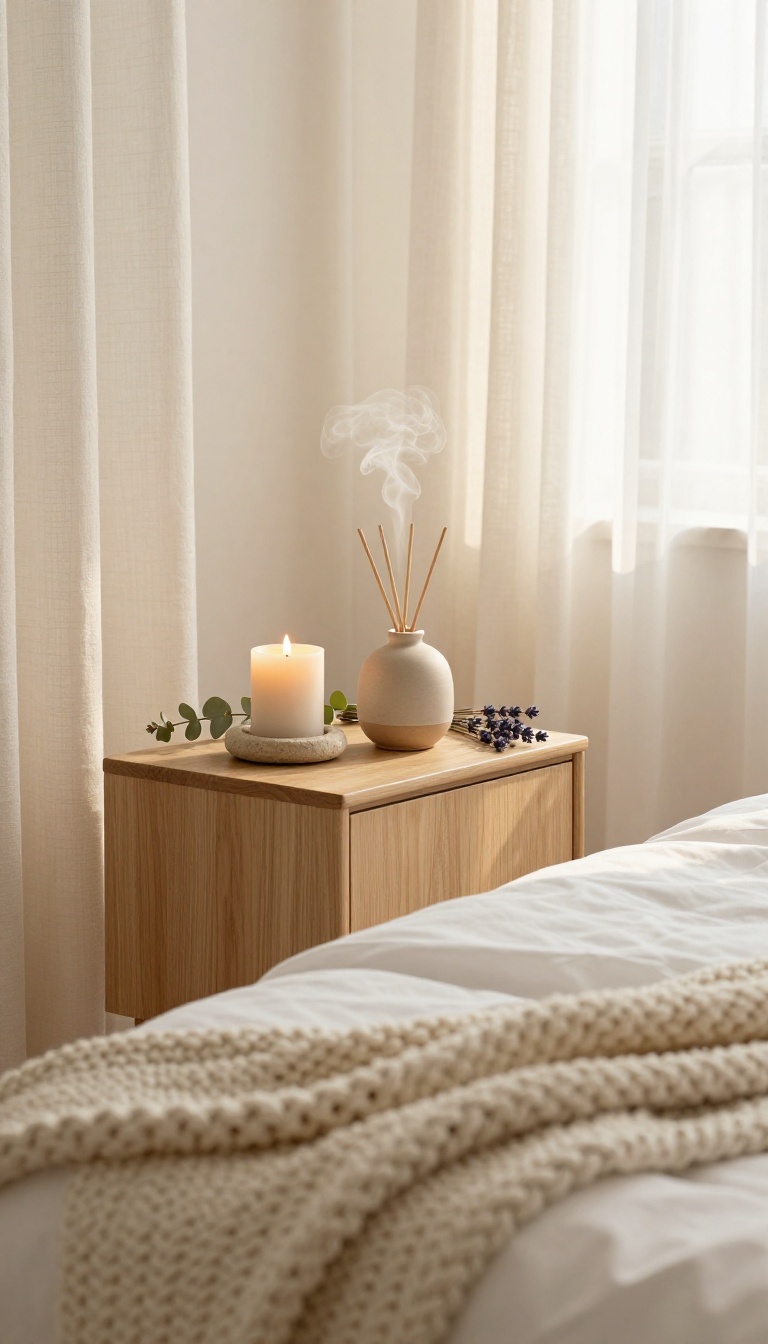
Scent is the fastest way to shift a room's mood. A single breath of lavender or eucalyptus can tell your brain that it's time to slow down. You don't need a heavy perfume cloud—just a quiet, steady aroma that lingers in the background.
The trick is to keep it subtle. You want the scent to greet you softly when you walk in, not hit you like a wall of fragrance. A diffuser or a natural candle gives you that gentle, consistent release without any effort once it's set up.
Pick Scents That Actually Relax You
Lavender is the classic choice for a reason—it's linked to lower anxiety and better sleep. Eucalyptus feels clean and spa-like, almost like a deep breath of fresh air. Sandalwood brings a warm, grounding vibe that works well in the evening.
Test a few and notice which one makes your shoulders drop.
Diffuser Vs. Candle: Which One Fits Your Routine
A diffuser runs for hours and you can set it to turn off automatically, which is great if you tend to forget things. Candles give you that soft flicker and a bit of ambiance, but you have to stay nearby. If you have pets or kids, a diffuser with pure essential oils is usually the safer bet.
Keep It Light And Consistent
Start with just a few drops of oil or a single candle lit for 20 minutes before bed. You can always add more, but you can't take it away once the room is saturated. Place the diffuser or candle on a stable surface away from curtains and drafts, and let the scent do its quiet work.
7. Keep Surfaces Clutter-Free with Smart Storage
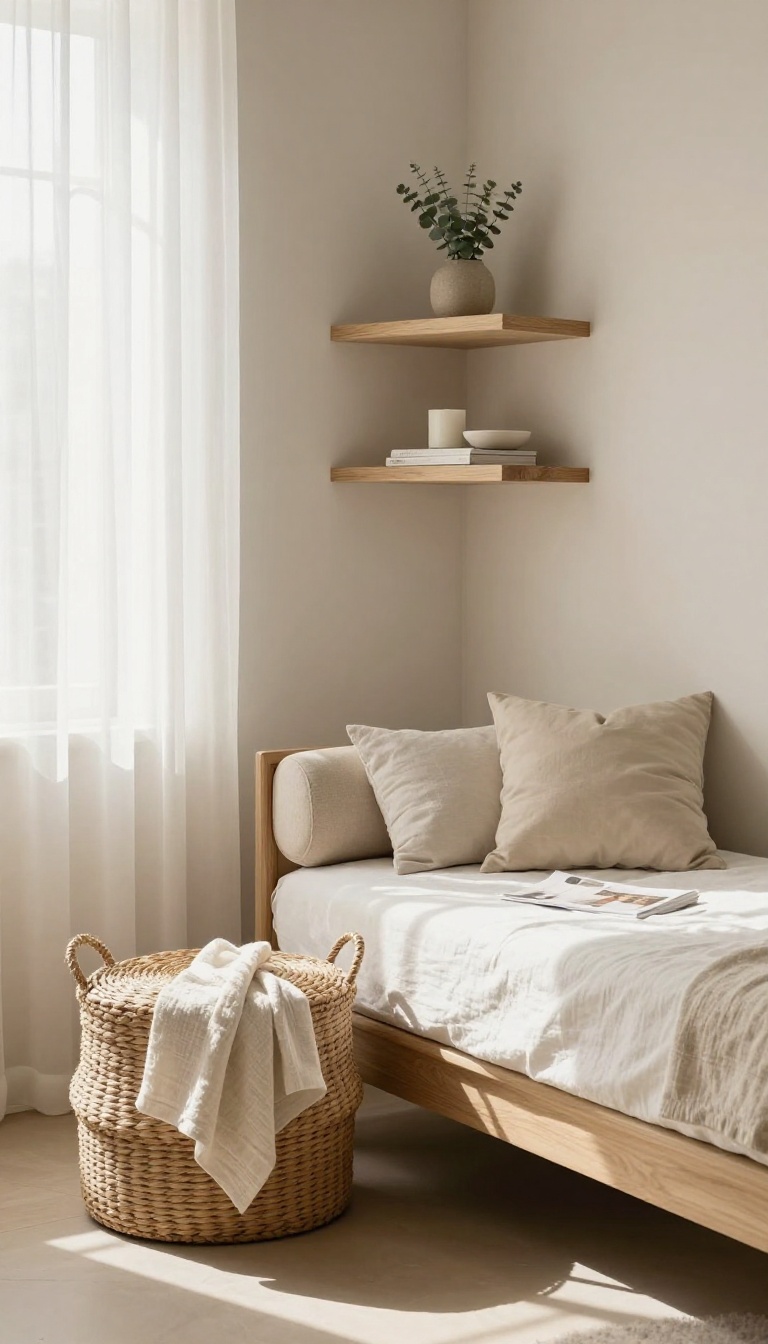
A calm bedroom starts with clear surfaces. When your nightstand, dresser, and floor are covered in stuff, your brain stays in go-mode. Smart storage lets you hide the everyday chaos without sacrificing style or function.
The trick is to give everything a home that's easy to use. If putting things away feels like a chore, you won't do it. So choose storage that's both practical and pretty, and make it part of your daily routine.
You don't need a minimalist mansion to pull this off. A few well-placed baskets, shelves, and benches can transform the way your room feels. The goal is to reduce visual noise so your eyes can rest.
Baskets And Bins That Blend In
Woven baskets are a spa bedroom staple for a reason. They add texture, warmth, and a place to toss throw blankets, books, or laundry. Look for neutral tones like jute, seagrass, or cotton in soft whites and beiges.
Use a lidded basket next to your bed for chargers and remotes. A larger one in the corner can hold extra pillows or a yoga mat. Just make sure you can reach them easily, or you won't use them.
Floating Shelves For Everyday Items
Floating shelves keep essentials off the floor and within arm's reach. Install one or two above your nightstand for a book, a small plant, and a candle. In a tight room, a shelf above the dresser can hold jewelry or skincare without taking up surface space.
Keep the display simple. A few curated items look intentional; a crowded shelf looks like clutter. Rotate your items every few weeks to keep things fresh.
A Storage Bench That Works Double Duty
At the foot of your bed, a storage bench gives you a spot to sit while you put on shoes—and a hidden compartment for extra linens or off-season clothes. Choose one with a soft cushion and a neutral fabric to match your spa palette. If you don't have room for a bench, a small ottoman with a removable lid works just as well.
It's a simple way to keep the floor clear and add a touch of luxury.
8. Choose Bedding That Feels as Good as It Looks
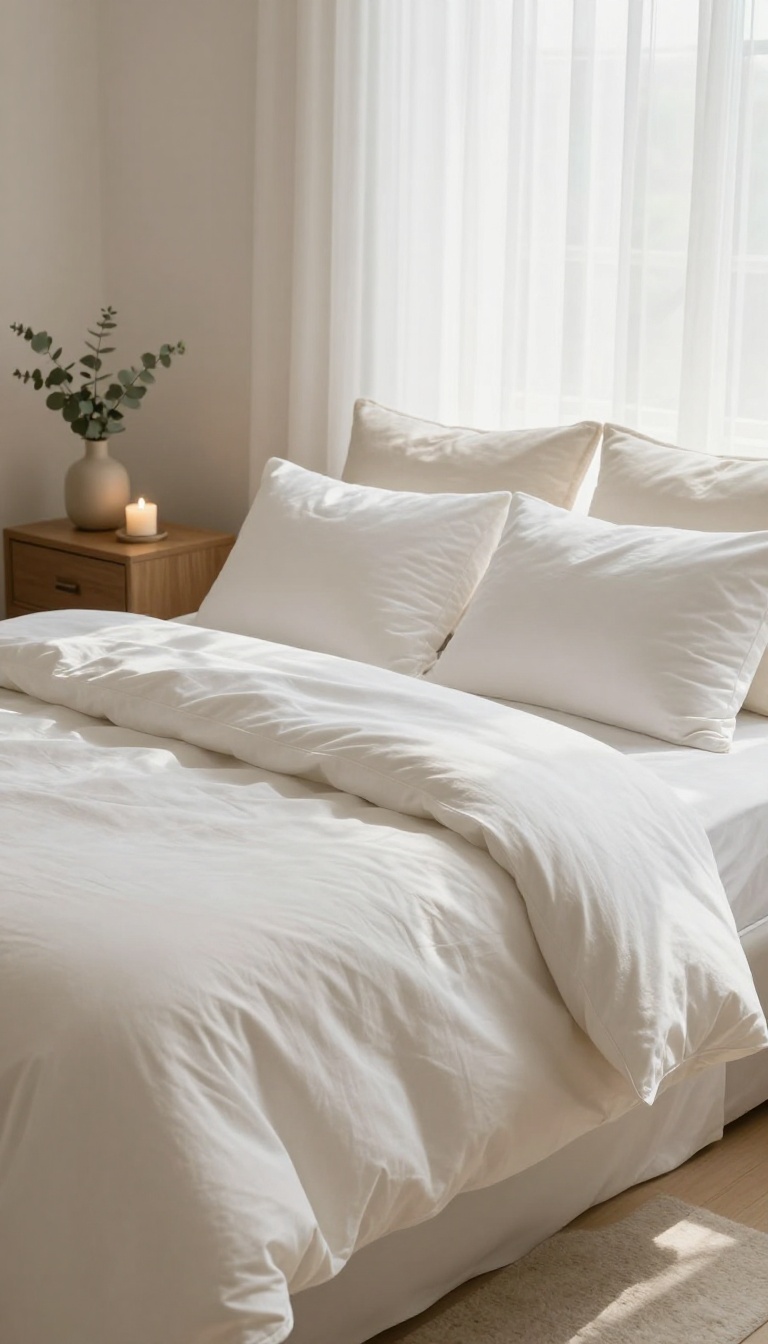
You can nail the lighting, the color palette, and the clutter-free surfaces, but if your bedding feels scratchy or heavy, the spa vibe falls apart the moment you climb in. The right sheets, duvet, and pillows turn your bed into the most restorative spot in the house. Think of it as the difference between a motel bed and a hotel bed you never want to leave.
The good news is you don't need to spend a fortune. You just need to pay attention to fabric, weight, and how the layers work together. Here's how to build a bed that feels as soothing as it looks.
Start With Sheets That Breathe
Cotton and bamboo are your best bets for a cool, breathable sleep. Look for long-staple cotton or a sateen weave if you want a silky feel without the heat. Bamboo viscose is another great option—it's naturally moisture-wicking and stays soft wash after wash.
Skip anything that feels stiff or plasticky, no matter how good the thread count sounds.
Pick A Duvet That Drapes, Not Suffocates
A plush duvet should feel light on your body but still give you that cozy, tucked-in sensation. Down alternatives and bamboo-filled duvets are great for year-round comfort. Look for a duvet cover in a soft, washed cotton or linen—it'll get softer every time you wash it.
And don't forget to size up if you want that luxurious, overflowing look.
Mix Your Pillows For Comfort And Style
One pillow type doesn't work for everyone, so mix it up. A supportive memory foam or latex pillow for your head, a softer down or down-alternative pillow for lounging, and a couple of decorative pillows for that layered, hotel-like finish. Stick to breathable covers—cotton or bamboo again—so you're not waking up sweaty.
Rotate and fluff them regularly to keep them feeling fresh.
9. Add a Plush Area Rug for Softness Underfoot
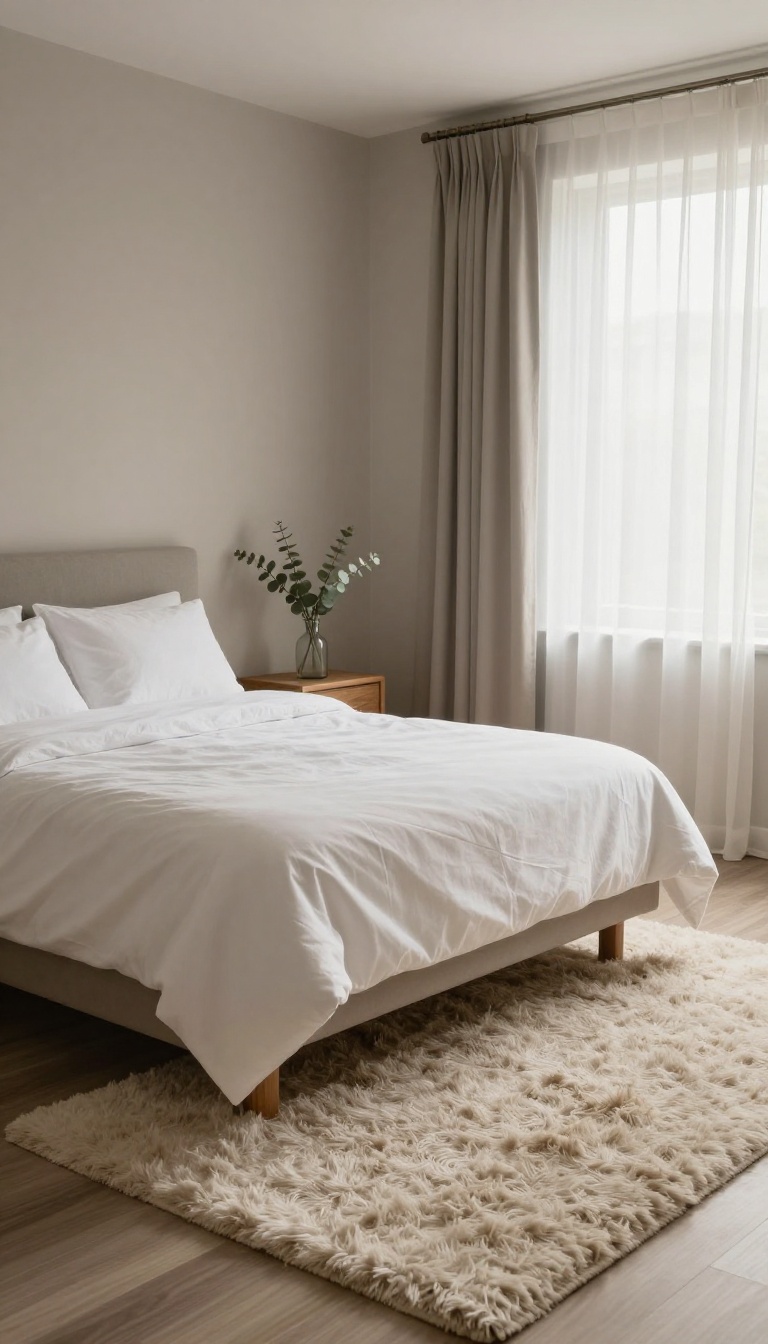
Bare floors have a way of making a bedroom feel unfinished, no matter how nice the rest of the room looks. A plush area rug fixes that in one move. It softens your first step out of bed, absorbs sound, and adds a layer of warmth that hard flooring simply can't match.
Think about the last time you stayed in a hotel that felt genuinely relaxing. Chances are there was something soft under your feet. That detail matters more than most people realize.
Cold, hard floors wake you up. A thick rug eases you into the day instead of jolting you into it.
Pick The Right Size And Placement
A rug that's too small looks like a bath mat next to a king bed. For a queen or king, aim for at least 8 by 10 feet so it extends well beyond the sides and foot of the bed. If you have a smaller room, a runner along each side works too, but a single generous rug feels more cohesive.
Place it so your feet land on it when you get up, not a few steps away.
Choose A Texture That Feels Indulgent
Shag, faux fur, and thick wool blends give you that sink-in softness. Low-pile rugs look neat but don't deliver the same spa feel. If you want easy cleaning, a dense memory-foam rug pad under a medium-pile rug gets you close.
Just avoid anything scratchy or stiff, because your feet will notice every time.
Keep The Color Calm And The Care Simple
Stick with soft neutrals like ivory, warm gray, or muted taupe. They blend with the rest of a spa palette and hide light dust better than you'd expect. A rug pad keeps it from sliding and adds another layer of cushion.
Vacuum regularly, and spot clean spills right away so it stays fresh.
10. Incorporate Greenery with Low-Maintenance Plants
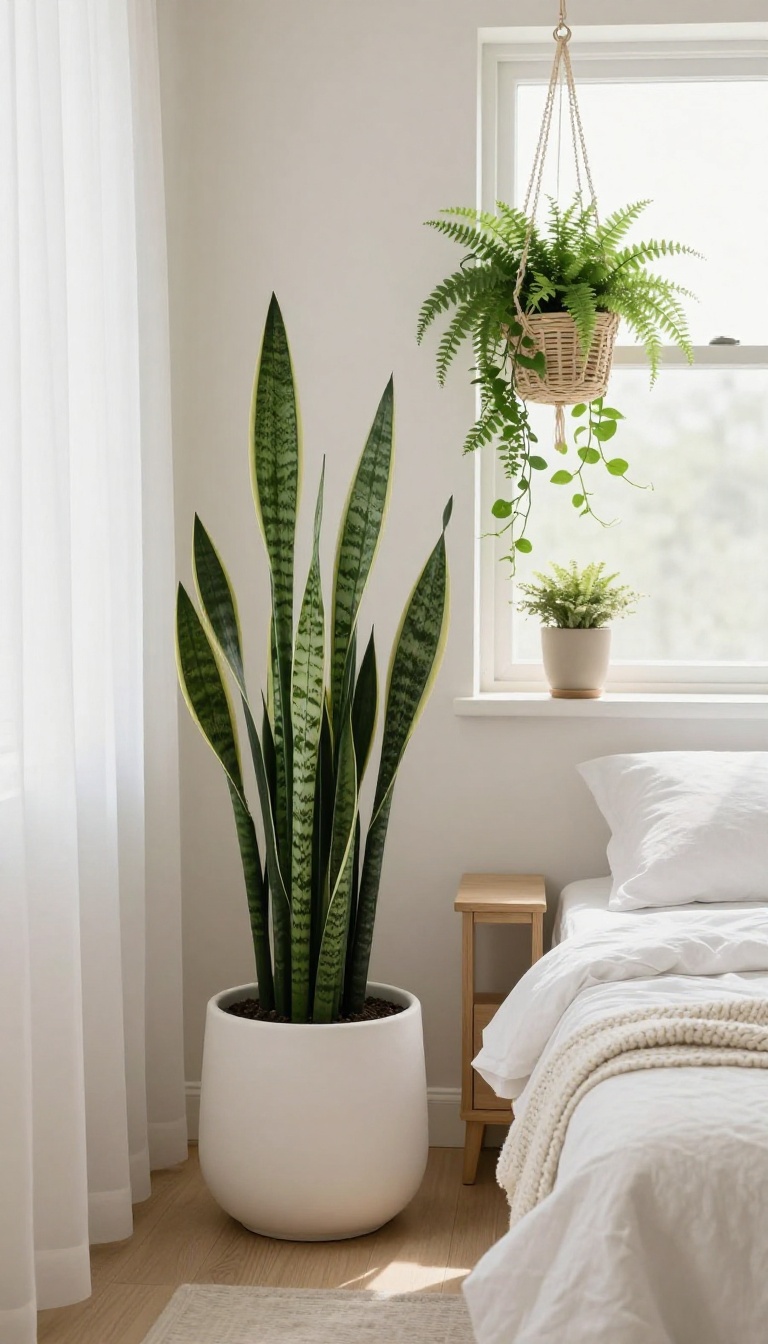
Plants soften a room in a way that furniture and decor can't quite match. They add a living, breathing element that makes a space feel calmer and more grounded. The trick is choosing varieties that thrive on neglect so they never become another chore.
You don't need a jungle to get the benefits of greenery. One or two well-placed plants can do the job. They filter the air, add a natural texture, and break up the hard lines of furniture.
Plus, the color green is known to be restful for the eyes and mind. The key is picking plants that tolerate low light and irregular watering. That way, they stay healthy and you stay relaxed.
Best Plants For A Spa Bedroom
Snake plants are nearly indestructible and look sculptural in a simple pot. Pothos vines drape beautifully from a shelf or hanging planter and forgive you if you forget to water. A small fern, like a Boston fern, adds a soft, feathery texture but needs a bit more humidity.
ZZ plants are another tough option with glossy leaves that reflect light. All of these thrive in low to medium light, which is typical in a bedroom.
Where To Place Them
A plant on each nightstand creates balance and a sense of calm. If you have a windowsill, that's a natural spot for a small fern or pothos. A larger floor plant in a corner can fill an empty space and make the room feel more complete.
Just avoid crowding—one or two statement plants are enough. Keep them away from drafts and heating vents to prevent stress.
Styling Tips For A Serene Look
Choose pots in neutral tones like white, beige, or matte black to keep the look cohesive. Baskets made of natural fibers add warmth and texture. Group plants of different heights together for a mini indoor garden effect.
And don't forget to rotate them occasionally so they grow evenly. A little care goes a long way toward keeping your spa vibe alive.
11. Create a Mini Spa Station on Your Nightstand
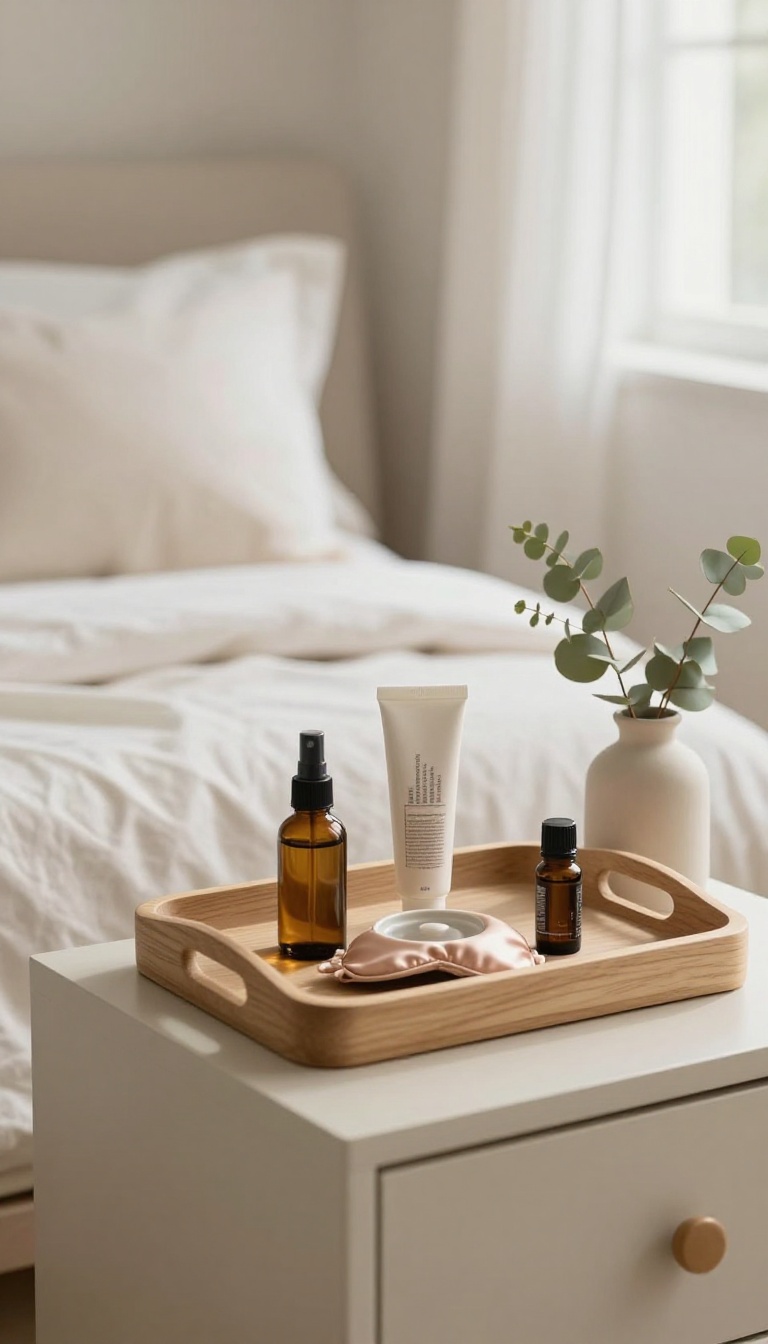
Your nightstand is prime real estate for a tiny spa setup. A small tray with hand cream, a sleep mask, and pillow spray turns your bedside into a self-care spot you actually use. It’s a simple way to bookend your day with a little calm.
The key is keeping it minimal and functional. You want items that feel indulgent but don’t clutter the surface. A dedicated tray or small basket corrals everything so it looks intentional, not messy.
Choose products you love and use nightly—this isn’t the place for random samples.
What To Include
Stick to three or four essentials: a rich hand cream, a silky sleep mask, and a calming pillow spray. Add a small bottle of lavender or eucalyptus oil if you like. A tiny dish for rings or a hair tie keeps things tidy.
Everything should be within arm’s reach when you’re lying down.
How To Arrange It
Use a shallow tray with a lip to keep items from sliding off. Group taller items in back and smaller ones in front. If your nightstand is small, a hanging organizer or a wall-mounted shelf works just as well.
The goal is a setup that looks pulled together but doesn’t require fussing.
Make It A Ritual
The real magic is in the routine. Before bed, spritz your pillow, massage in hand cream, and slip on the mask. It signals to your brain that it’s time to wind down.
Keep it consistent and you’ll start associating your nightstand with relaxation.
12. Use Art and Mirrors to Enhance Calm
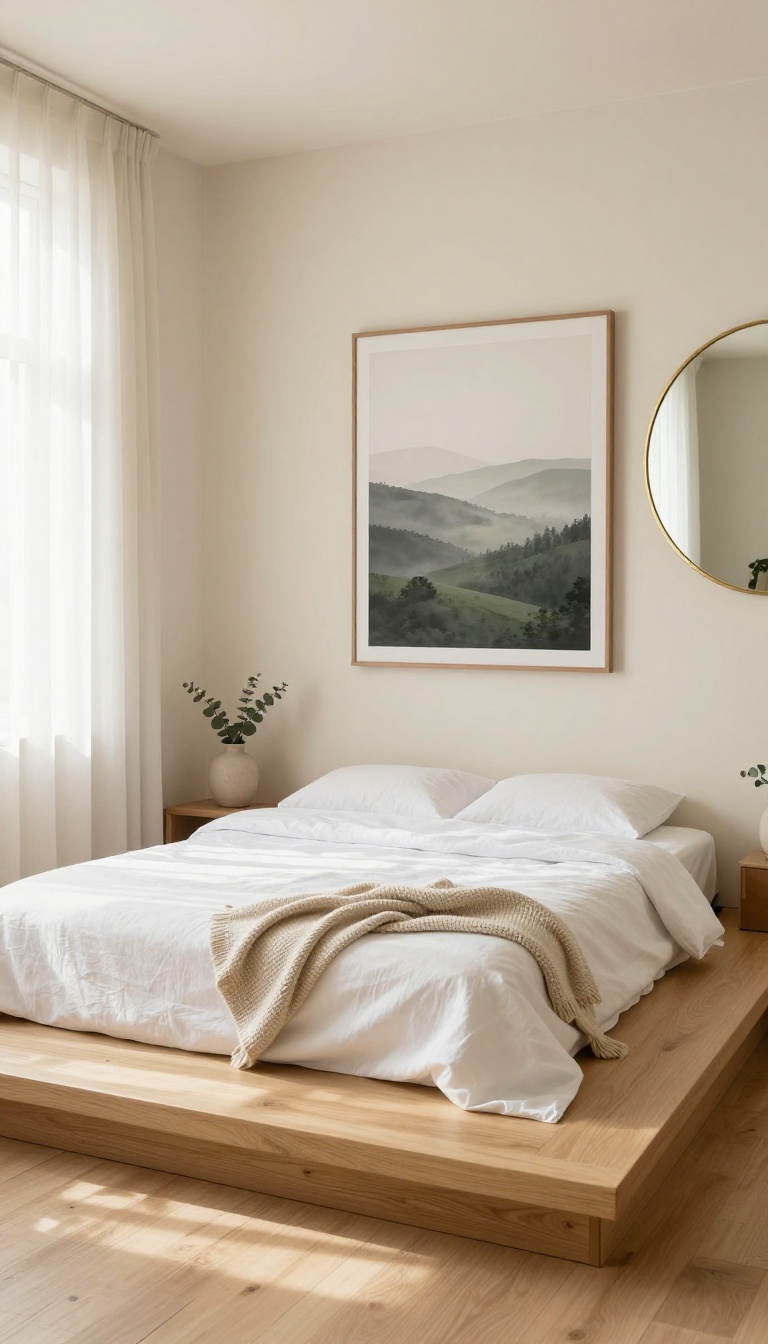
Art and mirrors are the quiet finishing touches that make a spa bedroom feel intentional. A single serene piece can anchor the mood, while a well-placed mirror bounces light around and tricks the eye into seeing more space. You don't need a gallery wall or a giant leaning mirror.
One or two thoughtful choices will do more than a dozen random decorations.
Think of your walls as part of the calm. What you hang there either adds to the serenity or pulls your attention in the wrong direction. The right art and mirror combo keeps things soft, open, and easy on the eyes.
Pick Art That Lowers Your Heart Rate
Choose a landscape with misty hills, a calm ocean, or soft abstract shapes in muted tones. Avoid busy prints, harsh contrasts, or anything with lots of small details that make your eyes work. Hang it at eye level from where you sit or lie in bed.
One medium or large piece usually feels calmer than a cluster of small frames.
Let A Mirror Open Up The Room
A mirror reflects light and makes a small bedroom feel airier without knocking down a wall. Place one opposite a window if you can, so it doubles the natural light during the day. A simple round or arched mirror with a thin frame keeps the look soft.
Lean it against the wall or hang it, but keep the reflection clean—no mirror facing a pile of laundry.
Keep The Arrangement Simple
Treat art and mirrors as a pair, not a collection. One mirror and one piece of art on adjacent walls is often enough. Match the frame finish to your other hardware, like brushed brass or matte black, so everything feels connected.
Less visual noise means more calm.
13. Set Up a Sound System for Soft Background Music
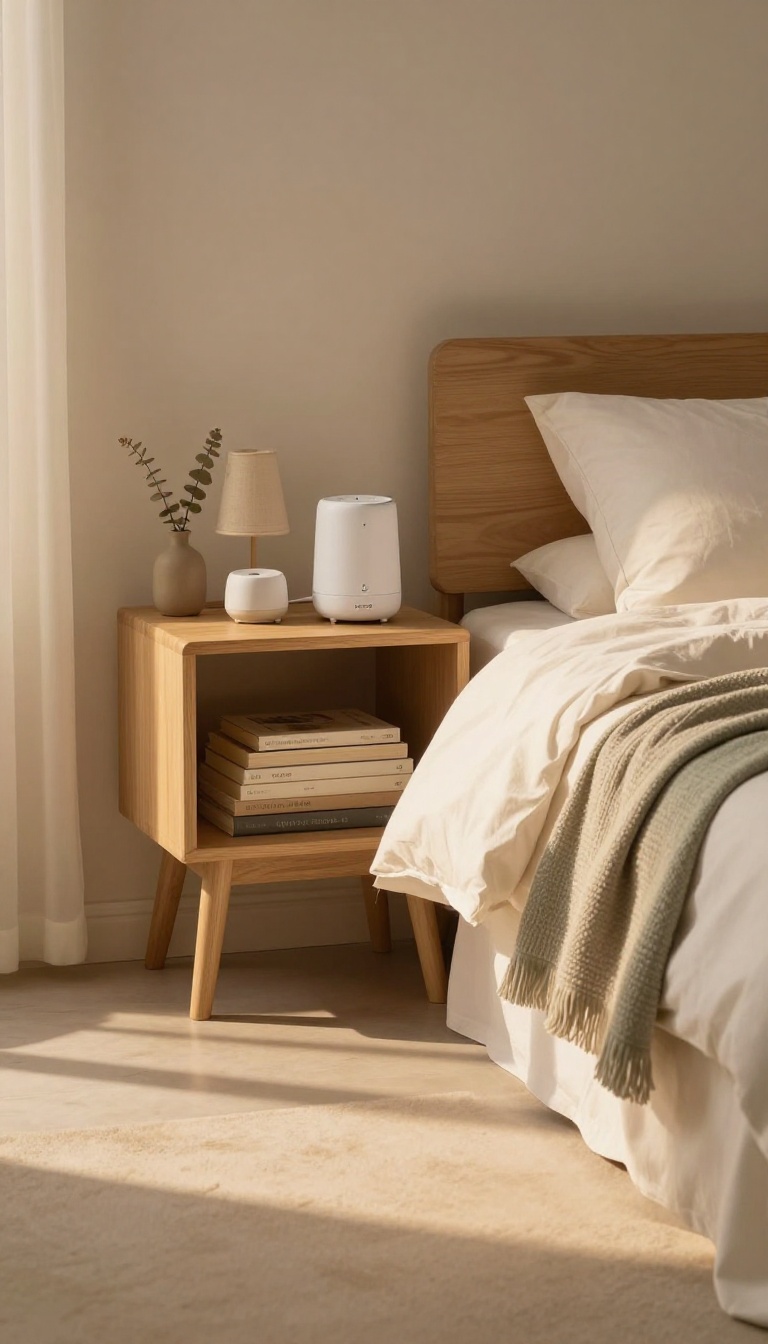
Silence isn't always peaceful. A creaky floorboard, a neighbor's TV, or a car door outside can yank you right out of a calm state. Sound is one of the easiest spa elements to control, and you don't need built-in speakers or a fancy setup to do it.
A small Bluetooth speaker or a white noise machine on the nightstand covers most of what you need. The goal isn't to fill the room with noise. It's to give your ears something steady and gentle so the random sounds around you fade into the background.
Think of sound as a soft blanket for the room. It doesn't have to be loud to work, and honestly, quieter is better. The right audio sits just under your attention, so you notice it only when you stop and listen.
That's the whole trick. You're not building a home theater. You're creating a steady, low-level sound floor that makes the rest of the room feel calmer.
Pick The Right Device
A compact Bluetooth speaker is the simplest option. Look for one with a warm, balanced sound rather than booming bass, since heavy low end can feel aggressive in a small room. A white noise machine works even better if your main problem is outside noise.
Many models also play rain, ocean, or fan sounds, which blend into the background more naturally than a music track. If you already own a smart speaker, that works fine too. Just keep it on the nightstand or a shelf where you can reach it without getting up.
Build A Few Gentle Playlists
Skip anything with lyrics you'll want to sing along to. Instrumental piano, ambient electronic, soft jazz, and nature soundscapes all do the job. Keep two or three playlists ready so you're not scrolling through your phone at bedtime.
One for winding down, one for reading, and one for sleep is plenty. Set a sleep timer if your speaker has one. Music that plays all night can wake you during lighter sleep phases, while a steady white noise track usually won't.
Keep The Volume Low
Aim for a level where you can still hear a person talking at normal volume across the room. That's usually around 40 to 50 decibels, which is roughly the sound of a quiet library. If you have to raise your voice to talk over it, it's too loud.
Turn it down a notch and let the room stay soft. Test it for a few nights and adjust. Everyone's tolerance is different, and the right setting is the one you stop noticing.
14. Choose a Comfortable Mattress and Pillows for Better Sleep
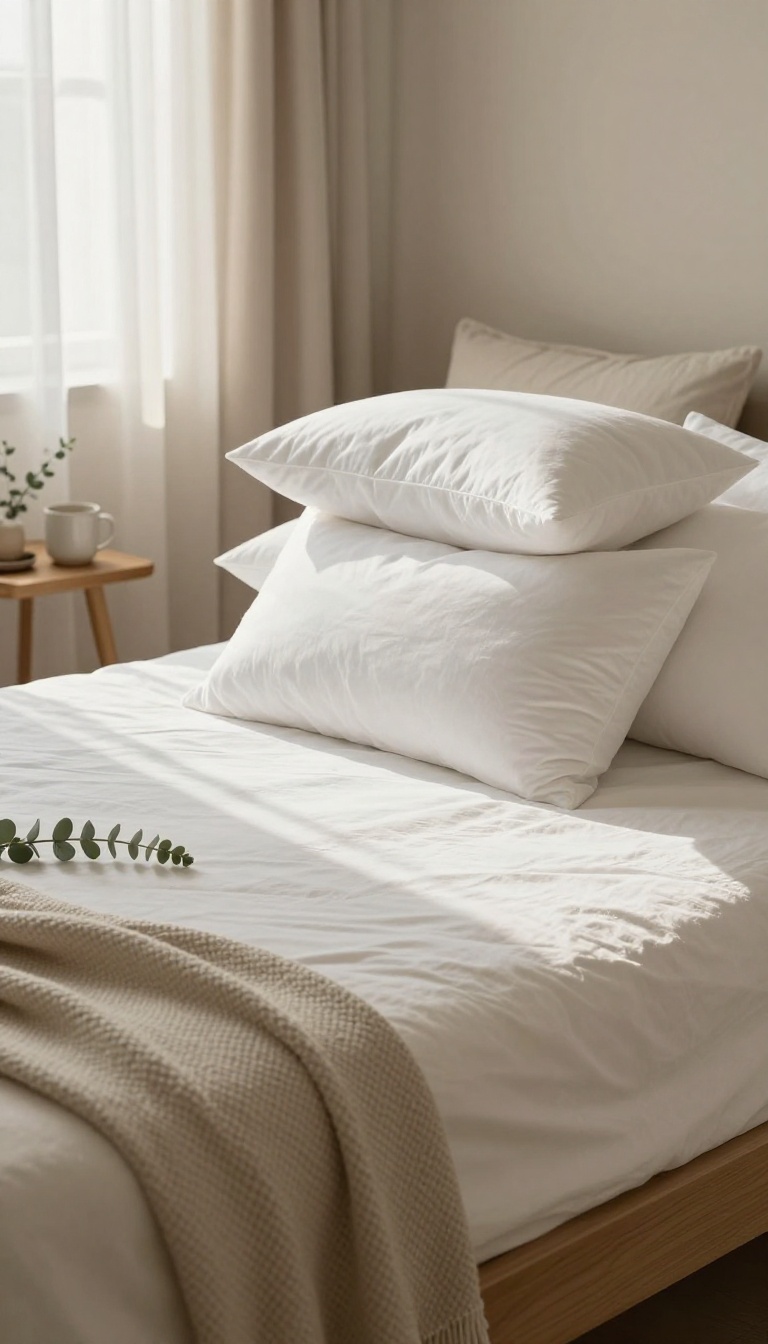
You can nail the lighting, the linens, and the scent, but if your mattress fights your body all night, the spa vibe ends at bedtime. Comfort is the foundation everything else rests on. A bed that supports you properly turns eight hours into actual recovery instead of tossing and turning.
Most people keep the same mattress for a decade and never question it. Meanwhile, they wake up stiff, roll their shoulders, and blame stress. Your sleep setup deserves the same attention you give your candles and throw blankets.
The good news is you don't need to guess. A few simple checks tell you whether your current mattress and pillows are helping or hurting.
Match The Mattress To How You Sleep
Side sleepers need a softer surface that lets the shoulder and hip sink in, or the spine bends out of line. Back and stomach sleepers usually do better on something firmer so the midsection doesn't sag. If you share the bed, look for a mattress that isolates motion so one person's shifting doesn't wake the other.
Pillows Do More Than You Think
A pillow should fill the gap between your head and the mattress, keeping your neck neutral. Back sleepers often need a thinner pillow, side sleepers a thicker one, and stomach sleepers almost none. Memory foam, latex, and down alternatives all feel different, so test before you commit.
Refresh What You Already Own
If a new mattress isn't in the budget, a good topper can soften a too-firm surface or add pressure relief. Wash your pillow protectors regularly and replace pillows every year or two, since they flatten and lose support. Rotating your mattress every few months also keeps it from developing dips.
15. Establish a Nightly Wind-Down Routine in Your Spa Bedroom
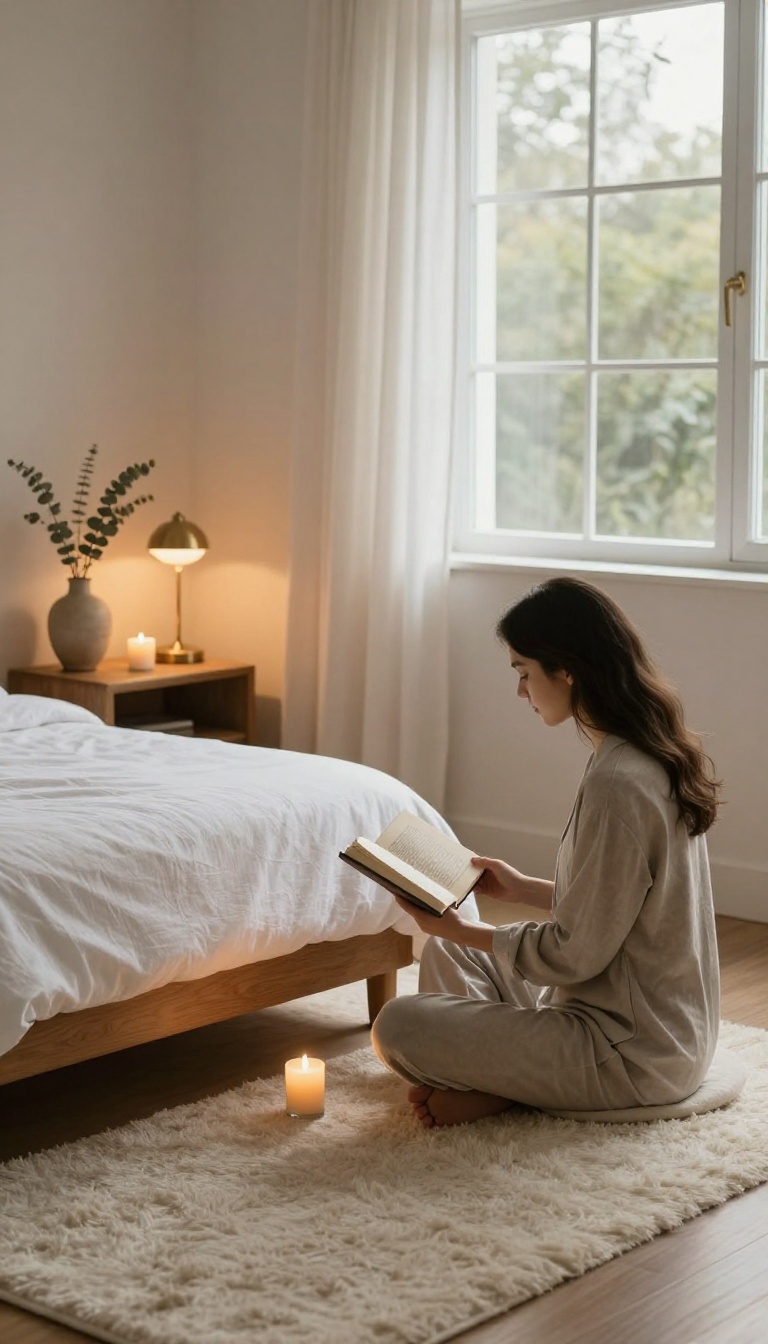
A calm room only gets you halfway there. The other half is what you do inside it once the day is over. Your body takes cues from repetition, and a spa bedroom is the perfect place to hand it the same gentle signals night after night.
The routine doesn't need to be long or complicated. Ten to twenty minutes of low-key, low-light activity is enough to tell your nervous system the day is closing. Think of it as a runway, not a checklist.
Most people treat bedtime like a light switch: on, then off. Your body prefers a dimmer. A wind-down routine works because it stacks small, predictable cues, and your spa bedroom already has the right backdrop for them.
Keep it simple and repeatable. The point isn't to do everything below every night. Pick two or three that fit your energy and let them become automatic.
Dim The Lights Before You Need Them
An hour before bed, drop your lighting to the lowest warm setting you have. If you have dimmers, use them. If not, a small lamp or a candle on the nightstand does the job.
Bright overhead light tells your brain it's still daytime. Soft, low light does the opposite. Once you make this a habit, the dimming itself starts to feel like a signal.
Pick One Quiet Anchor Activity
Choose a single low-stimulation activity and stick with it. Reading a few pages, gentle stretching on the rug, or journaling by lamplight all work well. Scrolling doesn't count, even if it feels relaxing in the moment.
The goal is to slow your breathing and let your thoughts settle, not to feed your brain more input.
Add A Sensory Cue You Repeat
Light a candle, mist your pillow, or apply a lavender lotion at the same point every night. Your sense of smell links to memory faster than almost anything else. After a week or two, that scent alone starts to trigger the wind-down feeling.
Keep the cue consistent so your body learns to associate it with rest.
Close The Room Down
End your routine by tidying the space for tomorrow. Fluff the pillows, set your water glass, and pull the covers back. A made-ready bed removes one more decision from your night.
It also keeps the spa feeling intact when you walk in the next evening.
FAQ
What colors work best for a spa bedroom?
Soft neutrals like warm white, beige, light grey, and muted sage or blue are ideal. They reduce visual stimulation and help you feel calm.
Do I need to spend a lot of money to get a spa-like bedroom?
No. Small changes like dimmable bulbs, a cozy throw, and decluttering can make a big difference without a big budget.
How can I make my bedroom smell like a spa?
Use a diffuser with essential oils like lavender or eucalyptus, or light a natural soy candle for a subtle, calming scent.
What lighting is best for a relaxing bedroom?
Warm, dimmable lighting is best. Avoid cool white overhead lights and opt for bedside lamps, fairy lights, or a Himalayan salt lamp.
Can I create a spa bedroom in a small space?
Absolutely. Focus on decluttering, using light colors, and adding multi-functional pieces like a storage bench or wall-mounted shelves.
Conclusion
A calmer bedroom usually comes down to a few small shifts, not a full remodel. Start with the change that solves your biggest nightly annoyance, whether that is harsh overhead light, a cluttered nightstand, or a bed that never quite feels inviting. Give it a week before you add anything else.
Then layer in the next piece, like softer bulbs, a linen throw, or one plant that earns its corner. You do not need all fifteen ideas. Two or three done well will do more for your wind-down routine than a rushed weekend overhaul.