23 Couch Cleaning Tips for Stains, Dust, and Freshness
Your couch endures spills, dust, pet hair, and daily wear, often showing signs of grime faster than you'd expect. Professional cleaning services are pricey, but you probably already have effective solutions in your pantry.
These 23 couch cleaning tips tackle stains, odors, and dust using common household items, saving you money and effort. From blotting techniques to steam cleaning methods, each tip targets a specific problem so your sofa looks and smells fresh without harsh chemicals.
Ready to give your couch a new lease on life? Let's dive into practical fixes that actually work.
1. Blot Spills Immediately—Don't Rub
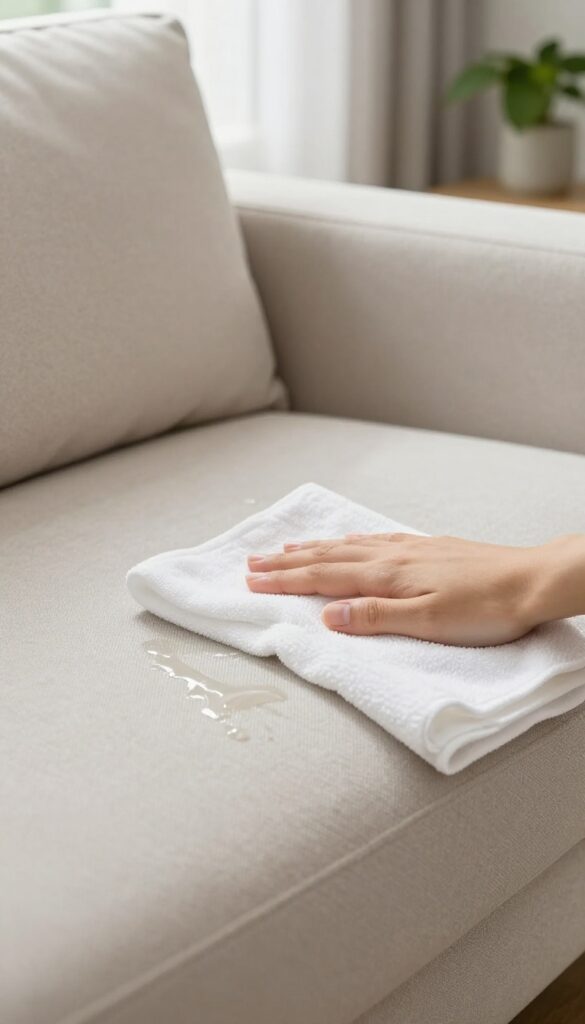
A fresh spill is your best chance to prevent a permanent stain. The moment liquid hits the couch, grab a clean, dry cloth or paper towel. Press firmly onto the spill to absorb as much liquid as possible.
Repeat with fresh spots on the cloth until no more moisture transfers. This simple habit stops stains before they start.
Blotting lifts liquid away from the fibers instead of grinding it in. Rubbing breaks the fibers and spreads the stain, making it larger and harder to remove. For thicker spills like wine or coffee, start at the outer edge of the spill and work inward to prevent spreading.
If the spill has already dried, dampen the area with a little cold water before blotting.
Why Rubbing Makes It Worse
Rubbing pushes the liquid deeper into the cushion or fabric, where it can attract dirt and cause odors. It also frays the fibers, leaving the couch looking worn. Blotting, on the other hand, pulls the liquid out without damaging the weave.
What To Use For Blotting
White cloths or paper towels are best because they won't transfer dye. Avoid printed paper towels if the ink might bleed. For large spills, use a clean microfiber cloth—it's super absorbent and gentle on fabric.
Blotting Different Liquids
For water-based spills like soda or juice, blot with cold water afterward to dilute any remaining sugar. For oily spills like salad dressing, sprinkle cornstarch on the spot first, let it sit for 15 minutes, then blot. The powder absorbs the grease, making blotting more effective.
2. Use Club Soda for Fresh Stains
A fresh spill is your best chance to prevent a permanent stain. Club soda, with its carbonation and mild acidity, works wonders on fresh stains by lifting the liquid away from fabric fibers. It's a simple, chemical-free method that can save your couch from setting stains.
The carbonation in club soda creates bubbles that help dislodge the stain particles from the upholstery fibers. The mild acidity also helps break down the stain without damaging the fabric. This method works best on water-based stains like coffee, tea, juice, or soda.
How To Apply Club Soda
First, blot the spill with a clean cloth to remove excess liquid. Pour a small amount of club soda directly onto the stain—just enough to saturate it. Let it fizz for a few seconds, then blot with a dry cloth.
Repeat until the stain lifts. Avoid rubbing, as that can push the stain deeper.
When To Use This Method
Club soda is best for fresh stains that haven't dried yet. For set-in stains, you may need a stronger solution. It works well on synthetic fabrics like polyester and nylon, but test on a hidden area first for delicate materials like silk or velvet.
Tips For Best Results
Use plain club soda—not flavored or sweetened versions. Blot, don't scrub, to avoid damaging the fibers. If the stain persists, mix club soda with a drop of mild dish soap for extra cleaning power.
Always blot from the edges inward to prevent spreading.
3. Treat Grease Stains with Dish Soap
Grease stains from food spills, cooking splatters, or even body oils can leave unsightly marks on your couch. Dish soap is designed to cut through grease, making it a perfect, gentle cleaner for fabric upholstery. Here's how to use it effectively without damaging your sofa.
Mix a few drops of liquid dish soap with warm water. Dab the solution onto grease stains from food or body oils, then blot with a damp cloth.
Why Dish Soap Works
Dish soap contains surfactants that break down grease molecules, lifting them from fabric fibers. Unlike harsh solvents, it's gentle on most upholstery materials when diluted properly.
Step-by-step Application
Blot excess grease with a paper towel first. Mix 1 teaspoon of dish soap with 2 cups of warm water. Dip a clean cloth into the solution, wring it out, and dab the stain gently.
Work from the outside in to avoid spreading. Blot with a damp cloth to remove soap residue, then let air dry.
Test First
Always test the solution on a hidden spot, like under a cushion, to ensure it doesn't discolor or damage the fabric. Wait for it to dry completely before proceeding.
When To Call A Pro
For stubborn or set-in grease stains, especially on delicate fabrics like silk or velvet, consider professional cleaning. Repeated scrubbing can damage fibers.
4. Remove Red Wine with Salt
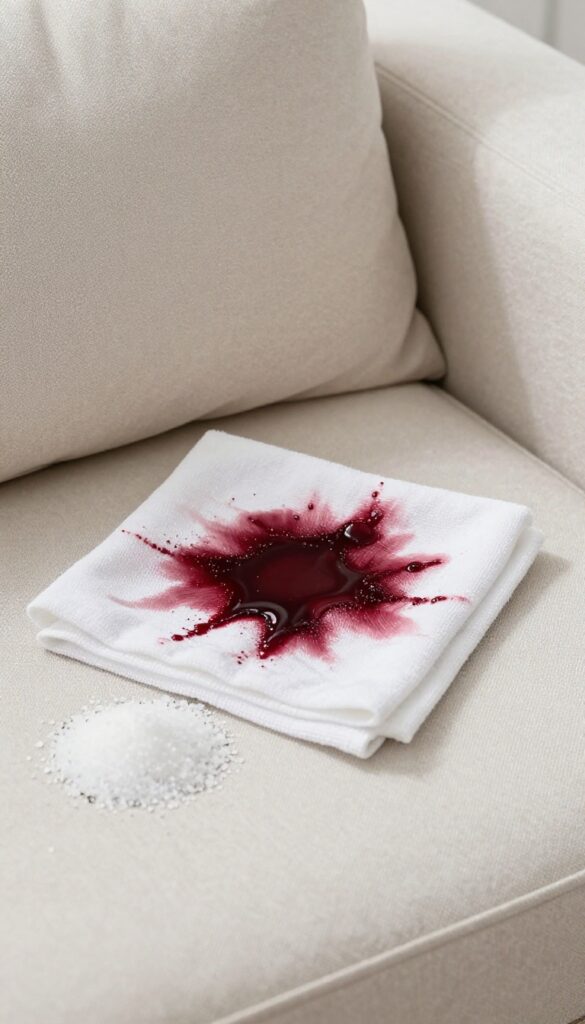
Red wine on a light-colored couch is a classic panic moment, but you don't need to rush for expensive sprays. Ordinary table salt can lift the stain before it sets, as long as you act fast. This trick works because salt absorbs the liquid and pulls the pigment away from the fibers, giving you a clean slate.
Blot, Don't Rub
As soon as the spill happens, grab a clean cloth or paper towel and blot the area gently. Rubbing pushes the wine deeper into the cushion, making the stain spread. Blot from the outside in to keep the spill contained.
Apply A Thick Salt Layer
Pour a generous amount of salt directly onto the wet spot—enough to cover it completely, about a quarter-inch thick. The salt will start absorbing the wine immediately, turning pink or red as it works. Let it sit for 10 to 15 minutes without disturbing it.
Vacuum And Damp-wipe
After the waiting period, vacuum up the salt using an upholstery attachment. You should see most of the wine gone. Finish by dabbing the area with a damp cloth dipped in cold water to remove any leftover residue.
Blot dry with a towel.
5. Tackle Ink Stains with Rubbing Alcohol
Ink stains from a stray pen or marker can feel like a permanent eyesore on your couch. But with a little rubbing alcohol, you can lift the ink without damaging the fabric. This method works on most upholstery types, but always test a hidden spot first.
Why Rubbing Alcohol Works
Rubbing alcohol breaks down the oils and dyes in ink, making it easier to lift from fabric fibers. It evaporates quickly, so it won't soak deep into the cushion. This makes it a go-to for fresh or dried ink stains.
Step-by-step Process
Dab a cotton ball or clean white cloth with rubbing alcohol. Gently press it onto the ink stain—don't rub, which can spread the ink. Let it sit for a minute, then blot with a dry cloth.
Repeat until the stain fades, then blot with a damp cloth to remove residue.
What To Avoid
Never pour rubbing alcohol directly onto the couch, as it can saturate the foam. Avoid colored cloths that might bleed dye onto the fabric. And always test on an inconspicuous area first to ensure the alcohol doesn't discolor or damage the upholstery.
6. Lift Pet Urine with Baking Soda and Vinegar
Pet accidents happen, and if you catch them quickly, you can often remove both the stain and the odor. The key is acting fast before the urine sets into the fabric. Baking soda and vinegar work together to neutralize the smell and lift the stain naturally.
Blot up as much urine as possible with paper towels, pressing firmly to absorb liquid. Then sprinkle a generous layer of baking soda over the damp area. In a spray bottle, mix equal parts white vinegar and water, and spritz it onto the baking soda until it fizzes.
Let the mixture sit for 5-10 minutes to break down the urine crystals. Finally, blot the area dry with clean towels and let it air out. For stubborn odors, repeat the process or follow up with an enzyme cleaner.
Why This Works
Baking soda is a natural deodorizer that absorbs moisture and neutralizes acidic compounds in urine. Vinegar, being acidic, reacts with baking soda to create carbon dioxide bubbles that help lift the stain from fibers. Together, they tackle both the smell and the residue without harsh chemicals.
Step-by-step Instructions
- Blot fresh urine with paper towels until no more liquid transfers. 2.
Sprinkle baking soda liberally over the spot. 3. Mix 1 cup white vinegar with 1 cup water in a spray bottle.
- Spray the mixture onto the baking soda until it fizzes. 5.
Let it sit for 5-10 minutes. 6. Blot dry with clean towels.
- Vacuum any leftover powder once fully dry.
Tips For Old Or Dried Stains
For set-in stains, first moisten the area with water to rehydrate the urine. Then apply baking soda and vinegar as above. You may need to let the mixture sit longer—up to 30 minutes.
After blotting, sprinkle fresh baking soda and let it sit overnight to absorb any remaining odor, then vacuum.
7. Deodorize with Baking Soda
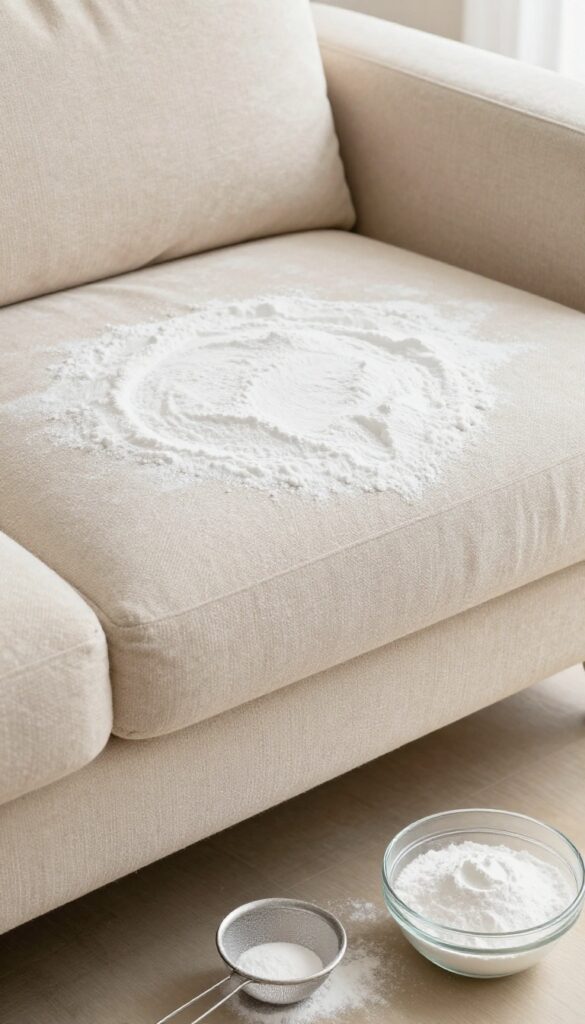
Over time, couches absorb smells from pets, food, smoke, and daily life. Baking soda is a natural deodorizer that neutralizes odors without masking them with artificial fragrances. This simple method works on all fabric types and is safe for frequent use.
Sprinkle baking soda liberally over the entire couch, focusing on areas that get the most use. Let it sit for at least 15 minutes—overnight is best for strong odors. Then vacuum thoroughly using an upholstery attachment to remove all residue.
For extra freshness, add a few drops of essential oil to the baking soda before sprinkling.
Why Baking Soda Works
Baking soda is alkaline, which helps neutralize acidic odor molecules. It also absorbs moisture, which can harbor smell-causing bacteria. Unlike sprays that just cover up scents, baking soda actually lifts and traps odors so they're removed when you vacuum.
How To Apply It Right
Start with a dry couch—moisture can make baking soda clump. Use a sieve or your hands to sprinkle an even layer. For deep-set smells, work the powder into the fabric with a soft brush.
Let it sit longer for tougher odors, then vacuum slowly to catch all the powder.
When To Deodorize
Aim to deodorize your couch every few weeks, or whenever you notice a musty or stale smell. It's also a good idea after a pet accident or a spill that's been cleaned. Regular deodorizing keeps your couch smelling fresh and extends the time between deep cleans.
8. Vacuum Every Week with an Upholstery Attachment
Think of your couch as a giant dust and allergen magnet. Every time you sit, you're grinding in dirt, skin flakes, and crumbs. A quick weekly vacuum with the right attachment prevents that buildup from becoming ground-in grime.
You don't need a fancy machine—just a standard vacuum with an upholstery brush. The key is consistency: once a week keeps dust mites, pet dander, and debris from settling deep into the fibers.
Why The Upholstery Brush Matters
The upholstery attachment is designed to be gentle yet effective. Its bristles loosen embedded dirt without damaging the fabric, while the suction pulls it away. Using a bare floor or crevice tool can be too harsh or miss particles.
Stick with the brush for best results.
Don't Forget The Crevices And Under Cushions
Crumbs, coins, and pet hair love to hide in the gaps. Remove cushions and vacuum both sides, plus the base and crevices where the back meets the seat. Use the crevice tool for tight spots.
This weekly routine keeps your couch looking fresh and reduces allergens.
How To Vacuum Without Damaging Fabric
Always check your couch's care tag first. For delicate fabrics like velvet or linen, use a soft brush attachment and low suction. Move in slow, overlapping passes.
For sturdy fabrics like microfiber or polyester, you can use a slightly firmer brush. Avoid pressing too hard—let the vacuum do the work.
9. Use a Lint Roller for Pet Hair
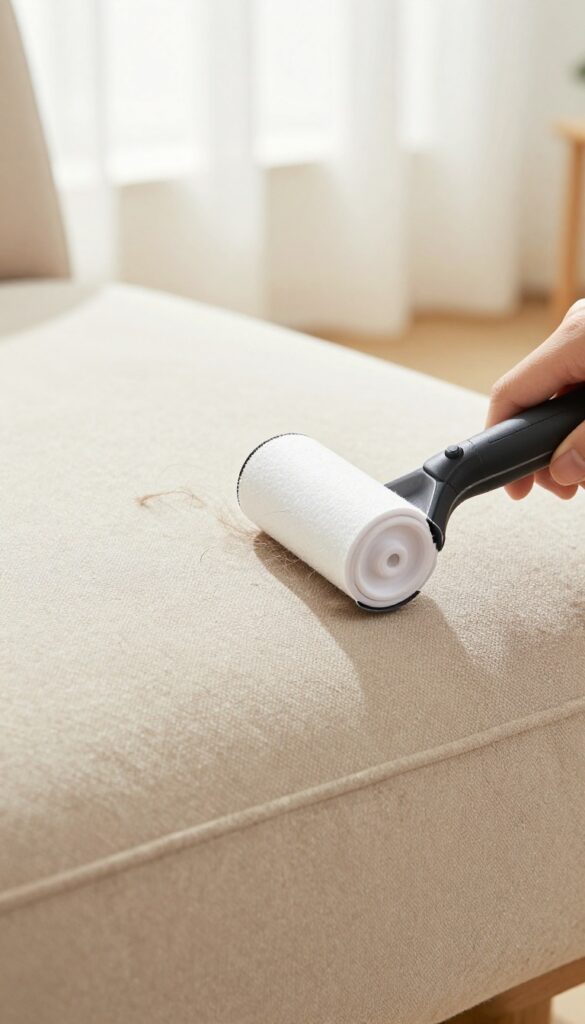
Pet hair clings to fabric couches like a magnet, and vacuuming every day isn't always practical. A lint roller is a quick, no-fuss tool that lifts hair in seconds without dragging out the hose. Keep one stashed in your living room end table or a nearby drawer.
When you spot a tuft of fur before guests arrive, just roll it over the cushion for an instant refresh. It's also great for catching stray hairs that settle into crevices between deep cleans.
Why A Lint Roller Works Better Than You Think
Lint rollers use adhesive sheets that grab individual hairs without pushing them deeper into the fabric. Unlike a vacuum, which can sometimes embed hair further, the roller pulls it off cleanly. It's especially effective on microfiber, velvet, and other tight-weave upholstery.
Where To Roll For Maximum Effect
Focus on the seat cushions, backrests, and armrests—where pets love to lounge. Don't forget the sides and the gap between cushions, where hair often collects. A few passes in each area can remove what looks like a whole cat's worth of fur.
Keep It Handy For Daily Touch-ups
Make it a habit to roll the couch for 30 seconds before you sit down. This prevents hair from building up and embedding into the fabric over time. Refill sheets are cheap, so you can replace them often without guilt.
10. Dust with a Microfiber Cloth
Dust settles on your couch faster than you think, especially on the arms, backrest, and any wooden trim. A quick wipe with a microfiber cloth traps that dust instead of sending it into the air or deeper into the fabric. It's a simple habit that keeps your sofa looking cleaner between deep cleans.
Microfiber cloths are designed to grab and hold dust particles, unlike feather dusters or old rags that just push dust around. For fabric couches, a dry microfiber wipe picks up surface dust without grinding it into the fibers. For leather or faux leather, a slightly damp cloth works even better, lifting dust and preventing buildup in creases.
Make it a weekly routine to dust the entire couch, including the back, sides, and any exposed wood, and you'll notice less grime accumulating over time.
Why Microfiber Works Best
Microfiber has split fibers that create a static charge, attracting dust like a magnet. This keeps dust trapped in the cloth rather than floating into the air or settling back onto the couch. Cotton or terry cloth can leave lint behind and often just redistribute dust.
How To Dust Your Couch Properly
Start at the top, like the backrest and top of the arms, and work your way down. Use a fresh section of the cloth as it gets dirty. Don't forget the crevices and any wooden trim, as dust collects there too.
For fabric couches, a light hand is best to avoid pressing dust into the fibers.
How Often To Dust
Aim for once a week, especially if you have pets or live in a dusty area. This simple step reduces the need for deep vacuuming and keeps allergens in check. If you notice visible dust sooner, just give it a quick wipe.
11. Steam Clean for Deep Dust Removal
Steam cleaning isn't just for carpets—it works wonders on upholstery too. The high heat kills dust mites, loosens embedded dirt, and refreshes the fabric without harsh chemicals. Just follow the manufacturer's instructions and let the couch dry completely to prevent mold or mildew.
Why Steam Works Best For Dust
Dry dusting and vacuuming only get surface-level debris. Steam penetrates deep into the fibers, breaking up stubborn particles and neutralizing allergens. The heat also sanitizes, making it a top choice for households with allergy sufferers.
How To Steam Clean Your Couch
Start by vacuuming the couch to remove loose dust and debris. Fill your handheld steamer with distilled water to avoid mineral buildup. Hold the steamer a few inches from the fabric and move it slowly across the surface.
Avoid saturating any one area—steam should be applied evenly. After steaming, open windows or use a fan to speed up drying.
Safety Tips For Different Fabrics
Always check the manufacturer's care tag before steaming. Some fabrics like velvet or silk can be damaged by heat and moisture. For delicate materials, test a small hidden area first.
Never steam leather or suede—use a dedicated cleaner instead.
12. Use a Fabric Steamer to Refresh
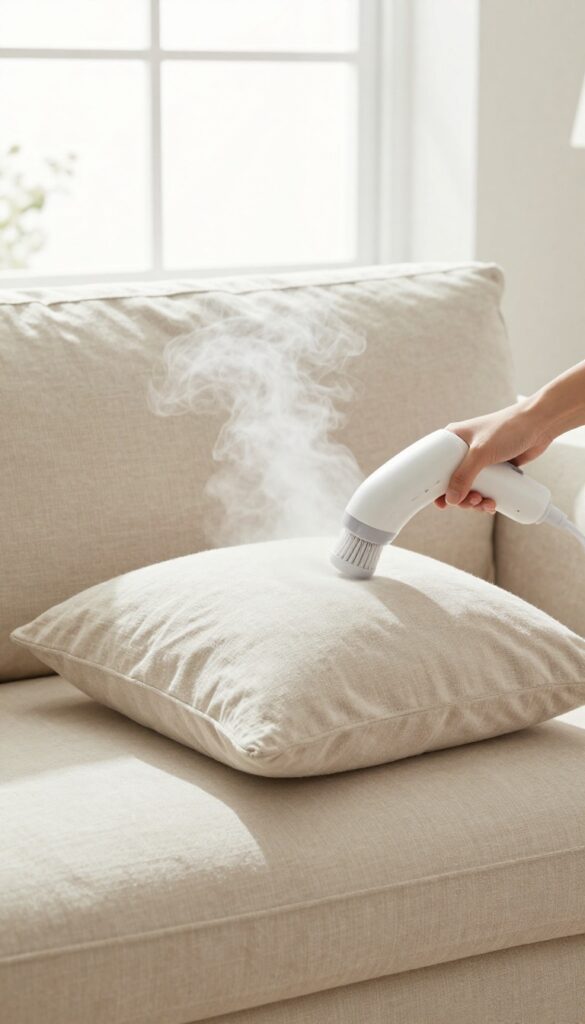
A fabric steamer isn't just for clothes—it's a game-changer for couch maintenance. The steam penetrates fibers, loosening dirt and reviving flattened cushions without soaking the fabric. Plus, the heat kills bacteria and neutralizes odors, leaving your sofa smelling fresh.
Why Steam Works
Steam lifts embedded dust and allergens that vacuuming misses. The high temperature also breaks down odor-causing molecules and sanitizes the fabric. It's a chemical-free way to deep clean between professional treatments.
How To Steam Your Couch
Fill the steamer with distilled water to avoid mineral deposits. Test on an inconspicuous area first. Hold the steamer head a few inches from the fabric and move it slowly in overlapping passes.
Use a soft brush attachment to agitate fibers gently.
When To Avoid Steaming
Avoid steam on delicate fabrics like silk, velvet, or non-washable blends. Also skip steaming if your couch has foam cushions that can't dry quickly—moisture can lead to mildew. Check the care tag first.
13. Spot Clean with a DIY Enzyme Cleaner
Organic stains like sweat, food spills, and pet accidents can be stubborn because they're protein-based. Regular cleaners might not break them down fully, but enzymes are nature's stain eaters. You can whip up a simple enzyme cleaner at home using a common laundry product.
Why Enzymes Work On Organic Stains
Enzymes are biological molecules that break down proteins, fats, and carbohydrates into smaller, water-soluble pieces. Most organic stains—think grass, blood, wine, or pet urine—contain these compounds. A detergent with protease, amylase, or lipase enzymes targets the stain at a molecular level, lifting it out of the fibers instead of just covering it up.
How To Make And Use The Cleaner
Mix 1 cup of cool water with 1 tablespoon of enzyme-based laundry detergent (like Persil or Tide with enzymes). Stir gently to avoid suds. Test on an inconspicuous spot first.
Blot the stain with the solution using a clean cloth, working from the outside in. Let it sit for 10–15 minutes, then blot with a damp cloth and allow to air dry. Avoid heat until the stain is completely gone.
When To Avoid This Method
Enzyme cleaners can damage delicate fabrics like silk, wool, or antique upholstery. They also don't work on non-organic stains like ink or oil. For those, you'll need a different approach.
Always check your couch's cleaning code (W, S, WS, or X) before applying any liquid.
14. Protect with a Fabric Guard Spray
You've put in the effort to deep clean your couch, so why let it get dirty again so quickly? Fabric guard sprays create an invisible barrier that repels liquids and prevents stains from setting in. Think of it like sunscreen for your sofa—a little prevention goes a long way.
Fabric protector sprays work by coating each fiber with a thin, breathable layer that causes liquids to bead up and roll off rather than soak in. This gives you precious extra seconds to blot up spills before they become permanent stains. Most sprays are safe for a wide range of upholstery fabrics, but always test on a hidden area first.
Reapply after every deep cleaning or every six months for optimal protection.
Choosing The Right Spray
Not all fabric protectors are created equal. Look for one that's water-based and non-toxic, especially if you have kids or pets. Brands like Scotchgard and ForceField are popular, but check the label to ensure it's compatible with your couch's fabric type.
Avoid silicone-based sprays on microfiber as they can cause discoloration.
Application Tips
Apply the spray in a well-ventilated area. Hold the can about 6 to 8 inches away from the fabric and use a sweeping motion to cover the entire surface evenly. Don't oversaturate—a light, even coat is enough.
Let it dry completely for at least 24 hours before using the couch. For best results, apply two thin coats, allowing drying time between each.
Maintenance And Reapplication
Fabric protection isn't permanent. It wears off over time with regular use and cleaning. To maintain the barrier, reapply the spray after each deep clean or every six months.
If you notice liquids starting to soak in faster than before, it's time for a fresh coat. Keeping a can on hand makes it easy to touch up high-traffic areas like armrests and seat cushions.
15. Wash Removable Covers in Cold Water
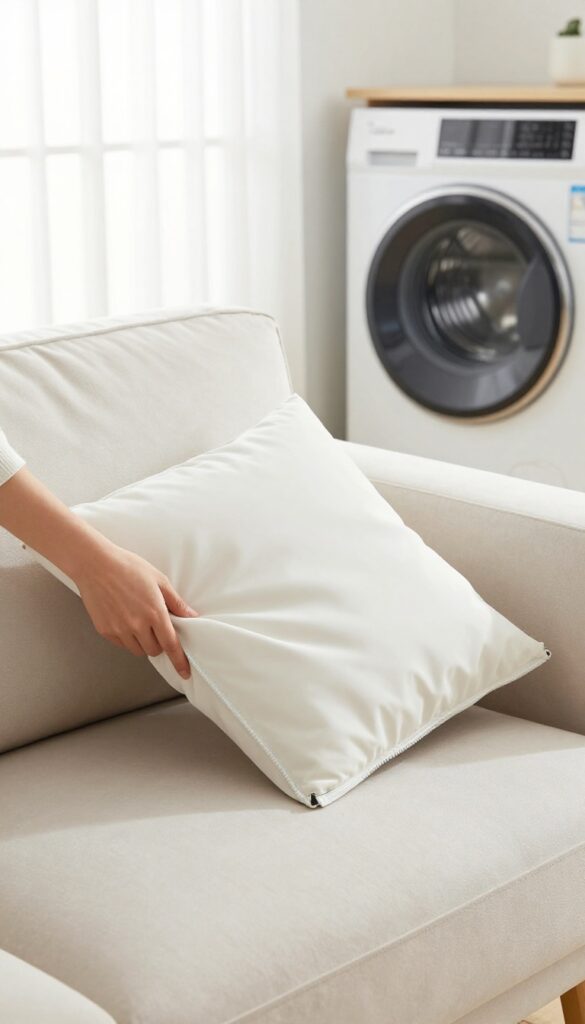
Many modern couches come with zip-off covers that make deep cleaning surprisingly easy. The trick is knowing the right way to launder them without causing damage. Cold water and a gentle cycle are your best friends here.
Hot water can shrink or warp the fabric, while harsh agitation can break down fibers over time.
Washing removable covers the wrong way can ruin them fast. Stick to cold water on a gentle cycle with a mild detergent. Avoid bleach or fabric softener, as these can weaken fibers and leave residue.
After washing, air drying is safest—just lay the cover flat or hang it. If you must use a dryer, set it to low heat and check frequently to prevent shrinkage. Always check the care label first; some materials like velvet or linen have special requirements.
Check The Care Label First
Before tossing covers in the wash, look for the manufacturer’s tag. It will tell you if the fabric is machine washable, what temperature to use, and whether it’s safe to tumble dry. Ignoring this step can lead to faded colors or misshapen covers.
Use A Gentle Detergent
Harsh detergents with enzymes or brighteners can strip color and damage upholstery fabric. Opt for a mild, fragrance-free detergent designed for delicate fabrics. Liquid detergents dissolve better than powders in cold water, reducing residue.
Air Dry Or Low Heat Only
High heat is the enemy of couch covers. It can cause shrinkage, warping, or even melt synthetic fibers. Air drying on a clothesline or drying rack is safest.
If you’re short on time, use the lowest heat setting and remove covers while slightly damp to finish drying flat.
Reassemble While Slightly Damp
Putting covers back on the couch when they’re still a bit damp makes them easier to stretch and fit snugly. Once in place, smooth out wrinkles and let them finish drying. This prevents stubborn creases and ensures a tailored look.
16. Use a Toothbrush for Stubborn Spots
When a regular cloth can't dig into the fibers, an old toothbrush becomes your best friend. Its small, firm bristles can reach deep into the weave to loosen dirt and dried-on stains without damaging the fabric. This trick is especially handy for spots around seams, buttons, and armrests where grime likes to hide.
Grab a clean, dry toothbrush and dip it into a mild cleaning solution—like a mix of dish soap and warm water, or a bit of white vinegar diluted with water. Gently scrub the stain in a circular motion, working from the edges inward to prevent spreading. Let the solution sit for a minute, then blot with a clean cloth.
Repeat if needed, then let the area air dry. The toothbrush's bristles lift the stain particles out of the fabric, making this method far more effective than just blotting alone.
Choose The Right Brush
Not all toothbrushes are equal for this job. Go for one with medium to firm bristles—soft bristles won't have enough scrubbing power, while extra-hard ones might scratch delicate fabrics. An old, clean toothbrush works perfectly, but you can also buy a cheap one specifically for cleaning.
Avoid using a brush that still has toothpaste residue, as that can leave a sticky film on your couch.
Test Before You Scrub
Always test your cleaning solution on a hidden area first, like under a cushion or on the back of the couch. Apply a small amount and scrub gently with the toothbrush, then check for any color fading or fabric damage. This step is crucial for delicate materials like velvet or silk blends, where even gentle scrubbing can cause wear.
Tackle Different Stain Types
For greasy stains, add a drop of dish soap to your water solution. For protein-based stains like blood or milk, use cold water—hot water can set the stain. For ink or dye marks, try rubbing alcohol on the toothbrush.
Just remember to blot, not rub, after scrubbing to lift the dissolved stain away.
17. Keep Cushions Fluffed and Rotated
Cushions take the brunt of sitting, lounging, and occasional jumping. Over time, they flatten and lose shape, making your couch look tired. A simple routine of fluffing and rotating keeps them supportive and evenly worn.
Fluffing redistributes the filling, while rotating ensures no single cushion bears all the weight. This also prevents dust and debris from settling permanently in high-use areas. Aim to fluff cushions weekly and rotate them every month or two.
Why Fluffing Matters
Fluffing plumps up the fibers or foam, restoring volume and comfort. It also breaks up dust and allergens trapped inside, which you can then vacuum away. Just a few seconds per cushion makes a noticeable difference.
Rotation Patterns That Work
Rotate cushions front to back and swap sides. If your couch has three seat cushions, move the left one to the right, the right one to the middle, and so on. This distributes wear evenly and prevents sagging in one spot.
When To Replace Fillings
If cushions stay flat despite regular fluffing, the filling may be worn out. Consider replacing foam inserts or adding a layer of batting. This extends the life of your couch and keeps it looking fresh.
18. Use Pillow Inserts to Maintain Shape
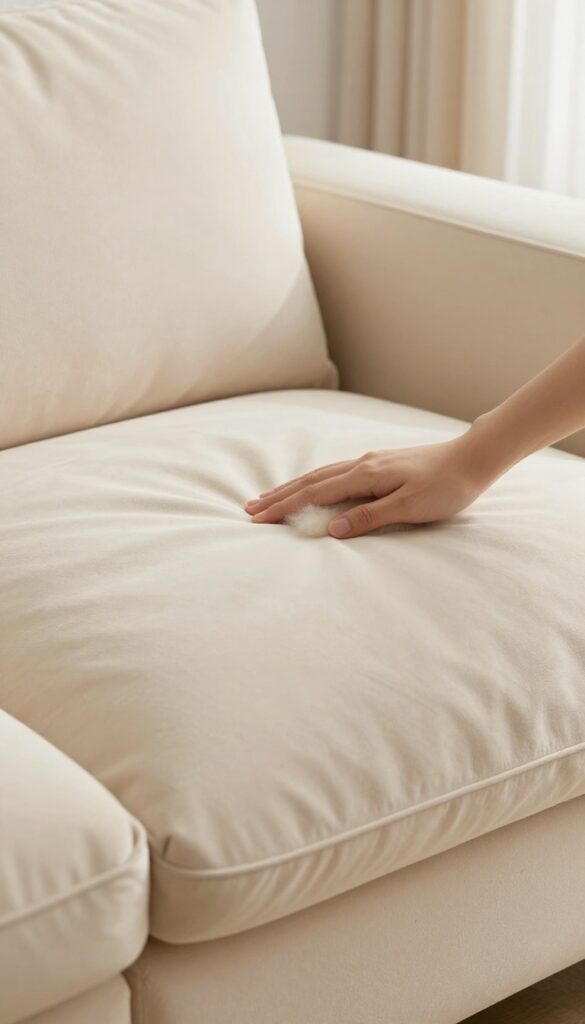
Over time, couch cushions lose their bounce and start looking sad and saggy. That flattened appearance isn't just cosmetic—it can also trap more dust and debris in the worn areas. Replacing the pillow inserts is a simple fix that restores both comfort and cleanliness.
When cushions lose their shape, they create uneven surfaces that collect dust and make cleaning harder. New inserts plump everything back up, reducing crevices where dirt hides. Plus, a firmer cushion resists dust settling into the fibers.
When To Replace Inserts
If your cushions have permanent indentations or feel lumpy, it's time for new inserts. Also swap them if the foam has yellowed or crumbles when squeezed. Typically, quality inserts last 3–5 years with regular use.
Choosing The Right Fill
Polyester fiberfill is affordable and easy to find, but high-resilience foam offers better support and longevity. For a luxury feel, consider down-alternative or memory foam toppers. Measure your cushion covers before buying to ensure a snug fit.
Installation Tips
Zip the new insert into the cover, then fluff and pat it to distribute the filling evenly. Let the cushion sit for 24 hours to fully expand. For a quick refresh, you can also add a layer of batting around old foam before inserting.
19. Clean Leather Couches with Saddle Soap
Leather couches need special care—harsh cleaners can strip natural oils and cause cracking. Saddle soap is a time-tested solution originally made for leather saddles, but it works beautifully on furniture too. It cleans gently while conditioning the leather, keeping it soft and supple.
Saddle soap is easy to use and doesn't require much elbow grease. You'll need a soft cloth, a small bowl of warm water, and a bar or paste of saddle soap. First, test a hidden spot to make sure the leather takes it well.
Then, dampen your cloth, rub it on the soap to create a lather, and apply in circular motions. Wipe away any residue with a clean damp cloth, then buff with a dry cloth for a nice shine.
Why Saddle Soap Works
Saddle soap contains mild soaps and waxes that lift dirt without drying out the leather. The wax also leaves a protective layer that repels light moisture and future stains. It's much gentler than many commercial leather cleaners and won't cause fading or peeling.
Step-by-step Application
Start by dusting or vacuuming the couch to remove loose debris. Dampen a soft cloth (not soaking wet) and work the saddle soap into a lather. Apply to the leather in small sections, using gentle circular motions.
Let it sit for a minute, then wipe off the suds with a clean damp cloth. Finally, buff the area with a dry microfiber cloth until it shines.
When To Avoid Saddle Soap
Saddle soap is best for finished leather—the kind with a smooth, sealed surface. Avoid it on suede, nubuck, or unfinished leather, as it can darken or stain them. Also, skip it if your couch has a manufacturer's warning against wax-based products.
When in doubt, check the care tag or test an inconspicuous area first.
20. Condition Leather to Prevent Cracking
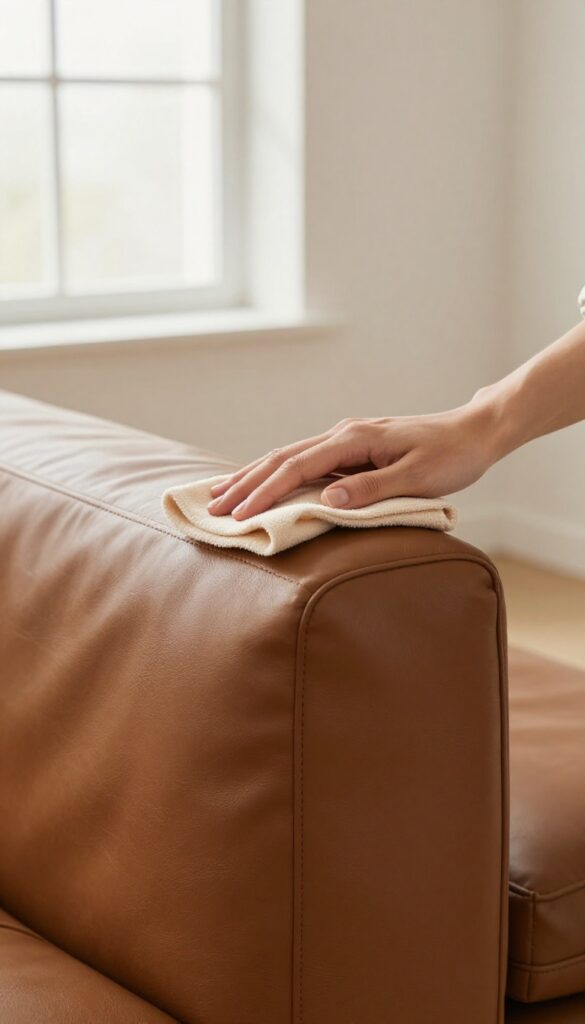
Leather couches are beautiful but need regular care to stay that way. Without conditioning, the natural oils dry out, leading to cracks and crevices that trap dust and dirt. A simple conditioning routine every few months keeps the leather supple and extends its life.
Why Conditioning Matters
Leather is porous and loses moisture over time, especially in dry climates or near heat sources. When it dries out, the surface becomes brittle and develops tiny cracks. These cracks not only look bad but also create hiding spots for dust and allergens.
Conditioning replenishes the oils, keeping the leather flexible and resistant to damage.
Choosing The Right Conditioner
Not all conditioners are created equal. Look for products specifically designed for furniture leather, not shoe polish or multi-purpose sprays. Avoid conditioners with silicone or wax, as they can clog pores and cause buildup.
Natural options like mink oil or beeswax-based conditioners work well, but always test on a hidden area first.
How To Apply Conditioner
Start by cleaning the couch with a damp cloth to remove surface dust. Apply a small amount of conditioner to a soft, lint-free cloth and rub it into the leather in circular motions. Focus on high-contact areas like armrests and seat cushions.
Let it soak in for 10–15 minutes, then buff off any excess with a clean cloth. Avoid over-saturating, as that can leave a greasy residue.
How Often To Condition
A good rule of thumb is to condition your leather couch every three to six months. If you live in a dry climate or use heating or air conditioning frequently, lean toward every three months. Signs that it's time include a dull appearance, stiffness, or small cracks forming.
Regular conditioning not only prevents cracking but also keeps the leather looking rich and vibrant.
21. Remove Crayon Marks with WD-40
Kids and crayons are a classic combo, but not when those waxy marks end up on your couch. Before you panic, grab that can of WD-40 from the garage. It's surprisingly effective at breaking down crayon wax without damaging most upholstery fabrics.
Why Wd-40 Works
Crayon wax is oil-based, and WD-40 is a solvent that dissolves oil. When you spray it on the stain, it loosens the wax so you can lift it away. Just be sure to test on a hidden spot first, especially on delicate fabrics like velvet or silk.
Step-by-step Removal
Spray a small amount of WD-40 directly onto a clean white cloth—don't soak the stain. Gently dab the crayon marks, working from the outside in to avoid spreading. The wax should start to transfer to the cloth.
Once the marks are gone, wipe the area with a cloth dampened with mild soapy water to remove any residue, then blot dry.
When To Call A Professional
If the crayon mark is old or set in, or if your couch has a very delicate fabric, consider professional cleaning. WD-40 can sometimes leave a greasy residue that's hard to remove completely, so test thoroughly first.
22. Use a Slipcover for High-Traffic Areas
If your couch sees heavy use—kids, pets, or daily lounging—a slipcover can be a lifesaver. It protects the original fabric from stains, dust, and wear while making cleanup as simple as tossing it in the wash. The key is choosing one that fits well so it looks intentional, not like a rumpled sheet.
Slipcovers are especially useful for homes with kids or pets. They catch spills, pet hair, and dirt before they reach the couch fabric. A well-fitted slipcover also prevents fading from sunlight and reduces the need for deep cleaning.
When it gets dirty, just remove and wash it according to the care label. To keep it looking sharp, smooth out wrinkles after each wash and re-tuck any loose sections. For high-traffic zones like the center seat or armrests, consider buying an extra slipcover to rotate while one is in the laundry.
Choosing The Right Fit
Not all slipcovers are created equal. Look for one with elastic edges, ties, or straps that anchor it to the couch. Stretch-knit fabrics conform well to curves, while cotton blends offer breathability and easy washing.
Measure your couch dimensions before buying, and check reviews for fit accuracy. A snug cover stays put and looks like upholstery rather than a baggy blanket.
Maintenance Tips
Wash slipcovers in cold water on a gentle cycle to prevent shrinkage. Avoid bleach unless the fabric is colorfast. Tumble dry on low or line dry to maintain shape.
Iron on a low setting if wrinkles persist. Rotate between two covers if you wash frequently, and always check the care tag for specific instructions.
23. Schedule a Professional Cleaning Annually
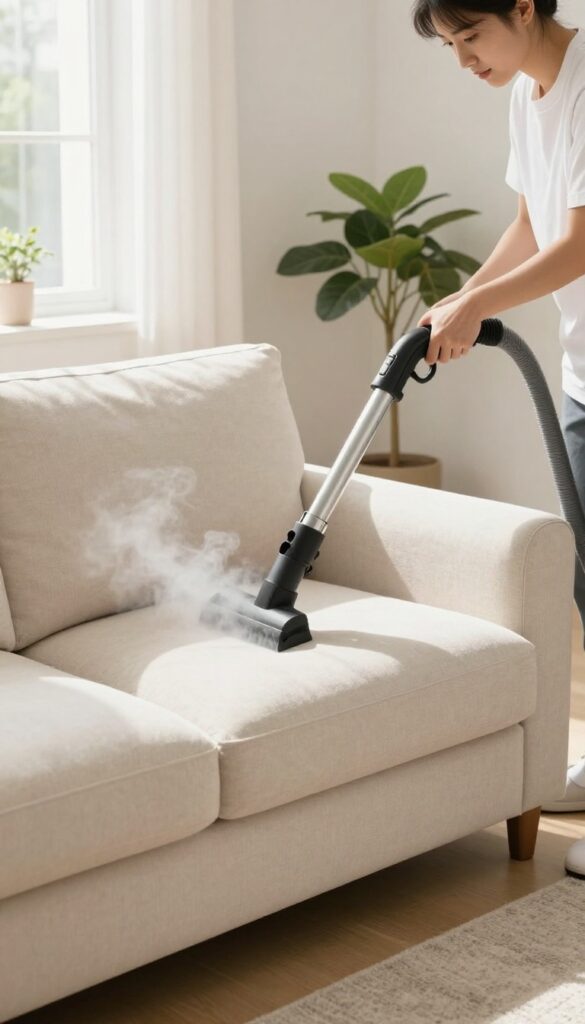
Even with the best DIY routine, some dirt and allergens settle deep into couch fibers where your vacuum and spot cleaners can't reach. A professional deep clean once a year resets your sofa, removing embedded grime and restoring its original texture. Think of it as a spa day for your couch—it extends the life of the fabric and keeps your living room smelling fresh.
Professional cleaners use hot water extraction or steam cleaning methods that penetrate deep into cushions and crevices. They also have industrial-grade vacuums that suck out more dust and pet dander than household models. This annual service is especially important if you have allergies, as it dramatically reduces airborne particles.
Plus, pros can treat stubborn set-in stains with specialized solutions that are safe for your specific fabric type.
What Professional Cleaning Actually Does
A pro cleaning doesn't just wipe the surface—it flushes out dirt trapped in the foam and fibers. The high-temperature water and cleaning agents break down oils, sweat, and dust mites, then powerful extraction removes everything. Your couch comes back looking brighter and feeling softer, often with a noticeable reduction in odors.
How Often Should You Book It?
Once a year is the sweet spot for most households. If you have kids, pets, or heavy daily use, consider twice a year. For low-traffic homes with no pets, every 18 months might suffice.
Mark your calendar so you don't forget—it's easy to let slide, but your couch will thank you.
Choosing The Right Service
Look for a company that specializes in upholstery cleaning, not just carpets. Ask about their methods and check reviews. Avoid services that use harsh chemicals or excessive water, which can lead to mold or shrinkage.
A reputable cleaner will do a fabric test first and explain their process.
FAQ
How often should I clean my couch?
Vacuum weekly and spot clean spills immediately. Deep clean every 3-6 months, or more often if you have pets or allergies.
Can I use bleach on my couch?
No, bleach can discolor and damage upholstery. Stick to mild detergents or specialized upholstery cleaners.
How do I remove old, set-in stains?
Try a paste of baking soda and water, let it sit for 30 minutes, then scrub gently. For tough stains, use an enzyme cleaner or consult a professional.
Is it safe to use vinegar on leather?
Vinegar can dry out leather. Use a dedicated leather cleaner and conditioner instead.
What's the best way to dry a couch after cleaning?
Open windows, use fans, or run a dehumidifier. Avoid direct sunlight to prevent fading. Ensure cushions are completely dry before replacing.
Conclusion
Your couch doesn't have to be a magnet for stains and dust. With these 23 tips, you can tackle spills, refresh fabric, and keep things fresh between deep cleans. Start with the most visible issue and work through the list at your own pace.
Pick a couple of these tricks to try this week. You'll notice a difference in how your sofa looks and feels—without spending a fortune or hiring a pro. A little regular care goes a long way.