17 Sofa Cleaning Services Tips Before Booking Professional Help
Your sofa works hard every day, but it doesn't have to look like it. Before you call in the pros, a little prep can make a huge difference in the final result. These 17 tips will help you get the most out of your professional sofa cleaning service.
From knowing your fabric type to asking the right questions, a few simple steps can save you money and disappointment. Think of this as your cheat sheet for a cleaner, fresher couch without the guesswork.
Ready to transform your seating? Let's dive into the details that separate a good clean from a great one.
1. Know Your Fabric Code Before You Call
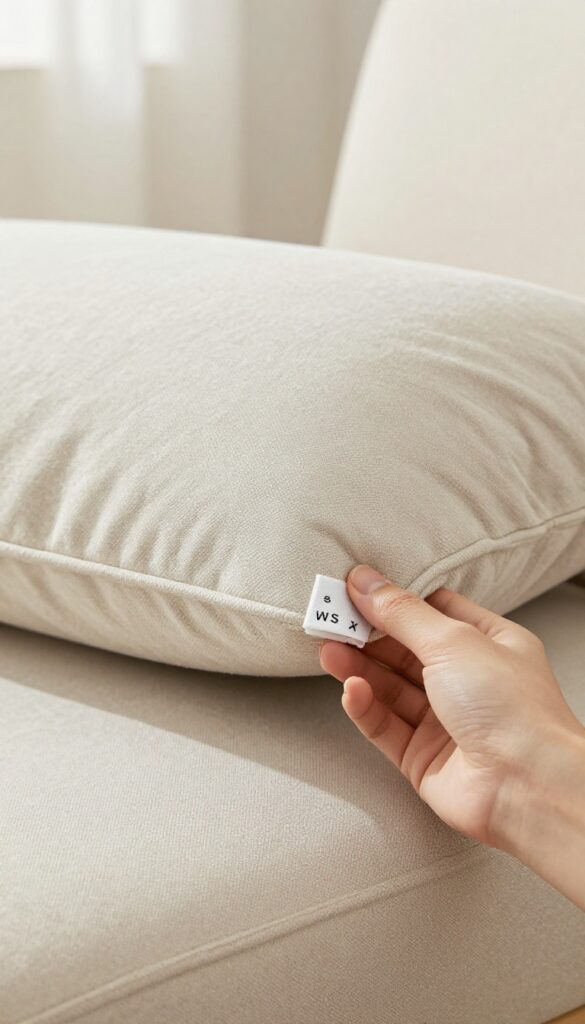
That tiny tag tucked under your cushion isn't just there for decoration. It holds the secret to keeping your sofa safe during cleaning. Knowing your fabric code before the pro arrives can prevent costly mistakes and ensure the right method is used.
Before you pick up the phone, flip over a cushion and look for a tag with letters like W, S, WS, or X. Each code tells you what cleaning solutions are safe. W means water-based cleaners are okay.
S means only solvent-based cleaners. WS allows either. X means vacuum only—no liquid at all.
Sharing this code with your cleaner helps them choose the right approach and avoid damage like shrinking, fading, or bleeding colors.
Where To Find The Tag
The tag is usually sewn under a cushion or along the bottom seam of the sofa. If it's missing or worn out, check the manufacturer's website or call the store where you bought it. Some modern sofas have a QR code that links to care instructions.
What Each Code Means For Cleaning
W-coded fabrics can handle water-based foam or shampoo. S-coded fabrics need dry-cleaning solvents—water can ruin them. WS gives you flexibility, but always test a small hidden area first.
X-coded fabrics are often delicate or have special backing; stick to vacuuming and spot-cleaning with a dry sponge.
Why It Matters For Professionals
Even experienced cleaners appreciate knowing your fabric code upfront. It saves them time guessing and reduces the risk of using the wrong product. Some companies charge extra for fabric testing, so having the code ready can also save you money.
2. Vacuum Thoroughly Before the Pros Arrive
You might think the pros will handle all the dirt, but a quick vacuum beforehand sets the stage for a deeper clean. Loose debris like crumbs, pet hair, and dust can muddy the cleaning solution and prevent it from reaching the fabric. A few minutes with your vacuum can make a noticeable difference in the final outcome.
Grab your vacuum's upholstery attachment and crevice tool to get into every nook and cranny. Focus on the seat cushions, backrests, and the gap between the cushions where crumbs and coins hide. Don't forget the base of the sofa and under the cushions if they're removable.
This step removes surface-level grime so the professional cleaner can concentrate on lifting stains and embedded dirt. It also helps the cleaning solution work more effectively, saving time and potentially reducing costs.
Why Vacuuming First Matters
When you vacuum before the pros arrive, you're essentially prepping the canvas. Loose particles can act like sandpaper during the cleaning process, grinding into fibers and causing wear. By removing them, you protect your fabric and ensure the cleaner's products penetrate deeply.
Plus, it's a simple way to show you've done your part, which some cleaners appreciate.
Tools You'll Need
A standard vacuum with a brush attachment works well, but a crevice tool is essential for tight spots. If you have a pet, a rubber squeegee or a lint roller can grab stubborn hair before you vacuum. For extra stubborn debris, use a soft-bristled brush to loosen it first.
The goal is to get the sofa as dust-free as possible without damaging the fabric.
Don't Forget The Cushions
Remove all cushions and vacuum both sides, including the crevices where the cushion meets the frame. Flip the sofa if you can to reach the underside, which often collects dust bunnies. This thorough prep ensures no hidden debris gets wet and turns into a bigger problem later.
3. Spot-Treat Stains Yourself First
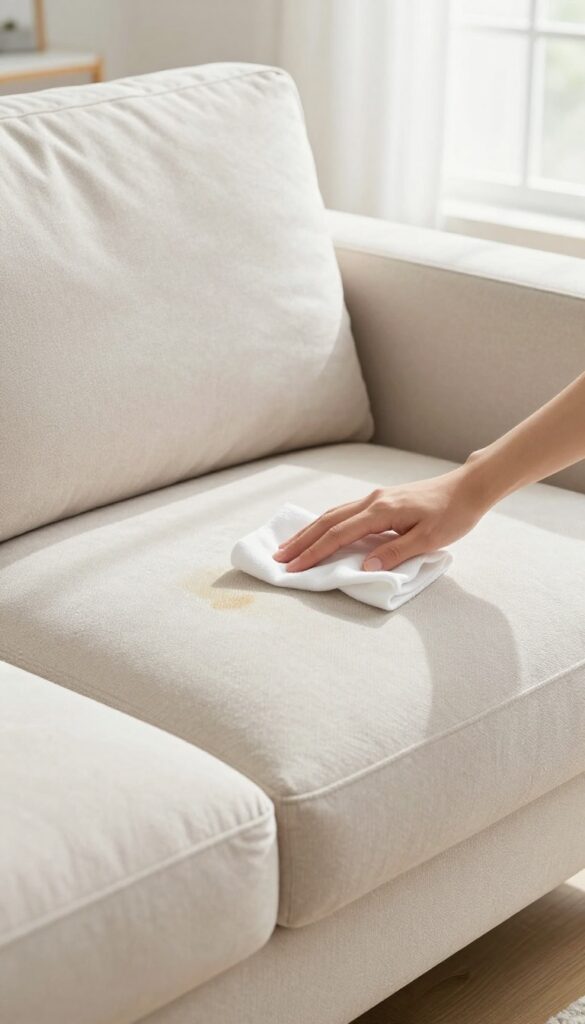
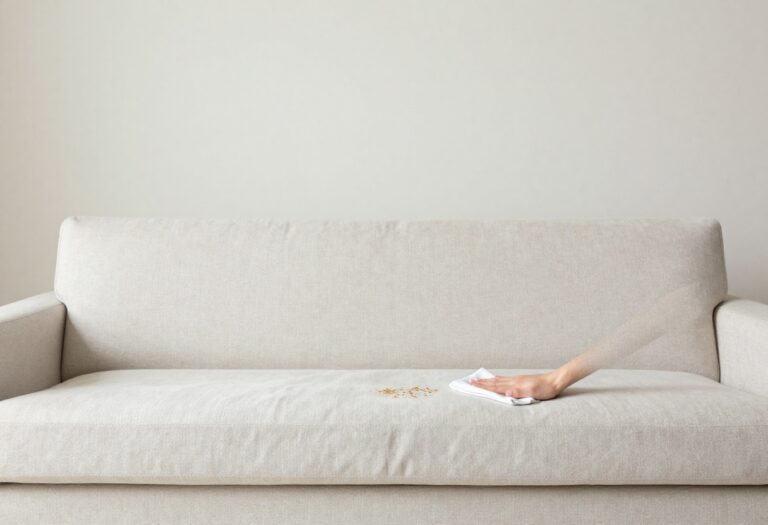
Fresh spills are easier to handle than dried-on disasters. By blotting and gently treating stains before the pro arrives, you give them a head start and boost the overall cleaning outcome. Plus, you avoid the embarrassment of a mystery stain that's been there for months.
Blot, Don't Rub
When a spill happens, grab a clean white cloth and blot firmly. Rubbing pushes the stain deeper into the fibers and can spread it. Blot from the edges inward to keep the stain contained.
For set-in stains, apply a small amount of gentle cleaner (like mild dish soap mixed with water) and blot again.
Know Your Stain Type
Different stains need different treatments. Protein-based stains (blood, milk) respond to cold water, while oil-based stains (grease, makeup) need a degreasing agent. For red wine or coffee, club soda works wonders.
Always test your chosen cleaner on a hidden spot first.
Let It Dry Completely
After spot-treating, let the area dry fully before the pro arrives. Dampness can trap dirt or cause mold. Open windows or use a fan to speed up drying.
A dry surface also helps the professional cleaner penetrate deeper and lift more grime.
4. Ask About Their Cleaning Method
Not all cleaning methods are created equal, and the wrong one can damage your sofa. Before you book, ask the company exactly how they plan to clean your couch. A reputable service will explain their process and recommend the best approach for your fabric type.
Hot water extraction, also known as steam cleaning, is a popular and effective method for most synthetic fabrics. It uses hot water and cleaning solution injected into the fibers, then vacuumed out along with dirt. For delicate materials like silk, wool, or antique upholstery, dry cleaning or low-moisture methods are safer.
These use minimal water and special solvents to prevent shrinking or color bleeding. Always confirm that the company tailors their method to your specific fabric—not a one-size-fits-all approach.
Hot Water Extraction (steam Cleaning)
This method is ideal for durable synthetics like polyester, nylon, and microfiber. It penetrates deep into the fibers to remove embedded dirt, allergens, and bacteria. The high temperature also helps kill dust mites.
However, it can leave fabric damp for several hours, so plan accordingly.
Dry Cleaning / Low-moisture Cleaning
For delicate fabrics such as silk, wool, or rayon, dry cleaning is the safer choice. It uses a solvent-based foam or powder that is applied, agitated, and vacuumed away. Minimal moisture means faster drying and less risk of damage.
Some companies also offer encapsulation cleaning, which uses crystallizing polymers to trap dirt.
What To Ask The Company
When you call, ask: 'What method do you recommend for my fabric type? ' and 'Do you adjust your process based on the sofa's condition? ' A trustworthy cleaner will inspect your couch beforehand and explain why they choose a particular method. Avoid companies that give vague answers or push a single technique without considering your fabric.
5. Check for Hidden Damage
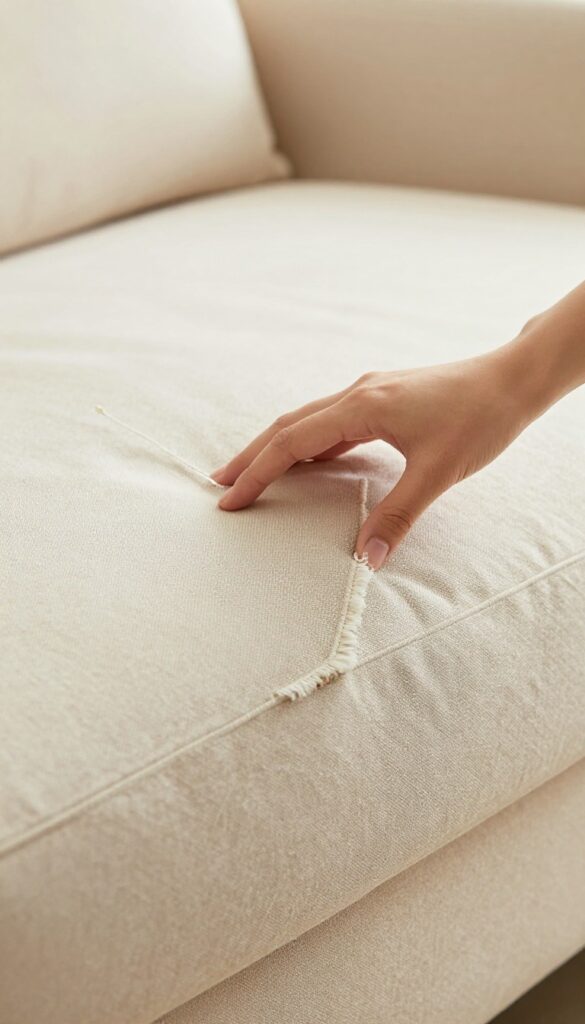
Before the cleaning crew arrives, take a close look at your sofa. You might spot issues that need special attention. Pointing these out ahead of time helps the cleaners avoid making things worse and ensures they use the right techniques.
Hidden damage can turn a routine cleaning into a costly repair if not handled properly. By inspecting your sofa beforehand, you give the pros a heads-up so they can adjust their methods. This simple step protects your furniture and your wallet.
Look For Loose Seams And Fraying
Run your hand along the seams and edges of your sofa. Loose threads or separated stitching can unravel further during cleaning. Mark these spots with a piece of tape or take a photo to show the cleaner.
They may choose to clean gently around those areas or reinforce them first.
Check Springs And Frame
Sit on each cushion and shift your weight. Listen for creaks or feel for sagging. Broken springs or a cracked frame can get worse with the weight of cleaning equipment.
Let the cleaner know about any instability so they can avoid putting pressure on weak points.
Inspect For Water Stains And Spills
Old water stains or dried spills might look harmless, but they can react with cleaning solutions. Some stains set permanently when wet again. Point out any discolored areas so the cleaner can test a small spot first or use a specialized treatment.
6. Remove All Cushions and Pillows
You might be tempted to leave everything in place, but that would be a missed opportunity. Taking off all removable covers and cushions lets the cleaner reach every hidden spot. It also speeds up drying and prevents moisture from getting trapped.
When you remove cushions and pillows, you expose the entire frame and crevices where dust, crumbs, and pet hair accumulate. This simple step ensures a thorough clean and helps the professional focus on problem areas.
Access The Hidden Grime
Under those cushions, you'll find crumbs, coins, and maybe even a lost remote. Without removal, these get pushed deeper into the sofa. By lifting everything off, the cleaner can vacuum and treat the base properly.
Speed Up Drying Time
Cushions trap moisture if cleaned while still on the sofa. Taking them off allows air to circulate around each piece, reducing the risk of mildew. Your sofa will be ready to use much sooner.
Check For Removable Covers
Some sofa covers are machine washable. If yours are, wash them separately according to the care label. This gives a deeper clean and saves your cleaner time.
Just make sure they are completely dry before putting them back.
7. Protect Your Floors and Surroundings
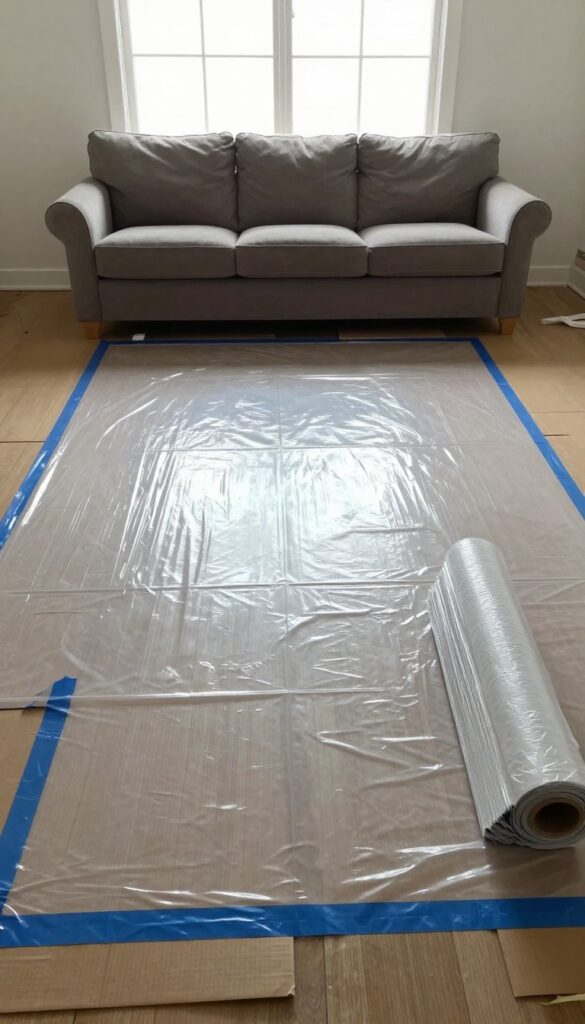
Professional sofa cleaning involves a lot of water and cleaning solutions. Without proper protection, your floors and nearby items could end up damaged. A little prep work here saves you from costly repairs later.
Clear The Area First
Move all furniture, rugs, and electronics away from the sofa. This gives the cleaners easy access and prevents accidental splashes or drips on your belongings. If you have delicate items like lamps or vases, relocate them to a safe room.
Cover Your Floors
Lay down plastic sheeting or old drop cloths over hardwood, carpet, or tile. Professional cleaners often bring their own, but it's smart to have backup. Secure the edges with painter's tape to keep moisture from seeping underneath.
Protect Walls And Baseboards
Cleaning solutions can stain or discolor walls and baseboards if they splash. Use plastic sheeting or cardboard to shield these areas. Pay extra attention to corners where the sofa touches the wall.
8. Confirm Drying Time and Ventilation
After the cleaning crew packs up, your sofa will be damp for hours. That wetness isn't just inconvenient—it can lead to musty smells or mold if you're not careful. Asking about drying time and setting up proper airflow makes a big difference in how the final results feel and last.
Why Drying Time Matters
Most professional cleanings leave your sofa wet for 4 to 8 hours, depending on the fabric, method, and humidity. If you sit on it too soon, you risk crushing the fibers or transferring dirt. Worse, trapped moisture can encourage mildew growth deep in the cushions.
Knowing the expected dry time helps you plan when you can use the sofa again.
How To Speed Up Drying
Open windows and doors to create cross-ventilation. Point fans directly at the sofa, and if you have a dehumidifier, run it in the room. Avoid using heat like hair dryers or space heaters—they can damage certain fabrics.
For stubborn spots, you can place clean, dry towels on the cushions and press gently to absorb extra moisture.
What To Ask Your Cleaner
Before they start, ask: "How long will it take to dry completely? " and "Should I leave the cushions upright or on their edges? " Some cleaners recommend propping cushions up for airflow.
Also, ask if they use any treatments that require extra drying time. Getting clear answers upfront prevents surprises later.
9. Request a Free In-Home Estimate

A phone quote might sound convenient, but it's rarely accurate. Sofa cleaning costs depend on fabric type, soil level, and accessibility—things a voice call can't capture. That's why you should always insist on a free in-home estimate before booking.
A written quote protects both you and the cleaner. It forces the company to account for every detail upfront, so there are no surprise charges later. Avoid any service that gives a flat rate over the phone without seeing your sofa first.
What A Good Estimate Includes
A thorough in-home estimate covers fabric inspection, stain testing, and a walkthrough of problem areas. The cleaner should note the sofa's size, any pre-existing damage, and the cleaning method they recommend. You'll get a written breakdown of labor, materials, and any optional add-ons like deodorizing or stain protection.
Red Flags To Watch For
Be wary of companies that quote a low price over the phone, then tack on fees once they arrive. Also avoid those who refuse to put the estimate in writing. A legitimate cleaner will happily provide a detailed quote—and they'll explain why they can't give a final price without a visit.
How To Prepare For The Visit
Clear the area around your sofa so the cleaner can inspect it fully. Have your sofa's care tag handy if you still have it. Ask questions about their process, drying time, and any guarantees.
A good estimate visit is also your chance to gauge their professionalism and knowledge.
10. Read Reviews and Ask for References
A company's website might look polished, but real customer experiences tell a different story. Before you book, spend a few minutes digging into reviews and asking for references. It's one of the easiest ways to avoid a bad service and ensure your sofa is in good hands.
Start with recent reviews on Google or Yelp, focusing on comments about sofa cleaning specifically. Look for patterns—repeated praise or complaints about the same issue. Then, ask the company for references from similar jobs.
A reputable cleaner will gladly provide them.
Where To Find Honest Feedback
Google and Yelp are your best bets for unfiltered reviews. Sort by most recent to get a current picture. Pay attention to how the company responds to negative feedback—professionalism matters.
Also check their social media pages for real customer photos.
What To Ask References
When you get a reference, ask about the condition of their sofa before and after cleaning. Inquire about punctuality, communication, and any damage. A good reference will give you confidence; a hesitant one is a red flag.
Red Flags In Reviews
Watch for reviews mentioning hidden fees, damaged furniture, or poor drying results. Multiple complaints about the same issue are a clear warning. Also be wary of overly generic 5-star reviews—they could be fake.
Trust Your Gut
If a company has few reviews or avoids giving references, move on. Reliable cleaners welcome scrutiny. Your sofa deserves a pro with a proven track record.
11. Verify Insurance and Certifications
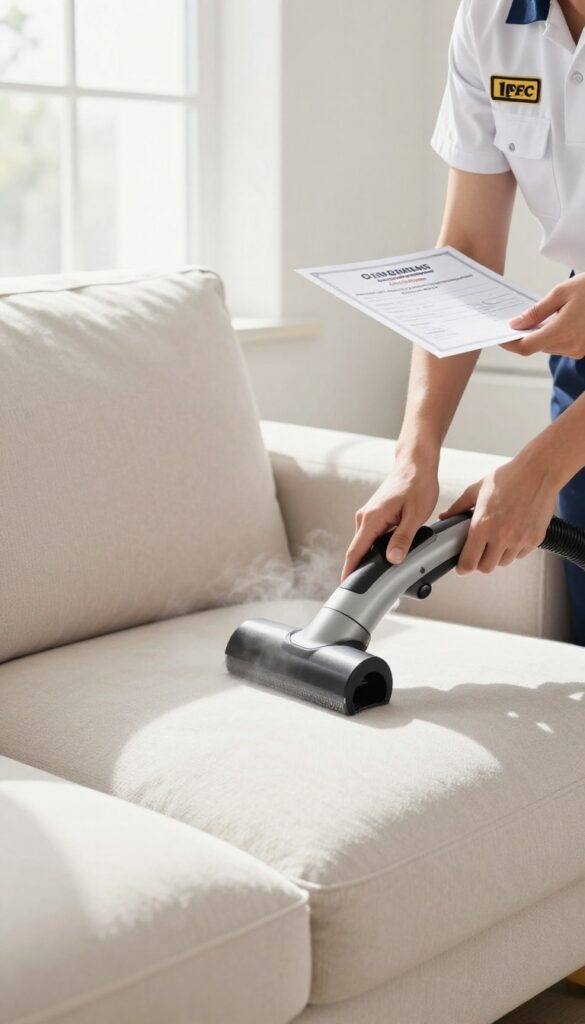
Before you hand over your sofa keys, make sure the company you hire is properly insured and certified. This isn't just paperwork—it's your safety net if something goes wrong. A reputable cleaner will be happy to share proof of insurance and industry credentials.
Why Insurance Matters
Liability insurance protects you if the cleaning crew accidentally damages your sofa, spills water on your hardwood floor, or injures themselves on your property. Without it, you could be stuck with the bill. Always ask for a certificate of insurance and verify it's current.
Look For Iicrc Certification
The Institute of Inspection, Cleaning and Restoration Certification (IICRC) is the gold standard in the cleaning industry. Companies with IICRC-certified technicians have undergone training in proper cleaning methods, fabric care, and safety protocols. It's a sign they take their work seriously.
How To Check Credentials
Don't just take their word for it. Ask for the company's license number and insurance policy details. You can verify IICRC certification on their website by searching the company name or technician ID.
A legitimate company will have no problem providing this information.
12. Understand the Warranty or Guarantee
Not all sofa cleaning services are created equal, and sometimes a spot reappears days after the cleaning. That's why it's smart to ask about warranties or satisfaction guarantees before you book. A company that stands behind its work will often re-clean problem areas at no extra charge within a certain period.
A warranty isn't just a piece of paper; it's peace of mind. When you invest in professional cleaning, you want to know that if a stain resurfaces or the results don't meet expectations, you have recourse. Many reputable companies offer a 30-day guarantee on their work, meaning they'll come back to touch up any spots that reappear.
Always get this in writing and note any exclusions, like pet stains or pre-existing damage.
What To Look For
Ask specifically: "What is your satisfaction guarantee? " A good policy covers re-cleaning of spots that return within a set timeframe, usually 30 to 90 days. Avoid companies that offer vague promises like "we'll make it right" without clear terms.
Common Exclusions
Understand what's not covered. Some warranties exclude stains from red wine, ink, or pet urine. Others may require you to have had a fabric protection treatment applied.
Knowing these details upfront prevents disappointment later.
How To Use The Warranty
If a spot does reappear, contact the company within the warranty period. Take a photo and describe the issue. Most reputable services will schedule a quick re-clean at no charge.
Keep your receipt and any warranty documentation handy.
13. Choose Eco-Friendly Cleaning Products
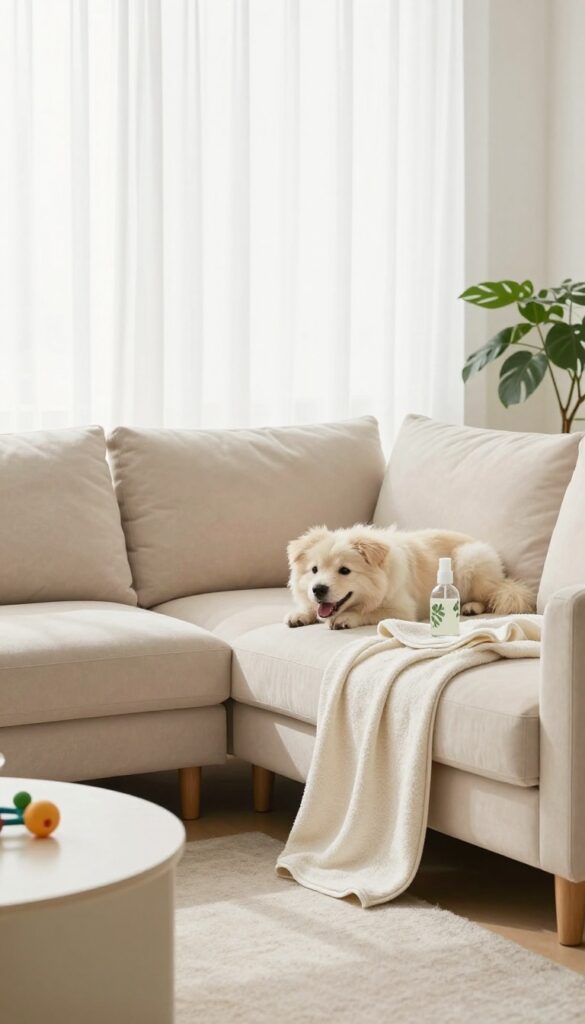
If you have allergies, pets, or kids, the chemicals in standard cleaners can be a real concern. Many professional sofa cleaning services now offer non-toxic, biodegradable options that are just as effective—often at no extra cost. It's worth asking upfront so you can breathe easy after the job is done.
Eco-friendly doesn't mean less clean. Green cleaning products have come a long way, and they can tackle dirt, stains, and odors without leaving harsh residues. Your family and your sofa will thank you.
Why Go Green?
Standard cleaners often contain volatile organic compounds (VOCs) that can irritate lungs and skin. For households with allergies or asthma, switching to plant-based or enzyme cleaners reduces indoor air pollution. Pets that love to lounge on the couch also avoid ingesting toxic residues.
What To Ask The Pro
When booking, simply ask: "Do you offer eco-friendly cleaning solutions? " Most reputable companies have a green line or can accommodate your request. Confirm that the products are biodegradable and free of phosphates, chlorine, and artificial fragrances.
Some may charge a small premium, but many include it as a standard option.
Diy Green Touch-ups
Between professional cleanings, you can maintain your sofa with homemade solutions like a vinegar-water mix or baking soda deodorizer. Always spot-test first, and avoid over-wetting. This keeps your couch fresh without compromising its fabric.
14. Plan for a Few Hours of Downtime
Professional sofa cleaning isn't a quick in-and-out job. The cleaning solution needs time to work, and the cushions need time to dry completely. If you rush to sit down, you might end up with a misshapen sofa or worse, mold growth.
Most professional cleaners will tell you that drying can take anywhere from 4 to 12 hours depending on the fabric, humidity, and air circulation. Plan your cleaning day so you can stay out of the room for at least half a day. This is especially important for memory foam or down-filled cushions, which absorb more moisture and take longer to dry.
Why Wet Cushions Are Fragile
When cushions are wet, the internal filling becomes heavy and can shift or clump. Sitting on them before they're dry can cause permanent indentations, lumps, or even tearing of the fabric. The foam structure can also be compromised, leading to a shorter lifespan for your sofa.
How To Speed Up Drying
Open windows, turn on ceiling fans, and point a few floor fans at the sofa. Dehumidifiers work wonders in humid climates. Avoid using heat sources like hair dryers or space heaters, as they can shrink or damage certain fabrics.
If possible, remove cushions and stand them on their sides to allow air to circulate around all surfaces.
What To Do During The Wait
Plan to be out of the house or at least in another room. Catch up on work, run errands, or binge a show in your bedroom. If you must use the room, place a clean sheet over the sofa to protect it from accidental sitting.
Check the cushions periodically by pressing a dry paper towel against them—if it feels damp, they're not ready.
15. Test a Small Area First
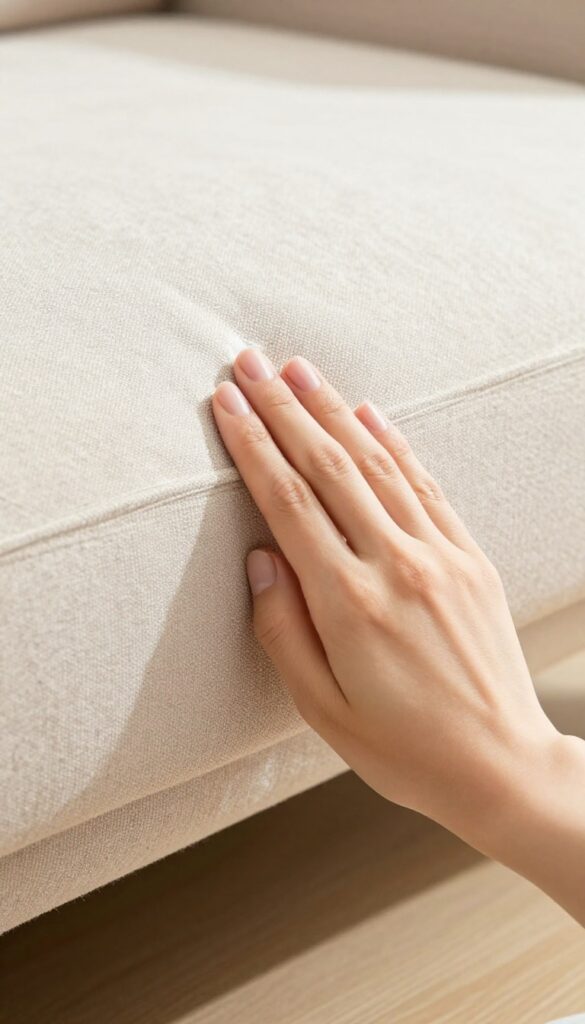
You wouldn't dye your whole head of hair without checking how it reacts first. The same logic applies to sofa cleaning. Before the cleaner douses your entire couch, ask them to test their solution on a small, hidden spot.
This quick step can save you from a major fabric disaster.
Professional cleaners usually carry a few different solutions. They should be willing to test one on an inconspicuous area, like under a cushion or behind the sofa. Watch for any color bleeding, fading, or texture change.
If the fabric reacts badly, the cleaner can switch to a gentler method before it's too late.
Why Testing Matters
Different fabrics react differently to cleaning agents. A solution that works wonders on one sofa might ruin another. Testing prevents costly mistakes like permanent stains or fabric damage.
It also gives you peace of mind that the cleaner knows what they're doing.
How To Do It Right
Point out a spot that's not visible, like the bottom edge or under a cushion. Ask the cleaner to apply a small amount of their solution and blot it with a white cloth. Wait a few minutes, then check for any color transfer or residue.
If the cloth comes away clean and the fabric looks unchanged, you're good to go.
What To Look For
Watch for any color bleeding onto the cloth, darkening of the fabric, or a stiff texture after drying. Also note if the cleaner's solution leaves a strong chemical smell. A good test result means no visible change and no unpleasant odor.
16. Don’t Skip the Fabric Protection Treatment
After all that effort to get your sofa spotless, the last thing you want is a fresh stain landing on it the next day. That’s where fabric protection comes in. Many cleaning services offer a fabric protector spray as an add-on, and it’s usually worth every penny.
Fabric protection acts like a invisible shield. It repels liquids, prevents dirt from bonding to fibers, and makes future cleaning much easier. Without it, your sofa is basically naked against spills and daily wear.
A good protector won’t change the feel or look of your fabric, but it will buy you time to blot up accidents before they set.
How It Works
The technician sprays a fine mist of protectant evenly over the entire sofa after cleaning and drying. The solution bonds to each fiber, creating a barrier that causes liquids to bead up instead of soaking in. Most protectants are odorless and dry within a few hours.
When To Say Yes
If you have kids, pets, or enjoy eating on the couch, fabric protection is a no-brainer. It’s also ideal for light-colored fabrics that show stains easily. Ask your service provider what brand they use and whether it’s safe for your specific fabric type.
Cost Vs. Value
The extra charge is usually modest compared to the cost of a deep clean or reupholstering. Think of it as insurance. One prevented stain can pay for the treatment many times over.
Plus, it extends the time between professional cleanings.
17. Follow Up with Proper Aftercare

Your sofa just got the royal treatment, but the work isn't over yet. How you handle the hours and days after cleaning can make or break the results. A little aftercare goes a long way in keeping that fresh-from-the-pros look.
Wait For Full Dry Time
Professional cleaning leaves your sofa damp, often for several hours or even a full day. Sitting on it too soon can push dirt deep into the fibers or cause water rings. Let it air dry completely with good ventilation—open windows or run a fan to speed things up.
Brush And Vacuum Regularly
Once dry, give your sofa a gentle brush to lift the fibers and restore its texture. Vacuum weekly with an upholstery attachment to remove dust, crumbs, and pet hair before they settle in. This simple habit keeps the fabric looking crisp and delays the need for another deep clean.
Treat New Spills Immediately
Life happens—a coffee splash or a kid's juice spill is inevitable. Blot the spot gently with a clean cloth, working from the outside in to avoid spreading. Never rub, as that pushes the stain deeper.
Quick action prevents permanent marks and keeps your sofa showroom-ready.
FAQ
How often should I have my sofa professionally cleaned?
Most experts recommend professional cleaning every 12 to 18 months, but high-traffic homes or homes with pets may need it every 6 months.
Can I clean my sofa myself instead of hiring a pro?
Yes, but DIY methods often lack the power and expertise to remove deep-set stains and allergens. Professional cleaning typically yields better results and extends fabric life.
What is the best cleaning method for a microfiber sofa?
Microfiber is usually safe with water-based cleaners (code W) or solvent-based (code S). Always test a small area first. Many pros use low-moisture methods for microfiber.
How long does it take for a sofa to dry after professional cleaning?
Drying time varies from 4 to 8 hours depending on fabric, humidity, and ventilation. Using fans and opening windows can speed up the process.
Will professional cleaning remove all stains?
While most stains can be removed, some set-in stains like red wine or ink may only be lightened. The cleaner can advise on realistic expectations during the estimate.
Conclusion
Armed with these 17 tips, you're ready to make a smart decision about sofa cleaning. Whether you choose to DIY or hire a pro, knowing what to ask and look for saves you time, money, and stress.
Your couch will stay fresh and last longer—no regrets. Start with a quick fabric check, then book with confidence.