15 Cleaning Microfiber Couch Tips for Safe Stain Removal
Your microfiber couch works hard every day, but it doesn't have to look like it. That stubborn red wine stain or greasy fingerprint can feel like a disaster, but you don't need to panic. With the right approach, you can lift almost any mark without ruining the fabric.
Microfiber is durable and stain-resistant, but it still needs proper care. Harsh chemicals or scrubbing can leave permanent damage. Instead, a few simple techniques can restore your couch's original beauty.
These 15 tips will guide you through safe stain removal, from everyday spills to deep-set grime. You'll learn what works, what to avoid, and how to keep your sofa fresh for years to come.
1. Check the Manufacturer's Code First
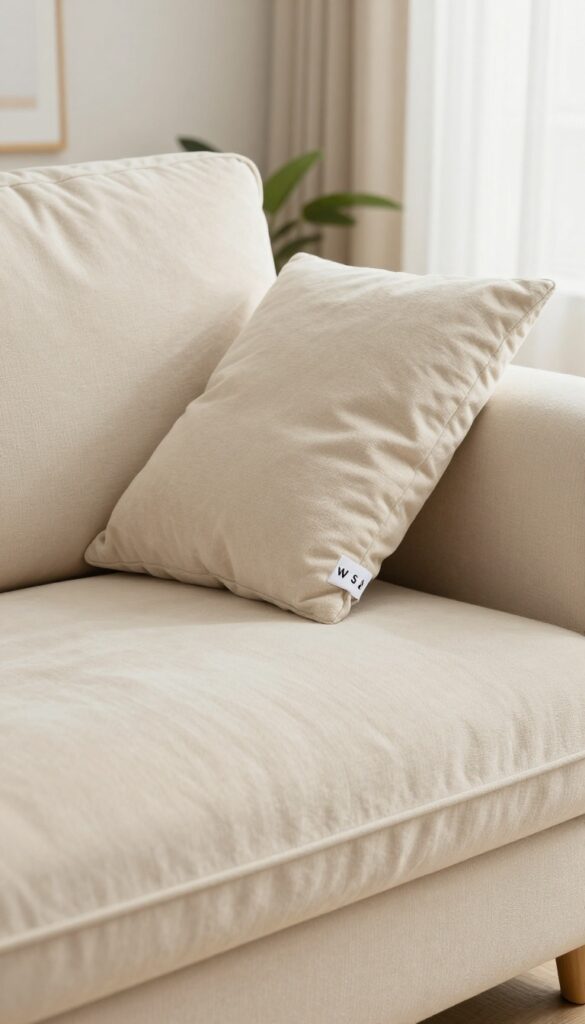
Before you grab any cleaner, take a peek at the tag on your couch. That small white label holds a cleaning code—W, S, WS, or X—that tells you exactly what products and methods are safe. Ignoring it could turn a small stain into a permanent disaster.
The code is usually located under a cushion or on the back of the couch. W means water-based cleaners are safe. S means only solvent-based (dry cleaning) products.
WS means either works. X means vacuum only—no liquids at all. Once you know the code, you can choose the right stain removal approach with confidence.
Where To Find The Code
Check the tag under a cushion, on the back panel, or along the bottom seam. It's often a small white or gray tag with symbols and letters. If the tag is missing, test any cleaner on a hidden spot first.
What Each Letter Means
W: Use water-based cleaners like mild soap or vinegar solution. S: Use dry cleaning solvents or rubbing alcohol. WS: Both are fine.
X: Vacuum only—no liquids or solvents at all. Stick to the code to avoid damage.
Why It Matters
Using the wrong method can cause shrinking, fading, or even dissolve the fabric's backing. For example, water on an S-coded couch can leave a permanent ring. Always follow the code to keep your couch looking new.
2. Blot, Don't Rub Spills Immediately
Spills happen, and your first instinct might be to rub them out. But that's exactly what you shouldn't do. When you rub a spill, you're essentially pushing the liquid deeper into the fibers, making the stain harder to remove.
Instead, grab a clean cloth and blot gently.
Blotting lifts the liquid from the surface without forcing it in. Start from the outer edge of the spill and work inward to prevent spreading. Use a white cloth or paper towel to avoid color transfer.
Keep blotting until no more liquid transfers to the cloth. For thicker spills like ketchup or mud, scrape off the excess first with a spoon or dull knife. Then blot the remaining residue.
This simple step can mean the difference between a quick cleanup and a permanent stain.
Why Rubbing Is A Mistake
Rubbing agitates the fibers and spreads the stain. Microfiber is designed to repel liquids, but friction breaks that barrier. The stain gets ground into the fabric, often becoming larger and darker.
You might also damage the texture, leaving a rough or matted spot.
The Right Way To Blot
Use a clean, absorbent cloth. Press down gently and lift straight up. Don't scrub or wipe.
Repeat with a fresh section of cloth as needed. If the spill is large, switch to a dry cloth once the first one gets saturated. Patience pays off here.
What To Use For Blotting
White microfiber cloths are ideal because they're lint-free and absorbent. Paper towels work too, but avoid colored or printed ones. For greasy spills, a cloth slightly dampened with mild soapy water can help lift the stain after initial blotting.
3. Use Rubbing Alcohol for Water-Based Stains
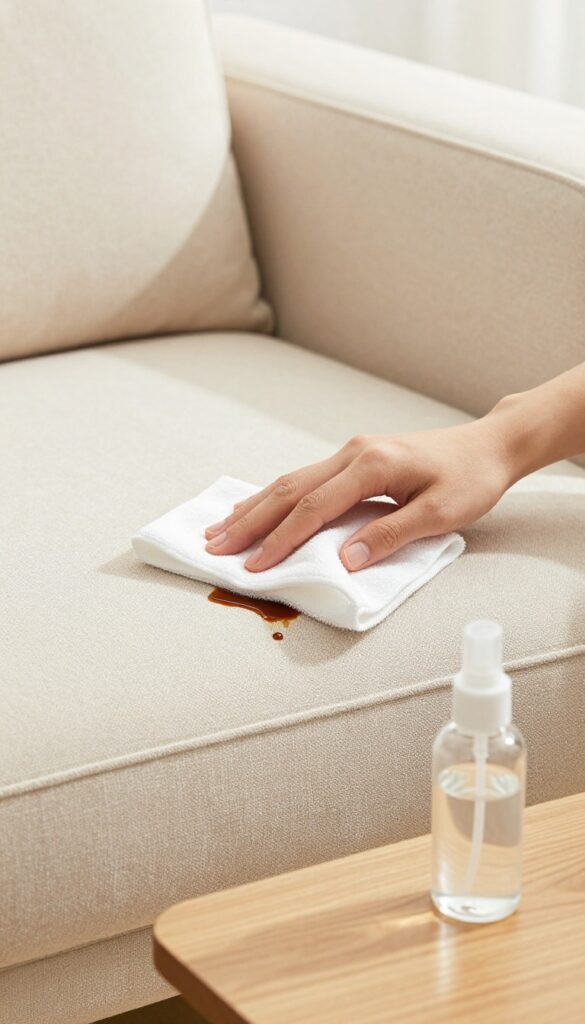
Water-based stains like coffee, soda, or juice don't stand a chance against rubbing alcohol. It's a gentle yet effective solvent that evaporates quickly, so it won't soak into the foam. Plus, it's safe for most microfiber fabrics when used correctly.
Rubbing alcohol works because it breaks down the bonds between the stain and the fibers without damaging the fabric. It's especially good for fresh spills, but it can also lift set-in marks with a bit of patience. Always test on a hidden area first, and use a white cloth to avoid color transfer.
How To Apply It Safely
Dab a small amount of isopropyl alcohol (70% or higher) onto a clean white cloth or paper towel. Blot the stain gently—never rub, which can spread the spill. The alcohol will start dissolving the mark almost immediately.
Keep blotting with a fresh part of the cloth until the stain lifts. Finish by blotting with a dry towel to absorb any residue.
Why It Works So Well
Microfiber is made of polyester and nylon, which are synthetic materials. Rubbing alcohol is a mild solvent that dissolves many organic compounds found in food and drink stains. Since it evaporates fast, it doesn't leave a wet spot that could attract dirt or cause water rings.
That's why it's a go-to for professional cleaners.
What To Avoid
Don't pour alcohol directly onto the couch—always apply it to a cloth first. Too much liquid can soak into the padding and cause mold or mildew. Also, avoid colored cloths or paper towels with prints; the dye can transfer to your couch.
Stick with white materials to be safe.
4. Vacuum Weekly with a Soft Brush Attachment
Dust and dirt don't just sit on the surface of your microfiber couch—they work their way into the fibers over time. Once embedded, those particles can act like sandpaper, wearing down the fabric and making stains harder to remove. A quick weekly vacuuming session prevents that buildup and keeps your sofa looking fresh.
Vacuuming is the simplest step you can take to protect your microfiber couch. It removes loose debris before it has a chance to settle in, and it preps the fabric for deeper cleaning when needed. The key is using the right attachment and technique.
Why A Soft Brush Matters
Microfiber is delicate despite its durability. A hard brush or bare vacuum nozzle can snag the fibers, causing fuzziness or even permanent scratches. A soft brush attachment lifts dirt gently without damaging the fabric's smooth texture.
It also helps loosen dust that's clinging to the fibers, making the vacuum more effective.
How To Vacuum Efficiently
Start at the top of the couch and work your way down. Use slow, overlapping strokes, and pay extra attention to crevices where crumbs and pet hair collect. For best results, go over each section twice in different directions—this ensures you pick up debris from all angles.
Don't forget the back and sides of the couch, as well as under the cushions if they're removable.
When To Vacuum More Often
If you have pets or kids, weekly might not be enough. High-traffic areas like the seat cushions and armrests can accumulate dirt faster. In those cases, vacuum every few days or spot-clean with a handheld vacuum between sessions.
The goal is to prevent dirt from grinding into the fabric, which can lead to discoloration and wear.
5. Test Any Cleaner on a Hidden Area
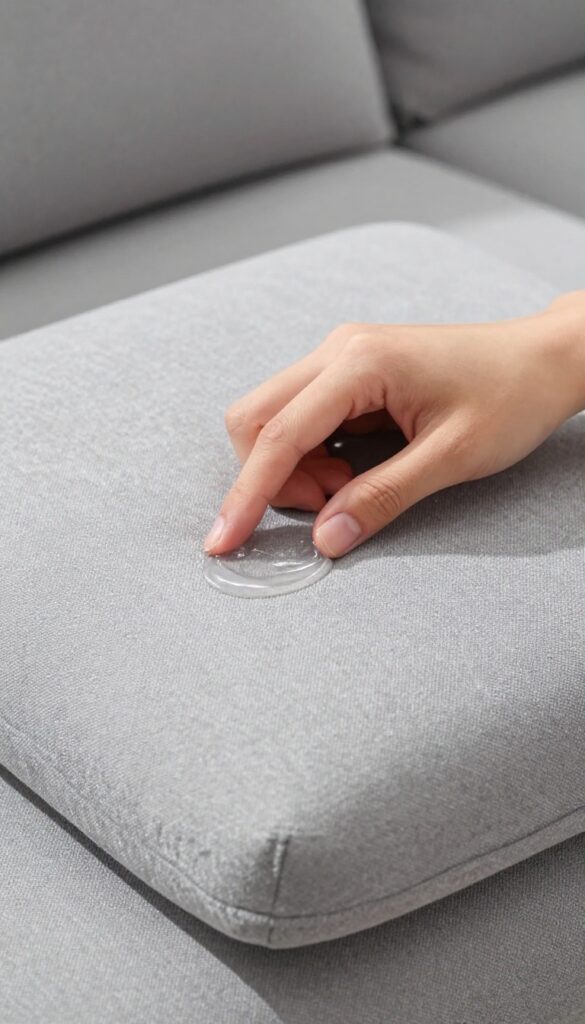
You might be tempted to just spray and wipe, but skipping the test patch is a gamble. Microfiber can react unpredictably to certain cleaners, especially if it's a blend or has a special coating. A quick test on a hidden spot saves you from turning a small stain into a bigger problem.
Testing a cleaner on a hidden area is the smartest step you can take. It's fast, easy, and prevents accidental damage. Choose a spot that's out of sight, like the back of the couch or under a cushion.
Apply a small amount of your cleaner, then wait a few minutes. Blot with a white cloth to check for color transfer or texture changes. If the fabric looks good, you're safe to proceed.
If not, try a different cleaner or a milder dilution.
Why A Hidden Spot Matters
The back or bottom of your couch is the perfect testing ground. These areas are rarely seen, so any discoloration or damage won't ruin the look of your couch. Plus, they often have the same fabric composition as the visible parts, so the test is accurate.
What To Look For
After applying the cleaner, watch for color fading, bleeding, or a rough texture. Also check if the fabric becomes stiff or sticky. If any of these happen, the cleaner is too harsh.
If everything looks normal, you're good to go.
When To Skip The Test
You can skip testing only if you're using a cleaner specifically labeled for microfiber and you've used it before on the same couch. Otherwise, always test. Even mild dish soap can cause issues if your couch has a water-repellent coating.
6. Dry the Couch Quickly After Cleaning
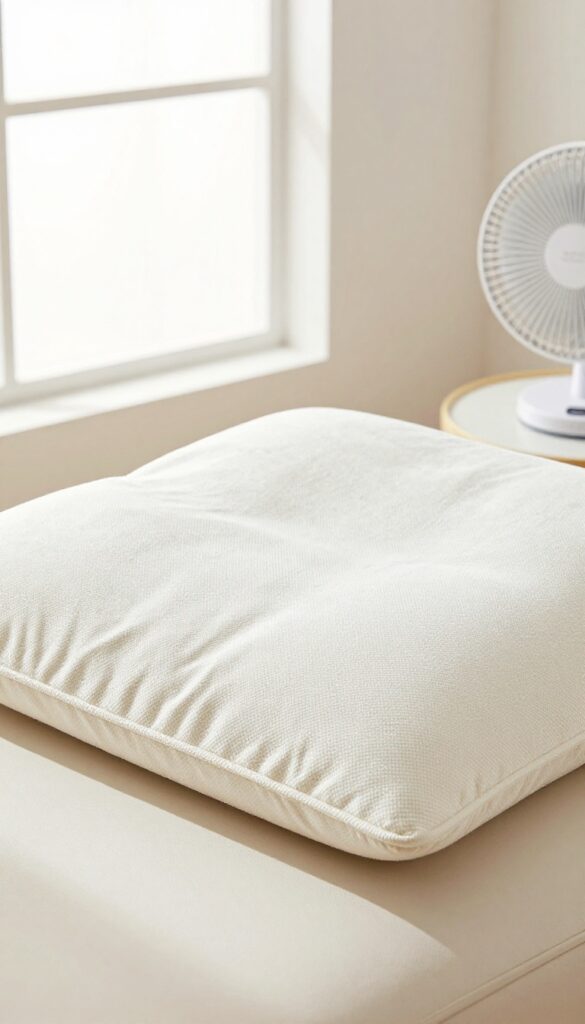
Moisture is the enemy of microfiber. After you've cleaned a stain, the fabric needs to dry fast to prevent mildew and musty odors. Leaving your couch damp for hours can undo all your hard work.
Why Speed Matters
Microfiber is tightly woven, which means it holds onto moisture longer than other fabrics. If the padding underneath stays wet, mold can develop in as little as 24 hours. That's why drying should be part of your cleaning routine, not an afterthought.
Best Ways To Speed Up Drying
Point a fan directly at the damp area and let it run for a few hours. If the weather is dry, open windows to create cross-ventilation. For stubborn wet spots, you can also use a hair dryer on the lowest heat setting, keeping it moving to avoid overheating the fabric.
What To Avoid
Don't sit on the couch or pile cushions on top until the fabric is completely dry. Avoid using space heaters or radiators to dry microfiber—direct heat can damage the fibers. And never put a wet microfiber cushion in the dryer unless the care tag says it's safe.
7. Brush the Fabric to Restore Texture
Once your microfiber couch is clean and dry, the fabric might look a little flat or have watermarks left behind. That's normal—microfiber fibers get matted down during cleaning, especially if you used a spray or blotting method. A quick brushing step brings back that soft, plush feel and hides any uneven drying marks.
Brushing isn't just about looks—it also helps the fabric breathe and prevents dirt from settling into compressed areas. Use a soft-bristle brush or a dedicated microfiber brush, and work in gentle, circular motions. For stubborn matting, a light vacuum with a brush attachment can help lift fibers before you brush.
Choose The Right Brush
Not all brushes are safe for microfiber. A stiff scrub brush can scratch or pull the fibers, leaving permanent damage. Instead, pick a brush with soft, rounded bristles—like a suede brush or a clean toothbrush with soft bristles.
Microfiber-specific brushes are also available at most home stores and work great.
Brush In One Direction
For a uniform texture, brush the entire surface in the same direction—usually from top to bottom or left to right. This creates a consistent nap that looks neat and feels smooth. If you brush in random directions, the fabric can look patchy or uneven.
Tackle Watermarks Gently
Watermarks happen when moisture dries unevenly. To fix them, lightly dampen a clean microfiber cloth with distilled water and blot the watermark area. Then immediately brush the spot with your soft brush while it's still slightly damp.
The fibers will realign and dry without a ring.
8. Avoid Bleach and Harsh Chemicals
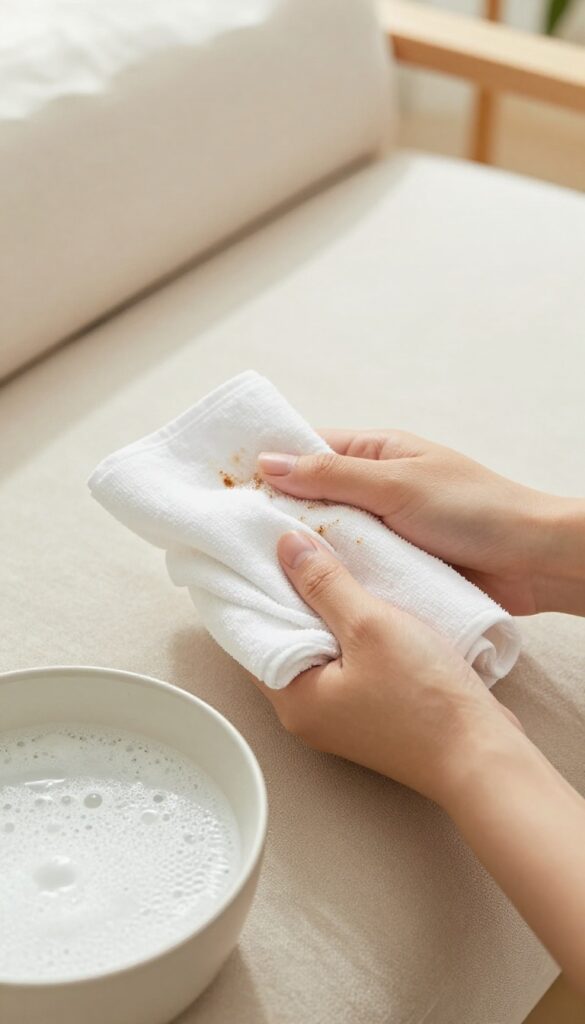
Bleach might seem like a quick fix for tough stains, but on microfiber, it's a disaster waiting to happen. The strong chemicals strip the fabric's color and can break down the fibers, leaving your couch looking faded and worn. Even if the stain disappears, you'll be left with a bigger problem.
Stick to gentle solutions like mild soap or rubbing alcohol. These are effective against most stains without damaging the fabric. Always check the manufacturer's label first—some microfiber is sensitive to alcohol.
When in doubt, test on a hidden spot.
Why Bleach Is A Bad Idea
Microfiber is made of synthetic fibers that react poorly to bleach. It doesn't just lighten the color—it can create uneven patches that are impossible to fix. Even diluted bleach can cause yellowing or weaken the fabric over time.
Stick to color-safe options.
Gentle Alternatives That Work
A few drops of dish soap mixed with water is often enough for most spills. For tougher stains, rubbing alcohol applied with a clean cloth lifts grease and ink without harming the fabric. Always blot, don't rub, to avoid spreading the stain.
9. Use a Steam Cleaner for Deep Set-In Stains
Sometimes a stain has been there so long you think it's permanent. Before you give up, grab a steam cleaner. The heat and moisture work deep into the fibers to loosen grime without the need for harsh chemicals.
Just make sure your couch's cleaning code allows moisture—look for a W or WS tag. If it says S or X, skip this method.
Check Your Couch's Cleaning Code First
Not all microfiber can handle water. Flip the cushion and find the tag. W means water-based cleaners are safe, WS means water or solvent is fine, S means solvent only, and X means vacuum only.
Using steam on an S or X couch can cause shrinking, staining, or damage. When in doubt, test a hidden spot.
How To Steam Clean Microfiber
Fill your steamer with distilled water to avoid mineral deposits. Attach the upholstery tool and let it heat up. Hold the steamer an inch or two from the fabric and move it slowly across the stain.
Don't saturate the area—steam, not soak. After steaming, blot with a clean microfiber cloth to lift the loosened stain. Repeat if needed.
When Steam Works Best
Steam is a lifesaver for set-in stains like coffee, wine, or pet accidents. It also helps revive flattened fibers and remove odors. For fresh spills, stick to blotting and a mild cleaner.
Save the steamer for the tough stuff that's been there a while.
10. Remove Grease Stains with Dish Soap
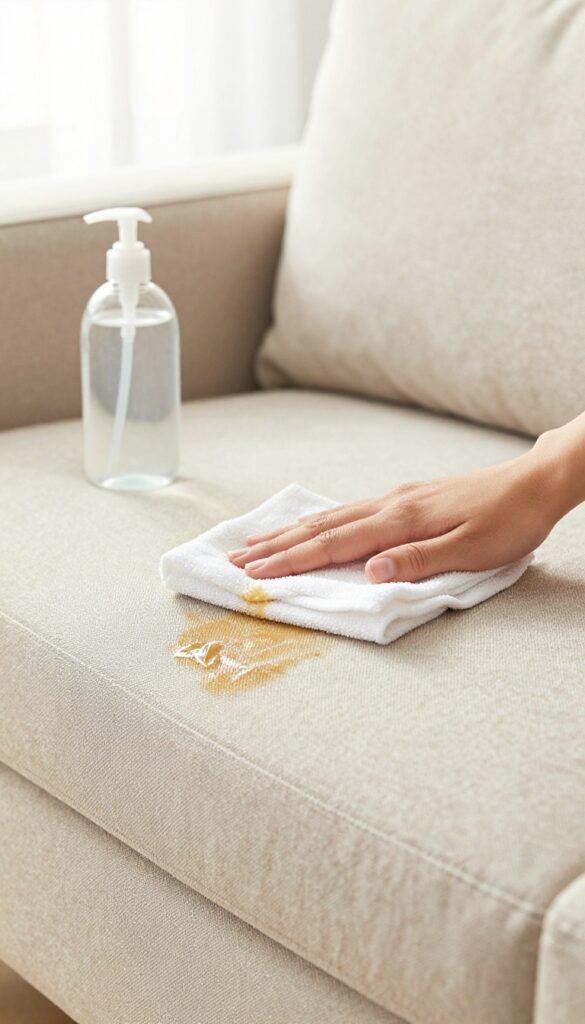
Grease stains on a microfiber couch can look intimidating, but they're often easier to remove than water-based spills. The key is using a degreasing agent that won't harm the fabric. Dish soap is your best friend here—it cuts through oil without leaving residue.
You probably already have it in your kitchen, so no special products needed.
Why Dish Soap Works
Dish soap is designed to break down grease on dishes, and it does the same on microfiber. Its mild surfactants lift oil particles from the fabric fibers without being harsh. Unlike alcohol or vinegar, it won't dry out or discolor the material.
Just make sure you use a gentle, clear formula—avoid anything with bleach or moisturizers.
Step-by-step Stain Removal
First, blot up any excess grease with a paper towel. Don't rub—that pushes the stain deeper. Mix a few drops of dish soap with a cup of warm water.
Dip a clean white cloth into the solution, wring it out so it's damp not wet, then dab the stain from the outside in. Keep blotting until the grease transfers to the cloth. Rinse the area by dabbing with a cloth dipped in plain water, then blot dry with a fresh towel.
Drying And Fluffing The Fibers
After cleaning, let the couch air dry completely. Avoid using heat like a hair dryer, which can set any remaining residue. Once dry, gently brush the area with a soft-bristled brush or your hand to restore the microfiber's texture.
If a faint mark remains, repeat the process—some stubborn stains need two rounds.
11. Freeze Chewing Gum or Wax for Easy Removal
Chewing gum and candle wax are two of the trickiest substances to remove from microfiber. They stick deep into the fibers and smear if you try to wipe them while soft. The secret is to make them brittle first, so they break away cleanly without pulling the fabric.
Place an ice cube in a bag over the gum or wax until it hardens, then gently scrape it off with a dull knife.
Why Freezing Works Best
When gum or wax is soft, it bonds to the microfiber threads. Freezing turns it into a solid, brittle chunk that loses its grip. A dull knife or spoon can then pop it off without damaging the fabric.
No sticky residue, no tugging.
Step-by-step Freeze And Scrape
Fill a ziplock bag with ice cubes and press it directly over the gum or wax. Wait 10–15 minutes for it to harden completely. Use a butter knife or credit card to gently pry the frozen piece away from the couch.
Work from the edges toward the center to avoid breaking it into smaller pieces.
What To Do If A Little Remains
If a thin layer of gum or wax stays behind, repeat the freezing process. For stubborn spots, place a paper towel over the area and run a warm iron over it briefly—the heat will melt the residue into the towel. Just be careful not to overheat the microfiber.
12. Deodorize with Baking Soda
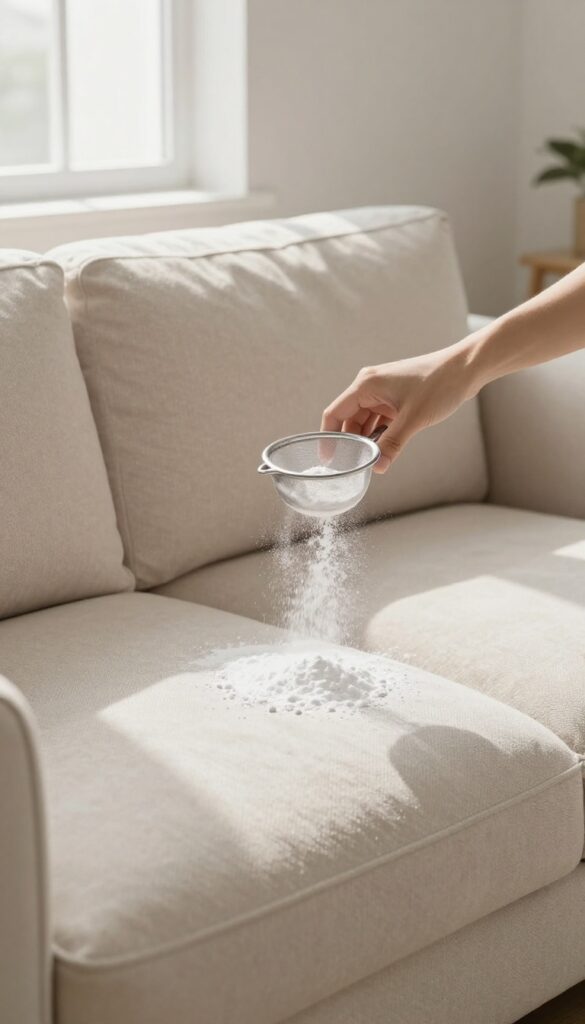
Even after you've tackled visible stains, odors can linger in the fabric. Pet accidents, food spills, and everyday use can leave your couch smelling less than fresh. Baking soda is a simple, natural solution that neutralizes odors without adding harsh chemicals or leaving behind any sticky residue.
Sprinkle a generous, even layer of baking soda over the entire couch, focusing on areas that get the most use or have had spills. Let it sit for 15–20 minutes—this gives it time to absorb and neutralize odors. Then, vacuum thoroughly using the upholstery attachment to remove all the powder.
Your couch will smell clean and fresh, and the baking soda won't damage the microfiber fibers.
Why Baking Soda Works So Well
Baking soda is a natural deodorizer because it's alkaline. It reacts with acidic odor molecules (like those from sweat, pet urine, or spilled milk) and neutralizes them. Unlike sprays or perfumes that just mask smells, baking soda actually eliminates them.
Plus, it's gentle on microfiber—no risk of fading or stiffening the fabric.
How To Apply For Best Results
Start with a clean, dry couch. If the fabric is damp, the baking soda can clump and be harder to vacuum. Use a fine-mesh strainer or a shaker to dust the powder evenly.
Let it sit undisturbed for at least 15 minutes, but for stubborn odors like cigarette smoke or old pet smells, leave it on for up to an hour. Then vacuum thoroughly, using a brush attachment to lift the powder from crevices.
When To Skip This Method
If your couch has a waterproof coating or is labeled as "non-absorbent, " baking soda may not penetrate enough to work. Also, avoid this method if you have a severe mold or mildew problem—baking soda won't kill mold spores. In those cases, use a specialized upholstery cleaner or consult a professional.
13. Use a Lint Roller for Pet Hair and Dust
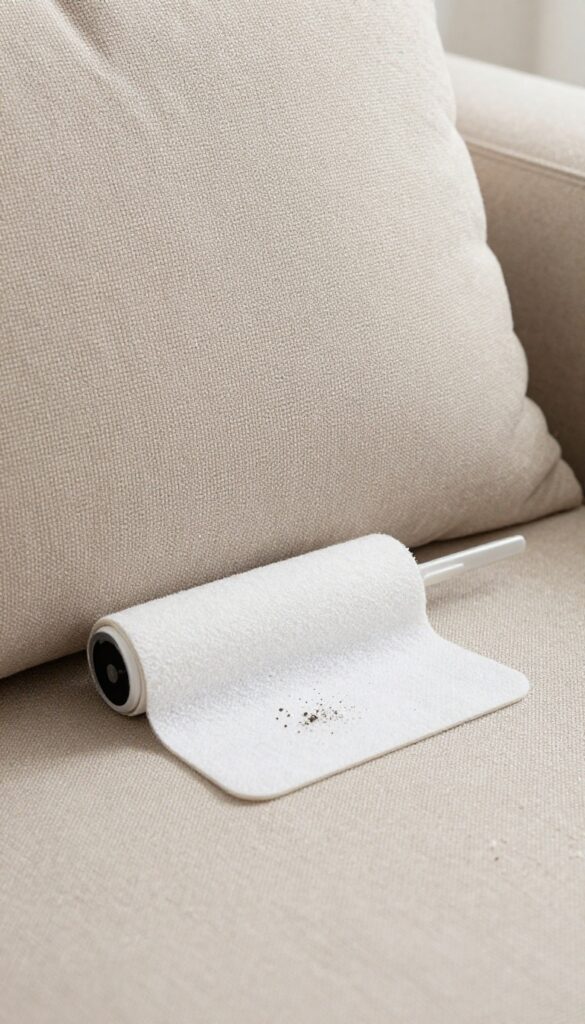
Pet hair and surface dust can make a microfiber couch look dingy even when it's clean. A lint roller is one of the simplest tools to grab for a quick refresh. It lifts debris without rubbing it deeper into the fibers, and it won't damage the fabric like some brushes can.
Keep a lint roller in your couch-side caddy or end table drawer. Use it daily for a quick once-over on cushions, armrests, and backrests. This prevents buildup and keeps your couch looking fresh between deeper cleanings.
For best results, roll in one direction and use a new sheet when the adhesive gets full.
Why Lint Rollers Work So Well On Microfiber
Microfiber's tight weave traps hair and dust particles on the surface rather than letting them sink in. A lint roller's adhesive sheet grabs these particles without pushing them deeper. It's also gentle enough for daily use, unlike vacuum attachments that can sometimes snag loops.
Tips For Maximum Effectiveness
Use short, overlapping strokes and change sheets frequently. If you're dealing with a lot of pet hair, try a rubber glove or squeegee first to loosen the hair, then follow up with the lint roller. For dust, a quick roll over the entire surface once a week keeps allergens at bay.
When To Upgrade To A Fabric Shaver
If your couch has pilling or fuzz balls along with pet hair, a lint roller won't cut it. Use a fabric shaver to remove pills first, then finish with the lint roller for a smooth, clean surface. This combo restores the couch's original texture without damaging the fibers.
14. Treat Ink Stains with Hairspray or Alcohol
Ink marks from pens or markers can seem impossible to remove, but microfiber actually responds well to the right solvent. The key is to use a product that dissolves the ink without damaging the fabric. Hairspray or rubbing alcohol works because the alcohol content breaks down the ink's binding agents, allowing you to blot it away.
Just test on a hidden area first to ensure colorfastness.
Why Hairspray And Alcohol Work
Both hairspray and rubbing alcohol contain solvents that dissolve ink. Hairspray often has alcohol as a main ingredient, plus it's easy to find around the house. Rubbing alcohol (isopropyl) is even more concentrated and effective.
The solvent penetrates the stain and loosens the ink particles from the microfiber fibers, making them easier to lift without spreading.
Step-by-step Removal Process
Start by placing a clean white cloth or paper towel under the stain to catch any ink that bleeds through. Spray the hairspray directly onto the stain until it's damp, or dab a small amount of rubbing alcohol onto a cotton ball and press it onto the ink. Let it sit for 30 seconds, then blot with a dry cloth.
Repeat as needed, switching to a fresh area of the cloth each time. Avoid rubbing, which can push the ink deeper.
Tips For Stubborn Or Dried Ink
For older ink stains, you may need to repeat the process several times. If the stain isn't lifting, try using a higher concentration of alcohol (70% or 90%). You can also gently dab the stain with a clean sponge soaked in alcohol, then blot.
Be patient—ink can be stubborn, but microfiber is forgiving if you don't scrub. Once the stain is gone, rinse the area with a damp cloth to remove any residue.
15. Call a Professional for Stubborn or Large Stains
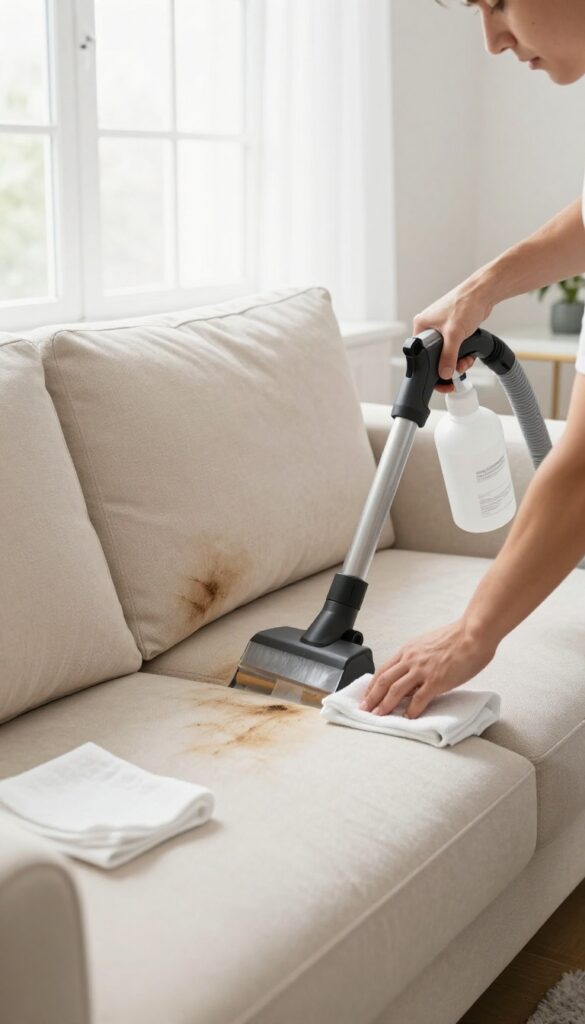
Sometimes, despite your best efforts, a stain just won't budge. Or maybe the entire couch feels grimy and needs a reset. That's when it's smart to bring in a professional upholstery cleaner who knows microfiber inside out.
They have the tools and expertise to handle tough jobs without damaging the fabric.
Professional cleaners use hot water extraction or low-moisture methods that are safe for microfiber. They can also treat large areas evenly, avoiding water rings or discoloration. If you've tried multiple DIY methods and the stain remains, or if the couch has accumulated years of dirt, a professional deep clean is worth the investment.
It can extend the life of your sofa and restore its original appearance.
When To Call A Pro
If a stain has set for weeks or months, or if you've used harsh chemicals that might have damaged the fabric, a professional can assess and treat it safely. Also, for large stains covering a whole cushion or the entire couch, DIY methods often lead to uneven cleaning. Professionals have commercial-grade equipment that extracts more dirt and dries faster.
What To Expect
A reputable cleaner will first test a hidden area to ensure the cleaning solution doesn't cause fading or shrinkage. They'll use a gentle detergent and low moisture to protect the microfiber. After cleaning, they may apply a fabric protector to help repel future stains.
Costs vary, but for a large sofa, expect around $100–$300 depending on your area and the level of service.
How To Choose A Cleaner
Look for a company that specializes in upholstery cleaning, not just carpets. Ask about their experience with microfiber and request references if possible. Check online reviews and confirm they use safe, non-toxic products.
Avoid cleaners who promise miracles with strong solvents—they can ruin the fabric. A good cleaner will be honest about what's achievable.
FAQ
Can I use water to clean my microfiber couch?
It depends on the cleaning code. If your couch has a 'W' or 'WS' code, water is safe. For 'S' code, use only solvent-based cleaners.
Always check the tag first.
How do I remove old, set-in stains from microfiber?
Try rubbing alcohol or a steam cleaner for set-in stains. Apply the solution, blot, and repeat. For tough stains, consider professional cleaning.
Will rubbing alcohol damage microfiber?
Rubbing alcohol is generally safe for most microfiber, but always test on a hidden area first. It evaporates quickly and doesn't leave residue.
How often should I clean my microfiber couch?
Vacuum weekly and spot clean spills immediately. Deep clean every 6-12 months or as needed, depending on usage and stains.
Can I put microfiber couch cushions in the washing machine?
Only if the manufacturer's instructions say so. Many microfiber cushions are not machine washable. Check the tag and consider hand washing or professional cleaning.
Conclusion
Keeping your microfiber couch clean doesn't have to be complicated. With the right techniques, you can tackle stains and maintain a fresh look without damaging the fabric. Remember to always check the cleaning code and test new methods first.
Regular care and quick action on spills will extend the life of your couch. These 15 tips give you a solid foundation for safe stain removal. Your sofa will thank you with years of comfortable, beautiful service.