11 Beautiful Stone Shower Ideas for an Easy, Elegant Layout
Stone showers have a way of making a bathroom feel grounded and timeless. But you don’t need a full renovation budget to get that look. With the right stone choice and a simple layout, you can create a spa-like retreat without overcomplicating things.
Whether you’re updating an existing shower or starting from scratch, the key is to balance beauty with practicality. Some stones are more porous than others, and some need more upkeep. The good news?
There’s a stone option for every taste and wallet. Here are 11 beautiful stone shower ideas that are easy to pull off and elegant to live with.
1. Classic White Marble for a Timeless Look
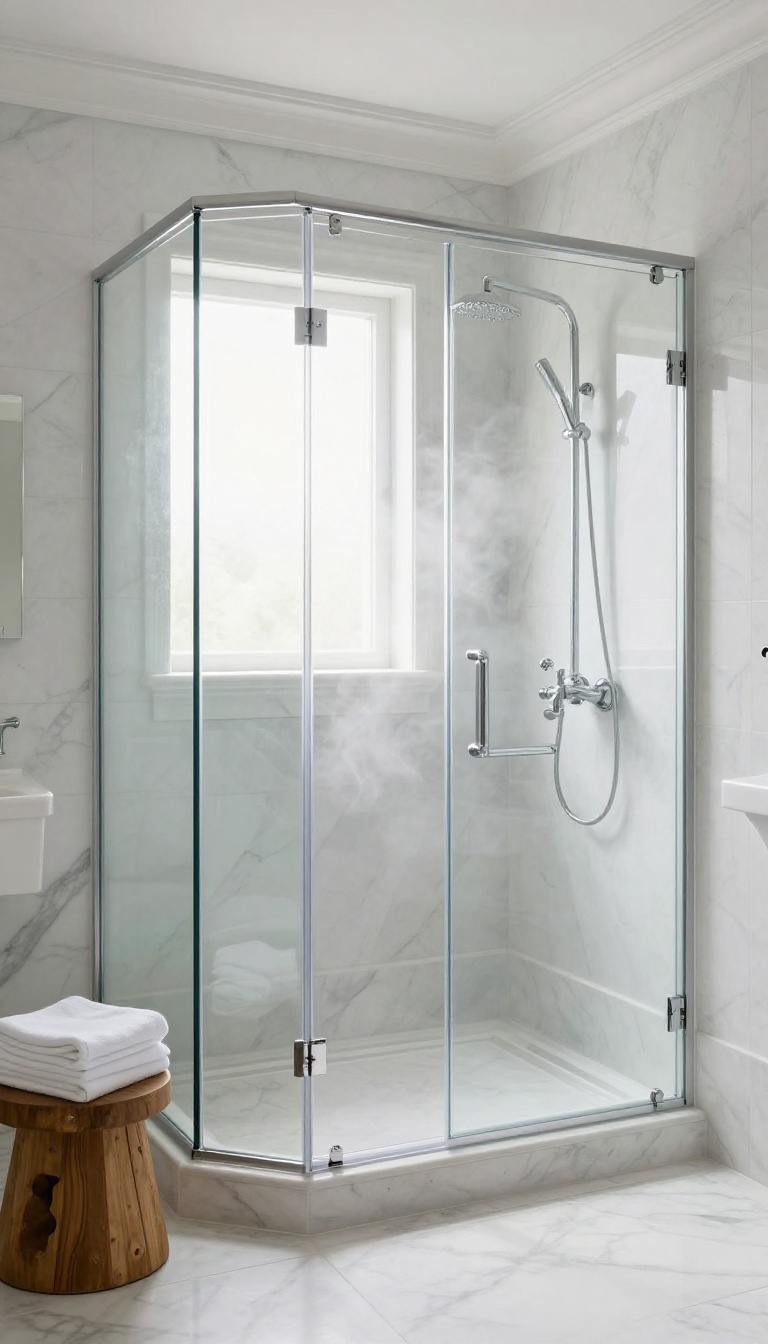
White marble is the go-to for anyone who wants a shower that feels bright, clean, and effortlessly luxurious. Its soft veining adds depth without overwhelming the space, and it pairs beautifully with chrome, brass, or matte black fixtures. While it does require a bit of care, the payoff is a look that never goes out of style.
Marble has been a favorite in bathrooms for centuries, and it’s easy to see why. The natural stone reflects light, making even a small shower feel more open and airy. It also blends seamlessly with other materials like glass, wood, or concrete, so you can customize the look to fit your home.
The key is to choose a finish that suits your lifestyle—honed marble offers a matte, slip-resistant surface, while polished marble shines but can be slicker when wet.
Why White Marble Works Everywhere
White marble isn’t just for traditional bathrooms. It looks just as stunning in a sleek, modern space as it does in a farmhouse-style home. The neutral tone acts as a blank canvas, letting you play with bold tile patterns, colorful towels, or statement lighting.
Plus, it’s versatile enough to be used on walls, floors, or even as a bench or niche accent.
Caring For Your Marble Shower
Marble is porous, so it needs regular sealing to prevent stains and water damage. A good sealer applied once or twice a year will keep it looking fresh. For daily cleaning, use a pH-neutral cleaner and a soft cloth—avoid acidic or abrasive products that can etch the surface.
Wiping down the walls after each shower also helps reduce soap scum and mineral buildup.
Design Ideas To Try
For a classic look, use large marble slabs on the main walls and smaller mosaic tiles on the floor for grip. Or, create a feature wall with book-matched marble panels for a dramatic, mirrored effect. If you’re on a budget, consider marble-look porcelain tile—it gives you the same aesthetic with less maintenance and cost.
2. Warm Travertine for a Rustic, Earthy Vibe
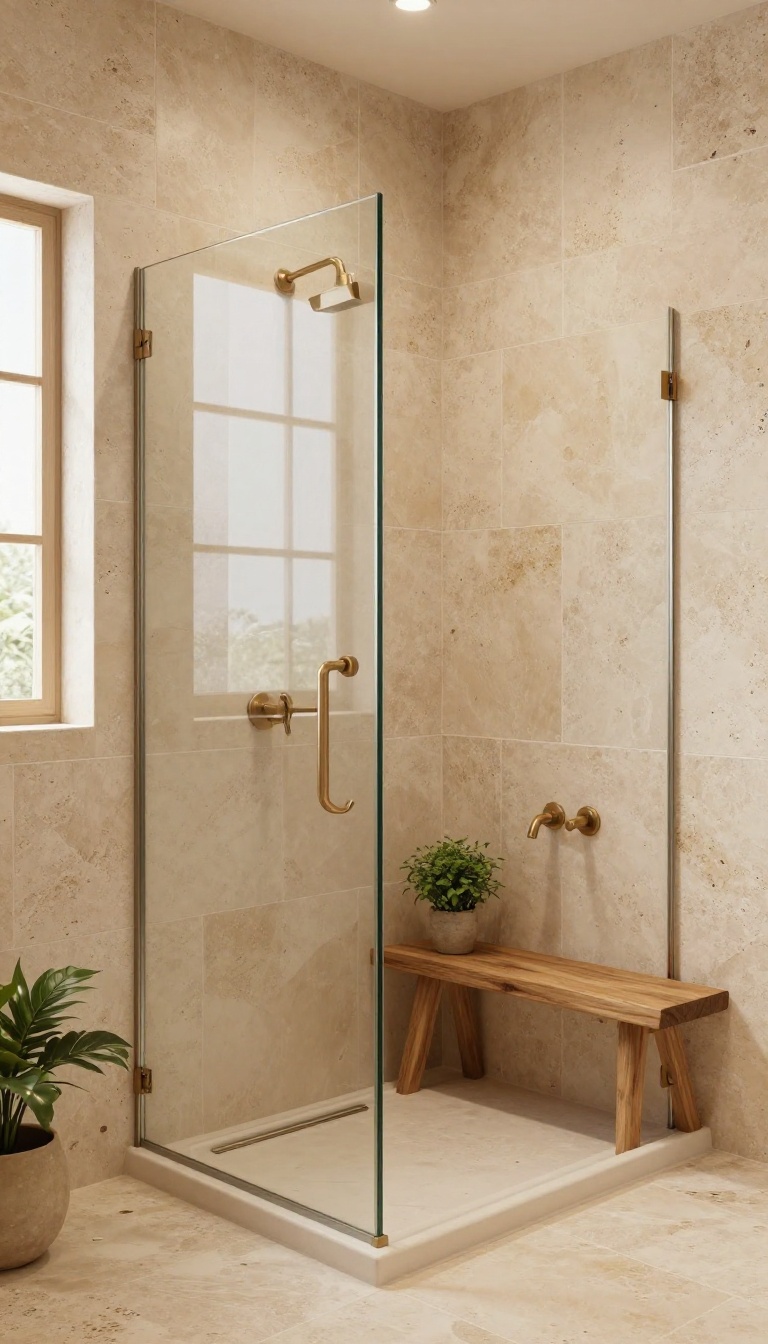
If you love the idea of natural stone but want something softer and more inviting than cool marble, travertine is a beautiful choice. Its warm, honey-toned palette brings a cozy, earthy feel to your shower, making it perfect for rustic or Mediterranean-inspired bathrooms. Plus, travertine is naturally textured, which adds grip underfoot—so it’s a smart pick for the shower floor.
Travertine is a type of limestone that forms around hot springs, giving it a unique, pitted surface and a range of warm tones from cream to rust. This stone has been used for centuries in architecture, and it brings a sense of timelessness to any space. In the shower, it creates a natural, spa-like atmosphere that feels both grounding and luxurious.
Because travertine is more porous than some other stones, it does need proper sealing to prevent water damage, but with the right care, it can last for decades.
Why Travertine Feels So Inviting
Unlike the cool, sleek look of marble, travertine has a warmth that instantly makes a bathroom feel more welcoming. Its natural pits and troughs add texture and character, giving the shower a handcrafted, organic look. The earthy tones—think soft beige, ivory, and light brown—pair beautifully with wood accents and greenery, creating a tranquil retreat that feels like a natural escape.
Safety And Practicality
The textured surface of travertine isn't just for looks—it provides excellent slip resistance, which is crucial for a shower floor. This makes it a safer option, especially for families with kids or older adults. Additionally, travertine is generally more affordable than marble, so you can achieve that high-end, natural stone aesthetic without the hefty price tag.
Just remember to seal it regularly to protect against moisture and staining.
Design Ideas To Try
For a rustic look, use large travertine tiles in a staggered pattern on the walls and floor, and pair them with a rainfall showerhead and brushed nickel fixtures. If you prefer a more modern twist, opt for travertine in a honed finish (smooth but not shiny) and combine it with glass panels and minimalist hardware. You can also mix travertine with other natural materials like pebble tiles or wood-look porcelain for added texture and interest.
3. Slate Tiles for a Dark, Dramatic Effect
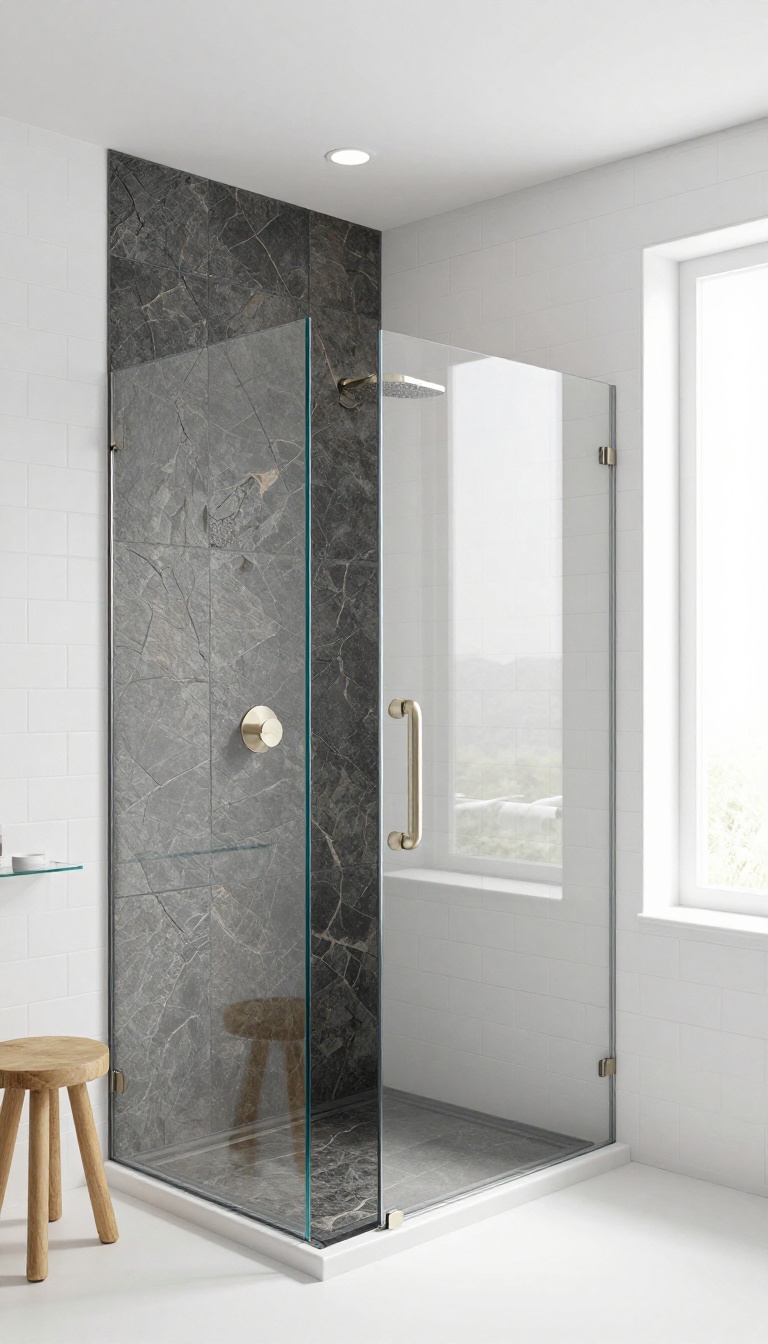
Slate brings an earthy, almost mysterious vibe to a shower. Its deep grays, charcoals, and even greenish-brown tones can turn an ordinary bathroom into a moody retreat. Because slate is naturally textured, it offers good grip underfoot, which is a major plus for a wet floor.
The key to pulling off a dark slate shower is balance. If you cover every wall in deep slate, the space can feel like a cave. Instead, use slate on the floor and one accent wall, then pair it with lighter tiles or paint on the other walls.
This keeps the drama without making the shower feel closed in.
Why Slate Works In A Shower
Slate is a metamorphic rock that’s naturally slip-resistant, thanks to its cleft surface. It’s also dense and durable, so it holds up well to constant moisture. Unlike some polished stones, slate doesn’t need sealing as often, though a good sealer will still help prevent staining.
Mixing Slate With Lighter Tones
To avoid a heavy look, combine charcoal slate with white or cream subway tiles. The contrast creates visual interest and makes the shower feel larger. You can also use slate in larger-format tiles to reduce grout lines and simplify cleaning.
Lighting And Finishing Touches
Dark showers need good lighting. Add a recessed light or a waterproof LED strip to highlight the texture of the slate. Brushed nickel or matte black fixtures complement the stone’s natural look.
Keep accessories minimal—a simple wooden stool or a glass shelf adds warmth without clutter.
4. Pebble Floor for a Spa-Like Foot Massage
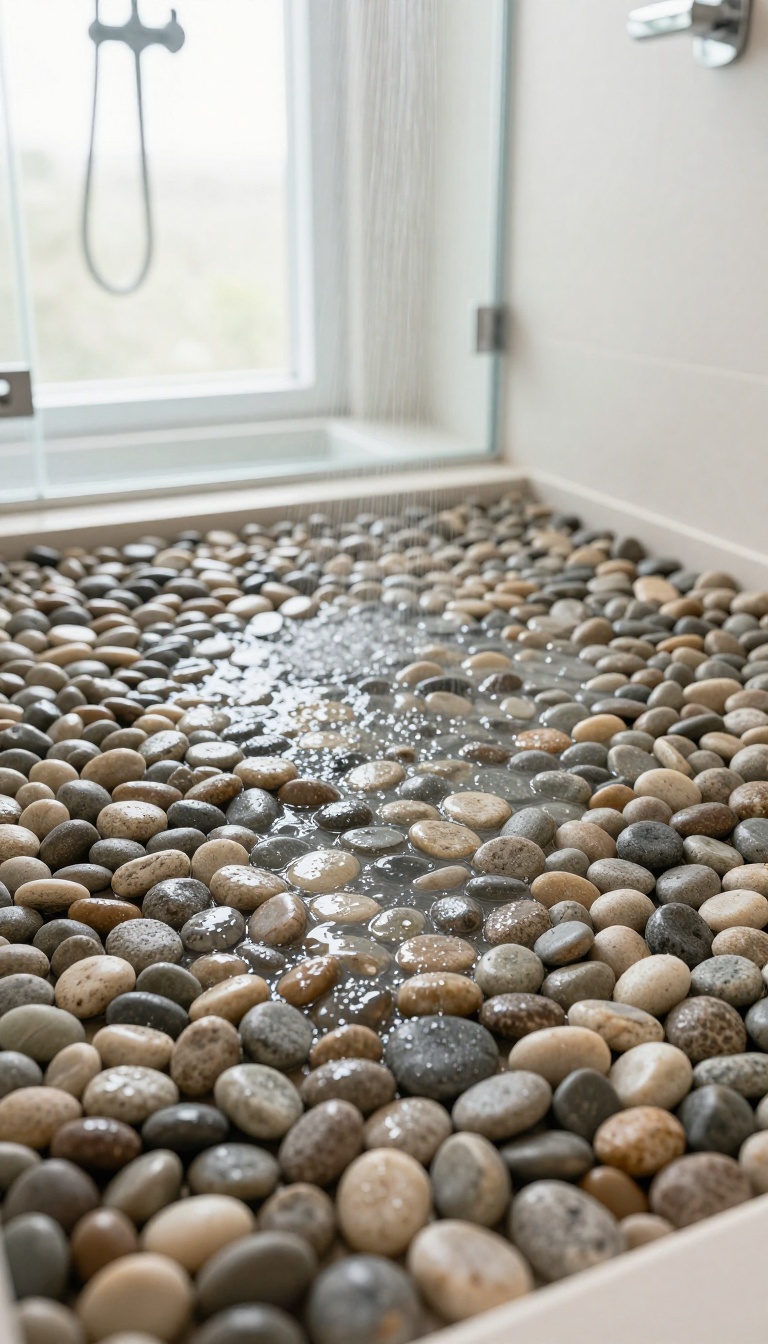
Walking on smooth pebbles first thing in the morning might sound odd, but it’s surprisingly refreshing. The gentle unevenness wakes up your feet and adds a subtle massage with every step. Plus, pebble flooring is one of the most affordable ways to bring natural stone into your shower.
A pebble floor isn’t just about looks—it feels amazing underfoot. The smooth stones give your feet a gentle massage every time you shower. It’s also a budget-friendly way to add natural texture and a spa-like feel to your bathroom.
Why Pebbles Work In A Shower
Pebbles are naturally slip-resistant, which is a big deal in a wet shower. The rounded surfaces provide grip without looking industrial. They also drain well, so water doesn’t pool, and they’re surprisingly comfortable to stand on once you get used to the texture.
Choosing The Right Pebble Type
River pebbles are the classic choice—smooth, polished, and available in earthy tones. If you want a more uniform look, go for tumbled marble pebbles, which come in white, beige, or gray. Make sure the pebbles are sealed properly to resist soap scum and hard water stains.
Installation Tips For A Smooth Finish
You can buy pebble tiles that come in mesh-backed sheets, making installation a DIY-friendly project. The key is to use a flexible thin-set mortar and grout that matches the pebbles. After grouting, wipe the surface thoroughly to reveal the stones’ natural shine.
Maintenance And Long-term Care
Sealing is non-negotiable. A good penetrating sealer will protect the pebbles and grout from moisture and staining. Reapply every year or two, and clean with a mild, pH-neutral cleaner.
Avoid harsh acids or bleach, which can dull the stones over time.
5. Large-Format Porcelain That Mimics Stone
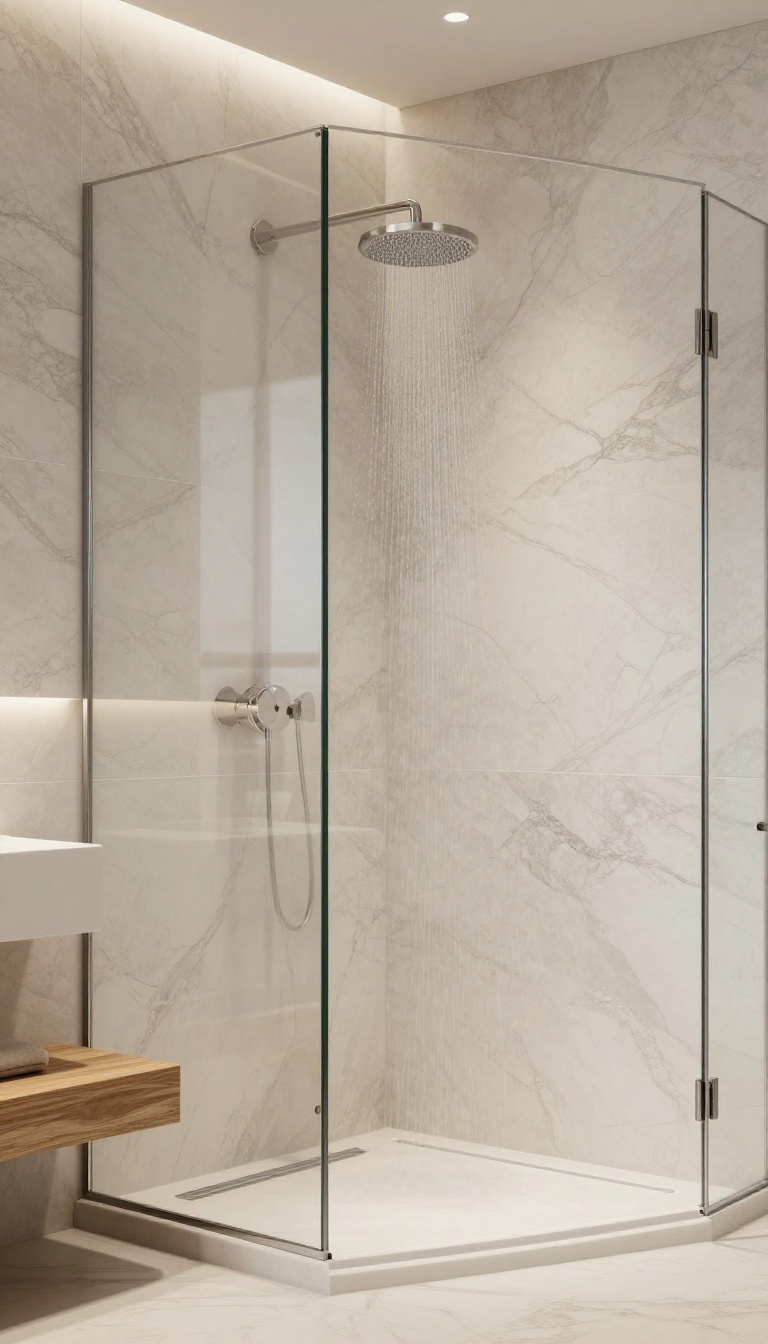
Porcelain has come a long way, and the latest large-format slabs are almost indistinguishable from natural stone. They offer the same veining, texture, and depth, but without the upkeep. If you want that high-end look without the high-maintenance reality, this is the way to go.
Large tiles also mean fewer grout lines, which not only looks cleaner but also cuts down on scrubbing. And because porcelain is non-porous, you don’t have to worry about water stains or sealing. It’s a practical choice that still delivers on the stone aesthetic.
Large-format porcelain tiles are typically 12×24 inches or larger, with some slabs reaching 5 feet wide. The bigger the tile, the more seamless the stone pattern appears. You get the dramatic effect of a continuous stone surface, but with the ease of a manufactured product.
These tiles are made using high-resolution printing that captures the natural variation of stone, so each tile is unique. Some even have a textured finish that mimics the feel of real stone, adding to the authenticity. The result is a shower that looks custom and expensive, but at a fraction of the cost.
Another benefit is that porcelain is incredibly durable. It resists chips, scratches, and moisture, making it perfect for a wet environment. And because it’s colorfast, it won’t fade over time.
You can enjoy the beauty of stone without worrying about the long-term maintenance.
Why Choose Large Format?
The main advantage of large-format tiles is the reduction in grout lines. Fewer lines mean less surface area for soap scum and mold to build up, which is a huge plus for a shower. It also creates a more seamless, spa-like appearance that feels more open and less busy.
Large tiles can also make a small bathroom feel bigger. With fewer interruptions in the visual pattern, the eye travels smoothly across the surface, giving the illusion of more space. This is especially effective when you use the same tile on the walls and floor.
How To Pick The Right Porcelain Stone Look
When selecting a porcelain tile that mimics stone, look for one with a matte or satin finish rather than a high gloss. Glossy tiles can look slippery and are more prone to showing water spots. A matte finish also feels more like natural stone underfoot.
Pay attention to the pattern repeat. Some tiles have a repeating design that can look obviously manufactured. Choose a tile with a random or non-repeating pattern for a more authentic look.
You can also ask for a sample to see how the veining and colors work in your lighting.
Installation Tips And Grout Color
Large-format tiles require a perfectly flat substrate to avoid lippage, where one tile edge is higher than the next. Make sure your contractor uses a leveling system to keep everything flush. The larger the tile, the more important this becomes.
For grout, choose a color that blends with the tile to maintain that seamless look. A contrasting grout can break up the stone effect and make the tiles stand out individually. A matching or slightly darker grout will help the stone pattern shine.
6. Stacked Stone Accent Wall for Texture
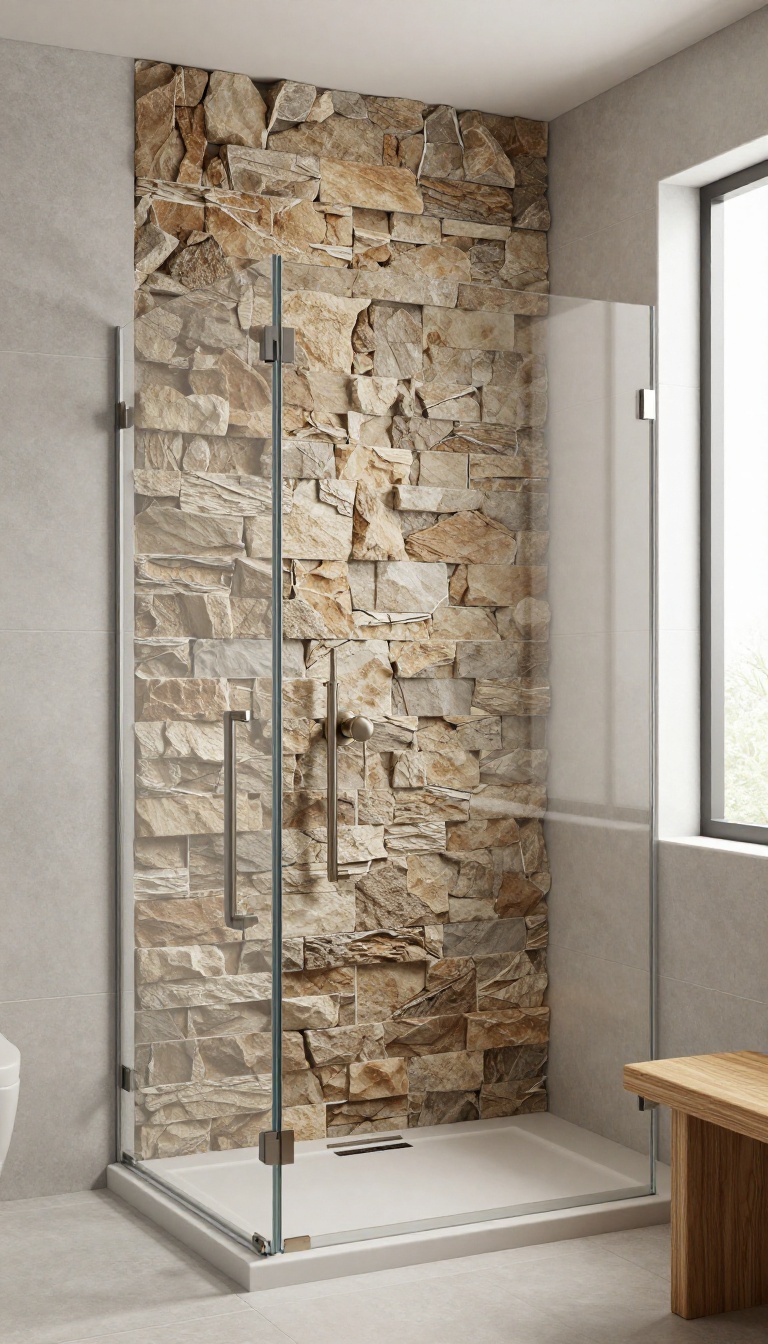
A stacked stone accent wall is one of those design moves that instantly upgrades a shower without taking over the whole space. Instead of covering every surface, you pick one wall and let the natural texture do the talking. It’s a simple way to add depth, warmth, and a touch of the outdoors, all while keeping the rest of the shower clean and easy to maintain.
Stacked stone panels are thin, irregular pieces of natural or manufactured stone adhered to a mesh backing. They come in a variety of colors and finishes, from warm earth tones to cool grays, so you can match almost any bathroom style. The key is to use them on a single wall—usually the one behind the showerhead or the niche—to create a focal point that feels intentional, not overwhelming.
Because the stone is relatively flat, it’s easier to clean than you might think, especially if you choose a sealed variety or a porcelain version that mimics the look.
Why One Wall Is Enough
Covering an entire shower in stacked stone can feel heavy and busy, not to mention expensive. By limiting it to one accent wall, you get the visual drama without the maintenance headache. The rest of the shower can be finished in a simple tile or waterproof panel, which keeps the overall look balanced and the cleaning routine straightforward.
Plus, a single accent wall draws the eye and makes the shower feel larger, since the other walls recede.
Choosing The Right Stone
You don’t have to use real stone if you want the look without the upkeep. Porcelain and ceramic stacked stone tiles are incredibly realistic these days and much easier to care for. They resist moisture, stains, and soap scum better than natural stone, and they don’t require sealing.
If you do prefer real stone, look for options like quartzite or slate that are less porous, and make sure to seal them properly. Either way, pick a color that complements your bathroom’s palette—warm beiges and browns for a cozy feel, or cool grays and blues for a more modern vibe.
Installation And Maintenance Tips
Installing stacked stone panels is a job most DIYers can handle, especially if you use the mesh-backed sheets. You’ll need a good tile adhesive, a notched trowel, and a grout float. The trick is to keep the grout lines thin and consistent, so the stone looks like a solid wall.
After installation, seal the stone (if natural) and let it cure completely. For daily cleaning, a mild soap and water solution is all you need—avoid harsh chemicals that can strip the sealer. Once a year, reapply a penetrating sealer to keep the stone protected and looking fresh.
7. Limestone for a Soft, Neutral Palette
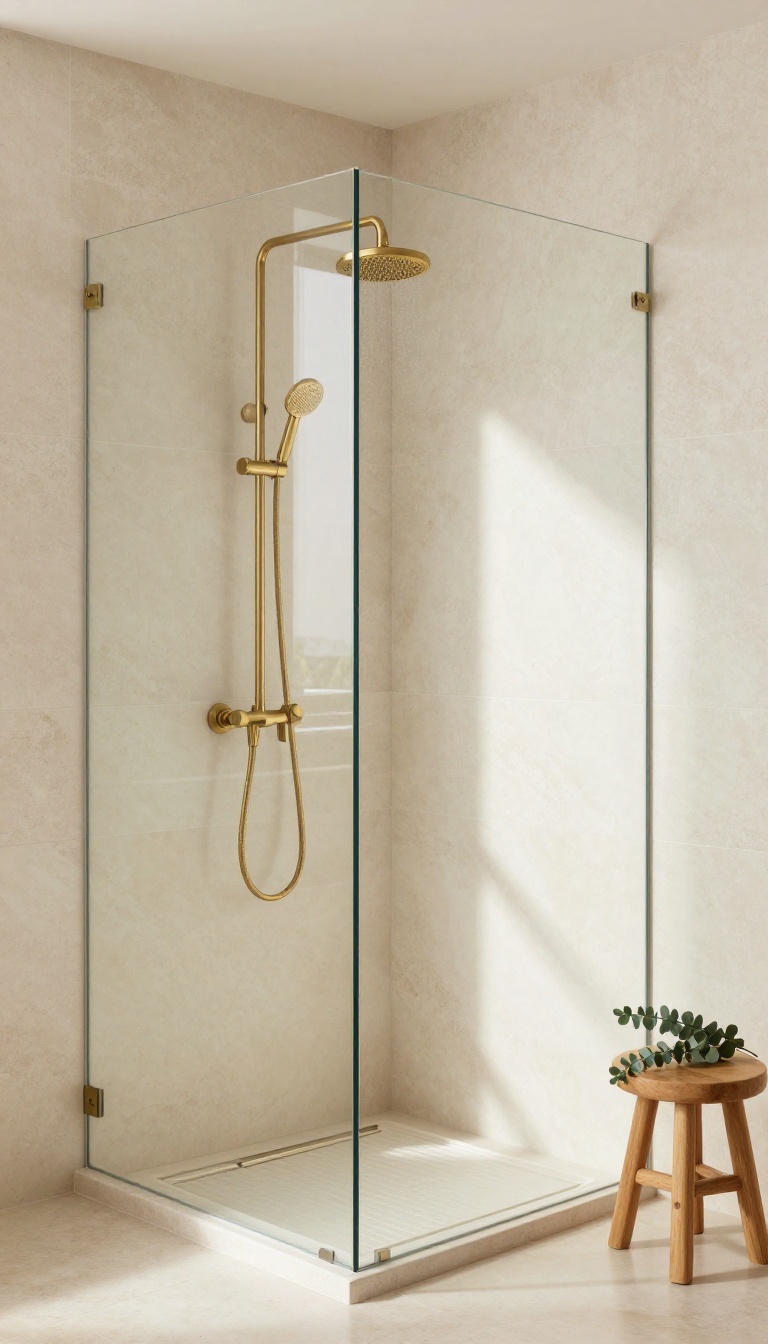
Limestone brings a calm, airy feel to a shower that’s hard to beat. Its soft, neutral tones—think warm whites, beiges, and light greys—blend effortlessly with almost any bathroom color scheme. The matte finish and subtle texture give it a modern, understated elegance that doesn’t shout for attention.
But here’s the thing: limestone is more porous than other stones, so it needs a little extra care. Sealing is non-negotiable if you want it to last. With the right prep, though, it’s a gorgeous choice that makes your shower feel like a serene retreat.
Why Limestone Works In A Shower
Limestone’s neutral palette is its superpower. It doesn’t compete with your fixtures or towels—it just sits there looking calm and collected. That makes it perfect for minimalist or spa-style bathrooms.
Plus, its matte finish hides water spots better than glossy tiles, so it stays looking fresh with less wiping.
Sealing And Maintenance Tips
Sealing is the big one. Apply a high-quality penetrating sealer before installation and reapply every year or so. Use a pH-neutral cleaner and avoid anything acidic, like vinegar or lemon-based sprays.
Wipe down after each shower to keep moisture from soaking in. With this routine, limestone stays beautiful for years.
Design Ideas To Try
Go for large-format limestone slabs to minimize grout lines and create a seamless look. Or use smaller limestone tiles in a subway pattern for a classic twist. Pair with brushed brass or matte black fixtures for a subtle contrast, and add a wood stool or eucalyptus bunch for that spa touch.
8. Mixed Stone and Glass for a Modern Twist
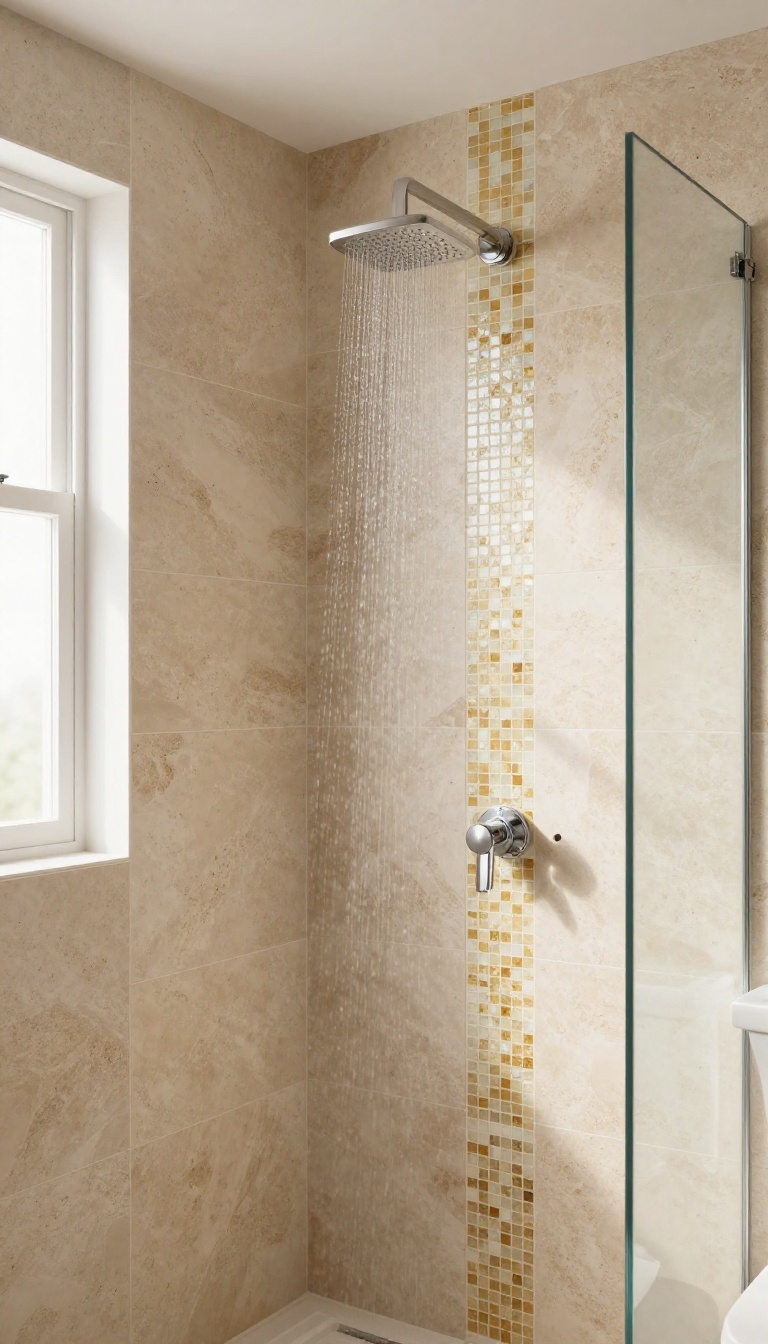
Pairing natural stone with glass tiles is a clever way to add a contemporary edge to your shower. The glass catches the light and bounces it around, making the space feel brighter and more open. Meanwhile, the stone keeps things grounded with its organic texture and warmth.
It’s a balanced mix that feels fresh without being cold.
The combination of stone and glass works well in both large and small showers. In a compact space, a glass tile band or niche can visually expand the area. In a larger shower, glass tiles can be used to create a striking feature wall or to highlight a specific zone, like the shampoo niche or the bench.
The key is to use glass sparingly—too much can make the space feel busy, but just the right amount adds a touch of sparkle and sophistication.
How To Mix Textures Without Overdoing It
A good rule of thumb is to use stone on the main walls and glass as an accent. For example, you could install large-format stone tiles on the shower walls and then add a vertical strip of glass mosaic tiles behind the showerhead or along the edge of the shower. This creates visual interest without overwhelming the eye.
Another idea is to use glass tiles in the niche or as a decorative border at waist height. The contrast between the matte stone and the glossy glass adds depth and dimension.
Best Stone And Glass Pairings
Some stones pair better with glass than others. Travertine, with its warm beige tones, looks lovely with frosted or iridescent glass tiles in soft gold or cream. Slate’s dark gray pairs beautifully with clear or blue glass for a more dramatic, spa-like feel.
For a lighter, airier look, combine white or cream marble with pale green or aqua glass. The key is to choose glass that complements the stone’s undertones, not competes with them.
Maintenance And Practical Considerations
Glass tiles are non-porous and easy to clean, which makes them a practical choice for wet areas. They don’t need sealing, unlike natural stone, which does require periodic sealing to prevent stains and moisture damage. In a mixed installation, you’ll still need to seal the stone, but the glass will stay looking new with just a wipe down.
Also, consider using smaller glass tiles on the shower floor for better traction, while keeping the larger stone tiles on the walls for a seamless look.
9. Stone-Inspired Ceramic for Easy Maintenance
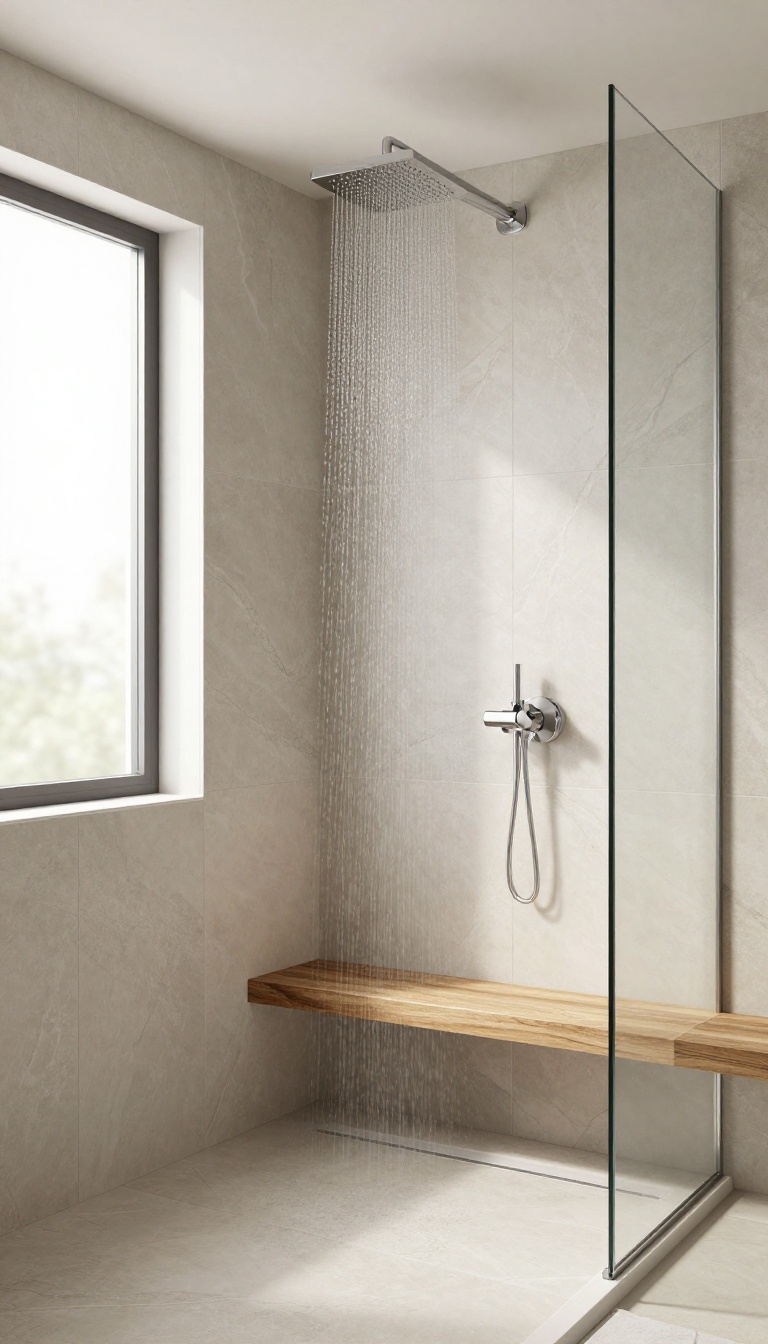
Ceramic tiles that mimic stone are a smart pick if you love the natural look but don't want to fuss over sealing or scrubbing. They're budget-friendly, resist moisture and stains, and clean up with just a wipe. For busy households, they offer the elegance of stone without the extra work.
Stone-look ceramic tiles have gotten so realistic that most people can't tell the difference from the real thing. They come in a wide range of colors and textures, from matte slate to polished travertine, so you can match any style. Plus, they're lighter and easier to install than natural stone, which can save on labor costs too.
Why Choose Ceramic Over Natural Stone?
Natural stone needs regular sealing to prevent water damage and staining. Ceramic is non-porous, so it doesn't absorb water or harbor mold. It's also more slip-resistant when you pick a textured finish, making it safer for a shower floor.
And if a tile cracks, replacing it is simpler and cheaper than sourcing a matching slab of stone.
Styling Tips For A Natural Look
To keep the stone illusion convincing, choose large-format tiles with varied veining. Pair them with grout in a similar tone to create a seamless surface. Add a wood-look bench or a rainfall showerhead to enhance the spa vibe.
You can also mix in a few real stone accents, like a pebble floor strip, for extra texture without the upkeep.
Cleaning And Care Made Simple
A daily rinse and a weekly wipe with mild soap are all you need to keep ceramic looking fresh. Avoid abrasive cleaners that could dull the glaze. For tough soap scum, a vinegar-water solution works wonders.
With minimal effort, your stone-inspired shower will stay beautiful for years.
10. Natural Stone Border for a Custom Feel
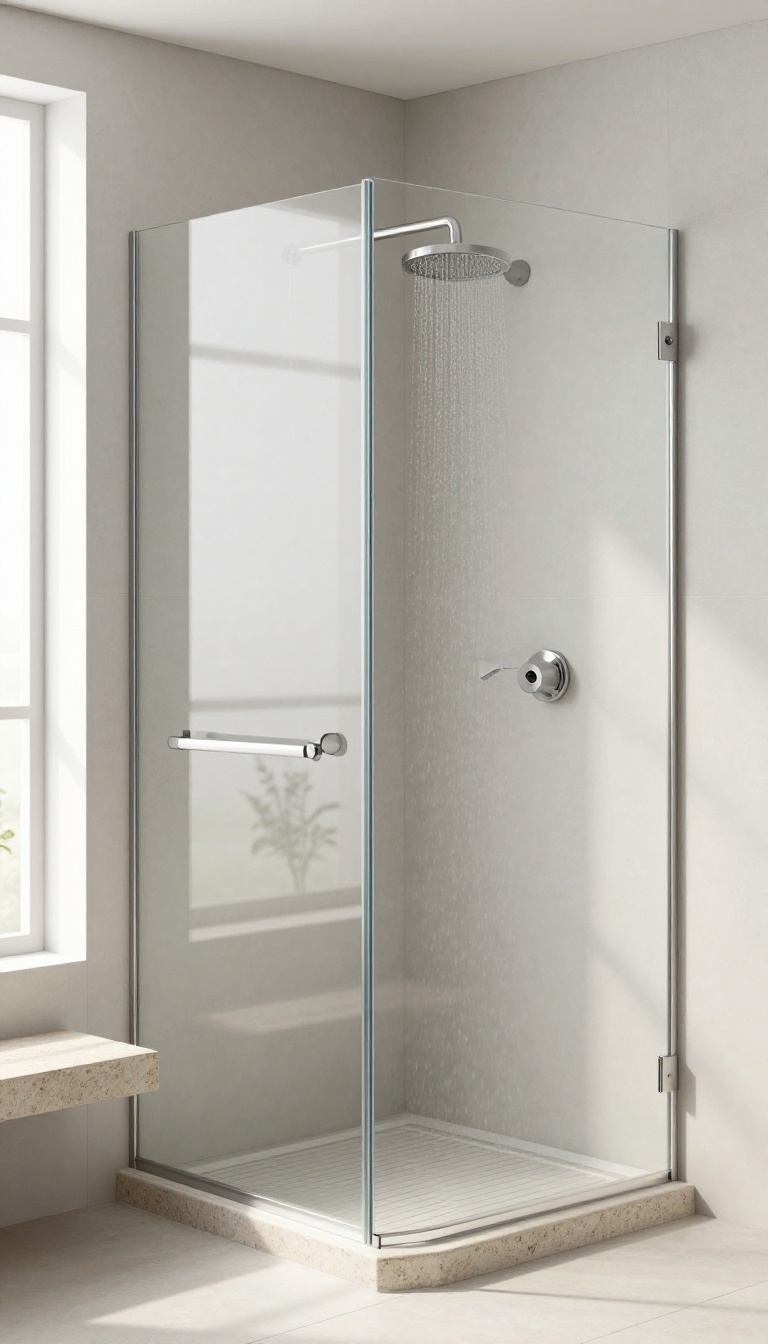
Sometimes a little stone goes a long way. Instead of covering every surface, a natural stone border can frame your shower niche or trace the perimeter of the walls, giving the space a bespoke, high-end look without the full commitment. It’s a smart way to add texture and warmth while keeping costs down and maintenance manageable.
Why A Border Works
A stone border acts like a visual anchor, drawing the eye to specific areas like the niche or the shower entrance. It breaks up large expanses of tile, adds depth, and creates a custom feel that looks like it was designed by a pro. Plus, you only need a limited amount of stone, so you can splurge on a higher-end material without blowing your budget.
Where To Place It
The most common spot is around the shower niche, which instantly makes that functional area feel like a deliberate design feature. You can also run a border along the top of the wall, at waist height, or around the shower valve and controls. For a subtle effect, use a stone that’s slightly lighter or darker than your main tile.
For a bolder look, choose a contrasting texture like pebble or stacked stone.
Installation Tips
A border is a relatively straightforward DIY project if you’re comfortable with tile work. Make sure the surface is clean and level, and use a good quality thin-set mortar. Seal the stone before installation to prevent staining, especially if it’s porous.
If you’re hiring a pro, this is an easy way to add a custom touch without a complex layout.
11. Statement Stone Shower Bench
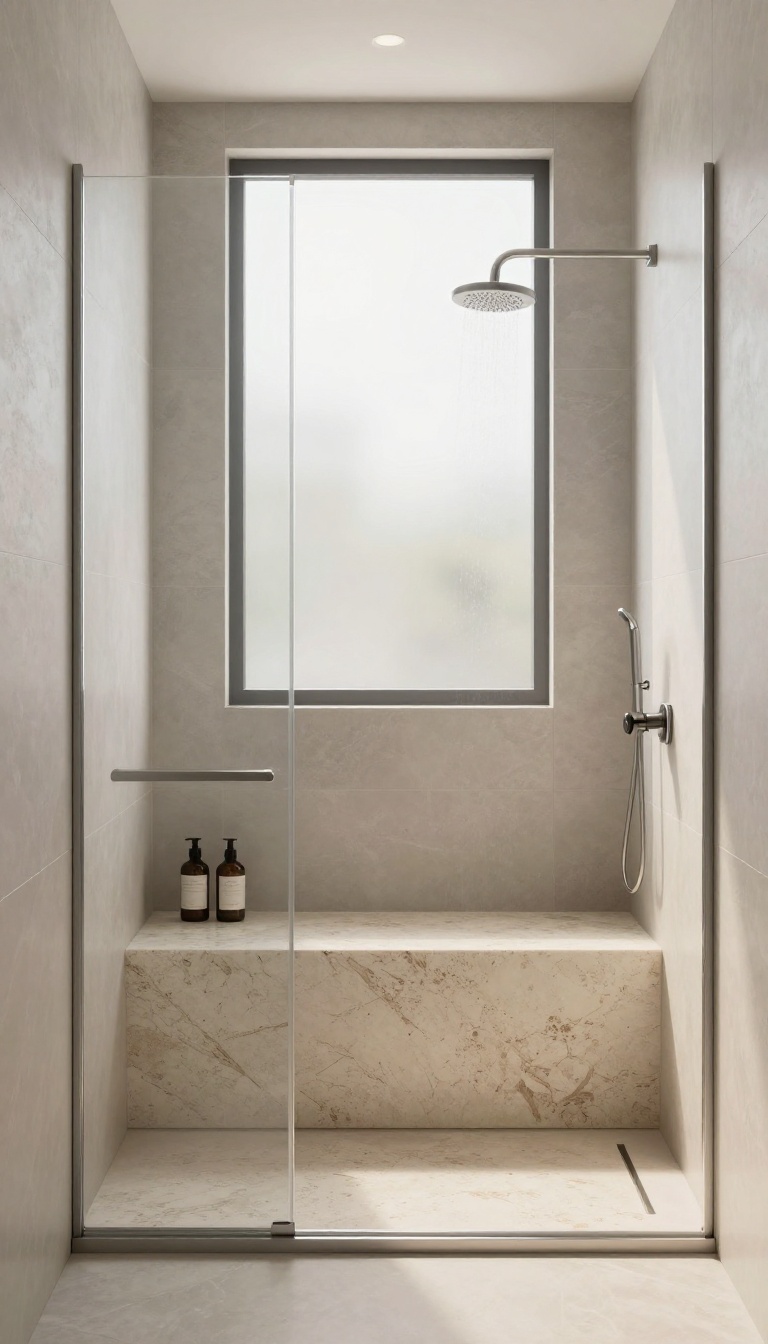
A stone bench can turn a basic shower into a place you actually want to linger. It’s not just about having somewhere to sit—it’s about adding a sculptural element that feels intentional and grounded. Whether you go for a chunky single slab or a neatly tiled bench, this feature brings both comfort and character to your daily routine.
The best part? A stone bench works with almost any shower size. Even a narrow corner bench can make a difference, giving you a spot to prop a foot while shaving or to set toiletries within easy reach.
It’s one of those upgrades that feels luxurious but doesn’t require a complete overhaul.
A statement stone bench is more than a practical perch—it’s a chance to introduce texture, color, and mass into your shower design. Natural stone like travertine, marble, or slate brings unique veining and warmth that manufactured materials can’t replicate. The bench becomes a focal point, especially when you contrast it with lighter wall tiles or keep the surrounding palette neutral.
You don’t have to sacrifice function for style. A well-placed bench can double as a ledge for shampoo bottles or a safe seat for those who prefer to sit while showering. It also breaks up the visual monotony of a tiled enclosure, adding depth and a sense of permanence.
For smaller bathrooms, a bench can make the shower feel more spacious by drawing the eye horizontally. When planning your bench, think about the stone’s finish. Honed or matte surfaces offer better grip when wet, while polished stone looks stunning but can be slippery.
Also consider the bench’s shape—a floating slab feels modern and airy, while a full-length bench with storage underneath adds utility. Whatever you choose, make sure it’s properly sealed to protect against moisture and staining.
Choosing The Right Stone
Not all stones are created equal for a shower bench. Porous stones like limestone and travertine need regular sealing to prevent water damage, while denser options like granite and quartzite are more forgiving. Think about the overall look you want: marble offers classic elegance, slate brings rustic charm, and soapstone gives a smooth, dark sophistication.
If you’re unsure, ask a stone supplier about the best options for wet areas.
Placement And Proportions
The bench should feel like part of the shower’s flow, not an afterthought. In a walk-in shower, place it along the back wall or in a corner to create a natural seating area. For a standard alcove, a bench along the side wall can make the space feel wider.
Keep the depth around 15 to 18 inches for comfortable sitting, and ensure it doesn’t block the shower entrance or interfere with the door swing.
Style Variations
You can tailor the bench to match your shower’s style. A floating stone slab with clean lines suits a modern, minimalist bathroom. A bench built from stacked stone or large-format tiles gives a more organic, spa-like feel.
For a traditional look, consider a bench with a curved front or decorative legs. The key is to coordinate the bench’s color and texture with your existing tile and fixtures for a cohesive design.
FAQ
What is the best stone for a shower floor?
Slate and pebble are great choices for shower floors because they’re naturally slip-resistant. Travertine is also good but needs sealing. Avoid polished marble, which can be slippery when wet.
Do stone showers require a lot of maintenance?
It depends on the stone. Porous stones like marble and limestone need regular sealing to prevent stains and water damage. Porcelain and ceramic that mimic stone are much lower maintenance.
Can I use stone in a small shower?
Absolutely. Lighter stones like white marble or limestone can make a small shower feel larger. Using large-format tiles also reduces grout lines, which helps the space look more open.
How do I clean a stone shower without damaging it?
Use a pH-neutral cleaner specifically designed for natural stone. Avoid acidic or abrasive cleaners, which can etch or scratch the surface. Rinse thoroughly and dry with a squeegee to prevent water spots.
Is stone shower more expensive than ceramic tile?
Natural stone is generally more expensive than ceramic or porcelain, but there are budget-friendly options like slate or pebble tiles. Stone-look ceramic offers a similar aesthetic at a lower cost.
Conclusion
Stone showers bring a natural elegance that’s hard to beat. Whether you go with classic marble or a more practical stone-look tile, there’s an option that fits your style and budget. The key is to choose a stone that works for your lifestyle and to keep maintenance in mind.
Start with one idea that speaks to you, and build from there. A little stone can go a long way in making your bathroom feel like a personal retreat. Happy renovating!