13 Versatile Shower Wall Tile Ideas for a Clean, Custom Look
A shower is more than a daily necessity—it's a chance to start and end your day on a refreshing note. The right wall tile can turn an ordinary enclosure into a personal sanctuary, reflecting your taste while standing up to moisture and wear.
Whether you're renovating or building new, the choices can feel overwhelming, but the payoff is a space that feels uniquely yours. These 13 ideas span classic to contemporary, each offering a clean aesthetic that's easy to live with.
You'll find options that work for small bathrooms, large master suites, and everything in between. The goal is to help you see the potential in your shower walls, not just as a surface, but as a design opportunity.
1. Classic White Subway Tile: Timeless and Bright
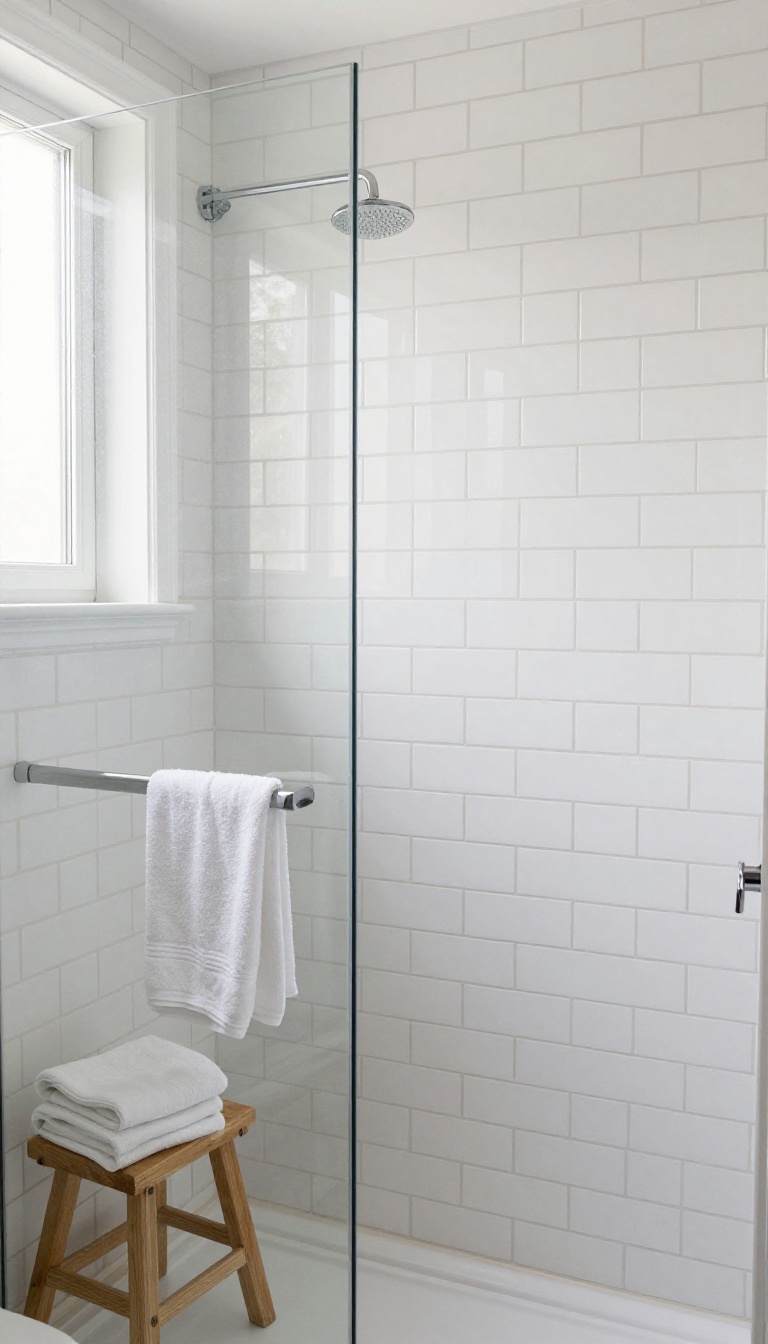
White subway tile has been a go-to for showers for over a century, and it's not hard to see why. Its simple, rectangular shape and glossy finish create a clean, bright look that never feels dated. Plus, the way it reflects light can make a small shower feel more open and airy.
If you want a shower that feels fresh and timeless, white subway tile is a solid choice. It pairs well with almost any fixture or accent, from chrome to matte black, and it works in both modern and traditional spaces. The key is in the grout and layout—choose a contrasting grout for a classic grid look or a matching grout for a more seamless appearance.
Why It Works So Well
The high-gloss surface bounces light around, which visually expands the space. It's also incredibly easy to clean—just wipe down with a squeegee or mild cleaner. And because it's so popular, it's widely available and budget-friendly, making it a practical choice for any renovation.
Layout Ideas To Keep It Interesting
You don't have to stick to the standard brick pattern. Try a vertical stack for a modern twist, or a herringbone layout for a bit of visual texture. Even a simple offset pattern can add depth without overwhelming the space.
The white tile lets you get creative without going overboard.
Grout Color Makes A Difference
The grout you choose can change the whole vibe. White grout blends in for a seamless, clean look, while gray or black grout adds contrast and makes the tile pattern pop. Dark grout also hides dirt better, which is a practical bonus in a high-moisture area.
2. Large-Format Porcelain: Minimalist and Low-Maintenance
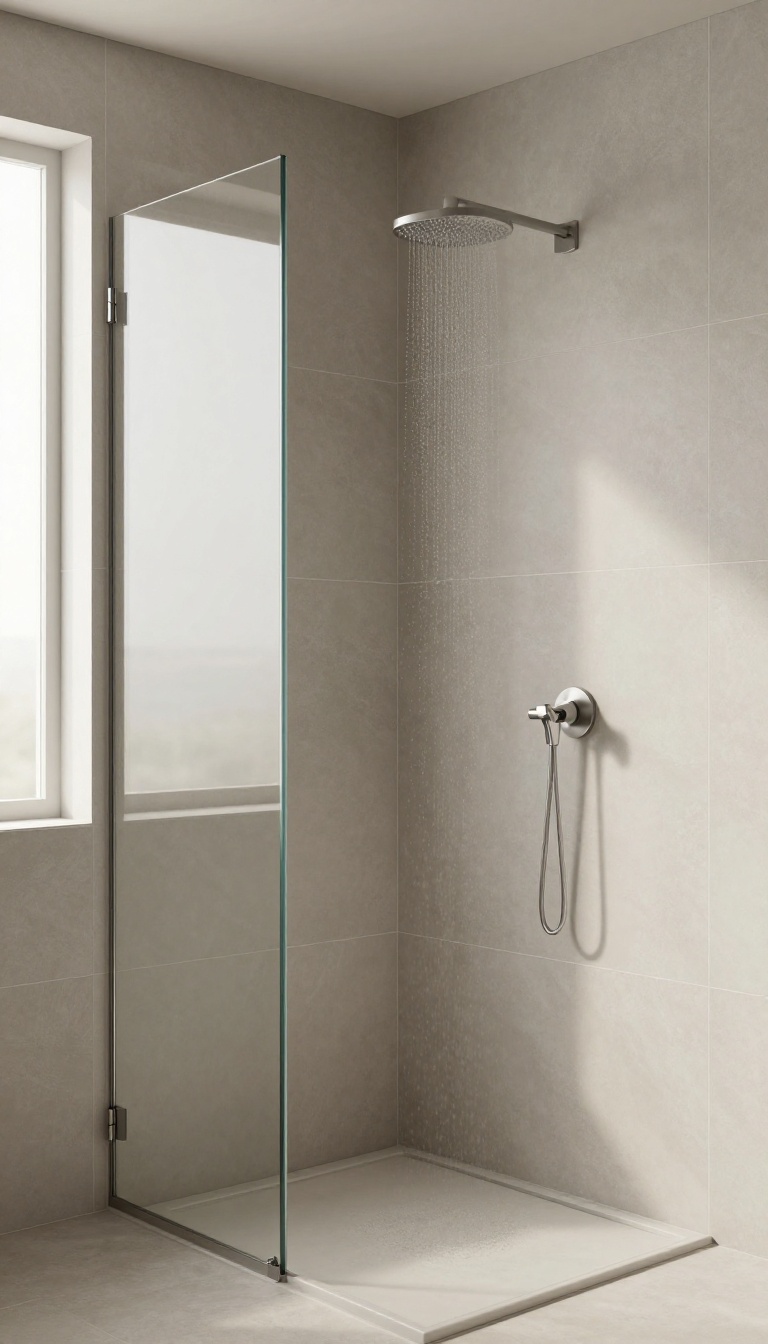
If you're tired of scrubbing grout lines, large-format porcelain tiles are a game-changer. These oversized slabs (often 12×24 inches or bigger) dramatically reduce the number of joints on your shower walls, which means less maintenance and a cleaner look. The expansive surface creates a seamless, spa-like backdrop that feels both modern and calming.
Large-format tiles bring a sense of openness to any shower, making small spaces feel larger and large spaces feel more luxurious. Their minimal grout lines not only simplify cleaning but also allow the tile's natural veining or subtle texture to take center stage. Whether you choose a soft matte finish or a high-gloss polish, these tiles offer a clean, uninterrupted canvas that pairs beautifully with minimalist fixtures and frameless glass enclosures.
Why Fewer Grout Lines Matter
Grout is porous and prone to staining and mildew, so reducing its presence is a practical win. With large-format tiles, you'll spend less time scrubbing and more time enjoying your shower. Plus, the sleek, continuous look feels more upscale and easier to coordinate with other design elements.
Choosing The Right Finish
Matte finishes hide water spots and fingerprints better than glossy ones, making them ideal for busy households. If you want a touch of elegance, a polished or satin finish can reflect light and brighten the space. Just be sure to pick a tile with a slip-resistant rating for the floor, and consider a coordinating large-format tile for the walls to keep the look cohesive.
Installation Tips For A Flawless Look
Large-format tiles require a perfectly flat substrate and proper adhesive coverage to avoid lippage. Hiring an experienced installer is worth the investment. To enhance the seamless effect, use a matching grout color and keep grout lines as thin as possible—1/16 inch is common.
Also, plan the layout carefully to avoid awkward cuts, especially around niches and fixtures.
3. Textured Stone Look: Natural Warmth and Depth
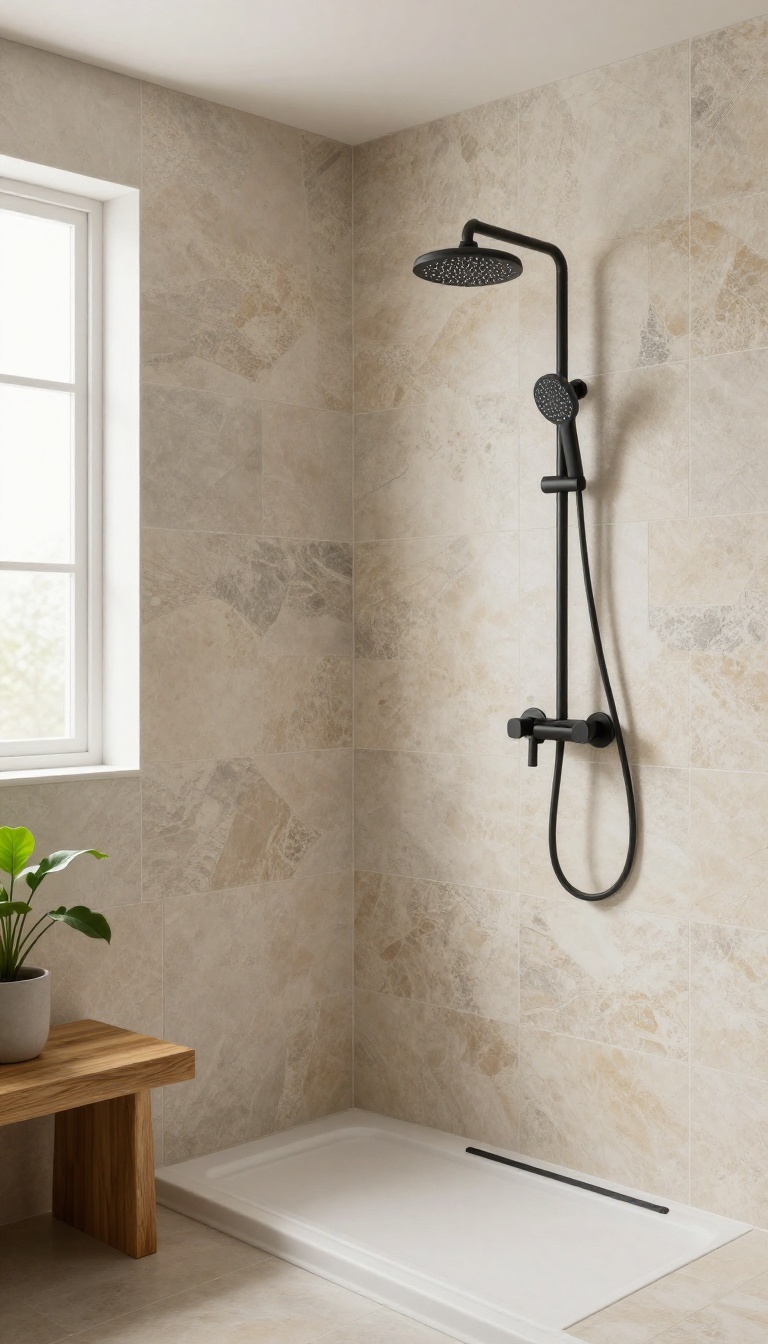
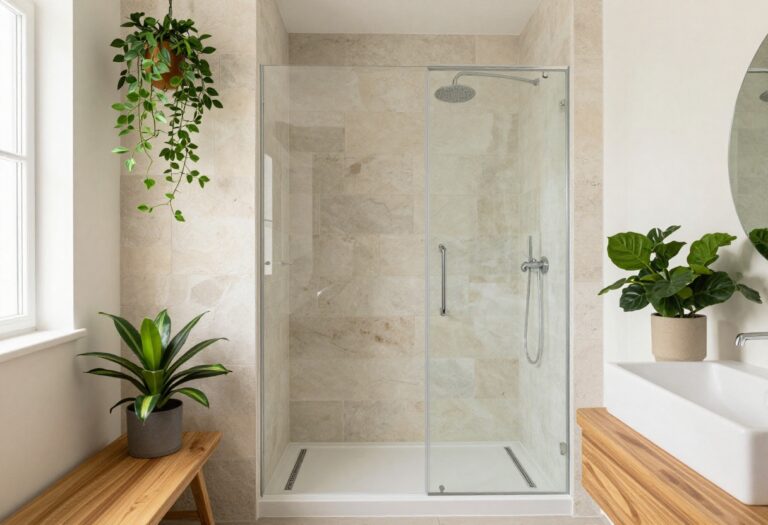
Stone-look tiles bring the organic feel of natural rock without the upkeep. Textured surfaces add visual interest and a tactile quality that elevates the shower experience. They're a favorite for creating a spa-like retreat right at home.
Textured stone-look tiles are designed to mimic the rugged beauty of natural stone, from slate to travertine. The texture isn't just for looks—it also provides a non-slip surface, which is a smart choice for a wet environment. These tiles come in a range of earthy tones, from warm beiges to cool grays, so you can easily match them to your bathroom's palette.
Why Choose Textured Stone?
Textured stone-look tiles offer the aesthetic of natural stone without the high maintenance. They're more durable and easier to clean than real stone, and the texture helps hide water spots and soap scum. Plus, the tactile surface adds a sensory element that makes your shower feel more luxurious.
Styling Ideas For Stone-look Tiles
For a cohesive look, pair textured stone tiles with matte black or brushed nickel fixtures. Use a large format to minimize grout lines, or opt for smaller tiles to create a more intricate pattern. You can also mix different shades of the same stone for a subtle, organic variation.
Installation Tips To Keep In Mind
Textured tiles can be a bit trickier to install, so make sure your contractor uses a leveling system to keep the surface even. Also, choose a grout color that complements the tile—a slightly darker grout can help hide dirt and reduce visual noise. Seal the grout properly to prevent moisture damage.
4. Hexagon Tiles: Playful Geometry with a Modern Twist
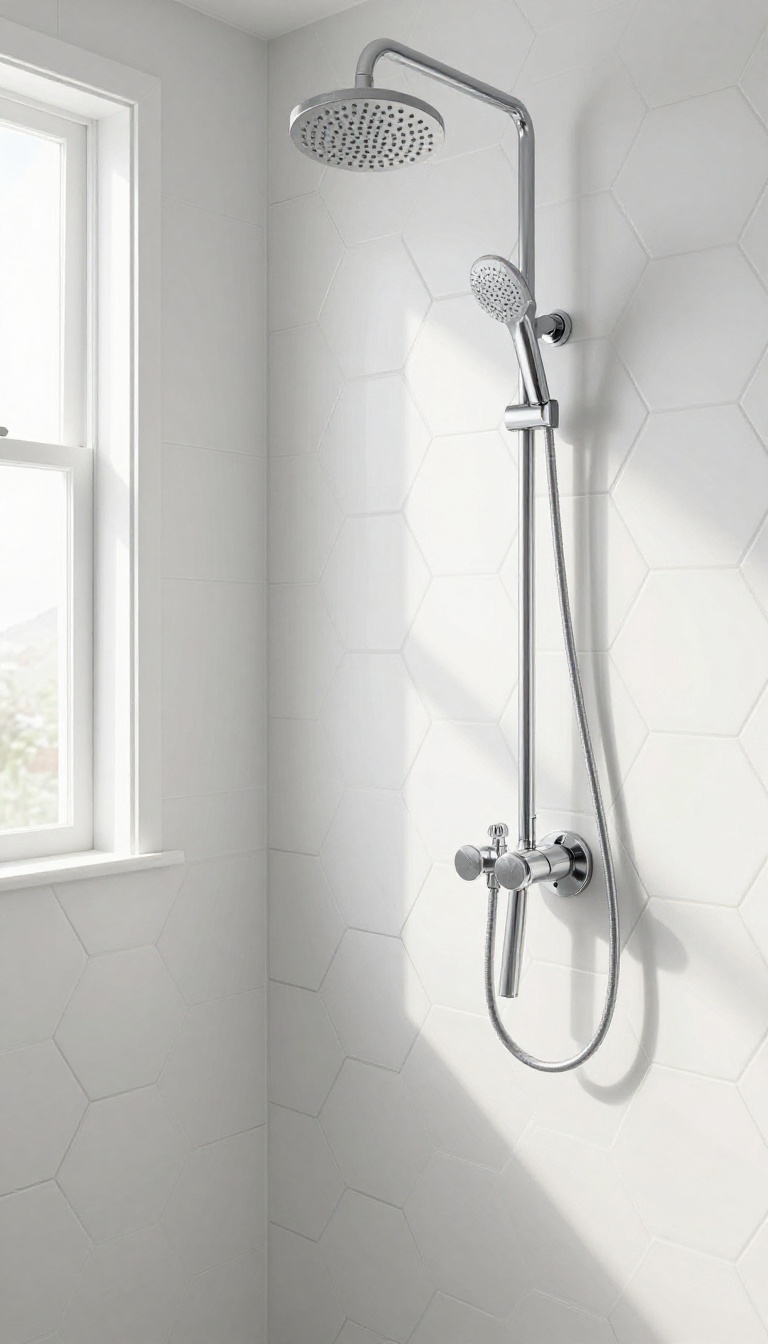
Hexagons are having a moment, and for good reason. They bring a subtle geometric pattern that feels fresh without being loud. Whether you choose classic white or a bold hue, hex tiles add a custom touch that stands out from the usual square grid.
Hexagon tiles are a versatile choice that can adapt to any style. Their six-sided shape creates a honeycomb effect that adds visual interest and movement to your shower walls. You can go for a uniform look with a single color, or mix and match for a playful mosaic.
The size of the hexagons also matters: smaller ones create a busier pattern, while larger ones feel more modern and minimal.
Classic White With Dark Grout
White hexagon tiles with dark gray or black grout give a crisp, high-contrast look that highlights the geometric shape. This combo works well in both modern and traditional bathrooms, adding definition without overwhelming the space. It’s a simple way to make a statement that’s easy to live with.
Bold Color Accents
If you’re feeling adventurous, use hexagon tiles in a bold color like navy, emerald, or terracotta. You can cover all the walls or create an accent wall behind the shower fixtures. For a more subtle approach, mix a few colored hexagons into a predominantly white layout for a playful pop of color that’s still cohesive.
Large-format Hexagons For A Modern Feel
Large hexagon tiles (like 8-inch or 12-inch) give a more streamlined, contemporary look compared to the tiny mosaic versions. They have fewer grout lines, which makes cleaning easier and reduces visual clutter. This option is perfect for a minimalist bathroom that still wants a hint of personality.
5. Vertical Stacked Tile: Elongate and Modernize
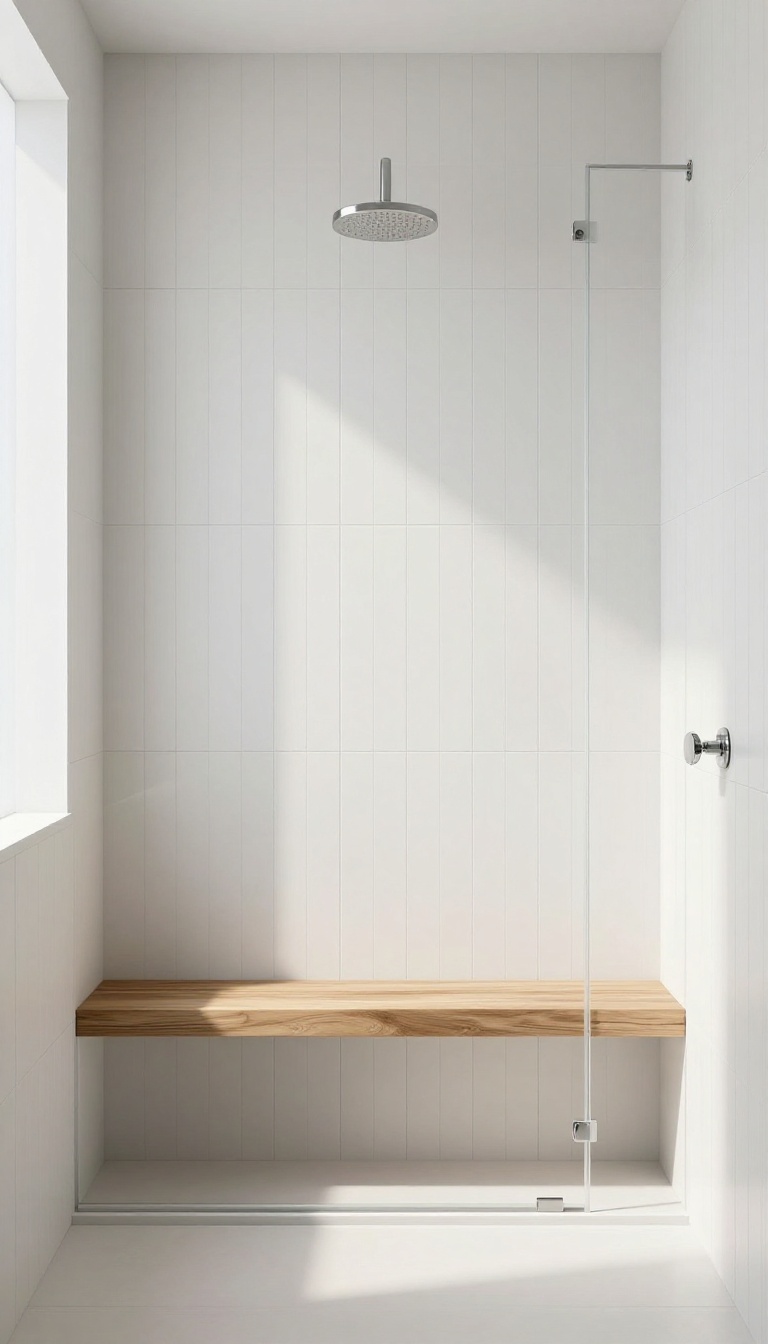
If you want to make your shower feel taller without touching the ceiling, vertical stacked tile is a smart trick. By laying rectangular tiles upright, the eye naturally travels upward, creating the illusion of more height. This layout also brings a clean, contemporary vibe that fits both minimalist and modern bathrooms.
Vertical stacking isn't just about looks—it's also a practical choice. The long, straight lines are easy to wipe down, and the lack of offset joints means fewer grout lines to clean. Plus, it works with a variety of tile materials, from glossy ceramic to textured porcelain, so you can adapt it to your style.
Why Vertical Stacking Works
The vertical orientation draws the eye upward, which is especially beneficial in bathrooms with low ceilings. It also adds a sense of order and simplicity that feels modern and uncluttered. Because the tiles are aligned in straight rows, the pattern is visually calm and easy to live with.
Best Tile Shapes And Sizes
For the most dramatic effect, choose large-format rectangles, like 4×12 inches or 6×18 inches. The longer the tile, the stronger the vertical line. You can also mix sizes for a more dynamic look, but keeping them all vertical maintains the elongating effect.
Installation Tips
Proper installation is key to making vertical stacking look seamless. Use a level to ensure the first row is perfectly straight, and consider using spacers to keep grout lines even. If you're working with large tiles, a tile leveling system can prevent lippage and keep the surface smooth.
Style Pairings
Vertical stacked tile pairs beautifully with matte black fixtures or brushed nickel for a modern contrast. You can also combine it with a horizontal accent band to break up the lines, but keep it subtle to maintain the elongating effect. For a spa-like feel, choose a soft, neutral color like warm gray or sandy beige.
6. Herringbone Pattern: Dynamic and Eye-Catching
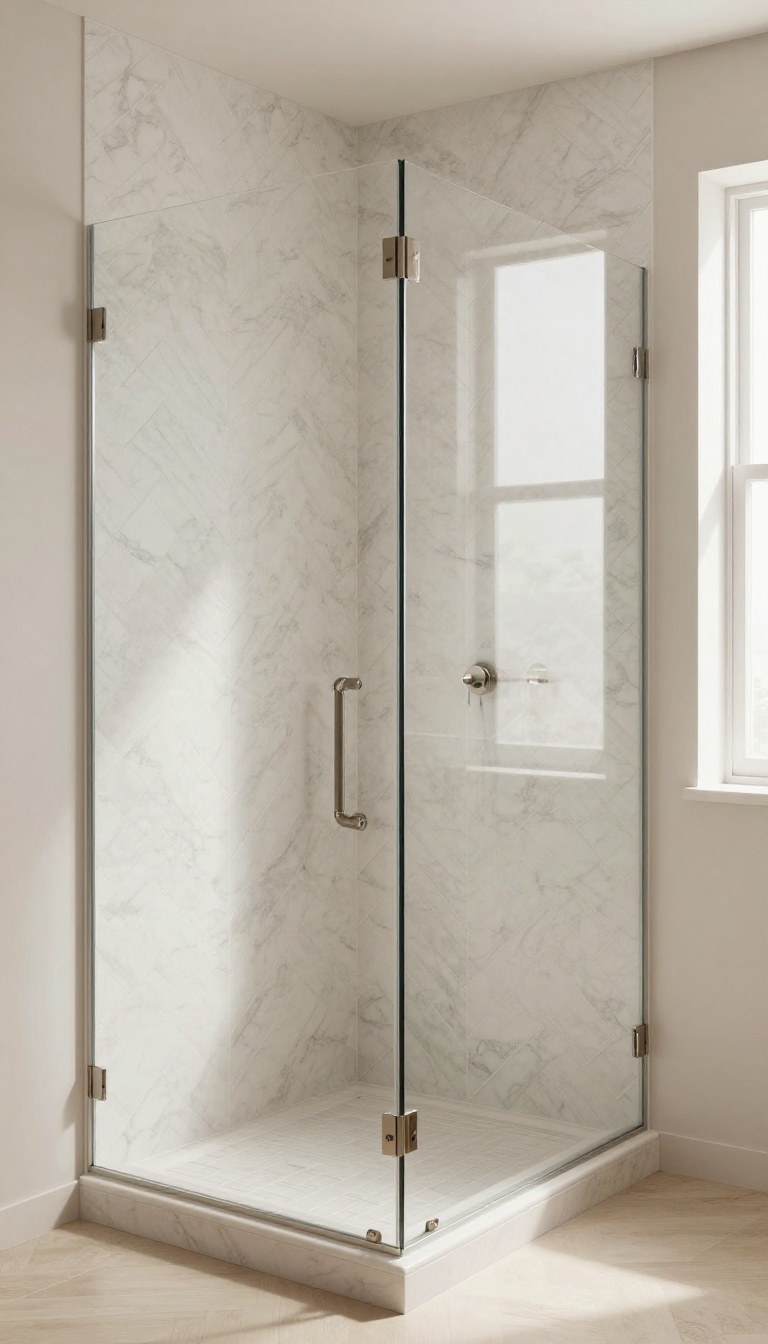
Herringbone is a classic pattern that brings a sense of movement and sophistication to any shower. The zigzag layout draws the eye and adds texture, making even a simple tile color feel rich and layered. Whether you choose marble for a luxurious look or ceramic for practicality, herringbone creates a focal point that feels both timeless and current.
Herringbone works particularly well in showers because it adds visual interest without overwhelming the space. The pattern can be installed vertically to make ceilings feel higher or horizontally to widen a narrow alcove. It pairs beautifully with neutral fixtures and simple glass enclosures, letting the tile shine as the centerpiece.
Choosing The Right Tile Size
The size of your herringbone tiles dramatically affects the overall look. Smaller tiles, like 2×6 or 3×12 inches, create a more intricate, detailed pattern that feels traditional and refined. Larger tiles, such as 4×12 or 6×24 inches, produce a bolder, more modern statement with fewer grout lines.
Consider the scale of your shower: smaller tiles suit compact spaces, while larger ones work well in roomy walk-in showers.
Color And Material Ideas
Classic white marble herringbone is a timeless choice that brightens the space and adds a touch of luxury. For a more contemporary vibe, try matte black or deep charcoal tiles to create a dramatic contrast. Ceramic and porcelain options are affordable and easy to maintain, while natural stone adds unique veining.
You can also mix two complementary colors, like navy and white, to give the pattern extra depth.
Installation Tips And Grout Choices
Installing herringbone requires careful planning to ensure the pattern lines up correctly, especially around corners and fixtures. It's best to hire a professional tile setter if you're not experienced. When choosing grout, pick a color that either blends with the tile for a seamless look or contrasts to highlight the pattern.
Epoxy grout is a great option for showers because it resists moisture and staining, keeping your walls looking fresh.
7. Bold Patterned Cement Tiles: Vintage Charm and Personality
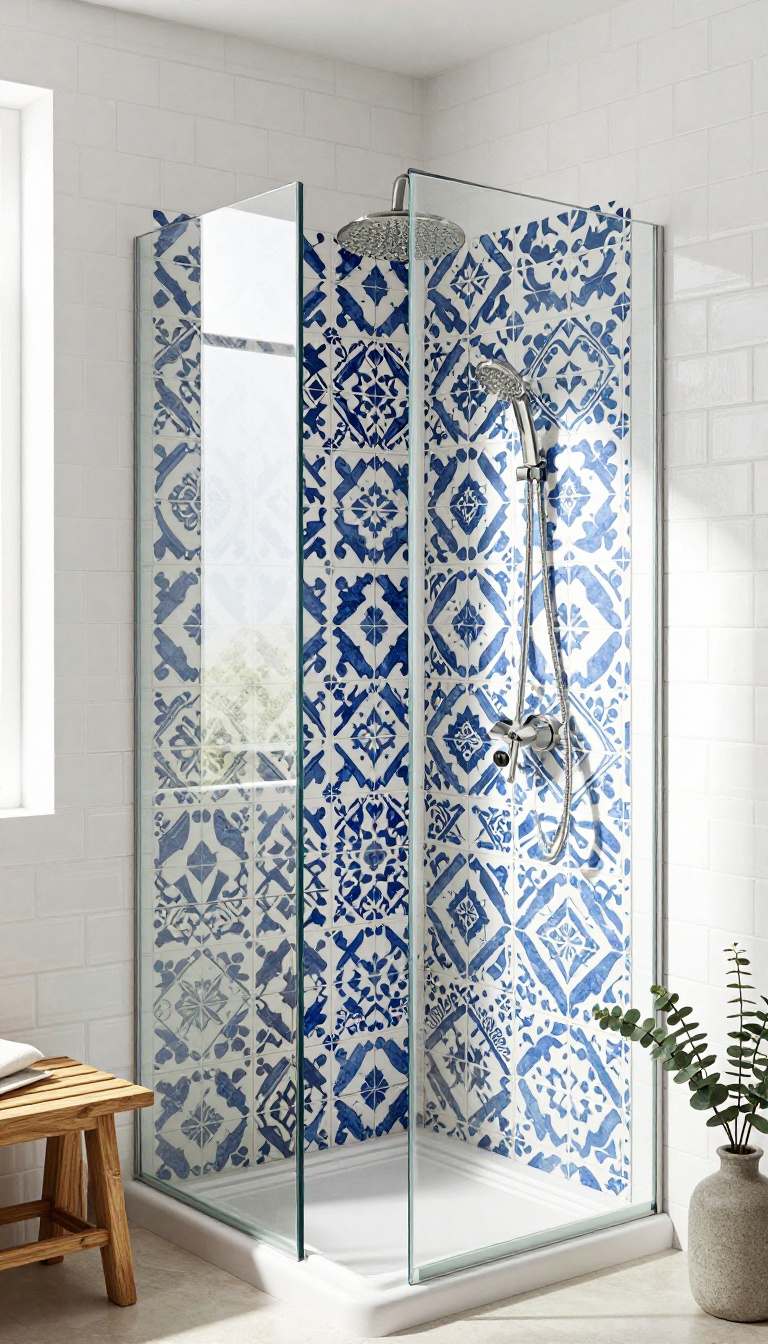
Patterned cement tiles are having a well-deserved resurgence, and they're a fantastic way to inject character into a shower. Their intricate designs evoke a sense of old-world craftsmanship while offering a durable, practical surface. Whether you're drawn to Moroccan-inspired motifs or geometric patterns, these tiles can transform your shower into a focal point that feels both timeless and personal.
Cement tiles are known for their durability and ability to withstand moisture, making them a smart choice for shower walls. The patterns are not just printed on the surface; they go all the way through, so they won't wear off over time. This means you get a long-lasting design that stays vibrant even with daily use.
Plus, the slight texture of cement tiles can provide a bit of slip resistance, which is a bonus in a wet environment.
Mix And Match For A Custom Look
One of the best things about patterned cement tiles is their versatility. You don't have to cover every wall with them. Instead, consider using them as an accent strip or on a single feature wall, then pair with solid-colored tiles in complementary shades.
This approach adds visual interest without overwhelming the space. For example, a bold pattern on the back wall of the shower can be balanced with soft white or neutral tiles on the sides.
Choosing The Right Pattern Scale
The scale of the pattern matters more than you might think. In a small shower, large, busy patterns can make the space feel cramped. Opt for smaller, more delicate patterns that add texture without dominating.
In a larger shower, you can afford to go bolder with bigger motifs. Also, consider the color palette—lighter patterns can make a space feel airy, while darker, richer tones add drama and coziness.
Sealing And Maintenance
Cement tiles are porous, so they need to be sealed properly to protect against moisture and staining. A good quality sealer will keep them looking great for years. In terms of daily care, they're easy to clean with a mild soap and water.
Avoid harsh chemicals that can strip the sealer. With a little upkeep, your patterned cement tiles will continue to bring charm and personality to your shower for a long time.
8. Neutral Large Tiles with Accent Stripe: Subtle Customization
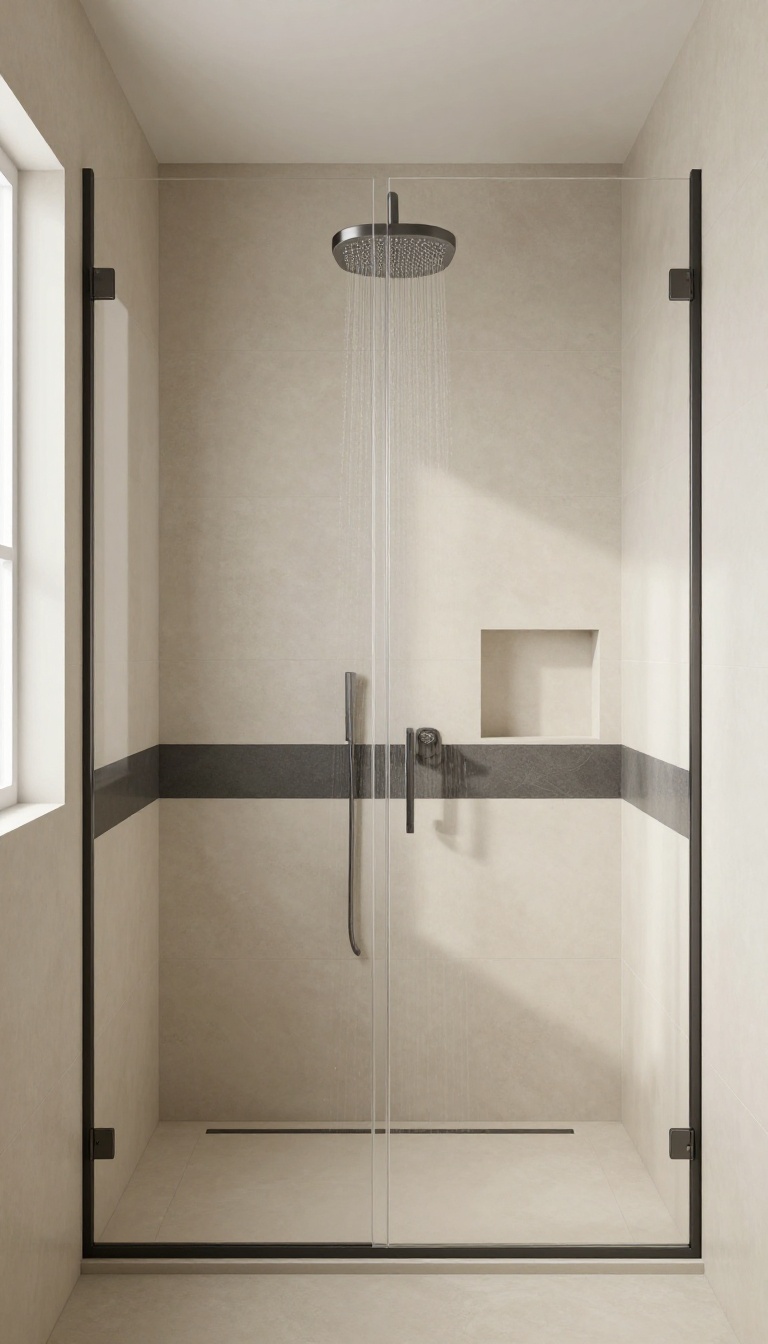
Large-format tiles in soft neutrals are a go-to for a seamless, spa-like shower. They minimize grout lines and make the space feel bigger, but sometimes they can read as a bit plain. Adding a single accent stripe—maybe in a contrasting color or a different texture—gives you that custom look without going overboard.
The beauty of this approach is its flexibility. You can place the stripe at eye level, near the ceiling, or even behind the niche for a subtle pop. It’s a low-commitment way to introduce color or pattern, and it works with almost any style, from modern to transitional.
Choosing The Right Stripe
When picking an accent stripe, think about the overall mood you want. A thin pencil tile in a metallic finish adds a touch of elegance, while a wider band in a contrasting neutral like charcoal or navy creates a bolder statement. If you prefer a softer look, use a stripe in a similar tone but with a different finish, like matte against glossy.
Placement Tips
The placement of the stripe can change the feel of the shower. Placing it at about 5 to 6 feet from the floor draws the eye upward and makes the ceiling feel higher. For a more grounded look, run the stripe horizontally at waist height.
You can also frame the niche with a stripe to make it a focal point without adding extra tile.
Pairing With Large Tiles
Large tiles, like 12×24 or 24×48 inches, work best with this design because they provide a clean canvas. Use a rectified tile for tighter grout lines, and consider a matte finish to reduce glare. The stripe can be the same size as the large tiles or a contrasting smaller format—just make sure the proportions feel balanced.
9. Glossy Ceramic in Soft Pastels: Airy and Refreshing
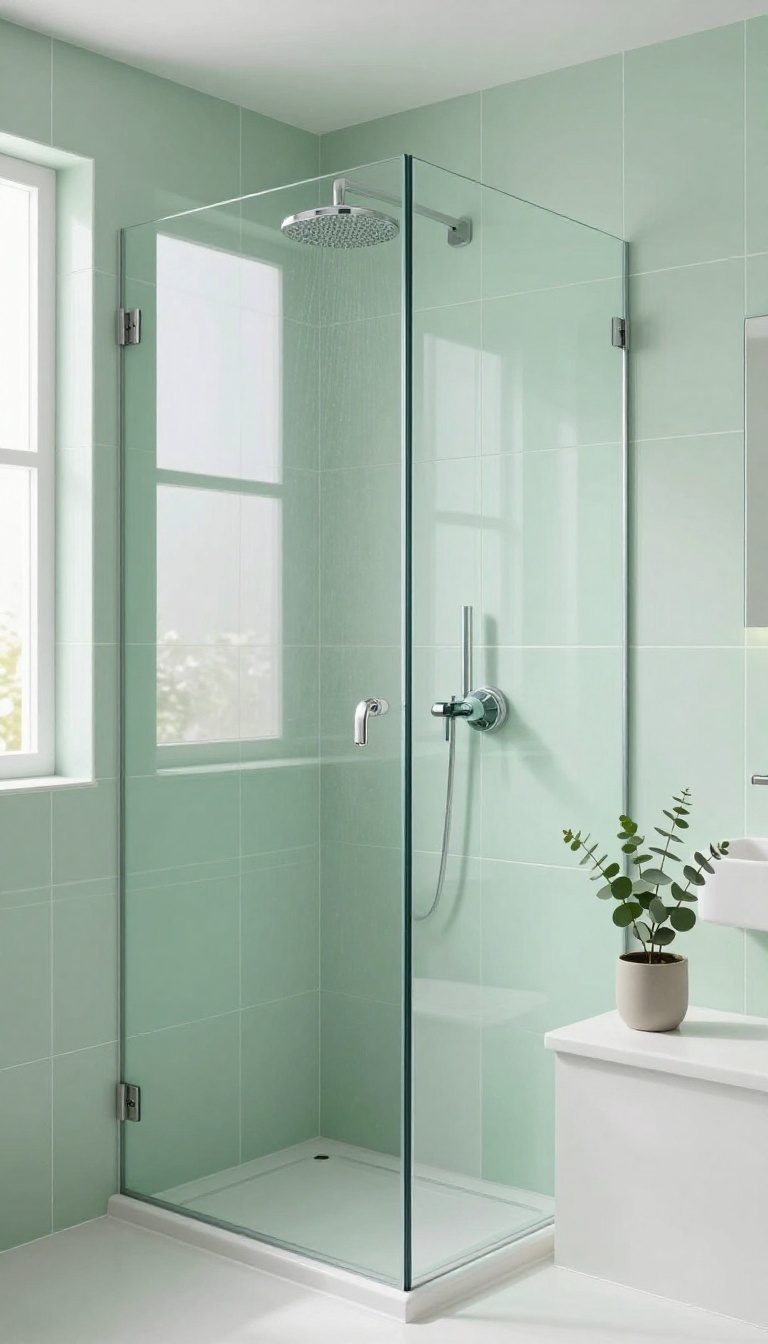
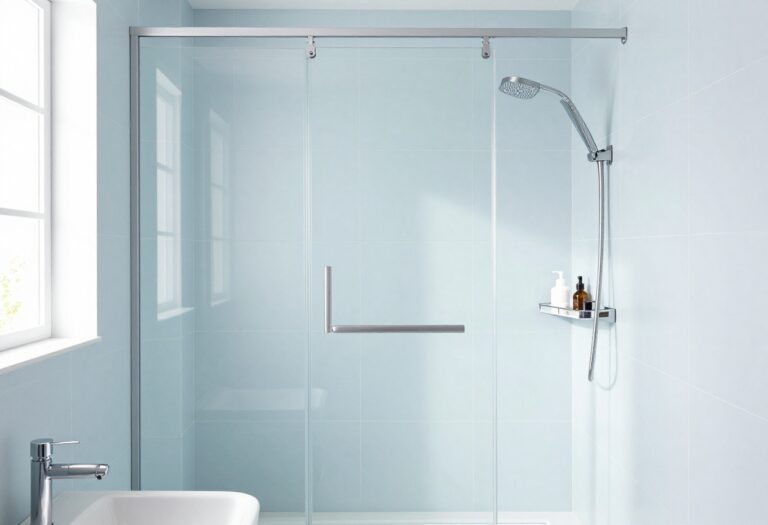
Soft pastel tiles, like sage green or powder blue, can make your shower feel like a breath of fresh air. The gentle hues add a touch of color without overwhelming the space, while the glossy finish reflects light to create an open, airy atmosphere. It's a simple way to bring a calm, spa-like vibe into your daily routine.
Pastel tiles are a fantastic choice if you want a shower that feels light and inviting. The soft colors work well with both natural and artificial light, making the space appear larger and more welcoming. Plus, the glossy surface is easy to clean and maintain, so you can enjoy the fresh look without extra effort.
Why Pastels Work In Showers
Pastel shades are known for their calming effect, which is perfect for a space meant for relaxation. They also pair beautifully with white fixtures and natural materials like wood or stone, giving you plenty of design flexibility. And because they're not too bold, they won't go out of style quickly.
Choosing The Right Shade
Sage green brings a touch of nature indoors, while powder blue evokes a coastal, breezy feel. Soft pink or lavender can add a subtle warmth, and pale yellow offers a cheerful, sunny vibe. Consider the overall color scheme of your bathroom and pick a shade that complements it without clashing.
Pairing With Grout And Accents
White or light gray grout keeps the look seamless and bright, while a contrasting grout can make the tile pattern pop. You can also add accents like brushed nickel fixtures or a teak bench to enhance the airy feel. Keep the rest of the bathroom simple so the pastel tiles remain the focal point.
10. Matte Black Tiles: Bold and Sophisticated
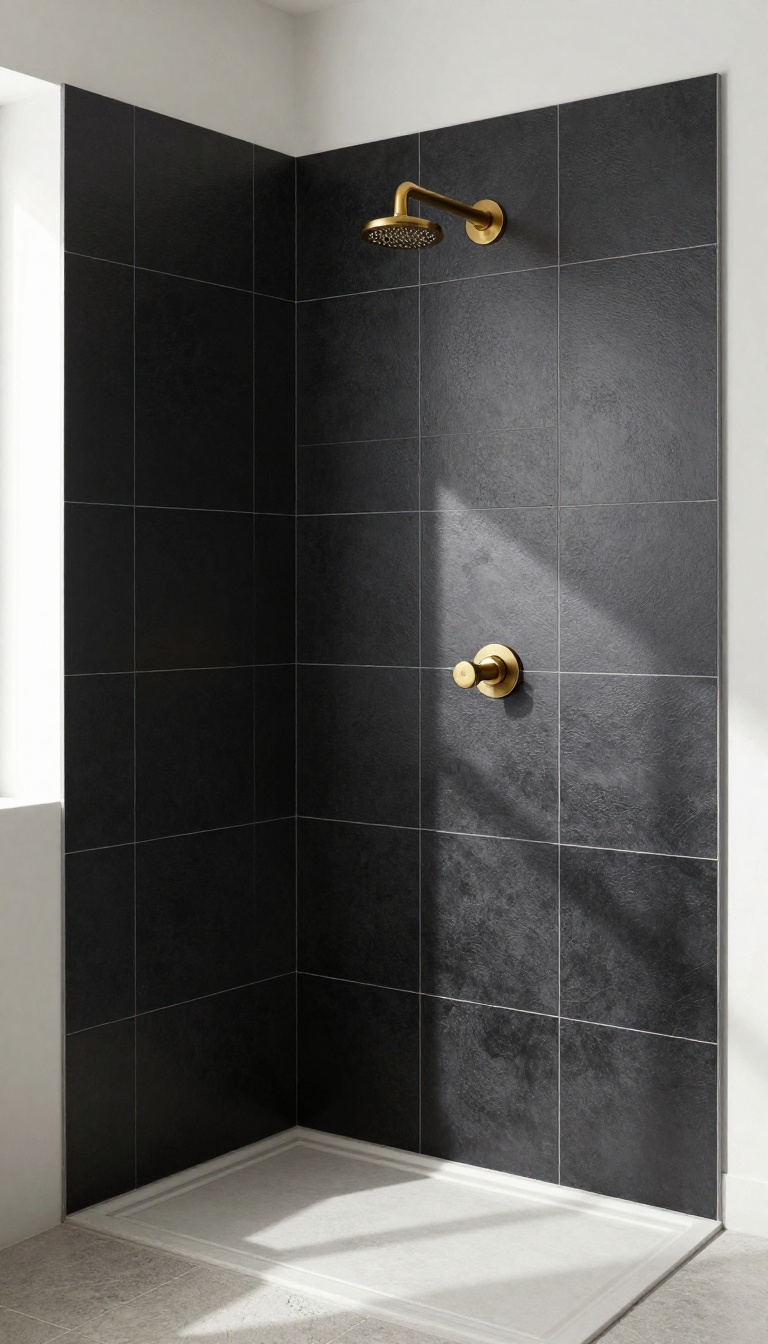
Matte black tiles bring a bold, sophisticated edge to shower walls, instantly elevating the space with depth and drama. They contrast beautifully with lighter fixtures and grout, creating a striking focal point that feels both modern and timeless. This choice works especially well in bathrooms that want a touch of luxury without being overly flashy.
Matte black tiles are a daring choice that pays off with a sleek, high-end look. Their dark surface hides water spots and soap scum better than lighter options, making them surprisingly practical for a busy shower. Pair them with brass or gold fixtures for a warm, opulent feel, or go with chrome for a cooler, more industrial vibe.
White grout adds crisp definition, while gray or black grout keeps the look seamless and moody. Consider using matte black on all walls for a cocooning effect, or just on a feature wall to balance the room.
Pairing With Fixtures And Grout
The key to making matte black tiles work is in the details. Brass fixtures create a classic, upscale contrast, while matte black fixtures blend in for a monochromatic look. White grout is a popular choice because it outlines each tile and adds a graphic quality.
For a more subtle, continuous surface, use a dark grout that matches the tile. Don't forget the showerhead and handles—they can tie the whole design together.
Sizing And Layout Options
Large-format matte black tiles (like 12×24 inches) minimize grout lines and make the shower feel more expansive. Smaller subway tiles in a brick pattern add texture and a classic twist. You can also experiment with vertical stacking to draw the eye upward, or a herringbone pattern for extra visual interest.
The matte finish softens the dark color, so it won't feel too harsh even in a small bathroom.
Balancing The Dark Aesthetic
To prevent the shower from feeling too cave-like, balance the dark tiles with lighter elements. Use a glass shower door to let in natural light, and consider adding a recessed niche with a lighter tile or a shelf with bright towels. Good lighting is essential—warm LED lights can make the space feel inviting rather than gloomy.
If you're hesitant about going all-black, try using matte black tiles only on the lower half of the wall, with white or light gray above.
11. Mosaic Glass Tiles: Sparkle and Versatility
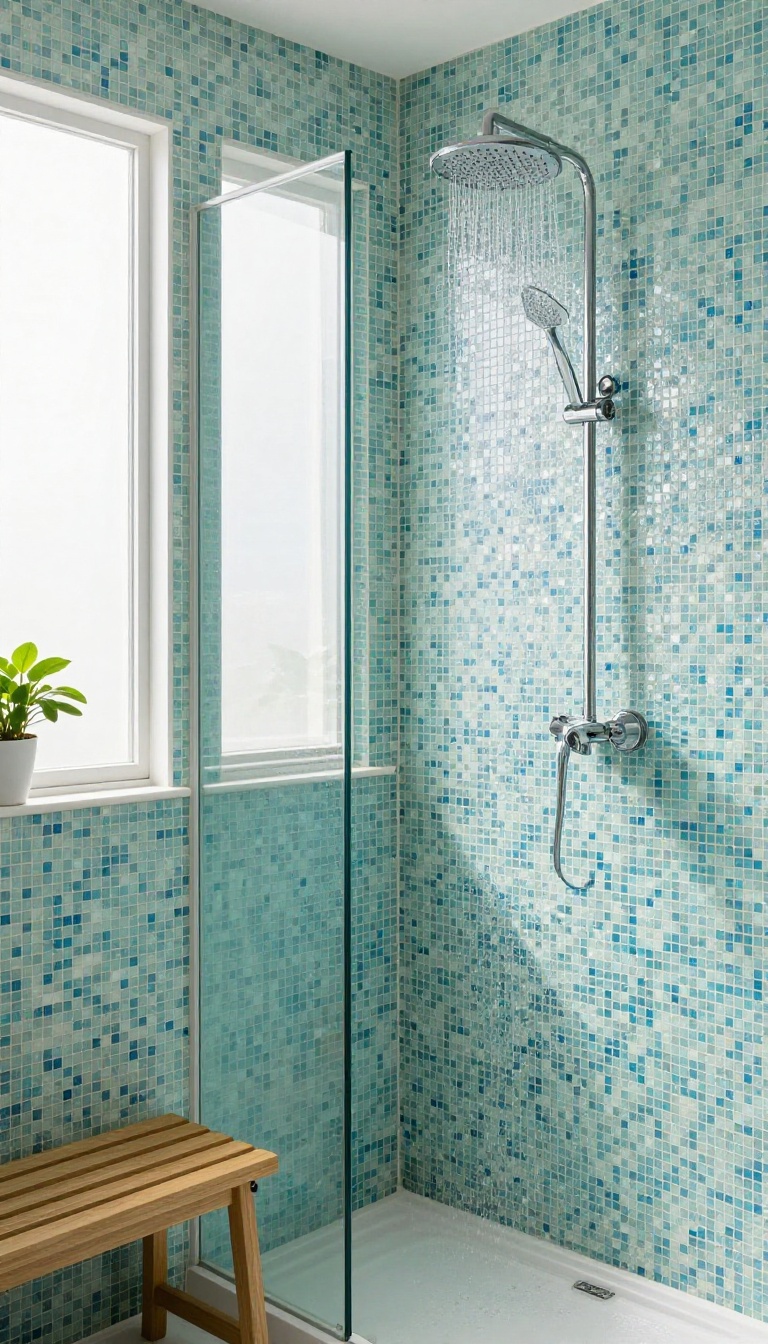
If you want a shower wall that catches the light and adds a touch of glamour, glass mosaic tiles are a brilliant pick. They come in a dizzying array of colors, finishes, and patterns, so you can go bold or keep it subtle. Plus, they're naturally waterproof and easy to clean, making them a practical choice for a wet environment.
Glass mosaics are small tiles mounted on mesh sheets, which makes installation surprisingly straightforward. The tiny tiles create a shimmering surface that reflects light, making a small shower feel larger and more open. You can use them as a full wall for a striking statement or as an accent strip to add a pop of color without overwhelming the space.
Play With Light And Color
One of the best things about glass mosaics is how they interact with light. They can make a dark corner feel brighter and add a sense of depth. Choose a single color for a sleek, modern look, or mix a few shades for a playful, custom design.
The options are endless, so you can truly make the space your own.
Accent Or Full Coverage
Not ready to commit to glass everywhere? Use it as an accent. A vertical strip behind the shower bench or a band at eye level can break up larger tiles and add visual interest.
Or go all-in with a full mosaic wall for a luxurious, spa-like feel. Either way, you'll get that beautiful sparkle.
Maintenance And Durability
Glass is non-porous, so it resists mold and mildew better than many other materials. A quick wipe with a squeegee after each shower keeps it looking brand new. Just be sure to use a grout that's designed for glass to avoid scratching, and you'll have a durable, low-maintenance surface for years.
12. Wood-Look Tiles: Warmth Without the Worry
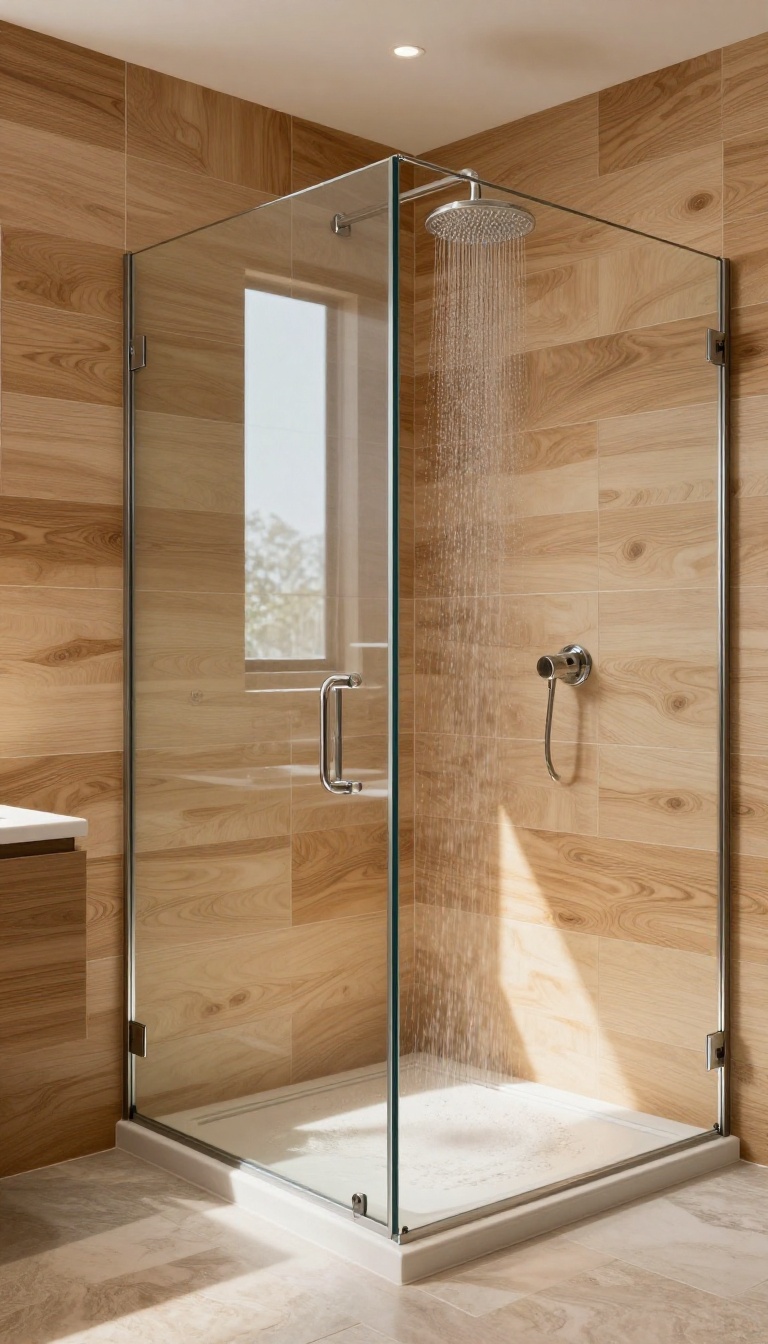
Wood-look porcelain tiles bring the cozy charm of timber into your shower without the maintenance headaches. They mimic natural wood grain so convincingly that guests will do a double-take, yet they're completely waterproof and easy to clean. This option is perfect for anyone who loves the rustic or modern farmhouse aesthetic but wants a practical, long-lasting surface.
Wood-look tiles are a smart choice for shower walls because they offer the best of both worlds: the visual warmth of wood and the durability of ceramic. They come in a range of shades, from light oak to rich walnut, so you can match your existing decor or create a striking contrast. Plus, they're slip-resistant and resistant to moisture, making them ideal for wet areas.
Choose The Right Plank Size
Plank sizes vary from narrow strips to wide boards. For a classic wood floor look, go with longer planks that mimic hardwood. In a small shower, wider planks can make the space feel larger.
Consider the scale of your shower and the overall design when picking the plank dimensions.
Mix Textures For Depth
To avoid a flat, monotonous look, pair wood-look tiles with different textures. For example, use a matte finish on the main walls and a glossy accent strip. Or combine wood-look tiles with natural stone or concrete-look tiles to add visual interest without overwhelming the space.
Layout Patterns That Work
The way you lay the tiles can dramatically affect the vibe. A straight stack pattern gives a clean, modern feel, while a herringbone pattern adds movement and classic charm. For a more casual, rustic look, try a random offset pattern that mimics real wood plank flooring.
13. Mixed Materials: Combining Textures for a Unique Look
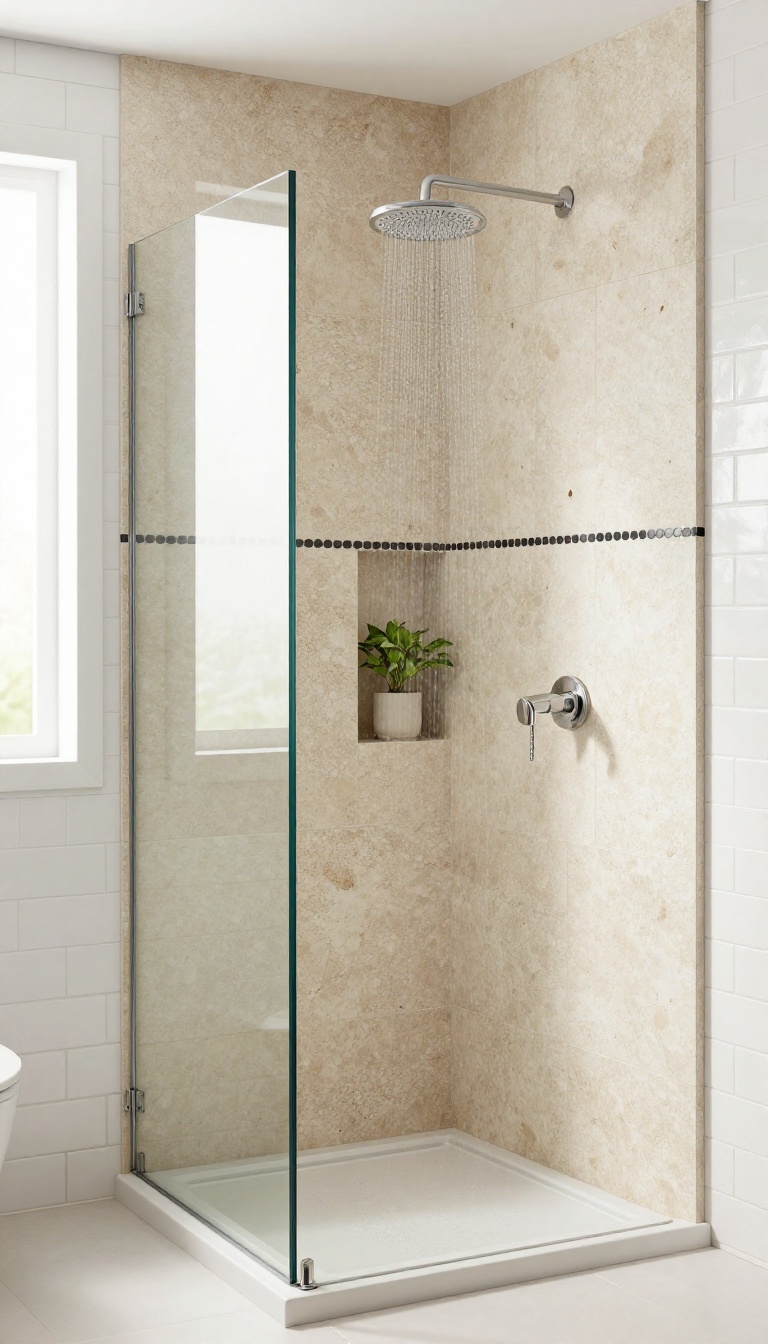
Pairing different tile types in one shower is a design move that adds instant character. Instead of sticking to a single material, you can blend large-format stone with a mosaic accent, or combine glossy subway tiles with a matte porcelain strip. The contrast in texture and finish creates depth that catches the eye without overwhelming the space.
This approach works especially well if you're drawn to more than one style. You get the best of both worlds—the clean lines of a large tile, say, with the intricate detail of a small mosaic. It's a practical way to make your shower feel custom, even if you're working with a modest budget.
Mixing materials in a shower isn't just about looks—it's about creating a focal point that breaks up large expanses of wall. A well-chosen accent can highlight a niche, define a seating area, or simply add a band of interest at eye level. The key is to keep the overall palette cohesive so the combination feels intentional, not random.
Start by choosing a dominant tile for most of the wall. This should be something you love and can live with for years. Then, pick a secondary tile that complements it—either through color, texture, or shape.
Think of the secondary as the supporting actor; it should enhance, not compete. For example, a large-format marble-look tile pairs beautifully with a thin strip of glass mosaic in a matching tone. Or, a classic white subway tile can gain a modern edge with a vertical band of hexagonal matte black tiles.
Another option is to use mixed materials to define different zones within the shower. A wet area with a pebble or slate floor tile can transition smoothly into a smooth wall tile, while a shampoo niche lined with a contrasting mosaic adds a practical touch of flair. This not only looks great but also helps visually separate functions, making the space feel more organized.
When combining textures, pay attention to the grout color. A neutral grout that blends with both tiles will unify the look, while a contrasting grout can emphasize the pattern. Also, consider the scale of the tiles—mixing very large and very small can be striking, but ensure the transition doesn't feel jarring.
A good rule of thumb is to keep the color palette within two or three tones, letting texture do the heavy lifting.
Choosing A Dominant Tile
Your dominant tile sets the tone for the entire shower. Large-format tiles in neutral colors like warm gray, beige, or soft white are a safe bet because they create a calm backdrop. They also mean fewer grout lines, which makes cleaning easier and gives a more expansive feel.
Consider the finish: a polished surface reflects light and brightens the space, while a matte finish adds a subtle, modern touch. Pick a tile that you won't tire of quickly—this is the foundation of your design.
Selecting An Accent Tile
The accent tile is where you can have a little fun. Mosaics are a popular choice because they come in a wide range of colors, materials, and patterns. Glass mosaics add shimmer and depth, while natural stone mosaics bring an organic, earthy feel.
You could also use a contrasting shape, like hexagons or arabesque, to create visual interest. The key is to use the accent sparingly—as a niche liner, a horizontal band, or a vertical stripe—so it stands out without dominating.
Placement Strategies
Where you place the mixed materials matters as much as the materials themselves. A common approach is to run a band of accent tile at eye level, about 54 inches from the floor, which draws the eye naturally. Another idea is to use accent tiles to frame a niche or a bench, making those features pop.
For a more dramatic effect, you could dedicate one wall to a different tile entirely, creating a feature wall that becomes the shower's centerpiece. Just be sure to plan the layout in advance to avoid awkward cuts at corners or edges.
FAQ
What is the most durable tile for shower walls?
Porcelain and ceramic tiles are the most durable for shower walls because they are dense, moisture-resistant, and easy to clean. Natural stone is also durable but requires sealing to prevent staining.
How do I choose the right tile size for a small shower?
For small showers, larger tiles (like 12×24 inches) can make the space feel bigger by reducing grout lines. Alternatively, small mosaic tiles can add texture and grip, but they have more grout to clean.
Should I use matte or glossy tile in the shower?
Glossy tiles reflect light and are easier to wipe down, but they can be slippery when wet. Matte tiles offer better traction and a more subtle look, but may require more maintenance to keep clean.
Can I mix different tile patterns in the shower?
Yes, mixing patterns can create a custom look. Use a bold pattern as an accent wall or niche, and keep the rest of the shower more neutral to avoid overwhelming the space.
What is the best way to clean shower wall tiles?
Use a mild, pH-neutral cleaner and a soft sponge or cloth. Avoid abrasive scrubbers that can scratch the tile surface. Regular cleaning prevents soap scum and mildew buildup.
Conclusion
Choosing the right shower wall tile is a chance to express your style while creating a practical, easy-to-maintain space. From classic subway to bold patterns, each idea offers a way to make your shower feel fresh and inviting.
Take your time to consider the size, color, and texture that best suits your bathroom and lifestyle. With the right tile, your shower can become a daily retreat that looks custom-made for you.