13 Bath and Shower Combo Ideas for a Calm, Functional Layout
Balancing a bathtub and a shower in one space can feel like a design puzzle, but the right combo turns that challenge into a daily luxury. Whether you're working with a compact guest bath or a sprawling master suite, these 13 layouts blend soaking comfort with quick-rinse convenience.
From walk-in tubs with rainfall heads to clawfoot classics with modern shower rings, each idea tackles a specific need—like accessibility, space saving, or spa-style indulgence. The trick is matching the setup to how you actually use the room, and these options make that easier than you'd think.
Get ready to rethink what a tub-shower combo can do for your home.
1. Walk-In Tub with a Rainfall Shower
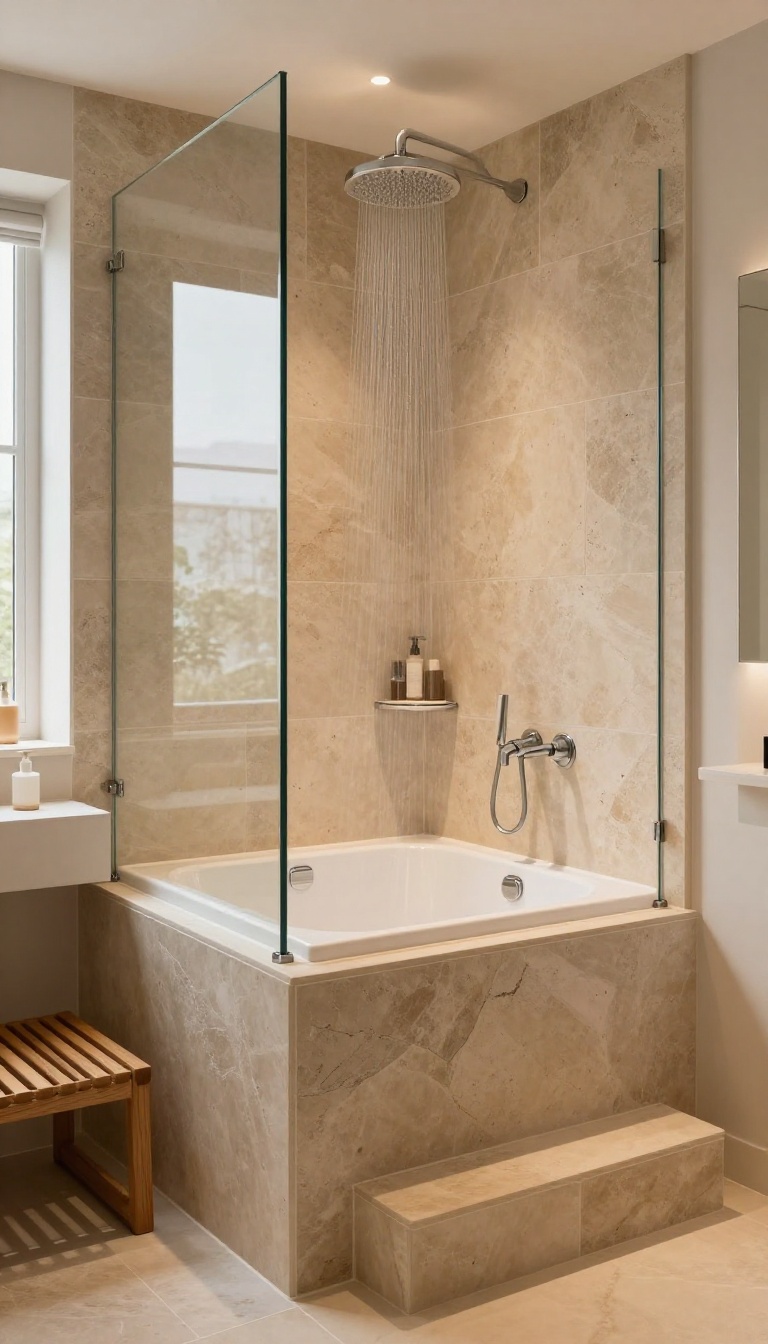
A walk-in tub paired with a rainfall shower is a smart choice for anyone who wants both safety and a touch of spa luxury. The low threshold makes stepping in and out feel effortless, which is a huge plus for older adults or anyone with mobility concerns. Meanwhile, the overhead rainfall showerhead delivers a gentle, soaking spray that turns an everyday rinse into a calming ritual.
This combo works especially well in primary bathrooms where you want to age in place without sacrificing style. The walk-in tub’s door seals tightly to prevent leaks, and the built-in seat lets you sit comfortably while the water cascades down. You get the deep soak of a traditional tub, but with the convenience of a stand-up shower when you’re short on time.
Why It Works For All Ages
The low step-in height reduces fall risk, making it a practical option for multigenerational households. Kids can climb in easily, and grandparents won’t struggle with a high tub wall. The rainfall showerhead is mounted overhead, so there’s no need to reach for a handheld sprayer unless you want one.
Space And Installation Tips
Walk-in tubs take up more floor space than standard tubs, so measure your bathroom carefully. You’ll need a dedicated water heater or a larger tank to fill the tub efficiently. Consider a model with a quick-drain feature to minimize waiting time after your soak.
Design Ideas To Make It Feel Luxurious
Use natural stone tiles on the surround and a frameless glass panel to keep the space open. Add a teak bench or a small shelf for toiletries. Soft, warm lighting and a dimmer switch can enhance the spa vibe.
Choose a matte black or brushed nickel rainfall head to match your fixtures.
2. Freestanding Tub with a Separate Shower Enclosure
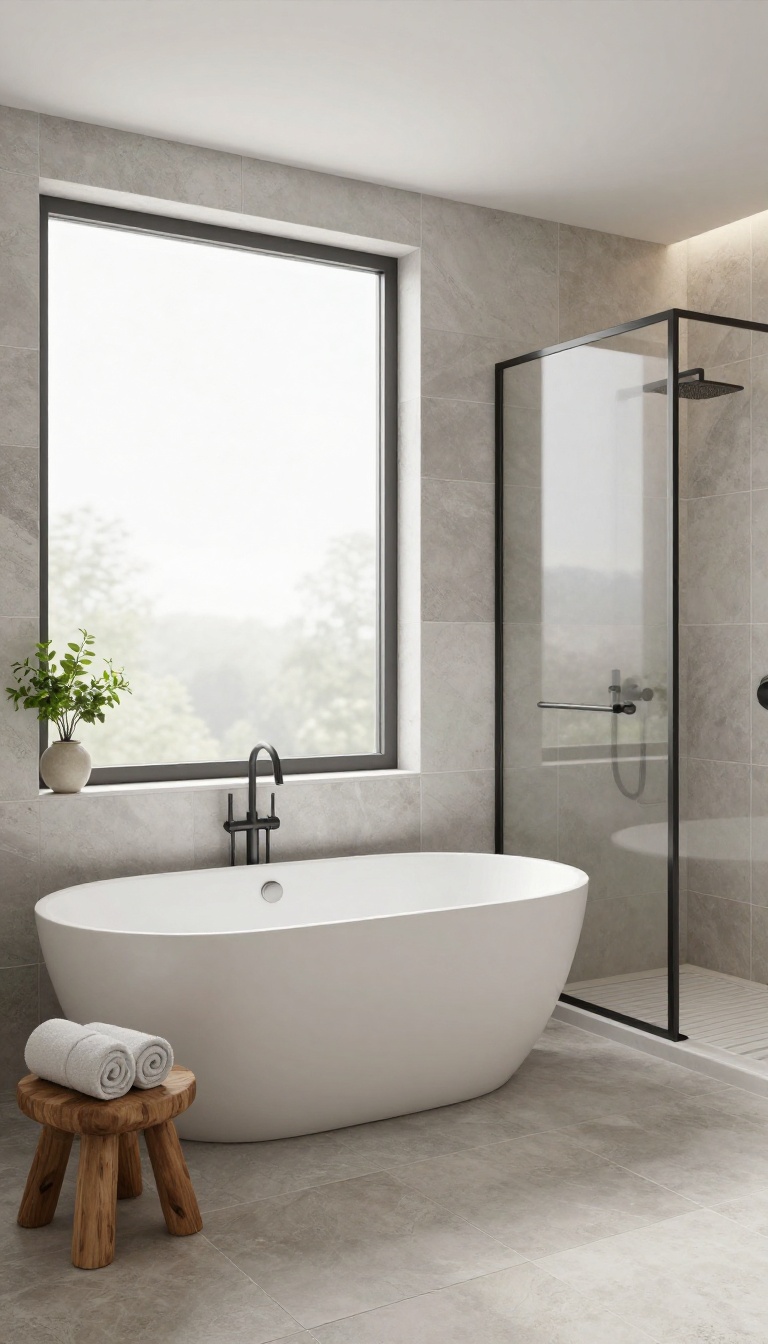
When space isn't a constraint, separating the tub and shower feels like a breath of fresh air. A freestanding tub paired with a glass-enclosed shower gives you the best of both worlds without compromise. This setup turns your bathroom into a personal retreat, where the tub becomes a sculptural centerpiece and the shower offers a practical, dedicated rinse zone.
This layout works best in larger bathrooms where you can give each element room to breathe. The freestanding tub, often placed near a window or as the focal point, invites long soaks. Meanwhile, the glass-enclosed shower keeps water contained and adds a sleek, modern touch.
The key is to position them so they don't compete for attention but complement each other in flow and function.
Why This Combo Works
Separating the two eliminates the need for a shower curtain or a tub with a built-in shower, which can feel cramped. You get a proper shower space with room to move, and a tub that stays dry and inviting. This layout also adds resale value, as it's a sought-after feature in many homes.
Placement And Flow
Think about how you move through the bathroom. Place the shower near the entry or in a corner to keep the path clear, and let the tub anchor the room, maybe under a window or against a feature wall. Leave enough gap between them—at least 18 inches—so you can easily clean and access both.
Style And Material Ideas
A clawfoot tub adds vintage charm, while a modern oval tub feels sleek. For the shower, clear glass with minimal framing keeps the space airy. Use natural stone or large-format tiles to tie the two areas together, and add a bench or niche in the shower for a spa-like touch.
3. Corner Tub-Shower Combo with a Curved Rod
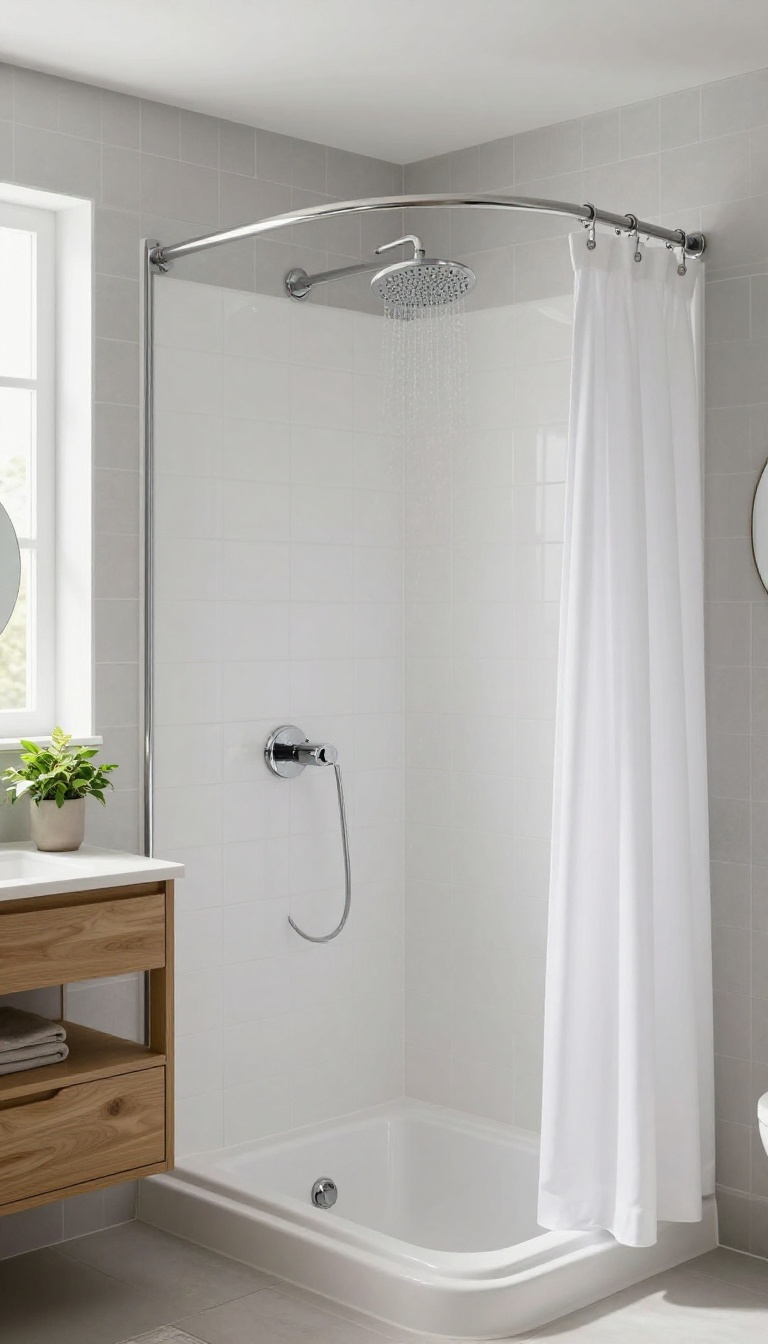
Corners often get overlooked, but they're prime real estate for a tub-shower combo. Tucking the unit into a corner frees up the rest of the bathroom for a vanity, toilet, or storage. A curved shower rod adds a few extra inches of elbow room, making the space feel more open and comfortable.
This setup works especially well in small bathrooms where every square foot counts. The tub sits diagonally across the corner, and the shower head mounts on the wall above it. A curved rod extends outward, giving you more room to move without bumping into a straight curtain.
It's a simple, effective way to combine bathing and showering without sacrificing floor space.
Why A Curved Rod Matters
A standard straight rod can make a shower feel cramped, especially in a corner. The curved design bows outward, adding up to 6 inches of extra space at the center. That extra room means less chance of the curtain clinging to you while you wash.
It also makes the shower feel more spacious, which is a big win in a compact bathroom.
Choosing The Right Tub
For a corner setup, you'll want a tub that fits snugly without wasting space. Alcove tubs with a 60-inch length are common, but you can also find corner-specific models that are triangular or have a unique shape. Look for a tub with a flat bottom and a comfortable depth—deep enough for a soak but not so deep that stepping in feels like a climb.
A non-slip surface is a must for safety.
Curtain Vs. Glass Door
A curved rod pairs naturally with a shower curtain, which is affordable and easy to swap out. But if you prefer a more polished look, a curved glass door can be custom-fit to the corner. Glass doors make the bathroom feel brighter and more open, but they require more cleaning to keep water spots at bay.
Consider your maintenance tolerance before deciding.
4. Alcove Tub with a Glass Panel
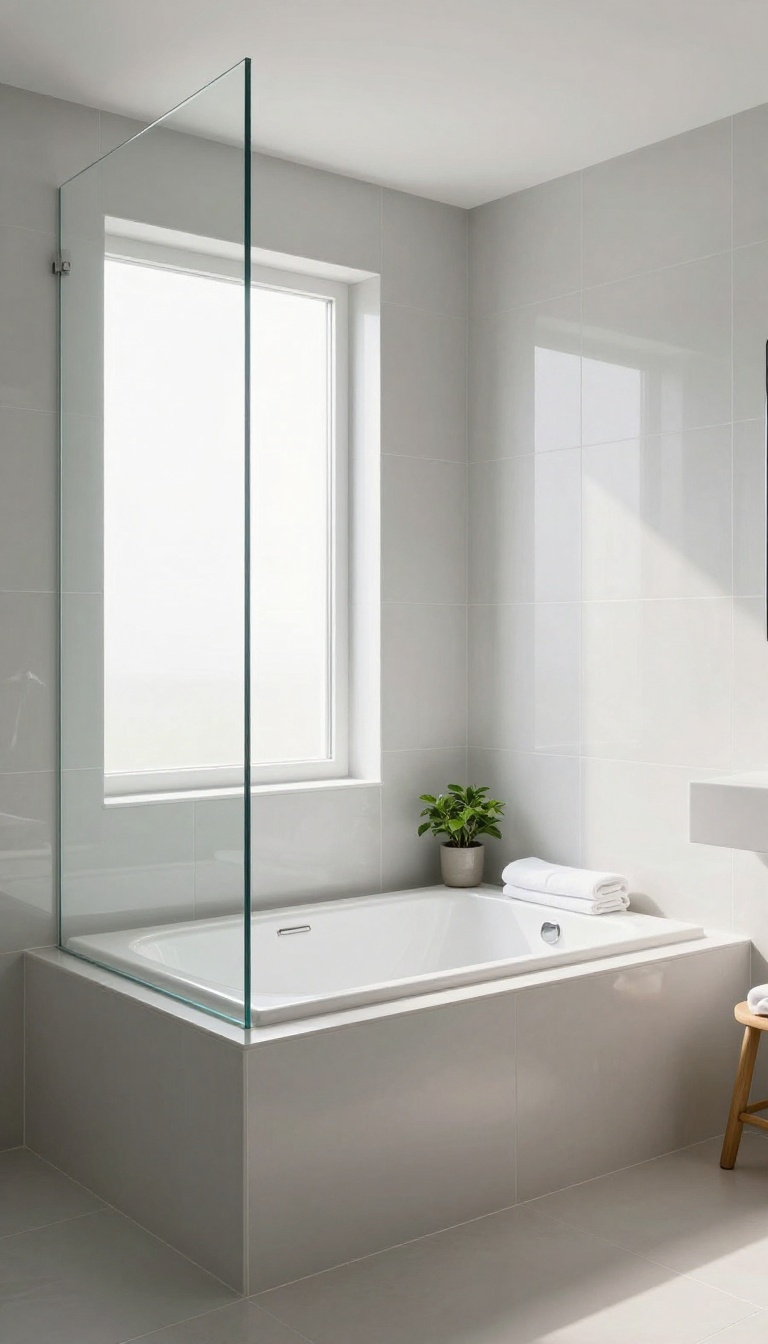
An alcove tub is a classic space-saver, but the standard shower curtain can make it feel cramped and dated. Swapping that curtain for a fixed glass panel changes the whole vibe. It opens up the visual space, lets in more light, and gives the bathroom a clean, modern edge while still keeping water where it belongs.
The glass panel acts as a sleek barrier that prevents splashes without the visual weight of a curtain. It's a simple upgrade that makes the tub area feel larger and more connected to the rest of the room. Plus, you'll never have to deal with a damp, clingy curtain again.
Why It Works
An alcove tub already fits neatly between three walls, so the only open side is where the shower happens. A glass panel seals that side without blocking sightlines. The result is a bright, open feel that makes even a small bathroom seem more spacious.
Glass Options To Consider
You can choose clear glass for an unobstructed look, frosted for more privacy, or textured for a decorative touch. Frameless panels offer the sleekest appearance, while framed versions are often more budget-friendly. Think about how much maintenance you're willing to do—clear glass shows water spots, but a squeegee after each shower keeps it spotless.
Installation And Maintenance Tips
Installing a glass panel usually requires a professional, especially if you're adding a new hinge or track. Make sure the panel is tempered safety glass and that the bottom seal fits snugly against the tub edge. For daily upkeep, a simple glass cleaner and a microfiber cloth work wonders.
Over time, you'll appreciate how easy it is to keep clean compared to a curtain.
5. Tub-Shower Combo with a Built-In Bench
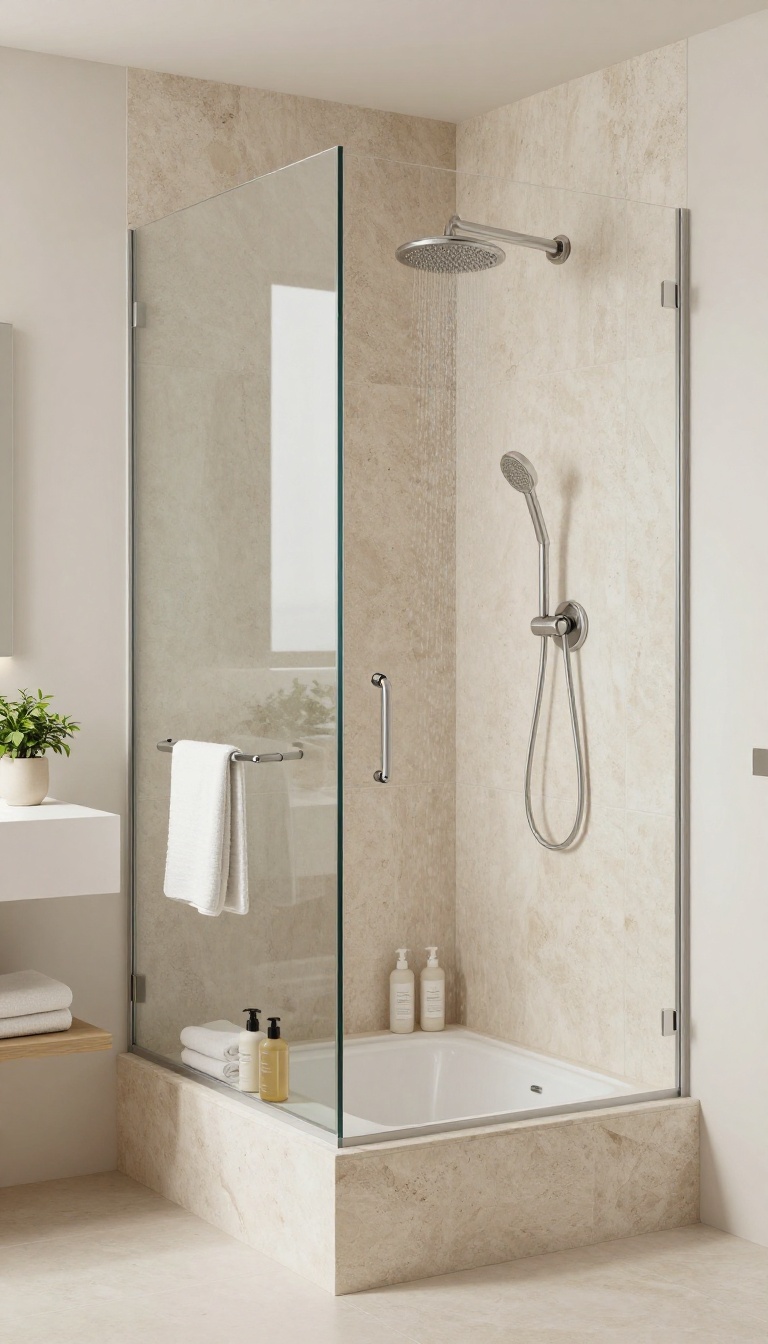
A built-in bench inside the shower area is one of those features you don't realize you need until you have it. It gives you a safe spot to sit while you scrub your feet or just let the water run over you after a long day. It also doubles as a handy ledge for shampoos, soaps, and razors, keeping everything within arm's reach without cluttering the floor.
The bench isn't just about comfort—it's a practical addition that makes the space work harder. Whether you're planning a new build or a remodel, adding a bench can transform an ordinary tub-shower combo into a more functional and enjoyable part of your daily routine. Here's how to make it work for you.
Why A Bench Makes Sense
A bench in the shower is a game-changer for anyone who values convenience or needs a little extra support. It's perfect for families with kids who need a safe place to sit, or for anyone recovering from an injury. It also gives you a natural spot to rest your leg when shaving, which is a small but real luxury.
Plus, it eliminates the need for a separate caddy, freeing up wall space and keeping the shower floor clear.
Design Ideas For Different Spaces
You don't need a massive bathroom to add a bench. In a compact alcove, a corner bench that wraps around the wall saves space while still offering a seat. For larger tub-shower combos, a full-length bench along one wall gives you room to stretch out.
You can also go with a floating bench that sits just above the floor, making cleaning underneath a breeze. Match the bench material to your tile—natural stone or quartz look sleek, while tile-covered benches blend seamlessly into the walls.
Materials And Safety Considerations
Safety should be top of mind when choosing bench materials. Look for textured or slip-resistant surfaces to prevent falls when wet. Consider adding a slight slope to the bench so water doesn't pool.
For the structure, make sure it's properly waterproofed and sloped to drain. If you're not sure about the build, consult a professional—a bench that's not installed correctly can lead to leaks or structural issues down the road.
6. Japanese Soaking Tub with a Handheld Shower
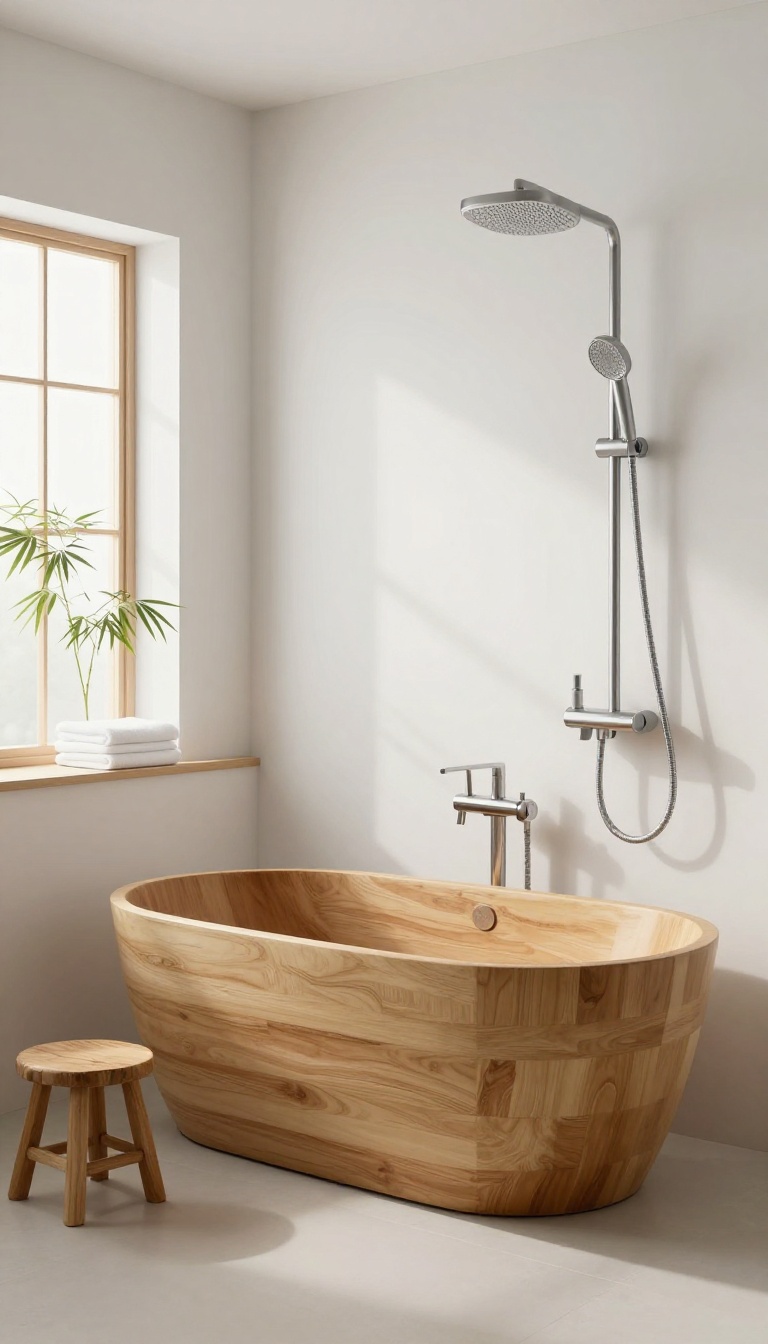
If you've ever soaked in a deep Japanese ofuro, you know the appeal: chest-deep water, total immersion, and a quiet, meditative feel. Pair that with a handheld shower, and you get a setup that handles both quick rinses and long, restorative baths. The handheld shower is perfect for washing off before you slip into the tub, and the tub's depth means you can actually submerge your shoulders without spilling over.
This combo works especially well in smaller bathrooms where a separate shower stall just isn't feasible. The deep tub takes up less floor space than you might think, and the handheld shower eliminates the need for a bulky glass enclosure. Plus, the minimalist aesthetic of a Japanese soaking tub brings a calm, spa-like vibe to any bathroom.
Why A Handheld Shower Makes Sense
A handheld shower isn't just a compromise—it's actually more versatile in this setup. You can direct the water exactly where you need it, whether that's rinsing your hair, cleaning the tub, or washing a child. It also makes the tub easier to fill and drain, and you can mount it at a height that works for both sitting and standing.
Space And Placement Tips
To make this work, you'll want to place the tub against a wall with the handheld shower mounted nearby, ideally within arm's reach from both inside and outside the tub. A built-in ledge or shelf gives you a spot for shampoo and soap. If you're renovating, consider a freestanding tub with a floor-mounted faucet and a separate handheld unit—it keeps the look clean and uncluttered.
Materials And Maintenance
Japanese soaking tubs are often made from wood, stone, or acrylic. Wood (like hinoki) is beautiful but requires more care, while acrylic is low-maintenance and budget-friendly. Whichever you choose, make sure the handheld shower has a flexible hose and a secure holder.
Regular cleaning will keep the tub and shower looking fresh, especially if you use a squeegee after each use.
7. Tub-Shower Combo with a Skylight
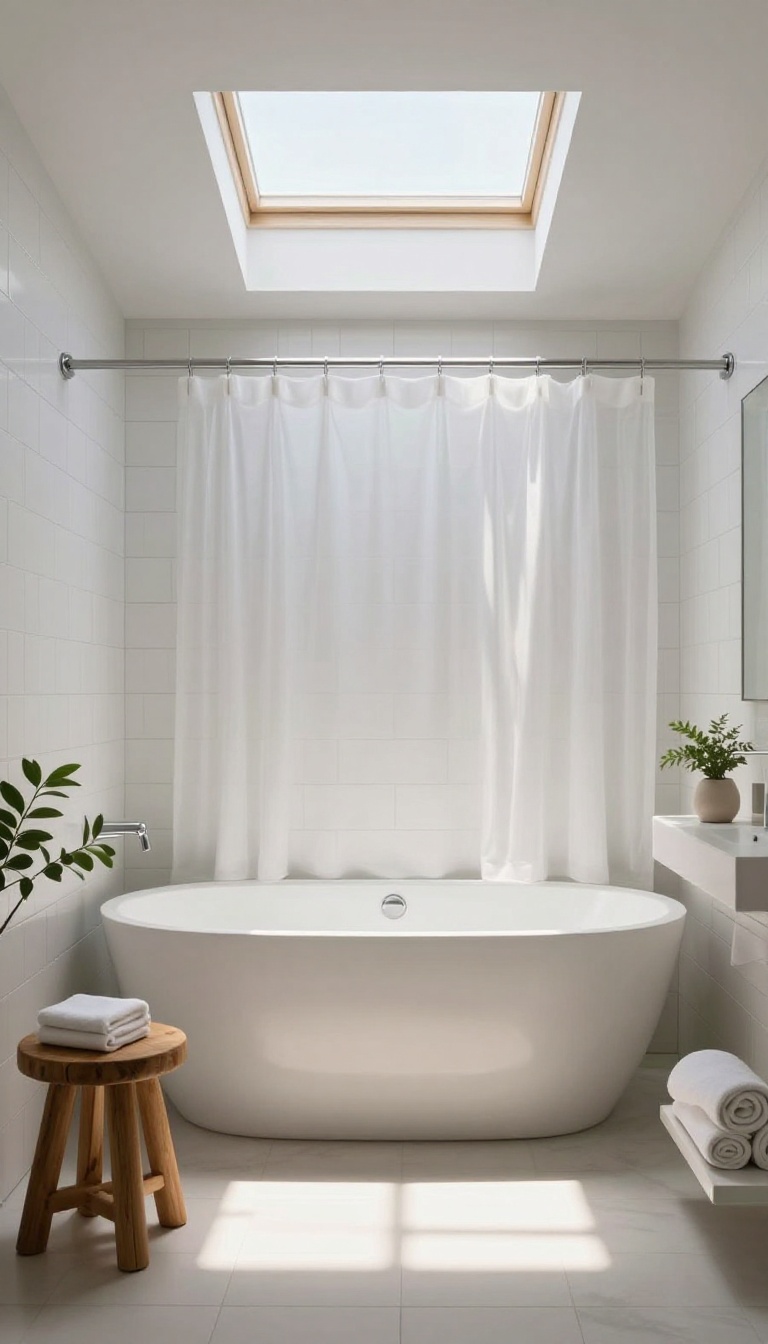
Natural light can transform a bathroom from a purely functional space into a serene retreat. A skylight positioned above the tub-shower area is a design choice that pays off every single day, flooding the space with soft, changing light that makes the room feel larger and more inviting. It's a simple addition that elevates the entire bathing experience, turning a daily routine into a moment of calm.
When you add a skylight to your tub-shower combo, you're not just brightening the room—you're creating a connection to the outdoors. The light shifts throughout the day, casting interesting patterns on the water and tiles, which adds a dynamic, almost artistic quality to the space. Plus, the natural light can make a small bathroom feel significantly more spacious, reducing the need for harsh artificial lighting during the day.
It's an upgrade that blends beauty with practicality, making your bathroom a place you'll genuinely look forward to using.
Choose The Right Skylight
Not all skylights are created equal. For a bathroom, you'll want a skylight with a moisture-resistant seal and tempered glass to handle humidity and potential condensation. Consider a venting skylight—it opens to let out steam and improve air circulation, which is a huge plus in a bathroom.
Fixed skylights are simpler and more energy-efficient, but if you can, a venting option is worth the investment. Also, think about the placement: a skylight directly above the tub or shower will give you that lovely light while you bathe, but make sure it's positioned to avoid direct glare during peak sun hours.
Privacy And Light Control
One worry people have with skylights is privacy. But since skylights are on the ceiling, they're naturally private—no one can see in from outside. However, you may want to control the amount of light, especially if you like a dark, cozy bath.
Install a skylight shade or blind that you can easily close. There are even motorized options with remote controls, so you can adjust the light without getting out of the tub. This way, you get the best of both worlds: natural light when you want it, and total privacy and darkness when you don't.
Enhance The Ambiance With Design
A skylight is a feature that deserves to be highlighted. Frame it with a light-colored trim to draw the eye upward, and consider adding a light tube or two to amplify the brightness in the surrounding area. Pair the skylight with warm, neutral tones on the walls and natural materials like wood or stone to create a spa-like feel.
You can also add a dimmer switch for your artificial lights to mimic the natural light's softness in the evening. The goal is to make the skylight feel like an intentional part of the design, not just an afterthought.
8. Clawfoot Tub with a Shower Ring
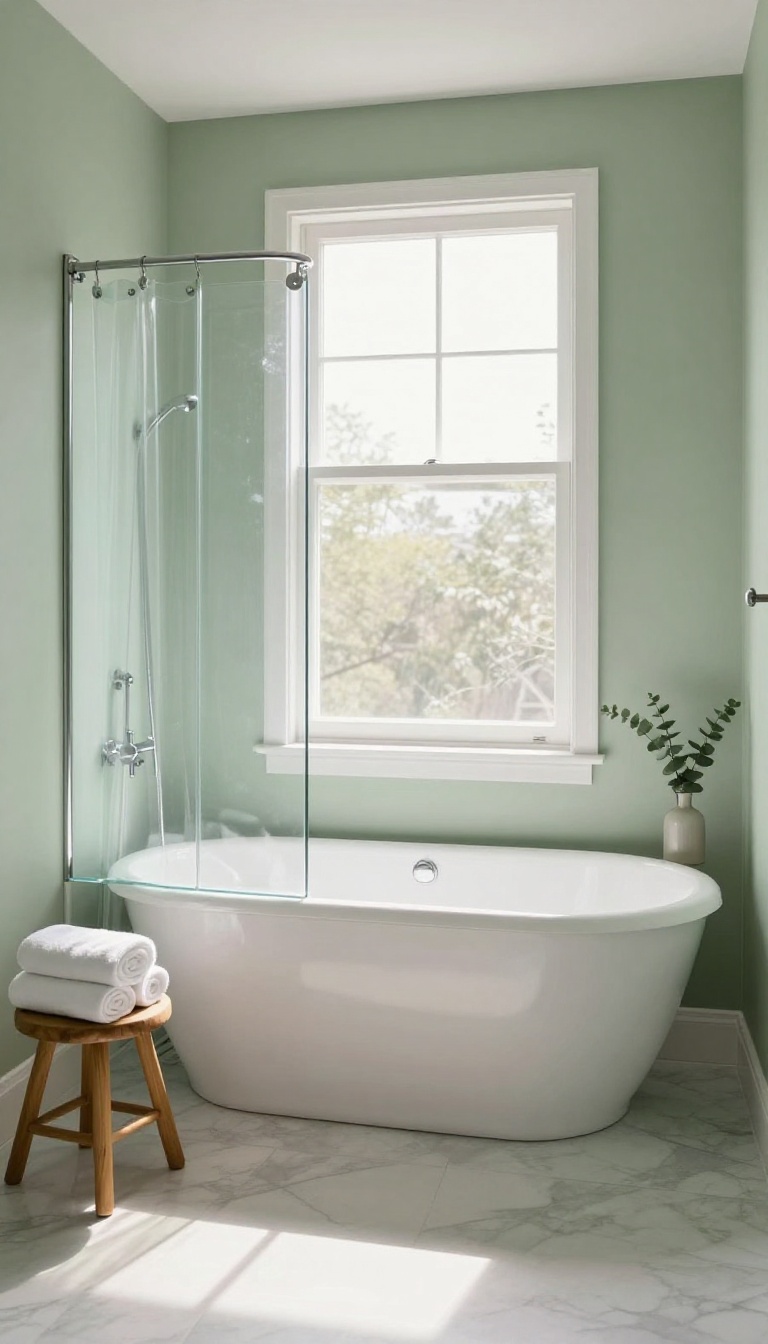
There’s a reason clawfoot tubs never go out of style—they bring instant character to any bathroom. Add a shower ring, and you get the best of both worlds: a deep, luxurious soak and a practical daily shower. The ring holds a curved curtain rod that keeps water where it belongs, so you don’t have to sacrifice charm for function.
This setup works especially well in larger bathrooms where the tub can stand alone, but it can also fit into a corner if space is tight. The key is choosing the right ring and curtain to match your tub’s proportions. A standard clawfoot tub is about 60 inches long, so look for a ring that fits that size without overwhelming the room.
You’ll also want a water-resistant curtain liner to protect your floor from splashes.
Choosing The Right Shower Ring
Not all shower rings are created equal. Some attach to the ceiling for extra stability, while others mount to the wall or use a freestanding frame. Ceiling-mounted rings are the most common and give you a clean, open feel.
Wall-mounted options are simpler but might limit where you can place the tub. Freestanding rings are great for flexibility but take up more visual space. Measure your tub and ceiling height before you buy.
Curtain And Liner Tips
Pick a fabric curtain that complements your bathroom’s style—think linen for a breezy look or a bold pattern for a pop of color. Always pair it with a plastic or fabric liner to keep water from dripping onto the floor. Use a curved rod to maximize elbow room inside the shower, and make sure the curtain is long enough to reach the tub’s rim.
Weighted magnets at the bottom can help keep the curtain in place.
Maintenance And Longevity
Clawfoot tubs are durable, but the shower ring and curtain need regular care. Wipe down the ring after each use to prevent water spots and rust, especially if it’s metal. Wash the curtain and liner monthly to avoid mildew buildup.
Check the ring’s mounting points periodically to ensure they’re still secure. With a little upkeep, this combo will look great for years.
9. Tub-Shower Combo with a Niche Shelf
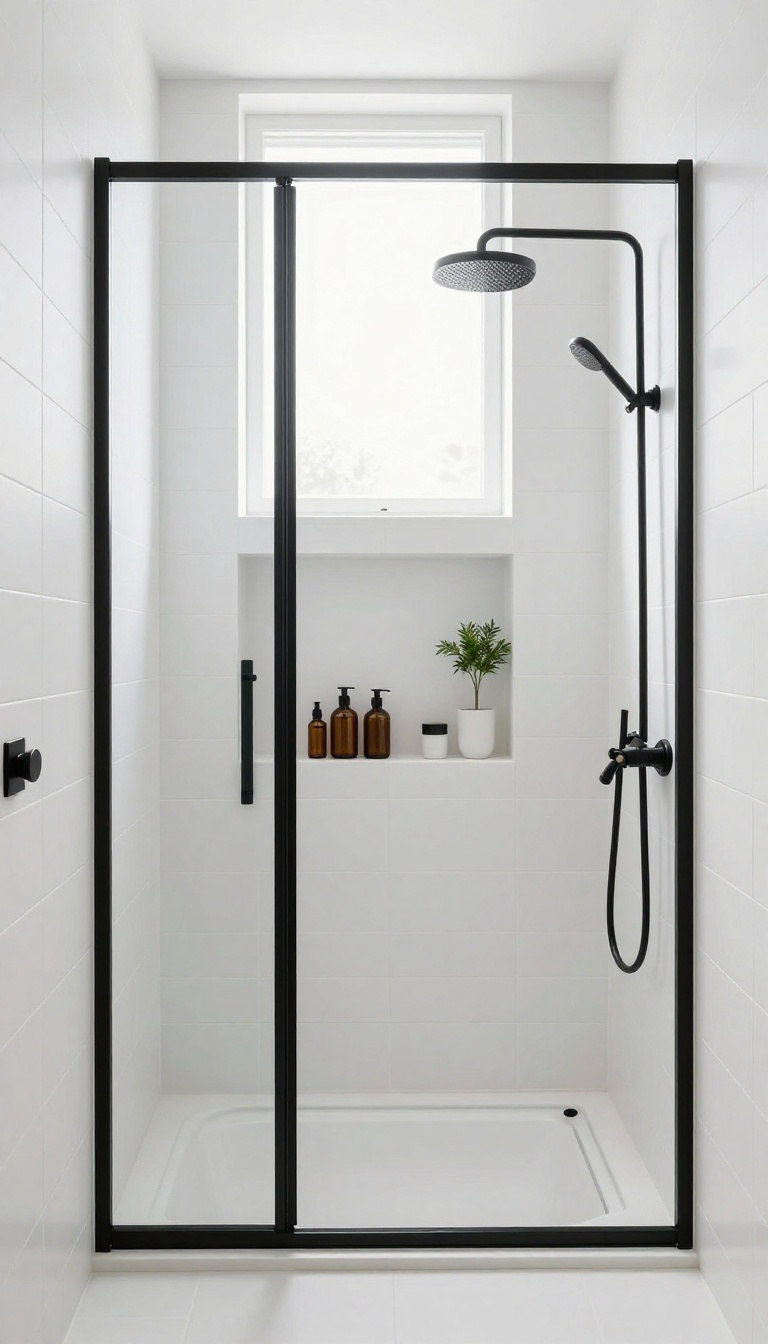
Shampoo bottles lining the tub edge can turn a relaxing soak into a game of Jenga. A recessed niche built into the shower wall gives you a dedicated spot for all those essentials, keeping the tub rim clear and the space looking tidy. It's a simple upgrade that makes a big difference in how the bathroom feels and functions.
A niche shelf is basically a built-in cubby in the wall, usually between the studs. It's a perfect place for soap, shampoo, and conditioner, and it keeps everything within easy reach without getting in the way. Plus, it adds a touch of custom detail that feels more polished than a hanging caddy.
Why A Niche Beats A Caddy
Shower caddies can rust, wobble, and look cluttered. A niche is permanent, clean, and easy to clean. You can also customize the size and number of shelves to fit exactly what you need.
It's a one-time installation that pays off every day.
Placement And Size Tips
Aim for the niche around chest height, so you don't have to bend or stretch. A standard 12×12 inch niche works for most bottles, but you can go larger if you have tall products. Make sure it's angled slightly downward so water doesn't pool.
Styling Your Niche
Use matching bottles or simple glass containers for a spa-like look. Add a small plant or a bar of soap for a touch of color. Keep it minimal to avoid visual clutter.
The niche should feel like part of the design, not an afterthought.
10. Zero-Threshold Shower with a Built-In Tub
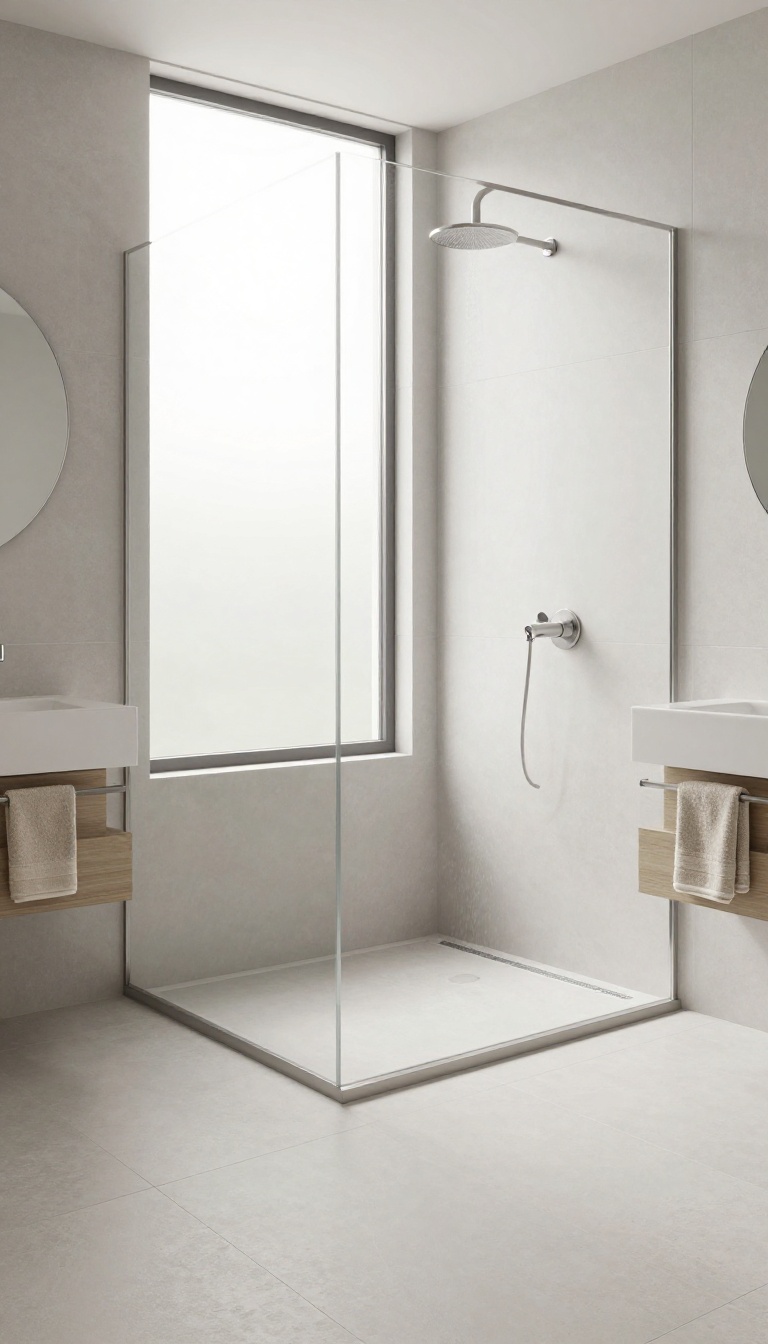
A curbless shower that flows into a built-in tub is a game-changer for anyone who wants both accessibility and sleek design. This setup removes the step-over barrier, making it safer for kids, older adults, or anyone with mobility concerns. Plus, the seamless look feels ultra-modern and makes the bathroom appear larger.
The zero-threshold shower with a built-in tub combines the ease of a walk-in shower with the luxury of a deep soak. The floor continues from the wet area into the rest of the bathroom, creating a clean, uninterrupted line. This design works especially well in master suites or main bathrooms where aging in place is a priority, but it’s also a favorite for minimalist aesthetics.
Why Go Curbless?
Eliminating the curb means no more tripping hazards. It’s a relief for anyone with limited mobility or who uses a wheelchair. The open floor also makes cleaning a breeze—just squeegee everything toward the drain.
And visually, the lack of a barrier makes the room feel more spacious.
Built-in Tub Options
You can choose a freestanding tub that sits within the shower area, or a drop-in tub that’s surrounded by tile. A freestanding tub adds a sculptural focal point, while a drop-in tub integrates more seamlessly. Either way, make sure the tub has a low rim to keep the transition smooth.
Drainage And Slope
Proper slope is crucial to keep water from escaping the shower zone. Work with a professional to ensure the floor pitches gently toward a linear drain. A linear drain along the tub edge or across the shower area handles water efficiently and looks sleek.
Glass And Privacy
A fixed glass panel or a frameless glass screen can contain splashes without closing off the space. If you prefer more privacy, consider a partial wall or a frosted glass panel. The goal is to keep the open feel while managing water.
11. Tub-Shower Combo with a Steam Feature
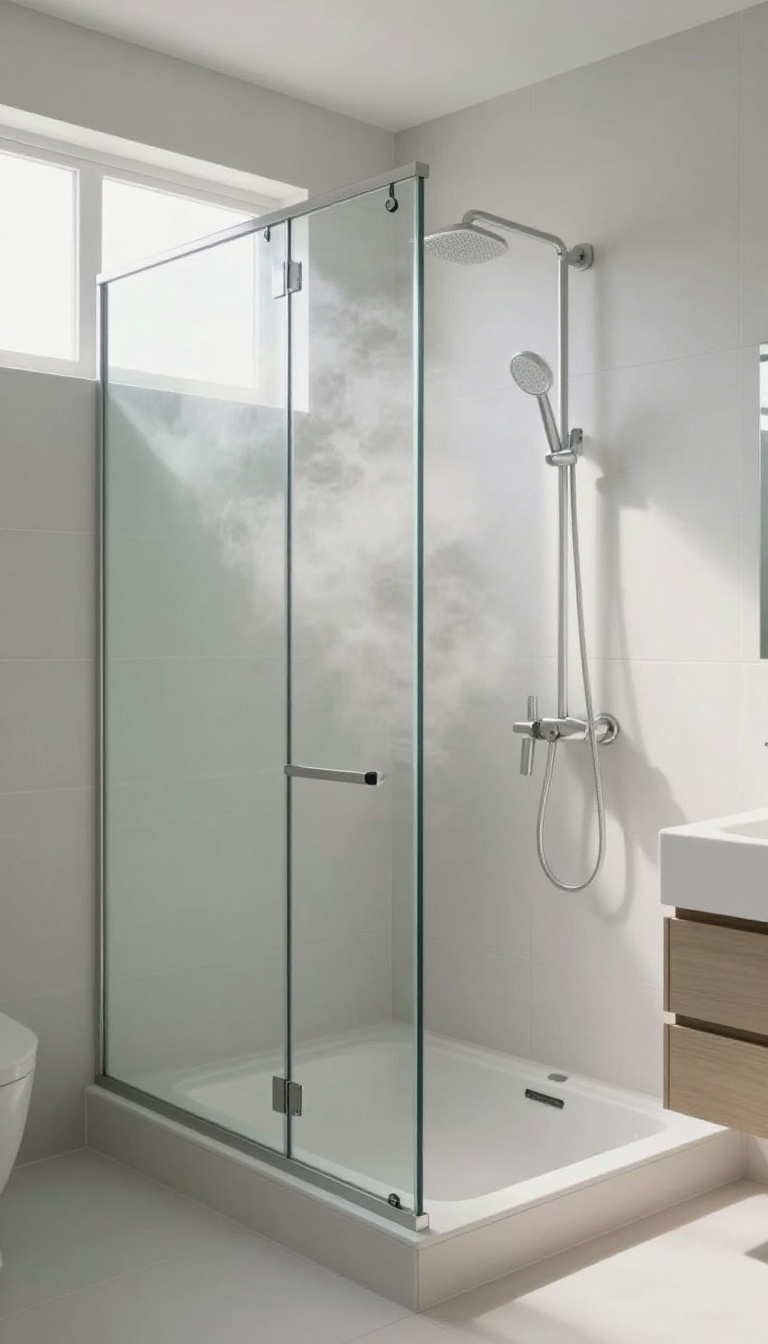
Steam isn't just for standalone showers. Tucking a steam generator into your tub-shower combo turns an ordinary bathroom into a personal wellness retreat. The combination of steam and a warm soak offers a double dose of relaxation that's hard to beat.
It's a clever upgrade if you love spa days but don't have the space for a separate steam room.
Adding steam to a tub-shower combo works best when the enclosure is fully sealed. You'll need a glass door that closes tightly and a ceiling that's sloped to keep condensation from dripping. The generator itself can be installed in a nearby cabinet or closet, with the steam outlet placed near the floor.
This setup lets you enjoy a steamy shower, then transition to a calming bath without ever leaving the enclosure.
Steam Generator Placement And Control
The generator is the heart of this setup, and where you put it matters. Most units fit in a vanity base or a nearby closet, with a control panel mounted inside the bathroom. Look for a model with programmable settings so you can set the steam duration and temperature in advance.
That way, the bathroom is pre-warmed and steamy right when you step in.
Enclosure And Ventilation Considerations
Steam needs a sealed space to work effectively. Choose a glass enclosure with a tight-fitting door and minimal gaps. Proper ventilation is also key—an exhaust fan with a timer helps clear humidity after your session, preventing mold and mildew.
Adding a small vent near the ceiling can also help regulate airflow without losing steam.
Materials That Resist Moisture
Because steam adds extra moisture, your materials need to be up to the task. Porcelain tile, natural stone, and waterproof paint are good choices for walls. For the ceiling, consider a moisture-resistant drywall or a tongue-and-groove cedar plank that can handle the humidity.
These materials not only look great but also hold up over time.
Spa-like Extras To Enhance The Experience
Take the steam feature up a notch with a few thoughtful additions. A built-in bench or a foldable teak seat gives you a place to sit while the steam works its magic. Aromatherapy trays that hold essential oils can be placed near the steam outlet, filling the space with calming scents.
And dimmable lighting lets you adjust the mood from bright to serene.
12. Double Showerheads with a Tub
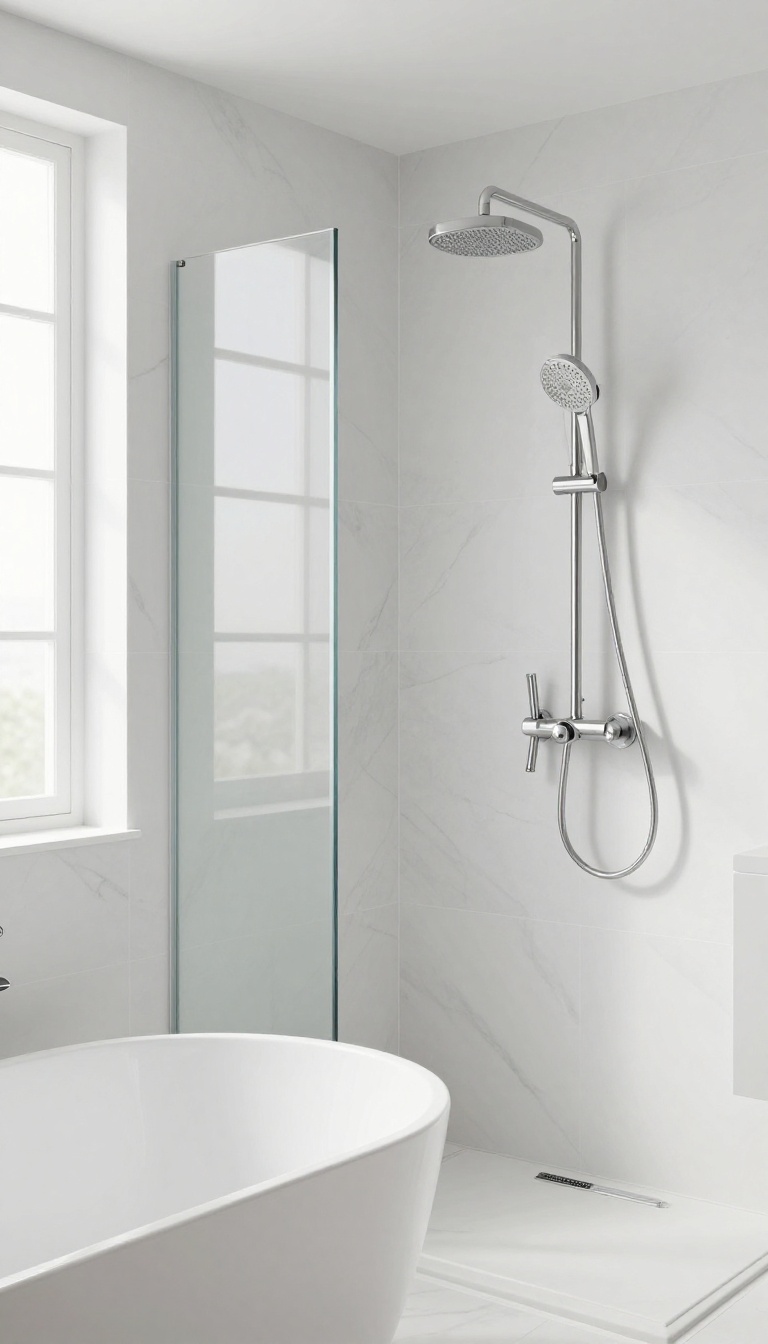
Sharing a bathroom can test your patience, especially during the morning rush. A tub-shower combo with two showerheads solves that by letting two people shower at once without stepping on each other's toes. It's a practical upgrade that feels indulgent, turning a cramped routine into a seamless, spa-like experience.
Installing a second showerhead in a tub-shower combo is more straightforward than you might think. You can choose from a fixed overhead rain head paired with a handheld, or two wall-mounted heads on opposite sides. The key is positioning them so each person has enough elbow room.
A diverter valve lets you use one or both simultaneously, giving you flexibility for solo showers or shared ones. This setup is especially handy for families with teens or couples with mismatched schedules.
How To Make It Work In A Standard Tub
You don't need a massive bathroom to enjoy dual showers. In a standard alcove tub, mount one showerhead on the back wall and the other on a side wall, angling them inward. Use a slide bar for the handheld so it can be adjusted for different heights.
If space is tight, opt for a single overhead rain head and a handheld on a flexible hose—this gives you the dual effect without needing extra wall space.
Choosing The Right Fixtures
Look for showerheads with independent controls or a thermostatic valve that maintains a constant temperature. This prevents sudden cold or hot blasts when both are running. Consider models with multiple spray patterns—like mist, massage, or rain—so each person can customize their experience.
Also, check the flow rate and water pressure; a high-efficiency head can save water without sacrificing performance.
Adding A Touch Of Luxury
Beyond function, double showerheads elevate the feel of your bathroom. Pair them with a sleek, modern tub and glass enclosure to create a high-end hotel vibe. Add a built-in bench or a teak shower stool for comfort, and use warm LED lighting to enhance the spa atmosphere.
These small touches make your daily shower feel like a retreat.
13. Tub-Shower Combo with a Heated Floor
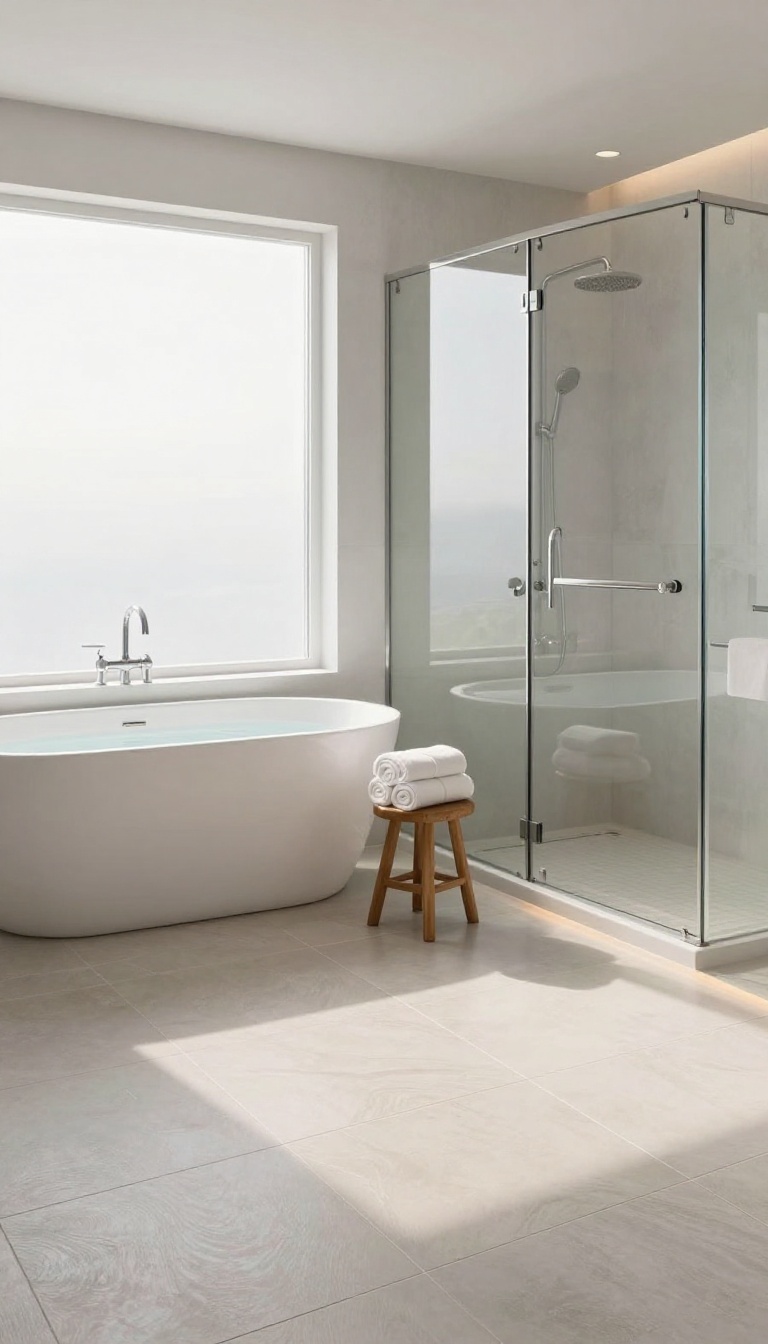
Stepping out of a warm bath onto a cold tile floor can ruin the whole spa-like mood you’ve just created. A heated floor fixes that instantly, turning your tub-shower combo into a cozy retreat you’ll look forward to using. It’s one of those upgrades that feels like a daily luxury, even though it’s surprisingly practical.
Heated floors aren’t just about comfort—they also help dry the floor faster and can reduce that chill that lingers in bathrooms during colder months. When paired with a tub-shower combo, the effect is especially nice because you’re transitioning from warm water to a warm floor, which keeps the whole experience seamless. You can install electric radiant heat mats under tile, stone, or even vinyl, and they’re controlled by a simple thermostat that you can set on a timer.
That way, the floor is warm when you wake up or when you come home, without running all day.
Choose The Right Heating System
There are two main types of radiant floor heating: electric and hydronic. Electric systems are easier to retrofit and more affordable for a single bathroom, making them a popular choice. Hydronic systems circulate warm water through tubes and are more efficient for larger areas, but they’re also more complex to install.
For a tub-shower combo, electric mats are usually the sweet spot—they heat up quickly and don’t require major plumbing changes.
Pair With The Right Flooring
Not all flooring materials work equally well with radiant heat. Tile and stone are excellent conductors, so they warm up quickly and hold heat well. Porcelain tile is a durable, low-maintenance option that looks great in a bathroom.
If you prefer a softer feel underfoot, you can still use radiant heat with engineered wood or luxury vinyl, but check the manufacturer’s guidelines to ensure compatibility. Avoid solid hardwood, which can warp from the temperature changes.
Add A Thermostat For Smart Comfort
A programmable thermostat lets you set the floor to warm up before your usual shower time, so you never step onto a cold surface. Some models even have Wi-Fi connectivity, allowing you to control the temperature from your phone. This not only adds convenience but also helps save energy by only heating when you need it.
Pair it with a timer to automatically switch off after you’ve left the bathroom.
FAQ
What is the best layout for a small bathroom with a tub and shower combo?
For small bathrooms, a corner tub-shower combo with a curved rod or an alcove tub with a glass panel works well. These layouts maximize space and make the room feel larger.
How can I make a tub-shower combo look more luxurious?
Use high-end materials like natural stone or large-format tiles, add a rainfall showerhead, and incorporate glass panels instead of curtains. Soft lighting and a built-in bench also elevate the look.
Is it practical to have a freestanding tub and a separate shower?
Yes, if you have enough space. It offers the best of both worlds: a relaxing soak and a quick shower. Just ensure proper placement for easy cleaning and accessibility.
What are the benefits of a walk-in tub with a shower?
Walk-in tubs provide safety and accessibility, especially for seniors or those with mobility issues. They often include a built-in seat and handrails, and the shower feature adds versatility.
How do I prevent water from splashing out of a tub-shower combo?
Use a shower curtain with a curved rod, install a glass panel, or add a slight slope to the floor. Also, ensure the curtain or glass extends far enough to contain water.
Conclusion
A bath and shower combo works best when it feels effortless—both for your routine and your eyes. Start with one idea that solves your biggest pain point, whether that's more storage, better lighting, or a clearer visual divide. Small tweaks, like a curbless entry or a niche at the right height, can make the biggest difference.
Once you've picked a direction, stick with it and let the materials do the talking. The goal is a space that looks calm and functions smoothly, day in and day out.