10 Room-Ready Corner Shower Ideas for Small Bathrooms
Corner showers are the unsung heroes of small bathrooms, turning awkward, unused space into a functional and stylish focal point. The right design can make a compact area feel open, organized, and even spa-like—without a full renovation.
From sleek glass enclosures that bounce light around to rustic tile accents that add warmth, there's a corner solution for every taste and budget.
These ten ideas focus on real-world practicality, so you can maximize every inch while creating a shower you'll look forward to using daily.
1. Neo-Angle Shower Enclosures: A Classic Space-Saver
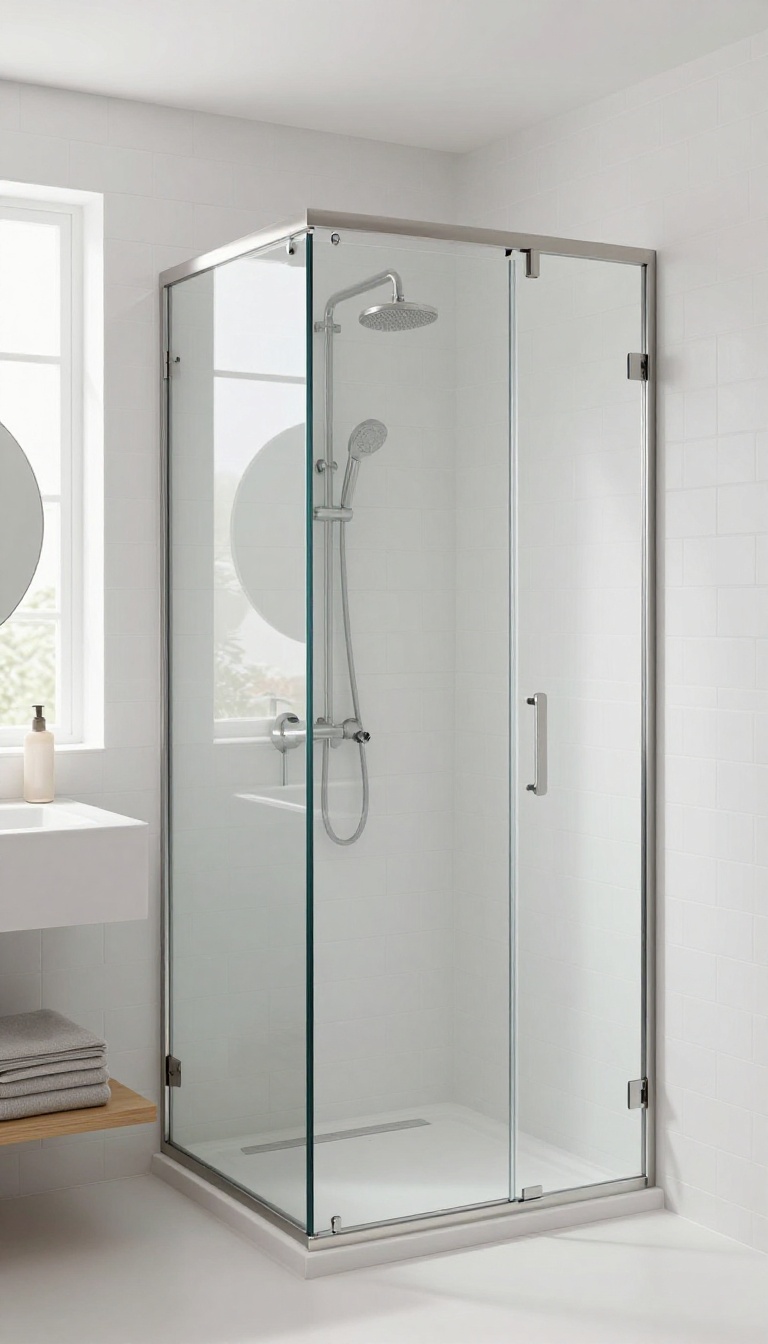
If your bathroom feels cramped, a neo-angle shower might be the answer. These enclosures use three panels to cut off the corner, creating a compact footprint that fits neatly into tight spaces. The angled door swings open without taking up extra room, making it a smart choice for small bathrooms.
Plus, the clear glass keeps the space feeling open and airy, so you don't lose that sense of openness.
Neo-angle showers are a popular choice for small bathrooms because they maximize corner space without sacrificing style. The design typically features two fixed glass panels and a door that angles across the corner, which means you can step in and out easily without the door swinging into the rest of the room. This makes them ideal for tight layouts where a traditional square or rectangular shower might feel bulky.
Clear glass is the go-to for letting light flow through, but you can also opt for frosted glass if you prefer more privacy. The metal framing comes in various finishes like brushed nickel or matte black, so you can match your bathroom's hardware easily.
Choosing The Right Size
Neo-angle showers come in a range of sizes, typically starting around 36 inches on each side. Measure your available corner space carefully to ensure you pick a unit that fits comfortably. A smaller footprint might save space, but make sure it's still roomy enough to move around in.
Consider the door swing direction as well—you'll want it to open into an area that's not blocked by a toilet or vanity.
Glass Options And Privacy
Clear glass is the most popular choice because it visually expands the space and lets in more light. If you share a bathroom, frosted glass or textured patterns offer a bit more privacy without making the room feel closed off. You can also add a decorative film to the glass for a custom look that still feels open.
Installation Tips
Installing a neo-angle shower can be a DIY project if you're handy, but it's often worth hiring a professional to ensure a watertight seal. The panels need to be perfectly aligned, and the door must swing smoothly. If you're doing it yourself, follow the manufacturer's instructions closely and use a good quality silicone sealant to prevent leaks.
2. Curbless Corner Showers: Seamless Accessibility
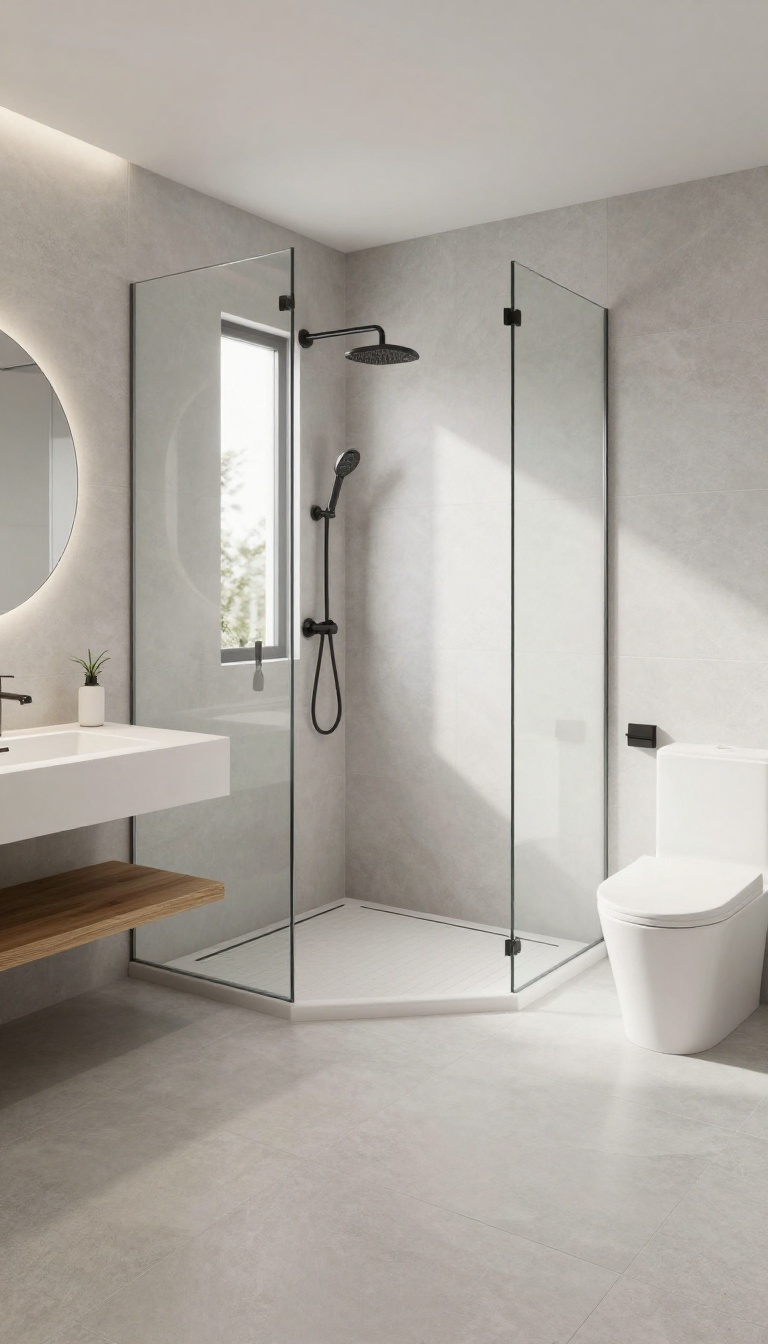
A curbless corner shower removes the traditional step-over barrier, creating a smooth, level transition from the bathroom floor. This design not only looks sleek and modern but also makes the space feel larger and more open. It's a smart choice for anyone planning to age in place or who simply wants a cleaner, more accessible shower experience.
Curbless showers are all about eliminating obstacles. By keeping the floor perfectly level, you avoid tripping hazards and make entry effortless for kids, seniors, or anyone with mobility challenges. Plus, the uninterrupted sightline makes a small bathroom appear more spacious.
Here’s how to make it work in a corner layout.
What Makes A Curbless Shower Work
The key is proper sloping of the floor toward the drain. A linear drain along the wall or a center drain with a gentle pitch ensures water flows away without pooling. You'll also need a waterproof membrane beneath the tile to protect the subfloor.
This setup requires professional installation, but the result is a clean, minimalist look that's easy to clean.
Design Ideas For A Seamless Look
Use large-format tiles on both the bathroom floor and shower floor to create a continuous surface. Choose a matching or slightly contrasting grout color to blur the boundary. Add a glass partition instead of a full enclosure to keep the space open.
For a touch of luxury, consider a rain showerhead or a handheld option for flexibility.
Accessibility And Safety Perks
Beyond aesthetics, a curbless shower is a practical upgrade. It allows for a shower bench or stool, and you can easily add grab bars if needed. The level entry also means no more stepping over a tall curb, which reduces fall risk.
This makes your bathroom future-proof and welcoming for everyone.
3. Corner Showers with Built-In Seats: Comfort and Convenience
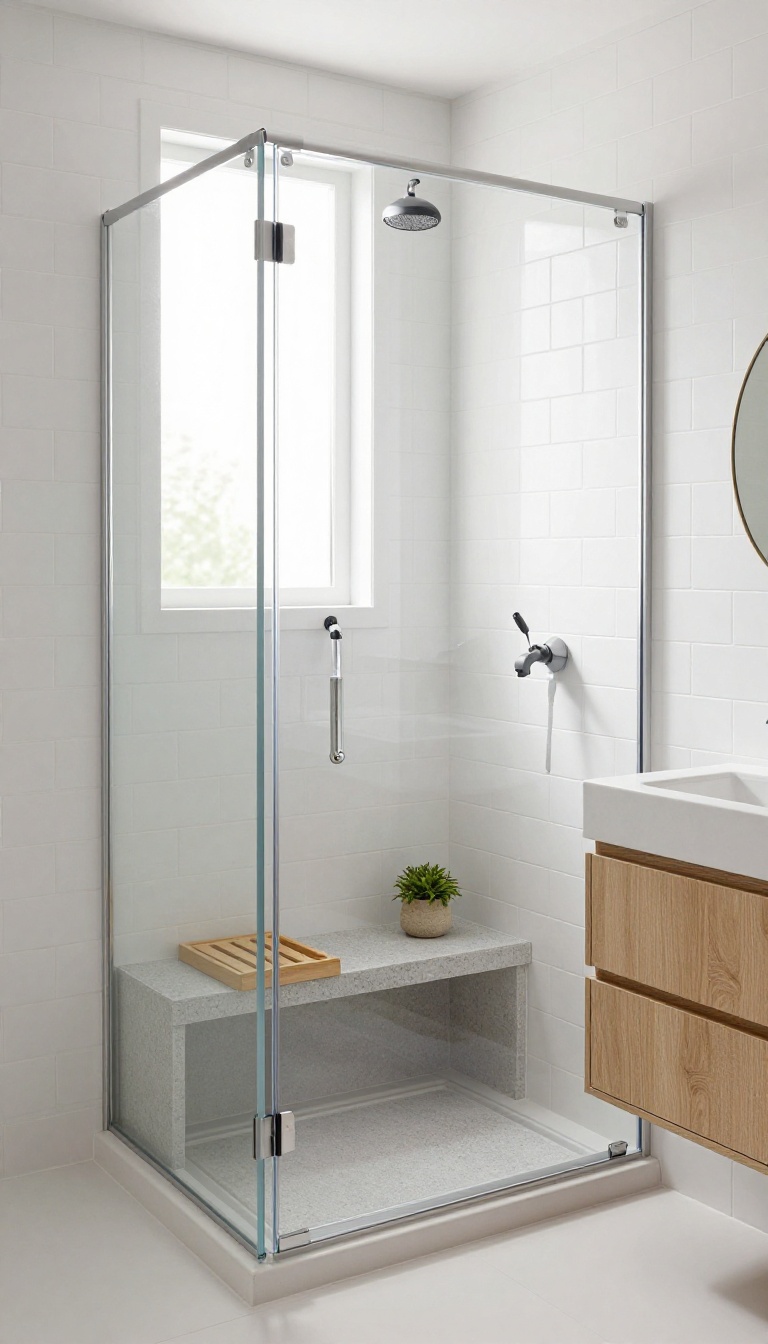
A built-in seat can turn a basic corner shower into a spot you actually want to linger in. Whether you need a place to prop your foot while shaving or just want to sit and let the water work out the knots, a seat adds a layer of comfort that’s hard to beat. And in a small bathroom, it can double as a handy shelf for shampoo bottles or a resting spot for a bath tray.
Adding a seat doesn’t mean sacrificing space—many corner showers are designed with a seat that tucks neatly into the corner, using the same footprint as a standard shower. You can choose a simple ledge that runs along one wall or a more generous bench that wraps around the corner. The key is to match the seat to your needs and the shower’s dimensions, so it feels like part of the design rather than an afterthought.
Space-saving Designs
A corner seat can be as compact as a 12-inch-deep ledge or as roomy as a 20-inch-wide bench. If you’re tight on space, opt for a triangular seat that fits right into the corner, leaving the rest of the shower open. Some designs even combine the seat with a built-in storage niche, giving you a spot to sit and a place to keep toiletries within easy reach.
Material And Maintenance
The material you choose for the seat matters for both looks and upkeep. Tile-covered seats blend seamlessly with the shower walls and are easy to clean, but they need a solid waterproof base. Solid surface materials like quartz or marble are non-porous and resist mold, but they can be pricey.
For a budget-friendly option, a molded acrylic seat is lightweight, durable, and simple to wipe down.
Safety And Accessibility
A built-in seat isn’t just about comfort—it’s also a smart safety feature. Having a place to sit reduces the risk of slips and falls, especially for kids, older adults, or anyone with balance issues. You can add grab bars near the seat for extra support, and a textured seat surface provides traction even when wet.
This makes the shower more accessible without looking institutional.
4. Glass-Enclosed Corner Showers: Light and Airy
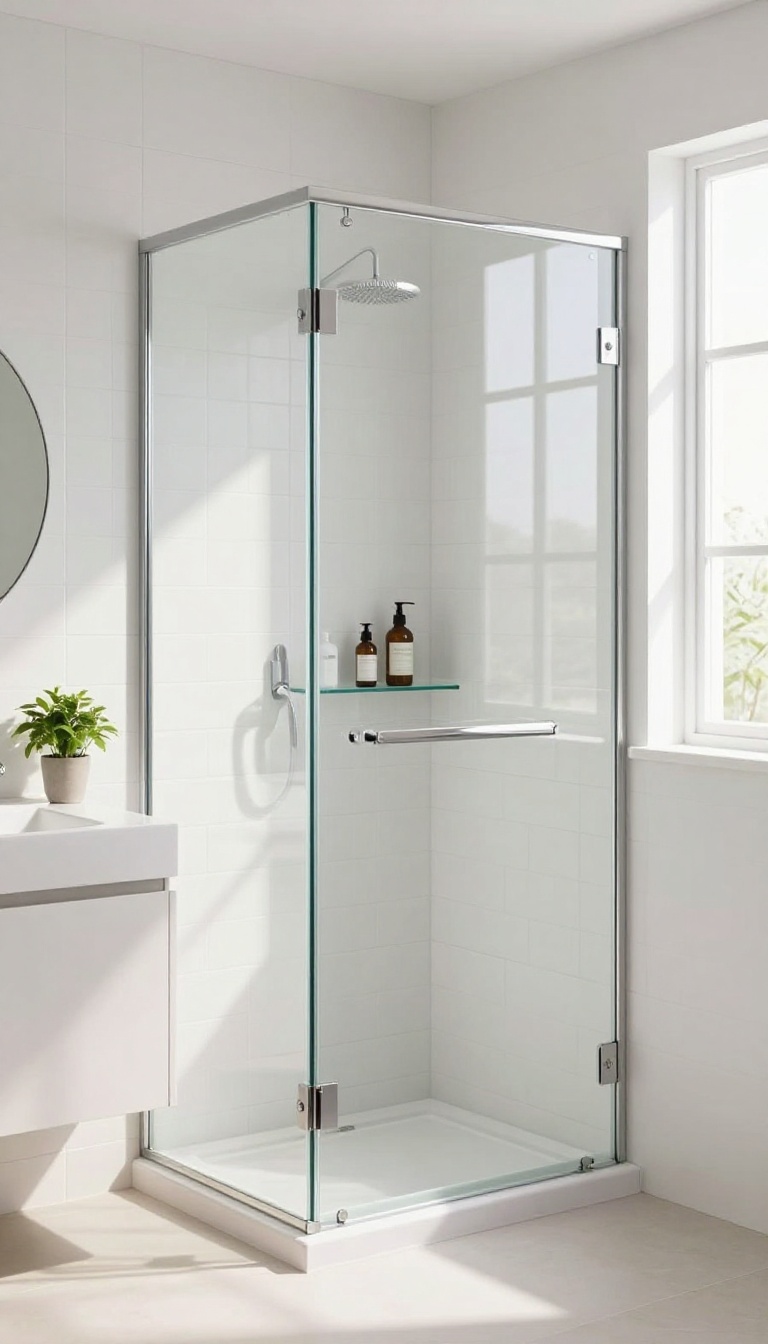
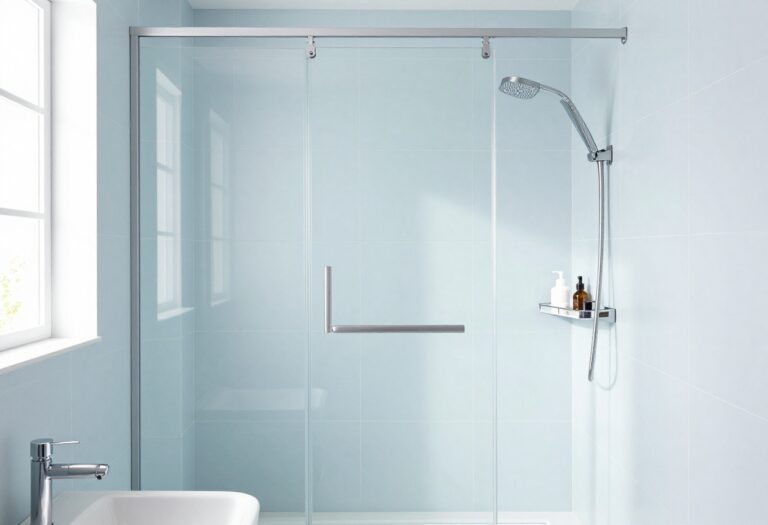
Clear glass can work wonders in a small bathroom. Unlike opaque curtains or frosted panels, transparent glass lets light travel freely, making the whole space feel bigger and brighter. It also shows off your tile work, adding a clean, polished look.
A glass-enclosed corner shower is a smart choice for small bathrooms because it visually opens up the room. The lack of visual barriers makes the shower area feel less boxed in, and the natural light that filters through keeps the space from feeling dark or cramped. Plus, glass is easy to clean and maintain, especially with a squeegee handy.
Frameless Vs. Framed Glass
Frameless glass uses thicker panels and minimal hardware, giving a sleek, modern look. It’s a bit pricier but feels more open. Framed glass, on the other hand, has metal edges that add structure and can be more budget-friendly.
Both work well, so it’s about your style and budget.
Maximizing Natural Light
If your bathroom has a window, position the shower to take advantage of it. Clear glass lets that light stream in, making the shower feel like a bright, airy nook. Even without a window, glass helps reflect artificial light, so the space feels more inviting.
Keeping It Clean
Glass showers do show water spots and soap scum, but a daily squeegee and a weekly wipe-down keep them looking great. You can also choose glass with a protective coating that repels water and grime, cutting down on cleaning time.
5. Corner Showers with Tile Accents: Adding Personality
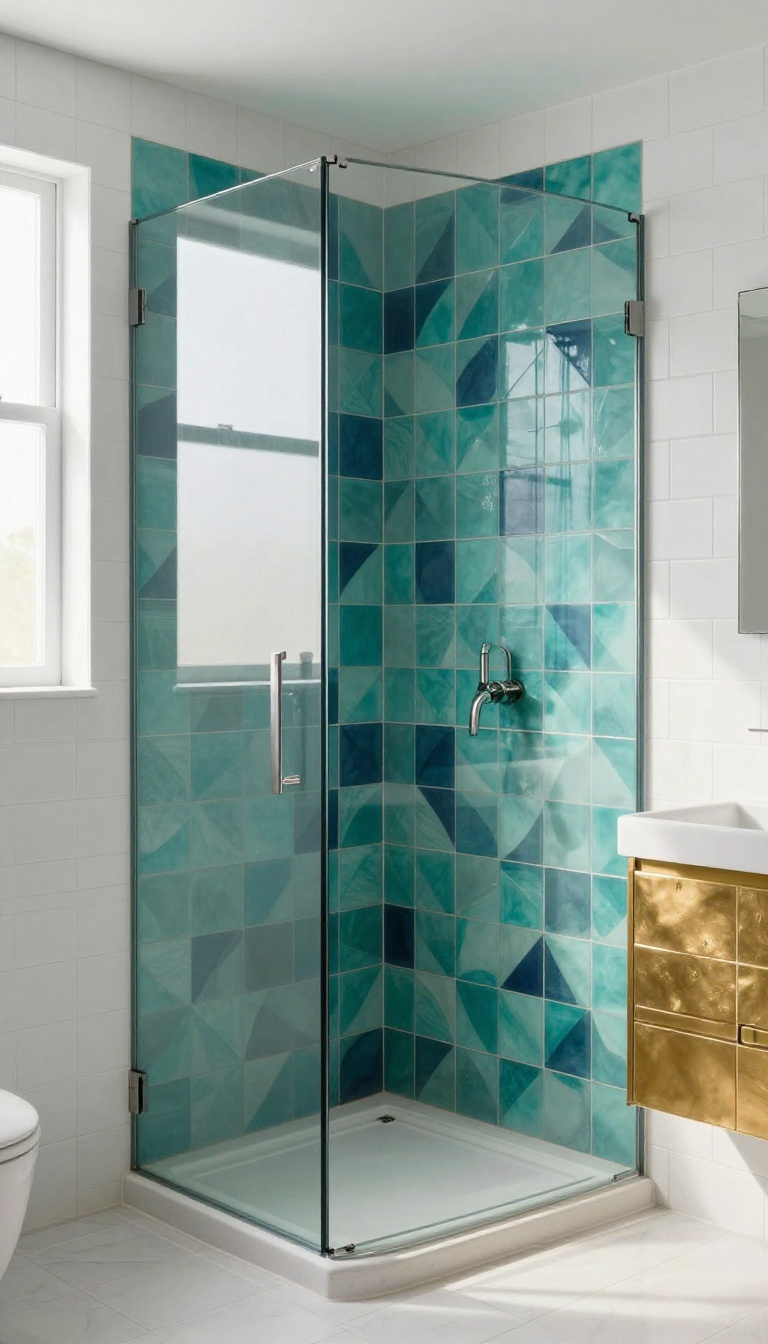
Plain white tile has its place, but a corner shower is the perfect spot to let your personality shine through. With a bit of creative tiling, you can turn a functional necessity into a striking design feature that draws the eye and makes your small bathroom feel intentional and unique.
Tile accents are one of the easiest ways to add character to a corner shower without overwhelming the space. Whether you go bold with a geometric pattern or keep it subtle with a contrasting niche, the right tile choice can transform the entire look of your bathroom. Here are a few ideas to get you started.
Go Bold With A Feature Wall
Pick one wall inside the shower and make it the star. A vivid mosaic or a large-format tile with a striking pattern can create a focal point that draws the eye. Keep the other walls in a neutral tone to balance the look and prevent the space from feeling busy.
Use A Contrasting Shower Niche
A built-in niche is practical for storing shampoo and soap, but it can also be a design opportunity. Line the back of the niche with a different tile—like a metallic accent or a bold color—to add a pop of interest that doesn't require covering the whole shower.
Play With Subway Tile Layouts
Subway tile is a classic choice, but the layout can change the vibe completely. Instead of the standard horizontal brick pattern, try a vertical stack, a herringbone, or a diagonal layout. This simple switch adds texture and movement without introducing a new material.
Add A Decorative Border Or Stripe
If you prefer a more understated look, consider adding a decorative border or a horizontal stripe of contrasting tile at eye level. This subtle accent can break up the monotony of a single tile type and add a touch of elegance without overwhelming the space.
6. Prefabricated Corner Showers: Budget-Friendly and Quick
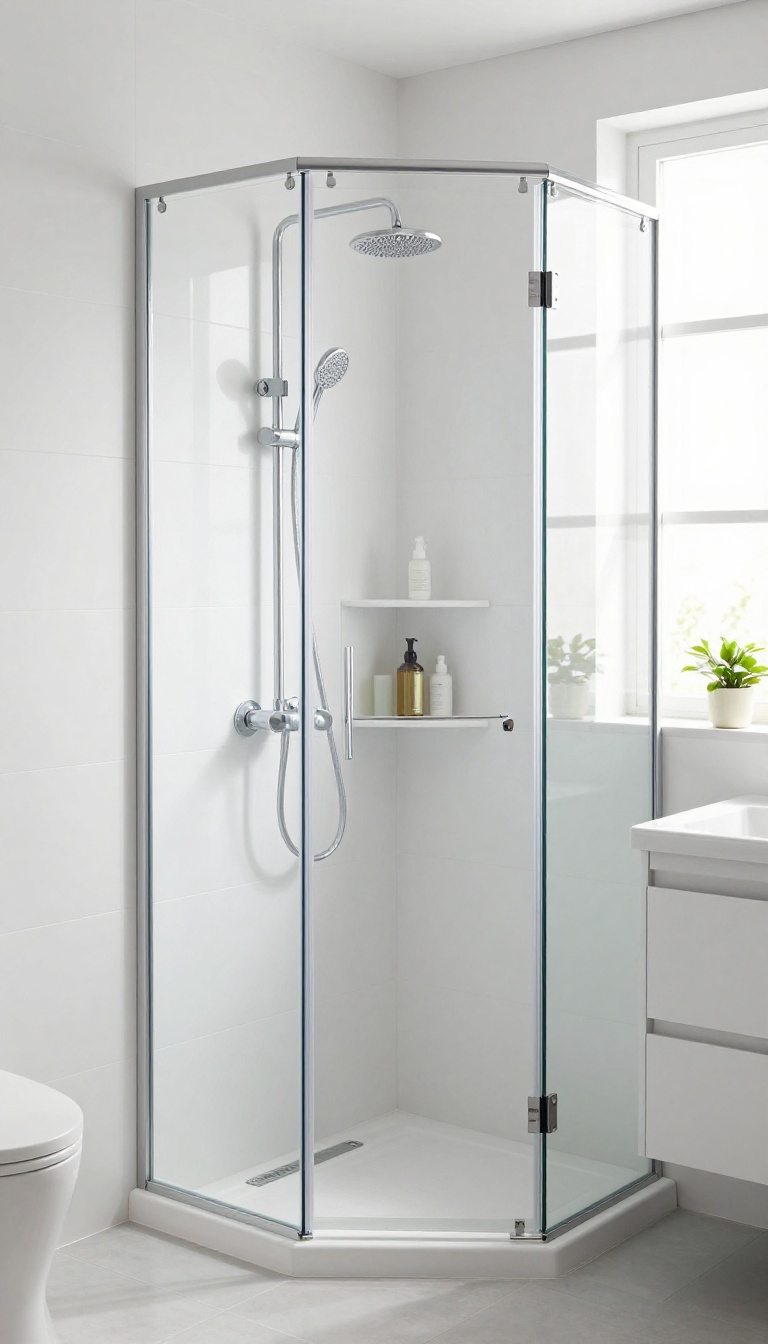
Not every bathroom update needs to involve demolition and weeks of work. Prefabricated corner shower kits are the fast track to a fresh, functional shower without the headache. You get a complete unit—walls, base, and sometimes even the door—that's designed to fit snugly into a corner.
It's a practical, wallet-friendly route that still delivers a polished look.
Prefab kits are a smart pick when you want a reliable shower without the cost of custom tile work. They come in a range of sizes and finishes, from glossy white to textured stone-look panels. Because they're manufactured to spec, installation is straightforward, and the materials are built to resist moisture and mold.
For a weekend project that transforms your bathroom, it's hard to beat the convenience and value.
What To Look For In A Kit
Focus on the footprint first—measure your corner space carefully. Standard sizes range from 36 to 48 inches, but you'll find smaller options for tight spots. Check the material: acrylic and fiberglass are common, with acrylic being more durable and easier to clean.
Also, look for kits with a pre-leveled base and integrated shelves to save time and add storage.
Installation Tips For A Smooth Setup
Even though prefab kits are simpler, proper prep is key. Ensure the floor is level and the walls are plumb before you start. Use a good quality silicone sealant at all joints, and follow the manufacturer's instructions for securing the panels.
If you're not confident, hiring a pro for the install can still keep costs lower than a custom build.
Styling Your Prefab Shower
Just because it's prefab doesn't mean it has to look plain. Choose a kit with a textured or colored finish to add personality. Upgrade the standard showerhead to a rainfall or handheld model for a spa feel.
Add a teak bench or a few floating shelves to bring warmth and function. With the right touches, your budget-friendly shower can look anything but cheap.
7. Corner Showers with Multiple Shower Heads: A Spa Experience
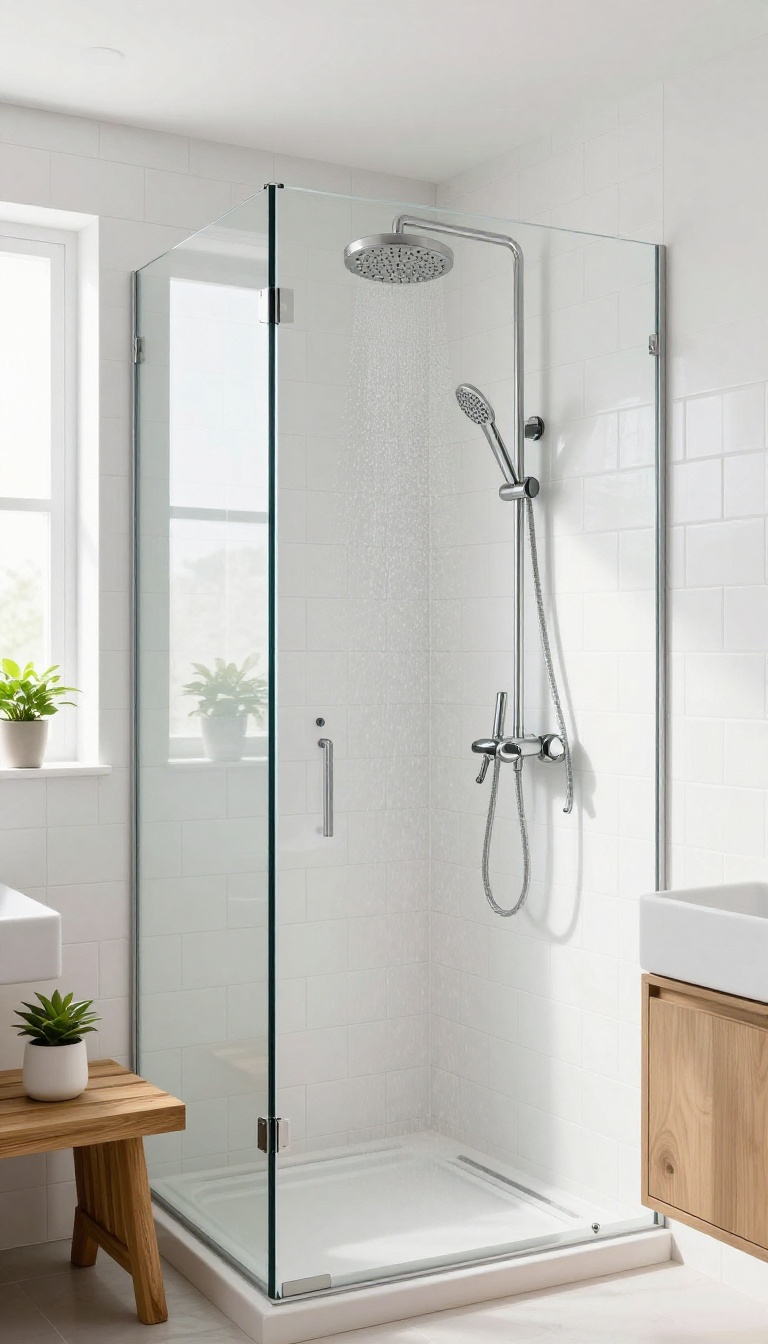
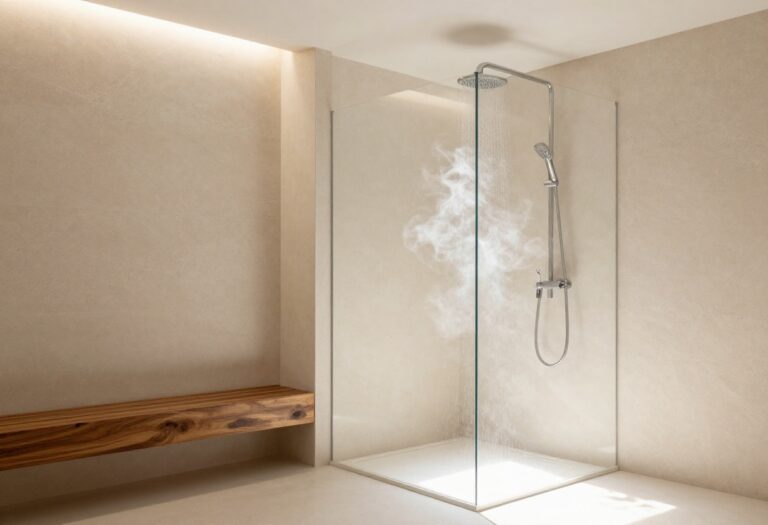
Who says a small bathroom can't feel like a luxury hotel? Adding multiple shower heads to your corner shower is a clever way to upgrade your daily routine without expanding your footprint. A rain shower overhead paired with a handheld wand gives you the best of both worlds: a soothing cascade and targeted rinsing.
When space is tight, every feature has to earn its place. Multiple shower heads do exactly that by making your corner shower more versatile and enjoyable. You can install a fixed rain head on the ceiling or high on the wall, then add a handheld unit on a slide bar for flexibility.
This setup is perfect for rinsing off after a workout, washing pets, or cleaning the shower itself. Plus, it looks impressive and adds real value to your home.
Rain Shower Heads: The Overhead Luxury
A rain shower head is the centerpiece of a spa-like experience. Mounted directly above your corner shower, it mimics the feeling of standing in warm rain. In a small space, this overhead fixture draws the eye upward, making the ceiling feel higher and the shower more open.
Choose a model with a wide face (around 8 to 10 inches) for full coverage, and consider a brushed nickel or matte black finish to match your fixtures.
Handheld Wands: Practicality Meets Comfort
A handheld wand is the unsung hero of any shower, especially in a corner layout. It gives you control to direct water exactly where you need it—whether you're shaving your legs, rinsing shampoo from long hair, or cleaning the shower walls. Mount it on a slide bar so you can adjust the height for everyone in the household.
Many handhelds come with multiple spray settings, from a gentle mist to a powerful jet, so you can customize your shower experience.
Diverter Valves: Switching With Ease
To run both shower heads, you'll need a diverter valve. This simple mechanism lets you switch between the rain head and the handheld, or even run both at once if your water pressure allows. Look for a diverter that's easy to reach and operate, ideally with a lever or knob that's clearly labeled.
Some modern diverters are integrated into the shower valve, offering a sleek, seamless look. Just make sure your water heater and plumbing can handle the extra demand.
Space-saving Tips For Multiple Heads
Even with extra fixtures, you can keep your corner shower feeling open. Choose a slim rain head that doesn't protrude too far into the space, and position the handheld on a wall that's not directly opposite the entry. Use a corner caddy for shampoos and soaps to keep the floor clear.
Also, consider a frameless glass enclosure to maintain a sense of airiness. With thoughtful placement, you can enjoy the luxury without the clutter.
8. Rustic Corner Showers: Warm and Inviting
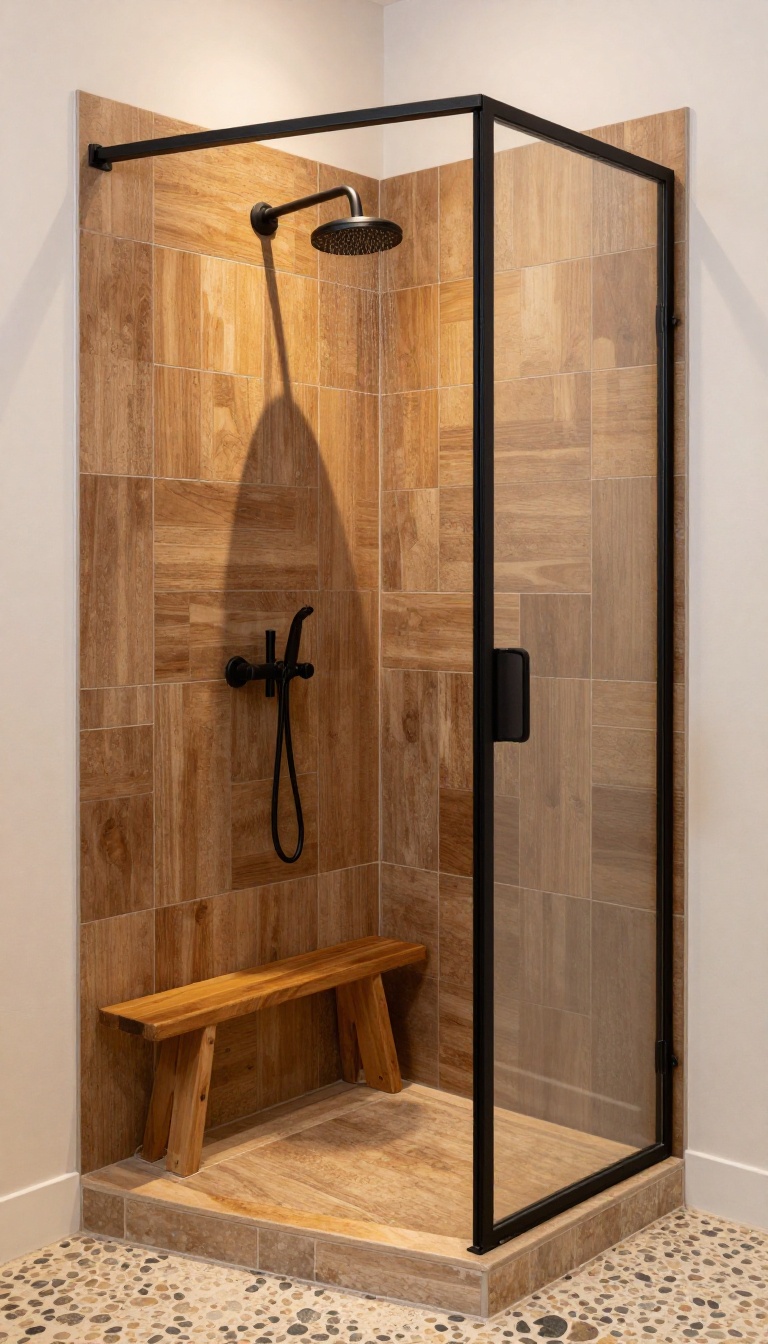
If your bathroom feels cold or sterile, a rustic corner shower can change that completely. Natural materials like stone, wood-look tile, or textured concrete bring earthy warmth and a cozy cabin-like feel. This style turns your daily shower into a mini retreat, even in a tiny space.
Rustic corner showers are all about texture and natural tones. They work beautifully in small bathrooms because they add depth without needing extra square footage. The key is to mix materials that feel organic and grounded, while keeping the layout simple and functional.
Choose The Right Materials
Start with a base of large-format wood-look porcelain tile for the walls—it gives the warmth of real wood without the maintenance. Pair it with a pebble or slate floor for a tactile, spa-like feel. If you prefer a more modern rustic look, honed concrete panels or stacked stone veneer are excellent choices.
Avoid busy patterns that can overwhelm a small space; stick to neutral earth tones like warm browns, greys, and beiges.
Add Natural Accents
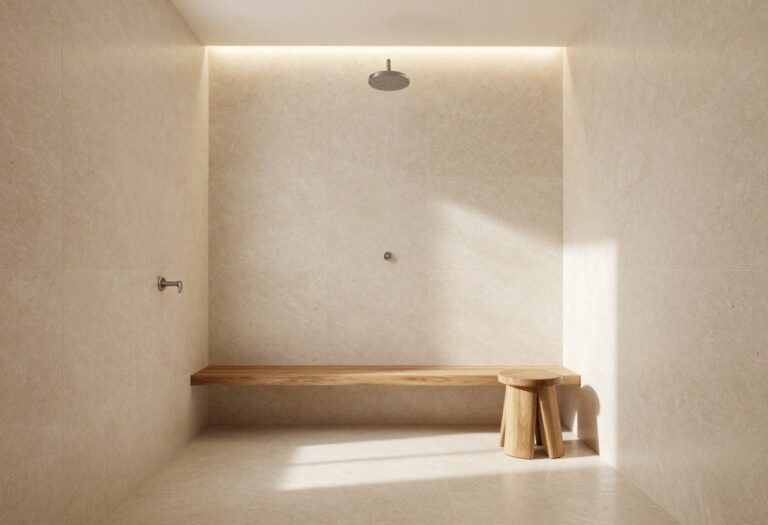
Small touches can elevate the rustic vibe. A teak bench or a wooden stool inside the shower adds function and charm. Use a rainfall showerhead with a matte black or bronze finish to echo the natural aesthetic.
Consider a glass door with a black frame instead of a fully clear one—it adds a modern rustic edge while keeping the space open.
Lighting And Finishing Touches
Warm lighting is crucial in a rustic shower. Install a dimmable LED light with a warm color temperature to mimic natural sunlight. For the niche, use a stone or wood shelf instead of standard metal ones.
Finish with a natural stone soap dish and a plant that thrives in humidity, like a fern or bamboo, to bring life into the corner.
9. Corner Showers with Storage Niches: Organized and Clutter-Free
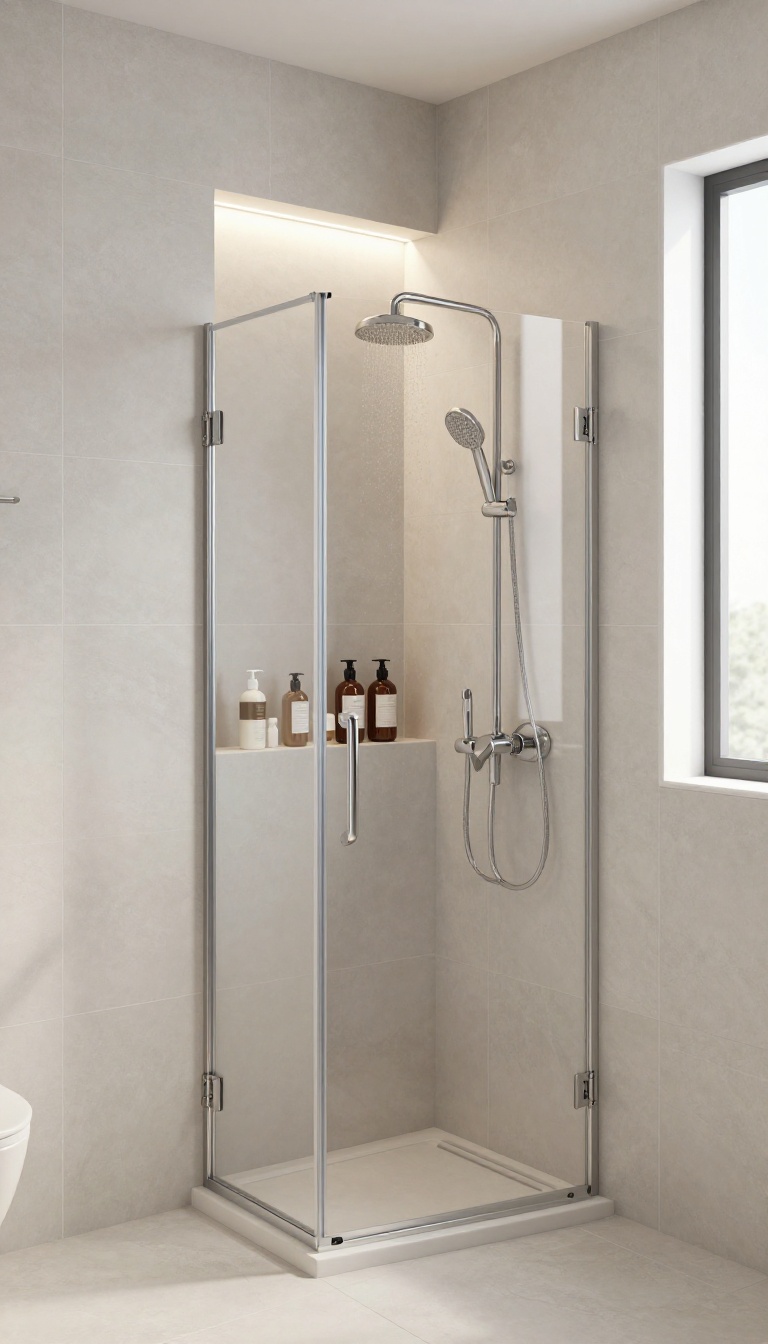
Clutter is the enemy of a small bathroom, and shower caddies often make it worse. Built-in niches solve that by giving you a permanent spot for everything—no more dangling baskets or rusting shelves. They also add a custom, polished look that makes the shower feel more intentional and less like an afterthought.
Storage niches are a simple upgrade that pays off every single day. Here’s how to get them right in your corner shower.
Choosing The Right Size And Placement
Think about what you actually use daily—shampoo, conditioner, soap, maybe a razor. Place the niche at chest height so you can reach it without bending or stretching. If you can, include two niches: one for bottles and one for smaller items like razors or washcloths.
Materials That Last
Use the same tile as your shower walls for a seamless look, or go with a contrasting tile to make the niche pop. Waterproof materials like porcelain or ceramic are non-negotiable. If you want a sleeker finish, consider a prefabricated niche with a built-in shelf—it’s easier to clean and less likely to leak.
Making It Look Custom
A niche doesn’t have to be plain. Add a backlight for a spa-like glow, or use a decorative tile strip behind the shelf. If you’re working with a tight budget, even a simple recessed shelf can make a huge difference—it’s all about the details.
10. Corner Showers with a Curved Door: Softening the Look
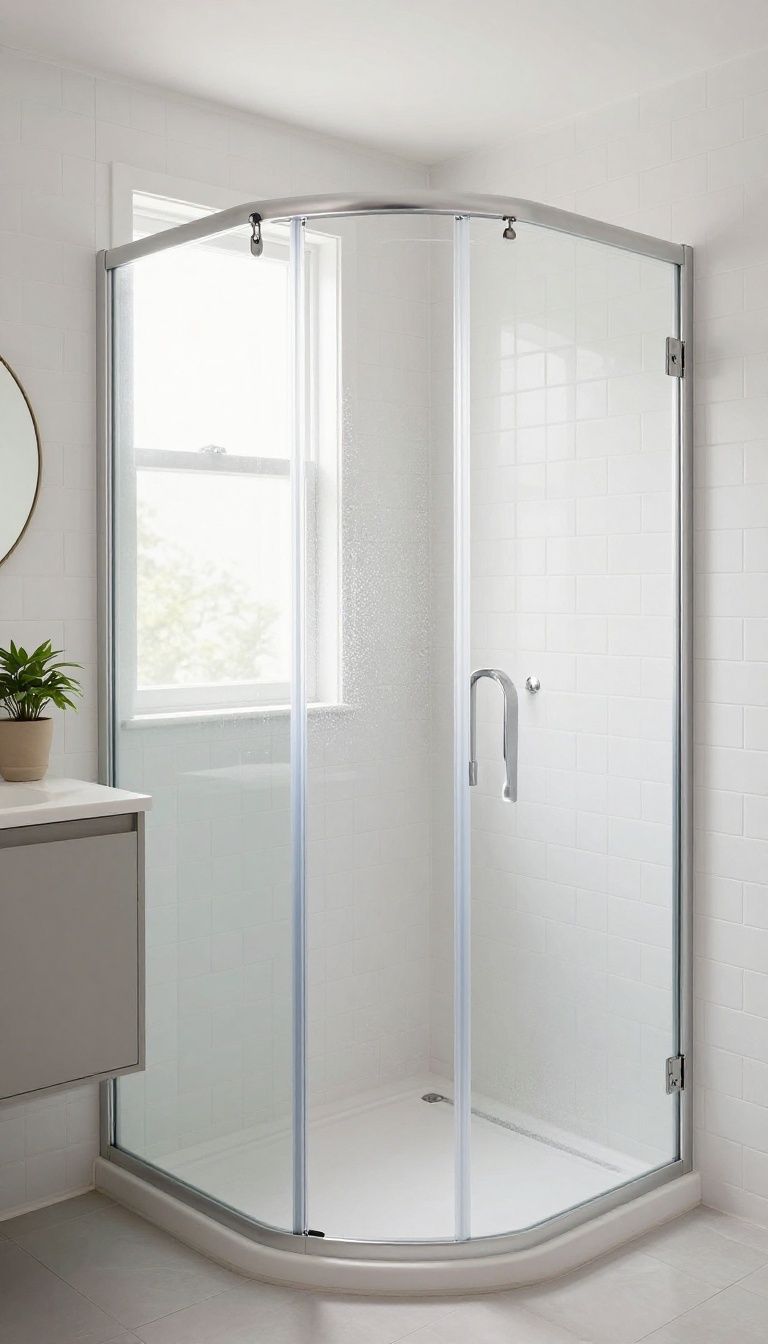
A curved shower door is one of those small details that can completely change how a corner shower feels. Instead of a sharp, boxy edge, the gentle arc adds a sense of flow and openness—almost like stepping into a modern pod. Plus, the extra interior space it creates is a welcome bonus in a tight bathroom.
When you're working with a small bathroom, every inch counts. A curved door not only looks sleek but also gives you a bit more room to move. The rounded glass sweeps outward, so you're not constantly bumping elbows against a flat panel.
It's a practical upgrade that feels luxurious without taking up more floor space.
Why Choose A Curved Door?
The obvious benefit is the extra elbow room. A curved door bulges outward, adding a few precious inches of interior space compared to a standard flat door. That makes a corner shower feel less cramped, especially when you're washing your hair or shaving your legs.
It also softens the visual lines of the bathroom, making the space feel more inviting and less utilitarian.
Glass Options For Privacy And Light
You can choose from clear, frosted, or textured glass for your curved door. Clear glass keeps the bathroom feeling open and bright, while frosted or textured options add privacy without blocking natural light. If you're after a spa-like vibe, consider a rain glass or a subtle pattern that obscures the view but still lets light through.
The curved shape works with any of these, so you don't have to sacrifice style for function.
Installation And Maintenance Tips
Curved doors are a bit trickier to install than flat ones, so it's worth hiring a professional if you're not confident in your DIY skills. They need precise measurements and careful sealing to prevent leaks. Once installed, maintenance is straightforward—just wipe down the glass after each use to prevent soap scum and hard water spots.
A squeegee is your best friend here.
Pairing With Other Design Elements
To make the most of a curved door, pair it with complementary fixtures. A round or oval mirror, a curved vanity, or even a circular rug can echo the arc and create a cohesive look. In a small bathroom, these repeated curves make the space feel more deliberate and designed, rather than just a collection of separate pieces.
FAQ
What is the minimum size for a corner shower?
The minimum size for a corner shower is typically 36 inches by 36 inches, but some compact models can be as small as 32 inches. Always check local building codes for specific requirements.
Are corner showers good for small bathrooms?
Yes, corner showers are an excellent choice for small bathrooms because they maximize floor space and make the room feel larger. They fit neatly into the corner, leaving more room for other fixtures.
How much does it cost to install a corner shower?
The cost varies widely depending on the type, materials, and labor. Prefabricated kits can cost as little as $500, while custom tile showers can run several thousand dollars. Installation typically adds $1, 000 to $3, 000.
Can I install a corner shower myself?
If you have basic plumbing and tiling skills, you can install a prefabricated corner shower kit. However, custom showers are more complex and may require professional help. Always follow manufacturer instructions and local codes.
What is the best material for a corner shower?
The best material depends on your budget and style. Acrylic and fiberglass are affordable and easy to clean, while tile offers durability and customization. Natural stone looks luxurious but requires more maintenance.
Conclusion
Corner showers prove that small bathrooms don't have to sacrifice style or comfort. With the right layout, shelving, and tile choices, you can turn that unused corner into a functional, inviting spot that feels bigger than it is.
Start with one idea that fits your space and budget, then build from there. Whether you go for a sleek glass panel or a bold tile accent, the payoff is a bathroom that works harder and looks better every day.