15 Weekly Cleaning Schedule Ideas for Busy Family Homes
You know the feeling: you finally sit down after a long day, only to notice dust bunnies under the coffee table and a sticky spot on the kitchen floor. Keeping a family home clean can feel like a never-ending battle, especially when everyone is busy.
The secret isn't more time—it's a smarter schedule. These 15 weekly cleaning ideas are designed to fit into real life, not the other way around.
Whether you have toddlers, teens, or a mix of ages, there's a plan here that can help you stay on top of mess without burning out.
1. The 15-Minute Daily Reset
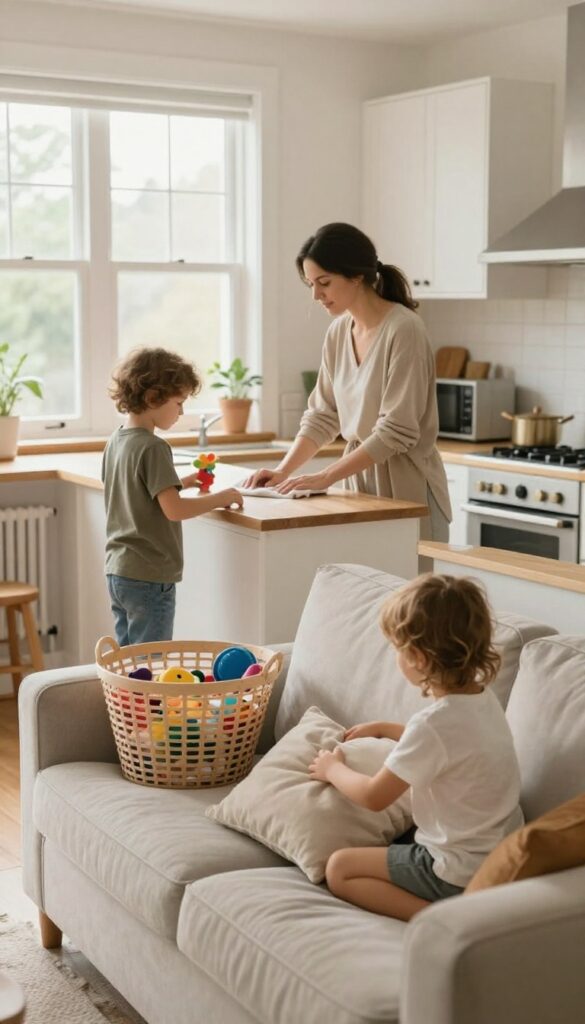
Evenings in a busy family home can feel chaotic, but a quick daily reset can make mornings much smoother. The idea is simple: set a timer for 15 minutes and tackle the most cluttered areas before you unwind for the night. This small habit prevents mess from accumulating and keeps your home feeling manageable.
The 15-minute daily reset is about focusing on high-traffic zones like the living room and kitchen. Grab a laundry basket for items that belong elsewhere, wipe down counters, and fluff pillows. You'll be surprised how much you can accomplish in a quarter of an hour when everyone chips in.
What To Tackle First
Start with the living room: put away toys, remotes, and blankets. Then move to the kitchen: load the dishwasher, wipe the table, and sweep the floor. If you have time, do a quick pass of the entryway to clear shoes and bags.
Getting The Family Involved
Assign each family member a zone or task. Even young kids can put away their toys or bring dishes to the sink. Make it a game by racing the timer, and play upbeat music to keep energy high.
Staying Consistent
Consistency is key. Set a recurring alarm on your phone for the same time each evening. After a week, it'll become a habit.
Reward yourselves with a family movie or a treat after a full week of resets.
2. Zone Cleaning: One Room Per Day
Instead of trying to clean the whole house in one marathon session, zone cleaning spreads the work across the week. You focus on one room each day, which makes the task feel much lighter. By Friday, every major space has had its turn.
Zone cleaning works because it matches how families actually live. You don't need to block out three hours on Saturday—just 15 to 20 minutes per day keeps things under control. The key is sticking to the assigned room and ignoring the mess elsewhere.
How To Set Up Your Zones
List the main rooms in your home: kitchen, living room, bathrooms, bedrooms, and maybe a home office or playroom. Assign one room to each weekday. Monday can be kitchen day, Tuesday bathrooms, Wednesday living room, Thursday bedrooms, and Friday for that bonus space.
Adjust based on your family's schedule.
What To Do In Each Zone
In each zone, focus on the tasks that make the biggest difference. For the kitchen: wipe counters, sweep, and load the dishwasher. For bathrooms: scrub the toilet, wipe the mirror, and spray the shower.
Keep a list of the top three tasks per room so you don't get sidetracked.
Staying Consistent With A Busy Week
Life happens, and some days you might skip a zone. That's okay—just pick up where you left off. If you miss Tuesday's bathroom clean, do it on Wednesday instead of the living room.
The goal is progress, not perfection. Over time, the rhythm becomes automatic.
3. The Power Hour: Saturday Morning Blitz
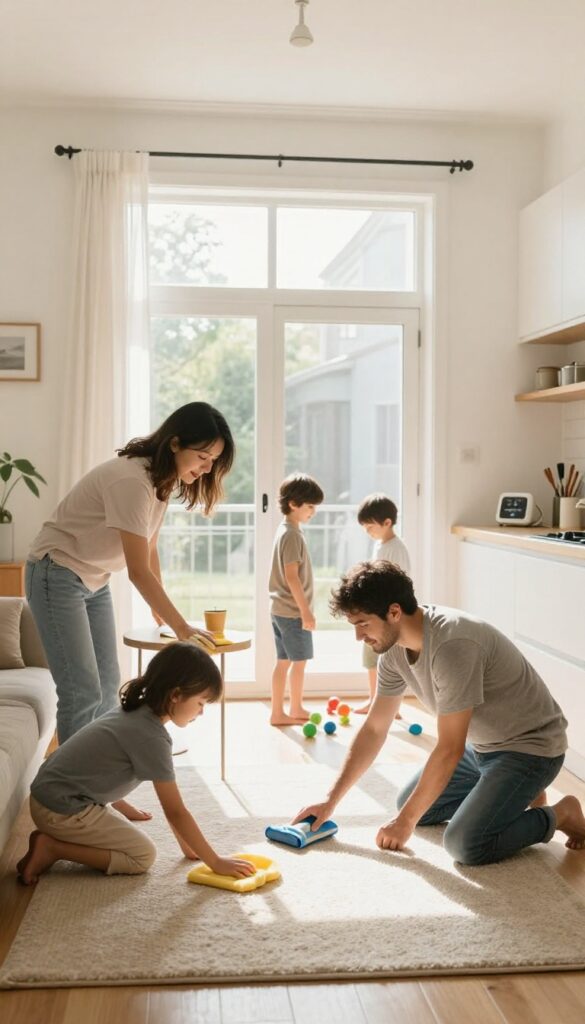
Saturdays are precious, but they can also be the perfect time to reset the house. Instead of letting cleaning drag all weekend, try a one-hour blitz with the whole family. Set a timer, crank up some music, and everyone tackles a task.
By noon, you're free to enjoy the rest of the weekend.
The Power Hour works because it's short, focused, and communal. Everyone knows exactly what to do and that it will end in 60 minutes. This prevents burnout and builds a sense of accomplishment.
Assign age-appropriate tasks: kids can wipe surfaces or pick up toys, while adults handle vacuuming and bathrooms. The key is to prep the night before—gather supplies and make a list so you can start immediately.
Divide And Conquer: Task Assignments
To make the Power Hour efficient, assign zones or tasks based on ability. Young children can dust low shelves or sort laundry. Older kids can vacuum, clean mirrors, or take out trash.
Rotate tasks weekly so no one gets bored. Having a printed checklist for each person helps keep everyone on track.
The Pre-blitz Prep
Friday evening, do a quick tidy: put away stray items, clear countertops, and set out cleaning supplies. This way, Saturday morning you can jump straight into action. Also, decide on a reward for after the blitz—maybe a family outing or a special treat.
Knowing there's a payoff makes the hour feel more like a game.
Stick To The Clock
Use a visible timer—like your phone or an old-fashioned kitchen timer—so everyone can see the countdown. If a task isn't finished when the buzzer goes off, leave it. The goal is to make progress, not perfection.
Over time, you'll get faster and learn to prioritize the messiest spots.
4. Laundry Rotation: Load a Day
Laundry has a way of piling up until it becomes a weekend monster. The solution is simple: spread it out. By washing one load each day, you keep the task manageable and avoid the dreaded mountain of clothes.
This method works because it turns laundry from a big, dreaded chore into a quick daily habit. You never have to spend hours sorting, washing, drying, and folding. Instead, each day you handle a small batch, and it stays under control.
Pick A Daily Category
Assign each day a specific type of laundry: Monday for towels, Tuesday for kids' clothes, Wednesday for bedding, and so on. This prevents decision fatigue and ensures everything gets washed regularly. Adjust based on your family's needs.
Fold And Put Away Immediately
The golden rule: don't let clean laundry sit. Fold as soon as it's dry and put it away right then. If you wait, it becomes a new pile that adds to the clutter.
Set a timer for 10 minutes if needed.
Get The Family Involved
Teach older kids to sort their own laundry and younger ones to match socks or fold washcloths. Make it a team effort. Even small contributions lighten the load and build good habits.
5. The 10-Minute Tidy Before Bed
After the kids are asleep and the house finally quiets down, the last thing you want to do is clean. But spending just ten minutes tidying up before you hit the pillow can transform your mornings. You wake up to a living room that's picked up, a kitchen counter that's wiped down, and a sense of calm that sets a positive tone for the day.
The key is to make it a non-negotiable family habit. Involve everyone for those ten minutes—assign quick tasks like putting toys in bins, stacking books, or fluffing couch pillows. Set a timer and race against it.
The goal isn't deep cleaning; it's resetting the common areas so you don't start the next day already behind.
What To Focus On
Hit the high-traffic zones: living room, kitchen, and entryway. Pick up clutter, wipe down surfaces, and straighten cushions. Leave the bathrooms and bedrooms for their own dedicated cleaning times.
Make It A Game
Turn the timer into a challenge. See who can put away the most items in ten minutes. Play a fun song and dance while you tidy.
This keeps kids engaged and makes the routine feel less like a chore.
Prep For Tomorrow
Use the last two minutes to set out breakfast bowls, fill water bottles, or lay out school bags. A tiny bit of planning now saves you from a frantic morning scramble.
6. Weekly Deep Clean of One Area
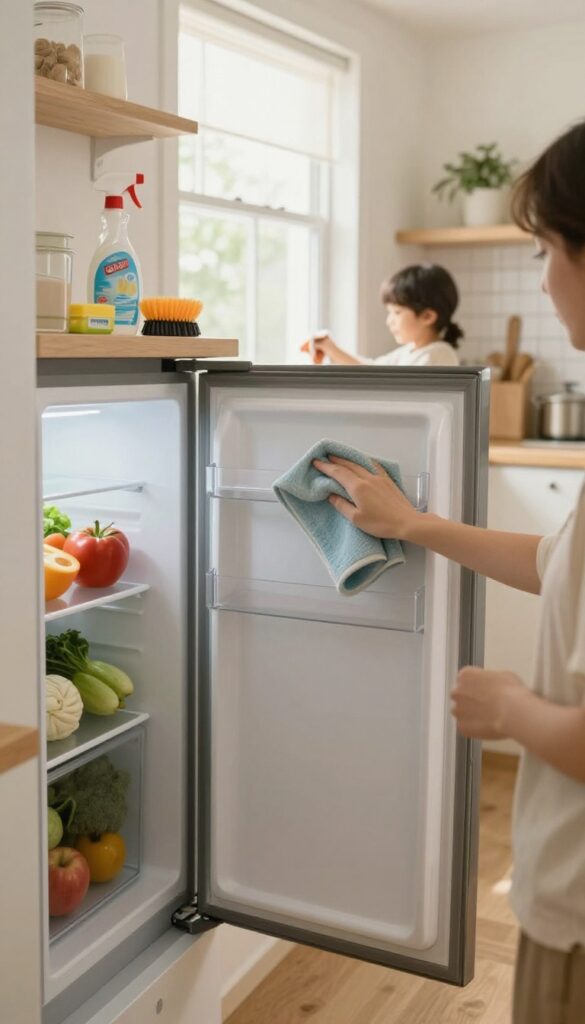
Deep cleaning the entire house in one go is exhausting and rarely fits into a busy week. Instead, pick one area each week to give extra attention. Over the course of a year, every nook and cranny gets its turn without overwhelming your schedule.
Rotating deep-clean tasks keeps your home fresh without the burnout. For example, week one might be the inside of the refrigerator, week two the baseboards, week three the windows, and so on. Create a simple list or use a rotating checklist to track what's been done.
Choose Your Spots
Think of areas that often get overlooked: light fixtures, ceiling fans, under furniture, inside cabinets, oven interiors, shower grout, and door frames. Write down 12 to 15 spots and assign one per week. This way, you cycle through the year with variety.
Keep It Simple
Don't overcomplicate it. Set a timer for 15–20 minutes and focus on just that one area. Use basic supplies you already have—all-purpose cleaner, microfiber cloths, a scrub brush.
The goal is progress, not perfection.
Involve The Family
Assign the weekly deep-clean task to a different family member each time. Kids can handle baseboards or light switches, while older teens can tackle windows or the fridge. It teaches responsibility and lightens your load.
7. The Family Cleaning Chart
Getting everyone on the same page can be the hardest part of keeping a clean house. A family cleaning chart turns chores into a team effort rather than a solo mission. When each person knows their responsibilities, the work feels lighter and more fair.
A rotating chart assigns age-appropriate tasks to each family member, from toddlers to teens. Kids learn valuable life skills while contributing to the household. The key is to rotate tasks weekly so no one gets stuck with the same boring job.
This keeps things fresh and teaches everyone how to handle different chores.
Designing Your Chart
Start by listing all the weekly cleaning tasks that need to be done. Then divide them into categories based on difficulty and age suitability. For example, preschoolers can dust low shelves or put away toys, while older kids can vacuum or clean bathrooms.
Use a whiteboard or a printed template that you can update easily. Assign each person 2-3 tasks per week and rotate them every Sunday.
Making It Stick
Consistency is everything. Set a specific time each day for chores, like right after dinner or before screen time. Use a reward system that works for your family—maybe a sticker chart for younger kids or a weekly allowance for teens.
Celebrate completion with a family movie night or a special treat. The goal is to build habits, not perfection.
Adjusting As Kids Grow
As children get older, their abilities and schedules change. Revisit the chart every few months to swap out tasks that no longer challenge them or fit their routine. Let them have a say in which chores they prefer, within reason.
This flexibility keeps them engaged and prevents the chart from feeling like a punishment.
8. Morning Kitchen Wipe-Down
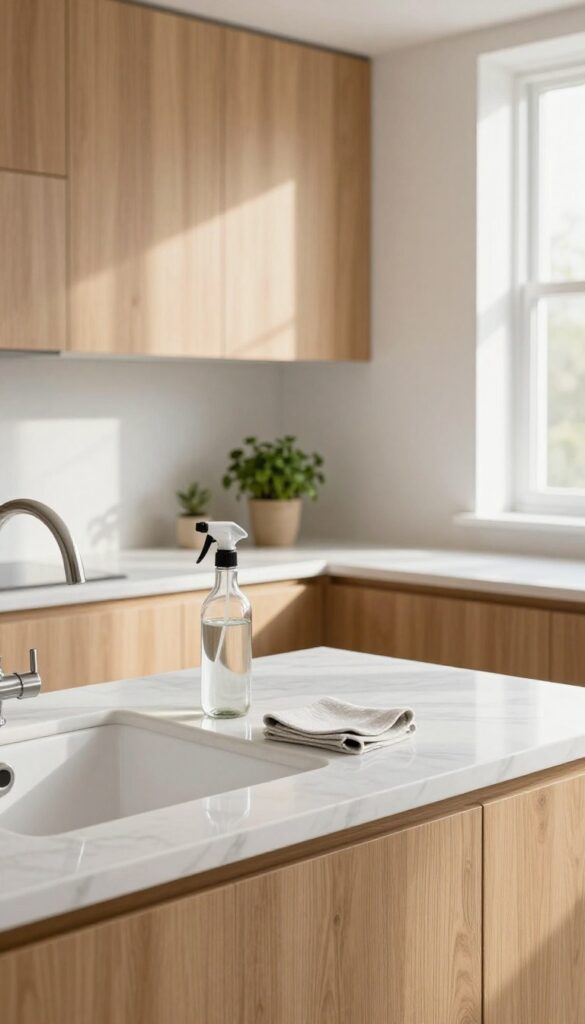
The kitchen is the heart of a busy home, but it can also be the messiest room by lunchtime. A quick morning wipe-down stops crumbs and spills from turning into a sticky disaster. Just five minutes after breakfast can keep your counters clean and your sink empty until dinner.
A morning kitchen wipe-down is a simple habit that pays off all day. After breakfast, spend exactly five minutes wiping counters with a disinfectant spray, loading dishes into the dishwasher or sink, and sweeping or spot-vacuuming crumbs. This small effort prevents food from drying on surfaces and keeps the kitchen looking fresh for unexpected guests or your own sanity.
Make it part of your morning routine, like brushing your teeth, so it becomes automatic.
Stick To A Timer
Set a timer for five minutes and work fast. Focus on the most visible areas: counters, stovetop, and table. If you finish early, use the extra seconds to wipe down the microwave handle or fridge door.
The timer keeps you from overdoing it or getting distracted.
Gather Your Tools
Keep a spray bottle of all-purpose cleaner and a microfiber cloth under the kitchen sink. Store a small dustpan and brush or a cordless vacuum in a nearby cabinet. Having everything within reach makes the wipe-down quick and effortless.
Make It A Family Affair
Assign one person to wipe counters, another to load dishes, and a third to sweep. Rotate tasks weekly so no one gets bored. Kids as young as four can help with simple jobs like putting away cereal boxes or wiping placemats.
9. The 30-Minute Weekend Reset
Sunday evenings often bring a mix of relaxation and dread about the week ahead. A short, focused cleaning session can ease that transition and set you up for success. The 30-Minute Weekend Reset is all about doing just enough to start Monday with a clean slate, without sacrificing your entire day off.
Set a timer for 30 minutes and tackle the tasks that make the biggest visual and functional difference. Change the sheets in the master bedroom and any kids' rooms that need it—fresh bedding instantly makes a room feel cleaner. Then, vacuum the main living areas: the living room, dining room, and entryway.
Finally, do a quick sweep of surfaces: clear kitchen counters, wipe down the bathroom vanity, and put away any stray items. That's it. You'll be amazed at how much calmer the house feels.
Why Sunday Works Best
Sunday is often the calmest day of the weekend, and it's the perfect time to reset before the weekday chaos begins. By doing this reset, you avoid the Monday morning scramble to find clean socks or a clear counter. Plus, starting the week with a tidy home can boost your mood and productivity.
What To Include In Your Reset
Focus on three key areas: bedding, floors, and surfaces. Change sheets on all beds (or just the ones that need it most). Vacuum or sweep high-traffic zones.
Then, do a 5-minute declutter of every major surface—kitchen counters, coffee table, bathroom counters. If you have time, quickly wipe them down with a multi-surface cleaner.
Tips To Make It Stick
Keep a basket in each room for items that belong elsewhere. During your reset, toss everything into the basket and put it away later. Involve the whole family by assigning each person a 5-minute task.
Play upbeat music to make it feel less like a chore. And remember: this is a reset, not a deep clean. Don't let perfectionism eat up your Sunday.
10. Task Batching: Group Similar Chores
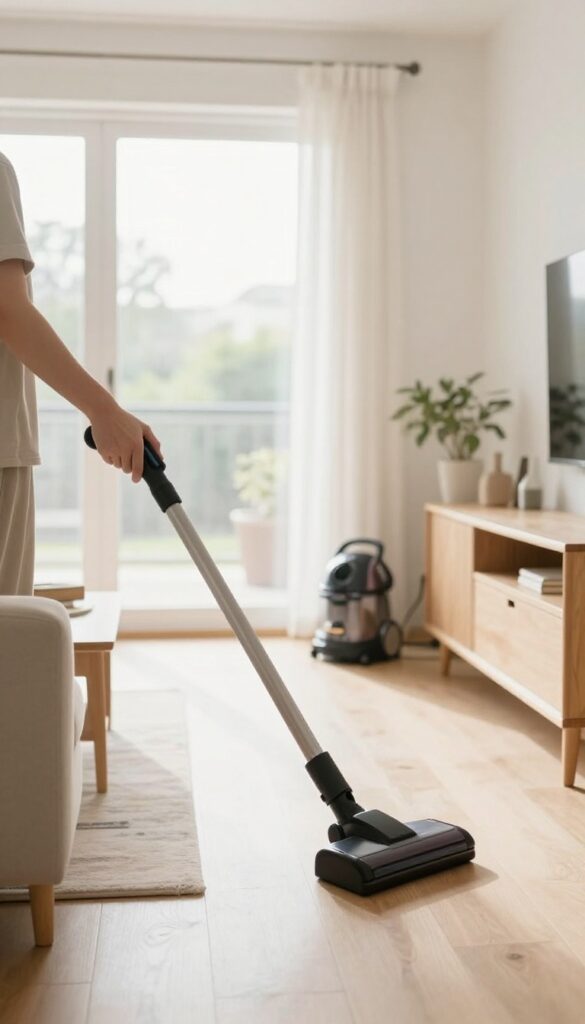
Switching between different types of cleaning tasks can waste a lot of time. Every time you move from dusting to wiping counters to vacuuming, there's a mental and physical reset. Task batching solves this by grouping similar chores together.
When you batch tasks, you stay in the same mode longer, which reduces setup and cleanup time. For example, dust all surfaces in the house before pulling out the vacuum. Then vacuum every room in one go.
This flow keeps you efficient and minimizes distractions.
How To Batch Your Cleaning
Start by listing all your weekly chores. Group them by action: dusting, wiping, vacuuming, mopping, scrubbing, and tidying. Then tackle one group at a time.
For instance, Monday could be dusting and vacuuming day, while Tuesday is bathroom scrubbing day.
Why It Works For Busy Families
Task batching cuts down on the number of times you have to get out and put away cleaning supplies. It also helps you build momentum—once you start dusting, it's easier to keep going than to stop and start a different chore. This method is especially helpful for families with young kids, as you can clean in focused bursts during nap time.
Sample Batch Schedule
Try this: Monday—dust all surfaces, then vacuum all floors. Tuesday—wipe all counters, sinks, and mirrors, then mop hard floors. Wednesday—scrub toilets, showers, and tubs.
Thursday—tidy all rooms, put away clutter. Friday—catch up on any missed spots. This rhythm keeps your week predictable and manageable.
11. The 'One In, One Out' Rule for Toys
Toy clutter has a way of multiplying overnight. Between birthday gifts, holiday hauls, and impulse buys, the playroom can quickly turn into a disaster zone. The 'one in, one out' rule is a simple way to keep things manageable without constant nagging.
Each week, have your kids pick one toy to donate or store away. This teaches them that bringing something new means letting something go. It also makes cleanup faster because there's less stuff to trip over.
This rule works best when you make it a gentle routine rather than a punishment. Frame it as a way to share toys with kids who don't have as many. Over time, your children will start thinking twice before asking for every new toy they see.
Make It A Weekly Ritual
Set aside 10 minutes every Sunday evening for the toy audit. Let each child choose one item they no longer play with. Keep a donation box in the closet so it's easy to drop off when full.
Rotate, Don't Just Toss
Some toys are hard to part with. Instead of donating, store a few in a bin in the garage or attic. Swap them out every few months so old toys feel new again.
This reduces clutter while keeping favorite items in circulation.
Lead By Example
Kids mimic what they see. When you declutter your own things—old clothes, kitchen gadgets, books—talk about why you're letting them go. Show them that giving away items feels good, not like a loss.
12. Bathroom Blitz: Twice a Week
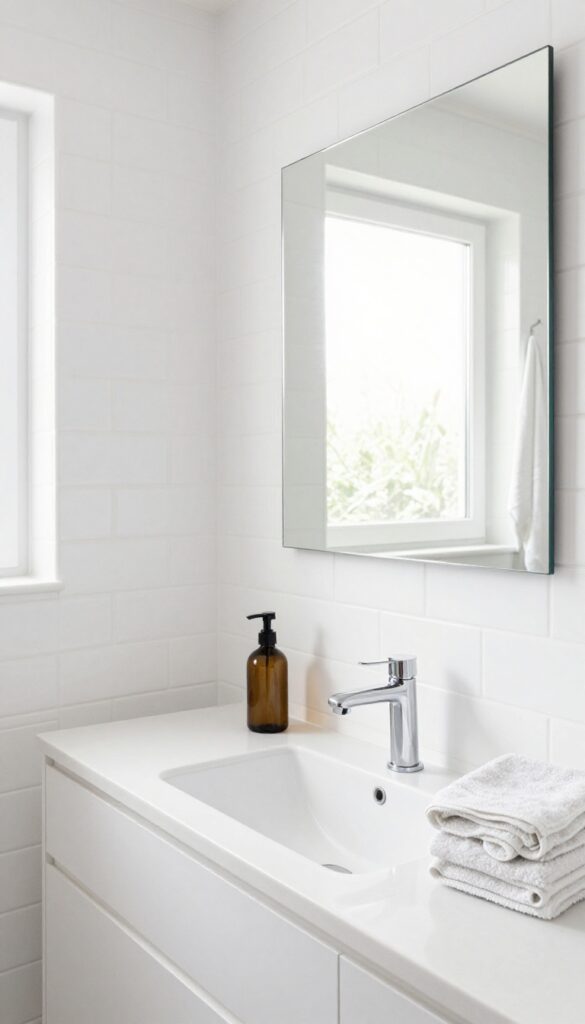
Bathrooms can get gross fast, especially with multiple people using them daily. A quick midweek wipe-down keeps things fresh without eating up your weekend. The trick is to focus on the surfaces that show grime first: sinks, mirrors, and countertops.
Save the deep scrub for Saturday or Sunday.
The Two-minute Sink Swipe
Keep a spray bottle of all-purpose cleaner and a microfiber cloth under each bathroom sink. After everyone brushes their teeth at night, give the sink a quick spritz and wipe. It takes less than two minutes and prevents toothpaste crust and soap scum from building up.
Mirror Magic
Splashes and fingerprints show up fast on mirrors. Use a glass cleaner or a vinegar-water mix and a lint-free cloth. Spray and wipe in an S-pattern to avoid streaks.
Doing this twice a week means you never have to scrub off stubborn spots.
Toilet Touch-up
You don't need to deep clean the toilet every time, but a quick swish with a toilet brush and a wipe of the seat and lid keeps things sanitary. Keep a small caddy with a brush, cleaner, and disposable wipes nearby for easy access.
13. Meal Prep and Kitchen Clean Combo
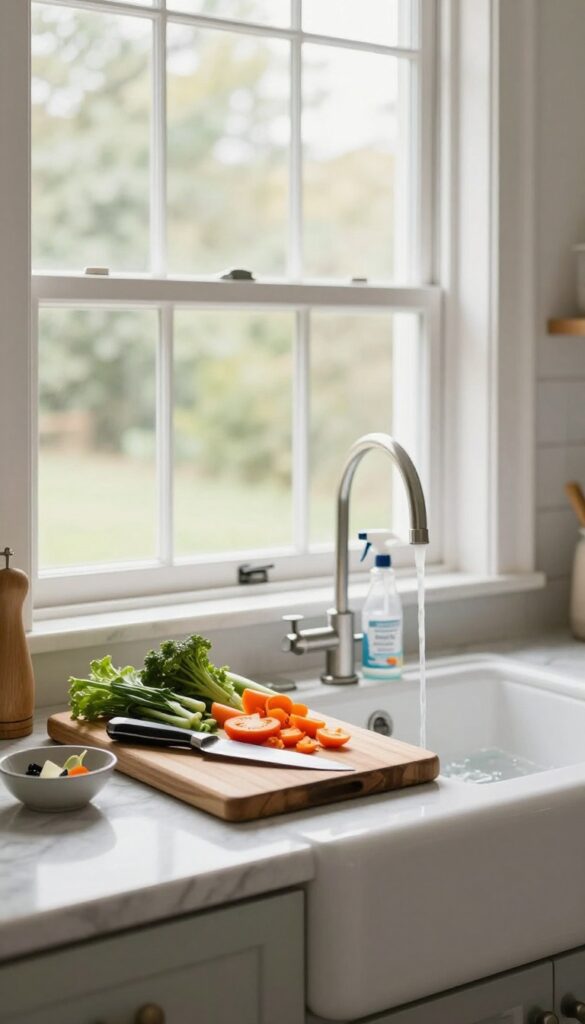
Sunday meal prep is a lifesaver for busy families, but it often leaves the kitchen looking like a bomb went off. What if you could prep meals and end up with a clean kitchen at the same time? The trick is to clean as you go, so the mess never piles up.
By combining meal prep with kitchen cleaning, you save time and avoid a daunting cleanup later. This approach turns a chore into a seamless part of your routine.
Wash As You Work
Fill one side of the sink with soapy water and drop in dirty dishes immediately. When you finish chopping vegetables, wash the knife and cutting board before moving to the next task. This prevents a mountain of dishes from forming.
Wipe Counters Between Steps
Keep a spray bottle of all-purpose cleaner handy. After each meal prep step—like chopping onions or mixing meat—spray and wipe the counter. This takes 30 seconds and keeps surfaces clean throughout.
Trash Management
Place a large bowl or bag on the counter for peels, wrappers, and scraps. When it's full, take it straight to the outdoor bin. This avoids overflowing trash and lingering smells.
14. The 'No Shoes' Policy
Shoes carry in dirt, mud, and who knows what else from outside. A simple rule to remove them at the door can cut your vacuuming and mopping time in half. It's one of those small changes that makes a big difference.
Make it easy for everyone to follow. Place a sturdy shoe rack or a basket near the entrance. Keep a few pairs of indoor slippers or cozy socks handy for guests.
A friendly sign can remind kids and visitors to kick off their shoes before stepping inside.
Set Up A Drop Zone
Designate a spot right by the door for shoe removal. A bench with cubbies works great—kids can sit down, take off their shoes, and stash them away. Add a mat to catch any dirt that falls off.
Lead By Example
If you want the rule to stick, you have to follow it yourself. Make it a habit to take off your shoes as soon as you walk in. Your kids will pick up on it quickly.
Handle Guest Gracefully
Not everyone is used to a no-shoes home. Keep a small stash of disposable shoe covers or offer clean slippers. A polite "We try to keep the floors clean for the little ones" usually does the trick.
15. Weekly Declutter Session (15 Minutes)

Clutter has a sneaky way of piling up in the spots you pass by every day. A jacket draped over a chair, a stack of mail on the counter, toys that didn't make it back to the bin. Before you know it, those small piles turn into big messes that feel overwhelming to tackle.
The fix is simple: a dedicated 15-minute declutter session each week. Pick one hotspot—like the entryway table, a kitchen counter, or the living room coffee table—and clear it out. Sort items into three piles: keep, relocate, or trash.
Relocate things to their proper homes and toss anything that's broken or expired. This short, focused burst prevents clutter from spreading and keeps your surfaces clear without requiring a full-day purge.
Choose Your Hotspot
Not all clutter zones are created equal. Start with the area that causes the most visual stress. Common hotspots include the entryway (shoes, bags, mail), the kitchen island (papers, school forms, random gadgets), and the living room side table (remotes, cups, magazines).
Rotate hotspots each week so every corner gets attention over time.
Make It A Family Affair
Get everyone involved by assigning each person their own hotspot. Kids can be responsible for their toy bin or a corner of the playroom. Set a timer and race to see who can finish first.
Turning decluttering into a quick game makes it less of a chore and more of a habit.
One In, One Out Rule
To keep clutter from returning, adopt the one-in-one-out rule for high-traffic areas. For every new item that comes into a hotspot—like a new jacket or a new gadget—remove an old one. This simple boundary keeps surfaces from getting crowded again.
FAQ
How do I get my family to help with cleaning?
Start by assigning age-appropriate tasks and using a visual chart. Make it fun with a timer or music. Consistency and praise go a long way.
What if I don't have time for a daily reset?
Even five minutes makes a difference. Focus on the most visible area, like the living room floor or kitchen counter. Something is better than nothing.
How often should I deep clean my home?
Aim for one deep-cleaning task per week, rotating through different areas. This keeps your home fresh without overwhelming your schedule.
Can I combine these ideas?
Absolutely. Mix and match what works for your family. For example, use the daily reset plus zone cleaning for a customized plan.
What's the best schedule for a family with young kids?
Focus on quick, daily resets and involve kids with simple tasks like picking up toys. Save deeper cleaning for when they're asleep or at school.
Conclusion
Finding a cleaning rhythm that works for your family doesn't have to be complicated. Start with one or two ideas from this list and see how they fit into your week. The goal is progress, not perfection.
Remember, a clean home is meant to be lived in. With a little planning and teamwork, you can keep your space tidy without sacrificing precious family time. Pick the ideas that resonate most and give them a try—you might be surprised at how much easier cleaning becomes.