20 Cleaning Schedule Ideas for a Manageable Tidy Home
A tidy home doesn't have to eat up your whole weekend. With the right schedule, you can keep things clean without feeling overwhelmed.
These 20 cleaning ideas break the work into small, manageable chunks that fit any lifestyle. From quick 5-minute blitzes to weekly zones, each tip is designed to make tidying a habit rather than a chore.
Say goodbye to marathon cleaning sessions and hello to a consistently fresh home.
1. The 15-Minute Daily Tidy
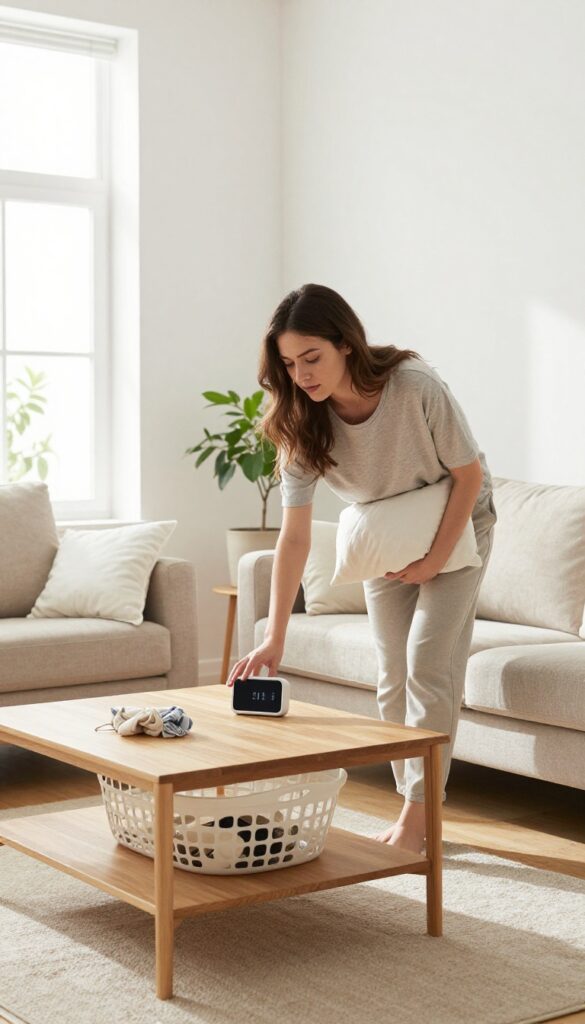
Some days, even five minutes of cleaning feels like too much. But a fifteen-minute reset each evening can work wonders. It’s short enough to fit into any routine and long enough to make a visible difference.
The key is consistency. Pick a time that works for you—right after dinner, before your evening shower, or while your coffee brews in the morning. Set a timer and move quickly: grab a laundry basket for items that belong in other rooms, wipe down kitchen counters, fluff couch pillows, and sweep high-traffic floors.
The goal isn’t deep cleaning—it’s resetting the space so tomorrow starts fresh. Over time, this habit reduces the need for bigger cleaning sessions and keeps your home consistently tidy.
What To Focus On
Start with visible clutter: mail, shoes, remote controls, and kid toys. Then hit the main surfaces: kitchen counters, coffee table, and bathroom vanity. End by straightening up pillows and throws.
If you have time, do a quick floor sweep of the kitchen and entryway.
Staying On Track
Keep a small caddy or basket in each main room for items that need to go elsewhere. That way, you can grab and redistribute in one trip. Play a fast playlist or podcast to keep your energy up.
If you miss a day, don’t stress—just pick it up the next evening.
2. Zone Cleaning: One Room Per Day
Instead of trying to clean everything at once, zone cleaning assigns each day of the week to a single room. You focus only on that space for 20–30 minutes, which keeps the workload light and your home consistently tidy. This method works especially well if you have a busy schedule and need a predictable routine.
Zone cleaning transforms cleaning from a dreaded marathon into a series of short, manageable sprints. By dedicating a specific day to each room, you eliminate the overwhelm of a whole-house clean. Over the week, every space gets attention without any single day feeling heavy.
This approach also helps you build momentum—once you start, it's easier to keep going because you know you only have one room to handle.
How To Set Up Your Zones
List the main rooms in your home and assign each to a weekday. For example: Monday—kitchen, Tuesday—living room, Wednesday—bathrooms, Thursday—bedrooms, Friday—home office or entryway. Leave weekends free or use them for catch‑up.
Keep your zone list posted somewhere visible, like on the fridge, so you remember your daily focus.
What To Do In Each Zone
In your assigned room, tackle the tasks that matter most: declutter surfaces, wipe down counters, vacuum or sweep, and do a quick dusting. Don't worry about deep cleaning every time—save that for a monthly rotation. The goal is to maintain a baseline of tidiness, not perfection.
Set a timer for 20–30 minutes and stop when it rings.
Tips For Sticking With It
Pair your zone cleaning with a daily habit you already have, like listening to a podcast or your morning coffee. If you miss a day, don't stress—just pick up the next day or combine two zones on the weekend. Consistency matters more than perfection, and even a few minutes in each zone keeps your home feeling fresh.
3. The 5-Minute Bathroom Blitz
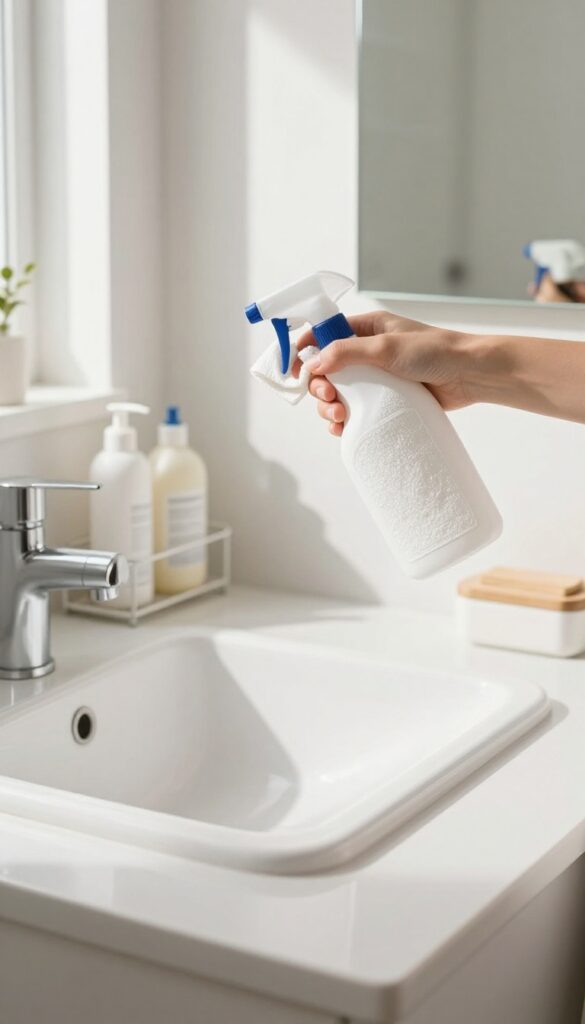
Not every bathroom cleaning session needs to be a full scrub-down. In fact, a daily quick wipe can keep things looking fresh and prevent grime from building up. The trick is to make it so fast and easy that you have no excuse to skip it.
Keep a spray bottle and a microfiber cloth right in the bathroom. Each day, spend just five minutes wiping down the sink, mirror, and toilet seat. That's it.
You'll be amazed at how much cleaner everything stays with barely any effort.
The 5-Minute Bathroom Blitz is about consistency over intensity. By doing a tiny bit every day, you avoid the need for deep cleaning as often. It's perfect for busy mornings or when you just don't have the energy for a full scrub.
What You'll Need
Grab a small spray bottle filled with an all-purpose cleaner or a vinegar-water mix. Pair it with a microfiber cloth—they trap dirt better than paper towels and can be washed and reused. Store both in a caddy or directly on the bathroom counter so they're always within reach.
Your 5-minute Routine
Start by spritzing the mirror and wiping it down with the dry part of your cloth. Then spray the sink and faucet, wipe them clean, and give the counter a quick pass. Finally, spray the toilet seat and lid, wipe them down, and you're done.
Don't worry about the bowl—that's for another day.
Why It Works
Daily wiping prevents soap scum, toothpaste splatters, and dust from building up. It also makes the bathroom feel more inviting without a major time investment. Over a week, you'll have spent just 35 minutes on bathroom upkeep, but it'll look like you cleaned for hours.
4. Weekly Laundry Day with a Twist
Laundry can feel like a never-ending cycle, but dedicating one day to it makes a huge difference. The twist? You don't just wash and dry—you commit to folding and putting everything away in a single session.
Set a timer to keep yourself moving and avoid the dreaded pile-up. This method turns a scattered chore into a focused, finishable task.
Pick a day that works best for your schedule, like Saturday or Wednesday. Gather all laundry from every room, sort it, and start the first load. While it's washing, do a quick tidy-up elsewhere.
When the timer goes off, switch loads and fold the dry clothes immediately. Repeat until every load is done, folded, and put away. The key is to not let any step linger—finished laundry stays finished.
Why A Single Day Works
Spreading laundry across the week creates constant mental clutter. By batching it into one day, you free up the rest of your week from that nagging chore. You also build momentum—once you start, it's easier to finish.
Timer Tricks To Stay On Track
Set a timer for each step: 5 minutes to sort, 30 minutes for a wash cycle, 10 minutes to fold. Racing the clock turns laundry into a game and prevents procrastination. Plus, you'll be amazed how fast you can fold when you're timing yourself.
Make It A Family Affair
Get everyone involved by assigning tasks: kids can sort socks, partners can fold towels. Turn on a playlist or podcast and work together. Shared effort makes the day go faster and builds good habits for everyone.
5. The 10-Minute Kitchen Reset
The kitchen tends to collect the most mess after meals, but you don't need a deep clean every night. A quick 10-minute reset right after dinner can keep things tidy and make mornings feel much calmer. It's a small habit that pays off big.
This idea is about consistency, not perfection. By dedicating just ten minutes to loading the dishwasher, wiping counters, and sweeping the floor, you prevent crumbs and grime from piling up. The key is to do it every night so it becomes automatic.
What To Do In Those 10 Minutes
Start by clearing the sink and loading any dirty dishes into the dishwasher or wash basin. Then wipe down the stove, counters, and any sticky spots with a damp cloth. Finally, give the floor a quick sweep or spot-clean with a dust mop.
That's it.
Why It Works
A clean kitchen in the morning sets a positive tone for the day. You'll feel more motivated to make breakfast and less stressed about starting your day with a mess. Plus, it prevents odors and pests.
Tips To Stick With It
Set a timer on your phone or use a smart speaker to remind you. Involve family members by assigning tasks. Keep cleaning supplies within easy reach so you don't waste time searching.
6. Monthly Deep Clean by Season
Winter, spring, summer, fall—each season brings its own mess. Instead of trying to deep-clean everything at once, pick one major task per month. You'll spread the work evenly across the year and never face a dreaded spring-cleaning marathon again.
Seasonal deep cleaning doesn't have to mean scrubbing every surface in one exhausting weekend. By assigning one big task to each month, you keep your home fresh without burnout. For example, in January, clean the oven and defrost the freezer.
In February, wash all windows and window treatments. March is perfect for shampooing carpets or area rugs. April can focus on descaling the coffee maker and deep-cleaning the refrigerator.
May might be for washing walls and baseboards. June could involve cleaning out the garage or shed. July is great for power-washing the deck or patio furniture.
August can be for organizing the pantry and wiping down cabinets. September might focus on cleaning the dryer vent and lint trap thoroughly. October is ideal for washing curtains and upholstery.
November could be for cleaning the fireplace and chimney if you use one. December might be a lighter month—just a quick dust of vents and ceiling fans before holiday guests arrive. Rotating these tasks seasonally ensures every area gets attention once a year, and you never have to guess what to clean next.
Pick One Task Per Month
Look at your home and list the deep-cleaning jobs you usually put off. Assign one to each month, making sure they rotate by season. For instance, window washing works best in spring and fall when temperatures are mild.
Oven cleaning can be done in winter when you're inside more.
Set A Recurring Reminder
Put a monthly reminder on your phone or calendar for the same weekend each month. When the alert goes off, you know exactly what to tackle. No decision fatigue, no procrastination—just a simple, scheduled task.
Pair It With A Reward
Deep cleaning isn't fun, so make it more bearable. After you finish, treat yourself to something you enjoy—a favorite coffee, an episode of a show, or a relaxing bath. That small reward can make you look forward to the monthly task instead of dreading it.
7. The 30-Minute Weekend Power Hour
If weekdays are for quick maintenance, weekends are your time to tackle the stuff that usually gets ignored. But you don't need to sacrifice your whole Saturday. One focused hour can make a surprising difference.
Set a timer, pick a few bigger tasks, and move with purpose. The key is to stop when the hour is up. You'll be amazed at how much you can accomplish when you're not dragging it out all afternoon.
This idea is all about concentrated effort. Choose one or two areas that need deeper cleaning—like under the couch, the blinds, or that overflowing closet. Work steadily for 30 minutes on each task, or split the hour into two 30-minute blocks for different rooms.
The timer keeps you honest and prevents burnout.
What To Tackle
Focus on tasks that take more than a few minutes but less than an hour. Vacuuming under furniture, dusting blinds and ceiling fans, wiping baseboards, or organizing a single closet shelf. Pick one big item and one medium item per session.
How To Stay On Track
Put your phone on Do Not Disturb and queue up a podcast or upbeat playlist. Gather all supplies before you start—no running back and forth. If you finish early, use the leftover time for a bonus task like wiping down light switches or door handles.
Make It A Habit
Schedule your Power Hour for the same time each week—Saturday morning works well for most. Treat it like an appointment. After a few weeks, it becomes automatic, and your home stays noticeably cleaner without any all-day scrubbing sessions.
8. Declutter Before You Clean
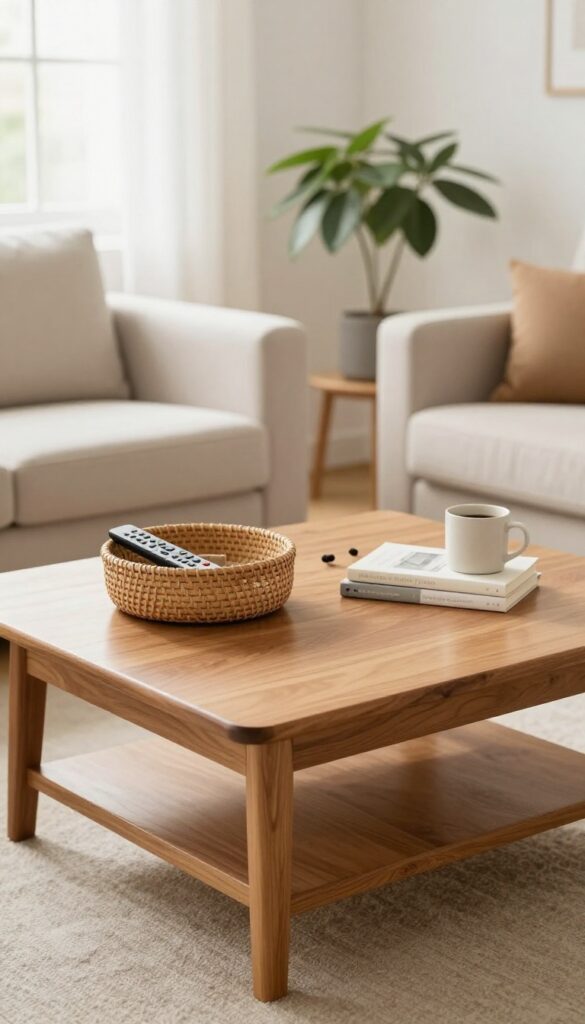
You might be tempted to grab a spray bottle and start wiping, but there's a smarter first step. Taking five minutes to clear surfaces of random objects makes everything after that more efficient. Dusting and wiping work best when they're not fighting through a pile of mail, remote controls, or coffee mugs.
This simple habit shifts your cleaning from moving stuff around to actually removing dirt and grime. Plus, it gives you a quick win before the real work begins.
The Five-minute Surface Sweep
Set a timer for five minutes and grab a laundry basket or tote. Walk through each room and quickly pick up anything that doesn't belong on the floor or furniture—books, clothes, toys, dishes. Drop them in the basket.
Don't sort or put away yet. Just clear the horizontal spaces. You'll be amazed how much cleaner a room looks in under 300 seconds.
Why This Makes Dusting More Effective
When you dust around clutter, you're just pushing dust onto those items. By removing everything first, you can wipe the entire surface in one smooth motion. No lifting each knickknack individually.
No missing spots. Your microfiber cloth glides over clean surfaces, picking up dust instead of redistributing it.
A Trick For Staying On Track
Keep a small basket or tray in each room specifically for clutter collection. When you're about to clean, toss everything into that container. After you finish dusting and wiping, take two minutes to return items to their proper homes.
Over time, you'll train yourself to clear surfaces automatically before any cleaning session.
9. The 2-Minute Rule for Small Tasks
You know those tiny chores that pile up until they become a mountain? The 2-minute rule stops that before it starts. If a task takes less than two minutes—like hanging a coat or sorting mail—do it immediately.
This simple habit prevents small messes from growing and keeps your home tidy with almost no effort.
Why Two Minutes Matters
Most clutter builds from tiny delays. A jacket draped on a chair becomes a pile. Unopened mail stacks into a mountain.
By acting in the moment, you bypass the buildup entirely. Two minutes is short enough to avoid feeling overwhelmed, but long enough to make a visible difference. Over a day, those quick actions save you from a full-blown cleanup session.
Where To Start Applying It
Focus on high-traffic areas first: entryway, kitchen counter, bathroom sink. When you walk in, hang your keys and coat immediately. After eating, rinse your plate and put it in the dishwasher.
Spot a stray shoe? Put it away. These micro-habits train your brain to see tidiness as the default, not an extra step.
Turning It Into A Routine
The trick is consistency, not perfection. Pair the rule with a trigger—like right after you come home or before you sit down. Use a timer if you're unsure, but you'll quickly learn what fits in two minutes.
Over time, you'll naturally spot and handle small tasks without thinking, and your home will stay noticeably cleaner.
10. Morning Make-Bed Momentum
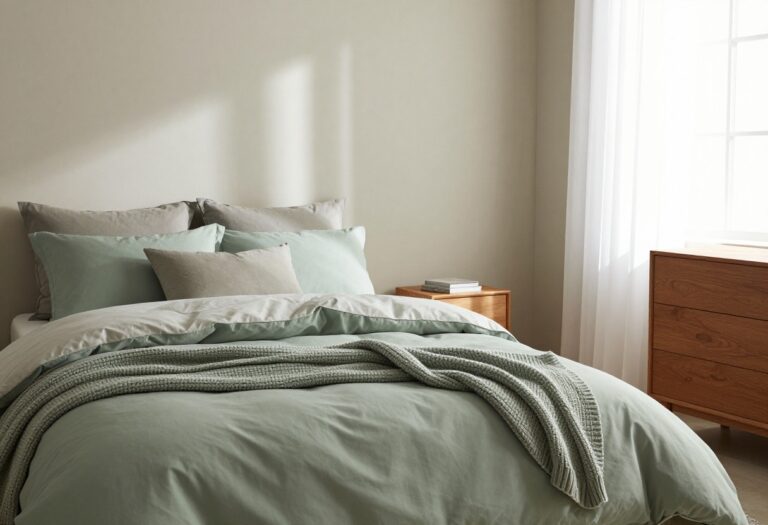
There's something about a made bed that changes the whole feel of a room. It takes less than two minutes, yet it instantly makes your bedroom look tidier and more put together. More importantly, it sets a productive tone for the day ahead, making you more likely to keep up with other small cleaning tasks.
Making your bed first thing in the morning is a small win that builds momentum. It's a simple habit that takes almost no time, but the visual payoff is huge. Plus, it keeps your sheets fresher longer by letting them air out while you sleep—just pull back the covers for a few minutes before straightening them.
The Two-minute Trick
You don't need to do hospital corners or fluff every pillow. Just pull the duvet up, smooth out the wrinkles, and arrange the pillows. If you have a throw blanket, fold it neatly at the foot.
That's it. Two minutes tops, and the room looks instantly cleaner.
Why It Works Beyond The Bedroom
Starting your day with a completed task, no matter how small, creates a ripple effect. You're more likely to wipe down the bathroom sink, put away your coffee mug, or hang up your coat. The made bed becomes a visual anchor for a tidy home, reminding you that order is achievable.
Making It Stick
If you're not a natural bed-maker, keep it simple. Use a duvet that's easy to straighten, and skip the decorative pillows that take extra time. Set a rule: don't leave the bedroom until the bed is made.
After a week, it'll feel automatic.
11. Evening Kitchen Close-Out
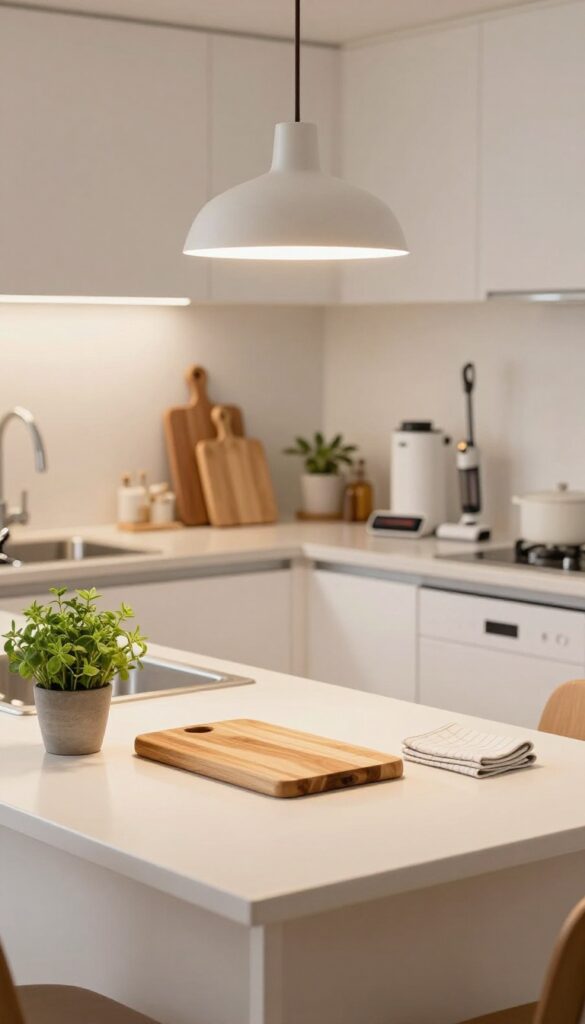
The kitchen is the heart of the home, but it can also be the messiest room by the end of the day. An evening close-out routine takes just 10 to 15 minutes and resets the space so you wake up to a clean slate. No more morning scramble to find a clean mug or wipe down sticky counters before your first cup of coffee.
Load And Run The Dishwasher
Make it a habit to load all dirty dishes into the dishwasher right after dinner. If you have a delay-start feature, set it to run overnight so dishes are clean and ready to put away in the morning. Hand-wash any pots or pans that can't go in the dishwasher, and dry them before storing.
Wipe Down All Surfaces
Spray countertops, the stovetop, and the kitchen island with an all-purpose cleaner or a vinegar solution. Wipe them down with a microfiber cloth, paying attention to corners and under appliances where crumbs hide. Don't forget the sink—give it a quick scrub and rinse to prevent odors.
Sweep Or Spot-clean The Floor
A quick sweep or a pass with a cordless vacuum picks up crumbs and debris from dinner prep and meals. Focus on high-traffic areas like in front of the stove, sink, and dining area. If you have tile or hardwood, a damp mop once a week keeps the floor looking fresh.
Tackle One Extra Task
Use the last few minutes to do one small task that makes a big difference: take out the trash, wipe down the microwave inside, or organize the fridge's front row. Rotate these extras so nothing gets neglected for too long.
12. The 20-Minute Living Room Refresh
The living room is the heart of the home, but it can quickly become a dumping ground for clutter. Instead of letting it get out of control, a quick 20-minute refresh every other day keeps it guest-ready without much effort. This routine focuses on the areas that show the most wear and tear, so you get the biggest visual payoff for your time.
Set a timer and start by fluffing all the cushions and folding any throws or blankets neatly. Next, grab a microfiber cloth and quickly wipe down coffee tables, side tables, and any visible surfaces. Then, do a fast vacuum pass over the main traffic paths and under the coffee table.
Finally, do a quick sweep for stray items like remote controls, magazines, or kids' toys and return them to their homes. That's it—20 minutes and your living room looks instantly refreshed.
Why 20 Minutes Works
Twenty minutes is short enough to fit into a busy schedule but long enough to make a visible difference. By focusing on high-impact areas, you avoid the trap of deep cleaning every time. This routine prevents dirt and clutter from piling up, so your living room stays consistently tidy.
What To Tackle First
Start with soft surfaces—fluffing pillows and folding blankets instantly makes the room feel neater. Then move to hard surfaces: a quick wipe of coffee and side tables removes dust and fingerprints. Finish with the floor: vacuuming the main paths picks up crumbs and pet hair that stand out the most.
Staying Consistent
To make this a habit, pair it with something you already do, like making your morning coffee or winding down in the evening. Keep a basket for stray items so you can toss them in quickly. After a week, this 20-minute refresh will feel automatic.
13. Bathroom Deep Clean Every Two Weeks
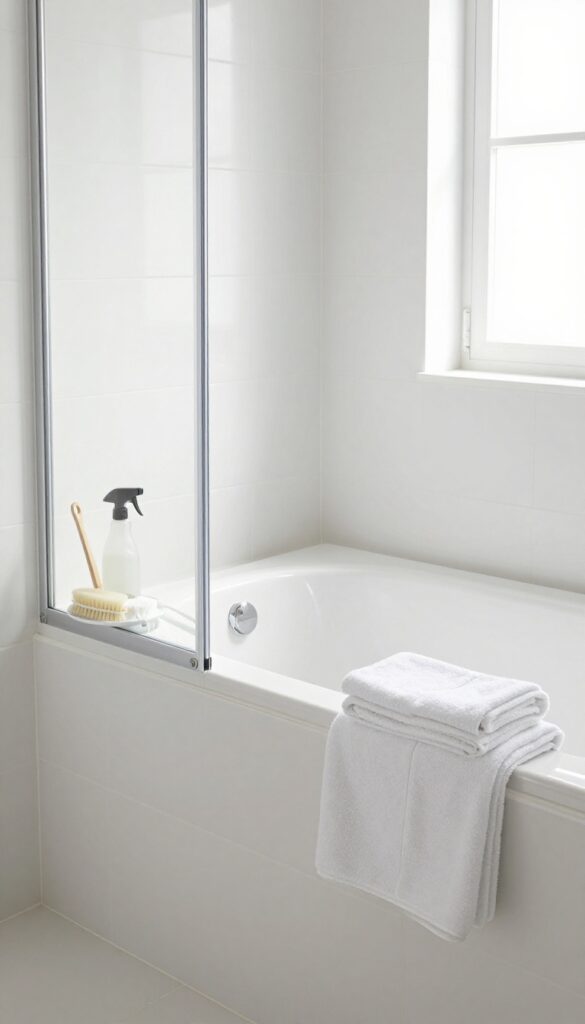
Bathrooms can get grimy fast, but a deep clean every two weeks keeps them fresh without turning into an all-day project. By tackling the tub, toilet, and tiles on a regular cadence, you prevent soap scum and mildew from taking over. Plus, washing bath mats and shower curtains on the same schedule keeps everything smelling clean.
Set a recurring reminder on your phone for every other Saturday or whatever day works best. Gather your supplies ahead of time—scrub brushes, all-purpose cleaner, glass cleaner, and a microfiber cloth. Start from the top: spray the tiles and shower walls, let them sit, then scrub and rinse.
Move to the toilet, using a dedicated brush and cleaner. Finish with the sink and mirror. While surfaces dry, toss bath mats and fabric shower curtains in the wash.
This two-week rhythm keeps your bathroom looking and feeling its best with minimal effort.
Why Every Two Weeks Works
A biweekly deep clean hits the sweet spot between daily maintenance and monthly neglect. It stops grime from building up, so each session stays quick—usually 20 to 30 minutes. You won't need harsh chemicals or heavy scrubbing because the dirt hasn't had time to set.
What To Focus On
Prioritize the high-moisture areas: shower, tub, toilet, and sink. Don't forget the grout lines and caulk—wipe them down with a mildew remover. Also clean the toilet base and behind the seat.
Finally, wash bath mats and any fabric accessories to remove trapped moisture and bacteria.
Staying Consistent
Use a calendar app or a physical planner to schedule your deep clean. Pair it with a recurring reward, like a relaxing bath or your favorite podcast. Consistency is key—once it becomes a habit, you'll barely think about it.
14. Fridge Friday: Weekly Food Check
The fridge can become a black hole of forgotten leftovers and wilted vegetables. By dedicating a short time each Friday to checking what's inside, you'll cut down on food waste and make meal planning a breeze. This simple habit keeps your fridge organized and your grocery list focused.
Fridge Friday is a low-effort, high-impact routine that takes just 10 to 15 minutes. Start by pulling out anything that's expired or past its prime and toss it. Then, give the shelves a quick wipe with a damp cloth or a gentle cleaner.
Finally, take stock of what's left and use it to plan your meals for the coming week. This prevents buying duplicates and ensures you actually eat what you have.
Toss And Tidy
Go through each shelf and drawer. Check expiration dates on dairy, condiments, and leftovers. If something looks or smells off, it goes.
Wipe down any sticky spots or spills as you go. A clean fridge not only looks better but also keeps food fresher longer.
Plan Your Week
With the remaining ingredients in mind, jot down a rough meal plan for the next seven days. Use up the veggies that are starting to soften, or turn leftover chicken into a soup. This step saves money and reduces the stress of last-minute dinner decisions.
Organize For Success
Group similar items together: dairy on one shelf, produce in the crisper, and leftovers in a designated spot. Use clear containers to keep leftovers visible. When everything has a home, you'll spend less time hunting for ingredients and more time enjoying your meals.
15. The 10-Minute Entryway Sweep
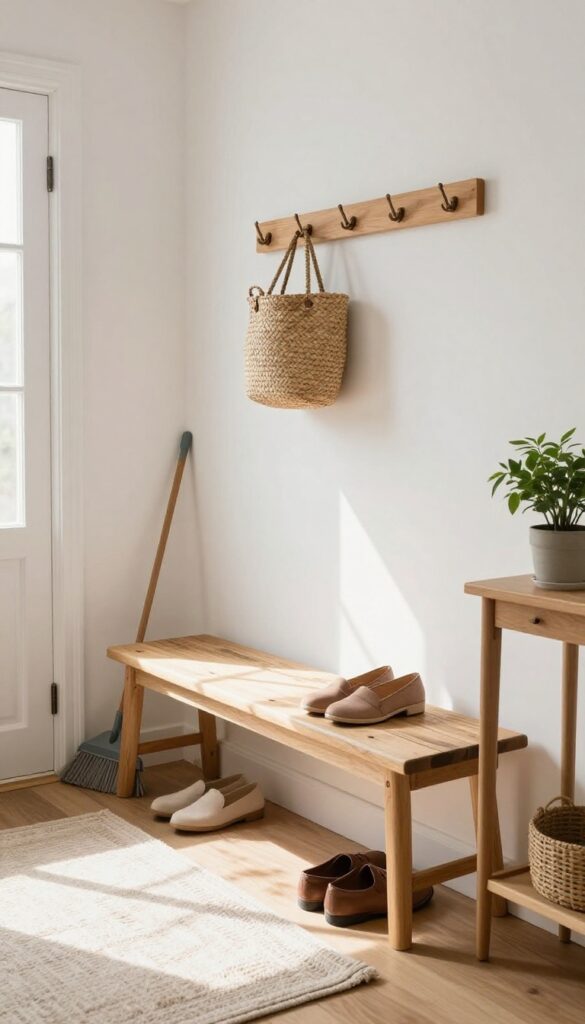
First impressions matter, and your entryway sets the tone for the whole home. A quick daily sweep keeps dirt and clutter from spreading, making the space feel welcoming without much effort. This simple habit takes just 10 minutes and pays off in a cleaner, calmer entrance every time you walk in.
Daily 5-minute Sweep Or Vacuum
Grab a broom or a cordless vacuum and give the floor a quick once-over. Focus on the area right inside the door where shoes and boots drop the most debris. This prevents dirt from being tracked into the rest of your home and takes almost no time.
Weekly Wipe-down Of Handles And Switches
Once a week, use a disinfecting wipe or a damp cloth to clean door handles, light switches, and any other high-touch surfaces in the entryway. These spots collect germs and fingerprints quickly, and a quick wipe keeps them fresh and hygienic.
Declutter Shoes And Outerwear Daily
Make it a habit to put away shoes, coats, and bags as soon as you come in. A quick 2-minute tidy at the end of the day keeps the entryway from becoming a dumping ground. Use a basket or hooks to make storage easy and accessible.
16. Seasonal Closet Swap
Twice a year, your closet gets a fresh start. A seasonal swap means you pull out the clothes that match the upcoming weather and tuck away the rest. It’s a simple way to keep your wardrobe organized and your closet from overflowing.
Set aside a weekend in spring and fall to swap your clothes. Start by taking everything out of your closet and sorting into piles: keep, donate, and store. Wash or dry-clean items before storing to keep them fresh.
Use labeled bins or vacuum bags for off-season gear. This habit not only keeps your closet manageable but also helps you rediscover forgotten favorites.
Sort With Purpose
As you pull each item, ask yourself if you wore it last season. If not, consider donating. Be honest about fit and style.
Keep only what you love and will actually wear.
Store Smart
Use clear bins or labeled boxes for off-season clothes. Add cedar blocks or lavender sachets to deter moths. Store heavy sweaters folded, not hung, to avoid stretching.
Keep shoes in their original boxes or a clear shoe organizer.
Refresh Your Wardrobe
Before putting away the current season’s clothes, mend any tears or loose buttons. Give your closet a quick wipe-down. Organize by category (tops, bottoms, dresses) and then by color for an easy-to-browse look.
17. Weekly Electronics Dust-Off
Electronics are dust magnets, and a layer of grime can affect performance and lifespan. A quick weekly wipe-down keeps your devices looking sharp and running cool. Don't let dust build up on screens, vents, and entertainment centers.
It takes just a few minutes and makes a big difference in how fresh your space feels.
What You'll Need
Grab a microfiber cloth—it traps dust without scratching screens. Avoid paper towels or rough fabrics. For stubborn spots, lightly dampen the cloth with water or a screen-safe cleaner.
Never spray directly on electronics.
Quick Routine
Start with the TV or monitor: gently wipe from top to bottom. Move to the keyboard and mouse—turn them upside down and tap out crumbs, then wipe keys. Finish with the entertainment center shelves and any visible cables.
That's it.
Bonus: Keep Vents Clear
Dust clogs vents and causes overheating. Use a soft brush attachment on your vacuum or a can of compressed air to clear out computer and console vents. Doing this weekly prevents bigger issues down the road.
18. The 5-Minute Mail Sorting
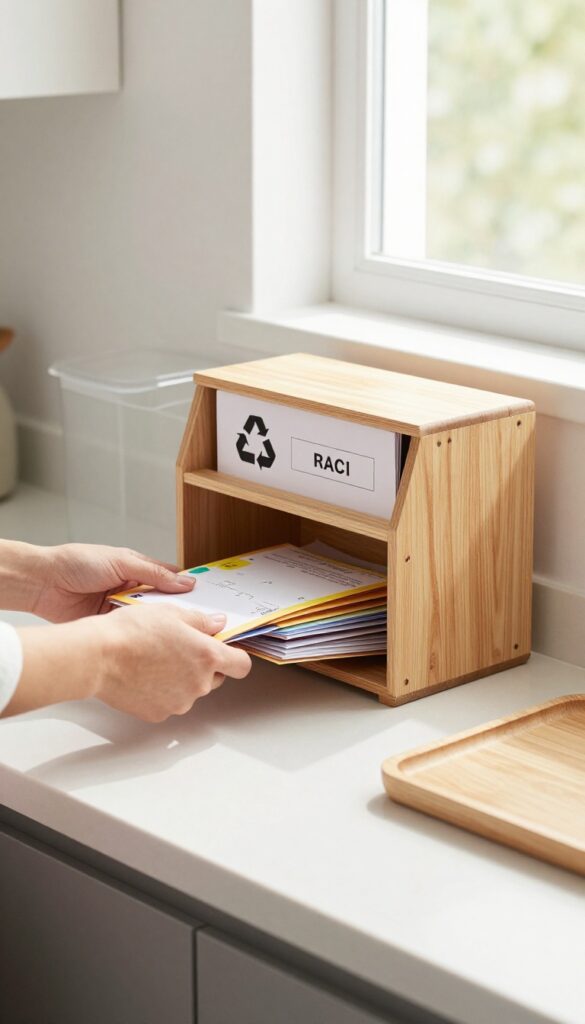
Mail piles up fast, and before you know it, you have a mountain of envelopes and flyers on your counter. The trick is to handle it daily, but only for five minutes. This tiny habit keeps paper clutter from taking over your home.
Set a timer and work through your mail quickly. Recycle junk mail immediately, file bills in a designated folder, and put action items like invitations or forms in a small tray. If something needs a longer response, add it to your to-do list and toss the paper.
Consistency is key: do this every day at the same time, perhaps right after dinner.
Set Up Your Station
Designate a small spot near your entryway or kitchen for mail sorting. Keep a recycling bin, a file folder for bills, and a tray for pending items. Having everything in one place makes the five-minute task effortless.
Sort With Purpose
As you open each piece, decide immediately: trash, file, or act. Don't let anything linger in the "maybe" pile. If it's a catalog you want to browse later, set a rule to recycle it after one week.
Digitize When Possible
Switch to paperless billing and statements to reduce incoming mail. For documents you need to keep, scan them and store digitally. This cuts down the physical clutter even further.
19. Monthly Appliance Wipe-Down
Your kitchen appliances work hard every day, but they rarely get the attention they deserve. A monthly wipe-down keeps them looking fresh and functioning well, without adding much time to your cleaning routine. This simple habit prevents sticky residue from building up on your microwave keypad, coffee maker, and toaster.
It also stops grease and smudges from dulling the shine on your refrigerator door.
Set a reminder once a month to give these five appliances a quick wipe. You'll be surprised how much better your kitchen looks and feels.
What You'll Need
Grab a microfiber cloth, a bowl of warm water with a drop of dish soap, and a dry cloth for buffing. For stainless steel, use a dedicated cleaner or a little vinegar and olive oil to avoid streaks.
The Microwave Method
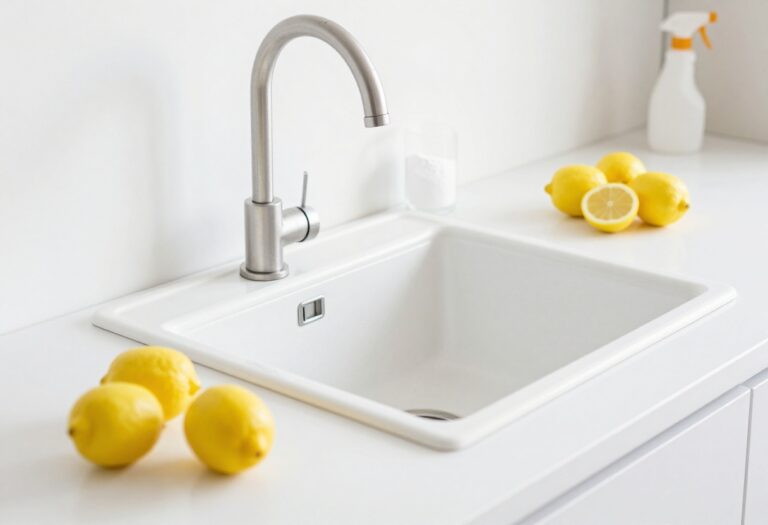
Start with the microwave. Heat a bowl of water with lemon slices for two minutes, then let it sit for five. The steam loosens food splatters, making them easy to wipe away.
Don't forget the turntable and the door seal.
Coffee Maker And Toaster
Unplug both before cleaning. For the coffee maker, remove the carafe and filter basket and wash them in warm soapy water. Wipe the base and the warming plate.
For the toaster, shake out crumbs, then wipe the exterior with a damp cloth. Avoid getting water inside the slots.
Refrigerator Exterior And Handles
The fridge door handles are high-touch areas that collect germs and fingerprints. Wipe them down with a disinfectant spray or soapy water. For the rest of the exterior, a damp cloth followed by a dry one will restore its shine.
Don't forget the top of the fridge, where dust tends to settle.
20. The 15-Minute Bedroom Reset
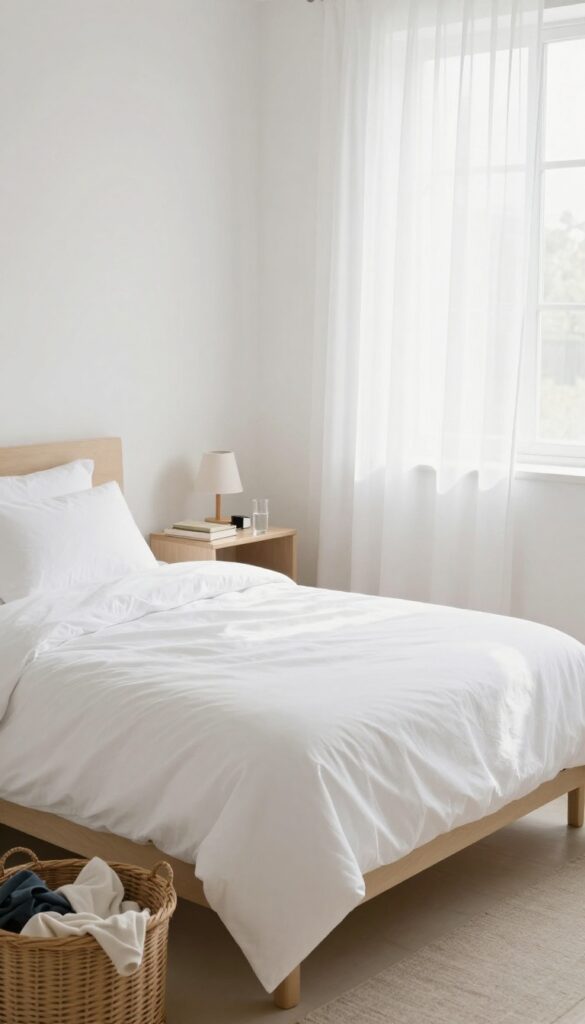
Your bedroom should be a sanctuary, not a dumping ground for yesterday's clothes and random clutter. A quick daily reset can transform the space and your mindset in just 15 minutes. This isn't about deep cleaning—it's about creating a calm environment that helps you unwind at night and start fresh in the morning.
The best part? You don't need a huge block of time to make it happen.
The 15-Minute Bedroom Reset is a simple morning routine that sets the tone for the day. By tackling three key tasks—making the bed, putting away clothes, and clearing nightstands—you create a tidy, peaceful space that promotes better sleep and reduces stress. This habit takes less than a quarter of an hour but pays off in a consistently organized room.
Make The Bed First
Start by pulling up the sheets, straightening the duvet, and fluffing the pillows. A made bed instantly makes the whole room look neater. It also gives you a small sense of accomplishment first thing in the morning.
Put Away Clothes And Clutter
Grab any clothes draped over chairs or on the floor and hang them up or toss them in the hamper. Return stray items like books, glasses, or water glasses to their designated spots. Clearing surfaces removes visual noise.
Quick Nightstand Tidy
Wipe down nightstands with a microfiber cloth to remove dust and any water rings. Organize items you use nightly—like a lamp, book, or phone charger—so everything has a place. This small step makes winding down easier.
FAQ
How do I stick to a cleaning schedule?
Start small with one or two habits, like a 15-minute daily tidy or a weekly zone. Use reminders on your phone and reward yourself for consistency.
What if I miss a day?
Don't stress. Just pick up where you left off. The goal is progress, not perfection.
You can always double up the next day or adjust your schedule.
How often should I deep clean?
Aim for a deep clean of each room every 1-3 months. Focus on tasks like cleaning carpets, washing curtains, and scrubbing grout.
Can I combine cleaning with other activities?
Yes! Listen to a podcast or audiobook while cleaning, or involve family members. Making it enjoyable helps you stay consistent.
What's the best way to clean a kitchen quickly?
Focus on high-impact areas: wipe counters, load the dishwasher, and sweep the floor. Save deep cleaning for another day.
Conclusion
A manageable home doesn't come from one massive cleaning spree—it comes from small, consistent habits that fit your life. Pick two or three ideas from this list that feel doable and start there. Over time, these micro-routines will build into a rhythm that keeps your space tidy without burning you out.
Your home should work for you, not the other way around. Start small, stay consistent, and enjoy the calm that follows.