13 Garbage Disposal Cleaning Tips for Odor Control
A smelly garbage disposal can turn your kitchen into an unpleasant space. The good news is you don't need harsh chemicals to fix it. With a few simple tricks, you can keep your disposal fresh and odor-free.
Most odors come from food particles trapped in the blades and drain. Regular cleaning prevents buildup and keeps things running smoothly. These methods use common household items you probably already have.
From citrus peels to ice cubes, each tip targets odor at its source. You'll notice a difference after the first try. Let's dive into the best ways to clean your garbage disposal and banish bad smells for good.
1. Freeze Citrus Peels and Vinegar into Ice Cubes
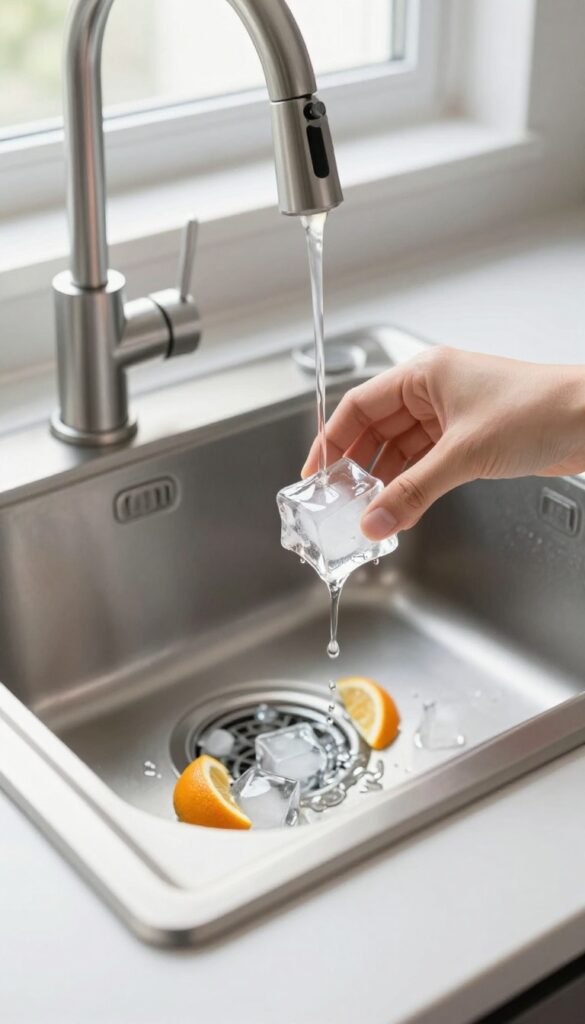
This trick combines two powerful cleaning agents: citrus and vinegar. The ice helps sharpen the disposal blades while the vinegar and citrus oils work together to break down grime and neutralize odors. It’s a simple, chemical-free method that leaves your kitchen smelling fresh.
Start by collecting peels from lemons, oranges, or limes. Place a few peels into each compartment of an ice cube tray, then fill with white vinegar. Freeze until solid.
Once ready, grab a few cubes and drop them into the disposal while running cold water. Turn on the disposal and let it grind the cubes completely. The ice scours the blades and dislodges stuck particles, while the vinegar cuts through grease and the citrus oils leave a clean scent.
Repeat weekly for best results.
Why This Works
Ice cubes harden and sharpen the disposal blades as they grind, improving cutting efficiency. Vinegar is a natural disinfectant that breaks down organic buildup and kills odor-causing bacteria. Citrus peels contain d-limonene, a compound that dissolves grease and leaves a pleasant fragrance.
How To Use Regularly
Make a batch of citrus vinegar ice cubes and store them in a freezer bag. Use two to three cubes once a week as part of your cleaning routine. Always run cold water before, during, and after grinding to flush debris down the drain.
What To Avoid
Don't use large peels or too many cubes at once, as they might overload the disposal. Avoid using this method if your disposal has rubber gaskets that could be damaged by prolonged vinegar exposure. Stick to weekly use to prevent any wear.
2. Grind Baking Soda and Vinegar Together
Baking soda and vinegar aren't just for volcano science projects. When combined in your disposal, they create a fizzy reaction that loosens stuck-on grime and neutralizes odors. It's a simple, chemical-free way to deep clean without scrubbing.
Start by pouring half a cup of baking soda directly into the disposal. Follow with one cup of white vinegar. The mixture will bubble up immediately—let it fizz for about five minutes.
During this time, the reaction works to break down grease and food residue clinging to the blades and inner walls. After five minutes, flush with a pot of hot tap water (not boiling, as that can damage rubber parts). Run the disposal briefly to clear everything out.
For extra freshness, drop in a few lemon peel pieces while running the hot water.
Why This Combo Works So Well
Baking soda is a mild abrasive that scrubs away debris, while vinegar's acidity dissolves mineral deposits and cuts through grease. Together, they create carbon dioxide gas, which helps physically dislodge stuck particles. This fizzing action reaches crevices that a brush might miss.
When To Use This Method
This cleaning trick works best as a weekly maintenance step. If your disposal smells musty or you notice slow drainage, it's a good sign to break out the baking soda and vinegar. Avoid using this method more than once a week, as the acid can eventually wear down rubber seals if overused.
Tips For Best Results
Always use white vinegar—apple cider or balsamic can leave residue. Make sure the disposal is off and dry before adding the baking soda. If the smell persists after flushing, repeat the process with a little more vinegar.
For extra odor-fighting power, add a few drops of lemon essential oil to the baking soda before pouring.
3. Use Lemon or Lime Wedges for a Quick Refresh
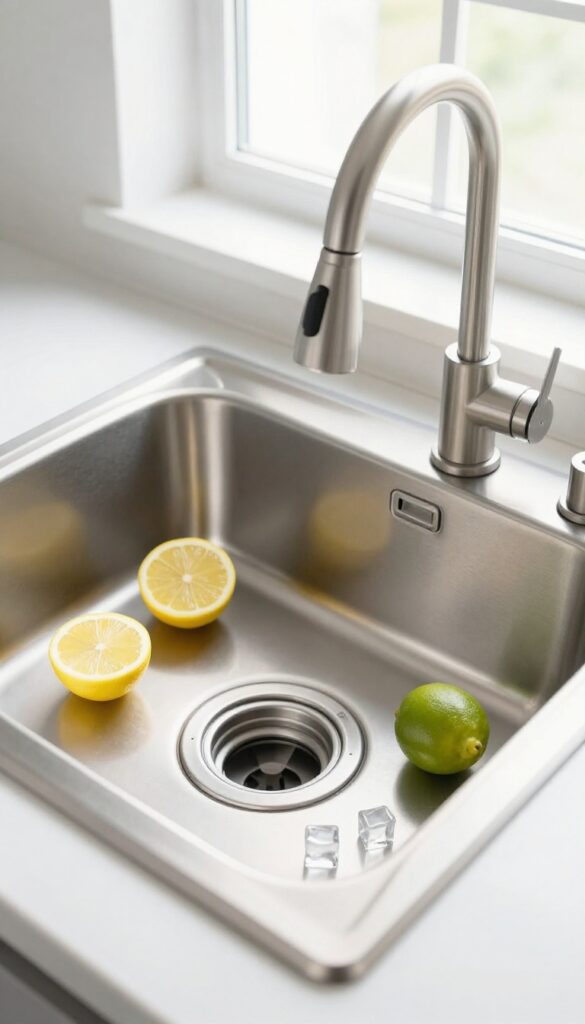
Citrus fruits are nature's air fresheners, and they work wonders in your garbage disposal. A few lemon or lime wedges can instantly neutralize odors and leave your kitchen smelling clean. This method is fast, easy, and doesn't require any special products.
Simply drop a few lemon or lime wedges into the disposal while running cold water. The citrus oils released during grinding break down odor-causing bacteria and leave a fresh, zesty scent. Avoid using whole peels, as they can jam the blades or get stuck in the drain.
Stick to small wedges or slices for best results. For an extra boost, add a handful of ice cubes along with the citrus to help scrub the blades clean.
Why Citrus Works So Well
Citrus fruits contain natural acids and oils that cut through grease and neutralize odors. The acidity helps dissolve food residue, while the oils leave a pleasant scent. Unlike chemical cleaners, citrus is safe for your disposal and septic system.
Step-by-step: How To Do It Right
Start by cutting a lemon or lime into small wedges. Turn on the cold water and the disposal. Drop in a few wedges one at a time, letting the disposal grind each piece completely.
Continue running water for 30 seconds after the last wedge to flush everything through.
Pro Tips For Best Results
Use only the flesh and rind, not the entire peel. If you have a particularly stubborn smell, repeat the process with a second batch. You can also freeze citrus wedges in ice cube trays for a refreshing combo that cleans and deodorizes at once.
4. Scrub with an Old Toothbrush and Dish Soap
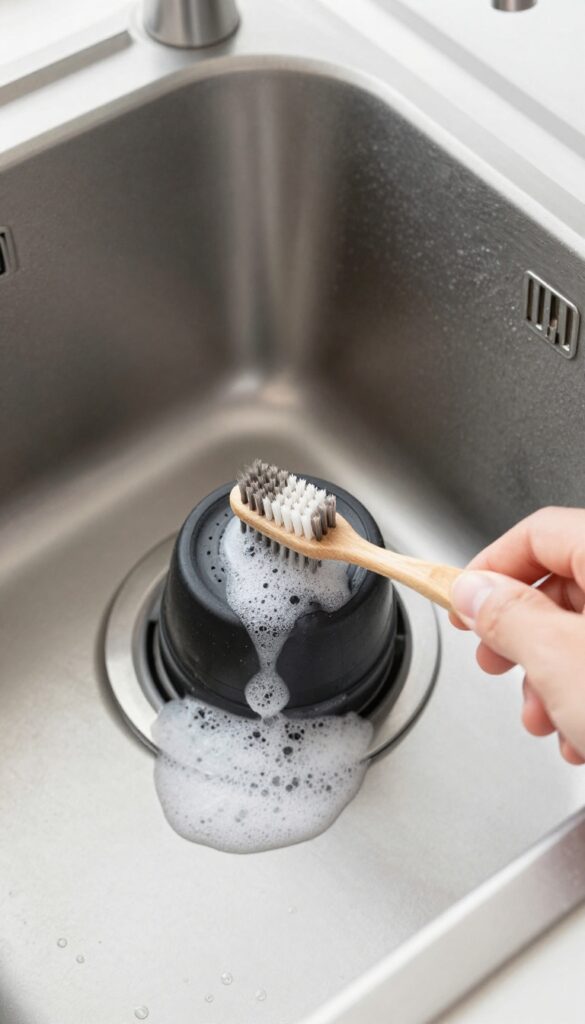
Sometimes the best tool for the job is one you were about to throw away. An old toothbrush with soft bristles can reach into the nooks and crannies of your garbage disposal where grime loves to hide. Paired with a squirt of mild dish soap, it's a simple but powerful way to tackle slimy buildup that causes odors.
Unplug the disposal or turn off the circuit breaker before you start. Then, put a few drops of dish soap on the toothbrush and scrub the rubber splash guard—both the top and underside. Also clean the inner walls and any visible areas around the blades.
Rinse thoroughly with cold water while the disposal is running (after plugging it back in). This method removes the biofilm that makes your disposal smell like last week's leftovers.
Why The Splash Guard Gets So Gross
The rubber splash guard is a prime spot for bacteria and mold because it stays damp and traps food particles. A quick scrub with a toothbrush lifts that slippery film before it turns into a stink bomb. Make this part of your monthly routine and you'll notice a difference.
Don't Forget The Drain Pipe
If you can reach it, use the toothbrush to gently clean the opening of the drain pipe just below the splash guard. That's where gunk accumulates and starts smelling. A few swipes can prevent odors from wafting back up.
Safety First: Unplug Or Flip The Breaker
Always disconnect power before sticking anything into the disposal. A toothbrush is harmless, but the blades are not. Unplug the unit under the sink or flip the dedicated circuit breaker.
Never rely on the switch alone.
5. Run Ice Cubes and Rock Salt to Dislodge Debris
If your garbage disposal smells like something died in there, it might just be packed with gunk stuck under the blades. A simple combination of ice and rock salt can break that buildup loose and sharpen the blades at the same time. This method is quick, cheap, and surprisingly effective.
Drop a handful of ice cubes and a cup of rock salt into the disposal. Run cold water and grind until the ice is gone. The salt scrubs the blades and ice knocks off stuck particles.
Why Ice And Salt Work
Ice cubes are hard enough to dislodge caked-on food debris without damaging the disposal. Rock salt adds abrasion to scrub the blades and interior surfaces. Together, they create a scouring action that removes odor-causing residue.
Step-by-step Instructions
Start by filling an ice cube tray with white vinegar and freezing it for an extra cleaning boost. Drop about a dozen cubes into the disposal, add half a cup of rock salt, and run cold water. Turn on the disposal and let it grind until you hear the ice fully break down.
Flush with cold water for 30 seconds.
When To Use This Method
Use this technique once a week to prevent odors and keep blades sharp. It's especially helpful after grinding fibrous foods like celery or corn husks that tend to wrap around the blades. Avoid using this method if your disposal is already jammed or making unusual noises.
6. Flush with Boiling Water Weekly
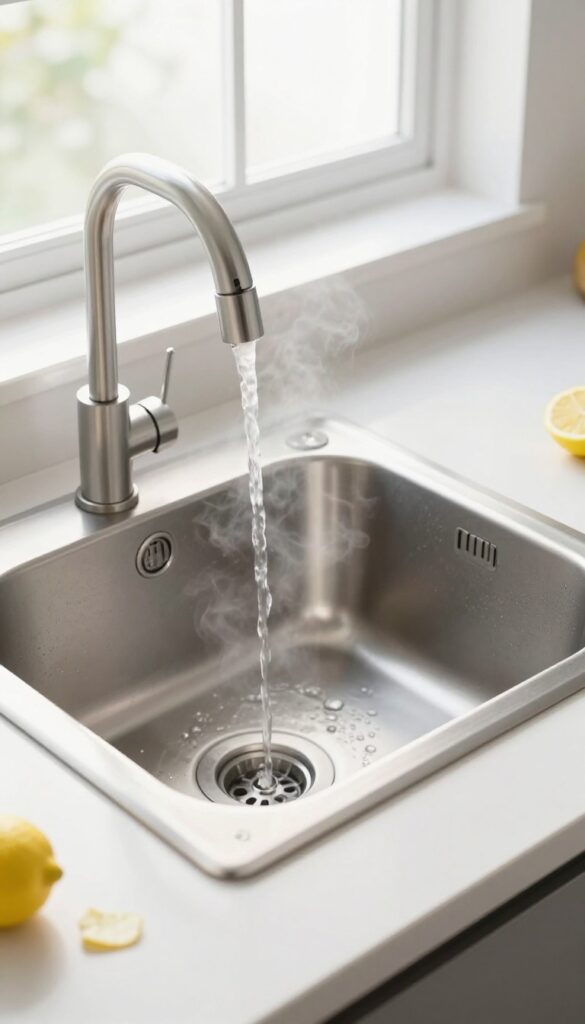
A simple pour of boiling water can do wonders for your garbage disposal. It's one of the easiest ways to melt away grease and flush out lingering debris that cause odors. Just be careful with the temperature—boiling water is safe for metal and hard plastic disposals, but check your manual first if you have older plumbing.
Boiling water works by liquefying fats and oils that have solidified inside the disposal and drainpipe. It also helps dislodge small food particles stuck to the blades and walls. For best results, do this once a week as part of your regular kitchen maintenance.
How To Do It Safely
Boil a full kettle of water. With the disposal turned off, pour about a third of the water down the drain. Wait 30 seconds for the heat to work, then pour another third.
Wait again, and finish with the rest. This staged approach prevents splashing and gives the hot water time to melt grease layer by layer.
When To Skip This Method
If you have a garbage disposal with plastic components or older PVC pipes, boiling water might cause damage. In that case, use hot tap water instead—it's still effective at reducing buildup without the risk. Also avoid this method if you've just used a chemical drain cleaner, as mixing with heat can create fumes.
Boost The Power With Citrus
For extra freshness, toss a few lemon or orange peels into the disposal before pouring the boiling water. The citrus oils help deodorize while the hot water flushes everything away. It's a two-in-one trick that leaves your kitchen smelling clean.
7. Grind Eggshells to Sharpen Blades and Scrub
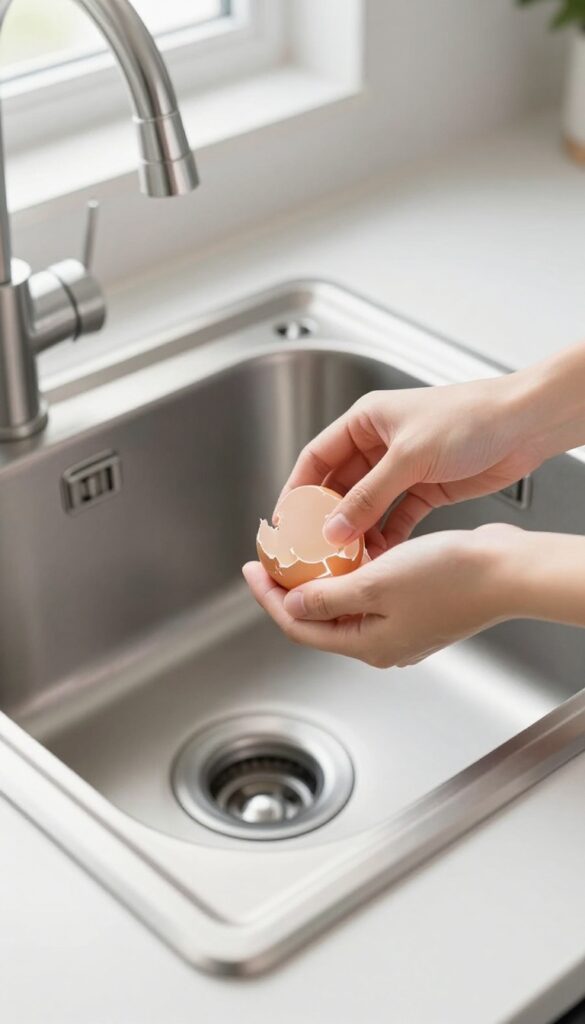
Eggshells are often tossed in the trash without a second thought, but they can actually help clean your garbage disposal. The gritty texture of crushed shells works like a gentle abrasive, scrubbing away grime and residue that cling to the blades and inner walls. Plus, the calcium in the shells can help sharpen the blades, making your disposal more efficient.
Just remember to use cold water while grinding to keep the shells solid and maximize the scrubbing action.
After grinding the eggshells, follow up with citrus peels to leave a fresh, clean scent. This two-step method tackles both odor and buildup without any harsh chemicals. It's a simple, eco-friendly way to maintain your disposal between deeper cleanings.
How Many Eggshells To Use
You don't need a dozen eggs—just 3 to 5 clean, dry eggshells will do. Crush them into small pieces by hand before dropping them into the disposal. Running too many at once can clog the drain, so stick to a modest amount.
Always Use Cold Water
Cold water keeps the eggshells solid and helps them grind into fine particles that scrub effectively. Hot water can soften the shells, turning them into a paste that won't clean as well. Keep the water running for 10-15 seconds after you stop grinding to flush everything through.
Finish With Citrus For Freshness
Once the eggshells are fully ground, toss in a few lemon or orange peels. The oils from the citrus will deodorize the disposal and leave behind a pleasant, natural scent. This combination is a powerhouse for both cleaning and odor control.
8. Use Borax for Deep Odor Removal
When citrus and vinegar aren't cutting it, borax steps in as a heavy hitter. This natural mineral salt has been a laundry room staple for generations, but it's just as effective at neutralizing stubborn garbage disposal smells. It works by breaking down organic residue and killing odor-causing bacteria without releasing harsh fumes into your kitchen.
Sprinkle half a cup of borax into the disposal and let it sit for 15 minutes. Then run hot water for a minute. Borax neutralizes odors and disinfects without harsh fumes.
Why Borax Works So Well
Borax is alkaline, which helps dissolve fatty acids and grease that cling to disposal parts. It also has mild bleaching properties that tackle stains and kill microbes. Unlike bleach, it won't damage rubber seals or metal components when used occasionally.
Step-by-step Borax Treatment
Start by turning off the disposal and making sure no water is standing. Pour half a cup of borax directly into the drain. Let it sit for 15 to 30 minutes—longer if the smell is really bad.
After that, run hot tap water for a full minute while the disposal is off, then turn it on briefly to flush everything through.
How Often To Use This Method
Once a month is plenty for most households. If you cook a lot of greasy or smelly foods, you can bump it up to every two weeks. Overusing borax isn't necessary and could affect your septic system if you have one, so stick to the recommended schedule.
9. Clean the Splash Guard with Bleach Solution
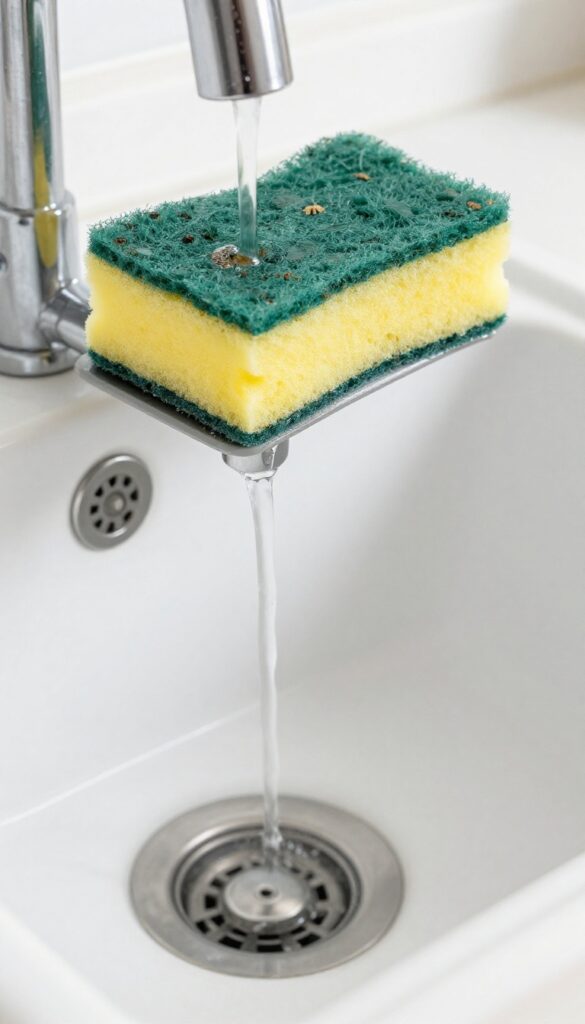
The rubber splash guard inside your sink drain often gets overlooked, but it's a prime spot for mold and mildew growth. That dark, slimy film isn't just gross—it's a major source of musty odors. A quick bleach solution can knock it out.
Mix one tablespoon of bleach with a gallon of water. Dip a sponge and wipe the rubber splash guard thoroughly. Rinse with water.
This kills mold and mildew that cause musty smells. Do this every few weeks to keep odors from coming back.
Why The Splash Guard Gets So Gross
Food particles and moisture get trapped in the rubber folds, creating a perfect breeding ground for bacteria and fungi. Over time, that buildup releases a persistent musty smell that regular grinding won't fix.
How Bleach Works On Mold And Mildew
Bleach is a powerful disinfectant that breaks down the cell walls of mold and mildew, killing them on contact. It also whitens the rubber, so you can see it's clean. Just be sure to rinse thoroughly to avoid any bleach residue.
Safety Tips For Using Bleach
Never mix bleach with ammonia or vinegar, as that creates toxic fumes. Wear gloves to protect your hands, and ensure the kitchen is well-ventilated. Only use a diluted solution—full-strength bleach can damage the rubber over time.
10. Grind Small Bones to Scour the Interior
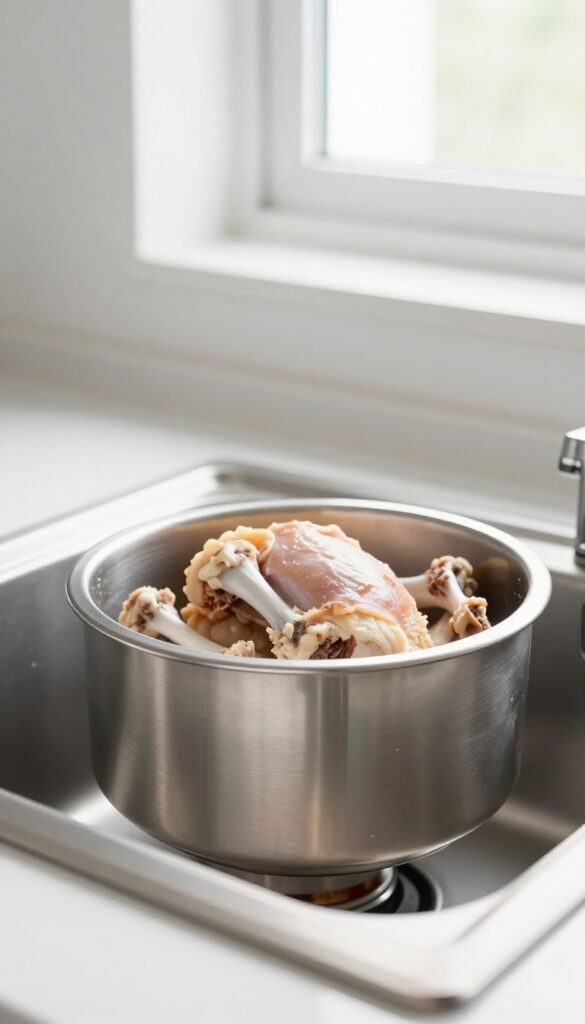
Chicken or fish bones might seem like a weird thing to put down your disposal, but they actually work wonders for cleaning. The bones act as a natural abrasive, scrubbing away grime and buildup from the grinding chamber. Just make sure to use small amounts and always run plenty of cold water to flush everything through.
Bones are hard enough to scrape off stuck-on food particles but soft enough to break down without damaging the blades. This method is especially effective for removing the greasy film that can trap odors.
Why Bones Work
The abrasive texture of ground bones scours the interior surfaces of the disposal, dislodging residue that sponges and brushes can't reach. As the bones are pulverized, they create a gritty paste that polishes the blades and chamber.
How To Do It Safely
Only use cooked bones from chicken, fish, or small poultry. Never use large beef or pork bones—they're too hard and can jam the motor. Drop a handful of bones into the disposal while running cold water, then grind until you hear the sound change to a smooth hum.
Continue running water for 30 seconds after.
When To Use This Method
Use bone grinding once a month or whenever you notice a lingering smell that other cleaning methods haven't fixed. It's a great deep-cleaning step after a heavy cooking session.
11. Freshen with Essential Oils on a Cotton Ball
Essential oils aren't just for diffusers or massage—they're surprisingly effective at banishing garbage disposal odors. A few drops on a cotton ball can transform your sink from funky to fresh in seconds. The best part?
You probably already have lemon or tea tree oil in your cabinet.
Drop a few drops of lemon or tea tree oil onto a cotton ball and toss it into the disposal. Run cold water and grind. Essential oils deodorize and add a pleasant aroma.
Why Essential Oils Work So Well
Essential oils contain natural compounds that neutralize odors instead of just masking them. Lemon oil cuts through grease and leaves a bright, clean scent. Tea tree oil brings antimicrobial properties that kill odor-causing bacteria deep in the disposal.
How To Do It Right
Grab a plain cotton ball—no synthetic fibers—and add 3–5 drops of your chosen oil. Drop it into the disposal, turn on cold water, and run the disposal for about 15 seconds. The cotton ball helps distribute the oil evenly without clogging the blades.
Best Oil Combinations To Try
Lemon and peppermint create a refreshing, spa-like scent. Tea tree and orange fight bacteria while adding a citrusy punch. For a calming vibe, try lavender mixed with lemon.
Stick to 3–5 drops total to avoid overpowering the room.
Safety Tips To Keep In Mind
Always dilute essential oils—never pour them straight down the drain. Use cold water only, as hot water can break down the oils and reduce their effectiveness. Avoid oils like cinnamon or clove that can irritate sensitive skin if splashed.
12. Use Hydrogen Peroxide for Disinfecting
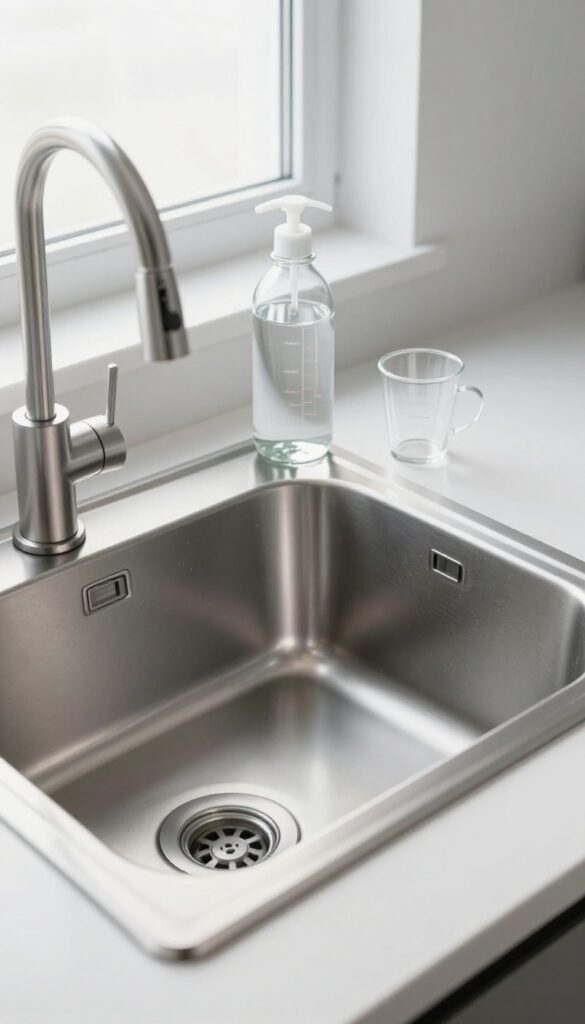
Hydrogen peroxide isn't just for first aid—it's a powerful disinfectant that tackles garbage disposal odors at the microbial level. Unlike bleach, it breaks down into harmless water and oxygen, leaving no toxic residue behind. This makes it a safe choice for households with kids or pets.
Pour half a cup of 3% hydrogen peroxide down the drain. Let it sit for 10 minutes, then flush with hot water. It kills bacteria and whitens the interior without toxic residue.
Why It Works
Hydrogen peroxide releases oxygen bubbles that physically dislodge grime and kill odor-causing bacteria on contact. It's especially effective against the slimy biofilm that builds up in damp disposal chambers.
How To Use It Safely
Always use the standard 3% solution—higher concentrations can damage rubber seals. Avoid mixing with vinegar or other acids, as that creates peracetic acid, which can be irritating. Stick to a weekly treatment for best results.
Combining With Baking Soda
For extra cleaning power, sprinkle half a cup of baking soda down the drain first, then slowly pour in the hydrogen peroxide. The fizzing action helps scrub away stubborn residue. Follow with hot water after 10 minutes.
13. Schedule a Monthly Deep Clean with All Methods
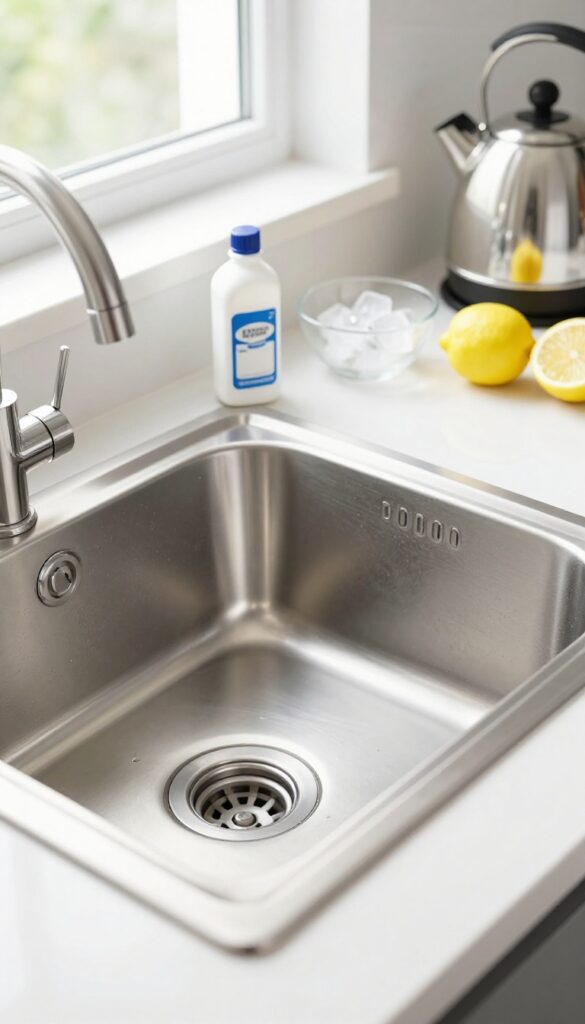
If you've been picking and choosing from the tips above, you're already ahead of the game. But to really stay on top of odors, a monthly deep clean that combines the best methods will make a huge difference. Think of it as a reset button for your disposal—a thorough scrub that prevents buildup before it starts.
Combining baking soda, vinegar, ice, citrus, and boiling water into one routine might sound like overkill, but each ingredient targets a different type of grime. Baking soda and vinegar fizz away stuck-on food, ice cubes sharpen the blades and knock off debris, citrus peels leave a fresh scent, and boiling water flushes everything down the drain. Doing this once a month keeps your disposal smelling clean and running smoothly, so you never have to deal with a stinky surprise.
Why A Monthly Routine Works Best
Daily use leaves behind residues that gradually build up and cause odors. A monthly deep clean tackles that cumulative grime. It's like brushing your teeth every day but also seeing the dentist for a professional cleaning—both are necessary for long-term freshness.
Step-by-step Monthly Deep Clean
Start by turning off the disposal and unclogging any visible debris. Then pour 1/2 cup baking soda down the drain, followed by 1 cup white vinegar. Let it fizz for 10 minutes.
Meanwhile, fill an ice cube tray with vinegar and freeze. Once the fizzing stops, drop the vinegar ice cubes into the disposal and run it with cold water. Follow with a handful of citrus peels (lemon or orange) and run again.
Finally, pour a kettle of boiling water down the drain to rinse everything away.
Tips For Maximum Effectiveness
Always use cold water when running the disposal—hot water can melt grease and cause clogs. For extra odor control, add a few drops of essential oil (like lemon or tea tree) to the baking soda before starting. And don't forget to clean the rubber splash guard with an old toothbrush during your monthly routine.
FAQ
How often should I clean my garbage disposal?
For best odor control, clean your disposal weekly with a simple method like citrus peels or baking soda. Do a deep clean monthly using multiple techniques.
Can I put coffee grounds down the disposal?
It's best to avoid coffee grounds. They can clump and cause clogs. Instead, toss them in the trash or compost.
Is it safe to use bleach in a garbage disposal?
Yes, but only in diluted form and sparingly. Use one tablespoon of bleach per gallon of water to clean the splash guard. Never pour undiluted bleach down the drain.
Why does my garbage disposal smell even after cleaning?
Persistent odors may indicate trapped food under the rubber splash guard or in the drainpipe. Try scrubbing the splash guard with a toothbrush and flushing with boiling water.
Can I use Drano or other chemical drain cleaners?
Avoid chemical drain cleaners in garbage disposals. They can damage the blades and seals. Stick to natural methods like baking soda, vinegar, and citrus.
Conclusion
A fresh-smelling garbage disposal comes down to consistent, simple habits. Pick two or three methods from this list—like weekly ice cube grinding or a monthly baking soda scrub—and weave them into your routine. The payoff is immediate: no more surprises when you turn on the tap.
Once these steps become second nature, you'll barely think about odors at all. Your kitchen stays cleaner, and your disposal lasts longer with less effort. Start with the easiest fix today and enjoy a noticeably fresher sink tomorrow.