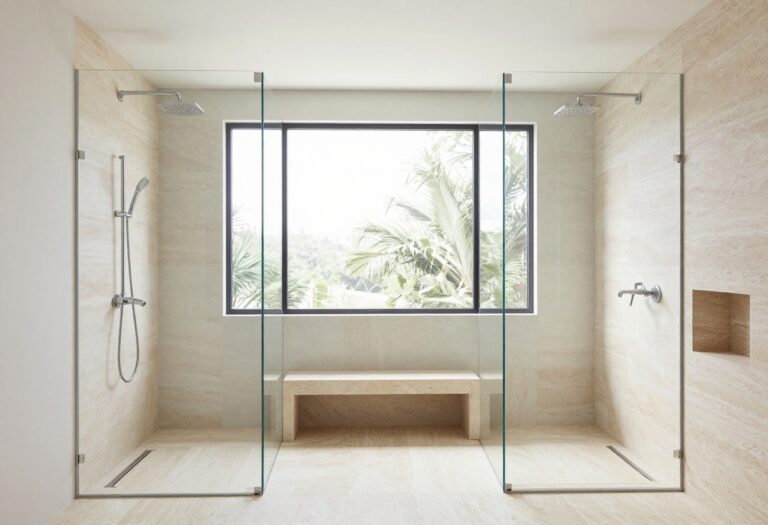
11 Basement Bedroom Ideas No Windows Needed for Cozy Style
A basement bedroom without windows can feel like a cave, but with the right approach, it becomes the coziest room in the house. You just need to work with what you have and add a few smart touches.
The key is to fake natural light, layer textures, and choose colors that make the space feel warm and open. It's easier than you think, and you don't need a huge budget.
Here are 11 ideas that turn a dark, windowless basement into a bedroom you'll actually want to spend time in. Each one tackles the no-window challenge head-on.
1. Fake Daylight with Layered Lighting
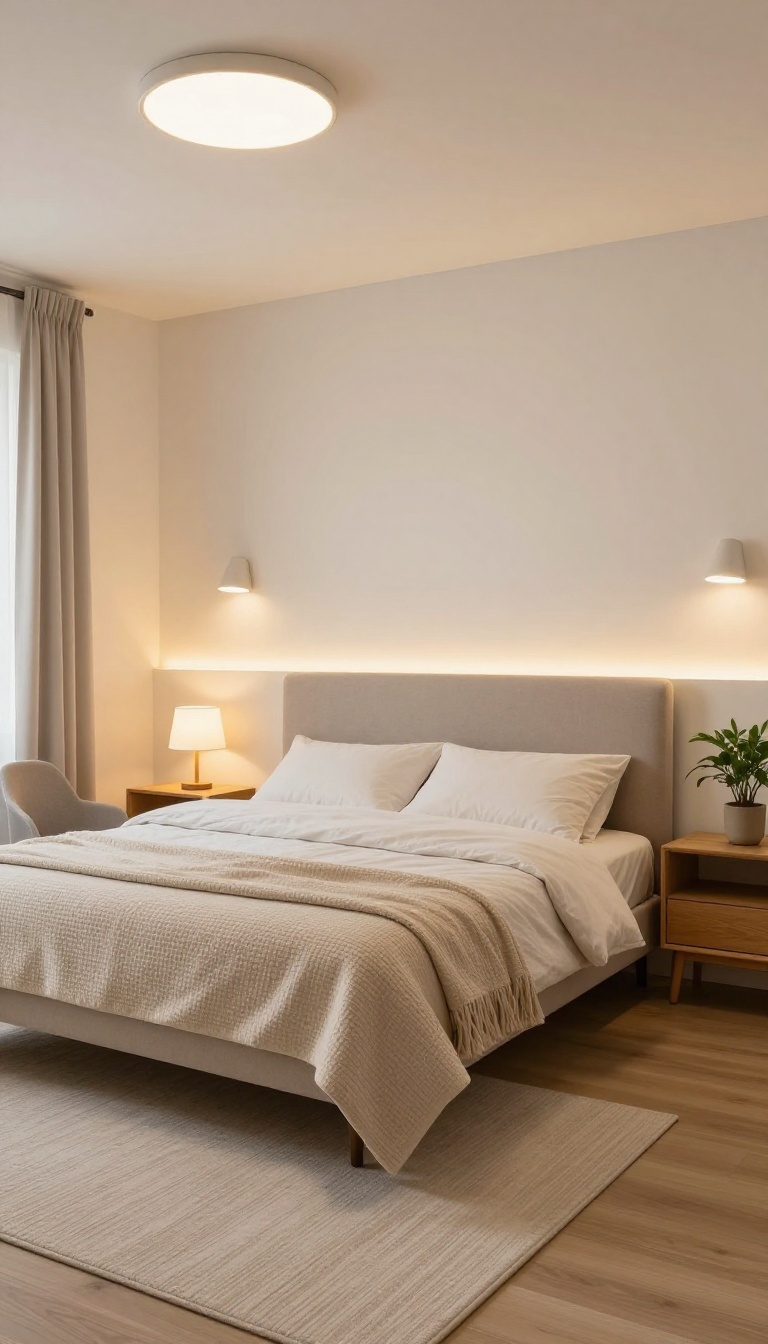
A windowless basement bedroom doesn't have to feel like a cave. With the right lighting strategy, you can create the illusion of natural daylight and make the space feel warm and inviting. The secret is layering different types of light—overhead, task, and accent—to mimic the way sunlight fills a room from multiple angles.
Start by replacing any single-bulb fixture with a layered approach. Overhead lighting provides general illumination, but it shouldn't be your only source. Add task lighting for reading or dressing, and accent lighting to highlight architectural features or create ambiance.
This combination eliminates dark corners and adds depth, making the room feel larger and more like a traditional bedroom with windows.
Choose The Right Bulbs
Bulb color temperature matters more than you think. Look for bulbs in the 2700K to 3000K range—these emit a warm, soft white light that feels closer to natural sunlight than harsh cool white bulbs. LED bulbs are your best bet because they stay cool to the touch and use less energy.
Avoid anything labeled 'daylight' (5000K or higher) unless you want a clinical, office-like vibe.
Layer Your Fixtures
Mix flush-mount ceiling lights with wall sconces and a floor lamp. Wall sconces at eye level mimic the soft glow of windows, while a floor lamp near a reading chair adds a cozy task light. Use dimmers on all fixtures so you can adjust the brightness from bright and airy during the day to warm and dim at night.
Add Accent Lights For Depth
String lights, LED strips behind a headboard, or a small table lamp on a dresser can add subtle accents that break up shadows. These small sources of light create a sense of depth and make the room feel less flat. Place them strategically to draw the eye upward and around the room, simulating the way daylight would bounce off walls.
2. Choose a Light and Airy Color Palette
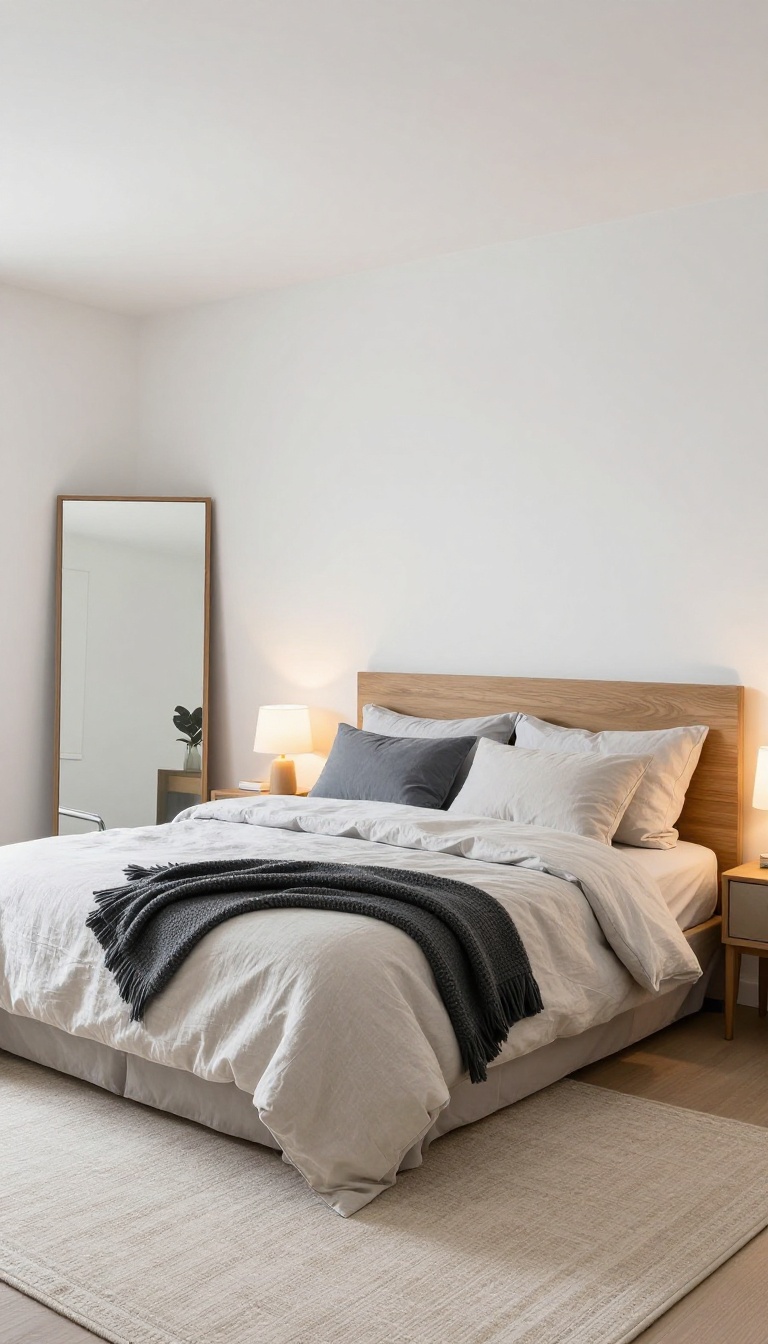
Color does more heavy lifting in a windowless basement bedroom than almost any other design choice. The right palette bounces what little light you have around the room, while the wrong one swallows it whole. Stick with soft whites, pale blues, and warm neutrals to keep things feeling open and bright.
Dark walls in a basement bedroom create a cave-within-a-cave effect. Light colors reflect the artificial light you do have, making the room feel larger and less oppressive. You're not just picking paint—you're picking how the space will feel every time you walk in.
Best Colors For A Windowless Room
Soft white, warm ivory, pale gray-blue, and light sand are your safest bets. These shades bounce light instead of absorbing it. Avoid pure stark white, though—it can look clinical without natural light to soften it.
A hint of warmth keeps things cozy.
Where To Use Light Vs. Dark
Keep walls, ceiling, and large furniture pieces light. You can add depth with darker accents—a charcoal throw, navy pillows, or a wood-toned headboard. The 80/20 rule works well: 80% light, 20% dark.
This prevents the room from feeling flat while keeping it airy.
Don't Forget The Ceiling
Paint the ceiling the same light color as the walls, or go one shade lighter. A white ceiling reflects light downward and makes the room feel taller. If you have beams or ducts, paint them the same color to blend in rather than creating visual clutter.
3. Add a Faux Window or Light Panel
A faux window with backlighting can trick your brain into thinking there's real daylight in the room. It's one of the most effective ways to break up a solid wall and add depth. Plus, it gives you a focal point that isn't just another piece of furniture.
The best part? You don't need to cut into your foundation or hire a contractor. Most faux windows are lightweight and mount directly to the wall.
Some even come with remote controls so you can adjust the brightness and color temperature. Think of it as a piece of functional art. It fills the empty space, adds soft light, and makes the room feel less like a basement.
You can go as simple or as elaborate as you want.
When you're dealing with four concrete walls, a faux window is like a breath of fresh air. It's not just about looks—it actually changes how the room feels. A soft glow from a backlit panel can make the space feel warmer and more inviting.
You have a few options here. You can buy a ready-made faux window with LED backlighting, or you can DIY one with a light panel and a frame. Either way, the goal is to create the illusion of natural light coming from outside.
Placement matters. Put it on the wall you face when you're lying in bed, or on the wall opposite the door. That way, it becomes a natural focal point.
And don't forget to add curtains or blinds to sell the effect. ### Choosing the Right Size and Style A faux window should look proportional to the wall. If it's too small, it'll look like a picture frame. Too big, and it might feel out of place.
Aim for something that resembles a standard window size—like 24 by 36 inches or 30 by 48 inches. For style, think about the rest of your decor. A sleek, modern panel works in a minimalist room.
A wooden frame with muntins (those grid lines) suits a farmhouse or traditional look. You can even find faux windows with realistic outdoor scenes printed on them. ### Installing and Lighting Your Faux Window Most faux windows come with mounting hardware. If you're handy, you can install it yourself in an afternoon.
Just make sure it's secure—you don't want it falling off the wall. For lighting, LED strips or panels are your best bet. They're energy-efficient and don't get hot.
Look for adjustable color temperature so you can switch from cool daylight to warm sunset. A remote control makes it easy to change the mood. If you want a more realistic effect, consider a light panel that mimics the sky.
Some even have timers that simulate sunrise and sunset. That can help regulate your sleep cycle in a windowless room.
Choosing The Right Size And Style
A faux window should look proportional to the wall. If it's too small, it'll look like a picture frame. Too big, and it might feel out of place.
Aim for something that resembles a standard window size—like 24 by 36 inches or 30 by 48 inches. For style, think about the rest of your decor. A sleek, modern panel works in a minimalist room.
A wooden frame with muntins (those grid lines) suits a farmhouse or traditional look. You can even find faux windows with realistic outdoor scenes printed on them.
Installing And Lighting Your Faux Window
Most faux windows come with mounting hardware. If you're handy, you can install it yourself in an afternoon. Just make sure it's secure—you don't want it falling off the wall.
For lighting, LED strips or panels are your best bet. They're energy-efficient and don't get hot. Look for adjustable color temperature so you can switch from cool daylight to warm sunset.
A remote control makes it easy to change the mood. If you want a more realistic effect, consider a light panel that mimics the sky. Some even have timers that simulate sunrise and sunset.
That can help regulate your sleep cycle in a windowless room.
4. Use Mirrors to Bounce Light Around
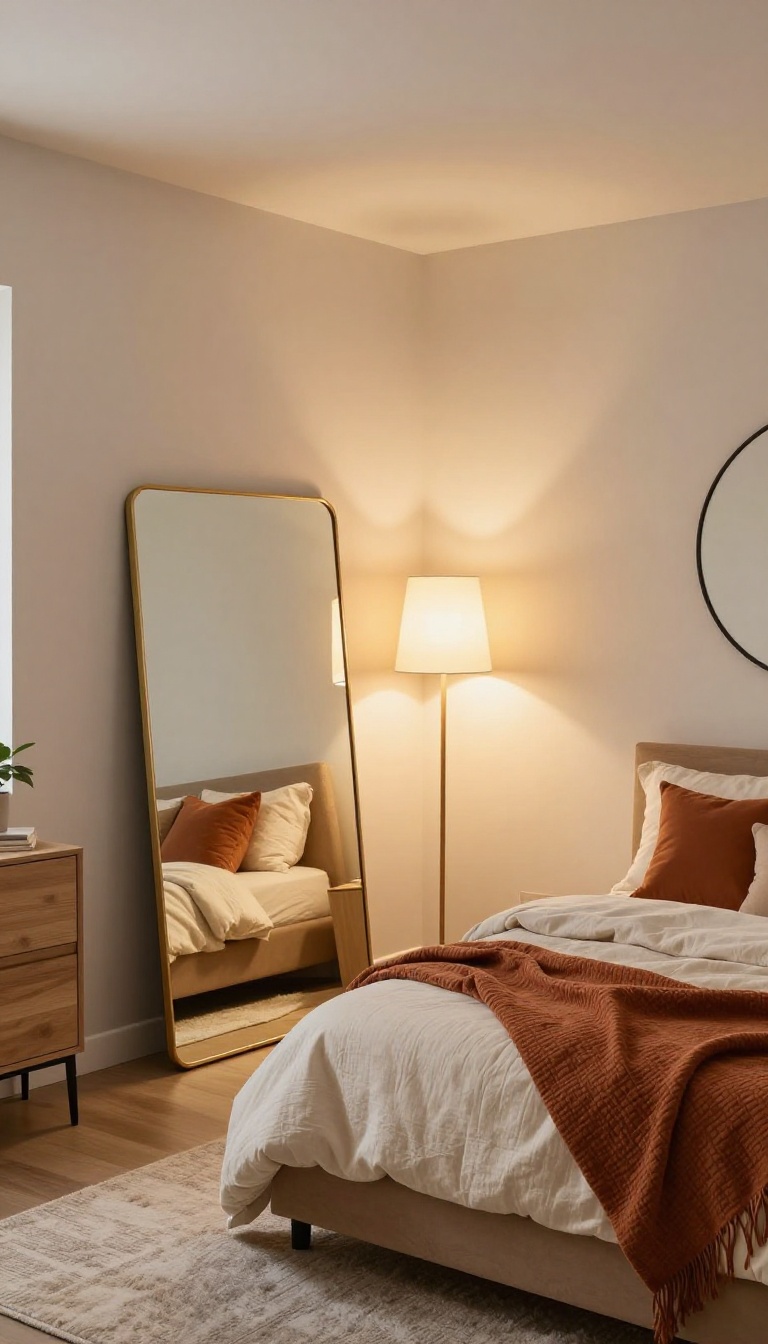
Mirrors are your secret weapon in a windowless basement bedroom. They don't create light, but they stretch every bit of it you already have, making the room feel bigger and brighter. The trick is placing them where they can actually do some work.
A well-placed mirror can turn a dim corner into a glowing focal point. It reflects both artificial light and whatever visual interest you've added, doubling the impact. Just avoid pointing them at blank walls or dark spots, or you'll just get more of the same.
Where To Hang Them
Position mirrors opposite your main light source, like a floor lamp or a bright ceiling fixture. That way, they bounce that light back into the room instead of into a shadow. If you have a small hallway or alcove, a mirror at the end can make it feel like the room continues.
Pick The Right Size And Shape
Bigger is usually better in a basement bedroom. A large rectangular or round mirror makes a stronger statement and reflects more light. Lean a full-length mirror against the wall for an easy, relaxed look, or hang a wide one above a dresser to double the glow.
Style Without Overdoing It
One or two statement mirrors are enough. Too many can feel like a funhouse and make the space feel chaotic. Mix finishes—like a brass frame near a black metal lamp—to add warmth and contrast without stealing the show.
5. Incorporate Reflective Surfaces
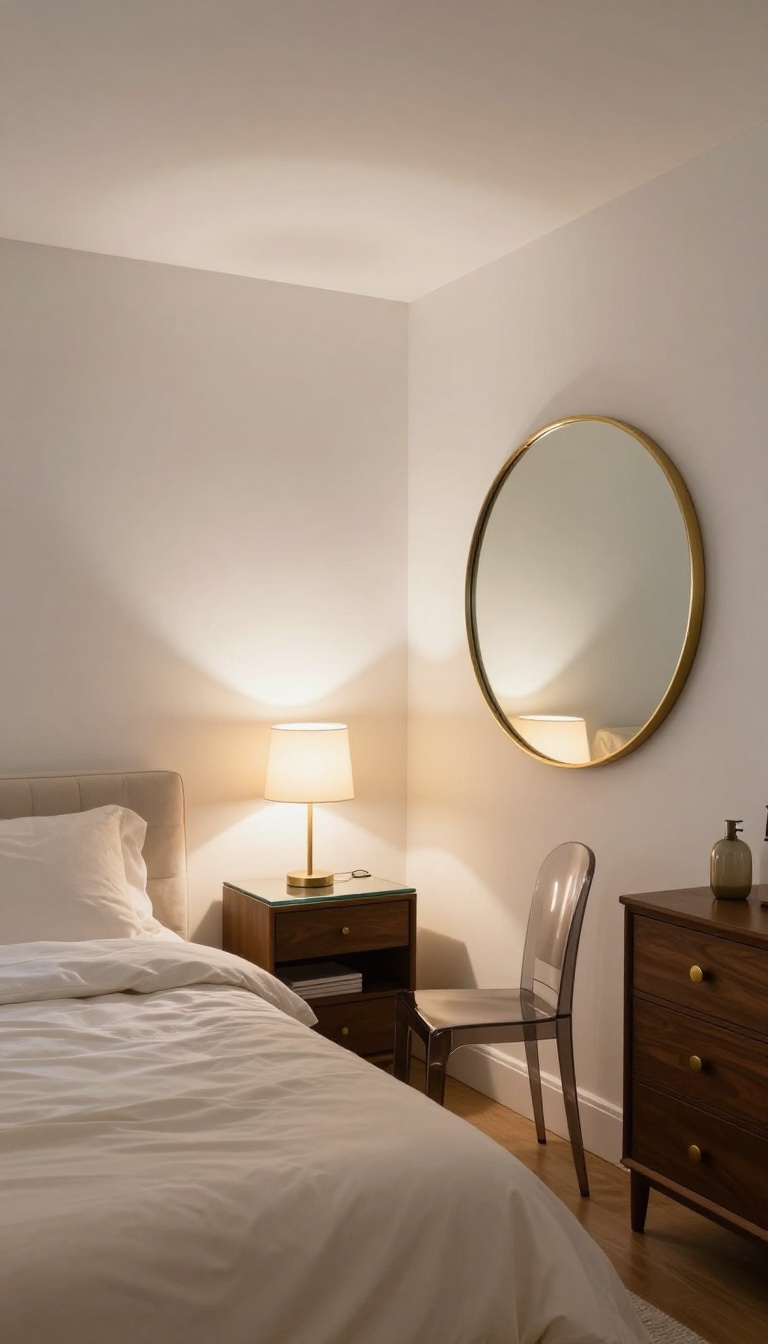
Reflective surfaces bounce light around a room, making a windowless basement feel brighter and more open. They also add a touch of glam that can turn a dark space into something special. The trick is to use them strategically so they enhance without overwhelming.
Glossy paint, metallic accents, and glass furniture are your best friends here. They catch whatever light you have and multiply it, creating a sense of depth. You don't need to go full disco ball—just a few well-placed pieces make a big difference.
Go Glossy On Walls And Ceiling
Swap matte paint for a satin or semi-gloss finish. It reflects light instead of absorbing it, instantly brightening the room. A glossy ceiling can also bounce light downward, making the space feel taller.
Add Metallic Accents
Metallic finishes on light fixtures, drawer pulls, or a statement mirror add sparkle. Choose warm metals like brass or gold to keep the space cozy. A little shine goes a long way in a dark room.
Choose Glass Or Acrylic Furniture
A glass nightstand or acrylic chair almost disappears, making the room feel less crowded. They also reflect light, adding to the bright effect. Just keep them clean to maintain the shine.
6. Warm Up the Floor with Rugs and Carpet
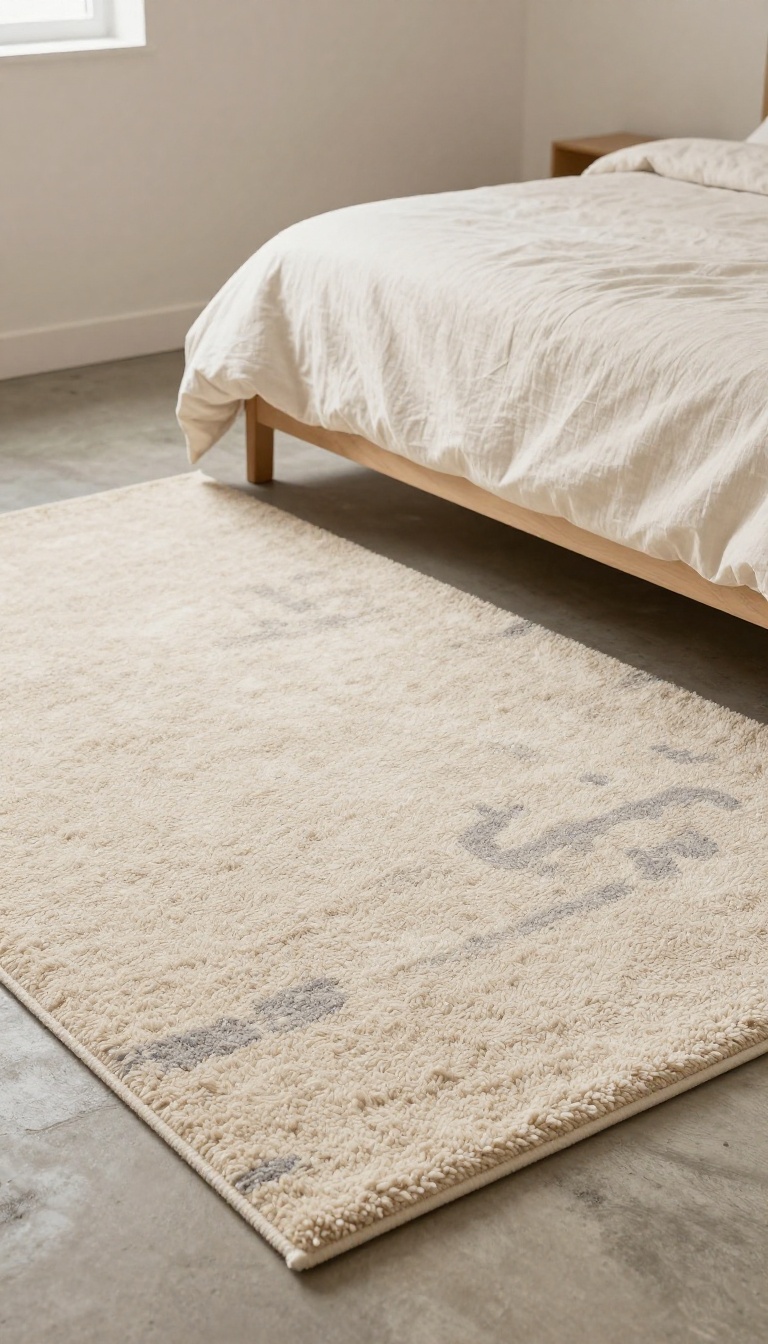
Cold floors make a basement bedroom feel colder than it actually is. Concrete or tile pulls heat away from your feet, and that chill travels up into the rest of the room. The fix is simple: cover the floor with something soft, thick, and warm underfoot.
Rugs and carpet do more than look nice—they change how the whole space feels.
You don't need to rip out your existing floor to make this work. A few well-placed rugs or a full carpet install can transform the room in a weekend. The goal is to add a layer of insulation and softness that makes the basement feel like a real bedroom, not a storage room.
Go Wall-to-wall For Maximum Cozy
Wall-to-wall carpet is the easiest way to warm up a basement bedroom. It covers every inch of cold concrete or tile, so there's no escaping the softness. Choose a plush or frieze style with a thick pad underneath.
The pad matters more than the carpet itself when it comes to warmth and comfort. A good pad also helps with sound, which is a bonus in basements. Installation is quick, and you can walk on it the same day.
If you have moisture concerns, ask for a moisture-resistant backing or a carpet designed for basements. That way you get the cozy without the musty smell later.
Layer Rugs For A Softer, More Flexible Look
If carpet isn't your thing, rugs are the next best move. Start with a large area rug that covers most of the floor. Then add a smaller, thicker rug on top near the bed.
This layering trick adds extra cushion where you step first thing in the morning. Look for wool, shag, or memory foam rugs—they feel warmer than flat-weave options. A rug pad underneath keeps everything from sliding and adds another layer of insulation.
You can also use runners along the sides of the bed for a hotel-like feel. The best part? You can swap them out seasonally or when you want a new look.
Pick Warm Materials And Colors
The material and color of your floor coverings matter as much as the coverage. Wool, jute, and synthetic blends with a soft touch all work well. Stay away from thin, scratchy rugs that feel cold even when they're not.
For color, go with warm neutrals like beige, camel, or soft gray. These shades make the room feel inviting without making it darker. If you want a pop of color, choose deep reds, warm browns, or muted greens.
They add richness without feeling heavy. A patterned rug can also distract from the lack of windows and add visual interest.
7. Create a Cozy Reading Nook
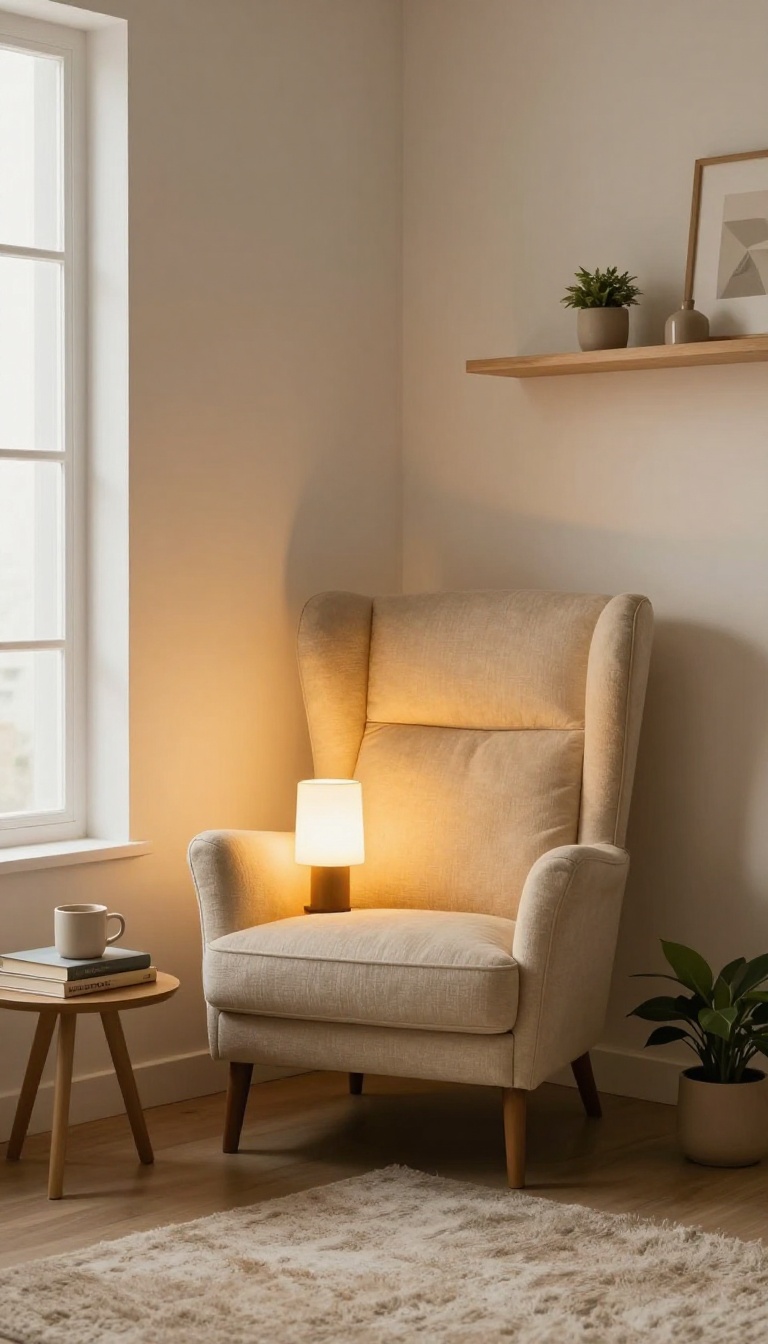
A reading nook gives a windowless basement bedroom a purpose beyond sleep, turning one corner into a spot you actually look forward to using. It also solves a practical problem: without a window, your eye needs somewhere interesting to land. A chair, a lamp, and a small table do that job better than almost anything else you could put there.
You do not need much space for this. A corner roughly four feet wide is plenty, and the setup works whether your basement is finished or still a little rough around the edges. The goal is simple: one comfortable seat, one good light source, and one surface to set things down.
Everything else is optional.
Pick The Right Chair
Go for something with a high back and arms, like a wingback or a plush accent chair. It should feel like it hugs you a little. Skip anything low and open, since those read as cold in a basement.
If you have the room, add a small ottoman so you can put your feet up.
Light It Like A Pro
A floor lamp with a warm bulb is the workhorse here. Place it slightly behind and to the side of the chair so the light falls over your shoulder and onto the page. Add a small table lamp on the side table for a softer second layer.
Warm white bulbs around 2700K keep the corner feeling golden instead of clinical.
Style The Side Table
Keep it useful, not cluttered. A stack of two or three books, a mug, and a small plant or candle is enough. A tray corrals the little stuff so nothing slides around.
If your table is tiny, a wall shelf above the chair works just as well.
Add Warmth Underfoot
Basement floors pull heat out of the room, so a thick rug under the chair makes a real difference. Look for something with a little pile, not a flat weave. If the floor is concrete, add a rug pad too.
Your feet will notice the difference the second you sit down.
8. Use Sheer Curtains to Soften the Space
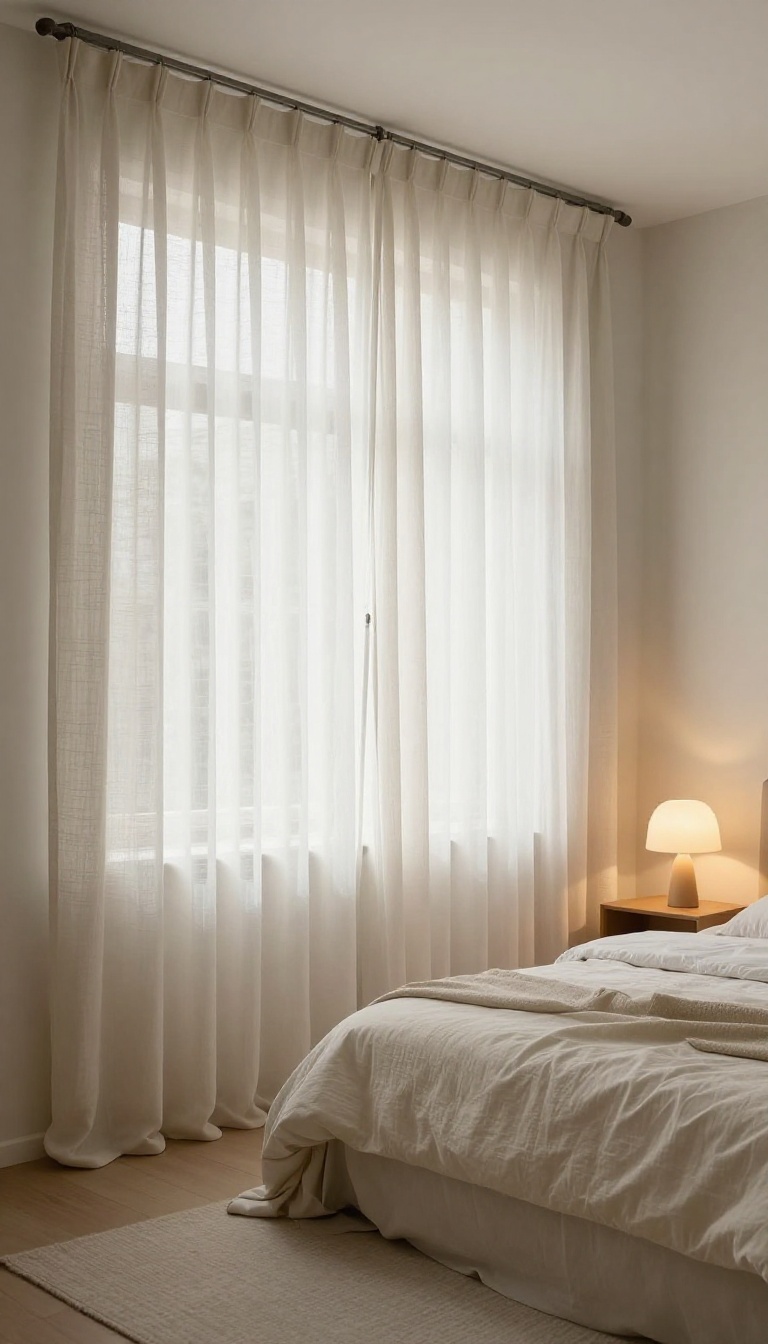
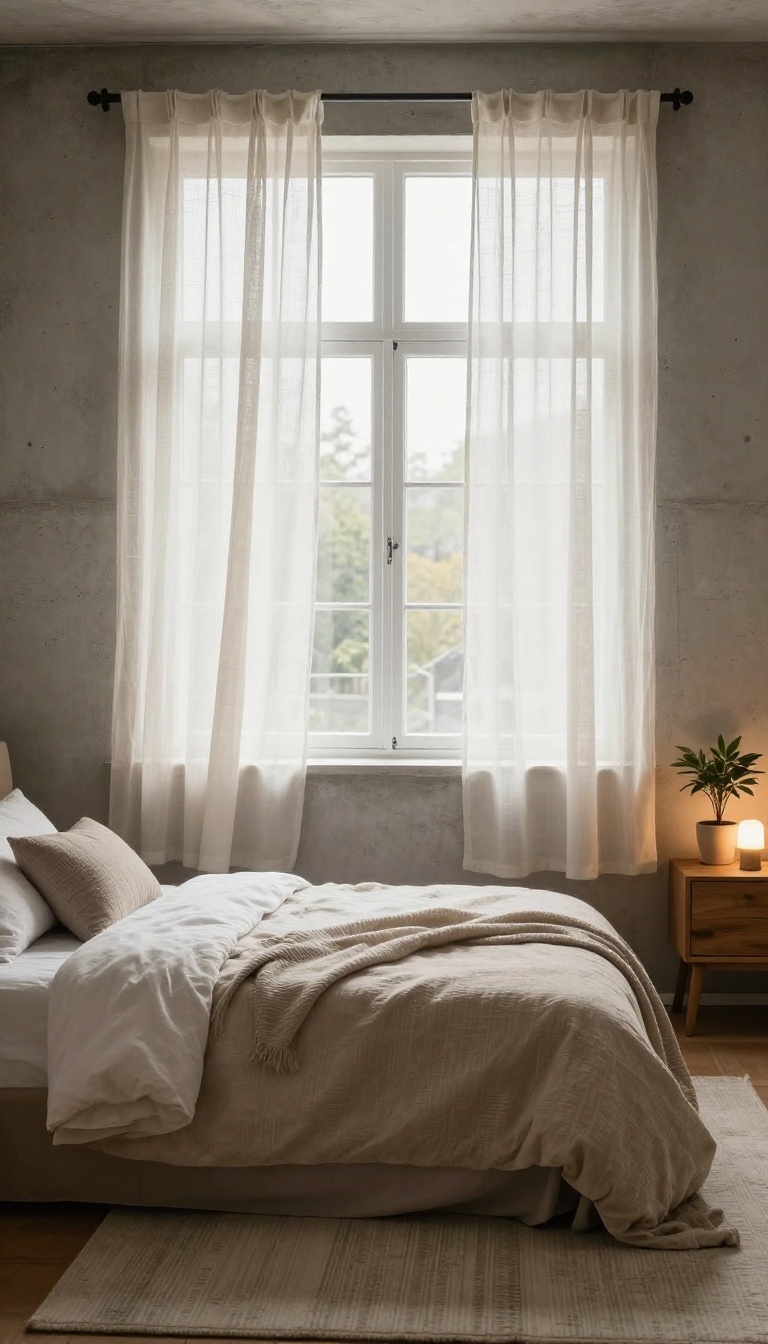
Sheer curtains do more than dress a window—they add softness and movement to a room that might otherwise feel boxy and hard. In a basement bedroom with no windows, hanging them on a simple rod gives the illusion of a window treatment without the window. The fabric diffuses light from lamps and overheads, creating a gentle glow that feels cozy and intentional.
The trick is to hang the rod high and wide, just like you would with a real window. This draws the eye upward and makes the wall feel taller. Choose a sheer fabric that lets some light through, like voile or linen, so it doesn't block the room's brightness.
A double rod with a heavier curtain on the outside can add depth, but keep the inner layer sheer for that airy effect. Color matters too—stick with light neutrals or soft pastels to keep things feeling open. And don't forget to let the curtains puddle slightly on the floor for a relaxed, custom look.
Pick The Right Fabric
Not all sheers are created equal. Look for fabrics that have a bit of texture, like linen or crinkled voile, to add interest without weight. Avoid anything too shiny or synthetic, which can look cheap under artificial light.
A cotton-blend sheer is a good middle ground—it's soft, breathable, and easy to wash.
Hang Them Like A Pro
Mount the rod at least four to six inches below the ceiling, or even on the ceiling itself, to create the illusion of height. Extend the rod a few inches past the edges of where a window would be. This makes the 'window' look larger and more realistic.
Use brackets that match your curtain rod for a clean finish.
Layer For Depth
If you want a more polished look, add a second, heavier curtain panel on the outside. Keep it pulled to the sides so the sheer layer stays visible. This layering mimics a formal window treatment and adds a touch of luxury.
Just make sure the heavier fabric doesn't block too much light—opt for a light-filtering weave.
9. Add a Statement Ceiling
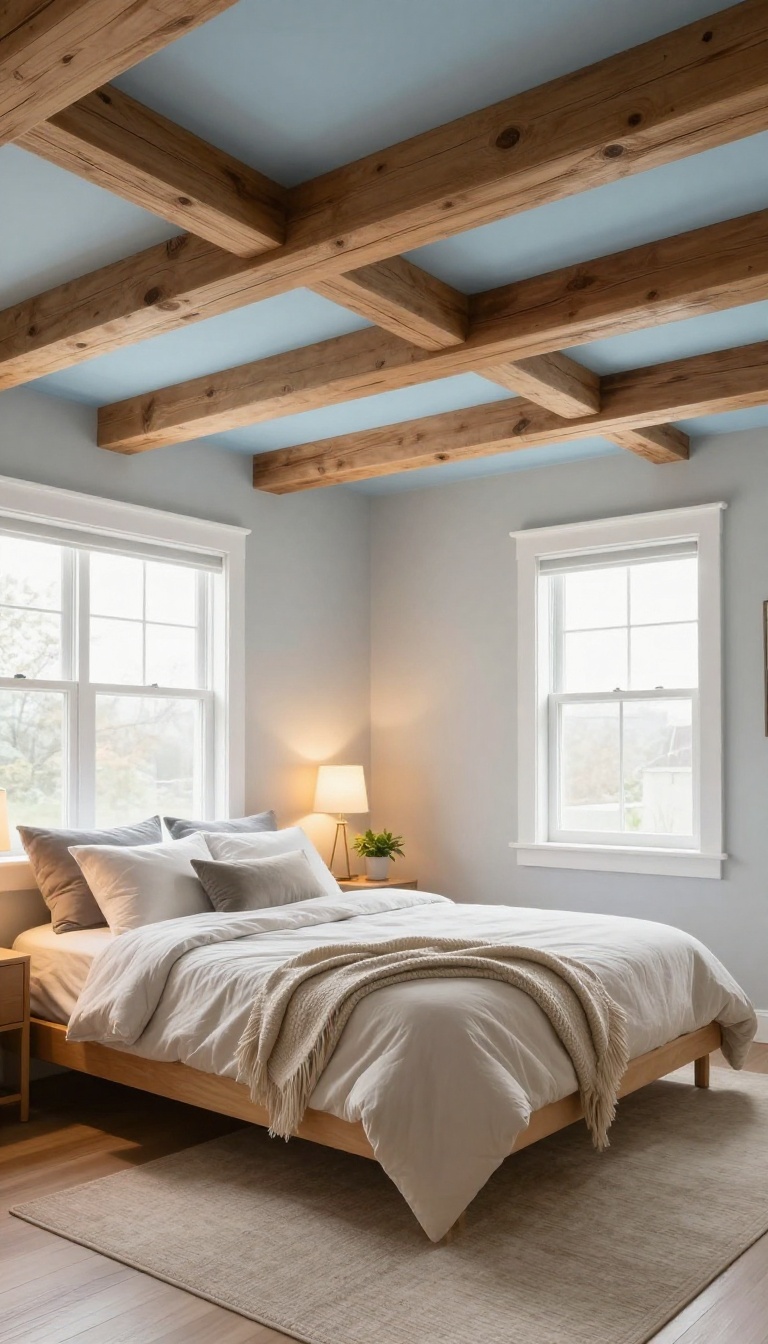
Most people forget the ceiling exists, but in a windowless basement bedroom, it's prime real estate. A plain white ceiling can feel like a lid pressing down on the room. Give it some personality, and suddenly the space feels taller, brighter, and way more interesting.
You don't need a major renovation to make this work. A fresh coat of paint or a few wood beams can completely change how the room feels. The goal is to draw the eye upward and create a sense of height, even if your ceiling is low.
Paint It Light And Bright
Skip the standard builder-white and go for a soft, airy color like pale blue, light gray, or even a warm cream. These shades reflect light and make the ceiling feel higher. If you want a little more drama, paint the ceiling the same color as the walls but a shade lighter.
It creates a seamless, cocooning effect that feels cozy, not claustrophobic.
Add Faux Or Real Wood Beams
Wood beams add instant character and a rustic touch. They also draw the eye up, making the ceiling feel taller. You can install faux beams if you're on a budget, or go for real reclaimed wood if you want an authentic look.
Just make sure they're spaced evenly and stained in a tone that complements your room's palette.
Try A Wallpaper Or Stencil
If you're feeling bold, a patterned wallpaper on the ceiling can be a stunning focal point. A subtle geometric or floral design adds texture without overwhelming the space. Alternatively, a stencil can give you a custom look for less.
Just keep the pattern light and airy so it doesn't make the room feel closed in.
10. Bring in Plants That Thrive in Low Light
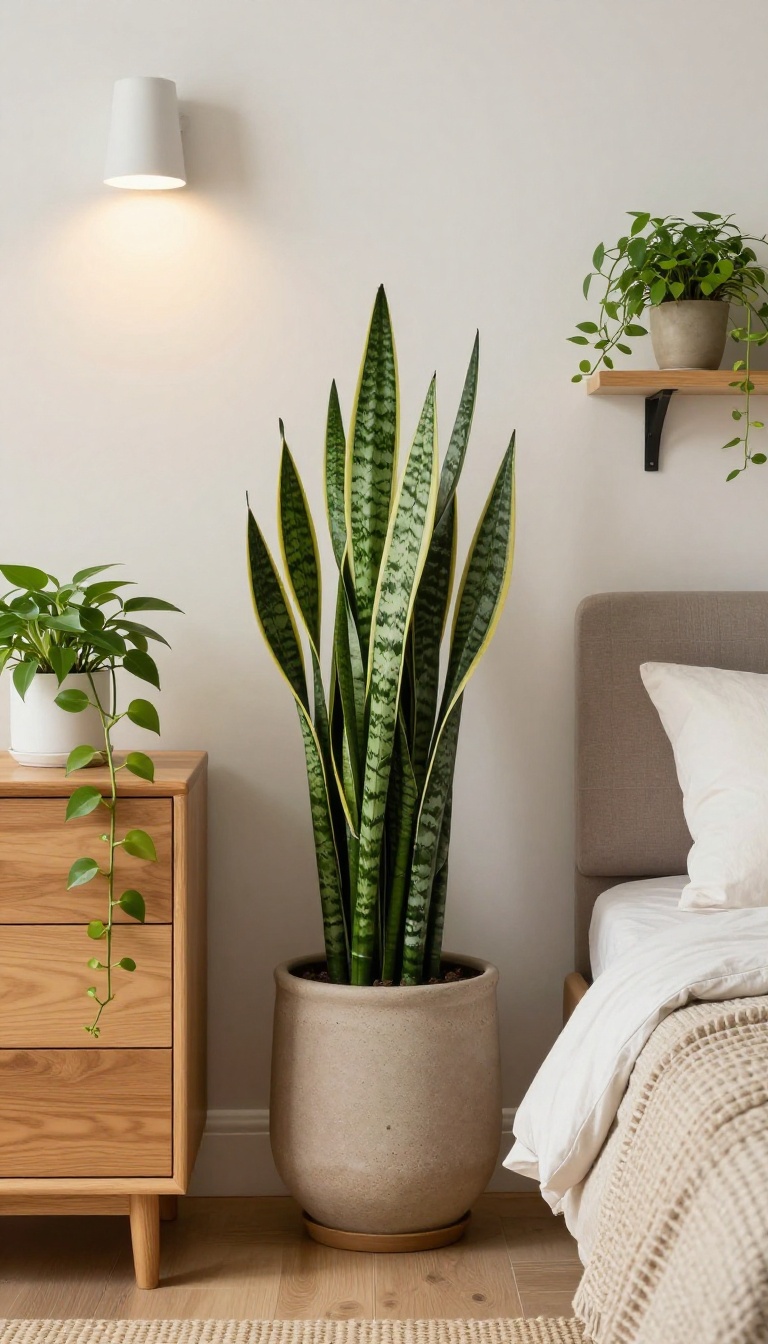
Plants might seem like a lost cause in a windowless basement, but plenty of varieties actually prefer indirect, low-light conditions. They add a pop of green, soften hard edges, and make the room feel alive instead of underground. The trick is picking the right species and giving them just enough care to thrive without natural sun.
You don't need a greenhouse to enjoy plants in a basement bedroom. A few well-chosen varieties will handle the dim conditions and still look great. They also improve air quality and bring a calming, natural element to a space that can feel a bit sterile.
Best Plants For Dark Corners
Snake plants, pothos, and ZZ plants are the holy trinity of low-light survivors. They tolerate neglect, need water only every couple of weeks, and stay green even under artificial light. Peace lilies and cast iron plants are also solid picks if you want something with a bit more leaf variety.
Where To Place Them
Put taller plants like snake plants on the floor near a dresser or beside the bed. Smaller pothos can sit on a nightstand or shelf, trailing down for a soft look. Group two or three together to create a mini indoor garden that draws the eye and fills empty corners.
Keeping Them Alive Without Sun
Since there's no window, you'll rely on overhead lights or a small grow bulb. Rotate plants every few weeks so they grow evenly, and wipe leaves occasionally to keep dust from blocking what little light they get. Water less than you think—basement air is often cool and damp, so soil stays moist longer.
11. Personalize with Art and Wall Decor
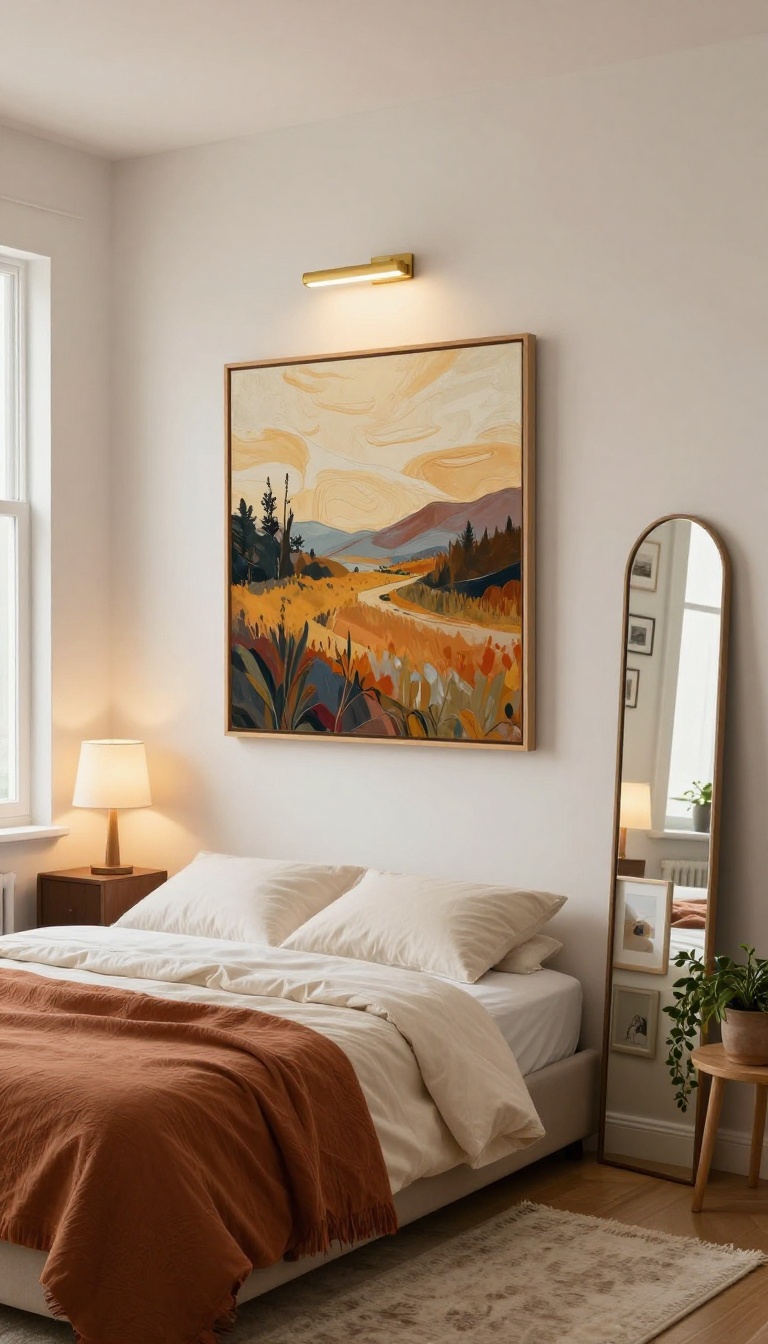
Blank walls in a windowless basement bedroom can make the space feel like a bunker. Art gives your eyes something to land on besides the absence of a window. It also adds personality and warmth, turning a plain room into a space that feels like yours.
You don't need a gallery's worth of pieces to make an impact. One large statement piece or a thoughtfully arranged cluster can do the heavy lifting. The goal is to create a focal point that draws attention away from the lack of natural light.
Go Big With A Single Statement Piece
A large-scale canvas or framed print can anchor a wall and make the room feel intentional. Choose something with warm colors or a scene that feels expansive, like a landscape or abstract with depth. Hang it at eye level, centered on the main wall you see when you walk in.
Build A Gallery Wall That Tells Your Story
A gallery wall adds texture and interest without needing windows. Mix framed photos, prints, and small mirrors in different sizes. Keep the arrangement tight and balanced so it reads as one cohesive unit.
This works especially well above a dresser or bed.
Use Mirrors To Fake Depth And Light
Mirrors reflect whatever light you have, making the room feel brighter. A large mirror opposite a lamp or overhead fixture can double the glow. Place one where it catches the most light, and pair it with art for a layered look.
Hang Decor At The Right Height
Art hung too high feels disconnected; too low feels cramped. The center of your main piece should sit around 57 to 60 inches from the floor. For gallery walls, keep the same center point and space frames 2 to 3 inches apart.
FAQ
Can a basement bedroom without windows be cozy?
Absolutely. With warm lighting, soft textures, and a thoughtful layout, a windowless basement can feel just as cozy as any other bedroom.
What colors work best for a basement bedroom with no windows?
Light, airy colors like soft white, pale gray, and warm beige help reflect light and make the space feel larger. Avoid dark, heavy colors that can make it feel like a cave.
How can I make a basement bedroom feel less dark?
Layer your lighting with overhead fixtures, lamps, and accent lights. Use mirrors and reflective surfaces to bounce light around, and consider a faux window for a natural light effect.
Is it safe to sleep in a basement bedroom without windows?
Yes, as long as the basement meets building codes for egress and ventilation. Check with your local building department to ensure proper safety measures are in place.
What kind of flooring is best for a basement bedroom?
Carpet or plush rugs are great for warmth and comfort. If you prefer hard flooring, choose moisture-resistant options like luxury vinyl plank or tile, and add area rugs for coziness.
Conclusion
A basement bedroom without windows can still feel like the coziest room in the house. You do not need every idea here to make it work. Pick the two or three that solve your biggest problem, whether that is darkness, dampness, or a space that feels boxed in.
Start with lighting and color, since those change the mood fastest. Live with your choices for a week, then layer in texture, storage, and small comforts. The room will tell you what it still needs, and you can adjust from there.