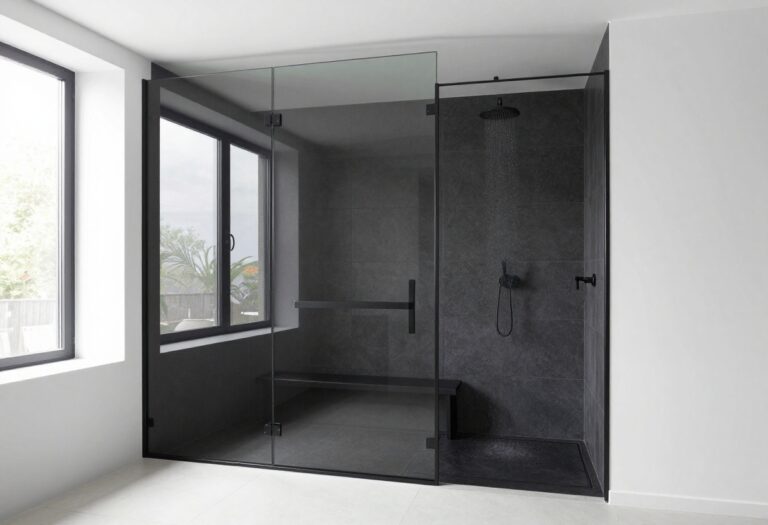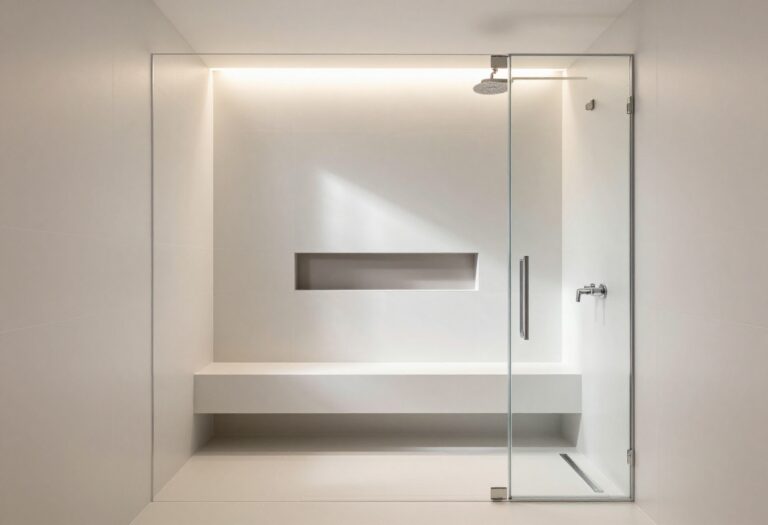
15 No-Door Walk-In Shower Ideas for a Warm, Inviting Finish
Walk-in showers without doors are a favorite for good reason—they open up the bathroom, make cleaning easier, and feel more spacious. But the key is nailing the details so the space feels warm and intentional, not like a public locker room.
From the right tile to clever drainage, small choices make a big difference. Whether you're planning a full remodel or just dreaming, these 15 ideas will help you create a shower that's both practical and inviting.
Let's dive into the options that can turn a simple wet area into a standout feature of your home.
1. Curbless Entry for Seamless Flow
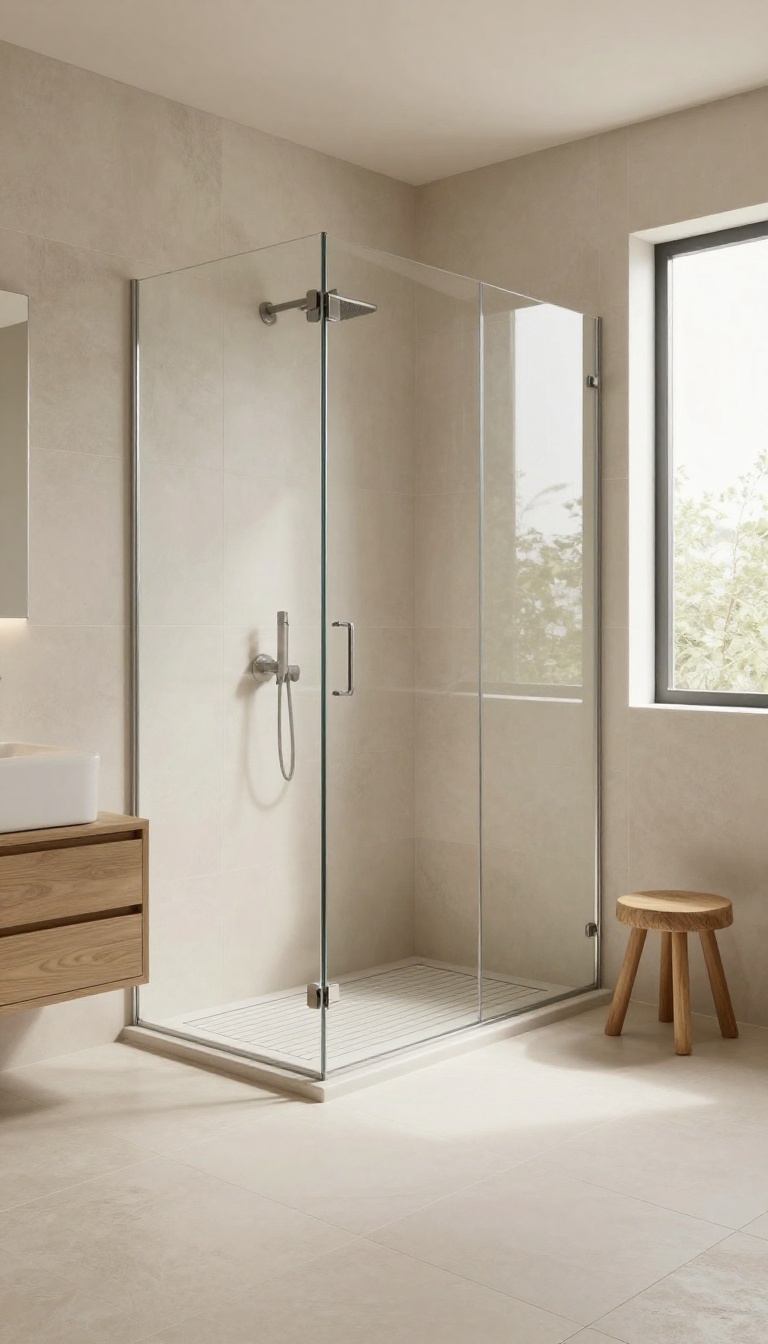
A curbless shower sits flush with the bathroom floor, creating a smooth, barrier-free transition. This not only looks sleek but also makes the space more accessible and easier to clean. It's a top choice for modern, open layouts.
The curbless design is a game-changer for anyone who wants a bathroom that feels larger and more connected. By removing the traditional step-over barrier, you create a continuous visual line from floor to shower, which instantly opens up the room. It's also a smart pick for aging in place or for families with young kids, since there's no tripping hazard.
Why It Works So Well
The magic of a curbless shower lies in its simplicity. Without a curb, your eye travels uninterrupted across the floor, making even a small bathroom feel more spacious. Plus, it's a breeze to clean—no corners or ledges to scrub, and you can simply squeegee water right into the drain.
What To Consider Before You Commit
Before you rip out your current shower, think about drainage. A curbless shower needs a properly sloped floor and a linear drain to keep water from wandering. You'll also need to plan for waterproofing the entire wet area, which is a job best left to pros if you're not experienced with tile work.
Design Ideas That Elevate The Look
To make the seamless flow feel intentional, pair your curbless shower with large-format tiles that continue from the floor into the shower. Use the same tile throughout to blur the boundary even more. Add a glass panel on one side to keep water in without breaking the visual line—or skip it entirely if your bathroom is well-ventilated and you're okay with a fully open wet room.
2. Linear Drain as a Design Statement
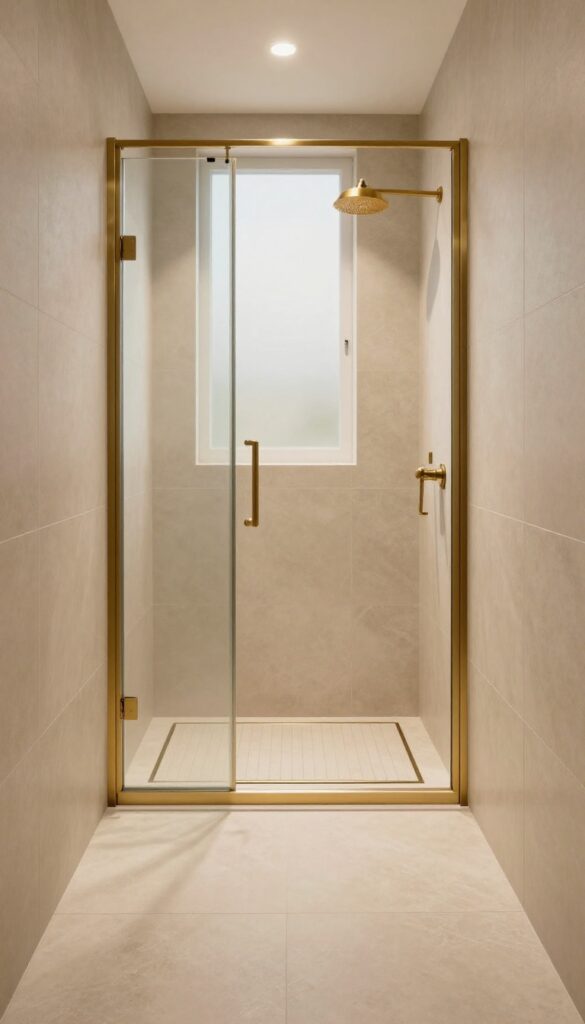
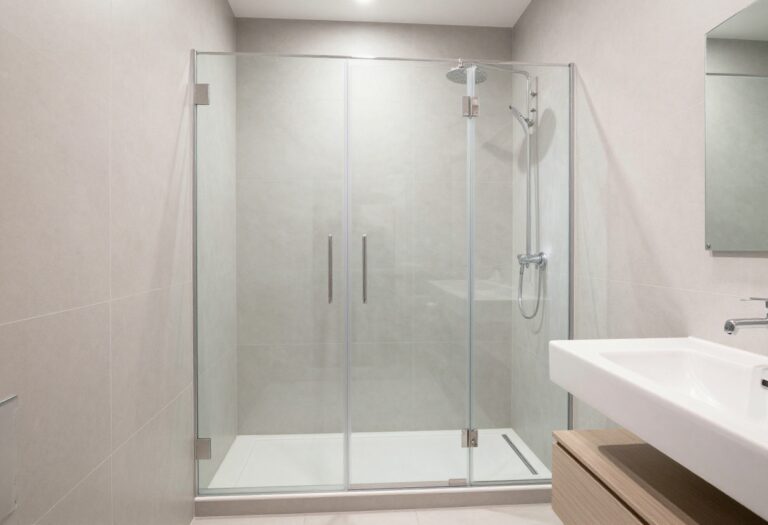
Most showers hide the drain in the center, but a linear drain flips that idea on its head. Placed along the wall or at the edge of the shower, it creates a sleek, architectural line that instantly modernizes the space. Plus, it solves practical issues like water pooling and makes tiling easier with a subtle slope.
A linear drain isn't just functional—it's a design choice that can elevate the whole look. When positioned correctly, it can make the shower feel longer and more open, especially in a curbless design. Here’s how to make it work beautifully in your bathroom.
Placement That Works
Where you put the drain matters. A common spot is along the back wall, which keeps the floor visually clean. Another option is at the entrance, so water doesn't escape the shower area.
Think about how you move in the space and where water naturally flows. The right placement makes the drain feel intentional, not just an afterthought.
Tiling Over The Drain
One of the coolest tricks is to tile over the drain cover with the same material as the floor. This makes the drain nearly invisible, creating a seamless look. You'll need a special linear drain system that accepts tile inserts.
It's a bit more work, but the result is a smooth, uninterrupted surface that feels luxurious and high-end.
Choosing The Right Material
Linear drains come in stainless steel, brushed nickel, or even matte black. Match the finish to your fixtures for a cohesive look. If you're going for a warm, inviting vibe, consider a bronze or brass tone.
The material also affects durability, so pick one that can handle daily use and is easy to clean.
Slope And Water Flow
Because the drain is off-center, the floor needs a precise slope to guide water efficiently. A professional installer can ensure the pitch is just right, typically 1/4 inch per foot. This prevents puddles and keeps the shower safe.
With a linear drain, you also get faster drainage, which is great for open showers.
3. Warm Wood-Look Tile
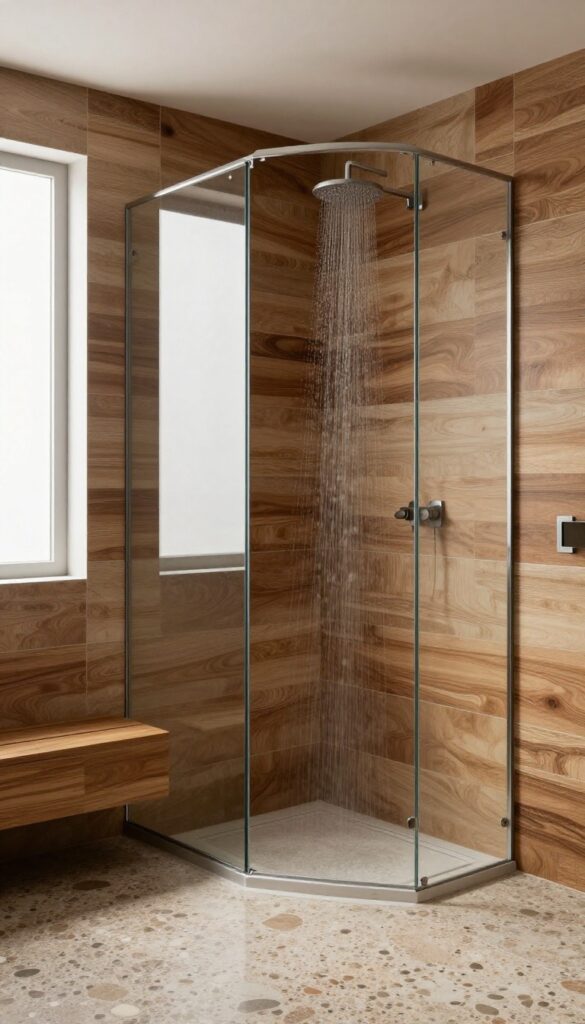
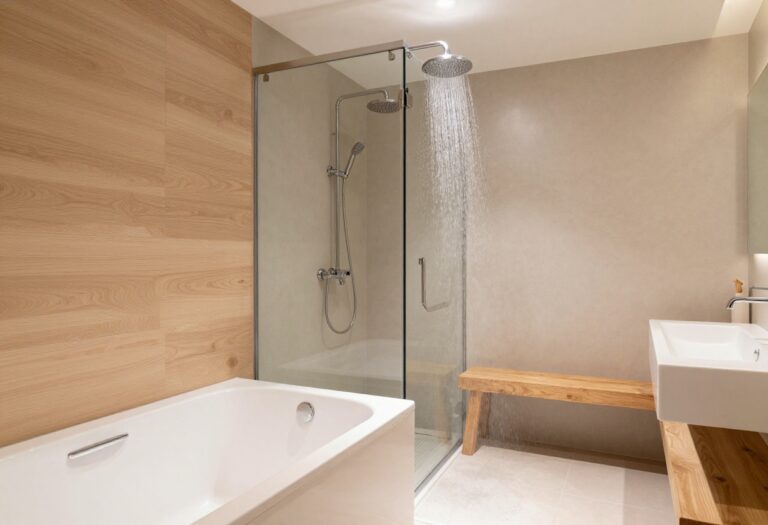
Wood-look porcelain tile gives you the cozy, organic feel of real timber without the headaches of warping, staining, or sealing. It’s waterproof, stands up to daily use, and comes in a range of shades from pale oak to rich walnut. Pair it with a pebble floor and you’ve got a shower that feels like a natural retreat.
Wood-look tile is a smart pick for a no-door shower because it handles moisture beautifully while adding warmth to what can otherwise feel like a cold, wet space. The long planks also make the room appear larger, which is a nice bonus if you’re working with a compact bathroom.
Why Wood-look Tile Works
Unlike real wood, porcelain tile won’t absorb water or swell, so it’s perfect for a shower floor or walls. It’s also slip-resistant when you choose a textured finish, and it’s easy to clean—just a quick wipe and it’s done. Plus, the variety of colors and grain patterns means you can match almost any design style, from rustic to modern.
Styling Tips
Go for large-format planks to minimize grout lines and create a seamless look. Lay them horizontally to widen the space or vertically to add height. For a spa vibe, pair them with a pebble floor in a complementary tone—the contrast in texture feels amazing underfoot and adds visual interest.
Installation Considerations
Make sure the grout is sealed properly to prevent moisture from seeping through, and choose a matte finish to reduce slipperiness. If you’re installing over a shower pan, use a waterproof membrane underneath. Hiring a pro for the layout can help you avoid awkward cuts and make the pattern flow naturally.
4. Pebble Tile Flooring for Texture
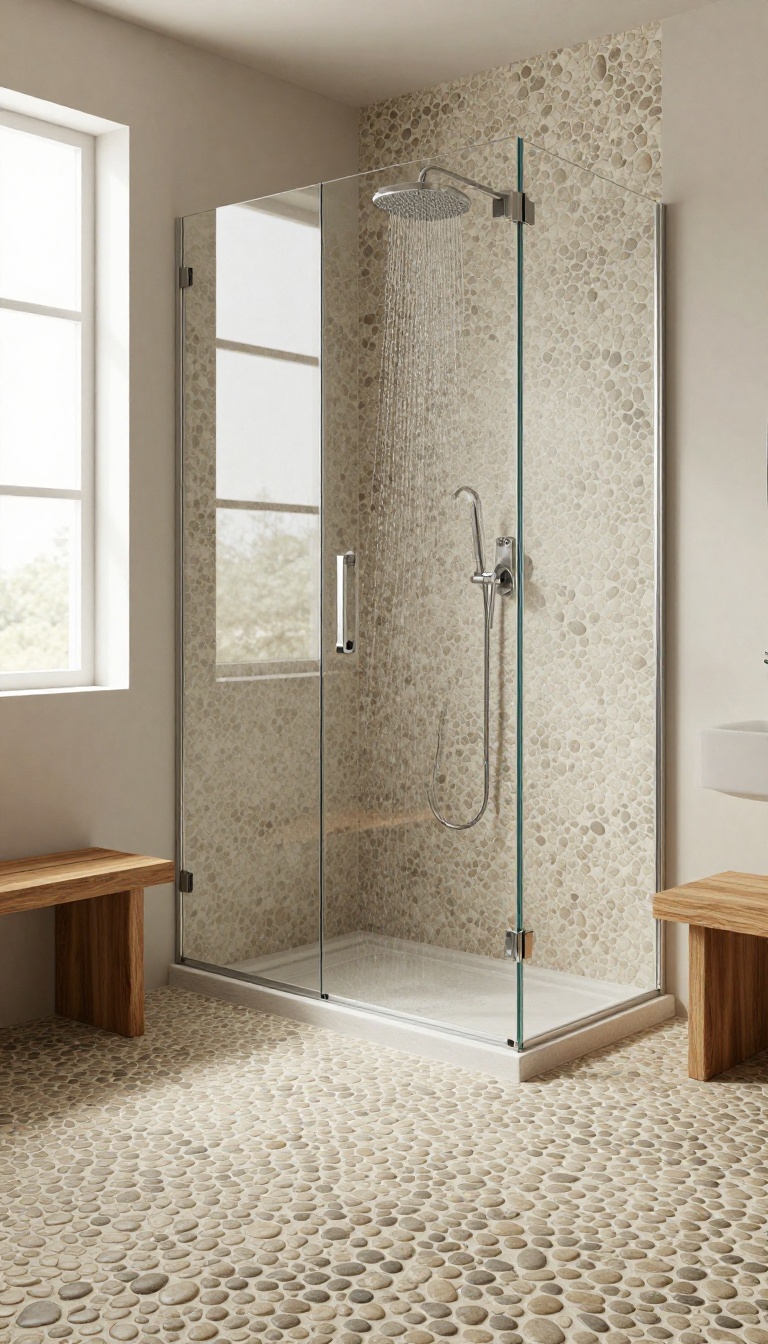
Pebble tile brings a natural, tactile element to a no-door shower, making every step feel like a mini foot massage. The uneven surface adds grip where you need it most, which is a big plus in a wet, open space. Plus, the organic look pairs beautifully with earthy tones and rainfall showers.
Pebble tiles come in mesh-backed sheets, so installation is easier than you might think. They fit over a sloped shower floor, and the small stones adapt well to curves and corners. You can choose from river stones, sea glass, or polished pebbles, depending on the vibe you want.
The texture is not just for looks—it provides natural traction that helps prevent slips, even when soap and water are everywhere. And because the tiles are set in grout, they’re durable and easy to clean with a simple squeegee or mop.
Why Pebble Tile Works In A No-door Shower
Without a door, water can spread, so you need flooring that handles moisture well. Pebble tile is naturally slip-resistant, and the grout lines give extra grip. The texture also helps water drain more efficiently, especially when paired with a linear drain.
Plus, the visual interest of the stones adds a spa-like feel that makes the shower a focal point, not just a functional corner.
Choosing The Right Pebble Tile
Look for tiles that are pre-mounted on mesh for easy installation. River stones have a classic, rounded look, while sea glass offers a smoother, frosted finish. If you want a more uniform surface, choose pebbles that are similar in size and shape.
For a warmer feel, go with earthy tones like beige, tan, or gray. And don’t forget to pick a grout color that complements the stones—neutral shades work best.
Pairing With A Rainfall Showerhead
A rainfall showerhead is the perfect match for pebble tile. The water falls softly onto the textured floor, creating a gentle, immersive experience. The pebbles help scatter the water, so you don’t get a puddle at your feet.
Plus, the visual contrast between the smooth, round stones and the sleek showerhead adds a nice balance of natural and modern.
Maintenance And Cleaning Tips
Pebble tile is low-maintenance, but you should seal it once a year to protect the grout and stones. Use a mild cleaner and a soft brush to keep the surface fresh. Avoid harsh chemicals that can damage the sealer.
And after each shower, a quick squeegee will keep the floor looking clean and prevent water spots.
5. Glass Panel Partial Enclosure
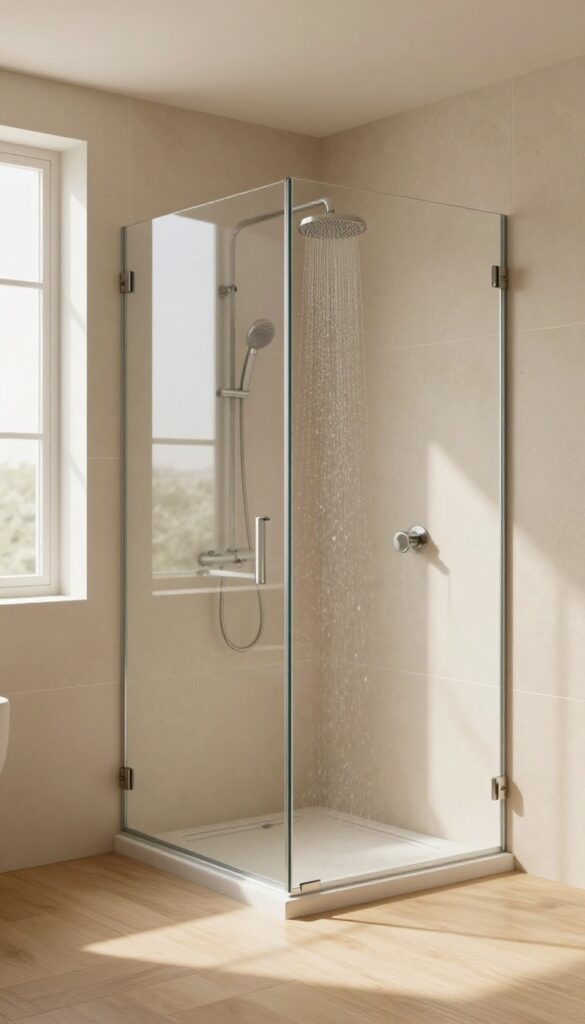
A single fixed glass panel can keep water from splashing out while maintaining an open feel. It's a minimalist solution that still offers some containment, ideal for smaller bathrooms. This approach gives you the best of both worlds: the airy look of a doorless shower with a subtle barrier that actually works.
You still step into the shower without a swinging door, but the glass stops most of the spray from reaching the rest of the bathroom.
Why A Single Panel Works
A fixed glass panel acts as a splash guard without enclosing the space. It’s perfect for showers placed against a wall or in a corner, where one open side is all you need to protect. The panel can be as short as 48 inches or as tall as the ceiling, depending on how much coverage you want.
Because there’s no door to swing open, you save valuable floor space. That makes this option a smart pick for compact bathrooms or ensuites where every inch counts.
Choosing The Right Glass
Clear glass keeps the sightline open and makes the bathroom feel larger. If privacy is a concern, go with frosted or textured glass—it still lets light through but blurs the view. Frameless glass panels look sleek and modern, while framed versions offer a more traditional look and can be slightly more budget-friendly.
Tempered glass is a must for safety and durability.
Installation And Placement Tips
The panel typically mounts to the wall and the floor, but you can also use a floor-mounted bracket for extra stability. Position the panel so it overlaps the shower floor by at least a few inches to catch splashes. Pair it with a slight slope toward the drain to keep water moving in the right direction.
A small towel bar or grab bar on the panel can add function without cluttering the design.
6. Niche Shelving for Storage
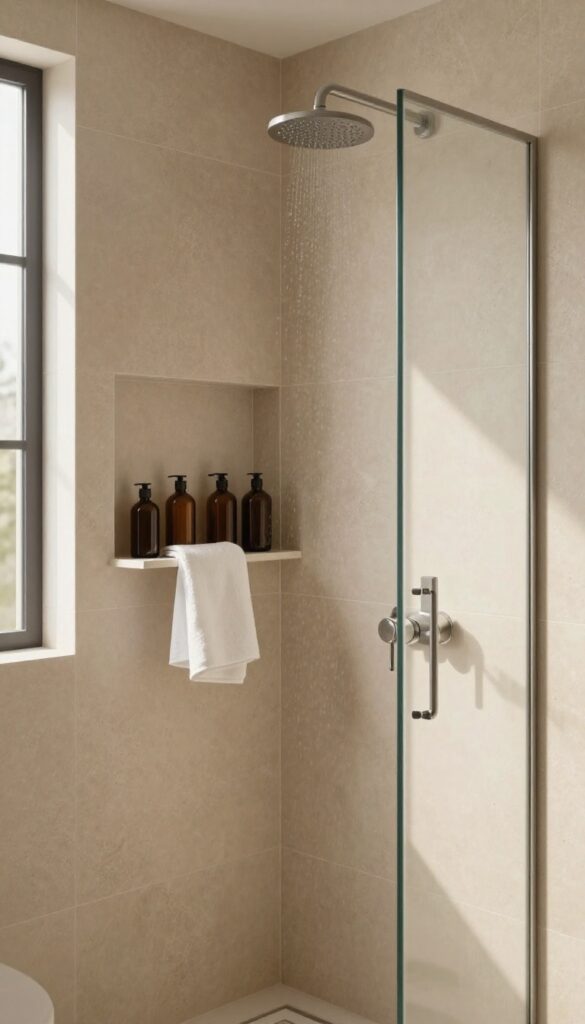
No-door showers are all about openness, but that doesn't mean you want your shampoo bottles scattered on the floor. Built-in niches solve this neatly by tucking storage right into the wall, keeping the space clean and clutter-free. They also add a design element—whether you match the tile for a seamless look or contrast it for a pop of visual interest.
Niche shelving is one of those details that feels almost invisible when done right, yet it transforms how you use the shower. Instead of a hanging caddy or a corner shelf that sticks out, a niche sits flush with the wall, so it doesn't interrupt the clean lines of a no-door design. Plus, it gives you a spot for everything from soap to razors, within easy reach but out of the way.
Choosing The Right Size And Placement
Think about what you'll actually store. A single niche around 12 inches square works for basics, but if you have tall bottles or multiple family members, consider a larger niche or two smaller ones at different heights. Place them where you naturally reach—usually at chest or shoulder level, and away from the showerhead to keep items dry.
Also, consider the wall depth: you'll need at least a few inches of cavity, so check your framing before you commit.
Tiling Options For A Seamless Or Contrasting Look
The beauty of a niche is that you can make it blend in or stand out. For a seamless, spa-like feel, use the same tile as the shower walls, and align the grout lines so the niche almost disappears. If you want a focal point, try a contrasting tile, like a darker mosaic or a glossy accent, to add depth and character.
You can also use a metal or stone shelf insert for a sleek, modern touch.
Waterproofing And Drainage
Since a niche is a recess in the wall, it's a potential spot for water to pool. Make sure it's properly waterproofed with a membrane behind the tile, and slope the bottom shelf slightly toward the shower so water runs out. Use a solid surface or tile with a slight pitch, and seal all seams well.
This prevents mold and keeps your niche looking fresh for years.
7. Recessed Lighting for Ambiance
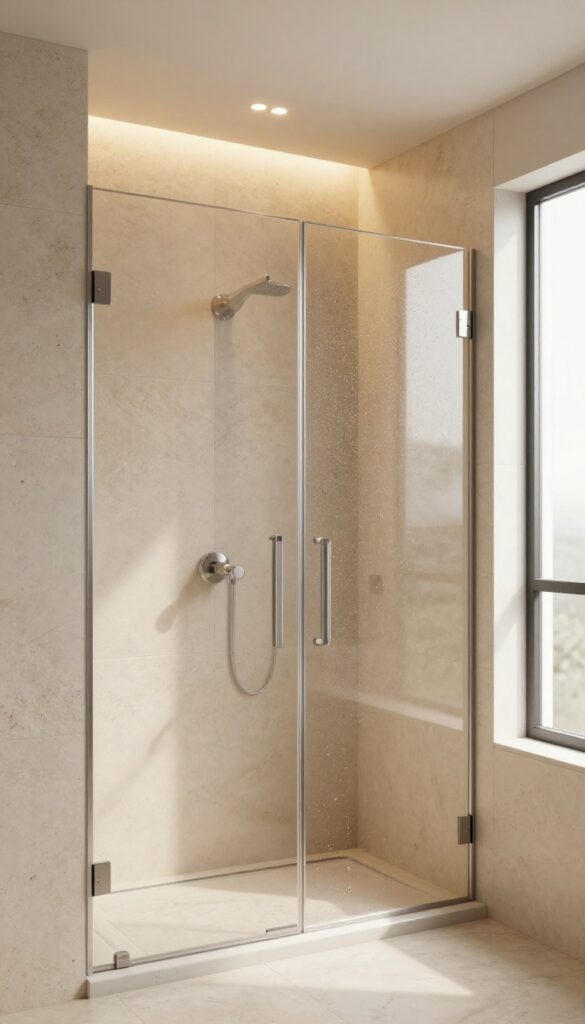
Lighting sets the mood in any room, and a no-door shower is no exception. Recessed ceiling lights with a dimmer switch can transform your shower from a bright, functional space into a soothing retreat. The key is choosing the right fixtures and bulbs to keep the space safe and inviting.
Recessed lighting is a smart choice for no-door showers because it keeps the ceiling clean and uncluttered, which complements the open, airy feel. With a dimmer, you can adjust the brightness to match your mood—bright for a morning rinse, soft for a relaxing evening soak. Plus, warm LED bulbs add a cozy glow that makes the shower feel more like a spa.
Choose Waterproof Fixtures
Safety first: make sure any recessed light you install in a shower area is rated for wet or damp locations. Look for fixtures with an IP65 rating or higher, and always have a licensed electrician handle the wiring. This ensures your lighting is protected from moisture and steam, so it lasts longer and works safely.
Warm Bulbs For A Cozy Glow
The color temperature of your bulbs matters more than you might think. Warm white LEDs (around 2700K to 3000K) cast a soft, golden light that flatters skin and makes the space feel inviting. Cool or daylight bulbs can feel harsh and clinical, which is the opposite of the warm, welcoming vibe you're after.
Layer With Accent Lighting
Recessed lights don't have to work alone. Pair them with a small niche light or a strip of LED under a bench to add depth and highlight textures like tile or stone. This layered approach makes the shower feel more dimensional and luxurious, without overwhelming the space.
8. Rainfall Showerhead for Luxury
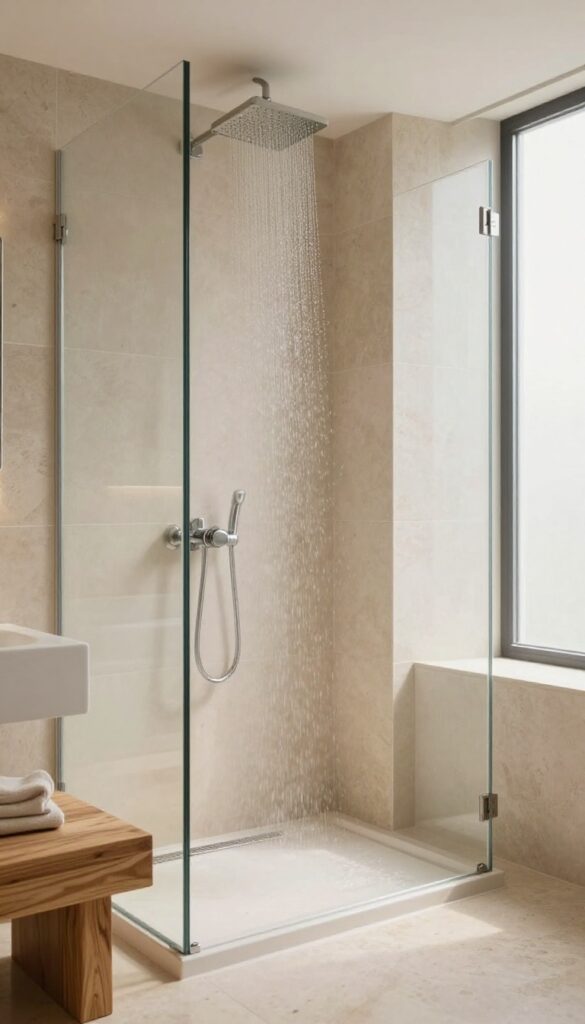
A rainfall showerhead is one of those upgrades that instantly changes how a shower feels. Instead of a focused spray, you get a wide, gentle cascade that mimics standing in a warm downpour. It’s a simple swap that can make your no-door shower feel like a private spa retreat.
When you pair a rainfall showerhead with an open, doorless design, the experience becomes even more immersive. Without a door to block the sound or the view, the water seems to fall from everywhere, wrapping you in warmth. It’s a small touch that adds a big dose of everyday luxury.
Choosing The Right Size And Style
Rainfall showerheads come in various diameters, from compact 8-inch models to dramatic 12-inch or larger ones. For a no-door shower, a larger head can create a more enveloping feel, but make sure your water pressure can handle it. Also, consider the finish—brushed nickel, matte black, or oil-rubbed bronze can tie into your bathroom’s overall look.
Mounting Options: Ceiling Vs. Wall
Ceiling-mounted rainfall heads offer the most authentic rain-like experience, as the water falls straight down. Wall-mounted versions are easier to install and work well in rooms with lower ceilings. If you go with a ceiling mount, position it directly over the main shower area so you’re not dodging the stream.
Balancing Pressure And Flow
Some rainfall heads can feel weak if your home’s water pressure is low. Look for models with a high flow rate or consider a pressure-boosting pump. Also, think about adding a separate handheld sprayer for rinsing or cleaning—rainfall heads are great for soaking, but not always ideal for targeted tasks.
9. Heated Floor for Comfort
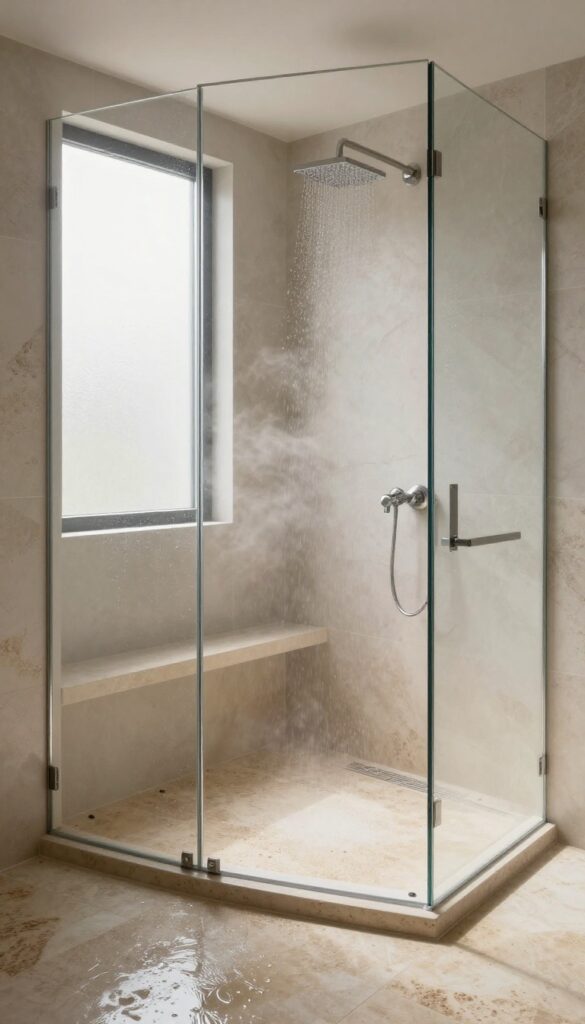
Stepping onto a cold tile floor first thing in the morning is a shock to the system, especially in a no-door shower. Radiant floor heating solves that problem by warming the surface from below, so your feet stay cozy from the moment you step in. It’s a small luxury that makes the whole bathroom feel more inviting, and it’s especially welcome in colder climates where chilly mornings are the norm.
Radiant floor heating isn’t just about comfort—it also helps dry the floor faster after a shower, reducing the chance of slips and keeping the space feeling fresh. The heat gently rises, warming the entire room, which can even help cut down on your heating bill if you lower the thermostat a few degrees. While the upfront cost might give you pause, the daily comfort and energy savings often make it worth every penny.
How It Works
You have two main options: electric mats or hydronic tubing. Electric systems are easier to install and perfect for retrofits, while hydronic systems use hot water and are more efficient for larger areas. Both sit under your tile or stone, so the heat transfers directly to the surface.
A thermostat lets you set a schedule, so the floor is warm when you need it and off when you don’t.
Installation Tips
If you’re installing during a remodel, plan for the heating system before laying the tile. Make sure the subfloor is clean and level, and follow the manufacturer’s instructions for spacing. It’s smart to have a dedicated circuit for the system, and a professional electrician or plumber can handle the connections safely.
Also, consider adding insulation beneath to maximize efficiency.
Cost And Maintenance
Expect to pay anywhere from $10 to $20 per square foot for electric systems, plus installation. Hydronic systems cost more but can be more economical in the long run. Once installed, they require almost no maintenance—just keep the thermostat set and enjoy.
If you ever need to repair a tile, the heating elements are thin enough that you can often work around them.
10. Natural Stone Accent Wall
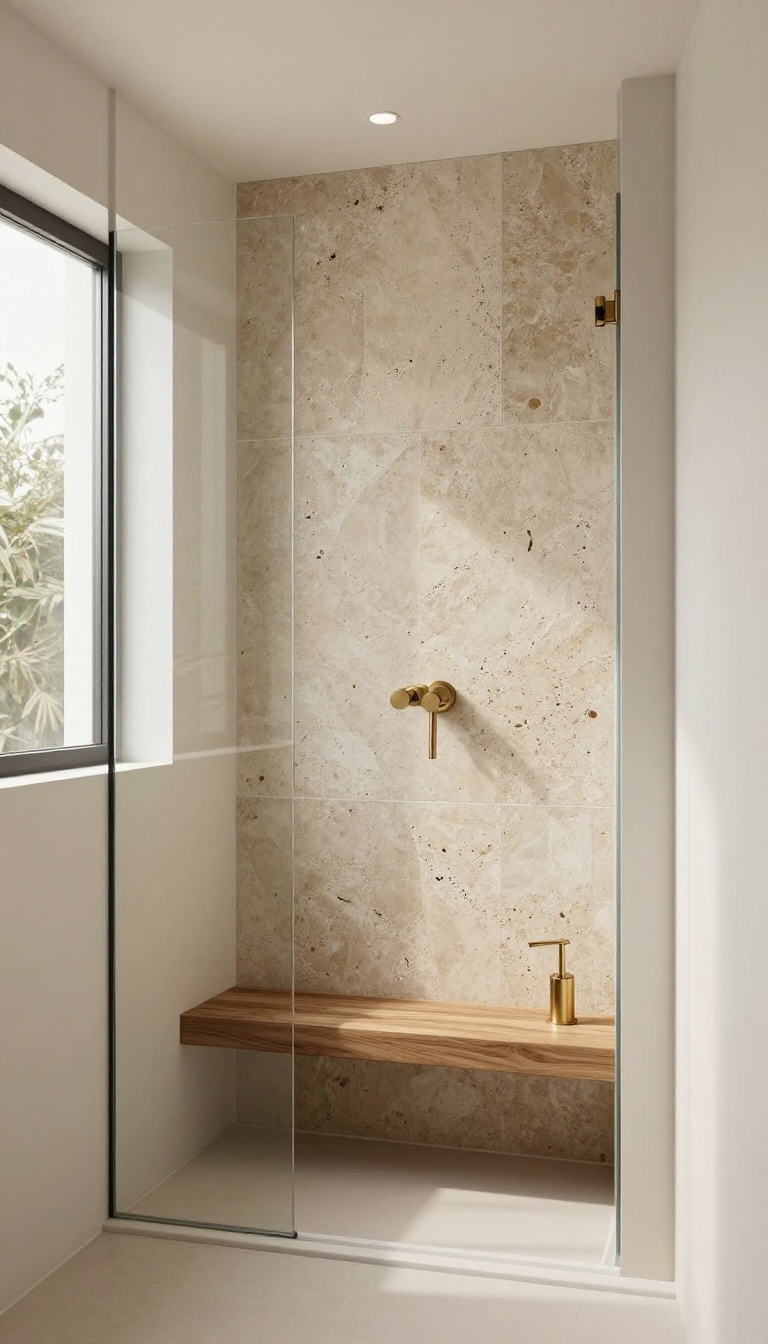
A single wall of natural stone can completely change the mood of a walk-in shower. Instead of covering every surface, pick one wall to be the star. The rough texture and earthy colors bring a sense of calm and connection to nature that tile alone can't match.
It's a simple way to add depth and warmth without overwhelming the space.
When you're designing a no-door shower, the walls do a lot of the heavy lifting. A natural stone accent wall gives you that high-end spa look without needing a full renovation. It also helps define the shower area, especially if the rest of the bathroom is more minimal.
The stone becomes the focal point, drawing the eye and making the whole room feel more intentional.
Choosing The Right Stone
Travertine and slate are popular choices because they're durable and naturally water-resistant. Travertine has a soft, warm beige tone that pairs beautifully with wood and brass fixtures. Slate offers a darker, more dramatic look with its deep grays and blues.
If you want something lighter, consider limestone or quartzite. Just make sure the stone is sealed properly to handle moisture.
Installation And Maintenance
You don't need to cover the entire wall—a half-wall or a vertical strip behind the showerhead works well. For a seamless look, use large-format tiles to minimize grout lines. Regular sealing is key to prevent staining and water damage.
Clean it with a mild soap and water solution; avoid harsh chemicals that can strip the sealant.
Pairing With Other Elements
To keep the space from feeling too heavy, balance the stone with lighter elements. White or light gray walls on the other sides, a glass shower screen, or a light wood bench can soften the look. Add some greenery or warm lighting to enhance the natural vibe.
The stone wall should feel like a backdrop, not a cave.
11. Matte Black Fixtures for Contrast
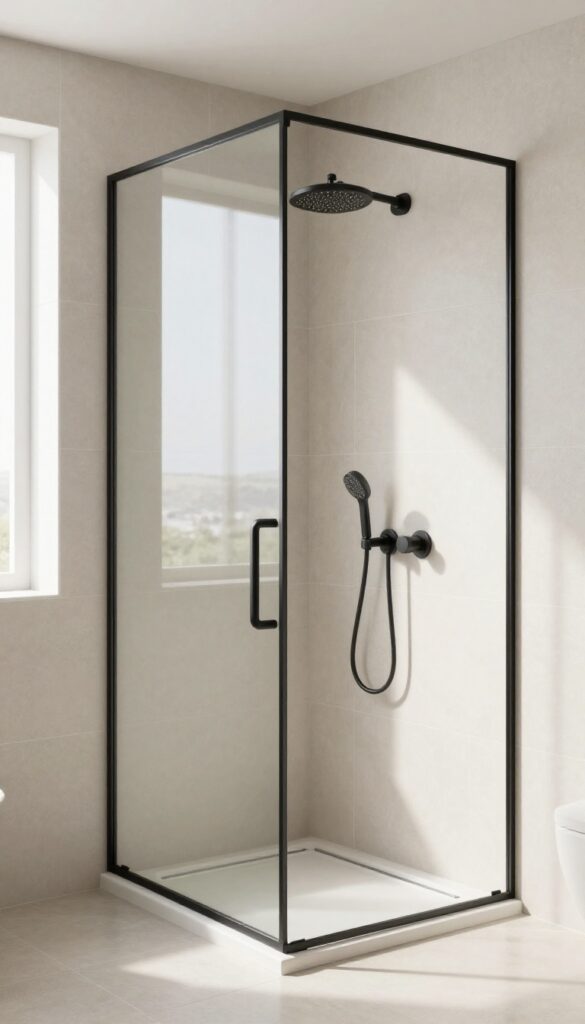
Matte black hardware is a quick way to give a no-door shower some edge. It stands out against light tiles and adds a grounded, modern feel without trying too hard. Plus, it hides water spots way better than chrome, so it stays looking sharp with less polishing.
Pairing matte black fixtures with light-colored walls or floors creates a crisp contrast that makes the shower area feel intentional. The dark accents draw the eye and give the space a defined look, even without a door. It's a simple swap that can elevate the whole bathroom.
Why Matte Black Works
Matte black has a subtle texture that catches light differently than shiny metals, giving it a soft, velvety appearance. Against white, beige, or light gray tile, it creates a strong focal point. It also resists fingerprints and water spots, so it's low-maintenance and always looks clean.
Where to Use It
Focus on the showerhead, faucet, and handles—the pieces you touch and see most. You can also add a black framed glass panel (if you have a partial enclosure) or black drain cover for extra cohesion. Keep the rest of the hardware in the bathroom black too, like towel bars and cabinet pulls, for a unified look.
Balancing The Look
Too much black can feel heavy, so let the tile be the star. Use matte black as an accent rather than covering every surface. If your tile is busy or dark, consider using black only on the fixtures and choose lighter grout or accessories to keep the space airy.
12. Built-In Bench for Seating
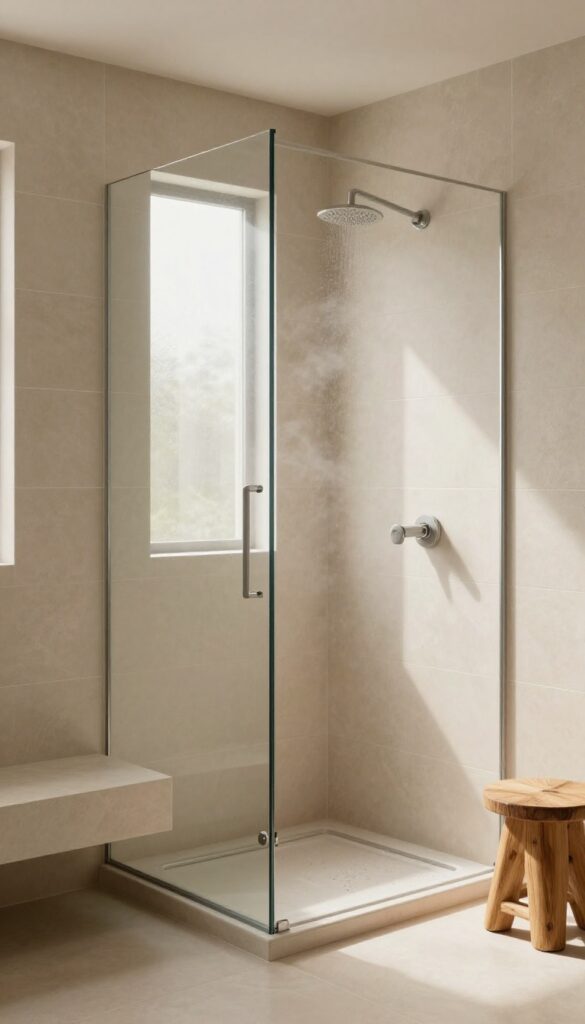
A built-in bench or corner seat isn't just a luxury—it's a practical addition that makes your shower more usable and comfortable. Whether you need a spot to sit while shaving your legs or a place for your dog to stand still during a bath, a bench solves both. It also adds a permanent, polished look that feels intentional and warm.
Adding a built-in bench to your no-door walk-in shower gives you a place to sit, relax, and take care of grooming tasks. It's also a lifesaver for bathing pets or for anyone who needs extra support. The key is to integrate it seamlessly with your shower's design, whether you choose the same tile or a contrasting material like stone or wood.
Why A Bench Makes Sense
A bench isn't just for sitting—it adds functionality and safety. It gives you a stable surface for shaving, washing feet, or just pausing under the warm water. For pet owners, it turns bath time into a less chaotic experience.
And if you're planning for aging in place, a bench provides a secure spot to sit if you ever need it.
Designing For Comfort And Style
To keep the space feeling open and airy, opt for a floating bench or a corner seat that doesn't block the flow. Match the bench material to your shower walls for a seamless look, or choose a contrasting stone like travertine or slate to add texture. If you want extra warmth, consider a teak wood bench that can be removed for cleaning—though a built-in version can be tiled to match and stay put.
Placement And Size Considerations
Think about where the bench will go. A corner seat saves space, while a longer bench along one wall offers more seating. Make sure it's at a comfortable height—usually around 18 to 20 inches—and slopes slightly toward the drain so water doesn't pool.
If you're adding a bench, plan the waterproofing carefully to avoid leaks.
13. Skylight or High Window for Natural Light
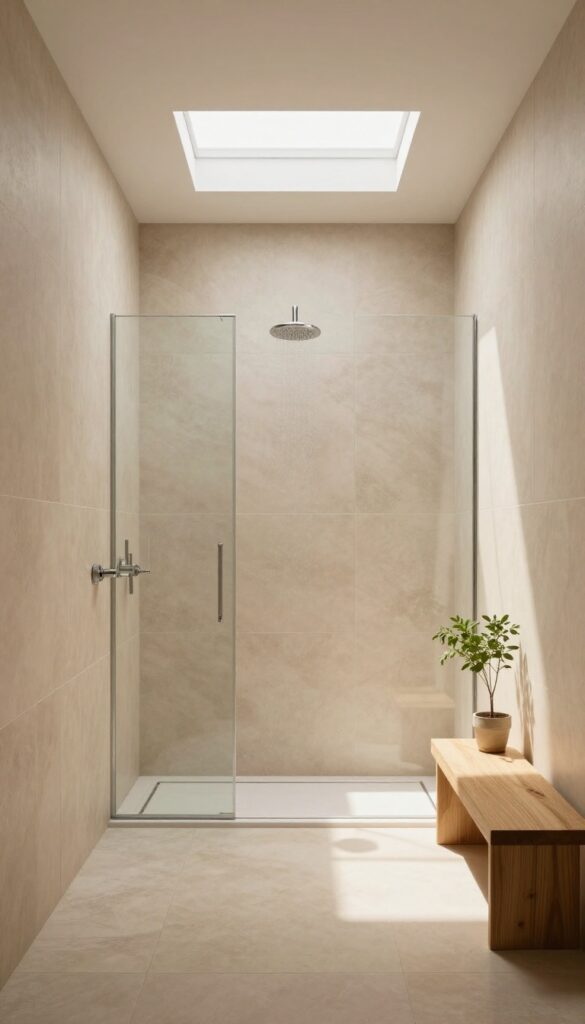
Nothing beats the soft, diffused glow of natural light streaming into a shower. A skylight or a high window lets you enjoy that brightness while keeping your privacy intact. It’s a simple addition that makes the space feel airy and connected to the outdoors, even when you’re indoors.
When you’re standing under a warm spray, the last thing you want is a dark, cave-like enclosure. A skylight or a high window brings in daylight from above, washing the walls and floor in a gentle light that flatters the materials and makes the whole shower feel more open. Plus, it can help reduce your reliance on artificial lighting during the day, saving energy and creating a more natural ambiance.
Privacy Without Compromise
High windows are placed above eye level, so you get all the light without worrying about neighbors or passersby. If you’re installing a skylight, it’s inherently private—no one can see in from outside. You can also use frosted or textured glass for an extra layer of coverage while still letting light pour through.
Types Of Skylights And Windows
Fixed skylights are the most common and affordable, letting in light without opening. Ventilating skylights open to let out steam and moisture, which is a bonus in a shower. For windows, casement or awning styles work well—they can be opened for airflow, and their tall, narrow shape fits perfectly in a shower wall.
Tubular skylights are another option if you have limited roof space; they channel light through a reflective tube.
Placement And Installation Tips
Position the skylight directly above the shower area to maximize the effect. For a high window, place it on a wall that gets good sun exposure—south-facing for consistent light, or east-facing for a bright morning shower. Work with a professional to ensure proper waterproofing and flashing, especially around the shower, to prevent leaks and moisture damage.
14. Minimalist Frameless Glass
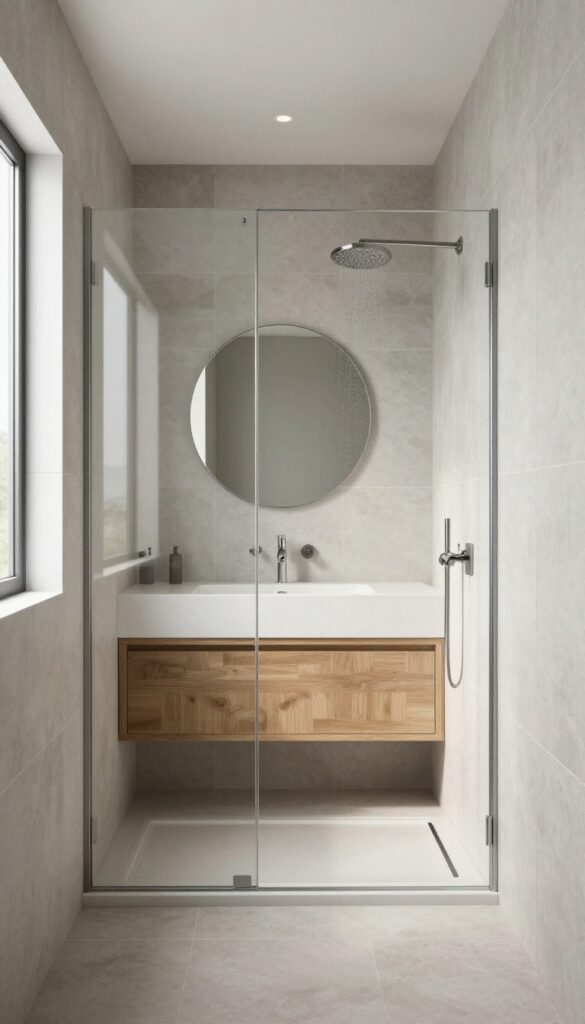
A fixed frameless glass panel offers the best of both worlds: the open feel of a doorless shower with just enough separation to keep water where it belongs. It's a clean, modern look that doesn't shout for attention. Instead, it quietly lets the tile and fixtures shine.
Frameless glass panels are a popular choice for no-door showers because they provide a sleek barrier without the visual weight of a traditional door. The lack of metal framing keeps sightlines clear, making the bathroom appear larger and more cohesive. Plus, with fewer parts and crevices, cleaning is a breeze—just a squeegee after each use keeps it spotless.
Why Choose A Fixed Panel?
A fixed panel is ideal for showers that are open on one side, like those in a corner or against a wall. It blocks splashes while maintaining an unobstructed view. Unlike a swinging door, it doesn't require floor space to open, which is perfect for compact bathrooms.
The minimalist design also pairs beautifully with any tile style, from large-format porcelain to classic subway.
Installation Tips
For a seamless look, opt for a glass panel with a minimal profile—usually around 1/2-inch thick. Tempered glass is a must for safety and durability. Have a professional install it to ensure proper support and sealing, especially if you're using a frameless system.
Also, consider a slight incline for the glass to direct water back into the shower, preventing leaks.
Styling And Maintenance
To keep the glass looking pristine, use a water-repellent coating that makes water bead off and reduces mineral buildup. A simple daily wipe-down with a microfiber cloth goes a long way. Choose clear glass for an unobstructed view or frosted glass for more privacy.
Pair the panel with a rain showerhead and a linear drain for a truly spa-like experience.
15. Accent Tile Strip for Visual Interest
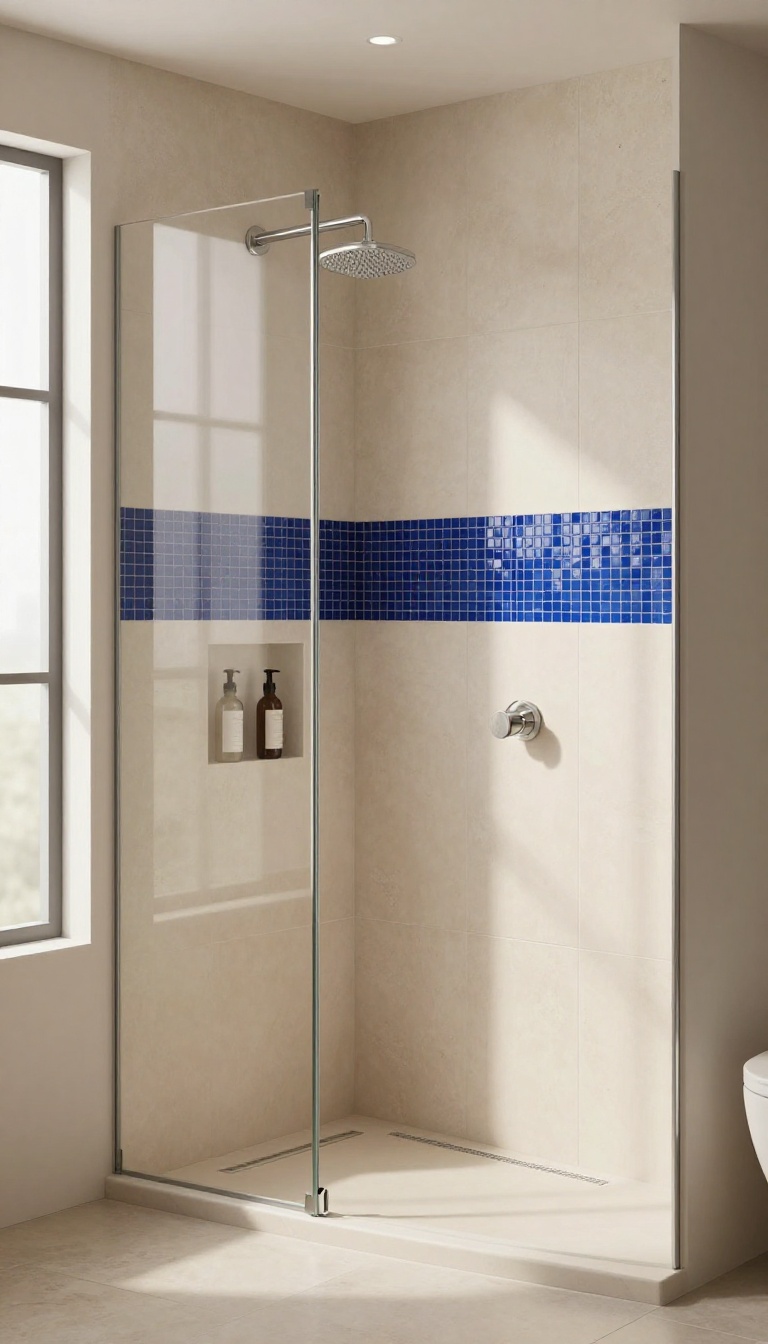
Large expanses of wall tile in a walk-in shower can feel flat, even when the material is beautiful. A horizontal accent strip is a simple design trick that breaks up the monotony and adds a custom touch without overwhelming the space. You can use a contrasting color, a different material like glass or mosaic, or even a metallic finish to create a focal point.
The strip can be placed at eye level, near the ceiling, or aligned with a niche or bench for a cohesive look.
An accent tile strip is one of the easiest ways to add personality to a no-door shower. It doesn't require a full redesign—just a few rows of tile that stand out from the rest. The key is to choose a tile that complements the main wall tile but adds contrast, whether through color, texture, or shine.
Think about the overall style of your bathroom. If you have neutral walls, a strip of deep blue or green can bring in color. If you're using large-format tiles, a thin line of small mosaic tiles adds detail.
The strip can be as narrow as one row or as wide as a foot—it's up to you. Placement matters. A strip at eye level draws the eye naturally.
One near the ceiling can make the ceiling feel higher. Aligning it with a shampoo niche or bench creates a sense of order. You can also run the strip vertically to elongate the space, though horizontal is more common.
Don't forget about practicality. Glass and mosaic tiles are easy to clean and resist water. Metallic strips can be a bold choice, but they may require more maintenance to keep their shine.
For a subtle look, use the same tile in a different finish, like matte vs. glossy. The best part? An accent strip is a relatively inexpensive way to get a high-end look.
You don't need to cover the whole wall in expensive tile—just a few linear feet of accent tile can transform the space.
Choosing The Right Tile
When picking accent tile, think about contrast. If your walls are light, a darker strip will pop. If you have busy walls, a solid color or subtle texture might be better.
Glass tiles add a touch of elegance and reflect light, making the shower feel brighter. Mosaic sheets are easy to install and come in endless patterns. For a natural look, consider a stone mosaic that complements your main tile.
Also consider the finish. Glossy tiles are easy to wipe down but can show water spots. Matte tiles hide fingerprints and soap scum better.
Metallic tiles, like brushed nickel or copper, add a warm glow but can scratch. Weigh the pros and cons based on your lifestyle.
Placement And Proportion
The height and width of the strip should relate to the size of your shower. In a small shower, a single row of accent tile is enough. In a larger walk-in, you can go bolder with a wider band or even multiple strips.
A common trick is to place the strip at the same height as a niche or bench to create a horizontal line that ties the design together. You can also use the strip to highlight a feature, like a rainfall showerhead. If you have a niche, align the strip with the niche's bottom edge for a clean, intentional look.
Just avoid placing a strip at the very bottom where it might get splashed with soap scum—it's harder to clean.
Installation Tips
Installing an accent strip is straightforward, but a few tips can make the process smoother. Plan the layout before you start tiling. Mark the height on the wall and use a level to ensure it's straight.
If you're using mosaic sheets, cut them carefully to fit around corners and fixtures. Use the same grout color as the main tile to make the strip blend seamlessly, or choose a contrasting grout to make it stand out even more. Make sure the accent tile is compatible with your substrate and waterproofing.
If you're not confident, hire a professional—it's a small job that can be done quickly.
FAQ
Do walk-in showers without doors cause water to splash out?
With proper slope and a well-placed drain, splash is minimal. Adding a slight curb or a fixed glass panel can help contain water if needed.
Are no-door showers more expensive to install?
Costs vary. Curbless designs may require structural work, but overall you save on door hardware and installation. It depends on your existing layout and materials.
What is the best flooring for a walk-in shower?
Textured tile, pebble tiles, or non-slip porcelain are great choices. They provide traction and are durable, while still looking stylish.
Can I add a no-door shower to a small bathroom?
Yes, a curbless or low-curb design can make a small bathroom feel larger. Use glass panels or strategic placement to avoid water escaping.
How do I keep a no-door shower warm?
Heated floors, warm lighting, and using wood-look tiles or warm colors can make the space feel cozier. Also, consider a high-efficiency showerhead to keep the room warm.
Conclusion
No-door walk-in showers offer a blend of style and function that can transform your bathroom into a relaxing retreat. By focusing on details like drainage, tile, and lighting, you can create a space that feels both open and inviting.
Whether you choose a curbless entry or a simple glass panel, these ideas are meant to inspire your own design. Start with the elements that matter most to you, and enjoy the process of making your bathroom a warm, welcoming place.