15 Easy Bathtub with Shower Ideas for a Warm, Inviting Setup
Stepping into a bathroom that feels like a warm hug is possible, even with a standard tub-shower combo. The key is to treat it as a design opportunity, not a compromise.
With a few thoughtful tweaks, you can turn this everyday fixture into the most inviting spot in your home. Whether you're planning a full remodel or just want to refresh the look, these ideas range from simple swaps to bold transformations.
You'll find options that fit any budget and style, from rustic farmhouse to sleek modern. Let's explore how to make your bathtub with shower a place you'll look forward to using every day.
1. Classic White Subway Tile with Warm Wood Accents
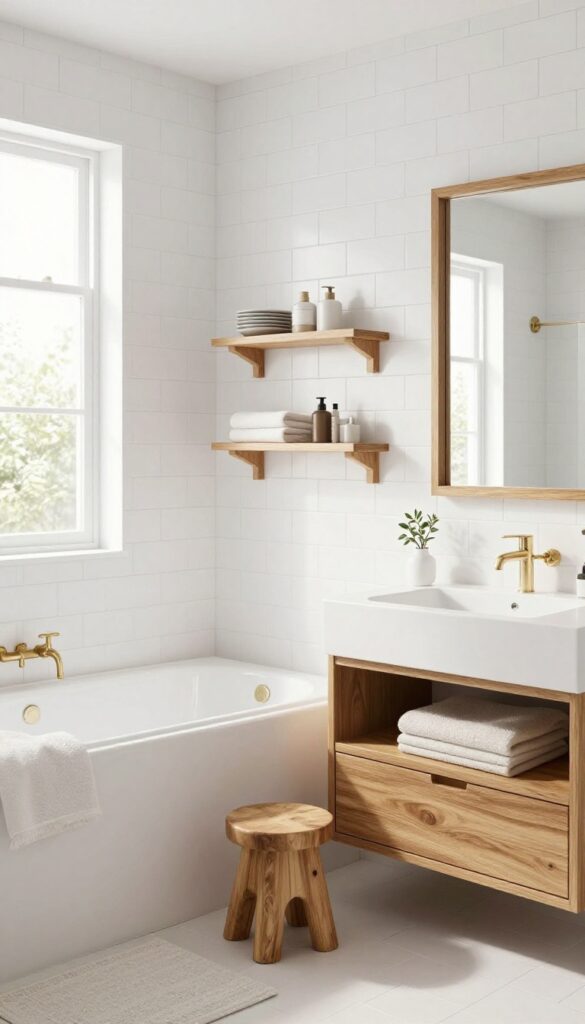
There's a reason subway tile never goes out of style—it's timeless, bright, and makes small spaces feel bigger. But all that white can feel a little cold on its own. That's where warm wood accents come in, balancing the crispness with natural texture and a cozy vibe.
Think of it as pairing a crisp white shirt with worn-in leather boots. The contrast feels intentional and inviting, not sterile. And the best part?
You can achieve this look whether you're doing a full renovation or just sprucing up what you already have.
The combination of white subway tile and warm wood is a match made in bathroom heaven. The tile keeps things clean and classic, while the wood adds depth and a touch of nature. This pairing works in almost any bathroom style, from farmhouse to modern, and it's surprisingly easy to pull together.
Start with the tile itself. Whether you choose the classic 3×6 inch brick pattern or go for a larger format, the key is keeping it simple. White grout keeps the look seamless, while a light gray grout adds subtle definition.
If you're feeling bold, you could try a herringbone pattern for a little extra visual interest. Now, for the wood. The easiest way to introduce warmth is through accessories like a teak bath mat, a wooden stool, or floating shelves.
But if you're up for a bigger project, consider adding a wood vanity or a wood-framed mirror. The goal is to create a balance—enough wood to warm the space, but not so much that it overwhelms the clean tile.
Why This Combo Works
White subway tile reflects light, making the bathroom feel airy and open. Wood, on the other hand, absorbs light and adds a sense of grounding. Together, they create a balanced, welcoming atmosphere.
Plus, wood is naturally moisture-resistant when sealed properly, making it a practical choice for a bathroom. This pairing also gives you flexibility. You can easily change the look by swapping out towels, rugs, or other accessories.
The neutral base means you can play with color without clashing.
How To Add Wood Without A Full Remodel
If you're not ready to tear out your tile, you can still get this look. Start with a teak bath mat—it's durable, water-resistant, and adds instant warmth underfoot. Add a wooden stool or bench for holding towels or toiletries.
Floating shelves made of reclaimed wood are another easy DIY project that brings in that natural element. Even small touches like a wooden soap dish or a bamboo toothbrush holder can make a difference. The idea is to layer in wood gradually until it feels right.
Choosing The Right Wood Tone
The shade of wood you choose can change the whole mood of the room. Lighter woods like oak or ash keep things airy and Scandinavian. Medium tones like walnut add richness without being too dark.
Dark woods like mahogany can make a statement, but they work best in larger bathrooms with plenty of light. Consider the rest of your bathroom's finishes. If you have chrome fixtures, a lighter wood might blend better.
If you have bronze or brass, a darker wood can complement that warm metal. And don't forget about the floor—if you have wood-look tile, you can match your accents to that tone.
2. Freestanding Tub with a Rainfall Shower Head
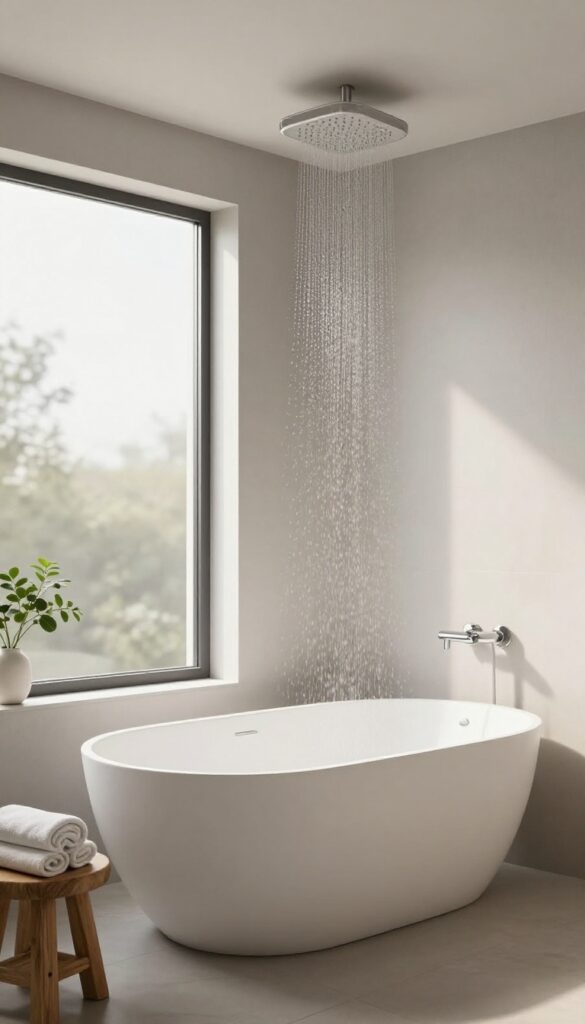
A freestanding tub paired with a ceiling-mounted rainfall shower head instantly elevates the bathing experience. The open design not only looks stunning but also makes the bathroom feel more spacious and airy. This combination brings a touch of luxury that turns daily routines into a mini retreat.
This setup is all about creating a focal point that feels both indulgent and practical. The freestanding tub serves as a sculptural centerpiece, while the rainfall shower head adds a spa-like sensation. Together, they offer the best of both worlds: a deep soak and a refreshing shower, all in one elegant footprint.
Choosing The Right Tub
When selecting a freestanding tub, consider the material and shape. Acrylic tubs are lightweight, affordable, and retain heat well, while stone resin offers a more premium feel. For a compact bathroom, a slipper or double-ended tub can fit snugly without overwhelming the space.
Always check the floor load capacity, especially for heavier materials.
Rainfall Shower Head Placement
The shower head should be centered above the tub, typically 7 to 8 feet from the floor, to provide a comfortable water flow. Ensure the ceiling can support the plumbing and that the arm is long enough to clear the tub's edge. For added flexibility, consider a handheld attachment as a secondary option.
Enclosure Options
To prevent water splashing, you can install a glass panel or a curved shower rod with a waterproof curtain. A frameless glass panel keeps the open look, while a curtain offers more flexibility and easier storage. If you prefer no enclosure, ensure the bathroom has proper drainage and ventilation to handle moisture.
Styling And Accessories
Enhance the spa vibe with natural materials like teak wood mats, bamboo stools, and eucalyptus bundles. Soft, neutral colors and textured tiles can complement the tub's silhouette. Add a wall-mounted shelf for shampoo and soap, and consider a heated towel rack for that cozy finish.
3. Glass Enclosure with Matte Black Fixtures
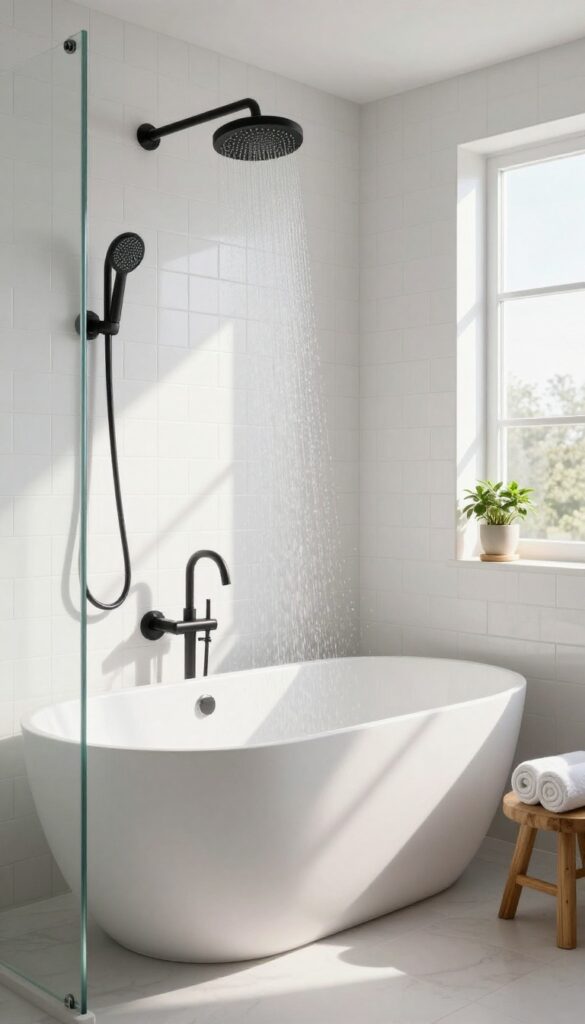
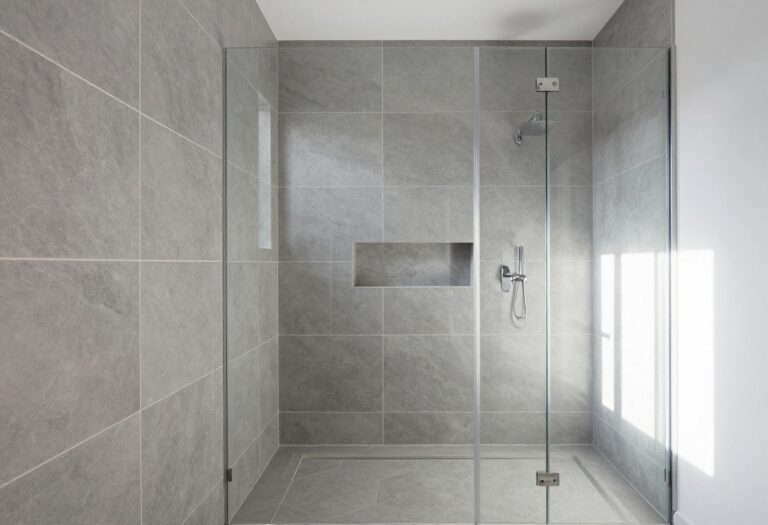
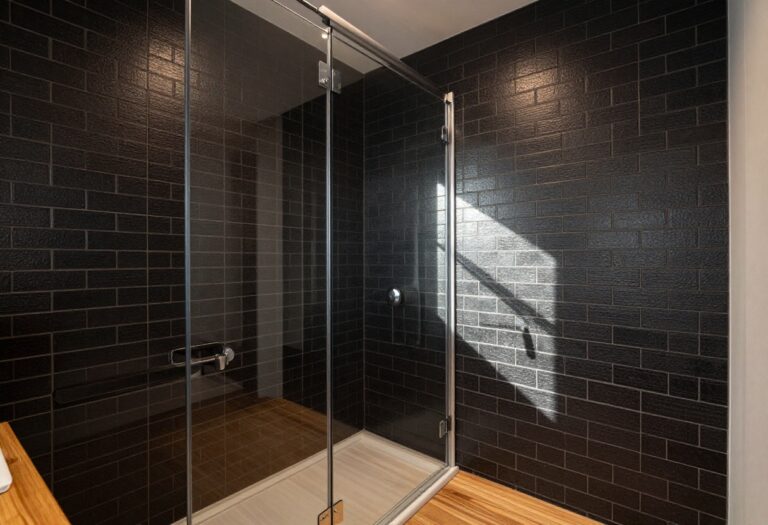
Ditching the shower curtain instantly opens up the space and lets your tile work shine. A frameless glass enclosure creates a clean, seamless look that makes the bathroom feel larger and more polished. Pairing that transparency with matte black fixtures adds a bold, modern contrast that feels both grounded and luxurious.
The combination of clear glass and dark hardware is a design power move. The glass keeps the eye moving without visual barriers, while the matte black fixtures anchor the space with a sophisticated edge. It's a look that works in both contemporary and transitional bathrooms, and it's surprisingly practical—no more fighting with curtains or dealing with soggy liners.
Why Frameless Beats Curtains
A frameless glass enclosure does more than just look good. It eliminates the visual clutter of a curtain rod and fabric, making the tub area feel more open and airy. The lack of a frame also means fewer places for soap scum and mildew to hide, so cleaning is a breeze.
Plus, the clear glass lets your tile or tub finish take center stage.
Matte Black Hardware That Pops
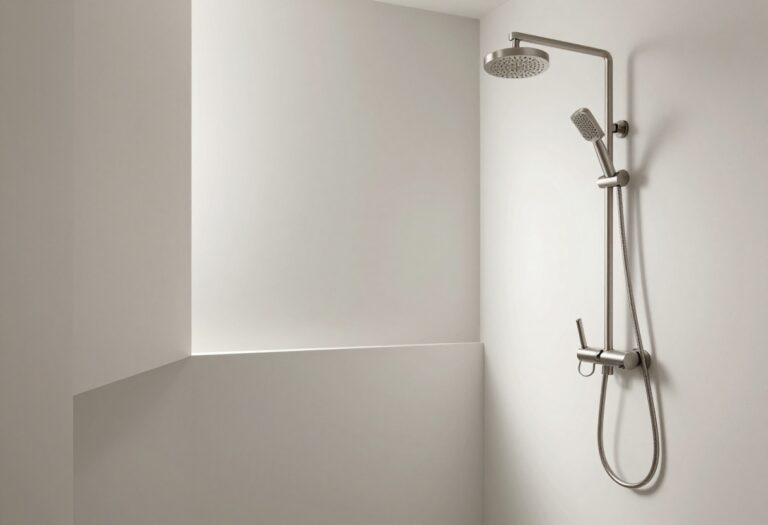
Matte black fixtures—think faucet, showerhead, and handles—create a striking contrast against white or light-colored tile. This high-contrast look adds depth and a touch of drama without feeling cold. The matte finish also hides water spots and fingerprints better than polished chrome, so it stays looking sharp with minimal upkeep.
Installation And Maintenance Tips
While a full frameless enclosure often requires professional installation, you can achieve a similar effect with a semi-frameless option that's more budget-friendly. For maintenance, use a squeegee after each shower to keep the glass spotless, and wipe down the matte black fixtures with a soft cloth to prevent hard water buildup. With a little care, this setup stays beautiful for years.
4. Corner Tub-Shower Combo with Built-In Shelves
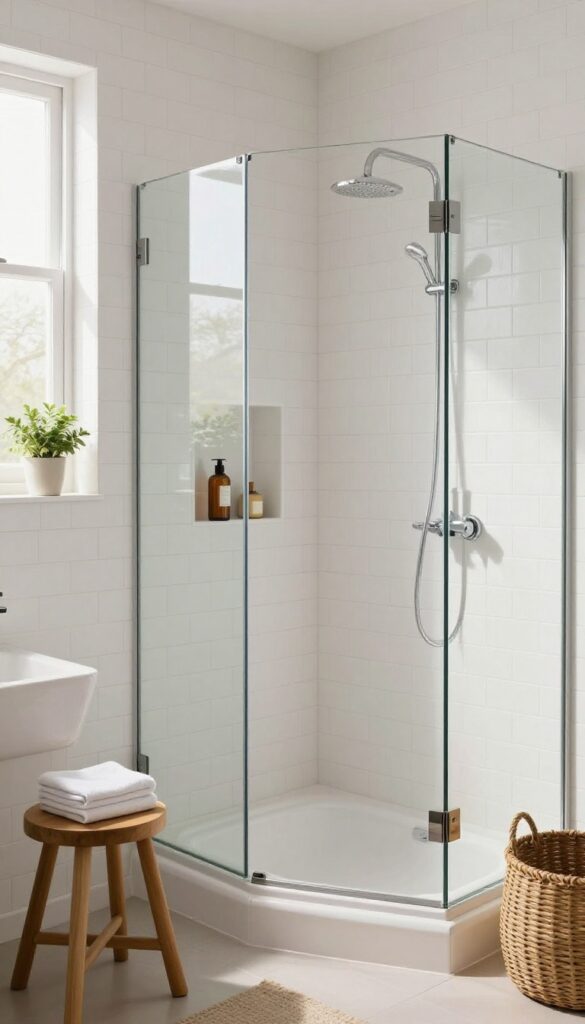
If your bathroom feels cramped, a corner tub-shower combo might be the smartest layout you haven't considered. By tucking the fixture into a corner, you free up valuable floor space and create a more open, airy feel. The real game-changer, though, is adding built-in shelves or niches right where you need them—no more cluttered ledges or over-the-door caddies.
This setup works especially well in smaller bathrooms or guest baths where every inch counts. The corner placement opens up the rest of the room for a vanity, linen storage, or even a small stool. Built-in shelves, whether recessed into the wall or added as a floating ledge, keep shampoo, soap, and razors within easy reach without visual clutter.
You can choose from a variety of materials—ceramic tile, marble, or even waterproof wood-look panels—to match your style. The result is a streamlined, spa-like corner that feels both practical and luxurious.
Why Corners Work
Corners are often dead space in a bathroom, but a tub-shower combo turns them into a functional focal point. Angled tubs and neo-angle shower doors make the most of the diagonal layout, leaving more room for movement. This is especially helpful if you're working with a tight footprint or want to add a double vanity later.
Built-in Shelving Options
Recessed niches are the classic choice—they sit flush with the wall and can be tiled to blend in seamlessly. If you can't cut into the studs, consider a corner caddy that attaches directly to the tub or a floating shelf mounted above the faucet. For a more custom look, build a small ledge with waterproof materials like teak or stone.
Styling Your Corner Retreat
Use the shelves to display rolled towels, a small plant, or a candle for a spa vibe. Keep the color palette light and cohesive—soft whites, grays, or warm neutrals—so the corner doesn't feel heavy. A glass door instead of a curtain opens up the space even more and shows off your tile work.
5. Neutral Earth Tones with Textured Tile
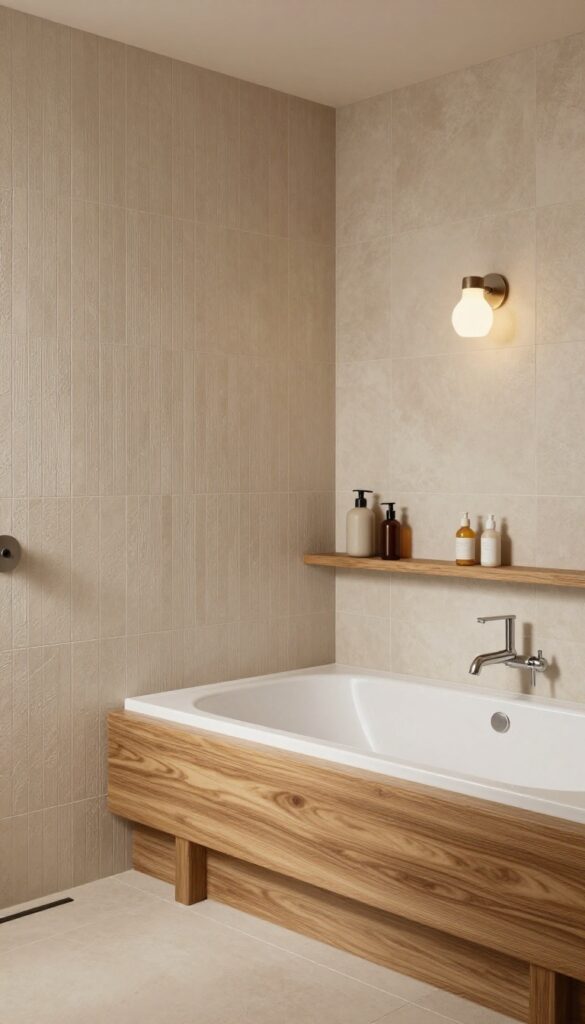
Warm beige, taupe, and soft gray tiles instantly make a bathroom feel grounded and cozy. When you add a textured finish—think matte, ridged, or handmade-style—the walls gain depth without needing bold color. This palette works beautifully with natural wood and soft lighting, creating a spa-like retreat that feels both modern and timeless.
Neutral earth tones are having a major moment, and for good reason. They create a calm, organic backdrop that never feels cold or sterile. The trick is to avoid flat, shiny surfaces; instead, choose tiles with subtle texture that catch the light and add visual interest.
Pairing these with wooden accessories and warm lighting brings everything together for a truly inviting setup.
Why Texture Matters In A Small Bathroom
In a compact tub-shower combo, texture adds dimension without taking up space. A ridged or matte tile reflects light softly, making the room feel larger and more dynamic. It also hides water spots and soap scum better than glossy finishes, so your bathroom looks cleaner with less effort.
Choosing The Right Tile Shape And Finish
Large-format tiles in beige or greige create a seamless, modern look, while subway tiles in a matte finish offer a classic feel with a twist. For a more organic touch, consider zellige or handmade tiles with imperfect edges. Just make sure the texture is smooth enough to clean easily—deep grooves can trap grime.
Pairing With Wood And Warm Lighting
Natural wood accents, like a teak bench or oak shelving, warm up the neutral palette and bring an earthy element. Soft, warm light bulbs (2700K–3000K) enhance the cozy vibe, while a dimmer switch lets you adjust the mood. Add a few plants, like eucalyptus or a fern, to complete the grounded feel.
Budget-friendly Ways To Update Your Existing Tub
If a full tile redo isn't in the cards, you can still achieve this look with peel-and-stick tile in a matte stone-look finish. Or, paint your existing tile with a specialty bathroom paint in a warm taupe and add a textured bath mat and wooden accessories. These small changes can make a big difference.
6. Clawfoot Tub with a Handheld Shower
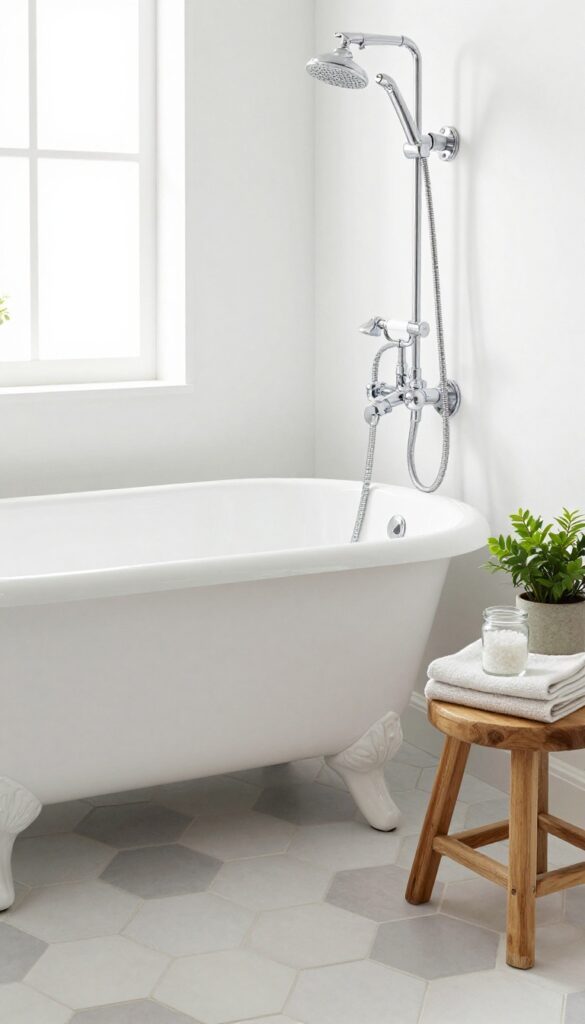
Few fixtures say 'classic bathroom' quite like a clawfoot tub. Pair it with a handheld shower, and you get that vintage look without sacrificing practicality. The handheld sprayer makes rinsing off a breeze, whether you're washing your hair, cleaning the tub, or wrangling little ones for bath time.
A clawfoot tub with a handheld shower is more than just a pretty face—it's a workhorse in disguise. Because the shower head is attached to a flexible hose, you can direct the water exactly where you need it. That's a game-changer for bathing kids, washing pets, or just enjoying a relaxing rinse without committing to a full overhead shower.
Why Handheld Works So Well
The beauty of a handheld shower is its flexibility. You can hold it in your hand to target specific areas, or mount it on the wall bracket for hands-free use. It's also easier to clean the tub afterward—no more bending over to scrub while water splashes everywhere.
For anyone with mobility issues, a handheld shower is a practical, thoughtful choice.
Choosing The Right Tub And Fixtures
When picking a clawfoot tub, think about size and depth. A deeper tub gives you a more immersive soak, but make sure it fits your space. For the shower kit, look for a polished chrome or brushed nickel finish to complement the tub's classic lines.
A wall-mounted bracket keeps the shower head within easy reach, while a floor-mounted gooseneck adds a touch of elegance.
Styling Around The Vintage Look
To really lean into the vintage vibe, pair your clawfoot tub with traditional touches: hexagon floor tiles, a pedestal sink, and maybe a brass or copper faucet. Soft, neutral colors on the walls let the tub stand out. Add a wooden bath caddy and some rolled towels for that spa-like feel.
The result is a bathroom that feels both nostalgic and functional.
7. Walk-In Tub with a Bench Seat
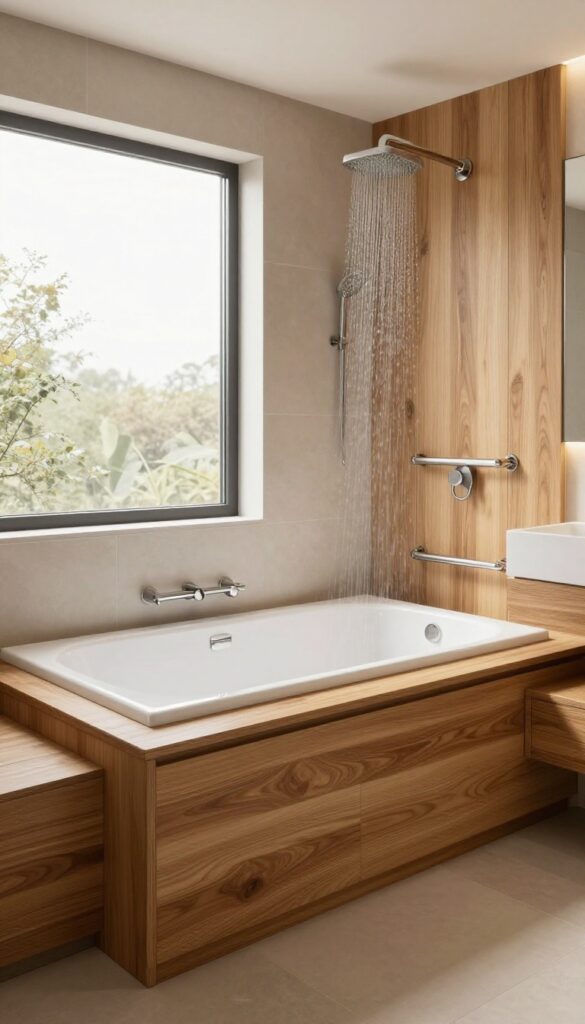
For safety and comfort, consider a walk-in tub with a built-in bench seat. It's ideal for those with mobility issues and can still look stylish with modern fixtures. These tubs feature a low threshold and a watertight door, making entry and exit a breeze.
The bench seat lets you bathe while seated, reducing the risk of slips and falls. Plus, with today's designs, you don't have to sacrifice aesthetics for functionality.
A walk-in tub with a bench seat offers a practical yet inviting bathing solution. It combines the therapeutic benefits of a soaking tub with the safety of a shower, all in one unit. Whether you're renovating for aging in place or simply want a more comfortable bathing experience, this option deserves a close look.
Safety Features That Matter
Look for models with a low step-in threshold, non-slip flooring, and grab bars. The door should seal tightly to prevent leaks, and the bench should be ergonomically shaped for comfort. Some tubs come with hand-held showerheads, making it easy to rinse while seated.
Styling Your Walk-in Tub
Modern walk-in tubs aren't just functional—they can be beautiful. Choose a sleek acrylic finish in a color that complements your bathroom. Add a rainfall showerhead above the bench for a spa-like feel.
Use warm lighting and natural materials like teak or stone to keep the space cozy.
Installation And Space Considerations
Walk-in tubs require more space than standard tubs, so measure your bathroom carefully. They also need a dedicated water heater to maintain temperature. Professional installation is recommended to ensure proper plumbing and waterproofing.
But the peace of mind and daily comfort are worth the investment.
8. Subway Tile with a Dark Grout for Contrast
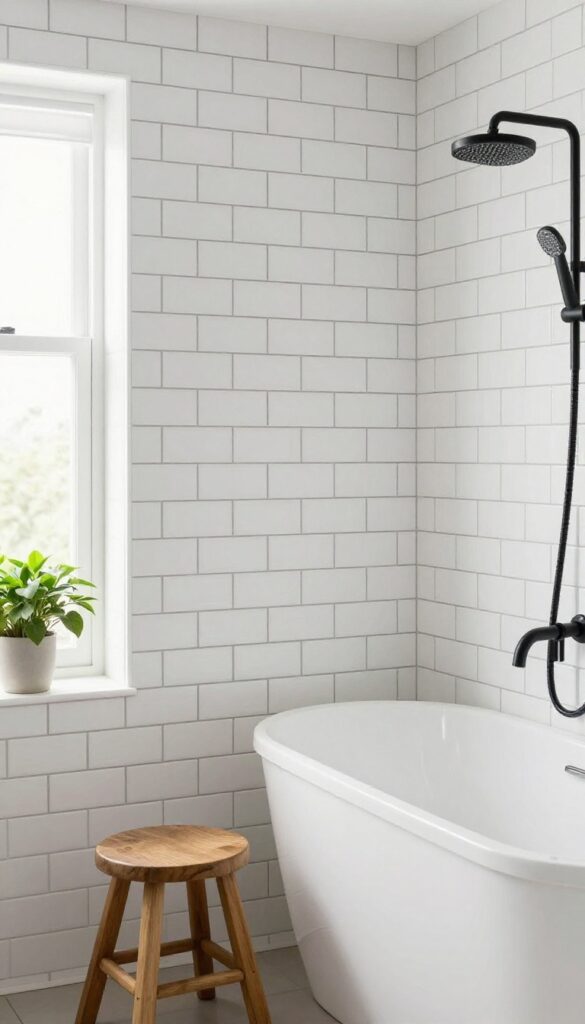
White subway tile is a timeless choice, but pairing it with dark grout changes the whole vibe. Instead of blending in, the tiles pop with a crisp grid that adds depth and character. It's a simple swap that makes a big visual impact without breaking the bank.
Dark grout with white subway tile creates a bold, graphic look that feels both classic and modern. The contrast hides everyday grime, so your walls stay looking fresh longer. Plus, it's a practical choice for busy bathrooms where maintenance matters.
Why Dark Grout Works
Dark grout makes the tile pattern the star. It adds definition and makes the space feel more intentional. It also hides discoloration and soap scum, so you spend less time scrubbing and more time enjoying your bath.
Choosing The Right Grout Shade
Charcoal, graphite, or deep gray are popular picks. They offer enough contrast without being too harsh. If you want a softer look, try a warm gray or greige.
Test samples on your wall to see how they look in your lighting.
Finishing Touches
Pair this tile with a matte black or brushed nickel fixture for a cohesive look. Add a wooden stool or a plant to soften the contrast. Keep the rest of the bathroom simple so the tile remains the focal point.
9. Skylight or Sun Tunnel Above the Tub
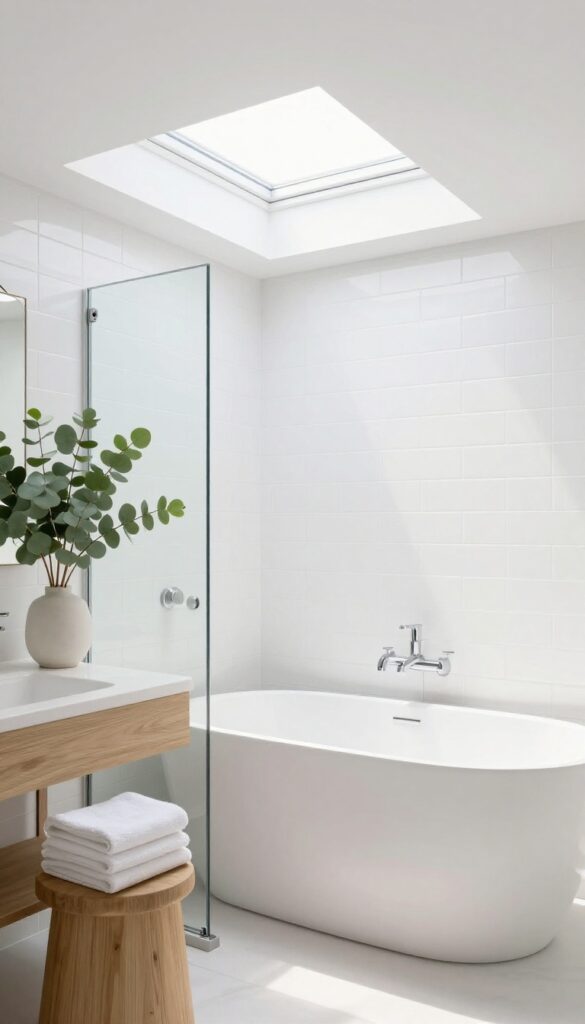
Natural light can completely change how a bathroom feels, and placing a skylight or sun tunnel directly above the tub makes the space feel open and airy. It’s a simple upgrade that brings the outdoors in, even in a compact bathroom. A skylight adds a dramatic architectural element, while a sun tunnel is a more discreet option that still floods the area with light.
Both work beautifully with a tub-shower combo, turning an ordinary bathing spot into a bright, welcoming retreat.
Why Natural Light Matters In A Bathroom
Bathrooms often lack windows, which can make them feel closed off and damp. Adding a skylight or sun tunnel helps eliminate that cave-like feeling. Natural light also makes the space appear larger and highlights the textures of your tile and fixtures.
Plus, it reduces the need for artificial lighting during the day, which is a nice energy saver.
Skylight Vs. Sun Tunnel: Which To Choose
A traditional skylight is a fixed or vented window that offers a direct view of the sky. It works best if you have enough roof space and want a dramatic focal point. A sun tunnel, on the other hand, is a tubular device that captures light on the roof and channels it through a reflective tube.
It’s perfect for tight spaces and can be installed with minimal disruption to your roofline.
Placement And Privacy Tips
Position the skylight or sun tunnel directly above the tub to maximize light where you need it most. For privacy, consider frosted glass or a light-diffusing panel. If you’re worried about heat gain, choose a low-E glass or add a shade.
And always hire a professional for the installation to ensure proper waterproofing and structural support.
Making The Most Of The Light
Pair your new natural light with light-colored walls and reflective surfaces like glossy tile or a large mirror. This will bounce the light around the room and make it feel even brighter. You can also add a dimmer switch to your existing overhead lights so you can control the mood when the sun goes down.
The combination of natural daylight and soft evening lighting makes the tub a pleasant spot at any hour.
10. Heated Towel Rack and Radiant Floor Heating
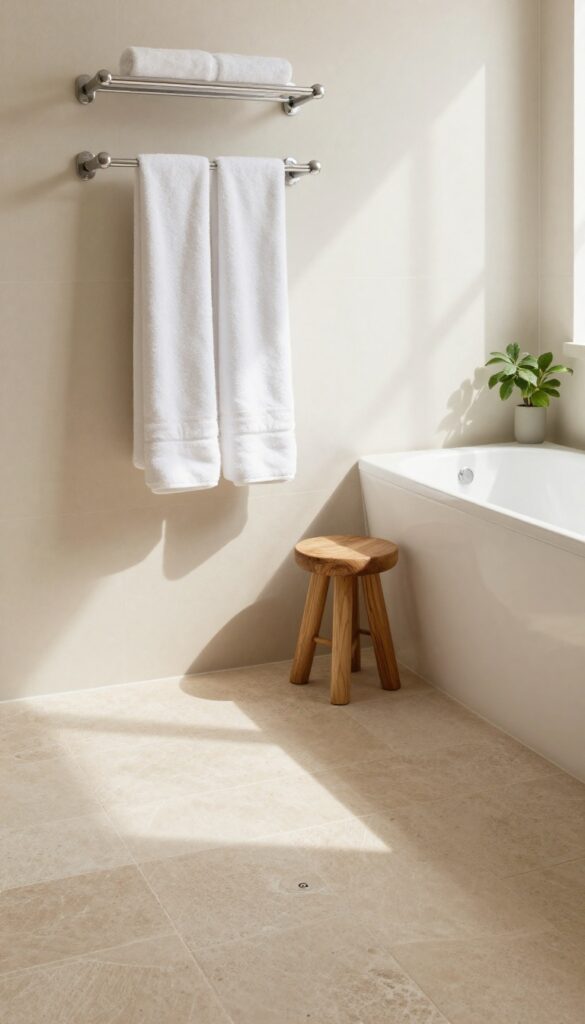
There’s a reason spas invest in warm floors and toasty towels—it’s the ultimate comfort upgrade. Radiant floor heating and a heated towel rack turn your bathroom into a sanctuary, especially on chilly mornings. The good news?
Both are more accessible than you might think, even for a tub-shower combo.
Installing radiant floor heating under tile or stone is a game-changer. It warms the entire room from the ground up, so your feet never hit a cold surface. You can also add a heated towel rack near the tub to keep towels warm and dry, reducing musty smells.
Together, they create a cozy, spa-like experience every time you step out of the shower.
Why Radiant Heat Works So Well
Radiant floor heating uses electric mats or hydronic tubes beneath your flooring. It distributes heat evenly, unlike forced air which can leave cold spots. For a bathroom, electric systems are easier to retrofit and can be controlled with a programmable thermostat.
Set it to warm up before your usual shower time, and you’ll never dread stepping out again.
Choosing The Right Heated Towel Rack
Heated towel racks come in two main types: hydronic (connected to your hot water system) and electric (plug-in or hardwired). Electric ones are simpler to install and work year-round. Look for a design that matches your fixtures—maybe a sleek stainless steel ladder or a classic chrome bar.
Place it within arm’s reach of the tub for easy access.
Installation Tips And Considerations
If you’re renovating, installing radiant heat under new tile is straightforward. For existing bathrooms, you might need to raise the floor slightly or use a thin electric mat. Always hire a licensed electrician for hardwiring.
For the towel rack, ensure it’s on a dedicated circuit and waterproof-rated. Check local building codes for bathroom heating requirements.
11. Niche Shelves with Accent Lighting
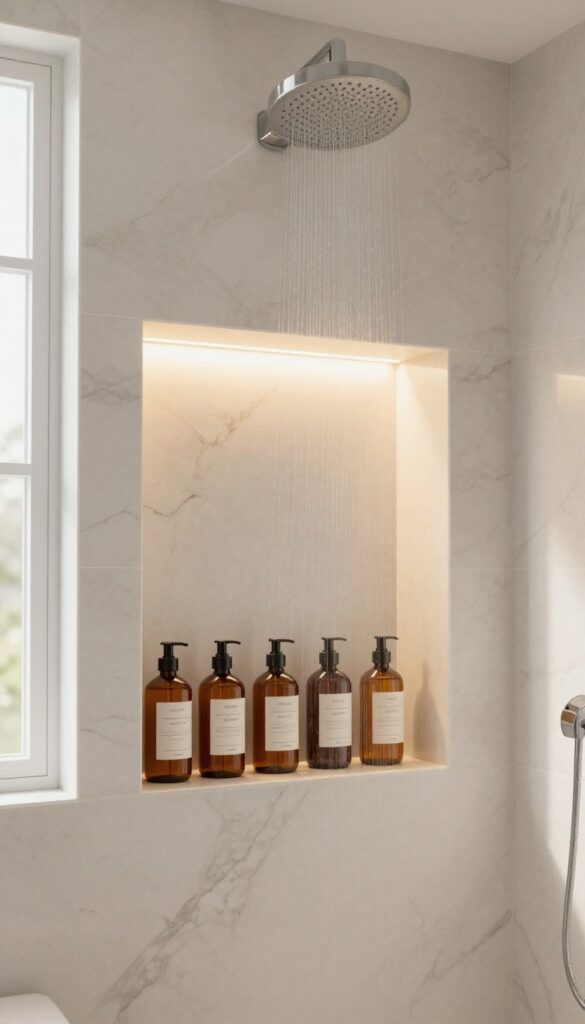
Recessed niches are a practical way to keep your shower organized, but they can also become a design feature. Adding LED accent lighting inside the niche turns it into a warm, inviting focal point that highlights your favorite products. This simple upgrade makes the shower feel more custom and spa-like, without requiring a full renovation.
The soft glow not only looks good but also makes it easier to find your shampoo or soap in the evening.
Recessed niches are built into the shower wall, providing storage without taking up space. When you add accent lighting, the niche becomes a visual highlight that draws the eye and adds depth to the shower area. This combination of function and style is a favorite among designers and homeowners alike.
Choosing The Right Niche Size And Placement
Think about what you'll store—shampoo, conditioner, body wash, and maybe a razor or loofah. A typical niche is about 12 to 18 inches wide and 6 to 12 inches tall, but you can customize it to fit your needs. Place it at a height that's easy to reach, usually around shoulder to chest level, and consider having multiple niches if you need more storage.
Selecting The Perfect Led Lighting
Warm white LEDs (around 2700K to 3000K) create a cozy, inviting glow that complements most bathroom finishes. Cooler whites can feel harsh, so stick to warm tones for a relaxing vibe. You can choose from strip lights, puck lights, or small recessed fixtures, and make sure they're rated for wet or damp locations.
Dimmable options are a nice touch for adjusting the mood.
Installation Tips And Considerations
If you're remodeling, the niche and lighting are installed during the tiling phase. For existing showers, you can retrofit a niche, but it's more involved and may require a professional. Always seal the lighting fixture properly to prevent moisture damage, and consider using a low-voltage system for safety.
Plan the wiring so the switch is easily accessible.
12. Wood-Look Porcelain Tile for a Spa Vibe
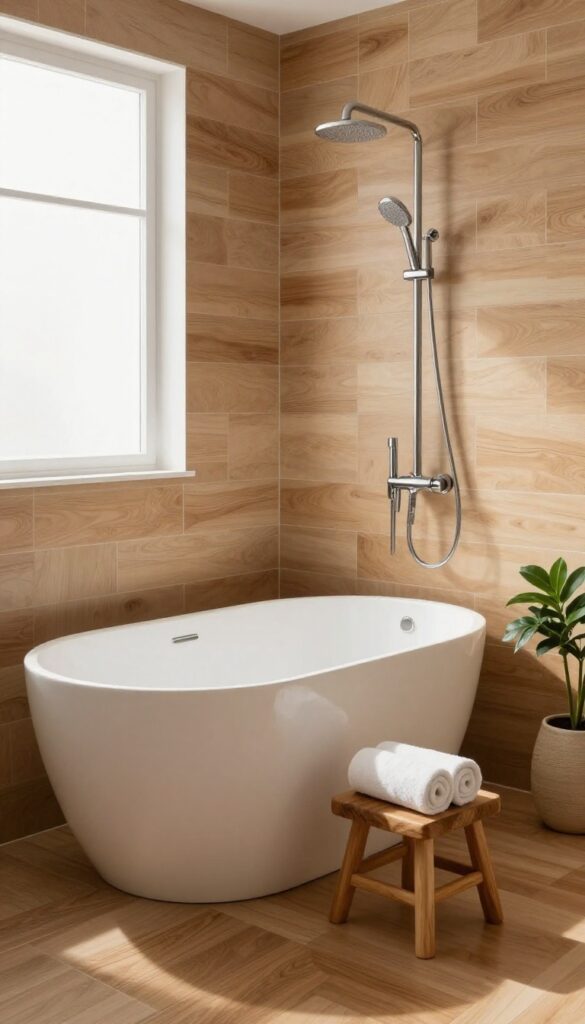
Wood in a bathroom sounds risky, but wood-look porcelain tile gives you that warm, organic feel without the worry. It’s waterproof, durable, and surprisingly realistic—many people can’t tell the difference until they touch it. Using it on the walls or floor instantly adds a spa-like calm to your tub area.
Wood-look porcelain tile is a smart choice for a bathtub with shower because it brings the natural beauty of wood into a wet space without warping, rotting, or needing constant sealing. It’s available in planks that mimic oak, walnut, teak, and more, so you can match any style. Whether you go for a light driftwood tone or a rich espresso, this tile creates a warm, inviting backdrop that makes your tub the focal point of the room.
Why It Works In A Bathroom
Unlike real wood, porcelain tile is completely waterproof and won’t swell or stain. It’s also highly durable, resisting scratches and chips, and it’s easy to clean—just wipe it down like any tile. The textured surface can mimic wood grain so closely that it even feels like wood underfoot, but it stays cool and comfortable in warm climates.
Where to Use It
You can cover the entire bathroom floor for a seamless look, or use it on the walls around the tub for a striking feature. For a more subtle approach, install it on the tub surround and pair it with a complementary solid-color tile on the floor. If you’re worried about slipperiness, choose a tile with a matte or textured finish that provides better traction when wet.
Pairing With Other Materials
Wood-look tile pairs beautifully with natural stone, concrete, or even white subway tile. For a spa vibe, combine it with pebble tile in the shower floor or a freestanding teak bench. Add some greenery, like a eucalyptus bundle or a small potted fern, to enhance the organic feel.
Keep the rest of the palette neutral—soft whites, grays, or warm beiges—to let the wood tones shine.
13. Bold Patterned Floor Tile with Neutral Walls
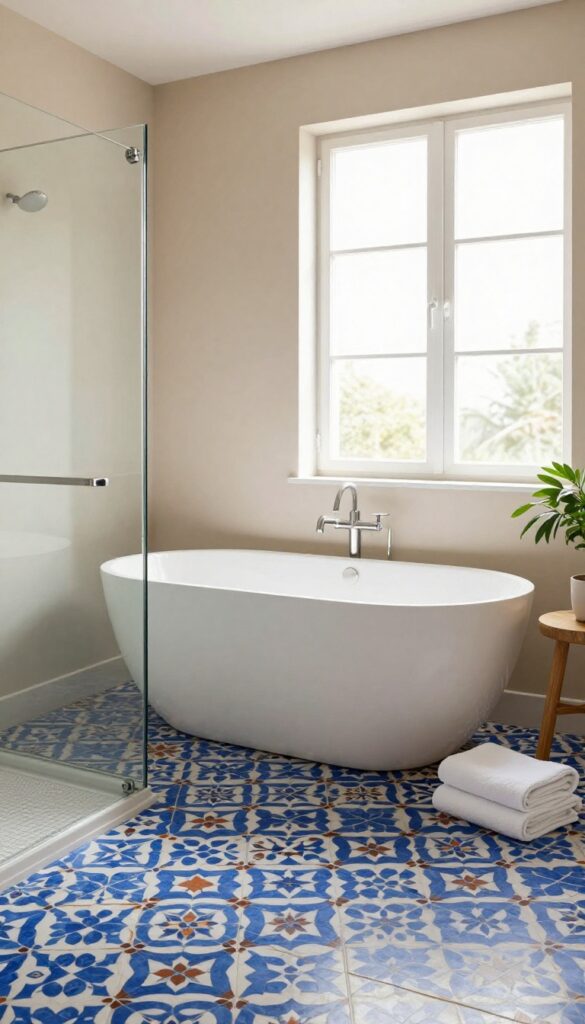
A patterned floor is the quickest way to give your bathroom a dose of personality without committing to a full-color overhaul. When you keep the walls calm and neutral, the floor becomes the star, adding depth and character that feels intentional and curated. It’s a look that works in both modern and traditional spaces, and it’s surprisingly easy to pull off.
To make this idea work, choose a tile pattern that speaks to you—Moroccan, geometric, or even a subtle encaustic style. The key is to balance the busy floor with clean, light walls, like white, soft gray, or warm beige. This contrast keeps the space from feeling chaotic and lets the tile shine.
You can also extend the tile up the wall a few inches for a more polished, custom look.
Choosing The Right Pattern
When selecting a pattern, think about the size of your bathroom. In a smaller space, a large-scale pattern can make it feel even more cramped, so opt for a smaller, repetitive design. For larger bathrooms, you can go bold with a Moroccan fish scale or a large geometric print.
Also, consider the colors in the pattern—pulling one hue from the tile and using it in your accessories ties the whole room together.
Balancing With Neutrals
Neutral walls are your best friend here. They let the floor do the talking without overwhelming the senses. White is a classic choice, but you can also use warm greige or a soft sage if you want a bit of color.
Keep the rest of the bathroom simple—a white tub, a clear glass shower door, and minimal decor. This way, the floor remains the focal point, and the space feels calm and inviting.
Maintenance And Durability
Patterned tiles, especially those with a matte finish, are great at hiding soap scum and water spots. Porcelain or ceramic tiles are durable and easy to clean, making them perfect for a bathroom floor. Just make sure to choose a tile with a high slip resistance rating, especially for a wet area like a tub surround.
Grout lines can be a pain, but using a darker grout or a grout sealer will keep them looking fresh longer.
14. Double Shower Heads for a Luxurious Feel
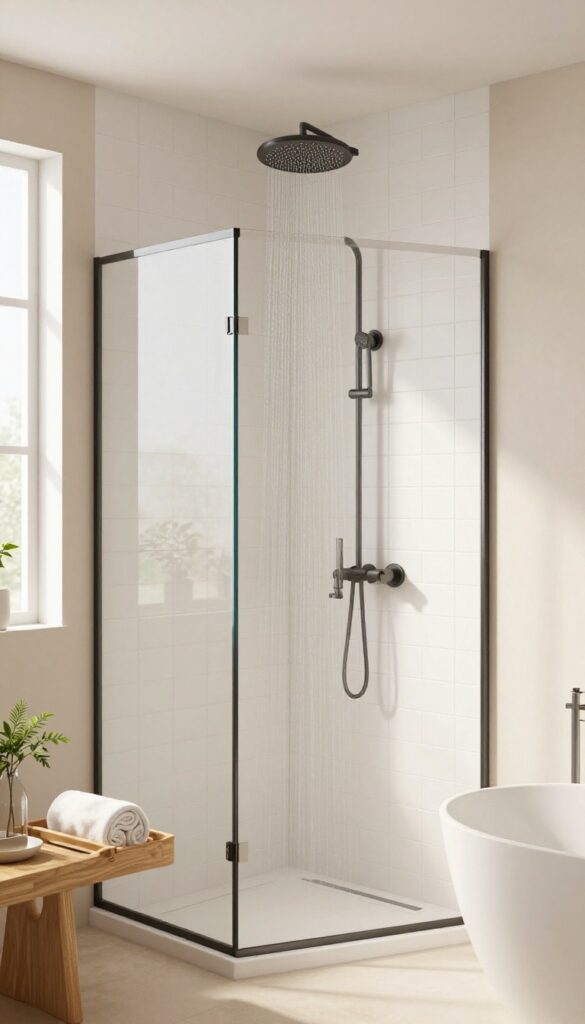
Imagine stepping into your shower and having water cascade from two directions at once. That’s the magic of dual shower heads, a simple upgrade that turns a routine rinse into a spa-like ritual. It’s not just about extra water pressure—it’s about creating a personalized experience that fits your mood and your space.
Installing two shower heads might sound like a major project, but it’s more straightforward than you think. You can choose between a fixed rain head paired with a handheld wand, or two wall-mounted heads on opposite sides. The result is a flexible setup that lets you switch between a gentle rainfall and a targeted spray, all while adding a touch of elegance to your tub-shower combo.
Why Double Heads Work So Well
The biggest advantage is convenience. If you share your bathroom with a partner, you can both shower at the same time without fighting over the nozzle. Even solo, you get the freedom to wash your hair while the other head rinses your back.
Plus, having a handheld sprayer makes cleaning the tub and shower walls a breeze.
Choosing The Right Setup
Think about your water pressure and plumbing. A dual-head system needs adequate flow, so check if your home can handle it—some fixtures come with a diverter that lets you use one head at a time if needed. For a seamless look, opt for a single arm with a bracket that holds both heads, or go for two separate mounts for more flexibility.
Matte black or brushed nickel finishes add a modern touch.
Installation Tips And Considerations
If you’re handy, you can install a dual-head system yourself by replacing the existing shower arm and adding a second mount. But if you’re not comfortable with plumbing, a professional can do it in under an hour. Keep in mind that you’ll need to adjust the height of the heads so they work for everyone in the household.
And don’t forget to test the water pressure before you commit—some older homes might need a boost.
15. Minimalist Frameless Shower Door with a Bench
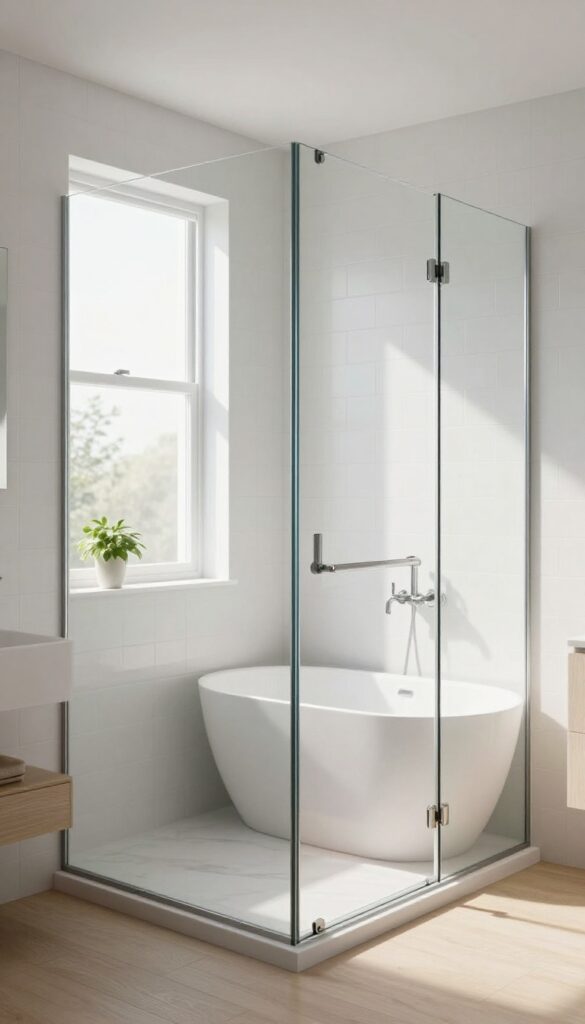
A frameless glass door instantly opens up a small bathroom, making the tub area feel larger and airier. Pair that clean look with a simple bench, and you've got a spot that's both practical and spa-like. The bench gives you a place to sit while shaving your legs or just to rest a foot while you scrub.
It's a small addition that changes how you use the space every day.
The combination of frameless glass and a bench is all about creating a seamless, uncluttered look. Without bulky frames, the eye travels straight to the tile and the bench, making the whole setup feel custom and high-end. The bench itself can be teak for a warm, natural touch, or stone for a more modern, cool vibe.
Either way, it adds function without taking up visual space.
Why Frameless Works
Frameless glass doors rely on sturdy hinges and thick tempered glass, so they feel solid and sleek. They let natural light flow through, which brightens the entire bathroom. Plus, there's no metal track to collect grime, making cleaning a breeze.
The open look makes even a compact tub-shower combo feel more spacious.
Bench Materials And Placement
Teak is a classic choice because it resists water and adds warmth. Stone benches, like marble or travertine, bring a more polished, spa-like feel. Place the bench at the far end of the tub, opposite the showerhead, so it stays dry when you're not using it.
Make sure it's the right height—about 17 to 19 inches—so it's comfortable to sit on.
Installation Tips
If you're handy, a frameless door kit can be a DIY weekend project, but precise measurements are key. For the bench, you can either build a tiled seat or simply place a freestanding teak bench inside the tub. The latter is easier and removable for cleaning.
Just make sure the bench has non-slip feet or a textured surface to prevent accidents.
FAQ
What is the best way to make a bathtub with shower look more expensive?
Focus on high-impact details like a frameless glass door, brushed nickel or matte black fixtures, and quality tile. Adding a rain shower head and a teak bench can also elevate the look without a full remodel.
How can I make a small bathtub with shower feel more spacious?
Use light colors, large-format tiles, and a glass enclosure instead of a curtain. Mount the shower head higher and consider a corner tub to free up floor space. Mirrors and good lighting also help.
What are the best materials for a bathtub with shower surround?
Porcelain tile, acrylic, and fiberglass are durable and easy to clean. For a natural look, consider stone or wood-look tile. Avoid real wood unless it's properly sealed and maintained.
How do I choose between a bathtub with shower and a separate shower?
If you have the space and budget, a separate shower offers more luxury. But a bathtub with shower is practical for families and small bathrooms. Consider your daily needs and resale value.
What is the best lighting for a bathtub with shower area?
Use a combination of overhead lighting and task lighting near the mirror. For a warm ambiance, install dimmable LED lights and accent lighting in niches or under the tub. Ensure all fixtures are rated for wet areas.
Conclusion
With these 15 ideas, you can transform your bathtub with shower into a warm, inviting retreat. Whether you choose a simple update like new fixtures or a full remodel, the key is to blend comfort with style. Remember, small changes can make a big difference.
Start with one idea that resonates with you and build from there. Your bathroom should be a place you love to spend time in—make it happen.