10 Thoughtful Shower Faucet Ideas for a Clean, Custom Finish
The right shower faucet does more than deliver water—it sets the tone for your entire bathroom. A thoughtful choice can turn an ordinary shower into a daily retreat, blending style with practicality. Whether you're remodeling or just refreshing, these 10 ideas will help you find a faucet that looks great and works even better.
From sleek thermostatic controls to vintage-inspired designs, there's a faucet for every taste and budget. We've focused on options that offer both visual appeal and real-world durability.
Each idea highlights a specific feature or finish that can transform your shower experience. Let's dive into these curated picks that balance form and function, ensuring your shower feels clean, custom, and uniquely yours.
1. Thermostatic Valve for Consistent Temperature
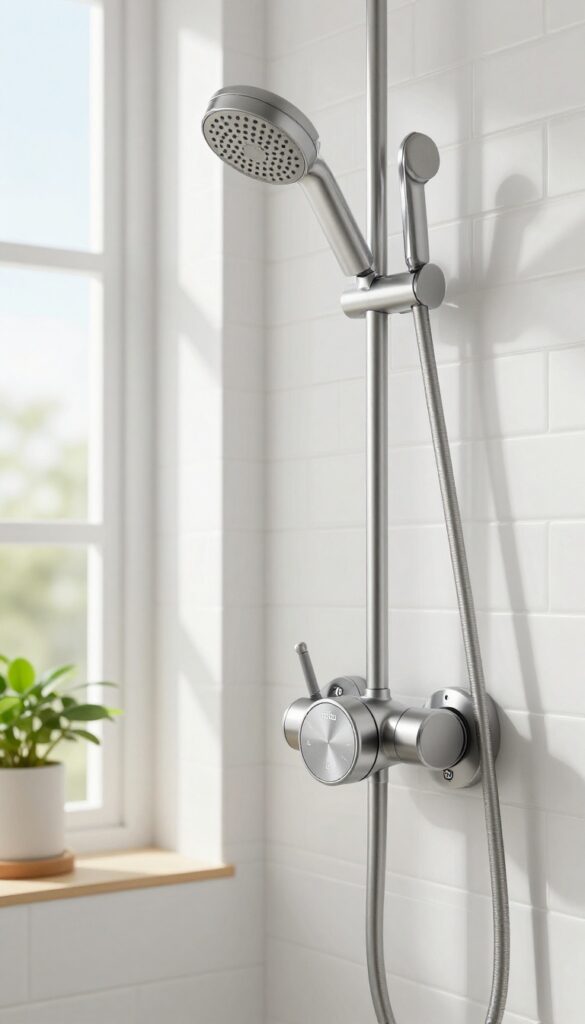
Few things ruin a shower faster than a sudden blast of cold water when someone flushes a toilet or runs the washing machine. A thermostatic valve puts an end to those surprises by holding your chosen temperature steady, no matter what's happening elsewhere in the house. It's a small upgrade that makes a big difference in everyday comfort and safety.
Thermostatic valves work by blending hot and cold water to a set temperature, then automatically adjusting to keep it there. Unlike a standard pressure-balance valve, which only reacts to changes in water pressure, a thermostatic valve monitors both pressure and temperature, responding within seconds to any fluctuation. This means no more shivering under a sudden cold stream or risking a scalding hot surge—just a consistent, comfortable shower from start to finish.
For families, this feature is especially valuable. Children and older adults are more sensitive to temperature changes, and a thermostatic valve adds a layer of protection against accidental burns. Many models also include a safety stop that limits the maximum temperature, so you can set it once and know the water won't exceed a safe level.
It's peace of mind that comes standard with this type of valve.
How It Works
Inside the valve, a wax thermostat or a shape-memory alloy expands and contracts with temperature changes, controlling the flow of hot and cold water to maintain your preset temperature. When cold water pressure drops, the valve automatically reduces hot water flow to compensate, and vice versa. This constant monitoring happens in real time, so you never have to fiddle with the handle mid-shower.
Safety Features
Most thermostatic valves come with an adjustable temperature limit stop, which lets you cap the maximum water temperature. This is a simple yet effective way to prevent scalding, especially if you have young children or elderly family members. Some models also include a separate volume control, so you can adjust water pressure without affecting temperature—another handy feature for a customized shower experience.
2. Matte Black Finish for a Modern Edge
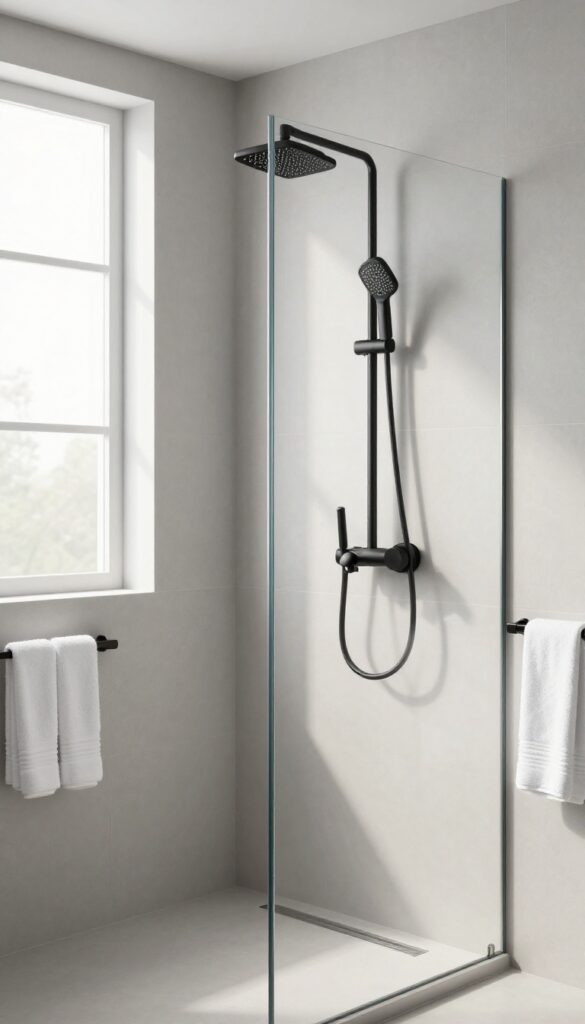
Matte black has become a favorite in modern bathrooms, and it's easy to see why. This finish brings a sleek, high-end look that feels both current and timeless. Beyond the style, matte black is surprisingly practical—it resists showing water spots and fingerprints, so it stays looking clean with minimal effort.
Choosing a matte black shower faucet instantly adds a bold, contemporary edge to your space. It pairs beautifully with other black fixtures like showerheads, handles, and towel bars, creating a cohesive and polished look. Whether your bathroom is minimalist, industrial, or even a bit eclectic, matte black grounds the design and gives it a confident, custom feel.
Why Matte Black Works So Well
Matte black doesn't reflect light the way chrome or stainless steel does, which means it hides water spots and smudges much better. This makes it a top choice for busy households where the shower gets used daily. Plus, its non-reflective surface adds depth and texture to the bathroom, making the space feel more intentional and designed.
Pairing With Other Fixtures
For a truly cohesive look, match your matte black faucet with other black fixtures in the shower, such as the showerhead, valve trim, and even the drain cover. You can also bring in black accents like towel bars or a black-framed glass shower door. This creates a unified style that looks custom and high-end without being over the top.
Cleaning And Maintenance Tips
While matte black hides water spots, it does require a bit of care to keep it looking its best. Use a soft cloth and mild soap to wipe down the faucet regularly, and avoid harsh abrasive cleaners that could scratch the finish. With simple maintenance, your matte black faucet will keep its sleek appearance for years.
3. Wall-Mounted Faucet for a Sleek Look
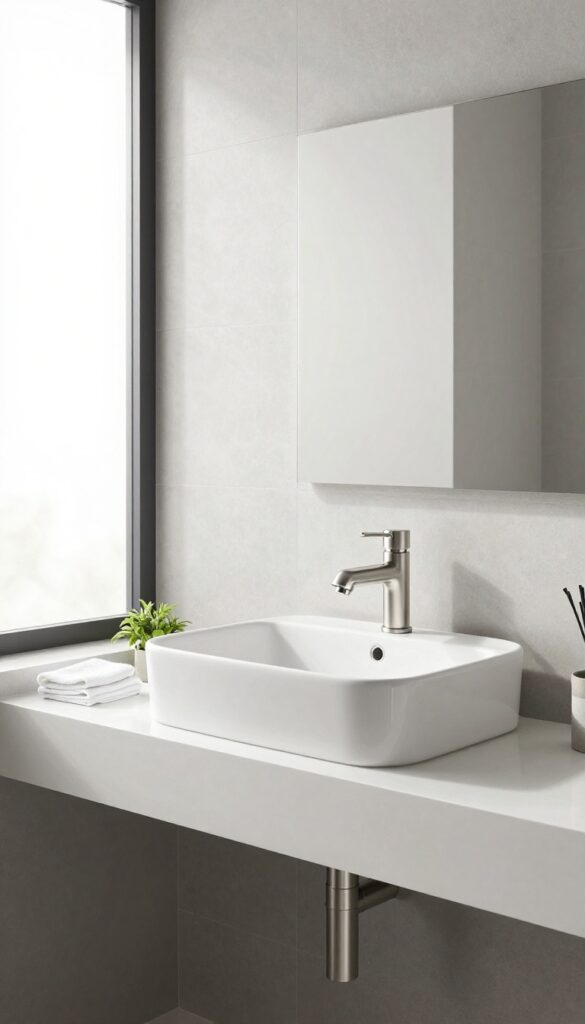
If you're aiming for a clean, uncluttered bathroom, a wall-mounted faucet is a game-changer. By moving the hardware off the counter, you instantly open up the space and create a sleek, modern vibe. This style works especially well with vessel sinks or floating vanities, where the faucet becomes a sculptural element rather than just a utility.
Wall-mounted faucets are more than just a stylish choice—they're also practical. Without a deck-mount base, cleaning the counter is a breeze, and you gain valuable surface space for toiletries or decor. Plus, the installation can be done during a remodel or even as a retrofit, depending on your plumbing setup.
Why It Works
The main appeal is the minimalist look. With no faucet base taking up counter space, the sink area feels airy and open. It's a favorite in contemporary and industrial designs, but it can also blend into transitional spaces when paired with the right finish.
The wall-mounted style draws the eye upward, making the bathroom feel larger and more polished.
Installation Tips
Before you commit, check your wall structure. You'll need access to the plumbing behind the wall, so it's often easier during a full remodel. If you're retrofitting, a plumber can reroute the pipes.
Make sure the faucet's reach extends far enough over the sink to avoid splashing. Also, consider the spout height—it should clear the rim of a vessel sink comfortably.
Best Finishes And Pairings
For a truly sleek look, go with brushed nickel or chrome for a timeless feel. If you want a bolder statement, matte black or oil-rubbed bronze adds contrast against white or light-colored walls. Pair it with a vessel sink in stone or glass to enhance the modern aesthetic.
And don't forget to match the finish with your showerhead and other bathroom fixtures for a cohesive design.
4. Handheld Showerhead with Slide Bar
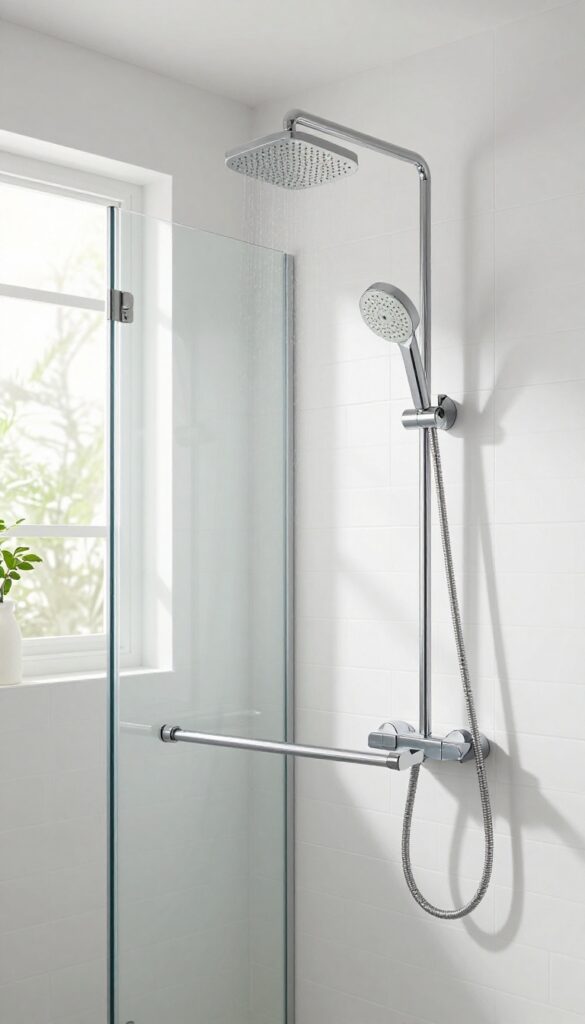
A handheld showerhead on a slide bar is one of those upgrades you don't realize you need until you have it. It adds a level of flexibility that a fixed showerhead simply can't match. Whether you're rinsing shampoo out of your hair, cleaning the shower walls, or giving the dog a bath, this setup makes every task easier.
The slide bar lets you adjust the height of the showerhead to suit different users and tasks. You can lower it for kids or pets, raise it for a tall adult, or detach it entirely for targeted rinsing. This versatility is especially handy in shared bathrooms where people of different heights use the same shower.
Why It Works So Well
The main advantage is control. You can direct water exactly where you need it, which is great for washing long hair, cleaning hard-to-reach areas, or rinsing off after a workout. It also reduces water waste because you're not trying to position your body under a fixed spray.
What To Look For
When shopping for a slide bar, pay attention to the bar's length and the showerhead's hose. A longer bar gives more height range, and a stainless steel hose resists kinks and corrosion. Also, check the mounting system—some bars screw into the wall, while others use a tension mount that's easier to install.
Installation Tips
Most slide bars are designed to fit standard shower arms, but you might need an adapter if your plumbing is older. If you're not comfortable with DIY, a plumber can usually install one in under an hour. Just make sure the bar is level and securely anchored before using it.
5. Waterfall Spout for a Spa-Like Feel
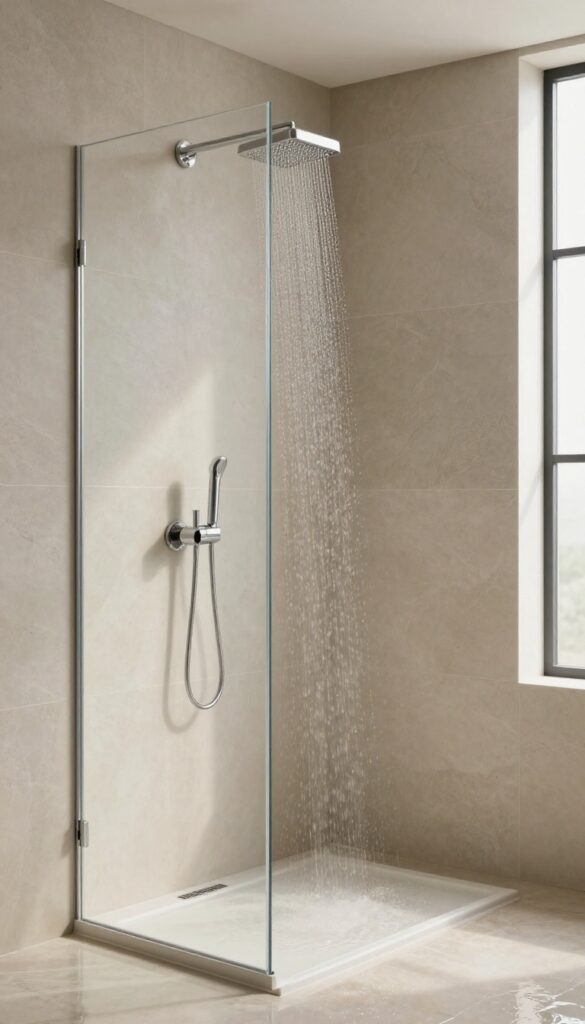
A waterfall spout is a striking way to bring calm into your daily routine. Instead of a narrow stream, water cascades over a wide ledge, creating a soft, even flow that feels more like standing under a natural fall. It's a simple swap that instantly makes your shower feel more indulgent.
The visual effect alone is enough to upgrade the space—the broad sheet of water catches the light and adds a gentle, soothing sound. If you're after that high-end spa atmosphere without a full remodel, this is one of the most impactful changes you can make.
Waterfall spouts come in a few different styles, from wall-mounted rectangles to ceiling-mounted rain panels. The key is the wide opening that spreads water out evenly, so you get that smooth, sheet-like flow. Most are designed to work with standard shower plumbing, though some require a bit more space or a higher water pressure to really shine.
One thing to keep in mind is that a waterfall spout isn't just about looks—it changes how the water feels. The flow is gentler and more diffuse, which many people find incredibly relaxing. It's perfect for slow mornings or unwinding after a long day.
Just be aware that the coverage area is usually wider than a traditional showerhead, so you'll want to position it carefully to avoid splashing outside the shower.
Choosing The Right Size And Style
Waterfall spouts range from compact 6-inch models to dramatic 12-inch or wider designs. Think about your shower's proportions—a huge spout in a small alcove can feel overwhelming, while a narrow one in a large walk-in may look lost. Rectangular and square shapes are the most common, but you can also find rounded or organic forms that soften the look.
Finish matters too. Brushed nickel and matte black are popular for modern spaces, while oil-rubbed bronze adds a warmer, more traditional feel. Match the spout to your existing fixtures or use it as a statement piece that stands out.
Either way, make sure the size complements your showerhead and overall design.
Installation And Water Pressure Considerations
Most waterfall spouts are wall-mounted and connect to a standard 1/2-inch supply line, so installation is straightforward if you're replacing an existing showerhead. However, because the opening is wider, water pressure can be lower than with a regular head. If your home has low water pressure, look for a model with a built-in flow regulator or a narrower opening to keep the stream strong.
You might also need to adjust your shower valve or add a pressure-balancing valve to maintain a consistent temperature. It's always a good idea to consult a plumber, especially if you're unsure about your current setup. A little extra planning ensures your waterfall spout performs beautifully from day one.
Pairing With Other Shower Features
A waterfall spout works wonderfully as a secondary fixture alongside a traditional handheld or overhead shower. This way, you get the best of both worlds—the soothing cascade for relaxation and a more targeted spray for rinsing. Many people install the waterfall spout on one wall and a handheld on a slide bar on the opposite side.
You can also combine it with a thermostatic valve to keep the temperature steady while you enjoy the flow. Adding some natural elements like pebble tiles or wood accents can enhance the spa vibe even more. The goal is to create a cohesive, calming space that feels intentional and personal.
6. Brushed Nickel Finish for Timeless Appeal
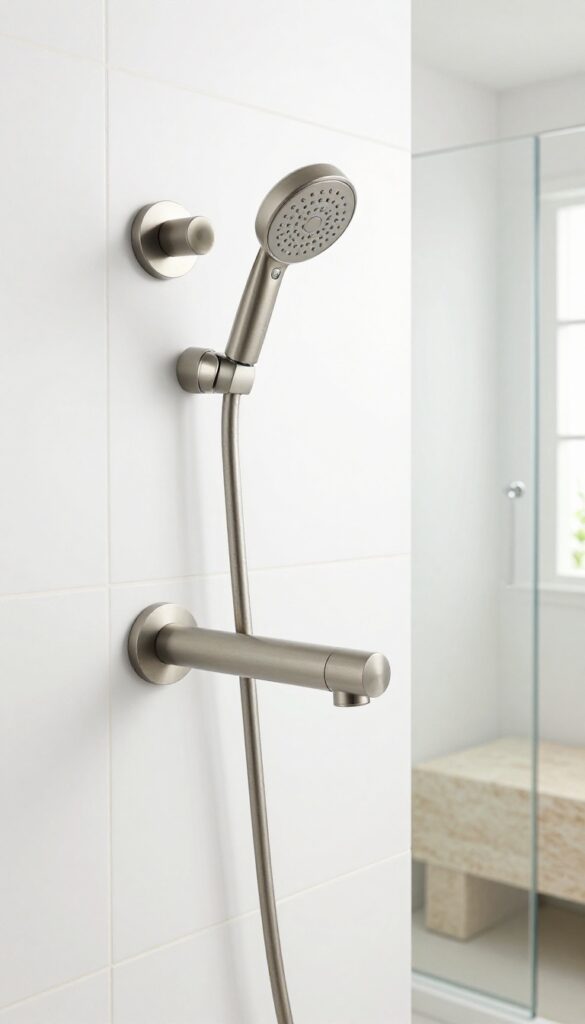
Brushed nickel has been a bathroom staple for decades, and it's still going strong. Its warm, neutral tone sits comfortably in both traditional and contemporary spaces, making it a versatile pick. Plus, the brushed texture does a great job of hiding water spots and fingerprints, which means less wiping down after every shower.
Choosing a brushed nickel finish is about more than just looks. The material is typically made from a zinc or brass base coated with a nickel layer, then brushed to create a subtle, satiny sheen. This finish resists corrosion and tarnishing, so it holds up well in humid bathroom environments.
It also pairs beautifully with other metals, like chrome or stainless steel, letting you mix fixtures without clashing.
Why Brushed Nickel Works
Brushed nickel's warm, honey-toned glow adds a touch of elegance without being flashy. It's a safe choice if you're unsure about going too trendy, because it's been a favorite for years and won't look dated. The brushed surface also hides hard water stains, so your faucet stays looking clean with minimal effort.
Pairing With Your Bathroom Style
This finish plays nicely with a range of palettes. It brightens up darker tiles, adds warmth to cool gray schemes, and even works with farmhouse or industrial looks. If you have chrome fixtures elsewhere, brushed nickel can still blend in, especially if you keep the undertones similar.
For a cohesive design, consider matching your shower faucet with your cabinet hardware and lighting.
Care And Maintenance
One of the best things about brushed nickel is how low-maintenance it is. A quick wipe with a soft cloth and mild soap is usually enough to keep it looking new. Avoid abrasive cleaners that could scratch the finish.
With simple care, your brushed nickel faucet can keep its charm for many years.
7. Touchless or Motion-Activated Faucet
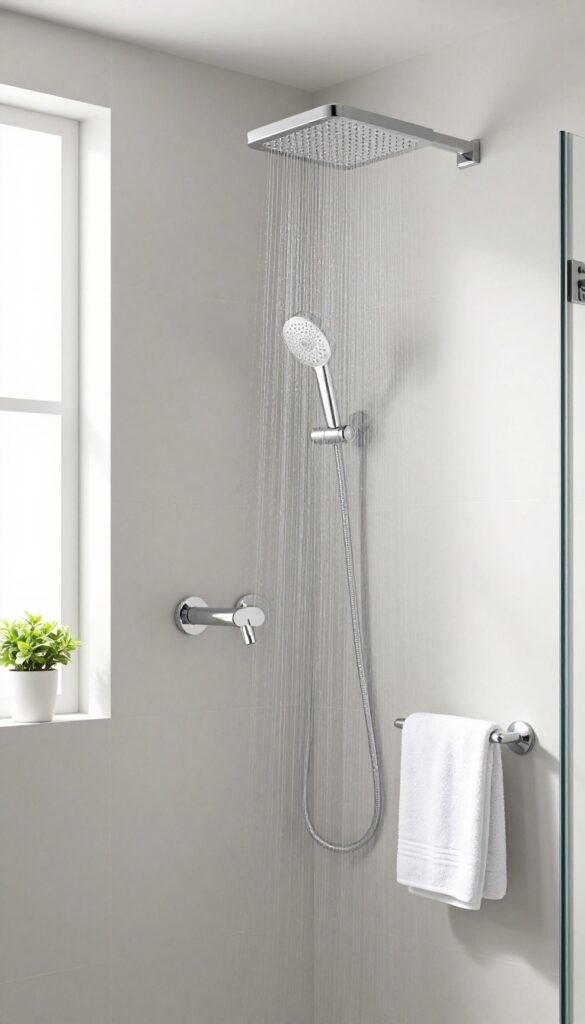
There’s a quiet magic in a faucet that knows you’re there before you even touch it. A touchless or motion-activated model brings that kind of effortless convenience to your shower, turning a simple routine into something a little more intuitive. It’s not just about cool tech—it’s about making your daily clean feel smoother and more hygienic.
Touchless faucets use motion sensors to detect your presence and start the water flow automatically. That means no fumbling with handles when your hands are soapy or covered in shampoo. The sensor responds instantly, so you get water exactly when you need it, without any extra steps.
It’s a small upgrade that makes a big difference in how your shower feels each morning.
Why Go Touchless?
The biggest win is hygiene. You never have to touch a germy handle with dirty hands, which is a huge plus in a shared bathroom. It also helps cut down on water waste because the flow stops automatically when you step away.
Plus, it’s a modern touch that guests will notice—it feels like a smart home feature without being complicated.
Sensor Placement And Adjustability
Not all sensors are created equal. Some are built into the spout, others into the wall or a separate control unit. Look for models with adjustable sensitivity and range, so you can set it to activate only when you’re in the right spot.
That prevents accidental triggers when you’re just reaching for a towel or adjusting the temperature.
Power And Installation Considerations
Most touchless faucets run on batteries or a low-voltage connection. Battery-powered ones are easy to retrofit, but you’ll need to check the battery life and keep spares handy. Hardwired options are more permanent but require an electrician.
Either way, make sure the sensor works reliably with your water pressure and that the finish matches your bathroom’s style.
8. Rain Shower Head with Volume Control
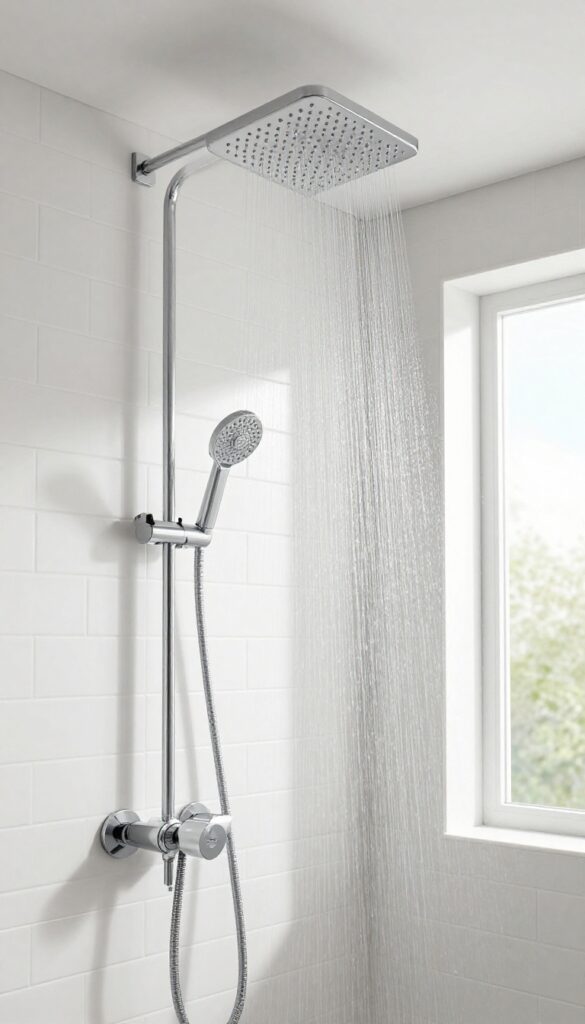
A rain shower head instantly upgrades the feel of any bathroom, turning a plain shower into a spa-like experience. The wide, overhead design mimics natural rainfall, covering your whole body in a gentle, even spray. But without a way to adjust the flow, you might end up wasting water or feeling overwhelmed by the pressure.
That's where a volume control valve comes in. It lets you fine-tune the water flow to your liking, whether you want a soft drizzle or a more invigorating stream. This simple addition makes the rain shower head not just luxurious but also practical and water-efficient.
Pairing a rain shower head with a volume control valve is a smart move for anyone who loves the feel of a downpour but wants more control. The valve sits on the wall or near the shower entry, so you can adjust the flow before stepping in. This is especially handy if you have a low-pressure system or want to conserve water without sacrificing comfort.
The combination works well in both new builds and renovations. Many modern rain heads come with the valve included, but you can also purchase them separately to retrofit an existing setup. Look for models with ceramic disc cartridges for smooth operation and long-lasting performance.
Why Add A Volume Control?
The main benefit is flexibility. You can dial down the flow when you're just rinsing off or turn it up for a full-body soak. This makes the shower more comfortable for everyone, from kids to adults.
It also helps you save water, which is good for your utility bills and the environment.
Choosing The Right Rain Head
Rain heads come in various sizes, from 8 inches to 12 inches or more. Bigger heads offer a wider spray but need higher water pressure to work well. Consider your ceiling height and shower space to avoid splashing.
Materials like stainless steel or brushed nickel resist corrosion and are easy to clean.
Installation Tips
Installing a rain shower head with a volume control valve is a manageable DIY project if you're comfortable with basic plumbing. Make sure to check the water pressure and flow rate before buying. If you're unsure, a professional plumber can handle it quickly and ensure everything is up to code.
9. Vintage Cross-Handles for Classic Charm
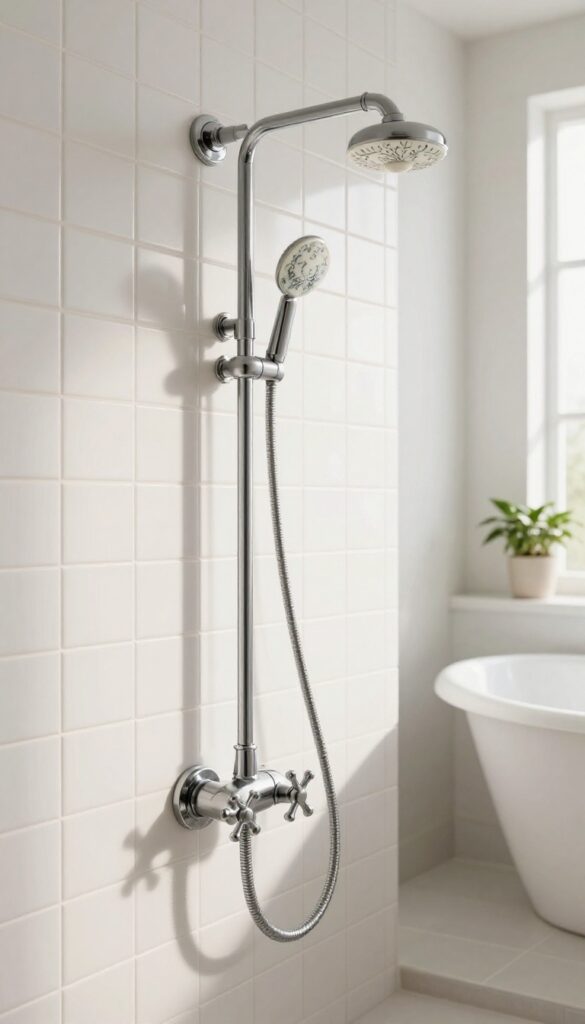
Cross-handle faucets bring a touch of old-world elegance that’s hard to beat. Their timeless silhouette instantly adds character, while the ergonomic grip makes them surprisingly comfortable to use—even with soapy hands. If you want your shower to feel like a piece of history with modern reliability, this is a style worth considering.
Cross-handle faucets are more than just a pretty face. The classic X-shaped handles are easy to grasp and turn, which is a practical bonus when your hands are wet or slippery. Plus, they come in a variety of finishes—from polished chrome to oil-rubbed bronze—so you can match them to your bathroom’s personality.
Whether you’re restoring a period home or just love the vintage vibe, these faucets deliver charm without sacrificing function.
Why Cross-handles Stand Out
Unlike lever handles, cross-handles require a twisting motion that feels deliberate and satisfying. That tactile feedback is part of the appeal. They also tend to have a more ornate look, with details like fluted edges or porcelain accents that catch the eye.
If you’re after a shower that feels curated, not just functional, cross-handles are a smart pick.
Finishes And Materials To Consider
The finish can make or break the vintage look. Polished chrome gives a bright, classic feel, while brushed nickel offers a softer, more muted tone. For a truly old-world aesthetic, oil-rubbed bronze or antique brass adds depth and warmth.
Look for solid brass construction under the finish—it’s more durable and resists corrosion better than cheaper materials.
Pairing With Other Vintage Elements
Cross-handles shine when they’re part of a cohesive design. Think clawfoot tubs, subway tile, and hexagonal floor tiles. You can also mix metals—like pairing oil-rubbed bronze handles with a matte black showerhead—for a modern twist on the classic look.
Just keep the overall palette consistent to avoid a cluttered feel.
10. Dual-Function Diverter for Multiple Shower Heads
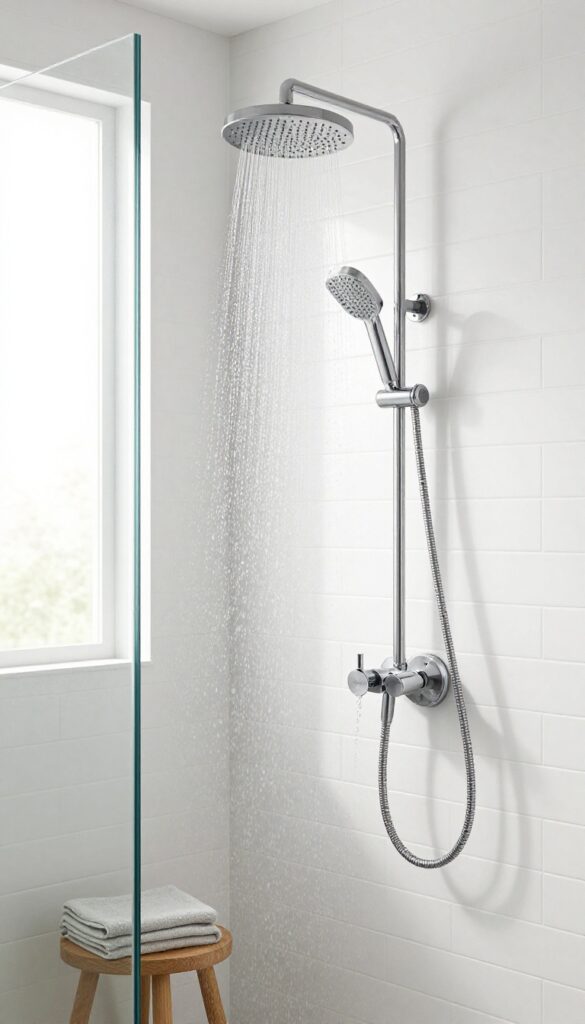
A single fixed shower head can feel limiting, especially if you share the bathroom with someone who prefers a different spray. A dual-function diverter solves that by letting you switch between two or more shower heads with a simple turn or pull. It’s a smart way to add flexibility without installing a whole new plumbing system.
The beauty of a dual-function diverter is its simplicity. You can mount a rain head overhead for a gentle, drenching flow, and add a handheld unit for targeted rinsing or cleaning the shower walls. Or pair a handheld with body sprays for a massage-like experience.
Because the diverter controls the water flow, you can use one outlet at a time or, with some models, run both simultaneously—though that depends on your water pressure and the diverter’s design.
How It Works
A diverter valve sits in the water line and redirects flow from one outlet to another. Most are either push-button, lever, or turn-knob style. Push-button diverters are common on tub spouts, letting you switch from tub fill to shower.
For multiple shower heads, you’ll typically install a diverter in the wall or on the shower arm. The key is choosing a diverter that matches your water pressure and flow rate, so you don’t lose performance when using one head.
Installation Considerations
If you’re remodeling, you can plan the diverter placement during the rough-in stage. For existing showers, some diverters can be added without tearing out tile, especially if you use a diverter that connects to the shower arm and hangs externally. However, for a clean look, you might need to access the plumbing behind the wall.
Always check the manufacturer’s instructions and consider hiring a pro if you’re not comfortable with plumbing.
Best Use Cases
This setup shines in family bathrooms where different people have different preferences. It’s also great for washing pets or cleaning the shower, since a handheld is easy to direct. If you love a rain shower but still want the convenience of a handheld for shaving or rinsing, a diverter gives you both without compromise.
FAQ
What is the best finish for a shower faucet?
The best finish depends on your style and maintenance preference. Brushed nickel and matte black are popular for hiding water spots, while chrome is durable and easy to clean.
How do I choose the right shower faucet type?
Consider your shower layout, water pressure, and desired features. Wall-mounted faucets are great for sleek looks, while thermostatic valves offer temperature control. Handheld options add flexibility.
Are touchless shower faucets worth it?
Touchless faucets are worth it for their convenience and hygiene benefits. They reduce germ spread and are easy to use, especially when your hands are full or soapy.
Can I install a shower faucet myself?
Some faucet installations are DIY-friendly, but if you're not comfortable with plumbing, it's best to hire a professional. Incorrect installation can lead to leaks or water damage.
What is a thermostatic shower valve?
A thermostatic valve maintains a consistent water temperature by automatically balancing hot and cold water. It prevents sudden temperature changes, making showers safer and more comfortable.
Conclusion
The right shower faucet can quietly set the tone for your whole bathroom, whether you want a sleek matte black finish or a classic brushed nickel that hides water spots. Start with the style that feels most like you, then match the spray settings and handle type to how you actually shower.
Even a single swap can make your daily rinse feel more polished and intentional. Pick one idea that solves a real annoyance—hard water marks, low pressure, or a dated look—and enjoy the upgrade every time you step in.