15 Cleaning Oven Glass Window Tips for a Clear Shine
That greasy, baked-on film on your oven window can make even the cleanest kitchen feel grimy. You've tried scrubbing, but the stubborn residue just won't budge. It's time for a fresh approach.
A sparkling oven window isn't just about looks—it lets you monitor your food without opening the door, saving heat and energy. Plus, it makes your whole kitchen feel brighter.
These 15 tips will transform your oven glass from foggy to flawless. Each method is tested, practical, and designed to cut through the toughest grime without damaging the glass.
1. Baking Soda and Water Paste
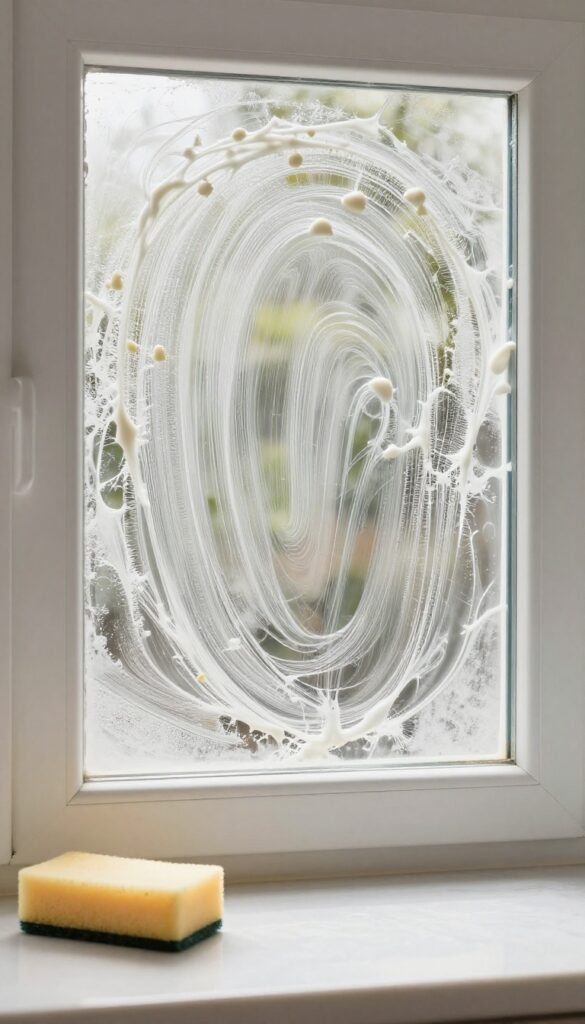
This classic combo is a powerhouse for cutting through baked-on grease without harsh chemicals. Baking soda is mildly abrasive, so it scrubs away grime without scratching the glass. Water helps it spread into a paste that clings to vertical surfaces.
Making The Paste
Mix three parts baking soda with one part water in a small bowl. Stir until it forms a thick, spreadable paste. It should be similar to toothpaste—not too runny, not too stiff.
Applying And Waiting
Use a sponge or your fingers to spread the paste evenly over the entire oven window. Focus on the worst spots. Let it sit for 15–20 minutes so the baking soda can loosen the grime.
Scrubbing And Rinsing
After the wait, gently scrub the glass with a damp sponge in circular motions. Rinse the sponge often. Finally, wipe the window with a clean, damp cloth and dry it with a microfiber towel for a streak-free shine.
2. Vinegar and Water Spray
After you've scrubbed with baking soda paste, there's often a dull film left behind. That's where vinegar comes in. This simple spray cuts through any remaining residue and leaves the glass looking crystal clear.
Plus, it's completely natural and safe to use around food.
Why Vinegar Works So Well
White vinegar is acidic, which helps dissolve alkaline mineral deposits and grease. When you spray it on the glass after baking soda, it reacts with any leftover paste, creating a gentle fizzing action that lifts stubborn spots. It's a one-two punch: baking soda scrubs, vinegar shines.
How To Make And Use The Spray
Mix equal parts white vinegar and water in a spray bottle. Shake gently to combine. After you've wiped off the baking soda paste, spray the vinegar solution generously onto the glass.
Let it fizz for about 30 seconds, then wipe with a clean, dry microfiber cloth. Use a circular motion to buff away streaks.
Pro Tip For Stubborn Streaks
If you see streaks after wiping, your cloth might be too wet. Switch to a fresh dry microfiber cloth and buff the glass again. For extra shine, finish with a final wipe using a crumpled piece of newspaper—it leaves zero lint and adds a brilliant polish.
3. Lemon Juice for Tough Stains
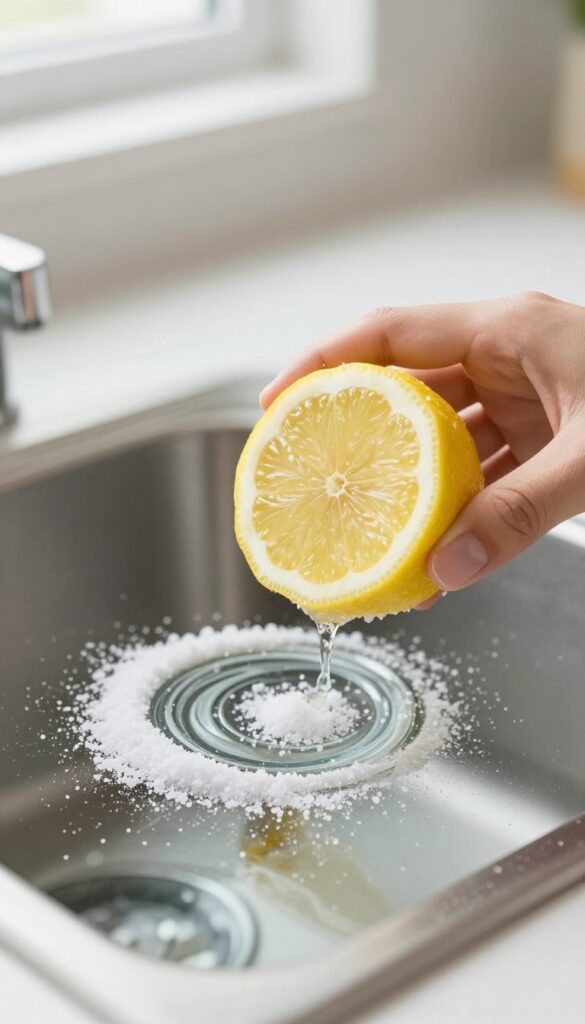
When baking soda and vinegar aren't cutting it, reach for a lemon. This citrus powerhouse tackles even the most stubborn grease stains with natural acidity. Plus, it leaves your kitchen smelling fresh instead of chemical-laden.
Cut a lemon in half, dip the cut side in coarse salt, and scrub the oven glass directly. The acid breaks down grease while the salt acts as a gentle abrasive. Rinse thoroughly with water and wipe dry.
For extra stubborn spots, let the lemon juice sit for 5 minutes before scrubbing.
Why It Works
Lemon juice contains citric acid, which dissolves grease and baked-on food particles. Salt provides friction without scratching the glass. Together, they create a natural, non-toxic cleaner that's safe for your oven and the environment.
Step-by-step Guide
- Cut a lemon in half. 2.
Pour a small amount of coarse salt onto a plate. 3. Dip the cut lemon half into the salt.
- Scrub the oven glass in circular motions, applying gentle pressure. 5.
Let the juice sit for 3–5 minutes on tough spots. 6. Rinse with a damp cloth and dry with a microfiber towel.
Pro Tips
Use a fresh lemon for each session—pre-squeezed juice lacks the abrasive texture. If the salt dissolves too quickly, dip again. Avoid using this method on self-cleaning oven seals or painted surfaces.
4. Dish Soap and Hot Water Soak
Sometimes the simplest solutions are the most effective. If your oven door is removable, a long soak in hot, soapy water can loosen years of baked-on grease without any scrubbing effort. It's a low-lift method that works wonders on even the toughest grime.
This method is perfect for when you want to avoid harsh chemicals or abrasive scrubbing. The heat and detergent work together to break down grease, making cleanup almost effortless. Just be sure your oven door is actually removable—check your manual first.
Step-by-step Soak
Start by removing the oven door according to your manufacturer's instructions. Lay it flat on a protected surface, like a towel on your counter. Fill a large tub or your sink with hot water and add a few drops of dish soap—Dawn or any grease-cutting brand works great.
Submerge the glass panel completely and let it soak for at least 30 minutes. For extra-stubborn buildup, leave it for an hour.
Scrubbing And Rinsing
After the soak, most of the grime will wipe away easily. Use a non-abrasive sponge or a soft cloth to gently scrub any remaining spots. Avoid steel wool or harsh scrubbers that could scratch the glass.
Rinse thoroughly with clean water and dry with a lint-free towel before reattaching the door.
When To Use This Method
This technique is ideal for deep cleans when your oven window is heavily soiled. It's also a great first step before using other methods like baking soda or vinegar. However, it only works for removable doors—if yours is fixed, try a different tip from this list.
5. Commercial Oven Cleaner (Careful)
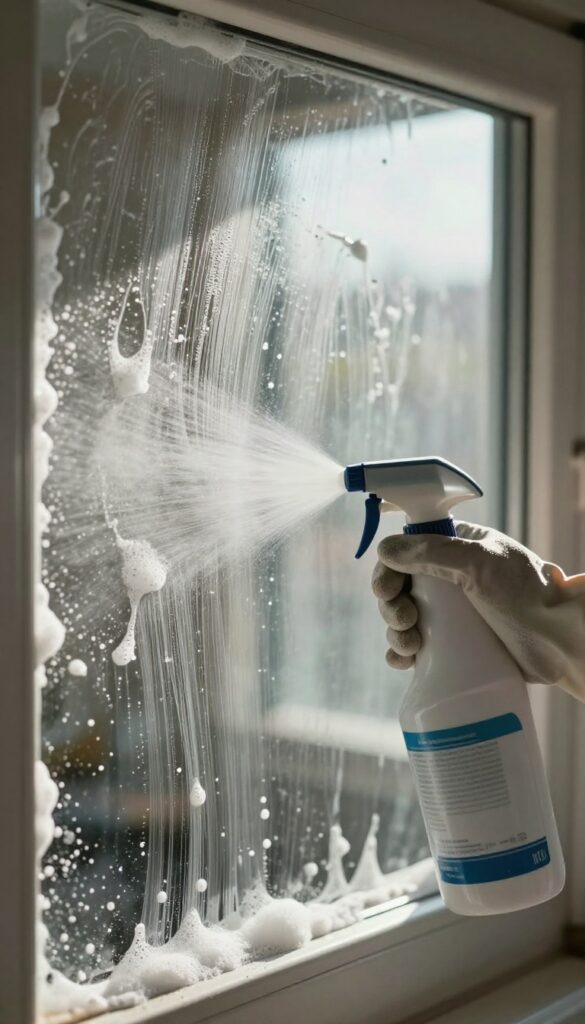
Sometimes the gentle methods just don't cut it. When you're facing a thick, baked-on crust that laughs at baking soda, a commercial oven cleaner might be your only option. But these products are strong—really strong.
They can damage surfaces and your lungs if used wrong. Use them as a last resort and with caution.
Choose The Right Product
Not all oven cleaners are safe for glass. Look for one that's labeled safe for ceramic or glass surfaces. Avoid any with bleach or harsh abrasives that can etch the glass.
A foam spray tends to cling better to vertical surfaces like the window.
Protect Everything Else
Cover the oven floor with newspaper or a plastic bag to catch drips. Use painter's tape to shield the rubber seal around the door—these cleaners can eat away at the rubber. Wear gloves and safety glasses.
Open windows and turn on the exhaust fan.
Apply And Wait
Spray the cleaner onto the glass only. Let it sit for the time stated on the label—usually 5 to 10 minutes. Don't let it dry out.
Wipe off with a damp sponge or cloth. Rinse thoroughly with water to remove all chemical residue. If any remains, wipe again with a vinegar-water solution.
6. Magic Eraser for Burnt-On Residue
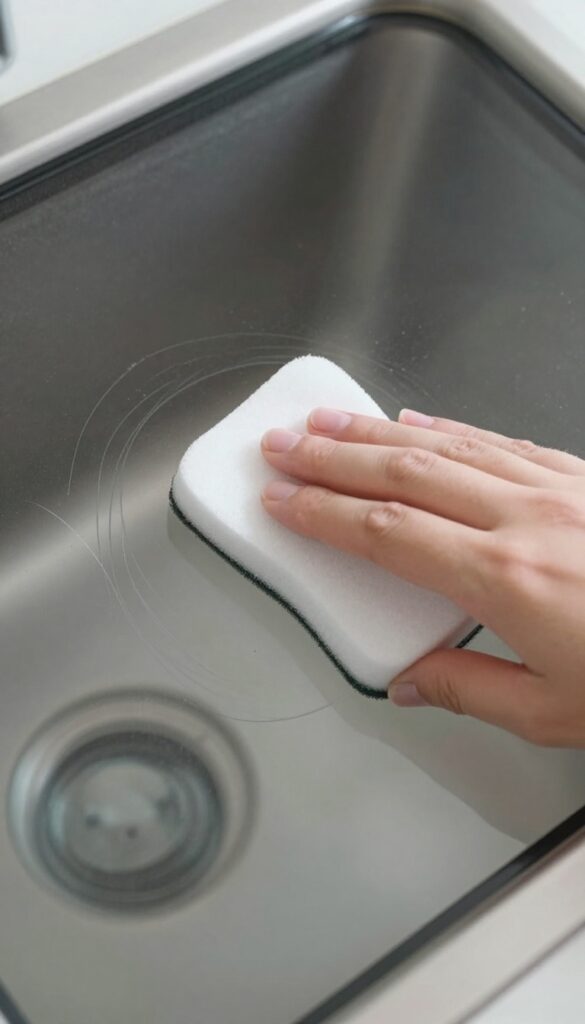
When stubborn, burnt-on spots refuse to surrender to traditional cleaners, a melamine foam sponge—often sold as Magic Eraser—can be your secret weapon. These sponges work like a super-fine abrasive, gently lifting carbonized grime without scratching the glass. They're especially effective on the tough, dark patches that form near the heating elements.
To use, dampen the sponge with water until it's moist but not dripping. Gently rub the affected areas in a circular motion. You'll see the residue start to lift almost immediately.
Rinse the glass thoroughly with a damp cloth afterward to remove any sponge residue. Avoid pressing too hard; let the sponge do the work.
Why It Works So Well
Melamine foam has a unique microstructure that acts like microscopic sandpaper. When wet, it creates a mild abrasive action that dislodges burnt-on food particles without scratching the glass. It's also chemical-free, making it a safe option for food-contact surfaces.
Best Practices For Use
Always test a small, inconspicuous area first. Use a fresh sponge for each cleaning to avoid spreading grease. After scrubbing, wipe the window with a vinegar-water solution to remove any foam particles and restore shine.
What To Avoid
Don't use a dry sponge—it can scratch. Also, avoid using it on tinted or coated glass, as it may damage the finish. Stick to plain oven windows for best results.
7. Steam Cleaning with a Bowl of Water
Sometimes the toughest grime just needs a little heat and moisture to let go. Steam cleaning is a gentle, chemical-free way to loosen baked-on grease and food splatters from your oven glass. All you need is a bowl of water and a few minutes of your time.
This method is perfect for regular maintenance or when you want to avoid harsh fumes. The steam softens the grime without scratching the glass, making the final wipe-down effortless.
How To Do It Right
Fill an oven-safe bowl with water and place it on the bottom rack of a cold oven. Close the door and heat to 250°F (120°C) for 20 minutes. The steam will condense on the glass, loosening the residue.
Let the oven cool slightly, then open the door and wipe the glass with a microfiber cloth or sponge.
When To Use This Method
Steam cleaning works best for light to moderate buildup. For heavily caked-on grease, you might need to repeat the process or follow up with a gentle scrub. It's also a great way to freshen up the oven after cooking something particularly messy.
Pro Tips For Best Results
Add a splash of white vinegar or lemon juice to the water for extra degreasing power. Make sure the bowl is heat-safe and stable to avoid spills. After steaming, wipe the glass while it's still warm for the easiest clean.
8. Razor Blade Scraper for Stubborn Spots
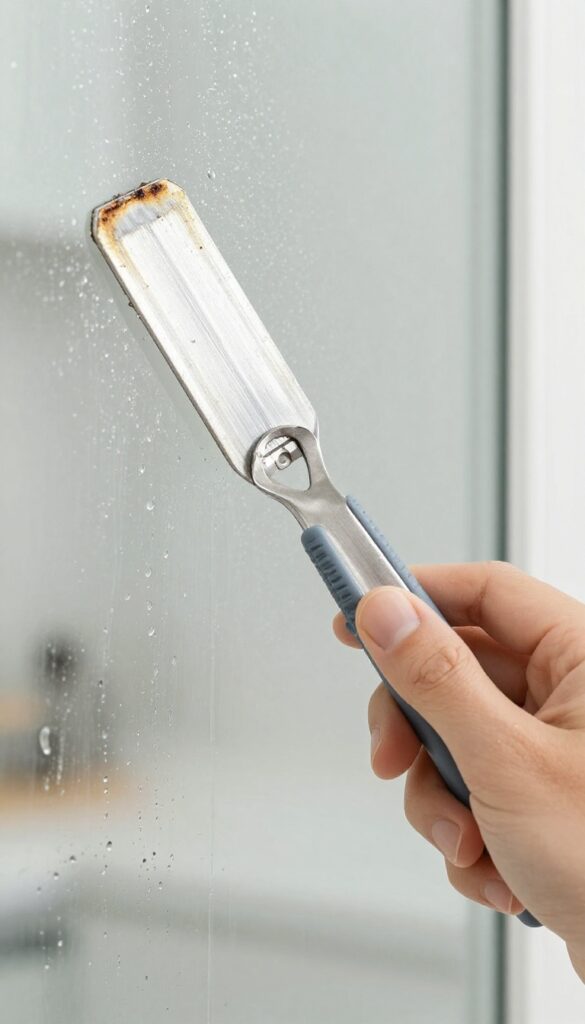
Some spots just refuse to let go, no matter how much you scrub. That's when a razor blade scraper becomes your best friend. It's a go-to method for professional cleaners because it physically lifts burned-on gunk without harsh chemicals.
When gentle methods fail, a razor blade scraper can safely remove stubborn residue from oven glass. The key is to keep the glass wet and use a new blade at the correct angle to avoid scratches. This technique works best on flat glass surfaces and should be done with patience and care.
Choose The Right Blade
Always use a fresh, sharp razor blade. A dull blade requires more pressure, increasing the risk of scratching. Look for a scraper with a comfortable handle and replaceable blades.
Avoid using blades that have been used on other surfaces.
Keep It Wet
Spray the glass generously with a cleaning solution or warm soapy water before scraping. The liquid acts as a lubricant, reducing friction and preventing scratches. Reapply as needed to keep the glass wet throughout the process.
Hold At 45 Degrees
Hold the blade at a 45-degree angle to the glass. Use short, gentle strokes, pushing away from you. Let the blade do the work—don't press hard.
Scrape in one direction, lifting the blade after each pass to remove debris.
Work Carefully
Focus on small areas at a time. If you encounter resistance, stop and apply more cleaner. Never use a razor blade on tempered glass that has a decorative coating or on glass that is chipped or cracked.
After scraping, wipe the glass clean with a damp cloth.
9. Toothpaste as a Mild Abrasive
Toothpaste isn't just for your teeth—it's a surprisingly effective cleaner for oven glass. The mild abrasives in white toothpaste gently polish away baked-on grime without scratching the surface. It's a trick that works wonders on stubborn, hazy spots.
Toothpaste contains fine polishing agents that break down grease and carbon deposits. Unlike harsh chemical cleaners, it's gentle enough for regular use and safe on glass. Plus, you probably already have a tube in your bathroom cabinet.
Choosing The Right Toothpaste
Stick with plain white toothpaste—avoid gels, whitening formulas, or those with colored stripes. Gel toothpastes lack the abrasive particles needed for effective cleaning. A basic paste like Colgate or Crest works perfectly.
Application Technique
Squeeze a pea-sized amount onto a damp microfiber cloth. Rub it onto the oven glass in small circular motions, focusing on the dirtiest areas. Let it sit for a minute or two to let the abrasives work, then rinse thoroughly with a clean damp cloth.
Buffing For Extra Shine
After rinsing, dry the glass with a fresh microfiber towel. Buff in a circular motion to remove any residue and bring out a streak-free shine. You'll be amazed at how clear the glass looks.
10. Ammonia-Free Glass Cleaner
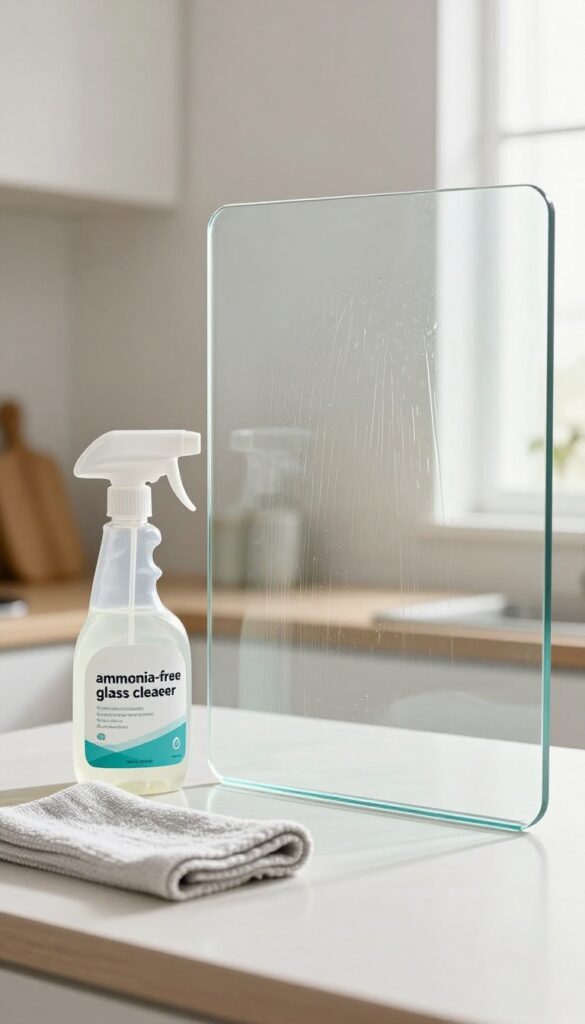
Not all glass cleaners are created equal, especially when it comes to your oven. Many popular brands contain ammonia, which can be harsh on oven seals and gaskets over time. Switching to an ammonia-free formula is a simple swap that protects your appliance while still delivering streak-free clarity.
Ammonia-free glass cleaners are designed to cut grease and grime without the aggressive chemicals. They're safe for the glass surface and won't degrade the rubber seals around your oven door. This makes them a smart choice for regular maintenance between deep cleans.
Why Avoid Ammonia?
Ammonia can cause rubber and silicone seals to dry out, crack, or lose their flexibility. Over time, this leads to heat escaping and inefficient cooking. An ammonia-free cleaner avoids this risk entirely.
How To Use It Right
Make sure the oven glass is completely cool before spraying. Apply the cleaner directly onto the glass, then wipe with a lint-free microfiber cloth. Avoid paper towels, which can leave lint behind.
For tough spots, let the cleaner sit for a minute before wiping.
Best Products To Try
Look for brands like Method, Seventh Generation, or Sprayway's ammonia-free formula. You can also make your own by mixing equal parts white vinegar and distilled water in a spray bottle. Just be sure to test on a small area first.
11. Cornstarch for Grease Cutting
Cornstarch isn't just for thickening sauces—it's a surprisingly effective grease absorber. When mixed into a paste, it clings to oily residue and lifts it away without harsh scrubbing. This gentle method is perfect for maintaining that clear shine without risking scratches.
How Cornstarch Works On Grease
Cornstarch has a natural affinity for oils. When you apply a paste, the starch particles bind to the grease molecules, making them easy to wipe off once dry. It's like giving the grime a dry shampoo treatment.
Simple Application Steps
Mix 2 tablespoons of cornstarch with enough water to form a thick paste. Spread it over the greasy spots on cool glass. Let it sit for 15–20 minutes until dry and cracked.
Then wipe away with a damp microfiber cloth, rinsing as needed.
Best For Light To Moderate Buildup
This method works wonders on everyday grease splatters and light film. For heavy, baked-on deposits, you may need a stronger cleaner first, but cornstarch is an excellent maintenance tool between deep cleans.
12. Rubbing Alcohol for Streak-Free Finish
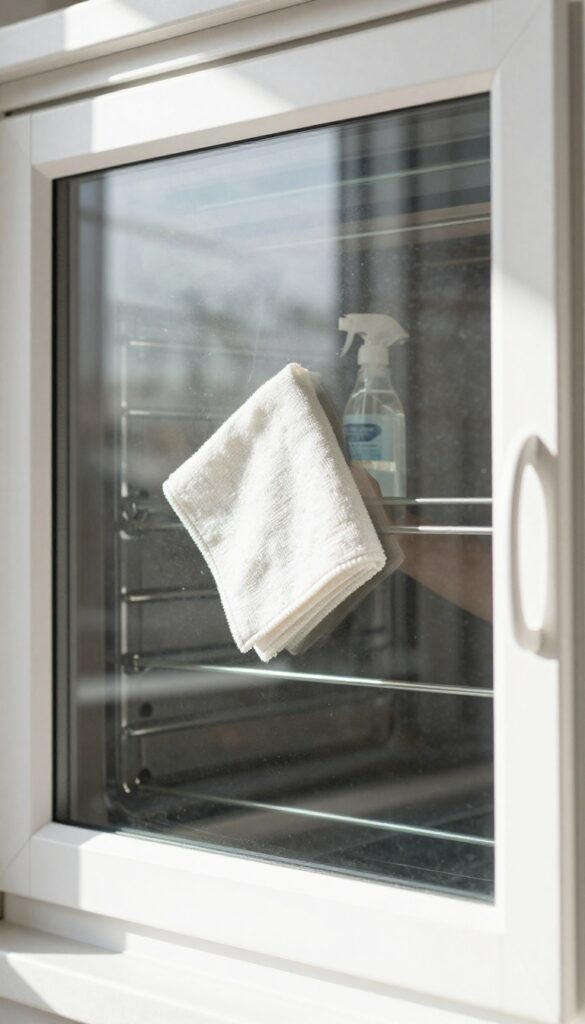
After all that scrubbing, the last thing you want is a streaky window. Rubbing alcohol is the secret to a crystal-clear finish that looks like new. It cuts through any leftover residue and evaporates fast, so you don't have to worry about smears.
Once your oven glass is clean and dry, give it a final wipe with isopropyl alcohol. Dampen a lint-free cloth or paper towel with a small amount of alcohol and gently buff the entire surface. The alcohol will dissolve any remaining grease or cleaning product residue, and because it evaporates almost instantly, it leaves no streaks or water spots behind.
This step is especially useful if you've used a homemade paste or a soap-based cleaner that might leave a film. For best results, use 70% or higher concentration isopropyl alcohol and work in a well-ventilated area. Avoid using too much liquid—just a light mist or a slightly damp cloth is enough.
Why It Works So Well
Rubbing alcohol is a powerful solvent that breaks down oils and greasy residues that water alone can't remove. Its rapid evaporation means no standing liquid to create streaks, and it disinfects the surface too. Plus, it's safe for glass and won't damage the oven's seal or surrounding metal if used sparingly.
How To Apply It Right
Use a clean, soft microfiber cloth to avoid scratching the glass. Spray a little alcohol onto the cloth (not directly on the glass) to control the amount. Wipe in one direction—top to bottom or side to side—then let it air dry for a few seconds.
If you see any streaks, a second pass with a dry section of the cloth will fix them.
When To Skip This Step
If your oven glass has a tinted coating or is part of a self-cleaning oven, check the manual first. Some manufacturers advise against using alcohol on certain coatings. In that case, stick to a vinegar-and-water rinse or a dedicated glass cleaner.
13. Microfiber Cloth Only for Final Buff
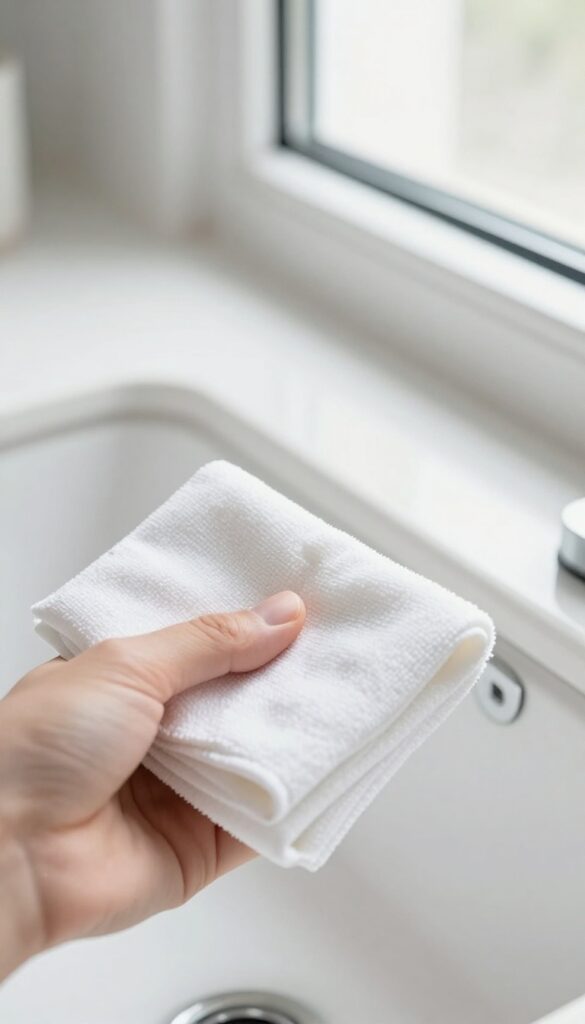
You've scrubbed, sprayed, and wiped, but the final step can make or break that crystal-clear finish. Reaching for a paper towel or an old rag might leave lint, streaks, or tiny scratches behind. A clean, dry microfiber cloth is the only tool that delivers a truly polished shine without any unwanted residue.
Microfiber cloths are designed to trap dust, lint, and moisture without shedding fibers. Their ultra-fine strands glide over glass, lifting any leftover cleaning solution and buffing away minor smudges. Unlike cotton or paper towels, microfiber won't leave scratches on the oven glass, which is especially important if the window has a protective coating.
Why Microfiber Wins
Microfiber's split fibers create a static charge that attracts and holds particles, so you're not just moving dirt around. This makes it ideal for the final buff because it picks up any lingering residue from earlier steps. Plus, it's reusable—just wash and dry it between uses to keep it lint-free.
The Right Technique
Always use a completely dry, clean microfiber cloth for the final buff. Fold it into quarters to create multiple clean surfaces. Work in a circular motion, then finish with vertical or horizontal strokes to check for streaks.
If you see any, flip to a fresh side and lightly buff again.
Avoid These Mistakes
Never use fabric softener or dryer sheets on microfiber cloths—they clog the fibers and reduce effectiveness. Also, don't mix microfiber with harsh chemicals like bleach, which can damage the material. Stick to gentle detergents and air-dry or tumble-dry on low heat.
14. Regular Wipe-Downs to Prevent Buildup
Waiting until the oven glass is caked with grime before cleaning is a recipe for frustration. A quick habit after each use can save you hours of scrubbing later. This simple routine keeps your oven window clear with minimal effort.
The best way to tackle tough oven glass stains is to stop them from forming in the first place. By making a habit of wiping down the glass after every use, you remove fresh grease and food splatters before they have a chance to bake on. This turns a dreaded deep clean into a quick, painless task.
Why It Works
When you wipe the glass while it’s still warm (but not hot), the grease is still liquid and comes off easily. Once it cools and re-bakes during the next use, it bonds to the glass and becomes stubborn. A damp cloth with a drop of dish soap is all you need.
Best Tools For The Job
A microfiber cloth is ideal because it lifts grease without scratching. Keep one dedicated to oven cleaning near your stove. Avoid abrasive sponges or scrub pads—they can create micro-scratches that make future cleaning harder.
How To Make It A Habit
After you finish cooking and turn off the oven, set a timer for 10 minutes to let it cool slightly. Then do a quick wipe. Pair this with your usual post-meal cleanup so it becomes automatic.
In a week, you’ll wonder why you didn’t do it sooner.
15. Remove and Clean the Door Properly
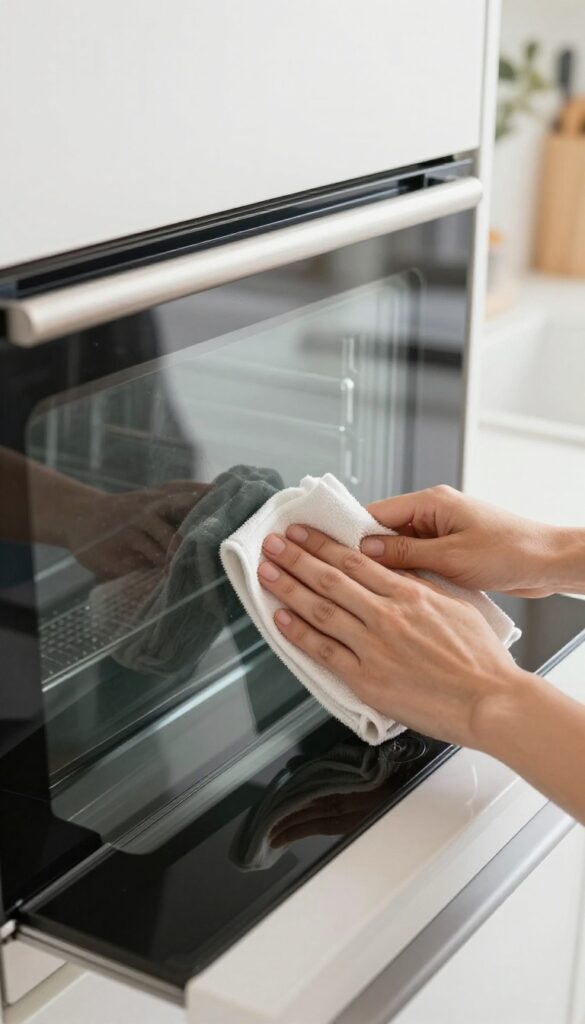
If your oven door is removable, you've got a golden opportunity to clean the glass without awkward bending or missed spots. Taking the door off lets you lay it flat, so gravity works with you, not against you. This method is especially effective for those tough, baked-on stains that seem impossible to reach when the door is attached.
Removing the oven door might sound intimidating, but most modern ovens are designed for easy detachment. Check your user manual for specific instructions—usually, you'll open the door fully, flip the hinge locks, and gently lift the door off its hinges. Once it's off, place it on a protected surface like a towel or old blanket to avoid scratching the glass or damaging the door.
Now you can clean both sides of the glass with your preferred method—baking soda paste, vinegar spray, or a commercial cleaner—without any strain. After cleaning, reattach the door by reversing the removal steps, making sure the hinges lock back into place securely.
Check Your Oven Model First
Not all oven doors are removable. Some are fixed, especially in older or budget models. Before you attempt removal, check your owner's manual or look for hinge locks at the top of the door hinges.
If you don't see them, your door might not be designed for removal. In that case, skip this tip and stick to cleaning the glass while the door is attached.
Protect The Glass During Removal
Oven glass is tempered but can still chip or crack if handled roughly. Always support the door from the bottom when lifting it off. Place it on a soft, flat surface like a folded towel or a carpeted floor.
Avoid setting it on hard surfaces or leaning it against walls, as that can stress the glass.
Clean Both Sides Thoroughly
With the door flat, you can easily access the glass inside and out. Apply your cleaner and let it sit for a few minutes to loosen grime. Use a non-abrasive sponge or microfiber cloth to scrub gently.
For stubborn spots, a plastic scraper can help without scratching. Rinse with a damp cloth and dry completely before reattaching.
Reattach Carefully And Test
When you're done, lift the door back onto the hinges, making sure it's fully seated. Lower the hinge locks back into place. Close and open the door a few times to ensure it's aligned and moves smoothly.
A misaligned door can cause heat loss or uneven cooking, so double-check the fit.
FAQ
Can I use vinegar on oven glass?
Yes, white vinegar diluted with water is safe for oven glass. It cuts grease and leaves a streak-free shine when wiped with a microfiber cloth.
How do I clean between the glass panes?
If there's buildup between panes, you may need to remove the door and separate the glass layers. Use a thin brush or compressed air to dislodge debris.
Will baking soda scratch the glass?
No, baking soda is a mild abrasive that is safe for oven glass. Just make sure to use a soft sponge or cloth and rinse thoroughly.
How often should I clean the oven window?
For best results, wipe the glass after each use once it's cool. A deep clean every 1-2 months prevents stubborn buildup.
Can I use a razor blade on the glass?
Yes, but only on flat glass surfaces and with the glass wet. Use a new blade at a shallow angle to avoid scratches.
Conclusion
A clean oven window makes your kitchen feel brighter and your cooking more enjoyable. These 15 tips prove you don't need harsh chemicals or endless scrubbing to get that crystal-clear shine.
Pick a method that fits your routine and stick with it. Your oven will thank you, and so will anyone who peeks through that spotless glass.